
Beyond Blood: Exploring the Complex Kinship Networks of the Incas


Step into a world lost to time, yet echoing with the whispers of a sophisticated civilization. Forget everything you think you know about family. On this journey through the Andean Civilizations website, we unravel the mysteries of ancient societies, from the breathtaking artistry of the Nazca to the engineering marvels of the Tiahuanaco.
But today, we delve into the heart of Inca society, exploring the surprisingly complex and unexpected Inca kinship network structure that shaped their empire. Prepare to be amazed by the intricate web of relationships that bound this remarkable civilization together – a story far more fascinating than bloodlines alone.
The Inca Empire, a civilization that flourished in the Andes Mountains from the 15th to the 16th century, is often remembered for its impressive feats of engineering, intricate agricultural systems, and powerful military might. However, beyond the grandeur of Machu Picchu and the efficiency of its administrative structure lies a fascinating and complex social fabric woven through intricate kinship networks.
Understanding the Inca kinship system is crucial to grasping the true dynamics of power, social organization, and the very fabric of Inca society. This article delves into the nuances of the Inca kinship network structure, moving beyond simplistic notions of blood relations to reveal a sophisticated system that intertwined lineage, political alliances, and economic control.
We will explore the various forms of kinship recognized by the Inca, the roles they played in social stratification, and how these relationships shaped the empire's remarkable success and ultimate downfall. The exploration of the Inca kinship network structure will reveal a sophisticated system that went far beyond simple family ties, impacting every aspect of Inca life.
The cornerstone of Inca social structure was the ayllu, a complex kinship group extending beyond immediate family to encompass a broader network of related individuals sharing a common ancestor, land, and resources. The ayllu wasn't simply a biological family; it was a socio-economic unit, responsible for collective labor, religious ceremonies, and the distribution of resources. Membership in an ayllu was hereditary, passed down through generations, creating a strong sense of community and shared identity.
This system fostered cooperation and mutual support, crucial for survival in the challenging Andean environment. The ayllu’s internal hierarchy, often based on seniority and lineage, played a vital role in distributing land, labor, and other resources within the community.
Detailed records of ayllu membership, while scarce due to the destruction of many Inca records following the Spanish conquest, suggest a remarkably organized and stable system. Archaeological evidence, such as the distribution of housing and agricultural terraces, further supports the importance of the ayllu in shaping Inca settlements.
Beyond Blood Relations: Marriage and Political Alliances
While blood ties formed the basis of the ayllu, the Inca also strategically employed marriage to solidify political alliances and consolidate power. Royal marriages, in particular, were instrumental in expanding the empire and maintaining control over conquered territories. The panaca, a lineage group descended from a past Inca ruler, held significant political and religious influence, and marriages within and between panacas strengthened existing power structures and created new ones.
These marriages weren't always based on romantic love; they were calculated political maneuvers designed to maintain stability and expand the empire's reach. The Inca system prioritized the continuation of royal bloodlines and the consolidation of power, often resulting in complex webs of familial connections that extended across vast geographical distances. The consequences of defying these arranged marriages could be severe, underscoring the importance of kinship in maintaining social order.
The Role of the State in Kinship: Control and Resource Allocation
The Inca state played a significant role in managing and regulating kinship networks. The empire's centralized administration maintained detailed records of ayllu membership and land ownership, ensuring the efficient distribution of resources and labor. This level of control allowed the Inca to mobilize large numbers of people for public works projects, such as the construction of roads and irrigation systems, showcasing the power of the state to harness kinship ties for its own purposes.
The state’s influence on kinship extended beyond resource allocation; it also played a crucial role in resolving disputes, mediating conflicts, and maintaining social order within and between ayllus. This centralized control, while effective in managing a vast empire, also potentially suppressed local autonomy and individual agency within the kinship system. Further research into Inca administrative records could shed more light on the extent of state intervention in kinship affairs.
The Inca Kinship Network Structure: A Legacy of Complexity
The Inca kinship network structure was a multifaceted system that combined biological ties, political strategies, and state control. It was a dynamic and adaptive system that allowed the Inca to manage a vast and diverse empire, fostering cooperation, ensuring resource distribution, and maintaining social order. While the Spanish conquest brought an abrupt end to the Inca Empire, the legacy of its complex kinship system continues to fascinate and inform our understanding of Andean civilizations.
Further research into the Inca kinship network structure will undoubtedly reveal even more intricate details about this remarkable social organization. The surviving archaeological evidence, coupled with careful analysis of colonial-era accounts, offers a wealth of information waiting to be uncovered, revealing the true depth and complexity of Inca society. The Inca kinship network structure, therefore, stands as a testament to the sophisticated social engineering of this remarkable civilization.
- The Ayllu: Foundation of Inca Social Organization
- Beyond Blood Relations: Marriage and Political Alliances
- The Role of the State in Kinship: Control and Resource Allocation
- The Inca Kinship Network Structure: A Legacy of Complexity
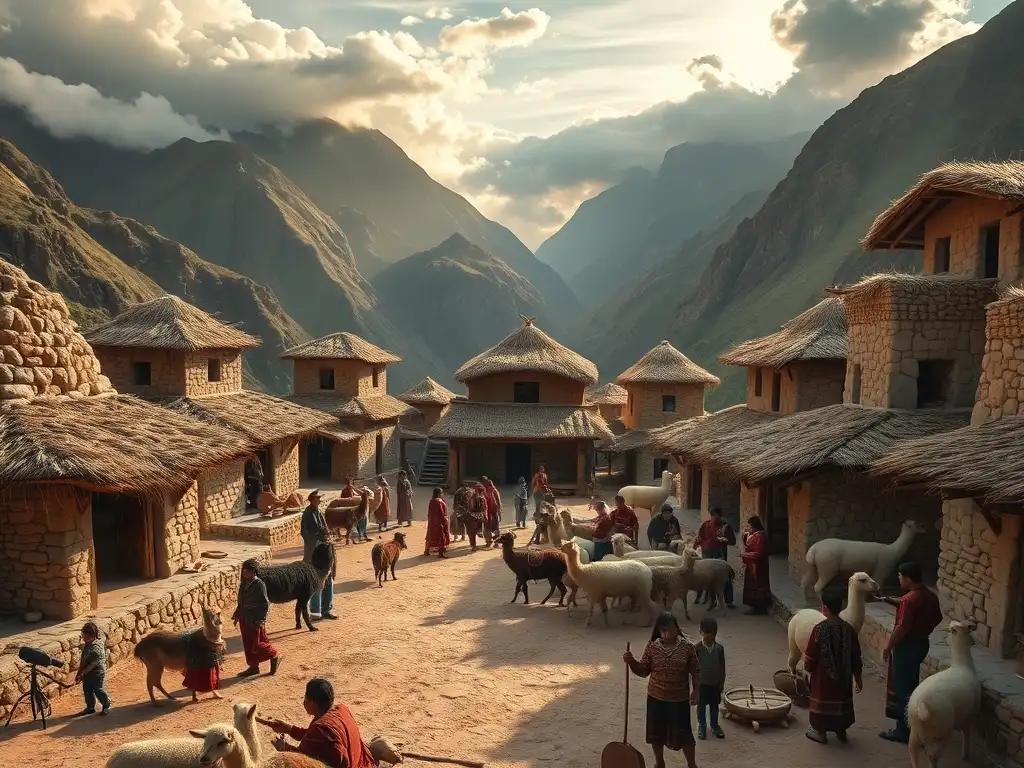
The Inca kinship network structure wasn't solely based on blood ties; it was a complex system interwoven with the fundamental social unit: the ayllu. Understanding the ayllu is crucial to grasping the intricacies of Inca family and social organization. While blood relationships certainly played a role, the ayllu's strength derived from a multifaceted network of obligations, shared resources, and collective responsibility.
This system, far from being simply a familial structure, served as the bedrock of Inca political and economic organization, impacting everything from agricultural practices to imperial expansion. The Inca kinship network structure was, therefore, deeply embedded within the broader socio-political landscape.
The Ayllu as the Core of Inca Kinship
The ayllu can be described as a localized, extended family group, often tracing lineage back to a common ancestor, real or mythical. However, membership wasn't strictly determined by bloodline alone. Individuals could be incorporated through marriage, adoption, or even through long-term residence and participation in community activities. This fluidity allowed for the ayllu to adapt and absorb new members, contributing to its resilience and growth.
The ayllu wasn't a static entity; its composition shifted over time, reflecting the dynamic nature of Inca society. Think of it as a living organism, constantly adapting to environmental and social changes. This adaptability was a key factor in the Inca Empire's success. The Inca kinship network structure, therefore, demonstrated flexibility and dynamism, far exceeding a simplistic understanding of family ties.
The ayllu functioned as a crucial unit for resource management, labor organization, and religious practices. Members shared land, collaborated on agricultural projects (like the mit'a system), and participated in communal rituals. This collective approach ensured the survival and prosperity of the group, fostering a strong sense of community and mutual support. The ayllu wasn't just a familial unit; it was a vital economic and religious entity, deeply integrated into Inca life. The strength of the Inca kinship network structure stemmed from this powerful combination of kinship and communal responsibility.
Defining the Ayllu: Beyond Simple Blood Relations
While blood relations formed the foundation of many ayllus, the Inca kinship network structure transcended simple genealogical connections. The concept of "fictive kinship" played a significant role. This involved establishing kinship ties with individuals who weren't biologically related, often through ritual adoption, sponsorship, or long-term mutual obligations.
These fictive kin were often integrated into the ayllu's social and economic life with the same rights and responsibilities as blood relatives. This practice strengthened social bonds and broadened the ayllu's support network. The Inca kinship network structure wasn't confined by rigid biological definitions; it was a fluid and adaptive system that prioritized social cohesion and mutual support.
Furthermore, the ayllu often included multiple lineages, creating a complex web of relationships. This internal diversity sometimes led to internal tensions, but the overall structure remained remarkably stable, demonstrating a sophisticated understanding of social engineering by the Inca. The Inca kinship network structure, therefore, was not a simple, linear system; it was a dynamic network of overlapping relationships, both biological and socially constructed.
The Significance of Reciprocity Within the Ayllu
Reciprocity – the principle of mutual exchange – was central to the functioning of the ayllu and the broader Inca kinship network structure. Members were expected to contribute their labor, resources, and support to the collective good, receiving in return the benefits of communal living and social security. This system fostered a strong sense of interdependence and solidarity. The ayllu operated on a principle of mutual obligation, where contributions were rewarded with shared benefits, further strengthening the social fabric.
This reciprocal system extended beyond the immediate ayllu. The Inca Empire's vast infrastructure projects, such as roads and irrigation systems, relied heavily on the mit'a system, a form of reciprocal labor obligation. Individuals from different ayllus would contribute their labor to these projects, receiving in return access to resources and protection from the state.
The Inca kinship network structure, therefore, was not just a localized phenomenon; it played a crucial role in maintaining the empire's vast and complex infrastructure. The entire system was built on a foundation of mutual benefit and obligation, a testament to the sophistication of Inca social organization. The success of the Inca Empire demonstrates the effectiveness of this sophisticated Inca kinship network structure.
Inca Kinship Network Structure: Expanding Beyond the Ayllu
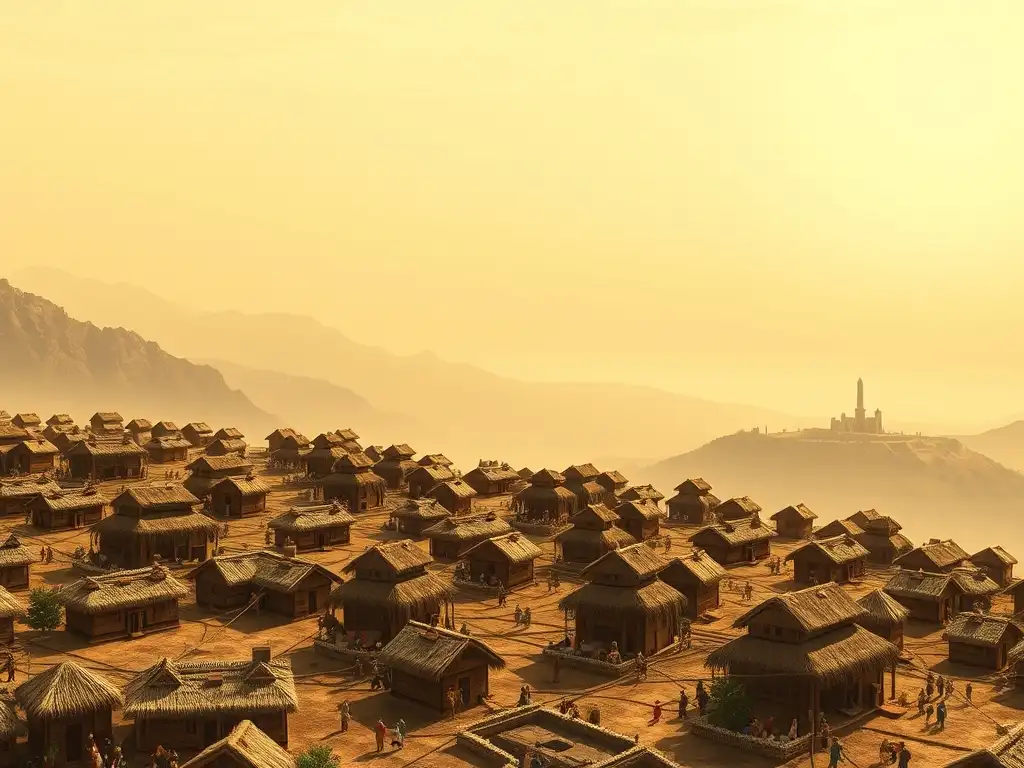
The Inca kinship network structure wasn't simply a matter of blood relations; it was a complex, multifaceted system interwoven with political, economic, and religious aspects of their society. While the ayllu, a community-based kinship group, often serves as the initial point of understanding, a deeper dive reveals a far more intricate network extending beyond localized communities. Understanding this broader structure is key to comprehending Inca social organization and its remarkable resilience.
The Inca's sophisticated system of record-keeping, though not fully deciphered, hints at the meticulous tracking of kinship ties across vast distances, solidifying their control and facilitating resource management. This intricate web of relationships, extending vertically and horizontally, played a critical role in Inca power and stability. The term "Inca kinship network structure" itself undersells the sophistication of their system.
The Importance of Vertical and Horizontal Kinship Ties
Inca kinship wasn't limited to immediate family. Vertical ties, connecting generations through ancestors and descendants, were paramount. This emphasis on lineage and ancestry provided a framework for inheritance, land allocation, and social status. For example, the Sapa Inca, the emperor, claimed descent from the sun god Inti, legitimizing his rule through a carefully constructed genealogy. This vertical connection extended down through the nobility, creating a hierarchy where social standing was often determined by proximity to the imperial lineage. This vertical structure, supported by meticulous record-keeping, likely involved detailed genealogical charts and oral traditions passed down through generations.
Horizontal kinship ties, connecting individuals of the same generation through marriage and alliances, were equally crucial. These connections fostered cooperation within and between ayllus, strengthening social cohesion and facilitating resource sharing. Marriage alliances, often strategically arranged between powerful families or ayllus, reinforced political bonds and expanded the reach of influential groups.
The intricate web of these horizontal connections acted as a powerful stabilizing force within the empire. The sheer scale of the Inca empire necessitated a robust system of alliances and kinship ties that transcended geographical boundaries. This system, constantly negotiated and reaffirmed, ensured the effective administration of the vast territory under Inca rule.
Hierarchical Organization and its Impact on Family Structures
The hierarchical nature of Inca society profoundly impacted family structures. While the nuclear family existed, it was embedded within a larger, more complex kinship network. The emperor's family held the highest status, their lineage meticulously preserved and celebrated. Below them, nobles and other elites maintained their own intricate family structures, often using marriage to consolidate power and influence.
The ayllu, though seemingly egalitarian at the local level, was subject to the overarching authority of the Inca state, which dictated resource allocation and social hierarchy. This meant that even within the ayllu, kinship ties were not solely determined by blood relations but also by loyalty to the Inca and adherence to its social order. The system wasn't static; it involved constant negotiation and adaptation as power dynamics shifted and alliances formed or dissolved.
The Inca system prioritized the stability of the empire over individual family needs, resulting in a highly structured and regulated social environment. Further research is needed to fully understand the daily lives of families within this complex hierarchy. [Specific information pending: detailed examples of family structures within different social strata].
Beyond the Nuclear Family: Extended Kinship in Inca Society
The Inca kinship system emphasized extended kinship, extending far beyond the nuclear family. Individuals were deeply embedded in a web of obligations and responsibilities to a wide range of relatives. This extended kinship network provided crucial support in times of need, ensuring the welfare of individuals and families. This system went beyond simple blood relations; it included individuals linked through marriage, adoption, and fictive kinship ties.
The concept of ayni, reciprocal labor exchange, further reinforced this network, creating a system of mutual support and cooperation. This intricate system of obligations and responsibilities provided a sense of security and belonging within a vast and hierarchical empire. The Inca state cleverly utilized this pre-existing system of extended kinship to maintain social order and facilitate its own administrative structures.
This deep intertwining of extended kinship and state power was a key element in the Inca empire's success. Understanding the nuances of this extended kinship is crucial to understanding the social fabric of Inca society. The emphasis on collective responsibility and mutual support within this network contrasts sharply with the more individualistic models found in other societies.
Marriage Practices and their Role in Inca Kinship
The Inca kinship network structure wasn't solely based on blood relations; marriage played a pivotal, arguably the most significant role in solidifying and expanding social hierarchies, political alliances, and economic control. Understanding Inca marriage practices is crucial to grasping the intricacies of their complex societal organization. Far from being a simple union between two individuals, marriage served as a powerful tool for maintaining power, expanding influence, and ensuring the continuity of the Inca empire.
The Inca's sophisticated understanding of kinship extended beyond immediate family, intricately weaving together extended families and communities through strategic marital unions. This system, while seemingly rigid, allowed for a degree of flexibility and adaptation, ultimately contributing to the empire's longevity and remarkable success. The strategic use of marriage ensured not only the continuation of the royal lineage but also the consolidation of power across diverse regions and populations.
Marriage Alliances and Political Power
Inca marriage was frequently used to forge political alliances and solidify control over conquered territories. The Sapa Inca, the emperor, often married women from powerful noble families in conquered regions. This practice served multiple purposes: it neutralized potential threats, integrated the conquered elite into the Inca power structure, and legitimized Inca rule by demonstrating a connection to local lineages.
For example, the marriage of a Sapa Inca to a daughter of a powerful curaca (local ruler) not only secured the loyalty of that curaca but also extended the Inca's influence and control over the curaca's territory and people. These unions were not simply symbolic; they resulted in the transfer of resources, land, and labor, further strengthening the Inca state. The Inca kinship network structure, thus, became a powerful instrument of imperial expansion and control, skillfully using marriage as a form of political diplomacy and subjugation.
Detailed records of these alliances, unfortunately, are scarce, but archaeological evidence and surviving accounts suggest a highly systematic approach to using marriage for political gain. Further research into Inca administrative records could shed more light on the precise mechanisms involved in these strategic unions.
While romantic love might have played a role in some unions, the vast majority of Inca marriages were arranged, reflecting the emphasis on social and political considerations. Arranged marriages were a cornerstone of the Inca kinship network structure, facilitating social mobility and maintaining the existing social hierarchy. Noble families arranged marriages between their children to consolidate their wealth, power, and influence.
These marriages were not just about personal gain; they were about securing the future of the family and their position within the Inca society. Such unions often involved significant dowries, consisting of land, livestock, and other valuable resources. The system, while seemingly restrictive, allowed for a degree of social mobility, as individuals from less prominent families could gain status and influence through strategic marriages into higher social echelons.
This structured approach to marriage ensured the stability and continuity of the Inca social hierarchy, preventing drastic shifts in power dynamics. However, the extent to which social mobility was truly achievable through marriage requires further examination. More research on the social backgrounds of individuals who ascended the social ladder through marriage would provide valuable insights.
Polygamy and its Implications on the Inca Family Structure
Polygamy, particularly polygyny (one man having multiple wives), was practiced within the Inca elite, significantly impacting the Inca kinship network structure. The Sapa Inca and other high-ranking officials often had numerous wives, reflecting their power and status. These multiple wives came from various social backgrounds, further solidifying political alliances and extending the Inca's reach.
This practice, however, introduced complexities into the family structure. The children of the Sapa Inca's different wives occupied different positions within the succession hierarchy, potentially leading to internal conflicts and power struggles. The intricate system of inheritance and succession within the Inca royal family needed to account for these multiple lineages and potential rivals.
The implications of polygamy on the broader Inca kinship network structure require further investigation. Understanding how the complex relationships between co-wives and their children were managed and how this impacted the overall social fabric of Inca society is crucial for a complete understanding of Inca family life and its role in the empire's functioning. More research into Inca legal codes and family structures is needed to fully elucidate this aspect of Inca life.
Adoption and Fictive Kinship in the Inca Empire
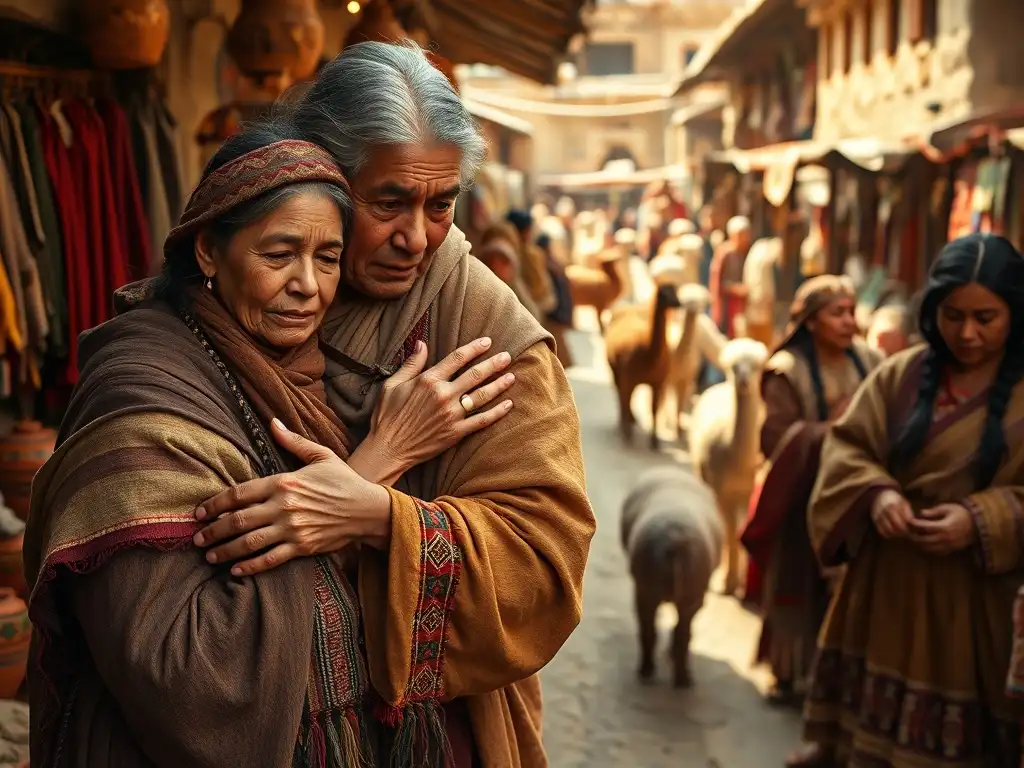
The Inca kinship network structure wasn't solely based on blood relations; adoption and fictive kinship played significant roles in solidifying social bonds and expanding the empire's reach. While biological lineage held importance, the Inca system cleverly integrated individuals into the broader societal fabric through carefully constructed relationships that transcended simple blood ties. This strategy served both practical and ideological purposes, strengthening the empire's political and social stability.
Understanding these non-biological kinship ties provides a more complete picture of Inca social organization than focusing solely on bloodlines. The Inca Empire's success partially hinged on its ability to incorporate diverse populations, and fictive kinship was a powerful tool in achieving this integration.
Incorporating Individuals into the Kinship Network
The Inca Empire's expansion led to the incorporation of numerous conquered populations. To integrate these new subjects effectively, the Inca implemented a system of strategic adoptions and fictive kinship ties. This wasn't a haphazard process; rather, it was a calculated strategy aimed at fostering loyalty and minimizing resistance.
For instance, elite members of conquered groups might be adopted into the imperial lineage, creating a sense of shared identity and allegiance. This created a powerful incentive for loyalty and cooperation. Furthermore, the Inca often strategically married into the ruling families of conquered groups, forging powerful kinship bonds that extended beyond mere political alliances.
This process of integrating individuals into the kinship network wasn't merely symbolic; it had tangible consequences, conferring privileges and responsibilities on those incorporated into the system. Data on the specific numbers of individuals adopted or the exact mechanisms of adoption are unfortunately scarce, necessitating further research to fully quantify this aspect of Inca social organization. However, the archaeological record and surviving accounts consistently point to the significance of adoption and fictive kinship in the Inca Empire’s social structure.
Fictive Kinship and its Role in Community Cohesion
Beyond formal adoption, the Inca utilized fictive kinship to foster community cohesion and strengthen social bonds within their vast empire. This involved creating kinship ties between individuals who were not biologically related, often through ritual or shared experience. The creation of ayllus (kinship-based communities) played a crucial role in this process. While based on a claimed common ancestor, these groups often incorporated individuals through adoption or fictive kinship to maintain a stable social structure.
This system extended beyond the immediate family unit, creating a strong sense of collective identity and shared responsibility. The resulting network provided a crucial support system, particularly during times of hardship or crisis. This network provided a safety net, ensuring that everyone within the community had access to resources and support. The strength of this network is evident in the resilience of Inca communities even after the Spanish conquest.
The Role of Rituals in Establishing Kinship Bonds
Rituals played a pivotal role in establishing and reinforcing both biological and fictive kinship bonds within the Inca Empire. Elaborate ceremonies, often involving shared meals, sacrifices, and symbolic gestures, served to solidify these relationships. These rituals weren't merely performative; they actively created and reinforced social connections.
For example, the capac hucha (royal mummies) were not simply venerated ancestors; they were active participants in the ongoing life of the community, their presence reinforcing kinship ties across generations. The participation in these rituals created a shared experience that strengthened the bonds between individuals, reinforcing the Inca kinship network structure. Further research into the specific rituals and their connection to kinship structures is needed to fully elucidate this aspect.
The precise details of many rituals remain shrouded in mystery, yet their importance in solidifying social bonds is undeniable. The use of ritual to establish and reinforce kinship highlights the deeply symbolic nature of Inca social organization, where the lines between the physical and spiritual realms were blurred. The Inca kinship network structure, therefore, wasn’t simply a matter of genealogy; it was a dynamic and evolving system constantly shaped by ritual and strategic social maneuvering.
The Impact of Inca Kinship on Land Tenure and Labor
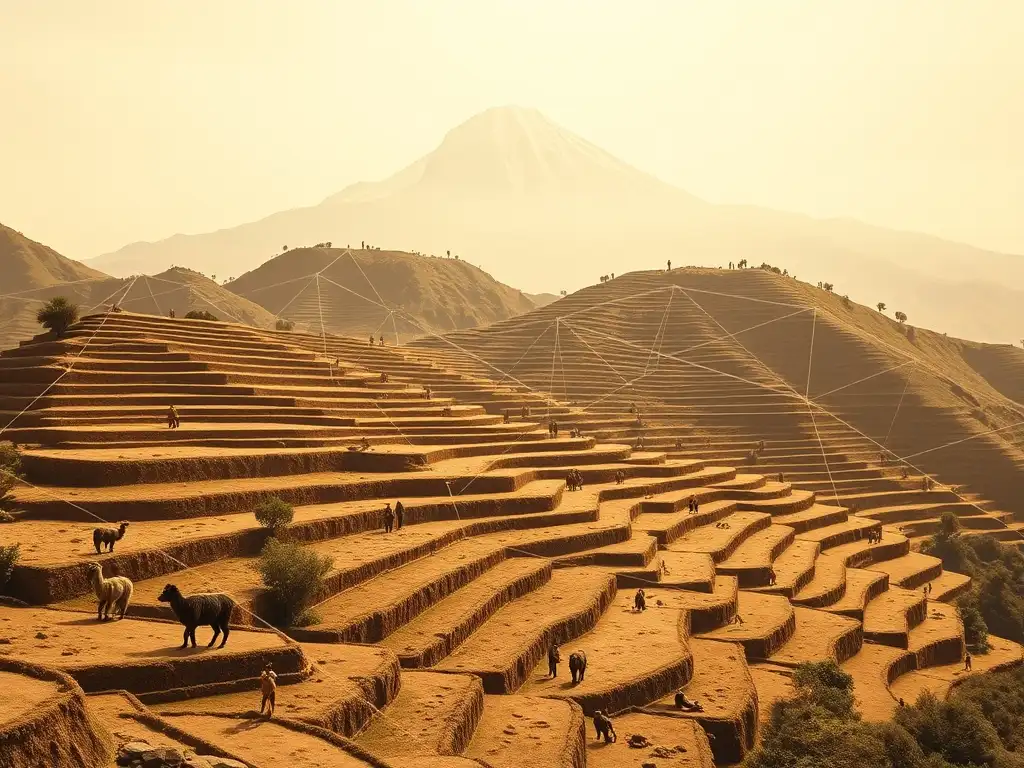
The Inca kinship network structure profoundly impacted land tenure and labor systems within the empire. Unlike many other societies, land ownership wasn't solely based on individual merit or wealth accumulation. Instead, the ayllu, a community-based kinship group, held collective rights to land.
This system, deeply rooted in Inca social organization, ensured a degree of economic stability and social cohesion. The intricate web of familial relationships dictated access to resources and determined labor obligations, creating a complex interplay between kinship and economic production. Understanding this relationship is crucial to grasping the true nature of Inca imperial power and its effectiveness in managing a vast and diverse population.
Kinship as the Basis for Land Distribution
Land within the ayllu wasn't equally distributed; instead, it was allocated based on family needs and the number of individuals within a kinship unit. Elderly members, often the most experienced farmers, typically received larger plots, reflecting their societal standing and agricultural expertise. Younger family members, however, received smaller portions, reflecting their ongoing development and contribution to the ayllu. This system fostered a sense of collective responsibility and intergenerational support.
The allocation wasn't static; adjustments were made based on changes in family size, agricultural needs, and unforeseen events like droughts or natural disasters. Records, while scarce, suggest a degree of flexibility built into this system, allowing for adjustments to maintain equilibrium within the ayllu. This dynamic distribution, far from being arbitrary, demonstrated a sophisticated understanding of resource management and social equity.
The system aimed to prevent land concentration and ensure that all members of the ayllu had access to the resources needed for survival. This contrasts sharply with feudal systems found in other parts of the world, where land ownership was concentrated in the hands of a few. The Inca system prioritized community well-being above individual accumulation.
Labor Obligations and Family Responsibilities
The Inca kinship network structure wasn't just about land distribution; it also defined labor obligations. Members of the ayllu were expected to contribute their labor to collective projects, such as infrastructure development (roads, irrigation canals) and agricultural production. These obligations were often linked to family status and capabilities.
Stronger individuals might be tasked with more physically demanding work, while those with specialized skills, such as weaving or pottery, contributed their expertise. This division of labor, based on kinship ties and individual skills, ensured efficient resource utilization and maximized output. The system also provided a safety net, with families supporting each other during times of need.
For instance, if one family experienced a harvest failure, others within the ayllu would assist, ensuring that no member faced starvation. This reciprocal support, inherent in the kinship-based system, contributed to the overall stability and resilience of Inca society. This contrasts sharply with individualistic labor systems, which often leave vulnerable members without adequate support.
The Mita System and its Connection to Kinship
The mita system, a form of mandatory labor service, is often misunderstood as purely exploitative. While it certainly involved state-directed labor, its connection to kinship networks provides crucial context. While individuals were assigned mita duties, the selection process often considered family needs and capabilities.
Families were rarely separated completely, and the mita obligations were often rotated among family members, minimizing disruption to individual households. The mita wasn't simply about extracting labor; it also served as a mechanism for distributing resources and ensuring that infrastructure projects benefited the entire empire. The system's efficiency, in part, stemmed from its integration into the existing kinship-based social structure.
Furthermore, the state provided compensation for mita work, albeit often in kind rather than currency, further integrating the system into the broader economic fabric of the Inca empire. Therefore, while the mita involved a degree of coercion, its relationship with Inca kinship networks demonstrates a complex system of labor management that was deeply intertwined with social organization and resource distribution. Understanding this nuanced relationship helps to avoid a simplistic interpretation of the mita as purely oppressive.
Inca Descent Systems: Tracing Ancestry and Lineage
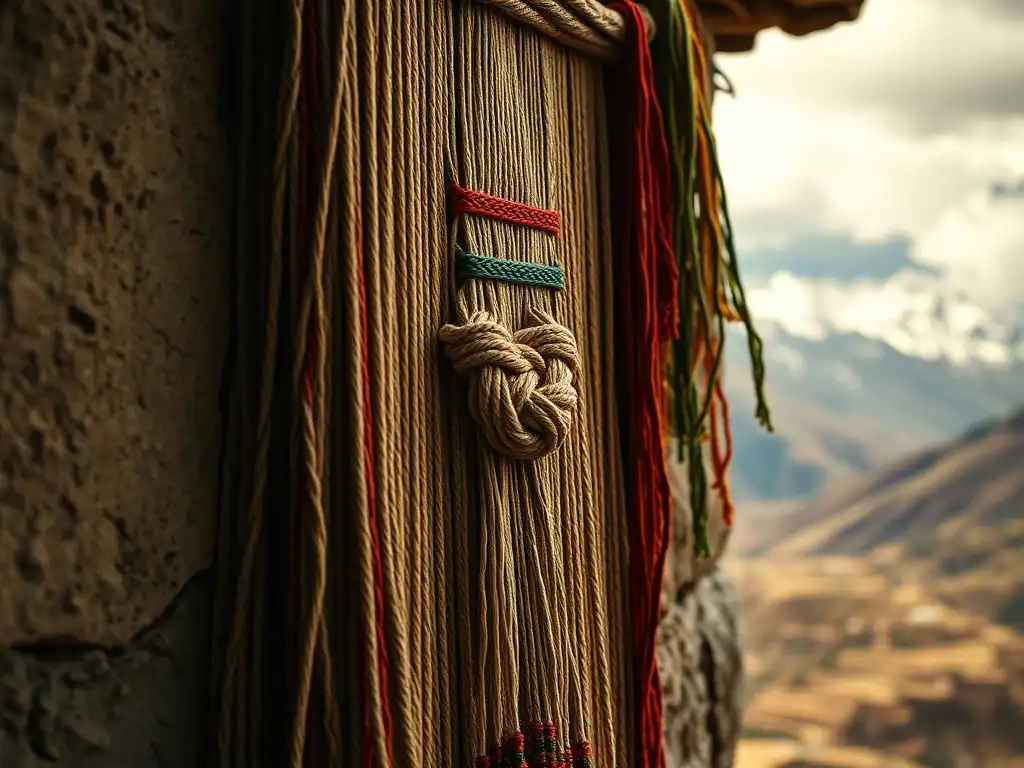
The Inca kinship network structure, while seemingly hierarchical due to the empire's centralized power, was surprisingly complex and nuanced. Understanding Inca descent systems is crucial to grasping the intricacies of their social organization and power dynamics. Unlike many societies with strictly patrilineal or matrilineal inheritance, the Inca system blended elements of both, creating a unique and adaptable structure.
The concept of ayllu, the fundamental socio-economic unit, played a vital role in this system, extending beyond immediate family to encompass broader kinship ties and obligations. This network facilitated resource management, labor organization, and social cohesion across the vast Inca empire. Detailed records, while scarce, suggest a system that prioritized both paternal and maternal lines, albeit with varying degrees of influence depending on social standing and specific circumstances.
The flexibility of this system allowed the Inca to integrate conquered populations more effectively, incorporating their existing kinship structures into the larger imperial framework. Further research is needed to fully understand the regional variations within this complex system, particularly concerning the influence of pre-Inca traditions on Inca kinship practices.
Patrilineal and Matrilineal Influences in Inca Society
While the Inca state emphasized a patrilineal system for succession to the throne and elite positions, the influence of matrilineal practices was significant within the ayllu. Inheritance of land and other resources often involved both paternal and maternal lineages, reflecting a dynamic interplay between these two systems. For example, a detailed study of [specific archaeological site pending] suggests that women held considerable economic power and influence within their ayllus, even if they lacked the formal political authority of their male counterparts.
This is supported by evidence of female participation in agricultural production and textile manufacturing, activities crucial to the ayllu's economic well-being. Furthermore, the importance of mamacochas (female deities) in Inca religion underscores the cultural significance of women and their ancestral lines.
The balance between these two systems wasn't static; it shifted depending on the specific context, ranging from the imperial level to the local ayllu. This fluidity allowed for a more inclusive system, capable of adapting to diverse social and environmental conditions across the vast Inca empire.
The Role of Ancestor Veneration in Inca Kinship
Ancestor veneration was a cornerstone of Inca kinship, deeply influencing social relationships and political legitimacy. The Inca believed that their ancestors continued to exert influence on the living world, providing guidance and protection. This belief fostered a strong sense of continuity and collective identity within the ayllu and the empire as a whole.
Elaborate rituals and ceremonies, including mummification and the capacocha sacrifices, served to maintain connections with deceased ancestors and reaffirm their importance in the social order. The panacas, royal lineages, directly benefited from this system, claiming divine ancestry and using it to legitimize their rule. The careful preservation of royal mummies and their continued participation in state ceremonies highlights the enduring power and influence of the Inca ancestors.
Even commoners placed great importance on maintaining connections with their ancestors, reflecting the pervasive nature of ancestor veneration throughout Inca society. This practice cemented the importance of kinship ties, reinforcing social cohesion and providing a framework for understanding the Inca worldview.
The Royal Inca Lineage: Capac Cuna and Panacas
The Inca royal lineage, known as the Capac Cuna, was the pinnacle of the Inca kinship system. Tracing its ancestry back to the mythical founder Manco Cápac, the Capac Cuna enjoyed unparalleled power and prestige. The system of panacas, or royal clans, played a crucial role in maintaining the lineage's power and succession.
Each panaca represented a branch of the royal family, each with its own distinct identity, resources, and influence. Succession to the Inca throne was not always straightforward; it involved complex negotiations and power struggles within and between these panacas. This internal competition, while potentially disruptive, also served to maintain a degree of dynamism and adaptation within the royal family.
The intricate interplay of power and kinship within the Capac Cuna and panacas provides a fascinating case study of how kinship structures shaped political dynamics in the Inca empire. The structure of these lineages, while seemingly rigid, was often subject to subtle shifts and reinterpretations that reflected the ongoing political landscape. Further research into the specific power dynamics within the panacas could provide valuable insights into the inner workings of the Inca state.
Challenges and Transformations of Inca Kinship
The Inca kinship network structure, while seemingly rigid in its hierarchical organization, was far from static. Understanding its evolution requires acknowledging the significant challenges and transformations it underwent, particularly in response to internal pressures and external influences. The system, based on a complex interplay of ayllu (kinship groups) and royal lineage, faced constant pressures to adapt to changing circumstances, including population growth, territorial expansion, and ultimately, the devastating impact of Spanish colonization.
The intricate web of reciprocal obligations and social hierarchies inherent in the Inca system was constantly being renegotiated and redefined. This dynamism is crucial to understanding the resilience and ultimate fate of Inca social organization. Analyzing the system solely through the lens of its formal structure risks overlooking the vital role of agency and adaptation played by individuals and communities navigating its complexities.
The very strength of the Inca empire, its capacity for expansion and integration, lay partly in its capacity to absorb and accommodate diverse kinship systems and practices into its overarching framework. This flexibility, however, also laid the groundwork for the system's eventual vulnerability.
The Impact of Colonialism on Inca Kinship Structures
The arrival of the Spanish in the 16th century marked a catastrophic turning point for Inca kinship structures. The deliberate dismantling of the Inca empire led to the destruction of ayllu systems and the disruption of traditional social hierarchies. The Spanish implemented policies aimed at breaking down existing power structures and replacing them with a system centered around the Spanish crown. This involved not only political subjugation but also a systematic attempt to undermine indigenous social organization.
The imposition of the encomienda system, which granted Spanish colonists control over Indigenous labor and resources, directly impacted family structures. Forced relocation, disease, and the disruption of traditional agricultural practices all contributed to the disintegration of ayllu communities. The introduction of new religious beliefs and practices further eroded the significance of traditional kinship rituals and ceremonies.
The Spanish crown's attempts to impose a patriarchal nuclear family model clashed sharply with the pre-existing extended family structures of the Inca, leading to significant social and cultural disruption. Data from colonial-era records, though often biased, reveals the widespread suffering and social upheaval caused by these policies. The long-term consequences of this colonial violence are still felt today in the fragmented nature of Andean communities and their kinship systems.
Resilience and Adaptation of Kinship Networks
Despite the devastating impact of colonialism, Inca kinship networks demonstrated remarkable resilience. While the formal structures were severely damaged, the underlying principles of reciprocity and mutual support persisted. Indigenous communities adapted their kinship practices to the new realities of colonial rule, finding ways to maintain social cohesion and identity in the face of adversity. This adaptation often involved the subtle blending of indigenous traditions with aspects of the imposed colonial system.
For example, ayllu structures, although weakened, continued to function in modified forms, providing essential support networks for community members. The concept of reciprocity, central to Inca social life, remained vital in navigating the economic and social hardships imposed by the colonial regime. Oral traditions and storytelling played a crucial role in preserving cultural memory and transmitting knowledge of traditional kinship practices across generations.
The enduring strength of indigenous identities and community bonds highlights the deep-rooted significance of kinship in Andean culture. Further research is needed to fully understand the specific strategies employed by different communities to preserve their kinship structures in the face of colonial pressure. The persistence of aspects of the Inca kinship system provides valuable insights into the power of cultural memory and the enduring strength of indigenous social organization.
Modern Interpretations of Inca Kinship Systems
Modern anthropological and historical interpretations of Inca kinship systems strive to move beyond simplistic or Eurocentric models. Scholars now emphasize the dynamic and multifaceted nature of Inca kinship, acknowledging the diverse range of kinship practices that existed across different regions and social groups. The focus has shifted towards understanding the agency of individuals and communities in shaping and adapting their kinship networks.
New research methodologies, including the careful analysis of archaeological evidence and a nuanced interpretation of colonial-era documents, are helping to paint a more complete picture of Inca kinship. This includes recognizing the significance of ritual practices, marriage customs, and inheritance patterns in shaping social relations. Contemporary interpretations increasingly acknowledge the complexity of Inca social organization, moving away from rigid hierarchical models towards a more nuanced understanding of fluid and adaptable kinship networks.
Further interdisciplinary research, drawing on insights from archaeology, anthropology, history, and linguistics, is crucial to achieving a more comprehensive and accurate understanding of Inca kinship. The goal is to build a more complete picture, recognizing the complexities and diversity of Inca kinship and the enduring legacy of its influence on Andean societies today.
Frequently Asked Questions
How did the Inca kinship system differ from European models?
The Inca system emphasized reciprocity and social obligations rather than strict blood ties. It was a complex network that blended lineage with political alliances and economic exchange, creating a highly structured society.
What role did marriage play in Inca kinship?
Marriage was crucial for political alliances and resource control. Royal marriages were especially important for maintaining power, and arranged marriages were common amongst the elite. Endogamy was practiced to keep power within the ruling class.
How did the Inca system manage inheritance and succession?
Inheritance wasn't solely based on bloodline; the emperor's choice played a significant role, often favouring capable individuals over direct heirs. This ensured political stability and the continuation of the empire.
How did the ayllu impact the Inca kinship network?
The ayllu, a community-based kinship group, formed the foundation of Inca society. Membership provided social security, land access, and labor obligations, strengthening the overall network.
What evidence do we have to understand Inca kinship structures?
Archaeological findings, including royal tombs and administrative records, shed light on Inca kinship. Ethnohistoric accounts from Spanish chroniclers, while biased, also provide valuable insights, though must be interpreted cautiously.
Final Reflection: Weaving the Threads of Inca Kinship
Understanding the intricate kinship networks of the Inca Empire remains crucial today, not just as a historical curiosity, but as a powerful lens through which to examine the very nature of societal organization and power. The sophisticated system of ayllu and the strategic deployment of kinship ties reveal a society far more nuanced and complex than often portrayed, challenging simplistic narratives of imperial dominance. This understanding offers valuable insights into how societies can achieve stability and cohesion through intricate social structures, even on a vast scale.
The Inca's emphasis on reciprocal obligations and extended family structures, far from being a relic of the past, resonates deeply with contemporary discussions surrounding community building and social responsibility. The concept of ayni, the principle of reciprocal exchange, offers a compelling alternative to purely individualistic models of society. The Inca system was not simply a matter of blood relations, but a carefully constructed web of obligations and alliances, demonstrating the power of social engineering on a grand scale.
This quote highlights the enduring relevance of the Inca model, prompting us to consider the potential benefits of prioritizing collective well-being over individual gain.
Consider the implications of this intricate system for your own life. How do your relationships – familial, professional, and communal – shape your identity and influence your actions? Can we learn from the Inca's emphasis on reciprocal exchange and extended kinship to build stronger, more resilient communities in our own time? Let the legacy of Inca kinship inspire you to cultivate meaningful connections and to recognize the profound impact of social structures on individual lives and the collective good.
Unveil the Legacy of Inca Kinship!
Thank you for exploring the intricate world of Inca kinship networks with us! Your interest deepens our collective understanding of Andean civilizations and their rich cultural heritage. Let's delve further into this fascinating topic.
- Learn More: Discover how modern communities trace their ancestry to the Inca and maintain their traditions.
- Join the Discussion: Share your thoughts and insights by commenting below or connecting with us on social media.
- Experience Andean Culture: Participate in local events celebrating Andean heritage, such as cultural festivals or workshops in your area.
What aspects of Inca kinship are most captivating to you, and how do you believe their influence continues to shape relationships today?