
Gender Roles and Social Hierarchy: The Power of Women in the Andes

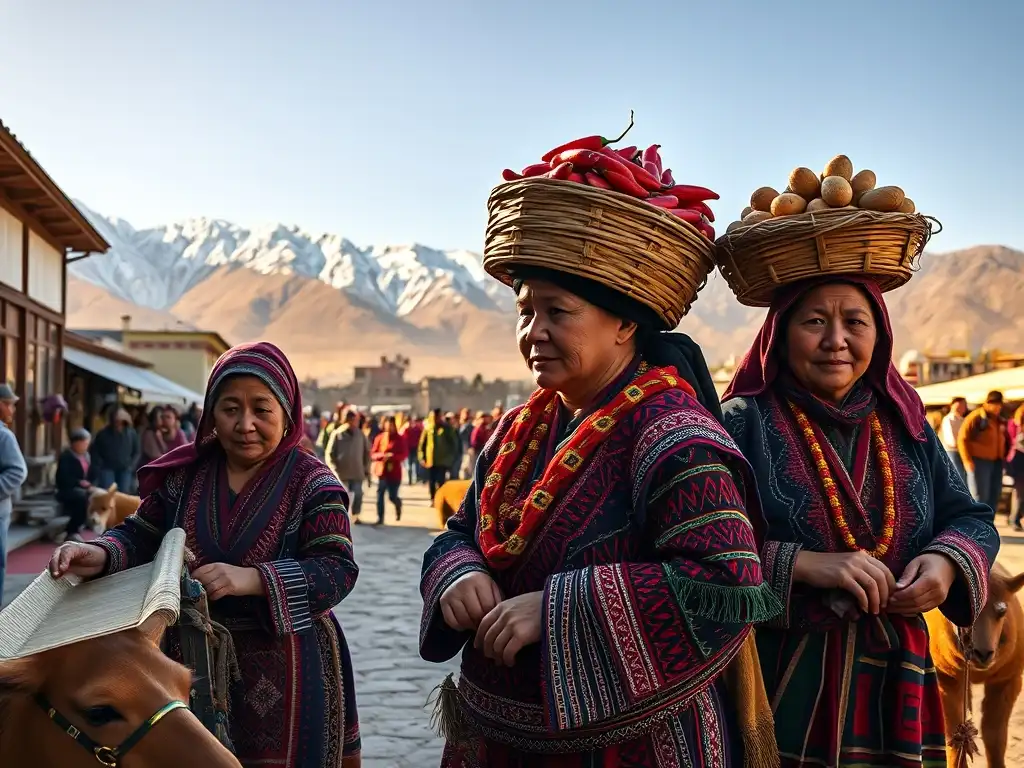
Uncover the secrets whispered on the wind across the Andes Mountains. For centuries, a complex tapestry of power and influence has been woven within these majestic peaks. While empires rose and fell, the role of Andean women remained surprisingly multifaceted and, at times, remarkably powerful. Prepare to challenge your assumptions about ancient societies as we delve into the fascinating world of Andean women's social roles, exploring their contributions far beyond the traditional narratives. Dare to discover the untold stories waiting within.
-
Andean Women's Social Roles: Gender Dynamics and Power in Andean Civilizations
- Understanding Gender Roles in Ancient Andean Societies
- The Diverse Roles of Women in the Andean World
- Beyond Domesticity: Exploring Female Power and Influence
- Challenging Traditional Views of Andean Gender Roles
- Social Hierarchy and the Position of Andean Women
- Case Studies: Examples of Powerful Andean Women
- The Legacy of Andean Women's Roles
- Frequently Asked Questions
- Final Reflection: Weaving a New Tapestry of Andean Power
- Empower Your Journey: Embrace the Strength of Andean Women!
The Andean region, home to a vibrant tapestry of ancient civilizations like the Inca, Moche, Nazca, and Tiahuanaco, often presents a complex picture of gender roles and social hierarchy. While patriarchal structures undoubtedly existed, a simplistic view of Andean societies as entirely male-dominated overlooks the significant power and influence wielded by women in various aspects of life.
This article delves into the multifaceted roles of Andean women, challenging preconceived notions and highlighting their crucial contributions to the economic, social, and spiritual fabric of these remarkable societies. We will explore how the diverse roles of women, from agriculture to textile production, shaped the Andean world and contributed significantly to its overall success and societal structures.
Examining the evidence available, we aim to provide a nuanced understanding of Andean women's social roles and their impact on the development and continuity of these impressive civilizations. We will discover that the "Andean women's social roles" were far more varied and impactful than often assumed, revealing a dynamic interplay of gender and power that continues to fascinate and inspire researchers today.
Understanding Gender Roles in Ancient Andean Societies
Understanding gender roles in ancient Andean societies requires moving beyond simplistic binaries. While certain roles were predominantly associated with men (e.g., warfare in some cultures), women held positions of significant authority and influence across different Andean civilizations. Archaeological evidence, including burial practices, iconography, and textual sources (where available), reveals a complex reality where women’s contributions were vital to the survival and prosperity of their communities.
The level of influence and autonomy varied across different societies and time periods, but the pervasive presence and importance of women are undeniable. For example, while some Andean societies might have emphasized male leadership in public spheres, women often held significant power within the domestic sphere, influencing family structures, economic activities, and religious practices. This nuanced understanding of Andean gender dynamics is crucial to accurately interpreting the archaeological and historical records.
The Diverse Roles of Women in the Andean World
The roles of women in the Andean world were remarkably diverse and integral to the functioning of their societies. Contrary to common misconceptions, Andean women were not confined to domestic tasks alone. Their contributions extended to various spheres of life, shaping the economic, social, and religious landscapes of their communities. Their influence spanned across different social strata, with women holding positions of authority and power in various contexts. The evidence suggests that the degree of this influence varied depending on the specific culture and historical period, but the overall impact of women was undeniably significant.
Women in Agriculture: The Backbone of Andean Society
Agriculture formed the bedrock of Andean economies, and women played a crucial role in this vital sector. From cultivating crops like potatoes, maize, and quinoa to managing irrigation systems and tending livestock, women's labor was essential to food production and the overall survival of Andean communities. Their intimate knowledge of agricultural techniques, passed down through generations, ensured the successful cultivation of crops in challenging Andean environments.
Archaeological evidence, such as the discovery of female mummies buried with agricultural tools, underscores their central role in Andean agriculture. Furthermore, the sophisticated agricultural practices developed by Andean societies, including terracing and irrigation, required the collective effort of both men and women, highlighting their collaborative roles in ensuring food security.
Weaving and Textile Production: A Key Female Domain
Weaving and textile production were predominantly female domains in many Andean societies. The creation of intricate textiles, using techniques like backstrap weaving, was not merely a craft; it was an art form reflecting social status, religious beliefs, and cultural identity. Women's expertise in textile production extended beyond basic necessities; they created elaborate garments for ceremonies, tapestries for religious contexts, and highly valued textiles for trade.
The skill and artistry involved in creating these textiles demonstrate the high level of technical expertise and creativity possessed by Andean women. The intricate designs often incorporated symbolic elements, further highlighting the cultural significance of their work and their role in preserving and transmitting cultural knowledge.
Women as Potters and Artisans: Skills and Creativity
Beyond agriculture and textiles, Andean women also excelled as potters and artisans. They produced a wide range of ceramic vessels, from utilitarian pots to elaborate ceremonial objects, showcasing remarkable skill and artistic talent. The diversity of styles and techniques employed in pottery production reflects the regional variations and cultural nuances within Andean societies. Archaeological findings reveal the sophisticated techniques used by women potters, including the creation of intricate designs and the use of diverse materials.
The quality and artistry of their work highlight their crucial role in both the practical and ceremonial aspects of Andean life. Their contributions extended beyond mere production, as they were often involved in the design and decoration of these objects, demonstrating their creative agency and influence. The enduring legacy of Andean pottery stands as a testament to the skill and creativity of the women who produced it.
Beyond Domesticity: Exploring Female Power and Influence
While often portrayed solely within the confines of domesticity, Andean women wielded significant power and influence across various aspects of life. Their roles extended far beyond childcare and household management, encompassing religious leadership, political participation, and economic contributions crucial to the survival and prosperity of their communities. The traditional narrative of passive women subservient to men fails to capture the complex reality of Andean gender dynamics.
A deeper dive into archaeological evidence and historical interpretations reveals a far more nuanced picture of female agency and social standing. The extent of this influence varied across different Andean cultures and time periods, but the consistent presence of women in positions of authority challenges simplistic generalizations about Andean gender roles. Understanding this complexity requires a careful examination of multiple lines of evidence, including archaeological finds, ethnographic accounts, and the re-evaluation of colonial-era biases.
Women in Andean Religious Practices: Priestesses and Ritual Leaders
Numerous archaeological discoveries provide compelling evidence of women's prominent roles in Andean religious practices. The discovery of female mummies adorned with elaborate headdresses and jewelry in various sites, such as in the Huaca de la Luna and Huaca del Sol (Moche sites), suggests the existence of powerful priestesses and ritual leaders. These women likely held significant spiritual authority, mediating between the human and divine realms.
Their participation in ceremonies and rituals was not merely ancillary; they occupied central positions, reflecting their elevated social status and influence within the community. Furthermore, iconography found on textiles and ceramics frequently depicts women engaging in ritual activities, further substantiating their important role in the spiritual life of Andean societies. The precise nature of their rituals and responsibilities remains a subject of ongoing research, but their presence in religious leadership is undeniable.
Matrilineal Descent and its Impact on Andean Social Structure
Several Andean cultures, particularly during certain periods, exhibited features of matrilineal descent, where lineage and inheritance were traced through the female line. This system had profound implications for women's social standing and power. In societies with matrilineal inheritance, women controlled access to resources like land and property, giving them considerable economic and political clout.
This system challenged the patriarchal structures often associated with other societies, allowing women to occupy positions of authority and influence within their families and communities. The exact extent and prevalence of matrilineal systems are debated among scholars, with some arguing that it was more of a localized phenomenon than a widespread practice, but its presence demonstrates the potential for alternative social structures that empowered women.
The Role of Women in Andean Political and Economic Life
Andean women's contributions extended beyond the religious and domestic spheres to encompass crucial roles in political and economic life. They were involved in textile production, a highly valued craft, and in agricultural activities, essential for subsistence. The production of textiles wasn't just for personal use; they served as important trade goods, contributing significantly to the Andean economy.
Archaeological findings show women's involvement in various economic activities, indicating a level of economic autonomy that influenced their social standing. Furthermore, evidence suggests women might have participated in political decision-making processes, though the specifics of their political roles remain a subject of ongoing research and debate. Their participation in economic activities directly translated to political influence.
Challenging Traditional Views of Andean Gender Roles
Traditional interpretations of Andean societies often minimized or ignored the significant roles of women. These interpretations, frequently shaped by colonial biases and a Eurocentric perspective, presented a skewed and incomplete picture of Andean gender dynamics. A critical reassessment is crucial to challenge these deeply ingrained assumptions and reveal the complexity of Andean women's lives and their contributions to society. This reevaluation necessitates a careful examination of the sources, acknowledging potential biases and limitations. The use of archaeological data, alongside a more nuanced interpretation of historical accounts, helps to build a more inclusive and accurate understanding of Andean gender roles.
Examining Archaeological Evidence for Female Agency
Archaeological evidence plays a vital role in challenging traditional views of Andean women. The discovery of female burials with elaborate grave goods, indicating high social status, contradicts the narrative of women relegated to solely domestic roles. The analysis of textiles, pottery, and other artifacts reveals patterns and symbols that may reflect women's agency and power.
Furthermore, the identification of female skeletal remains exhibiting signs of physical activity and occupational wear suggests their active participation in various economic and social activities. By carefully analyzing such evidence, we can gain a clearer understanding of the true extent of female influence and power within Andean societies.
Deconstructing Western Interpretations of Andean Society
Many historical accounts of Andean civilizations are filtered through the lens of Western perspectives, often reflecting colonial biases and imposing preconceived notions of gender roles onto the past. These interpretations frequently underestimate the complexity and diversity of Andean societies, including the significant roles played by women. Deconstructing these biased interpretations requires a critical examination of the sources, acknowledging their limitations and biases. By focusing on indigenous perspectives and supplementing traditional historical accounts with archaeological findings, we can develop a more nuanced and accurate understanding of Andean gender dynamics and power structures.
Exploring the Complexity of Gender and Social Hierarchy
The relationship between gender and social hierarchy in Andean societies was not straightforward. The roles and status of women varied across different cultures, time periods, and social classes. While some Andean societies may have exhibited more patriarchal structures, others showed evidence of greater female autonomy and influence.
Understanding this complexity requires a careful consideration of the diverse range of Andean cultures and a move away from simplistic generalizations about Andean gender roles. Exploring the nuances of gender and social hierarchy allows for a more complete and accurate understanding of Andean societies, moving beyond stereotypical portrayals and embracing the multifaceted nature of their social structures.
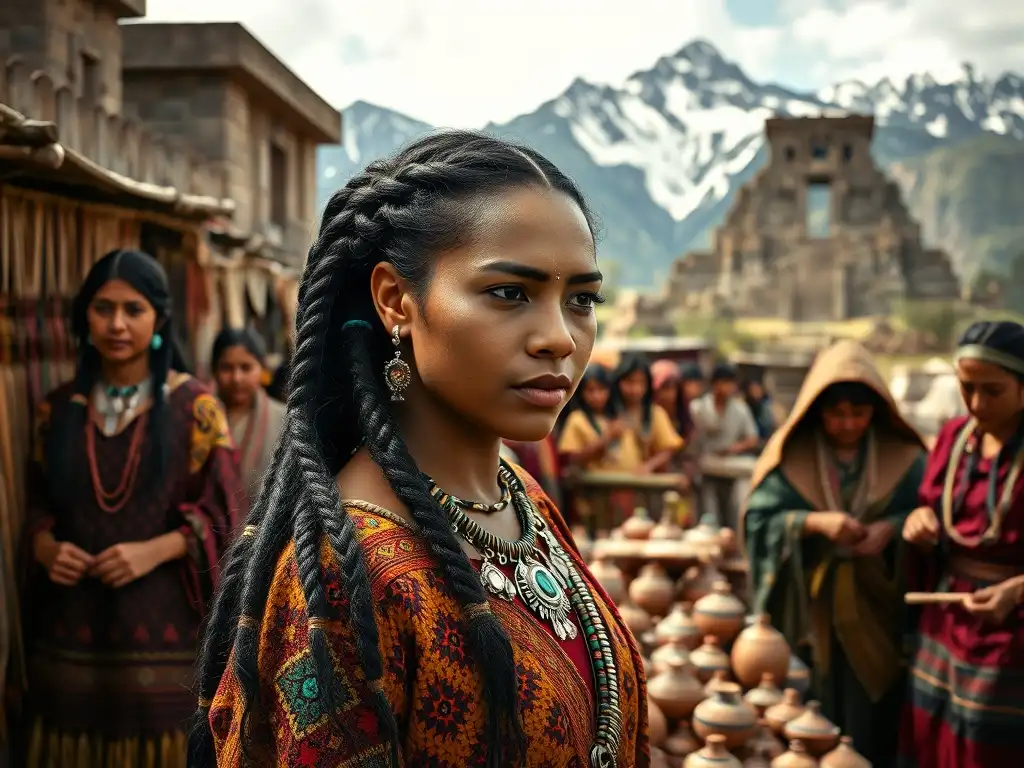
The position of women within Andean societies was complex and varied significantly depending on factors such as social class, geographic location, and the specific cultural group. While patriarchal structures undoubtedly existed, the simplistic notion of women as solely subservient figures is inaccurate. A nuanced understanding reveals a spectrum of roles and influence, with women holding positions of power and authority in various contexts.
The rigid hierarchical systems of the Andean civilizations, often visualized as pyramids with the elite at the top and commoners at the base, impacted women's lives differently depending on their social standing. Elite women enjoyed privileges and influence unavailable to their commoner counterparts, shaping their experiences and opportunities considerably.
The interplay between gender and social class created a multifaceted social landscape for Andean women, one that requires careful study to fully comprehend. Furthermore, the level of female autonomy and influence varied across different time periods and regions, defying easy generalization.
The Impact of Social Class on Women's Experiences
Social class profoundly shaped the lives of Andean women. Elite women, often from royal lineages or powerful families, enjoyed significantly more opportunities and influence than their peasant counterparts. They might have access to education, held religious positions, or managed significant estates. Royal women, in particular, often played critical roles in political alliances and succession. Conversely, women of lower social classes were primarily involved in agricultural labor, textile production, and domestic tasks. Their lives were often dictated by the demands of their families and communities, with limited opportunities for social mobility or individual advancement. The disparity in access to resources, education, and social power between elite and commoner women highlights the crucial role of social class in shaping their lived experiences within the Andean world. This inequality is evident in archaeological findings, showing differences in burial practices, grave goods, and the types of artifacts associated with women of different social strata.
Comparing Gender Roles Across Different Andean Cultures
While generalizations about Andean women's roles are risky, some broad comparisons across cultures are possible. The Inca Empire, for example, presented a more centralized and formalized system compared to the decentralized nature of earlier cultures like the Moche or Nazca. The Moche civilization, known for its elaborate iconography, depicts women in various roles, including powerful priestesses and rulers, suggesting a higher level of female agency than might initially be assumed. The Nazca culture, famous for its geoglyphs, also reveals evidence of women's participation in religious rituals and craft production.
However, the precise extent of their political or social influence remains a subject of ongoing research. Comparing these cultures reveals the diversity of gender roles and the complexities of power dynamics within different Andean societies. Further research is needed to fully understand the nuances of gender roles in smaller, less-documented Andean groups.
The Inca Empire and its Influence on Women's Status
The Inca Empire, while undeniably patriarchal, nonetheless offered certain avenues for women's advancement, particularly within the elite classes. The acllas, chosen women dedicated to religious service, held a unique position within Inca society. They lived in state-sponsored convents, where they produced textiles, performed religious rituals, and served as advisors to the ruling elite. While their lives were structured and regulated, the acllas enjoyed a degree of social prestige and influence that set them apart from other women.
Royal women, wives and daughters of Inca rulers, also played significant roles in court life and political alliances. However, their power was primarily derived from their kinship ties to the ruling dynasty rather than through independent political authority. The Inca system, while not egalitarian, provided some opportunities for women to achieve positions of influence and prestige, particularly those within the elite circles.
Case Studies: Examples of Powerful Andean Women
Several remarkable women stand out in the historical record, challenging the simplistic narrative of Andean women as solely subservient. These women, through their actions and legacy, showcase the diverse roles and power held by women in Andean civilizations. Their stories offer compelling evidence of female agency and influence, enriching our understanding of Andean gender dynamics.
Lady of Cao: A Moche Priestess and Ruler
The Lady of Cao, discovered in a richly adorned tomb in Peru, is a compelling example of a powerful Moche woman. Her elaborate burial, including gold ornaments and ceremonial attire, suggests a high social status. Evidence suggests she held both religious and political authority, acting as a priestess and potentially a ruler.
The Lady of Cao's mummified remains provide invaluable insights into Moche society, challenging preconceived notions about women's roles in this civilization. Her status and the nature of her power continue to be debated by archaeologists and historians, but her discovery undoubtedly enriched our understanding of Moche gender dynamics.
Mama Ocllo: A Mythical Inca Queen and Founder
Mama Ocllo is a legendary figure in Inca mythology, often portrayed as the wife of Manco Cápac, the founder of the Inca Empire. While her historical existence is debated, her role in Inca mythology highlights the importance attributed to women in the creation narratives of the empire. Mama Ocllo is often depicted as a wise and powerful figure, instrumental in the civilizing mission of the Inca founders.
Her story, whether factual or mythical, provides a powerful symbol of female influence and agency within Inca ideology and cultural identity. The enduring presence of Mama Ocllo in Inca myths underscores the significance of female figures in shaping Inca narratives of origin and legitimacy.
Women of Tiahuanaco: Roles in Craft Specialization and Ritual
Archaeological evidence from Tiahuanaco suggests women played significant roles in craft specialization and religious rituals. Textile production, a highly valued craft in Andean societies, likely involved substantial female participation. The intricate textiles found in Tiahuanaco tombs suggest a high level of skill and artistry, indicating the importance of women's contributions to the culture.
Furthermore, evidence points to women's involvement in ritual activities, although the precise nature of their roles remains a subject of ongoing research. The discovery of female burials with ceremonial objects and the presence of female imagery in Tiahuanaco art suggest a level of social and religious influence, emphasizing the multifaceted roles of women in this complex society.
The Legacy of Andean Women's Roles
The legacy of Andean women's roles is multifaceted and complex, extending far beyond simple domesticity. While patriarchal structures undoubtedly existed, a closer examination reveals a nuanced reality where women held significant power and influence in various spheres of life. Their contributions to agriculture, textile production, and religious practices were fundamental to the survival and prosperity of Andean societies. Archaeological evidence consistently points to women's involvement in complex economic activities, such as the cultivation and processing of crops like potatoes and maize.
Furthermore, their expertise in textile production, creating intricate and highly valued fabrics, speaks to their economic agency and social standing. The intricate weaving techniques, designs, and symbolic representations woven into textiles served not only practical purposes but also communicated social status, religious beliefs, and historical narratives. These textiles served as a powerful medium for women to express their identity and influence within their communities.
Their roles went beyond the material; women were active participants in religious ceremonies, often holding positions of spiritual authority and influence. The discovery of female mummies adorned with elaborate jewelry and artifacts suggests a level of social prestige and power not always acknowledged in traditional historical narratives. This highlights the need for a more comprehensive and nuanced understanding of Andean women's historical roles, moving beyond stereotypical depictions and embracing the richness and complexity of their contributions.
How Ancient Andean Gender Dynamics Shape Modern Perceptions
Understanding ancient Andean gender dynamics is crucial to shaping our modern perceptions of gender roles and equality. The often-overlooked contributions of Andean women challenge the pervasive Western-centric narratives that often portray pre-Columbian societies as inherently patriarchal. By acknowledging the economic, social, and religious roles women played, we can begin to dismantle the harmful stereotypes that limit our understanding of gender relations in diverse cultural contexts. The resilience and agency demonstrated by Andean women throughout history provides valuable lessons for contemporary discussions of gender equality.
Their active participation in various social spheres challenges the simplistic binary of male dominance versus female subordination. The complex interactions and power dynamics observed in Andean societies offer insights into alternative models of gender relations, models that could inform modern discussions about equitable societies. For example, the recognition of women's economic contributions in agriculture and textile production directly challenges the notion that women’s roles are solely confined to the domestic sphere.
This understanding can inform policies and initiatives aimed at promoting economic empowerment for women today. Furthermore, acknowledging the spiritual authority held by some Andean women can contribute to challenging the gender biases present in contemporary religious institutions and practices. This nuanced understanding of the past can inspire a more inclusive and equitable future, fostering a more just and equitable world.
The Importance of Recognizing Women's Contributions to Andean History
Recognizing women's contributions to Andean history is not merely a matter of historical accuracy; it is essential for creating a more complete and nuanced understanding of these remarkable civilizations. For too long, dominant narratives have minimized or ignored the roles of women, leading to a skewed and incomplete picture of Andean societies. This omission perpetuates harmful stereotypes and limits our appreciation of the diverse ways in which Andean women shaped their communities and cultures.
By actively seeking out and interpreting evidence of women's contributions, we can challenge these biases and reclaim a more accurate and representative historical record. This includes reinterpreting existing archaeological findings through a gendered lens, analyzing textile designs and other artifacts to uncover hidden stories, and examining oral traditions and anthropological studies to gain deeper insights into women's lives and experiences. The importance of this work extends beyond the academic realm.
By acknowledging women's significant roles in Andean societies, we can inspire future generations of researchers and empower women today to pursue their aspirations and contribute fully to their communities. A more inclusive and representative understanding of the past can contribute to building a more just and equitable future for all. It is imperative that we actively challenge historical biases and ensure that the voices and experiences of Andean women are heard and valued.
Continuing Research on Andean Women's Social Roles
Continuing research on Andean women's social roles is crucial for a more comprehensive understanding of Andean civilizations. While significant progress has been made, there is still much to uncover and analyze. Further research should focus on utilizing interdisciplinary approaches, combining archaeological findings with anthropological studies, linguistic analysis, and ethnohistorical research to gain a more holistic perspective. The application of new technologies, such as advanced imaging techniques and DNA analysis, can also shed light on previously inaccessible information.
Furthermore, a critical examination of existing historical narratives is necessary to identify and challenge biases that might have obscured the roles of women. This involves critically analyzing primary sources, considering the perspectives of different social groups, and acknowledging the limitations of existing data. Collaboration with Indigenous communities and incorporating their perspectives and knowledge is paramount to ensure a respectful and ethically sound research process.
By working collaboratively and employing diverse methodologies, researchers can continue to uncover the complexities of Andean women's social roles and contribute to a more complete and accurate understanding of these fascinating civilizations. This ongoing research will not only enrich our understanding of the past but also inform contemporary discussions about gender equality and social justice. The pursuit of knowledge in this area is a continuous and evolving process, demanding rigorous scholarship and a commitment to inclusivity.
Frequently Asked Questions
Andean women held diverse roles, from farming and weaving to religious leadership and political influence. Their contributions were vital to the economic and social fabric of their societies.
Did Andean women have political power?
While often overlooked, women held positions of power in various Andean societies. Some ruled as queens, while others held significant influence within religious and political structures.
How did the role of Andean women vary across different cultures?
The roles of women varied across different Andean cultures. For instance, the Moche culture depicted powerful female figures in their art, while the Inca had a more hierarchical system.
What was the significance of weaving in Andean women's lives?
Weaving was a crucial skill for Andean women, representing both economic production and social status. Textiles were used for clothing, ceremonies, and trade, reflecting their expertise and artistry.
How did the Spanish conquest affect the roles of Andean women?
The Spanish conquest significantly impacted the roles of Andean women, often leading to the suppression of their traditional roles and power. The colonial system imposed new social structures that marginalized indigenous women.
Final Reflection: Weaving a New Tapestry of Andean Power
The enduring legacy of Andean women's roles continues to reshape our understanding of social hierarchy and power dynamics, challenging traditional patriarchal narratives and offering vital lessons for contemporary society. Their contributions, often overlooked in dominant historical accounts, are finally receiving the recognition they deserve, illuminating the complex interplay between gender, social structure, and cultural resilience.
The profound influence of Andean women's agency on their communities, from agricultural practices to spiritual leadership, resonates deeply with me. Their strength and resilience in the face of adversity serve as a powerful reminder of the enduring human spirit. The women of the Andes are the backbone of their communities; their strength and wisdom are the foundation upon which their culture is built.
This quote, though simplified, captures the essence of their multifaceted roles and their immense impact on the social fabric of Andean societies. Their stories, passed down through generations, offer a rich tapestry of resistance, adaptation, and unwavering determination.
Consider the ways in which the strength and resilience of Andean women, their contributions to their communities, and their historical struggles continue to inspire us today. You too can be a weaver of change, challenging ingrained biases and advocating for a more equitable and just world. Reflect on the power dynamics in your own life, and consider how you can contribute to a future where the voices and contributions of all women are not only heard but celebrated. Let the legacy of Andean women empower you to create a more inclusive and empowering society for all.
Empower Your Journey: Embrace the Strength of Andean Women!
Thank you for exploring the inspiring world of gender roles and social hierarchy in the Andes! Your interest in how women empower their communities is not only insightful but also crucial for promoting greater equality and awareness.
Let's work together to make a difference. Here's how you can engage with this vital topic:
- Join the Conversation: Share your perspective on how gender dynamics have shaped your community. Leave a comment below and contribute to this important discussion.
- Learn More: Explore additional resources on the contributions and leadership of Andean women on our website's dedicated page.
- Spread the Word: Share this article with friends and family to amplify the voices of Andean women and inspire others.
What have you learned about the role of women in your community, and how can these insights inspire positive change?