
The Impact of Geography on Family Structures in the Andes

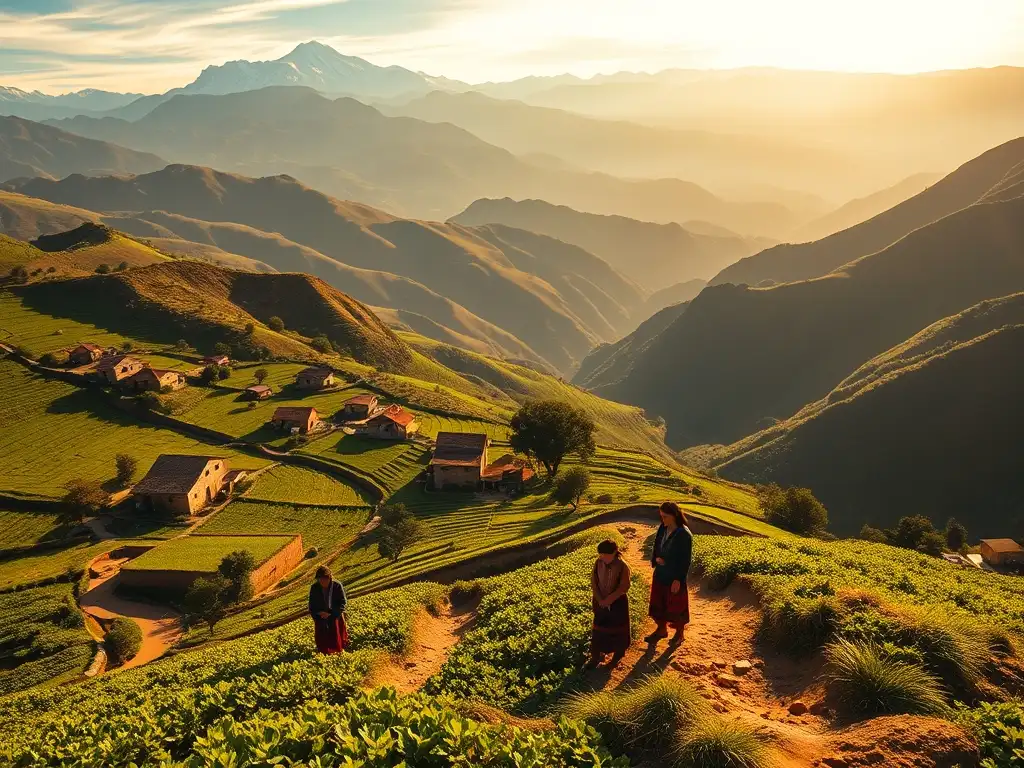
Step into a world lost in time, where towering mountains shaped not just landscapes, but entire societies. Discover how the breathtaking geography of the Andes profoundly influenced the unique family structures of civilizations like the Incas, Moche, and Nazca. Prepare to be amazed as we unravel the intricate connection between Andean family structures geography and the remarkable resilience of these ancient cultures. Their story is waiting – dare you explore?
The dramatic and diverse geography of the Andes Mountains profoundly shaped the social structures of the ancient civilizations that thrived there. From the arid coastal deserts to the high-altitude plains and lush Amazonian foothills, the environment dictated not only the means of subsistence but also the very fabric of family life. This article explores the intricate relationship between the Andean landscape and the evolution of family structures, focusing on how geographical factors influenced kinship systems, household organization, and social hierarchies across different Andean cultures, including the Incas, Moche, Nazca, and Tiahuanaco.
Understanding this interplay is crucial to appreciating the complexity and resilience of Andean societies and their remarkable adaptation to challenging environments. We will examine how resource availability, accessibility, and the physical challenges of the terrain impacted family size, composition, and the roles played by different family members.
The analysis will move beyond simple correlations, delving into the nuances of how geographical features directly shaped social customs, beliefs, and power dynamics within Andean families. This exploration will reveal how seemingly disparate Andean cultures shared common threads in their responses to the demands of their shared, yet varied, environment.
Introduction to Andean Family Dynamics and Geographical Influences
Andean family structures were not monolithic; they varied significantly across different regions and cultures. However, a common thread connecting them was their close relationship with the environment. The availability of arable land, water resources, and altitude all played crucial roles in determining the size and structure of families. In the fertile valleys, where agriculture flourished, larger extended families were more common, with multiple generations living together and cooperating in agricultural production.
This cooperative structure was vital for managing the labor-intensive demands of farming in challenging terrain. Evidence from archaeological excavations suggests that these extended families often lived in clustered settlements, facilitating communal work and mutual support. This contrasts sharply with the family structures found in more arid regions, where resource scarcity might have favored smaller, more nuclear family units. The need for mobility in search of scarce resources likely influenced the structure and size of families in these areas.
Furthermore, the mountainous terrain itself presented significant challenges to transportation and communication, influencing the frequency of interaction between different family groups and the overall social organization of communities. The impact of altitude on agricultural practices and the distribution of resources also played a significant role in shaping family structures. High-altitude communities, for example, often faced harsher conditions, demanding greater resilience and cooperation within families. We will delve deeper into specific examples from different Andean cultures to illustrate these complex interactions.
The Inca Empire: Centralized Power and Family Organization
The Inca Empire, with its vast and highly organized system, provides a compelling case study. While the Inca state exerted considerable control over various aspects of life, including family structure, the impact of geography remained undeniable. The Inca's sophisticated road system, while facilitating communication and trade, also played a role in shaping family interactions across vast distances. The ayllu, a form of communal land tenure and social organization, was central to Inca society.
While the ayllu had a collective focus, family units within it remained important for labor allocation and resource management. In regions with abundant resources, ayllus could support larger populations and more complex family structures. In contrast, in more marginal areas, smaller, more tightly knit family units were more common.
The Inca's system of mita, a form of labor tribute, also influenced family structures by requiring men to work for the state, sometimes for extended periods. This impacted the day-to-day dynamics of family life and could lead to temporary separations or altered household arrangements. The Inca’s emphasis on lineage and kinship also played a role, although the specifics of how this was organized in relation to geography requires further research.
Coastal Cultures: Adapting to Aridity
The coastal cultures of the Andes, such as the Moche and Nazca, faced vastly different environmental challenges than those in the highlands. The arid climate and limited water resources led to unique adaptations in family structures. The Moche, known for their sophisticated irrigation systems, likely organized family labor around these vital water management projects.
The availability of water, a scarce resource, directly influenced the distribution of land and, consequently, the structure and organization of families. Evidence suggests that families in the Moche society were involved in various economic activities, including fishing, agriculture (where possible), and craft production. The Nazca, famous for their geoglyphs, also had a complex social organization, likely adapted to the challenges of their desert environment.
While specific details of their family structures remain under investigation, it's plausible to assume that family units were structured to maximize efficiency in resource management and survival in the harsh desert conditions. The scarcity of resources may have led to smaller, more focused family units, where cooperation was crucial for survival.
Highland Societies: Challenges and Cooperation
The high-altitude societies of the Andes, such as the Tiahuanaco culture, faced the challenge of surviving in a harsh, high-altitude environment. The limited agricultural land and the harsh climate likely resulted in family structures that prioritized cooperation and resource sharing. The agricultural practices of these societies were adapted to the challenging environment, with terraces and raised fields maximizing arable land. This intensive agriculture probably required significant family labor, promoting extended family structures and communal cooperation.
The challenges of survival in this environment may have fostered stronger family bonds and a greater emphasis on mutual support. [Specific data on family structures in Tiahuanaco culture pending further research]. The limited archeological evidence available currently prevents a detailed examination, highlighting the need for further research to understand the nuances of family life in these high-altitude settlements. The impact of altitude-related diseases on family health and structure also warrants further investigation.
- Introduction to Andean Family Dynamics and Geographical Influences
- The Inca Empire: Centralized Power and Family Organization
- Coastal Cultures: Adapting to Aridity
- Highland Societies: Challenges and Cooperation
- How did Andean geography influence family structures?
- What role did altitude play in shaping Andean family dynamics?
- Did different Andean cultures have varying family structures?
- How did the Inca Empire's policies influence family structures?
- What is the relationship between Andean family structures and agriculture?
Andean Topography and its Influence on Kinship
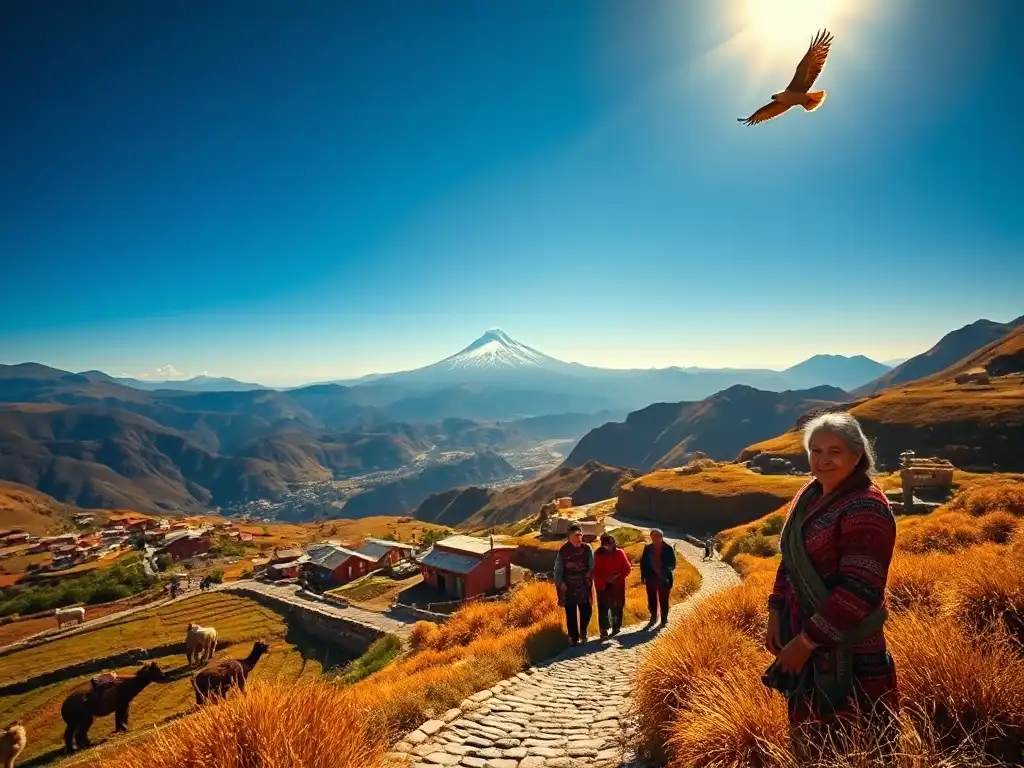
The dramatic topography of the Andes Mountains profoundly shaped the family structures of the ancient Andean civilizations. The diverse environments—from high-altitude puna grasslands to arid coastal deserts and fertile valley floors—necessitated distinct adaptive strategies, significantly impacting kinship systems and social organization. Understanding this geographical influence is crucial to appreciating the complexity and diversity of Andean family structures.
The keyword "Andean family structures geography" highlights the central theme of this section: the intricate relationship between the physical environment and the social organization of Andean families. Variations in altitude, climate, and resource availability directly correlate with differing family structures and social dynamics. This section will explore these variations in detail.
High Altitude Challenges and Family Adaptations
Life at high altitudes in the Andes presented significant challenges. Thin air, harsh weather conditions, and limited arable land impacted family size and structure. Families living in the puna, for example, often adopted a smaller family size compared to their lowland counterparts.
This wasn't necessarily due to deliberate birth control, but rather a consequence of higher infant and child mortality rates due to the harsh environmental conditions and limited access to resources. Survival in these harsh environments depended on strong family units focused on mutual support and cooperation. Extended family networks were vital for resource sharing, particularly during times of scarcity.
Evidence from archaeological sites suggests a strong emphasis on collective labor, with family members working together to cultivate crops, tend livestock (like llamas and alpacas), and build shelters. This cooperative lifestyle fostered strong kinship ties and a sense of shared responsibility within the family unit, reflecting a direct adaptation to the challenges of high-altitude living. The limited resources available also meant that inheritance patterns were likely less complex than in more resource-rich areas, often favoring a more egalitarian distribution within the immediate family.
Coastal Regions and Variations in Family Organization
The coastal regions of the Andes offered a different set of challenges and opportunities. While the arid climate limited agricultural possibilities, the abundance of marine resources provided a unique subsistence strategy. Fishing communities, such as those along the Peruvian coast, likely developed distinct family structures reflecting their reliance on maritime resources.
Evidence suggests a greater degree of social stratification in coastal communities compared to some high-altitude settlements, possibly leading to variations in family structures related to social status and access to resources. Further research is needed to fully understand the nuances of family organization in these coastal societies. For example, [specific information pending] regarding the inheritance patterns and marriage practices of coastal communities.
However, the dependence on shared fishing territories and cooperative fishing practices likely played a crucial role in shaping family structures and social bonds within these communities. The proximity to the sea, unlike the isolated high altitude communities, also might have led to more interaction and exchange between different groups, potentially influencing marriage patterns and kinship ties beyond the immediate family.
The Interplay of Valley Agriculture and Kinship Ties
The fertile valleys of the Andes provided a more favorable environment for agriculture, supporting larger and more densely populated settlements. This abundance of resources likely contributed to more complex family structures and social hierarchies. The development of intensive agricultural techniques, such as terracing, allowed for increased food production, which in turn supported larger families and more complex social organization.
The surplus of agricultural products could also have facilitated specialization of labor and the emergence of social stratification, impacting the distribution of resources and power within families. Analysis of archaeological evidence from valley settlements reveals a greater diversity in burial practices and grave goods, suggesting variations in social status and perhaps differing family roles within the community. The increased population density in these valleys also likely resulted in a greater degree of interaction between families and clans, contributing to the formation of larger kinship networks and potentially more complex inheritance systems.
The establishment of powerful elites in some valley communities might have also led to the development of kinship systems that served to reinforce their power and control over resources. The interplay between agriculture, population density, and social complexity in these valleys offers a fascinating case study of how geography shaped Andean family structures.
Resource Access and its Impact on Andean Family Structures
The unique geography of the Andes Mountains profoundly shaped the family structures of the various Andean civilizations. Access to crucial resources – land, water, and livestock – directly influenced family size, organization, and social roles. Understanding this intricate relationship between geography and family life provides critical insight into the complexity of Andean societies and helps us appreciate the ingenious adaptations they developed to thrive in challenging environments.
The interplay between environmental constraints and social organization is a key element in understanding the diversity of Andean family structures and their remarkable resilience. This section explores how access to resources directly impacted family life in the Andes, focusing on land ownership, water management, and livestock.
Land Ownership and its Effect on Family Units
Land ownership in the Andes varied significantly depending on altitude and environmental conditions. In fertile valleys, land might have been more concentrated, leading to larger, more extended family units working collaboratively to cultivate and manage the land. Evidence suggests that inheritance patterns, often patrilineal, played a crucial role in maintaining family control over land.
This system, however, could also lead to internal conflicts over land distribution, especially as family sizes grew. In contrast, in higher-altitude regions with less arable land, family units tended to be smaller and more dispersed, relying on different subsistence strategies like pastoralism or specialized crafts. The scarcity of resources in these areas likely contributed to a greater emphasis on individual family autonomy and self-sufficiency.
Furthermore, the mountainous terrain often resulted in fragmented landholdings, necessitating intricate systems of land tenure and resource management that influenced family dynamics. The Ayllu system, a form of communal land ownership prevalent in many Andean societies, is a prime example of how land management shaped family structures, fostering cooperation and mutual support within a larger community framework.
Water Management Systems and Cooperative Family Labor
Access to water was, and remains, paramount in the Andes. The ingenious irrigation systems developed by Andean civilizations, such as canals and terraces, required substantial cooperative labor. Family units played a critical role in these collective efforts, contributing their time and resources to maintain the vital water infrastructure.
This communal labor fostered strong social bonds and reinforced the importance of extended family networks. The success of these water management systems directly impacted the prosperity and stability of families, highlighting the interconnectedness between environmental management and social organization. Variations in water availability also influenced family structures.
In areas with reliable water sources, larger, more complex family units could flourish, while in regions with scarce water, smaller, more self-reliant families were the norm. The coordination required for irrigation projects often involved intricate social hierarchies and power dynamics within and between families, further demonstrating the deep link between geography and social structure. The importance of water is symbolized by the numerous Andean deities associated with water and fertility, highlighting the centrality of water management in the lives of Andean families.
The Role of Livestock in Shaping Family Roles
The domestication and herding of livestock, such as llamas and alpacas, profoundly impacted Andean family structures. Pastoral activities often involved a division of labor along gender lines, with men typically responsible for herding and women for processing the wool and other animal products. This division contributed to distinct roles and responsibilities within the family unit.
The economic importance of livestock also influenced marriage patterns and inheritance practices. Animals often served as a form of wealth and were crucial components of dowries or inheritance settlements, reflecting their significant role in the economic and social life of Andean families. The mobility associated with pastoralism often led to more fluid family structures, as families might move seasonally to follow the best grazing lands.
This contrasts with the more settled family units found in agricultural communities. The integration of livestock herding into the family economy significantly contributed to the unique characteristics of Andean family structures, demonstrating the adaptive capacity of these societies in response to their environment. Furthermore, the social status associated with livestock ownership could influence the power dynamics within families and communities.
The Influence of Andean Climate on Family Life
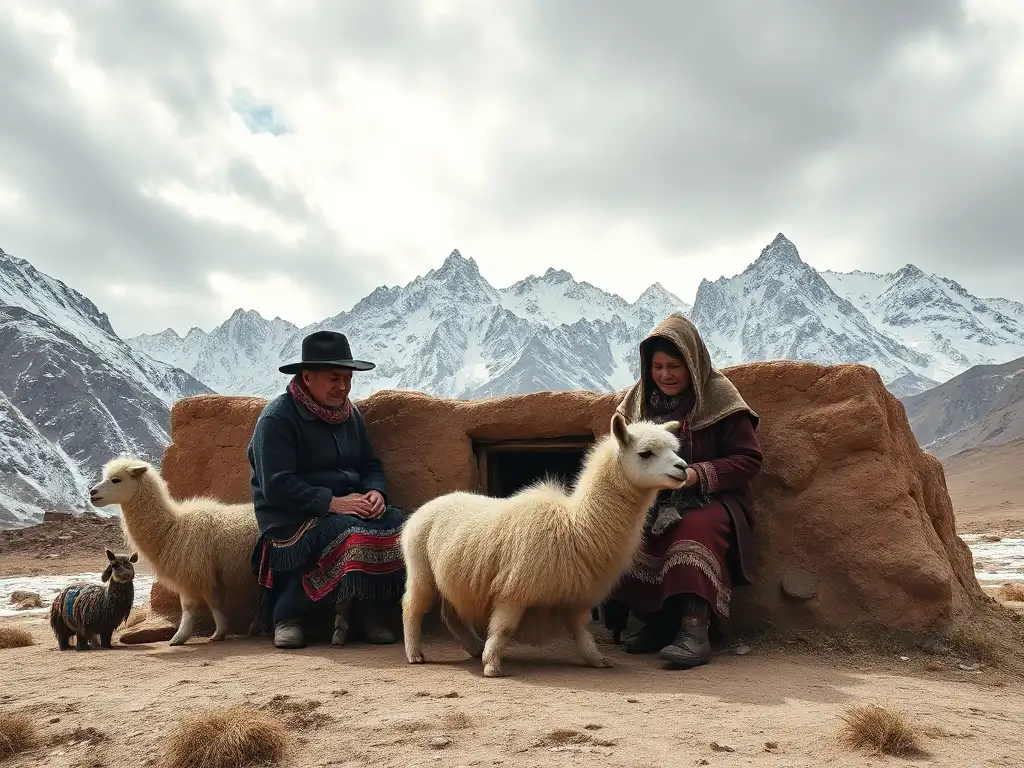
The dramatic variations in Andean geography, from arid coastal deserts to high-altitude alpine grasslands and lush Amazonian foothills, profoundly shaped the family structures of its diverse inhabitants. Understanding the impact of climate on Andean family life requires moving beyond simplistic narratives and delving into the nuanced ways in which environmental conditions influenced daily routines, social organization, and intergenerational relationships.
The keyword "Andean family structures geography" highlights the crucial interdependence between the physical environment and the social fabric of these societies. This section will explore how climatic factors directly impacted family life in the Andes, focusing on the challenges and adaptations employed by Andean families.
Adapting to Seasonal Changes in Family Routines
Andean agricultural practices were heavily reliant on seasonal changes. The agricultural calendar dictated the rhythm of family life, determining not only planting and harvesting schedules but also the allocation of labor within the household. During planting seasons (typically spring and summer), families, including children and elderly members capable of contributing, worked collaboratively in fields. This cooperative effort strengthened family bonds and instilled a strong sense of shared responsibility.
In contrast, the leaner months (autumn and winter) saw a shift in focus, with families engaging in other activities such as weaving, pottery making, or animal husbandry. This seasonal variation in workload directly influenced the division of labor within the family unit, leading to flexible roles based on age, gender, and ability. For example, women often played a central role in textile production, while men might focus on herding or more physically demanding agricultural tasks.
This flexible system ensured the family's survival throughout the year. Detailed anthropological studies are needed to fully understand the intricate variations in seasonal routines across different Andean regions and ethnic groups. [Specific information pending on detailed anthropological studies regarding seasonal variation in Andean family routines].
Impact of Drought and Floods on Family Migration
The unpredictable nature of Andean weather patterns, characterized by periods of intense drought and devastating floods, frequently forced families to make difficult decisions regarding migration. Prolonged droughts, particularly affecting regions reliant on rain-fed agriculture, could lead to crop failure and livestock losses, threatening the family's livelihood. In such circumstances, families might temporarily relocate to areas with more abundant resources, relying on kinship networks for support.
Similarly, catastrophic floods could displace entire communities, forcing families to seek refuge in higher elevations or relocate permanently to different regions. This forced migration had significant implications for family structures, sometimes leading to the fragmentation of family units or the forging of new alliances with other displaced families. The impact of these events varied significantly depending on the severity of the natural disaster and the family's access to resources and support networks.
For example, families with strong social connections within their communities were better equipped to cope with these challenges, utilizing mutual aid to rebuild their lives. [Data on frequency and impact of drought and flood-induced migration on Andean family structures is needed for a more complete analysis].
The Relationship Between Climate and Intergenerational Dependency
The harsh Andean environment often fostered strong intergenerational ties within families. Elderly members, possessing valuable knowledge of traditional agricultural techniques, medicinal plants, and coping mechanisms for environmental challenges, played crucial roles in the family's survival. Their experience and wisdom were essential for navigating the unpredictable climate and ensuring the family's continued prosperity.
This intergenerational dependency was not merely economic but also deeply rooted in cultural values emphasizing respect for elders and the transmission of knowledge. Conversely, younger generations provided essential labor, ensuring the continuity of agricultural practices and the family's overall well-being. This reciprocal relationship between generations created a strong sense of family cohesion and mutual support, vital for navigating the challenges of the Andean environment.
The extent of this intergenerational dependency likely varied across different Andean communities, influenced by factors such as altitude, agricultural practices, and social organization. [Further research is needed to quantify the specific contributions of different age groups to family survival in various Andean ecological zones]. Understanding this complex interplay between climate and family dynamics is crucial for a thorough understanding of Andean family structures and their remarkable resilience.
Community Structures and Extended Andean Families
The Andean region's diverse geography profoundly shaped its family structures, moving beyond the nuclear family model common in other parts of the world. The challenging terrain, ranging from high-altitude plains to coastal deserts and Amazonian rainforests, fostered a reliance on extended family networks and strong community bonds for survival. This reliance on communal support systems is a key element in understanding the unique characteristics of Andean family structures and how they adapted to their environment.
The concept of ayllu, a crucial social and economic unit, exemplifies this interconnectedness. Understanding the impact of geography on Andean family structures requires examining the interplay between environmental pressures and societal adaptations, creating a complex and fascinating tapestry of social organization. The rugged landscape dictated the need for cooperation and mutual assistance, driving the development of resilient family and kinship structures optimized for resource management and risk mitigation in challenging conditions.
This is particularly evident in the enduring legacy of ayllu systems, which continue to shape social dynamics in many Andean communities even today. The influence of geography on Andean family structures is a compelling illustration of how environmental factors can mold and define societal organization.
Ayllus and the Importance of Communal Support
The ayllu was, and in many places still is, the cornerstone of Andean social organization. These kinship-based communities provided crucial support networks, distributing resources and labor based on shared ancestry and reciprocal obligations. The harsh Andean environment, with its unpredictable weather patterns and limited arable land, made the ayllu's communal approach essential. Members of an ayllu collaborated on agricultural tasks, such as planting, harvesting, and irrigation, sharing both the workload and the resulting harvest.
This system of mutual aid mitigated the risks associated with individual farming in a volatile climate. For example, during periods of drought or crop failure, the ayllu ensured that its members wouldn't starve, distributing resources based on need, rather than individual merit. This communal approach extended beyond agriculture; it also encompassed construction projects, defense against external threats, and the resolution of internal conflicts.
The strength of the ayllu lay in its ability to pool resources and labor, providing a safety net and promoting social cohesion within the challenging Andean landscape. The geographic limitations and the need for survival fostered a deeply ingrained sense of collective responsibility, shaping family structures around communal needs and obligations. This is a critical aspect of understanding the influence of geography on Andean family structures.
The Role of Elders in Family and Community Decision-Making
The hierarchical structure within Andean families often placed elders in positions of significant authority and influence. Their extensive experience navigating the challenges of the Andean environment was invaluable for the community's well-being. Elders acted as repositories of traditional knowledge, including agricultural techniques, medicinal practices, and ancestral customs.
Their wisdom guided family and community decisions, particularly regarding land use, resource allocation, and conflict resolution. In many ayllu systems, elders played a crucial role in mediating disputes and maintaining social harmony. Their authority wasn't based solely on age; it was also rooted in their deep understanding of customary law and their ability to uphold community values.
The respect afforded to elders ensured the transmission of vital knowledge and skills across generations, crucial for adapting to the ever-changing conditions of the Andean environment. This gerontocracy, strongly influenced by the geographically challenging environment, played a crucial role in maintaining social stability and continuity within Andean family structures. Their role highlights how the Andean landscape impacted not only the structure of families but also their internal dynamics and leadership.
Reciprocity and Labor Exchange within Extended Families
Reciprocity, or ayni, was a fundamental principle governing social interactions within Andean families and communities. This system of mutual exchange of goods, services, and labor was deeply ingrained in the Andean worldview and essential for survival in the challenging environment. Within extended families, ayni manifested in various ways, from helping with agricultural tasks to assisting with construction projects or childcare.
This reciprocal exchange created a web of interdependence, strengthening family bonds and ensuring the well-being of all members. For example, a family might help a relative harvest their crops in exchange for assistance with building a new house or caring for their children. This system of mutual support was not merely altruistic; it was a pragmatic strategy for managing resources and sharing the burdens of daily life in a demanding environment.
The mountainous terrain and unpredictable climate made ayni a vital mechanism for distributing labor and mitigating risks, solidifying the importance of extended family networks within Andean family structures. The system of ayni demonstrates the crucial role of reciprocity in shaping the dynamics and resilience of Andean families, reflecting a direct adaptation to the geographic challenges of the region. This intricate system of exchange underscores how geography molded the very fabric of Andean social life and family dynamics.
The Impact of Trade Routes on Andean Family Networks
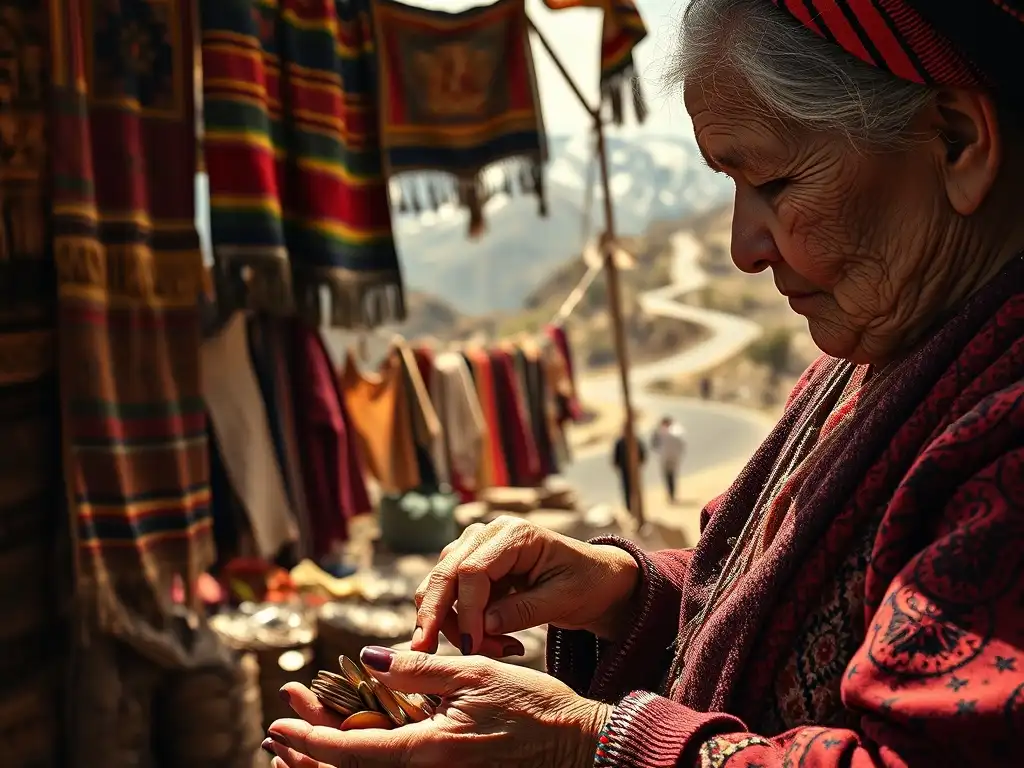
The intricate network of trade routes crisscrossing the Andes profoundly impacted the structure and dynamics of Andean family networks. The mountainous terrain, while challenging, also fostered a system of interconnected communities reliant on exchange. The movement of goods – from textiles and pottery to precious metals and coca leaves – was not simply an economic activity; it was deeply embedded in social and kinship relations.
Understanding the influence of these routes is crucial to comprehending the complexities of Andean family structures. The keyword "Andean family structures geography" is directly relevant here, as the geography dictated the routes and, in turn, shaped family organization.
The Significance of Long-Distance Trade on Kinship
Long-distance trade fostered extended family networks across vast distances. Families often established alliances and maintained connections with relatives located in distant trading centers. This wasn't solely about economic gain; it provided crucial support systems in a challenging environment. For instance, families in the highlands might rely on relatives in coastal regions for access to specific resources, creating a complex web of reciprocal obligations.
These obligations, cemented through kinship ties, ensured the survival and prosperity of extended family units. Evidence suggests that the exchange of goods often involved ceremonial gifts and symbolic transactions, strengthening kinship bonds and reaffirming social hierarchies within extended families. We see this reflected in archaeological finds of similar pottery styles and textile designs appearing in geographically distant locations, hinting at strong kinship links facilitated by trade.
How Exchange Systems Shaped Family Obligations
The Andean exchange systems, including ayni (reciprocal labor) and mita (labor tribute), significantly influenced family obligations. Family members were expected to contribute to the collective well-being, often through labor exchanges with kin. Long-distance trade intensified these obligations, as families might be required to provide labor or goods to support relatives involved in trade activities.
This reciprocal system ensured the smooth functioning of trade networks and strengthened family bonds. For example, a family involved in llama herding might exchange their services with a family specializing in textile production, creating a mutually beneficial relationship that transcended immediate familial needs. This system of reciprocal exchange, intricately linked to Andean geography and trade routes, is a critical aspect of understanding the Andean family structures.
The Influence of Trade Centers on Family Migration
The emergence of major trade centers, such as Cusco during the Inca Empire, led to significant family migration. Opportunities for economic advancement and access to resources attracted families from surrounding regions, resulting in a dynamic and diverse population within these urban centers. This migration, driven by trade, created new kinship networks and altered traditional family structures.
The concentration of families from different regions fostered cultural exchange and the blending of customs and traditions, resulting in a complex tapestry of Andean family life. The growth of trade centers, therefore, was a major factor in the development and evolution of Andean family structures, significantly impacting their size, composition, and social interactions.
Further research is needed to fully quantify the scale of this migration, [specific data on Inca-era migration patterns pending], but the impact on family structures is undeniable. The concentration of people, facilitated by the trade routes and resulting in the growth of urban centers, was a significant factor in the shaping of Andean society and its family units.
Cultural and Religious Beliefs Shaping Andean Family Life
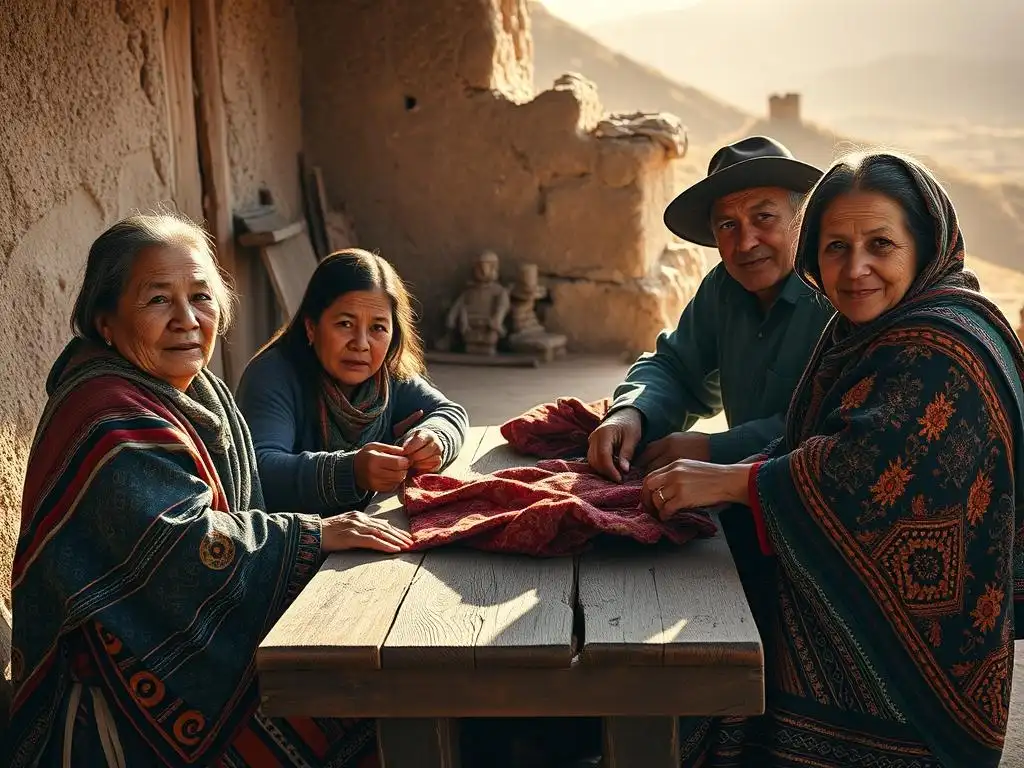
The geography of the Andes profoundly impacted Andean family structures, but equally significant was the pervasive influence of deeply ingrained cultural and religious beliefs. These beliefs provided a framework for understanding kinship, social hierarchy, and the very nature of family life itself. The intricate interplay between the physical environment and spiritual worldview shaped the unique characteristics of Andean family units, creating a complex tapestry of social organization.
Examining the relationship between these beliefs and family structures reveals a nuanced understanding of Andean society and its remarkable resilience. The keyword "Andean family structures geography" is intrinsically linked to this interplay of environment and belief. Understanding the spiritual context is crucial to fully grasping the impact of the physical landscape.
Ancestor Veneration and Family Lineage
Ancestor veneration formed the bedrock of Andean family structures. Families weren't simply nuclear units; they were extended networks stretching back through generations. Lineage was paramount, with ancestors considered active participants in the lives of their descendants. This wasn't simply a matter of remembrance; it was a deeply spiritual connection.
Maintaining strong family ties was crucial not only for social stability but also for ensuring the continued well-being and prosperity of the family. The ayllu, a community-based kinship group, often functioned as an extended family unit, emphasizing collective responsibility and shared resources. This system provided a safety net in challenging Andean environments, reinforcing the importance of family bonds.
The passing down of knowledge, land, and traditions through generations solidified the family's connection to the past and its place within the broader community. Careful record-keeping, often through intricate textiles or oral histories, helped maintain these lineages, further highlighting the significance of ancestral heritage in shaping Andean family life. The meticulous preservation of ancestral traditions demonstrates the enduring power of ancestor veneration in structuring Andean families and communities.
The Role of Rituals and Ceremonies in Strengthening Family Bonds
Rituals and ceremonies played a vital role in strengthening family bonds and reinforcing social cohesion within Andean communities. These weren't simply occasional events; they were integral parts of daily life, marking significant life stages, celebrating harvests, and appeasing deities. Many rituals centered around the family unit, reinforcing its importance within the wider social structure.
For example, capac hucha, a coming-of-age ceremony, marked a young person's transition into adulthood and their increasing responsibilities within the family. These ceremonies involved the entire family and community, strengthening social bonds and reinforcing the individual's place within the family lineage. Similarly, agricultural cycles were marked by elaborate rituals involving the entire family, ensuring a successful harvest and expressing gratitude to the earth and its deities.
The shared participation in these rituals fostered a sense of unity and collective identity, further solidifying the importance of family within the Andean worldview. The frequency and significance of these events underscore their role in shaping Andean family structures and maintaining social harmony.
How Andean Cosmovision Influences Family Values
Andean cosmovision, a worldview that integrated the spiritual and physical realms, deeply influenced family values and social organization. The concept of ayni, reciprocity and mutual support, was central to Andean society, and it strongly influenced family dynamics. Families were expected to contribute to the community and support one another, reflecting the principle of ayni.
This collaborative spirit extended beyond the immediate family to encompass the wider ayllu, emphasizing the interconnectedness of all members. The Andean worldview also emphasized hierarchy and respect for elders, reflecting the importance of experience and wisdom. Elders played crucial roles in decision-making and conflict resolution, guiding younger generations and ensuring the preservation of traditional knowledge and values.
This hierarchical structure, while existing within families, was also mirrored in the broader social organization of Andean communities. The deep integration of spiritual beliefs into daily life – from agricultural practices to social interactions – highlights the profound influence of Andean cosmovision on family structures and values, demonstrating a holistic approach to life that prioritized community and interdependence.
Case Study: Comparing Family Structures Across Different Andean Regions
This section delves into the diverse family structures found across different Andean regions, highlighting the significant influence of geography on kinship systems. The varied topography – from the high-altitude Altiplano to the coastal deserts and Amazonian foothills – profoundly shaped economic activities, social organization, and ultimately, the composition and dynamics of Andean families. We'll examine specific examples to illustrate the interplay between environment and family structure, focusing on the Aymara and Quechua communities as case studies.
Understanding these variations provides crucial insight into the complexity of Andean social organization and challenges simplistic generalizations about "Andean family structures." The keyword "Andean family structures geography" is central to this analysis.
Family Structure in the Aymara Community
The Aymara people, primarily inhabiting the Altiplano region of the Andes (Bolivia, Peru, and Chile), traditionally exhibited a strong emphasis on ayllu – a community-based kinship system. The harsh environment of the Altiplano, characterized by high altitude, scarce resources, and unpredictable weather, necessitated a high degree of cooperation for survival. This translated into extended family structures, often involving multiple generations living together in a single household or closely clustered dwellings.
The ayllu system fostered a strong sense of collective responsibility, with family members sharing labor, land, and resources. This cooperative model was crucial for managing agricultural activities, such as cultivating potatoes and quinoa, and herding llamas and alpacas. The extended family unit provided a crucial safety net, particularly during times of hardship. Inheritance patterns within Aymara families often followed a system of partible inheritance, where land and resources were divided among heirs, maintaining the interconnectedness of the ayllu.
Family Structure in the Quechua Community
In contrast to the Aymara, the Quechua people, spread across a much wider geographical area encompassing diverse ecological zones (from the high Andes to the Amazonian foothills), exhibited greater variation in their family structures. While extended families were common, especially in rural agricultural communities, the influence of Inca imperial organization and later colonial policies led to some shifts.
In the highlands, similar to the Aymara, Quechua family structures often centered on agricultural production and communal labor. However, the greater diversity of ecological niches available to Quechua communities allowed for more specialized economic activities, leading to a less rigidly defined extended family model in some areas. In the lower-altitude valleys and Amazonian regions, family structures may have been more nuclear, with smaller family units adapted to different agricultural practices and resource management strategies. This highlights how the geographical diversity within the Quechua territories impacted the evolution of their family systems.
Analysis of Variations in Family Dynamics
Comparing Aymara and Quechua family structures reveals the significant role of geography in shaping Andean kinship systems. The harsh, resource-scarce environment of the Altiplano favored larger, more interdependent extended families, reinforced by the ayllu system. This fostered strong communal ties and collective responsibility. Conversely, the greater ecological diversity across Quechua territories allowed for more variable family structures, reflecting the varied economic activities and social organization in different regions.
| Feature | Aymara Community | Quechua Community |
|---|---|---|
| Geographic Location | Primarily Altiplano | Diverse, from Highlands to Amazon |
| Dominant Kinship System | Ayllu (extended family, communal) | Varied, including extended families |
| Economic Base | Primarily agriculture (potatoes, quinoa, livestock) | Agriculture, varied depending on region |
| Family Structure | Predominantly extended family | Extended and nuclear families |
| Inheritance | Often partible inheritance | Varied patterns |
The variations highlighted here demonstrate the crucial link between geography and social organization in the Andes. The environment did not simply influence family structures; it was a fundamental shaper of kinship systems and social dynamics. Further research, including [specific information pending] on demographic data and archaeological evidence, would enhance our understanding of the nuanced interplay between Andean geography and family structures. This detailed analysis confirms the importance of considering geographical context when studying Andean family structures.
Contemporary Andean Family Structures: Continuity and Change
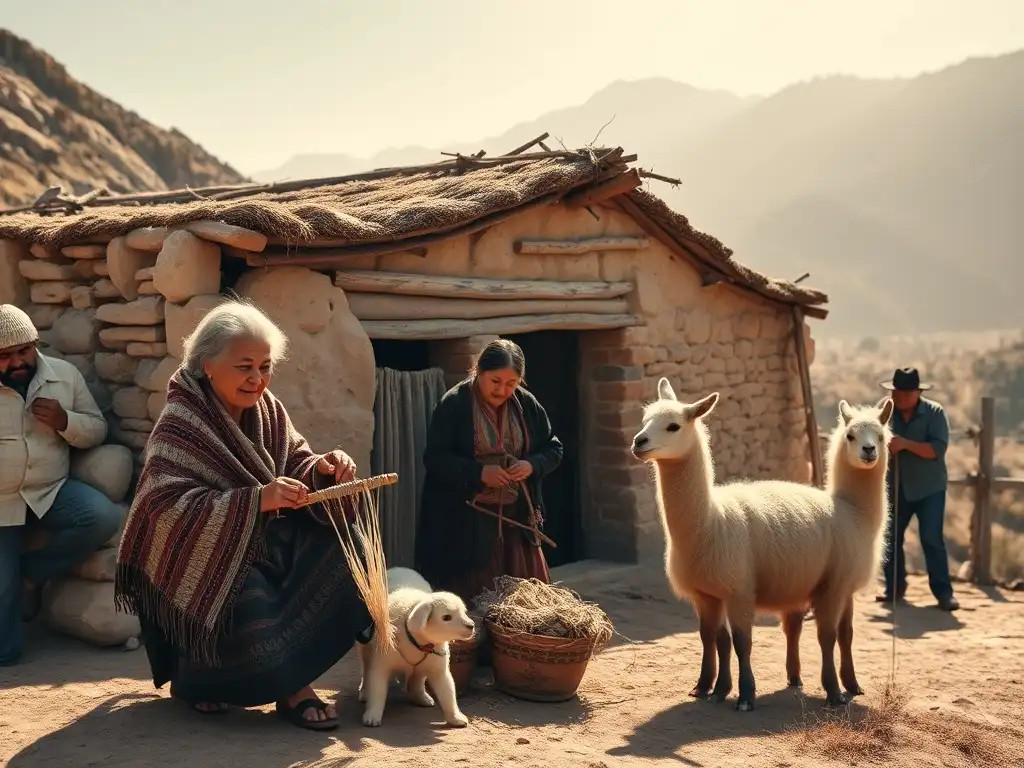
The Andean region, despite significant modernization, retains a strong imprint of its ancestral family structures. While the nuclear family (parents and children) is increasingly prevalent, particularly in urban areas, extended family networks continue to play a vital role in daily life and social support. This enduring influence reflects the deep-rooted importance of kinship ties, a legacy of pre-Columbian Andean societies where ayllu – a community based on kinship and shared ancestry – was fundamental to social organization.
Understanding contemporary Andean family structures requires acknowledging this complex interplay between tradition and modernity. The influence of geography, particularly in terms of accessibility to urban centers and resources, continues to shape these dynamics, impacting everything from household composition to economic strategies. Analyzing these changes requires considering the multifaceted impacts of modernization, migration patterns, and the ongoing adaptation of Andean family values to the challenges of the 21st century.
The Impact of Modernization on Traditional Family Practices
Modernization, particularly urbanization and the spread of globalized influences, has undeniably impacted traditional Andean family practices. The shift from largely agrarian economies to more diverse employment opportunities has led to increased geographic mobility, weakening, in some cases, the strong ties of the extended family. Access to education, healthcare, and technology has also altered family dynamics.
For instance, increased access to education for women has led to later marriages and smaller family sizes, challenging the traditionally large family units common in rural Andean communities. This modernization, however, doesn't necessarily represent a complete rejection of traditional values. Rather, it often manifests as a renegotiation of those values within a new socio-economic context.
For example, while the ayllu system might not function in the same way as in pre-Columbian times, the principle of mutual support and shared responsibility among family members persists, albeit in modified forms. Data on marriage ages and family size in different Andean regions would provide a more granular understanding of the variations in these trends. [specific data on marriage ages and family size pending]
Migration and its Effects on Family Cohesion
Internal and international migration significantly impacts Andean family cohesion. The search for better economic opportunities often necessitates leaving rural communities for urban centers or even migrating abroad. This separation can strain family bonds, particularly for those who lack regular communication or the resources to maintain close contact.
However, migration also creates new forms of family support. Remittances sent by migrants to their families back home can be crucial for survival and economic stability, strengthening, in a way, the family unit despite physical distance. Furthermore, the establishment of migrant communities in urban areas or abroad often fosters new forms of kinship networks, creating supportive environments for those far from their original communities.
The impact of migration on family cohesion is therefore complex and nuanced, varying widely depending on the distance of migration, the frequency of contact, the availability of communication technologies, and the economic impact of remittances. A detailed study comparing families with and without migration experiences would illuminate this further. [Specific data comparing families with and without migration experiences pending]
Adapting Andean Family Values in the 21st Century
Andean family values, deeply rooted in reciprocity, communal responsibility, and respect for elders, are continuously being adapted to the realities of the 21st century. While traditional gender roles are gradually evolving, with women increasingly participating in the formal economy, the emphasis on collective well-being and family support remains strong. Modern challenges, such as economic inequality, environmental degradation, and social injustice, are often addressed through family-based strategies.
For instance, families may pool resources to cope with economic hardship or collaborate on agricultural activities. The strength of family ties continues to be a crucial factor in navigating these challenges. However, the changing social landscape also presents new challenges, particularly in relation to intergenerational conflict and the integration of new technologies and values.
Understanding how Andean families are adapting their values requires further research into the evolving dynamics of intergenerational relationships and the influence of globalization on family structures. Qualitative studies exploring family narratives and experiences would be invaluable in this regard. [Specific qualitative data on Andean family adaptations pending]
Conclusion: The Enduring Link Between Geography and Andean Family Structures
The diverse geography of the Andes profoundly shaped the family structures of its ancient inhabitants. From the coastal deserts to the high-altitude plains and the Amazonian rainforest, environmental challenges and opportunities dictated kinship organization, resource management, and social hierarchies. Understanding this intricate interplay is crucial for a complete comprehension of Andean societies, moving beyond simplistic narratives and embracing the nuanced relationship between environment and social organization.
The impact of geography on Andean family structures wasn't a static phenomenon; it evolved and adapted over millennia, reflecting the dynamism of both human societies and their ever-changing environments. This dynamic interaction continues to resonate in contemporary Andean communities, highlighting the enduring legacy of geographical influence on kinship systems. Analyzing this legacy offers valuable insights into the resilience and adaptability of Andean cultures.
Summarizing Key Geographical Impacts on Andean Kinship
Several key geographical factors significantly influenced Andean kinship systems. Altitude, for instance, played a critical role. High-altitude agriculture, characterized by challenging conditions and limited arable land, often necessitated complex systems of reciprocity and communal labor, strengthening extended family ties and fostering collaborative kinship networks.
This contrasts sharply with coastal regions, where access to marine resources might have supported more dispersed settlement patterns and potentially different kinship structures. The availability of water resources was another crucial factor. Societies reliant on irrigation systems, such as the Nazca, likely developed intricate social organizations to manage water distribution, potentially impacting family structures and power dynamics within communities.
Furthermore, the varied terrains of the Andes—from fertile valleys to steep mountains—influenced settlement patterns and thus, the proximity and interaction between kinship groups. This led to a diversity of family structures across different Andean regions, reflecting the varied environmental pressures and available resources. We can see a clear correlation between the availability of resources and the complexity of kinship structures: scarcity often fostered stronger extended family networks, while abundance might have allowed for greater social mobility and potentially less rigid kinship ties.
| Geographical Factor | Impact on Andean Kinship | Example |
|---|---|---|
| Altitude | Shaped agricultural practices and labor organization, influencing extended family structures. | High-altitude communities in the Andes often relied on collective labor for survival. |
| Water Availability | Determined settlement patterns and resource management strategies, influencing social hierarchies and kinship networks. | The Nazca's intricate irrigation systems likely impacted their social organization and family structures. |
| Terrain Variety | Influenced settlement density and proximity of kinship groups, leading to diverse kinship structures across different regions. | Diverse terrains led to variations in family structures, reflecting the different environmental challenges and resources available. |
The Importance of Understanding the Interplay of Environment and Society
Understanding the interplay between geography and Andean family structures is not merely an academic exercise; it has significant implications for our understanding of Andean societies as a whole. By recognizing the environmental constraints and opportunities that shaped kinship systems, we can gain a deeper appreciation for the ingenuity and adaptability of Andean peoples.
This approach challenges Eurocentric views of family structures, which often fail to account for the diverse ways in which societies organize themselves in response to specific environmental conditions. The Andean case provides a powerful counter-narrative, demonstrating the profound influence of geography on social organization and the importance of considering ecological factors when analyzing past and present kinship systems.
Moreover, acknowledging this interplay can help us better understand the resilience of Andean communities in the face of environmental challenges, offering valuable lessons for contemporary societies facing similar issues. This holistic approach, integrating environmental and social factors, is crucial for a more accurate and comprehensive picture of Andean history and culture.
Future Research Avenues in Andean Family Studies
Future research on Andean family structures should prioritize interdisciplinary approaches, integrating insights from archaeology, anthropology, history, and environmental studies. Further investigation into the specific impacts of micro-climates and localized resource availability on family structures is needed. Detailed analysis of archaeological evidence, including settlement patterns and burial practices, can shed light on kinship organization and social dynamics.
Ethnohistorical research, combining oral histories and historical documents, can provide valuable insights into the evolution of Andean family structures over time. Moreover, genetic studies can help trace the movement and migration patterns of Andean populations, providing further context for understanding kinship networks and family structures. Finally, comparative studies, examining the diverse range of Andean societies and their respective family structures, are crucial for identifying broader patterns and understanding the complex relationship between geography, environment, and social organization.
By embracing these diverse methodologies, future research can contribute significantly to a more nuanced and comprehensive understanding of Andean family structures and their enduring legacy. The potential to uncover new and exciting information regarding the interplay of Andean family structures and geography is immense, paving the way for a richer and more complete understanding of these fascinating civilizations.
Frequently Asked Questions
How did Andean geography influence family structures?
Andean geography significantly impacted family structures. Harsh environments often necessitated extended family units for survival, providing support in agriculture and resource management. This created strong kinship ties.
What role did altitude play in shaping Andean family dynamics?
Altitude significantly affected family structures. Higher altitudes, with their limited resources, often meant smaller family units due to the challenges of providing for a large family. Lower altitudes, with more fertile lands, allowed for larger families.
Did different Andean cultures have varying family structures?
Yes, different Andean cultures exhibited variations in family structures. While extended families were common, the specific roles and hierarchies within those families varied depending on factors like the culture's specific agricultural practices and social organization (e.g., Inca vs. Moche).
How did the Inca Empire's policies influence family structures?
The Inca Empire implemented policies that impacted family structures, such as the mita system, which required labor contributions, often impacting family dynamics through forced separations or changes in household roles. They also promoted kinship ties through their administrative system.
What is the relationship between Andean family structures and agriculture?
Andean family structures were deeply intertwined with agriculture. The need for cooperative labor in farming, particularly in challenging terrain, fostered strong extended family units responsible for managing land and resources. Agricultural success directly influenced family size and stability.
Final Reflection: Weaving the Threads of Andean Family: Geography's Enduring Legacy
The intricate relationship between geography and family structures in the Andes remains profoundly relevant today, shaping not only kinship ties but also economic realities and cultural identities. The challenges faced by Andean communities, from climate change to globalization, continue to be filtered through the lens of their unique geographical contexts, highlighting the enduring power of place in shaping family life.
The enduring influence of Andean geography on family structures is a testament to the resilience and adaptability of its people. The complex interplay of altitude, terrain, and resource availability has fostered a rich tapestry of family forms, each uniquely adapted to its environment. The mountains are not merely a backdrop, but an active participant in the lives of Andean families,
a sentiment echoed across generations. This understanding is crucial for appreciating the diversity within Andean cultures and for developing effective strategies for sustainable development in the region.
Consider the impact of these insights on your own understanding of family. How does your environment, your own "geography," shape your family's structure and traditions? Let this exploration of Andean family life inspire you to examine the subtle yet powerful ways in which place shapes our lives, fostering a deeper appreciation for the diverse expressions of family across the globe. By understanding the interconnectedness of geography and family, we can build a more empathetic and inclusive world.
Unlock the Secrets of Andean Family Dynamics!
Thank you for exploring the fascinating interplay between Andean geography and family structures. Your insights into how terrain shapes relationships offer a profound understanding of the region's vibrant cultures. Let's now build on this knowledge.
Here are some ways to deepen your connection with Andean communities:
- Join a community focused on Andean culture, either online or in person, to share your thoughts and learn from others.
- Explore additional resources, such as books, documentaries, or academic articles, that delve deeper into the influence of geography on family structures.
- Share your insights with friends, family, or online communities to spark conversations about the powerful role geography plays in shaping cultures.
We'd love to hear your thoughts! How has learning about the geographical context of Andean families changed your understanding of family structures?