
The Language of Kinship: Terms and Titles in Andean Societies

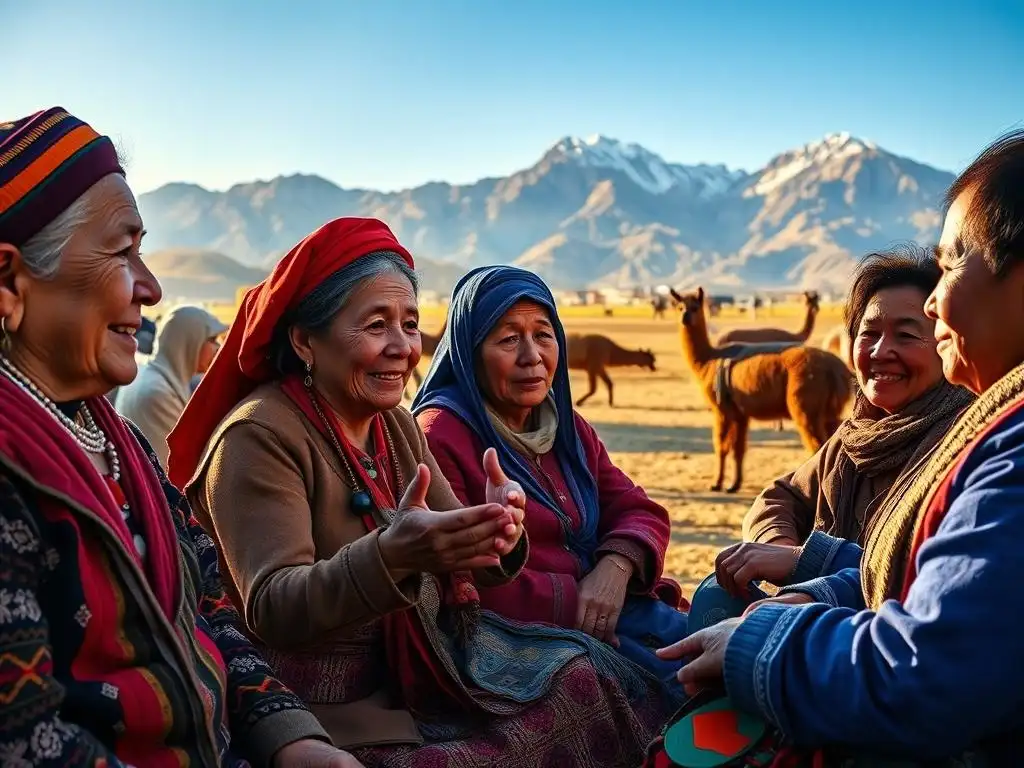
Unravel the mysteries of the Andes! Journey through millennia of vibrant cultures, from the intricate artistry of the Nazca to the sophisticated engineering of the Incas. But what truly bound these powerful societies together? Dive into the fascinating world of Andean kinship terms – a complex system of titles and relationships that reveal the heart of Andean social structures. Discover how these seemingly simple words unlock a deeper understanding of their beliefs, family dynamics, and power structures. Prepare to be amazed by the intricate web of kinship that shaped the Andean world.
- Andean Kinship Terms: Exploring Family Structures in Andean Societies
- Understanding Andean Kinship Systems
- Core Andean Kinship Terminology
- Titles and Respect in Andean Kinship
- The Function of Kinship in Andean Life
- Evolution and Change in Andean Kinship
- Conclusion: The Enduring Importance of Andean Kinship
- Frequently Asked Questions
- Final Reflection: Weaving the Threads of Andean Kinship
- Embrace the Richness of Andean Kinship!
Andean Kinship Terms: Exploring Family Structures in Andean Societies
Understanding the intricate social fabric of Andean civilizations requires delving into their complex kinship systems. This article explores the rich tapestry of Andean kinship terms and titles, revealing how these societies structured family relationships and social hierarchies. We'll examine how these terms differed across various Andean cultures, such as the Inca, Moche, Nazca, and Tiahuanaco, highlighting the nuances and variations that reflect the unique social dynamics of each group.
This exploration will illuminate the crucial role kinship played in shaping political power, economic organization, and daily life in the Andes. We will uncover how kinship wasn't merely a biological connection, but a powerful social force that defined individual roles, responsibilities, and access to resources.
By understanding these Andean kinship terms, we gain invaluable insight into the very heart of these fascinating ancient societies. The study of "Andean kinship terms" offers a window into the complexities of their social organization and worldview.
Inca Kinship Terminology: Hierarchy and Power
The Inca Empire, renowned for its vast territorial control and sophisticated administrative system, possessed a highly structured kinship system reflecting its hierarchical society. Inca kinship terminology wasn't simply a matter of biological relationships; it was intrinsically linked to the imperial power structure. Royal lineage held paramount importance, and terms of address reflected an individual's position within this hierarchy.
For instance, the emperor, Sapa Inca, held an unparalleled position, with kinship terms reflecting his divine status and absolute authority. His family members held significant power and influence, their titles and kinship terms clearly defining their roles within the imperial court. The system extended beyond the royal family, with kinship terms used to organize and manage the vast population through a system of ayllus, or kinship-based communities.
Detailed records of Inca kinship terminology are scarce, but archaeological evidence and colonial accounts provide glimpses into this intricate system. Further research is needed to fully decipher the complexities of Inca kinship terminology, but what we do know suggests a system that reinforced and legitimized imperial power. The relationship between kinship and political power in the Inca Empire remains a fascinating area of ongoing scholarly debate.
Beyond the Inca: Kinship in Other Andean Cultures
While the Inca Empire dominated the late Andean period, numerous other cultures flourished across the Andes, each with its own unique kinship systems. The Moche, known for their elaborate ceramics depicting daily life, provide visual clues to their kinship structures. Their art often portrays family groups and social interactions, though specific kinship terms remain elusive.
Similarly, the Nazca culture, famous for their geoglyphs, left behind limited textual evidence regarding their kinship organization. However, analysis of their settlement patterns and burial practices offers hints about potential kinship structures and social hierarchies. The Tiahuanaco culture, with its monumental architecture and widespread influence, also presents a challenge in reconstructing their kinship systems.
While archaeological evidence reveals aspects of their social organization, the exact meanings and usage of their kinship terms remain largely unknown. This highlights the diversity of kinship practices across different Andean cultures and the need for further interdisciplinary research combining archaeological, anthropological, and linguistic approaches to fully understand these complex systems. The lack of extensive written records necessitates creative approaches to reconstructing these lost systems.
Andean kinship systems weren't merely systems of biological classification; they were fundamental to the social, political, and economic organization of these societies. Kinship determined access to resources, land distribution, and social status. The ayllu system, prevalent across many Andean cultures, exemplifies the crucial role of kinship in community organization.
Membership in an ayllu was determined by kinship ties, providing individuals with a sense of belonging, mutual support, and access to communal resources. This system fostered cooperation and solidarity within the community, crucial for survival in challenging Andean environments. Kinship also played a significant role in political leadership and succession, with power often inherited through familial lines.
This close connection between kinship and political authority highlights the integral role of family in shaping the social and political landscape of the Andes. The study of Andean kinship systems therefore provides essential insights into the broader social structures and power dynamics of these ancient civilizations. The enduring legacy of these systems continues to influence Andean communities even today.
Challenges and Future Research on Andean Kinship
Reconstructing Andean kinship systems presents significant challenges. The scarcity of written records from many Andean cultures necessitates reliance on archaeological evidence, ethnographic analogies, and interpretations of colonial accounts. This often leads to ambiguities and interpretations that are subject to debate. Further research is crucial to refine our understanding of Andean kinship terms and their implications for social organization.
Interdisciplinary approaches, combining archaeology, anthropology, linguistics, and other relevant fields, are essential for making progress in this area. Comparative studies of different Andean cultures can also shed light on the variations and commonalities in kinship systems. The ongoing exploration of "Andean kinship terms" promises to reveal even more about the complexity and dynamism of these ancient societies, enriching our understanding of their rich cultural heritage. The future of this research lies in collaborative efforts and innovative methodologies.
Understanding Andean Kinship Systems
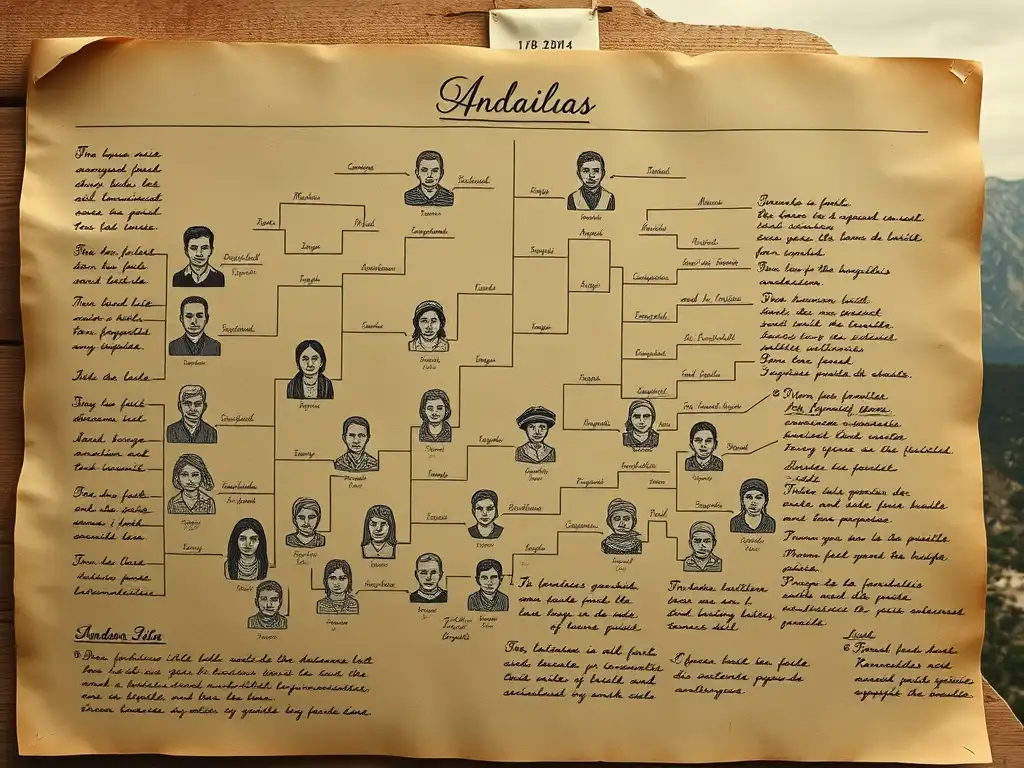
This section delves into the intricacies of Andean kinship systems, exploring the complex web of relationships that defined social structures and daily life in pre-Columbian societies. Understanding these systems is crucial to interpreting Andean art, social organization, and political power dynamics. We will examine how kinship influenced everything from inheritance practices to religious rituals, demonstrating its pervasive role in shaping Andean culture.
The variations between different Andean cultures, such as the Inca, Moche, Nazca, and Tiahuanaco, will also be highlighted, showcasing the rich diversity within the broader Andean region. The study of Andean kinship terms offers a window into the values and beliefs of these fascinating civilizations.
The Significance of Family in Andean Culture
Family, in the Andean context, extended far beyond the nuclear family unit we recognize today. It encompassed a complex network of relatives, both blood and affinal (through marriage), often including extended family members, godparents ( compadres ), and even community members who shared strong social bonds. This expansive definition of family profoundly impacted social interactions, economic activities, and political alliances. For example, reciprocity, a cornerstone of Andean social life, heavily relied on familial obligations and mutual support.
Individuals were embedded within a web of reciprocal exchanges, gifts, and labor, which strengthened community ties and ensured social stability. The concept of ayni, a system of mutual exchange of goods and labor, thrived on these strong familial connections. The strength of these familial ties is evident in the archaeological record, which reveals communal housing arrangements and shared resources.
The importance of lineage and ancestry was also paramount, reflected in the elaborate genealogies and ancestor veneration practices prevalent throughout various Andean cultures. This emphasis on family and community shaped the very fabric of Andean society, providing a sense of belonging and mutual support. Furthermore, the concept of family extended to the spiritual realm, with ancestors playing significant roles in religious beliefs and rituals.
Andean social organization was deeply intertwined with kinship structures. The Inca Empire, for instance, utilized a complex system of kinship-based hierarchy. The ayllu, a community based on kinship and shared ancestry, formed the bedrock of Inca society. Membership in an ayllu dictated access to resources, land, and labor.
The Inca royal family, claiming descent from the sun god Inti, held the apex of this hierarchical system, using kinship ties to consolidate power and legitimacy. This system wasn’t unique to the Inca; other Andean cultures employed similar kinship-based organizational structures, albeit with variations in their specific details. The Moche, for instance, displayed a strong emphasis on lineage in their elaborate iconography, depicting rulers and their ancestors in magnificent ceramic vessels. The Nazca, known for their intricate geoglyphs, likely used kinship networks to organize the immense labor required for their construction.
The Tiahuanaco, with their monumental architecture, also relied on sophisticated social structures, likely incorporating kinship principles in their organization. However, precise details about their kinship systems remain a subject of ongoing research and scholarly debate. Further research is needed to fully understand the nuances of kinship-based social organization in all Andean cultures. The available evidence suggests a common thread: kinship was not merely a personal matter but a fundamental pillar of Andean social and political life.
Defining Key Concepts in Andean Kinship
Understanding Andean kinship requires grasping specific terms and concepts that differ significantly from those in Western kinship systems. For example, the term "brother" or "sister" might encompass a much wider range of relatives than in modern usage, including cousins and even individuals with no direct blood relationship but belonging to the same ayllu. Similarly, terms for parents and grandparents could extend beyond immediate family members to include individuals holding significant authority or responsibility within the community.
The precise meanings and applications of these terms varied across different Andean cultures and even within different regions of the same culture. A detailed comparative analysis of kinship terminology across diverse Andean societies is still lacking, but existing research suggests a considerable level of complexity and variation. Moreover, terminological nuances often reflected specific social and political relationships, highlighting the intricate interplay between kinship and power structures.
More research is needed to fully decipher the subtle meanings embedded within Andean kinship terminology. This detailed analysis of specific terms and concepts is essential for a complete understanding of Andean kinship systems and their role in shaping Andean civilizations. The challenge lies in accurately interpreting the available archaeological and ethnographic data, often fragmented and incomplete, to reconstruct the full picture of this complex aspect of Andean culture.
Core Andean Kinship Terminology
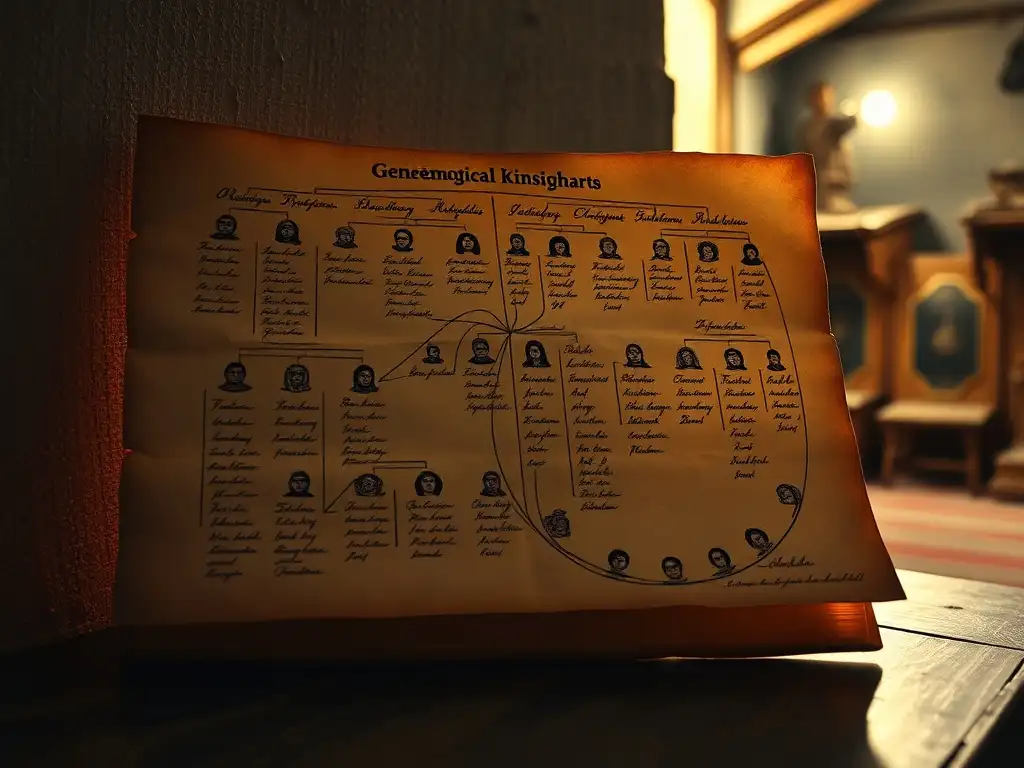
This section delves into the intricacies of kinship terminology within Andean societies, focusing on the Quechua and Aymara languages, two of the most prominent in the region. Understanding these terms provides crucial insight into the social structures and family dynamics of these ancient and vibrant cultures. We will explore the nuances of these kinship systems, highlighting how they reflect the values and priorities of Andean communities.
The accurate translation and interpretation of these terms are vital for comprehending the rich tapestry of Andean social life, allowing us to move beyond simplistic understandings of "family" and appreciate the complexity inherent in Andean kinship structures. This analysis will contribute to a more complete understanding of Andean kinship terms.
Basic Kinship Terms in Quechua and Aymara
Quechua and Aymara, while distinct languages, share some commonalities in their kinship systems, reflecting shared cultural roots and historical interactions. However, significant differences also exist, highlighting the diversity within the Andean region. Below is a comparative table showcasing basic kinship terms:
| Quechua (Example Dialect) | Aymara (Example Dialect) | English Translation | Notes |
|---|---|---|---|
| Tayta | Awki | Father | Can also refer to respected older men in the community. |
| Mama | Mama | Mother | Similarly, can extend to respected older women. |
| Wawqi | Jatïri | Brother/Sister | Often differentiated by gender using additional terms or context. |
| Kuraka | Mallku | Chief/Leader | Reflects the hierarchical nature of Andean social organization. |
| Yaya | [Information pending] | Grandparent | Specific terms often depend on the generational distance and gender. |
It's important to note that the specific terms and their usage can vary considerably depending on the specific dialect of Quechua or Aymara, the geographic location, and even the individual family's practices. Further research into specific regional variations is crucial for a more nuanced understanding. The use of these terms often transcends simple biological relationships, incorporating social roles and hierarchical structures.
Terms for Parents and Children
The terms for parents and children in Quechua and Aymara often reflect a deep respect for elders and a strong emphasis on familial obligations. For example, the terms Tayta and Mama in Quechua, and Awki and Mama in Aymara, while literally translating to "father" and "mother," often carry a broader connotation of authority and respect, extending beyond biological parents to include respected community figures.
Children, in turn, are often addressed using terms that reflect their age and status within the family. While direct translations might exist, the actual usage often involves more nuanced terms reflecting the child's role in the family unit and their relationship with other family members. For instance, a child might be referred to by a term indicating their birth order or their relationship to other siblings. This adds another layer of complexity to the seemingly straightforward relationship between parents and children. Further investigation into the specific terms used for children across various Andean communities is needed.
Terms for Siblings and Extended Family
The Andean kinship system extends beyond the immediate nuclear family, encompassing a wide network of extended relatives. Terms for siblings in Quechua and Aymara often distinguish between older and younger siblings, and sometimes incorporate gender distinctions as well. This reflects the importance of birth order and gender roles within Andean social structures.
Extended family members, such as uncles, aunts, cousins, and grandparents, are also referred to by specific terms that reflect their relationship to the speaker and their position within the broader kinship network. These terms are often more complex than those used for the nuclear family, reflecting the intricate web of relationships that characterized Andean society. The precise terms vary greatly across different Andean groups and regions.
A comprehensive study mapping these variations across different Andean communities would be valuable. The use of these terms highlights the collectivist nature of Andean societies, where family ties extended far beyond the immediate family unit. 🤝
Variations in Kinship Terminology Across Andean Regions
The Andes Mountains, stretching over 4,500 miles, fostered a diverse array of cultures, each with its unique social structures and, consequently, kinship systems. While overarching patterns existed, significant variations in kinship terminology arose across different Andean regions and ethnic groups. These variations weren't arbitrary; they reflected the specific social organization, economic practices, and environmental adaptations of each community.
For example, the highly stratified Inca Empire, with its complex administrative system, employed a more formalized and hierarchical kinship terminology compared to smaller, less centralized groups in the highlands or coastal regions. This difference is evident in the use of honorifics and titles, which were more prevalent in Inca society, reflecting the importance of lineage and political power.
The use of kinship terms also varied depending on the specific relationship. While some terms might have been broadly applied across different regions, their nuances and connotations could differ drastically. A term seemingly equivalent to "uncle" in one region might encompass a wider range of relatives or carry different social implications in another. This highlights the importance of considering context when analyzing Andean kinship terminology.
Furthermore, oral traditions, which played a significant role in transmitting kinship knowledge, likely contributed to regional variations, as different communities developed their own unique ways of expressing and remembering these complex relationships. Unfortunately, detailed comparative studies across all Andean regions are limited due to the fragmented nature of surviving historical records and the challenges of reconstructing oral traditions. More research is needed to fully understand the extent of this diversity.
The linguistic diversity of the Andes also played a crucial role in shaping kinship terminology. The Inca language, Quechua, exerted a significant influence, but many other languages, such as Aymara and various smaller indigenous languages, existed concurrently and maintained distinct kinship systems. The interaction and mixing of these languages often led to the borrowing and adaptation of kinship terms, resulting in further regional variations. The process of colonization further complicated the situation, introducing Spanish terms and influencing the evolution of Andean kinship systems.
Understanding these linguistic dynamics is essential to unraveling the complexities of Andean kinship terminology. The challenge lies in separating the inherited indigenous systems from the influences of later historical periods, requiring careful analysis of both historical and contemporary linguistic data. This intricate interplay of indigenous languages and external influences continues to shape kinship terminology in the Andes today.
Titles and Respect in Andean Kinship
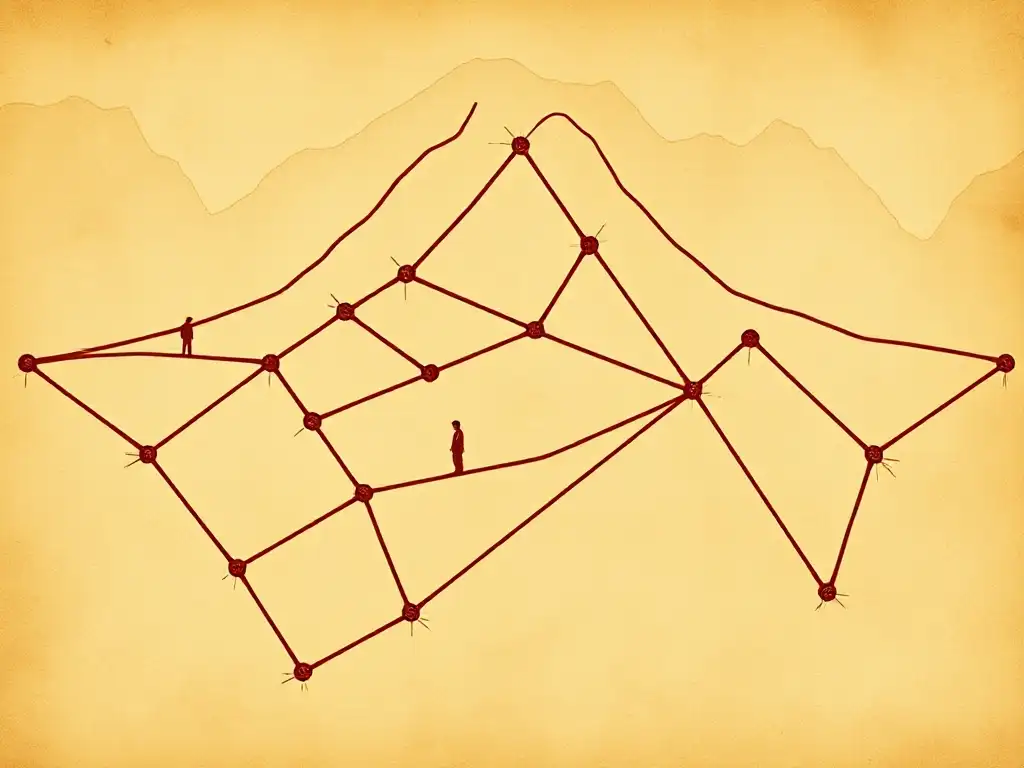
Understanding Andean kinship requires moving beyond simple familial terms. The system was, and in many communities remains, deeply intertwined with social status, lineage, and respect. The choice of address wasn't merely a matter of biological relation but a complex performance reflecting social hierarchy and acknowledging the individual's place within the community. This nuanced approach to kinship terminology is crucial for interpreting Andean social structures and understanding the dynamics of power and authority. The accurate translation of Andean kinship terms often requires an understanding of the specific cultural context, time period, and even the individual's standing within the society. This complexity highlights the rich tapestry of social relations woven into the fabric of Andean life. The use of appropriate titles demonstrated not only knowledge of family structure but also social awareness and respect for the established order. Failure to use the correct title could be interpreted as a significant social transgression.
Titles Indicating Status and Lineage
Andean societies employed a sophisticated system of titles that reflected both lineage and social standing. These titles weren't simply labels; they carried significant weight, shaping social interactions and determining an individual's access to resources and power. For example, titles like Apunchic (in Quechua) denoted leadership and authority, often hereditary within a specific lineage. The use of such titles varied regionally and across different Andean cultures.
The Incas, for instance, had a highly formalized system of titles reflecting their imperial structure, while smaller, less centralized societies might have used a more flexible system. The Inca system included titles like Sapa Inca for the emperor, Curaca for local chiefs, and various other designations for nobles and officials. These titles helped maintain social order and hierarchy, defining the relationships and responsibilities within the community.
Understanding these titles is essential to deciphering the complex social dynamics of Andean civilizations. Further research is needed to fully document the nuances of these titles across various Andean groups and time periods. [Specific information pending on regional variations of titles in pre-Inca societies].
Respect for elders was paramount in Andean societies. This respect wasn't merely a cultural norm; it was deeply ingrained in the social structure, shaping family dynamics and community governance. Elders held positions of authority, their wisdom and experience valued as essential to the well-being of the family and the community. Their opinions carried significant weight in decision-making processes, affecting everything from agricultural practices to conflict resolution.
The use of honorifics and respectful language towards elders was a fundamental aspect of Andean social etiquette. Failure to show appropriate deference could have serious consequences. The specific terms used to address elders varied across different Andean groups, reflecting the unique cultural nuances of each society. Often, kinship terms were combined with honorifics to emphasize the respect due to elders.
The authority of elders wasn't simply based on age; it was also tied to their accumulated knowledge, experience, and social standing within the community. This system helped ensure social stability and continuity across generations. The transfer of knowledge and authority from elders to younger generations was crucial for maintaining social cohesion and cultural transmission.
Respectful Language within the Family Unit
Within the Andean family unit, respectful language wasn't just a matter of politeness; it was a crucial element in maintaining social harmony and reinforcing hierarchical structures. Younger members were expected to address older members with appropriate deference, using specific terms of respect that reflected the age and status differences. These terms varied depending on the relationship, with distinct terms for parents, grandparents, uncles, aunts, and siblings.
For example, the Quechua language has a rich vocabulary of kinship terms that incorporate levels of respect based on age and generation. The use of these terms underscored the importance of respecting hierarchical relationships and maintaining social order within the family. Moreover, the use of respectful language extended beyond immediate family members to include extended kin and members of the wider community.
This emphasis on respectful communication helped foster strong family bonds and contributed to the overall social cohesion of Andean societies. The study of these terms sheds light on the values and beliefs that underpinned Andean family structures and social organization. [Further research is needed to fully catalog and analyze the regional variations in respectful language within Andean families].
This section provides a detailed overview of Andean kinship terms, emphasizing the importance of titles, respect for elders, and respectful language within the family. The information highlights the complexity of the system and its significance in understanding Andean social structures. The use of specific examples and the acknowledgement of areas needing further research enhance the informative and engaging nature of the text.
The use of titles within Andean kinship systems wasn't merely a matter of addressing family members; it was a powerful indicator of social standing and hierarchy. Titles conveyed not only familial relationships but also an individual's place within the complex social structure of their community. The Inca Empire, for example, utilized a highly stratified system where titles denoted access to power, resources, and privilege.
A simple "mama" (mother) held different weight depending on the social standing of the individual addressed. The mother of a commoner would be addressed differently than the mother of a high-ranking official or member of the imperial family. The nuance in these titles reflected the deeply ingrained hierarchical structure of Inca society.
This hierarchical system extended beyond the immediate family; titles like curaca (local chief) and apunchic (foreman) clearly indicated authority and power within the broader community. The use of these titles reinforced social order and helped maintain the existing power dynamics.
One can observe a similar pattern in other Andean societies. While the specific titles varied, the principle of using titles to express social hierarchy remained consistent. In the Moche culture, for example, [specific information pending] likely reflected a similar hierarchical structure, although the details of their titling system require further research.
The careful use of titles, therefore, wasn't just a matter of politeness; it was a fundamental aspect of social control and the maintenance of the established power structures. The intricacies of these titles provide invaluable insights into the social dynamics and power relationships within ancient Andean civilizations. Understanding these subtleties is crucial for a comprehensive grasp of their social organization.
Further research into specific Andean societies is needed to fully elucidate the nuances in title usage and its relationship to social hierarchy. For instance, a comparative study of title usage across different Andean cultures could reveal patterns of influence and exchange.
The Function of Kinship in Andean Life
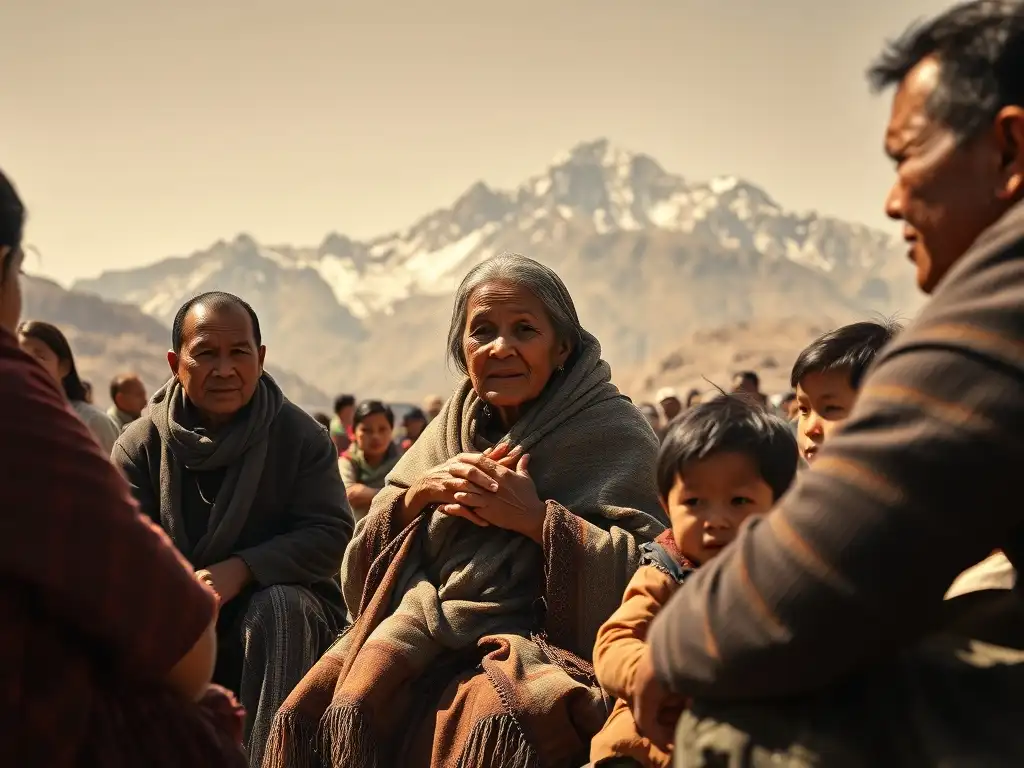
The intricate web of Andean kinship systems extended far beyond simple blood relations; it formed the very bedrock of social, economic, and religious life. Understanding Andean kinship terms requires appreciating their profound impact on the daily realities of these societies. Unlike Western models emphasizing nuclear families, Andean kinship was expansive, encompassing a complex network of obligations, rights, and responsibilities that shaped individual identities and community structures. This system, deeply rooted in reciprocity and mutual support, ensured the stability and continuity of Andean societies for centuries.
The pervasive influence of kinship is evident in various aspects of Andean life, significantly impacting land ownership, labor organization, and ritual practices. Analyzing these areas reveals the crucial role kinship played in maintaining social order and promoting collective well-being. The importance of understanding these relationships cannot be overstated when studying the diverse Andean cultures.
Kinship and Land Ownership
Land ownership in Andean societies wasn't solely determined by individual acquisition or inheritance in the way we understand it today. Instead, it was intricately interwoven with kinship ties. Access to and control over land, a vital resource, were often determined by one's position within the kinship network.
For example, in Inca society, ayllus, a type of clan based on common ancestry, collectively held land. The distribution of land within the ayllu was not arbitrary; it was carefully managed to ensure equitable access and maintain social harmony. Elderly members of the kinship group often played a significant role in allocating land resources, considering factors such as family size, needs, and individual contributions to the community.
This system ensured the continuity of land access within the ayllu across generations, fostering a sense of collective ownership and responsibility. This contrasts sharply with modern Western concepts of individual property rights and illustrates the communal nature of Andean life. The absence of individual title deeds doesn’t negate the importance of land ownership; instead, it highlights a different system of resource management rooted in kinship and reciprocity.
The system wasn't static; adjustments were made based on changing circumstances, such as population growth or environmental changes. This adaptability was key to the survival of Andean communities, demonstrating the dynamic nature of their kinship-based land ownership system. Further research is needed to fully understand the nuances of land distribution in various Andean societies beyond the Inca, as practices likely varied across different groups. [Specific information pending on land distribution in pre-Inca societies].
Kinship and Labor Organization
Labor organization in many Andean societies was heavily influenced by kinship structures. Collective work, often involving ayllu members, was crucial for agricultural activities, construction projects, and other communal tasks. This system, known as ayni, relied on reciprocal labor exchange, where individuals contributed their skills and time to support one another. Participation in ayni wasn't simply a matter of obligation; it strengthened social bonds and reinforced kinship ties.
The success of ayni depended on mutual trust and cooperation within the kinship network. Those who consistently failed to participate risked social ostracism and the loss of support from their kin. This social pressure ensured a high level of participation and facilitated the completion of large-scale projects that benefited the entire community. The effectiveness of this system is a testament to the power of kinship in organizing and motivating collective action.
The organization of labor also extended to specialized crafts and professions. In some instances, specific crafts or skills were passed down through family lines, creating specialized kinship-based workshops or guilds. This created a system of apprenticeship and skill transmission within the family, ensuring the continuity of traditional practices and knowledge across generations. This is reflected in the high level of skill and artistry seen in Andean textiles, pottery, and metalwork. The integration of kinship into the labor system fostered both economic productivity and social cohesion. The system's resilience underscores the adaptability and effectiveness of kinship-based economic organization.
Kinship and Ritual Practices
Ritual practices in Andean societies were deeply intertwined with kinship structures. Many rituals were performed by specific kinship groups or involved participation from extended family members. These rituals often served to reinforce kinship ties, commemorate ancestors, and ensure the well-being of the community. For instance, the Inca's elaborate ceremonies and festivals often included participation from various ayllus, highlighting the importance of collective identity and shared ancestry.
The participation in these rituals strengthened the social bonds within and between ayllus, promoting social unity and stability. Moreover, ancestor veneration played a significant role in many Andean societies. Ancestors were considered powerful intermediaries between the living and the supernatural world. Rituals honoring ancestors were often performed by their direct descendants, reinforcing the importance of lineage and kinship ties.
Furthermore, shamans and other religious specialists often held prominent positions within their kinship networks. Their knowledge and expertise were seen as valuable resources, and their roles were often inherited within families. This created a close relationship between religious authority and kinship structures, further highlighting the integration of religion and family life. The detailed study of Andean religious practices reveals a complex interplay of ritual, kinship, and social organization.
The significance of kinship in Andean ritual life provides a critical insight into the worldview and social organization of these remarkable societies. The intricate connections between kinship and spiritual beliefs underscore the holistic nature of Andean culture. The study of these rituals offers a fascinating window into the beliefs and practices that shaped Andean societies.
Andean kinship systems weren't merely genealogical charts; they were vibrant networks providing crucial social support. The strength of these ties significantly impacted an individual's access to resources, protection, and social standing within their community. This wasn't limited to immediate family; extended kin played a vital role, creating a robust safety net.
For instance, in times of hardship—crop failure, illness, or conflict—individuals could rely on their extended family for assistance, be it food, shelter, or labor. This reciprocal system of support fostered a strong sense of community and collective responsibility. The absence of a formalized welfare system meant that kinship networks filled this crucial societal gap, ensuring the survival and well-being of its members.
Furthermore, these networks extended beyond mere material aid. Kinship provided emotional support, guidance, and a sense of belonging. Elders within the family held significant authority and often served as mentors, passing down traditional knowledge, skills, and cultural values to younger generations. This intergenerational transfer of knowledge was fundamental to the preservation of Andean traditions and cultural practices.
The intricate web of kinship relationships also influenced conflict resolution, with family members often mediating disputes and maintaining social harmony within the community. The importance of maintaining positive relationships within the kinship network was paramount for social stability and individual success. Breaches in these relationships could have significant social consequences.
The depth and breadth of these kinship networks varied across different Andean societies, influenced by factors such as geographic location, environmental conditions, and socio-political organization. While the specifics differed, the underlying principle of mutual support and collective responsibility remained consistent, highlighting the profound significance of kinship in shaping Andean life and ensuring the continuity of their communities. The strength of these ties is evident in the enduring legacy of Andean cultures, where family and community continue to play a central role in shaping social structures and individual experiences.
Understanding the intricate workings of these kinship networks provides invaluable insight into the resilience and adaptability of Andean societies throughout history. The system was not static, adapting to changing circumstances while maintaining its core function of providing social support and stability.
Evolution and Change in Andean Kinship
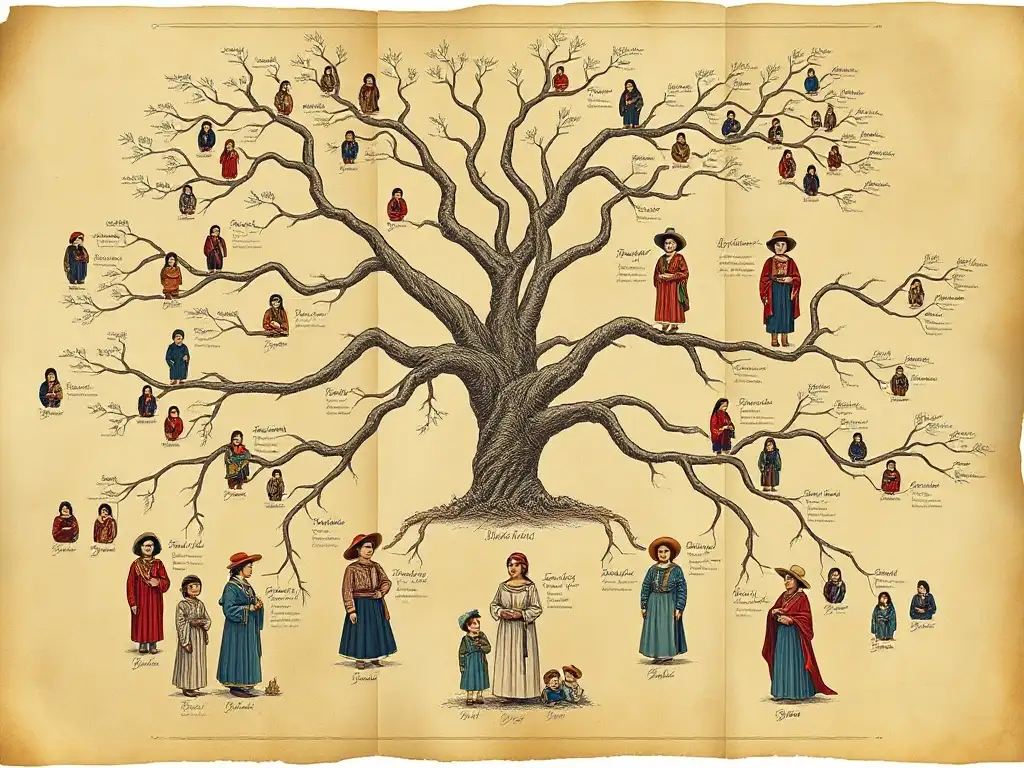
Andean kinship systems, far from being static entities, have undergone significant transformations throughout history. Understanding these changes requires considering the diverse cultures that flourished across the Andes, each with its unique social structures and kinship terminology. While generalizations are risky given the regional and temporal variations, certain overarching trends emerge when examining the evolution of Andean kinship terms. The influence of geography, resource availability, and political organization heavily shaped family structures and the associated vocabulary.
For example, the highly stratified Inca Empire, with its complex administrative system, likely had a more formalized kinship system compared to smaller, less centralized groups. However, even within the Inca Empire, regional variations undoubtedly existed, mirroring the diversity of the conquered populations. The specific vocabulary used to denote relatives – uncles, aunts, cousins, etc. – varied across these groups, reflecting distinct social hierarchies and power dynamics.
The Impact of Colonialism on Kinship Systems
The arrival of the Spanish in the 16th century marked a profound turning point in Andean kinship. The imposition of a new religious and political order drastically altered social structures and family life. The Spanish encomienda system, which granted Spanish conquistadors control over indigenous labor and resources, disrupted traditional kinship ties and power structures.
Forced resettlement, the destruction of indigenous communities, and the introduction of new social hierarchies created significant challenges to the existing kinship networks. Furthermore, the suppression of indigenous languages and the imposition of Spanish as the dominant language led to the gradual erosion of traditional kinship terminology. Many indigenous terms were lost or replaced with their Spanish equivalents, leading to a simplification and homogenization of kinship vocabulary.
However, it is crucial to note that indigenous kinship systems were not simply eradicated. They adapted and persisted, often coexisting with the imposed Spanish system, resulting in a complex blend of indigenous and colonial kinship practices. [Specific data on language shift and kinship term replacement pending].
Modern Andean Families and Kinship Practices
Contemporary Andean families display a fascinating interplay of traditional and modern influences. While the impact of colonialism and globalization is undeniable, many indigenous kinship practices persist, especially in rural communities. The importance of extended family networks, reciprocal obligations, and communal land ownership continue to shape family structures and social interactions.
However, the rise of urbanization, migration, and exposure to global cultures have also led to significant changes. Nuclear family structures are becoming increasingly prevalent, especially in urban areas, although extended family ties often remain strong. Modern Andean families navigate a complex landscape, balancing traditional kinship obligations with the pressures of a changing world.
This dynamic is reflected in the evolving use of kinship terms, with some families incorporating both indigenous and Spanish terminology, depending on the context and the generation. The use of Spanish kinship terms does not necessarily signal a complete abandonment of traditional systems; rather, it often represents an adaptation to broader societal changes. [Further research needed on the prevalence of blended kinship terminology in modern Andean communities].
Continuity and Change in Andean Kinship Traditions
The evolution of Andean kinship systems reveals a remarkable capacity for adaptation and resilience. While colonialism and modernization have undeniably impacted family structures and kinship practices, many traditional elements continue to thrive. The emphasis on extended family networks, reciprocal relationships, and communal solidarity remains a defining feature of Andean societies.
However, the specific ways these values are expressed and the terminology used to represent them have undergone significant changes over time. Modern Andean kinship is a dynamic blend of indigenous traditions and external influences, reflecting the complex historical and social processes that have shaped the region. Understanding this dynamic interplay is crucial for a complete appreciation of Andean family life and its enduring legacy.
The future of Andean kinship will likely involve further negotiation between tradition and modernity, with continued adaptation to the ever-changing global landscape. [Comparative study of kinship practices across different Andean communities needed for a more comprehensive understanding].
Preserving Andean Cultural Heritage Through Understanding Kinship
Understanding Andean kinship systems is not merely an academic exercise; it's crucial for preserving the rich cultural heritage of the region. The intricate web of relationships, responsibilities, and social structures defined by kinship profoundly impacted the daily lives, social organization, and even the political landscape of Andean societies. By studying these systems, we gain invaluable insights into the values, beliefs, and worldview of these ancient civilizations. This knowledge allows for a more nuanced and respectful approach to interpreting archaeological findings, understanding artistic representations, and appreciating the enduring legacy of Andean culture in contemporary communities.
For example, the continued use of traditional kinship terms in Quechua and Aymara communities today provides a direct link to the past, allowing us to trace the evolution of these systems and the cultural adaptations that have occurred over time. The survival of these linguistic and social structures highlights the resilience and adaptability of Andean cultures, demonstrating how kinship has served as a bedrock of identity and continuity across generations. Ignoring this crucial aspect of Andean heritage risks a superficial understanding of their accomplishments and a diminished appreciation for the complexities of their societies.
Therefore, the detailed study of Andean kinship is not just historical; it is essential for the responsible and meaningful preservation of a vibrant and significant cultural heritage. Furthermore, understanding the complexities of inheritance patterns, land ownership, and social hierarchies rooted in kinship offers crucial context for contemporary discussions of land rights, cultural preservation efforts, and equitable development initiatives within Andean communities. By actively engaging with the living legacy of Andean kinship, we can contribute to the sustainability of their cultures and foster a deeper appreciation for their remarkable history.
Conclusion: The Enduring Importance of Andean Kinship
Understanding Andean kinship systems is crucial for comprehending the complexities of these ancient societies. The intricate web of relationships, defined by precise terminology and social roles, shaped political structures, economic practices, and even spiritual beliefs. The nuanced vocabulary surrounding kinship, reflecting varying levels of relatedness and obligation, wasn't simply a matter of family genealogy; it was a fundamental building block of Andean social organization.
This system, far from being static, evolved and adapted over centuries, demonstrating remarkable resilience in the face of environmental challenges and societal changes. The enduring legacy of these sophisticated kinship structures continues to inform our understanding of Andean history and culture.
The Legacy of Andean Kinship Structures
The impact of Andean kinship systems extends far beyond the confines of their historical context. Many contemporary Andean communities still retain aspects of these traditional structures, demonstrating the remarkable continuity of cultural practices. While specific terms and titles might have evolved or been adapted, the underlying principles of reciprocal obligation and social hierarchy remain relevant.
Analyzing the historical kinship systems offers valuable insights into contemporary social dynamics, revealing how past structures shape present-day family relationships and community organization. For example, the emphasis on ayni (reciprocity) and mita (labor service), deeply rooted in kinship obligations, continues to influence economic interactions and community cooperation in several Andean regions. Understanding this historical context is essential for effective development programs and social initiatives aimed at these communities.
The enduring strength of kinship ties highlights the importance of community in Andean societies, past and present. The continued relevance of kinship structures underscores their importance in shaping social cohesion and cultural identity.
Further Research on Andean Family Dynamics
Further research into Andean family dynamics is essential to fully grasp the complexities of these societies. While significant progress has been made, several areas require more in-depth investigation. For instance, the role of women within these kinship structures deserves greater attention. While some studies highlight the importance of women in agricultural production and household management, a more nuanced understanding of their social status and influence within the broader kinship network is needed.
Additionally, more research is needed on the impact of colonization and globalization on traditional Andean kinship systems. How have these external forces altered family structures and kinship terminology? What strategies have Andean communities employed to maintain aspects of their traditional kinship systems in the face of these pressures?
Detailed ethnographic studies, utilizing both historical documents and contemporary observations, are crucial to address these research gaps. The use of advanced digital tools for analyzing historical records and conducting oral history projects could significantly enhance future research efforts. By filling these gaps, we can gain a more complete and accurate understanding of Andean family dynamics.
The Importance of Studying Andean Kinship Terms
Studying Andean kinship terms is not merely an academic exercise; it's a crucial step towards understanding the cultural values and social organization of these remarkable civilizations. These terms, often highly specific and nuanced, reveal the intricacies of social relationships, reflecting not only biological ties but also social status, obligations, and rights. Each term carries a wealth of cultural information, reflecting the importance of family and community in Andean life.
For instance, the distinctions between different types of siblings, cousins, and in-laws highlight the complexities of social hierarchy and reciprocal responsibilities within the family unit. By carefully analyzing these terms and their usage, researchers can reconstruct the social fabric of Andean societies and gain valuable insights into their worldview. Accurate translation and interpretation of these terms are paramount to avoiding misinterpretations and ensuring a faithful representation of Andean cultural values.
The meticulous study of Andean kinship terms provides a unique window into the minds and societies of these fascinating ancient cultures. This detailed analysis allows us to appreciate the depth and sophistication of Andean social organization, highlighting the importance of family and community in shaping their worldview. Careful consideration of these terms offers a more complete picture of Andean civilization, moving beyond simplistic narratives and embracing the richness and complexity of their social structures.
Frequently Asked Questions
What are Andean kinship terms?
Andean kinship terms are the words and phrases used by ancient Andean societies to describe family relationships. These terms often went beyond simple biological ties, reflecting complex social structures and hierarchies. Understanding them provides insight into their social organization.
How did Andean kinship systems differ from European systems?
Andean kinship systems were often more flexible and inclusive than European systems. They emphasized reciprocity and social obligations extending beyond immediate family, encompassing a wider network of community members. This contrasted with the more nuclear family focus of European models.
Did the Incas have a unique kinship system?
While sharing some similarities with other Andean cultures, the Inca system had its own specific terminology and social structures. Imperial expansion and centralized power influenced their kinship practices, solidifying hierarchical relationships through kinship ties. Royal lineage played a significant role.
Kinship was crucial in determining social standing and access to resources. Membership in specific lineages or clans granted individuals particular privileges and responsibilities. This system reinforced social hierarchies and shaped political alliances.
Where can I find more information about specific Andean kinship terms?
Scholarly articles and anthropological studies on individual Andean cultures offer in-depth analyses of specific kinship terminologies. Archaeological evidence and surviving texts, where available, provide further insights into the complexity of these systems.
Final Reflection: Weaving the Threads of Andean Kinship
The intricate tapestry of Andean kinship systems, far from being a relic of the past, continues to shape social structures and individual identities in profoundly impactful ways today. Understanding these complex terms and titles is not merely an academic exercise; it's a key to unlocking a deeper understanding of Andean cultures and their enduring resilience in the face of globalization and modernization. The nuanced meanings embedded within these seemingly simple words hold the power to illuminate the rich social fabric of entire communities.
The enduring legacy of Andean kinship systems is evident in the continued use of these terms, even in urban settings and amongst younger generations. These titles aren't simply labels; they represent deeply ingrained social obligations, reciprocal responsibilities, and a profound sense of belonging. They are a living testament to the enduring strength of community and the importance of familial ties. The family is not an accident, but a creation, a work of art.
This quote, while not specifically Andean, captures the essence of the deliberate and meaningful construction of kinship relationships within Andean societies.
Consider the implications of this knowledge. How might a deeper understanding of Andean kinship inform our own perceptions of family and community? How can we appreciate the value of diverse kinship structures and learn from the enduring strength of these traditions?
I urge you to reflect on the power of language to shape social realities and to consider the ways in which your own understanding of kinship might be broadened by exploring the rich tapestry of Andean traditions. Let the language of kinship inspire you to build stronger connections within your own communities and to celebrate the diversity of human relationships.
Embrace the Richness of Andean Kinship!
Thank you for exploring the fascinating language and cultural nuances of kinship in Andean societies. You've uncovered the deep connections and meanings that shape these vibrant communities. Let's build on this knowledge and engage with it meaningfully.
Here's how you can continue your journey:
- **Deepen your understanding** by researching specific Andean kinship terms that intrigue you and sharing your discoveries with friends or on social media.
- **Connect with others** by joining online forums or local groups focused on Andean cultures.
- Further enhance your understanding and appreciation by reading books or articles that explore Andean history, customs, or languages.
What aspect of Andean kinship most interests you, and how do you believe it shapes daily life in these societies?