
Social Dynamics in the Highland and Coastal Andean Regions

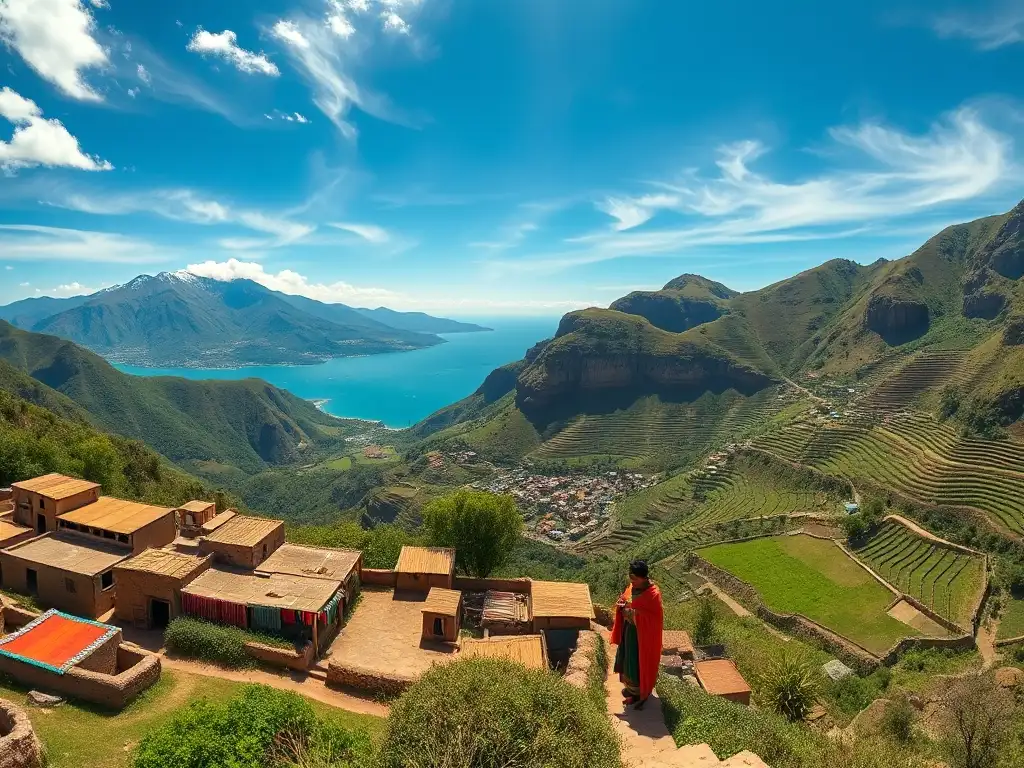
Step into a world lost in time, where towering mountain citadels and intricate artistry whisper tales of empires built on ingenuity and power. Dive into the fascinating world of Andean civilizations, uncovering the secrets behind their remarkable achievements. But what truly shaped these societies? This journey begins with an exploration of Andean civilizations social structure, revealing the complex dynamics that governed life in both the highland and coastal regions. Unravel the mysteries and prepare to be amazed.
- Social Dynamics in the Andean Regions: Highland vs. Coastal Societies
-
Andean Social Structures: A Comparative Analysis
- Contrasting Social Hierarchies in the Andes
- Highland Andean Social Organization: Key Characteristics
- The Ayllu System: Foundation of Highland Society
- Social Structure of the Q'ero Community, Peru
- Coastal Andean Social Dynamics: A Different Approach
- Influence of Irrigation on Coastal Social Organization
- Social Structure of the Moche Culture, Peru
- Social Classes and Roles in Andean Civilizations
- Economic Factors Shaping Andean Social Dynamics
- Religious Beliefs and Their Influence on Social Hierarchy
- Evolution of Social Structures in Andean Civilizations
- Conclusion: Understanding Andean Civilizations Social Structure
-
Frequently Asked Questions
- What were the main characteristics of Andean civilizations' social structures?
- How did the Inca social structure differ from other Andean civilizations?
- What role did religion play in shaping Andean social structures?
- How did the environment affect the social structures of the Andean civilizations?
- What evidence do we have to understand Andean social structures?
- Final Reflection: Echoes of the Andes: Understanding Past and Present
- Connect, Explore, and Elevate Your Understanding of Andean Cultures!
The Andes Mountains, a spine of towering peaks and deep valleys stretching along the western coast of South America, fostered a remarkable diversity of ancient civilizations. Understanding the social dynamics of these societies requires recognizing the significant differences between the highland and coastal regions.
While both areas witnessed complex social hierarchies and intricate political systems, the specific structures and power dynamics varied considerably due to geographical factors, resource availability, and the nature of their respective environments. This article delves into the contrasting social structures of the Andean civilizations, examining how geography shaped their social organization and the resulting power dynamics within the highland and coastal societies.
We will explore the key differences in social stratification, economic organization, and political systems, ultimately providing a nuanced understanding of the complexities of "Andean civilizations social structure." The analysis will focus on key civilizations like the Inca, Moche, Nazca, and Tiahuanaco, highlighting both similarities and striking contrasts in their societal arrangements.
The rugged terrain of the Andes highlands presented unique challenges and opportunities. The altitude, the steep slopes, and the varied microclimates created a "vertical archipelago," where different ecological zones provided diverse resources. This verticality profoundly influenced the social organization, leading to complex systems of reciprocity and control over resources. In societies like the Inca Empire, a highly centralized political system ensured the efficient distribution of resources across different altitudes. This system, while seemingly beneficial, also involved rigorous social control and a strict hierarchical structure.
The Inca's social structure was remarkably stratified. At the apex stood the Sapa Inca, the emperor, considered a divine ruler. Below him were the nobility, comprising various levels of officials and priests. The majority of the population consisted of ayllus, kinship-based communities that were responsible for agricultural production and other forms of labor.
These ayllus were organized into larger administrative units, overseen by appointed officials. This intricate system ensured the efficient mobilization of labor for large-scale projects, like the construction of impressive roads and agricultural terraces. The control of resources and labor was crucial for maintaining the power of the Inca elite. The system also relied heavily on a complex system of record-keeping, using quipus (knotted strings) to track resources and maintain order.
Furthermore, religious beliefs played a significant role in shaping social dynamics. Priests held considerable influence, acting as intermediaries between the divine and the human world. Their expertise in astronomy, agriculture, and ritual practices solidified their position within the hierarchy. The Inca worldview, deeply intertwined with the natural environment, reinforced the importance of maintaining a harmonious relationship between humans and the cosmos, which influenced social interactions and responsibilities at all levels of society.
Coastal Andean societies, while equally complex, differed significantly from their highland counterparts. The relatively flat terrain and access to the sea offered different economic opportunities, shaping their social structures accordingly. Coastal civilizations like the Moche and Nazca developed sophisticated irrigation systems to support intensive agriculture, creating a surplus of resources that supported larger, more densely populated settlements. This abundance, however, did not necessarily translate into a less stratified society.
The Moche, known for their elaborate artwork and monumental architecture, displayed a highly hierarchical structure. Evidence suggests a powerful elite class, likely composed of priests and warriors, controlled access to resources and held considerable power. Their elaborate burial practices, featuring lavish grave goods and human sacrifices, highlight the immense social stratification within Moche society.
The intricate iconography found in their ceramics also reveals a complex social order, reflecting the different roles and statuses within the community. While the exact nature of their social organization remains a subject of ongoing research, the available evidence strongly suggests a centralized power structure with a clear distinction between the elite and the commoners.
The Nazca, on the other hand, while also exhibiting social stratification, may have had a less centralized political system compared to the Moche. Their famous geoglyphs, massive figures etched into the desert surface, may reflect a complex interplay of social and religious beliefs. The monumental scale of these works suggests a significant mobilization of labor, possibly through a combination of religious obligations and social hierarchies.
Unlike the Moche, there is less evidence of a single, powerful elite controlling all aspects of society. The Nazca’s social structure likely involved a more decentralized power structure, perhaps with regional leaders and specialized craftsmen playing significant roles.
While both highland and coastal Andean societies were characterized by complex social hierarchies, the specific mechanisms of power and social control differed significantly. The highland societies, particularly the Inca, relied on a highly centralized political system and a strict hierarchy, with the emperor at the apex. This system ensured the efficient control of resources and labor, crucial for large-scale projects and maintaining social order.
Coastal societies, on the other hand, while also exhibiting stratification, may have had more decentralized power structures, with variations in political organization between different civilizations. The availability of resources, the nature of the environment, and the development of different technologies all contributed to the distinct social dynamics observed in these fascinating ancient societies.
The study of these contrasting social dynamics provides a rich understanding of the diverse ways in which Andean civilizations adapted to their environments and organized their societies. Further research is needed to fully understand the nuances of power relations and social interactions within these complex societies, and to refine our understanding of the intricacies of "Andean civilizations social structure."
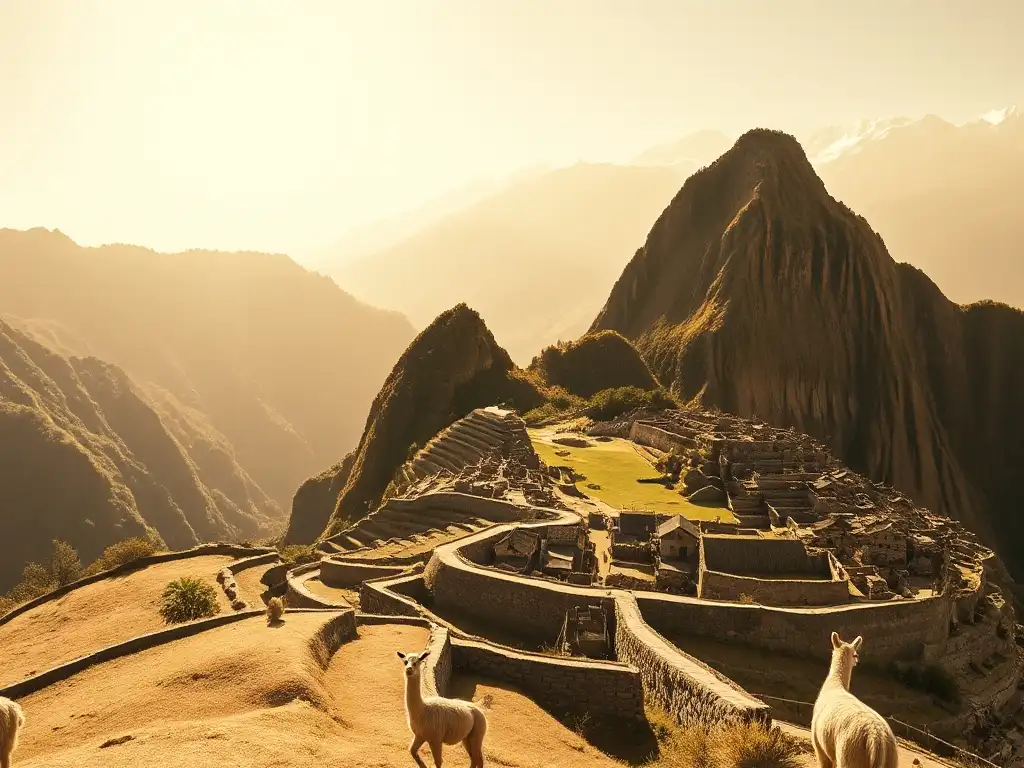
This section delves into the fascinating complexities of Andean social structures, comparing and contrasting the organizational models prevalent in the diverse highland and coastal regions. Understanding these differences is crucial to appreciating the nuances of Andean civilizations social structure and the unique adaptations each group developed to thrive in their respective environments. While variations existed between different cultures (Inca, Moche, Nazca, Tiahuanaco, etc.
), broad patterns of social hierarchy emerge when examining these ancient societies. The analysis will highlight the key features of highland and coastal social organization, emphasizing the role of kinship, agriculture, and religious beliefs in shaping societal structures. The influence of geography – the stark contrast between the fertile coastal valleys and the challenging Andean highlands – played a significant role in determining the nature of social stratification and power dynamics.
The Andean world wasn't monolithic; its social structures varied considerably depending on geographical location and cultural group. Coastal societies, often characterized by intensive agriculture and access to maritime resources, tended towards more centralized power structures, with evidence suggesting strong leadership roles concentrated in the hands of a ruling elite. This is evidenced by the elaborate monumental architecture and sophisticated artistic productions of cultures like the Moche, whose elaborate tombs and iconography showcase a clear distinction between the ruling class and the common people.
Conversely, highland societies, particularly those associated with the Inca and their predecessors, displayed a more complex system based on kinship and reciprocal obligations within a framework often described as a hierarchical egalitarianism. This distinction isn't absolute; many coastal societies also incorporated elements of kinship-based organization, and highland communities recognized different levels of authority. The overall picture, however, reveals a fundamental difference in the ways power was structured and legitimized in these distinct environments.
Further research is needed to fully understand the subtle interplay of these factors in specific cases. For instance, the exact nature of social mobility within these systems remains a subject of ongoing scholarly debate.
Highland Andean social organization revolved around the concept of ayllu, a community-based system emphasizing kinship ties and reciprocal obligations. Unlike strictly hierarchical systems, the ayllu fostered a sense of collective responsibility and shared resources, although variations in status and prestige certainly existed. The ayllu wasn't a static entity; its structure adapted to environmental challenges and demographic changes. Agricultural production, primarily based on potatoes, quinoa, and other Andean crops, formed the bedrock of the highland economy.
Land was often communally owned and distributed according to the needs of the ayllu members. This system facilitated cooperation in agriculture, construction projects (like irrigation systems), and defense against external threats. Religious beliefs played a crucial role in maintaining social cohesion, with rituals and ceremonies reinforcing the importance of community and reciprocity.
The Inca Empire, while imposing its own centralized administration, largely built upon existing ayllu structures, integrating them into a broader imperial framework. This demonstrates the resilience and adaptability of the ayllu system, which persisted even under imperial rule. The impact of Inca rule on existing highland social structures, however, requires further investigation to determine the extent of its influence and the degree of cultural continuity.
The Ayllu System: Foundation of Highland Society
The ayllu system was more than just a social unit; it was the foundation of highland Andean society, permeating all aspects of life from agriculture and resource management to religious practices and conflict resolution. Members of an ayllu shared a common ancestor and a collective identity, tracing their lineage back to a mythical founder. This shared ancestry fostered a strong sense of unity and mutual support. The ayllu also functioned as a crucial economic unit, with land and resources allocated according to the needs of the community.
This communal ownership differed significantly from the individualistic ownership patterns common in many other societies. The system was characterized by a complex network of reciprocal obligations, where individuals were expected to contribute their labor and resources to the benefit of the entire group. This collaborative approach was essential for survival in the challenging highland environment. The ayllu also played a crucial role in religious practices, with rituals and ceremonies often performed collectively to ensure the fertility of the land and the well-being of the community.
The system's flexibility allowed it to adapt to various environmental and social changes, showcasing its remarkable resilience and adaptability over centuries. The intricate details of ayllu governance and internal social dynamics, however, remain areas requiring further research and clarification. Detailed ethnographic studies of surviving Andean communities could provide valuable insights into the functioning of the ayllu system.
The Q'ero, a Quechua-speaking community high in the Andes of Peru, offer a fascinating glimpse into a social structure that, while adapted to modern pressures, retains strong ties to traditional Andean organization. Their social structure isn't rigidly stratified like some larger empires, but rather exhibits a nuanced hierarchy based on kinship, experience, and spiritual authority. At the heart of their society lies the ayllu, a kinship-based community group tracing lineage back to a common ancestor.
Membership in the ayllu provides a crucial sense of belonging and mutual support. Land ownership and resource allocation are traditionally managed collectively within the ayllu, fostering a sense of shared responsibility and communal well-being.
Within the ayllu, certain individuals hold positions of influence based on their age, wisdom, and spiritual knowledge. These individuals, often elders, aren't necessarily political leaders in a formal sense, but command respect and influence decision-making through their experience and understanding of ancestral traditions. This system contrasts sharply with the more formalized hierarchical structures of larger Andean civilizations like the Inca, showcasing the diversity of social organization within the Andean region.
The role of paqos (shamans) is also significant, as they act as intermediaries between the community and the spiritual world, guiding ceremonies and advising on important matters. Their spiritual authority adds another layer to the community's social dynamics, reinforcing the interconnectedness of the spiritual and social realms.
The Q'ero example demonstrates that understanding "Andean civilizations social structure" requires looking beyond rigid models, appreciating the fluidity and adaptation of social organization in different contexts. The strength of the kinship system and the influence of spiritual leaders contribute to the cohesive nature of Q'ero society.
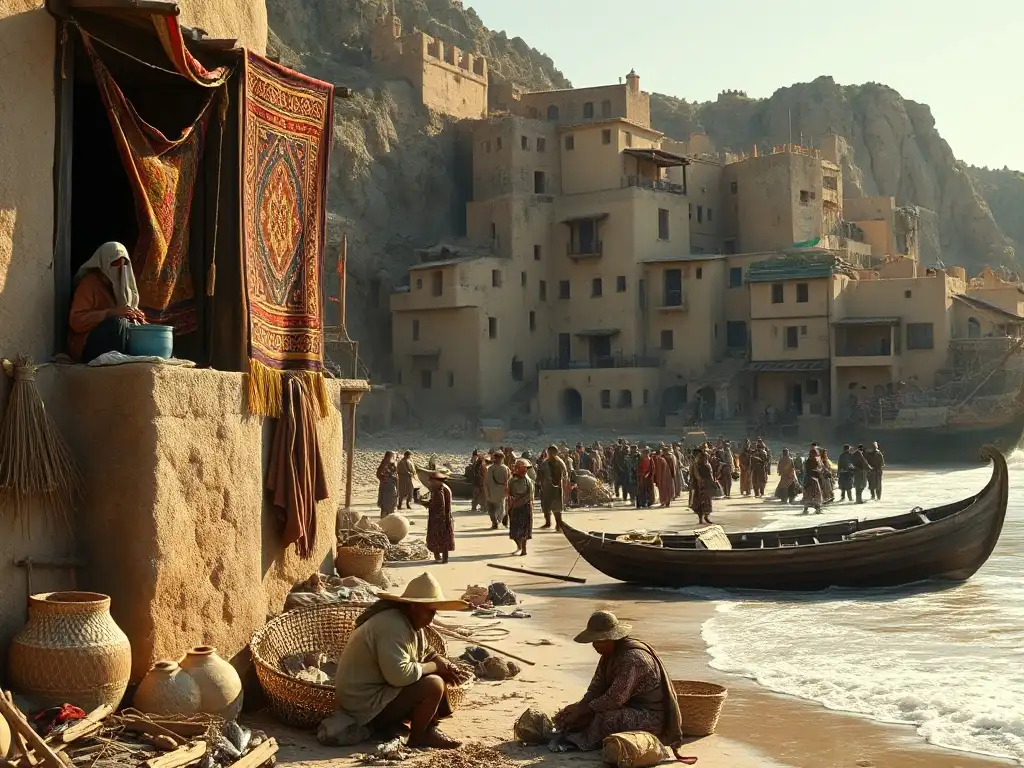
Coastal Andean societies, unlike their highland counterparts, often developed more complex and stratified social structures, heavily influenced by access to resources and control over trade networks. While the ayllu system was present in some coastal communities, its role was often overshadowed by the power of elite groups controlling key resources like fishing grounds, fertile valleys, and trade routes.
The Moche civilization, for instance, is known for its elaborate hierarchical structure with a powerful ruling class, skilled artisans, and a larger peasant population. Evidence suggests a strong centralized authority, with monumental architecture and elaborate burial practices reflecting the power and prestige of the elite.
The social stratification within coastal communities was often more pronounced than in the highlands, partially due to the concentration of wealth generated through intensive agriculture, fishing, and trade. This concentration of resources facilitated the emergence of powerful ruling elites who controlled access to these vital resources and wielded considerable influence over the lives of the common people. The nature of coastal settlements, often clustered around harbors or fertile oases, also contributed to the development of more centralized political and social structures compared to the more dispersed highland communities.
The social dynamics along the coast were significantly shaped by the competition for and control of resources, resulting in a more hierarchical and stratified social order than that found in many highland communities. Studying the "Andean civilizations social structure" requires recognizing these regional variations and understanding the influence of environmental factors on social organization.
Irrigation played a pivotal role in shaping the social organization of coastal Andean societies. The ability to control water resources, particularly in arid coastal regions, directly impacted agricultural productivity and, consequently, social power. Societies that successfully developed and managed large-scale irrigation systems, such as the Nazca and the later Inca, often saw the emergence of powerful centralized states capable of mobilizing labor and resources on a grand scale. These intricate irrigation systems required sophisticated engineering knowledge and a high degree of social organization, facilitating the growth of specialized labor and bureaucratic structures.
Control over irrigation canals and water distribution became a source of political and economic power. Elites often wielded this power to maintain control over agricultural production, influencing the distribution of wealth and resources within their societies. This centralized control over water resources was instrumental in consolidating power and creating more hierarchical social structures.
The construction and maintenance of these systems also necessitated the mobilization of large numbers of laborers, further strengthening the power of the ruling elite. Evidence from archaeological sites suggests that irrigation systems were not simply technical achievements but integral parts of the social and political landscape of coastal Andean civilizations. The intricate relationship between irrigation technology, resource control, and social stratification is crucial for understanding the complex social dynamics of the "Andean civilizations social structure," particularly in the coastal regions.
The Moche civilization, flourishing along the northern coast of Peru from approximately 100 CE to 800 CE, boasted a complex and hierarchical social structure reflected in their impressive artistic achievements and monumental architecture. Evidence suggests a stratified society with distinct classes, each playing a crucial role in maintaining the intricate societal balance. Archaeological findings, particularly elaborate burials and the depiction of social scenes in their ceramics, offer valuable insights into this fascinating social organization.
One of the most prominent features of Moche society was the clear distinction between the elite and the commoners. The elite class, likely comprised of priests, rulers, and warriors, enjoyed significant privileges and access to resources. Their burials, often lavishly adorned with gold, silver, and intricate textiles, stand in stark contrast to the simpler burials of commoners.
These elite burials frequently include elaborate grave goods, indicative of their high status and power within the society. Furthermore, depictions on Moche pottery frequently portray individuals in ceremonial attire, engaging in rituals or commanding ceremonies, reinforcing the visible distinction between the elite and the commoners.
The commoners, who constituted the majority of the population, were primarily involved in agriculture, fishing, and craft production. Their contribution was essential to the sustenance and prosperity of the Moche state. While less opulent than the elite burials, archaeological evidence from commoner settlements reveals a degree of social organization and communal living.
The construction of irrigation systems and the cultivation of crops like maize and beans demonstrate a level of collective effort and social cooperation. The standardization of certain pottery styles and tools suggests a degree of economic and social integration amongst the commoner class. However, the stark difference in burial practices and the depiction of elite figures in a position of authority on the pottery underscore the significant social hierarchy prevalent in Moche society.
The military played a prominent role in the Moche social structure. Depictions of warriors and battles on pottery suggest a strong military presence and a possible connection between the military elite and the ruling class. The presence of weaponry and military regalia in elite burials reinforces this connection.
The military might have played a crucial role in maintaining social order and expanding Moche territory. Further research is needed to fully understand the exact relationship between the military and the ruling class and the extent of their influence on the broader social structure. However, the evidence strongly suggests that military prowess and leadership were highly valued within Moche society.
The presence of sophisticated weaponry and fortifications also supports the significance of military power in shaping the social dynamics of the Moche civilization. Understanding the Moche social structure is crucial to understanding the overall success and longevity of their civilization. Their sophisticated organization allowed them to thrive for centuries, leaving behind a rich legacy of art, architecture, and a complex social system.
Understanding the social structures of Andean civilizations requires acknowledging the significant variations between the highland and coastal regions. While a hierarchical system was prevalent throughout, the specific roles, power dynamics, and class distinctions differed considerably based on geography, resources, and the dominant culture. This section explores these key differences, examining the intricate social fabric that characterized these fascinating societies. The term "Andean civilizations social structure" itself encompasses a wide spectrum of complexities.
Power Structures in the Highland Andes
The highland Andes, characterized by challenging terrain and a reliance on agriculture, fostered a unique social structure centered around kinship and control of resources, primarily land and water. The Inca Empire, the most well-known highland civilization, perfected a sophisticated system of administration and social control. However, pre-Inca highland societies also possessed complex hierarchical systems. For example, the Tiahuanaco culture, with its vast irrigation systems and monumental architecture, suggests a highly organized society with a powerful elite controlling labor and resources.
Evidence suggests a clear distinction between the ruling class, likely composed of priests and nobles, and the commoners who constituted the majority of the population. This elite held significant power and influenced all aspects of life, from religious ceremonies to agricultural production. Archaeological findings, such as elaborate tombs and finely crafted artifacts found in elite contexts, contrast sharply with the simpler burials and utilitarian objects associated with commoners.
This disparity underscores the vast differences in wealth and status within these societies. Analyzing the distribution of artifacts and the construction of settlements further illuminates the power dynamics at play. The concentration of monumental structures and prestigious goods in specific locations points to the existence of centralized power and control.
The Role of the Kuraka in Highland Communities
The kuraka held a pivotal role in the social organization of many highland Andean communities, both before and during the Inca expansion. While the precise power and responsibilities varied among different groups, the kuraka generally functioned as a local leader, often hereditary, responsible for managing resources, resolving disputes, and representing the community in interactions with other groups or the state. The kuraka wasn't merely a political figure; they also often held significant religious authority, acting as intermediaries between the community and the supernatural world.
This dual role solidified their position as central figures in highland Andean society. Their influence stemmed from a combination of factors: inherited lineage, control over land and resources, and their ability to maintain social order and harmony within the community. The kuraka system, while seemingly decentralized, contributed to the overall stability and resilience of many highland societies by providing a framework for local governance.
The Inca Empire later incorporated and adapted the kuraka system into its own administrative structure, using local leaders to manage their vast territories efficiently. This demonstrates the significance and enduring nature of this leadership role within the Andean social landscape.
Coastal Andean societies, unlike their highland counterparts, were often organized around access to marine resources and trade networks. The Moche and Nazca cultures, for example, developed complex irrigation systems to support agriculture alongside fishing and trade. While still hierarchical, coastal social structures displayed variations compared to the highland societies. The Moche civilization, renowned for its elaborate pottery depicting scenes of warfare and ritual, suggests a society with a powerful warrior elite.
Their monumental architecture and sophisticated metalworking techniques point to a highly stratified society, with distinct social classes marked by access to resources and prestige goods. Evidence suggests a strong religious element influencing social structures, with priests and shamans likely occupying positions of high status. The Nazca civilization, famous for its geoglyphs, presents a more enigmatic picture. While evidence points to social stratification, the precise nature of their social organization and power structures remains a subject of ongoing research.
The presence of large-scale public works projects, however, indicates a degree of centralized organization and control over resources, suggesting a hierarchical social order. Further research, particularly focused on analyzing settlement patterns and burial practices, is necessary to fully understand the dynamics of coastal Andean social stratification. The differences between coastal and highland social structures highlight the diversity within the broader Andean region, demonstrating that "Andean civilizations social structure" is not a monolithic concept.
Further Research Areas
More research is needed on the role of women in Andean social structures, the impact of warfare on social hierarchies, and the nuances of social mobility within these societies.
Priests, Warriors, and Artisans: Coastal Roles
The coastal regions of the Andes, characterized by diverse ecosystems and resource availability, fostered unique social structures compared to their highland counterparts. While the Inca Empire eventually exerted its influence over these areas, earlier coastal societies like the Moche and Nazca developed complex social hierarchies with distinct roles for priests, warriors, and artisans.
The Moche civilization, known for its elaborate irrigation systems and impressive monumental architecture, placed significant emphasis on religious leadership. Moche priests, often depicted in elaborate ceremonies and iconography, held considerable power and influence, mediating between the divine and the earthly realms. Their roles extended beyond simple religious rituals; they likely played crucial roles in decision-making processes, agricultural planning, and the distribution of resources.
Archaeological evidence suggests a close relationship between the priestly class and the ruling elite, indicating a powerful and intertwined influence on society. The precise mechanisms of priestly authority remain a subject of ongoing research, but their impact on Moche society is undeniable.
The warrior class in Moche society also held significant status. Depictions of warriors in Moche art showcase their elaborate weaponry, armor, and ceremonial attire, underscoring their importance in maintaining social order and defending against external threats. While the scale of warfare and the exact structure of the Moche military remain debated, their prominence in artistic representations suggests a significant role in the power dynamics of the civilization. It's likely that successful military campaigns enhanced the prestige and authority of both individual warriors and the ruling elite.
Moche artisans, meanwhile, occupied a specialized and respected position within the social hierarchy. Their skills in ceramics, metalwork, and textiles were highly valued, as evidenced by the exquisite craftsmanship found in surviving artifacts. The production of elaborate burial goods for the elite suggests a close relationship between artisans and the ruling class, with artisans possibly working under the patronage of powerful individuals or institutions.
The level of specialization and artistry seen in Moche crafts suggests a structured system of apprenticeship and skill transmission, indicating a well-established artisan class with significant social standing. The production of these intricate goods wasn't merely utilitarian; it served as a powerful means of social expression and symbolic representation, solidifying the status of both the artisans and the elite they served.
The Nazca civilization, contemporaneous with the Moche, also exhibited a complex social structure with specialized roles for priests, warriors, and artisans. While less is known about the Nazca military compared to the Moche, their elaborate geoglyphs and sophisticated irrigation systems suggest a hierarchical society with a powerful ruling elite and specialized classes of artisans responsible for their creation and maintenance.
The Nazca's renowned expertise in textile production, exemplified by their intricate and colorful textiles, points to a highly developed artisan class with advanced techniques and specialized knowledge. Further research is needed to fully elucidate the social dynamics within Nazca society, but the available evidence suggests a similar structure to the Moche, with a hierarchy based on religious authority, military prowess, and artisan skill.
The intricate nature of their geoglyphs, for example, implies a level of social organization and coordination that only a structured society could achieve. The precise relationship between these classes remains a fascinating area of ongoing research for Andean civilization scholars.
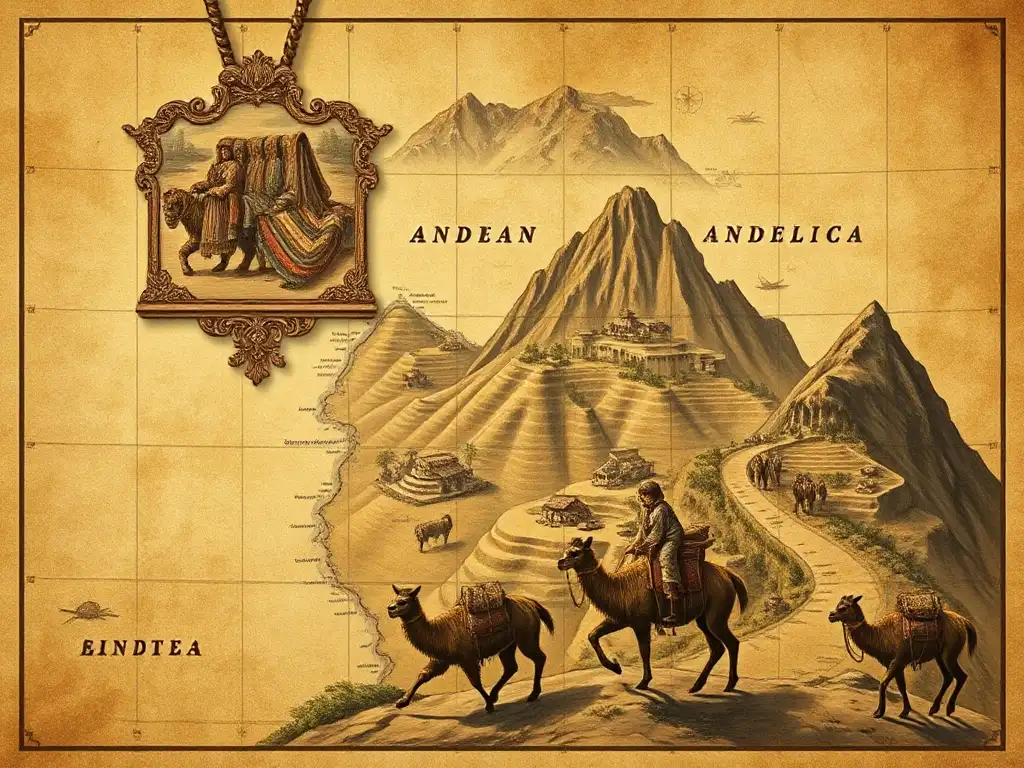
The intricate social structures of Andean civilizations were profoundly shaped by economic factors, particularly agricultural practices, extensive trade networks, and complex systems of reciprocity and redistribution. Understanding these economic underpinnings is crucial to grasping the nuances of Andean social hierarchy and the distribution of power and resources. The concept of "Andean civilizations social structure" is inextricably linked to these economic realities.
Agricultural practices in the Andes were incredibly diverse, adapting to the varied altitudes and microclimates. This diversity, however, also influenced social organization. In the high Andes, the challenging terrain and shorter growing seasons often led to smaller, more tightly knit communities focused on subsistence agriculture.
Terracing, a remarkable feat of engineering, allowed for increased arable land, but also required significant communal effort, reinforcing social bonds and potentially creating a hierarchy based on land ownership or control of irrigation systems. For instance, in the Inca Empire, the ayllu, a kinship-based community, played a vital role in agricultural production and distribution, with responsibilities often assigned based on family lineage and experience.
Conversely, in the coastal regions, where agriculture relied heavily on irrigation and the cultivation of crops like maize and cotton, larger settlements and more complex social structures emerged. The concentration of resources and the need for sophisticated irrigation systems likely led to a more stratified society, with elites controlling access to water and fertile land. The Moche civilization, renowned for its sophisticated irrigation techniques and monumental architecture, exemplifies this dynamic. Archaeological evidence suggests a highly hierarchical society with specialized labor and a powerful ruling class.
The type of crops cultivated also had social implications. The cultivation of prestigious crops like coca, used in religious ceremonies and as a stimulant, likely conferred social status on those who controlled its production and distribution. This suggests a complex interplay between agricultural production and social standing, further highlighting the interconnectedness of economic and social structures within Andean civilizations.
Extensive trade networks crisscrossed the Andes, connecting highland and coastal communities and facilitating the exchange of goods and resources. These networks were not simply economic conduits; they also profoundly impacted social relations. The movement of goods, from textiles and ceramics to precious metals and exotic foods, created opportunities for social mobility and the accumulation of wealth, but also increased competition and potentially fueled conflict between groups vying for control of trade routes and resources.
The Nazca civilization, famous for its intricate geoglyphs, also developed a robust trade network, exchanging goods with distant communities. This interconnectedness fostered cultural exchange but also introduced new social dynamics, as traders and merchants gained influence and wealth. The development of specialized crafts, such as pottery and metalwork, also contributed to social stratification, with skilled artisans often occupying a privileged position within society. The evidence suggests that access to and control of trade routes were key factors in determining social standing and power within Nazca society.
Reciprocity and Redistribution in Andean Societies
Reciprocity and redistribution were fundamental principles governing Andean economies and social relations. Reciprocity, the exchange of goods and services between individuals and groups, fostered social cohesion and mutual support. This system, however, was not always egalitarian. The obligations and expectations associated with reciprocal exchange could create dependencies and reinforce existing social hierarchies. For example, the Inca mita system, a form of labor tribute, exemplified this complex dynamic, demanding labor services from commoners while benefiting the state and its elite.
Redistribution, the collection and reallocation of goods by a central authority, was another crucial economic mechanism. This system, often associated with powerful rulers or religious institutions, allowed for the accumulation of resources and their strategic allocation to support public works, religious ceremonies, and the needs of the population. The scale of redistribution varied across different Andean societies, but it consistently played a vital role in maintaining social order and reinforcing the authority of those in power.
This system, while providing social safety nets, also reinforced the hierarchical nature of Andean social structures, with elites controlling the flow of resources. The intricate systems of reciprocity and redistribution, therefore, highlight the complex and often hierarchical nature of Andean social organization, even within the framework of communal cooperation.
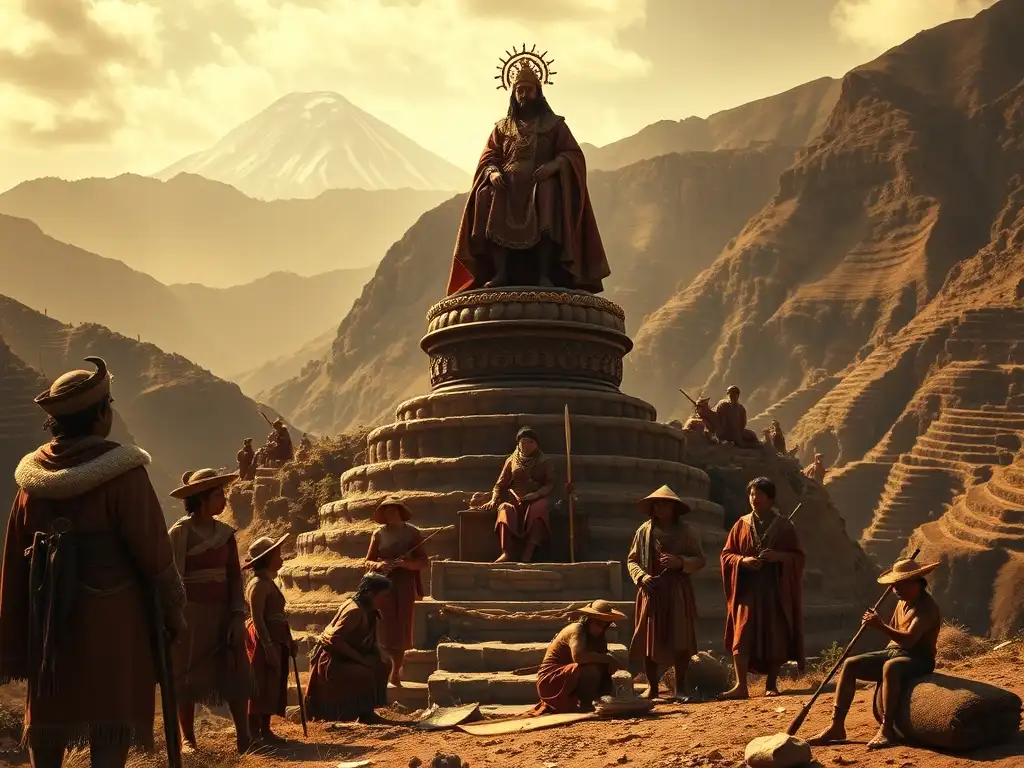
The Andean civilizations' social structure was deeply intertwined with their complex religious beliefs. Understanding this intricate relationship is crucial to grasping the power dynamics and social stratification present in societies like the Inca, Moche, and Nazca. Religious ideology wasn't merely a separate sphere of life; it permeated every aspect of Andean society, from daily routines to monumental constructions.
The power wielded by religious leaders, often overlapping with political authority, shaped the social hierarchy significantly. The degree of influence varied across different Andean cultures, yet the fundamental connection between religion and social order remained consistent. This section will explore this connection, focusing on specific examples to illuminate the profound impact of religious beliefs on Andean social dynamics.
The Role of Ancestor Veneration in Andean Society
Ancestor veneration was a cornerstone of Andean religious practices. More than simple remembrance, it was a living relationship, with ancestors believed to continue influencing the lives of the living. This belief had profound implications for social hierarchy.
Elite families, often claiming descent from powerful ancestors or mythical figures, used this lineage to legitimize their authority and maintain their privileged position within society. The more illustrious the ancestors, the greater the prestige and power of their descendants. This is evident in Inca royal lineage, meticulously documented to reinforce their divine right to rule.
The mummification and elaborate burial rituals of important figures – a practice observed across various Andean cultures – underscore the immense significance attributed to ancestors and their ongoing influence on the social order. The veneration of ancestors wasn't solely confined to the elite; however, the extent and nature of these practices varied significantly depending on social standing. Commoners also honored their ancestors, but the scale and ritualistic complexity differed dramatically from those performed by the elite.
The Andean cosmovision, a holistic worldview encompassing the relationship between humans, nature, and the supernatural, profoundly influenced social structures. The concept of ayni, reciprocal exchange, was central to this worldview, forming the basis of social cohesion and economic organization. However, the distribution of resources and responsibilities within the ayni system wasn't equitable.
The elite, often positioned as intermediaries between the human and supernatural realms, controlled the access to and distribution of resources, including land, labor, and goods. This control was justified by their religious authority and their perceived connection to the gods and ancestors. The Inca's mita system, a form of mandatory labor service, exemplifies this principle.
While presented as a reciprocal arrangement, the system ultimately benefitted the ruling class, reinforcing their power and control over the populace. This system, though framed within the ayni framework, clearly demonstrates how the Andean cosmovision, while promoting community, also solidified hierarchical structures. The social hierarchy wasn't simply a matter of economic power; it was deeply rooted in a religiously sanctioned worldview that legitimized existing inequalities.
Rituals and ceremonies served not only religious purposes but also played a crucial role in maintaining social cohesion and reinforcing the existing social hierarchy. Elaborate festivals, often involving large-scale participation from across various social strata, fostered a sense of shared identity and collective belonging. However, the participation and roles within these ceremonies were strictly regulated, reflecting the established social order. Elite members often held prominent roles, leading processions, offering sacrifices, and mediating between the human and supernatural worlds.
Their participation reinforced their authority and cemented their position at the apex of the social pyramid. The use of specific attire, ornaments, and symbols further distinguished social classes during these events. For instance, the use of specific textiles or jewelry served as visual markers of social status, reinforcing the existing hierarchy during public gatherings.
These rituals, while creating a sense of unity, simultaneously underscored the social divisions and the power dynamics inherent in Andean societies. The careful orchestration of these events served as a powerful mechanism for maintaining social order and reinforcing the legitimacy of the ruling elite. The detailed choreography of these ceremonies, with their highly structured roles and symbolic displays, clearly reflects the importance of maintaining the existing social hierarchy within the Andean civilizations.
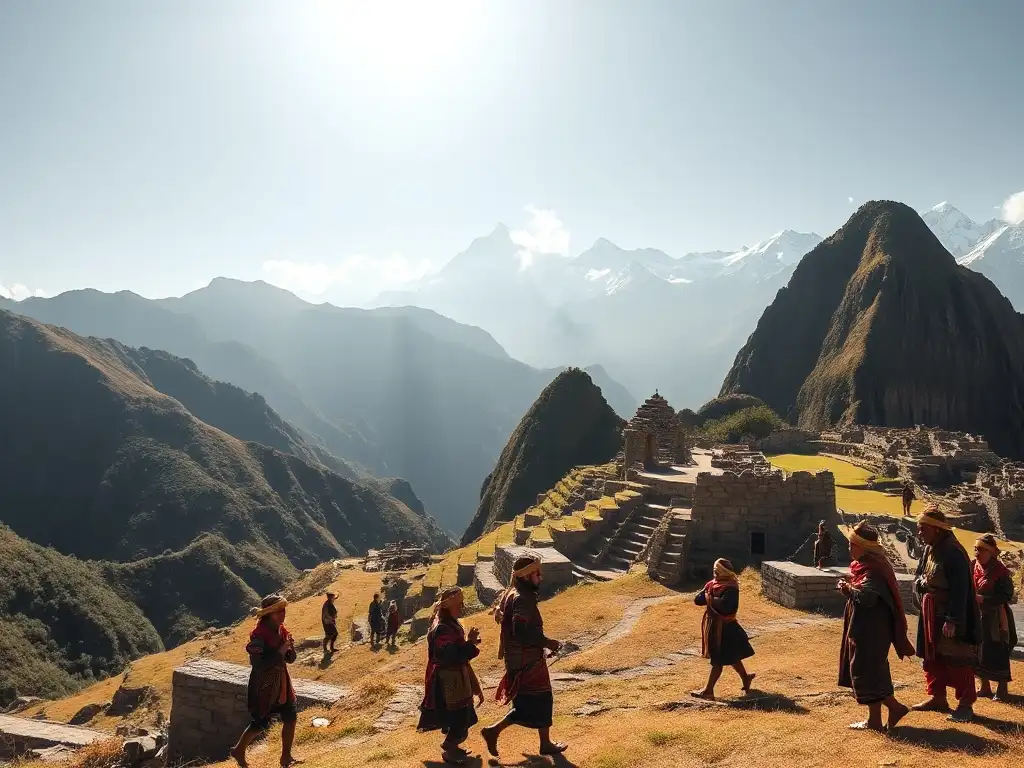
Andean social structures weren't static; they evolved significantly over millennia. Early Andean societies, like the Norte Chico civilization (circa 3000 BCE), showed evidence of complex social organization, albeit less hierarchical than later empires. These early societies likely featured a stratified system based on factors like access to resources (agricultural land, water) and specialized skills (craftsmanship, religious leadership). Archaeological evidence suggests the existence of elite burials and monumental architecture, hinting at social differentiation. However, the exact nature of social hierarchy in these pre-ceramic societies remains a subject of ongoing research.
The rise of more complex societies, such as the Moche (100-800 CE) and Nazca (100 BCE – 600 CE) cultures, witnessed a further elaboration of social stratification. These civilizations displayed sophisticated irrigation systems and impressive monumental constructions, indicating a centralized power structure. Moche iconography, for instance, depicts warrior-priests and elaborate ceremonies, suggesting a powerful ruling class alongside specialized artisans and farmers. The Nazca lines, while their purpose remains debated, likely served a significant social or religious function, reinforcing the authority of the ruling elite.
The Inca Empire (1438-1533 CE) brought a highly centralized and formalized social structure to a vast territory. The Inca system, while still stratified, differed significantly from its predecessors. The Inca implemented a rigorous system of mita, a form of tribute labor that integrated all aspects of society into the empire's functioning. This system, while demanding, provided a level of social security and organizational efficiency unseen in earlier Andean civilizations.
The Inca Empire's impact on Andean social dynamics was profound and lasting. The ayllu, a kinship-based community group, remained a vital social unit, but was now integrated into a larger imperial framework. The Inca state carefully managed the ayllu system, redistributing resources and mobilizing labor to meet imperial needs.
This imperial control led to a more standardized social structure across the vast Andean region, unifying diverse cultural groups under a single political and administrative system. The Inca also implemented a sophisticated system of road networks, enhancing communication and facilitating the movement of goods and people, further consolidating their power and influence.
The Inca's emphasis on reciprocity ( ayni) and redistribution of resources created a system that, while hierarchical, also offered a degree of social security. This differed from earlier Andean societies where social mobility may have been more limited. The Inca system, however, wasn't without its flaws; the mita system, while providing for the collective good, could also be exploitative.
The imperial system’s influence on local Andean social structures varied considerably, with some groups resisting complete integration, resulting in diverse adaptations and expressions of Andean social dynamics within the Inca empire. Further research is needed to better understand the nuances of these localized adaptations.
The legacy of Andean social structures continues to influence contemporary Andean societies. The ayllu, although altered by colonialism and modernization, persists in many areas as an important social and economic unit. Traditional forms of reciprocity and community cooperation still play a significant role in rural Andean life. While the formal structure of the Inca empire is gone, the underlying principles of community organization and resource management have left a lasting imprint. Moreover, the enduring presence of indigenous languages and cultural practices serves as a testament to the resilience and adaptability of Andean social structures.
The understanding of Andean civilizations' social structure is crucial for comprehending the complexities of modern Andean societies. The ongoing research into these ancient societies unveils crucial insights into the evolution of social organization and how these historical patterns continue to shape the social fabric of the Andean region today.
Further investigation into the intersection of ancient Andean social structures and contemporary Andean life is essential to fully grasp the continuing influence of the past on the present. The Andean civilizations social structure continues to be a fascinating and complex area of study, revealing much about human societies and their capacity for adaptation and change.
This exploration of Andean civilizations social structure reveals a complex tapestry woven from diverse regional adaptations and shared hierarchical principles. While specific societal arrangements varied across the coastal and highland regions, a common thread of stratified societies, based on kinship, religious authority, and economic power, consistently emerges. Understanding the nuances of this organization is key to deciphering the remarkable achievements and ultimate fates of these influential Andean civilizations.
The intricate interplay between these factors shaped everything from monumental architecture and sophisticated irrigation systems to religious beliefs and artistic expressions. The "Andean civilizations social structure" was not static; it evolved and adapted over centuries, responding to environmental pressures, internal conflicts, and external influences. Further research continues to unearth new insights, constantly refining our understanding of these fascinating societies.
Several key takeaways emerge from examining the social dynamics within Andean civilizations. Firstly, the significance of ayllu systems in the highlands cannot be overstated. These kinship-based communities formed the bedrock of Inca society, providing social support and labor organization.
However, the Inca state skillfully integrated and adapted these existing structures to consolidate its power, creating a highly centralized administrative system. This contrasts with the coastal societies, where social organization often revolved around powerful elites controlling access to resources and religious authority. For instance, the Moche's sophisticated irrigation systems likely contributed to the concentration of power in the hands of a priestly-ruling class.
Secondly, the role of religion in shaping social hierarchies is undeniable. In both highland and coastal regions, religious leaders held significant influence, often wielding political and economic power alongside their spiritual authority. The elaborate rituals and ceremonies, often involving human sacrifice in some cultures, reinforced the authority of the elite and the social order. The construction of monumental sites like Machu Picchu and the Nazca Lines served not only practical purposes but also as powerful symbols of religious and political power, demonstrating the interconnectedness of these aspects within the "Andean civilizations social structure."
Finally, the fluidity of social mobility within these societies deserves further investigation. While the hierarchical structure was clearly defined, opportunities for advancement, particularly through military prowess or exceptional skill in crafts or administration, likely existed. This aspect requires more detailed research, particularly considering the limited written records from these pre-Columbian societies. The evidence suggests a more nuanced picture than a completely rigid caste system, allowing for some level of social climbing based on merit and circumstance.
Future research on Andean social organization should focus on several key areas. Firstly, a more detailed comparative analysis of different Andean societies is crucial. While generalizations can be made, significant regional variations existed, requiring in-depth studies of individual cultures. This includes exploring the social structures of less-studied groups to gain a more comprehensive understanding of the spectrum of Andean social organization. More detailed analysis of archaeological findings, including textiles, pottery, and burial practices, can provide vital clues about social stratification and daily life.
Secondly, the role of gender in shaping social dynamics deserves further investigation. While evidence suggests a patriarchal structure in most Andean societies, the specific roles and influence of women within different social strata remain largely under-researched. A more nuanced understanding of gender relations is crucial for a complete picture of "Andean civilizations social structure." This necessitates a more critical examination of existing archaeological data and a reassessment of sources through a gendered lens.
Finally, the impact of external factors on Andean social organization needs more attention. The arrival of the Spanish conquistadors dramatically altered the social landscape of the Andes. However, the long-term effects of earlier interactions and migrations on Andean social structures remain an area ripe for further investigation. By examining these interactions, we can gain a better understanding of the resilience and adaptability of Andean social systems throughout history. This interdisciplinary approach, combining archaeological, anthropological, and historical methods, will contribute significantly to a more complete and nuanced understanding of the complex social dynamics of Andean civilizations.
Frequently Asked Questions
Andean societies were largely hierarchical, with a ruling elite at the top, followed by priests, nobles, artisans, farmers, and finally, laborers. The specific structure varied between civilizations, but this general pattern prevailed.
While sharing the hierarchical nature, the Inca Empire implemented a highly centralized system with the Sapa Inca at its apex. They used a complex system of tribute and labor (mita) to maintain control and resources.
Religion played a crucial role, with priests holding significant power and influence within the social hierarchy. Religious beliefs justified the power of the elite and influenced daily life and social practices across all levels.
The diverse geography of the Andes – from coastal deserts to high-altitude mountains – influenced social organization. Access to resources and the need for specialized labor shaped social hierarchies and interactions.
Archaeological evidence like urban planning, tombs, and textiles provides insights. Ethnohistoric accounts from Spanish chronicles and surviving indigenous traditions also offer valuable perspectives, though they need careful interpretation.
Final Reflection: Echoes of the Andes: Understanding Past and Present
The intricate social structures of the Andean civilizations continue to resonate in the contemporary landscape, shaping political, economic, and cultural realities across the region. Understanding these ancient systems is not merely an academic exercise; it's a crucial lens through which to interpret the persistent challenges and opportunities facing Andean communities today. The legacy of these sophisticated societies demands our attention, offering valuable insights into sustainable development, social cohesion, and the enduring power of community.
The enduring impact of Andean social dynamics is profoundly evident in the ongoing struggles for equitable resource distribution and political representation. The hierarchical structures of the Inca Empire, for example, while undeniably complex and effective in their time, left a legacy that continues to influence power dynamics in modern Andean societies. The past is never dead. It's not even past.
– William Faulkner. This quote perfectly encapsulates the persistent influence of Andean history on its present, reminding us that understanding the past is essential to navigating the complexities of the present.
Consider the intricate systems of reciprocity and communal labor that characterized many Andean societies. These principles, though adapted and modified over time, still hold relevance today. You, the reader, can actively engage with this legacy by supporting fair trade practices, advocating for equitable resource management, and promoting cultural preservation efforts in the Andean region. Let the echoes of these ancient civilizations inspire you to build a more just and sustainable future, one that honors the rich tapestry of Andean history and its enduring impact on the world.
Connect, Explore, and Elevate Your Understanding of Andean Cultures!
Thank you for exploring the fascinating social dynamics of the Highland and Coastal Andean regions. Your interest highlights the rich tapestry of cultures thriving in this unique landscape. Let's build on that curiosity.
Here are some ways to deepen your connection with Andean civilizations:
- Dive Deeper: Expand your knowledge by reading about the traditions, languages, and contributions of Andean communities. Our recommended reading list offers a great starting point.
- Share the Knowledge: Discuss your discoveries with friends and family. Sharing your learning reinforces your understanding and helps spread awareness of these incredible cultures.
- Join the Community: Participate in our online forum. Contribute to discussions, share your insights, and connect with other enthusiasts passionate about Andean history and society.
We encourage you to share your thoughts: What aspect of Andean social dynamics most captivates you, and how will you share that passion with others?