
Ancient Andean Ceramics: Stories Told Through Daily Use Vessels

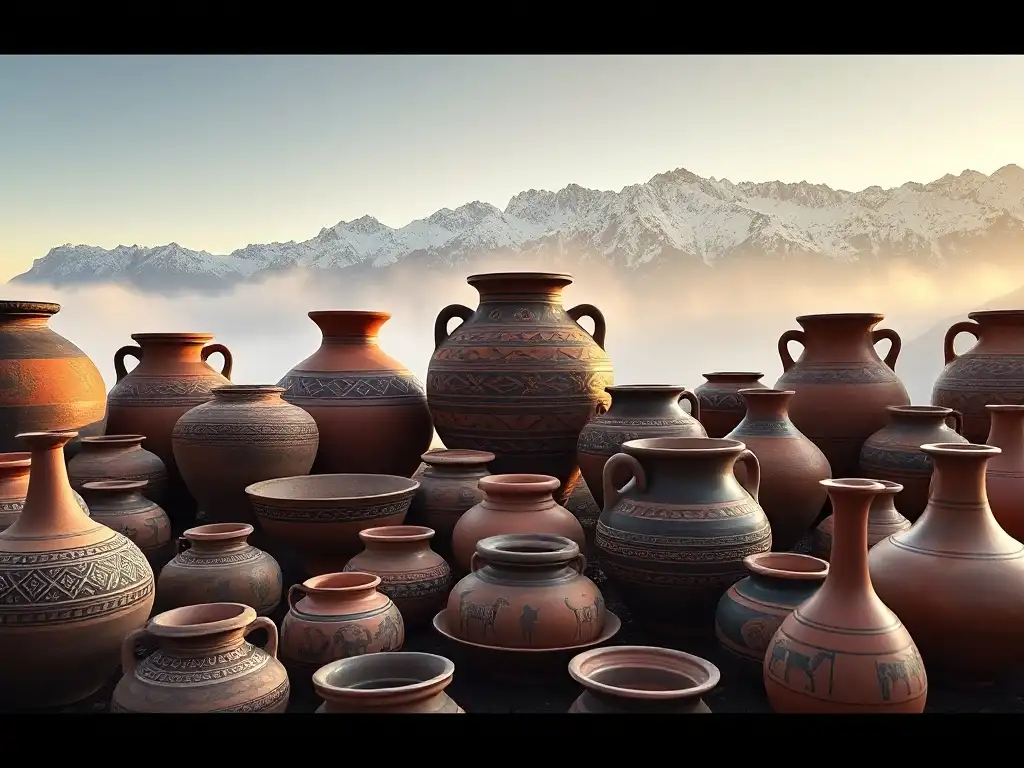
Step into a world lost to time, yet echoing with vibrant life. Imagine uncovering the secrets whispered by ancient hands across millennia, revealed through the intricate artistry of their daily lives. This journey into the heart of Andean Civilizations unveils the fascinating story behind Ancient Andean ceramic vessel types, a captivating glimpse into the social structures and daily routines of the Incas, Moche, Nazca, and Tiahuanaco. Prepare to be amazed by what these remarkable vessels reveal…
Ancient Andean civilizations, renowned for their breathtaking mountaintop cities and intricate textiles, also left behind a rich legacy in the form of ceramic vessels. These weren't mere decorative objects; they were integral to daily life, silently narrating stories of food preparation, ritual practices, and social structures. This article delves into the diverse types of ancient Andean ceramic vessels used in everyday life, revealing insights into the ingenuity, artistry, and cultural nuances of these remarkable societies.
By examining their forms, decorations, and materials, we can glimpse the daily routines and beliefs of the people who crafted and used them, providing a unique perspective on the complexities of Ancient Andean social structures. Understanding the function and significance of these vessels unlocks a deeper understanding of "Ancient Andean ceramic vessel types," offering a window into the lives of people who lived centuries ago.
Identifying Key Vessel Types: A Classification System
The sheer variety of ancient Andean ceramic vessels can be initially overwhelming. However, archaeologists have developed classification systems based on shape, size, and decorative motifs to categorize these artifacts. These systems allow for a more organized study of the vessels and their cultural significance. Key classifications often include:
- Arybals: Small, globular vessels with a narrow neck and a single handle, frequently used for perfumes or oils. These delicate vessels often featured intricate painted designs, reflecting the high social status of their owners.
- Keros: Elegant, two-handled cups, frequently decorated with elaborate scenes or geometric patterns. Their size and ornamentation suggest they were used for ceremonial drinking or elite consumption.
- Cantaros: Large, jar-like vessels with a wide mouth, commonly used for storing water, chicha (a fermented corn beverage), or other liquids. Their robustness and practicality reflect their everyday utility.
- Ollas: Wide-mouthed pots, often used for cooking or food preparation. The size and design varied greatly depending on the intended function and the specific cultural group.
- Plates and Bowls: These vessels, ranging in size and shape, were essential for serving and consuming food. Their designs often reflected regional styles and preferences.
Regional Variations in Ceramic Styles: A Tapestry of Cultures
The styles and types of ceramic vessels varied considerably across different Andean regions and cultures. For example, the Moche culture is celebrated for its highly realistic and detailed depictions of people, animals, and mythical beings, while the Nazca are known for their intricate polychrome designs. The differences in styles are not just aesthetic; they often reflect variations in social organization, religious beliefs, and access to resources.
The intricate details found on some vessels suggest specialized workshops and a high level of artistic skill within certain communities. Detailed analysis of these regional variations allows us to reconstruct the diverse cultural landscapes of the Andes.
Beyond their practical applications, Andean ceramic vessels played significant roles in social interactions, rituals, and status display. The quality of materials, the intricacy of decoration, and even the size of the vessel could all indicate the social standing of its owner or user. Elaborately decorated vessels were likely reserved for special occasions or elite individuals, while simpler vessels served the everyday needs of the wider population.
Evidence suggests that certain vessel types were associated with specific rituals or ceremonies, providing further insights into the religious beliefs and practices of these societies. Further research is needed to fully understand the complex interplay between functionality and social meaning in these remarkable artifacts.
Technological Innovations in Andean Ceramics: Mastering the Craft
The production of Andean ceramics involved sophisticated technologies and techniques. The selection of clay type, the firing process, and the application of decorative elements all demonstrated a high level of skill and knowledge. Innovations in firing techniques, such as the development of kilns, allowed for the creation of more durable and aesthetically pleasing vessels. The mastery of these techniques not only enabled the creation of functional vessels but also contributed to the artistic expression and cultural identity of the Andean people. Continued study of these techniques reveals the ingenuity and adaptive capabilities of these ancient cultures.
- Identifying Key Vessel Types: A Classification System
- Regional Variations in Ceramic Styles: A Tapestry of Cultures
- The Social Significance of Ceramic Vessels: Beyond Functionality
- Technological Innovations in Andean Ceramics: Mastering the Craft
- What types of ceramic vessels were commonly used in ancient Andean societies?
- How did the different Andean cultures distinguish their ceramic styles?
- What materials were used to create ancient Andean ceramic vessels?
- What was the significance of ceramic vessels beyond their practical use?
- Where can I learn more about specific ancient Andean ceramic vessel types?
The Significance of Ancient Andean Pottery in Daily Life
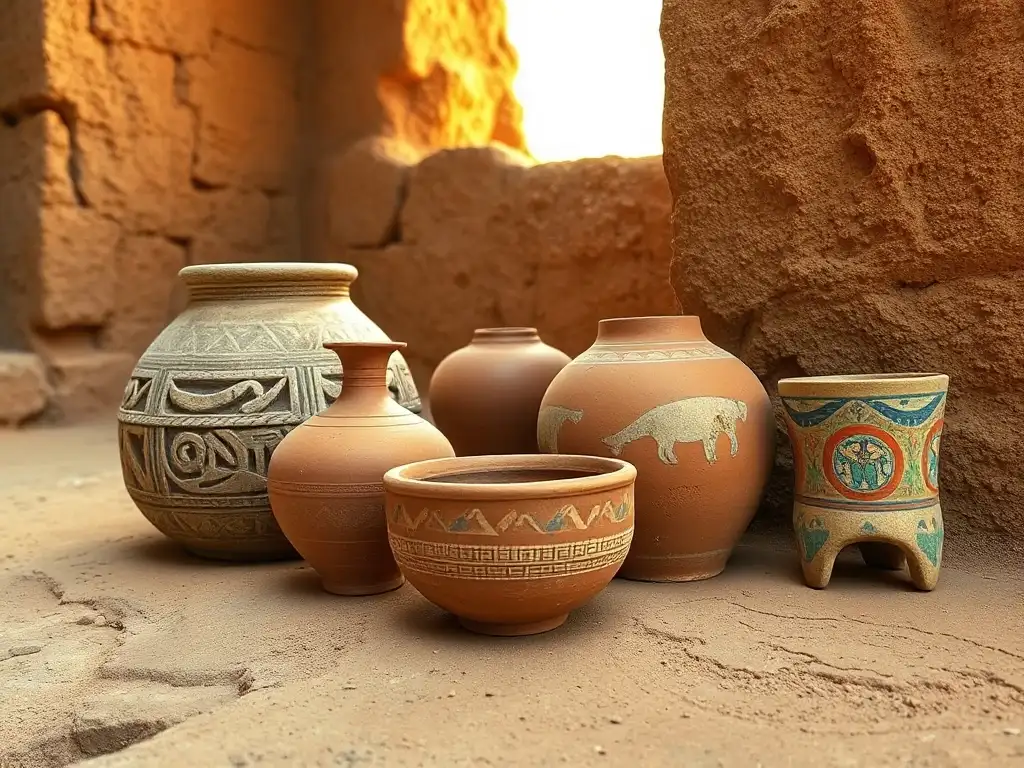
Ancient Andean pottery wasn't merely decorative; it was integral to the fabric of daily life. Understanding the types of vessels, their decoration, and their distribution provides invaluable insight into the social structures, economic activities, and belief systems of these fascinating civilizations. The sheer volume of surviving ceramic fragments underscores its pervasive role, from humble household tasks to elaborate religious rituals.
Analyzing these "Ancient Andean ceramic vessel types" allows us to reconstruct a vibrant picture of past societies. The careful study of these artifacts, combined with archaeological context, helps us understand not just what people did, but how and why they did it. This section will explore the multifaceted significance of Andean ceramics in daily life, moving beyond simple categorization to uncover the nuanced stories embedded within each shard.
Understanding Daily Life Through Andean Ceramics
Andean ceramic vessels offer a unique window into the daily lives of ancient peoples. The types of vessels found in a particular location, their condition, and the materials used in their creation all contribute to a richer understanding of the society. For example, the presence of numerous cooking pots in a household might suggest a larger family unit, while the discovery of finely crafted drinking vessels could indicate a higher social status or participation in elite ceremonies.
Furthermore, the presence of specific pigments or decorative motifs can link vessels to particular regions or cultural groups, providing evidence of trade networks and social interactions. Analysis of residue found within vessels, such as food remains or chemical traces, can even reveal dietary habits and agricultural practices.
The meticulous study of these details allows researchers to piece together a comprehensive picture of daily routines, social hierarchies, and economic activities within Andean communities. This is especially true when considering the diverse range of "Ancient Andean ceramic vessel types" discovered across different Andean cultures.
The sheer diversity of forms and functions within the "Ancient Andean ceramic vessel types" category further enriches our understanding. From simple bowls used for everyday meals to elaborate jars for storing liquids and grains, each vessel type tells a part of the story. The careful craftsmanship evident in many pieces, even those intended for everyday use, highlights the value placed on functionality and artistry.
The variation in size, shape, and decoration across different regions and time periods provides further evidence of cultural diversity and regional specialization. This detailed analysis of ceramic vessels provides a far more nuanced and complete understanding of daily life than could be achieved through other archaeological evidence alone.
Importance of Ceramic Vessels in Andean Culture
Beyond their practical applications, Andean ceramic vessels held significant cultural and symbolic importance. Many vessels were adorned with intricate designs, reflecting the artistic skills and aesthetic sensibilities of the artisans. These designs often featured mythological figures, geometric patterns, and representations of animals and plants, providing insights into the beliefs and values of the culture.
Certain vessel types were associated with specific rituals or ceremonies, further highlighting their importance in religious and social life. The careful selection of materials, the precision of the craftsmanship, and the symbolic meaning of the decorations all underscore the profound cultural significance of these artifacts. The prestige associated with certain "Ancient Andean ceramic vessel types" is evident in their careful burial with elites, reflecting their importance as symbols of status and power.
The stylistic variations observed across different Andean cultures and time periods provide crucial information for understanding cultural interactions and technological advancements. For instance, the emergence of new ceramic techniques or decorative styles may reflect the adoption of new ideas or the development of new social structures. The distribution of specific vessel types across different regions provides evidence of trade networks and cultural exchange.
Analyzing these patterns allows archaeologists to reconstruct the complex social and political landscapes of ancient Andean societies, shedding light on the interactions between different cultural groups and the processes of cultural diffusion. The study of "Ancient Andean ceramic vessel types" thus becomes a key to understanding the broader cultural context of these ancient societies.
Everyday Uses of Andean Pottery
Andean pottery served a multitude of practical purposes in daily life. A wide array of "Ancient Andean ceramic vessel types" were used for cooking, storing food and liquids, serving meals, and carrying water. Cooking pots, often large and sturdy, were essential for preparing food over open fires. Storage jars, ranging in size from small containers to massive vessels, were used to preserve food and liquids for later use.
Serving bowls and plates, often decorated with intricate designs, were used for communal meals and feasts. Water jugs and pitchers, usually equipped with spouts and handles, facilitated the transport and storage of water. The variations in size, shape, and decoration of these vessels reflect the diverse needs and preferences of Andean communities, emphasizing the adaptability and versatility of this essential material.
The functional diversity of Andean pottery extended beyond simple containers. Certain vessels were specifically designed for specific purposes, such as the preparation of chicha (a fermented maize beverage) or the processing of textiles. These specialized vessels often exhibit unique features, such as narrow necks or perforated bases, reflecting their specific functions.
The prevalence of certain vessel types in specific contexts provides valuable insights into the daily routines and economic activities of Andean communities. For example, the presence of numerous grinding stones and mortars alongside food storage jars suggests that food processing was a significant aspect of daily life. The careful consideration of these details allows for a detailed reconstruction of the daily activities and economic strategies of these ancient societies, demonstrating the crucial role played by "Ancient Andean ceramic vessel types" in shaping their daily routines.
Diverse Ancient Andean Ceramic Vessel Types
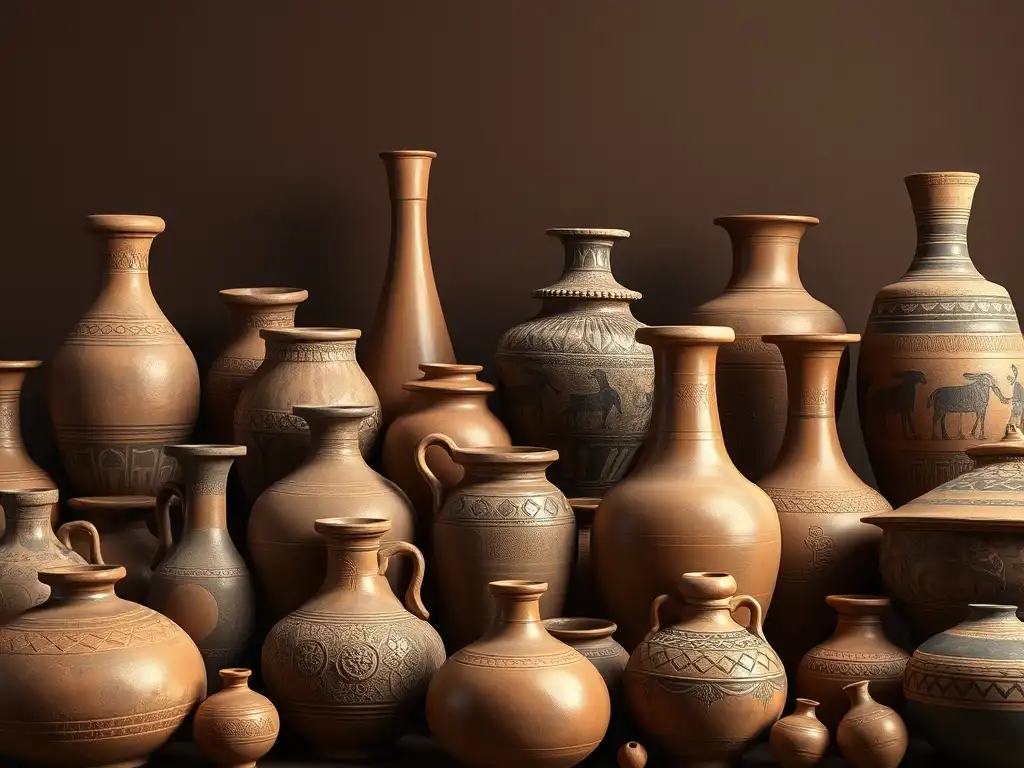
This section delves into the fascinating variety of ancient Andean ceramic vessel types, focusing on those used in daily life. Understanding these vessels provides invaluable insight into the culinary practices, social customs, and technological prowess of these remarkable civilizations. The sheer diversity of forms, sizes, and decorative styles reflects the rich tapestry of Andean cultures and their unique adaptations to diverse environments.
Analyzing these artifacts allows us to reconstruct aspects of daily life often overlooked in grander narratives of Andean history. The careful study of "Ancient Andean ceramic vessel types" reveals much about the ingenuity and artistry of these past societies.
Cooking Vessels: Shaping Daily Andean Meals
Cooking was central to Andean life, and the vessels used reflect this importance. Their design and construction were carefully considered, demonstrating a sophisticated understanding of materials science and thermal properties. The variety of cooking vessels discovered across different Andean cultures highlights regional variations in cuisine and cooking techniques.
Common Cooking Pot Designs
Andean cooking pots varied significantly in size and shape, depending on the intended use and cultural context. Common designs included:
- Large, globular pots: Ideal for stews and large-scale cooking, often featuring wide openings for easy access and stirring.
- Smaller, ovoid pots: Suitable for individual or family-sized meals, often with narrower openings to retain heat and moisture.
- Shallow, broad bowls: Used for frying or shallow-frying, suggesting the use of techniques involving minimal liquid.
- Tripod-supported pots: These pots were elevated above the fire, allowing for better heat distribution and preventing scorching. The tripod design was a common feature across various Andean cultures, demonstrating a shared technological solution to a common cooking problem.
The size and shape of these vessels also provided clues about the scale of food preparation. Larger pots suggest communal cooking or the preparation of food for larger groups, while smaller pots indicate individual or smaller-family consumption.
Materials and Techniques for Heat Resistance
The creation of heat-resistant cooking vessels required a deep understanding of ceramic technology. Andean potters employed various techniques to achieve durability and thermal shock resistance:
- Careful selection of clay: Different clays possessed varying properties, and potters selected those best suited for withstanding high temperatures. The specific clay compositions varied regionally, reflecting the availability of local resources.
- Firing techniques: Precise control over the firing process was crucial. Kiln temperatures and firing duration were carefully managed to achieve optimal hardness and resistance to cracking. Evidence suggests the use of both open-air and enclosed kilns, each with its own advantages and disadvantages.
- Surface treatments: Some pots were treated with slip (a liquid clay suspension) or a glaze to improve their water resistance and protect them from thermal shock. These treatments also enhanced the aesthetic appeal of the vessels.
Beyond cooking, the serving of food played a significant role in Andean social life. The vessels used for serving were often more elaborately decorated than cooking pots, reflecting their social function. The meticulous craftsmanship and artistic decoration of these vessels highlight the importance of food presentation in Andean culture. The design and decoration of these vessels often reflected social status and ritual significance.
Serving Bowl Varieties
A wide variety of serving bowls were used, each with its own specific purpose:
- Large, shallow bowls: Used for communal eating, facilitating sharing among family members or community groups.
- Smaller, deeper bowls: Suitable for individual portions, possibly indicating a more hierarchical or individualized dining style in some contexts.
- Handled bowls: These bowls provided a convenient way to transport and serve food, suggesting a degree of portability in food service.
- Elaborately decorated bowls: These bowls, often featuring intricate designs and vibrant colors, were likely reserved for special occasions or elite members of society.
The size and style of serving bowls can be linked to social dynamics and food distribution systems within Andean communities.
Plates and Platters for Andean Feasts
While less common than bowls, plates and platters were also part of the Andean culinary repertoire. These flat vessels were used for presenting food in a more organized fashion, often during feasts or ceremonies. Their presence suggests a more structured approach to food presentation and consumption, particularly in contexts where multiple dishes were served simultaneously. Their decoration often reflected the importance of the occasion.
The presence of these items, though less frequent than bowls, provides additional insight into Andean social practices and the importance placed on formal dining occasions. Further research is needed to fully understand the regional variations and cultural significance of these less commonly found vessel types. [Specific information pending on regional variations in plate and platter use].
Storage Jars: Preserving Resources in Ancient Andes
Ancient Andean societies relied heavily on agriculture, and efficient food storage was crucial for survival, especially during lean times. Storage jars, a cornerstone of Andean ceramic technology, played a vital role in preserving vital resources. These vessels, crafted from a variety of clays and fired using diverse techniques, demonstrate remarkable ingenuity in their design and functionality. Their shapes and sizes varied widely, reflecting the diverse needs of different communities and the types of goods stored.
The careful selection of materials and the meticulous craftsmanship evident in many examples suggest the high value placed on these essential containers. The durability of these ceramic vessels ensured the preservation of food supplies for extended periods, contributing significantly to the stability and prosperity of Andean societies. The intricate designs and decorations on many storage jars also provide valuable insights into the aesthetic preferences and cultural beliefs of the ancient Andean people.
Large Storage Containers
Large storage containers, often cylindrical or ovoid in shape, were designed to hold substantial quantities of grains, beans, dried fruits, and other staples. Some examples reached impressive sizes, capable of storing several bushels of produce. The construction of these large jars required advanced ceramic techniques, including the use of coils and slabs of clay, and often involved multiple artisans working collaboratively.
The robust construction of these vessels ensured their longevity, allowing them to withstand the rigors of daily use and the stresses of storing heavy loads over extended periods. The presence of these large storage containers in archaeological sites provides strong evidence of the importance of organized food storage in ancient Andean societies. Their sheer size highlights the scale of agricultural production and the capacity of these communities to manage surpluses effectively.
Smaller Vessels for Granaries
Alongside the monumental storage jars, smaller vessels played a critical role in granaries and other storage facilities. These smaller containers were ideally suited for storing smaller quantities of food or for separating different types of produce. Their smaller size made them easier to handle and transport within storage structures.
The design of these smaller vessels frequently incorporated features such as narrow necks or lids, further enhancing their storage capabilities and preventing spillage or contamination. The diversity in their shapes and sizes suggests a degree of specialization, with particular vessels tailored for specific types of goods. The careful arrangement of these smaller vessels within larger granaries demonstrates a sophisticated understanding of storage logistics and the importance of preserving the quality and integrity of stored food.
Drinking Vessels: Ritual and Daily Hydration
Drinking vessels represent another significant category of ancient Andean ceramics. Their diversity reflects both the practical need for hydration and the profound cultural significance of drinking in Andean societies. From simple, everyday cups to elaborate ceremonial vessels, these artifacts offer valuable insights into the daily lives and ritual practices of ancient Andean peoples. The materials, forms, and decoration of these vessels varied significantly across different cultures and time periods, reflecting the unique artistic traditions and social structures of each community.
Cups and Mugs for Everyday Use
Cups and mugs designed for everyday use were typically simpler in form and decoration than their ceremonial counterparts. These vessels, often made from readily available clays, were functional and durable, designed to withstand daily use. Their shapes varied considerably, ranging from simple bowls to more complex forms with handles or spouts.
The prevalence of these utilitarian drinking vessels in archaeological contexts underscores their importance in the daily lives of ancient Andean people. Their simple designs often lacked elaborate decoration, reflecting their primary function as practical drinking vessels. Their ubiquity provides a glimpse into the routine aspects of daily life in these ancient societies.
Elaborate Drinking Vessels for Ceremonies
In contrast to everyday drinking vessels, elaborate drinking vessels were reserved for ceremonial occasions and held significant ritual importance. These vessels were often crafted from high-quality clays and decorated with intricate designs, showcasing the skill and artistry of Andean ceramicists. The forms of these vessels were often more complex, featuring unique shapes, handles, and spouts. Some ceremonial drinking vessels were even crafted from precious metals such as gold or silver, underscoring their value and importance in Andean rituals.
These vessels were often used in religious ceremonies, feasts, and other important social gatherings. The elaborate decoration of these vessels often featured symbolic motifs related to Andean mythology, cosmology, or social status. The careful craftsmanship and symbolic imagery of these vessels reveal the deep cultural and spiritual significance of drinking in ancient Andean societies.
Techniques and Materials of Ancient Andean Ceramic Production
This section delves into the sophisticated techniques and materials employed by ancient Andean civilizations in crafting their remarkable ceramic vessels. Understanding these processes provides crucial insights into their technological prowess and the cultural significance embedded within their pottery. The diversity of styles and techniques across different Andean cultures reflects their unique artistic expressions and adaptations to their diverse environments.
Analyzing the raw materials, shaping methods, and decorative styles reveals a wealth of information about their daily lives, social structures, and beliefs. The study of "Ancient Andean ceramic vessel types" is therefore crucial to understanding the broader tapestry of Andean civilization.
Raw Materials Sourcing for Andean Pottery
The creation of Andean ceramics began with the careful selection and preparation of raw materials. Access to quality clay and pigments was crucial, influencing both the aesthetics and functionality of the finished vessels. The sourcing of these materials varied significantly across different regions and time periods, reflecting the diverse geological landscapes and the ingenuity of Andean potters in adapting to their environment.
Clay Extraction and Preparation
Andean potters expertly identified and extracted clay from various sources, including riverbanks, quarries, and even volcanic deposits. The type of clay determined the vessel's final properties – its texture, strength, and color. The clay extraction process likely involved careful observation of soil composition and texture, selecting only the most suitable materials. After extraction, the clay underwent a rigorous preparation process.
This involved removing impurities such as stones, roots, and organic matter. The clay was then repeatedly kneaded and tempered, often with the addition of tempering agents like sand, grog (crushed pottery), or fiber to improve its plasticity and prevent cracking during firing. This meticulous preparation ensured the creation of strong, durable vessels capable of withstanding daily use.
Mineral Pigments and Natural Dyes
The vibrant colors adorning many Andean ceramic vessels were achieved through the use of mineral pigments and natural dyes. These pigments were sourced from various minerals found throughout the Andes, including iron oxides (reds, yellows, browns), manganese oxides (blacks, browns), and copper compounds (greens, blues). The preparation of these pigments likely involved grinding and mixing them with a binding agent, such as gum or plant sap.
Natural dyes derived from plants and insects were also employed, adding further complexity to the palette of colors available to Andean artisans. The precise recipes and techniques for pigment preparation remain partially unknown, but surviving examples showcase a remarkable mastery of color and texture, reflecting both artistic skill and a deep understanding of the properties of natural materials. The careful selection and application of these pigments contributed significantly to the unique aesthetic qualities of "Ancient Andean ceramic vessel types".
Shaping and Molding Techniques
The shaping of Andean ceramic vessels involved a variety of techniques, reflecting both regional variations and technological advancements over time. The most common methods included coil building, paddle-and-anvil techniques, and the use of molds. The choice of technique often depended on the desired vessel form, the scale of production, and the available resources.
Coil Building and Paddle Technique
The coil building technique involved rolling out long coils of clay and layering them upon each other to create the desired vessel shape. Each coil was carefully pressed and smoothed into the previous one, creating a seamless surface. The paddle-and-anvil technique was often used in conjunction with coil building.
A paddle, usually made of wood or stone, was used to strike the coils firmly, compressing and shaping the clay. An anvil, placed inside the vessel, supported the clay during this process, preventing distortion. This technique resulted in strong, well-defined vessels with a characteristic textured surface, which are often observed in many "Ancient Andean ceramic vessel types".
Use of Molds in Andean Ceramics
While coil building was prevalent, some Andean cultures also employed molds to create standardized forms, particularly for mass production of certain vessel types. These molds could be made from various materials, including clay, wood, or even stone. The use of molds allowed for the efficient creation of large quantities of similar vessels, suggesting a degree of specialization and organization within Andean communities. The molds might have been used to create the entire vessel or just portions of it, which were then assembled.
While evidence of mold use is not as widespread as coil building, it highlights the adaptability and innovation of Andean ceramic production techniques. The use of molds allowed for both standardization and efficient production, particularly important for creating large quantities of vessels for communal or ritual use. The impact of molds on the overall diversity of "Ancient Andean ceramic vessel types" requires further research.
Firing Processes and Kilns
Ancient Andean ceramic production involved a variety of firing processes, reflecting both the diverse geographical landscape and the evolving technological expertise of different cultures. The methods employed significantly impacted the final product's appearance, durability, and overall quality. The choice of firing technique often depended on available resources, the scale of production, and the desired aesthetic outcome.
While some techniques were common across various Andean cultures, others were unique to specific regions or time periods. Understanding these variations is crucial to appreciating the ingenuity and adaptability of Andean potters. Careful analysis of surviving shards and kiln remnants provides valuable insights into these ancient practices, revealing a sophisticated understanding of heat control and material science.
The consistency of certain styles and techniques across vast distances suggests a degree of cultural exchange and shared knowledge, highlighting the interconnectedness of Andean communities. Further research continues to uncover nuances in these firing processes, adding to our understanding of this vital aspect of Andean ceramic production.
Open-Air Firing Methods
Open-air firing, a relatively simple technique, involved stacking pottery directly on the ground or on a prepared platform. Fuel, typically wood or dung, was piled around the vessels, creating a bonfire-like environment. This method, while less controlled than enclosed kiln techniques, allowed for large-scale production and was likely common in early Andean ceramic traditions.
The uneven heat distribution resulted in variations in firing temperature and color across the pottery, often producing a range of shades and finishes within a single batch. The lack of precise temperature control also meant a higher percentage of failed pieces, with some vessels potentially cracking or becoming misshapen due to uneven heat exposure. Archaeological evidence suggests that open-air firing was used for various vessel types, from simple utilitarian wares to more elaborate ceremonial pieces.
The simplicity of this method likely contributed to its widespread adoption across different Andean cultures and time periods. However, the limitations in temperature control and the potential for damage meant that more sophisticated techniques eventually emerged.
Enclosed Kiln Techniques
More advanced Andean cultures developed enclosed kiln techniques, offering greater control over the firing process. These kilns, ranging from simple pits to more complex structures, allowed for more consistent heat distribution and higher temperatures, leading to stronger and more uniformly fired pottery. The design and construction of these kilns varied, reflecting regional differences and technological advancements.
Some kilns were built into the ground, while others were above ground structures, often made of stone or adobe. The use of draft holes and chimneys improved airflow and temperature control, resulting in a more efficient firing process. This allowed for the production of higher-quality ceramics with enhanced durability and a wider range of colors and finishes.
The development of enclosed kiln techniques marked a significant advance in Andean ceramic technology, enabling the creation of more complex and elaborate vessels. The superior quality of pottery produced using these kilns is evident in the surviving examples, many of which showcase intricate designs and fine detailing. The transition from open-air to enclosed kiln firing highlights the continuous innovation and refinement of Andean ceramic production techniques.
Decoration and Symbolism on Andean Ceramics
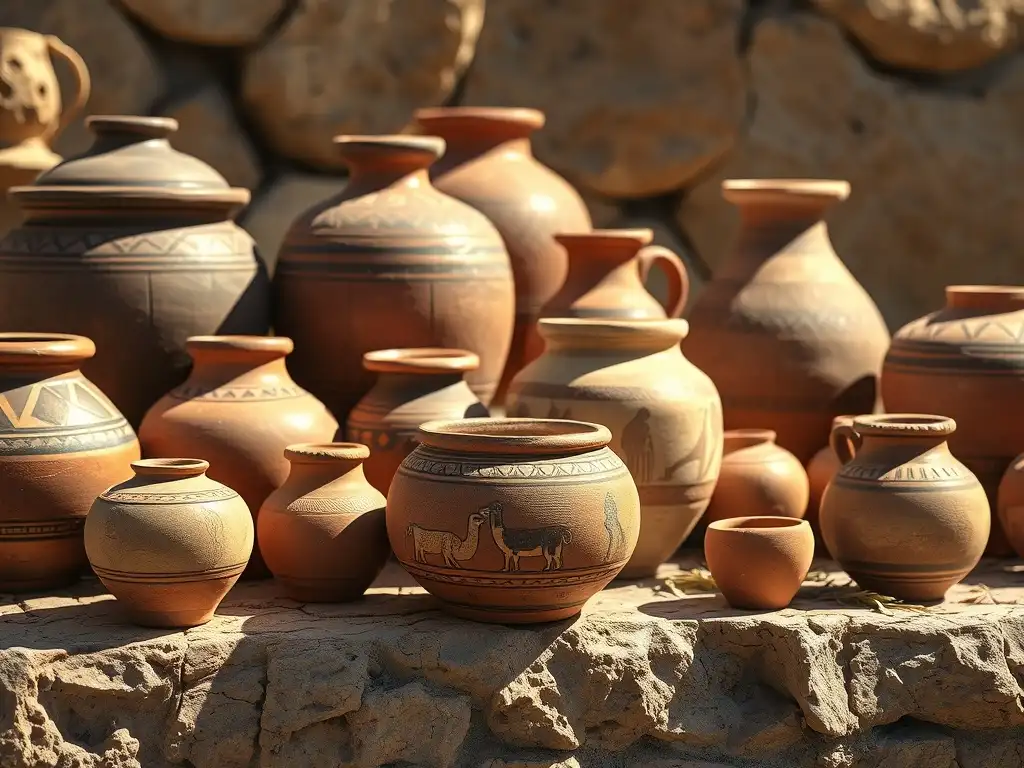
Ancient Andean ceramic vessel types are renowned not only for their functionality but also for their intricate and evocative decorations. These weren't mere aesthetic choices; the patterns and imagery painted, incised, or molded onto the vessels held deep symbolic meaning, reflecting the beliefs, social structures, and daily lives of the people who created and used them. The artistry displayed on these pieces offers invaluable insight into the rich tapestry of Andean cultures.
Understanding the symbolism allows us to appreciate the vessels not just as objects, but as powerful communicative artifacts. The analysis of these decorations provides a window into the worldview of ancient Andean societies, revealing their complex systems of belief and social organization. This section will explore the diverse decorative styles found on Ancient Andean ceramic vessel types, focusing on geometric patterns and representational art.
Geometric Patterns in Andean Pottery
Geometric designs are ubiquitous across various Ancient Andean ceramic vessel types, appearing with remarkable consistency across different cultures and time periods. These patterns, far from being random, were carefully chosen and executed, carrying significant cultural and social weight. The precision and complexity of some designs suggest specialized craftsmanship and potentially a hierarchical system of artisans.
Common Motifs and Their Meanings
Some common motifs found in geometric Andean pottery include:
- Triangles: Often associated with mountains, representing the powerful and sacred landscape that shaped Andean life. Their upward pointing nature might symbolize ascension, spiritual connection, or even the social hierarchy.
- Step patterns: These may represent agricultural terraces, reflecting the importance of agriculture in Andean societies. They could also symbolize social stratification or cosmic order.
- Zigzags: These dynamic lines might represent lightning, water, or even the movement of celestial bodies, connecting the earthly realm to the spiritual world.
- Circles and concentric circles: Representing the sun, the cosmos, or cyclical processes of life, death, and rebirth. Their centrality emphasizes the importance of these concepts in Andean cosmology.
The meanings attributed to these geometric patterns often overlapped and intertwined, creating a complex system of visual communication. Further research is needed to fully decipher the nuanced meanings embedded within specific combinations of motifs. [Specific information pending: Cross-cultural comparison of geometric motifs and their interpretations across various Andean cultures].
Regional Variations in Geometric Styles
While certain motifs appear across various Andean regions, stylistic variations provide important clues about regional identities and cultural interactions. For example, the Nazca culture is known for its incredibly fine and intricate geometric designs, often incorporating polychrome palettes and complex overlapping patterns. In contrast, the Moche culture often utilized bolder, simpler geometric forms, frequently integrated with representational imagery.
These regional distinctions highlight the diversity within the Andean world and the unique artistic expressions of each culture. Detailed comparative studies of regional stylistic variations are needed to fully understand the geographical distribution and cultural significance of these differences. [Specific information pending: Detailed analysis of regional variations in geometric styles, supported by photographic examples].
Representational Art on Andean Vessels
Beyond geometric abstraction, Ancient Andean ceramic vessel types often feature representational art, depicting a wide array of animals, plants, and human figures. These depictions offer compelling insights into the worldview and social practices of ancient Andean societies. The level of detail and realism in some pieces is astonishing, demonstrating the advanced artistic skills of Andean potters.
Depictions of Animals, Plants, and Deities
Animal imagery is prevalent, with depictions of llamas, condors, jaguars, and other creatures significant to Andean mythology and daily life. These representations might symbolize power, fertility, or shamanic transformations. Plants, such as maize and coca, are frequently depicted, highlighting the importance of agriculture and ritual substances in Andean society.
The presence of deities and mythical beings adds another layer of complexity, reflecting the religious beliefs and cosmology of the time. Analyzing the context in which these figures appear—for instance, the type of vessel they decorate or the accompanying motifs—can provide further clues about their meaning. [Specific information pending: Detailed analysis of specific animal and plant representations across different Andean cultures].
Narrative Scenes on Ceramic Surfaces
Some Ancient Andean ceramic vessel types display complex narrative scenes, depicting events, rituals, or myths. These scenes often involve multiple figures interacting, creating a dynamic and engaging visual narrative. The interpretation of these narratives requires careful consideration of the context, including the overall composition, the individual figures depicted, and the symbolic meanings of the objects and settings. The complexity of some narratives suggests a sophisticated understanding of storytelling and visual communication.
Further research is needed to fully understand the narratives depicted on these vessels and their cultural significance. [Specific information pending: Detailed analysis of specific narrative scenes and their interpretation, supported by photographic examples]. The study of these narratives provides a glimpse into the daily life, religious beliefs, and social structures of ancient Andean societies, enriching our understanding of these fascinating cultures. 🎨
Use of Colors and Surface Treatments
The vibrant hues and diverse surface treatments found on ancient Andean ceramic vessels offer invaluable insights into the artistic sensibilities and symbolic practices of these cultures. Color wasn't merely decorative; it held deep cultural and potentially ritualistic significance. The careful selection and application of pigments reveal a sophisticated understanding of material science and artistic expression.
For instance, the Moche culture, renowned for its intricate ceramic artistry, employed a wide range of colors, from rich reds and oranges derived from iron oxides to yellows from ochre and various shades of browns and blacks achieved through manganese and charcoal. These colors weren't randomly applied; they often complemented the overall design and narrative depicted on the vessel.
The interplay of colors, particularly the contrasting use of dark and light tones, enhanced the visual impact and narrative depth of the scenes portrayed. Furthermore, the intensity and vibrancy of the colors often varied depending on the firing temperature and the specific clay used, suggesting a level of technical control and experimentation that was remarkable for its time.
Application of Slips and Paints
The application of slips and paints was a crucial step in the creation of these aesthetically pleasing and culturally significant vessels. Slips, essentially a fine clay suspension, served as a base for the subsequent painting and enhanced the vessel's overall appearance. Different types of clay were used to produce slips of varying colors and textures, adding another layer of complexity to the process.
The application itself involved meticulous techniques, with the slip often applied thinly and evenly to create a smooth surface. Paints, made from finely ground mineral pigments mixed with a binding agent such as gum or plant sap, were then applied over the slip. The methods of application varied, with some artists using brushes made from natural materials while others might have employed a more direct application technique, perhaps using their fingers or simple tools.
The precision and detail visible in many examples suggest a high level of skill and mastery of these techniques. The careful layering of slips and paints allowed for the creation of intricate designs and the subtle blending of colors, achieving a remarkable visual effect that is still captivating today.
Polishing and Burnishing Techniques
Polishing and burnishing were essential finishing techniques that significantly impacted the final appearance and durability of Andean ceramics. Polishing involved smoothing the surface of the vessel, often after the application of slip and paint, to achieve a lustrous finish. This process could involve rubbing the surface with smooth stones or other materials.
Burnishing, a more intensive technique, involved carefully rubbing the surface with a smooth, hard object, often a polished stone, while the clay was still slightly damp. This created a high sheen and increased the vessel's water resistance. The level of polish and burnish varied depending on the intended use and the artistic style.
Highly polished and burnished surfaces are commonly seen on ceremonial vessels and those intended for elite use, suggesting that these techniques were also symbolic markers of status and social standing. The meticulous attention to detail in both polishing and burnishing showcases the high level of craftsmanship and artistry that characterized Andean ceramic production. The resulting smooth, shiny surfaces not only enhanced the aesthetic appeal of the vessels but also contributed to their longevity and practical functionality.
Regional Variations in Ancient Andean Ceramics
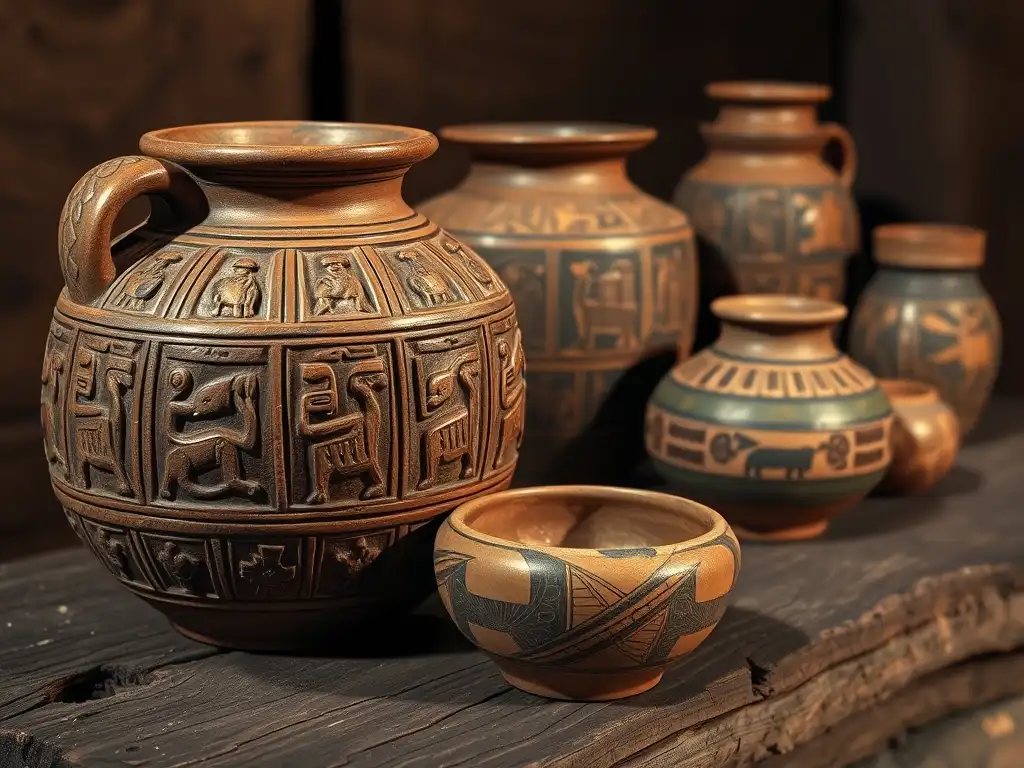
The diverse geography and independent cultural developments across the Andes Mountains resulted in a fascinating array of ceramic styles. While certain techniques and materials were shared, distinct regional variations in Ancient Andean ceramic vessel types arose, reflecting unique artistic traditions, social structures, and daily practices. This section will explore three prominent examples: Moche, Nazca, and Inca ceramics, highlighting their unique characteristics and the stories they tell about the societies that created them.
Analyzing these differences offers a deeper understanding of the complexity and dynamism of ancient Andean cultures. The artistry and functionality of these vessels provide invaluable insights into the daily lives, beliefs, and social hierarchies of these remarkable civilizations.
Moche Ceramics: Detailed and Expressive Vessels
Moche ceramics (c. 100-800 CE) are renowned for their exceptional realism and detailed depictions of everyday life, mythology, and ritual practices. Unlike many other Andean cultures, Moche potters were masters of modeling, creating three-dimensional figures and scenes on their vessels. This is exemplified in their iconic portrait vessels, which realistically portray individuals, often with striking expressions and intricate details of clothing and adornment. These portraits are thought to represent rulers, priests, or other important figures within Moche society, providing valuable insight into their physical appearance and social status.
The use of slip, a liquid clay suspension, allowed for a wide range of colors, though red, black, and white were frequently employed. Many vessels feature complex scenes depicting warfare, hunting, fishing, and agricultural practices, offering glimpses into the daily lives and economic activities of the Moche people. Furthermore, the presence of certain motifs, such as stylized felines or supernatural beings, suggests a strong connection between the material culture and religious beliefs.
The level of detail and the expressive nature of these vessels suggest a high level of artistic skill and a sophisticated understanding of human anatomy and social dynamics. The meticulous attention to detail underscores the importance of ceramics within Moche society, not merely as functional objects but also as powerful vehicles for storytelling and the expression of cultural values. Even seemingly mundane vessels often bear intricate decorations, showcasing the pervasive artistic sensibilities of the Moche culture.
Nazca Pottery: Vibrant Colors and Mythological Themes
Nazca pottery (c. 100 BCE – 600 CE) stands out for its vibrant polychromy and elaborate designs. Unlike the Moche emphasis on realism, Nazca potters focused on bold, stylized imagery, often depicting mythological beings, stylized plants and animals, and complex geometric patterns. The use of multiple colors, achieved through the application of layers of slip and careful firing techniques, created strikingly beautiful and visually arresting vessels. The iconic Nazca style is characterized by its intricate designs, fine lines, and the use of a wide spectrum of colors, including red, orange, yellow, brown, black, and white.
The themes depicted on Nazca ceramics reflect the culture's cosmology and religious beliefs. Many vessels portray stylized figures associated with their pantheon of gods and goddesses, often engaged in ritualistic activities or interacting with supernatural forces. These representations provide insights into their spiritual beliefs and the importance of ritual in their daily lives. The sophisticated use of color and design likely held symbolic meaning, with certain colors and patterns potentially associated with specific deities or rituals.
The complexity and precision of the designs, achieved without the aid of sophisticated tools, attest to the high level of skill and artistry of Nazca potters. The prevalence of these elaborate designs suggests that pottery played a central role in religious and social life, serving both practical and symbolic functions. The mastery of color and intricate design is a testament to the artistic sophistication of the Nazca culture.
Inca Ceramics: Standardized Forms and Imperial Style
Inca ceramics (c. 1438-1533 CE) differ significantly from earlier Andean traditions, reflecting the centralized nature of the Inca Empire. The Inca state implemented standardized forms and styles, resulting in a less diverse range of vessel types compared to earlier periods. While regional variations existed, a clear imperial style emerged, characterized by simple, elegant forms and restrained decoration. The most common forms include globular jars, shallow bowls, and stirrup-spouted vessels, often decorated with geometric patterns and simple motifs.
Inca pottery favored muted colors, primarily black, red, brown, and white, unlike the vibrant polychromy of Nazca ceramics. The designs were frequently geometric, reflecting the empire's emphasis on order and uniformity. While less expressive than Moche or Nazca pottery, Inca ceramics reveal the empire's administrative control over production and distribution.
The standardization of forms and the limitations on decorative elements suggest a centralized system of production, likely controlled by the state. The relatively simple designs may reflect a shift in emphasis from individual artistry to mass production to meet the needs of a vast empire. Despite the apparent simplicity, the quality of Inca pottery demonstrates a high level of craftsmanship and adherence to imperial standards.
The uniformity in style serves as a powerful symbol of Inca imperial power and control, extending across the vast Andean landscape. The relative simplicity of Inca ceramic vessel types, compared to earlier styles, reflects the centralized and standardized nature of the Inca Empire.
Tiahuanaco Pottery: Geometric Precision and Symbolism
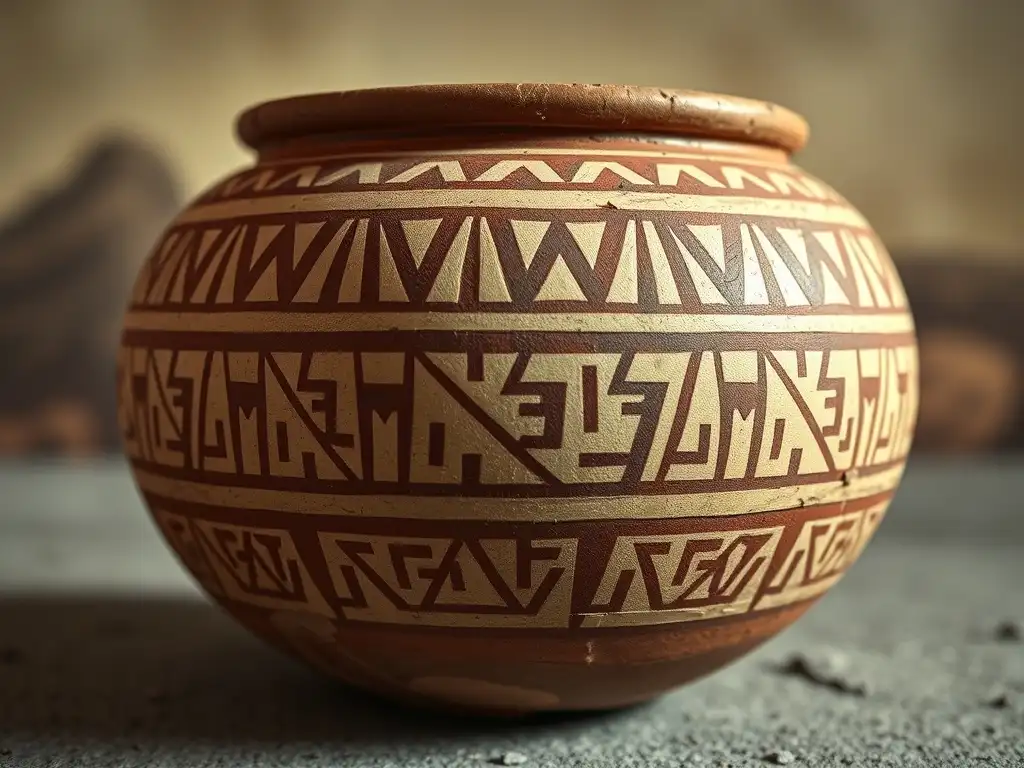
Tiahuanaco pottery, originating from the Tiwanaku culture (c. 500-1000 CE) in the Bolivian Altiplano, is characterized by its distinct geometric precision and intricate symbolism. Unlike the more naturalistic styles found in coastal regions, Tiahuanaco ceramics often feature bold, stylized designs. These designs frequently incorporate geometric patterns like stepped frets, triangles, and zigzags, arranged in complex compositions that cover the entire vessel. The colors are typically muted, with a preference for browns, reds, and blacks, often achieved through slip and burnishing techniques.
The use of these colors wasn't arbitrary; scholars believe they held symbolic significance, possibly representing cosmological concepts or social hierarchies within the Tiahuanaco society. For example, certain geometric patterns might have been associated with specific deities or rituals. The meticulous craftsmanship evident in Tiahuanaco pottery highlights the advanced technological skills of the artisans. The production likely involved specialized workshops, where potters adhered to strict stylistic conventions, ensuring consistency across different vessels.
The prevalence of standardized forms and decorative motifs suggests a centralized system of production and distribution, reflecting the powerful political organization of the Tiahuanaco state. Analysis of the clay and temper used in Tiahuanaco pottery provides further insights into the sourcing of materials and the trade networks that connected different parts of the Andean region. The study of Tiahuanaco ceramic vessel types reveals a sophisticated understanding of material culture and its role in maintaining social order and expressing cultural identity within the Tiahuanaco empire. Further research into the specific iconography and symbolism on these vessels continues to unravel the complex beliefs and practices of this influential Andean civilization.
Chimú Ceramics: Blackware and Molded Reliefs
Chimú ceramics (c. 1300-1470 CE), produced along the northern coast of Peru, stand out for their distinctive blackware and the innovative use of molded reliefs. The Chimú, known for their sophisticated metalworking, also excelled in pottery production. Their blackware, achieved through a reduction firing process, exhibits a deep, lustrous black surface, often contrasted with incised or painted designs in white or red. The precise control over the firing process necessary to achieve this consistent black finish demonstrates a high level of technical expertise. Many Chimú vessels feature molded reliefs, where three-dimensional figures or designs are incorporated into the vessel's surface.
This technique allowed for the creation of elaborate scenes depicting deities, mythical creatures, or everyday life. These reliefs, often highly detailed and expressive, provide valuable insights into Chimú iconography and worldview. The subjects depicted in Chimú molded reliefs frequently include stylized human figures, animals (such as birds and felines), and plant motifs. These representations likely held religious or symbolic meanings, reflecting the beliefs and values of Chimú society. Furthermore, the shapes and sizes of Chimú ceramic vessels were diverse, ranging from small, delicately crafted drinking vessels to large storage jars.
The variation in vessel types reflects the varied needs of Chimú society, from ceremonial use to daily necessities. The distribution of Chimú ceramics across the northern coast of Peru, and even beyond, indicates a well-established trade network that facilitated the exchange of goods and ideas. The study of Chimú ceramic vessel types, particularly the blackware and molded reliefs, offers a unique window into the artistic achievements, technological capabilities, and cultural beliefs of this powerful pre-Columbian civilization. The intricate detail and innovative techniques employed by Chimú potters underscore their mastery of ceramic production, leaving behind a rich legacy of artistic and cultural significance.
The Legacy of Ancient Andean Ceramic Vessels
The legacy of Ancient Andean ceramic vessels extends far beyond their utilitarian purpose. These artifacts serve as invaluable windows into the daily lives, social structures, beliefs, and artistic expressions of the diverse Andean cultures. From the intricate designs of the Nazca to the refined elegance of Inca pottery, these vessels offer a tangible connection to a rich and complex past.
The sheer volume of surviving ceramics, found across a vast geographical area and spanning centuries, speaks to the pervasive role pottery played in Andean societies. The study of these vessels allows us to reconstruct aspects of Andean life that might otherwise remain unknown, offering a unique perspective on ancient Andean civilizations. Understanding the types and styles of these vessels is crucial to unlocking the secrets they hold.
The careful analysis of the clays used, the techniques employed in their creation, and the decorative motifs adorning them provides a wealth of information for researchers and enthusiasts alike. Analyzing the distribution and context of these finds further helps us understand ancient trade networks and cultural interactions. The diversity in styles and forms directly reflects the varied needs and aesthetics of different Andean groups.
Ancient Andean ceramic vessel types reveal crucial information about social stratification and daily life. The presence of elaborate, finely crafted vessels in certain contexts, often associated with elite burials or ceremonial sites, suggests a hierarchical social structure. These vessels, often decorated with gold leaf, precious stones, or intricate designs, were clearly status symbols, indicating high social standing and access to resources.
In contrast, simpler, more utilitarian vessels found in everyday settings provide insights into the lives of commoners. The types of vessels present, their sizes, and the materials used offer clues about dietary habits, agricultural practices, and social interactions. For instance, the presence of large storage jars suggests organized food storage and potentially a degree of surplus production.
Similarly, the prevalence of small, individual drinking vessels might indicate patterns of communal or individual consumption, providing insights into social dynamics and ritual practices. The analysis of these vessels—their form, function, and decoration—gives researchers the tools to dissect the socio-economic complexities of Ancient Andean societies.
Contributions to Andean Archaeological Research
The study of Ancient Andean ceramic vessel types has significantly advanced our understanding of Andean archaeology. The careful cataloging and classification of these vessels, based on stylistic features, forms, and decorative motifs, allows archaeologists to establish chronological sequences and trace cultural developments across time and space. For example, the distinctive styles of Nazca pottery, characterized by their polychrome paintings and intricate designs, provide a clear marker for identifying and dating archaeological sites.
Similarly, the changes in Inca pottery styles over time reflect the evolving political and social landscape of the Inca Empire. Furthermore, chemical analysis of the clay used in the production of these vessels can provide information about the sourcing of raw materials and the extent of trade networks.
Isotopic analysis can even reveal details about the ancient Andean diet and environment. The meticulous documentation and analysis of these vessels, combined with advanced scientific techniques, continue to contribute significantly to the field of Andean archaeology, providing a more nuanced and complete picture of the past.
Modern Interpretations and Replications of Ancient Techniques
The enduring fascination with Ancient Andean ceramic vessel types has led to modern interpretations and replications of ancient techniques. Contemporary artisans and researchers are actively engaged in recreating these vessels, using traditional methods and materials to gain a deeper understanding of the ancient processes involved. These efforts not only contribute to our appreciation of Andean craftsmanship but also provide valuable insights into the technological innovations of ancient Andean cultures.
For instance, the replication of Nazca polychrome pottery has revealed the complexity of their painting techniques and the sophisticated understanding of pigments and firing processes. Similarly, the study of Inca ceramic techniques has shed light on their mastery of mold-making and the precise control they exerted over the firing process.
These modern replications help us to better appreciate the artistry and technical skill involved in the creation of these vessels and serve as a testament to the enduring legacy of Ancient Andean ceramic traditions. The continued study and replication of these techniques provide not only educational value but also contribute to the preservation and promotion of Andean cultural heritage.
Preservation and Conservation of Andean Ceramics
The preservation of ancient Andean ceramics presents significant challenges due to the fragility of the materials and the harsh environmental conditions in the Andes. The arid climate, while beneficial in some respects, can also lead to significant degradation through temperature fluctuations and exposure to ultraviolet radiation. These factors contribute to cracking, flaking, and the overall weakening of the ceramic structures. Furthermore, the passage of time has resulted in significant physical damage from natural disasters, looting, and even the effects of agricultural activities. Many pieces unearthed are incomplete, requiring painstaking reconstruction and stabilization techniques.
The conservation efforts involve a multi-faceted approach. Archaeologists and conservators meticulously document the condition of each artifact before any intervention. This detailed recording, often including photography and 3D scanning, provides a baseline for tracking changes over time and informing future conservation strategies.
Cleaning processes are carefully considered, often involving gentle brushing and the use of specialized solvents to remove accumulated dirt and organic matter. Consolidation techniques, using carefully selected adhesives and resins, are employed to stabilize fragile fragments and prevent further deterioration. These procedures require extensive training and a deep understanding of the chemical composition of the ceramics and the potential interactions with different treatment materials.
The goal is always to minimize intervention and prioritize the long-term preservation of the artifacts in their most original state. For example, the use of inappropriate adhesives in the past has led to irreversible damage, emphasizing the need for ongoing research and development in conservation methodologies.
Furthermore, environmental control plays a crucial role in long-term preservation. Museums and storage facilities must maintain stable temperatures and humidity levels to minimize the risks of cracking and degradation. Proper lighting, avoiding direct sunlight and ultraviolet radiation, is also essential.
The creation of controlled environments is costly and requires specialized equipment, but it is vital for safeguarding these invaluable pieces of Andean cultural heritage. The ongoing challenge is to balance the need for public access and display with the imperative to protect these fragile objects from further damage. This delicate balance requires careful planning and the implementation of robust preventative conservation measures.
The future of Andean ceramic preservation relies on a combination of advanced scientific techniques, careful handling, and ongoing research to develop even more effective and sustainable conservation methods. Only through a concerted effort can we ensure that future generations can continue to appreciate the artistry and cultural significance embedded within these remarkable vessels.
Frequently Asked Questions
What types of ceramic vessels were commonly used in ancient Andean societies?
Ancient Andean societies used a wide variety of ceramic vessels, including large storage jars, smaller bowls and plates for eating, and elaborate ceremonial vessels. The specific types varied across different cultures and time periods.
How did the different Andean cultures distinguish their ceramic styles?
Each Andean culture developed unique styles in their ceramics. This included variations in shapes, colors, and decorative motifs, allowing archaeologists to identify the origin and sometimes even the purpose of a vessel. Iconography played a significant role.
What materials were used to create ancient Andean ceramic vessels?
Ancient Andean potters primarily used clay, often mixed with temper (like sand or shell) to improve the vessel's strength and durability during firing. Different clays resulted in a variety of colors and textures.
What was the significance of ceramic vessels beyond their practical use?
Beyond their daily use, Andean ceramic vessels held significant social and religious meaning. Many were decorated with complex imagery representing deities, myths, and social status, highlighting their importance in rituals and ceremonies.
Where can I learn more about specific ancient Andean ceramic vessel types?
To delve deeper into specific vessel types, explore academic journals, museum collections, and books focusing on Andean archaeology. Many resources specialize in the ceramics of specific cultures like the Inca, Moche, Nazca, and Tiahuanaco.
Final Reflection: Echoes of the Andes: A Legacy in Clay
The intricate artistry and functional design of ancient Andean ceramic vessels continue to resonate today, offering a powerful testament to the ingenuity and cultural richness of past civilizations. These weren't merely containers; they were active participants in daily life, imbued with meaning and reflecting the complex social structures and beliefs of their creators. Their survival, often fragile yet enduring, speaks volumes about the enduring power of human creativity and the importance of preserving our shared heritage.
The enduring legacy of Andean ceramics transcends mere archaeological significance; it speaks to the enduring human need for connection and expression. These vessels, unearthed from the dust of centuries, whisper stories of community, ritual, and the intimate details of daily life. They remind us of the interconnectedness of past and present, demonstrating how seemingly mundane objects can hold profound cultural weight. The past is never dead. It's not even past.
- William Faulkner. This quote perfectly encapsulates the enduring relevance of these ancient artifacts, their stories continuing to unfold with each new discovery and interpretation.
Consider the artistry, the functionality, the sheer persistence of these vessels. You, the reader, are now part of this ongoing conversation. Take a moment to reflect on the objects you use daily – what stories do they tell about your life, your culture, your community? How can we, in our own time, create objects that will similarly resonate with future generations, carrying our own stories forward into the ages? Let the echoes of the Andes inspire you to appreciate the power of everyday objects and the enduring legacy of human creativity.
Unleash Your Curiosity: Dive into the World of Andean Ceramics!
Thank you for exploring the fascinating world of ancient Andean ceramics! You've discovered the rich history and artistry embedded in these everyday vessels, revealing their profound cultural significance. Let's build on this inspiration!
Here are some ways to continue your journey:
- Explore Local Museums: Visit a local museum to discover exhibitions on ancient art or indigenous cultures. You might be surprised by what you find!
- Try a Hands-On Workshop: Participate in a pottery or ceramics workshop to experience techniques reminiscent of those used by master Andean artisans.
- Share Your Discoveries: Share your newfound knowledge about Andean ceramics on social media. Engage in conversations about how these artifacts illuminate our shared human history.
What story would you tell through a ceramic vessel that reflects your own cultural heritage or personal experiences?