
Social Change and Transformation in the Ancient Andes

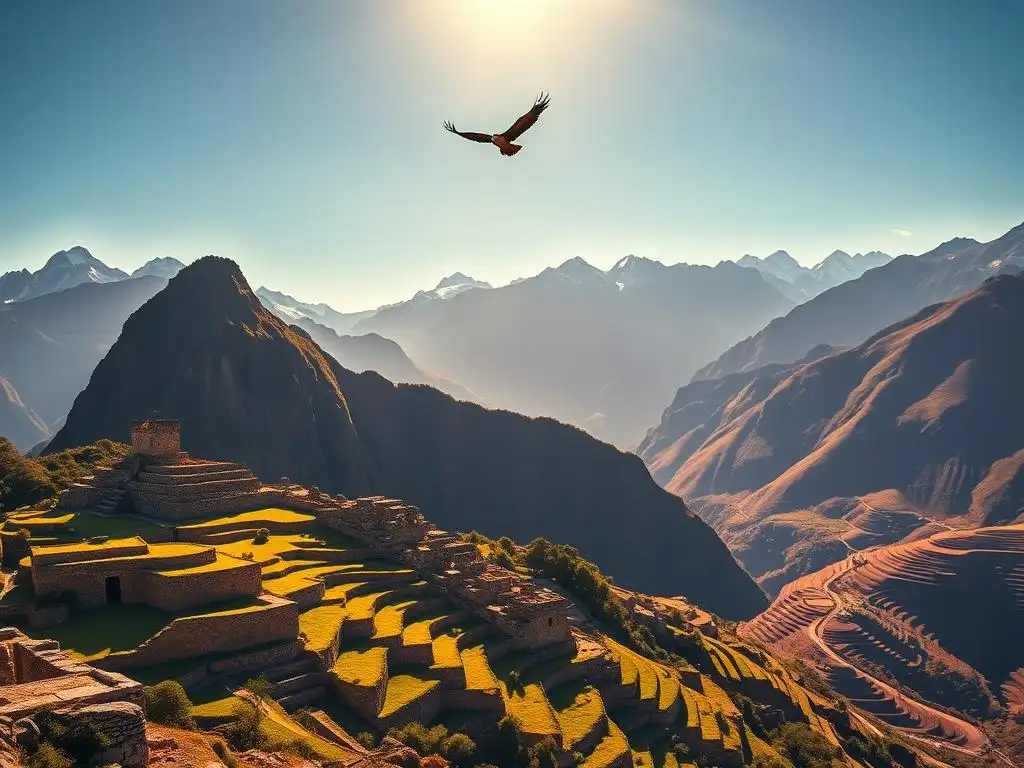
Step into a world lost to time, yet echoing with the whispers of empires. Discover the secrets of the Andes, a land sculpted by towering mountains and the ingenuity of its inhabitants. Ancient Andean social transformation wasn't a gentle ripple, but a seismic shift that reshaped civilizations. Prepare to unravel the mysteries behind the rise and fall of magnificent cultures like the Inca, Moche, and Nazca – their innovations, their conflicts, and their enduring legacy. Dare to delve deeper into the fascinating complexities of Andean Social Structures and witness history unfold before your eyes.
The Andes Mountains, a spine of towering peaks and fertile valleys, cradled a tapestry of remarkable ancient civilizations. For millennia, societies flourished in this challenging environment, developing intricate social structures, sophisticated technologies, and awe-inspiring art. This article delves into the fascinating story of Ancient Andean social transformation, exploring the dynamic shifts and adaptations within these societies, focusing on the interplay between social hierarchy, class structures, and the broader forces shaping their evolution.
We will examine how these changes impacted daily life, political power, and the very fabric of Andean culture, from the early formative periods to the Inca Empire and beyond. Understanding these transformations provides crucial insight into the resilience, innovation, and complex social dynamics that defined these remarkable civilizations. The study of Ancient Andean social transformation reveals not only the specific changes within individual societies but also broader patterns of societal evolution in complex, pre-industrial settings.
The Andean region wasn't a monolith; rather, a diverse array of cultures – from the coastal Moche to the highland Tiahuanaco – each developed unique social structures. However, certain common threads weave through their histories. Many Andean societies exhibited a hierarchical structure, with elites controlling resources and political power.
This wasn't a static system; the balance of power shifted over time, influenced by factors such as warfare, environmental changes, technological advancements, and internal social pressures. For example, the rise and fall of specific Andean states often involved significant social upheaval, with the displacement of existing elites and the emergence of new ruling classes.
The nature of social stratification varied considerably across different Andean cultures. While some societies displayed a relatively rigid class system, others exhibited more fluidity, allowing for social mobility based on merit, wealth accumulation, or military prowess. Archaeological evidence, such as burial practices and the distribution of artifacts, offers clues to understanding these social hierarchies. The elaborate tombs of elite individuals, contrasted with the simpler burials of commoners, highlight the stark inequalities that existed within many Andean societies.
Furthermore, the presence of specialized craftspeople and administrators indicates a level of social complexity and division of labor beyond simple agrarian communities. The study of ancient Andean textiles, ceramics, and metallurgy further reveals the specialized skills and social roles within these communities, illuminating the intricate social fabric of these societies. Analyzing the distribution of these artifacts provides further insights into the social dynamics and power structures present in these ancient societies.
The evolution of Andean social structures was a complex process, marked by both continuity and change. Early Andean societies, characterized by small-scale villages and relatively egalitarian social arrangements, gradually transitioned into more complex, hierarchical structures as populations grew and societies became more centralized. This process often involved the development of specialized institutions, such as religious organizations and bureaucratic systems, which further solidified the power of ruling elites.
The introduction of new technologies, such as irrigation systems and advanced agricultural techniques, also played a significant role in shaping social structures, creating surpluses that could support larger populations and more complex social hierarchies. The impact of environmental factors, such as droughts or floods, should also be considered; these events often triggered significant social unrest and transformations.
The Inca Empire represents a pinnacle of Andean social organization. Its highly centralized political system, with a complex bureaucracy and elaborate road network, facilitated the control of a vast territory and population. The Inca implemented a sophisticated system of redistribution of resources, which, while designed to maintain the power of the ruling class, also provided a degree of social safety net for the common people.
However, even within the Inca Empire, social mobility was limited, and the vast majority of the population remained in relatively low social positions. The Inca's control over resources and labor, through the mita system, illustrates both their power and the constraints placed on the common population, highlighting the enduring complexities of social structures even within a seemingly unified empire.
The collapse of the Inca Empire, ultimately, led to further social transformations, marking a dramatic shift in the power dynamics of the Andean region. The post-Inca period saw the emergence of new power structures and social hierarchies, underscoring the continuous, dynamic nature of social change in the Andes.
- Understanding Social Dynamics in Andean Civilizations
- The Evolution of Ancient Andean Social Structures
- What were some key factors driving social transformation in the Ancient Andes?
- How did the Inca Empire impact social structures in the Andes?
- What role did religion play in shaping Andean societies?
- How did technology influence social transformation in the ancient Andes?
- What evidence do archaeologists use to understand ancient Andean social change?
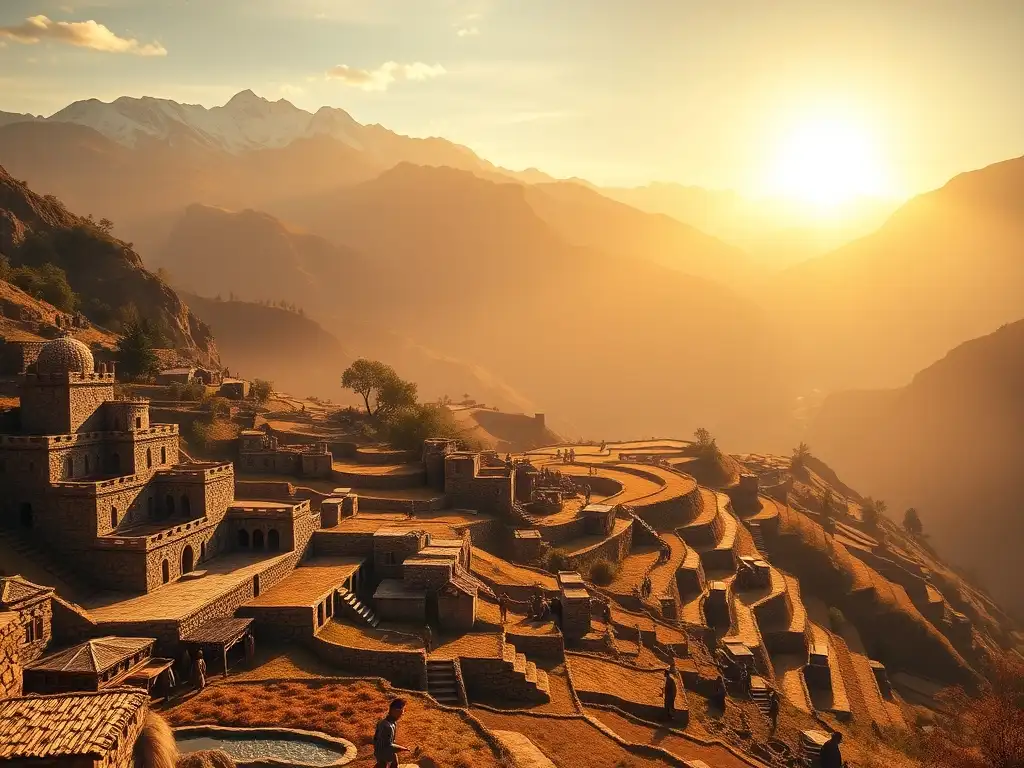
This section delves into the pivotal factors that shaped the dynamic social landscapes of the Ancient Andes, focusing on the interplay between environmental pressures, agricultural innovations, and technological advancements. Understanding these interconnected forces is crucial to grasping the complexities of Ancient Andean social transformation. The keyword "Ancient Andean social transformation" and its semantic variations will be strategically woven throughout the analysis.
Environmental Influences on Andean Societies
The diverse and challenging Andean geography profoundly impacted social organization and transformation. The dramatic altitudinal variations, ranging from coastal deserts to high-altitude plains and towering mountains, created distinct ecological niches and necessitated adaptive strategies. For example, the coastal cultures like the Moche developed sophisticated irrigation systems to thrive in arid environments, fostering a hierarchical society structured around water management and resource control.
This contrasts sharply with the highland cultures, such as the Tiwanaku, who adapted to the challenges of high-altitude agriculture and developed complex social structures centered around religious and political authority, possibly linked to their control over scarce resources in less arable lands. The cyclical nature of El Niño events, causing devastating floods or droughts, also played a significant role in shaping social structures. Periods of environmental stress likely led to increased social stratification, with elites potentially consolidating power during times of crisis by managing scarce resources and offering religious solutions.
Understanding the delicate balance between human societies and their environment is key to understanding the dynamics of Ancient Andean social transformation. The impact of environmental factors on social structures should not be understated; it was a constant, shaping force.
Agriculture was the cornerstone of Ancient Andean societies, fundamentally shaping their social structures and driving significant transformations. The development of advanced agricultural techniques, such as terracing, irrigation, and the cultivation of diverse crops like potatoes and maize, led to increased food production and population growth. This surplus, however, didn't automatically translate into egalitarian societies.
Instead, control over agricultural resources and the distribution of surplus likely contributed to the emergence of social hierarchies. Elites often controlled the most fertile lands and the most advanced irrigation systems, leveraging their control to consolidate power and wealth. The intensification of agriculture also led to specialization of labor, with some individuals focusing on farming while others engaged in craft production or religious activities.
This division of labor further solidified existing social hierarchies or created new ones, depending on the cultural context. The intricate relationship between agricultural productivity and social stratification is a crucial aspect of Ancient Andean social transformation. Evidence suggests that periods of agricultural innovation often coincided with periods of social upheaval and restructuring.
Technological advancements played a significant role in shaping the social fabric of Ancient Andean civilizations. Innovations in metallurgy, particularly the mastery of bronze and later gold and silver working, led to the production of sophisticated tools, weapons, and ceremonial objects. Access to these technologies often became a marker of social status, with elites wielding power through their control over metal production and distribution.
The development of advanced textile production, using techniques like spinning, weaving, and dyeing, also contributed to social differentiation. Fine textiles were often reserved for elites, signifying their high social standing and reinforcing social hierarchies. Similarly, advancements in architecture, such as the construction of monumental structures like temples and palaces, required sophisticated engineering skills and a highly organized workforce, reflecting a complex social organization where large-scale projects were planned and executed under centralized authority.
The study of these technological advancements provides crucial insights into the processes of Ancient Andean social transformation and the ways in which technology reinforced or challenged existing power structures. The interplay between technological innovation and social change represents a complex dynamic requiring further detailed investigation.
Warfare played a significant role in shaping Andean social structures and hierarchies. Conquest and expansion weren't simply about territorial control; they profoundly impacted the social fabric of conquered and conquering societies alike. The Inca Empire, for instance, exemplifies this. Their military prowess, fueled by a highly organized and disciplined army, allowed them to incorporate vast swathes of territory and diverse populations into their empire. This expansion, however, wasn't a simple absorption. Existing power structures were often dismantled, leading to the displacement of local elites and the installation of Inca officials.
The Inca implemented a system of mita, a form of mandatory labor, to manage conquered territories and extract resources. This system, while providing a framework for infrastructure projects and agricultural production, further solidified the Inca's dominance and reinforced the hierarchical structure of the empire.
Local populations, while retaining some aspects of their cultural identity, were subjected to the authority of Inca governors and administrators, creating a stratified society with the Inca ruling class at the apex. The spoils of war, including land, resources, and human labor, further enriched the Inca elite, widening the gap between the ruling class and the commoners.
Moreover, warfare's impact wasn't limited to the conquered. Within the Inca army itself, a meritocratic system existed, albeit one heavily influenced by lineage and social standing. Successful military leaders were often rewarded with elevated social status and increased power, demonstrating how military success could lead to social mobility, albeit within the confines of the existing hierarchy.
This competition for status and resources within the military further fueled the dynamic nature of Inca society, constantly reshaping its social landscape. The constant threat of warfare, even within the empire itself, meant that the social hierarchy was never truly static, always subject to the shifts in military power and political alliances. This created a complex interplay between established hierarchies and the potential for social advancement through military achievement.
Detailed records of Inca warfare and its impact on social structures are, however, limited, requiring further research to fully understand the nuances of this process. Archaeological evidence, while providing valuable insights into the material culture of warfare, often leaves the complexities of social dynamics open to interpretation.
This section delves into the fascinating social transformations experienced by several prominent Andean cultures, illustrating the diverse pathways of societal evolution in the region. We will examine specific examples of how social structures shifted, demonstrating the dynamism and complexity of Ancient Andean social transformation. Understanding these individual trajectories enriches our overall comprehension of the broader trends in Andean societal development.
The Moche: From Chiefdoms to Complex Societies
The Moche civilization (c. 100-800 CE) offers a compelling case study of societal growth and stratification. Initially organized as a collection of smaller chiefdoms, the Moche gradually consolidated power, leading to a more centralized and hierarchical state. This transformation was facilitated by several key factors:
- Agricultural Intensification: Sophisticated irrigation systems allowed for increased agricultural productivity, creating surplus resources that supported a larger, more complex population. This surplus wealth likely fueled the growth of a powerful elite class.
- Military Expansion: Evidence suggests the Moche engaged in significant military campaigns, conquering neighboring territories and accumulating wealth and power. This military success solidified the authority of the ruling class and further contributed to social stratification.
- Religious Ideology: The Moche religion, with its emphasis on powerful deities and elaborate rituals, played a crucial role in legitimizing the ruling elite and maintaining social order. The construction of monumental architecture, such as the massive adobe pyramids at Huaca del Sol and Huaca de la Luna, served as potent symbols of Moche power and religious authority. These projects required massive amounts of labor, further solidifying the social hierarchy.
The Moche social structure evolved from a relatively egalitarian chiefdom system to a highly stratified society with a clear distinction between the elite, the commoners, and possibly even a marginalized underclass. This transformation is reflected in their art, which depicts scenes of warfare, ritual sacrifice, and lavish displays of wealth by the ruling class, alongside representations of commoners engaged in agricultural labor and other activities. Further research into Moche burial practices and material culture is needed to fully understand the nuances of social mobility within this complex society.
The Nazca culture (c. 100 BCE – 600 CE), famed for its enigmatic geoglyphs, presents a different picture of Ancient Andean social transformation. While less centralized than the Moche, the Nazca society still exhibited a degree of social hierarchy. However, the extent of social mobility within Nazca society remains a topic of ongoing debate among archaeologists.
Evidence suggests a relatively stable social structure, with a ruling elite likely controlling access to resources and religious authority. However, unlike the Moche, there is less overt evidence of large-scale warfare or military expansion. Instead, the Nazca seem to have relied more on sophisticated agricultural techniques and trade networks to maintain their social order.
The intricate textiles and pottery found in Nazca tombs reveal a level of craftsmanship and artistry that implies specialized labor and a relatively well-defined social division of labor. However, the distribution of grave goods doesn't always directly correlate with a rigid social hierarchy, suggesting the possibility of greater social mobility than in some other Andean cultures. More research is needed to determine the level of social fluidity within the Nazca population and to better understand the factors that influenced social status. Analyzing the variation in burial goods across different Nazca sites could provide valuable insights into this question.
The Tiahuanaco civilization (c. 500-1000 CE) stands out for its sophisticated urban planning and its influence across a vast territory in the central Andes. Tiahuanaco’s social organization is characterized by a powerful centralized state with a complex administrative system. Ancient Andean social transformation in this case was driven by factors including:
- Control of Resources: Tiahuanaco controlled access to vital resources, such as water and fertile land, enabling them to exert power over a large population. This control was likely facilitated by their sophisticated irrigation systems and their command of strategic locations.
- Monumental Architecture: The impressive architecture of Tiahuanaco, including the monumental Akapana pyramid and the Gate of the Sun, served as symbols of state power and religious authority. These monumental constructions required the mobilization of massive labor forces, further reinforcing the centralized control of the ruling elite.
- Religious Ideology: Tiahuanaco’s religious beliefs and practices likely played a significant role in legitimizing the ruling elite and maintaining social control. The intricate iconography found on Tiahuanaco artifacts suggests a complex religious system that reinforced the power structure.
The social structure of Tiahuanaco is believed to have been highly stratified, with a clear hierarchy of power. However, the extent of social mobility within this society remains a subject of ongoing scholarly discussion. Further investigation into the settlement patterns, burial practices, and material culture of Tiahuanaco is necessary to fully understand the dynamics of social change and the opportunities for social advancement within this influential Andean civilization. Analyzing the distribution of specific artifact types across different social strata could be particularly insightful.
The Inca Empire, at its zenith, represented a remarkable feat of social engineering, profoundly impacting the diverse Andean societies it incorporated. The Inca's success wasn't solely due to military might; their sophisticated system of administration, resource management, and social control played a crucial role in their expansion and the lasting transformation of Andean social structures. This involved a deliberate strategy to integrate conquered populations while maintaining imperial control. This wasn't a process of simple subjugation, but rather a complex interplay of coercion, assimilation, and strategic alliances.
One key element of Inca social engineering was the mit'a system. This wasn't simply forced labor, as often portrayed; it was a highly organized system of reciprocal obligation, where citizens contributed labor to public works projects—from road construction to agriculture—in exchange for access to resources and protection from the state. While undoubtedly demanding, the mit'a also facilitated the integration of different ethnic groups into a larger, unified workforce, fostering a sense of shared purpose, albeit under strict imperial oversight.
The scale of Inca infrastructure projects—roads, irrigation systems, and monumental architecture—testifies to the effectiveness of this system in mobilizing labor across vast distances. Specific examples, such as the impressive road network connecting Cuzco to far-flung provinces, vividly illustrate the impact of the mit'a on the Andean landscape and the lives of its inhabitants.
The standardization of agricultural practices and the creation of storehouses ( qollqas) to manage food surpluses further strengthened the empire's control and ensured social stability. These actions, while benefitting the state and elite, also provided a degree of social security for the common people.
Another crucial aspect of Inca social engineering was the resettlement of populations. The Inca frequently relocated conquered groups, strategically placing them in different regions to dilute existing power structures and prevent rebellion. This population displacement, though disruptive, served a vital purpose in the Inca's strategy of social control.
It also facilitated the spread of Inca culture and language, contributing to a degree of cultural homogenization across the empire. While this process inevitably led to the erosion of local traditions and identities, it also fostered a sense of shared imperial identity, albeit often imposed rather than organically developed. The exact numbers of people relocated remain a subject of scholarly debate, but archaeological evidence strongly supports the widespread nature of this practice.
Finally, the Inca's religious and ideological control played a significant role in their social engineering project. The Inca state actively promoted a state religion, emphasizing the divine authority of the Sapa Inca and the importance of imperial ideology. Temples, festivals, and religious practices served to reinforce the legitimacy of Inca rule and instill loyalty among the diverse populations under their control.
The use of religious symbols and rituals to unify the empire is well documented, signifying the importance of religious conformity in maintaining social stability and order. However, it's important to note that the Inca didn't completely suppress pre-existing religious beliefs; instead, they often incorporated local deities into the imperial pantheon, demonstrating a pragmatic approach to religious control. This sophisticated strategy helped to minimize resistance and foster a more inclusive (yet ultimately controlled) religious landscape.
The integration of local religious practices demonstrates the Inca's capacity for adaptation and their adept manipulation of religious symbolism for political gain. The consequences of this process, however, are complex and continue to be debated by scholars, who look at both the unifying and homogenizing effects alongside the loss of indigenous practices and beliefs. The impact of Inca social engineering on "Ancient Andean social transformation" is undeniable, leaving a lasting legacy on the region's social and cultural landscape.
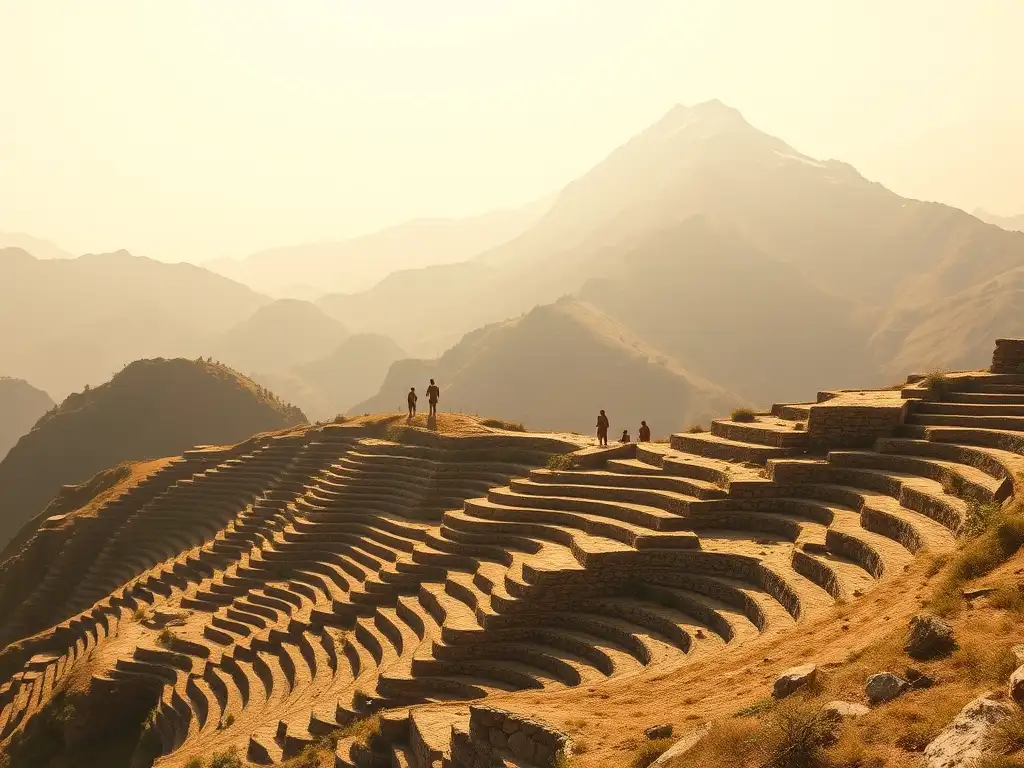
This section delves into the fascinating and complex patterns of social change that characterized the various ancient Andean civilizations. Understanding these shifts requires moving beyond a simple linear narrative and acknowledging the diverse experiences of the Moche, Nazca, Tiahuanaco, and Inca societies. We will explore both the common threads uniting these transformations and the significant variations that shaped their unique trajectories.
Analyzing these patterns allows us to gain a deeper understanding of the factors that drove social change in the Andes and the lasting impact these changes had on subsequent Andean societies. The keyword "Ancient Andean social transformation" is central to this analysis, highlighting the dynamic and evolving nature of Andean social structures.
Several recurring themes emerge when studying social change across different Andean cultures. One significant factor was the interplay between environmental pressures and social adaptation. For example, periods of drought or climate change often led to societal restructuring, including shifts in agricultural practices, resource management, and even political organization. The development of sophisticated irrigation systems, for instance, was not merely a technological advancement but also a response to environmental challenges that fundamentally altered social relations and power dynamics.
Another common thread is the role of religious and ideological beliefs in shaping social structures. Changes in religious practices, the rise of new cults, or the adoption of foreign deities often coincided with significant social transformations. The construction of monumental architecture, such as the Nazca Lines or the Tiahuanaco pyramids, served not only as practical structures but also as powerful symbols of religious authority and social control, reinforcing existing hierarchies or creating new ones. The spread of specific religious beliefs could act as a catalyst for social integration or fragmentation depending on the context.
Finally, military expansion and conquest played a crucial role in many instances of social change. The rise of powerful empires, such as the Inca, involved the subjugation of other groups, leading to significant shifts in population demographics, social hierarchies, and economic systems.
The Inca's mita system, a form of mandatory labor, is a prime example of how conquest reshaped social relations and contributed to both the empire's strength and its eventual internal tensions. The impact of military conflict on social structures varied across the Andes, sometimes leading to the consolidation of power and other times resulting in societal fragmentation and upheaval.
Despite the common threads mentioned above, significant differences existed in the social development of various Andean cultures. The pace and nature of social change varied greatly. For instance, the Moche civilization developed a highly stratified society with a powerful elite, while the Nazca, though possessing sophisticated technology, may have had a less centralized political structure.
The extent of social mobility also varied considerably. While some societies, like the Inca, exhibited a degree of social mobility through meritocratic systems, others displayed a more rigid social hierarchy with limited opportunities for advancement. This difference highlights the diverse ways in which Andean societies responded to internal and external pressures.
Moreover, the specific mechanisms of social change differed. Some societies experienced gradual, evolutionary changes, while others underwent rapid, revolutionary transformations. These differences reflect the unique historical circumstances, environmental conditions, and cultural values of each civilization. The impact of external influences, such as trade and contact with other cultures, also contributed to the diversity of social development patterns across the Andes. Further research is needed to fully understand the nuances of these variations and to identify the key factors that drove these diverse trajectories.
The social structures of the ancient Andes left a profound and enduring legacy on the region. Many of the social patterns and institutions that emerged during these periods continue to influence Andean societies today. The complex interplay between kinship, community, and authority, for example, remains a significant aspect of Andean social life. Furthermore, the systems of resource management and agricultural practices developed by ancient Andean civilizations continue to inform modern approaches to land use and environmental sustainability.
The impact of ancient Andean social structures is also evident in contemporary political and economic systems. The legacy of imperial power and centralized authority continues to shape regional dynamics, while elements of traditional social hierarchies persist in various forms. Understanding the complexities of ancient Andean social structures is therefore essential for comprehending the contemporary social, political, and economic landscape of the Andes. The study of "Ancient Andean social transformation" offers valuable insights into both the past and the present, enriching our understanding of the enduring legacy of these remarkable civilizations.
The dramatic shifts in Ancient Andean social structures, driven by factors like conquest, climate change, and internal political upheaval, left a lasting legacy on the region. Understanding these long-term effects requires examining the interplay between continuity and transformation. While empires rose and fell, certain societal patterns proved remarkably resilient, highlighting the complex interplay between innovation and tradition in shaping Andean societies.
Analyzing these long-term impacts offers valuable insights into the enduring nature of social hierarchies and the ways in which ancient social models continue to resonate in contemporary Andean communities. The persistence of certain social structures across millennia underscores the deep-rooted nature of Andean societal organization and its remarkable capacity for adaptation in the face of significant change. This section will delve into the specific ways in which these long-term effects manifested themselves.
Despite periods of upheaval and conquest, hierarchical social structures remained a defining characteristic of Andean societies. While the specific composition and power dynamics of these hierarchies varied across different cultures and time periods – from the stratified societies of the Moche to the highly organized Inca empire – the fundamental principle of social stratification persisted. Evidence suggests that elite classes, often associated with religious authority, political power, or control over resources, maintained privileged positions throughout much of Andean history.
This continuity wasn't simply a matter of inertia; rather, it was actively reinforced through various mechanisms. For instance, the Inca's mita system, while ostensibly a form of labor organization, also served to solidify their control and maintain social distinctions. The distribution of land, access to specialized crafts, and even burial practices all contributed to the reproduction of social inequalities across generations.
The persistence of these hierarchies, even amidst periods of significant political and economic transformation, demonstrates their deep-seated nature within the Andean worldview. The legacy of these ancient power structures continues to shape contemporary understandings of social class and inequality in the Andes.
Cultural Continuity and Transformation
Ancient Andean social transformation wasn't solely about shifts in power structures; it also involved profound changes in cultural practices and beliefs. However, these transformations rarely involved complete ruptures with the past. Instead, they often manifested as a complex interplay between continuity and innovation.
Religious beliefs, for example, often adapted to incorporate new deities or rituals while retaining core elements of earlier traditions. This syncretism is evident in the fusion of indigenous Andean beliefs with those of the Spanish conquistadors during the colonial period, demonstrating the capacity for cultural systems to absorb and reinterpret external influences. Similarly, artistic styles and technological innovations often built upon existing foundations, incorporating new techniques and motifs while retaining characteristic Andean aesthetics.
The continuity of certain artistic motifs, architectural styles, and agricultural practices across centuries underscores the enduring power of cultural traditions. This blend of continuity and adaptation highlights the dynamism of Andean culture and its ability to navigate periods of significant social and political change. The study of this cultural continuity and transformation offers crucial insight into the resilience of Andean identity.
The long shadow cast by ancient Andean social structures continues to be felt in contemporary Andean societies. While the specific manifestations of these influences are complex and varied, understanding the historical roots of present-day social dynamics is crucial. For instance, patterns of land ownership, community organization, and social hierarchies in many contemporary Andean communities bear a striking resemblance to those observed in pre-Columbian societies.
The ayllu, a traditional Andean communal system, persists in many forms, demonstrating the enduring influence of ancient social models on contemporary community structures. Furthermore, the legacies of colonial policies, which often built upon and exacerbated existing social inequalities, continue to shape social relations and access to resources. Analyzing these historical continuities allows for a more nuanced understanding of current social challenges and inequalities in the Andes.
Moreover, the study of ancient Andean social structures provides valuable context for contemporary efforts to promote social justice, equity, and sustainable development in the region. Recognizing these historical connections is essential for effective policy-making and community development initiatives.
Frequently Asked Questions
The Andes witnessed significant social change due to several factors including environmental shifts, population growth, warfare, and the rise and fall of powerful empires like the Inca. These factors often intertwined, creating complex dynamics.
The Inca imposed a highly centralized political and social system, creating a unified empire with standardized practices and a hierarchical social structure. This led to both integration and resistance among conquered populations.
What role did religion play in shaping Andean societies?
Religion played a crucial role, influencing social organization, agricultural practices, and political power. Rituals and beliefs surrounding deities and ancestors were central to daily life and social control.
Technological advancements, particularly in agriculture (terracing) and infrastructure (roads), enabled population growth and greater social complexity. Improved irrigation supported larger settlements and more specialized labor.
Archaeologists study a variety of evidence, including settlement patterns, architecture, burials, textiles, and ceramics, to reconstruct past societies and understand the processes of social transformation. Analysis of artifacts provides insights into social hierarchies and daily life.
The intricate tapestry of social change woven in the Ancient Andes continues to resonate today, reminding us of the enduring power of adaptation, innovation, and collective action in the face of adversity. The strategies employed by Andean societies to navigate environmental challenges, political upheaval, and cultural exchange offer invaluable lessons for understanding our own complex world, a world grappling with similar issues on a global scale. The echoes of their ingenuity and resilience reverberate through time, urging us to consider the enduring human capacity for transformation.
The impact of Andean social structures, from the sophisticated irrigation systems of the Nazca to the intricate social hierarchies of the Inca, continues to shape our understanding of societal development and the very nature of civilization. Their achievements, often overlooked in broader historical narratives, offer a compelling counterpoint to Eurocentric perspectives. The past is never dead. It's not even past.
– William Faulkner. This quote perfectly encapsulates the enduring relevance of studying Andean social transformation; their experiences offer a rich tapestry of insights that remain profoundly relevant to our understanding of the present and the future.
Consider the ingenuity of the Andean people, their ability to adapt to extreme environments and build complex societies with limited resources. Reflect on the lessons learned from their successes and failures. You, too, possess the capacity for transformative action. Embrace the challenges you face with the same resilience and ingenuity demonstrated by the ancient Andean civilizations. Let their legacy inspire you to build a more just, equitable, and sustainable future, one where innovation and collaboration are the cornerstones of progress.
Thank you for exploring the profound impact of social and political change in the Andes. Your interest in this rich history underscores the importance of understanding how past civilizations adapted and thrived. Let's now translate this knowledge into meaningful action!
- Dive Deeper: Delve into the fascinating histories of specific Andean cultures and their complex social structures. Our website offers many engaging articles and resources to enrich your understanding.
- Join a Community: Connect with other enthusiasts in our online forums and social media channels. Share your insights and learn from others who are passionate about Andean history and culture.
- Take Action: Consider volunteering with, or supporting, organizations dedicated to positive social change in the Andes today. Explore how you can contribute to preserving and promoting Andean culture in the modern world.
What aspect of Andean social transformation most inspires you to act? Share your thoughts in the comments!