
The Art of Pottery Making: Crafting Vessels for Daily Use in the Andes

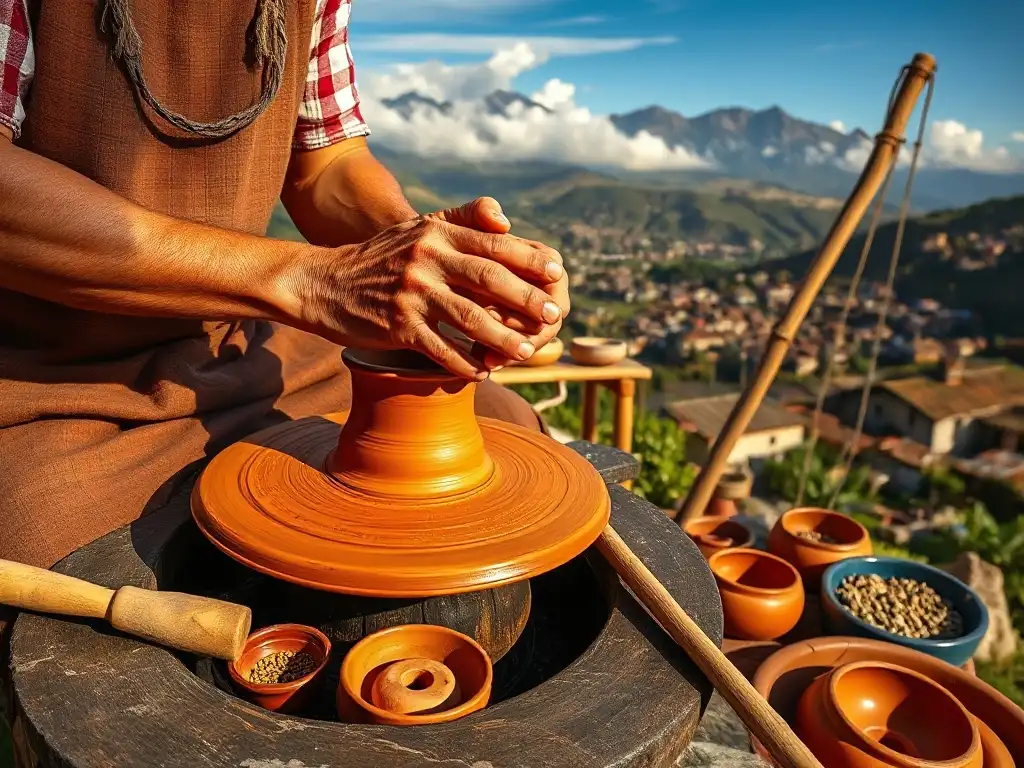
Uncover the secrets whispered through the ages in the heart of the Andes! Journey with us into a world of breathtaking artistry and ingenuity, where ancient civilizations shaped not just clay, but history itself. Prepare to be amazed by the intricate Andean pottery making techniques that transformed simple earth into exquisite vessels, reflecting the complex social structures and daily lives of the Incas, Moche, Nazca, and Tiahuanaco. Discover how these master craftsmen created enduring legacies – legacies you're about to explore.
The art of pottery making held immense significance in the daily lives of ancient Andean civilizations, extending far beyond mere functionality. From the intricate designs of the Nazca to the sophisticated techniques of the Inca, pottery served as a vital tool, a canvas for artistic expression, and a conduit for cultural and religious beliefs.
This exploration delves into the diverse techniques employed by Andean peoples in crafting their ceramic vessels, revealing the ingenuity and artistry behind these enduring artifacts. We'll examine the materials used, the processes involved, and the profound cultural implications of this ancient craft, offering a glimpse into the daily lives and worldview of these fascinating societies.
Understanding Andean pottery making techniques provides crucial insight into the social structures, religious practices, and technological advancements of these remarkable cultures. This article will specifically focus on the practical applications of pottery, exploring how these vessels shaped the daily routines and economic activities of Andean communities.
Introduction to Andean Pottery Traditions
Andean pottery traditions varied significantly across different cultures and time periods, reflecting regional variations in resources and artistic styles. The earliest examples of Andean pottery date back to approximately 5000 BCE, with simple, undecorated vessels primarily used for storage and cooking. However, as societies developed, so too did the complexity and artistry of their pottery. Different techniques emerged, including:
- Coil building: This method involved rolling out long coils of clay and stacking them to form the vessel's shape.
- Pinch pot: This technique involved pinching and shaping a ball of clay to create a vessel.
- Molding: More advanced cultures used molds to produce standardized shapes and designs, enabling mass production of certain types of pottery.
- Wheel throwing: While not as prevalent in all Andean regions, the potter's wheel was utilized in some areas, allowing for greater precision and efficiency in shaping vessels.
The materials used also varied regionally. Clay types differed across the Andes, influencing the color and texture of the finished product. Many cultures incorporated tempering materials, such as sand, shell, or fiber, into the clay to strengthen the vessel and prevent cracking during firing. The firing process itself involved building kilns, often using various fuels like wood or dung. The temperatures achieved during firing impacted the final color and durability of the pottery.
Significance of Pottery in Ancient Andean Cultures
Pottery served a multitude of crucial functions in ancient Andean societies. Beyond their obvious uses for storage, cooking, and serving food and beverages, pottery played a significant role in:
- Daily life: A wide range of vessels were created to meet diverse daily needs. These included large storage jars for grains and other staples, smaller bowls and plates for eating, and specialized containers for liquids, such as chicha (a fermented maize beverage).
- Religious practices: Ceremonial vessels were often elaborately decorated and used in rituals and offerings to deities. The shapes, designs, and materials used in these vessels held symbolic meaning, reflecting religious beliefs and practices. Evidence suggests that some vessels were specifically crafted for funerary purposes, accompanying the deceased into the afterlife.
- Social status: The quality, decoration, and type of pottery could indicate the social status of its owner. Elaborately decorated vessels, made with fine clays and intricate designs, were often owned by elites or members of the ruling class. This demonstrates the important role that pottery played in expressing social hierarchy within these communities.
- Trade and exchange: Pottery was also a significant item of trade and exchange between different Andean communities. Distinctive styles and designs allowed archaeologists to trace trade routes and interactions between different groups. The presence of certain types of pottery in a given location can indicate the extent of trade networks and economic relationships.
The study of Andean pottery provides invaluable insights into the daily lives, beliefs, and social structures of these ancient civilizations. The remarkable artistry and technological sophistication evident in these vessels underscore the creativity and ingenuity of the Andean peoples. The enduring legacy of Andean pottery continues to fascinate and inspire, offering a window into a rich and complex past.
Andean Pottery Making Techniques
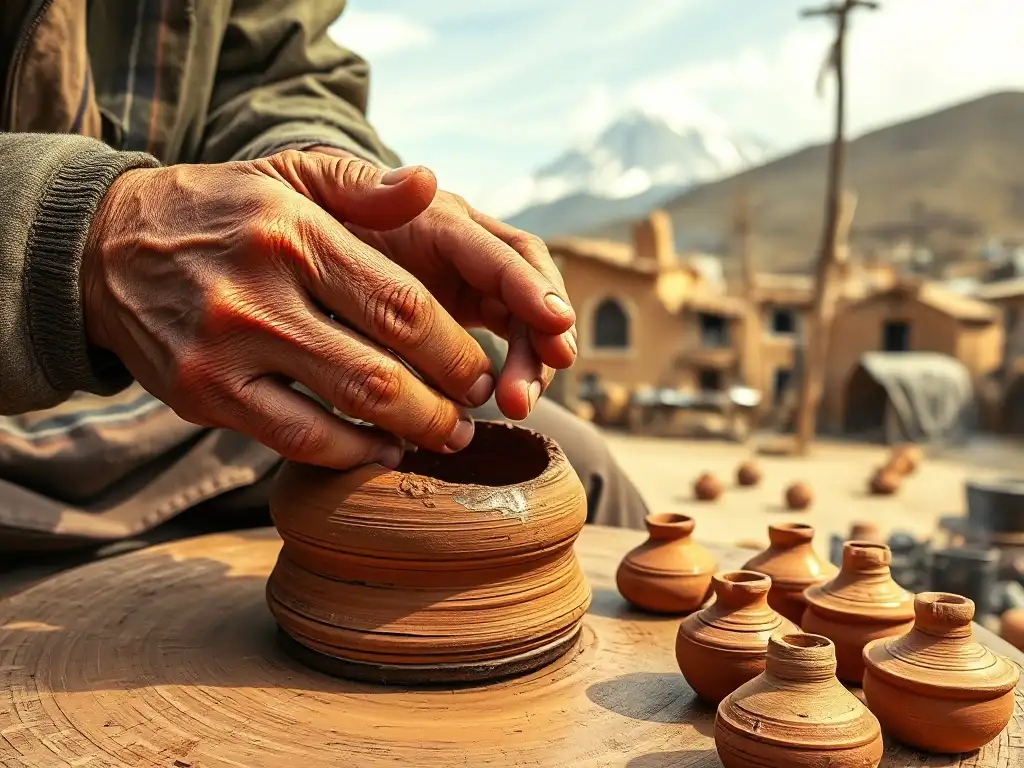
The artistry of Andean pottery making techniques represents a sophisticated interplay of resourcefulness, skill, and cultural significance. For centuries, Andean communities honed their craft, developing diverse techniques to create vessels for a multitude of purposes, from everyday use to ceremonial rituals. Understanding these techniques provides a deeper appreciation for the ingenuity and cultural richness of these ancient societies.
The creation of Andean pottery wasn't simply a functional process; it was an integral part of their social fabric, reflecting beliefs, aesthetics, and technological advancements. The mastery of these techniques allowed for the creation of incredibly diverse and visually stunning pieces, many of which survive to this day, bearing witness to the skill of their creators.
Sourcing and Preparation of Clay in the Andes
The journey of Andean pottery began with the sourcing of raw materials. Clay, the fundamental ingredient, wasn't uniformly distributed; its quality and properties varied significantly across the Andean landscape. Potters meticulously selected clay deposits based on their color, texture, and plasticity – essential factors influencing the final product's strength, durability, and aesthetic appeal. Different clays yielded varying results; some were ideal for fine, delicate work, while others were better suited for larger, more robust pieces. The selection process was a crucial first step, reflecting generations of accumulated knowledge about local geology and material properties.
Following selection, the clay underwent a rigorous preparation process. This involved removing impurities such as stones, gravel, and organic matter. This was often done by hand, a labor-intensive process requiring patience and precision. The clay was then typically pounded, kneaded, and often mixed with temper – additives like crushed rock, shell, or fiber – to improve its workability and reduce shrinkage during firing.
The type and quantity of temper varied depending on the clay's properties and the desired outcome. The addition of temper is a key aspect of Andean pottery making techniques, showcasing the potters' deep understanding of material science. This meticulous preparation ensured that the resulting clay was perfectly suited for shaping and firing, enhancing the longevity and quality of the finished vessel.
Traditional Methods of Shaping Andean Pottery
Andean potters employed a variety of shaping techniques, each suited to different vessel types and aesthetic goals. These techniques weren't static; they evolved and adapted over time, reflecting both technological innovation and artistic expression. The mastery of these techniques allowed Andean artisans to create a vast array of forms, sizes, and decorative styles, demonstrating a remarkable range of skill and creativity. The choice of technique often depended on the intended use of the vessel, the available resources, and the prevailing aesthetic preferences of the community.
Coil Building Technique in Andean Ceramics
The coil building technique, a cornerstone of Andean ceramics, involved rolling out long, thin coils of clay and layering them to build up the vessel's form. Each coil was carefully pressed and smoothed into the previous one, creating a seamless, cohesive structure. This technique allowed for considerable flexibility in shaping, enabling the creation of both simple and complex forms.
The skill lay in controlling the coil thickness and placement to achieve the desired shape and avoid cracking. Many examples of Andean pottery showcase the precision and dexterity needed for this method. The technique’s adaptability is a testament to its enduring popularity across various Andean cultures.
Paddle and Anvil Method for Andean Vessels
The paddle and anvil method offered another approach to shaping pottery. Here, a lump of clay was placed on a flat surface (the anvil) and shaped using a paddle. The potter would rhythmically strike the paddle against the clay, simultaneously rotating and shaping the vessel. This method produced sturdy, often symmetrical forms. The paddle's shape and the potter's skill determined the vessel's final form, demonstrating the integral role of the artisan's expertise in the process. This technique is particularly effective for creating larger vessels. The rhythmic pounding also helped to consolidate the clay, increasing the vessel's strength and density.
Molded Pottery in Andean Societies
In addition to coil building and the paddle and anvil method, some Andean cultures employed molding techniques. This involved pressing clay into pre-formed molds, often made from wood or other materials. This method was particularly useful for producing large quantities of standardized vessels, or for creating intricate designs that might be difficult to achieve using other techniques.
While less common than coil building or paddle and anvil, molded pottery offers insights into the versatility of Andean pottery making techniques and the potters' ability to adapt their methods to meet specific needs and artistic goals. The use of molds allowed for mass production of certain types of vessels, reflecting the economic and social structures of Andean societies.
Firing Processes of Andean Pottery
Andean pottery making techniques were incredibly diverse, reflecting the varied environments and cultural practices across the Andes. One crucial aspect of the process, common to most groups, was the firing of the finished pottery. This stage determined the durability, color, and overall quality of the vessel.
The firing process itself evolved over time, with advancements in technology leading to greater control over the final product. Early techniques were often simpler, relying on readily available resources and basic understanding of heat manipulation. Later periods saw the development of more sophisticated methods, including the use of kilns, which allowed for greater consistency and quality control.
Understanding these firing processes is key to appreciating the ingenuity and skill of Andean potters. The differences in firing techniques also reveal valuable information about the social organization and technological capabilities of different Andean communities. A careful study of the pottery itself, particularly the firing residues and the type of clay used, can help archaeologists piece together a more complete picture of the daily lives of these ancient peoples.
Open-Air Firing Techniques
Open-air firing, one of the earliest Andean pottery making techniques, involved building a bonfire directly on the ground. Pottery pieces were carefully arranged around the fire, often nestled amongst fuel such as wood or dried dung. The intensity and duration of the firing were largely uncontrolled, leading to variations in the final product.
This method, while simple, produced a range of results, from unevenly fired pieces to those with a characteristically smoky or reduced finish. Archaeologists have found evidence of this technique at numerous sites across the Andes, suggesting its widespread use for centuries. The simplicity of the method made it accessible to a wider population, indicating its importance in daily life.
It also demonstrates the adaptability of Andean potters, who were able to utilize readily available resources to produce functional and sometimes aesthetically pleasing pottery. The unevenness of the firing, however, often resulted in breakage during the process, highlighting the challenges faced by potters using this technique. 🔥
Use of Kilns in Andean Pottery
The development of kilns represented a significant advancement in Andean pottery making techniques. Kilns provided a more controlled environment for firing, allowing potters to achieve greater consistency in the final product. While the exact timing of kiln adoption varies across different Andean cultures, evidence suggests that their use became more widespread during later periods. These structures ranged from simple pits lined with stones to more complex above-ground structures.
Kiln firing allowed for higher temperatures and more even heat distribution, resulting in stronger, more durable pottery. This also allowed for the development of more sophisticated glazes and surface treatments. The use of kilns suggests a higher level of technological sophistication and a greater degree of specialization within Andean societies. The construction and maintenance of kilns likely required community effort, suggesting a level of social organization beyond simple household production.
The improved quality of pottery produced in kilns may also have had implications for trade and exchange networks, as higher-quality goods could be transported over longer distances. The transition from open-air firing to kiln firing reflects a significant step in the technological and social evolution of Andean cultures. 🧱
Decoration and Styles in Andean Pottery
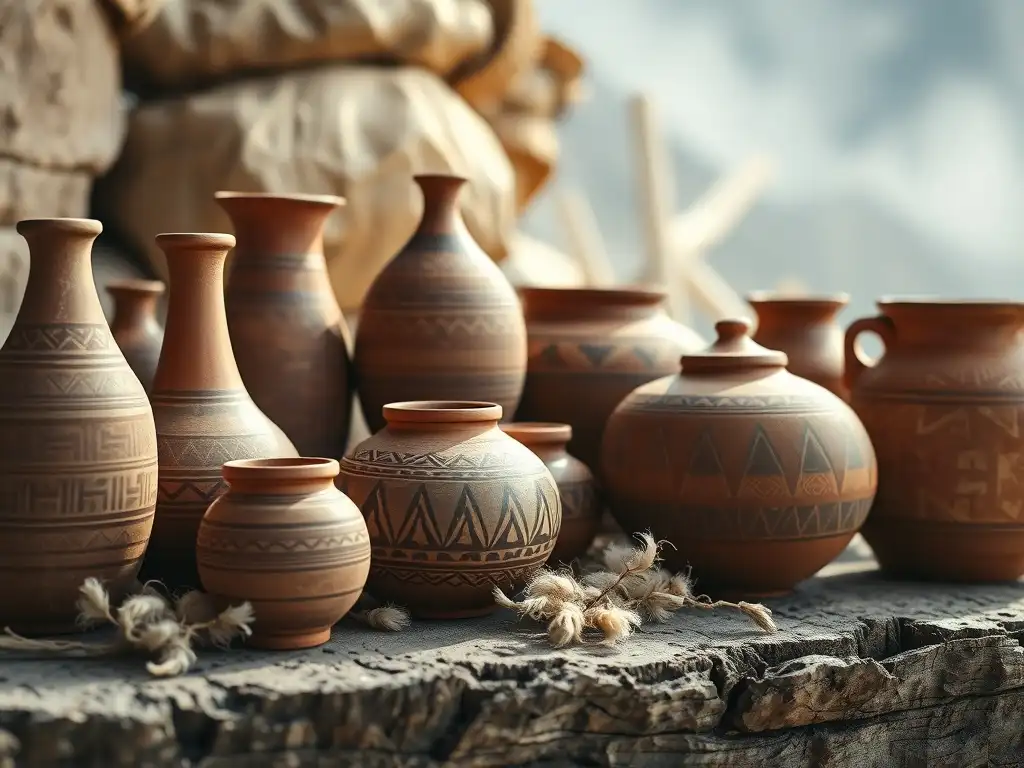
Andean pottery making techniques were incredibly diverse, reflecting the unique artistic sensibilities and cultural practices of different Andean societies. The vessels weren't simply functional; they were canvases for intricate designs, vibrant colors, and symbolic representations that offer invaluable insights into the beliefs and daily lives of these ancient peoples. The artistry involved in Andean pottery making extended beyond the technical skills of shaping clay; it encompassed a deep understanding of symbolism and aesthetics. Studying these decorative elements allows us to piece together a more complete picture of these fascinating civilizations.
Symbolic Motifs in Andean Ceramics
The decorative motifs on Andean ceramics weren't merely aesthetic choices; they held profound symbolic meaning, often representing deities, mythical creatures, and important aspects of their cosmology. The skilled artisans carefully crafted these images, imbuing the pottery with spiritual significance. Analyzing these motifs provides clues to their religious beliefs, social structures, and worldview.
Geometric Patterns and their Meaning
Geometric patterns, such as triangles, zigzags, and stepped frets, frequently appear on Andean pottery. These aren't random designs; they often represent specific concepts or deities. For example, triangles could symbolize mountains, a crucial element in the Andean landscape and worldview, while stepped frets might represent agricultural terraces, reflecting the importance of agriculture to their survival. Further research is needed to fully decipher the meaning of all geometric patterns, but initial studies suggest a complex system of coded meanings. The precision and repetition in these patterns demonstrate the high level of skill and dedication of the Andean potters.
Representation of Animals and Deities in Pottery
Animals and deities feature prominently in Andean ceramic art. Animals like jaguars, condors, and snakes, often depicted with stylized features, held significant symbolic importance. They were frequently associated with power, fertility, or the spirit world. The representation of deities, often anthropomorphic or zoomorphic, provides insights into the Andean pantheon and their religious beliefs. The detail and expressiveness in these depictions demonstrate the artistic skill and spiritual understanding of the artisans. For instance, depictions of the feline deity often found in Moche pottery showcase mastery of form and expression.
Regional Variations in Andean Pottery Styles
The vast Andean region wasn't a monolithic entity; diverse cultures flourished, each with its unique artistic traditions. These differences are clearly visible in their pottery styles, offering a fascinating glimpse into the regional variations in Andean cultures. The stylistic variations are significant and allow archaeologists to identify the geographical origin of a piece.
Moche Pottery: Unique Features and Characteristics
Moche pottery is renowned for its incredibly lifelike depictions of humans, animals, and scenes of daily life. The Moche potters were masters of modeling, capturing intricate details and dynamic poses. Their use of vibrant colors and intricate designs further enhances the realism of their work. The famous Moche portrait vessels, which depict individuals with remarkable accuracy, are prime examples of their artistic prowess. The level of detail found in Moche pottery, especially the subtle gradations of skin tones and facial expressions, is truly remarkable.
Nazca Pottery: Colors, Designs and Techniques
Nazca pottery is characterized by its bold use of color and intricate designs. The Nazca people mastered the technique of polychrome painting, creating vibrant and complex patterns. Their pottery often features geometric designs, stylized animals, and representations of mythical beings. The sophisticated use of color and intricate patterns in Nazca pottery stands as a testament to their refined artistic sensibilities and advanced painting techniques. The longevity of the pigments used is particularly remarkable considering the arid climate of the Nazca region.
Inca Pottery: Functionality and Standardization
Inca pottery, while still aesthetically pleasing, shows a greater emphasis on standardization and functionality compared to earlier Andean styles. Although less elaborate than Moche or Nazca pottery, Inca wares demonstrate a mastery of different pottery types suitable for various tasks – from storage jars to ceremonial vessels. The Inca Empire's vast size and centralized administration likely contributed to this standardization. While less flamboyant, the simplicity and efficiency of Inca pottery reflect the practicality and organizational prowess of the empire.
Tiahuanaco Pottery: Iconography and Forms
Tiahuanaco pottery is characterized by its distinctive iconography and forms. The culture's artistic style is often described as monumental, with large, imposing vessels often decorated with stylized figures and geometric patterns. The use of specific motifs, such as the "Staff God," provides valuable insights into Tiahuanaco religious beliefs and cosmology. The monumental scale and intricate carvings of Tiahuanaco pottery clearly display the power and influence of the culture. The use of black-on-white or red-on-white color schemes is also common, adding to the distinctive character of Tiahuanaco ceramics.
Functionality of Pottery in Daily Andean Life
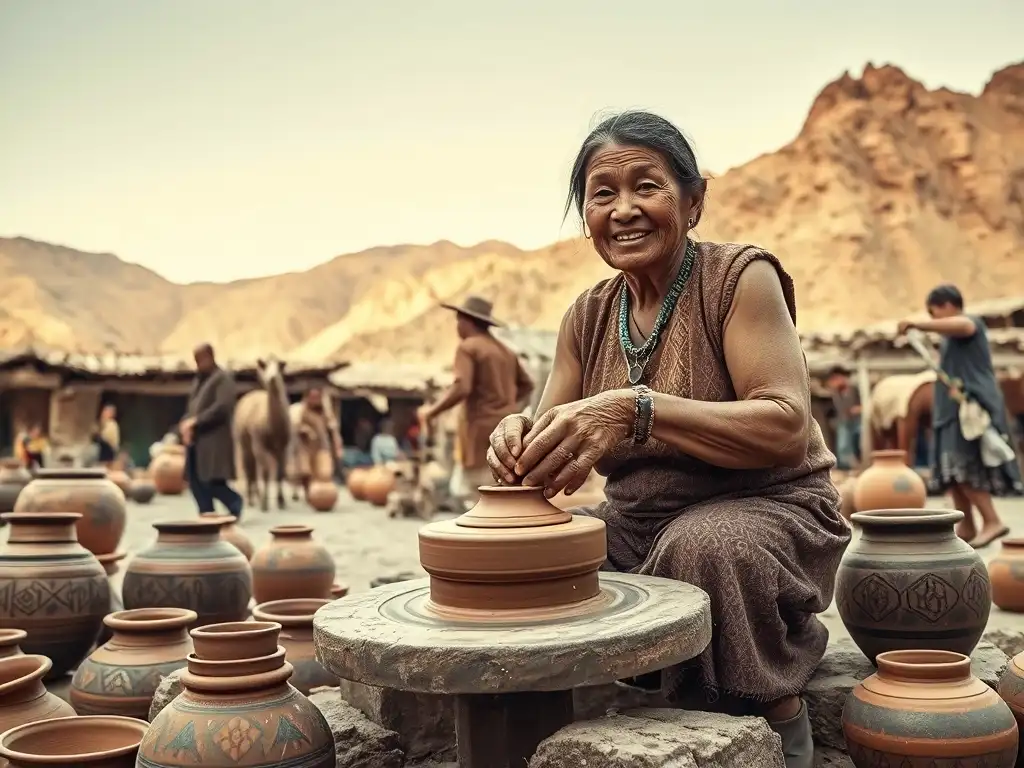
The remarkable skill and artistry of Andean pottery making techniques extended far beyond mere aesthetics. Pottery played a crucial role in the daily lives of Andean societies, serving a multitude of practical and symbolic functions. From utilitarian vessels for cooking and storing food to elaborate ceremonial objects used in rituals, pottery permeated every aspect of their existence. Understanding the functionality of pottery provides invaluable insights into the social structures, beliefs, and daily routines of these ancient civilizations. The sheer variety of pottery forms discovered across different Andean cultures reflects the diverse needs and lifestyles of these communities.
Pottery for Cooking and Food Storage
Cooking and food storage were fundamental aspects of daily life, and pottery provided the essential tools for these tasks. Andean potters crafted a wide array of vessels specifically designed for culinary purposes. Large, wide-mouthed pots, often with rounded bases for stability over open fires, were used for stews, soups, and other simmered dishes.
Their robust construction, typically using durable clays and firing techniques, ensured longevity and resistance to thermal shock. Smaller pots and jars were ideal for storing grains, dried foods, and other staples, preserving them from pests and the elements. The shapes and sizes of these storage vessels varied significantly across different regions and time periods, reflecting the diverse agricultural practices and dietary habits of the Andean peoples.
For example, the coastal cultures, like the Moche, might have had more storage jars for fish and seafood, while those in the highlands might have prioritized storage for potatoes and quinoa. Analysis of residues found within ancient pottery provides further evidence of the types of foods stored and prepared. The careful design and construction of these vessels demonstrate the ingenuity and practical knowledge of Andean potters in meeting the daily needs of their communities.
Vessels for Serving and Drinking
Beyond cooking and storage, pottery played a vital role in serving and consuming food and beverages. Elegant bowls, plates, and cups, often decorated with intricate designs, were used for meals and ceremonies. The shapes and sizes of these vessels varied considerably, reflecting social hierarchies and dietary customs. Larger, more ornate vessels might have been reserved for elites, while simpler, smaller pieces were used by the general population. Drinking vessels, ranging from simple cups to elaborate stemmed goblets, were an important part of Andean culture. The use of specific vessels for certain beverages, such as chicha (a fermented maize drink), might have held cultural significance. The careful craftsmanship of these serving and drinking vessels, including the attention to detail in their decoration, highlights the importance of social interaction and communal dining in Andean society. The discovery of sets of matching bowls and plates suggests the importance of communal meals and feasting.
Ceremonial Use of Pottery in Andean Rituals
The ceremonial use of pottery represents a significant aspect of Andean pottery making techniques. Beyond their practical functions, many pottery vessels held profound religious and symbolic meaning. Elaborate, often richly decorated vessels were used in rituals and ceremonies, reflecting the spiritual beliefs and practices of the Andean cultures.
Figurative pottery, depicting deities, animals, and mythical creatures, played a crucial role in religious practices. These vessels often served as offerings to the gods or were used in funerary rituals. The careful selection of materials, intricate designs, and the meticulous craftsmanship involved in creating these ceremonial pieces underscore their importance in Andean religious life.
The discovery of such vessels in tombs and sacred sites provides compelling evidence of their ritualistic use. Some vessels might have been specifically designed to hold offerings of food or drink for the deceased or deities, furthering their significance in the context of Andean religious beliefs and practices. The analysis of these ceremonial vessels offers valuable insights into the cosmology and spiritual beliefs of the ancient Andean civilizations.
The Legacy of Andean Pottery Making
The legacy of Andean pottery making is a testament to the ingenuity and artistic skill of ancient Andean civilizations. From the intricate designs of the Nazca to the sophisticated techniques of the Inca, pottery wasn't merely functional; it was a powerful medium for artistic expression, religious ritual, and social communication. Understanding the techniques employed reveals a deep connection between the people and their environment, showcasing their resourcefulness and adaptability.
The enduring influence of these ancient practices can still be seen in contemporary Andean communities, demonstrating a continuous thread of cultural heritage. This section will delve into the lasting impact of these ancient techniques, the preservation of traditions, and the invaluable role pottery plays in interpreting Andean culture.
Influence of Ancient Techniques in Modern Andean Pottery
Many traditional Andean pottery making techniques persist to this day. While modern tools and kilns may be incorporated, the fundamental principles remain remarkably consistent. For example, the use of coiled pottery, a technique where long, rope-like coils of clay are built up to create the vessel's form, is still widely practiced.
This method, used by cultures like the Moche centuries ago, allows for great flexibility in shaping and decorating the vessels. Similarly, the application of slip (a liquid clay suspension) and pigments, often derived from natural sources like minerals and plants, continues to be a vital part of the process, resulting in the vibrant colors characteristic of Andean ceramics.
The knowledge of these techniques is often passed down through generations within families, maintaining a direct link to the ancient practices. This transmission of knowledge ensures the survival of these traditions, even as societies evolve. While mass production threatens traditional crafts, a growing appreciation for authenticity and handcrafted goods is leading to a resurgence of interest in traditional Andean pottery making.
This renewed interest supports the artisans and helps preserve this valuable cultural heritage for future generations. The intricate designs and symbolic representations found in modern Andean pottery often echo those of their ancestors, demonstrating a continuous dialogue between past and present.
Preservation of Andean Ceramic Traditions
The preservation of Andean ceramic traditions requires a multi-pronged approach. Efforts to document and archive existing techniques and knowledge are crucial. This involves not only recording the methods themselves but also understanding the cultural context in which they are practiced. Ethnographic studies, interviews with artisans, and detailed analyses of archaeological finds all contribute to a more complete understanding.
Furthermore, supporting Andean artisans through fair trade practices and providing access to resources and markets is essential for the long-term survival of these traditions. Promoting Andean pottery as a valuable cultural asset, both domestically and internationally, can help generate economic opportunities for artisans and incentivize the continuation of traditional techniques. Museums and cultural institutions play a vital role in preserving and showcasing examples of Andean pottery, educating the public and highlighting the significance of these artifacts.
Initiatives that combine education, economic support, and cultural preservation are key to safeguarding this rich heritage for years to come. The challenge lies in balancing the preservation of authenticity with the adaptation to modern realities.
The Importance of Pottery in Understanding Andean Culture
Andean pottery serves as an invaluable window into the past, providing crucial insights into the daily lives, beliefs, and social structures of ancient Andean societies. The types of vessels produced, their decoration, and the materials used all offer clues about the culture that created them. For instance, the presence of specific motifs or designs can reveal religious beliefs or social hierarchies.
The size and shape of vessels might indicate their intended use—for storing food, serving beverages, or conducting rituals. Analysis of the clay itself can provide information about the geographic origin of the pottery and the resources available to the artisans.
Detailed studies of Andean pottery have revealed much about the social organization of these societies. Some vessels were clearly made for elite members of society, featuring elaborate designs and high-quality materials. Others were more utilitarian, reflecting the daily needs of the broader population.
The variation in styles and techniques across different regions and time periods highlights the diversity of Andean cultures and the complex interactions between them. By carefully studying Andean pottery, we gain a deeper appreciation for the richness and complexity of these ancient civilizations and their enduring legacy. The analysis of Andean pottery continues to yield new insights, underscoring its significance as a primary source for understanding Andean culture.
Frequently Asked Questions
What techniques did Andean civilizations use to create their pottery?
Andean pottery employed a variety of techniques, including coil building, slab building, and molding. The specific method varied across different cultures and time periods. Firing techniques also differed, influencing the final appearance of the vessels.
What were the main purposes of Andean pottery?
Andean pottery served a wide range of purposes, from everyday use in households for storing food and water to ceremonial and ritualistic functions. Elaborately decorated pieces were used in religious practices and as grave goods.
How did the different Andean cultures' pottery styles differ?
Each Andean culture developed its own distinctive style and techniques. For example, Moche pottery is known for its intricate figurative representations while Nazca pottery is famous for its polychrome designs. Inca pottery, in contrast, often features simpler geometric patterns.
What materials were commonly used in Andean pottery?
The primary material used was clay, sourced locally. Different types of clay yielded varying textures and colors. Paints were made from natural pigments, such as minerals and plant extracts.
Where can I learn more about Andean pottery making techniques?
Many museums and archaeological sites across South America showcase Andean pottery. You can also find information through academic journals, books, and online resources dedicated to Andean archaeology and art history. Online courses may also be available.
Final Reflection: Echoes of the Andes: A Legacy in Clay
The enduring legacy of Andean pottery making techniques continues to resonate today, a testament to the ingenuity and artistry of ancient cultures and a powerful reminder of our connection to the past. These techniques, passed down through generations, represent not merely a craft, but a living history, a vibrant thread woven into the fabric of Andean identity. The intricate designs, the functional beauty, and the enduring strength of these vessels speak volumes about the skill and dedication of the artisans who created them.
The impact of Andean pottery extends far beyond the practical; it's a profound reflection of cultural values, beliefs, and artistic expression. These vessels, often imbued with symbolic meaning, served as more than just containers; they were integral parts of daily life, ritualistic practices, and storytelling. The pot is not just a pot; it is a vessel of memory, a keeper of stories, a testament to the enduring spirit of a people.
This sentiment encapsulates the deeper significance of Andean pottery, highlighting its role as a powerful communicator of cultural heritage. The continued practice of these techniques ensures that this rich history remains alive and accessible.
Consider the artistry, the patience, and the deep connection to the earth inherent in each piece of Andean pottery. You too can cultivate a similar appreciation for the craftsmanship and artistry in your own life. Take a moment to reflect on the objects you use daily, appreciating the skill and dedication that went into their creation.
Embrace the beauty of handcrafted items, and seek out opportunities to connect with the artisans and cultures that produce them. Let the legacy of Andean pottery inspire you to find beauty and meaning in the everyday, and to value the enduring power of tradition and creativity.
Unleash Your Creativity with Pottery Today!
Thank you for exploring the fascinating world of pottery! You've discovered the rich traditions of pottery in Andean cultures. Now, it's time to translate that inspiration into your own creative work.
Here's how you can begin your pottery journey:
- **Enroll in a local pottery class** to learn from experienced potters and gain hands-on experience.
- Explore online tutorials and resources to discover new techniques and styles—you might surprise yourself!
- **Share your creations** on social media or with friends to inspire others and connect with a community of fellow pottery enthusiasts.
Ready to transform clay into art? What will you create first? Let us know in the comments!