
Unveiling the Andean Pyramid: Social Classes from Gods to Commoners

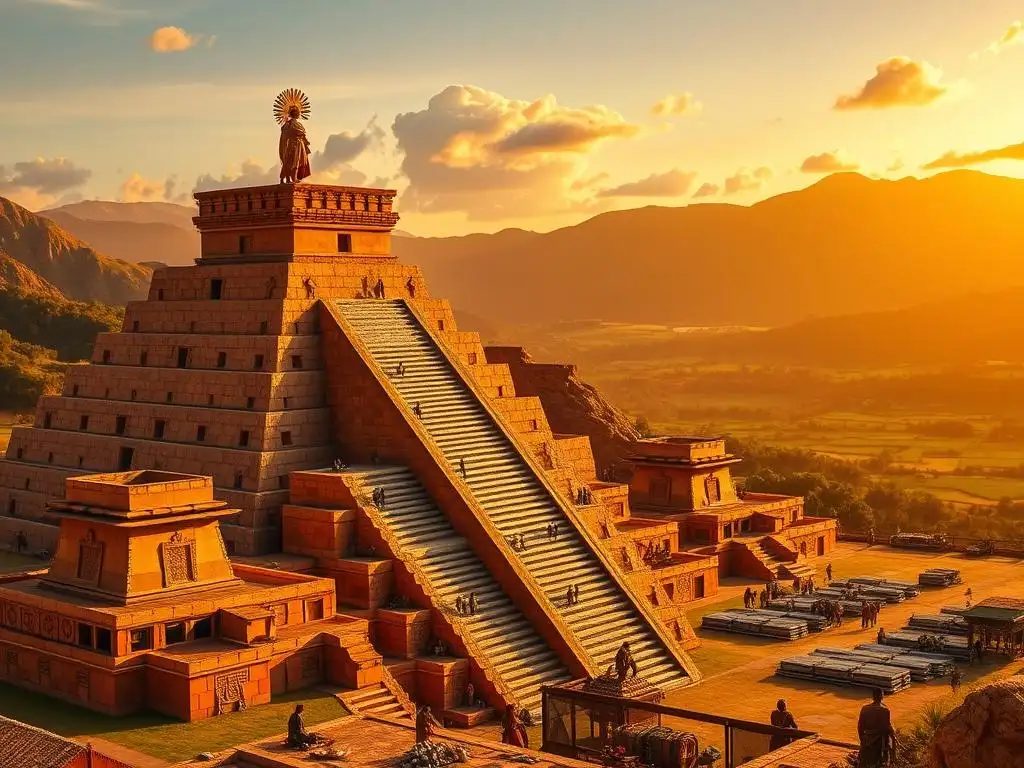
Step into a world lost to time, yet echoing with the grandeur of empires built on mountain peaks. Journey with us through the heart of the Andes, where intricate societies flourished, leaving behind a legacy of breathtaking artistry and sophisticated engineering. But who held the power in these remarkable civilizations? Unravel the mysteries of Andean pyramid social classes, exploring the intricate hierarchy that shaped their lives from divine rulers to the common people. Discover how these powerful structures reflected the beliefs and realities of these fascinating cultures – a story waiting to be uncovered.
The Andes Mountains, a majestic spine running down the western coast of South America, were home to a series of sophisticated and influential civilizations. For centuries, these cultures—including the Inca, Moche, Nazca, and Tiahuanaco—developed complex social structures, often depicted as a pyramid reflecting a hierarchical system ranging from divine rulers at the apex to commoners at the base. Understanding this social stratification is crucial to comprehending the political, economic, and religious dynamics that shaped Andean societies.
This article delves into the intricate social hierarchy of these ancient civilizations, exploring the roles and privileges of each class, from the revered gods and their earthly representatives to the common people who sustained the empire. We will explore how this structured society facilitated both impressive achievements and inherent inequalities, ultimately contributing to the rich tapestry of Andean history. Understanding the Andean pyramid social classes provides a key to unlocking the secrets of their remarkable achievements and enduring legacy.
We will examine the various levels of this social structure, highlighting the unique characteristics and roles of each group, and analyzing their interrelationships. Let's embark on this journey to uncover the complexities of Andean social life.
The Andean social hierarchy wasn't static; it varied slightly across different civilizations and time periods. However, a general pyramidal structure consistently emerged, with power and prestige concentrated at the top and decreasing as one moved down the levels. The system was largely based on kinship, religious authority, and access to resources. This intricate system ensured the smooth functioning of society, with each class playing a vital role in maintaining the established order.
However, this structure also fostered significant inequalities, with vast differences in wealth, power, and social mobility. The system wasn't simply a rigid structure, but rather a dynamic interplay of power, influence, and social mobility—albeit limited. The elite classes often held significant control over land, labor, and resources, creating a system that benefited them disproportionately. This complex and often multifaceted system is what we will now explore in detail.
The Apex of Power: Divine Rulers and Elite Classes
At the pinnacle of the Andean social pyramid sat the divine rulers and the elite classes who derived their power and legitimacy from religious beliefs and control over resources. Their positions were often hereditary, solidifying their dominance and influence across generations. The specific titles and roles varied across different Andean cultures, but the fundamental principle of a powerful ruling class remained constant.
This elite group enjoyed significant privileges, including access to the finest goods, the best land, and the labor of the common people. Their lifestyle was vastly different from the average Andean citizen, highlighting the stark inequalities within the social structure. Let's examine the key components of this elite group more closely.
The Role of the Sapa Inca and Divine Authority
In the Inca Empire, the Sapa Inca held supreme power, considered a direct descendant of the sun god Inti. His authority was absolute, encompassing religious, political, and military control. He was not merely a king; he was a divine figure, and his commands were considered sacred.
This divine legitimacy significantly enhanced his power and influence, ensuring obedience and compliance from the population. The Sapa Inca's power was further reinforced by the elaborate ceremonies and rituals surrounding his person, which served to emphasize his sacred status and maintain the social order. The Sapa Inca's role was crucial in maintaining the Inca Empire's stability and prosperity.
Priests and Religious Elites in Andean Society
Religious elites, including priests and priestesses, held significant influence in Andean societies. They were responsible for conducting religious ceremonies, interpreting religious omens, and maintaining the connection between the divine realm and the earthly world. Their knowledge of religious practices and rituals gave them considerable power and authority within their communities. In many Andean societies, priests held positions of immense power, often advising rulers and influencing political decisions. Their expertise in religious matters meant that they were highly respected and influential members of the community. This religious authority often overlapped with political power, further strengthening their position in society.
The Noble Class and Their Privileges
Below the divine rulers and religious elites resided the noble class, curacas in the Inca Empire. These individuals often held considerable land and influence within their regions, acting as intermediaries between the ruling class and the commoners. They were responsible for collecting taxes, organizing labor, and maintaining order within their territories. While not possessing the same divine authority as the Sapa Inca or the highest-ranking priests, the nobles enjoyed significant privileges, including access to resources and the services of commoners.
Their social standing was largely hereditary, ensuring that their power and influence were passed down through generations. This class played a critical role in administering the empire and maintaining social stability. Their position was often a delicate balance between loyalty to the ruling power and the needs of their local communities.
The Middle Strata: Administrators, Artisans, and Skilled Workers
The middle strata of Andean society comprised a diverse group of individuals crucial to the functioning of the empire. They weren't the elite, nor were they the lowest laborers, but their skills and roles were essential for maintaining the social order and the economic stability of the civilization. This group included administrators, artisans, and skilled workers, each contributing in unique ways to the overall structure.
Their lives, while not as luxurious as the elite, offered a degree of stability and social standing compared to the commoners. Access to resources and certain privileges distinguished them from the lower classes, reflecting their significant contributions to the society. The level of skill and specialization within this group also led to variations in social standing and wealth accumulation within the middle strata itself.
Government Officials and Their Responsibilities
Government officials occupied a prominent position within the middle strata. Their responsibilities ranged widely, from managing local resources and tax collection to overseeing public works projects and maintaining order within their assigned regions. These officials, often appointed based on merit or lineage, played a crucial role in connecting the ruling elite with the common people. Their effectiveness directly impacted the well-being of their communities, and their actions were subject to scrutiny, ensuring a degree of accountability.
Detailed records, often kept using quipu (a system of knotted strings), documented their activities and the resources under their control. The level of responsibility and the size of the region they managed determined their social standing and the level of respect they commanded. For example, a local administrator overseeing a small village held a different status than a regional governor responsible for a vast territory.
Specialized Artisans and Craftspeople
Andean civilizations boasted highly skilled artisans and craftspeople who produced exquisite textiles, pottery, metalwork, and stone carvings. These individuals underwent years of rigorous training, mastering intricate techniques passed down through generations. Their creations served both practical and ceremonial purposes, ranging from everyday tools and clothing to elaborate religious objects and royal regalia. The prestige associated with certain crafts, such as goldsmithing or featherwork, elevated the status of these artisans within the middle class.
Evidence suggests that many artisans worked within specialized workshops, potentially under the patronage of the elite or within temple complexes. Their skill and artistry contributed significantly to the cultural richness and economic productivity of the Andean empires. The quality of their work often reflected their social standing, with the most skilled artisans receiving higher compensation and greater recognition.
Merchants and Traders in the Andean World
Merchants and traders formed an important part of the middle strata, facilitating the exchange of goods across vast distances within the Andean region. They played a critical role in the empire's economy, connecting producers with consumers and ensuring the distribution of essential resources. Their travels exposed them to diverse cultures and ideas, contributing to the spread of knowledge and innovation.
While their social standing varied depending on their wealth and the scale of their operations, successful merchants often accumulated considerable influence and resources, elevating their position within the social hierarchy. The transportation of goods, often involving challenging terrains and intricate trade routes, required significant organizational skills and logistical planning. The success of these merchants depended on their ability to navigate complex political and economic landscapes, establishing relationships with both local authorities and distant trading partners.
The Base of the Pyramid: Farmers, Laborers, and Commoners
The base of the Andean social pyramid consisted primarily of farmers, laborers, and commoners. This vast majority of the population sustained the empire through their agricultural production and labor in various public works projects. Their lives were characterized by hard work and a strong sense of community, with their contributions forming the bedrock of Andean society.
While their social standing was lower than the elite and middle classes, their role was indispensable for the empire's survival and prosperity. The intricate system of reciprocity and communal labor ensured a degree of social support and resource distribution, mitigating the harshest aspects of their socioeconomic position.
The Importance of Agriculture and Farming Communities
Agriculture was the cornerstone of Andean civilization. The vast majority of the population were farmers, cultivating crops like potatoes, maize, and quinoa using sophisticated techniques adapted to the challenging Andean terrain. These farming communities were organized into ayllus, kinship-based groups that collaborated on agricultural tasks and shared resources.
Their success directly impacted the food security of the empire and influenced the overall stability of the society. The development of advanced irrigation systems, terraced farming, and diverse crop cultivation demonstrates their remarkable adaptation to the environment and their sophisticated understanding of agriculture. The surplus produced by these communities was essential for supporting the elite and other social strata.
The Role of Common Laborers in Public Works
Common laborers played a crucial role in the construction of monumental structures, such as temples, palaces, and irrigation systems. Their labor was essential for the empire's infrastructure and its ability to maintain its power. The organization of labor, often involving mita (a system of rotational labor service), ensured a constant supply of workers for major projects.
These projects served not only practical purposes but also reinforced the power and prestige of the ruling elite. The construction of impressive sites like Machu Picchu, for example, required the coordinated effort of thousands of laborers, showcasing the immense scale of their contributions to the empire. While demanding, this labor service also provided a degree of social cohesion and a shared sense of purpose within the communities.
Obligations and Daily Life of the Andean People
The daily lives of Andean commoners revolved around agriculture, household tasks, and fulfilling their obligations to the community and the state. This included contributing labor to public works projects through the mita system and paying taxes in the form of goods or services. Their lives were often challenging, marked by hard work and limited resources. However, the strong social fabric of the ayllu provided a support system, offering a sense of community and mutual assistance.
Religious beliefs and practices played a significant role in their daily lives, shaping their worldview and providing meaning in the face of hardship. Festivals and ceremonies provided opportunities for celebration and social interaction, offering moments of respite from the demands of daily life. While their lives might seem arduous compared to those of the elite, the strong communal bonds and shared cultural practices provided a sense of belonging and purpose within the Andean society.
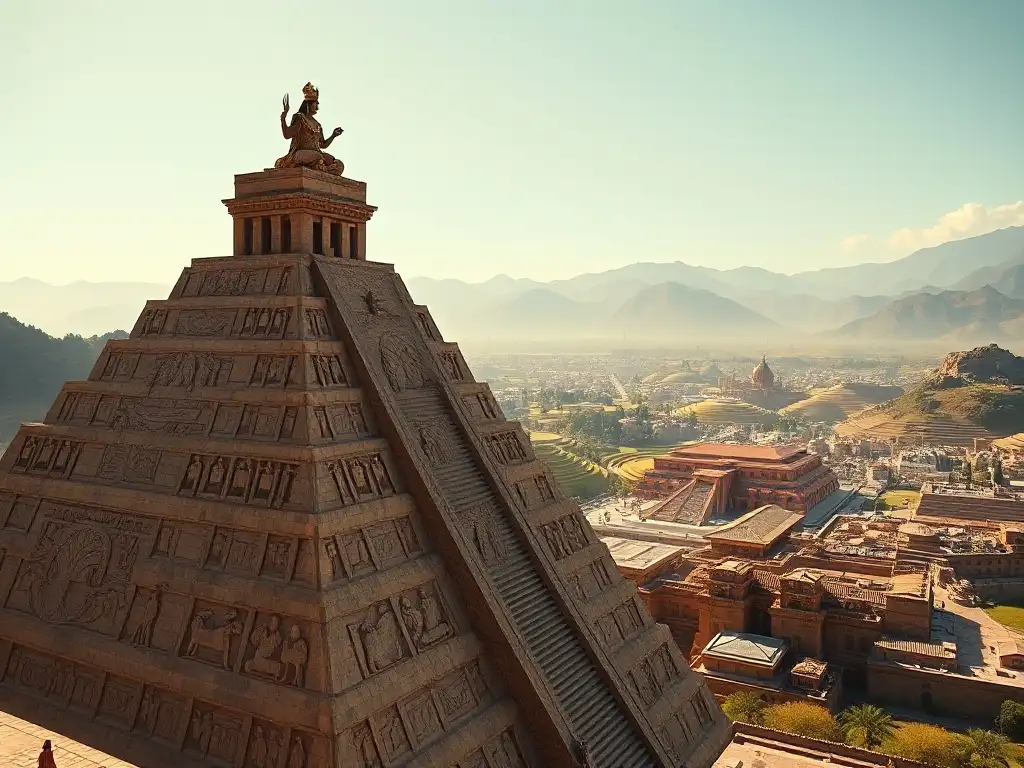
The Andean class system, while seemingly rigid, did allow for a degree of social mobility, albeit limited. This mobility wasn't based on meritocracy as we understand it today, but rather on factors like exceptional skill, military prowess, or favor with the ruling elite. For example, a skilled artisan could potentially rise in status through their contributions to the royal court or religious institutions.
Similarly, a successful warrior could gain significant influence and elevate their social standing through military achievements and the capture of valuable resources or prisoners. However, these instances were exceptions rather than the rule. The vast majority of individuals remained within the social stratum into which they were born.
The system was designed to maintain a stable hierarchy, and significant upward mobility was rare. Evidence suggests that while advancement was possible, it was often contingent upon demonstrating exceptional abilities or aligning oneself with powerful individuals within the ruling class. The system prioritized maintaining the existing power structure, making drastic social changes uncommon.
Limited Opportunities for Social Advancement
Opportunities for social advancement in Andean civilizations were significantly constrained by several factors. Firstly, the inherent structure of the social hierarchy favored those born into privileged positions. Inheritance played a crucial role, with elite status often passed down through generations.
Secondly, access to education and specialized training was largely restricted to the upper classes. This limited the opportunities for individuals from lower social strata to acquire the skills and knowledge necessary to rise through the ranks. Furthermore, the societal emphasis on lineage and ancestry further solidified the existing social order, making it difficult for individuals from lower classes to overcome the inherent biases against them.
While exceptional talent could occasionally lead to advancement, the system was not designed to promote widespread social mobility. This lack of opportunity contributed to the persistence of deeply ingrained social inequalities throughout Andean history. The rigid social structure ensured that the vast majority remained in their assigned social position for their entire lives.
Factors Influencing Social Status in Andean Civilizations
Several key factors intertwined to determine an individual's social standing in Andean societies. Lineage and ancestry were paramount; belonging to a noble family granted significant advantages. Religious affiliation and proximity to religious leaders also played a vital role, with priests and those associated with temples holding considerable influence. Military achievements were another crucial determinant, with successful warriors often rewarded with elevated social status and material wealth.
Economic contributions also mattered; skilled artisans, particularly those specializing in luxury goods, could achieve a higher standing. Finally, political alliances and connections to powerful individuals within the ruling class could significantly impact an individual's social position. The complex interplay of these factors created a nuanced and often rigid social hierarchy that shaped the lives of Andean people. The relative importance of each factor could vary across different Andean cultures and over time.
While the concept of a hierarchical social structure was common across various Andean cultures, the specifics varied considerably. The Incas, for example, had a highly centralized system with clear distinctions between the Sapa Inca (emperor), nobility, commoners, and yanaconas (a type of servant class). The Moche civilization, on the other hand, displayed a more complex structure with evidence suggesting a significant priestly class alongside warrior elites and commoners.
Their social hierarchy seems to have been less rigid than that of the Inca, with some degree of social mobility possibly influenced by military success or religious devotion. The Nazca, known for their intricate geoglyphs, also exhibited a stratified society, although the precise details of their social organization remain less well understood compared to the Incas or Moche.
The existing archaeological evidence suggests a less centralized political structure, potentially leading to variations in social hierarchies across different regions. Further research is needed to fully understand the nuances of social stratification in Nazca society and to make a more detailed comparison with the Incas and Moche.
Variations in Social Hierarchies among the Incas, Moche, and Nazca
The Incas, with their vast empire, developed a sophisticated and centralized system with the Sapa Inca at its apex, followed by a hierarchical nobility, priests, artisans, and commoners. The Moche, known for their impressive pyramids and elaborate artwork, demonstrated a social structure that, while stratified, appears less rigid than the Inca system. Military prowess and religious leadership played significant roles in determining social standing.
The Nazca, famous for their enigmatic geoglyphs, possessed a social organization that remains less fully understood, but archaeological evidence suggests a hierarchical system with elites, artisans, and commoners. While all three civilizations exhibited social stratification, the precise nature and degree of social mobility differed, reflecting the unique political, economic, and religious contexts of each culture. The relative power of different social groups also varied, creating distinct social dynamics within each society.
The Influence of Geography on Andean Social Stratification
The diverse geography of the Andes significantly influenced the development of social stratification. In fertile valleys with abundant resources, societies often developed more complex hierarchical structures, with elites controlling access to land and water. In contrast, societies in harsher, more challenging environments may have developed less rigid social structures, with a greater emphasis on cooperation and resource sharing.
Access to crucial resources like water for irrigation and fertile land for agriculture profoundly impacted the distribution of power and wealth. Coastal regions, with their access to marine resources, may have seen different social structures compared to the highlands, where agriculture was the dominant economic activity.
The interplay between environmental factors and social organization is a key area of ongoing research in Andean archaeology, further illuminating the complex relationship between geography and social stratification. The varying environmental conditions across the Andes played a crucial role in shaping the diverse social structures observed across different Andean cultures.
The intricate social structures of the Andean civilizations, particularly the Inca Empire, left a lasting impact on the region's history and its modern indigenous communities. The hierarchical system, with its clearly defined roles and responsibilities, shaped the political, economic, and social landscapes for centuries. While the Inca Empire's dominance ended with the Spanish conquest, the echoes of its social stratification remain visible today.
The concept of ayllu, the communal land tenure system, continues to influence land ownership and community organization in many Andean communities. Traditional authority figures, though no longer wielding the same power as their Inca counterparts, still hold significant respect and influence within their communities.
Furthermore, the Inca emphasis on reciprocity and collective responsibility, although adapted and modified over time, continues to be a fundamental aspect of Andean social values. The legacy of the Inca social hierarchy is not simply a historical artifact; it is an integral part of the ongoing identity and social fabric of many Andean communities, demonstrating the enduring influence of these ancient societal structures.
Impact of Andean Social Structure on Modern Indigenous Communities
The impact of the Andean social structure on modern indigenous communities is multifaceted and complex. The hierarchical system, while significantly altered by colonization and modernization, continues to influence community organization and social dynamics. For instance, the traditional roles and responsibilities associated with specific social groups, though modified, are still reflected in contemporary community structures.
Elderly members often retain significant influence due to their accumulated knowledge and experience, mirroring the respect afforded to elders in the Inca system. While formal titles and power structures may have changed, the underlying principles of communal responsibility and reciprocal exchange, central to the Inca social fabric, remain fundamental to many Andean communities' social cohesion. The ayllu system, although modified through centuries of external pressures, continues to shape land ownership and resource management in numerous communities.
However, the impact is not uniform; the extent of the influence varies considerably across different communities and regions, depending on factors like geographic location, historical experiences, and the degree of integration into the wider national societies. Studying these variations is crucial to understanding the complete picture of the Andean social legacy.
Archaeological Insights into Andean Social Hierarchies
Archaeological excavations have provided crucial insights into the social hierarchies of the Andean civilizations. The discovery of elaborate tombs containing rich grave goods, such as gold ornaments, textiles, and ceramics, provides clear evidence of a stratified society. The size and complexity of these burial sites often correlate with the social status of the deceased, highlighting the significant disparities in wealth and power.
Furthermore, the architectural remains of monumental structures, such as palaces and temples, reveal the scale of resources and labor invested in serving the elite classes. Analysis of human remains, including skeletal analysis and isotopic studies, can reveal dietary differences reflecting social status, revealing disparities in access to food resources. The layout of settlements, with distinct residential areas for different social groups, further reinforces the hierarchical organization of Andean societies.
These archaeological findings, combined with ethnohistorical sources, paint a comprehensive picture of the social stratification within various Andean civilizations, from the elite ruling class down to the commoners. Ongoing research continues to refine our understanding of the complexities and nuances of these ancient social structures.
Understanding the Andean pyramid social classes is crucial for comprehending the complexities of these ancient civilizations. The hierarchical structure, though varied across different cultures and time periods, profoundly impacted every aspect of Andean life, from political organization and economic production to religious beliefs and artistic expression. The legacy of this social stratification continues to resonate in modern Andean communities, shaping their social structures and cultural practices.
Archaeological discoveries provide invaluable insights into the material culture and social dynamics of these societies, enriching our knowledge of their intricate social hierarchies. Furthermore, studying the Andean social systems offers valuable lessons on the dynamics of power, inequality, and social cohesion in complex societies, both past and present. The “Andean pyramid” serves as a powerful metaphor for the stratified nature of these societies, and its continued study is essential for a comprehensive understanding of Andean history and its enduring legacy.
- Understanding the Andean Social Hierarchy
- The Apex of Power: Divine Rulers and Elite Classes
- The Middle Strata: Administrators, Artisans, and Skilled Workers
- The Base of the Pyramid: Farmers, Laborers, and Commoners
- Social Mobility and the Andean Class System
- Comparative Analysis of Social Classes Across Andean Cultures
- The Legacy of Andean Social Classes
- Conclusion: The Significance of the Andean Pyramid Social Classes
- How were Andean societies structured?
- What role did religion play in Andean social structure?
- How did the Andean pyramid system affect daily life?
- Were there any social mobility opportunities within the Andean social structure?
- What evidence reveals the existence of distinct social classes in the Andean civilizations?
Frequently Asked Questions
How were Andean societies structured?
Andean societies, like the Inca, were structured as a rigid hierarchy, with the Sapa Inca at the apex, followed by nobles, priests, artisans, and finally, commoners and yanacona (servants). This structure influenced all aspects of life.
Religion played a crucial role, legitimizing the power of the ruling elite. Priests held significant power, acting as intermediaries between the gods and the people, reinforcing the social hierarchy. Religious rituals and ceremonies further solidified social divisions.
How did the Andean pyramid system affect daily life?
The pyramid system dictated daily activities, from labor obligations (mita) to access to resources and opportunities. Social mobility was extremely limited, with individuals largely confined to their assigned social class. This system heavily influenced every aspect of life, from daily tasks to access to resources.
While largely rigid, some limited social mobility existed through exceptional service to the state or through marriage into a higher class. However, these instances were rare, and the system remained largely stratified.
Archaeological evidence, including elaborate tombs containing different grave goods and differing housing styles, indicates substantial social inequality. Textiles, ceramics, and metalwork also reveal distinct social markers tied to class and status.
The intricate social structure of the Andean civilizations, meticulously detailed in this exploration of the "Andean pyramid," remains a potent reminder of the enduring impact of societal stratification. Understanding this hierarchical system isn't just an academic exercise; it provides crucial context for comprehending contemporary inequalities and the ongoing struggle for social justice, both in the Andes and globally. The echoes of this ancient pyramid resonate in modern power dynamics, reminding us that the fight for equity is a continuous process.
The Andean pyramid, with its stark delineation of power and privilege, profoundly shaped the cultural and social landscape of the region, leaving an indelible mark on its history and identity. Its influence continues to be felt in the social, economic, and political structures of modern Andean nations. The legacy of this system is complex and multifaceted, demanding careful consideration and critical analysis. The past is never dead. It's not even past.
– William Faulkner. This quote perfectly encapsulates the enduring relevance of understanding the Andean social hierarchy and its lasting consequences.
Consider the implications of this ancient social structure. How does the legacy of the Andean pyramid inform your understanding of power dynamics in your own society? What steps can you take, in your daily life, to challenge inequality and promote a more just and equitable world? Let the echoes of the Andes inspire you to actively participate in building a future where the pyramid is dismantled, replaced by a society that values the dignity and worth of every individual. The journey towards a more equitable world begins with understanding our past.
Uncover Your Place in History!
Thank you for exploring the fascinating social structures of Andean civilizations with us! You've discovered the intricate relationships between the gods, the common people, and all those in between. Now, let's put that knowledge to good use!
- Reflect on your own social world: How do the concepts of hierarchy and community in Andean society resonate with your own experiences? Consider taking some time to jot down your thoughts.
- Share your newfound understanding with friends and family! Discuss the diverse social classes of the Andean civilization and how they relate to our society today.
- Learn more: Explore our extensive article library for deeper insights into Andean life, or subscribe to receive updates on our latest discoveries!
How can understanding past social structures help shape our present? Let's discuss this in the comments below!