
The Challenges Faced by Andean Families in Ancient Times

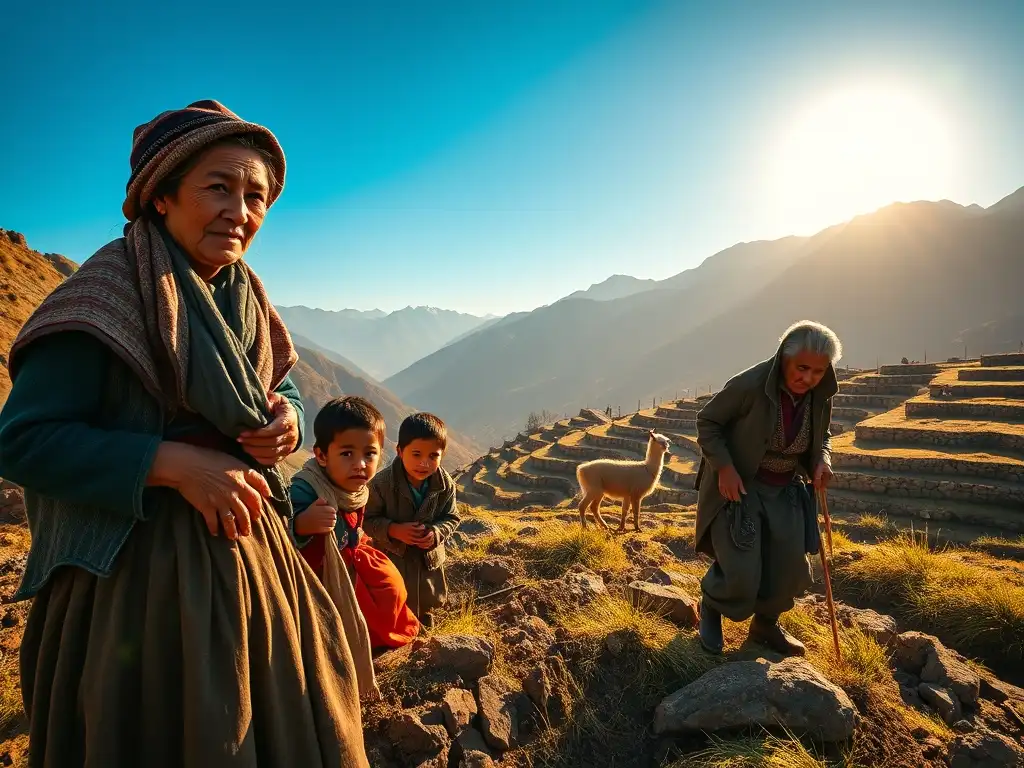
Step into a world lost to time, where majestic mountains cradled empires of breathtaking ingenuity. Discover the secrets of the Andes, a land that birthed civilizations as vibrant as they were complex. But beneath the glittering gold and intricate textiles lay a different story – one of Ancient Andean family challenges. Prepare to uncover the struggles and triumphs of families who shaped these legendary cultures, and delve into the fascinating realities of life in the heart of the Andes. Their stories await.
- Ancient Andean Family Challenges: An Overview
- Environmental Pressures on Andean Families
- Socioeconomic Challenges Faced by Andean Families
- The Complexities of Family Structures in Ancient Andean Societies
- Health and Well-being in Ancient Andean Families
- Political and Social Instability and their Impact on Family Units
- The Legacy of Ancient Andean Family Struggles
-
Frequently Asked Questions
- What were some common challenges faced by ancient Andean families regarding food security?
- How did the geography of the Andes impact family structures and daily life?
- What role did religion and spirituality play in the lives of Andean families?
- What were some common health challenges faced by Andean families?
- How did ancient Andean families cope with conflict and warfare?
- Final Reflection: Echoes of the Andes: Family Resilience Across Time
- Embrace the Legacy: Connect with Andean Heritage Today!
Ancient Andean Family Challenges: An Overview
The breathtaking landscapes of the Andes Mountains, while visually stunning, presented formidable challenges to the families who called them home for millennia. Understanding the daily lives of ancient Andean families requires acknowledging the harsh realities of their environment and the intricate social structures that shaped their existence. This article delves into the multifaceted difficulties faced by these families, exploring themes of survival, social hierarchy, and the constant negotiation of their relationship with the natural world.
From the demanding agricultural practices necessary for sustenance to the complex power dynamics within their communities, the lives of ancient Andean families were a tapestry woven with both resilience and hardship. This exploration of "Ancient Andean family challenges" will illuminate the remarkable adaptations and enduring legacies of these remarkable peoples.
We will examine specific challenges faced by families across various Andean cultures, highlighting the common threads that bound their experiences. Understanding these challenges provides crucial insight into the complexities of Andean social structures and the ingenuity of their inhabitants.
The Harsh Realities of Life in the Ancient Andes
Life in the Andes was a constant struggle against the elements. The high altitude, unpredictable weather patterns, and steep, challenging terrain made agriculture a precarious undertaking. Families relied heavily on terraced farming techniques, painstakingly carved into the mountain sides, to cultivate crops like potatoes, maize, and quinoa.
These methods, while ingenious, demanded immense physical labor from all family members, including children and the elderly. A single failed harvest could mean starvation, placing immense pressure on family units to ensure their survival. Further compounding these difficulties were the frequent droughts, floods, and frost that could devastate crops in a matter of days.
The unpredictable nature of the environment forced families to develop sophisticated strategies for resource management and risk mitigation, fostering strong community ties and a deep understanding of their ecosystem. These strategies, passed down through generations, were crucial to the long-term survival of Andean communities. This constant fight for survival profoundly shaped the dynamics within Andean families, emphasizing cooperation, resource sharing, and a deep sense of collective responsibility.
Disease and Mortality Rates in Ancient Andean Societies
The harsh Andean environment also contributed to high rates of disease and mortality. Limited access to clean water and sanitation, coupled with the challenges of cultivating sufficient food, left families vulnerable to a range of illnesses. Evidence suggests that malnutrition, respiratory infections, and parasitic diseases were prevalent, significantly impacting family structures.
The loss of a parent or other vital family member due to illness could have devastating consequences, particularly for children and the elderly who were often more vulnerable. Families relied heavily on traditional medicine and healing practices, but these were often limited in their effectiveness against serious illnesses. The high infant and child mortality rates, a stark reality of life in the ancient Andes, meant that families often experienced profound loss and grief.
This constant threat of death shaped their worldview and influenced their social and religious practices. The community often played a crucial role in supporting families during times of illness and loss, emphasizing the importance of kinship networks in mitigating hardship.
The social structures of ancient Andean societies were highly stratified, with power and resources concentrated in the hands of elites. This hierarchical organization significantly impacted the lives of families, shaping their access to land, food, and opportunities. Families belonging to the lower social strata faced greater challenges in securing their livelihoods, often working as laborers or artisans for the elite.
The demands of tribute and labor obligations imposed by the ruling class further strained family resources and time. This social inequality created significant disparities in the quality of life experienced by different families, resulting in unequal access to healthcare, education, and other essential resources.
The complexities of this hierarchical system, while oppressive in many ways, also contributed to the development of intricate kinship networks and systems of reciprocity that helped families navigate the challenges of their social environment. These networks provided crucial support, particularly during times of hardship and economic instability.
Despite the immense challenges they faced, ancient Andean families demonstrated remarkable resilience and ingenuity. Their ability to adapt to the harsh environment and navigate complex social structures is a testament to their strength and resourcefulness. They developed sophisticated agricultural techniques, efficient systems of resource management, and intricate social networks that fostered cooperation and mutual support. Their innovations in architecture, textile production, and metalworking are further evidence of their remarkable capacity for adaptation and innovation.
The enduring legacy of Andean civilizations is a direct result of the collective efforts and resilience of their families, who successfully navigated generations of adversity. Their experiences offer valuable lessons about human adaptability and the importance of community in overcoming challenges. The study of ancient Andean family challenges therefore provides a powerful window into the complexities of human survival, adaptation, and the remarkable capacity for resilience in the face of adversity.
Environmental Pressures on Andean Families
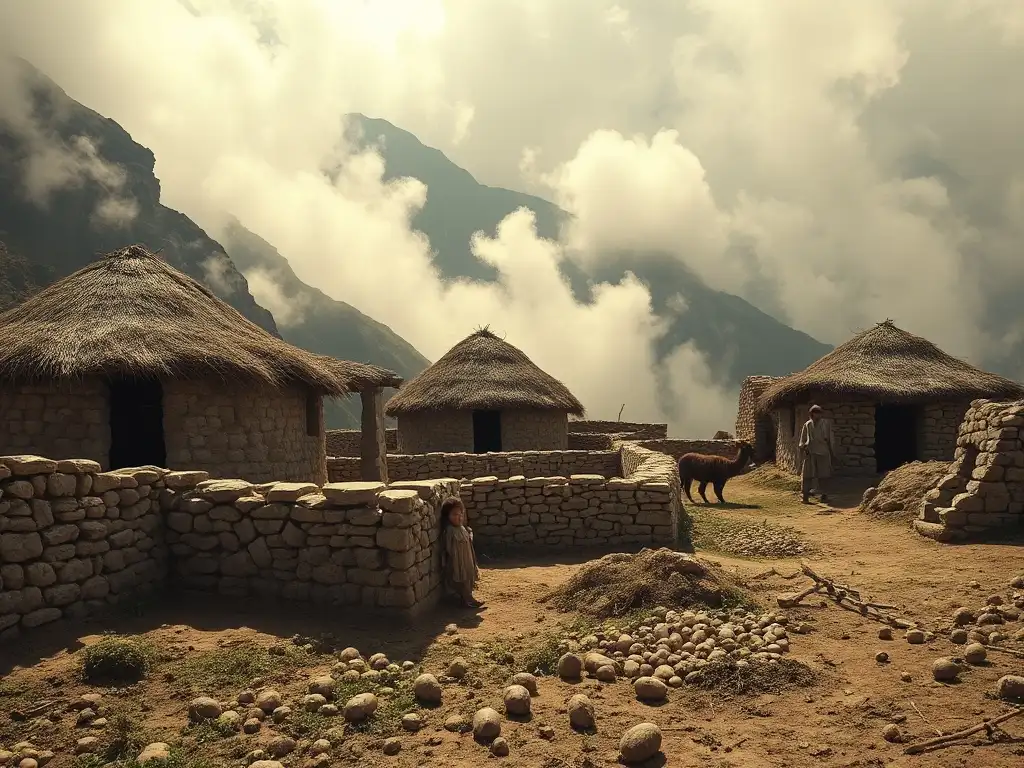
The harsh realities of the Andes Mountains profoundly shaped the lives and challenges faced by ancient Andean families. The dramatic variations in altitude, climate, and terrain created a complex and often unforgiving environment, demanding constant adaptation and resilience. This vertical archipelago, as it's sometimes called, presented unique obstacles to family survival and prosperity, demanding innovative strategies for agriculture, resource management, and community organization.
Understanding these environmental pressures is crucial to appreciating the complexities of ancient Andean family life and their remarkable achievements in the face of adversity. The keyword "Ancient Andean family challenges" is intrinsically linked to this environmental context.
Adapting to the Vertical Archipelago System
The Andes' diverse ecosystems, ranging from arid coastal deserts to high-altitude puna grasslands and lush cloud forests, fostered a unique system of verticality in Andean agriculture. Families often controlled land parcels at different altitudes, allowing them to cultivate a variety of crops suited to each ecological zone. This strategy, known as verticality, mitigated the risks associated with crop failure due to unpredictable weather patterns.
However, this system also presented significant logistical challenges. Families had to manage the transportation of goods and labor across vast distances and varying terrains. The arduous journeys, often involving steep inclines and treacherous paths, placed considerable strain on family members, particularly women who often bore the brunt of agricultural labor and transportation.
For example, archaeological evidence suggests that women were heavily involved in the arduous task of carrying goods on their backs using chumpi (carrying straps). This system, while ingenious, highlights the physical and logistical demands placed on ancient Andean families by their environment. The constant need for adaptation and the physical toll of managing resources across diverse ecosystems are key aspects of "Ancient Andean family challenges."
The Impact of El Niño Events on Ancient Andean Households
El Niño events, characterized by unusually warm ocean temperatures and altered weather patterns, posed a significant threat to Andean families. These periodic climate shifts could lead to devastating floods in coastal regions and severe droughts in highland areas, causing widespread crop failures and food shortages. Archaeological evidence, such as changes in settlement patterns and dietary shifts reflected in human remains, indicates that El Niño events had profound impacts on ancient Andean populations.
Families were forced to implement coping mechanisms, such as storing surplus food during favorable years, diversifying their crops, and migrating to more resource-rich areas. The social and economic consequences of El Niño events could be devastating, often leading to increased mortality, social unrest, and potentially even conflicts over scarce resources.
This vulnerability underscores the significant environmental challenges faced by Andean families and the importance of community resilience in mitigating these risks. The unpredictable nature of El Niño events added another layer of complexity to the already demanding "Ancient Andean family challenges."
Competition for Water Resources and its Effects on Family Life
Access to water was, and remains, a critical factor determining the success and stability of Andean families. The uneven distribution of water resources across the Andes led to competition for this essential element, particularly in densely populated areas or during periods of drought. This competition could manifest in various ways, from conflicts between neighboring communities to the imposition of sophisticated water management systems.
Evidence suggests that ancient Andean societies developed intricate irrigation networks and water storage techniques to manage water resources effectively. However, the construction and maintenance of these systems required significant labor and coordination, placing additional demands on family members.
Control over water resources could also influence social hierarchies and power dynamics within communities, potentially impacting family status and access to essential resources. The struggle for water, therefore, presents a compelling example of how environmental pressures directly influenced the social and economic lives of ancient Andean families, adding another dimension to the understanding of "Ancient Andean family challenges."
Socioeconomic Challenges Faced by Andean Families
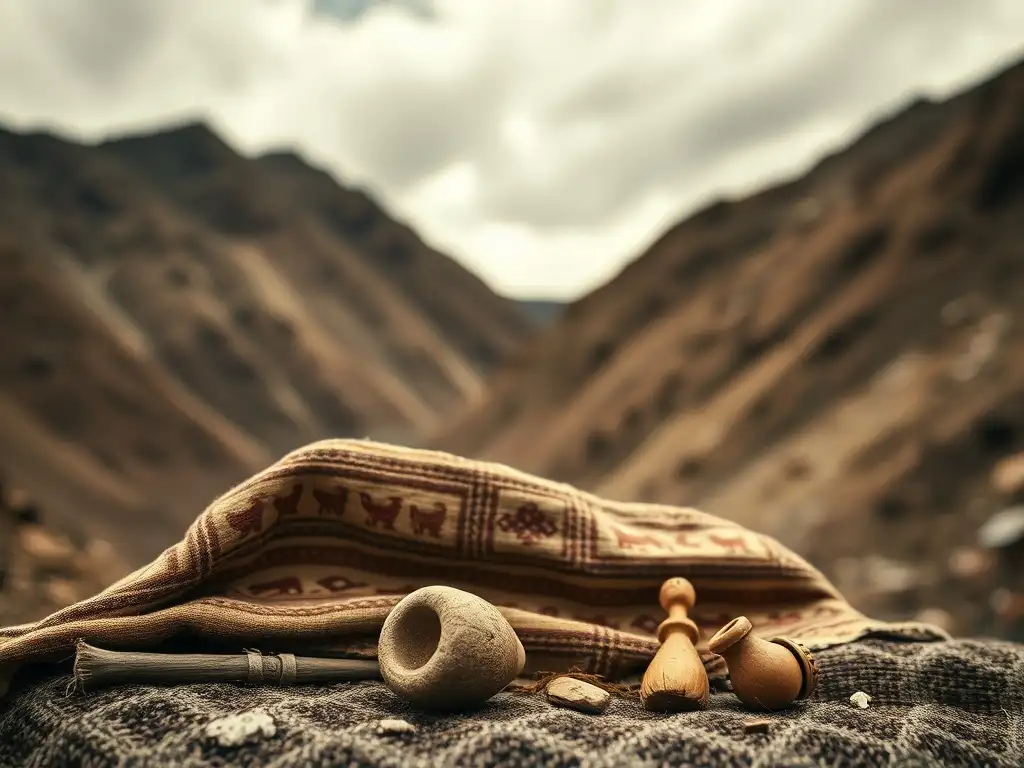
Ancient Andean family challenges were deeply intertwined with the socioeconomic realities of their time. Survival in the harsh Andean environment demanded constant labor and resourcefulness, placing significant strain on family structures and dynamics. Understanding these challenges requires examining the interplay of agricultural practices, access to resources, and the role of community structures like the ayllu. This section will delve into the specific economic hardships faced by Andean families, highlighting the gendered nature of labor and the importance of communal support systems.
Agricultural Labor Demands and Gendered Division
Agricultural labor dominated the lives of Andean families. The demanding nature of cultivating crops at high altitudes, coupled with the need for constant irrigation and terrace maintenance, meant that both men and women contributed significantly to the family's sustenance. However, a clear division of labor existed, reflecting the prevalent gender roles within Andean society.
Men often handled the more physically demanding tasks, such as plowing fields and managing irrigation systems. Evidence suggests that women played crucial roles in planting, weeding, harvesting, and processing crops like potatoes and maize. Additionally, women were responsible for the domestic sphere, including food preparation, textile production, and childcare – all while contributing to agricultural labor.
This intense workload, especially for women, impacted their overall health and well-being, and significantly shaped family dynamics and organization. Quantifiable data on the exact time allocation for each task is limited, but archaeological findings of tools and skeletal analysis provide indirect evidence of the strenuous physical demands placed on both sexes.
Access to fertile land, particularly terraced fields and reliable irrigation systems, was crucial for the economic survival of Andean families. Control over these resources was often determined by social status and lineage within the ayllu, the Andean kinship-based community. Families with privileged access enjoyed greater economic stability, while those with limited access faced constant challenges, potentially leading to food insecurity and economic hardship. Competition for resources within and between ayllus could lead to conflict, placing further strain on family relationships and societal harmony.
The unequal distribution of land and water rights, therefore, exacerbated existing inequalities and created a significant source of stress for many Andean families. This unequal distribution is evidenced by the varying sizes and locations of agricultural terraces found across different regions, reflecting differing levels of access to productive land. Further research into land tenure records (where available) could provide a more detailed understanding of these dynamics.
The Role of Ayllus in Economic Stability
Despite the significant challenges, the ayllu system played a crucial role in providing a degree of economic stability for Andean families. The communal nature of the ayllu meant that resources were often shared, providing a safety net during times of hardship. Mutual aid, reciprocal labor exchange ( ayni), and redistribution of surpluses helped to mitigate the risks associated with agricultural production in a challenging environment.
While access to resources wasn't perfectly equitable, the ayllu offered a framework for collective action and risk mitigation, offering a crucial buffer against economic disaster for many families. The extent of this support varied across different ayllus and time periods, influenced by factors such as environmental conditions and political stability. However, the enduring presence of the ayllu across diverse Andean societies demonstrates its importance in supporting families through periods of both abundance and scarcity.
Ethnohistorical accounts and archaeological evidence of communal structures and storage facilities further support the vital role of the ayllu in the socioeconomic lives of Andean families. The resilience of the ayllu system, despite facing considerable external pressures, highlights its adaptability and effectiveness in addressing the challenges faced by ancient Andean communities.
The Complexities of Family Structures in Ancient Andean Societies
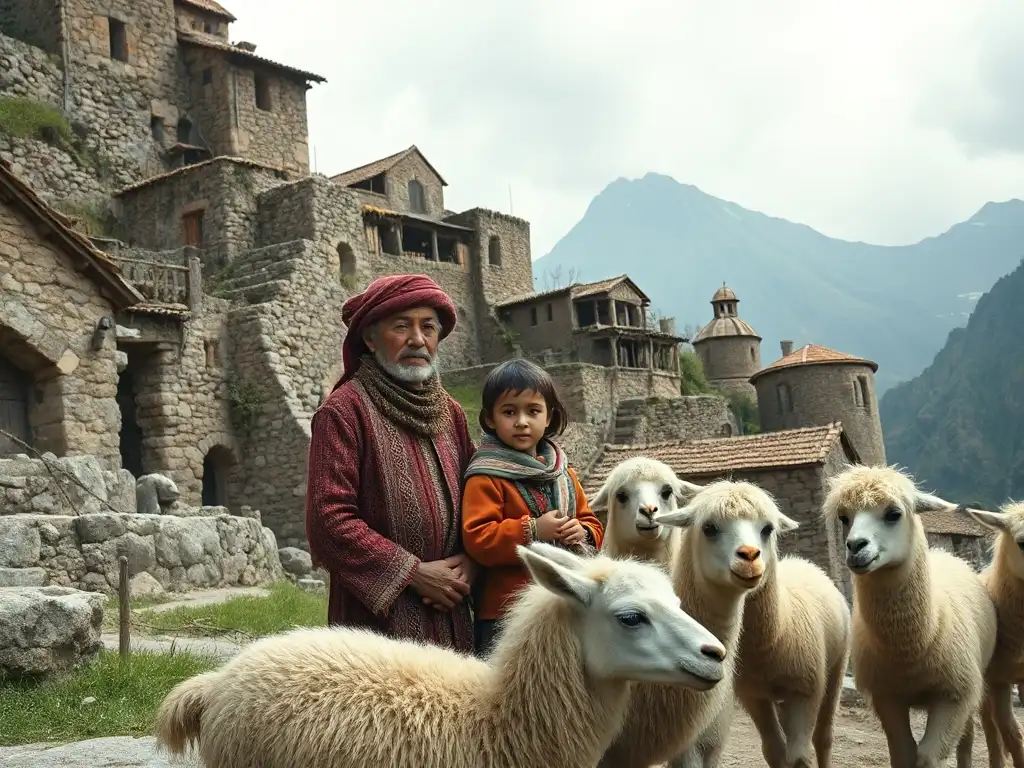
This section delves into the intricate web of family structures within various ancient Andean societies, exploring the nuances that shaped daily life and societal organization. Understanding these complexities is crucial to appreciating the challenges faced by Andean families. While generalizations about "Ancient Andean family challenges" are difficult due to the diversity of cultures and time periods, several recurring themes emerge. The following subsections will explore some of these key aspects, focusing on specific examples whenever possible.
Matrilineal Descent Systems and their Implications for Family Dynamics
Many Andean societies, notably among certain pre-Inca groups, practiced matrilineal descent. This means that lineage and inheritance were traced through the female line. This system significantly impacted family dynamics, diverging from the more common patrilineal systems found in other parts of the world. The implications were profound:
- Women's social standing: Matrilineal systems often granted women greater social power and economic influence than in patrilineal societies. They controlled land and resources, playing a significant role in decision-making processes within the family and community. This contrasts sharply with the often subordinate roles of women in other ancient cultures.
- Marriage and inheritance: Inheritance patterns followed the matrilineal line, with property and status passing from mothers to daughters. This had significant consequences for marriage arrangements, potentially affecting the power dynamics within married couples. Further research is needed to fully explore the specifics of marital contracts and property division in these societies. [Specific information pending regarding marriage contracts in matrilineal Andean societies].
- Family structure and organization: The structure of the family unit likely differed from those in patrilineal systems. The role of the maternal uncle (mother's brother) was often significant, potentially holding a position of authority or influence within the extended family network. This aspect warrants further investigation to understand its complete implications. [Specific details on the role of maternal uncles pending].
The Importance of Extended Families in Labor Exchange
The harsh Andean environment demanded collaboration and mutual support. Extended families played a crucial role in this context, forming the basis of reciprocal labor exchange systems. This system, known as ayni in Quechua (the language of the Inca Empire), was vital for survival.
- Agricultural practices: Farming in the Andes was labor-intensive, requiring significant effort for planting, harvesting, and irrigation. Extended families pooled their resources and labor to cultivate communal lands or support individual family members in their agricultural endeavors. This collective effort ensured food security and economic stability.
- Construction and infrastructure: The construction of terraces, irrigation canals, and other infrastructure projects required massive amounts of coordinated labor. Extended families contributed their manpower to these community projects, highlighting the strength and resilience of their collective efforts. This collaboration was not merely practical; it reinforced social bonds and strengthened community identity.
- Challenges of cooperation: While ayni fostered cooperation, it also presented challenges. Disputes over labor contributions, land access, or resource distribution could strain family relationships and create tension within the extended family network. These internal conflicts were likely resolved through established community mechanisms, though the details of such mechanisms require further study. [Further research needed on conflict resolution within ayni systems].
Ancient Andean societies were not immune to periods of social and political upheaval. Warfare, famine, and disease posed significant threats, testing the resilience of family structures. Maintaining cohesion during such crises became paramount for survival.
- Migration and displacement: Warfare and natural disasters could lead to family displacement and migration. Maintaining family bonds across geographical distances presented a considerable challenge. The separation of family members could lead to the loss of support networks and increase vulnerability.
- Economic hardship and food scarcity: Famines and economic downturns could lead to food scarcity and poverty, placing immense pressure on families. Competition for limited resources could create internal tensions and strain family relationships. The impact on family cohesion during such periods needs further investigation. [Specific examples of family responses to famine pending].
- Disease and mortality: Outbreaks of disease could decimate entire populations, leaving families devastated by loss. The death of key family members could disrupt established social structures and leave surviving members vulnerable. The emotional and social consequences of such losses were likely profound. [Further research needed on the social and psychological impacts of disease outbreaks on families].
The challenges faced by Andean families were complex and multifaceted. Understanding these challenges provides a deeper appreciation for the resilience and adaptability of Andean societies and the importance of family in their social fabric. Further research into specific societies and time periods is vital to fully illuminate the intricacies of "Ancient Andean family challenges."
Health and Well-being in Ancient Andean Families
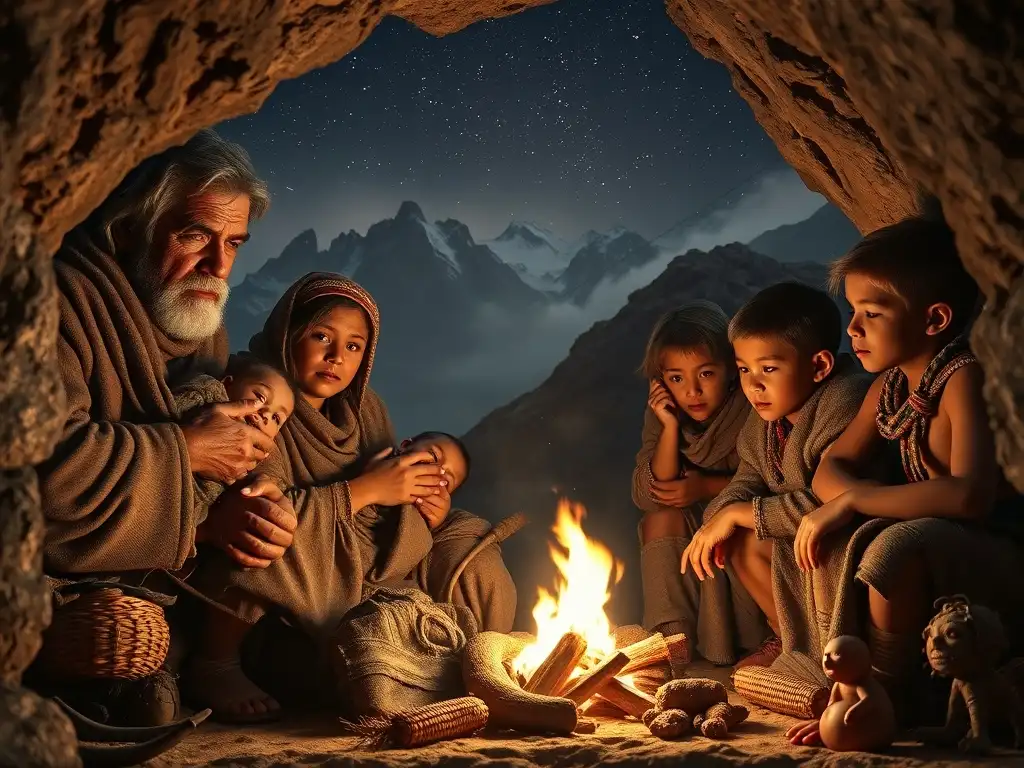
The lives of Ancient Andean families were profoundly shaped by their environment and the challenges it presented to their health and well-being. Understanding these challenges offers crucial insight into the resilience and adaptability of these communities, and sheds light on the intricate relationship between family structure and survival in harsh conditions. The concept of "Ancient Andean family challenges" encompassed a wide range of difficulties, from battling infectious diseases to ensuring adequate nutrition.
Prevalence of Infectious Diseases in Ancient Andean Communities
Infectious diseases were a significant threat to Ancient Andean families. The close proximity of people within family compounds and the limited understanding of hygiene practices contributed to rapid spread. Archaeological evidence, including skeletal remains exhibiting signs of tuberculosis, parasitic infections, and other diseases, points to a high prevalence of such illnesses.
The lack of effective sanitation systems in many settlements further exacerbated the problem. For example, studies of Moche remains have revealed a surprisingly high incidence of dental caries, likely linked to a diet high in carbohydrates and limited access to oral hygiene. The impact on family units was devastating; the loss of a parent or other productive member could severely impact the family's ability to cultivate crops, care for livestock, or otherwise provide for its needs.
The high mortality rate, especially among children, meant that families often experienced considerable loss and upheaval. The constant threat of epidemics likely shaped family structures and social interactions, fostering a strong sense of community support in times of crisis. Further research is needed to fully quantify the impact of specific diseases on different Andean communities across various time periods, particularly regarding the differential vulnerability of various age groups within families.
Nutritional Deficiencies and their Impact on Family Health
Nutritional deficiencies were another significant challenge faced by Ancient Andean families. While Andean agriculture was sophisticated for its time, relying on techniques like terracing and irrigation, environmental factors like droughts, frost, and unpredictable weather patterns could lead to crop failures. This variability in food supply directly impacted the nutritional status of families. Studies of ancient Andean diets reveal a significant reliance on potatoes, maize, and quinoa, supplemented by various legumes, fruits, and animal protein where available.
However, the nutritional content of these staple crops could vary depending on soil conditions and growing techniques. A lack of dietary diversity, combined with periods of scarcity, could result in deficiencies in essential vitamins and minerals. The impact on family health was multifaceted. Nutritional deficiencies weakened immune systems, making families more vulnerable to infectious diseases.
Malnutrition, particularly in children, led to stunted growth, developmental delays, and increased mortality. The strain on family resources caused by illness and death further exacerbated existing nutritional challenges. The resilience of Andean families is evidenced by their development of sophisticated agricultural practices and food storage techniques aimed at mitigating these risks, but the impact of nutritional deficiencies remained a constant pressure. More detailed analysis of isotopic ratios in skeletal remains could help to further illuminate the extent and variability of nutritional deficiencies across different Andean populations and social strata.
The Role of Shamanic Practices in Family Care
In the absence of modern medicine, Ancient Andean families relied heavily on shamanic practices for healthcare. Shamans played a crucial role in diagnosing and treating illnesses, utilizing a combination of herbal remedies, ritualistic practices, and spiritual healing. Their knowledge of medicinal plants and their understanding of the interconnectedness of the physical and spiritual realms were vital in providing care for family members.
The shaman's role extended beyond physical healing; they often served as spiritual advisors, offering guidance and support to families during times of hardship, illness, and death. While the effectiveness of shamanic practices from a modern medical perspective is debatable, their importance within Ancient Andean families cannot be overstated. They provided a crucial framework for understanding and coping with illness, offering solace and hope during times of uncertainty.
Understanding the role of shamanism in Ancient Andean family life requires further investigation into the specific practices employed, the social organization of shamanic healers, and the broader cultural beliefs that shaped their role within the community. Further research into archaeological evidence and ethnohistorical accounts could shed additional light on the complex interplay between shamanistic practices, family structure, and the overall health and well-being of Ancient Andean communities.
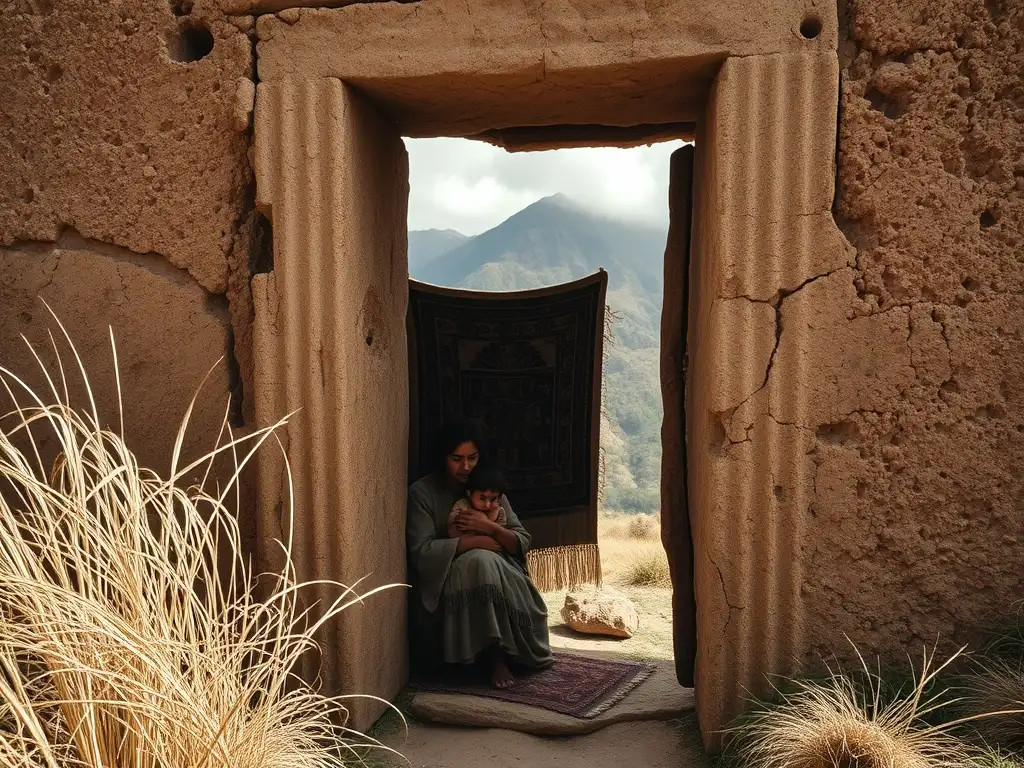
Political and social instability significantly impacted the lives of Andean families throughout history. The cyclical nature of warfare, empire building, and collapse created an environment of constant uncertainty and disruption. This instability manifested in various ways, profoundly affecting family structures, economic stability, and overall well-being. Understanding these impacts requires examining specific historical events and their consequences. The keyword "Ancient Andean family challenges" is directly addressed through this analysis of the complex interplay between political events and familial life.
Inter-Tribal Conflicts and their Effects on Andean Family Life
Before the Inca Empire's rise, the Andes were a patchwork of diverse ethnic groups, often engaged in conflict over resources, territory, and prestige. These inter-tribal wars resulted in widespread displacement, loss of life, and the disruption of traditional family structures. Families were frequently separated, with men conscripted for warfare, leaving women and children vulnerable.
The constant threat of violence created a climate of fear and insecurity, impacting the ability of families to cultivate land, trade goods, and maintain their social networks. Archaeological evidence, including mass graves and settlements showing signs of destruction, supports the widespread nature of these conflicts and their devastating impact on family life. One can imagine the emotional toll on families constantly living under the threat of attack, constantly fearing the loss of loved ones.
The stress of such conditions likely led to increased mortality rates and social fragmentation. The challenges faced by families during this period were immense, shaping their social and cultural practices for generations. This constant state of flux drastically altered the dynamics of "Ancient Andean family challenges".
The Influence of the Inca Empire on Family Structures
The Inca Empire, while bringing a degree of political unification, also introduced its own set of challenges for Andean families. The Inca's mita system, a form of mandatory labor, often separated family members for extended periods. Men were drafted for public works projects, military service, or agricultural labor, leaving their families to manage without their support.
While the Inca system provided a degree of centralized organization and infrastructure, its demands placed a tremendous strain on family units. The relocation of populations to new areas, often far from their ancestral lands, further disrupted family ties and social networks. This is a key aspect of "Ancient Andean family challenges", as it showcases the imperial policies' unintended consequences on family life.
Furthermore, the Inca's emphasis on state control extended to family affairs, impacting marriage practices, inheritance laws, and even the upbringing of children. The imposition of Inca ideology and practices was not always met with acceptance, leading to resistance and further social upheaval.
Forced Resettlement and its Consequences for Families
Forced resettlement was a recurring theme throughout Andean history, significantly impacting family life. Whether driven by inter-tribal warfare, Inca expansion, or later colonial policies, relocation often resulted in the fragmentation of families and the loss of ancestral lands and resources. Families were uprooted from their established social networks, losing access to support systems and traditional livelihoods.
The trauma of displacement, coupled with the challenges of adapting to new environments and unfamiliar social structures, created immense hardship and contributed to increased vulnerability. The disruption of established agricultural practices and trade routes severely affected the economic well-being of families, further compounding their difficulties. The long-term consequences of forced resettlement included increased poverty, social instability, and the erosion of cultural traditions, all impacting the fabric of Andean family life.
These drastic measures highlight the significant role of forced displacement within the scope of "Ancient Andean family challenges". The lasting effects of these policies remain a crucial element in understanding the trajectory of Andean families and societies.
The Legacy of Ancient Andean Family Struggles
The phrase "Ancient Andean family challenges" encapsulates a broad spectrum of hardships faced by families across diverse Andean cultures. Understanding these challenges requires moving beyond simplistic narratives and delving into the specific environmental, social, and political contexts that shaped family life. This section explores the enduring impact of these struggles, highlighting the resilience and adaptability of Andean families across millennia. The keyword "Ancient Andean family challenges" is central to this exploration, allowing us to understand the complexities of family life in these remarkable societies.
Lessons from the Past: Resilience and Adaptation to Resource Scarcity
Resource scarcity, a defining characteristic of the Andean environment, profoundly impacted family structures and dynamics. The unpredictable nature of agriculture, dependent on variable rainfall and challenging terrain, necessitated intricate strategies for survival. Families weren't isolated units; their survival depended on complex kinship networks and reciprocal obligations. For instance, the ayllu system among the Incas fostered collective responsibility for resource management and distribution, mitigating the risks associated with individual failure.
This collaborative approach, however, also presented challenges. Disputes over land or water rights could strain relationships within and between ayllus, sometimes leading to conflict. Evidence from archaeological sites suggests that families adopted diverse strategies to cope with scarcity, including shifting cultivation techniques, terracing, and the domestication of a variety of crops and animals.
The development of sophisticated irrigation systems, though requiring communal effort, ultimately enhanced food security and family stability. These adaptations highlight the ingenuity and flexibility of Andean families in the face of adversity. Analyzing these adaptive strategies within the context of "Ancient Andean family challenges" provides valuable insights into human resilience and the strength of community bonds.
The Enduring Importance of Kinship in Andean Culture
Kinship formed the bedrock of Andean social organization. Family wasn't merely a nuclear unit; it encompassed extended family, clan affiliations, and community ties. This intricate web of relationships influenced every aspect of life, from marriage and inheritance to labor and resource allocation. The concept of reciprocity was paramount, fostering mutual support and cooperation among kin.
However, the hierarchical nature of many Andean kinship systems also generated inequalities. Access to resources, prestige, and power often depended on one's position within the kinship structure. This inherent inequality could lead to internal family conflicts and tensions. For example, disputes over inheritance or leadership roles within an ayllu could fracture family bonds.
The archaeological record often reveals evidence of social stratification, reflecting the complex interplay between kinship, power, and resource control. Understanding the dynamics of kinship within the framework of "Ancient Andean family challenges" is crucial for comprehending the complexities of Andean social structures and the diverse ways in which families navigated social hierarchies. The study of kinship provides a lens through which we can understand the resilience of the family unit amidst the challenges of ancient Andean life.
Future Research Areas on Ancient Andean Family Dynamics
Further research on "Ancient Andean family challenges" should focus on several key areas. Firstly, a more nuanced understanding of the experiences of women within Andean families is crucial. While archaeological evidence often reflects patriarchal structures, the roles and contributions of women require further investigation. Secondly, more detailed studies of family life across different Andean cultures are needed.
While the Inca empire is well-documented, the experiences of other Andean groups, such as the Moche and Nazca, remain relatively understudied. Thirdly, interdisciplinary approaches, integrating archaeology, anthropology, and ethnohistory, are essential for a comprehensive understanding of ancient Andean family dynamics. Such an approach would enable a deeper understanding of the lived experiences of families, incorporating both material culture and oral traditions. Finally, further investigation into the impact of disease and warfare on family structures is critical.
These factors likely caused significant disruption and hardship, shaping family dynamics in profound ways. By addressing these research gaps, we can refine our understanding of the challenges faced by Andean families and further appreciate their remarkable resilience in the face of adversity. This continued exploration will enrich our understanding of "Ancient Andean family challenges" and provide a more complete picture of ancient Andean life.
Frequently Asked Questions
What were some common challenges faced by ancient Andean families regarding food security?
Ancient Andean families faced significant challenges related to food security. Harsh environmental conditions, such as unpredictable weather patterns and limited arable land, often led to crop failures and food shortages. Efficient irrigation systems were crucial but not always sufficient.
How did the geography of the Andes impact family structures and daily life?
The rugged terrain of the Andes significantly impacted family life. Accessibility to resources and communication were major obstacles, leading to isolated communities and diverse family structures adapted to their specific environment. Terracing and transportation were constant concerns.
What role did religion and spirituality play in the lives of Andean families?
Religion and spirituality were integral parts of Andean family life. Families participated in community rituals and ceremonies, appeasing deities for successful harvests and protection from natural disasters. Ancestor veneration was also a significant practice.
What were some common health challenges faced by Andean families?
Andean families faced various health challenges, including malnutrition due to food insecurity and infectious diseases. Access to medical care was limited, and altitude sickness was a persistent concern, especially in higher elevations. Herbal remedies played a significant role in healthcare.
How did ancient Andean families cope with conflict and warfare?
Conflict and warfare posed significant threats to Andean families. Inter-tribal conflicts and imperial expansion frequently disrupted daily life. Families relied on community support and developed defensive strategies, often adapting their living spaces to provide protection.
Final Reflection: Echoes of the Andes: Family Resilience Across Time
The challenges faced by Andean families in ancient times resonate deeply with the struggles of families today. While the specific threats may have changed – from Inca expansion to modern globalization – the fundamental human needs for security, stability, and connection remain constant. The enduring legacy of these ancient families reminds us that the strength of a community lies in its ability to adapt and persevere in the face of adversity.
The ingenuity and resilience displayed by Andean families in navigating harsh environments and complex social structures is truly inspiring. Their ability to create sustainable agricultural practices, intricate social networks, and rich cultural traditions in the face of constant challenges speaks volumes about the human spirit's capacity for adaptation. The mountains are our mother, the rivers our veins; we are one with the earth.
This ancient Andean proverb encapsulates the deep connection between family, land, and survival, a connection that continues to inform and inspire communities today. Understanding their past allows us to better appreciate the ongoing efforts of Andean communities to maintain their cultural heritage and build a sustainable future.
Consider the echoes of these ancient struggles in your own life. How do you, as a member of a family unit, navigate challenges and build resilience? What lessons can we learn from the ingenuity and perseverance of Andean families to strengthen our own communities and build a more compassionate and equitable world? Let the stories of these ancient families inspire you to foster stronger bonds within your own family and to appreciate the enduring power of human connection in overcoming adversity.
Embrace the Legacy: Connect with Andean Heritage Today!
Thank you for exploring the fascinating world of Andean cultures and the challenges they faced throughout history. Your interest helps preserve their rich legacy and broadens our collective understanding. Let's explore ways to deepen this connection.
- **Visit your local museum or cultural center** to experience Andean history and artifacts firsthand. Many institutions offer engaging exhibits and educational programs.
- Share your newfound knowledge with friends, family, and on social media. Help spread awareness of the resilience and vibrant culture of the Andean people.
- Consider volunteering with or supporting organizations dedicated to preserving Andean culture and heritage. Your contribution can make a significant difference.
What aspect of Andean life most captivates you, and how can you share this appreciation with your community?