
The Significance of Clothing and Adornment in Andean Social Status

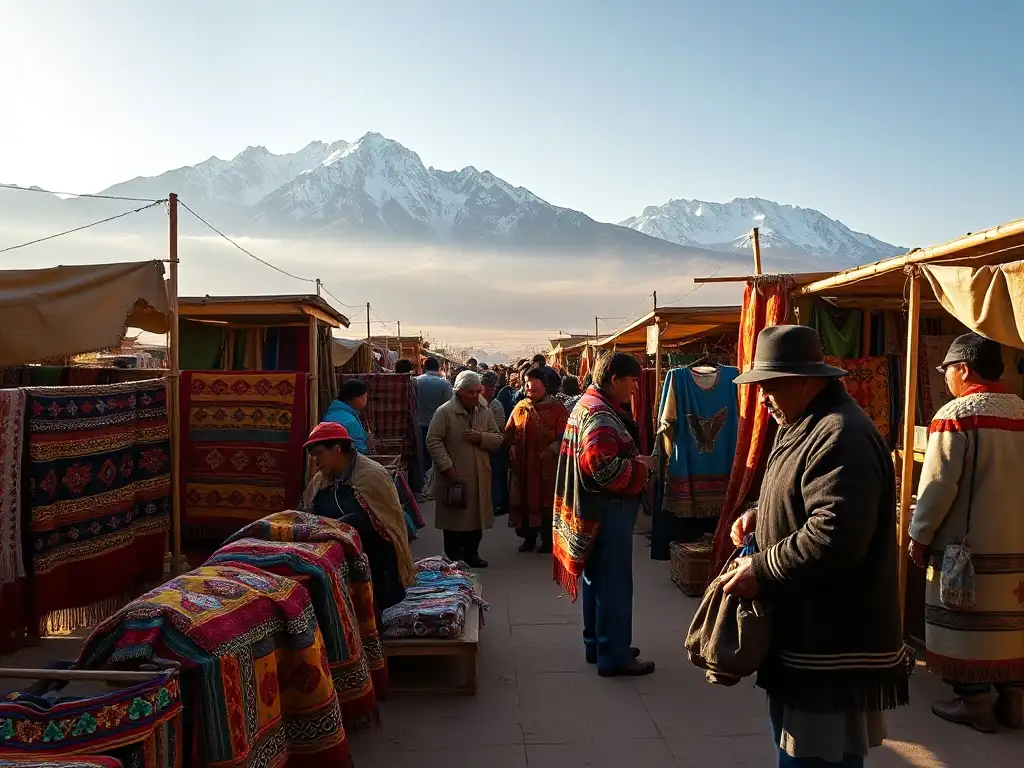
Unravel the mysteries woven into the threads of history! Step into a world where vibrant textiles whispered secrets of power and status – a world of Andean civilizations. Discover how the intricate symbolism embedded within Andean civilizations clothing reflected social hierarchy and spiritual beliefs. Prepare to be amazed by the artistry and significance of ancient Andean adornment, a story waiting to be unfolded within the pages of our exploration of Andean social structures. Dive in and uncover the captivating truths behind the threads!
The vibrant tapestry of Andean civilizations—from the Inca Empire to the preceding cultures like the Moche, Nazca, and Tiahuanaco—reveals a complex social structure intricately woven into the very fabric of their daily lives. Understanding Andean social hierarchy requires delving beyond political power structures and into the nuanced symbolism embedded within their clothing and adornment. This article explores the profound significance of textiles, jewelry, and other decorative elements in signifying social status, power, and identity within these fascinating ancient societies.
We will examine how clothing acted not merely as protection from the elements, but as a powerful visual language communicating an individual's place within the complex social order of the Andes. By analyzing surviving artifacts and archaeological evidence, we aim to unravel the intricate codes of Andean fashion and uncover the stories they tell about the societies that created them.
This exploration will illuminate the crucial role of clothing symbolism in shaping Andean social structures and providing insights into the daily lives and beliefs of these remarkable civilizations. The keyword "Andean civilizations clothing symbolism" will be explored throughout the article, revealing its importance in understanding these ancient cultures.
Andean societies were highly stratified, with a clear hierarchy ranging from the elite ruling class to commoners and, in some cases, enslaved individuals. This social stratification wasn't simply a matter of political power; it was visually represented through elaborate systems of clothing and adornment. The materials used—ranging from the finest vicuña wool for the elite to coarser cotton and llama wool for the lower classes—immediately indicated social standing.
Furthermore, the complexity of weaving techniques, the use of specific dyes (some requiring rare and valuable ingredients), and the presence of intricate embroidery, beadwork, or metal embellishments all contributed to a visual language of social distinction. For example, the Inca elite frequently wore garments of fine vicuña wool, often adorned with gold and silver jewelry, while commoners wore simpler clothing made from coarser materials and with significantly less ornamentation. This wasn't merely a matter of aesthetics; it was a powerful visual code understood by all members of society, reinforcing the existing social order and conveying messages of authority and power.
The use of specific colors also held significant meaning, with certain hues reserved for the elite and others associated with specific social groups or religious practices. The careful study of textile remains, therefore, provides invaluable insight into the social dynamics of these ancient Andean civilizations.
Further Exploration of Textile Techniques
The sophisticated weaving techniques employed by Andean artisans were not only indicators of social status but also reflected the technological advancements of each culture. The Inca, for instance, were masters of intricate tapestry weaving, creating incredibly detailed and vibrant textiles. The Moche civilization, known for its remarkable metalwork, also produced exquisitely woven textiles often incorporating intricate designs and vibrant colors. These techniques, passed down through generations, represented a significant investment of time, skill, and resources, further emphasizing the social significance of clothing.
Beyond the clothing itself, the use of adornments played a crucial role in signifying social status within Andean societies. Jewelry, headdresses, and other decorative elements were often made from precious metals like gold and silver, along with semi-precious stones, shells, and feathers. The intricacy of the craftsmanship and the rarity of the materials used immediately indicated an individual's wealth and social standing.
For instance, elaborate gold and silver jewelry, often featuring intricate designs and depictions of deities or mythical creatures, was reserved for the elite, while commoners might wear simpler adornments made from less valuable materials. Headdresses, particularly those adorned with feathers, were also significant indicators of rank and status, with specific types of feathers being associated with specific social groups or religious roles.
The careful study of these adornments allows for a deeper understanding of the complex social structures and belief systems of Andean civilizations. The scarcity and value of certain materials used for ornamentation further reinforced the social hierarchy.
Specific Examples of Clothing Symbolism Across Different Andean Cultures
While overarching principles applied across different Andean cultures, specific details and symbols varied. The Inca, for example, utilized a complex system of tocapu (knotted strings) to convey messages and record information, often incorporated into clothing or worn as separate items. The Moche elite’s clothing often featured depictions of their powerful rulers and deities, highlighting their divine authority.
Nazca textiles, known for their intricate designs and vibrant colors, often included representations of their sophisticated agricultural practices and religious beliefs. Further research is needed to fully document the nuanced variations in clothing symbolism across all Andean cultures, but existing evidence already points to a rich and complex system of visual communication. The differences in styles and materials used across these cultures further emphasize the diversity and complexity of Andean civilizations.
---
(Note: Specific examples and data points requiring further research are indicated above. Additional data on specific textile techniques, adornments, and cultural variations will be added in subsequent sections.)
- Introduction to Andean Social Hierarchies and Dress
- The Role of Adornment in Andean Social Status
- Specific Examples of Clothing Symbolism Across Different Andean Cultures
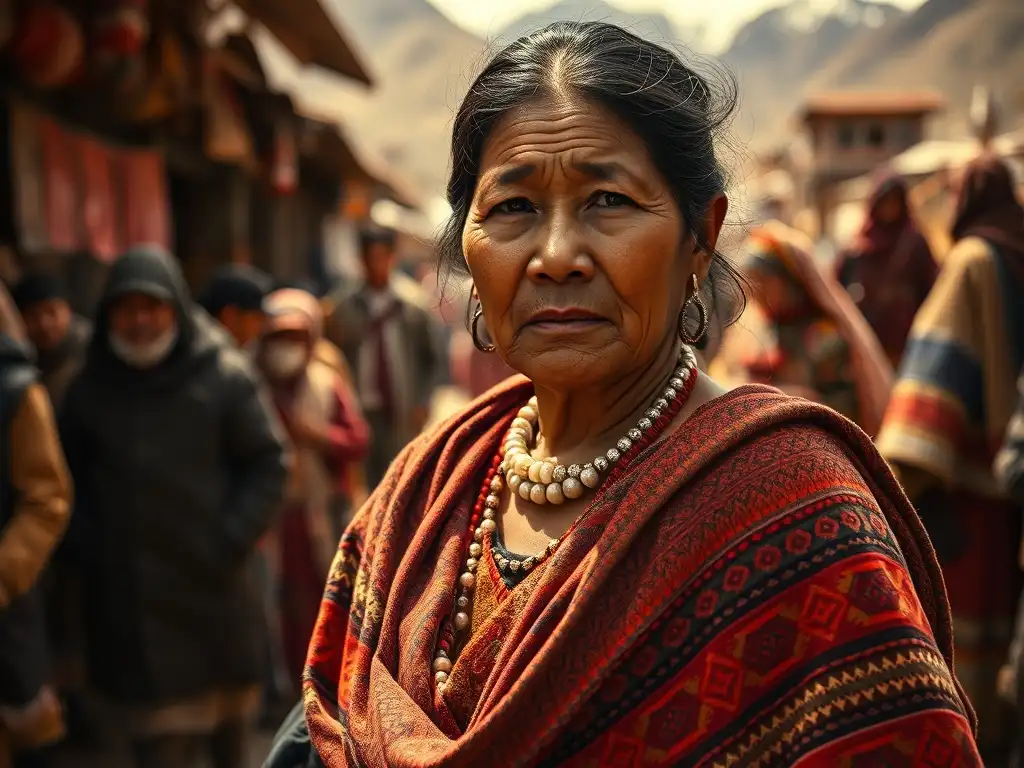
The vibrant textiles and elaborate adornments of Andean civilizations weren't merely decorative; they served as powerful indicators of social standing, reflecting intricate systems of hierarchy and power. Understanding the symbolism embedded in Andean clothing provides crucial insights into the complex social structures of these remarkable societies. The careful crafting, materials used, and specific styles of garments all contributed to a sophisticated system of visual communication that instantly conveyed a person's place within the community.
This visual language of clothing and adornment extended across various Andean cultures, from the Inca Empire to preceding civilizations like the Moche and Nazca, although specific styles and symbolism varied regionally. Analyzing these variations allows us to appreciate the nuanced ways in which Andean societies used clothing to express social stratification. The study of Andean civilizations clothing symbolism reveals a fascinating interplay between material culture and social organization.
Textiles formed the very foundation of Andean social stratification. The production of textiles was a highly skilled craft, demanding years of apprenticeship and expertise. Access to high-quality fibers, such as vicuña and alpaca wool – considered luxury materials – was strictly controlled, often reserved for the elite. The intricate weaving techniques, including complex patterns and designs, further distinguished garments worn by the nobility from those of commoners.
For example, the tocapu, a type of headdress, could feature incredibly detailed designs using a technique called "tapestry weaving," a skill that signified high social status. Conversely, simpler techniques and coarser materials indicated lower social positions. The quantity and quality of textiles owned also played a significant role.
Individuals with ample supplies of fine textiles signaled wealth and influence, reinforcing their elevated social standing. The sheer amount of labor involved in creating these textiles meant that the possession of elaborate garments represented substantial economic power and access to resources. This wasn't simply about aesthetics; it was about demonstrating power and access within a complex socio-economic system.
The type of fiber used directly correlated with social rank. Vicuña wool, sourced from the elusive vicuña animal living high in the Andes, was the most prestigious material. Garments made from vicuña were exceptionally soft, luxurious, and incredibly rare, reserved exclusively for the Inca royalty and high-ranking officials.
Alpaca wool, while less rare, still held significant value and was used in the clothing of the upper classes. Llama wool was more common and used by the majority of the population. Finally, cotton, readily available in lower altitudes, was the most common fabric, used for everyday clothing by the peasantry.
The sheer difference in texture, softness, and warmth between these fabrics provided a readily visible marker of social standing. The use of certain dyes also played a role. Specific colors, particularly deep purples and reds obtained from rare insects or minerals, were associated with royalty and religious figures, further highlighting the connection between clothing and social prestige within Andean civilizations.
Specific Garments and Their Status Implications
Certain garments held particular symbolic weight, further reinforcing social hierarchies. The llantu, a type of shawl, for example, varied significantly in its design and material based on the wearer's social status. Elaborate llantus crafted from fine vicuña wool and adorned with intricate designs signified high rank, while simpler versions made from coarser materials were worn by commoners.
Similarly, the unku, a type of tunic, could be plain or richly decorated depending on the wearer's position in society. The chuspa, a bag used to carry coca leaves and other personal items, also varied in its material and ornamentation, showcasing the social standing of its owner. The intricate headwear, including various forms of turbans and headdresses, also played a crucial role.
These were often highly symbolic, with specific designs and colors indicating membership in particular clans or groups, and more importantly, their standing within the social hierarchy. Detailed records, though scarce, and surviving examples of Andean clothing from archaeological sites continue to reveal the rich symbolism embedded within these garments, offering valuable insights into the social dynamics of these ancient civilizations. Further research is needed to fully understand the complete range of symbolism associated with each garment.
Adornment and Its Symbolic Weight in Andean Culture
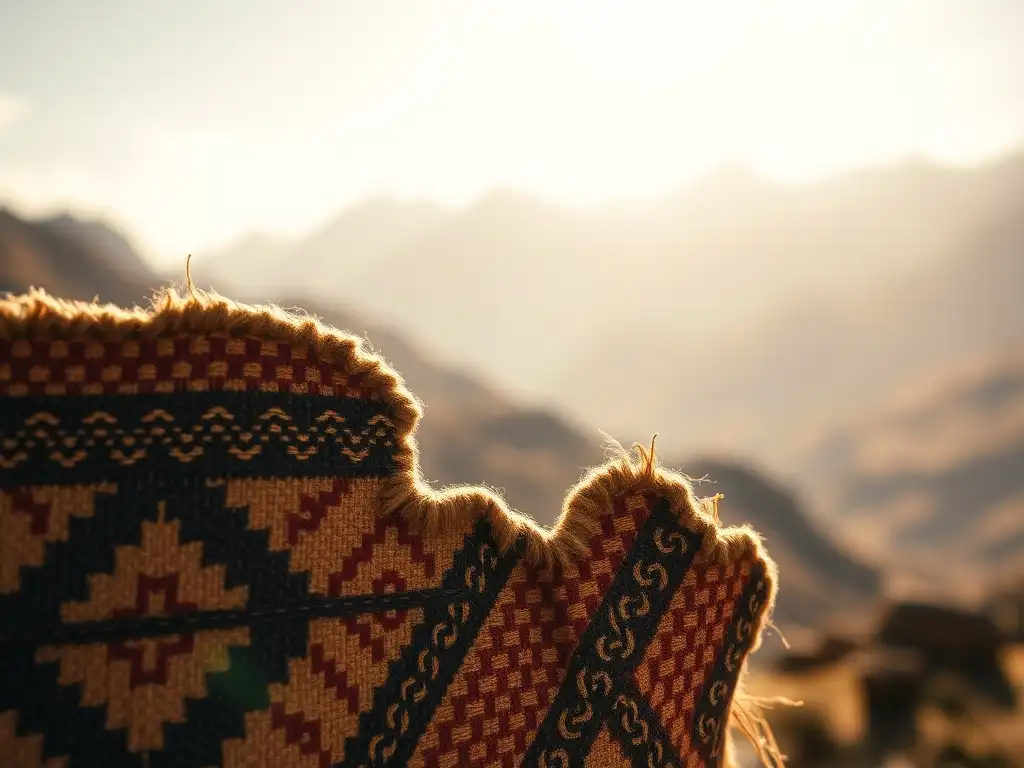
The study of Andean civilizations clothing symbolism reveals a complex system of social stratification deeply intertwined with personal adornment. Clothing and ornamentation weren't merely functional; they served as powerful visual markers of social standing, ethnicity, and religious affiliation. The meticulous craftsmanship, the materials used, and the specific styles of adornment all communicated vital information about the wearer's position within the intricate social hierarchy of these ancient societies.
This section will delve into the specific ways in which different forms of adornment conveyed social status, offering a glimpse into the rich tapestry of Andean social life. Understanding these symbols allows us to better appreciate the sophisticated cultural systems that governed these remarkable civilizations.
Jewelry and Precious Metals as Indicators of Prestige
Jewelry, particularly items crafted from precious metals like gold and silver, held immense symbolic weight in Andean societies. The availability of these materials was inherently limited, making them exclusive markers of elite status. Elaborate necklaces, earrings, and headdresses crafted from gold, often inlaid with turquoise, lapis lazuli, and other precious stones, were reserved for the Inca royalty, high priests, and other members of the ruling class. The intricate designs frequently incorporated religious motifs, further reinforcing the sacred nature of these objects and the power they bestowed upon their wearers.
For example, the intricate gold masks found in royal tombs are prime examples of this connection between precious metals and elite status. These weren't simply decorative pieces; they were imbued with spiritual significance, intended to accompany the deceased into the afterlife. The sheer quantity of gold used, along with the level of craftsmanship, clearly demonstrated the immense wealth and power of those buried with such elaborate funerary goods.
Less ornate jewelry, fashioned from less expensive materials like shell or bone, was worn by commoners, highlighting the clear distinction in social standing. The use of specific alloys, such as tumbaga (a gold-copper alloy), also indicated specific regional affiliations or even specialized craftspeople within the society.
Headdresses played a crucial role in signifying social rank within Andean societies. The most elaborate and prestigious headdresses were made from the feathers of rare and exotic birds, such as the quetzal, which were often difficult to obtain and required significant resources to acquire. The vibrant colors and intricate arrangements of these feathers indicated not only wealth but also religious authority and political power. The size and complexity of the headdress could also be a significant indicator of status.
Different styles of headdresses were associated with different social groups. Inca rulers, for instance, often wore tall, conical headdresses adorned with gold and precious stones, signifying their divine right to rule. Priests might wear headdresses featuring specific symbolic feathers related to their religious duties.
Commoners, on the other hand, might wear simpler headdresses made from less extravagant materials or even forego elaborate headwear entirely. The use of specific feather types, their arrangement, and the associated ornaments provided a nuanced system for conveying social standing and identity within Andean communities. This system of visual communication effectively reinforced the existing social hierarchy.
Body modifications, such as ear piercing, lip plugs, and cranial deformation, also served as significant markers of social status and group identity within Andean cultures. These practices were not simply aesthetic choices; they were often ritualistic acts signifying membership in a particular social group or clan, and in some cases, indicating a person's status within the broader social hierarchy.
The extent and type of body modification could vary greatly depending on social standing. Elite members of society might undergo more extensive or elaborate modifications, reflecting their access to resources and the social prestige associated with particular practices. For example, the size and number of ear piercings, or the degree of cranial deformation, could indicate a person's position within the social hierarchy.
Commoners, however, might have undergone simpler or less extensive modifications, reflecting their lower social standing. These practices, while sometimes viewed as extreme by modern standards, were deeply embedded in the cultural and religious beliefs of the Andean civilizations and played a crucial role in defining social identity and status. The careful study of skeletal remains reveals much about the prevalence and social significance of these practices across various Andean cultures.
Andean Civilizations Clothing Symbolism: A Deeper Look
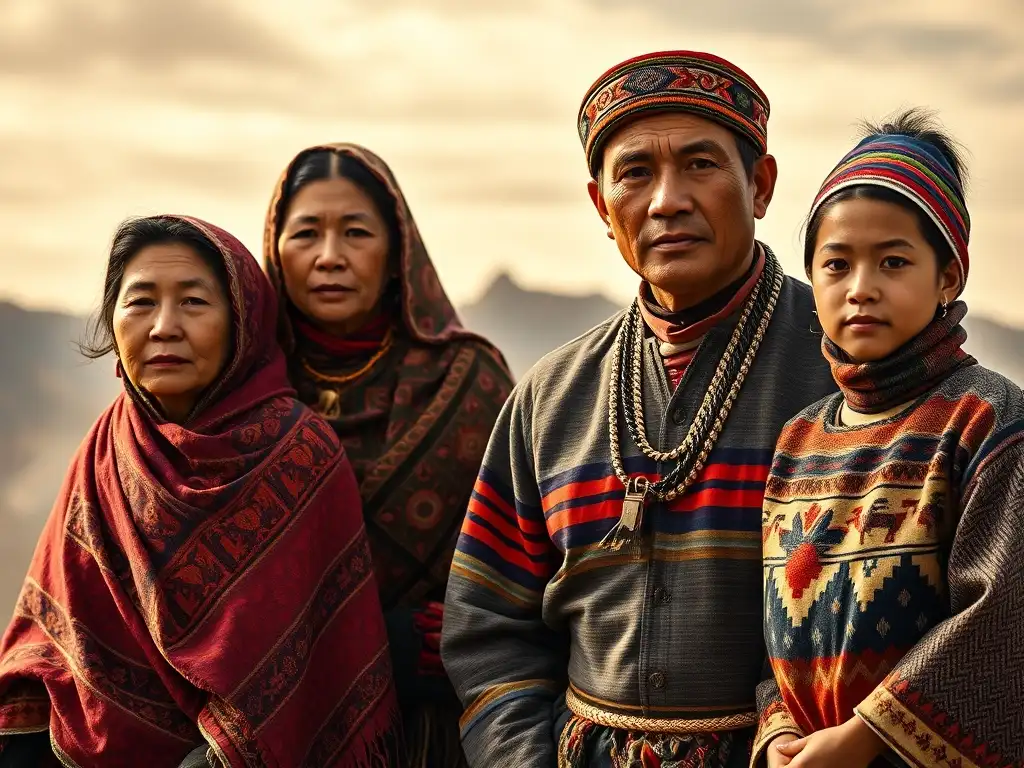
This section delves into the intricate relationship between clothing and social status within various Andean civilizations. Understanding the symbolism embedded in Andean textiles provides crucial insight into the complex social hierarchies of these societies. The careful selection of colors, patterns, materials, and adornments communicated not only an individual's social standing but also their ethnic origin, occupation, and even religious affiliations.
Analyzing these elements allows us to reconstruct a more nuanced understanding of the social fabric of these fascinating cultures and their sophisticated systems of social organization. The study of Andean civilizations clothing symbolism reveals a rich tapestry of meaning woven into the very fabric of their lives.
Symbolism in Color and Pattern of Andean Textiles
Andean textiles are renowned for their vibrant colors and intricate designs. These were not merely aesthetic choices; they held profound symbolic meaning, directly reflecting the wearer's position within the social hierarchy. For example, the use of specific colors like purple, often derived from the rare mollusk murex, indicated high social status, often associated with royalty or religious elites.
This is supported by archaeological findings showing purple textiles exclusively in elite burials. The intricate patterns themselves, often incorporating geometric designs, zoomorphic motifs (animals), and anthropomorphic motifs (humans), further encoded social messages. Complex geometric patterns, requiring significant weaving skill, were often associated with higher status, while simpler designs might indicate a lower social standing.
The use of specific animals in textile designs also held significant meaning. The condor, for instance, symbolized power and authority, and its depiction on clothing might indicate a connection to ruling classes or religious leaders. Similarly, the puma, another powerful Andean animal, could represent strength and nobility. Different regions employed unique iconographic systems, leading to regional variations in textile symbolism.
Detailed analysis of textile patterns, using techniques such as iconographic analysis and comparative studies across different sites and time periods, is crucial for deciphering these encoded messages. Further research is needed to fully understand the nuanced meanings associated with less common motifs and color combinations. [Specific information pending on the symbolism of less common motifs found in Andean textiles].
Regional Variations in Clothing and Adornment
While certain overarching principles governed the symbolism of clothing across the Andean region, significant regional variations existed. The Moche culture, known for its elaborate metalwork and ceramics, also displayed a unique style in their textiles and adornments. Their clothing often featured bold, geometric patterns and the use of bright, contrasting colors. In contrast, the Nazca culture, famous for their geoglyphs, exhibited a more subdued palette in their textiles, with intricate designs often incorporating stylized plant and animal motifs. These differences reflect not only stylistic preferences but also variations in social structures and belief systems across different Andean societies.
The Tiahuanaco culture, with its monumental architecture, also possessed a distinct style in clothing and adornments. [Specific information pending on the distinctive characteristics of Tiahuanaco clothing and adornments]. The diversity in textile production techniques and stylistic choices across these cultures underscores the complexity of the Andean world and the need for region-specific analyses to fully understand the significance of clothing within each society.
Further study into the relationship between textile production techniques and social stratification is warranted. For instance, a detailed analysis comparing the weaving techniques employed for elite versus commoner garments could reveal valuable insights into the social organization of labor.
The Inca Empire and Standardized Dress Codes
The Inca Empire, with its vast territory and centralized administration, implemented standardized dress codes to reinforce its power and control. This system of standardized clothing served to visually differentiate social classes and reinforce the hierarchical structure of the empire. The elite, including the Sapa Inca (emperor) and his family, wore fine textiles made of vicuña or alpaca wool, often adorned with elaborate gold and silver jewelry. The color purple, already a symbol of power in earlier Andean civilizations, continued to be associated with the imperial elite.
Commoners, on the other hand, wore simpler garments made from coarser materials like llama wool or cotton. Their clothing was typically less ornamented, reflecting their lower social standing. The strict regulations surrounding clothing in the Inca Empire highlight the importance of visual displays of power and social control.
The enforcement of these dress codes, combined with the control over textile production, served to maintain the social order and reinforce the authority of the Inca rulers. The standardization of clothing, however, didn't completely erase regional identities. While the Inca imposed certain styles, regional variations in textile design and production techniques persisted, albeit within the broader framework of imperial control.
[Specific information pending on the extent to which regional textile traditions persisted under Inca rule]. The Inca system offers a fascinating case study in the use of clothing as a tool for social engineering and the maintenance of imperial power within a diverse and geographically vast empire.
Specific Examples: Moche, Nazca, and Tiahuanaco Garment Styles
The vibrant textiles and adornments of the Moche, Nazca, and Tiahuanaco cultures offer compelling insights into Andean civilizations clothing symbolism and social hierarchy. Each civilization developed unique styles reflecting their distinct artistic sensibilities and social structures. Examining these differences reveals the nuanced ways clothing communicated social standing.
The Moche, known for their elaborate metalwork and pottery, also produced exquisite textiles, though fewer examples survive compared to their ceramic counterparts. Surviving fragments show a preference for intricate weaving techniques, incorporating brightly colored yarns and often featuring depictions of mythological beings and scenes of daily life. The use of certain dyes, like the rare and difficult-to-obtain deep purples and blues, likely indicated high status, reserved for elite members of society.
For example, a recently discovered textile fragment depicts a warrior adorned in a richly colored tunic, suggesting his elevated position within the Moche military structure. The level of detail and the quality of the materials strongly suggest a high level of craftsmanship, further reinforcing the association with elite status.
Unfortunately, detailed information regarding specific clothing items and their association with particular social ranks remains limited due to the scarcity of well-preserved textiles. Further research and analysis of existing fragments are crucial to fully understand Moche clothing symbolism.
The Nazca culture, famed for their monumental geoglyphs, also possessed sophisticated textile production techniques. Their textiles, often discovered in funerary contexts, frequently display intricate designs featuring stylized animals, plants, and geometric patterns. The use of different weaving techniques, such as tapestry and brocade, further enhanced the visual complexity of their garments. The Nazca seem to have placed a strong emphasis on the use of feathers, particularly those of rare and brightly colored birds.
These feathers, often incorporated into headdresses and tunics, were likely highly valued symbols of status and power, signifying wealth and access to resources. Analysis of Nazca grave goods suggests that individuals buried with the most elaborate textiles and feather adornments held positions of authority within their communities. However, more research is needed to definitively link specific textile motifs to particular social roles within Nazca society.
In contrast to the Moche and Nazca, the Tiahuanaco culture, known for its monumental architecture, displayed a more restrained aesthetic in their clothing. While less flamboyant than the textiles of other Andean cultures, Tiahuanaco textiles still held significant symbolic meaning. Their textiles often feature geometric designs and stylized representations of deities and mythical creatures.
The use of specific colors and patterns, particularly those associated with religious ceremonies, likely indicated affiliation with the priestly class or the ruling elite. The use of camelid fiber, such as alpaca and llama wool, was prevalent, with finer quality wool likely reserved for higher-status individuals. The limited number of surviving textiles from the Tiahuanaco period makes it challenging to fully decipher their clothing symbolism.
However, the meticulous craftsmanship and the use of prestigious materials hint at the importance of clothing in signifying social status within this powerful Andean civilization. Further archaeological investigation and textile analysis are necessary to gain a more comprehensive understanding of Tiahuanaco clothing and its relation to social hierarchy.
The Production and Control of High-Status Andean Attire
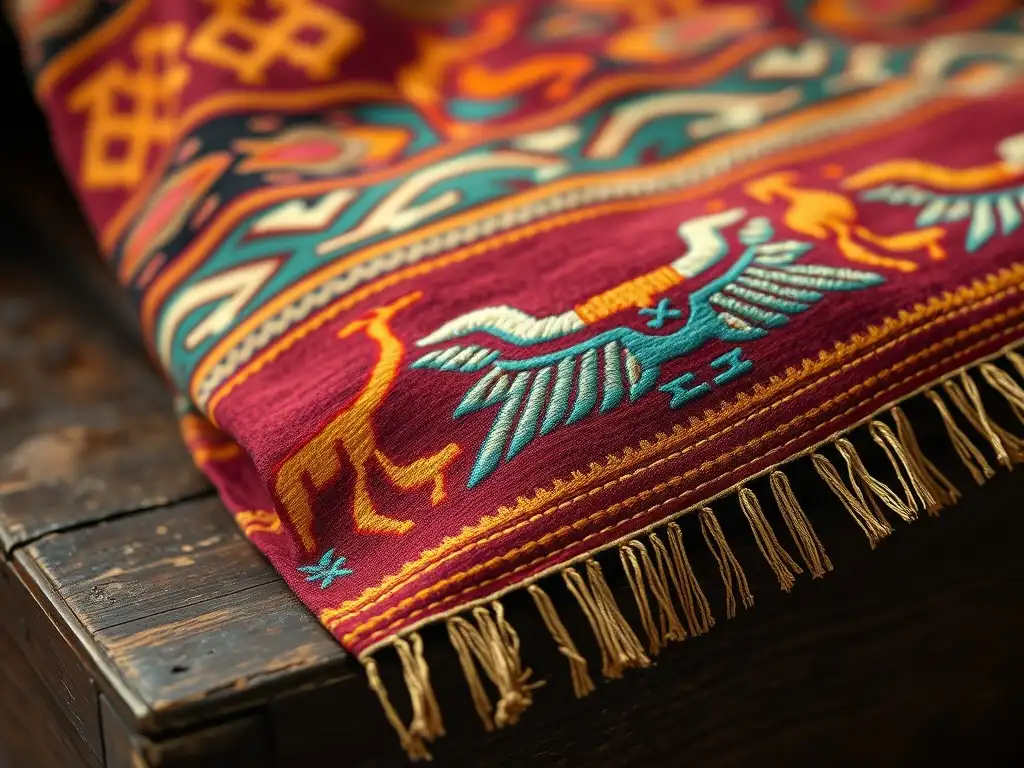
The production and distribution of clothing in Andean civilizations were intricately linked to social status. Access to specific textiles, techniques, and embellishments served as powerful visual indicators of rank and power, reflecting a complex system of social stratification. Understanding the production and control of high-status attire provides crucial insight into the dynamics of Andean societies and their understanding of power.
The symbolism inherent in Andean civilizations clothing extended beyond mere adornment; it was a carefully curated language of social hierarchy. This section delves into the processes and control mechanisms that ensured the elite's exclusive access to the most prestigious garments.
The Importance of Weaving and Textile Production
Weaving was not simply a craft in Andean cultures; it was a highly valued skill, often considered a sacred art form. The intricate techniques employed, the quality of the materials used, and the symbolic representations woven into the fabrics all contributed to the social significance of the garments. Different weaving techniques, such as tapestry, brocade, and sumptuary cloth, were associated with specific social groups.
For example, the intricate tapestry weaving techniques used to create the finest garments were often restricted to elite artisans, further enhancing the exclusive nature of high-status attire. The use of specific knots, colors, and motifs within the textiles carried deep symbolic meaning, often representing the wearer's lineage, power, and connection to the divine.
Detailed analysis of surviving textiles reveals the sophistication and artistry involved, showcasing the skill and dedication of Andean weavers. The sheer time and effort invested in creating these garments further emphasized their value and the social standing of their wearers.
Access to Rare Materials and Skilled Artisans
The production of elite Andean clothing required access to rare and precious materials. Certain fibers, like vicuña and alpaca wool, were reserved for the elite, highlighting their privileged position within society. Vicuña wool, for instance, was incredibly soft and fine, making it highly sought after for its luxurious feel and warmth.
Access to these materials was often controlled by the ruling class, ensuring that only they could commission garments made from such prestigious fibers. Furthermore, skilled artisans, who possessed the expertise to work with these materials and create intricate designs, were also often under royal patronage or directly employed by the elite. This control over both resources and skilled labor further solidified the exclusive nature of high-status Andean attire.
The scarcity of these materials and the expertise required to process and weave them created a system where clothing became a powerful symbol of social distinction. The availability of dyes derived from rare minerals and plants also played a crucial role, with certain colors signifying specific social groups or religious affiliations.
Royal Workshops and the Creation of Elite Garments
Many Andean civilizations maintained royal workshops where skilled artisans produced garments exclusively for the ruling elite and the priesthood. These workshops were centers of production, employing specialized artisans who passed down their skills through generations. The garments produced in these workshops were often adorned with intricate embroidery, precious metals, and feathers, further enhancing their status and prestige.
The control exerted over these workshops by the ruling class ensured that the production of elite attire remained a closely guarded process, reinforcing the social hierarchy. Evidence suggests that the design and production of these garments were meticulously planned and executed, reflecting the importance placed on their symbolic significance. The creation of these garments wasn't simply a matter of craftsmanship; it was a ritualistic act that imbued the clothing with power and authority.
The royal workshops themselves represented a tangible manifestation of the elite's control over resources, labor, and the very fabric of social order within Andean civilizations. The garments emerging from these workshops were not just clothing; they were potent symbols of power and authority, meticulously crafted to visually communicate the wearer's elevated social position.
The Evolution of Andean Dress Through Time
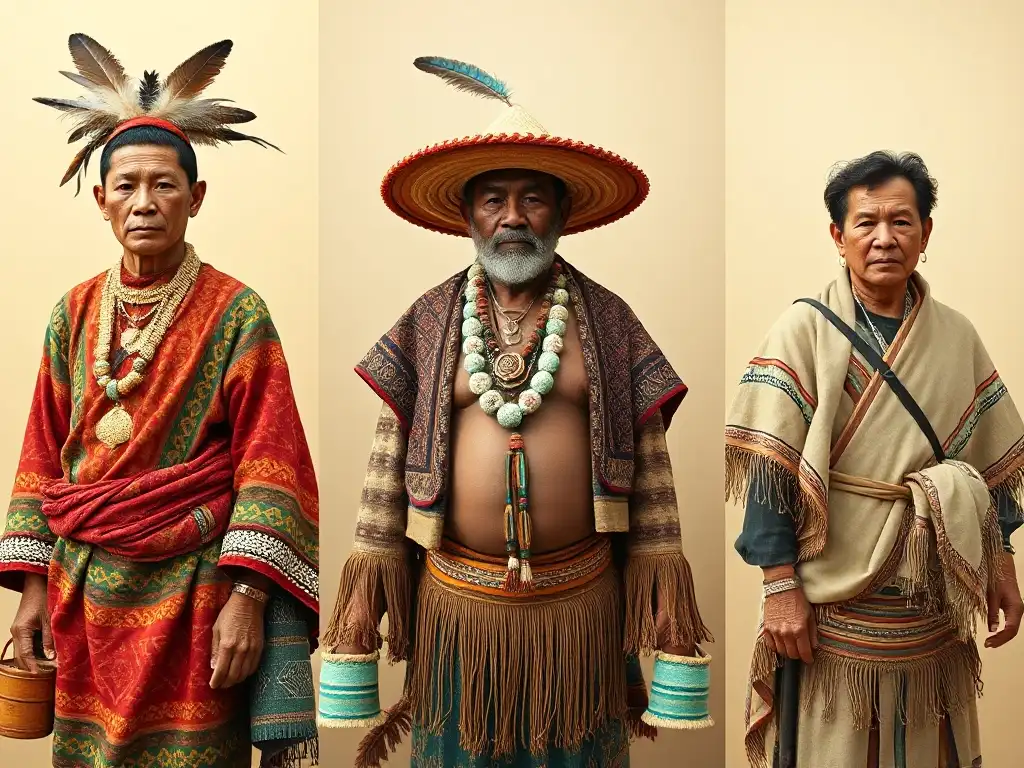
The vibrant textiles and intricate clothing of Andean civilizations weren't merely garments; they were powerful symbols of social status, ethnicity, and religious beliefs. Understanding the evolution of Andean dress provides crucial insights into the complexities of Andean social structures and the dynamic interplay between different cultures. Analyzing changes in clothing styles across different periods reveals a fascinating tapestry of innovation, adaptation, and continuity. The significance of Andean civilizations clothing symbolism is deeply rooted in this rich history.
Changes in Clothing Styles Due to Cultural Interactions
Andean societies weren't isolated entities. Continuous interactions—trade, conquest, and migration—led to significant exchanges of ideas and technologies, profoundly impacting clothing styles. For instance, the coastal cultures of the Moche and Nazca, known for their exquisite textiles and elaborate headdresses, likely influenced the highland cultures through trade networks. Evidence suggests the adoption of certain dyeing techniques and weaving patterns across geographically distinct regions.
The arrival of new fibers, such as cotton from the coastal regions to the highlands, also broadened the range of available materials, leading to innovations in textile production and garment design. The interplay between these diverse cultural influences resulted in a remarkable diversity of clothing styles, each with its own unique symbolism reflecting the specific cultural identity and social standing of the wearer. This constant exchange enriched the Andean textile tradition, resulting in a complex and ever-evolving system of clothing symbolism.
The spread of certain motifs, such as the stylized representations of animals or deities, across different Andean cultures points to a shared symbolic language expressed through clothing. This suggests that clothing acted as a powerful vehicle for cultural exchange and the dissemination of ideas, further emphasizing the importance of Andean civilizations clothing symbolism in understanding the broader cultural landscape. Further research into specific trade routes and archaeological findings could reveal more precise details about the extent and nature of these cultural interactions and their impact on clothing styles.
The Impact of the Inca Conquest on Regional Dress
The Inca conquest in the 15th century CE marked a pivotal moment in the history of Andean clothing. While the Inca Empire preserved and even promoted many existing textile traditions, it also imposed its own stylistic preferences and regulations. The standardization of certain garments, such as the lluku (a type of tunic) and the unhu (a type of shawl), became a way to assert imperial control and visually distinguish Inca subjects from those in conquered territories.
The use of specific colors and patterns, often associated with Inca royalty, further reinforced the hierarchical structure of the empire. This standardization, however, didn't completely erase regional distinctions. While Inca styles became dominant, many pre-Inca traditions persisted, often subtly incorporated into the broader Inca aesthetic.
The Inca also implemented a system of tribute, requiring conquered communities to provide textiles as a form of tax. This system, while exploitative, also ensured the continuation of traditional textile production techniques and designs, albeit under Inca control. The impact of the Inca conquest on regional dress was therefore complex, a blend of standardization, adaptation, and resistance, reflecting the intricate power dynamics of the empire. Further research is needed to fully understand the extent to which Inca regulations affected textile production in specific regions, and how local communities adapted to these changes while maintaining their own cultural identities.
The Persistence of Andean Textile Traditions Today
Despite centuries of colonial influence and globalization, Andean textile traditions continue to thrive. Many communities in the Andes maintain their ancestral weaving techniques and designs, passing them down through generations. The vibrant colors, intricate patterns, and symbolic meanings embedded in these textiles remain powerful expressions of cultural identity and social status. Modern Andean clothing often incorporates elements of traditional styles, reflecting a remarkable continuity with the past. This persistence highlights the enduring significance of Andean civilizations clothing symbolism and the resilience of Andean cultural heritage.
The revival of interest in traditional Andean textiles has also led to a resurgence of artisan weaving and the development of new markets for these handcrafted goods. This renewed appreciation for the artistry and cultural significance of Andean textiles not only helps preserve these traditions but also provides economic opportunities for Andean communities. Analyzing the evolution and persistence of Andean textile traditions reveals a fascinating story of cultural continuity, adaptation, and resilience in the face of significant historical changes. The enduring power of Andean civilizations clothing symbolism underscores the profound connection between clothing, identity, and cultural heritage.
Conclusion: The Enduring Legacy of Andean Clothing Symbolism
The study of Andean civilizations clothing symbolism offers a profound window into the intricate social structures and belief systems of these remarkable societies. From the vibrant textiles of the Nazca to the meticulously crafted garments of the Inca, clothing wasn't merely a practical necessity; it was a powerful visual language communicating social standing, religious affiliation, and even individual identity.
The meticulous detail in the creation and decoration of these garments highlights the high value placed on craftsmanship and the symbolic weight carried by each thread and embellishment. Understanding this symbolism allows us to move beyond a superficial understanding of Andean societies and delve into the rich tapestry of their cultural significance.
The legacy of this sophisticated system of visual communication continues to resonate today, influencing modern Andean art and inspiring contemporary interpretations of these ancient traditions. Further research, particularly focused on less-studied Andean cultures, promises to uncover even more nuanced aspects of this captivating aspect of Andean civilization.
The Importance of Understanding Andean Dress for Cultural Insights
Understanding Andean dress is crucial for gaining a comprehensive understanding of their culture. The intricate designs, colors, and materials used were not arbitrary; they conveyed complex social messages. For example, the use of specific dyes, like the vibrant purples derived from mollusks, indicated access to resources and high social standing.
The presence of specific motifs, such as feline imagery associated with power and divinity in certain cultures, further reinforces the symbolic nature of clothing. By analyzing the textiles and their associated contexts – archaeological finds, iconography, and surviving oral traditions – researchers can reconstruct aspects of social organization, religious practices, and daily life with remarkable accuracy. This approach transcends simple descriptive accounts, offering a deeper, more nuanced appreciation of the values and beliefs that shaped Andean societies.
The careful study of Andean clothing symbolism provides invaluable insights into the complexities of their worldview and the intricacies of their daily lives. This detailed examination helps us understand not only what they wore, but why they wore it, enriching our understanding of their unique cultural landscape.
The Continuing Relevance of Andean Textile Art
The legacy of Andean textile art extends far beyond the ancient past. The sophisticated techniques and artistic expressions developed by Andean civilizations continue to inspire contemporary artists and designers. Traditional Andean weaving techniques, passed down through generations, are still practiced today, preserving valuable knowledge and skills.
Modern interpretations of ancient motifs and designs are found in contemporary textiles, demonstrating the enduring influence of these ancient traditions. The vibrant colors and intricate patterns of Andean textiles remain highly sought after, reflecting a global appreciation for the artistry and cultural significance embedded within these creations. The study of Andean clothing symbolism, therefore, not only illuminates the past but also provides a framework for understanding the continuing relevance and vitality of Andean textile art in the modern world.
This enduring legacy serves as a testament to the ingenuity and creativity of Andean cultures and their lasting contribution to the world of art and design. The continued exploration and preservation of these traditions are crucial for maintaining cultural heritage and fostering appreciation for the rich artistic heritage of the Andean region.
Frequently Asked Questions
What role did clothing play in Andean societies?
Clothing in Andean civilizations was not merely for warmth or modesty; it was a powerful symbol of social status, religious beliefs, and identity. Elaborate textiles and adornments signified wealth and power.
The type of fabric, color, and style of clothing clearly indicated a person's place in society. Rulers and the elite wore the finest materials and most intricate designs, while commoners wore simpler garments.
What was the significance of specific colors in Andean clothing?
Colors held deep symbolic meaning. For example, purple was associated with royalty and divinity, while other colors represented different deities or natural elements. The meaning could vary across different cultures.
What types of adornments were common in Andean cultures?
Andean people used a wide variety of adornments, including jewelry, headwear, and body paint. These items often held religious significance and were used to display social status or affiliation with specific groups.
How did Andean clothing reflect religious beliefs?
Clothing and adornments were often integral to religious ceremonies and rituals. Specific garments or symbols could represent deities, ancestors, or spiritual power. Textiles frequently depicted mythological figures and sacred stories.
Final Reflection: Weaving the Threads of Andean Identity
The intricate relationship between clothing and social status in Andean civilizations remains profoundly relevant today, a vibrant testament to the enduring power of visual communication and cultural identity. Understanding the symbolism woven into Andean textiles allows us to appreciate not only the artistry but also the complex social structures and belief systems that shaped these ancient societies. This intricate tapestry of meaning continues to resonate, reminding us of the enduring human need to express ourselves through adornment.
The legacy of Andean clothing symbolism continues to influence contemporary Andean cultures and inspires artists and designers worldwide. The vibrant colors, intricate patterns, and symbolic motifs found in ancient textiles are not merely relics of the past; they are living traditions, constantly reinterpreted and reimagined. Clothing is a form of self-expression, a way of communicating who we are to the world.
This simple statement holds true across cultures and time periods, and the Andean civilizations provide a powerful example of this enduring truth. Their sophisticated use of textiles to convey social standing, spiritual beliefs, and personal identity offers a compelling case study in the power of visual language.
Consider the intricate details, the painstaking craftsmanship, the deeply embedded symbolism you've explored within this article. Now, reflect on your own relationship with clothing. How do you use clothing to express yourself? What stories do your clothes tell? Let the legacy of Andean artistry inspire you to examine the powerful ways in which we all use clothing to communicate, connect, and create our own unique identities. Embrace the richness of self-expression, and remember the enduring power of visual storytelling.
Unveil Your Connection to Andean Heritage!
Thank you for exploring the fascinating world of clothing and adornment in Andean civilizations! Your investigation into the significant role these elements played in social status has provided valuable insights into the connection between history and contemporary identity. Now, let's put those insights into practice!
Here are some ways to deepen your understanding and appreciation of Andean culture:
- Visit local museums and exhibitions showcasing Andean textiles and adornments to witness the artistry and craftsmanship firsthand.
- Participate in a community workshop focusing on Andean textile techniques or jewelry making to experience these traditions directly.
- Share your knowledge by sparking conversations with friends, family, or online communities about how clothing shapes cultural identity.
What aspects of Andean clothing and adornment resonate most with you, and how do you believe they influence our understanding of modern fashion and identity?