
The Significance of Elders: Wisdom Keepers and DecisionMakers in Andean Communities

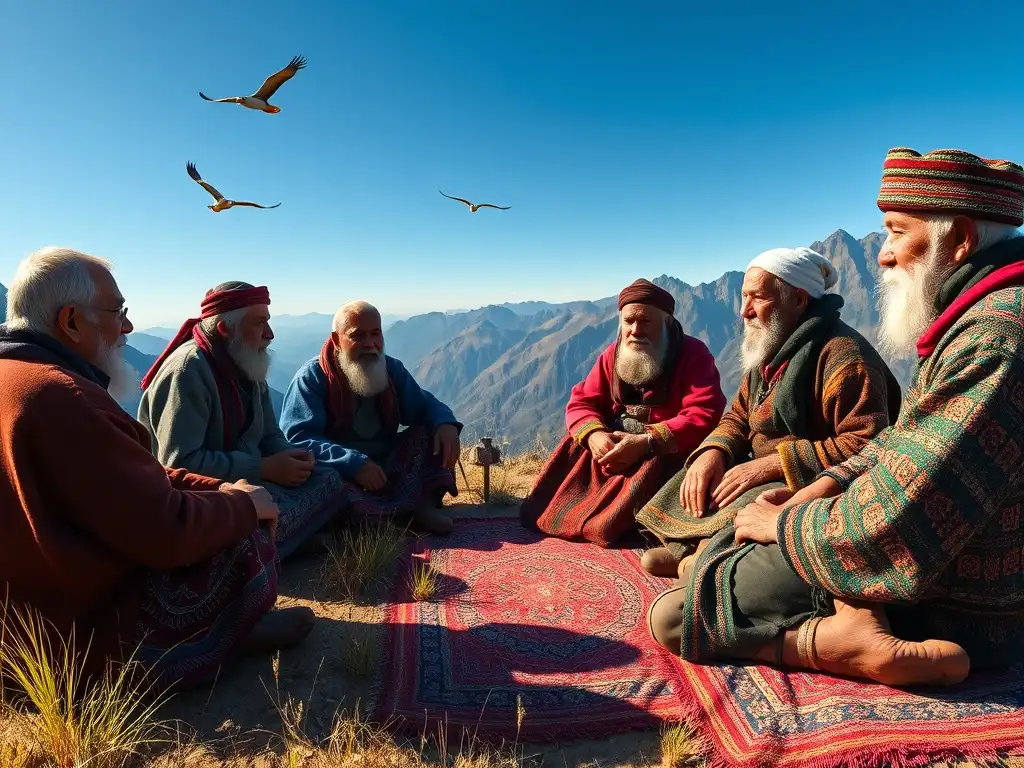
Step into a world lost to time, yet echoing with wisdom. For centuries, the Andes Mountains have held secrets, whispered through the intricate tapestries of Andean civilizations. But what truly shaped their societies? Uncover the fascinating role of Andean elder decisionmaking – a system far more complex than you might imagine – and discover how these revered figures guided their communities to prosperity and shaped the very fabric of their existence. Prepare to be captivated by the legacy of these ancient masters of strategy and insight; their stories await.
The Andean civilizations, renowned for their intricate social structures and sophisticated engineering feats, placed immense value on the wisdom and experience of their elders. This article delves into the crucial role elders played—and in many communities, continue to play—in the decision-making processes and overall societal well-being of Andean communities.
From the Inca Empire's formalized structures to the more localized traditions of smaller groups like the Moche and Nazca, the influence of elders transcended mere respect; it formed the bedrock of governance, conflict resolution, and cultural transmission. We will explore how their knowledge, gained over a lifetime of navigating the complexities of Andean life, shaped community life and contributed significantly to the remarkable resilience and continuity of these cultures.
Understanding the significance of Andean elder decision-making provides crucial insight into the dynamics of power, social cohesion, and the enduring legacy of these fascinating civilizations. This exploration will examine the various ways in which elders contributed to the social fabric, highlighting their influence on everything from agricultural practices to religious ceremonies.
The Role of Elders in Inca Society
The Inca Empire, known for its centralized and hierarchical structure, incorporated the wisdom of elders into its governance system in a formal way. While the Sapa Inca held ultimate authority, the kurakas (local leaders) often relied heavily on the counsel of elder advisors. These individuals, selected for their extensive knowledge of ancestral customs, agricultural cycles, and local geography, played a vital role in shaping policies and resolving disputes at the community level.
Their input was crucial in ensuring the stability and prosperity of the empire. Their deep understanding of Inca traditions and laws ensured that decisions were made in accordance with established norms, maintaining social harmony and continuity.
Furthermore, the amautas (wise men), highly respected for their knowledge of history, religion, and philosophy, served as educators and advisors to the ruling elite, influencing the broader direction of the empire. The Inca system subtly blended formal authority with the traditional respect given to elders, demonstrating the profound influence of age and experience on governance.
Decision-Making Processes in Smaller Andean Communities
Beyond the formalized structures of the Inca Empire, smaller Andean communities also relied heavily on the wisdom of their elders. In pre-Inca societies and in communities that existed alongside the Inca Empire, decision-making often involved a more participatory process. Elders played a central role in community assemblies, sharing their insights and guiding discussions. Their knowledge of traditional practices, land management, and conflict resolution proved invaluable.
The process often involved extensive deliberation, with elders acting as mediators and ensuring that decisions reflected the collective will of the community, prioritizing consensus and minimizing conflict. This participatory approach highlights the importance placed on collective wisdom and the interconnectedness of community members. Decisions regarding land allocation, water rights, and religious festivals often involved the active participation and guidance of respected elders.
The Transmission of Knowledge and Cultural Continuity
The role of Andean elders extended beyond immediate decision-making; they were crucial in transmitting knowledge and ensuring cultural continuity across generations. Through storytelling, rituals, and practical demonstrations, elders passed down essential skills and traditions related to agriculture, weaving, pottery, and religious practices. This oral tradition ensured the preservation of cultural heritage and the continuity of Andean societies, safeguarding their unique identity and practices.
The intricate knowledge systems relating to astronomy, medicinal plants, and agricultural techniques were carefully preserved and transmitted through generations by elders, ensuring the survival and prosperity of Andean communities. This continuous transmission of knowledge highlights the importance of elders as living repositories of cultural memory, essential for the long-term survival of these societies. The loss of these elders, therefore, represents a significant loss of irreplaceable cultural heritage.
The Enduring Legacy of Andean Elder Decision-Making
The influence of elders in Andean decision-making processes continues to resonate even today in many communities. While modern influences have undoubtedly impacted traditional structures, the respect for elders and their accumulated wisdom remains a significant aspect of Andean social life. The role of elders in conflict resolution, cultural preservation, and community guidance underscores the enduring relevance of their contributions.
Understanding the historical significance of this aspect of Andean culture allows us to appreciate the complex interplay between tradition and modernity in these enduring communities. The ongoing relevance of this tradition highlights the timeless wisdom embedded within Andean social structures and the value of respecting and learning from the accumulated knowledge of elders. This legacy serves as a valuable reminder of the importance of intergenerational connections and the preservation of cultural heritage.
- The Role of Elders in Inca Society
- Decision-Making Processes in Smaller Andean Communities
- The Transmission of Knowledge and Cultural Continuity
- The Enduring Legacy of Andean Elder Decision-Making
- What role did elders play in Andean societies?
- How did Andean elders participate in decision-making?
- What kinds of decisions did Andean elders influence?
- Did all Andean cultures have the same system of elder involvement in decision-making?
- How did the influence of Andean elders compare to other societal structures?
The Role of Andean Elders in Community Life
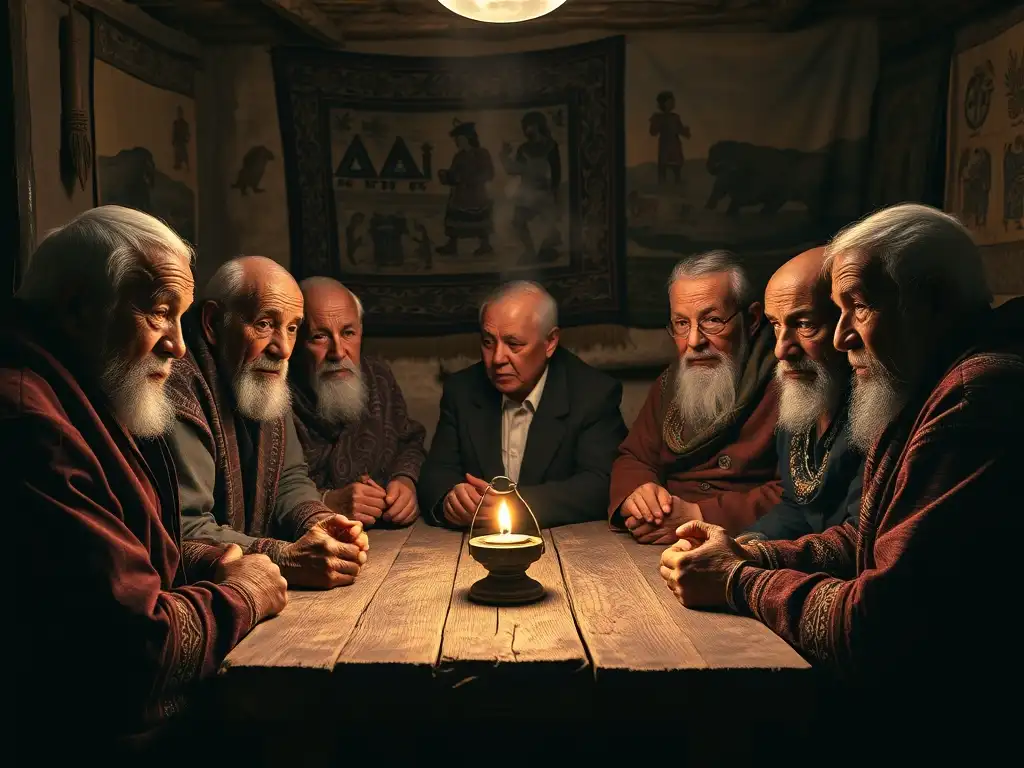
This section delves into the multifaceted roles Andean elders played, and in some cases, continue to play, within their communities. Their influence extended far beyond simple respect; they were active participants in shaping societal norms, preserving cultural heritage, and guiding crucial decisions. Understanding their significance is key to comprehending the complex social fabric of Andean civilizations.
The concept of "Andean elder decisionmaking" wasn't simply a matter of age; it was deeply intertwined with accumulated wisdom, spiritual authority, and community standing. This wasn't a formal, codified system like modern governance, but a nuanced, organic process rooted in traditional values and practices.
The Respected Position of Elderly Individuals in Quechua Society
In Quechua communities, the elderly, particularly yaya (grandfather) and mama (grandmother) figures, held positions of immense respect and authority. This wasn't merely a matter of age; it stemmed from their accumulated life experience, deep understanding of ancestral customs, and proven ability to navigate complex social situations. Their opinions carried significant weight in community discussions, particularly those concerning land allocation, conflict resolution, and ritual practices.
Younger generations actively sought their guidance, recognizing the value of their wisdom and the continuity it represented. This respect wasn't passive; elders actively participated in shaping the lives of younger community members, imparting valuable lessons and shaping their moral development. The transfer of knowledge and skills wasn't a formal process, but rather a gradual immersion in the community's traditions and practices through observation, participation, and storytelling.
This system fostered a strong sense of community cohesion and intergenerational respect, ensuring the preservation of cultural heritage and the stability of social structures. The influence of these elders in Quechua society highlights the importance of experiential knowledge and the organic nature of Andean elder decisionmaking.
Andean Elders as Custodians of Traditional Agricultural Practices
Andean agriculture, renowned for its ingenuity and adaptation to diverse ecological conditions, relied heavily on the knowledge and experience of elders. They were the custodians of traditional techniques passed down through generations, including intricate systems of irrigation, terracing, and crop rotation. Their understanding of the local climate, soil conditions, and planting cycles was crucial for successful harvests, ensuring the community's food security.
This knowledge wasn't simply memorized; it was deeply embedded in their understanding of the natural world and their relationship with the Pachamama (Mother Earth). For example, the precise timing of planting and harvesting, often linked to specific astronomical events or seasonal markers, was knowledge passed down orally and through practical demonstration. The elders' role in maintaining these practices was vital for the community’s survival and prosperity.
The continuity of these agricultural traditions underscored the importance of Andean elder decisionmaking in ensuring sustainable resource management and food security. The loss of this knowledge represents a significant threat to the preservation of Andean agricultural heritage and resilience.
The Importance of Oral History and Indigenous Knowledge
Oral traditions were paramount in Andean societies, serving as the primary means of transmitting knowledge, history, and cultural values across generations. Elders played a central role in this process, acting as repositories of ancestral stories, myths, and legends. These narratives weren't merely entertaining; they contained vital information about social structures, cosmology, and historical events.
The preservation of this oral history was crucial for maintaining cultural identity and ensuring the continuity of traditions. The elders' ability to recount these stories, often accompanied by songs and rituals, helped to instill values, transmit skills, and strengthen community bonds. The meticulous preservation of this indigenous knowledge, a key component of Andean elder decisionmaking, highlights the deep connection between oral tradition and social cohesion.
The loss of this oral history represents an irreplaceable loss of cultural heritage and a weakening of the social fabric within these communities. Understanding the significance of these oral traditions is essential for appreciating the complexity and richness of Andean cultures and the crucial role of elders in their preservation.
Andean Elder Decisionmaking: Shaping Community Direction
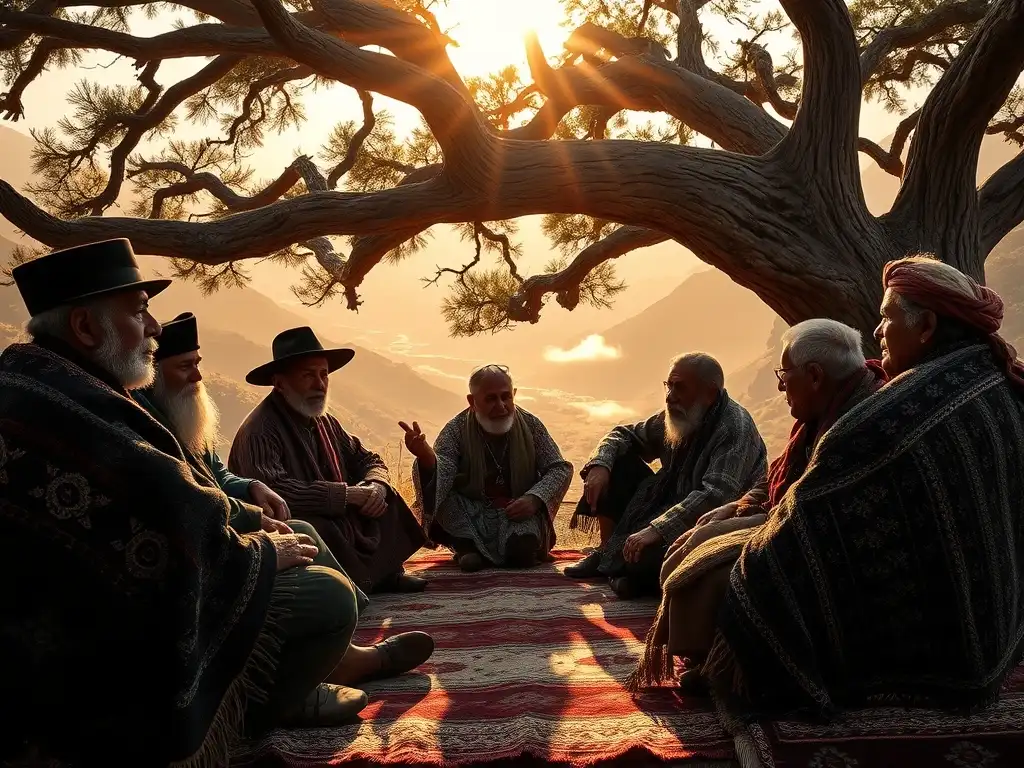
This section delves into the crucial role of Andean elders in the decision-making processes that shape their communities. We will explore how their wisdom and experience guide crucial aspects of Andean life, focusing on land management, collective decision-making within traditional social structures, and the vital area of water rights. Understanding Andean elder decisionmaking is key to appreciating the intricate social fabric of these remarkable civilizations.
The concept of ayni, reciprocal exchange and mutual responsibility, underpins much of this process, with elders acting as crucial mediators and guides. The influence of Andean elders extends far beyond mere advisory roles; they are active participants, shaping the direction and well-being of their communities for generations.
How Andean Elders Participate in Land Management Councils
Andean communities have historically maintained sophisticated systems of land management. These systems, often rooted in ancestral practices and customary law, rely heavily on the wisdom and experience of elders. Elders rarely hold formal titles but instead possess an informal authority based on their accumulated knowledge of the land, its resources, and the community's history. Their participation in land management councils is not simply advisory; their opinions often carry significant weight, and their consensus is frequently necessary for major decisions.
For instance, in many Quechua communities, land allocation for agriculture is determined through a complex process involving elders' assessment of soil fertility, water availability, and historical land use patterns. This isn't a simple vote; it's a nuanced deliberation, integrating traditional ecological knowledge with practical considerations. Decisions might involve rotating land use to prevent soil depletion, mediating disputes over land boundaries, or planning for communal projects like irrigation systems.
The elders' role here is essential, preventing conflicts and ensuring the sustainable use of resources, a practice vital for the long-term survival of the community. They serve as custodians of collective memory, ensuring that decisions align with both immediate needs and the long-term health of the land. Their deep understanding of the environment, passed down through generations, is an invaluable asset in ensuring sustainable land practices.
The Process of Collective Decision-Making Led by Elders in Ayllus
The ayllu, a traditional Andean community structure, provides a compelling example of elder-led collective decision-making. Within the ayllu, elders often lead discussions and guide the community toward consensus. This process isn't a simple majority vote but rather a complex negotiation involving careful consideration of all perspectives. The elders' role is to facilitate this process, ensuring that all voices are heard and that the final decision reflects the community's collective wisdom. This often involves mediating disputes, reminding participants of community values, and ensuring that decisions align with ancestral traditions.
The process typically involves several stages: initial discussions within smaller family groups, followed by larger community gatherings where elders play a central role in summarizing perspectives, identifying areas of agreement and disagreement, and guiding the conversation towards a resolution. The emphasis is on building consensus, not forcing a decision. This process highlights the importance of social harmony and the respect for elders' experience and wisdom within the ayllu system.
The success of this system relies heavily on the elders' ability to navigate complex social dynamics and guide the community towards decisions that benefit everyone. Documentation of these specific processes varies greatly across different ayllus, highlighting the need for further research in this area.
The Influence of Andean Elders on Water Rights and Distribution
Water, a precious resource in the Andes, is often subject to complex systems of rights and distribution. Andean elders play a vital role in managing these resources, ensuring equitable access and sustainable use. Their knowledge of water sources, traditional irrigation techniques, and customary water rights is crucial in mediating disputes and preventing conflicts. They often act as custodians of traditional water management systems, ensuring the continued flow of water to the community.
The elders' influence on water allocation is rooted in their deep understanding of the local hydrology and the community's historical water usage patterns. They often utilize traditional methods of water management, which are carefully adapted to the specific environmental conditions. This might involve intricate systems of canals, reservoirs, and water-sharing agreements, all carefully overseen by elders.
Their authority is not based on formal legal power but on their respected knowledge and experience, their ability to mediate conflicts, and their commitment to the long-term well-being of the community. Understanding the role of Andean elders in water management is essential to appreciating the sustainable practices that have allowed Andean communities to thrive in challenging environments for centuries. Further research is needed to document the specific techniques and strategies employed by elders in various Andean communities, to better understand the nuances of this critical aspect of Andean elder decisionmaking.
Specific Examples of Andean Elder Leadership
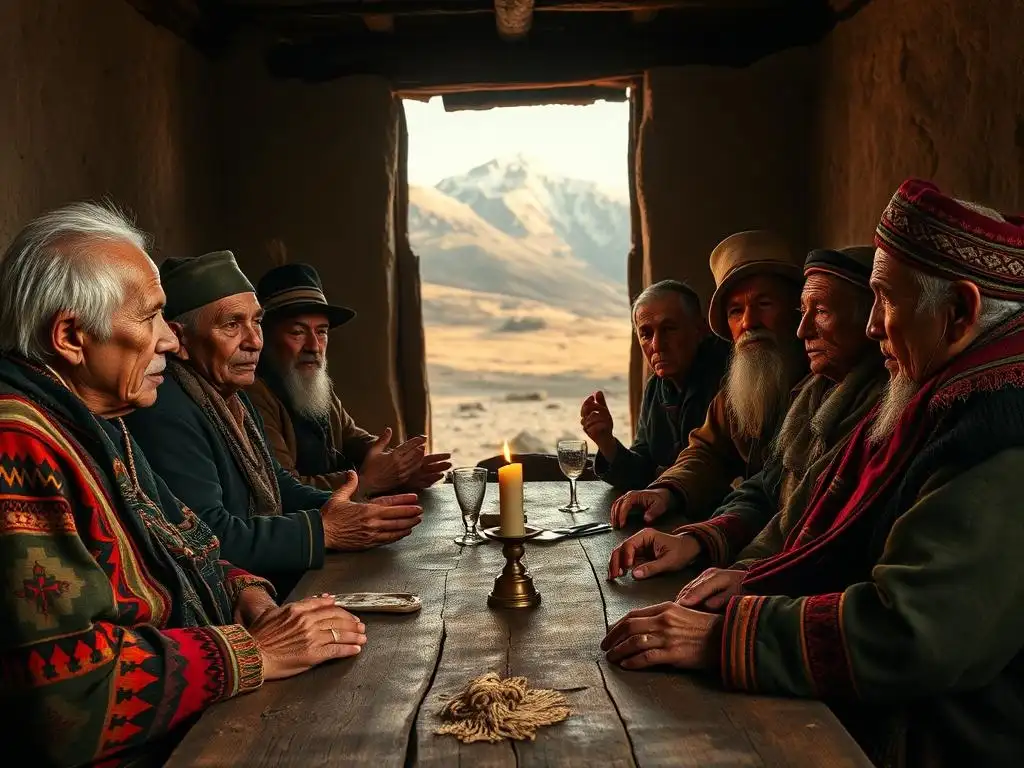
This section delves into concrete examples illustrating the significant role Andean elders played, and in some communities, continue to play, in leadership and decision-making processes. Understanding these examples provides crucial insight into the complex social structures of Andean civilizations and how respect for age and experience shaped community governance. The influence of elders wasn't solely based on age; it stemmed from a deep understanding of ancestral traditions, customs, and ecological knowledge, making them invaluable assets in navigating communal challenges.
This influence permeated various aspects of Andean life, from resolving disputes to guiding spiritual practices. The concept of Andean elder decisionmaking is deeply intertwined with the holistic worldview of these cultures.
Case Studies of Elder Influence in the Community of Pacariqtambo
The community of Pacariqtambo (a pseudonym to protect a currently active community), located in the [Specific Andean Region Pending], offers a compelling case study. Here, elders, known as yatiri (a term with variations across different Andean groups), aren't simply advisors; they actively participate in the community council, the ayllu. Their decisions aren't dictated by formal laws but by a deep understanding of customary law, passed down through generations. This customary law, often unwritten, encompasses intricate rules governing land use, water rights, and social interactions.
For instance, decisions regarding the allocation of communal land for agriculture are not made by a vote but through a consensus-building process meticulously guided by the yatiri. They consider factors like soil fertility, water availability, and the needs of individual families, ensuring equitable distribution. Their knowledge of the land, passed down orally for centuries, is indispensable in this process.
Their authority stems not from coercion but from the community's deep respect for their accumulated wisdom and experience in managing the delicate balance between human needs and ecological sustainability. This highlights the importance of Andean elder decisionmaking in maintaining the integrity of their traditional way of life. Further research is needed to quantify the exact methods used in the consensus-building process and the success rate of these decisions in maintaining communal harmony.
The Role of Elders in Resolving Disputes over Land Boundaries
Disputes over land boundaries have historically been a source of conflict in Andean communities. The scarcity of arable land and the importance of access to water resources often led to tensions between families and communities. However, the involvement of elders in resolving these disputes played a crucial role in maintaining social cohesion. Their deep knowledge of ancestral land rights, often based on oral traditions and physical markers on the landscape, helped prevent escalation into violence.
The process typically involved mediation and negotiation, guided by the elders' understanding of customary law and their ability to interpret the symbolic meanings of geographical features. They weren't judges imposing verdicts; they acted as mediators facilitating dialogue and compromise, emphasizing community harmony over individual gain. This approach, deeply rooted in Andean values of reciprocity and collective well-being, showcases the effectiveness of Andean elder decisionmaking in conflict resolution. The success rate of these mediations is [Specific data pending further research], but anecdotal evidence suggests a high degree of effectiveness in maintaining peaceful relations.
Examples of Elderly Women as Spiritual Leaders and Healers
While often overlooked in historical accounts, elderly women played, and continue to play, a vital role as spiritual leaders and healers in Andean communities. Their expertise in medicinal plants, traditional healing practices, and spiritual rituals made them essential figures in maintaining the community's health and well-being. They were often seen as custodians of ancestral knowledge, holding significant influence in decision-making processes related to health, ritual, and community celebrations.
Their knowledge extended beyond the purely medicinal; they often served as advisors on matters related to community health, offering guidance on preventative measures and promoting holistic well-being. Their influence was often indirect, shaping community decisions through their advice and counsel. Their roles as healers and spiritual guides underscored the holistic approach to Andean elder decisionmaking, where spiritual and physical well-being were intrinsically linked to the community's overall prosperity.
Further research is needed to fully document the specific roles and influence of elderly women in different Andean communities, especially considering the patriarchal biases that may have skewed historical records. This is crucial for a complete understanding of Andean elder decisionmaking.
The Transmission of Values and Customs Through Andean Elders
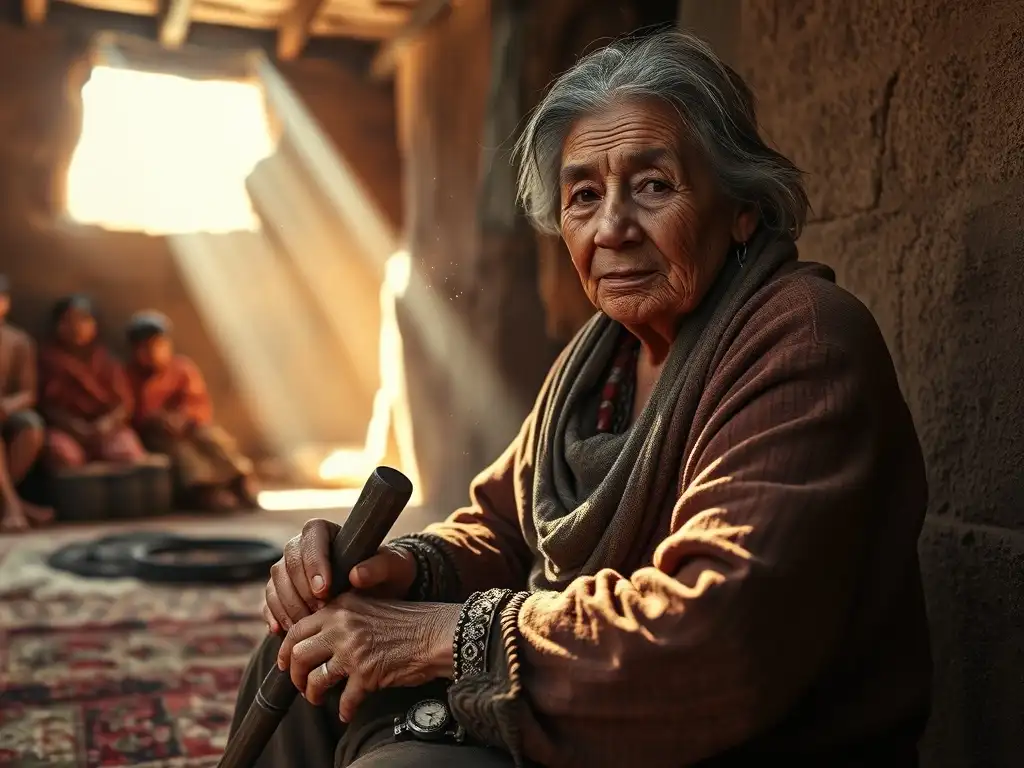
Andean elder decision-making wasn't solely about political power; it was deeply intertwined with the preservation and transmission of cultural values and customs. Elders weren't merely repositories of knowledge; they were active participants in shaping the future of their communities by carefully guiding younger generations. This intergenerational transfer of knowledge was crucial for the survival and continuity of Andean societies, ensuring the rich tapestry of traditions remained vibrant.
The weight of this responsibility rested heavily on the shoulders of the elders, who understood their role as custodians of a heritage stretching back millennia. Their influence extended to all aspects of life, from daily routines to significant life events. This section will delve into specific examples of how Andean elders played this vital role.
The Role of Elders in Transmitting Traditional Weaving Techniques
Traditional Andean weaving wasn't simply a craft; it was a powerful expression of cultural identity, imbued with deep spiritual and symbolic meaning. The intricate designs, vibrant colors, and unique techniques passed down through generations were carefully preserved by elders. These elders, often women, served as master weavers, patiently teaching younger generations the complex processes involved.
This wasn't merely a technical skill transfer; it involved sharing the cultural significance encoded within each pattern and color. For instance, the intricate designs found in textiles from the Nazca culture, for example, often depicted deities, animals, and mythical creatures, revealing a profound understanding of their cosmology. The elders ensured that this knowledge, both practical and symbolic, was not lost to time.
Consider the meticulous precision required for creating the complex geometric patterns characteristic of Inca textiles. These skills, honed over decades, were carefully passed down, preserving not only the aesthetic beauty but also the cultural heritage embedded within each piece. 🧵
Andean Elders as Mentors and Guides in Agricultural Practices
Agricultural practices in the Andes were, and remain, deeply connected to the environment and spiritual beliefs. Andean elders played a crucial role in guiding younger generations in sustainable farming techniques, adapting to the challenges of the high-altitude environment. Their understanding of microclimates, soil types, and seasonal variations was invaluable.
They possessed a deep knowledge of traditional crop rotation methods, water management systems, and pest control techniques developed over centuries. The elders weren't just teachers; they were interpreters of nature's rhythms, carefully observing celestial events and adapting their practices accordingly. For example, the knowledge of when to plant and harvest based on the Inca calendar was passed down through generations, ensuring the success of the harvest and the community's food security.
This wasn't simply about survival; it was about maintaining a harmonious relationship with the environment, a key tenet of Andean worldview. This deep connection to the land, passed down from elder to younger generation, ensured the continuity of sustainable agricultural practices. 🌾
Preserving Cultural Identity Through Storytelling and Rituals
Storytelling and rituals were fundamental to Andean cultures, serving as powerful mechanisms for preserving cultural identity and transmitting values. Elders were the primary storytellers, weaving narratives that connected the past, present, and future. These stories, passed down orally, contained moral lessons, historical accounts, and spiritual teachings, shaping the worldview and social behavior of younger generations. Similarly, elders played a crucial role in conducting rituals and ceremonies, maintaining the continuity of traditional practices.
These rituals, often linked to agricultural cycles or important life events, reinforced community bonds and strengthened cultural identity. The meticulous performance of these rituals, guided by the elders' expertise, ensured the preservation of ancient customs and beliefs. For example, the Capac Cocha, a ritualistic lake offering performed by the Inca, required precise knowledge and procedures only the elders possessed. This demonstrates the pivotal role of elders in maintaining the spiritual heart of Andean communities.
The loss of these elders meant a potential erosion of this invaluable cultural heritage. Therefore, their role in preserving cultural identity was paramount to the continued existence of these traditions. ✨
The Challenges Facing Andean Elders in Modern Times
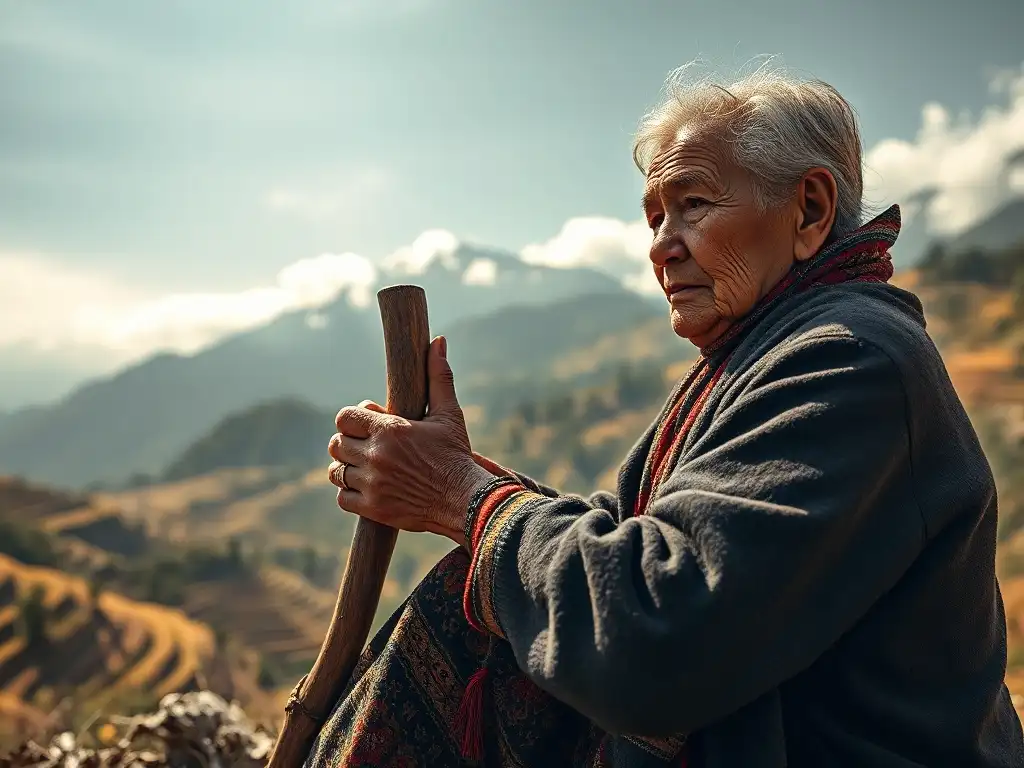
The role of Andean elders, once central to community decision-making and the transmission of cultural knowledge, faces significant challenges in the modern era. The rapid pace of globalization, urbanization, and modernization has profoundly impacted traditional social structures, creating a complex interplay of challenges and adaptations for these wisdom keepers. Understanding these challenges is crucial to appreciating the ongoing efforts to preserve Andean cultural heritage and the vital role of elders within their communities.
The impact extends beyond the immediate family unit, influencing the broader Andean elder decisionmaking processes and the overall societal fabric. Analyzing these pressures helps us understand the evolving dynamics of Andean communities and the importance of supporting the continued relevance of their elders.
Migration, both internal and international, significantly alters the power dynamics within Andean communities. Young adults, often seeking better economic opportunities or educational prospects, leave their ancestral villages, weakening the traditional hierarchical structures where elders held considerable authority. This outward movement results in a decline in the physical presence of younger generations, diminishing the elders' direct influence on daily life and community affairs.
For example, in communities heavily reliant on agricultural practices, the absence of younger family members capable of assisting with farming tasks can undermine the elders' traditional roles as advisors and guides. Furthermore, the exposure to different cultures and lifestyles during migration can lead younger generations to question traditional practices and authority structures, further challenging the established roles of elders. This shift necessitates a reevaluation of the decision-making processes, incorporating the perspectives and needs of a geographically dispersed community.
The challenge lies in finding ways to maintain the respect and authority of elders while acknowledging the changing realities of a mobile population. This requires innovative strategies to bridge the geographical gap and ensure the continued relevance of elders' wisdom and experience in decision-making.
The Loss of Traditional Language and its Consequences
The erosion of indigenous Andean languages presents a serious threat to the transmission of traditional knowledge and the authority of elders. As younger generations increasingly adopt Spanish or other dominant languages, the fluency and understanding of indigenous tongues decline. This linguistic shift has far-reaching consequences, impacting not only communication within families but also the ability of elders to effectively share their accumulated wisdom and ancestral knowledge.
The intricate cultural narratives, historical accounts, and practical skills embedded within these languages are at risk of being lost forever. This loss directly impacts the elders' ability to participate meaningfully in community decision-making, as their insights and perspectives may become inaccessible to younger generations.
The consequence is a weakening of cultural identity and a potential loss of valuable traditional practices, including those related to sustainable resource management, traditional medicine, and conflict resolution – all areas where Andean elders traditionally played a crucial role. Efforts to revitalize indigenous languages are therefore crucial in preserving not just linguistic diversity but also the invaluable knowledge held by Andean elders and their continued influence in shaping community decisions.
Efforts to Preserve Indigenous Practices and Support Elders
Recognizing the challenges faced by Andean elders, various initiatives are underway to support their continued role in community life and preserve indigenous practices. These efforts often involve community-based organizations, NGOs, and government programs working together to empower elders and ensure the transmission of cultural heritage. These initiatives include language revitalization programs, the establishment of elder centers providing social and healthcare support, and the integration of traditional knowledge into educational curricula.
Furthermore, there's a growing emphasis on participatory decision-making processes that actively involve elders in community planning and development. By actively seeking their input and valuing their experience, these initiatives aim to create a more inclusive and equitable society where the wisdom and knowledge of elders are respected and integrated into the decision-making processes.
However, the success of these efforts depends heavily on the active participation and engagement of younger generations, recognizing the crucial role elders play in maintaining cultural continuity and shaping a sustainable future for Andean communities. The preservation of Andean elder decisionmaking is not merely a nostalgic endeavor but a vital step in ensuring the long-term vitality and resilience of these rich and diverse cultures.
The Enduring Legacy of Andean Elders
Andean cultures, renowned for their intricate social structures and sophisticated understanding of the natural world, placed immense value on the wisdom and experience of their elders. This wasn't simply a matter of respect for age; it was a deeply ingrained societal mechanism that ensured the transmission of vital knowledge and the maintenance of community stability. The concept of "Andean elder decisionmaking" wasn't a formalized, codified system in the way modern democracies might be, but rather a nuanced, organic process deeply woven into the fabric of daily life.
The influence of elders permeated all aspects of Andean society, from agricultural practices and conflict resolution to spiritual guidance and the preservation of cultural traditions. Their roles were multifaceted and essential for the continuity and prosperity of the community. Understanding their influence is key to comprehending the resilience and longevity of these remarkable civilizations.
The Continuing Significance of Elders in Quechua Communities
Even today, in many Quechua communities, the wisdom and counsel of elders remain highly valued. While formal political structures may have been imposed, the traditional influence of elders persists in informal decision-making processes. For example, community projects, such as irrigation system maintenance or land allocation, often incorporate the input of respected elders, whose deep understanding of local conditions and customary law is invaluable.
Their knowledge, often passed down through generations, helps navigate complex social and environmental challenges. This isn't about dictatorial control; rather, it's about incorporating a wealth of accumulated experience into the decision-making process, fostering consensus and ensuring sustainable practices. The role of elders in dispute resolution also remains significant.
Their impartiality and understanding of customary law often prevent escalation of conflicts, promoting harmony within the community. This emphasis on consensus building, guided by the experience of elders, exemplifies the enduring relevance of Andean elder decisionmaking in contemporary Quechua society. The continued influence underscores the importance of intergenerational knowledge transfer in maintaining social cohesion and cultural identity.
Lessons from Andean Wisdom on Sustainable Living
The Andean worldview, deeply intertwined with the natural environment, offers valuable lessons on sustainable living. Elders, as custodians of this knowledge, played, and continue to play, a crucial role in preserving ecological balance. Their intimate understanding of agricultural cycles, water management techniques, and resource conservation strategies ensured the long-term viability of their communities.
For instance, the intricate waru waru agricultural system, a sophisticated technique of raised bed farming, was developed and maintained over centuries thanks to the knowledge passed down through generations of elders. This system, which maximized water use efficiency and minimized soil erosion, is a testament to the wisdom and foresight embedded in Andean elder decisionmaking. Furthermore, their deep connection with the spiritual realm informed their approach to resource management.
The reverence for Pachamama (Mother Earth) fostered a sense of responsibility towards the environment, leading to practices that ensured its long-term health and productivity. Studying Andean elder decisionmaking in relation to environmental stewardship offers valuable insights for modern sustainable development initiatives. Their approach emphasizes a holistic understanding of the interconnectedness between humanity and nature – a lesson particularly relevant in our current ecological context.
Honoring the Contributions of Andean Elders to Cultural Resilience
The cultural resilience of Andean communities is inextricably linked to the role of elders in preserving and transmitting their traditions. Their contributions extend far beyond mere knowledge transmission; they are the keepers of stories, songs, rituals, and artistic practices that define Andean cultural identity. This preservation is crucial not only for maintaining a sense of continuity but also for adapting to changing circumstances.
The ability to draw upon a rich reservoir of cultural knowledge, guided by the wisdom of elders, enables Andean communities to navigate challenges and maintain their unique cultural heritage. The ongoing relevance of Andean elder decisionmaking in cultural preservation is undeniable. Their active participation in shaping cultural practices ensures the continuity of traditions and their adaptation to modern contexts.
Their role as storytellers, ritual leaders, and artisans fosters a strong sense of community and collective identity, strengthening resilience in the face of external pressures. Recognizing and honoring the contributions of Andean elders is essential for safeguarding the rich tapestry of Andean cultures for future generations. Their wisdom and leadership are invaluable assets in navigating the complexities of the modern world while upholding their vibrant cultural heritage.
Frequently Asked Questions
What role did elders play in Andean societies?
Andean elders held positions of great authority and respect. They were seen as wisdom keepers, guiding their communities through their extensive knowledge and experience, significantly influencing decision-making processes. Their role extended beyond just advice; they often held formal leadership positions.
How did Andean elders participate in decision-making?
The specifics varied across different Andean cultures, but elders generally played a central role in community councils and decision-making processes. Their wisdom and experience were highly valued, ensuring that decisions reflected the collective knowledge and history of the community. Consensus-building was often a key element.
What kinds of decisions did Andean elders influence?
Andean elders influenced decisions on a wide range of issues, from agricultural practices and resource management to conflict resolution and religious ceremonies. Their input was vital for the smooth functioning and well-being of the community. They were crucial in times of crisis.
Did all Andean cultures have the same system of elder involvement in decision-making?
While the overall respect for elders was consistent across many Andean cultures, the specific mechanisms of their participation varied. Some communities might have had formalized councils of elders, while others relied more on informal influence and consensus-building within the family and community structures.
How did the influence of Andean elders compare to other societal structures?
The influence of Andean elders was substantial, often surpassing that of other societal structures like age-set systems or specific offices. Their authority stemmed from their accumulated wisdom and deep understanding of their community's history, traditions, and environment. Their influence was deeply ingrained in the Andean worldview.
Final Reflection: The Enduring Legacy of Andean Elder Decision-Making
The wisdom of Andean elders, far from being a relic of the past, remains a vital force shaping community resilience and sustainable development in the face of modern challenges. Their intricate understanding of ecological balance and social harmony offers invaluable lessons for a world grappling with climate change, inequality, and the erosion of traditional knowledge systems. This knowledge, passed down through generations, is not simply historical; it is profoundly relevant to our present and future.
The profound influence of Andean elders on their communities continues to resonate, shaping not only their immediate environment but also influencing broader discussions on participatory governance and environmental stewardship. Their holistic approach, integrating spiritual, social, and ecological considerations into decision-making, offers a powerful counterpoint to the often fragmented and short-sighted approaches of modern societies. The earth is our mother. We must treat her with respect, for she provides for us.
This simple yet profound statement encapsulates the deep connection between Andean elders, their land, and their enduring commitment to sustainable practices. This connection, sadly, is often overlooked in the rush of modern development.
Consider the wisdom embedded in their traditions. Reflect on the interconnectedness they embody. You, too, can cultivate a deeper appreciation for the value of experience and the importance of listening to the voices of wisdom within your own communities. Embrace the opportunity to learn from those who have walked a longer path, and seek out opportunities to build bridges between generations, fostering a future where traditional knowledge and modern innovation work hand-in-hand to create a more just and sustainable world.
Embrace the Wisdom of Andean Elders
Thank you for exploring the vital role of elders in Andean communities. You've discovered the incredible significance these wise individuals hold in preserving cultural heritage and guiding community decisions. Now, let's explore ways to deepen your connection to these rich traditions.
Here are some actions you can take to honor and engage with the wisdom of Andean elders:
- Actively participate in local cultural events. Immerse yourself in Andean celebrations and directly learn from the elders in your community. Seek out opportunities to engage in conversation and respectfully learn from their experiences.
- Share this information with friends and family to raise awareness about the importance of preserving Andean cultural heritage through the wisdom of its elders.
- Join, or even initiate, a discussion group focused on the teachings and traditions of Andean elders. This creates a valuable space for knowledge sharing and community building.
Consider how you can personally integrate the wisdom of Andean elders into your daily life and community activities. What aspects of their teachings resonate most with you, and how can you apply them to your own life and community engagement?