
The Significance of Coca: Daily Use and Ritual in Andean Culture

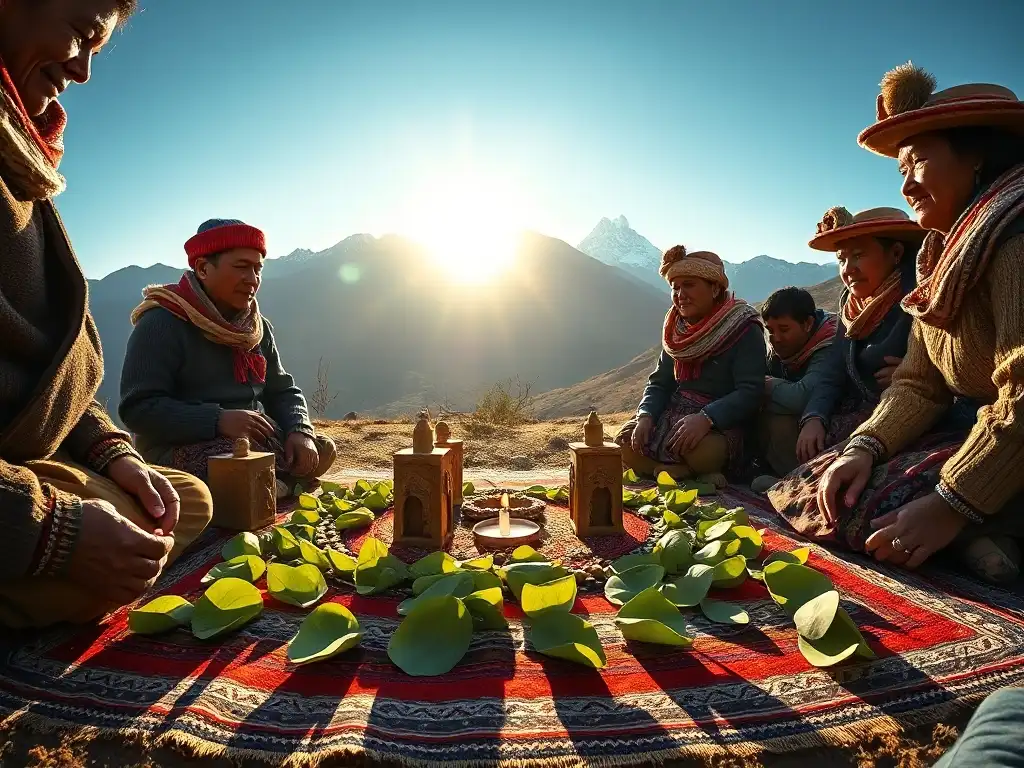
Welcome to Andean Civilizations, where the echoes of a lost world whisper secrets of ingenuity and power. Journey with us through the breathtaking landscapes and vibrant cultures of the Andes, from the Incas to the Nazca. But first, prepare to be captivated by the enigmatic role of the Andean coca leaf, a plant interwoven into the very fabric of Andean life. Discover its significance beyond mere sustenance – unravel the mysteries surrounding its ritual uses and unlock a deeper understanding of Andean social structures. Are you ready to explore?
The coca leaf ( Erythroxylum coca) holds a position of unparalleled importance in the history and culture of the Andean civilizations. Far from being merely a stimulant, coca played – and continues to play – a vital role in the daily lives and spiritual practices of Andean peoples, from the Incas to contemporary communities.
This article delves into the multifaceted significance of coca, exploring its daily uses and ritualistic applications within the context of Andean social structures. We will uncover the deep-rooted historical context of coca consumption and examine its profound cultural value, revealing its significance beyond its pharmacological properties.
Understanding the role of coca provides crucial insight into the complexities of Andean societies and their enduring connection to their environment and spiritual beliefs. This exploration will illuminate the rich tapestry of Andean culture, focusing specifically on the ritualistic uses of the coca leaf, a key element in understanding Andean traditions and beliefs.
Introduction to Coca in Andean Societies
Coca's presence in Andean societies is deeply intertwined with their history and daily life. For millennia, it has been an integral part of their social fabric, impacting everything from economic activities to spiritual ceremonies. Its use wasn't confined to a specific social class; instead, coca consumption permeated all levels of society, from the commoner to the elite.
The plant itself wasn't just a source of stimulation; it was a sacred element, imbued with spiritual significance. Its leaves were chewed, brewed into teas ( mate de coca), and offered as part of various rituals. The daily use of coca provided energy and helped alleviate the effects of altitude sickness, a crucial adaptation in the challenging Andean environment.
The plant's importance is reflected in the numerous archaeological findings depicting coca leaves and related paraphernalia, testifying to its enduring presence throughout Andean history. The precise quantification of coca's daily use across different Andean groups remains a subject of ongoing research, but its prevalence is undeniable.
The Historical Context of Coca Consumption in the Andes
Archaeological evidence suggests coca consumption dates back thousands of years, predating the Inca Empire. Pre-Inca cultures, including the Moche and Nazca, depicted coca leaves in their art, indicating its established importance within their societies. The Inca Empire further solidified coca's significance, integrating it into their economic, social, and religious systems. The Inca controlled coca production and distribution, using it as a form of payment and reward. The state's involvement highlights coca's economic value, alongside its spiritual and medicinal uses. The Spanish conquest brought about significant changes, including attempts to suppress coca use, however, these efforts proved largely unsuccessful, demonstrating the enduring importance of coca in Andean culture. The colonial period saw a shift in coca's use, but its deep-rooted significance persisted, adapting to new social and economic circumstances. Detailed records of coca consumption during this period are scarce, but its continued presence is evident in historical accounts and ethnographic studies.
Coca: More Than Just a Plant – Its Cultural Value
Beyond its practical applications, coca holds immense cultural value for Andean peoples. It's not simply a plant; it's a symbol of reciprocity, community, and connection to the spiritual world. The act of sharing coca leaves is a fundamental aspect of Andean social interaction, fostering a sense of unity and shared experience.
Coca is often offered as a sign of respect, friendship, and gratitude. In rituals, coca leaves are used as offerings to deities and ancestors, acting as a conduit between the human and spiritual realms. The leaves' placement during ceremonies is carefully considered, reflecting a deep understanding of their symbolic power.
Furthermore, coca plays a significant role in healing practices, used in traditional medicine to treat various ailments. The cultural significance of coca transcends its physical properties, representing a complex web of social, spiritual, and economic interactions that have shaped Andean societies for centuries. Its enduring importance underscores its deep integration into the Andean worldview.
- Introduction to Coca in Andean Societies
- The Historical Context of Coca Consumption in the Andes
- Coca: More Than Just a Plant – Its Cultural Value
Daily Uses of Coca Leaf in Ancient Andean Life
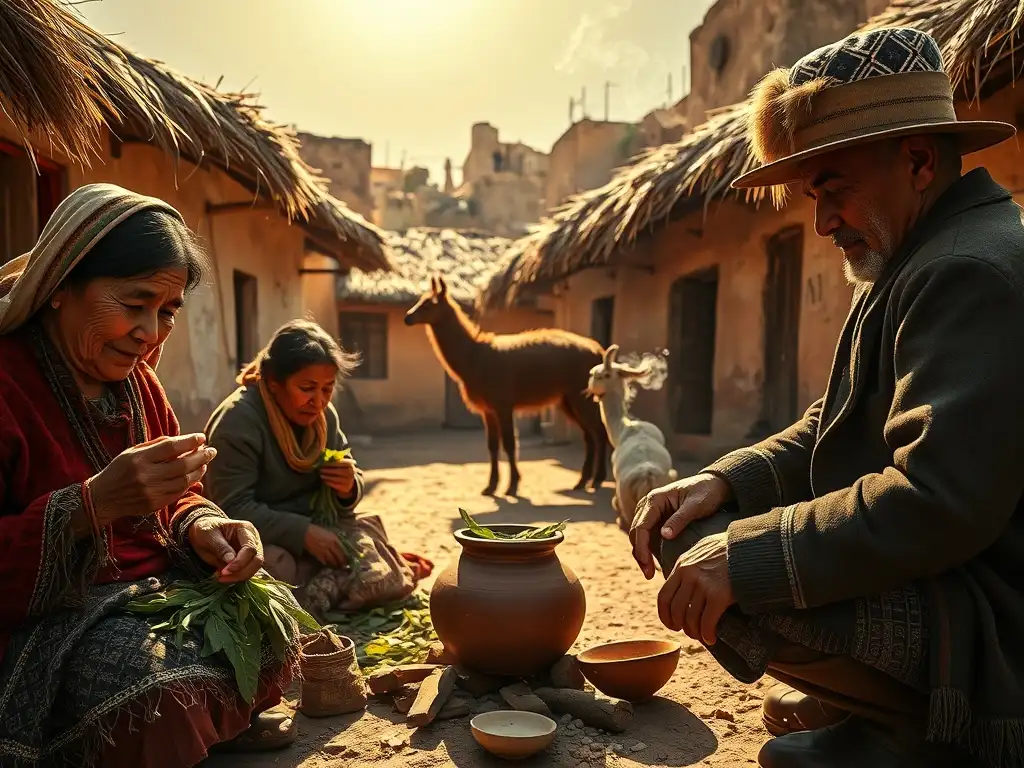
The coca leaf ( Erythroxylum coca) held a position of paramount importance in the daily lives of ancient Andean populations, far exceeding its modern recreational connotations. Its significance transcended mere sustenance; it was deeply interwoven with social structures, agricultural practices, and spiritual beliefs, shaping the very fabric of Andean society. Understanding its daily use is crucial to comprehending the complexities of Andean civilization.
This section explores the diverse ways coca was integrated into the daily routines of individuals and communities, highlighting its multifaceted role in their lives. The pervasive use of coca in Andean culture significantly impacts our understanding of "Andean coca leaf ritual uses," as even seemingly mundane activities were imbued with symbolic meaning.
Coca Chewing: Energy and Sustenance for Daily Tasks
Coca chewing was a ubiquitous practice, providing a readily available source of energy and aiding in the endurance required for demanding physical labor. Andean agricultural practices, often involving arduous tasks like terracing mountainsides and cultivating crops at high altitudes, demanded significant stamina. The mild stimulant properties of coca leaves helped alleviate fatigue and hunger, enhancing productivity and allowing individuals to sustain strenuous physical activity throughout the day.
Archaeological evidence, including the discovery of coca remnants in ancient burial sites alongside tools and agricultural implements, supports this assertion. Furthermore, chroniclers from the Spanish conquest period frequently describe the widespread practice of coca chewing among Andean populations, corroborating its importance in daily life.
The rhythmic chewing of coca leaves, often accompanied by a small lime pellet to enhance the release of alkaloids, became an almost meditative act, integrating seamlessly into the daily rhythm of work and life. This continuous, low-level stimulation wasn't merely about boosting energy; it was about maintaining a consistent level of alertness and physical capacity, crucial for the survival and success of Andean communities.
Beyond its practical applications, coca played a vital role in fostering social cohesion and strengthening community bonds. Sharing coca leaves was a common practice, symbolizing reciprocity, trust, and mutual respect. The act of sharing coca, often accompanied by conversation and social interaction, served as a powerful mechanism for reinforcing social ties and solidifying relationships within the community.
This practice wasn't confined to casual interactions; it extended to formal occasions, ceremonies, and exchanges of goods and services. The distribution of coca leaves during communal work projects, for instance, could be seen as a form of social compensation, strengthening the collective spirit and encouraging collaboration. The symbolic significance of coca in social interactions underscores its importance not only as a stimulant but as a crucial element in the social fabric of Andean societies.
The sharing of coca leaves fostered a sense of community, reinforcing social hierarchies and establishing reciprocal relationships that underpinned the stability of Andean societies. Understanding these social dynamics is crucial to interpreting the broader significance of "Andean coca leaf ritual uses," demonstrating that its usage permeated all aspects of social life.
Coca and its Role in Andean Agriculture
The relationship between coca and Andean agriculture was deeply symbiotic. Beyond its role in sustaining the energy of farmers, coca leaves were also utilized in various agricultural practices. While the precise methods and extent of these practices remain subject to ongoing research, evidence suggests that coca leaves were used as a fertilizer or soil amendment in some regions.
The leaves, rich in nitrogen and other nutrients, could have been incorporated into the soil to enhance its fertility. Additionally, coca leaves may have been employed in pest control strategies, although the specifics of such applications remain unclear. Further research is needed to fully elucidate the diverse ways coca was integrated into Andean agricultural practices.
While the evidence is not conclusive on the exact methods, the association of coca with agricultural sites and tools strongly suggests its significant role in this vital aspect of Andean life. The continued exploration of this topic promises to reveal further insights into the intricate relationship between coca cultivation, its use in agriculture, and the broader understanding of "Andean coca leaf ritual uses," highlighting the plant's integral role in the sustenance and development of Andean civilizations.
Coca in Andean Trade and Commerce
The coca leaf's significance in Andean life extended far beyond personal consumption and ritualistic practices; it played a crucial role in the economic and commercial systems of these societies. Coca leaves weren't just a commodity; they were a form of currency, a valuable trade good that facilitated interactions between different Andean communities and empires. The vast distances involved in the Inca Empire, for example, meant that efficient trade routes were essential, and coca, given its high demand and limited growing regions, became a key element in this intricate network.
Evidence suggests that coca leaves were traded extensively across the Andes, from the high-altitude regions where they thrived to lowland areas where they were less abundant. This trade wasn't just a simple exchange of goods; it involved complex systems of barter and tribute, often intertwined with political and religious power structures.
The Inca state, in particular, exerted significant control over coca production and distribution, using it as a means of consolidating its power and rewarding loyal subjects. The elite likely had preferential access to the finest coca leaves, further highlighting the leaf's significance as a symbol of status and power.
The scale of coca trade can be inferred from archaeological findings of coca leaf remnants in various sites across the Andean region, often found alongside other luxury goods and artifacts. These findings suggest a wide-reaching network of exchange that connected distant communities and facilitated the movement of both goods and ideas. The economic impact of coca cultivation and trade was undoubtedly substantial, influencing agricultural practices, labor organization, and the overall structure of Andean economies.
It's likely that numerous individuals were involved in the cultivation, processing, and transportation of coca, forming a significant portion of the Andean workforce. Further research into Inca administrative records, if available, could provide a more precise understanding of the economic significance of coca.
The absence of such detailed records, however, doesn't diminish the importance of coca's role in the vibrant Andean commercial landscape. The leaf's inherent value is reflected in its presence within the wider trade networks, demonstrating its importance beyond its ritualistic and medicinal uses.
Andean Coca Leaf Ritual Uses: Sacred Practices

The Andean coca leaf, Erythroxylum coca, transcended mere sustenance; it held profound spiritual significance, deeply interwoven with daily life and ritual practices across various Andean cultures. Its use wasn't simply a matter of chewing for energy; it was a sacred act connecting individuals with the spiritual realm and their ancestors. Understanding the ritual uses of coca offers crucial insights into the Andean worldview and the intricate relationship between the physical and spiritual worlds.
The leaf's potency facilitated communication with deities, ancestors, and the natural world, shaping social structures and individual experiences alike. This section delves into the multifaceted roles coca played in Andean rituals, highlighting its importance in religious ceremonies, divination, and traditional medicine.
Coca in Religious Ceremonies and Offerings
Coca leaves were integral to religious ceremonies across various Andean cultures. The Incas, for instance, incorporated coca into elaborate rituals honoring their deities. Priests, or hamacas, would meticulously prepare coca offerings, often alongside other sacred items like chicha (fermented maize beverage) and llama fetuses. These offerings weren't merely symbolic; they were believed to appease the gods and ensure bountiful harvests and good fortune.
The precise rituals varied depending on the specific deity and the purpose of the ceremony. Archaeological evidence suggests the widespread use of coca in temple ceremonies, with remnants of coca leaves found in burial sites and sacred spaces. The act of chewing coca during these ceremonies was believed to heighten spiritual awareness and facilitate communication with the divine.
Furthermore, the coca leaf itself was considered a sacred plant, imbued with spiritual power. Its distribution and use were often regulated by religious authorities, emphasizing its central role in religious life. The meticulous preparation and presentation of coca offerings underscored the deep reverence and respect afforded to this sacred plant.
Coca and Divination: Seeking Guidance from the Spirits
Beyond its role in formal religious ceremonies, coca played a vital role in divination practices, allowing individuals to seek guidance from the spirits. This practice, known as la hoja de coca, involved carefully arranging and interpreting coca leaves to gain insights into the future or to receive answers to important questions. The intricate patterns formed by the leaves were interpreted by experienced diviners, who could decipher their meaning based on their arrangement, shape, and even the way they fell.
The diviners weren't merely fortune-tellers; they were considered intermediaries between the human and spiritual worlds, providing crucial guidance on matters ranging from crop yields to marriage prospects. This practice was deeply ingrained in Andean society, with coca leaf divination utilized for both personal and community decisions.
The accuracy and reliability of this divination method were believed to depend on the skill and spiritual sensitivity of the diviner, along with the purity and proper handling of the coca leaves themselves. While the specific methods varied across different regions and communities, the use of coca as a tool for divination reflects the pervasive belief in the plant's ability to facilitate communication with the spiritual realm.
Coca in Healing Practices and Traditional Medicine
In addition to its religious and divinatory uses, coca held a prominent place in traditional Andean medicine. It wasn't solely a spiritual tool; it was also a practical remedy used to treat various ailments. Curanderos (healers) utilized coca leaves in a variety of ways, incorporating them into medicinal concoctions, poultices, and infusions.
Coca was believed to possess analgesic, stimulant, and antiseptic properties, making it effective in treating headaches, fatigue, and digestive problems. The leaves were also used to treat wounds, and some accounts suggest their use in treating respiratory illnesses. The knowledge of coca's medicinal properties was passed down through generations of healers, forming a complex system of traditional medicine intertwined with spiritual practices.
The effectiveness of coca in traditional healing remains a topic of ongoing research, with some studies suggesting potential benefits in various therapeutic applications. However, the historical and cultural significance of coca in Andean healing practices is undeniable, reflecting its multifaceted role in Andean society. The integration of coca into both spiritual and medical practices underscores its deep importance in the lives of Andean peoples.
Coca and the Andean Worldview: A Connection to the Cosmos

The coca leaf held a position of paramount importance within the Andean worldview, far exceeding its practical applications. It wasn't merely a stimulant; it was a sacred plant deeply interwoven with the cosmos and the spiritual fabric of Andean life. For many Andean cultures, coca represented a conduit to the spiritual realm, a bridge connecting the earthly and celestial planes.
The act of chewing coca was not simply a habit; it was a ritualistic communion, fostering a sense of connection with the gods and ancestors. This profound connection is evident in the numerous myths and legends surrounding the coca plant, often portraying it as a gift from the gods or a vital element in creation narratives. The plant's association with fertility, abundance, and good fortune solidified its status as a sacred entity, deeply embedded in the cultural and religious practices of the Andean people.
Its leaves were frequently offered as gifts to deities, incorporated into ceremonies, and used in divination practices, highlighting its central role in Andean spiritual beliefs. The enduring significance of coca in modern Andean communities underscores the plant's enduring connection to a rich and complex spiritual heritage. Even today, coca ceremonies continue to play a vital role in maintaining the connection between the community and their ancestral spirits.
The Role of Coca in Andean Shamanism
Andean shamanism, with its intricate rituals and profound understanding of the spiritual world, heavily incorporated coca leaves into its practices. Shamans, or paqos, often used coca leaves during divination and healing ceremonies. Chewing coca allowed them to enter altered states of consciousness, facilitating communication with the spirit world and enabling diagnosis of illnesses. The leaves were not merely a tool for altered perception; they were considered a sacred offering to the spirits, facilitating a deeper connection between the shaman and the supernatural realm.
The patterns formed by the coca leaves during divination provided insights into the future, the causes of illness, and the most effective healing methods. Specific rituals involved the careful arrangement and interpretation of coca leaves, often requiring years of training and experience to master. The shaman's ability to interpret the coca leaf readings was seen as a crucial skill, demonstrating their connection to the spiritual world and their ability to interact with it on behalf of their community.
This intimate relationship between coca and Andean shamanism underscores the plant's significant role in maintaining spiritual balance and healing within the community. The meticulous preparation and use of coca leaves in these ceremonies emphasize the sacred nature of the plant and its central role in Andean religious practices. The legacy of these practices continues to influence modern Andean spirituality and healing traditions.
The Preparation and Processing of Coca
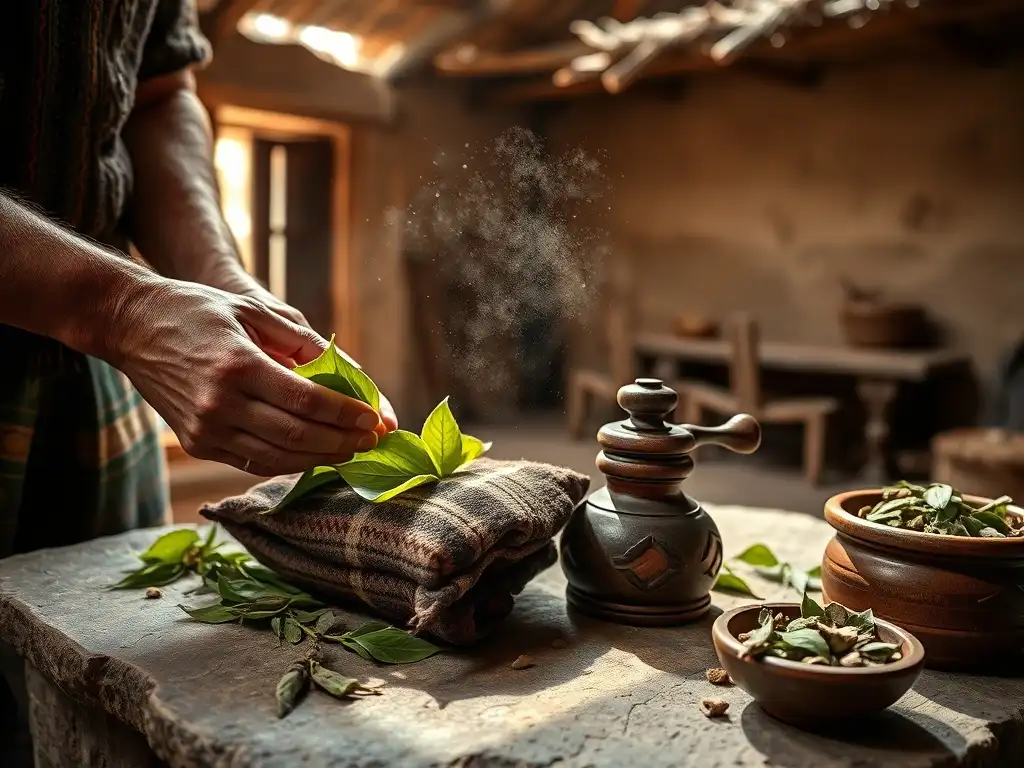
The coca leaf, Erythroxylum coca, held immense significance in Andean life, extending far beyond simple daily consumption. Its preparation and processing, varying based on intended use (daily chewing versus ritualistic offerings), reveals the intricate relationship between the plant and Andean societies. This section explores the meticulous techniques employed in transforming the coca leaf from plant to prepared product, highlighting the cultural nuances embedded within each step. Understanding these processes is key to appreciating the depth of Andean coca leaf ritual uses.
Traditional Techniques for Harvesting Coca Leaves
Harvesting coca wasn't a haphazard affair; it was a carefully orchestrated process imbued with ritualistic elements. Farmers, often guided by experienced elders, selected leaves from mature plants, typically avoiding the youngest and oldest leaves for optimal alkaloid content. The timing of the harvest often coincided with specific lunar cycles or agricultural festivals, reflecting a deep understanding of the plant's growth cycle and its connection to the cosmos.
The leaves were carefully plucked by hand, avoiding damage to the plant to ensure future harvests. This careful selection and harvesting process ensured the quality of the coca leaves, directly impacting both their daily use and their effectiveness in rituals. Evidence suggests that different cultivars of coca were selected for different purposes, with some varieties being more suited for chewing while others were reserved for ritual offerings.
This practice showcases a level of sophistication in coca cultivation that far exceeds simple subsistence farming. Further research is needed to fully understand the specific techniques employed in identifying and selecting these different coca varieties. [Specific information pending on coca variety selection criteria]
Drying and Curing Coca for Consumption
Once harvested, the coca leaves underwent a crucial drying and curing process. This step was essential for preserving the leaves and enhancing their palatability and potency. Traditional methods involved spreading the leaves thinly on mats or clean surfaces in well-ventilated areas, often sheltered from direct sunlight. The drying process took several days, and the leaves were regularly turned to ensure even drying.
The exact duration varied depending on climate and humidity. Some communities employed techniques to accelerate the drying process, such as using low heat from wood fires, though this required careful monitoring to prevent burning or degradation of the leaves. The cured coca leaves, often darker green and slightly leathery, were then stored for later use, either for daily chewing or for incorporation into various rituals.
The quality of the cured coca directly impacted its value; well-cured leaves commanded a higher price in trade networks. The meticulous nature of the curing process underscores the significant economic and social value placed on coca in Andean societies. [Data on the economic value of coca in pre-Columbian trade networks pending].
Preparing Coca for Ritualistic Use
The preparation of coca for ritualistic purposes differed significantly from that for daily consumption. While daily chewing often involved simply chewing fresh or dried leaves, ritualistic uses demanded more elaborate preparation. This often involved the careful selection of the most pristine leaves, sometimes combined with other sacred plants or offerings. Examples include the inclusion of herbs, flowers, or even small figurines made from precious metals or ceramics.
These offerings, carefully arranged and presented, were frequently accompanied by prayers, chants, or other forms of communication with the Andean deities. The coca leaves, in this context, acted as a conduit for communication between the human and spiritual realms. The precise methods of preparing coca for ritual varied across different Andean cultures and specific ceremonies.
Further research is needed to fully document the diversity of these practices, particularly those associated with less-studied Andean groups. For example, [specific information pending on the ritual uses of coca among the Nazca culture]. The symbolic significance of coca in Andean rituals extends beyond simple offering; it represents a fundamental connection between the living and the spiritual world, a vital aspect of understanding Andean coca leaf ritual uses.
The Modern Relevance of Coca in Andean Culture
The Andean coca leaf, far from being a relic of the past, maintains a vibrant presence in contemporary Andean life. Its significance extends beyond its historical ritualistic uses, deeply intertwined with the social fabric and economic realities of modern Andean communities. While its use faces ongoing challenges and scrutiny, particularly concerning its potential for cocaine production, understanding its contemporary role is crucial to grasping the enduring legacy of Andean traditions.
The complex relationship between coca and Andean culture requires a nuanced perspective, acknowledging both its traditional importance and the modern complexities surrounding its cultivation and consumption. This section explores the diverse ways coca continues to shape Andean societies today.
Coca and its Contemporary Uses in Andean Communities
Coca leaf chewing remains a widespread practice in many Andean communities. It's not simply a habit; it's an integral part of daily life, deeply embedded in social interactions and cultural practices. For many, coca provides a gentle stimulant, aiding in combating altitude sickness, suppressing hunger, and enhancing endurance. Its use is often interwoven with social gatherings, offering a sense of community and shared experience.
Farmers frequently chew coca while working in the fields, a practice passed down through generations. Moreover, coca leaves are often offered as a sign of hospitality and respect during social events. The specific rituals and customs surrounding coca consumption vary widely across different Andean communities, reflecting the rich diversity of Andean cultures.
For instance, in some communities, specific coca leaf varieties are reserved for particular ceremonies or occasions, highlighting the nuanced understanding and respect for the plant. Observing these practices offers valuable insights into the enduring cultural significance of the coca leaf in contemporary Andean societies. The quantity of coca consumed daily, the methods of preparation (often involving lime), and the social context in which it's consumed are all crucial elements in understanding its continued relevance.
Preserving Traditions: The Ongoing Significance of Coca
The ongoing importance of coca transcends simple daily use. Many Andean communities actively work to preserve traditional knowledge and practices associated with coca cultivation and ritual use. This includes safeguarding traditional varieties of coca plants, each with unique characteristics and properties, and maintaining the intricate knowledge systems related to their cultivation, harvesting, and processing.
These efforts are often driven by a deep-seated desire to protect cultural heritage and maintain a connection to ancestral traditions. Furthermore, the coca leaf plays a vital role in various ceremonies and rituals, reinforcing its spiritual and symbolic significance. These rituals, passed down through generations, often involve specific offerings, prayers, and symbolic gestures, further highlighting the sacred status of the coca leaf within Andean spirituality.
The preservation of these traditions is not merely a nostalgic pursuit; it's a vital part of maintaining cultural identity and promoting community cohesion. This preservation often involves community-based initiatives, educational programs, and the active participation of elders and traditional healers who possess invaluable knowledge about coca’s properties and uses.
The Future of Coca within Andean Culture
The future of coca within Andean culture faces significant challenges. The ongoing global fight against cocaine production casts a long shadow over the legitimate use of coca leaves. This has led to strict regulations and restrictions on coca cultivation, impacting the livelihoods of many Andean communities that depend on coca for their economic survival.
However, there's a growing movement advocating for the sustainable and responsible cultivation of coca, distinguishing between its traditional uses and its illicit transformation into cocaine. This includes initiatives promoting fair trade practices, supporting community-based coca farming projects, and fostering research into the medicinal and nutritional properties of coca leaves. The key to securing the future of coca in Andean culture lies in finding a balance between respecting traditional practices, addressing the realities of the global drug trade, and ensuring the sustainable development of Andean communities.
This requires collaboration between Andean communities, governments, and international organizations to develop policies that acknowledge the cultural significance of coca while effectively combating the illegal cocaine trade. The future hinges on a nuanced understanding that recognizes the plant's complex role in Andean societies and its potential for both cultural preservation and economic development.
Frequently Asked Questions
What is the significance of the coca leaf in Andean culture?
The coca leaf holds immense spiritual and practical significance in Andean cultures. It's used for ceremonial purposes, offering a connection to the spiritual world, and for daily sustenance, providing energy and combating altitude sickness. Its use is deeply interwoven with Andean identity.
How was coca used in Andean rituals?
Coca leaves were, and still are, used in religious ceremonies and offerings to deities. They were (and are) chewed, burned as incense, or incorporated into sacred bundles to ensure successful outcomes and communicate with the spirit world. The specific rituals vary between different Andean groups.
Did all Andean cultures use coca in the same way?
No, coca use varied significantly among different Andean cultures. While many cultures incorporated it into their rituals and daily lives, the specific practices, rituals, and beliefs surrounding coca differed considerably between groups like the Inca, Moche, and Nazca.
What are some of the practical uses of coca leaves in Andean life?
Beyond ritual, coca has practical applications in Andean communities. It is used to alleviate fatigue and hunger, combat the effects of high altitude, and even for medicinal purposes, although its use should always be approached with caution and respect for traditional practices.
Is the use of coca leaves always legal and accepted?
The legality and social acceptance of coca leaf use are complex and evolving. While chewing coca leaves is a traditional practice, it's subject to legal restrictions in many areas due to its association with cocaine production. Understanding the difference between coca leaf and cocaine is crucial.
Final Reflection: The Enduring Spirit of Coca
The vibrant traditions surrounding coca leaf use in Andean culture remain deeply relevant today, a testament to the plant's enduring power as a symbol of community, spirituality, and resilience. While modernization and globalization present ongoing challenges, the core significance of coca continues to shape daily life and social interactions across the Andes, proving its importance transcends mere economic or medicinal value.
The enduring legacy of coca is not simply about its historical or pharmacological properties; it's woven into the very fabric of Andean identity. It represents a profound connection to ancestral practices, a shared heritage passed down through generations. The ritualistic use of coca, far from being a mere habit, fosters social cohesion and provides a framework for understanding the world. Coca is not just a plant; it is a living being, a sacred gift from the Pachamama (Mother Earth).
This sentiment encapsulates the deep spiritual connection many Andean people feel towards coca, highlighting its role beyond mere consumption.
Consider the profound implications of this enduring tradition. How can we, as global citizens, better understand and appreciate the cultural significance of practices that differ from our own? You are invited to reflect on the power of tradition and the importance of respecting diverse cultural expressions. Let the enduring legacy of coca inspire you to explore the rich tapestry of human experience and to challenge your own preconceived notions about cultural practices. Embrace the opportunity to learn from other cultures and to appreciate the enduring wisdom embedded within them.
Embrace the Legacy of Coca: Take Inspired Steps Today!
Thank you for exploring the rich tapestry of Andean culture and the vital role coca plays in daily life and ritual. Your exploration has provided valuable insights into these fascinating traditions. Now, let's translate that understanding into meaningful action!
- Experience coca firsthand: Seek out authentic Andean markets or cafes that offer coca tea or traditional coca-infused snacks.
- Share your knowledge: Discuss the cultural significance of coca with friends, family, or online communities to help spread appreciation for Andean heritage.
- Connect with Andean communities: Join online forums or local groups dedicated to Andean cultures; share your insights and learn from others.
Reflect on the aspects of coca's ritual use that resonate most deeply with you, and consider how you might integrate those principles into your own life.