
Decoding Andean Social Hieroglyphs: A Journey into the Past

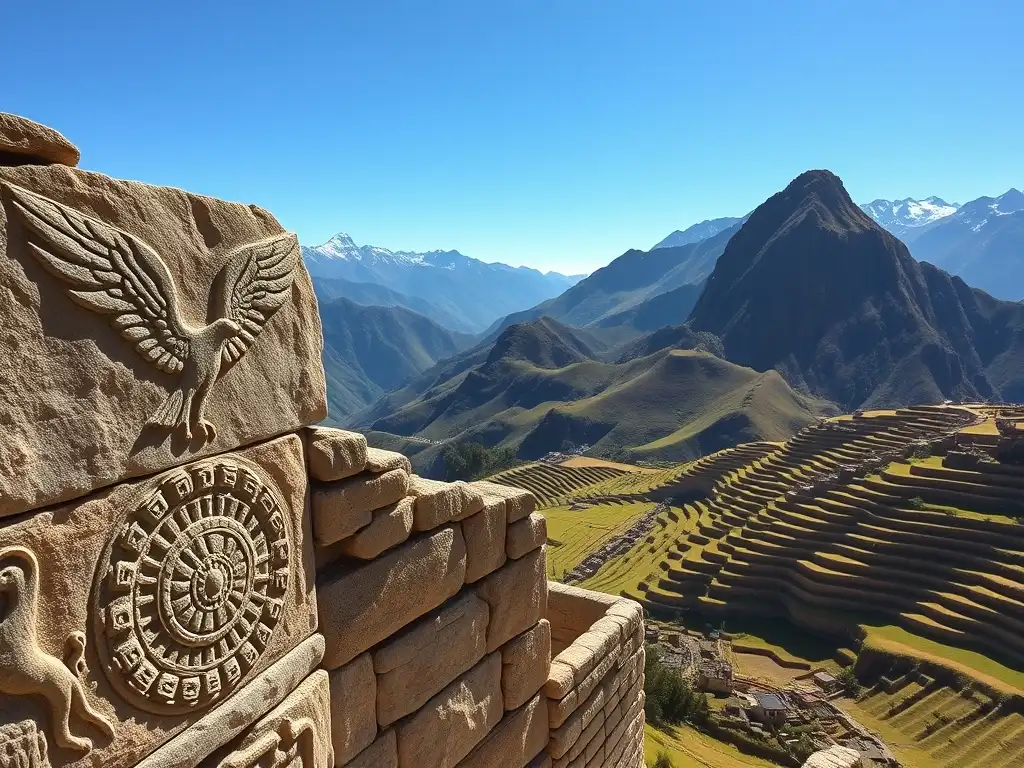
Uncover the secrets whispered on the wind across the Andes! Prepare to be captivated by the intricate tapestry of Andean civilizations, where power and status were etched not just in stone, but in symbols. This journey into the past unveils the fascinating world of Andean social hierarchy symbols, revealing the hidden meanings behind the imagery that defined an empire. Dare to decipher the codes and unlock the mysteries of a lost world? Explore the rich history and culture that awaits you within.
The Andes Mountains, a spine of towering peaks traversing South America, cradled some of the most fascinating and complex civilizations the world has ever known. From the intricate textiles of the Nazca to the monumental architecture of the Inca, these societies left behind a rich tapestry of cultural expression. Understanding their social structures is key to unlocking the secrets of their remarkable achievements.
This article delves into the fascinating world of Andean social hieroglyphs – the visual representations and symbolic systems that reveal the intricate layers of their societal hierarchies. We will explore how these symbols, often subtly woven into textiles, carved into ceramics, or etched into stone, illuminate the power dynamics and social stratification within these ancient Andean cultures. By examining these visual clues, we can gain a deeper understanding of the roles, status, and beliefs that shaped daily life in these remarkable civilizations, providing insights into their complex social organization and the ways in which power was manifested and maintained.
This exploration will focus on identifying recurring motifs and their interpretations, considering the nuances and variations across different Andean cultures, including the Inca, Moche, Nazca, and Tiahuanaco. Understanding these "Andean social hierarchy symbols" provides a crucial lens through which to view their artistic achievements, technological innovations, and enduring legacy.
The Andean world wasn't a monolithic entity; rather, it encompassed a diverse array of societies, each with its own unique social organization. However, a common thread running through many of these cultures was a hierarchical structure. While the specifics varied, most Andean societies exhibited a clear stratification, with elites at the apex and commoners forming the base. These hierarchies weren't simply imposed; they were actively constructed and reinforced through complex systems of ritual, kinship, and, importantly, symbolic representation.
Andean artisans masterfully integrated social status into their artwork. Think of the intricate goldwork often associated with elite members of Inca society, or the distinctive styles of pottery that signaled the social standing of individuals within the Moche culture. These weren't merely decorative choices; they were powerful statements of identity and power. The symbols used weren't always immediately obvious, requiring careful analysis and cross-referencing of archaeological evidence to decipher their meaning.
For example, certain motifs recurring in textiles might represent specific clans or lineages, while particular styles of headdresses depicted in ceramics could indicate religious or political authority. The study of Andean social hierarchy symbols therefore requires a multi-faceted approach, combining art history, archaeology, anthropology, and a deep understanding of the cultural context in which these symbols were created and used. The following sections will explore specific examples, illustrating the complexity and sophistication of these symbolic systems. We will delve into the specific iconography, analyzing its evolution and significance across different Andean cultures and time periods.
Analyzing Specific Andean Symbols of Power and Status
[Specific information pending: Detailed descriptions and analyses of specific symbols found across various Andean cultures (Inca, Moche, Nazca, Tiahuanaco) with accompanying images and explanations. This section requires detailed research into archaeological findings and scholarly interpretations of Andean iconography. Examples might include specific motifs found in textiles, ceramics, or stone carvings, and their interpretations based on existing academic research.]
This section will include tables comparing recurring symbols across different cultures, highlighting similarities and differences. It will also incorporate emojis to illustrate key points and make the information more visually engaging. For example, 👑 for royalty, ☀️ for deities, and 🌾 for commoners.
[Specific information pending: Detailed analysis of how textile production, design, and materials were used to denote social status within different Andean societies. This section will examine the use of specific colors, patterns, and weaving techniques as indicators of social rank and power. Examples will be provided with descriptions of specific textiles found in archaeological contexts, and their associated interpretations.] We will also explore the role of textile production in maintaining social hierarchies, considering the labor involved and the access to resources required for creating high-status textiles.
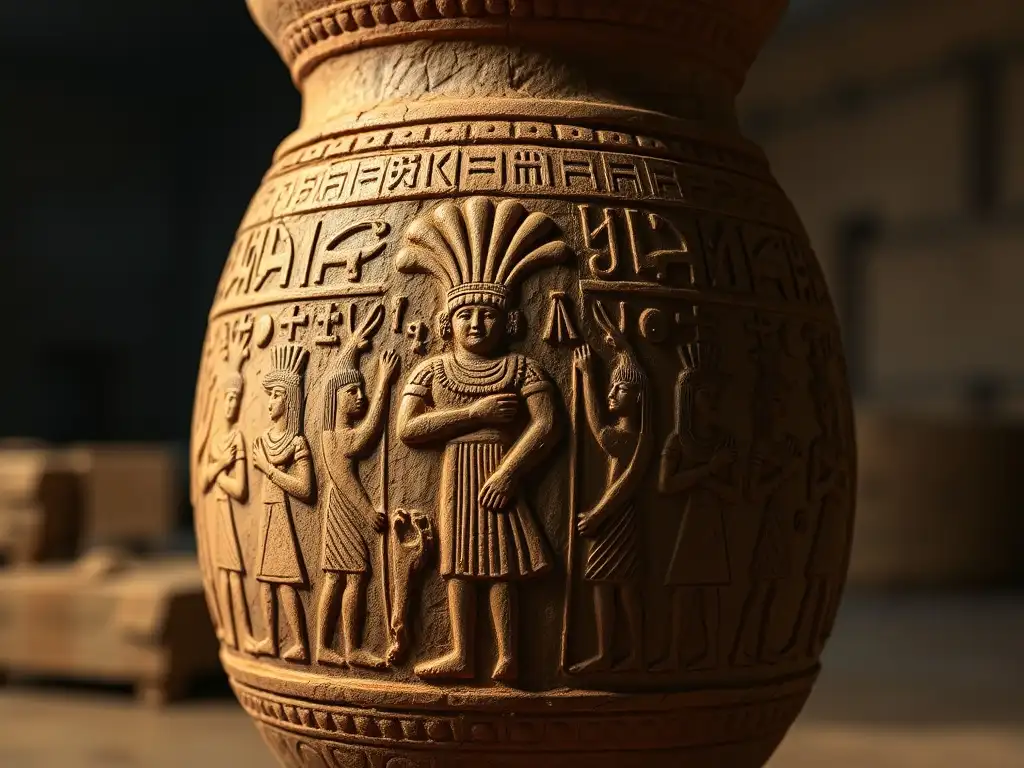
[Specific information pending: Detailed analysis of how ceramic styles, forms, and decorations reflected social status and power within Andean societies. This section will examine the use of specific colors, shapes, and iconography in ceramic art as indicators of social rank. Examples will be provided with descriptions of specific ceramic pieces found in archaeological contexts and their associated interpretations.] The section will also explore the role of ceramic production in maintaining social hierarchies, considering the specialized skills and knowledge required for creating high-status ceramics.
[Specific information pending: Detailed analysis of the relationship between religion and social hierarchy in Andean societies. This section will explore how religious beliefs and practices were used to legitimize and reinforce social hierarchies. Examples will be provided of specific religious symbols and their association with particular social groups.] This will include a discussion of the role of religious rituals in maintaining social order and the symbolic representation of religious authority in Andean art and architecture.
- Introduction to Andean Social Structures and Symbols
- Analyzing Specific Andean Symbols of Power and Status
- The Role of Textiles in Representing Andean Social Hierarchy
- Interpreting Ceramic Art and its Social Significance
- The Influence of Religion and Ritual on Social Hierarchy Symbols
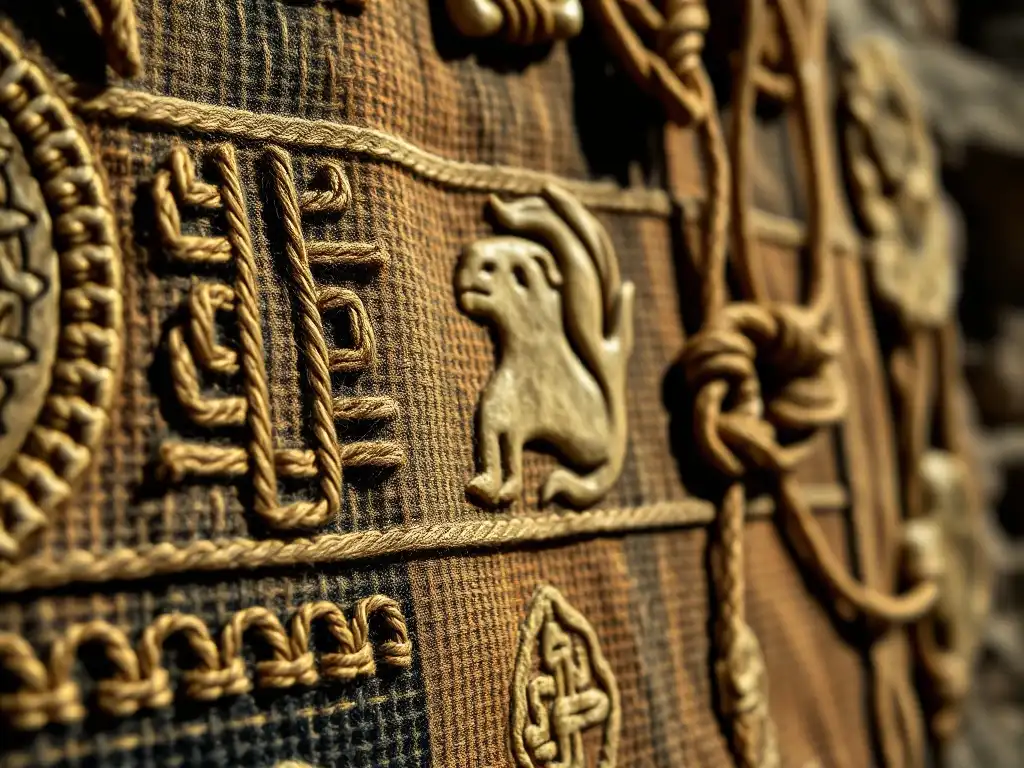
The Andean region boasts a rich tapestry of ancient civilizations, each leaving behind a complex legacy of social structures and intricate systems of power. Understanding these societies requires deciphering their visual language, specifically the symbols and iconography used to represent social hierarchy. The study of "Andean social hierarchy symbols" reveals much about the beliefs, values, and social dynamics of these remarkable cultures.
These weren't merely decorative elements; they were powerful statements of status, authority, and religious significance, woven into the very fabric of daily life. From monumental architecture to intricately crafted textiles and ceramics, these symbols offer invaluable insights into the stratified nature of Andean societies.
The careful analysis of these visual cues allows us to reconstruct a more complete picture of social organization, revealing the nuances of power distribution and the complex relationships between different social classes. The persistence of certain motifs across different cultures and time periods suggests a shared understanding of social hierarchy throughout the Andes, reflecting a deeply ingrained system of social stratification.
Understanding the Visual Language of Power in Ancient Andes
The visual language of power in the ancient Andes was sophisticated and multifaceted. It wasn't simply a matter of depicting a king with a larger crown than a peasant. Instead, the representation of social status often employed subtle and symbolic cues, demanding careful interpretation. For instance, the use of specific colors, patterns, and motifs could indicate a person's rank within society. Certain colors, like purple, were associated with royalty and divinity, while others held different connotations depending on the specific culture and period.
Similarly, particular textiles, often featuring intricate designs and rare materials like vicuña wool, were reserved for the elite. The representation of animals also held significant meaning. Condor imagery, for example, frequently appeared in association with rulers and deities, symbolizing power, strength, and spiritual connection. Conversely, the depiction of lesser animals could denote lower social standing.
This complex interplay of visual elements allowed for a nuanced and layered representation of social hierarchy, reflecting the intricacies of Andean social structures. Analyzing these symbols requires careful consideration of the context in which they appear, including the material, the location, and the accompanying elements. Further research is needed to fully decipher the subtle variations in meaning across different Andean cultures and time periods. For example, the exact significance of specific textile patterns in the Nazca culture is still under investigation, highlighting the ongoing nature of this fascinating field of study.
Iconography played a crucial role in visually representing the different social classes within Andean societies. Specific symbols, motifs, and stylistic conventions were used to distinguish between elites, commoners, and potentially even marginalized groups. The size and placement of figures in artwork often indicated their relative importance. Larger figures, prominently positioned, often represented rulers or deities, while smaller figures in less prominent locations signified lower social standing.
The presence or absence of certain regalia, such as headdresses, jewelry, or specific garments, further contributed to the visual representation of social class. Furthermore, the materials used in creating these artifacts also played a role. Gold, silver, and precious stones were reserved for the elite, while simpler materials were used for objects intended for commoners. This careful use of materials and artistic techniques reinforced the existing social hierarchy and served as a constant visual reminder of one's place within the social structure.
The study of these visual cues provides invaluable insights into the social stratification of Andean societies, offering a glimpse into the daily lives and social interactions of different social groups. However, the interpretation of these symbols is not always straightforward, and further research is needed to fully understand the nuances of their meaning across different cultures and time periods. For instance, the iconographic representation of artisans and farmers within the Inca empire requires further investigation to fully understand their social standing and role within the broader societal structure. The study of "Andean social hierarchy symbols" continues to unveil new layers of complexity and insight into these fascinating ancient civilizations.
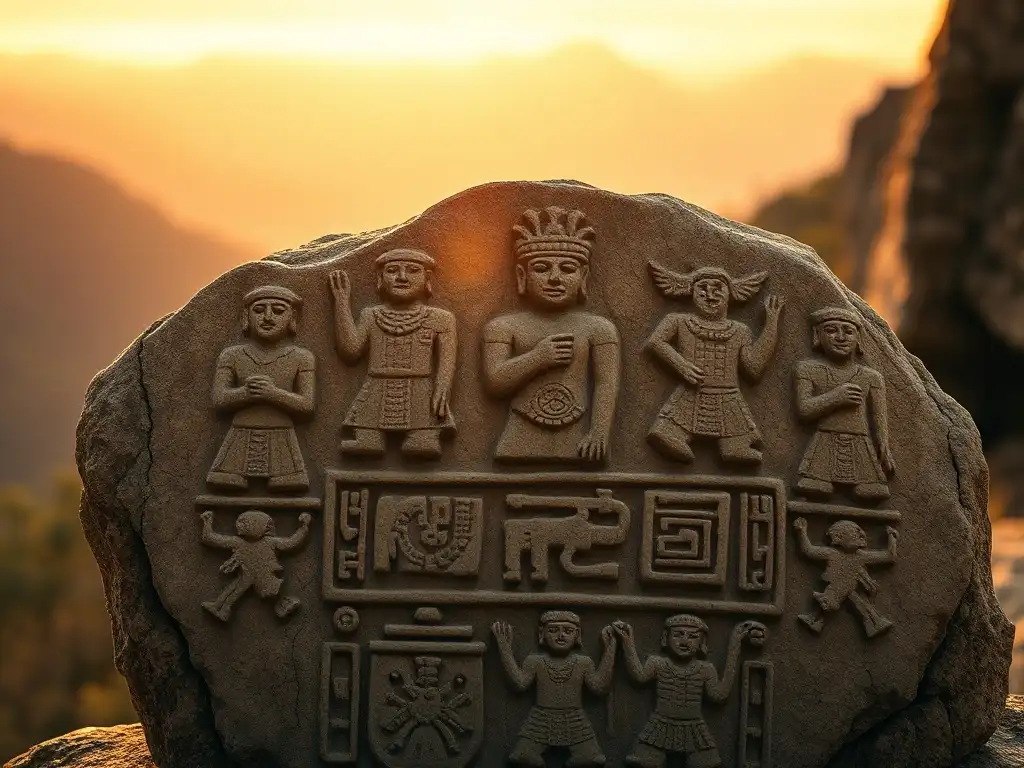
This section delves into the fascinating world of Andean social hierarchy symbols, exploring how different cultures visually represented their complex social structures. We will examine specific examples from the Inca, Moche, and other prominent Andean civilizations, analyzing the iconography and artistic conventions used to denote social standing. Understanding these visual cues provides invaluable insight into the power dynamics and societal organization of these ancient societies. The study of Andean social hierarchy symbols offers a unique lens through which to interpret their rich history and cultural practices.
The Inca Empire, renowned for its sophisticated administrative system, employed a complex system of symbols to delineate social hierarchy. Royal lineage and power were visually represented through a range of intricate iconography, often interwoven with religious and cosmological beliefs. The visual language of Inca social hierarchy went beyond simple status markers; it reinforced the legitimacy of the ruling class and their divine connection.
The Sun and Royal Lineage in Inca Iconography
The sun (Inti) occupied a central position in Inca cosmology and served as a potent symbol of royal authority. Depictions of the sun, often accompanied by rays emanating outwards, frequently adorned royal garments, jewelry, and architecture. The Inca emperor was considered a direct descendant of Inti, legitimizing his rule and reinforcing the divine right to govern.
The intricate designs incorporated into textiles and ceramics, featuring solar motifs, clearly denoted items intended for the elite. For example, the tocapus, or royal headdresses, were often adorned with gold sun discs, further emphasizing the emperor's celestial connection. These visual displays of power were not merely decorative; they were powerful statements of social status and divine mandate.
Specific Inca Social Class Distinctions through Symbols
Beyond the imperial elite, Inca society featured a clearly defined hierarchy. Different social classes, including priests, nobles, artisans, and farmers, were visually distinguished through clothing, jewelry, and other material possessions. While precise iconographic distinctions for each social stratum are not always readily apparent, analysis of archaeological finds reveals patterns. For instance, the use of specific colors in textiles, the presence of certain types of jewelry (e.g., gold vs. silver), and the complexity of woven designs all pointed to social rank.
[Specific examples of textile patterns and jewelry types pending further research]. The careful study of these material culture elements is crucial to understanding the nuances of Inca social stratification. Further research into burial sites and associated grave goods could provide more definitive answers regarding the visual markers of specific social classes within the Inca Empire.
The Moche civilization, known for its stunning pottery and elaborate burial practices, also utilized visual cues to represent social standing. Their art, particularly their ceramics, provides a rich source of information about their social structure, offering vivid depictions of warriors, priests, and other key societal roles. Unlike the Inca, who relied on a more subtle system of visual markers, the Moche explicitly depicted social roles through highly detailed and realistic representations in their art.
Moche Art and the Representation of Social Roles
Moche pottery often features scenes depicting elaborate ceremonies, battles, and everyday life. Careful analysis of these depictions reveals a clear hierarchy. Warriors, often depicted in elaborate headdresses and wielding weaponry, occupied a prominent position in Moche society. Similarly, priests, identifiable by their distinctive attire and participation in ritualistic activities, held significant social power.
The size and prominence of figures in the pottery scenes also seem to correlate with social status, with larger figures typically representing individuals of higher rank. [Detailed analysis of specific pottery pieces and their iconography pending]. The detailed depictions found on Moche pottery offer a unique window into the social dynamics of this fascinating culture. The dynamic nature of the scenes captured on the pottery allows for a deeper understanding of the interactions between different social classes.
Identifying Moche Social Hierarchies Using Visual Clues
Identifying Moche social hierarchies through visual clues requires a keen eye for detail. The type of clothing, headdresses, and jewelry worn by individuals are crucial indicators of their social standing. Furthermore, the context in which figures are depicted, such as participation in religious ceremonies or military campaigns, also offers valuable insights. The presence or absence of specific attributes, such as body adornments or the holding of ceremonial objects, can distinguish individuals within the social hierarchy.
[Specific examples of clothing, jewelry, and contextual clues pending further analysis of Moche iconography]. The combination of stylistic features and contextual clues within Moche art provides a comprehensive understanding of social hierarchy within their complex society. Further research into the symbolic meaning of specific Moche motifs could enhance our understanding of their social structure.
The Nazca culture, famed for its enigmatic geoglyphs etched into the Peruvian desert, presents a fascinating case study in deciphering social hierarchy through art. While the precise function of the Nazca Lines remains a subject of ongoing debate, their creation and maintenance undoubtedly involved a significant mobilization of labor and resources. This suggests a complex social structure with a ruling elite capable of organizing large-scale projects.
The sheer scale of some geoglyphs, demanding meticulous planning and execution, points towards a centralized authority capable of directing and coordinating the efforts of numerous individuals. This organization was likely not merely logistical; it suggests a sophisticated system of social control and power distribution, where specific groups or individuals held the authority to commission and oversee such monumental undertakings.
Further research into the settlement patterns and burial practices of the Nazca could shed more light on the social strata involved in the creation and maintenance of these remarkable works. The distribution of resources, the types of artifacts found in different burial sites, and the evidence of specialized crafts all contribute to a more nuanced understanding of Nazca social stratification.
Nazca Geoglyphs and Their Potential Social Significance
The Nazca Lines themselves offer potential clues to the social hierarchy. Some researchers propose that the geoglyphs were markers of territorial boundaries, signifying the power and influence of specific clans or groups. Others suggest that they served as ritual sites, with access restricted to certain social classes or individuals.
The intricate designs and immense scale of some geoglyphs could have served as powerful symbols of the ruling elite's authority, reinforcing their dominance and legitimacy. Detailed analysis of the iconography within the geoglyphs – the depictions of animals, plants, and possibly human figures – may reveal further insights into the social values and beliefs of the Nazca, potentially reflecting the status and power of different groups within their society.
The complexity of the designs themselves may also reflect the level of skill and expertise available within specific social strata, hinting at a stratified system of artisans and specialists. Further research into the materials and techniques used to create these geoglyphs could strengthen these hypotheses.
Interpreting Nazca Imagery for Social Class Insights
The imagery within the Nazca Lines, beyond its aesthetic appeal, may hold the key to unlocking the secrets of their social hierarchy. Detailed analysis of the various animal representations, for instance, could reveal symbolic meanings related to social status or power. Certain animals, such as jaguars or condors, might have been associated with elite groups, while other animals might have represented different social strata or occupations.
Similarly, the depiction of human figures, if present, could reveal clues about clothing, adornments, and other markers of social standing. Analyzing the spatial distribution of different geoglyphs, and their relationship to Nazca settlements, could also provide further insights. For example, geoglyphs located closer to major settlements might have had different social meanings compared to those situated in more remote areas.
A comprehensive study integrating archaeological findings with iconographic analysis is needed to fully understand the social implications of Nazca art. This cross-disciplinary approach is crucial for a more complete understanding of the Nazca social structure.
The Tiahuanaco culture, situated on the shores of Lake Titicaca, developed a highly stratified society reflected in their monumental architecture and intricate iconography. The sheer scale of their constructions, like the Akapana pyramid and the Gateway of the Sun, suggests a powerful centralized state capable of mobilizing vast resources and labor. This implied a hierarchical social structure with a ruling elite controlling the means of production and distribution.
The elaborate ceremonial centers and sophisticated irrigation systems further reinforce the presence of a structured social organization with specialized roles and responsibilities. The monumental architecture itself served as a powerful symbol of the ruling elite's power and authority, visually representing their dominance over the population. The use of specific materials and building techniques may have also played a role in reinforcing social distinctions.
The Gateway of the Sun and Tiahuanaco Social Status
The Gateway of the Sun, a magnificent monolithic structure, stands as a prime example of Tiahuanaco’s sophisticated artistry and its reflection of social hierarchy. The intricate carvings depicting various figures, possibly deities or rulers, likely held significant social meaning. These figures' relative size and position within the composition might have indicated their status within the Tiahuanaco hierarchy.
The detailed ornamentation and the precision of the carving suggest a highly skilled artisan class, likely holding a privileged position within the society. Access to the Gateway of the Sun might have been restricted to certain elites, further highlighting its symbolic significance as a representation of power and authority.
The religious connotations of the Gateway likely played a key role in reinforcing the legitimacy of the ruling class and their control over the sacred realm. Further research into the materials used in its construction and the technology employed could illuminate the social organization involved.
Tiahuanaco Iconography and the Representation of Power
Tiahuanaco iconography, rich in symbolic imagery, provides further clues to the social hierarchy. The frequent depiction of specific deities or mythical beings might have symbolized the power and legitimacy of the ruling class, connecting them to the spiritual realm. The use of specific symbols, such as staffs, headdresses, or clothing, might have indicated different social ranks or occupations.
The depiction of human figures engaging in various activities could also offer insights into the division of labor and social roles within Tiahuanaco society. Analysis of the iconography found on textiles, ceramics, and other artifacts provides a broader perspective on the representation of power and social status.
Comparing the iconography found in elite burials with that found in commoner burials could further highlight the differences in social status and access to resources. A comprehensive study of Tiahuanaco iconography is crucial for a more complete understanding of their complex social structure and the symbolic mechanisms that maintained it.
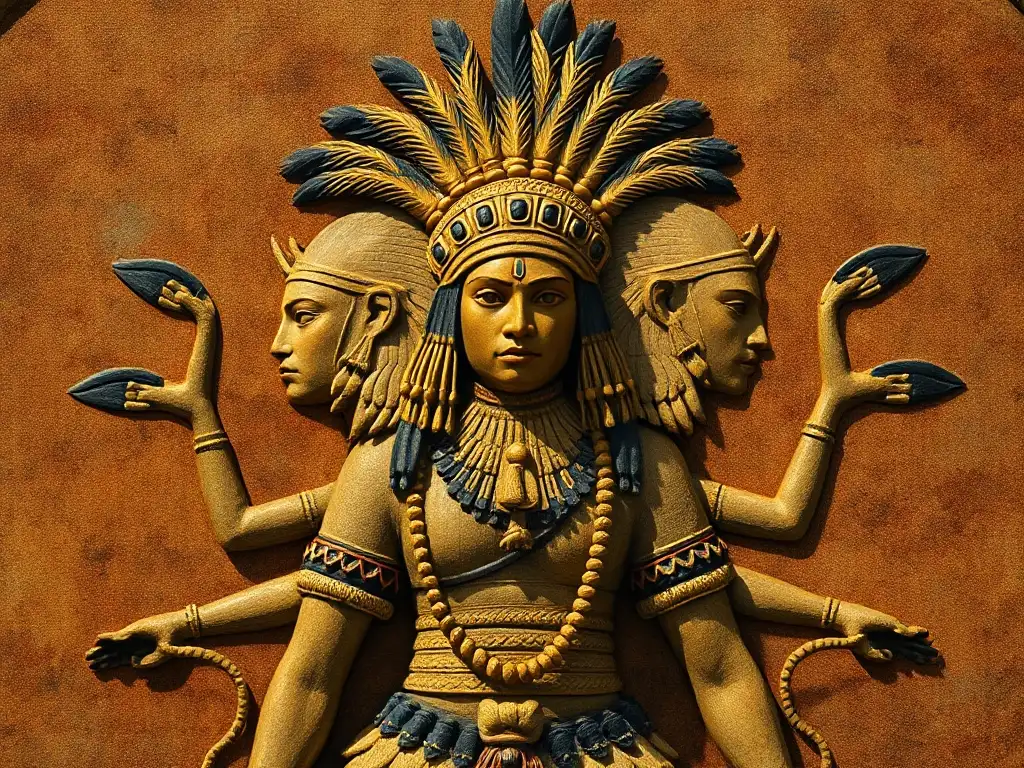
This section delves into the fascinating world of Andean social hierarchy symbols, focusing on specific motifs, clothing, and adornments used to visually represent social standing within ancient Andean societies. Understanding these symbols offers a crucial window into the complex social structures of civilizations like the Inca, Moche, Nazca, and Tiahuanaco. The careful study of these visual cues allows us to reconstruct aspects of their social organization, power dynamics, and daily life. The interpretation of these Andean social hierarchy symbols requires a nuanced approach, considering regional variations and the evolution of symbolic meaning over time.
The Andean civilizations employed a rich repertoire of recurring motifs in their art and architecture to signify social status. These motifs, often intertwined with religious beliefs and cosmological concepts, served as powerful visual indicators of social rank and power. Detailed analysis of these recurring symbols reveals a complex system of social stratification, reflecting the intricate social fabric of these ancient societies.
The Use of Animals in Representing Social Status
Animals held significant symbolic meaning in Andean cultures, frequently representing deities, ancestral figures, or embodying specific qualities associated with power and authority. For example, the condor, often depicted in soaring flight, symbolized power and royalty, frequently appearing in royal imagery and elite burials. Conversely, the puma, a powerful predator, was also associated with leadership and strength, but its representation could vary depending on the specific cultural context and artistic style.
The use of specific animals in textiles, ceramics, and stone carvings provided clear visual cues to an individual's position within the social hierarchy. Analysis of these animal representations provides valuable insight into the Andean worldview and its connection to social structure. Further research into the specific iconography of different animal species is needed to fully decipher their social significance across various Andean cultures.
Geometric Patterns and Their Social Significance
Geometric patterns, often intricate and complex, are another key component of Andean social hierarchy symbols. These patterns, frequently woven into textiles or carved into stone, often conveyed specific meanings related to social status, clan affiliation, or religious beliefs. For example, the use of stepped pyramids, or kallanka, could symbolize social hierarchy.
The number of steps, the scale of the building, and the materials used all held social significance, often indicating the power and prestige of the individual or group associated with the structure. Similarly, repeated motifs like chevrons, zigzags, and spirals, often found in textiles and ceramics, may have indicated specific clan affiliations or social ranks within a community.
A deeper understanding of these intricate geometric patterns is crucial for deciphering their role in representing the complex Andean social structure. The precise meanings of many of these geometric designs remain a subject of ongoing research and interpretation, requiring further investigation of archaeological evidence and comparative analysis across different Andean cultures.
Clothing and adornments played a crucial role in visually signifying social status in Andean societies. The type of fabric, the quality of craftsmanship, and the presence of specific embellishments all served as clear indicators of social rank and power. These visual markers were meticulously crafted and displayed, reinforcing social hierarchies and communicating social position through visual cues.
Headwear and Social Hierarchy
Headwear was a particularly important indicator of social status in many Andean cultures. Elaborate headdresses, often adorned with feathers, gold, and other precious materials, were reserved for elite members of society, such as rulers, priests, and nobles. The type of headdress, its materials, and its style all conveyed specific information about the wearer's rank and social standing.
Simple head coverings, on the other hand, were worn by commoners, clearly differentiating them from the elite. The significance of headwear in Andean social hierarchy is evident in numerous archaeological finds and artistic representations. Further study is required to fully understand the regional variations in headwear styles and their corresponding social meanings.
Jewelry and Ornaments as Status Symbols
Jewelry and ornaments also served as powerful symbols of social status in Andean societies. Elaborate necklaces, earrings, and other adornments, often made of gold, silver, precious stones, and feathers, were reserved for the elite. The type of materials used, the craftsmanship, and the design all conveyed specific information about the wearer's social position. Commoners, on the other hand, wore simpler jewelry, or none at all, reinforcing the visual distinction between social classes.
The use of specific materials, such as gold, which was associated with divinity and power, further emphasized the social hierarchy. Detailed analysis of Andean jewelry and ornaments provides valuable insights into the social structures and power dynamics of these ancient civilizations. Further research is needed to fully understand the symbolism and meaning of various types of jewelry across different Andean cultures.
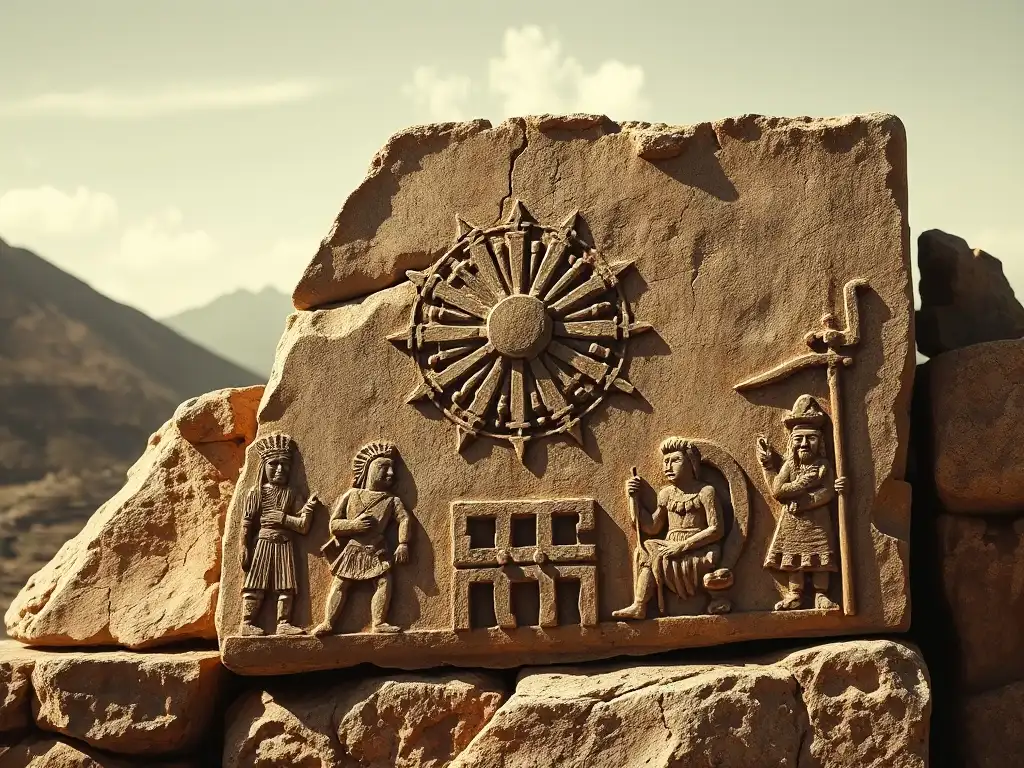
This section delves into the fascinating evolution of symbols used to represent social hierarchy within various Andean civilizations. Understanding these visual cues provides crucial insights into the complex power structures and social dynamics of these ancient societies. The use of specific iconography wasn't static; it shifted and adapted over centuries, reflecting changes in political organization, religious beliefs, and interactions with neighboring cultures.
Analyzing this evolution allows us to better comprehend the nuances of Andean social stratification and the ways in which it was communicated through visual means. We'll explore how these symbols, often intricately woven into textiles, carved into stone, or painted on pottery, served as powerful indicators of status and power.
Changes in Iconography Across Different Periods
The representation of Andean social hierarchy wasn't uniform across all periods. Early Andean societies, such as the Chavín culture (900-200 BCE), utilized relatively simpler iconographic systems. Their symbols, often associated with religious figures and shamanistic practices, hinted at social differentiation but lacked the elaborate detail seen in later periods. For instance, depictions of jaguars and other powerful animals might have indicated elite status, but the system wasn't as clearly defined as in subsequent cultures.
The Moche civilization (100-800 CE), known for their sophisticated artistic achievements, developed a more nuanced system. Their pottery frequently depicts scenes of warfare, ritual sacrifices, and daily life, often highlighting individuals in positions of authority. Elaborate headdresses, specific clothing styles (like the distinctive tunicas), and the presence of attendants clearly differentiated elites from commoners. The use of color also played a significant role, with certain hues reserved for high-ranking individuals. For example, depictions of rulers often feature vibrant reds and yellows, contrasting with the more subdued tones used for commoners.
The Inca Empire (1438-1533 CE), the largest pre-Columbian state in the Americas, possessed a highly structured social hierarchy reflected in its elaborate iconography. The tocapu, a type of knotted cord used for record-keeping, visually represented the intricate administrative system that underpinned their social structure. While not strictly a visual symbol in the same way as pottery or textiles, the tocapu's complex knotting system encoded information about taxes, tributes, and population, all reflecting the hierarchical relationships within the empire.
Inca textiles, too, employed specific patterns and colors to denote social rank, with intricate designs and rare materials indicating elite status. The use of gold and silver further emphasized this distinction.
The Influence of Conquest and Cultural Exchange
The arrival of the Spanish conquistadors in the 16th century dramatically impacted Andean societies, leading to significant changes in social structures and iconography. The Inca's elaborate system of hierarchy was disrupted, and new symbols reflecting the colonial power dynamic emerged. While pre-Columbian iconography continued to be used in some contexts, it often became hybridized, blending indigenous imagery with elements introduced by the Spanish. This fusion created a unique visual language that reflects the complex interplay of Andean and European cultures.
For instance, religious syncretism led to the incorporation of Christian imagery into existing Andean motifs. Indigenous deities were sometimes reinterpreted as Christian saints, resulting in hybrid iconographic representations that combined pre-Columbian and European styles. This blending is evident in colonial-era textiles and religious art, where traditional Andean designs are combined with Christian symbols like crosses and saints.
The subsequent centuries saw a gradual shift, with pre-Columbian symbols often becoming marginalized or relegated to specific contexts, while new symbols associated with the colonial hierarchy gained prominence. The study of this period reveals not only the impact of conquest but also the resilience of Andean cultural traditions, which persisted despite the imposition of a new social order. The surviving Andean social hierarchy symbols from this period offer a compelling narrative of cultural adaptation and resistance.
The intricate system of Andean social hieroglyphs offers a fascinating glimpse into the complex social structures of ancient Andean civilizations. These symbols, far from being mere decorative elements, served as powerful tools for communicating social status, religious beliefs, and political power. By carefully examining their iconography, we gain a deeper understanding of the hierarchical relationships that shaped Andean societies, from the Inca Empire's elaborate bureaucracy to the more localized power structures of earlier cultures like the Moche and Nazca.
The persistence of certain motifs across different cultures and time periods suggests a degree of continuity and shared cultural understanding, while variations in style and representation highlight regional differences and evolving social dynamics. Understanding these subtle nuances is crucial for a complete picture of Andean history and social organization. The careful study of these Andean social hierarchy symbols allows us to move beyond simplistic narratives and appreciate the richness and complexity of these ancient societies.
The legacy of these hieroglyphs extends beyond their historical significance; they continue to inspire artists, scholars, and all those fascinated by the enduring power of visual communication. Their decipherment continues to be a work in progress, demanding further research and innovative methodologies.
The Importance of Understanding Andean Symbolism
Understanding Andean symbolism is not merely an academic exercise; it holds significant implications for our comprehension of the past. The accurate interpretation of these social hierarchy symbols allows us to reconstruct the social and political landscapes of ancient Andean societies with greater precision. For example, the recurring depiction of specific animals or deities in association with certain individuals or groups can reveal details about their roles and social standing.
The presence of specific textiles, jewelry, or architectural features in iconography can further illuminate the material culture associated with different social strata. This detailed understanding allows us to move beyond generalized descriptions of "elite" and "commoner" and instead appreciate the nuances of social differentiation within these complex societies. Moreover, understanding Andean symbolism allows us to challenge Eurocentric biases that often shape our interpretations of pre-Columbian cultures.
By analyzing these symbols on their own terms, we can avoid imposing preconceived notions and gain a more authentic understanding of Andean worldviews and social structures. The careful study of these Andean social hierarchy symbols offers a unique perspective on the values, beliefs, and power dynamics that defined these remarkable civilizations.
Future Research Directions in Andean Iconography
Further research into Andean iconography is essential to deepen our understanding of these ancient civilizations. Several promising avenues for future investigation exist. Firstly, more interdisciplinary collaborations are needed, bringing together archaeologists, anthropologists, art historians, and linguists to integrate different perspectives and methodologies. This collaborative approach could lead to more comprehensive and nuanced interpretations of complex symbols.
Secondly, advanced imaging techniques like multispectral imaging and 3D modeling can reveal hidden details in faded or damaged artifacts, potentially uncovering previously unnoticed symbols and patterns. Thirdly, a more detailed comparative analysis of iconography across different Andean cultures and time periods is necessary to identify common threads and regional variations. This could illuminate the processes of cultural exchange and adaptation within the Andes. Finally, exploring the relationship between iconography and oral traditions is crucial.
By combining visual evidence with surviving accounts and narratives, we can gain a richer understanding of how these symbols were understood and used in their original context. The potential for new discoveries and insights in the field of Andean iconography is immense, promising to further illuminate the fascinating world of these ancient societies and their intricate social structures. The continued study of Andean social hierarchy symbols will undoubtedly enrich our understanding of this vibrant and complex past.
Frequently Asked Questions
What were the main Andean civilizations?
The article focuses on several prominent Andean civilizations, including the Incas, Moche, Nazca, and Tiahuanaco. These cultures each developed complex social structures and unique artistic styles.
Andean societies used various methods to symbolize social hierarchy, including elaborate clothing, specific jewelry, and architectural features like the size and location of houses or tombs. Ceramics and textiles also played a significant role.
Gold and silver ornaments, fine textiles, and distinctive headdresses often denoted high social standing. Certain architectural styles and burial practices also indicated elite status.
Andean art served as a powerful tool for visually representing social hierarchy. The scale and detail of artwork, along with the materials used, signified the social status of both the artist and the subject depicted.
This article, "Decoding Andean Social Hieroglyphs: A Journey into the Past," provides a starting point. Further research can be done through academic journals, museum collections, and books focusing on Andean archaeology and anthropology.
Final Reflection: Echoes of Power in Andean Symbols
The intricate social hierarchies of the Andes, once etched in stone and woven into textiles, continue to resonate in the modern world. Understanding these ancient symbols isn't just an academic exercise; it's a key to unlocking a deeper comprehension of power structures, social organization, and the enduring legacy of Andean civilizations. Their influence extends far beyond dusty museum exhibits, impacting our understanding of social stratification and the very nature of authority itself.
The enduring power of these symbols lies not just in their aesthetic beauty, but in their ability to illuminate the complexities of human society across time. They remind us that the struggle for power and the negotiation of social status are timeless themes. The past is never dead. It's not even past.
– William Faulkner. This quote perfectly encapsulates the relevance of deciphering these Andean hieroglyphs; they offer a powerful lens through which to examine our own contemporary social structures and the persistent questions surrounding inequality and social mobility.
Consider the implications of these ancient symbols. How do they challenge our preconceived notions of social organization? What can we learn from the ways in which Andean societies navigated power dynamics? I urge you to reflect on the enduring legacy of these symbols and to consider how their meanings might inform your own understanding of social hierarchies, both past and present. Let the echoes of the Andes inspire you to critically examine the power structures that shape our world today.
Embark on Your Own Journey into Andean Wisdom!
Thank you for exploring the fascinating world of Andean social hieroglyphs with us! You've gained a valuable insight into the rich history and cultural significance of these ancient symbols. Now, let's delve deeper into this captivating past.
Here's how you can continue your journey:
- Dive Deeper: Explore our curated collection of resources, including books, documentaries, and online lectures about Andean civilizations—uncover hidden secrets and expand your knowledge!
- Share Your Insights: Connect with friends and fellow enthusiasts by sharing this article or discussing the fascinating aspects of Andean hieroglyphs on social media. Let's build a community around this shared interest!
- Join Our Community: Become a member of our Andean Civilizations forum where you can ask questions, share discoveries, and engage with other passionate learners and historians. We welcome your contributions and perspectives.
As you contemplate the intricate messages encoded within these hieroglyphs, consider this: How might understanding these symbols reshape our understanding and appreciation of Andean cultures today?