
The Art of Metalworking: Jewelry and Tools in Daily Andean Life

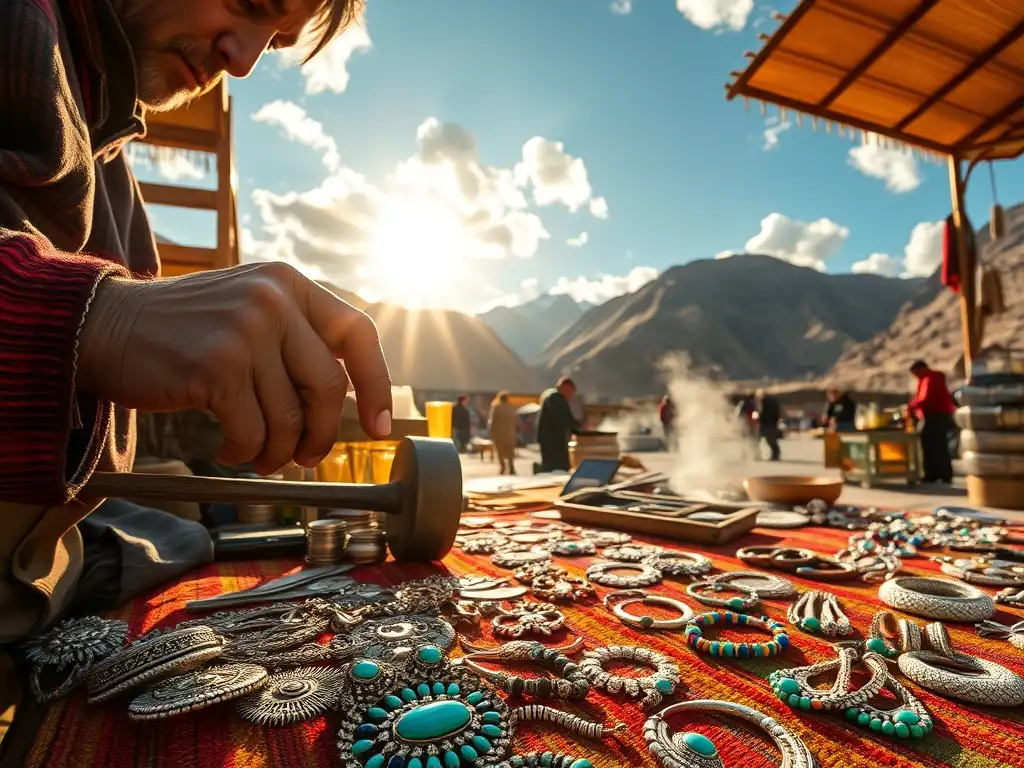
Step into a world lost to time, yet echoing with the whispers of masterful artistry. For centuries, the Andes Mountains held witness to civilizations that shaped metal into breathtaking works of art and ingenious tools. Discover the secrets behind Andean metalworking techniques, a crucial element in the complex social structures of the Incas, Moche, Nazca, and Tiahuanaco. Prepare to be amazed as we delve into the intricate details of their jewelry and everyday implements, revealing a legacy forged in fire and ingenuity. Uncover the stories embedded in each hammered piece—a journey awaits.
The mastery of metalworking stands as a testament to the ingenuity and advanced technological capabilities of the ancient Andean civilizations. From the intricate gold jewelry adorning elite members of society to the robust tools facilitating daily life for all social strata, metal played a crucial role in shaping Andean culture and society. This exploration delves into the fascinating world of Andean metalworking, examining the techniques employed, the materials utilized, and the significance of metal artifacts in the daily lives of these remarkable civilizations.
We will uncover the secrets behind the production of everything from delicate gold ornaments to sturdy agricultural implements, revealing the sophisticated metallurgical knowledge possessed by Andean artisans. Understanding Andean metalworking techniques provides invaluable insight into their social structures, religious beliefs, and overall societal development.
This article will specifically focus on the Inca, Moche, Nazca, and Tiahuanaco cultures, showcasing the diverse styles and applications of metalwork across these distinct Andean societies. Prepare to be amazed by the artistry and technological prowess of these ancient peoples.
Techniques of Andean Metalworking
Andean metalworkers employed a variety of sophisticated techniques, demonstrating a remarkable understanding of metallurgy. These techniques varied somewhat depending on the specific culture and time period, but several common practices emerge. The process typically began with the extraction of ore from mines located high in the Andes mountains.
This ore, often containing copper, gold, silver, and other metals, was then processed through a series of steps including smelting, hammering, annealing (heating and cooling to soften the metal), and alloying (mixing different metals to create new properties). The artisans skillfully employed techniques like hammering, casting (pouring molten metal into molds), and repoussé (hammering from the back to create raised designs) to shape the metal into their desired forms. Evidence suggests the use of lost-wax casting, a remarkably advanced technique involving creating a wax model, covering it in clay, melting out the wax, and pouring molten metal into the resulting mold.
The precision and intricacy achieved in Andean metalwork highlight their advanced understanding of these complex processes. Furthermore, the ability to create alloys with specific properties, such as increased hardness or malleability, showcases their considerable metallurgical knowledge. Specific examples of these techniques can be found in the intricate gold work of the Moche and the silver objects of the Inca.
Materials and Sources
The Andean region boasts a rich diversity of metallic ores, providing the raw materials for the vibrant metalworking traditions. Copper was a particularly important metal, widely used for tools and weapons. Gold, highly valued for its beauty and symbolic significance, was employed extensively in the creation of jewelry, ceremonial objects, and elite adornments.
Silver, another precious metal, was also used, often in combination with other metals to create alloys. The sourcing of these materials involved extensive mining operations, often located at high altitudes and requiring considerable effort and organization. The Inca, for example, controlled vast mining networks, facilitating the acquisition of metals throughout their empire.
The locations of these mines, along with the distribution patterns of metal artifacts, reveal crucial insights into trade networks and the political and economic organization of Andean societies. The specific types of ores used, and the methods employed to process them, also reveal fascinating aspects of Andean technological ingenuity. For example, the Moche’s mastery of gold alloying resulted in objects of exceptional quality and durability.
Metalwork in Daily Life: Tools and Implements
Beyond the dazzling artistry of jewelry and ceremonial objects, Andean metalworking played a vital role in the practical aspects of daily life. A wide array of tools and implements were crafted from metal, significantly enhancing agricultural production, construction, and other essential activities. Examples include adzes (for woodworking), chisels (for stone carving), knives (for various tasks), and various agricultural tools.
These tools, often made from copper or bronze alloys, demonstrate the practical application of metalworking technology. The durability and efficiency of these metal tools contributed significantly to the success of Andean agriculture and construction projects. The differences in tool types and designs across different Andean cultures reflect variations in their agricultural practices and technological advancements.
The presence of metal tools in archaeological contexts provides valuable evidence for understanding daily life and economic activities in these ancient societies. The quality and sophistication of these tools are indicators of the high level of skill and precision achieved by Andean metalworkers.
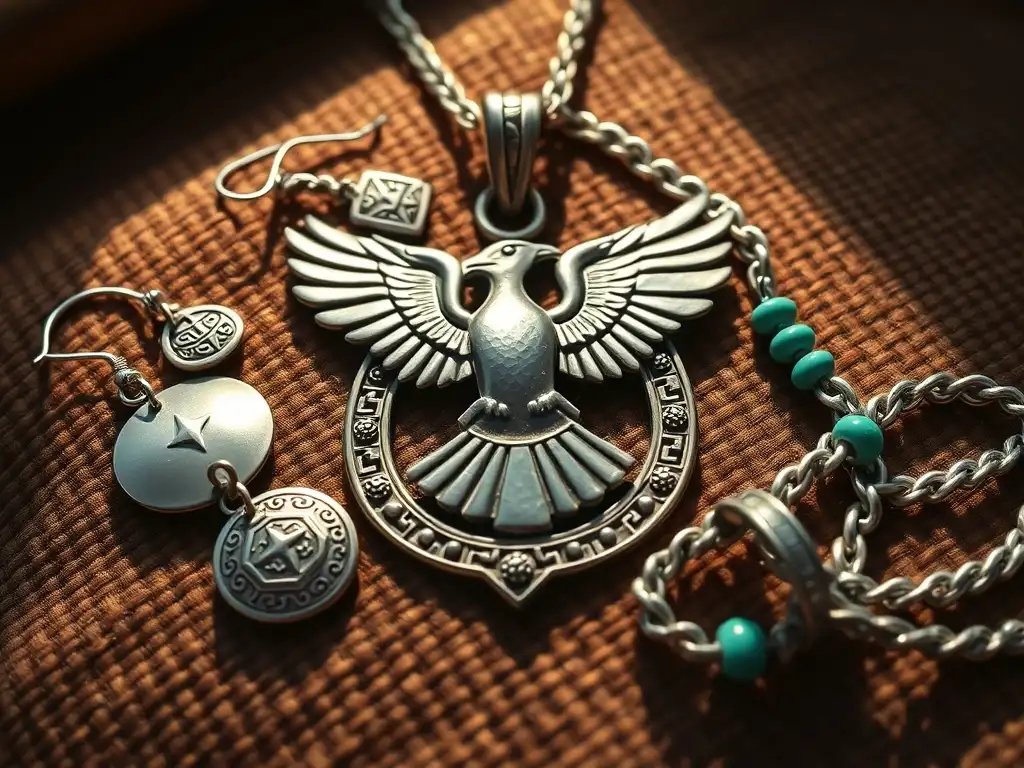
The use of metal in jewelry and ornamentation served as a powerful indicator of social status and religious significance. Elite members of society often wore elaborate ornaments made of gold, silver, and precious stones, showcasing their wealth and power. The intricate designs and craftsmanship of these objects served not only as markers of social standing but also as expressions of religious beliefs and cosmological ideas.
These artifacts, frequently discovered in tombs and ceremonial contexts, provide valuable insights into the religious practices and social hierarchies of Andean civilizations. The style and materials used in jewelry varied across different cultures and time periods, reflecting the distinct aesthetic preferences and technological capabilities of each society. The Inca, for example, favored gold and silver jewelry adorned with intricate designs, while the Moche were renowned for their mastery of gold casting, creating lifelike representations of animals and humans.
The study of these metal objects is crucial for understanding the complex social dynamics of ancient Andean societies. Analyzing the distribution of different types of metalwork across different social strata allows us to better understand the power structures and social hierarchies that shaped these civilizations.
The Legacy of Andean Metalworking
The legacy of Andean metalworking continues to inspire awe and admiration. The sophisticated techniques, the exquisite artistry, and the profound cultural significance of these artifacts provide invaluable insights into the ingenuity and creativity of ancient Andean peoples. Their achievements in metallurgy represent a remarkable milestone in human technological development, showcasing an advanced understanding of materials science and craftsmanship. The study of Andean metalworking continues to yield new discoveries and deepen our understanding of these fascinating civilizations.
The preservation and study of these artifacts are essential for safeguarding the cultural heritage of the Andes and for promoting appreciation for the remarkable achievements of these ancient societies. The impact of Andean metalworking techniques is still felt today, influencing artistic expression and inspiring modern craftspeople. The enduring beauty and craftsmanship of these artifacts serve as a powerful reminder of the rich and complex history of the Andes.
- Techniques of Andean Metalworking
- Materials and Sources
- Metalwork in Daily Life: Tools and Implements
- Metalwork and Social Status: Jewelry and Ornamentation
- The Legacy of Andean Metalworking
- What unique metalworking techniques did Andean civilizations employ?
- What types of metals did Andean cultures primarily work with?
- How did Andean metalworking impact their daily lives?
- What is the significance of tumbaga in Andean metalworking?
- Where can I learn more about Andean metalworking techniques?
Introduction to Andean Metalworking and its Significance
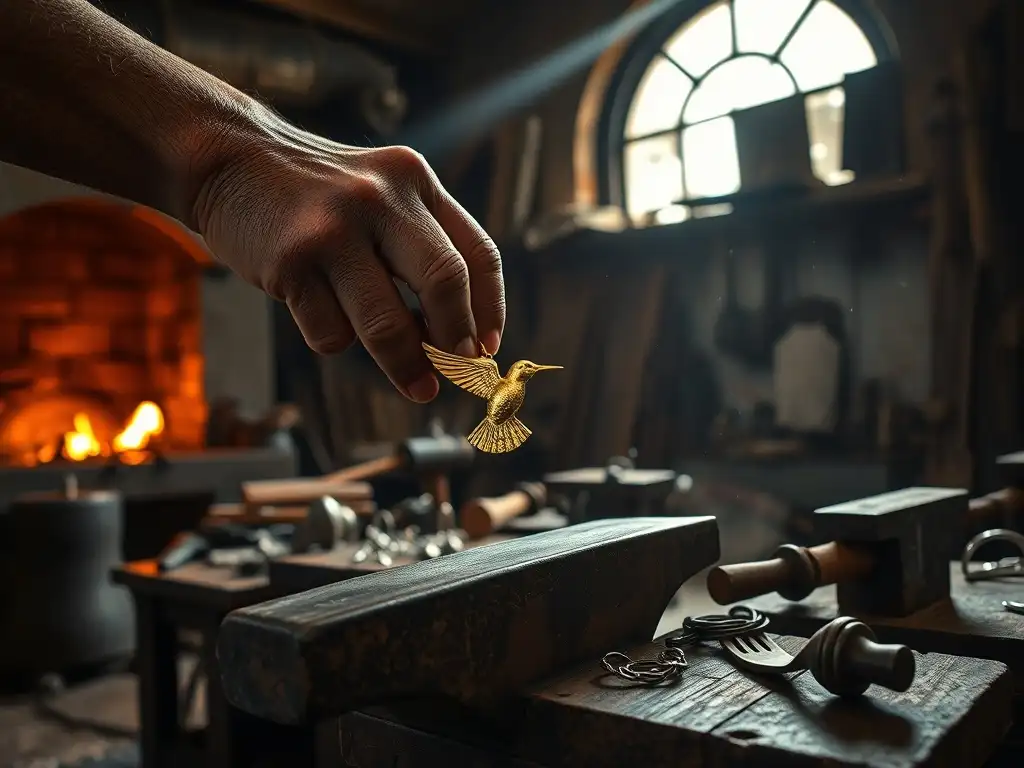
This section delves into the fascinating world of Andean metalworking, exploring its significance within the context of ancient Andean societies. We'll examine the artistry and technical prowess demonstrated in the creation of both utilitarian tools and exquisite jewelry, shedding light on the sophisticated techniques employed and the profound cultural impact of this craft. Understanding Andean metalworking techniques provides a crucial window into the social structures, religious beliefs, and daily lives of these remarkable civilizations.
The mastery of metalworking wasn't merely a practical skill; it was a powerful symbol of status, religious authority, and artistic expression, shaping the very fabric of Andean society. The development and refinement of these techniques across different Andean cultures, from the Nazca to the Inca, reveal a rich tapestry of innovation and cultural exchange.
The Importance of Metal in Ancient Andean Societies
Metal held immense importance in ancient Andean societies, far surpassing its purely functional value. The acquisition and manipulation of metals like gold, silver, copper, and bronze were closely tied to notions of power, divinity, and social hierarchy. Gold, in particular, was often associated with the sun god Inti, symbolizing royalty, wealth, and spiritual authority. Elaborate gold ornaments adorned the bodies of elites, reinforcing their status and connection to the divine.
Silver, while less revered than gold, also played a significant role, often used in ceremonial objects and prestigious tools. Copper and bronze, more readily available, were used for a broader range of items, from everyday tools to weaponry, reflecting their practical importance in daily life. The control and distribution of metal resources were key factors in shaping political power dynamics and social stratification within Andean societies.
Archaeological evidence consistently shows that access to metal objects and the skills to create them were concentrated among the ruling classes, highlighting their privileged position. The intricate designs and craftsmanship evident in surviving artifacts underscore the high level of skill and artistry achieved by Andean metalworkers. Even the simplest tools often exhibit remarkable attention to detail, showcasing the dedication and expertise invested in this crucial craft.
Overview of Andean Metalworking Techniques
Andean metalworkers employed a variety of sophisticated techniques, reflecting both regional variations and continuous innovation across centuries. The process typically began with the extraction of ore from mines, often located at high altitudes. Subsequent stages involved refining the ore, shaping the metal through hammering, casting, and soldering, and finally, decorating the finished product. Casting, a particularly impressive technique, involved creating molds using clay or stone, into which molten metal was poured. This allowed for the creation of complex shapes and intricate designs, as seen in the numerous ceremonial objects and figurines unearthed from Andean sites.
Hammering was another essential technique, used to shape sheets of metal into desired forms, often followed by intricate repoussé work, where the metal was hammered from the back to create three-dimensional relief. Soldering, the joining of different pieces of metal, allowed for the creation of more elaborate and complex artifacts. The use of alloys, combining different metals to achieve specific properties, further demonstrates the advanced metallurgical knowledge of Andean artisans. For example, the addition of tin to copper resulted in bronze, a harder and more durable material suitable for tools and weapons.
The precise techniques varied across different Andean cultures and time periods, reflecting a dynamic and evolving tradition. Further research is needed to fully understand the nuances of regional variations in techniques and the transmission of knowledge across generations of skilled artisans. The remarkable surviving artifacts, however, stand as testament to the ingenuity and expertise of Andean metalworkers. The artistry and technical mastery displayed in these objects continue to inspire awe and admiration, offering invaluable insights into the rich cultural heritage of the Andes.
Andean Metalworking Techniques: A Detailed Exploration
This section delves into the sophisticated techniques employed by Andean civilizations in their mastery of metalworking, a crucial aspect of their daily lives. From the extraction of raw materials to the creation of intricate jewelry and essential tools, their expertise reveals a deep understanding of metallurgy and a remarkable level of craftsmanship. Understanding these "Andean metalworking techniques" provides crucial insight into their social structures and technological advancements.
Extraction and Processing of Metals in the Andes
The Andean region boasts a rich endowment of metallic ores, providing the raw materials for the flourishing metalworking traditions. Copper, gold, silver, and bronze were the most commonly worked metals. The extraction process varied depending on the ore's location and accessibility. Surface deposits were likely the easiest to exploit, requiring minimal tools. However, for deeper deposits, more sophisticated techniques, possibly involving rudimentary mining shafts and tunnels, were necessary. Evidence suggests the use of stone tools like hammers and chisels for breaking apart rock formations and extracting ore-bearing veins.
Once extracted, the ore underwent a crucial processing phase before smelting. This involved crushing and grinding the ore to a finer consistency, often using stone mortars and pestles. This process increased the surface area of the ore, making it more reactive during the subsequent smelting process.
The level of sophistication in ore preparation varied across different Andean cultures and time periods, reflecting their technological advancements and resource management strategies. For example, the Incas, known for their advanced organizational skills, likely implemented more efficient and large-scale ore processing methods compared to earlier cultures. Unfortunately, detailed information on the precise techniques used in ore preparation across different Andean societies is still lacking, requiring further archaeological investigation.
Smelting and Refining Practices in Andean Metallurgy
Smelting, the process of extracting metal from its ore by heating it to high temperatures, was a pivotal step in Andean metalworking. Archaeological evidence points to the use of various smelting techniques, which evolved over time. Early methods likely involved simple hearths or open-air furnaces, fueled by charcoal or other readily available fuels. As technology advanced, more sophisticated furnaces, potentially incorporating bellows for increased airflow and higher temperatures, were developed. These allowed for more efficient metal extraction and better control over the smelting process.
Refining the smelted metal was equally crucial. Impurities like slag needed to be removed to obtain a higher-quality metal suitable for crafting tools and ornaments. This process often involved repeated heating and hammering, removing unwanted materials and improving the metal's malleability. The specific refining techniques varied depending on the metal being processed.
Gold, for instance, being relatively unreactive, required less extensive refining compared to copper or bronze, which often contained significant impurities. The development of efficient refining techniques was key to the production of high-quality metal objects characteristic of Andean artistry. Further research is needed to fully understand the precise chemical processes involved in Andean refining practices.
Shaping Metal: Hammering, Casting, and Other Techniques
After smelting and refining, the metal was ready for shaping into various forms. Hammering was a fundamental technique, used to shape sheets of metal, create intricate designs, and strengthen the metal's structure. This involved the use of various hammers, likely made from stone or hard wood, along with anvils of stone or other suitable materials. The skill and precision required for hammering are evident in the intricate details found on many Andean metal objects.
Casting, another significant technique, allowed for the creation of more complex shapes and designs. This involved melting the metal and pouring it into molds, often made from clay or stone. The molds could be simple or highly intricate, depending on the desired object. The lost-wax casting technique, known for its ability to produce highly detailed objects, was also used by Andean artisans. This technique involved creating a wax model, covering it in clay, melting out the wax, and then pouring molten metal into the resulting mold. This allowed for the creation of intricate jewelry and decorative items.
Beyond hammering and casting, Andean metalworkers employed other techniques like repoussé (hammering from the back to create raised designs), chasing (hammering from the front to refine details), and soldering (joining pieces of metal using a molten metal filler). These techniques, combined with their artistry, resulted in the creation of stunning and functional metal objects that remain testaments to their remarkable skills and ingenuity. The diversity of techniques employed underscores the high level of technological sophistication achieved by Andean metalworkers and their significant contribution to the "Andean metalworking techniques" legacy.
Andean Metal Jewelry: Adornment and Status
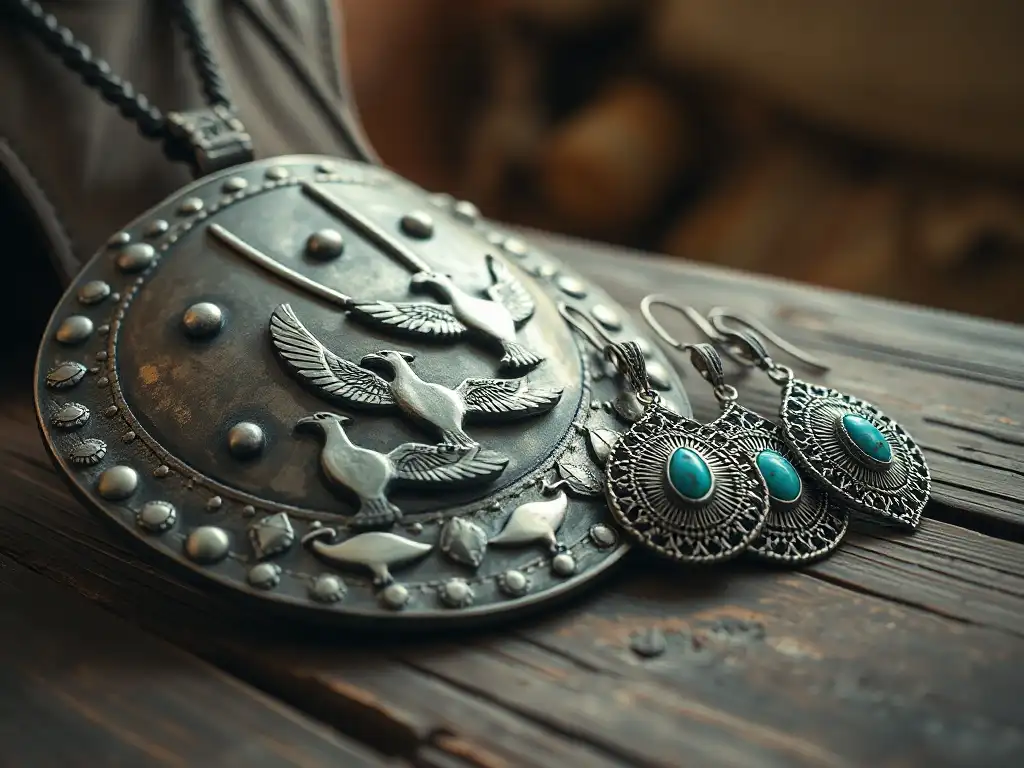
Andean metalworking techniques reached a remarkable level of sophistication, particularly in the creation of jewelry. These weren't mere decorations; they were powerful symbols of status, religious beliefs, and social standing within the complex Andean societies. The artistry and craftsmanship involved in producing these pieces reflect a deep understanding of metallurgy and a profound aesthetic sensibility. The choice of metal, the design, and the techniques employed all contributed to the overall meaning and value of each artifact.
Studying these intricate pieces provides invaluable insight into the social hierarchy, religious practices, and artistic capabilities of these ancient cultures. The meticulous detail and the sheer variety of designs found in surviving examples demonstrate the extensive skill and artistry of Andean artisans. From simple pendants to elaborate headdresses, metal jewelry played a significant role in daily Andean life.
The Significance of Gold in Andean Jewelry
Gold, a highly valued metal across numerous ancient cultures, held exceptional significance in Andean societies. Its malleability allowed for intricate designs, while its lustrous quality and perceived connection to the sun god Inti imbued it with immense symbolic power. Gold jewelry, often reserved for the elite, served as a potent visual marker of social status and power.
Elaborate gold masks, intricately crafted pectorals, and dazzling ear ornaments adorned the bodies of rulers and high-ranking individuals, showcasing their authority and connection to the divine. The use of gold also varied geographically and chronologically. For example, the Moche culture exhibited a mastery of goldwork, creating delicate filigree and repoussé pieces, while the Inca Empire often favored larger, bolder pieces, reflecting their imperial power.
The sheer quantity of gold artifacts discovered in royal tombs further emphasizes its importance within the Andean worldview. Analysis of gold alloys reveals the sophisticated understanding of metallurgy possessed by Andean artisans, capable of controlling the purity and properties of the metal to achieve specific aesthetic and functional outcomes.
While gold held a prominent position, silver also played a significant role in Andean metalworking and jewelry. Unlike gold, which was often associated with divinity and royalty, silver held a different, yet equally important, social meaning. Silver ornaments, while still indicators of wealth and status, were perhaps more widely distributed within society than gold pieces.
This doesn't diminish their artistic merit or cultural significance. Silver's malleability and durability made it suitable for a variety of jewelry forms, from delicate chains and intricate pendants to larger, more substantial pieces like brooches and ceremonial objects. The designs often incorporated symbolic motifs and imagery related to Andean cosmology, agriculture, and animal life, reflecting the close relationship between humans and their environment.
The artisans' skill in creating intricate patterns and textures on silver pieces is remarkable, showcasing their technical expertise and artistic vision. The prevalence of silver in everyday life, compared to the more exclusive use of gold, suggests its importance as a valuable metal with broad social implications.
The Use of Copper and other Metals in Jewelry Making
Beyond gold and silver, Andean metalworkers skillfully utilized copper and its alloys, such as bronze, in their creations. Copper, readily available in the Andes, provided a more accessible and versatile material for producing a wider range of jewelry and tools. Its reddish hue held its own symbolic significance, possibly connected to the earth or agricultural fertility.
Copper alloys, like bronze, offered greater durability and strength, making them suitable for functional items such as tools and weapons, as well as decorative pieces. The techniques employed in working with copper were equally sophisticated, showcasing the adaptability of Andean metalworkers to different materials. The combination of different metals, sometimes within a single piece, reflects a sophisticated understanding of metallurgy and a keen artistic sense.
The use of these "lesser" metals in jewelry shouldn't be seen as inferior; instead, it highlights the diverse range of materials employed and the broad accessibility of metalwork within Andean societies. The study of these copper and bronze artifacts provides crucial information about the resource management and technological advancements of these cultures. Further research into the specific alloys and techniques used could reveal even more about the ingenuity of Andean metalworkers and their profound impact on the history of metallurgy.
Examples of Andean Jewelry: Tupu Pins and Ear Spools
The artistry of Andean metalworking is vividly showcased in the exquisite jewelry crafted by these ancient civilizations. Among the most iconic pieces are the tupu pins and ear spools, which served not only as adornments but also as powerful symbols of status and identity. The creation of these intricate pieces demanded advanced metallurgical skills, reflecting the sophisticated technological capabilities of Andean societies.
The sheer variety of designs, from simple geometric patterns to complex zoomorphic representations, reveals a rich tapestry of cultural beliefs and artistic expression. These weren't merely decorative items; they were integral parts of social structures, reflecting an individual's place within the community.
The tupu, a type of large, ornate pin, was frequently worn by members of the elite. Their size and elaborate ornamentation, often incorporating gold, silver, and precious stones, clearly distinguished them as symbols of high social standing. Different styles and motifs were associated with specific regions and periods, allowing archaeologists to trace the evolution of Andean metalworking techniques and the spread of cultural influences across the vast Andean region.
The meticulous craftsmanship involved in creating these pins, including the intricate details and the precise application of decorative elements, underscores the high level of skill possessed by Andean artisans. Detailed studies of surviving tupu examples reveal fascinating insights into the materials used, the techniques employed, and the symbolic meanings embedded within their designs.
Ear spools, another prevalent form of Andean jewelry, displayed a remarkable range of styles and sizes. While some were relatively simple, others were incredibly elaborate, featuring complex designs and a wide array of materials. These ear ornaments were often crafted from gold, silver, copper alloys, or combinations of these metals, further highlighting the mastery of Andean metalworking techniques. The use of different metals, often combined with semi-precious stones and intricate details, provided an additional layer of symbolic meaning. Certain designs and materials might have been associated with specific deities, rituals, or social groups, further emphasizing the significance of these artifacts within Andean society. The sheer volume of ear spools discovered in archaeological sites testifies to their widespread use and the importance they held in the lives of Andean people. The analysis of these artifacts allows scholars to further refine our understanding of Andean metalworking techniques, social structures, and artistic traditions.
Metal Tools in Daily Life: Functionality and Craftsmanship
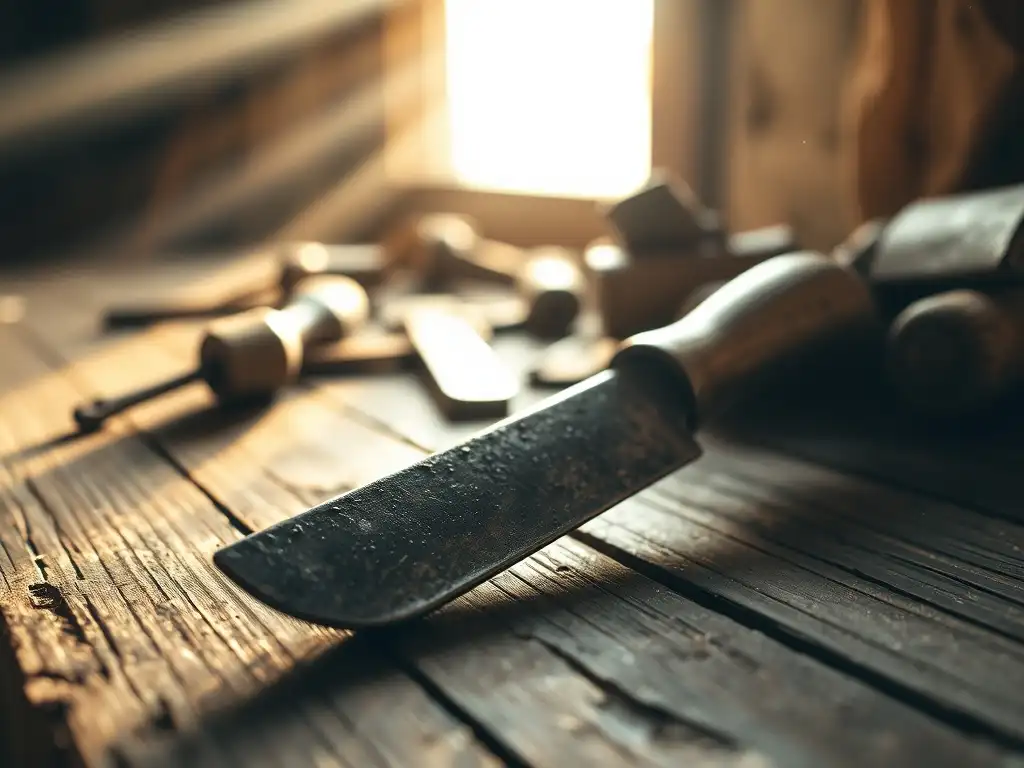
The mastery of Andean metalworking techniques profoundly impacted the daily lives of ancient Andean societies. The ability to shape and utilize metals like copper, bronze, gold, and silver led to the creation of tools that significantly improved agricultural practices, facilitated complex crafts, and enhanced domestic life. This section will explore the diverse applications of metal tools, highlighting their functionality and the remarkable craftsmanship involved in their production.
Understanding these tools provides crucial insight into the ingenuity and technological advancement of these civilizations. The sophistication of Andean metalworking, evident in both its aesthetic and practical applications, underscores its importance in shaping the social and economic fabric of Andean societies. We'll examine specific examples to showcase the range and impact of these technologies.
Agricultural Tools Crafted with Metal
The development of metal agricultural tools marked a significant leap forward in Andean agricultural productivity. Before the widespread adoption of metal, tools were primarily made of stone, wood, or bone, limiting efficiency and effectiveness. The introduction of metal allowed for the creation of stronger, more durable, and sharper tools.
The most notable example is the chaquitaclla, a foot-powered plow made of a variety of materials, often including a metal point for increased penetration into the soil. This innovation significantly reduced the labor required for tilling, allowing for larger-scale agriculture and increased yields. [Specific data on the percentage increase in yield due to the chaquitaclla pending]. The metal components of the chaquitaclla, often crafted from copper alloys, ensured longevity and resistance to wear and tear, representing a significant improvement over previous technologies.
Other agricultural tools, such as hoes and sickles, also incorporated metal components, enhancing their cutting and digging capabilities. The use of metals in agricultural tools contributed to the development of sophisticated irrigation systems and the cultivation of diverse crops, supporting the growth and complexity of Andean societies. The impact of these advancements on food production and population growth cannot be overstated.
Metalworking Tools Used in the Andes
The creation of metal tools themselves required specialized tools and techniques. Andean metalworkers developed a sophisticated array of tools for shaping and refining metals. These tools, often crafted from the same metals they were used to process, demonstrate a cyclical process of technological development.
Evidence suggests the use of hammers, anvils, and various types of chisels and punches. 🔥 These were crucial for shaping metal sheets, creating intricate designs, and assembling components. Molds were also employed for casting metal objects, requiring precise craftsmanship and knowledge of metallurgy. [Detailed description of specific mold types and their usage pending].
The development of these metalworking tools allowed for a high degree of precision and detail in the creation of both functional tools and elaborate artistic pieces. The skill and expertise required to produce these tools speaks to the advanced level of metallurgical knowledge within Andean societies. The diversity of tools also suggests a complex division of labor within metalworking workshops.
Domestic Tools and Utensils Made from Metal
Beyond agricultural and metalworking tools, metals played a significant role in creating everyday domestic tools and utensils. The use of metal in domestic settings reflects not only the practicality of the material but also its symbolic and aesthetic value.
Metal containers, such as bowls, plates, and cups, were widely used for food preparation and consumption. The durability and ease of cleaning of metal utensils provided a hygienic advantage over pottery or wooden alternatives. [Examples of specific metal alloys used in domestic utensils and their properties pending]. Knives and other cutting tools made of metal were essential for food preparation.
Metal needles and pins were crucial for weaving and textile production, indicating the interconnectedness of different crafts within Andean societies. Even seemingly simple items like metal pins and fasteners demonstrate the importance of metal in facilitating daily routines. The widespread use of metal in domestic life highlights its integration into the fabric of Andean society. The presence of these metal objects in archaeological contexts provides invaluable insights into the daily lives and cultural practices of these ancient civilizations.
Examples of Andean Metal Tools: Axes and Chisels
Andean metalworking techniques, particularly in the creation of tools, reveal a sophisticated understanding of metallurgy and its practical applications. Axes and chisels, fundamental for agriculture, construction, and woodworking, showcase the ingenuity of Andean artisans. These weren't merely crude implements; they were carefully crafted instruments reflecting a deep knowledge of material properties and design principles.
The selection of alloys, the shaping process, and the overall durability demonstrate a level of skill passed down through generations. The effectiveness of these tools directly contributed to the success of Andean societies in shaping their environment and building complex structures. Archaeological findings consistently unearth examples of these tools, often in remarkably well-preserved condition, providing invaluable insights into their construction and use.
The axes, for instance, were not uniformly shaped. Variations exist depending on the intended purpose and the materials being worked. Some axes were designed for felling trees, possessing broader, heavier blades, while others, smaller and more delicately crafted, might have been used for more precise woodworking tasks like carving or shaping smaller pieces of timber. The blade's attachment to the haft also varied, sometimes employing sophisticated techniques like casting the blade directly onto the haft, ensuring a strong and durable connection.
This demonstrates a clear understanding of engineering principles to optimize tool performance. The quality of the metal itself was crucial; different alloys were likely used depending on the intended hardness and durability required. Copper alloys were common, but the addition of other elements like tin or arsenic would have significantly influenced the final product's properties.
Chisels, on the other hand, exhibit a different range of forms and functionalities. From large, heavy chisels used for stone carving in monumental architecture to smaller, more finely crafted chisels for intricate woodworking or bone carving, the diversity reflects the wide range of tasks they fulfilled in daily life. The precise shaping of the chisel's blade, its angle, and its overall weight all contributed to its effectiveness.
The creation of these chisels required a high degree of skill in metal shaping and heat treatment, techniques crucial for achieving the desired sharpness and durability. The precision needed for creating such tools is evident in their remarkable preservation and the evidence of their extensive use in various archaeological sites.
Analysis of these tools often reveals traces of the materials they were used to work, providing further insights into their functionality and the diverse tasks they performed within Andean societies. The artistry and precision in their creation underscore the importance of metalworking in the daily lives of Andean peoples.
The Cultural and Symbolic Significance of Metalworking
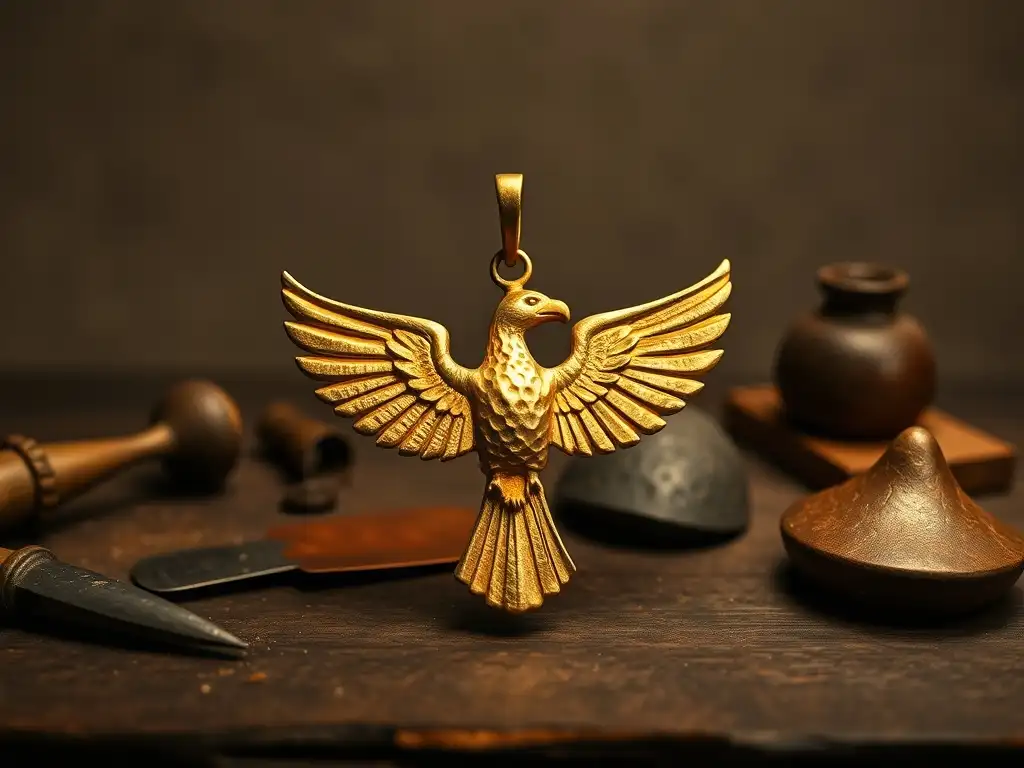
The mastery of Andean metalworking techniques wasn't merely a technological achievement; it held profound cultural and symbolic weight within Andean societies. The ability to transform raw materials into intricate objects imbued these artifacts with significant power and meaning, deeply intertwined with religious beliefs, social structures, and artistic expression. The process itself, from mining the ore to the final polishing, was often imbued with ritualistic practices, ensuring the successful creation of objects believed to possess spiritual potency.
The scarcity of certain metals, like gold and silver, further elevated their symbolic value, associating them with deities and the elite. The careful selection of materials and the precision of the craftsmanship underscore the high value placed upon these objects and the individuals who created them. Understanding the cultural context is crucial to appreciating the artistry and significance of Andean metalwork.
Metalworking as a Religious and Ritual Practice
Metalworking in the Andes was inextricably linked to religious and ritual practices. The creation of metal objects wasn't simply a craft; it was a sacred act performed by skilled artisans often considered to have special spiritual abilities. Archaeological evidence suggests that specific rituals accompanied various stages of the metalworking process.
For instance, offerings of coca leaves, llama fetuses, and other sacred items have been found in association with ancient mining sites and workshops. These offerings likely served to appease the spirits of the mountains and ensure a plentiful supply of ore. Furthermore, the finished metal objects themselves were often used in religious ceremonies, serving as offerings to deities or as adornments for priests and other religious figures.
The shapes and designs frequently incorporated symbolic motifs representing deities, celestial bodies, or natural forces, reinforcing their sacred function. The intricate designs found on many artifacts, particularly those made of gold, suggest a deep understanding of the cosmos and the spiritual world.
The Role of Metalworkers in Andean Societies
The individuals who practiced Andean metalworking techniques held a privileged position within their societies. They were not simply artisans; they were specialists whose skills and knowledge were highly valued. Their expertise allowed them to create objects of immense symbolic and practical importance, solidifying their status within the social hierarchy.
Evidence suggests that metalworkers often worked within specialized workshops, sometimes associated with royal palaces or religious centers. This proximity to power underscores their importance and the high demand for their services. The organization and scale of some workshops indicate a sophisticated level of production and a possible system of apprenticeship, ensuring the transmission of knowledge across generations.
The social status of metalworkers varied across different Andean cultures and time periods, but their role as skilled specialists was consistently significant. Their craft was not only crucial for the production of tools and ornaments but also for the maintenance of religious and political power.
Examples of Metalwork in Andean Mythology and Art
Andean mythology and art are replete with examples showcasing the importance of metalworking. Depictions of metalworkers and their tools appear frequently in pottery, textiles, and other forms of art, reinforcing the social significance of the craft. Many mythological narratives involve deities or heroes who possess or manipulate metal objects, highlighting their power and supernatural associations.
For example, the Moche culture's iconography often features figures wielding elaborate metal weapons or adorned with intricate gold ornaments, emphasizing their power and status. The use of gold, silver, and copper in funerary contexts suggests beliefs about the afterlife and the continued importance of these materials beyond death. The intricate designs found on many metal objects, often incorporating zoomorphic and anthropomorphic motifs, reflect a sophisticated artistic sensibility and a deep understanding of the natural world and the spiritual realm.
These artistic representations provide valuable insights into the cultural and religious significance of Andean metalworking, revealing the deep integration of this craft into the fabric of Andean life. Further research into these artistic representations could reveal more nuanced understandings of specific Andean metalworking techniques and their cultural context.
The Legacy of Andean Metalworking Techniques
The mastery of Andean metalworking techniques left an indelible mark on the continent, influencing artistic expression and technological advancements for centuries. This sophisticated craft, developed over millennia, wasn't merely a decorative pursuit; it was deeply intertwined with Andean social structures, religious beliefs, and daily life. The legacy of these techniques extends far beyond the Inca Empire, impacting subsequent cultures and continuing to fascinate researchers today.
The intricate details of their processes, the innovative use of alloys, and the sheer artistry involved remain a testament to the ingenuity and skill of Andean artisans. Understanding this legacy requires examining both the direct influence on later civilizations and the ongoing efforts to preserve and study these remarkable achievements.
Influence of Andean Metallurgy on Later Cultures
The impact of Andean metallurgy on later cultures is undeniable. Spanish conquistadors, upon encountering the wealth of gold and silver objects, were immediately captivated. However, the influence extended beyond mere plunder.
The techniques themselves, though adapted and modified, were absorbed into colonial metalworking practices. For instance, the sophisticated lost-wax casting methods perfected by Andean artisans provided a foundation for colonial silversmiths, who produced religious artifacts and decorative items heavily influenced by pre-Columbian aesthetics. Furthermore, the use of specific alloys, particularly those incorporating copper, tin, and gold, continued to be refined and utilized, demonstrating a direct lineage from ancient Andean techniques.
This cultural exchange, though often exploitative, resulted in a fascinating blend of old and new, perpetuating certain aspects of Andean metallurgical knowledge for generations. The legacy of Andean metalworking can be seen in the stylistic elements and technical approaches adopted by later metalworkers, who, consciously or unconsciously, built upon the foundations laid by their Andean predecessors. Further research could delve into specific examples of colonial artifacts showcasing clear links to pre-Columbian techniques.
Preserving and Studying Andean Metalworking Today
Preserving and studying Andean metalworking today involves a multi-faceted approach. Museums worldwide house significant collections of Andean artifacts, providing invaluable resources for researchers. However, the challenge lies not only in preserving the physical objects but also in understanding the intricate processes behind their creation.
Archaeological excavations continue to unearth new artifacts and provide crucial insights into the workshops and techniques employed by Andean metalworkers. Careful analysis of these objects, using techniques like X-ray fluorescence spectroscopy (XRF) and scanning electron microscopy (SEM), reveals the composition of alloys and the precise steps involved in shaping and decorating them. This scientific approach complements the historical and anthropological research that seeks to understand the social and ritual contexts in which these objects were created and used.
Moreover, efforts to document traditional metalworking practices in contemporary Andean communities, where some techniques may still be practiced, are essential for a complete understanding of this rich heritage. The combined efforts of archaeologists, metallurgists, historians, and anthropologists are crucial for the preservation and interpretation of Andean metalworking.
Current Research and Discoveries in Andean Metalworking
Recent research on Andean metalworking techniques continues to challenge and refine our understanding of this sophisticated craft. New discoveries are constantly being made, adding layers of complexity to the existing knowledge. For example, studies using advanced imaging techniques have revealed minute details in the surface decoration of artifacts, revealing previously unseen patterns and symbols.
Furthermore, research focusing on the organization of Andean metalworking workshops is shedding light on the division of labor and the specialization of skills within these communities. The analysis of metallurgical waste and discarded materials provides invaluable insights into the processes involved, allowing researchers to reconstruct the techniques used with greater accuracy. Ongoing excavations at significant sites are continuously yielding new artifacts and contextual information, enriching our understanding of the evolution of Andean metalworking.
Further research is needed to fully understand the role of specific metals in Andean society and the symbolic meanings embedded within the objects themselves. The field is dynamic, with new discoveries constantly reshaping our understanding of Andean metalworking and its enduring legacy. The use of cutting-edge scientific methodologies is vital in uncovering previously unknown aspects of this fascinating craft.
Frequently Asked Questions
What unique metalworking techniques did Andean civilizations employ?
Andean civilizations were masters of lost-wax casting, a complex process allowing for intricate designs. They also excelled in hammering and repoussé, shaping thin metal sheets into detailed forms, and alloying, combining metals to achieve specific colors and properties.
What types of metals did Andean cultures primarily work with?
The most common metals were gold, silver, and copper, often combined to create alloys like tumbaga (gold-copper alloy). They also utilized bronze and less frequently, platinum.
How did Andean metalworking impact their daily lives?
Metalworking was crucial; tools like axes and knives were essential for agriculture and daily tasks. Ornamental jewelry and religious objects played vital roles in social status and ceremonies.
What is the significance of tumbaga in Andean metalworking?
Tumbaga, a gold-copper alloy, was highly valued for its unique color and workability. Its use varied widely, from everyday tools to elaborate ceremonial objects, reflecting its importance in Andean society.
Where can I learn more about Andean metalworking techniques?
Explore museums with Andean collections, like the Larco Museum in Lima, Peru, or consult academic journals and books focusing on Andean archaeology and metallurgy. Many online resources also offer valuable information.
Final Reflection: Echoes of the Andes: Metalworking's Enduring Legacy
The intricate artistry of Andean metalworking, far from being a relic of the past, continues to resonate powerfully in contemporary society. Its enduring influence is visible not only in the breathtaking pieces that grace museums worldwide but also in the vibrant cultural traditions that persist in the Andes today. The techniques, passed down through generations, represent a profound connection to ancestral knowledge and a testament to human ingenuity.
The enduring power of Andean metalworking lies not just in its technical skill, but in its profound spiritual and social significance. It's a tangible link to a rich history, a story etched in gold, silver, and copper. The artistry speaks to a deep understanding of the natural world and a sophisticated aesthetic sensibility. As the anthropologist, June Nash, eloquently stated: The metalwork is not just an object; it is a carrier of meaning, a reflection of the social and cosmological order.
This quote encapsulates the profound cultural weight carried by these seemingly simple objects. The techniques themselves, the hammering, the casting, the intricate designs, are all imbued with a sense of history and continuity.
Consider the legacy of these techniques. How can we, as modern individuals, appreciate and learn from the dedication and skill involved in creating these works of art? I encourage you to reflect on the enduring power of craftsmanship and the importance of preserving traditional skills. Seek out opportunities to learn more about Andean metalworking, support artisans who continue these traditions, and appreciate the beauty and cultural significance embedded within each piece. Let the echoes of the Andes inspire your own creativity and respect for the enduring power of human ingenuity.
Unveil the Art of Andean Metalworking
Thank you for joining us on this fascinating journey through the world of Andean metalworking. You've discovered how this rich tradition of jewelry-making and tool creation has shaped daily life for centuries. Now, let's explore how you can bring this inspiration into your own life.
Here are some ways to delve deeper into the art of Andean metalworking and connect with its vibrant heritage:
- Create your own metalwork: Gather materials and craft a small piece of jewelry or a simple tool, incorporating your own style while drawing inspiration from Andean techniques. Experiment with different designs and see what you can create!
- Join a workshop or online class: Connect with fellow enthusiasts and learn from experienced artisans. Hands-on learning in a community setting offers invaluable insights and support.
- Share your creations: Document your progress and share your finished pieces on social media or with local craft groups. Inspire others to appreciate the beauty and artistry of metalwork!
What Andean-inspired piece are you most excited to create, and how will your personal style be reflected in your design?