
The Influence of Social Class on Family Life in the Andes

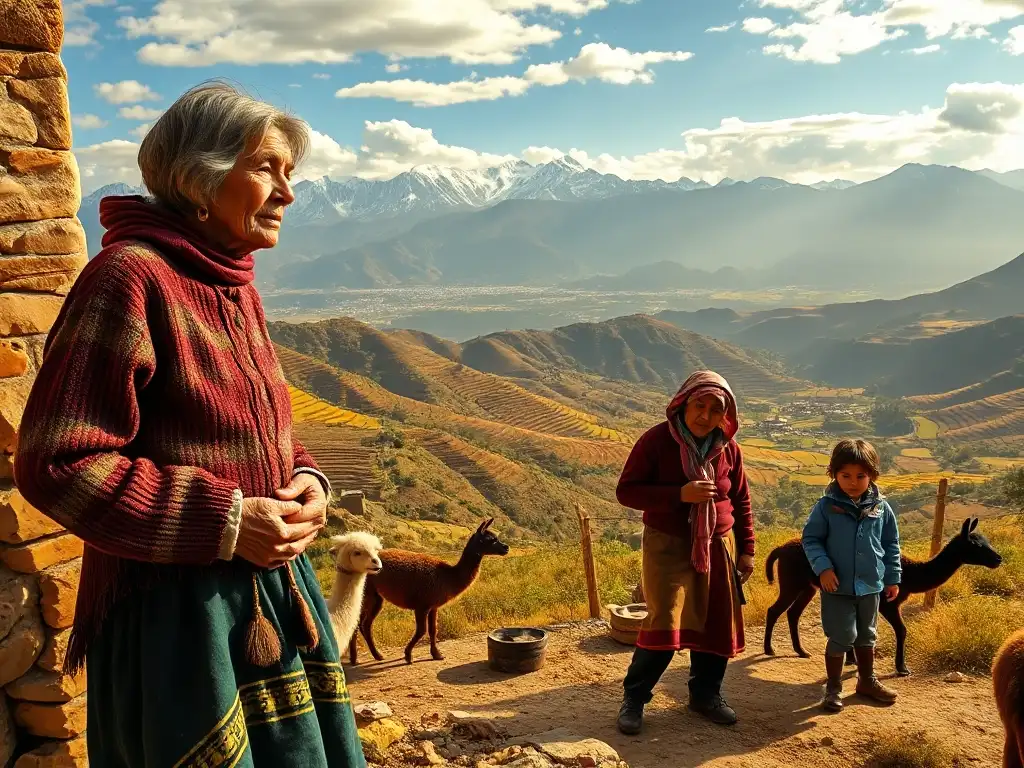
Step into a world lost to time, yet echoing with the whispers of a magnificent past. Discover the intricate tapestry of Andean life, where towering mountains held secrets as profound as the civilizations that thrived within their shadow. But what shaped the very heart of these societies? The answer lies in understanding the Andean civilization family structure, a complex system deeply intertwined with social class and power. Unravel the mysteries and explore the surprising ways social standing influenced family life in the Andes – a journey awaits you.
The Andes Mountains, a spine of towering peaks stretching along the western coast of South America, were home to a complex tapestry of ancient civilizations. For centuries, societies like the Inca, Moche, Nazca, and Tiahuanaco flourished in this challenging terrain, developing intricate social structures that profoundly shaped their family lives. Understanding Andean civilization family structure requires moving beyond a simplistic view of a homogenous society; instead, we must recognize the significant impact of social class on family dynamics, kinship networks, and daily life.
This article delves into the diverse experiences of Andean families across different social strata, exploring how power, resources, and social mobility influenced family structures and roles. From the elite families who wielded significant political and economic power to the indigenous communities whose labor sustained the empire, we'll examine the rich tapestry of family life in the Andes and how it reflected the broader social hierarchy. By understanding the nuanced relationship between social class and family, we gain a deeper appreciation for the complexities and resilience of Andean civilizations.
We will analyze the varying family structures, exploring the impact of social stratification on family size, inheritance patterns, marriage practices, and the roles of men and women within the family unit. This exploration will reveal a fascinating picture of Andean family life, demonstrating the intricate connections between social organization and the intimate sphere of the family.
Andean societies were characterized by a hierarchical social structure. While the specifics varied across different civilizations and time periods, a clear stratification existed, influencing every aspect of life, including family structure. At the top were the elites – rulers, priests, and high-ranking officials – who enjoyed considerable privilege and access to resources.
Below them were various levels of commoners, including farmers, artisans, and laborers. The impact of this stratification on family life was profound. Elite families often controlled vast landholdings and wielded considerable political influence, shaping marriage alliances and inheritance patterns to maintain their power and status.
In contrast, commoner families faced different challenges, often focused on survival and maintaining their position within their communities. The availability of resources, access to education, and opportunities for social mobility significantly impacted family size, composition, and overall well-being. The social standing of a family directly affected its access to opportunities, influencing everything from the education of children to the potential for upward mobility.
Exploring the Diversity of Andean Family Structures
The term "Andean family structure" is misleading if it suggests uniformity. In reality, family structures varied significantly depending on geographical location, ethnic group, and social class. While extended family units were common across different social groups, their composition and functions differed. For example, the roles of women and men within the family unit were influenced by social class.
Elite women might have had more autonomy and influence within their families than those in lower social strata. Similarly, the inheritance of property and land varied significantly based on social standing. The way families were structured, their relationships with other kin, and the roles of its members within society were all deeply intertwined with their social position. This diversity underscores the need to avoid generalizations and to appreciate the rich tapestry of family life in the Andes.
The Elite Families: Power and Lineage in the Andes
Elite Andean families played a crucial role in maintaining social order and political power. Their family structures were often characterized by strategic marriages designed to consolidate power and expand influence. Lineage was paramount, with elaborate genealogies meticulously tracked to legitimize claims to authority. Inheritance patterns favored primogeniture, with the eldest son often inheriting the family's wealth and status.
These families controlled access to resources, land, and specialized knowledge, creating a significant disparity in living standards and opportunities compared to commoner families. The focus on maintaining their power and prestige shaped their family dynamics, prioritizing strategic alliances and the preservation of their social standing. Their family life was a reflection of their political power and social influence.
Indigenous Families: Community and Labor in the Andes
Indigenous families formed the backbone of Andean societies, providing the labor force that sustained the empires. Their family structures were often characterized by strong community ties and a focus on collective labor. Extended family units, including multiple generations and collateral relatives, were common. These families lived in close proximity to each other, often sharing resources and collaborating on agricultural tasks.
Their family life was deeply intertwined with the cyclical rhythms of agriculture and the demands of their community. Labor obligations and reciprocal exchange within the community played a significant role in shaping their family dynamics and resource allocation. Their resilience and adaptability in the face of hardship are testaments to the strength of their family and community bonds.
Urban Families: Mobility and Status in Andean Societies
The growth of urban centers in the Andes created new opportunities for social mobility and altered family structures. Urban families faced different challenges and opportunities compared to their rural counterparts. Increased social interaction and exposure to diverse cultural influences could lead to changes in family practices and beliefs.
The potential for upward mobility attracted individuals from rural areas, resulting in a more heterogeneous family structure in urban settings. The competition for resources and status within urban environments could also lead to different family dynamics, with increased emphasis on individual achievement and social advancement. These urban families were at the forefront of cultural exchange and adaptation, resulting in a unique blend of traditions and innovations in their family life.
Andean social hierarchies profoundly impacted child-rearing practices. The elite, including the Inca royalty and nobility, enjoyed access to specialized education and resources unavailable to commoners. Their children received formal instruction in Inca history, religion, and administrative skills, preparing them for positions of power and influence.
This education was often provided by amautas, highly respected scholars and teachers, ensuring a continuation of elite knowledge and traditions. In contrast, children from lower social strata received a more practical upbringing, often learning skills necessary for their future roles in agriculture, crafts, or other essential tasks. This disparity in access to education created a significant divide in opportunities and social mobility for children across different social classes.
The very fabric of their upbringing, from the food they ate to the skills they learned, reflected their family's position within the rigid social structure. For example, royal children might have been trained in quipu-reading, while commoner children learned to weave or cultivate crops.
Child Education and Socialization Across Different Social Classes in the Andes
The education received by Andean children varied significantly based on their social standing. Elite children benefited from a formal, structured education system, while commoner children learned through apprenticeship and observation within their communities. Elite children were often taught by highly skilled professionals within the royal court or the religious institutions.
This education included not only practical skills but also knowledge of Inca history, religion, and governance. The curriculum aimed to instill values of loyalty, obedience, and respect for authority, all essential for maintaining the Inca empire's stability. In contrast, commoner children's education was more informal and focused on the practical skills needed for their future roles within the community.
They learned through observation and participation in daily tasks such as farming, weaving, pottery-making, and construction. Socialization differed greatly as well; elite children were raised with a sense of privilege and entitlement, while commoner children learned the importance of cooperation and community. This difference in educational and socialization experiences had a lasting impact on the children's lives and their place within Andean society.
Differences in Child Labor and Responsibilities among Andean Families
Child labor was prevalent across Andean society, but the nature and intensity of this labor varied drastically between social classes. Elite children, while expected to contribute, typically weren't subjected to the arduous labor that characterized the lives of commoner children. Their responsibilities might have involved assisting in administrative tasks or participating in ceremonial events.
Commoner children, however, often bore the brunt of agricultural and domestic labor from a young age. They might have been tasked with tending livestock, cultivating crops, fetching water, or assisting with household chores. This difference in labor responsibilities significantly impacted children's physical and mental development, contributing to disparities in health and well-being between social classes.
The heavier workload placed on commoner children often limited their access to education and leisure, further perpetuating the cycle of poverty and social inequality. The variations were stark; while noble children might have been involved in the training of future leaders, the children of farmers were essential to the family's survival, working alongside their parents from a very young age.
Family Values and Social Expectations in the Andean World
Family values and social expectations were deeply intertwined with social class in the Andean world. While the emphasis on community and kinship was universal, the specific manifestations differed significantly. Elite families prioritized maintaining their lineage and social status, emphasizing obedience, respect for authority, and adherence to Inca traditions.
Marriages were often strategic alliances, designed to consolidate power and maintain social standing. Commoner families, on the other hand, placed a greater emphasis on mutual support, cooperation, and communal responsibility. Family ties were crucial for survival, with extended families often living and working together.
While respect for elders was valued across all social strata, the level of deference and obedience expected from children varied considerably. The strong emphasis on ayni (reciprocal labor) and mita (labor tax) in commoner communities fostered a sense of collective responsibility and interdependence. Elite families might also have participated in ayni, but their contributions and obligations differed significantly, reflecting their social standing.
The Evolution of Andean Family Structures Throughout History
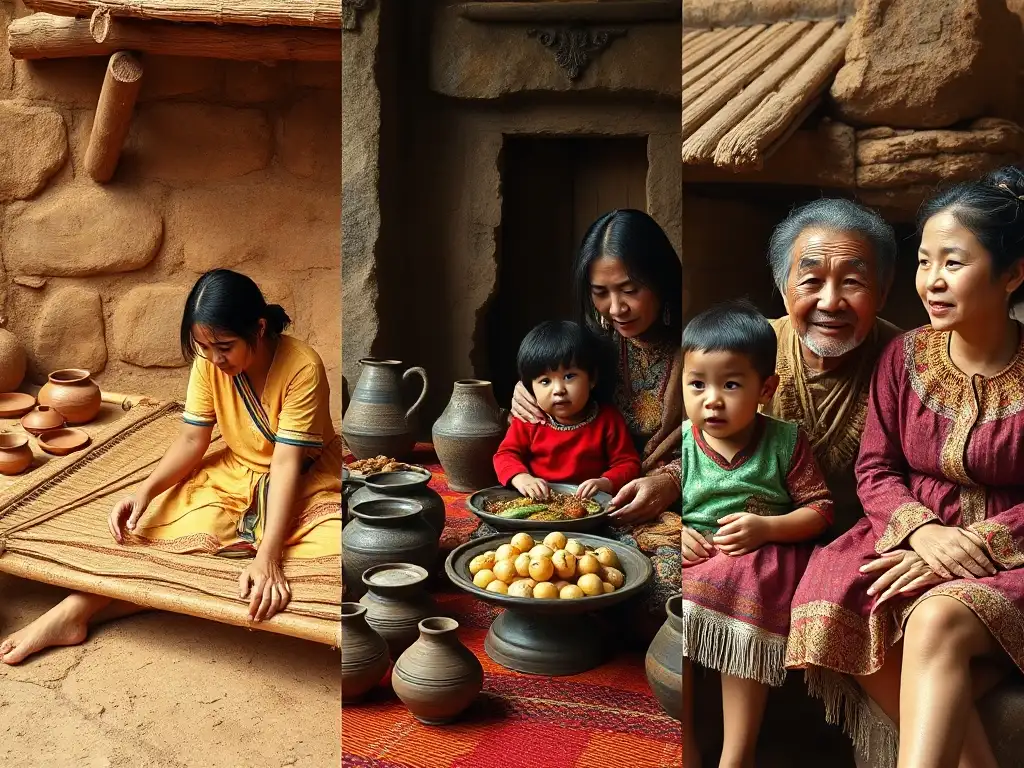
The Andean family structure underwent significant transformations throughout history, influenced by various factors, including environmental changes, political upheavals, and contact with external cultures. Understanding these shifts requires examining pre-Inca societies and the impact of Inca rule and subsequent colonial influences. The family structures varied regionally and were adapted to the specific ecological and social circumstances of each community.
Analyzing the evolution of family structures provides valuable insights into the complexities of Andean social organization and the dynamic interplay between social, political, and environmental factors. The study of Andean family structures offers a rich tapestry of social adaptations and transformations, reflecting the resilience and adaptability of Andean societies in the face of considerable historical changes.
Pre-Inca Family Life and Social Organization
Pre-Inca Andean societies exhibited a diversity of family structures, reflecting the regional variations in environment and social organization. While generalized patterns are difficult to establish due to the limited surviving evidence, many pre-Inca groups appear to have been organized around extended family units, with strong emphasis on kinship ties. The role of lineage and ancestry varied across different cultures. Some societies may have had matrilineal systems, while others were patrilineal.
Agricultural practices and resource management significantly influenced family structures. In regions with intensive agriculture, larger, more extended family units might have been more common to manage labor and resources effectively. In contrast, in less densely populated areas, smaller, nuclear family units might have been more prevalent. The available archaeological evidence suggests a complex and dynamic picture of family life, with considerable regional variations that challenge simplistic generalizations about pre-Inca family structures.
Inca Social Stratification and its Repercussions on Family Structure
The Inca empire's highly stratified social structure profoundly influenced family life. The Inca's centralized political system and elaborate bureaucracy impacted family organization and social dynamics. The ayllu, a community-based kinship system, remained central, but its functioning was modified by Inca rule. The elite controlled access to resources and land, creating significant disparities in wealth and power between different families.
The Inca's emphasis on state control extended to family life, with marriage alliances and family structures often manipulated to consolidate power and maintain control. The Inca system of tribute and labor obligations also impacted family life, requiring families to contribute labor and resources to the state. This system created significant burdens on commoner families, while the elite largely avoided such obligations. The Inca state's intervention in family life demonstrates the close relationship between political power and social organization in the Andean world.
Colonial Influences on Andean Kinship and Family Dynamics
The Spanish conquest and subsequent colonial period dramatically altered Andean kinship and family dynamics. The introduction of new religious beliefs, legal systems, and economic structures led to significant changes in family organization. The Spanish imposed their own patriarchal system, undermining existing family structures and power relations. The encomienda system and other forms of forced labor separated families and disrupted traditional social networks.
The introduction of Christianity also challenged traditional Andean religious beliefs and practices, leading to shifts in family rituals and ceremonies. The mixing of indigenous and Spanish populations created new social dynamics and family structures, leading to complex patterns of intermarriage and cultural exchange. These colonial impacts continue to resonate in contemporary Andean societies, highlighting the long-lasting influence of the colonial era on family life.
Contemporary Andean Families: Continuity and Change
Contemporary Andean families, while shaped by globalization and modernization, still retain many aspects of their traditional structures. The strong emphasis on kinship networks, ayni (reciprocal labor), and minga (communal work) persists in many rural communities. However, urbanization and migration have significantly altered family dynamics. Extended family households, once common, are becoming less prevalent in urban centers, replaced by smaller, nuclear families.
The role of women, traditionally focused on domestic tasks, is evolving, with increased participation in the workforce and education. This shift, however, isn't uniform across all Andean communities; the pace of change varies drastically depending on geographical location, access to resources, and exposure to external influences. For instance, indigenous communities in remote areas maintain stronger ties to traditional practices, while those closer to urban centers experience more rapid transformation. This creates a complex tapestry of family structures, reflecting both continuity and significant change.
The Impact of Migration on Traditional Andean Family Structures
Migration, both internal and international, has profoundly impacted traditional Andean family structures. The movement of individuals, particularly young adults seeking better economic opportunities, often leads to geographical separation from extended family members. While remittances sent home contribute to family welfare, the physical distance can strain relationships and weaken traditional support systems.
Maintaining close contact through technology helps mitigate this, but the loss of daily interaction and shared experiences remains a significant challenge. Furthermore, migration can lead to a blending of cultural values and practices, creating hybrid family models that incorporate both traditional Andean customs and those of the host society. For example, families maintaining ties to both rural and urban settings may observe different customs depending on the location and the generation.
Challenges and Adaptations in Contemporary Andean Family Life
Contemporary Andean families face numerous challenges, including poverty, inequality, and the impact of climate change on agricultural livelihoods. These factors can increase stress on family relationships and lead to conflict. However, Andean families demonstrate remarkable resilience and adaptability. Strong kinship networks often provide crucial support during difficult times, offering emotional, economic, and practical assistance.
Community-based organizations and government initiatives aimed at poverty reduction and social welfare also play a vital role in supporting families. Furthermore, the growing awareness of indigenous rights and cultural preservation efforts are helping to strengthen community bonds and reinforce traditional values, creating a supportive framework that helps families adapt and thrive. The importance of education and access to healthcare are also increasingly recognized as key factors in improving family well-being.
Preserving the Cultural Heritage of Andean Family Kinship Systems
Preserving the cultural heritage of Andean family kinship systems requires a multifaceted approach. Efforts to document and promote traditional practices, including storytelling, rituals, and communal activities, are crucial. Educational initiatives that focus on indigenous languages and cultural values can help transmit knowledge to younger generations. Supporting community-based organizations that work to strengthen family ties and promote cultural identity is essential.
Government policies that recognize and protect indigenous rights, including land rights and access to resources, are equally important. Moreover, creating spaces for intercultural dialogue and exchange can foster mutual understanding and respect between different generations and cultural groups, ensuring that the richness of Andean family traditions continues to thrive. This requires both top-down and bottom-up approaches, integrating governmental support with local community-led initiatives.
Andean Civilization Family Structure: Key Takeaways
Understanding Andean civilization family structure requires considering the significant influence of social class. Family life varied drastically depending on social standing, with elites enjoying privileges unavailable to commoners.
Understanding the Complexity of Andean Social Class and Family Life
Andean social structures were highly stratified, with distinct classes ranging from the imperial elite to commoners and even enslaved populations. Family life reflected this stratification, with elite families enjoying greater resources, political power, and social prestige. Marriage alliances were often strategic, used to consolidate power and wealth. In contrast, commoner families faced greater economic hardship and social constraints. Their family structures were often more closely tied to community needs and reciprocal obligations, with a stronger emphasis on collective well-being. Archaeological evidence, such as the differing sizes and layouts of dwellings, provides insights into these social disparities.
The Importance of Social Class in Shaping Andean Kinship Systems
Social class played a pivotal role in shaping Andean kinship systems. Elite families maintained extensive kinship networks, often spanning across different regions and even generations, strengthening their political influence and economic power. These networks facilitated access to resources, labor, and political patronage. In contrast, commoner families relied more heavily on localized kinship ties for mutual support and cooperation. Their kinship systems were crucial for survival and social cohesion within their communities. The strength and nature of kinship ties, therefore, were directly linked to social standing, reflecting the unequal distribution of power and resources within Andean societies.
Future Directions in the Study of Andean Family Dynamics
Future research on Andean family dynamics should focus on a more nuanced understanding of the interplay between social class, gender, and ethnicity. Interdisciplinary approaches combining archaeology, anthropology, history, and genetics could provide a richer and more comprehensive picture of family life in the Andes. Further investigation into the impact of colonialism and globalization on traditional family structures is also needed.
Comparative studies across different Andean regions and cultures would also enhance our understanding of the diversity and complexity of Andean family systems. Ultimately, a deeper understanding of Andean family dynamics can contribute to a more comprehensive appreciation of the richness and complexity of Andean civilizations and their enduring legacy.
- Andean Social Stratification and its Impact on Family Dynamics
- Exploring the Diversity of Andean Family Structures
- The Impact of Andean Social Hierarchies on Child Rearing
- The Evolution of Andean Family Structures Throughout History
- Contemporary Andean Families: Continuity and Change
- Andean Civilization Family Structure: Key Takeaways
- How did social class affect family structure in Andean civilizations?
- What role did kinship play in Andean society?
- Were there differences in family structures across various Andean cultures?
- What were the common family roles and responsibilities in Andean civilizations?
- How did marriage customs vary among different Andean groups?
Frequently Asked Questions
A person's social standing significantly impacted their family life. Elite families enjoyed greater resources and power, influencing marriage practices and inheritance. Lower classes faced different challenges, such as less stability and fewer opportunities.
What role did kinship play in Andean society?
Kinship was central to Andean life, forming the basis of social organization and community. Extended families were common, with strong ties between siblings, parents, and grandparents. Reciprocity and mutual support within kinship networks were crucial.
Were there differences in family structures across various Andean cultures?
Yes, while kinship was important across all Andean cultures, specific structures varied. Inca society, for example, had a more formalized hierarchical system compared to other groups. Regional variations also existed, reflecting diverse environmental and social factors.
What were the common family roles and responsibilities in Andean civilizations?
Roles were often gendered, with men often responsible for farming and warfare, and women for textiles and domestic tasks. However, these roles were nuanced, and women could hold significant power and influence within their families and communities. Children contributed to the family's work from a young age.
How did marriage customs vary among different Andean groups?
Marriage practices differed significantly. Arranged marriages were common among elites to consolidate power and wealth. However, other groups might have practiced more flexible forms of marriage, with considerations of personal choice or community approval. Dowries and other forms of exchange were often involved.
Final Reflection: Weaving the Threads of Andean Family Life
The enduring legacy of social class on Andean family structures continues to shape the region's social fabric, profoundly impacting opportunities and experiences for generations. Understanding this complex interplay is not merely an academic exercise; it's crucial for fostering equitable development and social justice in the Andes today. The disparities highlighted throughout this article remain stark reminders of the challenges that persist.
The intricate tapestry of Andean family life, woven over centuries, reveals how deeply ingrained social class remains. The impact extends beyond economic realities, influencing everything from access to education and healthcare to cultural practices and social mobility. This historical weight continues to affect present-day dynamics, perpetuating cycles of inequality. The past is never dead. It's not even past.
– William Faulkner. This quote resonates deeply, highlighting how the historical influence of social class continues to resonate in the present-day realities of Andean families.
Consider the stories shared within this article, the challenges faced, and the resilience demonstrated. Now, reflect on your own understanding of family structures and social inequalities. How can we, as individuals and as a global community, work towards a more equitable future for Andean families? Let the insights gained inspire you to engage in meaningful conversations, support initiatives promoting social justice, and advocate for policies that empower marginalized communities. The future of Andean families, and indeed the future of the Andes itself, depends on our collective commitment to building a more just and inclusive society.
Thank you for exploring the complex relationship between social class and family life in the Andes. This demonstrates a commitment to understanding Andean cultures and their societal structures.
Now, let's consider how you can apply this knowledge:
- Join a discussion group or online forum focused on social justice and Andean communities. Sharing ideas with others can broaden your perspective and lead to insightful conversations.
- Share your learning! Write a blog post or social media update about your discoveries, encouraging others to learn more about the impact of social class on family dynamics in Andean societies.
- Support organizations working to promote equality and opportunity in Andean communities. This will help amplify diverse voices and experiences.
Reflect on how your own social background has influenced your family's experiences. Let's discuss!