
The Social Structure of Andean Families: Lineage and Kinship

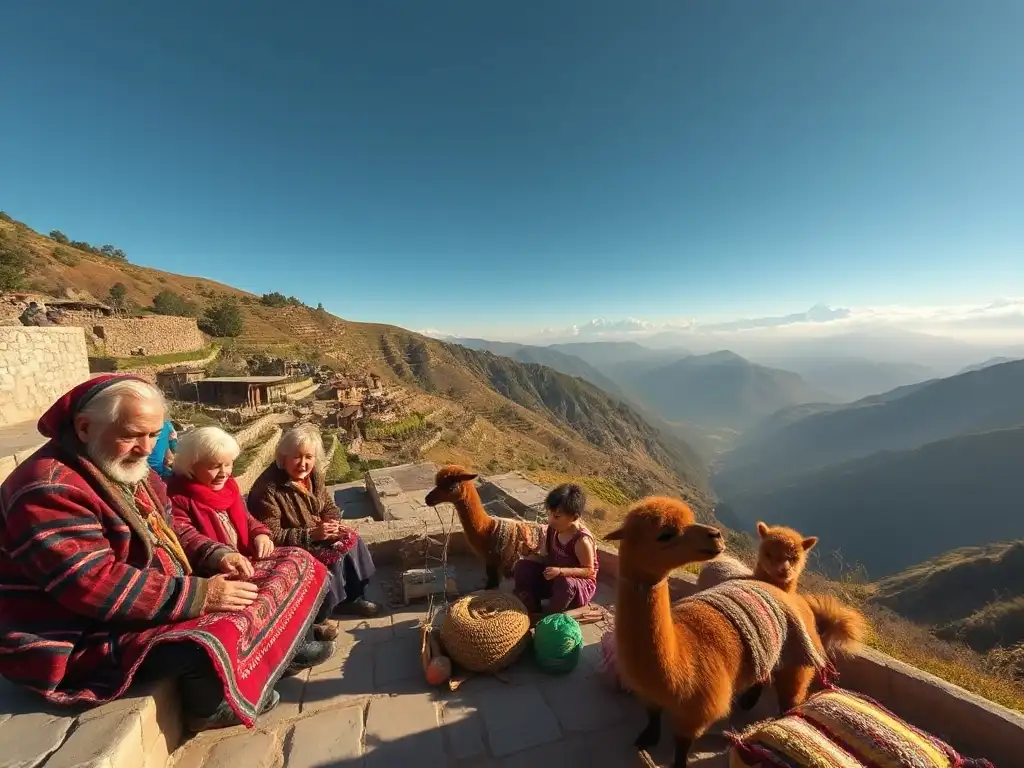
Unravel the mysteries of the Andes! Journey through millennia of captivating history and discover a world shaped by intricate social structures. Were Andean family units truly as hierarchical as often portrayed? Delve into the complexities of Andean civilization family structure, exploring lineage, kinship, and the surprising nuances of family life in these remarkable ancient societies. Prepare to be amazed by what you uncover.
- Andean Civilization Family Structure: Lineage and Kinship in Ancient Societies
- Understanding the Foundations of Andean Kinship
- Lineage Systems in the Andean World
- Exploring Andean Kinship Networks
- Marriage Practices and Family Formation
- The Role of Family in Daily Life
- The Impact of Andean Family Structure on Society
- Changes in Andean Family Structures Through Time
- Conclusion: The Enduring Significance of Family in Andean Civilization
- Frequently Asked Questions
- Final Reflection: The Enduring Legacy of Andean Family Structures
- **Embrace and Strengthen Your Connections! **
Andean Civilization Family Structure: Lineage and Kinship in Ancient Societies
The intricate tapestry of Andean civilization is woven not only with threads of monumental architecture and sophisticated agriculture but also with the strong bonds of family and kinship. Understanding the social structure of Andean families is crucial to grasping the complexities of their societies, from the vast Inca Empire to the preceding cultures like the Moche, Nazca, and Tiahuanaco.
This article delves into the diverse yet interconnected systems of lineage and kinship that defined daily life and social organization in these ancient Andean communities, exploring how family units contributed to the broader societal structures and power dynamics. We will examine the roles of family members, the importance of ancestry, and the impact of kinship ties on political and economic activities, revealing how the concept of "Andean civilization family structure" encompassed far more than just the nuclear family.
The information presented here is based on archaeological evidence, anthropological studies, and historical accounts, piecing together a multifaceted picture of family life in these remarkable civilizations.
The Importance of Lineage in Andean Societies
The Andean concept of family extended far beyond the immediate nuclear unit of parents and children. Lineage—ancestry traced through generations—was paramount, often determining social standing, access to resources, and even political influence. Evidence suggests that many Andean societies maintained detailed genealogical records, passed down orally through generations and sometimes recorded on quipus (knotted strings used for record-keeping).
These lineages provided a sense of identity and belonging, fostering strong communal ties and reciprocal obligations within extended family networks. This emphasis on lineage is evident in the Inca system of ayllu, a kinship-based community that played a vital role in social organization and agricultural production. The ayllu wasn't merely a collection of families; it was a deeply interconnected social unit where members shared land, labor, and resources based on their ancestral connections.
Similar kinship-based structures, though varying in specifics, existed in earlier Andean cultures as well, highlighting the enduring importance of lineage across different societies and time periods. The strength of these familial bonds, rooted in shared ancestry, contributed significantly to the stability and resilience of Andean communities.
Beyond lineage, kinship networks in Andean societies operated on a principle of reciprocity—mutual exchange of goods, services, and support. These reciprocal relationships extended beyond the immediate family to encompass a wider network of relatives and community members. This system of mutual obligation was crucial for survival in challenging Andean environments, where cooperation was essential for successful agriculture and resource management.
For example, the mita system, a form of labor service in the Inca Empire, often relied on kinship ties to organize and mobilize workforces for public projects. Individuals were expected to contribute their labor based on their familial connections and obligations within the ayllu, demonstrating the deep integration of kinship into the economic and political fabric of Andean life.
This intricate system of kinship and reciprocity fostered a sense of social cohesion and mutual dependence, reinforcing the importance of communal solidarity. The extent of this reciprocal system is still being investigated, but its importance in the Andean world is undeniable.
Variations in Family Structures Across Andean Cultures
While lineage and kinship were central themes across various Andean societies, the specific structures and practices varied significantly. The Inca Empire, for example, had a more centralized and hierarchical system compared to the decentralized organization of earlier cultures like the Nazca or Moche. The Inca's emphasis on the ayllu and the imperial bureaucracy created a more formalized structure for kinship-based obligations and resource allocation.
In contrast, earlier societies might have relied on more flexible and less formalized kinship networks, adapting to the specific environmental and social challenges of their respective regions. Archaeological evidence suggests a degree of diversity in family structures, including variations in residential patterns and inheritance practices. Further research is needed to fully elucidate the nuances of family life in these diverse Andean cultures and to understand how their specific family structures influenced their overall social and political organization.
Unfortunately, much of this information remains incomplete, and further study is necessary to paint a complete picture. The complexity and variation observed highlight the need for ongoing investigation into the specificities of family structure within each Andean culture.
The Role of Women and Men in Andean Families
The roles of men and women within Andean families were often intertwined with their respective contributions to the community and economy. While there's a tendency to generalize, the reality was nuanced and varied across different societies and time periods. Women played crucial roles in agriculture, textile production, and household management.
Archaeological evidence reveals their significant contributions to food production and the creation of intricate textiles. Men often held positions of leadership and were involved in herding, hunting, and warfare. However, this division of labor shouldn't be interpreted as strict gender segregation.
Women held positions of power, and men participated in domestic tasks. The exact nature of gender roles and power dynamics continues to be a subject of ongoing scholarly debate and research, and more detailed information is needed to fully understand the complexities of gender relations within Andean families. Further studies are needed to refine our understanding of the diverse ways in which gender shaped family life in Andean societies.
Understanding the Foundations of Andean Kinship
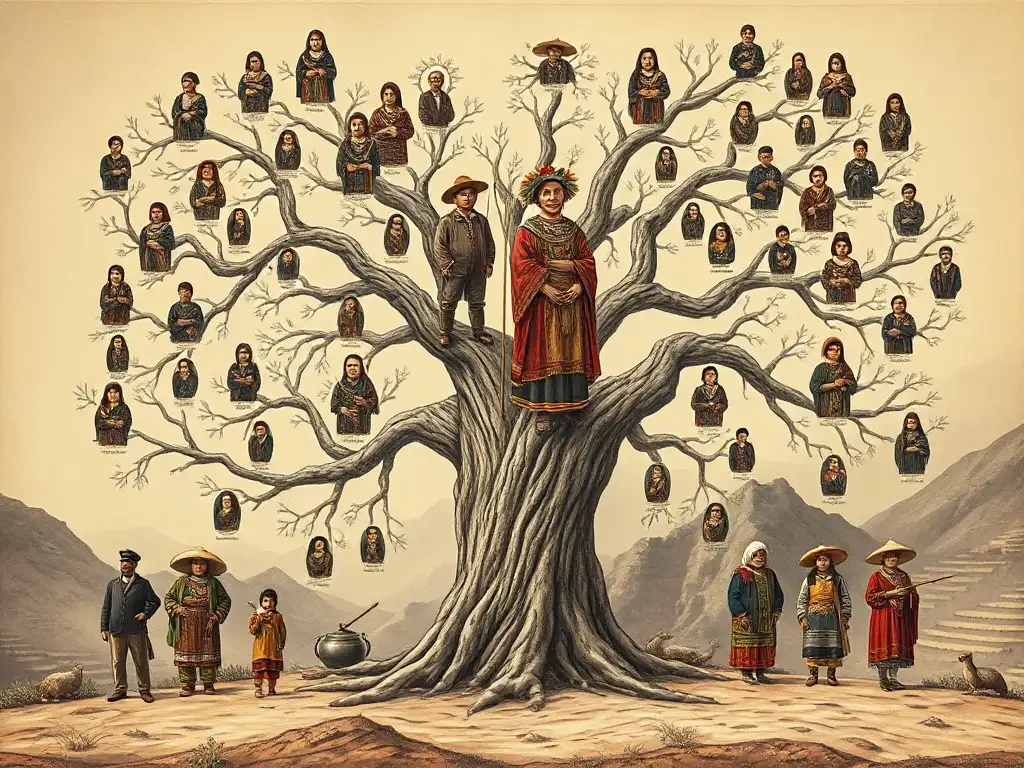
This section delves into the intricate web of kinship and lineage that formed the bedrock of Andean civilization family structure. Unlike many societies that emphasize nuclear families, Andean family structures were far more complex and deeply interwoven with the broader community. Understanding this intricate system is crucial to grasping the social dynamics and power structures of these remarkable civilizations. The concept of ayllu, a crucial element in understanding Andean social organization, will be explored in detail later in this section. But before that, let's establish the fundamental importance of family within these societies.
The Significance of Family in Ancient Andean Societies
Family, in the Andean context, transcended the simple nuclear unit of parents and children. It encompassed extended family members, ancestors, and even individuals with shared lineage, creating a complex network of obligations and responsibilities. The family wasn't just a domestic unit; it was the primary economic and social unit, playing a vital role in agriculture, resource management, and religious practices.
Evidence suggests a strong emphasis on reciprocal obligations and collective responsibility within the family unit. For example, land ownership wasn't solely vested in individuals but often belonged to the ayllu, with individual families having usufruct rights. This system ensured community stability and resilience, particularly in challenging environmental conditions.
The strong bonds of kinship also facilitated cooperation in large-scale projects, such as irrigation systems and monumental architecture, which are hallmarks of Andean civilization. The family, therefore, was not merely a social unit; it was a vital cog in the machinery of Andean society, its well-being inextricably linked to the success of the broader community. The strength and resilience of the Andean family unit contributed significantly to the longevity and prosperity of these ancient civilizations.
Key Principles of Andean Family Structure
Several key principles underpinned the structure of Andean families. These principles often intersected and reinforced each other, creating a robust and adaptable social system. One crucial principle was the emphasis on lineage, tracing descent through both paternal and maternal lines. This differed from many societies that focused solely on patrilineal or matrilineal descent. This bilateral system fostered strong ties between extended family members and contributed to a sense of collective identity.
Another important principle was the concept of reciprocity. Family members were expected to support each other, sharing resources and labor. This mutual dependence strengthened family bonds and ensured the survival of the group. Furthermore, ancestor veneration played a significant role in Andean family life. Ancestors were considered active participants in the lives of their descendants, and rituals were performed to honor them and seek their guidance.
This belief system reinforced the importance of lineage and strengthened the bonds between generations. Finally, the concept of the ayllu, a community-based kinship group, provided a broader social framework for Andean families. The ayllu served as a crucial social and economic unit, with members sharing land, resources, and responsibilities, further solidifying the importance of kinship in Andean society. Understanding these principles is essential for appreciating the complexity and resilience of Andean family structures. The deep-rooted nature of these principles shaped the social fabric of Andean civilization, impacting their political structures, economic systems, and religious beliefs.
Lineage Systems in the Andean World
The Andean civilization family structure wasn't monolithic; it varied significantly across different cultures and time periods. Understanding the intricacies of Andean family life requires a nuanced examination of their lineage systems, which played a crucial role in shaping social hierarchies, inheritance practices, and daily life. While generalizations are risky given the diversity of Andean societies, certain patterns emerge regarding the importance of ancestry and descent in defining social standing and obligations.
The concept of ayllu, a community based on kinship and shared ancestry, provides a foundational understanding of this complex social organization. Analyzing the specific lineage systems of various Andean groups, like the Incas, Moche, and Nazca, reveals fascinating variations on this fundamental theme. The persistence of lineage-based social structures across millennia underscores their fundamental importance in the Andean worldview.
Defining Lineage: Descent and Ancestry
Lineage in Andean societies centered on tracing descent, establishing clear lines of ancestry that determined social standing and access to resources. This wasn't simply a matter of knowing one's parents; it involved a complex understanding of extended family networks, often spanning many generations. Oral traditions, meticulously kept genealogies (where documented), and ritual practices all contributed to the maintenance and reinforcement of lineage. The significance of ancestry is reflected in the elaborate ceremonies and rituals surrounding birth, death, and ancestor veneration, practices that reinforced the importance of lineage in the community.
The concept of "descent" varied. Some Andean groups emphasized patrilineal descent, tracing lineage through the father's line, while others followed matrilineal descent, prioritizing the mother's lineage. In many cases, a combination of both systems existed, creating complex and overlapping networks of kinship. The specific system employed often correlated with the economic and social structure of a particular community. For instance, agricultural practices might have influenced whether land ownership was inherited patrilineally or matrilineally, impacting family structures significantly. Further research is needed to fully understand the interplay of these systems across various Andean cultures.
Types of Lineage in Andean Communities: Patrilineal and Matrilineal Influences
While the ayllu system often implied a strong sense of collective kinship, the specific ways lineages were traced differed greatly. Some Andean groups, particularly those with strong hierarchical structures, emphasized patrilineal descent. In these societies, the father's lineage determined inheritance rights, social status, and often, leadership positions within the community. Sons inherited land, titles, and responsibilities from their fathers, perpetuating a hierarchical system. This is evident in some Inca administrative structures, where lineage played a critical role in assigning roles and responsibilities.
Conversely, other Andean communities showed evidence of matrilineal or bilateral (both paternal and maternal) descent. In these cases, inheritance and social standing could be determined through the mother's family line. This matrilineal influence is suggested in certain archaeological findings and ethnographic accounts, although further investigation is needed to clarify the prevalence and variations of this system across different Andean societies. The absence of extensive written records poses a challenge to fully understanding the complexities of these lineage systems. More research into archaeological evidence and oral traditions is crucial to paint a complete picture.
Lineage was not merely a genealogical record; it was deeply intertwined with the social and political organization of Andean communities. Access to resources, particularly land and water rights, was often determined by lineage. Inheritance practices varied depending on the specific culture and the type of lineage system in place. In patrilineal societies, inheritance typically followed the male line, while in matrilineal societies, it followed the female line. However, even within these systems, there were likely nuances and variations depending on factors such as birth order and individual merit.
The social standing of individuals was inextricably linked to their lineage. Membership in a prestigious lineage often conferred social advantages, including access to leadership positions, privileged access to resources, and greater social influence. This system, while potentially creating inequality, also provided a framework for social stability and order within the community. The maintenance of clear lineage lines was therefore vital for the functioning of Andean society, reinforcing social cohesion and determining access to critical resources.
Further study is needed to fully understand the dynamics of social mobility within this lineage-based system. Did opportunities exist for individuals to improve their social standing outside of their lineage? This remains an important area for future research within the study of Andean civilization family structure.
Exploring Andean Kinship Networks
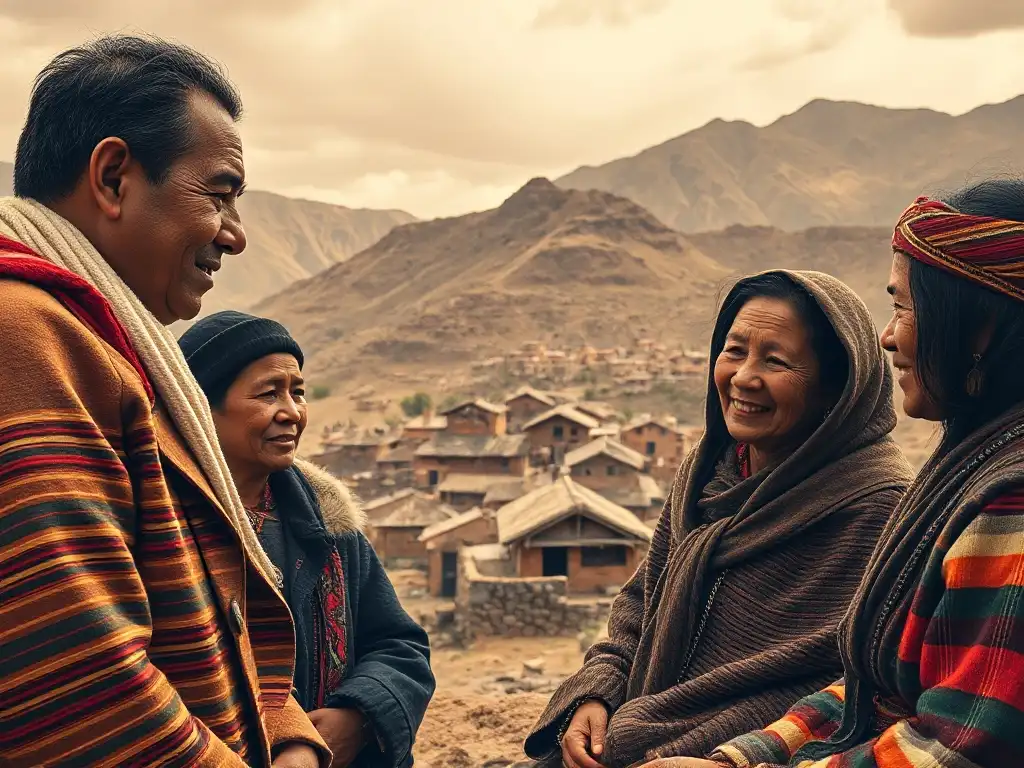
This section delves into the intricate web of kinship that defined Andean family structures, a crucial aspect of understanding Andean civilization family structure. Moving beyond simplistic Western notions of the nuclear family, we'll examine the complex systems of extended family, clan affiliations, and the rich social implications embedded within their kinship terminology. Understanding these nuances is key to appreciating the social fabric of these remarkable societies.
Beyond the Nuclear Family: Extended Kinship Ties
The concept of "family" in Andean civilizations differed significantly from modern Western understandings. While nuclear families (parents and children) existed, the extended family played a far more dominant role. These extended families often included multiple generations living together, sharing resources, and collaborating in daily tasks. This arrangement provided crucial support networks, particularly in challenging agricultural environments. The strength of these ties ensured survival and facilitated collective action, essential for the success of Andean communities.
Consider the agricultural practices of the Incas. The ayllu, a kinship-based community, worked cooperatively on large-scale projects like terracing and irrigation. This required a high degree of organization and mutual support, which the extensive family structure readily provided. The extended family unit wasn't just a social construct; it was a vital economic and labor unit.
Furthermore, the inheritance of land and resources often flowed through extended family lines, solidifying the importance of these multi-generational connections. The seamless integration of family and community life was fundamental to the prosperity and stability of Andean societies. Data from archaeological sites often reveals evidence of multiple generations inhabiting the same dwelling or closely situated structures, supporting this model of extended family living.
The Importance of Clans and Ayllus
Beyond the extended family, Andean societies were structured around powerful clan and ayllu systems. Clans, typically based on shared ancestry (real or mythical), often controlled specific territories and resources. The ayllu, a more complex social and political organization, encompassed multiple clans and extended families, functioning as a self-governing community. Membership in an ayllu defined an individual's social standing, access to resources, and participation in community activities. This system, particularly prevalent among the Inca, provided a framework for social cohesion and mutual responsibility, creating a strong sense of collective identity.
The ayllu system wasn't merely a social club; it played a crucial role in the economic and political life of Andean communities. Land was collectively owned and distributed among ayllu members, ensuring a degree of equity and minimizing social stratification. This system differed significantly from the individualized land ownership prevalent in many other societies.
Moreover, the ayllu acted as a form of social security, providing support for the sick, elderly, and those in need. This communal support system ensured the well-being of all its members, fostering a strong sense of social solidarity. The strength and resilience of the ayllu contributed significantly to the endurance of Andean civilizations for centuries.
The complex kinship systems of Andean civilizations were reflected in their rich and nuanced terminology. Unlike simpler systems that categorize relatives based on a limited number of terms (e.g., mother, father, brother, sister), Andean kinship systems employed a much broader range of terms, often specifying the relative's age, gender, and position within the family structure. This complexity wasn't merely a linguistic quirk; it had significant social implications.
The precise terminology used revealed not only biological relationships but also social status, obligations, and rights within the community. For example, specific terms might differentiate between a paternal aunt and a maternal aunt, reflecting differing levels of respect or authority.
The use of specific kinship terms served as a powerful tool for social control and the maintenance of social order. The accurate use of these terms demonstrated an individual's understanding of their place within the social hierarchy and their obligations to others. Misuse could lead to social sanctions or conflict. Furthermore, the kinship terminology often reflected the importance of reciprocal obligations within the ayllu system.
Terms might highlight specific responsibilities individuals had towards their relatives, reinforcing the mutual support system that characterized Andean communities. Detailed analysis of surviving Andean texts and ethnographic studies of later Andean communities reveal the depth and complexity of this kinship-based social organization. Further research into specific Andean languages and their kinship systems could illuminate further aspects of this fascinating social structure.
Marriage Practices and Family Formation
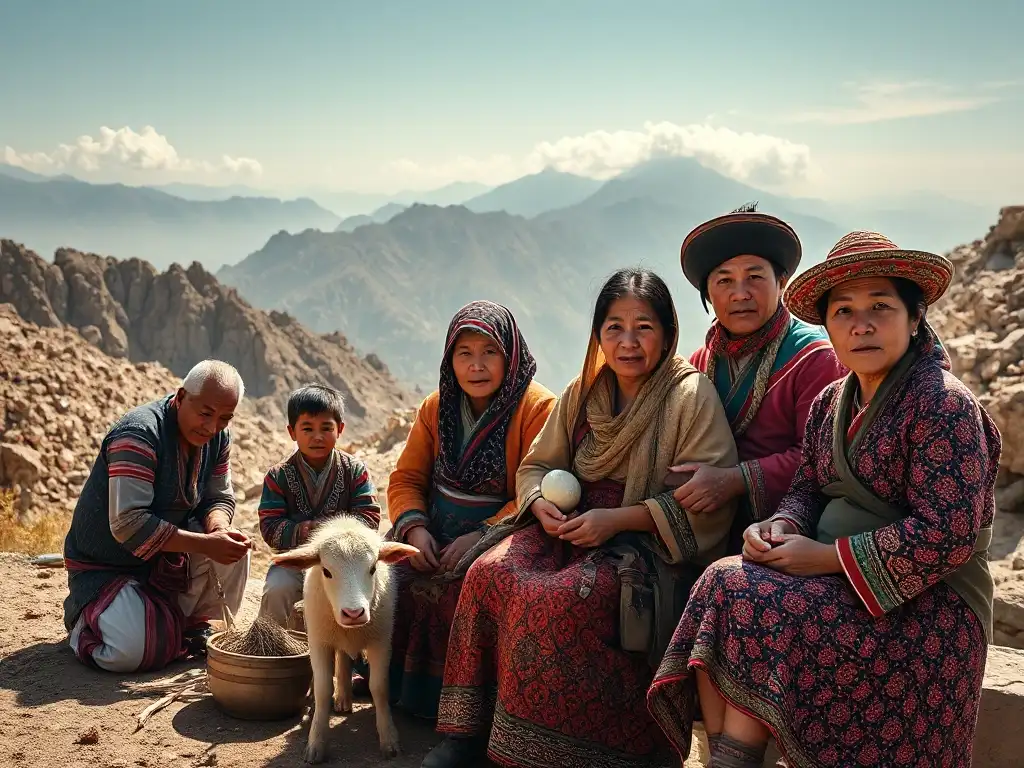
This section delves into the fascinating intricacies of marriage practices and family formation within various Andean civilizations. Understanding these customs provides crucial insight into the social fabric of these societies and their unique approaches to kinship and lineage. The Andean civilization family structure wasn't monolithic; it varied significantly depending on the specific culture and time period. However, certain common threads—particularly the importance of reciprocity and community involvement—permeaded these diverse practices. We'll explore these themes, examining the nuances of marriage customs, the role of reciprocity, and the prevalence of different marital arrangements.
Marriage Customs and Rituals in Andean Cultures
Marriage in Andean societies wasn't simply a private affair; it was a deeply social event, often involving elaborate rituals and significant community participation. For instance, among the Inca, marriage was seen as a crucial element in maintaining social order and strengthening alliances between families and ayllus (kinship groups). The process frequently involved negotiations between families, with dowries and bride-prices playing a significant role. These transactions weren't merely economic exchanges; they symbolized the commitment and responsibilities undertaken by both families.
Detailed accounts of specific rituals are unfortunately scarce for many Andean cultures. However, archaeological evidence, coupled with ethnohistorical accounts of later Andean societies, suggests the prevalence of ceremonies involving offerings, feasts, and possibly symbolic exchanges of goods. These rituals served to formally unite the couple within the community and solidify their place within the social structure. The involvement of religious figures, shamans, or community elders further emphasized the sacred and social significance of the marriage. Future research focusing on specific Andean groups, particularly the analysis of newly discovered archaeological sites, may provide more detailed information about these customs.
The concept of "chosen marriage," where the couple had some say in the decision, is likely to have existed alongside arranged marriages, particularly within the elite classes. However, the extent to which individual choice influenced these unions remains a subject of ongoing scholarly debate. The available evidence suggests a complex interplay between individual agency and social expectations in the formation of marital unions.
The Concept of Reciprocity in Marriage Alliances
Reciprocity was a cornerstone of Andean social life, and it played a crucial role in marriage alliances. Marriages weren't merely unions between two individuals; they were strategic partnerships between families and ayllus. The exchange of goods, services, and labor between families cemented these alliances and ensured mutual support and cooperation. This reciprocal system extended beyond the immediate family, encompassing wider kinship networks.
The concept of ayni, a Quechua term referring to reciprocal labor exchange, was central to this system. Families would assist each other with agricultural tasks, construction projects, or other essential activities. Marriage alliances strengthened these reciprocal relationships, creating a network of mutual obligation and support that extended throughout the community. This system played a vital role in ensuring social stability and economic sustainability within the Andean social structure. The failure to fulfill reciprocal obligations could lead to social sanctions and potentially disrupt the delicate balance of the community.
Polygamy and Monogamy: Variations in Family Structures
The Andean civilization family structure wasn't characterized by a single marital pattern. While monogamy was likely the most common form of marriage among many Andean groups, polygamy, particularly polygyny (one man with multiple wives), also existed, particularly among the elites. This practice often served political and economic purposes, strengthening alliances and consolidating power. The status of women within polygamous unions varied considerably depending on the specific culture and social context.
The prevalence of polygamy differed significantly across various Andean cultures and social strata. While it was more common among the ruling classes, its presence in other social groups suggests that it wasn't solely a feature of elite power structures. Furthermore, the social acceptance and the roles of co-wives within polygamous unions warrant further investigation.
More research is needed to fully understand the nuances of polygamous family structures in Andean societies and their impact on social dynamics. The limited available historical records require a careful analysis and cautious interpretation to avoid generalizations about the complex reality of these family structures. More detailed anthropological studies, along with further archaeological discoveries, are crucial to a complete understanding of the diverse family structures prevalent in Andean civilizations.
The Role of Family in Daily Life
The family unit formed the bedrock of Andean civilization, profoundly impacting daily life across various cultures, from the Inca to the Moche. Understanding the Andean civilization family structure is crucial to grasping their social organization, economic systems, and spiritual beliefs. The family wasn't merely a domestic unit; it was an integral part of the broader social fabric, responsible for production, reproduction, and the perpetuation of cultural traditions.
The strength and stability of the family directly correlated with the prosperity and resilience of the community. This section will delve into the specifics of family life, focusing on responsibilities, knowledge transmission, and ritual celebrations.
Family Responsibilities and Labor Division
Labor within Andean families was meticulously divided based on age, gender, and social status. While the specifics varied across different Andean cultures, certain common patterns emerge. Men generally oversaw agricultural activities like plowing fields, herding livestock (llamas and alpacas were crucial), and construction projects. They also played a significant role in warfare and political leadership within their communities.
Women, conversely, were primarily responsible for textile production – a highly valued skill – food preparation, childcare, and managing the household. Children, as they matured, gradually took on age-appropriate tasks, learning the skills necessary to contribute to the family's well-being. This division of labor wasn't rigid; flexibility existed based on necessity and individual capabilities. For example, in times of scarcity or during harvest seasons, all family members, regardless of gender or age, would participate in agricultural work.
This intricate system ensured the efficient functioning of the family economy. The production of textiles, food, and other goods was not just for consumption; surplus production often contributed to the community's overall wealth and served as a form of tribute to the ruling elite in larger, more hierarchical societies like the Inca Empire. The family unit, therefore, acted as a crucial economic cell within the larger societal structure.
Archaeological evidence, such as the discovery of intricately woven textiles and sophisticated agricultural tools, provides tangible proof of this highly organized and productive system. Furthermore, the detailed records kept by Inca administrators showcase the structured distribution of goods and resources, highlighting the vital role of family production in supporting the empire.
The Transmission of Knowledge and Skills within the Family
The family was the primary institution responsible for the transmission of knowledge and skills across generations. This wasn't limited to practical skills like farming and weaving; it also encompassed religious beliefs, social customs, and historical narratives. Oral traditions played a vital role in this process, with stories, songs, and myths passed down through generations, shaping the cultural identity and worldview of the Andean peoples.
Children learned from their parents and elders, observing their work and participating in daily activities. Apprenticeships within families were common, ensuring the continuity of specialized skills like pottery making, metalworking, and stone carving. This system of knowledge transfer fostered a deep connection between the family and its cultural heritage.
The transmission of knowledge wasn't a passive process; it was often embedded within ritual practices and ceremonies. For instance, the initiation rites of young people often involved the imparting of specific knowledge and skills related to their future roles within the community. This ensured that not only were skills learned, but also the cultural values and beliefs associated with them were passed down effectively.
The continuity of these traditions was fundamental to the survival and cultural identity of Andean communities, demonstrating the family's crucial role in maintaining cultural integrity across generations. The family, in essence, acted as a living repository of cultural knowledge, ensuring its persistence through time.
Family Rituals and Celebrations
Family life in Andean societies was punctuated by various rituals and celebrations that reinforced social bonds and celebrated important life events. These events often involved the entire extended family, emphasizing the importance of kinship ties. Birth, marriage, and death were marked by specific ceremonies that varied across different cultures. For example, Inca ceremonies often involved elaborate offerings to deities and ancestral spirits, while other Andean cultures might have focused on more localized rituals reflecting their unique beliefs and practices. These ceremonies served not only as religious observances but also as social gatherings, strengthening family ties and reinforcing community cohesion.
Furthermore, agricultural cycles played a significant role in shaping the calendar of family rituals. Harvest festivals, for instance, were crucial occasions for celebrating abundance and expressing gratitude to the deities associated with fertility and agriculture. These events provided opportunities for families to share food, music, and dance, further strengthening their bonds. The importance of these rituals is evidenced by the numerous archaeological discoveries of ceremonial sites and artifacts associated with such events.
The intricate designs on pottery, textiles, and other artifacts reflect the rich symbolism and spiritual significance of these family-centered celebrations. The vibrant cultural expression found in these rituals underscores the deeply interwoven relationship between family life and the spiritual beliefs of Andean societies. The study of these rituals provides invaluable insights into the social dynamics and cultural values of Andean families.
The Impact of Andean Family Structure on Society
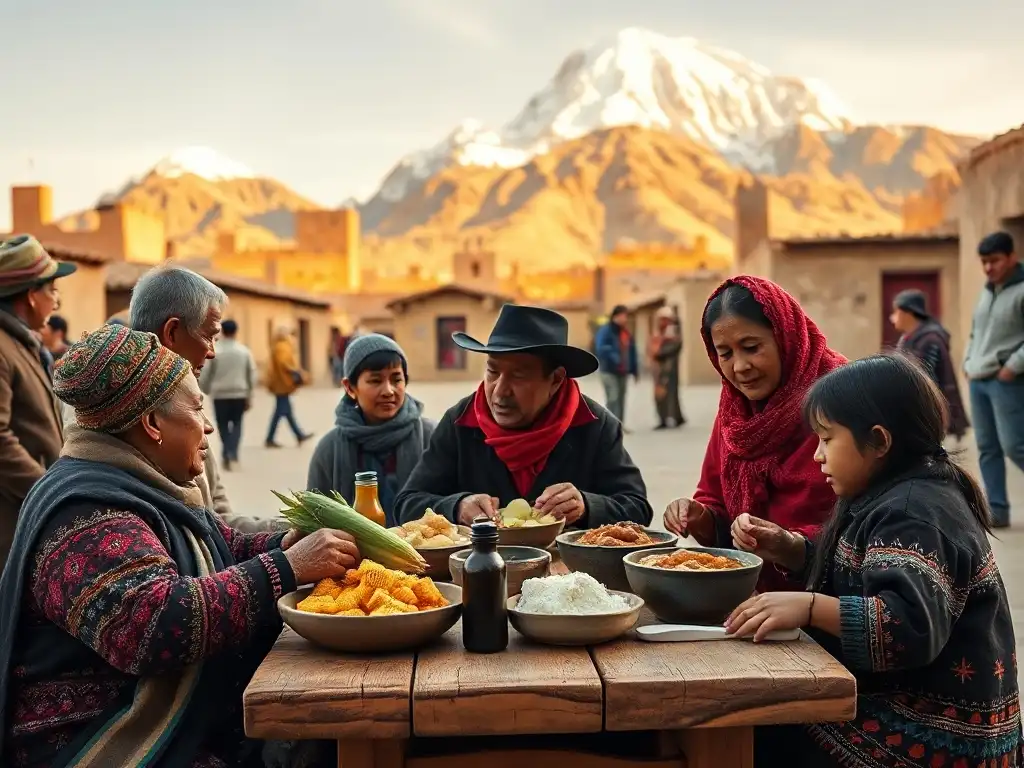
The Andean civilization family structure wasn't merely a domestic unit; it was the bedrock of their complex societies. Understanding the intricacies of Andean kinship systems is crucial to grasping their social, economic, and political organizations. The family, in its various forms, profoundly shaped the daily lives of individuals and the trajectory of entire civilizations, from the Inca Empire to smaller, less centralized groups like the Moche.
The concept of "Ayllu," a kinship-based community, played a pivotal role in this dynamic. This section will delve into the multifaceted impact of family structures on Andean society, exploring the interconnectedness of kinship, economics, and political power.
Andean kinship systems were remarkably complex, extending far beyond the nuclear family. Lineage, tracing descent through either the paternal or maternal line (depending on the specific culture), determined social standing and access to resources. This wasn't a rigid, static hierarchy, however. Social mobility existed, albeit within defined parameters. For example, exceptional skill in warfare or religious leadership could elevate an individual's status within their ayllu.
The system often involved a hierarchical structure within the extended family. Elders held significant authority, often acting as mediators in disputes and custodians of traditional knowledge. Their wisdom and experience were highly valued, influencing decision-making at both the family and community levels. Younger members showed respect and deference, ensuring the continuity of traditions and social order. This respect for elders wasn't simply a matter of etiquette; it was integral to the social fabric, reinforcing the importance of lineage and ancestral ties.
The concept of reciprocity – ayni – was deeply ingrained in Andean kinship. This system of mutual exchange of goods, services, and labor solidified social bonds and ensured the well-being of the community. It was a crucial element in maintaining social cohesion and mitigating potential conflicts arising from resource allocation. Failure to participate in ayni could lead to social ostracism, highlighting the importance of familial and community obligations.
Family and Economic Activities
Family units were the primary economic engines in Andean societies. Agricultural practices, including terracing and irrigation, were largely family-based endeavors. The collective effort required for successful farming reinforced the importance of kinship ties and cooperation. Men, women, and children all contributed according to their abilities and age, fostering a sense of shared responsibility and collective achievement. This collaborative approach to agriculture was essential for survival, particularly in challenging Andean terrains.
Beyond agriculture, family units also played a vital role in other economic activities. Textile production, pottery making, and metalworking were often family-based crafts, passed down through generations. This transmission of skills and knowledge ensured the continuation of traditional practices and contributed to the unique artistry of Andean civilizations. The specialization within families, combined with the ayni system, created a robust and resilient economic structure. Data on specific family contributions to various crafts is unfortunately limited, highlighting the need for further research in this area. [Specific information pending on craft specialization within families]
The Influence of Family on Political Organization
The Andean civilization family structure significantly influenced political organization. The ayllu, a kinship-based community, served as the foundational unit of political organization in many Andean societies. Leaders of ayllus often held significant political power, influencing decision-making processes at regional and even national levels (in the case of larger empires like the Inca). The Inca's mit'a system, a form of mandatory labor, further reinforced the link between family and the state. Families were assigned tasks contributing to the empire's infrastructure and economy, highlighting the integration of family obligations into the broader political structure.
The Inca Empire, while centralized, still recognized the importance of ayllu structures. While the emperor held supreme authority, local leaders from within the ayllus often acted as intermediaries between the central government and the people, demonstrating the enduring influence of kinship networks on political power. This intricate interplay between kinship and political authority ensured a degree of stability and social order, even within a vast and diverse empire.
The intricate balance between local autonomy and central control illustrates the nuanced relationship between family structures and political organization in the Andean world. Further investigation into the administrative structures of lesser-known Andean cultures could provide additional insights into this fascinating interplay.
Changes in Andean Family Structures Through Time
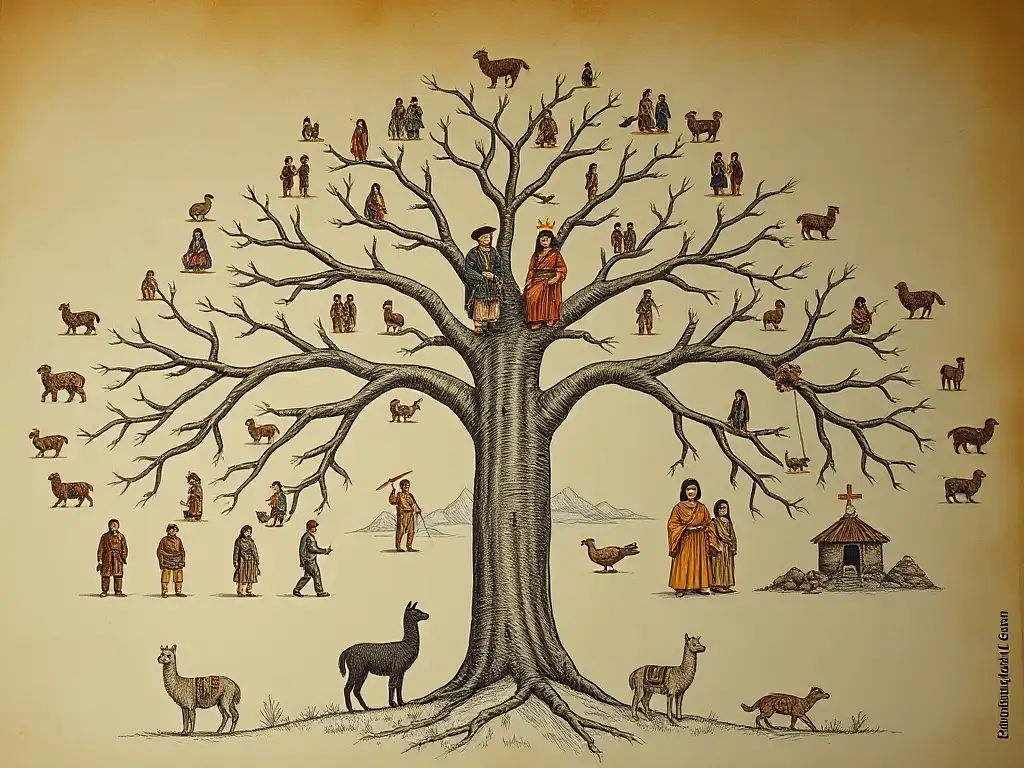
The Andean civilization family structure wasn't static; it evolved considerably over millennia, shaped by environmental pressures, technological advancements, and political shifts. Understanding this evolution requires examining the diverse social organizations of different Andean cultures. While generalizations are risky given the vast geographical area and varied cultures, some broad trends emerge.
Early Andean societies, preceding the Inca Empire, often exhibited a strong emphasis on ayllu systems – kinship-based communities where land ownership and resource allocation were communal. Lineage played a crucial role, with ancestry tracing back to mythical founders and establishing rights and obligations within the group. This system fostered a sense of collective identity and mutual support, vital for survival in challenging environments.
The Impact of Colonialism on Traditional Kinship Systems
The Spanish conquest in the 16th century profoundly disrupted traditional Andean family structures. The encomienda system, which granted Spanish conquistadors control over indigenous labor and resources, drastically altered land ownership patterns and undermined the ayllu system. The imposition of Catholicism also impacted family dynamics, challenging existing religious beliefs and practices related to marriage, inheritance, and ancestor veneration.
Forced resettlement and the introduction of new social hierarchies further fragmented kinship networks and weakened traditional forms of social control. For example, the introduction of the Spanish hacienda system often separated families and disrupted established patterns of agricultural production and communal living, leading to a decline in the importance of extended family units.
This period saw a significant shift from the collective focus of the ayllu to a more individualistic structure, although remnants of traditional kinship ties persisted within the confines of the new colonial order. The impact of this upheaval continues to resonate in contemporary Andean societies.
Adaptation and Resilience of Andean Families
Despite the devastating effects of colonialism, Andean families demonstrated remarkable resilience. While the ayllu system was weakened, kinship ties remained crucial for survival and social support. Indigenous communities adapted to the new circumstances, finding ways to maintain elements of their traditional social structures within the colonial framework. This involved negotiating with colonial authorities, strategically utilizing kinship networks for mutual aid, and preserving aspects of their cultural heritage in subtle ways.
For instance, while formal land ownership might have shifted, informal kinship-based systems of resource sharing and labor exchange often continued. This adaptability underscores the enduring strength of kinship bonds in Andean societies, highlighting their capacity to navigate profound social and political change. The persistence of traditional practices, albeit often modified, demonstrates a remarkable capacity for cultural survival.
Contemporary Andean Family Dynamics
Contemporary Andean family structures are a complex blend of traditional and modern influences. While nuclear families are increasingly common, particularly in urban areas, extended family ties continue to play a significant role in many communities. Mutual support networks based on kinship remain important for economic survival, particularly in rural areas. Migration patterns, both internal and international, have also influenced family structures, leading to transnational families with members spread across geographical distances.
However, the enduring importance of family – and the enduring influence of the Andean civilization family structure – remains a powerful force shaping social relationships and community life. Understanding these contemporary dynamics requires considering the interplay of globalization, economic development, and the persistent influence of traditional values. The resilience of kinship-based social structures in the face of modernity demonstrates a lasting legacy of ancient Andean traditions.
Conclusion: The Enduring Significance of Family in Andean Civilization
The intricate tapestry of Andean civilization, renowned for its sophisticated engineering, breathtaking artistry, and complex religious beliefs, was fundamentally woven from the threads of its family structures. Understanding the Andean family unit—its hierarchy, its roles, and its profound impact on societal organization—is crucial to grasping the full complexity of these remarkable cultures. From the seemingly simple nuclear family unit to the expansive networks of ayllus, kinship systems provided the bedrock upon which Andean societies built their empires and sustained their traditions for centuries.
The emphasis on lineage, reciprocal obligations, and communal responsibility within the family directly shaped political structures, economic systems, and even religious practices. The enduring legacy of these family structures continues to resonate in contemporary Andean communities, demonstrating their remarkable resilience and adaptability across millennia. The strength and stability of the Andean family unit, therefore, weren't merely a social component; they were integral to the very survival and success of these civilizations.
This intricate system of kinship and lineage provides a powerful lens through which we can better understand the remarkable achievements and enduring legacy of the Andean world. Analyzing the Andean civilization family structure reveals a sophisticated understanding of social organization that continues to fascinate and inspire researchers today.
Legacy of Andean Family Structures
The influence of traditional Andean family structures extends far beyond the collapse of the Inca Empire. Many aspects of their social organization, deeply rooted in kinship ties and communal values, persist in contemporary Andean communities. While modernization and globalization have undoubtedly impacted family dynamics, the core principles of reciprocal obligations, collective responsibility, and the importance of lineage continue to shape social interactions and community structures.
For instance, the concept of the ayllu, while perhaps not functioning in its original political capacity, still informs community-based decision-making and resource management in many rural areas. The strong emphasis on family and extended kinship networks provides a crucial support system, particularly in challenging economic and environmental conditions. This enduring legacy highlights the remarkable adaptability and resilience of these traditional structures, demonstrating their capacity to evolve while retaining their essential character.
The study of these contemporary Andean communities offers valuable insights into the long-term impact of ancient family structures and provides a living testament to their enduring significance. This continuity underscores the importance of considering the historical context when analyzing contemporary Andean societies and offers a compelling argument for the ongoing relevance of Andean civilization family structure research.
Further Research on Andean Kinship
Further research on Andean kinship systems requires a multidisciplinary approach, incorporating archaeological evidence, ethnohistorical accounts, and anthropological studies of contemporary communities. While significant progress has been made, several areas remain ripe for exploration. More detailed analysis of archaeological remains, particularly burial sites and domestic structures, could shed light on family composition, social stratification, and the material culture associated with different kinship groups.
Comparative studies across various Andean cultures, comparing and contrasting kinship practices among the Incas, Moche, Nazca, and Tiahuanaco, would provide a richer understanding of the diversity and evolution of these systems. Ethnographic research focusing on contemporary Andean communities could illuminate the ways in which traditional kinship structures have adapted to modern challenges and continue to shape social life. Furthermore, incorporating linguistic analysis, studying the evolution of kinship terminology across different Andean languages, could offer invaluable insights into the conceptualization of family and lineage over time.
The application of advanced technologies, such as DNA analysis, could potentially provide new insights into biological relationships and migration patterns, further enriching our understanding of Andean kinship networks. The quest to fully comprehend the complex world of Andean kinship remains an exciting and ongoing endeavor, promising to yield further insights into the social fabric of these fascinating civilizations. Unlocking the secrets of the Andean civilization family structure will require continued interdisciplinary collaboration and innovative research methodologies.
Frequently Asked Questions
What was the basic unit of Andean family structure?
The basic unit was the nuclear family, consisting of parents and their children. However, extended family played a crucial role in daily life and social organization. Lineage and kinship were paramount.
How important was lineage in Andean societies?
Lineage was incredibly important, determining social status, access to resources, and political power. Tracing ancestry back to powerful ancestors was a source of prestige.
Did different Andean cultures have similar family structures?
While core concepts like kinship and lineage were common, specifics varied across cultures. The Incas, for example, had a more centralized system compared to other groups like the Nazca. Regional variations existed.
What roles did men and women play within Andean families?
While roles varied by culture and class, generally, men held more public roles, while women played vital roles in domestic life and agriculture. Both genders held considerable importance within their respective spheres.
How did Andean family structures influence their societal organization?
Andean family structures were deeply intertwined with their broader society. Kinship ties formed the basis of many social and political institutions, influencing everything from land ownership to warfare.
Final Reflection: The Enduring Legacy of Andean Family Structures
The intricate web of lineage and kinship that defined Andean family structures continues to resonate in contemporary Andean societies, shaping their social fabric and cultural identity in profound ways. Understanding this historical foundation is crucial not only for appreciating the richness of Andean heritage but also for addressing present-day challenges related to social cohesion and cultural preservation. The strength and resilience of these family systems, even in the face of modernization, stand as a testament to their enduring power.
The impact of Andean family structures extends far beyond historical accounts; it's woven into the very fabric of Andean life, influencing everything from land ownership and resource management to political organization and spiritual practices. The emphasis on collective responsibility and reciprocal obligations, so central to these structures, remains a powerful force. The family is not merely a unit of society, but the very foundation upon which society is built.
This sentiment, though not specifically Andean, perfectly captures the profound societal impact of the family unit within Andean civilizations, past and present. Its enduring relevance underscores the need for continued research and understanding of these complex systems.
Consider the ways in which your own family structure shapes your worldview and your interactions with the world. How do concepts of lineage, kinship, and collective responsibility manifest in your own life? I invite you to reflect on these questions, to explore the parallels and differences between your own experiences and the rich tapestry of Andean family life, and to appreciate the enduring power of family in shaping both individual lives and entire societies. By understanding the past, we can better navigate the present and build a more informed and compassionate future.
**Embrace and Strengthen Your Connections! **
Thank you for exploring the rich social fabric of Andean families with us. Understanding their lineage and kinship systems not only expands your knowledge but also reveals the profound importance of community. Let's now explore practical ways to strengthen your own connections and deepen your appreciation for these vital relationships.
- Engage with Your Family History: Begin researching your ancestry and document your family's history. Consider creating a family tree or collecting oral histories from older relatives.
- Connect with others who share your interest in Andean culture by joining a local historical society, cultural group, or online forum.
- Share this article with friends and family to encourage discussion about the intricate beauty of family bonds and the importance of preserving cultural heritage.
What aspect of your family's history are you most curious to learn more about? Share your thoughts below—let's start a conversation!