
Priests and Warriors: The Elite Classes That Ruled the Andes

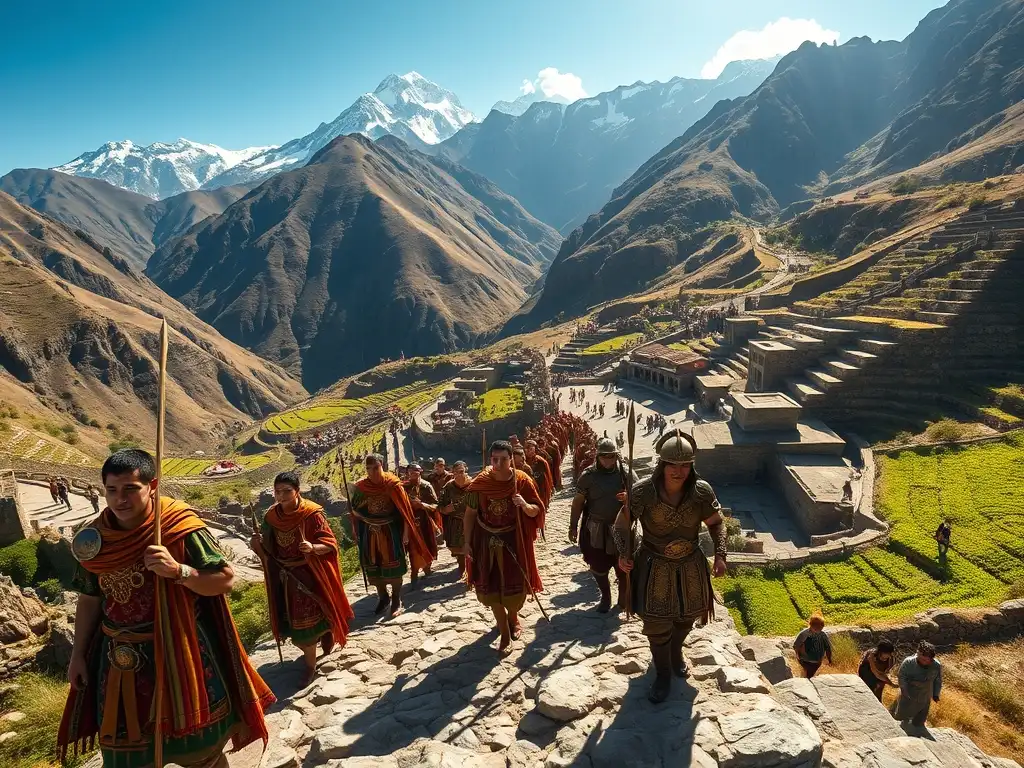
Step into a world lost to time, yet echoing with power and mystery. Imagine a landscape sculpted by towering mountains and shaped by civilizations that defied the odds. This is the realm of the Andean civilizations, where priests wielded spiritual authority and warriors commanded armies. Uncover the secrets of the Andean elite classes history—their rise to power, their influence on society, and the legacies they left behind. Prepare to be captivated by the intricate tapestry of their lives, and explore the fascinating world that awaits you.
-
Andean Elite Classes History: Priests and Warriors in Ancient Andean Societies
- The Dual Power Structure: Priests and Warriors in the Andes
- The Role of Priests in Andean Society
- The Importance of Warriors in Andean Societies
- Interrelation Between Priests and Warriors
- Regional Variations in Elite Classes
- Archaeological Evidence of Andean Elite Classes
- The Legacy of Priests and Warriors
- Conclusion: The Enduring Influence of Andean Elite Classes
-
Frequently Asked Questions
- What role did priests play in Andean elite classes?
- How did the warrior class gain and maintain power in the Andes?
- Were there differences in the elite classes across various Andean cultures?
- What were the primary sources historians use to understand Andean elite classes?
- How did the Andean elite maintain social control and legitimacy?
- Final Reflection: Echoes of Power in the Andes
- Unleash Your Curiosity about the Andes!
Andean Elite Classes History: Priests and Warriors in Ancient Andean Societies
The Andes Mountains, a spine of towering peaks running down the western coast of South America, were home to a succession of remarkable civilizations. For centuries, these societies developed complex social structures, intricate agricultural systems, and awe-inspiring architectural feats. Understanding the Andean elite classes is crucial to grasping the dynamics of power, religious belief, and societal organization within these fascinating cultures.
This article delves into the history of the Andean elite classes, focusing on the intertwined roles of priests and warriors – two powerful groups whose influence shaped the destinies of empires like the Inca, Moche, Nazca, and Tiahuanaco. We will explore their distinct roles, their interactions, and the lasting impact they had on Andean societies.
Understanding their complex relationship is key to unlocking a deeper understanding of Andean social structures and the historical forces that shaped them. Prepare to journey back in time and uncover the secrets of these influential figures who left an indelible mark on the history of the Andes.
The Dual Power Structure: Priests and Warriors in the Andes
The Andean elite wasn't monolithic. Instead, a complex interplay existed between two primary power structures: the priestly class and the warrior class. While the precise balance of power shifted between different civilizations and periods, both groups held significant influence over the lives of ordinary people. The priests controlled the spiritual realm, wielding immense authority through their connection to the gods and the cosmos.
Warriors, on the other hand, controlled military might and territorial expansion, securing resources and maintaining order through force. This dual power structure is a recurring theme throughout Andean history, influencing everything from agricultural practices and resource allocation to political alliances and warfare. The interaction between these two groups, sometimes collaborative, sometimes conflictual, shaped the very fabric of Andean societies. The following sections will examine these roles in more detail, offering insights into their distinct functions and their complex interrelationship.
The Role of Priests in Andean Society
The priestly class in Andean civilizations held a position of immense power and prestige. Their influence extended far beyond religious rituals; they were often deeply involved in political decision-making, economic management, and the administration of justice. Their authority stemmed from their purported connection to the supernatural world and their ability to interpret divine will.
Religious Authority and Ritual Practices
Andean priests were responsible for a complex array of religious rituals, ceremonies, and practices. These included elaborate sacrifices, divination, and the maintenance of sacred sites. Their knowledge of astronomy, calendar systems, and agricultural cycles was vital for ensuring the prosperity of the community.
They were seen as intermediaries between the human and divine realms, interpreting omens and ensuring the favor of the gods. The precise nature of these rituals varied across different Andean cultures, reflecting the diversity of beliefs and practices across the region. However, a common thread was the emphasis on maintaining a harmonious relationship between the human world and the supernatural.
The Influence of Priests on Political Decisions
The priests' influence extended beyond the purely religious sphere. In many Andean societies, they played a significant role in political decision-making, advising rulers and influencing policy. Their pronouncements could sway public opinion and legitimize the actions of the ruling elite.
Their control over religious symbols and rituals gave them a powerful tool for shaping social and political order. Evidence suggests that in some cases, priests held positions of considerable political authority, even ruling directly in certain periods. The extent of their political influence varied across different cultures and time periods, but it was consistently a significant factor in Andean governance.
Priest Training and Lineage in Andean Civilizations
Becoming a priest was not simply a matter of religious vocation; it often involved rigorous training and a hereditary component. In many cases, priestly roles were passed down through family lineages, creating powerful and influential priestly dynasties. This hereditary aspect reinforced the priests' social standing and solidified their control over religious knowledge and practices.
The training process itself was likely extensive and demanding, requiring years of study and apprenticeship to master the complex rituals, calendrical systems, and cosmological knowledge essential to priestly duties. The details of this training remain somewhat obscure, but archaeological evidence and ethnographic accounts provide glimpses into the rigorous preparation required to become a priest in Andean society. This rigorous training and hereditary succession further solidified the priestly class's position within the Andean elite.
The Importance of Warriors in Andean Societies
The Andean region, despite its diverse cultures, consistently valued military prowess. Across various civilizations, from the Wari to the Inca, a strong military was crucial for territorial expansion, resource control, and the maintenance of social order. The scale of military importance varied; for instance, the expansionist Inca Empire relied heavily on a vast, well-organized army, while smaller societies might have placed greater emphasis on smaller, more localized defense forces. However, the significance of warriors as a powerful and respected segment of society remained relatively consistent. The elite warrior class wasn't merely a fighting force; they were often deeply embedded in the political and religious structures of their societies, wielding significant influence beyond the battlefield. Their success in war directly translated into increased prestige, wealth, and political power for both themselves and their families. This created a powerful incentive for young men to strive for excellence in military training and combat.
Military Power and Expansion
Military power was directly linked to territorial expansion and the acquisition of resources in many Andean societies. The Inca, for example, systematically conquered neighboring groups, incorporating their lands and people into their vast empire. This expansion wasn't simply driven by aggression; it also provided access to vital resources like agricultural land, minerals, and labor. Successful military campaigns significantly increased the wealth and power of the Inca elite, solidifying their control over the empire.
The Moche civilization, known for its impressive artistic achievements, also demonstrates a clear connection between military strength and societal development. Their sophisticated irrigation systems and vast agricultural lands were likely protected and expanded through military campaigns, ensuring the prosperity and stability of the Moche state. Evidence suggests that military victories were often celebrated through elaborate rituals and artistic depictions, further emphasizing the importance of military success in shaping Andean societies.
Warrior Training and Social Status
Becoming a warrior in Andean societies wasn't merely a matter of picking up a weapon; it involved rigorous training and a commitment to a specific social code. While details vary based on the specific culture, evidence suggests that aspiring warriors underwent extensive physical training, developing skills in combat, strategy, and weaponry. This training often began at a young age, and successful completion elevated their social standing within the community.
Elite warriors enjoyed privileges such as access to better resources, higher social standing, and often held positions of political power. Their social status was often hereditary, with sons inheriting their father's military rank and prestige, creating a powerful and influential warrior aristocracy.
This system ensured the continuation of military expertise and leadership across generations, contributing to the stability and success of many Andean societies. The high social standing of warriors ensured a constant supply of recruits, eager to climb the social ladder through military merit.
The Role of Warriors in Maintaining Order
Beyond expansion, warriors played a crucial role in maintaining internal order within Andean societies. They served as a powerful police force, suppressing rebellions, and enforcing the laws and decrees of the ruling elite. Their presence served as a deterrent against internal conflict and ensured the stability of the political system.
This role was particularly important in large, complex societies like the Inca Empire, where maintaining control over a vast and diverse population required a strong and disciplined military force. The Inca’s system of roads and relay runners facilitated rapid troop deployment, allowing for swift responses to any potential unrest or rebellion. This ability to quickly deploy troops across the empire was a key factor in maintaining stability and order, underlining the vital role of warriors in the day-to-day functioning of the Inca state.
Interrelation Between Priests and Warriors
The relationship between priests and warriors in Andean societies was complex and multifaceted, often characterized by a symbiotic relationship that reinforced their mutual power and authority. While seemingly disparate, these two elite classes frequently interacted, collaborating to maintain social order, legitimize the ruling power structure, and shape the cultural and religious landscape of their respective societies. This intricate interplay highlights the sophisticated political and social structures of Andean civilizations. The lines between the sacred and the secular were often blurred, with warriors participating in religious ceremonies and priests offering blessings and guidance before military campaigns.
The Symbiotic Relationship of Power
The symbiotic relationship between priests and warriors stemmed from their mutual dependence on maintaining social order and legitimizing their combined power. Priests, as spiritual leaders, held immense influence over the population, shaping beliefs, values, and societal norms. Warriors, as protectors and enforcers, provided the military might necessary to maintain order and enforce the decrees of both the priestly and ruling classes. This interdependence created a powerful alliance, with each group bolstering the authority and prestige of the other. The collaboration between these two powerful groups wasn't always harmonious, however; potential for conflict always existed when their interests diverged.
How Priests Legitimize the Warrior Class
Priests played a crucial role in legitimizing the warrior class, imbuing their actions with religious significance and justifying their power within society. Military victories were often attributed to divine intervention, with priests portraying successful warriors as chosen instruments of the gods. This religious validation enhanced the prestige and authority of the warrior class, solidifying their position at the apex of Andean society.
Religious rituals and ceremonies further reinforced this link, celebrating military triumphs and honoring fallen warriors as heroes who had sacrificed themselves for the greater good of their communities. Through carefully crafted narratives and religious symbolism, priests ensured the warrior class remained a powerful and respected element of Andean society.
The Balance of Power and Potential Conflicts
While the priest-warrior relationship was often symbiotic, a delicate balance of power existed. Potential conflicts arose when the interests of the two classes diverged, particularly concerning the distribution of resources, political influence, and the interpretation of religious doctrine. While concrete examples of major conflicts between these classes are scarce in the historical record, the potential for such conflict is evident in the complex power dynamics of Andean societies.
The extent of the conflict depended largely on the specific socio-political structure of each civilization and the personalities of the leading figures within the priestly and warrior classes. Maintaining this balance was crucial for the stability and prosperity of Andean societies. The intricate dance between spiritual authority and military might shaped the destiny of these remarkable civilizations.
Regional Variations in Elite Classes
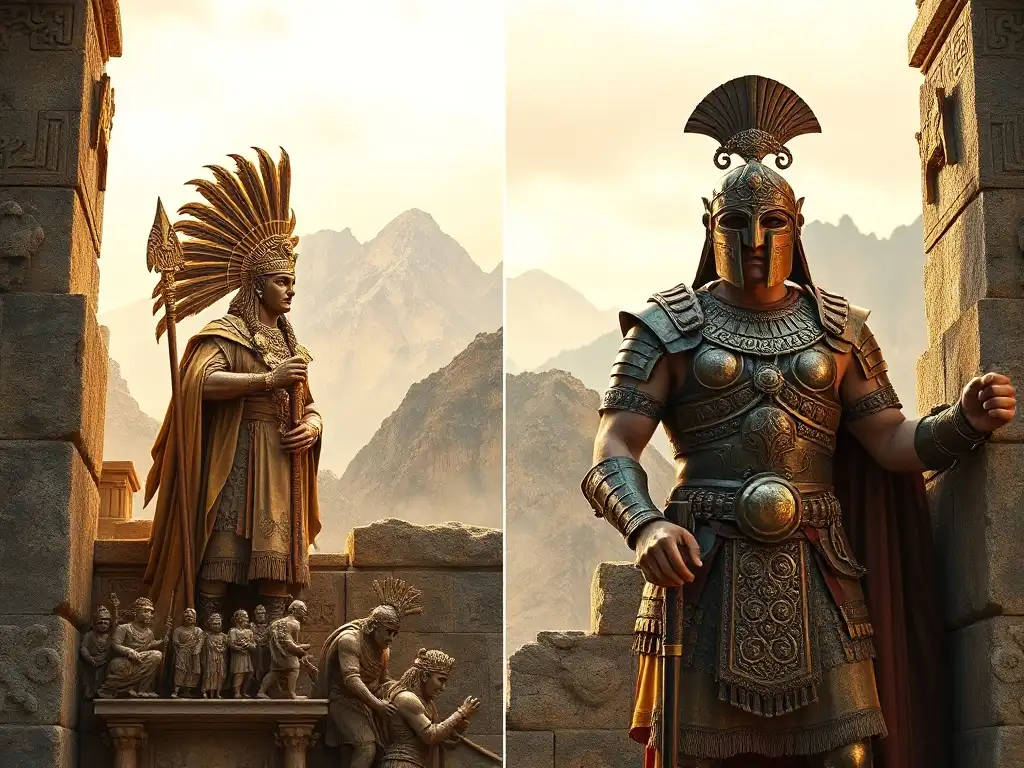
The Andean region, encompassing a vast geographical area and diverse environments, saw significant variations in the composition and roles of its elite classes. While priests and warriors often held prominent positions, their specific influence and power dynamics differed considerably across various cultures and time periods. For instance, the priestly class in the Nazca culture, renowned for their sophisticated astronomical knowledge and elaborate geoglyphs, held a different level of societal power compared to the Inca priests who were deeply integrated into the imperial bureaucracy.
Similarly, the warrior elite of the Moche civilization, with its highly militaristic society evidenced by elaborate depictions of warfare in their art, contrasted sharply with the more centralized and less overtly militaristic structure of the later Inca empire. These regional disparities highlight the complexity of understanding "Andean elite classes history" as a monolithic entity.
The influence of geography, resource availability, and prevailing societal values shaped the specific characteristics of elite groups in each region, leading to a rich tapestry of social structures across the Andes. Further research into specific regional variations is crucial for a comprehensive understanding of Andean social dynamics.
Differences in Priestly Roles Across Andean Cultures
The role of priests varied significantly across different Andean cultures. In the Nazca civilization, priests were likely heavily involved in astronomical observations, rituals related to water management (crucial in their arid environment), and possibly even in the creation of their famous geoglyphs. Evidence suggests a strong connection between priestly authority and cosmological beliefs.
In contrast, Inca priests, integrated into the vast imperial bureaucracy, held administrative and political power, overseeing religious practices and acting as advisors to the Sapa Inca. Their influence extended beyond purely religious matters, encompassing aspects of state administration and social control. The Tiahuanaco culture, known for its monumental architecture and complex religious iconography, likely featured a priestly class deeply involved in managing the large-scale public works projects and maintaining the ideological cohesion of the empire.
Understanding these differences allows us to appreciate the nuanced relationship between religion, politics, and social power in the diverse Andean societies. The priestly role was not a static concept, but rather a dynamic one that adapted to the specific needs and circumstances of each culture.
Warrior Cultures: Moche vs. Inca Examples
The role of the warrior elite also varied significantly across Andean cultures. The Moche civilization, known for its fierce warriors and expansive military campaigns, provides a striking example of a culture where military prowess was central to social hierarchy. Moche iconography vividly depicts scenes of warfare, human sacrifice, and the glorification of military leaders.
This contrasts sharply with the Inca, who, while possessing a powerful military, integrated warfare more subtly into their administrative and political systems. While the Inca army was a formidable force used to maintain control over their vast empire, military leaders did not hold the same level of independent power or social prestige as their Moche counterparts. This difference reflects the distinct political and social structures of these two powerful Andean empires.
The Inca's emphasis on centralized authority and sophisticated administrative systems diminished the independent power of purely military elites in comparison to the more decentralized and overtly militaristic society of the Moche. This comparison provides valuable insight into the diverse ways military power shaped the Andean elite classes history.
The Evolution of Social Hierarchy in Different Andean Regions
The social hierarchy in different Andean regions wasn't static; it evolved over time, influenced by factors like environmental changes, technological advancements, and inter-societal interactions. For example, the rise and fall of various Andean empires, such as the Wari and Tiwanaku, impacted the existing social structures.
Conquests and the subsequent integration of conquered populations often resulted in the restructuring of power dynamics and the emergence of new elite groups. Likewise, climatic shifts and resource scarcity could also have significantly altered the power balance within Andean societies, leading to changes in the composition and influence of elite classes.
The development of agriculture, metallurgy, and other technologies also played a role, potentially creating new opportunities for certain groups to accumulate wealth and power. Therefore, understanding the evolution of Andean social hierarchy necessitates a nuanced perspective that accounts for these complex and interconnected factors, making the study of "Andean elite classes history" a continuously evolving field.
Archaeological Evidence of Andean Elite Classes
Archaeological evidence provides invaluable insights into the lives and social standing of Andean elite classes. Extensive research across various Andean sites has yielded a wealth of information about their burial practices, material culture, and the ways in which they distinguished themselves from the common population.
The meticulous excavation and analysis of tombs, artifacts, and settlements are crucial for understanding the complexities of Andean social structures and the power dynamics within them. The analysis of these findings allows researchers to reconstruct the daily lives, beliefs, and social standing of these elite individuals, offering a window into the past and allowing us to build a more complete picture of Andean elite classes history.
Tombs and Burial Practices of Priests and Warriors
The elaborate tombs and burial practices of Andean elite classes are a significant source of information. The contents of these tombs – often including precious metals, fine textiles, and intricate ceramics – reveal the wealth and status of the deceased. The careful placement of grave goods, often reflecting the individual's role in society (e.g., religious paraphernalia for priests, weapons for warriors), offers further clues into their social standing.
For example, the royal tombs of the Inca often contained an astonishing array of treasures, reflecting the immense power and prestige of the Sapa Inca and his family. Similarly, the elaborate burial chambers of Moche elite warriors frequently included weaponry, human sacrifices, and other items reflecting their military achievements. Variations in burial practices across different regions and time periods provide insights into the changing nature of elite status and power throughout Andean history.
Artifacts and Symbols of Power
Artifacts and symbols of power play a crucial role in understanding Andean elite classes. These objects, often made from precious materials such as gold, silver, and jade, served as markers of social status and authority. Examples include elaborate headdresses, finely crafted textiles, and intricately carved ceremonial objects.
The presence of specific symbols, such as the Inca sun disc or the Moche's depiction of their gods and rulers, further reinforced the power and legitimacy of the elite. The careful study of these artifacts, along with their associated contexts, allows researchers to interpret the ways in which elites constructed and maintained their power and authority within their respective societies. This analysis helps to illuminate the complex interplay between material culture, social hierarchy, and religious beliefs in ancient Andean societies.
Insights from Iconography and Art
Andean iconography and art provide compelling insights into the lives and roles of elite classes. Depictions of rulers, priests, and warriors in murals, pottery, and textiles offer valuable information about their clothing, adornments, and activities. The stylistic choices, such as the use of specific colors or symbols, also often reflect the social standing and power of the individuals depicted.
For instance, the Moche's elaborate depictions of warriors and their conquests provide valuable information about their military organization and social values. Similarly, Inca iconography, emphasizing the authority of the Sapa Inca and the importance of the sun god, reinforces the centralized nature of Inca power. The detailed analysis of Andean art and iconography remains a crucial tool for understanding the beliefs, values, and social structures of these ancient civilizations, providing further evidence for the study of "Andean elite classes history".
The Legacy of Priests and Warriors
The legacy of the Andean elite classes, encompassing both priests and warriors, is deeply woven into the fabric of Andean culture and continues to resonate today. Their influence extended far beyond mere political control; they shaped religious beliefs, artistic expression, agricultural practices, and even the very landscape of the Andes. The monumental structures they commissioned, from the intricate Nazca Lines to the imposing city of Machu Picchu, stand as testament to their power and organizational prowess.
Their sophisticated understanding of astronomy, reflected in their calendar systems and temple orientations, demonstrates a level of scientific knowledge far exceeding that of many contemporaneous societies. Furthermore, the elite's control over resources, including access to fertile lands and precious metals, cemented their social dominance and profoundly impacted the economic structures of their respective societies.
The meticulous record-keeping, often through intricate knot systems like quipus, allowed for efficient administration and a degree of centralized control rarely seen in other pre-Columbian civilizations. This administrative sophistication, coupled with their religious authority, allowed them to maintain social order and control over vast territories.
Their Impact on Andean Culture
The Andean elite's impact on culture was multifaceted and profound. Their religious beliefs, often intertwined with astronomical observations and agricultural cycles, shaped artistic expression across various media. Ceramics, textiles, and metallurgy all bear the mark of elite patronage, showcasing intricate designs and sophisticated techniques.
The elite's control over religious rituals and ceremonies allowed them to reinforce their authority and maintain social cohesion. For example, the elaborate ceremonies surrounding the harvest, often overseen by priests, served not only to ensure bountiful crops but also to reinforce the elite's role as intermediaries between the human and divine realms. Their patronage of artisans fostered the development of unique artistic styles and techniques, many of which have survived to the present day.
The exquisite craftsmanship evident in Andean textiles and goldwork, for instance, speaks volumes about the level of skill fostered by the elite's support. Moreover, the elite's influence extended to architectural styles, shaping the construction of monumental buildings and urban planning in ways that reflected their social structure and worldview.
Surviving Traditions and Beliefs
Many of the traditions and beliefs associated with the Andean elite continue to inform contemporary Andean cultures. While the specific details may have evolved over time, the fundamental principles of reciprocity, community, and respect for the natural world remain central to Andean identity. Certain rituals and ceremonies, though adapted to modern contexts, still retain echoes of their pre-Columbian origins.
The enduring reverence for sacred mountains and the importance of ancestral veneration speak to the lasting legacy of the elite's worldview. Furthermore, the use of traditional textiles and crafts, often employing techniques passed down through generations, serves as a tangible link to the past. Many contemporary Andean communities still maintain a strong sense of social hierarchy, reflecting the stratified societies of their ancestors.
The persistence of such traditions highlights the enduring influence of the Andean elite’s cultural legacy, demonstrating a remarkable continuity across centuries. The study of these surviving practices offers invaluable insights into the complexities of Andean societies and the ways in which their past continues to shape their present.
Understanding the Foundations of Andean Society
Understanding the role of the Andean elite classes is crucial to comprehending the foundations of Andean society. Their influence permeated every aspect of life, from religious practices and economic systems to artistic production and political organization. By studying their power structures, we gain insights into the social dynamics, economic strategies, and religious beliefs that shaped these complex civilizations.
The elite's control over resources and their ability to mobilize labor for monumental projects highlight their organizational capabilities and the sophisticated systems of social control they implemented. The intricate relationship between priests and warriors, often overlapping in their roles and responsibilities, reflects the interconnectedness of religious and political authority.
Analyzing the archaeological evidence, such as royal tombs and elite residences, alongside ethnohistorical accounts, provides a more complete picture of their lives and their impact on the societies they governed. This multidisciplinary approach is essential for a nuanced understanding of the Andean elite's contribution to the development and evolution of Andean civilizations.
Conclusion: The Enduring Influence of Andean Elite Classes
The enduring influence of Andean elite classes, comprising both priests and warriors, is undeniable. Their legacy extends far beyond the ruins of their magnificent cities and temples. Their sophisticated understanding of astronomy, agriculture, and social organization left an indelible mark on Andean culture, shaping religious beliefs, artistic expression, and social structures that continue to resonate in contemporary Andean societies.
The surviving traditions, beliefs, and artistic styles provide tangible evidence of their lasting impact. Studying the Andean elite is not simply an academic exercise; it is crucial to understanding the complexities of Andean civilizations and the enduring legacy of their social and cultural achievements.
Further research into the nuances of their power structures and their interactions with the broader population is needed to fully appreciate the depth and complexity of their influence on the development of Andean societies. The study of "Andean elite classes history" remains a dynamic and evolving field, promising further insights into this fascinating and influential aspect of Andean civilization.
Frequently Asked Questions
What role did priests play in Andean elite classes?
Priests held immense power in Andean societies, acting as intermediaries between the divine and human realms. Their influence extended to political and economic affairs, shaping societal structures and beliefs. They often controlled valuable resources and land.
How did the warrior class gain and maintain power in the Andes?
Military prowess was crucial for Andean elites. Successful warfare brought territorial expansion, resources, and prestige. Warriors often held high political positions, commanding armies and influencing policy.
Were there differences in the elite classes across various Andean cultures?
Yes, significantly. While priests and warriors were common elements, their relative power and influence varied. For instance, the Inca emphasized imperial administration, while the Moche prioritized military conquest and religious rituals.
What were the primary sources historians use to understand Andean elite classes?
Historians rely on archaeological discoveries like tombs, palaces, and textiles, alongside ethnohistorical accounts (written by Spanish chroniclers) and surviving indigenous oral traditions. These provide insights into their lives, beliefs, and social structures.
Elites employed various strategies, including religious ideology, monumental architecture, and elaborate rituals to bolster their authority. They controlled resources and information, ensuring social hierarchy and their own continued power.
Final Reflection: Echoes of Power in the Andes
The intricate power structures of the Andean elite, once seemingly confined to the dusty pages of history, continue to resonate deeply within the modern socio-political landscape. Understanding their complex interplay of priestly authority and military might offers crucial insights into the enduring legacies of inequality and the persistent struggle for power that shapes societies even today. The echoes of their influence are undeniable, shaping not only our understanding of the past but also our present realities.
The enduring fascination with the Inca and pre-Inca civilizations stems from more than just a historical curiosity; it's a reflection of our own ongoing grappling with issues of social stratification, religious authority, and the enduring human desire for control. History does not repeat itself, but it often rhymes.
– Mark Twain. This quote perfectly encapsulates the relevance of studying the Andean elite; while the specifics may differ, the fundamental dynamics of power remain strikingly similar across time and cultures. The ways in which these elites maintained their positions, the ideologies they employed, and the consequences of their actions offer valuable lessons for understanding similar power dynamics in our own world.
Consider the ways in which power operates in your own life, your community, and the broader world. How do institutions and individuals maintain control? What ideologies justify these power structures? Take a moment to reflect on the parallels between the Andean elite and contemporary power dynamics. By understanding the past, we can better navigate the complexities of the present and work towards a future where power is wielded responsibly and equitably, ensuring that the lessons learned from the Andes are not simply echoes of the past, but a call to action for a more just future.
Unleash Your Curiosity about the Andes!
Thank you for exploring the captivating world of the elite who ruled the Andes! You've discovered the fascinating roles of priests and warriors in shaping Andean civilizations. Now, let's delve deeper into the rich tapestry of their history.
Here are some ways to expand your understanding and share your passion for these incredible cultures:
- Dive Deeper: Explore our in-depth articles and resources on the daily lives and contributions of Andean priests and warriors. Learn about their religious practices, military strategies, and societal influence.
- Connect with Others: Join our Andean Civilizations community on social media to share insights, ask questions, and connect with fellow history enthusiasts. Engage in discussions and learn from others' perspectives.
- Share Your Knowledge: Discuss what you've learned with friends and family. You might spark a shared interest in the remarkable history of the Andes!
What aspect of Andean history captivates you most, and how will you explore it further today?