
The Social Context of Andean Rituals and Ceremonies

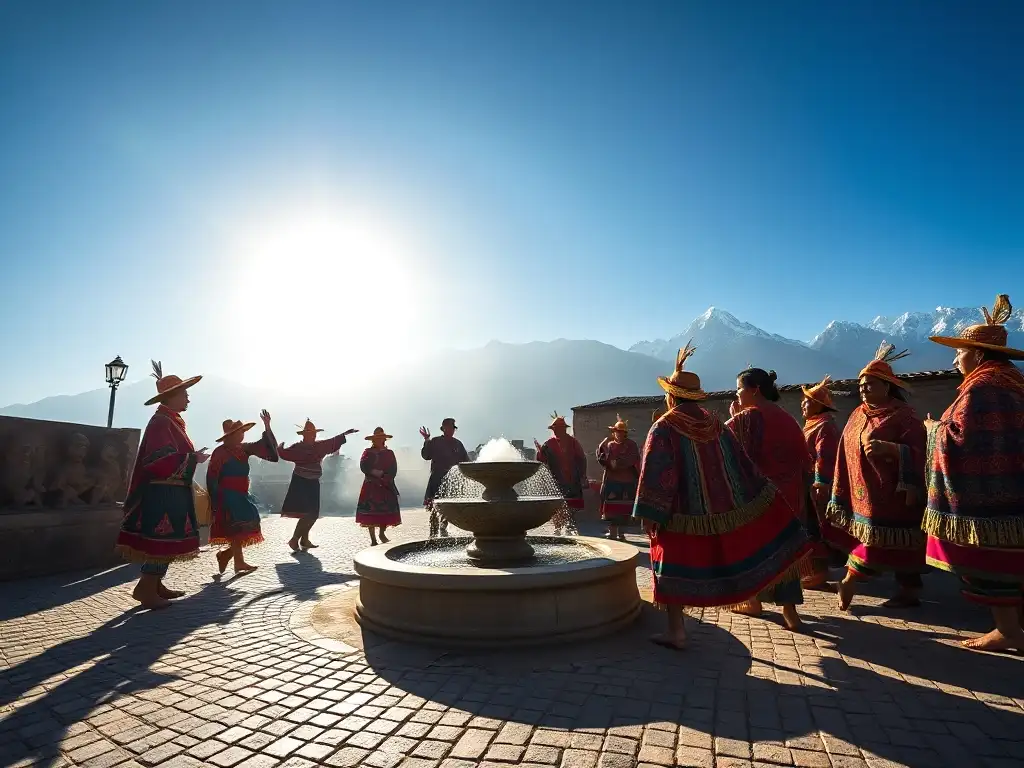
Step into a world lost to time, yet echoing with the vibrant spirit of the Andes. Imagine colossal mountaintop citadels, intricate textiles whispering ancient secrets, and ceremonies that intertwined the cosmos with daily life. This is the realm of the Andean civilizations – Inca, Moche, Nazca, and more. But what truly drove these societies? Uncover the fascinating complexities of Andean rituals social context and discover how these powerful ceremonies shaped their world. Prepare to be captivated by a legacy that continues to resonate today.
The vibrant tapestry of Andean civilizations, encompassing the Incas, Moche, Nazca, and Tiahuanaco, is intricately woven with threads of elaborate rituals and ceremonies. These were not merely religious observances; they were deeply embedded within the social fabric, reflecting and reinforcing the complex power structures and social hierarchies that characterized these societies.
Understanding the social context of Andean rituals is crucial to grasping the nuances of their social organization, economic systems, and political ideologies. This article delves into the profound social significance of these rituals, exploring how they served to maintain social order, express social status, and ultimately shape the very identity of Andean communities.
We will examine how different social groups participated in and were affected by these ceremonies, highlighting the ways in which rituals served as powerful tools for both social control and social cohesion. By analyzing the social context of Andean rituals, we gain a richer understanding of the dynamic interplay between religion, power, and social life in these remarkable ancient cultures.
Andean rituals were not isolated events but integral components of daily life, deeply intertwined with the agricultural cycle, political power, and social interactions. They served a multitude of purposes, from ensuring a bountiful harvest and appeasing the gods to solidifying alliances and reinforcing social hierarchies. The participation in these rituals, the type of offerings presented, and even the location of the ceremony often reflected an individual's or group's social standing.
For example, the elaborate ceremonies involving human sacrifice, while controversial, were likely not randomly selected participants but rather individuals chosen based on their social status or perceived connection to the supernatural. These rituals played a vital role in shaping social identities, reinforcing group solidarity, and transmitting cultural values across generations. The complexity and variation in rituals across different Andean cultures also highlight the diverse ways in which these societies structured their social and political lives.
Further research is needed to fully understand the nuances of ritual practice in specific Andean communities, particularly regarding the roles of women and marginalized groups. [Specific information pending on the roles of women and marginalized groups in Andean rituals]
The intricate social hierarchies of Andean societies were vividly reflected in their ritual practices. The elite, whether they were priests, rulers, or members of the nobility, held prominent roles in these ceremonies. Their participation often involved exclusive access to sacred objects, specialized knowledge, and privileged positions within the ritual space. This visual display of power served to reinforce their authority and legitimacy in the eyes of the common people.
The commoners, on the other hand, played crucial roles in supporting these rituals through labor, offerings, and participation in processions. However, their participation was often structured and controlled by the elite, ensuring the maintenance of the existing social order. The contrast between the elite's participation and that of the commoners clearly illustrates the hierarchical nature of Andean society and the ways in which rituals served to legitimize and perpetuate this social structure.
The Role of Rituals in Maintaining Social Order
Andean rituals played a crucial role in maintaining social order and stability. They served as mechanisms for conflict resolution, reinforcing social norms, and promoting social cohesion. Public rituals, often involving large-scale participation, fostered a sense of shared identity and purpose among community members. These events provided opportunities for social interaction, strengthening community bonds and reinforcing social norms.
Conversely, the exclusion from or punishment for non-compliance with ritual practices served as a powerful tool for social control. The threat of supernatural retribution or social ostracism ensured compliance with established rules and customs, contributing to the overall stability of Andean societies. The intricate system of reciprocity and redistribution, often embedded within ritual practices, further strengthened social bonds and mitigated potential conflicts over resources.
Rituals as Markers of Status and Power in Andean Societies
The types of offerings, the attire worn, and the roles played in rituals all served as powerful markers of social status and power. Elite members often wore elaborate clothing, adorned with precious metals and feathers, signifying their high social standing. They also had access to rare and valuable offerings, such as gold, silver, and exotic animals, which further emphasized their privileged position.
The control over ritual spaces and the authority to interpret religious symbols were also key indicators of power. By controlling access to these resources and knowledge, the elite maintained their dominance and perpetuated their social status. The careful observation and analysis of these ritual elements provide valuable insights into the social dynamics and power structures of Andean societies, showcasing the intricate relationship between religious practice and social hierarchy.
The study of Andean iconography and artifacts further enhances our understanding of the symbolic representations of power and status embedded within these rituals. 🧐
Andean Ceremonies and Community Cohesion
Andean ceremonies weren't merely religious events; they were crucial mechanisms for maintaining social cohesion and strengthening community bonds. Participation in these rituals fostered a sense of shared identity and belonging, reinforcing the social fabric of Andean societies. The collective effort involved in preparing for and executing ceremonies, from the cultivation of crops used in offerings to the construction of elaborate ceremonial centers, necessitated collaboration and cooperation amongst community members. This collaborative process itself strengthened social ties and reinforced social structures.
The shared experience of participating in these rituals, regardless of social standing, created a sense of unity and collective purpose. Even seemingly minor ceremonies, such as those marking agricultural cycles or celebrating harvests, contributed to this sense of communal solidarity. The successful completion of a ritual, often signifying a successful harvest or a plea answered by the gods, would be celebrated collectively, further cementing the bonds of the community.
Ceremonies Reinforcing Social Bonds and Kinship Ties
Many Andean ceremonies specifically targeted the reinforcement of kinship ties and family structures. Rituals surrounding marriage, birth, and death often served to solidify familial relationships and reaffirm social obligations within the extended family. These ceremonies often involved elaborate gift-giving, feasting, and displays of social status, all working to strengthen familial bonds and reinforce social hierarchy. The presence of specific family members and their participation in pre-determined roles within the ritual underscored the importance of lineage and family in Andean society.
For example, the inheritance of specific ritual roles within a lineage served to maintain social order and continuity across generations. These rituals weren't simply personal events; they were public affirmations of family structures and their place within the wider community. The community's participation in these ceremonies served to validate and reinforce the social status and familial relationships celebrated.
Collective Rituals and the Creation of Shared Identity
Large-scale, collective rituals played a significant role in the creation and maintenance of a shared Andean identity. These events, often involving multiple communities or even entire regions, fostered a sense of unity and common purpose that transcended individual or familial affiliations. Participation in these massive ceremonies, such as those dedicated to major deities or significant agricultural cycles, created a powerful sense of shared experience and collective identity.
The shared beliefs, rituals, and practices acted as a unifying force, fostering a sense of belonging and shared destiny. The standardization of ritual practices across different communities further strengthened this sense of shared cultural identity.
This was especially true for imperial-era Inca rituals, which aimed to unify the vast empire under a common cultural identity and religious framework. The visual spectacle of these events, along with the communal participation and shared experience, reinforced social bonds and fostered a sense of collective identity that helped to maintain social order and stability.
The relationship between religion and social structure in Andean societies was deeply intertwined, with religious beliefs and practices directly reflecting and reinforcing social hierarchies and power dynamics. Rituals were not merely religious acts; they were powerful tools used to legitimize existing social structures and maintain social order. The elite classes often controlled access to religious resources and played key roles in the performance of major rituals, thereby consolidating their power and influence.
The control of religious ceremonies and the interpretation of religious beliefs provided a significant source of power and authority for the ruling classes. This control was often manifested through the construction and control of ceremonial centers, the selection of priests and religious specialists, and the regulation of ritual practices.
Deities, Ancestors, and Their Influence on Ritual Practices
The Andean pantheon of deities and ancestors played a central role in shaping ritual practices and social interactions. Specific deities were often associated with particular social groups or geographic locations, reflecting the complex relationship between religion and social structure. The veneration of ancestors also played a significant role, with family lineages often tracing their ancestry back to powerful mythical figures or deities. Ritual practices often involved offerings to these deities and ancestors, seeking their favor and protection.
The specific offerings and rituals varied depending on the deity or ancestor being honored, reflecting the diverse beliefs and practices across different Andean regions and social groups. The power and influence of these deities and ancestors were often directly linked to the social standing and political power of those who claimed descent from them. This reinforces the idea that religious beliefs and practices were deeply interwoven with social structures and power dynamics.
Religious Beliefs and Their Social Manifestation Through Ceremonies
Andean religious beliefs manifested themselves primarily through elaborate and complex ceremonies. These ceremonies served as powerful means of expressing and reinforcing social values, beliefs, and hierarchies. The elaborate nature of many rituals, including the preparation of offerings, the construction of ceremonial structures, and the performance of specific rituals, reflected the importance of religion in Andean life.
The participation in these ceremonies, often dictated by social standing, served to reinforce social hierarchies and power dynamics. The symbolism embedded within the rituals, including the use of specific colors, objects, and gestures, carried significant social and religious meaning. The interpretation of these symbols and their meaning was often controlled by the elite classes, further solidifying their power and authority.
The study of these ceremonies provides essential insights into the complex interplay between religion, social structure, and power in Andean societies. The detailed analysis of ritual objects, ceremonial centers, and written accounts (where available) reveals much about the social context of these ceremonies and their role in maintaining social order and cohesion.
Andean Rituals and the Cycle of Life
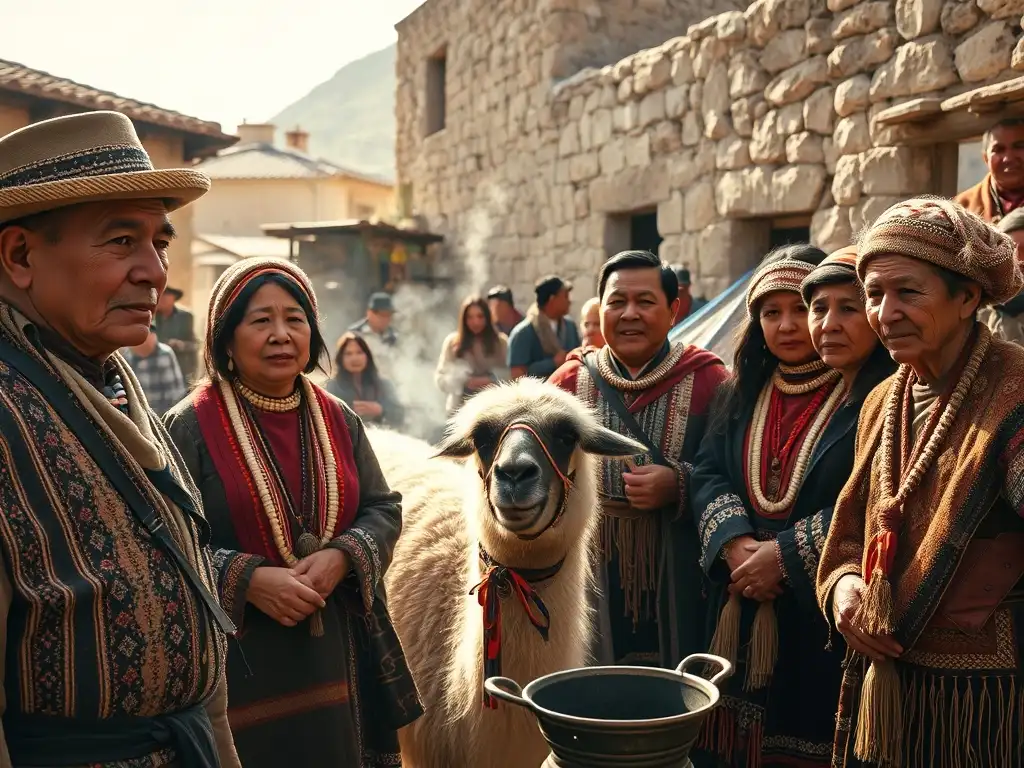
Andean rituals were deeply intertwined with the cyclical nature of life, death, and rebirth, reflecting a worldview profoundly connected to the rhythms of the natural world. These rituals weren't merely symbolic performances; they served crucial social functions, reinforcing community bonds, solidifying social hierarchies, and ensuring the continuity of Andean societies. The Andean understanding of life wasn't linear but rather a continuous flow, with death seen not as an end but as a transition to another realm.
This perspective significantly shaped the nature and purpose of their rituals. The importance placed on ancestor veneration further emphasizes this cyclical view, with deceased relatives believed to continue influencing the living. Many rituals aimed to maintain harmonious relationships with the spirit world, ensuring the continued prosperity and well-being of the community.
The intricate details of these ceremonies varied across different Andean cultures, reflecting the diverse beliefs and practices prevalent throughout the region. However, the underlying principle of maintaining balance and continuity remained a constant theme.
Rites of Passage: Birth, Coming-of-Age, and Death Rituals
Rites of passage marked significant transitions in an individual's life, from birth to adulthood and ultimately, death. Birth rituals often involved ceremonies to ensure the child's safe arrival and integration into the community. These could involve offerings to deities associated with fertility and protection, or specific practices to cleanse the newborn and welcome them into the social fabric.
Coming-of-age ceremonies, often elaborate and complex, marked the transition from childhood to adulthood, involving trials, tests, and initiations that prepared young individuals for their roles within society. These rituals frequently reinforced social norms and expectations, transmitting cultural knowledge and values across generations. Death rituals, similarly significant, involved elaborate preparations for the deceased, often including mummification in certain cultures, and subsequent ceremonies to guide the spirit to the afterlife and maintain the connection between the living and the dead.
The social standing of the deceased profoundly influenced the scale and complexity of their funeral rites, highlighting the importance of social hierarchy even in death. These rituals served not only to honor the deceased but also to reinforce the social structure and maintain the continuity of kinship ties.
Rituals Related to Agriculture and the Natural World
Andean societies were deeply dependent on agriculture, and their rituals reflected this close relationship with the natural world. The success of their crops was vital for their survival, leading to the development of elaborate ceremonies aimed at ensuring bountiful harvests. These rituals often involved offerings to deities associated with fertility, rain, and the earth, seeking their favor and protection. The timing of these rituals was carefully synchronized with the agricultural calendar, reflecting a deep understanding of the natural cycles and their impact on agricultural productivity.
Specific rituals might involve planting ceremonies, harvest festivals, and prayers for rain during periods of drought. These practices weren't simply superstitious; they served a vital social function, bringing communities together in shared activities, reinforcing social bonds, and ensuring the collective well-being of the group. The coordination of these rituals required cooperation and organization, strengthening social structures and promoting community solidarity.
Several specific examples illustrate the social context of Andean rituals, highlighting their diverse functions and their profound influence on Andean societies. These rituals were not isolated events but rather integral components of their social fabric. The complexity and significance of these events varied depending on the specific Andean culture and the social standing of the participants.
The Inti Raymi Festival and its Social Function
The Inti Raymi festival, celebrated by the Inca Empire, was a major solar festival marking the winter solstice. This grand event involved elaborate processions, sacrifices, and feasts, bringing together people from across the empire. The Inca ruler, the Sapa Inca, played a central role, reinforcing his authority and legitimacy as the intermediary between the human and divine realms.
The festival served to strengthen imperial unity, reinforcing the Inca's control and demonstrating the power of the state. The participation of diverse groups from across the empire underscored the Inca's ability to maintain social order and control over a vast and diverse population. The festival’s scale and extravagance demonstrated the Inca's wealth and power, further consolidating their social dominance.
The Ch'alla Ceremony and its Social Function
The Ch'alla ceremony, a widespread Andean practice, involves offering drinks and food to the earth and the spirits of the mountains (Apus). This ritual is typically performed before planting crops, starting construction projects, or beginning any other significant endeavor. The Ch'alla is not limited to a single community; it is performed by individuals, families, and communities alike, highlighting its widespread importance and social integration.
This ceremony demonstrates the profound interconnectedness between humans and the natural world in Andean cosmology and highlights the significance of shared resources and collective well-being. The act of sharing food and drink during the Ch'alla symbolizes social cohesion and mutual dependence.
The Warachikuy Initiation Rite and its Social Function
The Warachikuy, an initiation rite practiced among certain Andean communities, marked the transition from adolescence to adulthood. This involved a period of rigorous testing and training, often culminating in a public ceremony where the initiates demonstrated their readiness to take on adult responsibilities. The Warachikuy served to reinforce social norms, transmit cultural values, and prepare young people for their roles within the community.
The public nature of the ceremony highlighted the importance of social acceptance and the integration of new members into the social structure. Successfully completing the Warachikuy brought not only personal recognition but also enhanced social status within the community. The process underscored the importance of community support and collaboration in shaping young people’s development.
Andean rituals, far from being static traditions, underwent significant transformations throughout history, reflecting the dynamic social and political landscape of the region. Early Andean societies, characterized by smaller, more localized groups, likely engaged in rituals focused on immediate concerns like agricultural success and community cohesion. These rituals, often involving offerings to nature spirits or deities associated with fertility and abundance, served to reinforce social bonds and establish a shared understanding of the world.
As societies grew larger and more complex, so too did the nature of their rituals. The emergence of larger, centralized states, like the Moche and Wari, saw the development of more elaborate and formalized ceremonies, often involving large-scale public events designed to reinforce the power and legitimacy of the ruling elite.
These ceremonies frequently incorporated elements of human sacrifice, which, while seemingly brutal, served a crucial social function in solidifying the social hierarchy and reinforcing the authority of the state. The scale and complexity of these rituals underscored the power imbalance inherent in these societies.
Transformations of Rituals in Response to Historical Changes
The Inca Empire, with its vast territory and sophisticated bureaucracy, witnessed a further evolution of Andean rituals. The Inca state skillfully integrated existing local traditions and beliefs into a pan-Andean system of religious practice, using ritual to maintain control and consolidate its power. The imperial cult of the Inca ruler, along with state-sponsored festivals and ceremonies, served to reinforce the ideology of Inca supremacy and solidify the hierarchical structure of the empire.
The Inca's control over resources and the organization of labor allowed for the creation of spectacular ceremonies involving massive public works projects and intricate processions, underscoring the state's power and authority. However, the arrival of the Spanish conquistadors in the 16th century marked a dramatic turning point. The imposition of Catholicism resulted in the suppression of many indigenous rituals, leading to a syncretism where indigenous beliefs and practices were blended with Christian elements.
This process of cultural adaptation and resistance shaped the evolution of Andean religious practices into the forms we see today. The continuing presence of elements of pre-Columbian rituals within contemporary Andean religious practices is a testament to the resilience and adaptability of indigenous cultures.
The Legacy of Andean Rituals in Contemporary Society
The legacy of Andean rituals continues to resonate powerfully in contemporary Andean society. While many traditional practices have been suppressed or transformed over the centuries, many elements persist in various forms. Festivals celebrating harvests, solstices, and other significant events often incorporate elements of pre-Columbian rituals, demonstrating the enduring power of these traditions.
The use of coca leaves, for example, a central element in many traditional Andean rituals, continues to play a significant role in social interactions and religious practices, highlighting the continuity between the past and the present. Furthermore, the revival and rediscovery of ancient Andean rituals have become increasingly important in recent decades, serving as a powerful means for indigenous communities to assert their cultural identity and reclaim their history. This resurgence is part of a broader movement toward indigenous rights and self-determination, demonstrating the ongoing social significance of Andean ritual practices.
Understanding Andean ceremonial practices requires a nuanced analysis of their social dynamics. These rituals were not merely religious performances; they were integral components of the social fabric, reflecting and shaping power structures, social relationships, and community identities. The participation in these ceremonies often served to reinforce social hierarchies, with the elite playing a prominent role in organizing and leading many rituals.
Access to certain ceremonies or the ability to offer specific types of sacrifices could indicate one's social status and power within the community. Conversely, the participation of commoners in these ceremonies, even in subordinate roles, fostered a sense of shared identity and belonging, strengthening social cohesion. The exchange of goods, the sharing of food, and the collective performance of rituals all served to solidify social bonds and maintain social order.
Analyzing the material culture associated with Andean rituals, such as the elaborate textiles, ceramics, and gold artifacts, can also reveal crucial information about the social dynamics of these practices. The intricate designs and the materials themselves often reflected the social status of those who commissioned or participated in the ceremonies. Careful examination of these artifacts provides essential insights into the social context of Andean rituals and their significance in shaping Andean societies.
- Understanding the Social Significance of Andean Rituals
- Andean Rituals: Expressions of Social Hierarchy
- Andean Ceremonies and Community Cohesion
- The Interplay of Religion and Social Structure in Andean Rituals
- Andean Rituals and the Cycle of Life
- Specific Examples of Andean Rituals and Their Social Context
- The Evolution of Andean Rituals and Their Social Significance
- Analyzing the Social Dynamics of Andean Ceremonial Practices
Frequently Asked Questions
What role did rituals play in Andean societies?
Andean rituals were integral to social cohesion and maintaining cosmic balance. They reinforced social hierarchies and ensured the well-being of the community through offerings and ceremonies.
Rituals often reinforced existing power structures, with elites participating in elaborate ceremonies showcasing their status. Commoners also participated in rituals, but their roles were usually different and less prominent.
What were some common themes in Andean rituals?
Common themes included appeasing deities, ensuring agricultural prosperity, and marking important life cycle events. These rituals often involved offerings of food, drink, and precious objects.
The social standing of participants and the specific community heavily influenced the type and scale of rituals. Elite rituals were larger and more elaborate than those of commoners.
Rituals served as a mechanism for social control, reinforcing norms and values. Public performances of rituals instilled a sense of shared identity and belonging, fostering social harmony.
Final Reflection: Echoes of the Andes: Ritual, Community, and the Modern World
The enduring power of Andean rituals is not merely a historical curiosity; it's a vibrant thread woven into the fabric of contemporary Andean life. These ceremonies, far from being relics of the past, continue to shape social structures, personal identities, and the very landscape of the region, offering crucial insights into the complex interplay between tradition and modernity.
The profound impact of these rituals on Andean communities is undeniable. They are not simply performances; they are living expressions of belief, kinship, and reciprocity, binding generations together through shared experiences and a deep connection to the land. The mountains are not just mountains; they are living beings, our ancestors, our protectors.
This sentiment, often heard in Andean communities, encapsulates the spiritual and social significance embedded within their rituals. The ongoing struggle for land rights, environmental protection, and cultural preservation is intrinsically linked to the continued practice and evolution of these ancient traditions.
Consider the ways in which these rituals resonate with your own life. How do shared traditions and ceremonies shape your community? What are the stories and beliefs that bind you to your heritage? I invite you to reflect on the power of ritual in forging connections, maintaining cultural identity, and navigating the complexities of the modern world. By understanding the social context of Andean rituals, we gain a deeper appreciation for the enduring strength of human connection and the importance of preserving cultural heritage for future generations.
Embrace the Richness of Andean Culture!
Thank you for joining us on this journey through the vibrant rituals and ceremonies of the Andean civilizations. We hope you gained valuable insights into how these practices reflect the deep cultural heritage and social bonds within these communities. Now, let's explore this rich tradition further.
- Deepen your understanding by researching specific rituals from different Andean regions. You'll discover unique practices and their significance.
- Share your newfound knowledge! Discuss the importance of these rituals with friends and family, or share your insights on social media to help spread appreciation for Andean culture.
- Experience Andean heritage firsthand by attending local events or festivals celebrating this vibrant culture in your area.
Finally, we'd love to hear your thoughts: What aspect of Andean rituals resonated most with you, and how do you see its relevance in today's world?