
Andean Social Institutions: Structures that Governed Daily Life

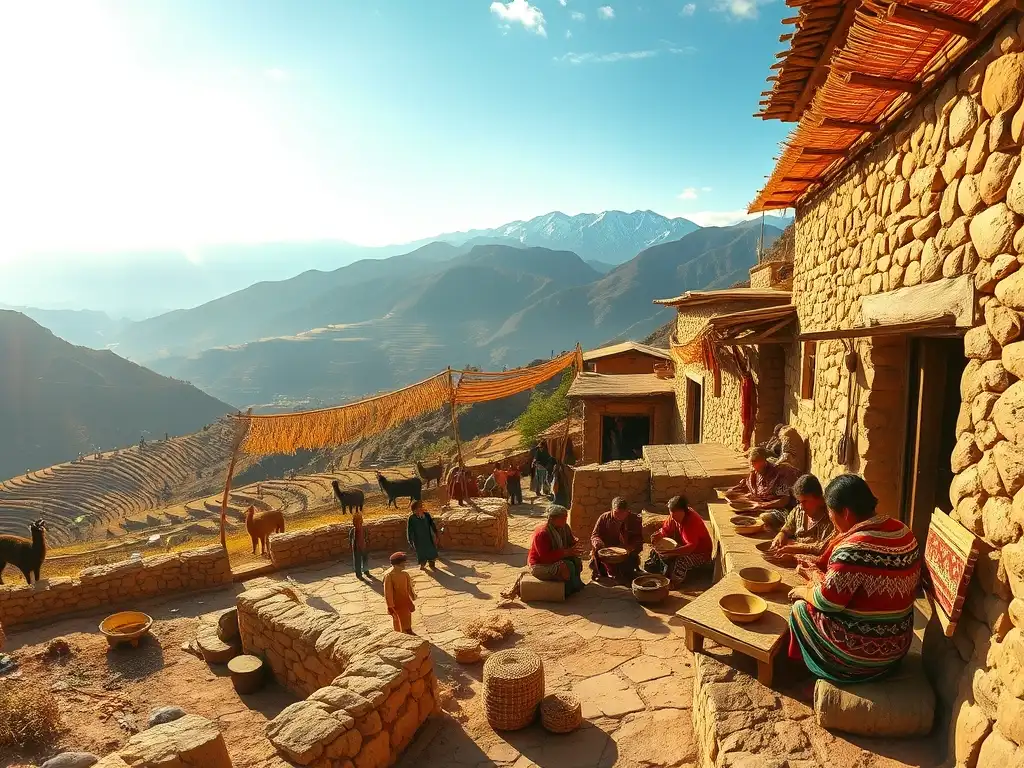
Dive into the enigmatic world of the Andes! For centuries, these towering peaks have witnessed the rise and fall of magnificent civilizations. But what truly shaped their destinies? Uncover the secrets behind the complex social structures that governed daily life in Andean societies, from the intricate hierarchies of the Inca to the fascinating innovations of the Moche. Prepare to be amazed by the ingenuity and resilience of these ancient cultures as we explore Andean civilization social structures – a journey into a world unlike any other.
The Andes Mountains, a spine of towering peaks and fertile valleys, cradled a vibrant tapestry of ancient civilizations. For centuries, sophisticated social structures governed the daily lives of these Andean peoples, shaping their economies, religious practices, and political systems.
Understanding these intricate social institutions is key to unlocking the complexities of Inca, Moche, Nazca, and Tiahuanaco societies, and appreciating the remarkable achievements of these Andean cultures. This article delves into the core components of Andean civilization social structures, focusing on the fundamental institutions that supported their thriving societies and exploring how these structures impacted various aspects of their lives, from resource allocation to religious ceremonies.
We will uncover the intricacies of kinship networks, land ownership, and the roles of different social classes in maintaining the stability and prosperity of these remarkable civilizations. This exploration of Andean civilization social structures will reveal a nuanced understanding of how these societies functioned and the lasting legacy they left behind.
The Andean civilizations weren't monolithic; each possessed unique characteristics. However, common threads weave through their social organizations. A hierarchical structure, often rooted in kinship and religious beliefs, was prevalent. Elite classes, typically associated with priestly or ruling lineages, controlled resources and wielded significant power.
However, the social structures were not rigid; mobility, though limited, existed, often influenced by factors such as military prowess or economic success. The concept of reciprocity, the exchange of goods and services within a community, formed the backbone of many Andean societies. This system fostered social cohesion and ensured the equitable distribution of resources, albeit within the parameters of the existing hierarchy.
This dynamic interaction between hierarchy and reciprocity is crucial to understanding the complexity of Andean social organizations. Analyzing the social structures reveals not only the power dynamics but also the intricate web of relationships that sustained these societies for centuries. The following sections will explore these themes in more detail, focusing particularly on the ayllu, a fundamental social unit in many Andean communities.
The Ayllu: Foundation of Andean Society
The ayllu represents a cornerstone of Andean social organization, particularly among the Inca and their predecessors. It wasn't merely a kinship group; it was a complex socio-economic unit encompassing a network of extended families bound by shared ancestry, land ownership, and mutual obligations. The ayllu operated as a self-governing entity, responsible for the collective well-being of its members. Its structure ensured the efficient distribution of resources and the maintenance of social order within the community.
Understanding the ayllu is vital for grasping the broader social dynamics of Andean civilizations. Its influence extended beyond the realm of kinship, impacting aspects of agriculture, religious practices, and even warfare. The ayllu was, in essence, the bedrock upon which many Andean societies were built.
Kinship and Reciprocity in the Ayllu
Kinship formed the very foundation of the ayllu. Membership was hereditary, passed down through generations, creating strong bonds of loyalty and mutual support. This intricate web of familial relationships dictated social roles and responsibilities. Reciprocity, a cornerstone of Andean ethics, played a crucial role in the ayllu's functioning.
Members were expected to contribute their labor and resources to the collective good, receiving in return support and protection during times of need. This system of reciprocal exchange fostered a sense of community and ensured the survival and prosperity of the ayllu as a whole. The strength of kinship ties and the effective operation of reciprocal arrangements were vital for the overall success and stability of the ayllu. Failure in either aspect could have significant repercussions for the entire community.
Land Tenure and Resource Management within the Ayllu
Land ownership within the ayllu was communal, with the collective holding title to the agricultural land and other resources. This communal ownership ensured equitable access to resources among members, preventing the concentration of wealth and power in the hands of a few. The ayllu meticulously managed resources, implementing sophisticated agricultural techniques to maximize yields and conserve the environment.
This included techniques such as terracing, irrigation systems, and crop rotation. The careful stewardship of resources was integral to the ayllu's long-term survival and underscored the importance of collective responsibility. Effective resource management was crucial for the ayllu’s continued prosperity and social harmony.
The Ayllu's Role in Andean Social Organization
The ayllu wasn't an isolated entity; it played a crucial role within the broader Andean social structure. Multiple ayllus often formed larger political units, contributing to the development of more complex societies. The ayllu acted as a bridge between the individual and the state, mediating the relationship between the common people and the ruling elite. Its structure ensured a degree of social stability and prevented the complete centralization of power.
The ayllu's influence extended to various aspects of Andean life, from religious ceremonies to military organization. Its enduring legacy is a testament to the effectiveness of its social organization and its importance in shaping Andean civilizations. Understanding the ayllu’s role is essential for a complete grasp of the Andean social landscape.
The Andean social structure was far more complex than simply the ayllu, the kinship-based community often cited as the fundamental unit. While the ayllu played a crucial role in daily life, organizing agricultural production and resource distribution, it existed within a broader hierarchical framework. This hierarchy extended from local leaders to the imperial elite, shaping social interactions and power dynamics across various Andean societies, including the Inca, Moche, and Nazca.
The degree of centralization and the specific titles varied between different civilizations and even within different regions of the same civilization, reflecting a complex interplay of political organization and environmental adaptations. For instance, while the Inca empire implemented a highly centralized system, other societies, like the Nazca, demonstrated a more decentralized structure with less rigid social stratification. Understanding this nuance is key to comprehending the dynamic nature of Andean social organization and its impact on daily life.
The rigid social hierarchy wasn't static; it was subject to shifts influenced by factors such as warfare, economic fluctuations, and internal political maneuvering. This fluidity, however, didn't negate the significance of the existing hierarchical framework.
The Role of the Kuraka: Local Leadership
The kuraka served as a vital link between the ayllu and the higher echelons of power. These local leaders were not simply chiefs; they were often hereditary figures wielding significant authority within their communities. Their responsibilities extended beyond maintaining social order; they were crucial in organizing agricultural production, managing resources, and mediating disputes.
The kuraka also played a key role in religious ceremonies, acting as intermediaries between the community and the supernatural realm. This dual role, as both political and religious leader, solidified their position within the Andean social hierarchy. Their power, however, was not absolute; it was often contingent upon maintaining the support and respect of their community.
Revolts and challenges to their authority were not uncommon, highlighting the complex dynamics of power and legitimacy within Andean societies. The specific powers and responsibilities of a kuraka varied considerably depending on the size and location of their community and the broader political context.
Social Stratification in Andean Communities
Andean societies weren't egalitarian; they exhibited clear social stratification. While the ayllu provided a foundation of social organization, individuals occupied different positions within the hierarchy based on factors such as lineage, wealth, and access to resources. At the apex were the elite, including the emperor and his court in the case of the Inca, followed by nobles, priests, and skilled artisans. Below them were the commoners, who constituted the majority of the population and were primarily involved in agriculture and other forms of production.
At the bottom were those who might have been enslaved or held in a form of servitude. The precise nature of social stratification varied across different Andean societies and changed over time. Access to land, political influence, and religious authority were all significant factors in determining social standing. This stratification played a crucial role in shaping social relations, economic activities, and political power dynamics.
The Importance of Lineage and Ancestral Veneration
Lineage and ancestral veneration were fundamental pillars of Andean social structures. Ancestor worship was not simply a religious practice; it was deeply intertwined with social organization and political legitimacy. Lineage determined social standing and access to resources, influencing everything from land ownership to political office. Maintaining a strong connection to one's ancestors was paramount, as it was believed to provide blessings and protection.
This emphasis on ancestry contributed to the stability and continuity of the social hierarchy. Elaborate ceremonies and rituals were performed to honor ancestors, strengthening social bonds and reinforcing the social order. The construction of monumental architecture, such as tombs and temples, also served as powerful symbols of ancestral veneration, demonstrating the importance of lineage in Andean societies.
Labor and Tribute Systems in Andean Societies
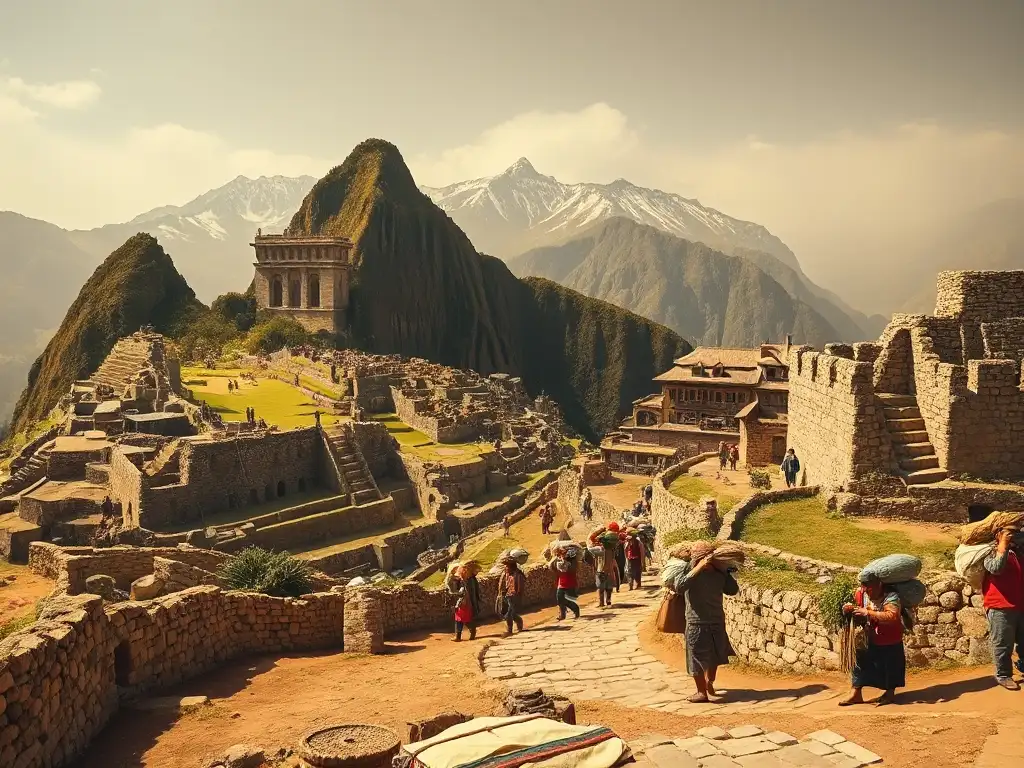
The intricate social structures of Andean civilizations were inextricably linked to complex labor and tribute systems. These systems, while varying across different societies and time periods, played a crucial role in maintaining the social order and supporting the state. They were vital for the construction of monumental architecture, the organization of agriculture, and the maintenance of the ruling elite.
Understanding these systems is essential to appreciating the scale and sophistication of Andean civilizations. The different forms of labor and tribute served to redistribute resources and solidify the power of the ruling class, demonstrating a sophisticated understanding of resource management and social control.
The Mita: Mandatory Labor Service
The mita was a crucial institution in the Inca Empire's labor system. This form of mandatory labor service required able-bodied individuals to contribute a certain amount of time to public works projects. These projects ranged from the construction of roads and irrigation systems to the mining of precious metals. The mita was not a form of forced labor in the traditional sense; it was a civic duty expected of all able-bodied subjects.
However, it could be burdensome and even exploitative, particularly in harsh conditions or when imposed excessively. The mita system, while contributing significantly to the empire's infrastructure, also raised ethical considerations regarding its impact on individual lives and communities. Careful organization and management were crucial to mitigate potential problems.
Forms of Tribute and Taxation
Beyond the mita, Andean societies employed various forms of tribute and taxation to support the state and the ruling elite. These included the payment of goods, such as agricultural produce, textiles, and precious metals. The specific forms and amounts of tribute varied depending on the social status of the individual or community, reflecting the hierarchical nature of Andean society.
Tribute was not simply an economic transaction; it also served as a way to reinforce the power of the state and reaffirm the legitimacy of the ruling class. The collection and distribution of tribute required sophisticated administrative systems, demonstrating the organizational capacity of Andean societies. The nature of tribute could also be subject to change based on economic conditions and political circumstances.
Impact of Labor Systems on Andean Daily Life
The labor and tribute systems significantly impacted the daily lives of Andean populations. The mita and other forms of labor service demanded a considerable investment of time and energy, leaving individuals with limited time for personal pursuits. This created a demanding lifestyle but also fostered a sense of collective responsibility and social cohesion.
The construction of large-scale infrastructure projects, such as roads and irrigation canals, improved living conditions for many, while the extraction of resources could lead to environmental degradation. The constant need to fulfill labor obligations and pay tribute shaped the social, economic, and political dynamics of Andean societies, leaving a lasting legacy on the region's landscape and culture. The impact of these systems remains a complex and multifaceted topic that continues to be explored by scholars.
The Andean worldview was deeply intertwined with religious beliefs, shaping social structures and daily life profoundly. Religious institutions, far from being separate entities, were integral to the functioning of Andean societies. The power wielded by religious leaders directly impacted social hierarchy, resource distribution, and conflict resolution.
This pervasive influence extended across various Andean cultures, though specific practices and beliefs varied regionally. For instance, while the Inca Empire imposed a state religion, earlier cultures like the Nazca and Moche developed complex religious systems that exerted equally significant control over their respective societies. The degree of religious influence on social norms differed depending on factors such as the level of state centralization and the specific religious doctrines prevailing in a particular civilization.
The intensity of religious observance and the social standing of religious practitioners were critical elements in the structuring of Andean communities. Understanding this religious influence is key to grasping the complexities of Andean social organization.
The Role of Priests and Shamans
Priests and shamans held positions of immense authority and influence within Andean societies. Their roles weren't merely spiritual; they were deeply embedded within the political and economic systems. Inca priests, for example, managed vast temple complexes and agricultural lands, controlling significant resources.
Shamans, often possessing specialized knowledge of healing and divination, played crucial roles in maintaining social order through their ability to interpret omens and predict the future. Their pronouncements carried significant weight, impacting decisions ranging from agricultural practices to warfare. The Moche, known for their elaborate depictions of religious figures in their pottery, likely placed similar power in the hands of their religious specialists.
The social standing of these religious figures varied across different Andean cultures and time periods, but their influence on decision-making processes and the allocation of resources remained consistently significant. The power dynamic between priests, shamans, and the ruling elite also shifted, depending on the specific political and social context of the civilization.
Religious Practices and Social Control
Religious practices served as powerful mechanisms of social control in Andean civilizations. Rituals, festivals, and sacrifices reinforced social hierarchies and reinforced expected behaviors. Public displays of religious devotion demonstrated loyalty to the ruling power and affirmed the social order. For example, the Inca capac hucha (royal mummies) acted as powerful symbols of authority and religious legitimacy.
The elaborate ceremonies surrounding them served to maintain the Inca’s power and reinforce the social hierarchy. Similarly, the Nazca Lines, though their exact purpose remains debated, are often interpreted as evidence of large-scale communal efforts reflecting religious beliefs and reinforcing social unity. The Moche's elaborate sacrificial rituals, depicted vividly in their art, likely served a similar purpose, both solidifying social control and reinforcing the power of the ruling elite. Deviation from accepted religious norms often carried severe social consequences.
The Influence of Cosmology on Andean Social Norms
Andean cosmology, with its emphasis on the interconnectedness of the natural and supernatural worlds, profoundly shaped social norms and behavior. The concept of ayni (reciprocity) – a system of mutual exchange and obligation – was deeply rooted in Andean religious beliefs. This belief system emphasized the importance of balance and harmony within society and with the natural world. The Inca's highly structured state, with its intricate system of redistribution and tribute, can be seen as an expression of this cosmological principle.
The concept of mit'a (labor service) was also connected to this belief system, where community members contributed their labor to public works projects, fostering social cohesion and reinforcing the societal structure. Violation of ayni could lead to social ostracism or even punishment, demonstrating the power of religious beliefs in shaping social conduct. This cosmological framework provided a strong basis for social order and cooperation within Andean communities.
Marriage and Family Structures in the Andes
Marriage and family structures in the Andes were complex and varied across different cultures and time periods. While generalizations are difficult, certain patterns emerge, highlighting the importance of kinship ties, alliances, and social reproduction. The structure of the family unit played a pivotal role in the social and economic organization of Andean societies. The specific customs and practices surrounding marriage and family varied considerably between the different Andean cultures, reflecting the diversity of their social organizations. Detailed research into each culture is crucial to fully understanding their unique family structures and dynamics.
Marriage Practices and Alliances
Marriage in Andean societies often served as a crucial mechanism for forging alliances between families, lineages, and even different ethnic groups. These unions were not simply about personal relationships; they were strategic moves that strengthened social networks and secured access to resources. Dowries and bride prices were common, reflecting the economic significance of marriage. In the Inca Empire, for instance, royal marriages were carefully orchestrated to consolidate power and maintain political stability.
Marriage practices varied across different Andean cultures. In some societies, polygamy was practiced, while in others, monogamy was the norm. The specific customs surrounding marriage ceremonies, including rituals and symbolic gestures, also differed considerably.
Family Roles and Responsibilities
Family roles and responsibilities were clearly defined within Andean societies. Gender roles, though subject to regional variations, were generally distinct, with men often taking on roles related to agriculture, warfare, and political leadership, while women played crucial roles in household management, textile production, and childcare. However, the degree of gender division varied between cultures and social classes.
The family unit served as the fundamental economic unit, with members cooperating in agricultural production and other economic activities. The responsibilities of individual family members were often determined by age, gender, and social status. The family structure played a vital role in social reproduction, transmitting cultural knowledge, skills, and values across generations.
The Importance of the Extended Family
The extended family played a significant role in Andean social structures, providing crucial support networks and ensuring social stability. This system of mutual support extended beyond the immediate nuclear family, often including grandparents, uncles, aunts, and cousins. This extended family structure provided a safety net in times of hardship and ensured the continuity of family traditions and customs.
The extended family also played a vital role in land ownership and inheritance, with property often being held collectively rather than individually. This communal approach to resource management helped to maintain social harmony and prevent conflict. The strength of these extended family ties varied across regions and time periods but remained a consistent feature of Andean social organization.
Legal and Justice Systems in Andean Communities
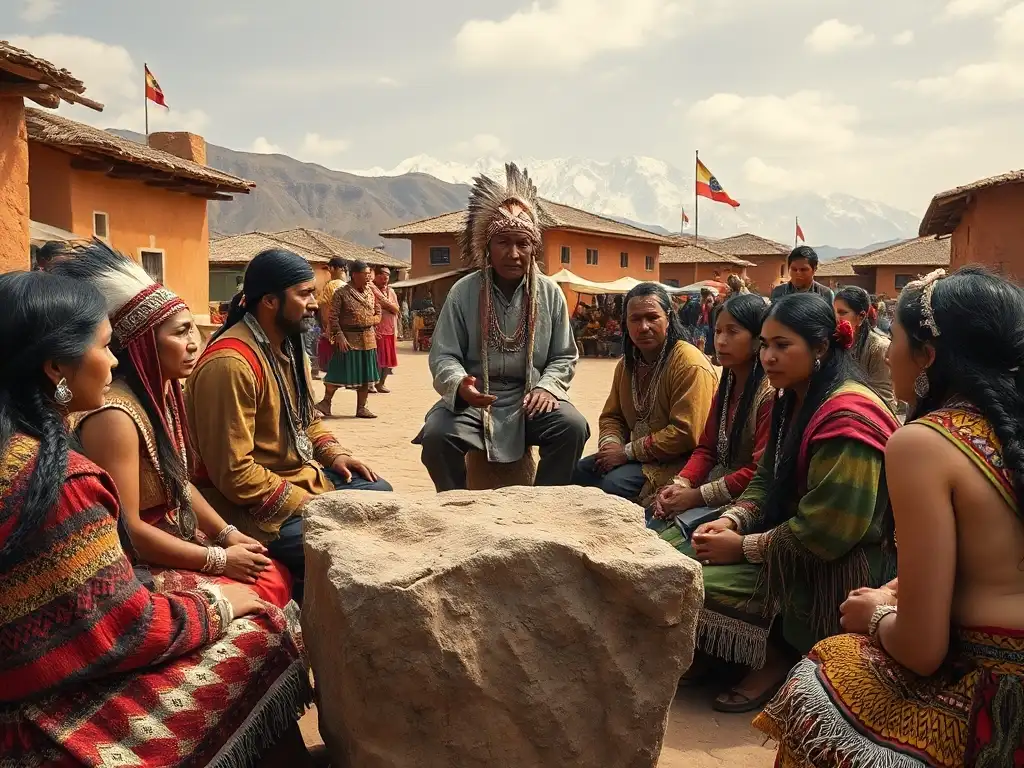
Andean communities, prior to Inca expansion, possessed sophisticated legal and justice systems deeply intertwined with their religious beliefs and social structures. These systems varied across different cultures and regions, reflecting the diverse landscapes and societal organizations. For instance, the Moche civilization, known for its intricate artistry and complex irrigation systems, likely had a hierarchical justice system reflecting their stratified society.
Evidence suggests that disputes were often settled through community-based mechanisms, emphasizing restorative justice over punitive measures. This approach prioritized reconciliation and the maintenance of social harmony, crucial for the smooth functioning of their agricultural-based economy.
The absence of a centralized, codified legal code doesn't imply a lack of legal frameworks; rather, it suggests a system based on established customs, oral traditions, and the authority of respected community leaders or religious figures. These individuals acted as mediators and arbiters, drawing upon their knowledge of customary law and societal norms to resolve conflicts.
Dispute Resolution Mechanisms
Dispute resolution in pre-Inca Andean societies often involved negotiation, mediation, and arbitration. Community elders, priests, or respected individuals played crucial roles in mediating disputes, striving for solutions that preserved social harmony. The emphasis was on restoring balance within the community rather than imposing harsh punishments.
Evidence from archaeological findings and ethnohistorical accounts suggests that public shaming or community service might have been used as forms of redress, aiming to rehabilitate the offender and reintegrate them into the community. The process often involved a consideration of the context of the dispute, the social standing of the individuals involved, and the potential impact on the community's overall well-being. A detailed understanding of these mechanisms requires further research, as many aspects of pre-Inca justice systems remain shrouded in mystery.
Forms of Punishment and Social Control
While pre-Inca Andean societies prioritized restorative justice, forms of punishment did exist. These ranged from social ostracism and public shaming to more severe penalties depending on the severity of the offense and the social context. For example, theft might have resulted in community service or restitution, while more serious crimes, such as murder or treason, might have incurred harsher penalties, potentially including exile or even death.
Social control was largely maintained through a strong sense of community and shared values, reinforced by religious beliefs and rituals. The emphasis on collective responsibility and interdependence meant that individuals were less likely to deviate from established norms for fear of disrupting the social fabric and incurring the disapproval of their community. The specific nature and severity of punishments varied considerably across different Andean cultures and regions.
The Role of Customary Law
Customary law played a central role in shaping Andean social institutions and legal systems. These unwritten laws, passed down through generations via oral traditions, dictated social behavior, land ownership, and dispute resolution. They were deeply embedded in the cultural fabric and reflected the values and beliefs of the community. The authority of customary law stemmed from its long-standing acceptance and its integration into the daily lives of Andean people.
Its enforcement depended largely on social pressure and the collective responsibility of the community to uphold its principles. Scholars are still piecing together the specifics of these customary laws, as their oral nature left little tangible evidence. However, archaeological context and ethnographic parallels provide valuable insights into their significance.
The Inca Empire's expansion dramatically reshaped existing Andean social institutions. The Inca imposed their own centralized administrative structure, which profoundly altered the existing power dynamics and legal systems of conquered populations. While the Inca incorporated aspects of local customs, their primary goal was to consolidate power and integrate conquered territories into their vast empire. This integration process often involved significant changes to land ownership, labor systems, and legal structures. The Inca's administrative system, with its intricate network of officials and tribute demands, fundamentally altered the social fabric of many Andean communities.
Inca Imposition of Social Hierarchies
The Inca imposed a rigid hierarchical social structure across their empire, placing the emperor at the apex and establishing a strict hierarchy among nobles, commoners, and specialized groups. This system contrasted with the more flexible social structures found in many pre-Inca Andean societies. The Inca carefully managed social mobility, limiting upward movement and reinforcing the existing power dynamics. This centralized control allowed the Inca to effectively extract resources and maintain control over their vast empire. The Inca's social hierarchy was reinforced through elaborate rituals, ceremonies, and symbolic displays of power.
Changes to Land Tenure and Labor Systems
The Inca implemented a sophisticated system of land tenure and labor organization known as mita. This system involved the redistribution of land and the organization of labor for public works projects and the production of agricultural goods. While the mita provided a mechanism for resource mobilization, it also resulted in significant changes to existing land ownership patterns and labor systems in conquered territories.
Many communities experienced a shift from communal land ownership to a system where land was allocated by the Inca state. The mita system, while contributing to the empire's infrastructure and agricultural output, also imposed significant burdens on local populations, leading to resistance and resentment in some areas.
Adaptation and Resistance to Inca Control
The Inca's imposition of their social and political structures met with varying degrees of adaptation and resistance from conquered populations. While some communities integrated relatively smoothly into the Inca system, others actively resisted Inca rule, preserving aspects of their pre-Inca traditions and customs. The level of resistance depended on factors such as the existing social structures of the conquered communities, their proximity to Inca administrative centers, and the effectiveness of Inca control.
The Inca's ability to successfully integrate diverse populations into their empire was partly due to their pragmatic approach, incorporating aspects of local customs and traditions while simultaneously implementing their own centralized system. However, the Inca's control was not absolute, and pockets of resistance persisted throughout the empire's history.
The intricate social structures of Andean civilizations, particularly the Inca Empire, left a profound and lasting impact on the region. Their sophisticated systems of governance, resource management, and social organization continue to resonate in modern Andean societies. While the Inca Empire itself collapsed centuries ago, its administrative techniques, such as the mit'a system (a form of mandatory labor service), though modified, left a lasting imprint on the understanding of communal responsibility and reciprocal obligation within communities.
The deeply ingrained concept of ayllu, the kinship-based community structure, persists in many forms across the Andes, shaping social interactions and land ownership patterns. The legacy isn't merely a historical curiosity; it's a living testament to the resilience and adaptability of Andean social organization. Understanding this legacy provides critical insights into the complexities of contemporary Andean societies and the challenges they face.
Enduring Traditions and Practices
Many Andean traditions and practices directly reflect the enduring influence of ancient social structures. For example, the importance of community cooperation, evident in the ayllu system, continues to manifest in modern-day mingas, collaborative work projects where communities pool their resources and labor to achieve a common goal – be it building a school, repairing roads, or harvesting crops. This communal spirit, deeply embedded in Andean culture, is a direct descendant of the Inca emphasis on collective well-being and reciprocal exchange. Similarly, the hierarchical structure, though less rigid than in Inca times, still influences social dynamics in many communities.
Respect for elders and authority figures, a cornerstone of traditional Andean society, remains a significant element of social interaction. These enduring practices highlight the remarkable continuity between the past and the present in the Andes. The persistence of these traditions signifies their adaptive strength and deep cultural significance.
Influence on Modern Andean Societies
The influence of Andean social structures on modern Andean societies is multifaceted and profound. The emphasis on collective action and community solidarity, rooted in the ayllu system, directly impacts contemporary social and economic life. Many community-based initiatives, including cooperative farming, artisan production, and resource management projects, draw their strength from this long-standing tradition. However, the legacy is not without its complexities.
The historical power imbalances reflected in the Inca hierarchy have contributed to ongoing social inequalities in some regions. Understanding this complex interplay between historical structures and present-day realities is crucial for addressing contemporary social and economic challenges. The study of Andean social organization offers valuable lessons for sustainable development and social justice initiatives in the region. The continued relevance of these ancient systems highlights the importance of studying their impact.
The Significance of Studying Andean Social Organization
Studying Andean social organization offers invaluable insights into the complexities of human societies and governance. The sophisticated systems developed by Andean civilizations, particularly the Inca Empire, provide a fascinating case study in social engineering and resource management. The Inca's ability to administer a vast empire with relatively limited technological resources highlights their mastery of social organization and control.
Analyzing the successes and failures of these systems provides valuable lessons for understanding the dynamics of power, inequality, and social cohesion in diverse societal contexts. Moreover, the enduring legacy of Andean social structures underscores the importance of considering historical context when addressing contemporary social issues.
The study of Andean civilization provides a unique perspective on the evolution of social structures and their lasting impact on human societies, contributing significantly to our understanding of anthropology, sociology, and history. Furthermore, it allows for a deeper appreciation of the resilience and adaptability of Andean cultures throughout history.
- Understanding Andean Civilization Social Structures
- The Ayllu: Foundation of Andean Society
- Andean Social Hierarchy: Beyond the Ayllu
- Labor and Tribute Systems in Andean Societies
- Andean Religious Institutions and their Social Influence
- Marriage and Family Structures in the Andes
- Legal and Justice Systems in Andean Communities
- The Impact of Inca Rule on Existing Social Institutions
- Legacy of Andean Social Structures
Frequently Asked Questions
Andean societies were highly stratified, with a rigid hierarchy. Elite classes, including rulers and priests, held significant power and wealth, while commoners and laborers formed the majority. Specialized groups, like artisans and warriors, also existed.
How did the Inca Empire organize its society?
The Inca Empire employed a sophisticated system of social control and organization. It was based on a highly centralized system with the Sapa Inca at its apex and a complex network of officials managing different aspects of life. Ayllus, or kinship-based communities, played a vital role in social structure.
While all Andean civilizations exhibited social stratification, the specifics varied. The Inca system was highly centralized, while other civilizations, like the Moche and Nazca, may have had less rigid structures, though still exhibiting clear hierarchical distinctions based on wealth, power, and status.
Religion played a crucial role in shaping Andean social structures. Priests and religious leaders often held significant power and influence, shaping beliefs and rituals that reinforced existing hierarchies and social order. Religious practices permeated daily life and societal norms.
Andean social structures directly impacted technological advancements and artistic expression. Elite patronage fueled the creation of impressive monuments and sophisticated technologies, while the labor of commoners was essential in their construction and maintenance. Artistic styles often reflected the social hierarchy and religious beliefs of the time.
The intricate social structures of the Andes, far from being relics of a bygone era, continue to resonate in the complexities of modern-day Andean societies. Their impact is visible in everything from land ownership patterns and community organization to the enduring strength of indigenous traditions and cultural identities. Understanding these historical foundations is crucial to comprehending the challenges and opportunities facing Andean communities today.
The legacy of the ayllu and other Andean social institutions is profoundly felt in the region's ongoing struggles for social justice and equitable resource distribution. The principles of reciprocity, community cooperation, and respect for ancestral lands, though often challenged by external forces, remain powerful ideals shaping Andean identities. The past is never dead. It's not even past.
– William Faulkner. This quote perfectly encapsulates the enduring influence of these ancient structures on the present-day Andean world, reminding us that understanding history is key to building a better future.
Consider the ways in which these ancient principles of community and reciprocity might inform your own approach to social interaction and resource management. How can we learn from the successes and failures of past societies to build more just and sustainable communities today? Let the enduring spirit of Andean social structures inspire you to reflect on your own place within a larger community and to actively contribute to a more equitable and harmonious world.
Thank you for exploring the intricate social structures that shaped daily life in the Andean civilizations. You've gained valuable insights into how these systems influenced community and culture.
Now, let's delve deeper into this rich history. Here are some ways you can continue your engagement:
- Experience Andean culture firsthand: Attend festivals or workshops celebrating Andean traditions to witness their social structures in action. Learn about their unique approaches to community building and governance.
- Share your newfound knowledge: Discuss what you've learned with friends, family, or online; help spread awareness of the significance of these historical institutions and their relevance today.
- Connect with like-minded individuals: Join online forums or groups dedicated to Andean history and culture to share your insights, ask questions, and learn from others' experiences.
What aspect of Andean social structures most surprised you, and how might their innovative approaches to community inspire modern society?