
Children of the Andes: Education and Play in PreColumbian Societies

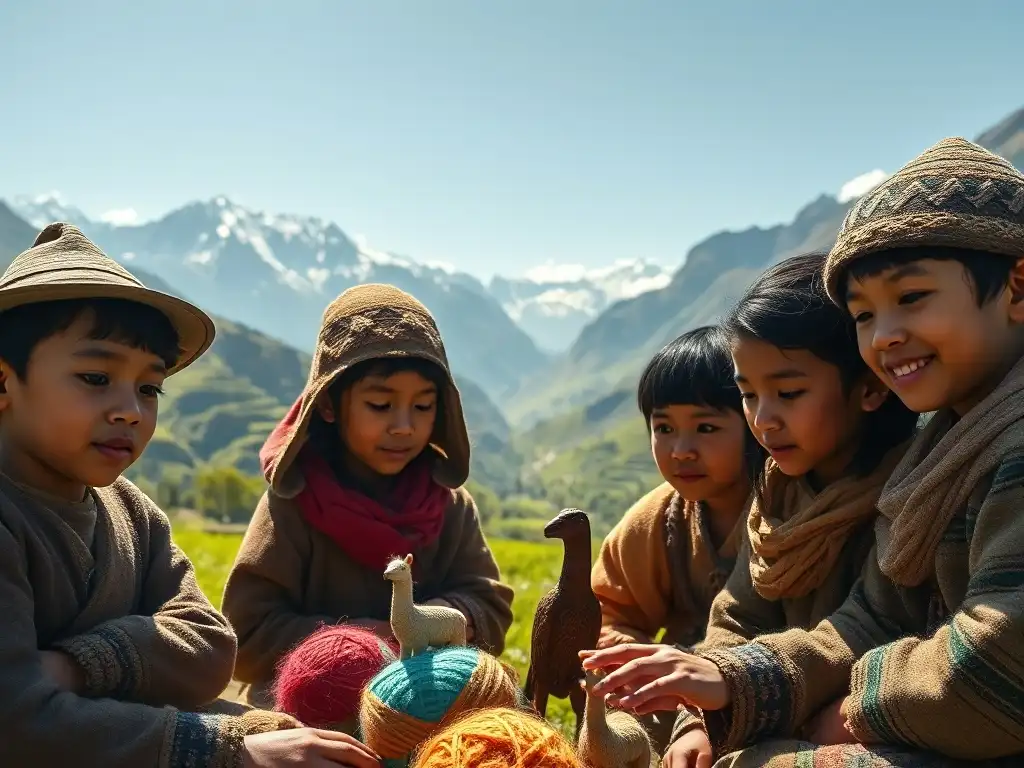
Step into a world lost to time, yet echoing with vibrant life. Imagine the bustling streets of ancient Andean cities, where children’s laughter mingled with the sounds of creation. This isn't just history; it's a journey into the fascinating world of PreColumbian Andean children's education.
Discover the surprisingly sophisticated methods these civilizations used to shape the minds of their young, revealing a legacy far richer and more complex than you might expect. Uncover the secrets of their playful learning techniques and prepare to be amazed by what we've learned about their unique approach to childhood. Explore the intricacies of their society and the enduring impact of their educational practices in our exploration of Andean Social Structures.
- PreColumbian Andean Children's Education: A Glimpse into the Past
- Formal Education in Inca Society: Training for the Elite
- Informal Learning and Skill Acquisition in Andean Communities
- Games and Pastimes of PreColumbian Andean Children
- The Legacy of PreColumbian Andean Education
- Specific Examples of Educational Practices in Different Andean Cultures
- The Lasting Impact of PreColumbian Education on Andean Identity
-
Frequently Asked Questions
- What forms of education existed for children in Pre-Columbian Andean societies?
- How did children learn about their culture and traditions?
- What role did play have in the education of Andean children?
- Were there any specialized forms of education for certain children?
- What evidence exists to support our understanding of Pre-Columbian Andean children's education?
- Final Reflection: Echoes of the Andes: Shaping Futures Through Play and Learning
- Ignite Curiosity and Action in Education!
PreColumbian Andean Children's Education: A Glimpse into the Past
The vibrant tapestry of PreColumbian Andean civilizations, encompassing cultures like the Inca, Moche, Nazca, and Tiahuanaco, reveals a fascinating approach to childhood and education. Unlike our modern, formalized systems, Andean societies integrated learning seamlessly into the fabric of daily life. This article delves into the multifaceted world of PreColumbian Andean children's education, exploring the significance of childhood within their social structures, the diverse educational practices across different cultures, and the ways in which play and work intertwined to shape the young minds of these remarkable societies.
Understanding their methods offers a unique perspective on the values and priorities of these ancient cultures and provides valuable insights into the development of their complex societies. We will uncover how children were not merely passive recipients of knowledge but active participants in the preservation and transmission of their cultural heritage. This exploration will illuminate the rich interplay between education, play, and the overall societal structure of the Andes.
Prepare to journey back in time and discover the secrets of PreColumbian Andean children's education! 🎉
The Importance of Childhood in Ancient Andean Societies
Childhood in PreColumbian Andean societies wasn't viewed as a mere prelude to adulthood; rather, it was a crucial stage recognized for its unique contributions to the community. Children were not simply seen as future workers but as integral members with specific roles and responsibilities. Archaeological evidence suggests that children participated actively in various aspects of community life, from agricultural tasks tailored to their abilities to engaging in religious ceremonies.
Their contributions, while age-appropriate, were vital to the functioning of the social and economic systems. Furthermore, the concept of ayni, the reciprocal exchange of goods and labor, permeated Andean societies and extended to children. This system fostered a strong sense of community and mutual support, shaping the children's understanding of social responsibility and cooperation from a young age.
The value placed on children is further evident in the intricate textiles, toys, and artifacts discovered in archaeological sites, highlighting the investment and care dedicated to their upbringing. The meticulous craftsmanship of these objects reflects the deep affection and importance attributed to the younger generation. These findings strongly suggest that Andean societies invested significantly in their children's well-being and development, recognizing their vital role in the continuity of their culture and way of life.
Early Life and Family Structures in the Andes
Family structures in the Andes varied across different cultures, but common threads weave through the diverse tapestry. Extended families were common, with multiple generations often living together, creating a rich learning environment for children. This close-knit family structure provided a constant source of mentorship and guidance, where knowledge and skills were transmitted through observation, imitation, and practical participation in daily tasks.
Children learned agricultural techniques, weaving, pottery-making, and other essential skills through direct involvement in the family's economic activities. The division of labor was often age-based, with younger children undertaking simpler tasks and gradually progressing to more complex responsibilities as they matured. This gradual integration into the workforce was a key aspect of their education, ensuring a smooth transition into adulthood.
Moreover, storytelling and oral traditions played a significant role in transmitting cultural values, history, and beliefs. These narratives served not only as entertainment but also as crucial educational tools that shaped the children's worldview and understanding of their place within their community. While precise details regarding formal schooling remain elusive for many Andean cultures, the family unit served as the primary educational institution, providing a continuous and immersive learning experience.
Diverse Educational Approaches Among Andean Cultures
The educational practices varied considerably among the different Andean cultures. The Inca, known for their sophisticated empire, likely had a more structured system compared to smaller, less centralized groups. While evidence of formal schools in the Inca Empire is limited, it is believed that specialized training existed for certain roles, such as those in the military or religious priesthood.
This specialized training might have involved apprenticeships or mentorship under experienced individuals. Other cultures, like the Nazca and Moche, likely relied more heavily on apprenticeship-based learning, where children learned skills through direct observation and participation in the crafts and professions of their families and communities. The integration of education and play is evident in the discovery of toys and games in archaeological contexts.
These artifacts suggest that play served not only as a form of recreation but also as a means of learning problem-solving skills, social interaction, and developing fine motor skills. The diversity in educational approaches underscores the adaptability and resilience of Andean cultures, each developing methods tailored to their specific social and environmental contexts. Further research is needed to fully understand the nuances of education within each culture, but the available evidence paints a picture of a dynamic and engaging learning environment where education was an integral part of daily life.
Formal Education in Inca Society: Training for the Elite
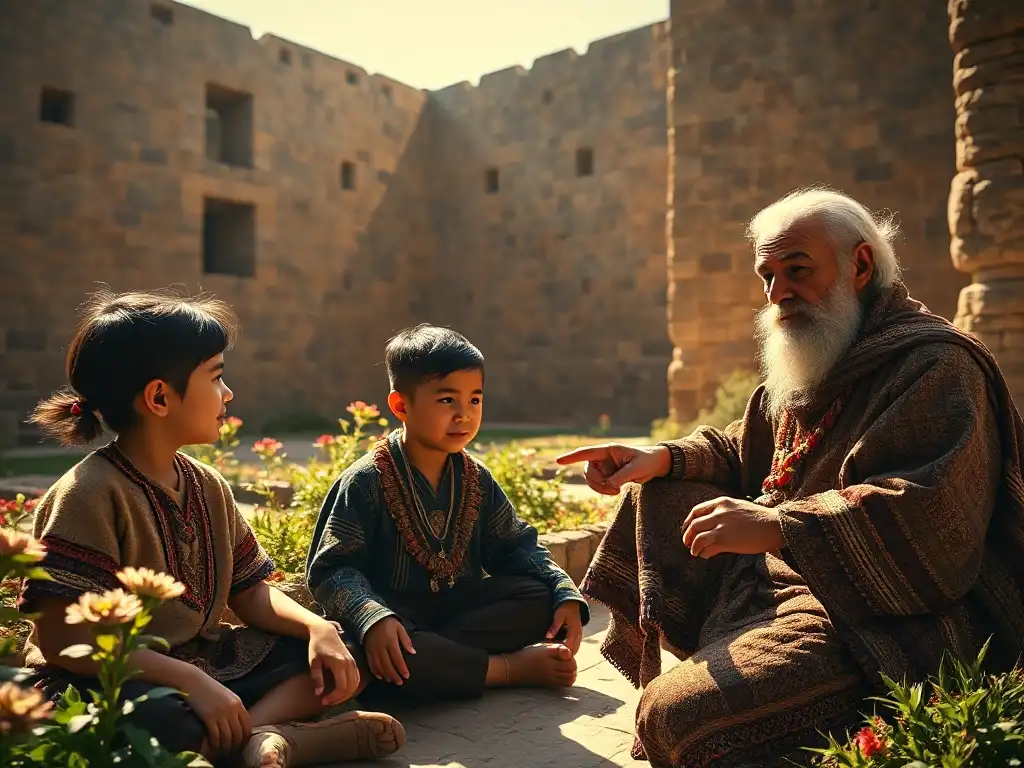
The Inca Empire, renowned for its sophisticated social organization and impressive infrastructure, also possessed a formal education system, though it was primarily designed for the elite—the children of the ruling class and high-ranking officials. This system differed significantly from the informal learning processes that characterized the lives of children in the broader population. Access to formal education was a privilege, reinforcing the hierarchical structure of Inca society. Understanding the intricacies of this system provides crucial insight into the values and priorities of the Inca leadership. The keyword "PreColumbian Andean children's education" is central to understanding this elite training.
The Yachayhuasi: Inca Schools for Noble Children
The yachayhuasi were the residential schools where noble children received their education. These were not simply classrooms but rather institutions that provided a comprehensive upbringing, encompassing intellectual, physical, and moral development. Located strategically throughout the empire, these schools were often situated near important administrative centers or religious sites. This placement facilitated access to resources and fostered a connection between education and the governance and spirituality of the Inca state.
Archaeological evidence suggests these schools were well-equipped, with ample space for students and instructors, and possibly even workshops for practical training. The quality of life within these institutions likely varied based on the status of the students and the region's resources, but the core purpose—training the future leaders of the Inca Empire—remained consistent. The level of comfort and resources available to students within the yachayhuasi directly reflected the Inca's deeply ingrained social hierarchy.
Curriculum and Teaching Methods in Inca Education
The Inca curriculum focused on preparing students for roles of leadership and service within the empire. Subjects included quipu reading and record-keeping, a complex system of knotted strings used for accounting and communication. Students also received instruction in history, mythology, religion, and Inca law.
Practical skills, such as agriculture, weaving, and metalworking, were also taught, reflecting the importance of these activities within Inca society. Teaching methods likely involved rote learning, memorization, and practical demonstrations. Oral tradition played a significant role, with stories, songs, and myths used to transmit knowledge and values across generations.
The emphasis was on practical application and the development of skills necessary for effective governance and administration. Evidence suggests that advanced mathematical concepts, related to astronomical calculations and land measurement, were also part of the curriculum for the most promising students. The effectiveness of this system is demonstrated by the Inca Empire's remarkable administrative achievements and sophisticated infrastructure.
The Acllahuasi: Education for Chosen Women
Separate from the yachayhuasi, the acllahuasi were institutions where chosen women, known as acllas, received specialized training. These women were selected for their beauty, talent, and intelligence, and they served various roles within Inca society. Their education focused on religious practices, weaving, brewing chicha (a fermented corn beverage), and other crafts.
They also served as priestesses, wives of Inca nobles, or members of the royal household. The acllahuasi functioned as both educational and religious centers, emphasizing the intertwining of spiritual and social roles for women within the Inca elite. The training received by the acllas was highly specialized and aimed at contributing to the religious and social fabric of the empire.
While their curriculum differed from that of the yachayhuasi, it was equally crucial to the functioning of Inca society and reflected the significant roles women played within the elite. The existence of these specialized institutions highlights the Inca's understanding of the importance of specialized training and the value placed upon women's contributions to the empire. Further research into the acllahuasi system could reveal more about the specific curriculum and teaching methods employed.
Informal Learning and Skill Acquisition in Andean Communities
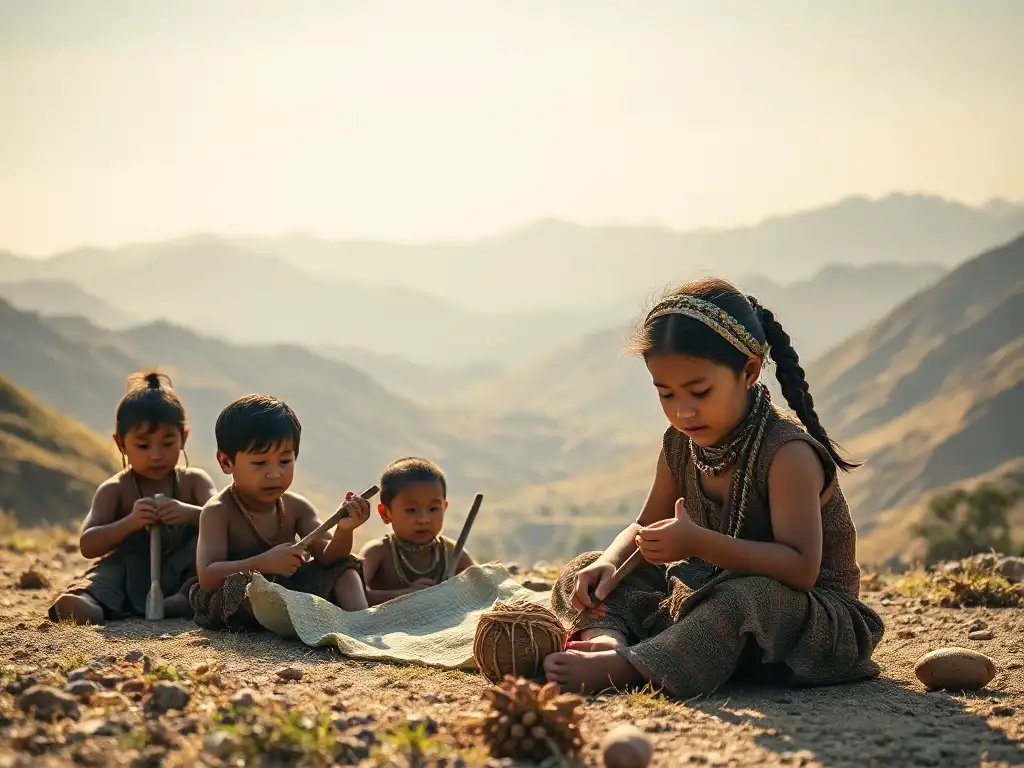
PreColumbian Andean children's education wasn't confined to formal settings. Instead, learning was deeply interwoven into the fabric of daily life, a seamless blend of practical experience and cultural transmission. This informal approach fostered a holistic development, equipping children with the skills necessary for survival and societal contribution within their communities.
The emphasis was on experiential learning, mirroring the close-knit relationship between the Andean people and their environment. This system prioritized the acquisition of practical skills, the preservation of oral traditions, and the development of crucial social competencies through play. Understanding this informal educational system is key to appreciating the complexity and sophistication of PreColumbian Andean societies.
Practical Skills: Agriculture, Crafts, and Weaving
From a young age, Andean children participated actively in the economic life of their communities. Agriculture, the cornerstone of Andean societies, provided a fertile ground for practical learning. Children learned through observation and imitation, assisting adults in planting, weeding, harvesting, and storing crops.
The specific tasks varied with age and ability, ensuring a gradual progression of skills. Younger children might be responsible for weeding smaller plots or carrying water, while older children could handle more complex tasks like tilling the land or managing irrigation systems. This hands-on approach instilled a deep understanding of agricultural cycles and techniques, vital for the survival of the community.
Similarly, craft production, particularly weaving, was a significant aspect of informal education. Girls often learned weaving techniques from their mothers and grandmothers, starting with simple tasks and gradually mastering more complex patterns and designs. The intricate textiles produced by Andean cultures were not merely clothing; they were also vehicles for cultural expression and social status. Mastering these skills was essential for girls' future roles within their communities.
Boys, on the other hand, might learn pottery, metalworking, or other crafts relevant to their community's specialization, further illustrating the diversity of practical skills learned through informal education. The precision and artistry evident in Andean crafts demonstrate the effectiveness of this apprenticeship-based learning system. Evidence suggests a strong correlation between the proficiency in these crafts and social standing within the community.
Oral Traditions and Storytelling in Andean Education
Oral traditions played a pivotal role in transmitting knowledge, values, and cultural heritage across generations in PreColumbian Andean societies. Storytelling was a central element of Andean education, serving as a powerful tool for teaching history, morality, and social norms. Myths, legends, and historical accounts were passed down orally, often accompanied by music and dance, making the learning process engaging and memorable. These narratives not only entertained but also instilled crucial values such as respect for elders, community cooperation, and reverence for nature.
The use of mnemonic devices, such as songs and rhymes, aided in the retention and transmission of complex information. Children learned about their ancestors, their gods, and the history of their communities through captivating stories, fostering a strong sense of identity and belonging. This oral tradition also served as a conduit for preserving and transmitting knowledge about medicinal plants, agricultural techniques, and astronomical observations.
The intricate system of knotted strings, or quipus, further demonstrates the sophisticated methods employed to record and transmit information within Andean societies. While the exact nature of the information encoded in the quipus is still being deciphered, their existence underscores the importance of record-keeping and information transmission in Andean culture. The rich tapestry of Andean oral traditions offers a powerful glimpse into the worldview and values of PreColumbian Andean societies.
The Role of Play in the Development of Andean Children
Play was not merely a pastime for Andean children; it was a crucial component of their education and development. Through play, children honed essential skills such as problem-solving, cooperation, and physical dexterity. Games often involved mimicking adult activities, such as farming or weaving, preparing them for their future roles in society. The use of simple toys, such as dolls made from natural materials or miniature tools, provided opportunities for imaginative play and skill development.
Team games fostered cooperation and strategic thinking. These games often incorporated elements of competition, but also emphasized teamwork and fair play. The development of physical skills was equally important. Children engaged in activities such as running, jumping, and ball games, building strength and agility.
These activities not only contributed to physical fitness but also helped develop coordination and motor skills necessary for various tasks in daily life. The integration of play into the educational system highlights the holistic approach to child development prevalent in PreColumbian Andean societies. The emphasis on both physical and cognitive development through play ensured a well-rounded education for Andean children, preparing them for the challenges and opportunities of life within their communities. Further research into the specific games and toys used by Andean children could provide a deeper understanding of their culture and values.
Games and Pastimes of PreColumbian Andean Children
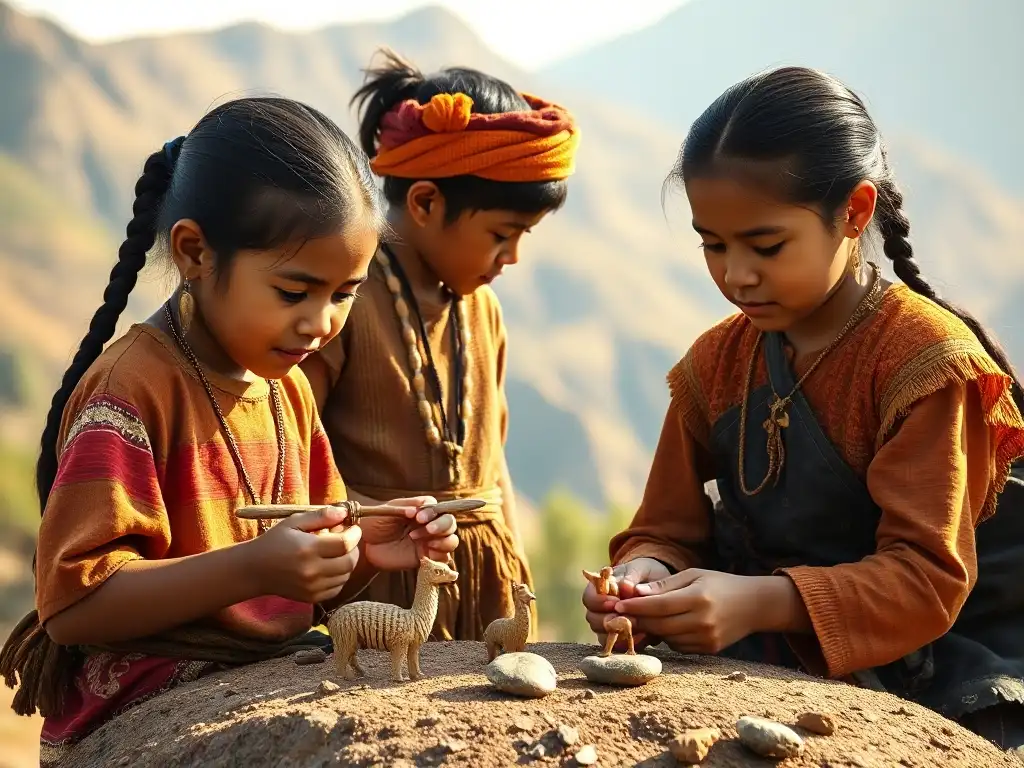
The world of PreColumbian Andean children wasn't solely defined by rigorous training or practical skills. Play, recreation, and games formed a vital part of their upbringing, shaping their social development and transmitting cultural knowledge across generations. Understanding these activities provides a unique window into the values and beliefs of these ancient societies.
While direct evidence like written records is scarce, archaeological findings, ethnographic parallels with later Andean cultures, and accounts from early Spanish chroniclers offer valuable clues to reconstructing their playful world. The limited data available necessitates careful interpretation and cautious conclusions, but the picture that emerges is one of vibrant and engaging childhood experiences. We can infer a rich tapestry of games and pastimes reflecting the diverse environments and cultures across the Andean region.
The concept of "childhood" itself might have differed significantly from modern understandings, with children often participating in activities that adults might also engage in, blurring the lines between play and work. However, dedicated playtime was undoubtedly a crucial element of their lives, fostering creativity, social skills, and physical dexterity.
Traditional Games and Their Cultural Significance
Many games likely involved simple materials readily available in their environment: stones, sticks, clay, and seeds. Evidence suggests the use of miniature versions of adult tools and implements, suggesting imitation and role-playing as significant aspects of their games. Consider the potential for games involving pallitas (small slingshots), miniature versions of the tools used for hunting and agriculture. These weren't just random playthings; they were pedagogical tools, instilling essential skills and reinforcing cultural practices.
The act of creating these miniature tools themselves was a formative experience, developing fine motor skills and problem-solving abilities. Furthermore, games might have incorporated elements of storytelling and myth, transmitting important aspects of Andean cosmology and history. For example, games mimicking agricultural cycles or hunting expeditions could have served as a form of experiential learning, preparing children for their future roles in society. The social aspect of these games was crucial.
Playing in groups fostered cooperation, competition, and the development of social hierarchies, mirroring the structures of the broader Andean societies. Unfortunately, specific rules and details of these games remain largely unknown, awaiting further archaeological discoveries to fully illuminate their complexity. However, the available data strongly suggests that games were far from frivolous; they were integral to the cultural transmission and social development of PreColumbian Andean children.
Toys and Playthings in the Ancient Andes
Archaeological excavations have unearthed a variety of artifacts interpreted as children's toys. These include miniature ceramic figures representing animals, humans, and deities. These weren't simply decorative objects; they likely served as playthings, fostering imagination and symbolic play. The detailed craftsmanship of some of these figurines suggests a level of sophistication in toy-making, indicating a dedicated effort to create engaging and stimulating playthings.
Additionally, researchers have found simple dolls made from cloth, wood, or other readily available materials. These dolls may have played a role in mimicking adult social roles and family structures, offering children a means to explore and understand their social world. Other potential toys include small, intricately carved whistles, likely used in games and rituals. These items, while seemingly simple, reveal valuable insights into the cultural values and aesthetic preferences of these societies.
The materials used, the level of craftsmanship, and the subjects depicted offer clues to the importance placed on play and the role of toys in shaping children's development. However, a comprehensive catalog of PreColumbian Andean toys remains a work in progress, requiring more extensive research and archaeological investigation to fully understand the diversity and significance of these artifacts. The scarcity of surviving toys is likely due to the perishable nature of many materials used in their construction.
Play in PreColumbian Andean societies wasn’t simply a diversion; it served a crucial social function. Games and play provided opportunities for socialization, teaching children the norms, values, and expectations of their communities. Through imitation and role-playing, children learned adult behaviors and responsibilities, preparing them for their future roles in society. Group games reinforced cooperation, competition, and social hierarchy, mirroring the structures of the broader Andean societies.
This wasn't passive learning; it was active participation in the cultural reproduction of the society. The social interaction inherent in play also fostered the development of crucial social skills, such as negotiation, conflict resolution, and teamwork. These skills were vital for successful participation in the complex social structures of Andean civilizations. Furthermore, play likely played a role in religious and ritual practices, with games potentially incorporating elements of Andean cosmology and mythology.
This integrated approach to play highlights its importance as a multifaceted aspect of Andean life, seamlessly weaving together education, social development, and spiritual understanding. Further research, particularly interdisciplinary studies combining archaeology, anthropology, and ethnohistory, is crucial to deepen our understanding of the social function of play in these ancient societies. The existing data already provides compelling evidence for the significant role that play held in shaping the lives and futures of PreColumbian Andean children.
The Legacy of PreColumbian Andean Education
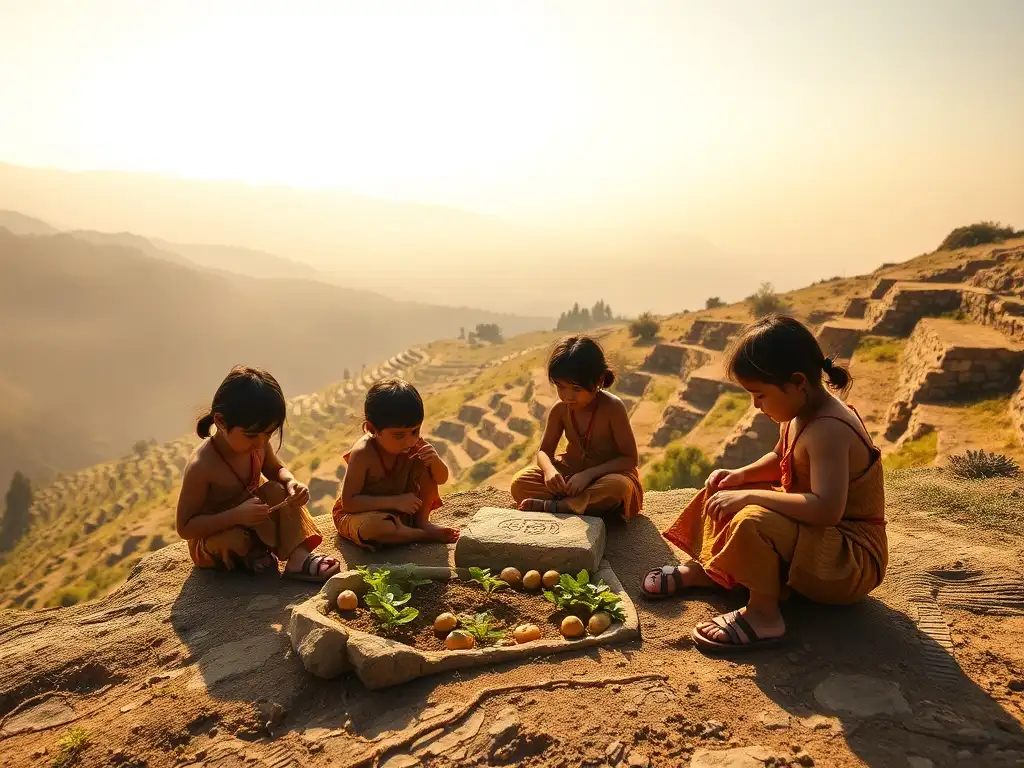
The study of PreColumbian Andean children's education reveals a complex system deeply intertwined with the social and religious structures of the time. Unlike formal schooling systems in many other ancient civilizations, Andean education was largely informal, integrated into daily life, and transmitted orally across generations. This approach fostered a strong connection between learning and practical skills, preparing children for their roles within their communities.
The emphasis wasn't solely on academic knowledge but also on developing crucial social, spiritual, and physical capabilities necessary for survival and societal contribution. This holistic approach to education shaped not only the individual but also the collective identity and cultural continuity of Andean societies. Understanding this system offers valuable insights into the values and priorities of these ancient cultures, providing a powerful lens through which to examine their remarkable achievements.
The legacy of this intricate system continues to resonate in modern Andean communities, influencing educational philosophies and cultural practices to this day. This enduring influence underscores the profound impact of PreColumbian Andean educational practices on the cultural landscape of the region.
How Ancient Practices Influenced Modern Andean Culture
Many aspects of PreColumbian Andean educational philosophies persist in modern Andean communities. The emphasis on practical skills, for instance, remains a cornerstone of education in rural areas. Children are still actively involved in agricultural activities, animal husbandry, and traditional crafts from a young age, mirroring the apprenticeship-style learning prevalent in pre-Columbian times.
The oral tradition, though supplemented by formal schooling in many areas, retains significance in transmitting cultural knowledge, stories, and values. Traditional storytelling, songs, and dances continue to play a vital role in educating children about their heritage and history. Furthermore, the integration of education with community life, a hallmark of PreColumbian pedagogy, is still visible in many Andean communities, where learning often takes place within the context of family and community events.
The strong emphasis on community participation and collective responsibility, inherent in PreColumbian Andean societies, continues to influence educational approaches, fostering a collaborative learning environment. This enduring legacy highlights the resilience and adaptability of PreColumbian Andean educational principles in the face of evolving societal structures. The continuity of these practices underscores their profound importance in shaping Andean cultural identity and social cohesion.
Preserving the Knowledge of Past Generations
The preservation of PreColumbian Andean knowledge concerning children's education relies heavily on archaeological findings, ethnographic studies of contemporary Andean communities, and the careful interpretation of colonial-era chronicles. Archaeological evidence, such as the discovery of children's toys and tools, provides valuable insights into the activities and learning experiences of young people in the past. Ethnographic research, which involves studying living communities, helps to establish connections between past and present practices, illuminating the continuity of certain educational traditions.
Colonial chronicles, despite their inherent biases, offer glimpses into the perspectives of Spanish observers and can, when carefully analyzed, provide supplementary information about aspects of PreColumbian life. However, the scarcity of direct documentation from the pre-Columbian era presents significant challenges. Many aspects of their education remain shrouded in mystery, requiring careful and nuanced interpretation of available evidence.
The interdisciplinary nature of this research, combining archaeological, ethnographic, and historical approaches, is crucial for a comprehensive understanding of PreColumbian Andean children's education. Further research, especially focused on deciphering iconography and analyzing artifacts related to children's activities, is essential to enhance our understanding of this significant aspect of Andean civilization.
Understanding PreColumbian Children through Archaeological Evidence
Archaeological excavations have unearthed compelling evidence shedding light on the lives of PreColumbian Andean children. The discovery of intricately crafted toys, such as miniature figurines, weaving tools, and pottery, reveals the importance of play in their development. These objects suggest that play was not merely a pastime but a crucial component of learning, fostering creativity, fine motor skills, and an understanding of their cultural heritage.
Furthermore, the presence of children's burials with grave goods, often reflecting the social status of their families, indicates the importance placed on children within their communities. Analysis of skeletal remains provides valuable information about their health, nutrition, and overall well-being, offering insights into their living conditions and access to resources. The discovery of children's textiles, often showcasing intricate designs and techniques, highlights their involvement in the production of goods and their contribution to the economic life of their families.
Further investigation into the spatial distribution of artifacts within archaeological sites could reveal dedicated areas for children's activities or educational spaces, deepening our understanding of how learning was structured within these societies. The study of PreColumbian Andean children through archaeological evidence continues to unveil fascinating details about their lives and contributes significantly to our understanding of their education and socialization. The meticulous analysis of these artifacts provides invaluable insights into the rich tapestry of their culture and daily lives.
Specific Examples of Educational Practices in Different Andean Cultures
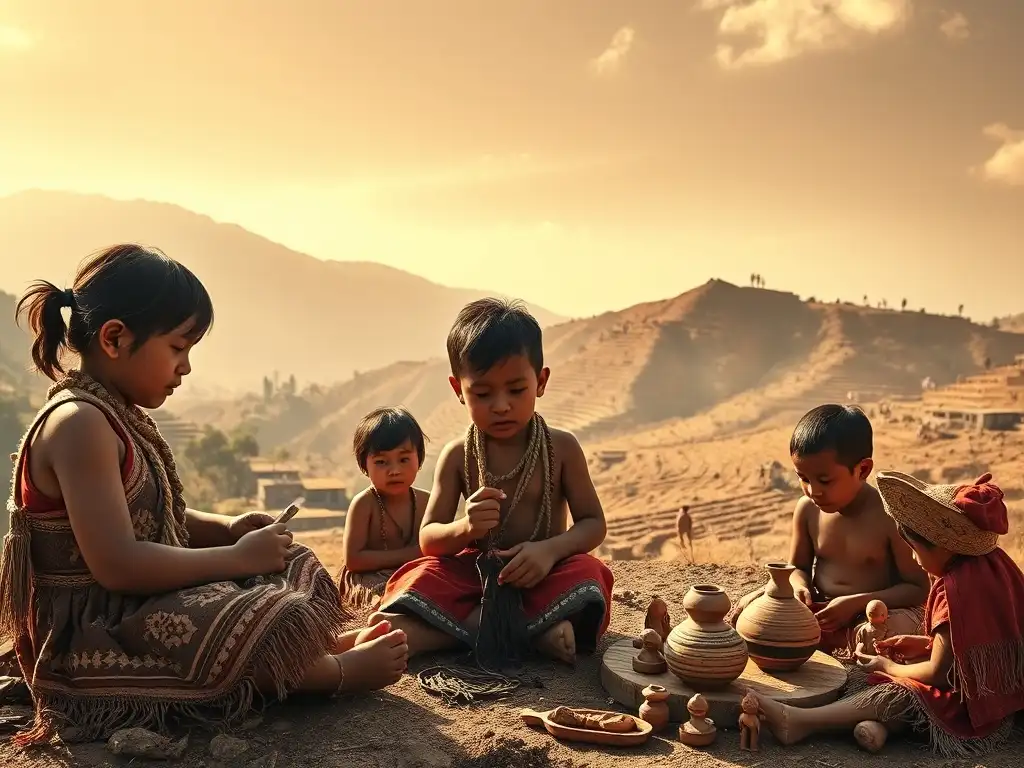
This section delves into the diverse educational practices employed by various PreColumbian Andean cultures, focusing on how children were prepared for their roles within their respective societies. Understanding these practices provides crucial insight into the values and social structures of these fascinating civilizations. While direct evidence is scarce, archaeological findings and anthropological interpretations allow us to reconstruct a plausible picture of Andean children's education and the transmission of knowledge across generations.
We will explore specific examples from the Moche, Nazca, and Tiahuanaco cultures, highlighting the unique characteristics of their educational systems. The term "education" here encompasses not only formal instruction but also the informal learning processes that occurred within the family and community. This holistic approach is essential for a complete understanding of PreColumbian Andean children's education.
Case Study: Education in the Moche Civilization
The Moche civilization (c. 100-800 CE) is renowned for its sophisticated artistry and complex social organization. Evidence suggests that Moche education was deeply intertwined with the development of specific skills necessary for maintaining their agricultural economy and hierarchical society. Children likely received practical training in agriculture, pottery, weaving, and fishing, depending on their social standing and familial occupations.
The intricate details depicted in Moche pottery, showing scenes of daily life, suggest that children learned through observation and apprenticeship. For example, depictions of children participating in agricultural activities, such as planting and harvesting, indicate an early introduction to these essential skills. Furthermore, the high level of craftsmanship evident in Moche pottery and textiles points to a rigorous system of apprenticeship where young individuals were trained by skilled artisans, passing down intricate techniques and designs across generations.
The emphasis on practical skills reflects the Moche society's agrarian foundation and the importance of maintaining its productive capacity. Further research is needed to fully understand the extent of formal instruction, if any, within the Moche civilization. However, the available evidence points to a system of education deeply rooted in practical experience and the transmission of traditional knowledge within families and workshops.
Case Study: Education in the Nazca Civilization
The Nazca culture (c. 100 BCE – 800 CE), famous for its enigmatic geoglyphs, also exhibited unique educational practices. While less is known about formal education, the intricate textiles and pottery indicate a high level of specialized skill development. Nazca children likely learned weaving techniques from a young age, as evidenced by the complexity and fine detail of the textiles.
The production of these textiles required significant skill and precision, suggesting a structured apprenticeship system. The vibrant colors and intricate designs found in Nazca pottery also point towards a dedicated learning process involving the mastering of ceramic techniques. Additionally, the creation of the Nazca Lines requires a level of collaborative effort and spatial reasoning that likely involved some form of communal instruction or mentorship.
The scale and precision of these geoglyphs suggest a structured approach to their creation, possibly involving the transmission of knowledge across generations. While direct evidence of formal schooling remains elusive, the artistic achievements of the Nazca culture suggest a sophisticated and effective system of apprenticeship and informal learning, contributing significantly to the development of artistic and technical expertise among Nazca children. Further investigation into the social organization of Nazca communities may reveal more details about their educational practices.
Case Study: Education in the Tiahuanaco Civilization
The Tiahuanaco civilization (c. 500-1000 CE), situated on the Altiplano, possessed a complex social organization and advanced technologies. Their monumental architecture and sophisticated agricultural systems indicate a need for specialized skills and knowledge. Tiahuanaco children likely received training in agriculture, construction, and possibly religious rituals.
The precision required for constructing the monumental structures at Tiahuanaco suggests a structured system of apprenticeship, where young individuals were trained in stonework, engineering, and architectural design. The sophisticated irrigation systems implemented by the Tiahuanaco people also required specialized knowledge and skills, indicating the importance of agricultural training for children. Furthermore, the prominent role of religious leaders within Tiahuanaco society suggests that religious instruction may have played a significant role in the education of children from elite families.
While the specifics of Tiahuanaco educational practices remain largely unknown, the complexity of their society suggests a system that involved the transmission of specialized skills and knowledge across generations. Further research, particularly archaeological excavations and analysis of artifacts, is necessary to gain a deeper understanding of PreColumbian Andean children's education within the context of the Tiahuanaco civilization. The study of religious iconography and the social hierarchy may also shed light on the different educational paths available to children of varying social statuses.
The Lasting Impact of PreColumbian Education on Andean Identity
The educational practices of PreColumbian Andean societies, while vastly different from modern systems, profoundly shaped Andean identity and continue to resonate today. Understanding these historical methods illuminates the enduring cultural values and resilience of Andean communities. The transmission of knowledge wasn't solely confined to formal settings; it was deeply interwoven into the fabric of daily life, passed down through generations via storytelling, practical demonstrations, and participation in community rituals. This holistic approach fostered a strong sense of collective identity and cultural continuity, shaping the very essence of Andean societies.
Analyzing these methods reveals key aspects of their social structures and worldview, offering valuable insights into the complexities of PreColumbian Andean civilization. The legacy of these practices is not merely historical; it actively informs contemporary Andean perspectives and informs ongoing efforts to preserve and celebrate their rich heritage. This section will delve into the specifics of this lasting impact.
The Continuity of Cultural Values and Traditions
PreColumbian Andean education wasn't simply about acquiring skills; it was about instilling values and transmitting traditions crucial for the survival and continuity of their communities. Children learned about their ancestry, cosmology, and social responsibilities through oral narratives, songs, and dramatic performances. These narratives weren't passive storytelling sessions; they were active engagements that cemented the importance of community, respect for elders, and the interconnectedness of the natural world.
For example, the myths surrounding the origins of the Inca Empire, passed down through generations, reinforced the legitimacy of the ruling class and fostered a sense of shared identity amongst the population. Similarly, agricultural practices were taught not just as techniques, but as sacred duties, highlighting the crucial role of humans in maintaining the balance of nature.
This integrated approach ensured that cultural values were deeply ingrained, shaping individual identities and societal structures for centuries to come. The persistence of many of these traditions demonstrates the enduring power of PreColumbian Andean educational philosophies.
The Importance of Learning from the Past
The emphasis on oral history and ancestral knowledge in PreColumbian Andean education underscores the importance of learning from the past. Unlike societies that emphasized literacy as the primary means of knowledge transmission, Andean civilizations prioritized the oral tradition, meticulously preserving and passing down historical accounts, myths, and practical knowledge through generations.
This oral tradition wasn't static; it was a dynamic process of interpretation and adaptation, allowing for the evolution of cultural narratives while maintaining their core values. Archaeological evidence, such as meticulously crafted textiles depicting historical events or intricate pottery designs symbolizing cosmological beliefs, supports the existence of a sophisticated system for knowledge transmission that transcended the limitations of a purely written record.
This emphasis on oral history fostered a strong connection to the past, reinforcing a sense of continuity and identity that continues to inform Andean societies today. The meticulous preservation of this oral history speaks volumes about the value placed on ancestral wisdom and its crucial role in shaping Andean identity.
The Resilience of Andean Culture
The resilience of Andean culture in the face of colonization and other challenges is, in part, a testament to the strength of its educational foundations. The deeply ingrained values and traditions transmitted through generations provided a framework for survival and adaptation. Even after the Spanish conquest, many aspects of PreColumbian Andean educational practices, albeit altered and adapted, persisted in various forms.
For example, the communal aspects of learning continued in many communities, with knowledge shared within families and through apprenticeships. The emphasis on practical skills, such as agriculture and weaving, proved crucial for economic survival in the face of colonial exploitation. This adaptability demonstrates the flexibility and resilience of PreColumbian Andean educational systems, highlighting their effectiveness in navigating periods of profound social and political change.
The ongoing celebration of Andean traditions and the continued use of ancient techniques demonstrate the enduring power of these educational practices in sustaining cultural identity and fostering community resilience. The tenacity of Andean culture is a direct reflection of the strength of its ancestral educational legacy.
Frequently Asked Questions
What forms of education existed for children in Pre-Columbian Andean societies?
Education in Pre-Columbian Andean societies was largely informal, focusing on practical skills relevant to their community. Children learned through observation, imitation, and participation in daily life, acquiring knowledge of agriculture, crafts, and social roles.
How did children learn about their culture and traditions?
Cultural transmission occurred through storytelling, rituals, and ceremonies. Children actively participated in these events, absorbing knowledge about their history, beliefs, and social structures. Oral traditions played a crucial role.
What role did play have in the education of Andean children?
Play was not just recreation; it was a vital part of learning. Children engaged in activities that mimicked adult roles and developed essential skills, like building, weaving, and herding. Play also fostered social interaction and cooperation.
Were there any specialized forms of education for certain children?
While most education was communal, some children may have received specialized training based on their family's occupation or social standing. For example, certain children might have been trained in religious practices or specialized crafts.
What evidence exists to support our understanding of Pre-Columbian Andean children's education?
Archaeological evidence, such as artifacts depicting children's activities, and ethnographic studies of later Andean communities offer insights. These sources, combined with analysis of colonial-era accounts, provide a valuable, albeit incomplete, picture of children's lives and learning.
Final Reflection: Echoes of the Andes: Shaping Futures Through Play and Learning
The vibrant tapestry of PreColumbian Andean childhood, woven with threads of play and education, resonates deeply with our modern understanding of child development. Understanding their methods offers invaluable insights into fostering holistic growth in children today, reminding us that learning is not solely confined to formal settings but thrives in the rich soil of experience and community.
The enduring legacy of the Andean approach to childhood education is profoundly moving. Their emphasis on practical skills, interwoven with spiritual and artistic expression, shaped not only individuals but entire societies. Play is not merely recreation, but a fundamental process of learning and development, essential for the growth of both the individual and the community.
This quote, though contemporary, perfectly encapsulates the wisdom embedded in the PreColumbian Andean approach, highlighting the interconnectedness of play, learning, and social cohesion. The echoes of their methods continue to inspire innovative educational practices that prioritize experiential learning and child-centered approaches.
Consider the implications of this knowledge. How can we, in our modern world, recapture the spirit of holistic development exemplified by these ancient cultures? I invite you to reflect on the balance between structured learning and free play in your own life and the lives of children you know. Let the legacy of the Children of the Andes inspire you to cultivate environments that nurture creativity, foster collaboration, and empower the next generation to build a future rooted in both wisdom and innovation.
Ignite Curiosity and Action in Education!
Thank you for exploring the fascinating world of education and play in pre-Columbian Andean societies. You've discovered valuable insights into how these civilizations nurtured the minds and spirits of their children. Let's build on this momentum.
Here's how you can continue your exploration and make a difference:
- Join our community: Subscribe to our newsletter for the latest articles and exclusive content on Andean civilizations and their educational practices.
- Share your knowledge: Discuss your findings with friends and family, sparking conversations about the enduring importance of play-based learning.
- Deepen your understanding: Visit our resource page for a curated selection of books, documentaries, and academic articles that explore the educational methods of ancient societies in greater detail.
How can you creatively integrate play and learning within your own community? Let's discuss!