
Moche Ceramics and Agriculture: A Fertile Depiction

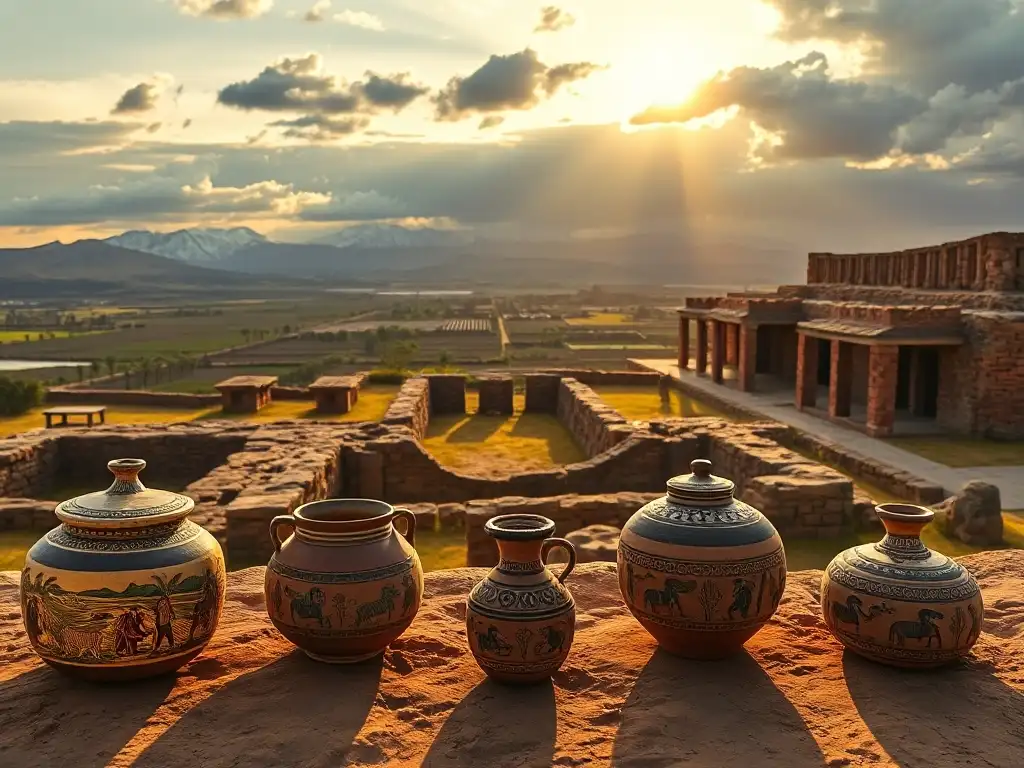
Step into a world lost to time, yet vividly preserved in clay. Dive into the captivating artistry and ingenuity of the ancient Andean civilizations, where vibrant hues and intricate designs tell tales of daily life. Discover how the Moche pottery agricultural practices shaped not only their stunning ceramics but also their very survival, a testament to their profound connection with the land. Prepare to be amazed by the secrets revealed in the fertile fields and breathtaking artistry of the Moche – a civilization whose legacy continues to inspire awe.
The Moche civilization (circa 100-800 CE), flourishing along the arid northern coast of Peru, developed sophisticated agricultural techniques that were not only crucial for their survival but also profoundly influenced their art, particularly their renowned ceramics. This article delves into the fascinating interplay between Moche pottery and their agricultural practices, revealing how their artistic expressions mirrored and celebrated their mastery of the challenging desert environment.
We will explore the intricate details of Moche ceramic depictions of agricultural scenes, tools, and deities associated with fertility, showcasing the deep connection between their artistic and agricultural worlds. Understanding this relationship provides invaluable insight into the worldview, social structures, and technological advancements of this remarkable pre-Columbian culture.
The vibrant imagery found on Moche pottery offers a unique window into their daily lives, revealing the profound importance they placed on agriculture as the cornerstone of their society. This analysis will highlight how the study of Moche pottery helps us reconstruct their agricultural practices and understand their sophisticated understanding of water management and crop cultivation in a harsh desert climate.
The Intertwined World of Moche Art and Farming
Moche pottery frequently depicts scenes of agricultural activity with remarkable detail. From the meticulous rendering of individual plants to the portrayal of complex irrigation systems, the ceramics serve as invaluable archaeological records. Many pieces showcase farmers tending fields, using tools like hoes and digging sticks.
The precision with which these tools are depicted suggests a high level of craftsmanship and a deep understanding of their function. Furthermore, the recurring motifs of maize, beans, squash, and other crops highlight the centrality of agriculture to their sustenance and economy. The sheer volume of pottery depicting agricultural themes underscores its significance within Moche society.
Analysis of these depictions reveals not only the techniques used but also the social organization surrounding agriculture, potentially indicating communal efforts or specialized labor. We also see representations of irrigation canals and reservoirs, highlighting their advanced understanding of water management in a region characterized by scarce rainfall. These sophisticated systems, often depicted on pottery, were essential for the success of their agriculture.
Deities and Fertility in Moche Ceramics
The Moche pantheon included several deities associated with fertility and agriculture. These deities are frequently depicted on pottery, often alongside scenes of cultivation or harvest. Their presence reinforces the sacred nature of agriculture within Moche society.
For example, [Specific deity name and description pending] is often portrayed in connection with bountiful harvests, and [Another deity name and description pending] is frequently depicted with agricultural tools or surrounded by crops. The iconography associated with these deities provides further insight into their beliefs and rituals surrounding agriculture. The detailed representations on the pottery, including the deities' attributes and attire, suggest a complex religious system deeply intertwined with the success of their agricultural endeavors.
Analyzing these representations helps us understand the ritualistic aspects of Moche farming and the role of religious beliefs in ensuring a successful harvest. The presence of these divine figures on everyday objects like pottery suggests that agriculture was not merely a practical activity but a deeply spiritual one.
Technological Innovations Reflected in Moche Pottery
The Moche's impressive agricultural achievements were facilitated by technological innovations, some of which are subtly, yet effectively, showcased in their ceramics. Detailed depictions of irrigation canals, terraces, and reservoirs provide a visual record of their engineering prowess. The meticulous representation of these systems reveals their understanding of hydraulic engineering and their capacity to adapt to the challenges of desert agriculture. The pottery also sometimes depicts specialized tools used in agriculture, offering insight into their technological advancements.
[Specific examples of tools and their depictions on pottery pending]. The quality and detail of these depictions highlight the importance of these technological advancements to the Moche's success in farming. This attention to detail suggests a pride in their technological achievements and a desire to document and celebrate their ingenuity. The sophisticated irrigation systems, evident both in archaeological remains and ceramic depictions, represent a remarkable feat of engineering for their time.
- The Intertwined World of Moche Art and Farming
- Deities and Fertility in Moche Ceramics
- Technological Innovations Reflected in Moche Pottery
- What is the significance of Moche pottery in understanding their agricultural practices?
- What crops did the Moche people primarily cultivate, as depicted in their pottery?
- How did Moche irrigation systems impact their agricultural success?
- What kind of agricultural tools are shown in Moche pottery?
- How does the artistry of Moche pottery reflect their relationship with agriculture?
Moche Pottery: A Window into Ancient Agricultural Practices
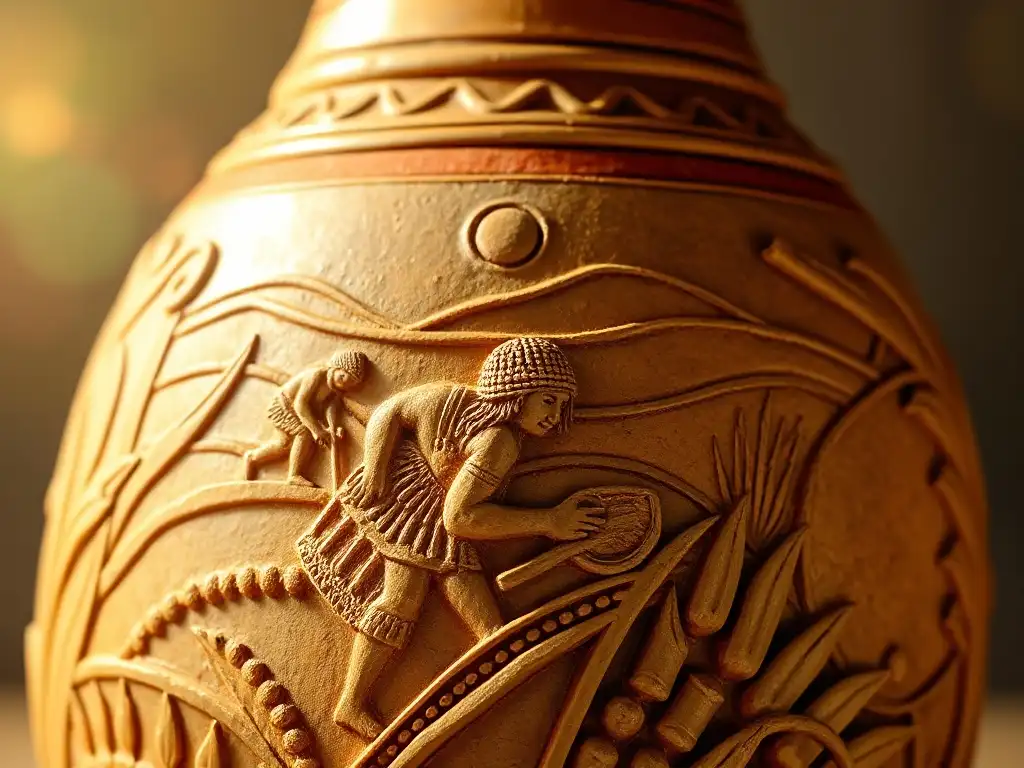
The Moche civilization (c. 100-800 CE), renowned for its sophisticated artistry, left behind a rich legacy of ceramic artifacts that offer invaluable insights into their daily lives, beliefs, and, importantly, their agricultural practices. Moche pottery, often vibrantly colored and intricately detailed, wasn't merely decorative; it served as a powerful medium for recording and celebrating their agricultural achievements, reflecting a deep-seated connection between their art and their sustenance. The meticulous detail in these pieces provides archaeologists with a unique window into the advanced agricultural techniques employed by this remarkable pre-Columbian society.
The prevalence of agricultural themes in Moche pottery underscores its significance as a primary source for understanding their sophisticated water management systems and crop cultivation methods. Analysis of these ceramic pieces allows for a richer understanding of the "Moche pottery agricultural practices" and their societal impact.
Depictions of Moche Irrigation Systems in Ceramic Art
Many Moche ceramic vessels depict complex irrigation systems, showcasing their mastery of water management in the arid coastal regions of Peru. These aren't simplistic representations; rather, they are detailed portrayals of canals, reservoirs, and aqueducts, often showing laborers engaged in the construction and maintenance of these vital infrastructure projects. For example, some jars vividly illustrate the intricate network of canals channeling water from rivers and streams to agricultural fields, highlighting the scale and complexity of their irrigation networks.
The accuracy of these depictions suggests a close observation of the landscape and a deep understanding of hydrological principles. These aren't mere artistic flourishes; they are accurate representations of the sophisticated engineering that underpinned Moche agricultural success. The precision in the depiction of these systems, including the angles of the canals and the flow of water, speaks volumes about the Moche's understanding of hydraulics and their ability to harness scarce water resources effectively.
Analyzing these images allows researchers to reconstruct aspects of their irrigation technology, providing valuable data for understanding their agricultural productivity. The meticulous detail in these ceramic depictions offers a unique perspective on the "Moche pottery agricultural practices" and their technological prowess.
Understanding Moche Water Management through Pottery Imagery
Beyond simply showing irrigation systems, Moche pottery provides clues to their broader water management strategies. The imagery often includes depictions of reservoirs, demonstrating their ability to store water for later use during dry periods. Furthermore, representations of individuals tending to crops, alongside their irrigation systems, suggest a well-organized and coordinated agricultural system.
Some pottery even depicts rituals associated with water and agricultural fertility, reflecting the deep spiritual significance of water in their culture. The combination of these artistic representations paints a comprehensive picture of their sophisticated water management practices: from the initial channeling of water to its storage and eventual distribution to the fields. This integrated approach, meticulously documented in their ceramic art, allowed the Moche to thrive in a challenging environment.
The recurring motifs of water and agricultural abundance underscore the centrality of these practices to Moche society and culture. By studying these artistic representations, we gain a deeper understanding of their resource management and the resilience of their agricultural practices. Such insights are critical to understanding the overall success and complexity of "Moche pottery agricultural practices."
Moche Ceramic Vessels for Chicha and Their Connection to Crop Production
Chicha, a fermented beverage made from maize (corn), was a staple in Moche society, and the vessels used for its production and consumption are frequently adorned with agricultural motifs. These depictions aren't coincidental; they highlight the direct link between crop cultivation and social life. Many ceramic vessels shaped like maize cobs or other agricultural products serve as a visual reminder of the importance of maize and other crops in their diet and economy.
The prevalence of these motifs underscores the centrality of agriculture in their social fabric. Moreover, the detailed depictions of the maize plants themselves, often showing different stages of growth, suggest a profound understanding of agricultural cycles and the lifeblood of their society. These vessels weren't simply functional; they were imbued with symbolic meaning, connecting the act of drinking chicha to the success of their harvest.
The detailed representations of the agricultural process, from cultivation to harvest, within the context of ritualistic beverages like chicha, offer a powerful testament to the importance of "Moche pottery agricultural practices" in shaping their social and spiritual lives. The intertwining of agricultural themes with daily rituals, as depicted in the pottery, strengthens our understanding of the Moche worldview and its deep connection to the land.
Agriculture's Role in Moche Society and Art
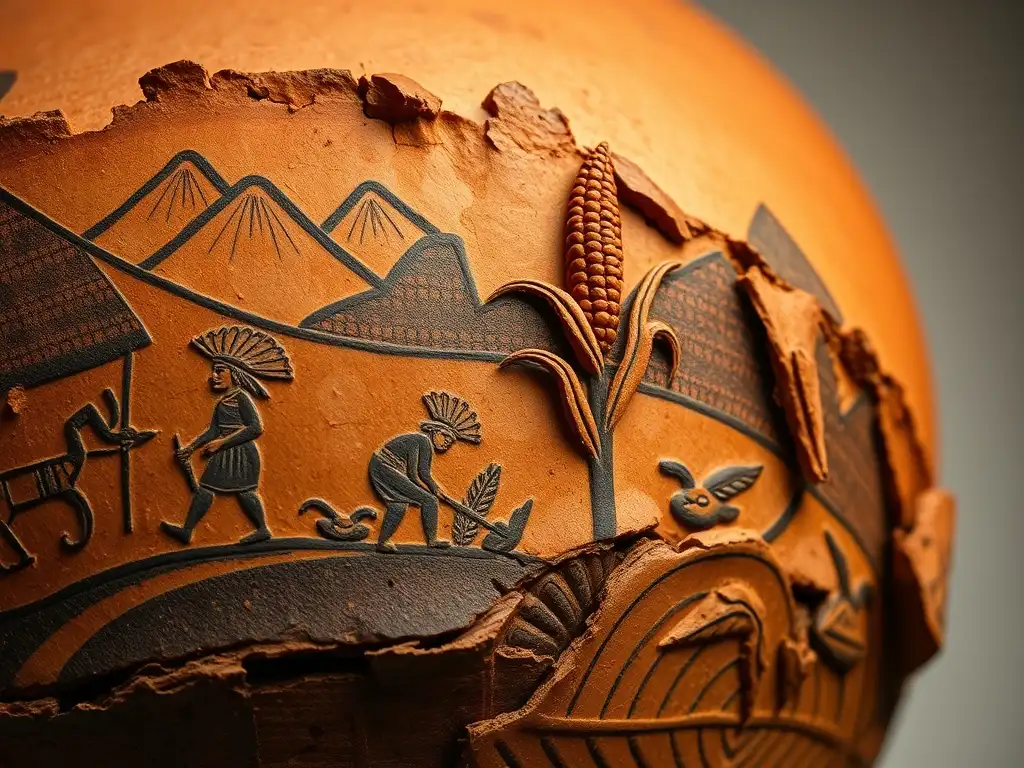
The Moche civilization (c. 100 – 800 CE), flourishing along the arid north coast of Peru, developed sophisticated agricultural techniques to overcome the challenges of their desert environment. Their success wasn't merely a matter of survival; agriculture was deeply intertwined with their religious beliefs, social structures, and artistic expression, particularly in their renowned pottery.
Moche pottery doesn't simply depict scenes of daily life; it reveals a complex cosmology where agricultural bounty is directly linked to the power of their deities and the prosperity of their society. The intricate detail and vibrant colors used in their ceramics reflect the importance they placed on a successful harvest, showcasing their deep reverence for the land and its fertility.
This section will explore the profound connection between Moche agricultural practices and their artistic representations, focusing on the key crops and deities that feature prominently in their ceramic work. Understanding this connection offers valuable insight into the worldview and societal structures of this remarkable civilization.
The Significance of Maize, Beans, and Squash in Moche Ceramics and Culture
Maize, beans, and squash—the "three sisters" of Andean agriculture—were the staples of the Moche diet and held immense cultural significance. These crops, frequently depicted together in Moche pottery, symbolize abundance, fertility, and the life-giving forces of nature. Many ceramic vessels show detailed representations of these plants, from the ripening ears of corn to the pods of beans and the plump squash.
The meticulous detail, often including insects and other elements of the natural environment, suggests more than a simple depiction of food; it conveys a profound understanding of the agricultural cycle and the interconnectedness of life. For example, some pottery pieces depict stylized representations of maize cobs with supernatural elements woven into their design, hinting at the sacred nature of this crop. The prevalence of these crops in Moche iconography underscores their crucial role in the economy and spiritual beliefs of the civilization.
Their presence on ceremonial vessels further strengthens the connection between agriculture and religious rituals. Analyzing the frequency and context of these depictions in different types of Moche pottery could reveal further insights into their social hierarchies and religious practices.
Moche Depictions of Harvesting Techniques for Root Crops in Pottery
Beyond maize, beans, and squash, the Moche also cultivated a variety of root crops, including sweet potatoes and yuca. Moche pottery provides fascinating glimpses into their harvesting techniques. While less frequently depicted than the "three sisters," root crops appear in certain contexts, often alongside scenes of human activity.
These depictions, though sometimes stylized, suggest the use of digging sticks or other simple tools to extract these crops from the ground. The precision with which these tools are rendered in the pottery, along with the depiction of individuals engaged in the harvesting process, suggests a level of technical skill and social organization devoted to this aspect of agriculture.
Further research comparing the depictions of root crop harvesting with other agricultural activities in Moche pottery could offer a more nuanced understanding of their agricultural calendar and labor organization. [Specific details on the types of tools depicted and the frequency of their appearance in Moche pottery are pending further research].
The Moche deeply revered deities associated with the moon and rain, both crucial for successful agriculture in their arid environment. These deities are frequently depicted in Moche pottery, often alongside agricultural motifs or in scenes that directly relate to the cycles of planting and harvesting. The moon, a symbol of fertility and cyclical renewal, is often portrayed in anthropomorphic form, sometimes holding agricultural implements or surrounded by plants.
Similarly, rain deities are depicted in various forms, often associated with clouds, storms, and the life-giving waters that sustain their crops. The presence of these deities in agricultural scenes underscores the fundamental role of the supernatural in the Moche worldview. Their worship was not simply a matter of religious observance; it was intrinsically linked to the success of their agricultural endeavors.
Analysis of the iconography surrounding these deities in various ceramic pieces could reveal more about the specific agricultural rituals and the beliefs associated with them. The interplay between these religious figures and agricultural practices, as depicted in Moche pottery, paints a vivid picture of their society's close connection to the natural world and their reliance on the forces of nature for their survival and prosperity. The detailed representations of these deities in Moche ceramics provide invaluable insights into their complex cosmology and the deep spiritual significance of agriculture in their society.
Analyzing Moche Pottery for Agricultural Insights
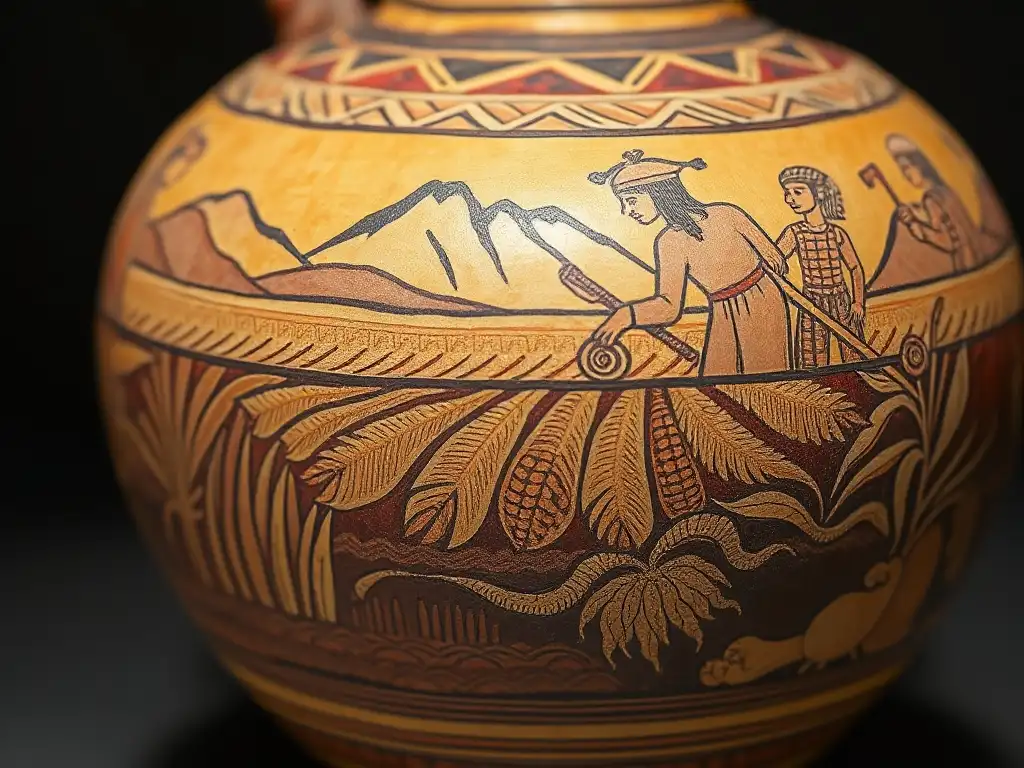
The Moche civilization (c. 100-800 CE), renowned for its sophisticated artistry, left behind a remarkable legacy in the form of intricately decorated pottery. These ceramic pieces, far from being mere decorative objects, offer invaluable insights into their agricultural practices.
By meticulously examining the iconography and motifs present on these artifacts, researchers can reconstruct a detailed picture of Moche farming techniques, crop diversity, and the vital role agriculture played in their society. The vibrant colors, lifelike depictions, and symbolic representations found on Moche pottery provide a unique window into their world, allowing us to understand their deep connection to the land and their sophisticated understanding of agriculture.
This detailed analysis of Moche pottery allows us to move beyond simple observations and delve into the nuanced relationship between art and agricultural production. The study of Moche pottery agricultural practices reveals a complex system of cultivation and irrigation that supported a large and thriving population.
Many Moche ceramic vessels depict scenes directly related to soil fertility and plant growth. These aren't abstract representations; rather, they are highly detailed portrayals of specific agricultural practices and the natural world upon which the Moche depended. For instance, numerous examples show stylized depictions of fertile lands, often represented by rich brown and black pigments symbolizing the dark, nutrient-rich soil crucial for successful harvests.
We also find frequent representations of sprouting plants, carefully rendered with realistic detail, indicating a keen observation of the growth cycles of various crops. The attention to detail extends to the depiction of roots, suggesting an understanding of the importance of a strong root system for plant health and overall yield. Furthermore, some pottery displays anthropomorphic representations of the earth or deities associated with fertility, underscoring the sacred significance of agriculture in Moche society.
The recurring motifs emphasize the vital link between the natural world and the success of their agricultural endeavors. Analysis of these motifs helps us understand the Moche's deep respect for the land and their sophisticated understanding of its cycles.
Identifying Specific Crops like Peanuts and Avocados in Moche Pottery
Moche pottery doesn't simply depict abstract notions of agriculture; it often features incredibly detailed representations of specific crops. Careful examination reveals depictions of peanuts and avocados, among other crops. The accuracy of these depictions is striking, allowing researchers to confidently identify the plants.
For example, the distinctive shape and size of peanuts within their pods are clearly represented, and similarly, the characteristic shape and leaves of avocado trees are recognizable in many pieces. The presence of these specific crops in Moche pottery provides concrete evidence of their cultivation and their importance within the Moche diet and economy. This level of detail in the artistic representations strongly suggests that these crops played a significant role in their agricultural system and daily life.
The inclusion of these readily identifiable plants adds another layer to our understanding of Moche agricultural practices and their sophisticated cultivation techniques. Further research could potentially uncover even more specific crop representations, further enriching our understanding of Moche agriculture.
The Use of Moche Ceramics as Historical Records of Agricultural Labor
Beyond depicting specific crops and agricultural processes, Moche pottery also serves as a valuable historical record of agricultural labor. Many vessels depict scenes of individuals engaged in various agricultural tasks, from planting and harvesting to irrigation and processing. These scenes are not merely decorative; they provide insights into the organization of agricultural labor, the division of tasks, and the social structures that supported Moche agriculture.
The depictions often show groups of individuals working together, suggesting a collaborative approach to farming. Some pottery even shows depictions of specialized tools used in agriculture, furthering our understanding of their technology and techniques. By studying these depictions, researchers can gain a more comprehensive understanding of the social and economic aspects of Moche agriculture.
The detailed portrayal of agricultural activities provides valuable information about the daily lives of Moche farmers and the societal importance of their work, solidifying the role of Moche pottery as a crucial historical source. Further analysis of these scenes can help us to better understand the complexities of Moche social organization and the role of agriculture in shaping their society.
The Legacy of Moche Agricultural Practices as Seen Through Ceramics
The Moche civilization (circa 100-800 CE) thrived in the arid northern coastal region of Peru, a testament to their sophisticated understanding and mastery of agriculture. Their success wasn't solely due to their ingenuity in irrigation but also their meticulous record-keeping, surprisingly preserved in their vibrant and detailed ceramics. Moche pottery, far from being mere decorative objects, serves as a crucial primary source for understanding their agricultural practices and the profound impact these had on their society and subsequent Andean cultures.
Analysis of Moche pottery reveals intricate depictions of agricultural scenes, tools, and techniques, offering invaluable insights into their agricultural systems. This section will explore how these artistic representations illuminate the Moche relationship with their environment and the ingenuity that allowed them to flourish in a challenging landscape. The keyword "Moche pottery agricultural practices" is central to understanding their remarkable achievements.
Moche Pottery as a Source of Knowledge on Andean Water Management
Moche pottery frequently depicts complex irrigation systems, showcasing their advanced understanding of water management in a desert environment. These aren't simplistic representations; detailed depictions of canals, reservoirs, and aqueducts reveal the sophisticated engineering behind their agricultural success. We see meticulously rendered canals snaking across the landscape, often depicted alongside figures engaged in agricultural activities, highlighting the integral role of irrigation in their daily lives.
The precision of these depictions suggests a deep understanding of hydraulic engineering, allowing them to effectively harness scarce water resources. For example, some vessels illustrate the use of sophisticated techniques like subterranean canals ( puquios), which tapped into underground water sources, showcasing their adaptive strategies to overcome the challenges of aridity. The artistry and detail invested in these depictions underscore the importance of water management within the Moche worldview.
Careful study of these ceramic representations allows researchers to reconstruct aspects of their irrigation systems, shedding light on the techniques they employed and the scale of their agricultural projects. Furthermore, the consistent presence of these motifs across various pottery styles suggests a widespread understanding and appreciation of these essential water management practices within the Moche society.
The Impact of Moche Agricultural Techniques on Chimor and Inca Societies
The sophisticated agricultural techniques pioneered by the Moche had a lasting impact on subsequent Andean civilizations. The Chimor, who succeeded the Moche, inherited and further developed many of their irrigation systems. Evidence suggests that the Chimor expanded and improved upon the existing Moche infrastructure, demonstrating a clear continuity in agricultural practices.
Similarly, the Inca, known for their vast agricultural empire, likely benefited from the knowledge and techniques accumulated by earlier Andean cultures, including the Moche. The advanced irrigation systems, the understanding of water management, and the overall agricultural sophistication of the Moche laid the groundwork for the later success of these powerful empires. The influence of Moche agricultural practices is evident in the continuity of irrigation techniques and the overall emphasis on agricultural production in both Chimor and Inca societies.
This legacy underscores the enduring impact of the Moche civilization's ingenious solutions to the challenges of arid agriculture. While the exact extent of the influence requires further research, the similarities in agricultural practices strongly suggest a direct lineage and a significant contribution from the Moche agricultural expertise.
Moche Stirrup Spout Vessels Depicting Irrigation Canals
Among the most iconic examples of Moche pottery are the stirrup-spout vessels. These vessels, renowned for their intricate designs and often depicting scenes of daily life, frequently feature representations of irrigation canals. These depictions are not merely decorative; they often showcase the scale and complexity of the Moche irrigation networks.
The canals are frequently portrayed as carefully planned and maintained systems, suggesting a highly organized and efficient approach to water management. Some vessels even show individuals working on the canals, highlighting the labor-intensive nature of maintaining these vital lifelines. The inclusion of irrigation canals in these prized vessels underscores their importance within Moche society, reflecting their central role in sustaining the population and ensuring food security.
The detail and frequency with which these canals are depicted in stirrup-spout vessels provide invaluable insights into the Moche understanding of hydraulic engineering and their capacity to manage and distribute water resources effectively. The careful observation of these ceramic artifacts allows for a more nuanced understanding of the Moche agricultural practices and their societal importance. Analyzing these depictions, alongside other archaeological evidence, helps paint a more complete picture of the Moche's remarkable agricultural achievements.
Frequently Asked Questions
What is the significance of Moche pottery in understanding their agricultural practices?
Moche pottery provides invaluable insights into their agricultural practices. Depictions on the ceramics show irrigation systems, crops cultivated, and agricultural tools, offering a visual record of their techniques.
What crops did the Moche people primarily cultivate, as depicted in their pottery?
Moche pottery frequently shows maize, beans, squash, and cotton. These staple crops formed the foundation of their diet and economy, as illustrated in the ceramic art.
How did Moche irrigation systems impact their agricultural success?
The Moche developed sophisticated irrigation systems, including canals and reservoirs, to manage water resources effectively. This allowed them to cultivate large-scale agriculture in the arid coastal region.
What kind of agricultural tools are shown in Moche pottery?
Images on Moche pottery depict various tools like plows, digging sticks, and carrying baskets. These artifacts showcase the technology used for planting, harvesting, and transporting crops.
How does the artistry of Moche pottery reflect their relationship with agriculture?
The detailed and vibrant depictions of agricultural scenes in Moche pottery demonstrate the importance of agriculture to their culture and society. It highlights its centrality to their lives and beliefs.
Final Reflection: Echoes of the Andes: Moche Pottery and Our Food Future
The intricate depictions of Moche agricultural practices, preserved through their stunning ceramics, resonate powerfully with our contemporary concerns about food security and sustainable farming. The vibrant colors and detailed scenes aren't just aesthetically pleasing; they offer a window into a sophisticated understanding of water management, crop cultivation, and the vital connection between human society and the natural world—a connection we are only beginning to fully appreciate in the face of climate change and dwindling resources.
The enduring legacy of the Moche's agricultural ingenuity continues to inspire researchers and farmers alike. Their innovative techniques, meticulously documented on their pottery, demonstrate a deep respect for the land and a remarkable ability to adapt to challenging environments. The Moche civilization's success was inextricably linked to its mastery of agriculture; their art serves as a testament to this profound understanding.
This quote highlights the interconnectedness of art, culture, and the practical necessities of survival, a lesson we can readily apply to our own time. The Moche's story reminds us that sustainable practices are not merely modern concepts, but rather ancient wisdom that we must rediscover and re-embrace.
Consider the implications of the Moche's achievements. Their dedication to understanding and working with nature, rather than against it, offers a powerful model for addressing the challenges of modern agriculture. You, the reader, are now equipped with a deeper understanding of the Moche's ingenuity and its relevance to our world.
Take a moment to reflect on your own relationship with food, where it comes from, and how we can cultivate a more sustainable and equitable food system, inspired by the enduring legacy of the Moche. Let their vibrant pottery serve as a constant reminder of the profound connection between art, culture, and the land that sustains us all.
Unveil the Richness of Moche Culture Today!
Thank you for exploring the fascinating world of Moche ceramics and agriculture. We hope you've discovered the intricate artistry and ingenuity that sustained this remarkable ancient civilization. Now, let's delve even deeper!
- Dive deeper: Expand your knowledge by exploring the wealth of information available at your local library or online. Discover more about Moche history, culture, and their lasting impact.
- Share your thoughts: Connect with other enthusiasts! Discuss your favorite aspects of Moche ceramics and culture on social media or online forums—your insights are valuable.
- Get creative: Inspired by their artistry and agricultural innovations, try creating your own Moche-inspired pottery or designing a garden based on their sustainable practices.
Which Moche technique or value resonates most with you as a model for modern sustainable living? We eagerly await your thoughts and perspectives!