
The Enigma of Inca Stone Carving: More Than Just Decoration

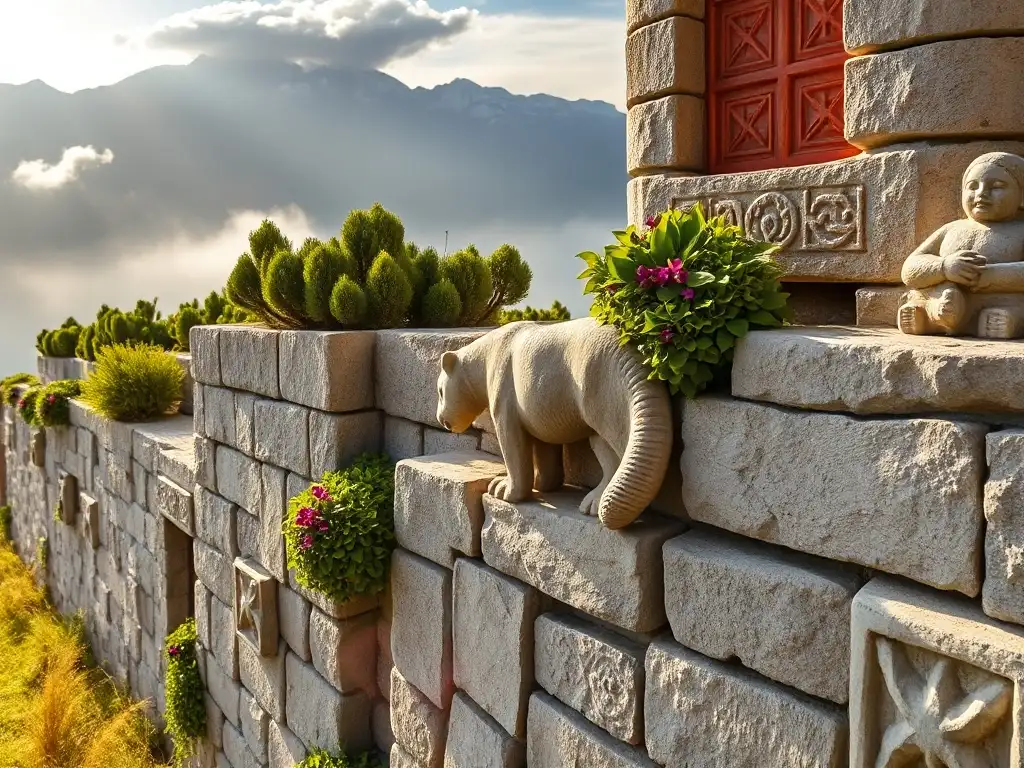
Dive into the captivating world of Andean Civilizations, where mysteries unfold and ancient wonders await. From the towering heights of Machu Picchu to the intricate artistry of Nazca lines, prepare to be amazed. But first, let's unravel the enigma of Inca stone carving techniques—a mastery so precise, it defies explanation. Discover how these seemingly impossible feats of engineering and artistry were achieved, and unlock the secrets hidden within the stones themselves. Prepare to be astonished...
The Inca Empire, renowned for its sophisticated social structures and impressive feats of engineering, left behind a legacy of breathtaking artistry. While their mastery of gold and silver work often takes center stage, the Inca's skill in stone carving remains a captivating enigma, representing far more than mere decoration. This article delves into the intricate techniques employed by Inca artisans, exploring the precision, artistry, and symbolic significance embedded within their stone creations.
We will uncover the secrets behind their remarkable achievements, examining the tools, processes, and the profound cultural context that shaped this enduring aspect of Inca heritage. From the colossal structures of Machu Picchu to the meticulously carved details of smaller artifacts, the Inca's stone carving techniques offer a unique window into their worldview and their unparalleled ability to harness both natural resources and human ingenuity.
Understanding these techniques allows us to appreciate the depth and complexity of Inca civilization, moving beyond superficial observations to uncover the true artistry and cultural significance behind their stonework. This exploration will cover various aspects of Inca stone carving, including the sourcing of materials, the tools used, and the artistic styles employed, ultimately revealing the sophistication and innovation behind this remarkable craft.
Sourcing and Selection of Stones
Inca stone carvers demonstrated an impressive understanding of geology and material science. They carefully selected stones based on their durability, aesthetic qualities, and availability. Granite, andesite, and basalt were favored for their strength and resistance to weathering, ensuring the longevity of their monumental structures.
The selection process was not arbitrary; specific quarries were identified and utilized for particular projects, suggesting a sophisticated logistical system for transporting these massive stones across challenging terrain. Evidence suggests that the Incas possessed detailed knowledge of the geological properties of different stones, choosing materials best suited for specific applications, from the massive blocks used in fortress walls to the finely detailed carvings found in temples and palaces. This careful selection process underscores the meticulous planning and execution that characterized Inca construction projects.
The quality of the stone itself was paramount, influencing not only the structural integrity of the buildings but also the overall aesthetic effect. Furthermore, the color and texture of the stone could also have held symbolic meaning, adding another layer of complexity to the selection process.
Tools and Techniques of Inca Stone Carving
The precision of Inca stonework is truly astonishing. While the exact tools used are not always definitively known, archaeological evidence reveals a sophisticated array of implements, including stone hammers, chisels, and abrasives. The process likely involved a combination of techniques, starting with rough shaping using larger tools, followed by finer detailing with smaller, more precise instruments.
The incredibly tight fits of stones in Inca structures suggest a remarkable level of accuracy and control, with some stones fitting together so seamlessly that even a knife blade cannot be inserted between them. This level of precision indicates a mastery of both stoneworking techniques and a deep understanding of the properties of the materials they were using. The use of water and potentially abrasive materials like sand played a crucial role in smoothing and polishing the finished surfaces.
The tools, while seemingly simple, were skillfully employed to achieve a level of sophistication rarely seen in other ancient civilizations. Further research and analysis of existing tools and structures is needed to fully understand the nuanced techniques utilized.
The Symbolic Significance of Inca Stone Carving
Beyond their technical prowess, Inca stone carvings held profound symbolic meaning within their culture. Many carvings depict religious figures, animals, and geometric patterns, reflecting the Inca worldview and cosmology. The intricate designs were not simply decorative; they conveyed complex narratives, beliefs, and social hierarchies.
For example, the representation of specific animals or deities could indicate the importance of particular clans or the status of the individuals depicted. The use of particular motifs and patterns could also relate to agricultural cycles, astronomical events, or other significant aspects of Inca life. Analyzing these symbolic elements provides valuable insights into the religious beliefs, social structures, and worldview of the Inca Empire.
The deeper meaning embedded within these seemingly simple carvings enhances our understanding of the rich tapestry of Inca culture and its enduring legacy. Further research is needed to fully decipher the complex symbolism encoded in these remarkable works of art. The study of Inca iconography remains a vibrant field of ongoing research.
The Enduring Legacy of Inca Stone Carving
The legacy of Inca stone carving continues to inspire awe and wonder centuries later. The precision, artistry, and symbolic significance embedded within their stone creations offer a unique window into their culture and worldview. Their mastery of stone carving techniques remains a testament to their ingenuity and dedication.
The structures they built, from imposing fortresses to intricately carved temples, stand as enduring monuments to their advanced civilization. Studying these techniques not only allows us to appreciate the artistic achievements of the Inca but also provides valuable insights into their engineering prowess, social structures, and religious beliefs. The preservation and study of Inca stone carving are crucial for understanding the rich history and cultural heritage of the Andes region.
The ongoing research and preservation efforts ensure that this remarkable legacy will continue to inspire and educate generations to come. The enduring appeal of Inca stonework underscores its importance as a significant cultural artifact and a testament to human creativity and ingenuity.
- Sourcing and Selection of Stones
- Tools and Techniques of Inca Stone Carving
- The Symbolic Significance of Inca Stone Carving
- The Enduring Legacy of Inca Stone Carving
Unveiling the Mastery of Inca Stone Work
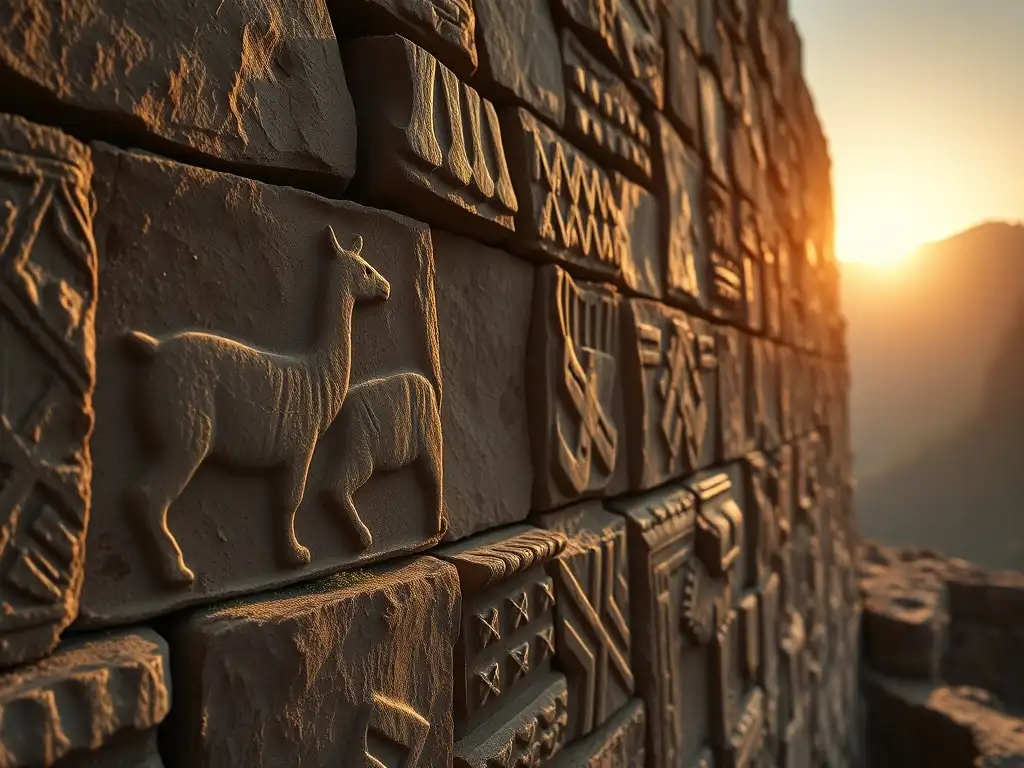
This section delves into the remarkable precision and artistry of Inca stone carving techniques, exploring the methods employed and the cultural significance embedded within their creations. We'll move beyond the aesthetic appreciation to understand the engineering prowess and symbolic meaning inherent in this ancient craft. The Inca's mastery of stonework wasn't merely decorative; it was fundamental to their worldview and societal structure.
Their skills in quarrying, shaping, and fitting stones remain a testament to their advanced technological capabilities and profound understanding of their environment. Analyzing Inca stone carving techniques reveals not only artistic talent but also a sophisticated understanding of engineering, logistics, and resource management. The sheer scale of some projects, like Machu Picchu, underscores the organizational complexity required to execute such ambitious undertakings.
The Significance of Stone in Inca Culture
Stone held profound symbolic weight within Inca cosmology. It represented permanence, strength, and the connection to the earth, the Pachamama. The carefully selected stones, often sourced from distant quarries, weren't just building materials; they were imbued with spiritual significance.
The meticulous selection process, the precise cutting and fitting, and the eventual placement in structures reflected a deep respect for the material and its inherent power. This reverence is evident in the intricate carvings and the deliberate arrangement of stones, suggesting a deliberate attempt to harmonize the built environment with the natural world. Consider, for example, the perfectly fitted stones of Sacsayhuamán – a testament to the Inca's understanding of both stone's physical properties and its spiritual essence.
The act of shaping and placing these stones was not simply a construction process; it was a ritualistic act, connecting the Inca people to the ancestral spirits and the forces of nature. The use of specific types of stone, their color and texture, might have also carried additional symbolic meanings, though further research is needed to fully decode this aspect of Inca stone carving techniques.
Inca Stonework: Beyond Simple Decoration
Inca stone carving techniques were far more sophisticated than simply decorative. While the intricate carvings and designs undoubtedly served aesthetic purposes, they also played crucial roles in structural integrity and symbolic representation. The precision of the cuts, the absence of mortar in many constructions, and the ingenious interlocking of stones speak to an advanced understanding of engineering principles. This precision wasn't accidental; it was the result of specialized tools, meticulous planning, and a highly skilled workforce.
Evidence suggests the use of copper and bronze tools, alongside potentially more advanced techniques we're still uncovering. The famously tight fits of the stones, sometimes described as "impossible joins," were achieved through a combination of precise cutting, skillful shaping, and potentially the use of techniques that subtly altered the stone's properties. Furthermore, the patterns and carvings themselves often held symbolic meanings, reflecting Inca mythology, cosmology, and social structures. These weren't just random designs; they were carefully planned elements that contributed to the overall meaning and purpose of the structure.
The ability to execute such intricate and precise work on a monumental scale points to a highly organized society with a sophisticated understanding of both art and engineering. Further research into Inca stone carving techniques could reveal even more surprising aspects of their technological prowess and cultural beliefs. The ongoing study of these techniques continues to challenge our understanding of ancient Andean civilizations and their capabilities.
Inca Stone Carving Techniques: A Deep Dive
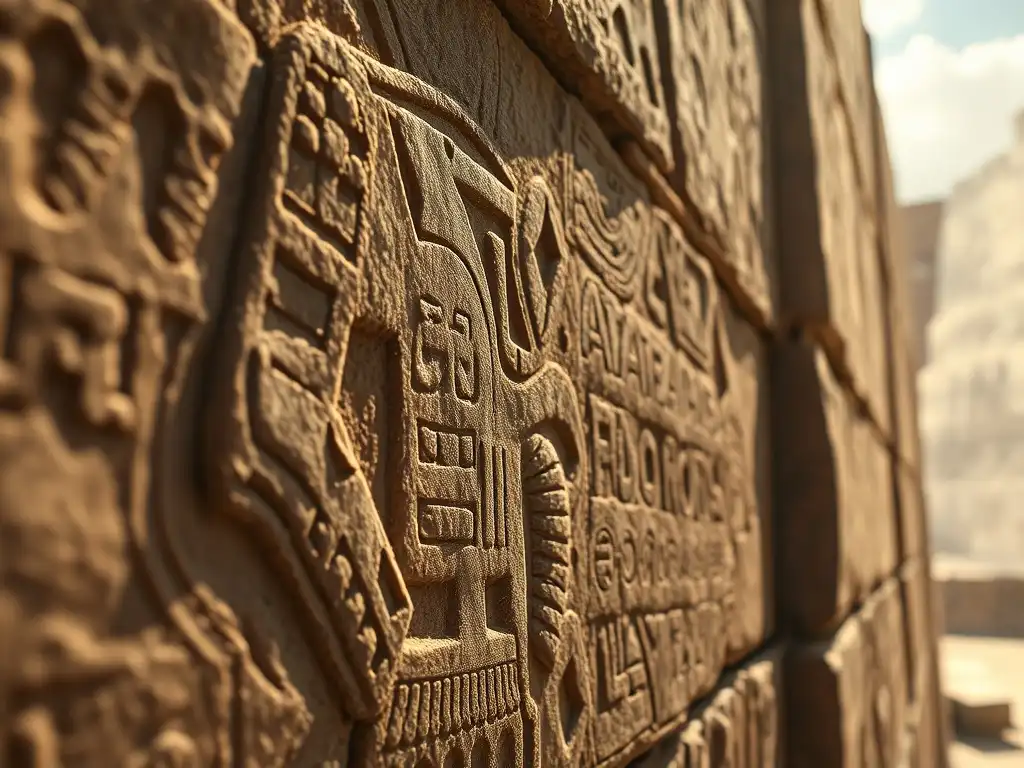
The mastery of Inca stone carving techniques remains a source of fascination and wonder for archaeologists and historians alike. Their ability to create intricate and massive structures, such as Machu Picchu, using only rudimentary tools speaks volumes about their ingenuity and engineering prowess. Understanding these techniques requires examining the tools employed, the processes involved, and the sheer scale of their achievements.
This section delves into the specifics of Inca stone carving, focusing on the methods used to shape and refine the iconic stones that define their civilization. The precision and artistry evident in their work are a testament to their advanced understanding of stone manipulation, far surpassing mere decoration.
Copper Chisels and Stone Hammers
One of the most striking aspects of Inca stone carving is the apparent simplicity of their tools. While they lacked iron tools, their use of copper chisels and stone hammers was surprisingly effective. Archaeological evidence suggests that copper, a relatively soft metal, was carefully shaped and hardened through a process of hammering and annealing to create durable chisels capable of shaping even the hardest stones.
These chisels, often found in various sizes and shapes, were likely used for initial shaping and rough carving. The stone hammers, usually made from hard igneous rocks like andesite, were used for both roughing out the stones and for finer chipping work.
The effectiveness of these tools wasn't solely dependent on the materials. The Inca stone carvers demonstrated a remarkable understanding of percussion techniques. By carefully controlling the angle and force of each blow, they could achieve a surprising degree of precision. The process was undoubtedly time-consuming and labor-intensive, demanding significant skill and patience from the artisans.
The surviving examples of their work, however, demonstrate their incredible mastery of these seemingly basic tools. Furthermore, the variation in chisel shapes suggests a sophisticated understanding of how different tools could be used to achieve different effects. For example, broader chisels were likely used for removing larger volumes of stone, while narrower chisels were employed for more delicate details.
Abrasion and Polishing with Sand and Water
After the initial shaping with chisels and hammers, the Inca carvers employed a process of abrasion and polishing to refine the stone surfaces. This involved using various grades of abrasive materials, primarily sand and water. The sand, sourced from nearby rivers and streams, provided the abrasive particles necessary to smooth and shape the stone. The water acted as a lubricant, reducing friction and preventing the sand from clogging the stone's pores.
The process involved rubbing the stone surfaces with sand-water mixtures, using different-sized sand particles depending on the level of refinement required. This process could range from rough grinding, to achieve a relatively flat surface, to extremely fine polishing, resulting in an almost mirror-like finish. The patience and skill required for this process are evident in the incredibly smooth and polished surfaces of many Inca stone carvings.
This meticulous attention to detail highlights the high value placed on craftsmanship within Inca society. Imagine the hours spent achieving such perfection, a testament to their dedication and artistic vision. The remarkable precision of their work, even on massive stone blocks, is a testament to their advanced techniques and understanding of material properties.
The Use of Inclined Planes and Levers
Moving and positioning the massive stone blocks used in Inca structures was a significant engineering feat, requiring the application of clever mechanical principles. While the specifics remain somewhat debated, evidence suggests the extensive use of inclined planes and levers. Inclined planes, essentially ramps, were constructed to reduce the effort required to lift and move heavy stones. The steeper the incline, the more force was required, but the shorter the distance. The Inca expertly managed this balance, creating ramps with gradients suited to the weight and size of the stones they were moving.
Levers, simple machines employing a fulcrum, were also crucial. By applying force to one end of a lever, the Inca could amplify the force at the other end, making it possible to maneuver heavy stones with relatively little effort. The combination of inclined planes and levers allowed them to transport and position incredibly large stones with precision and efficiency.
The sheer scale of some Inca constructions, such as the massive stones at Ollantaytambo, underscores their advanced understanding of mechanics and their ability to overcome significant logistical challenges. The lack of animal power only underscores the sophistication of their techniques and the power of human ingenuity and collective effort.
Architectural Marvels of Inca Stonework
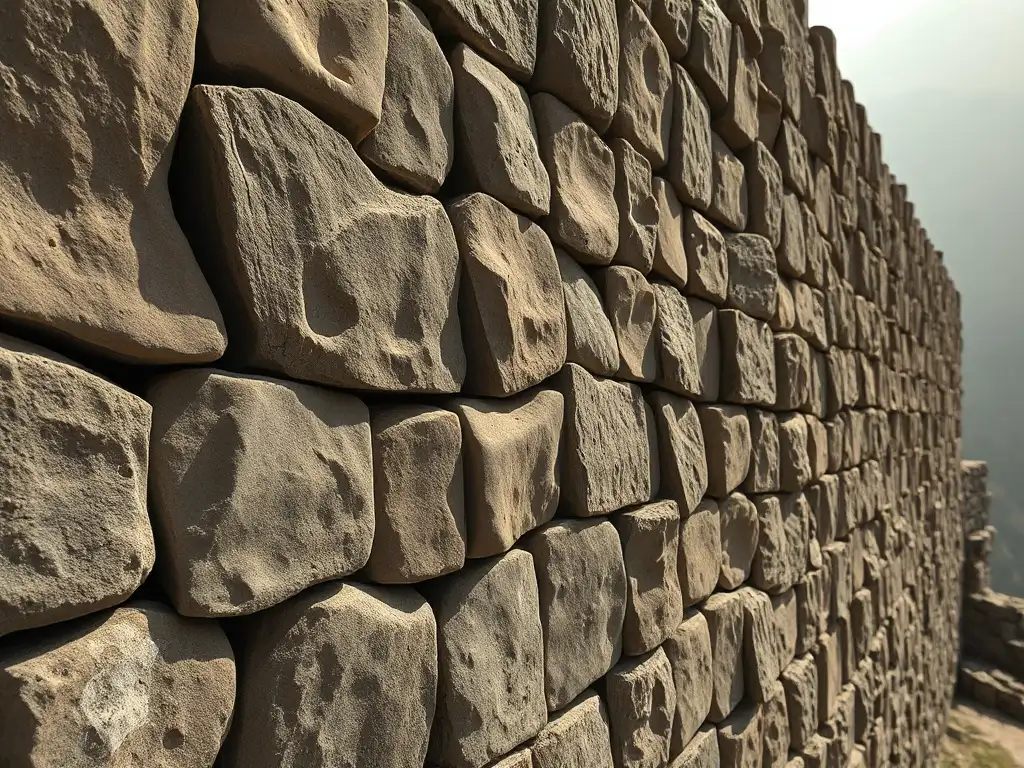
The Inca Empire's legacy extends far beyond its political and social structures; it's profoundly imprinted in its breathtaking architecture, a testament to unparalleled mastery of Inca stone carving techniques. Their ability to shape colossal stones with such precision and seamlessly integrate them into monumental buildings remains a source of wonder and ongoing study. The sheer scale and complexity of these projects, achieved without iron tools or wheeled vehicles, highlights an advanced understanding of engineering and a deep connection to their environment.
The precision and artistry exhibited in Inca stonework are not merely decorative; they reflect a sophisticated understanding of structural integrity, seismic activity, and spiritual symbolism. This section will delve into the specific techniques and remarkable features of Inca stone architecture.
Ashlar Masonry: Precision and Resilience
Inca stone masons perfected the art of ashlar masonry, a technique involving the precise cutting and fitting of large, rectangular blocks of stone. These blocks, often weighing several tons, were meticulously shaped to interlock without the use of mortar. The fit is so precise that even a knife blade cannot be inserted between the stones. This incredibly tight fit, achieved through meticulous planning and execution, provided exceptional structural resilience.
It allowed Inca structures to withstand earthquakes and the test of time, a testament to the ingenuity of their building methods. The quality of the stonework varied depending on location and the importance of the structure. For instance, the stones used in Cusco, the Inca capital, are generally smaller and more irregularly shaped than those found in sites like Sacsayhuamán, where enormous blocks were employed. The selection of the stone itself, its preparation, and the cutting techniques all contributed to the overall strength and longevity of the structures.
Analysis of the stone surfaces often reveals subtle tool marks, providing valuable insights into the tools and methods used. The precise nature of this work, especially considering the lack of advanced tools, suggests a highly skilled and organized workforce. This level of expertise and the careful selection of materials ensured that their structures would endure for centuries.
Trapezoidal Doorways and Niches
A distinctive feature of Inca architecture is the widespread use of trapezoidal doorways and niches. These are not merely aesthetic choices; they reflect a deliberate design philosophy. The trapezoidal shape, subtly tapering inwards, is believed to have symbolic significance, possibly representing mountain peaks or even mirroring celestial alignments. The precision with which these shapes were carved into the stone is remarkable, further highlighting the skill of the Inca masons.
Furthermore, the niches, often incorporated into walls, served practical and possibly ritual purposes. Some scholars suggest they were used for storage, while others propose a ceremonial function, possibly housing offerings or sacred objects. The size and placement of these niches varied depending on the building's purpose and location.
Detailed studies of these features are crucial to understanding the complexities of Inca beliefs and practices. Further research, including [specific information pending on the analysis of niche contents], could illuminate the role of these architectural details in Inca society. The consistent use of this distinctive shape across numerous sites across the empire points to a standardized architectural style, potentially reflecting a centralized control over construction practices.
The Functionality and Sacredness of Inca Structures
Inca architecture wasn't just about aesthetics; it was deeply intertwined with functionality and spirituality. Structures were carefully oriented to take advantage of natural features and to align with astronomical events. For example, many buildings were strategically positioned to capture sunlight at specific times of the year, potentially reflecting the importance of solar cycles in Inca cosmology.
The integration of water channels and sophisticated drainage systems within the structures further highlights the practical considerations that went into their design. These systems not only managed water efficiently but also likely played a symbolic role, reflecting the reverence for water in Inca culture. The very placement of buildings within the landscape, often integrated with natural features like mountains and rivers, suggests a holistic approach to architecture, where buildings were not merely structures but integral parts of a sacred ecosystem.
The close relationship between the built environment and the natural world demonstrates a profound understanding of the environment and a harmonious coexistence with it. The enduring strength of Inca structures, combined with their symbolic and spiritual significance, underscores the profound legacy of their Inca stone carving techniques and their impact on the Andes region. This sophisticated blend of practical and spiritual considerations demonstrates a holistic approach to architecture that continues to fascinate and inspire.
Symbolic Meanings Behind Inca Stone Carvings
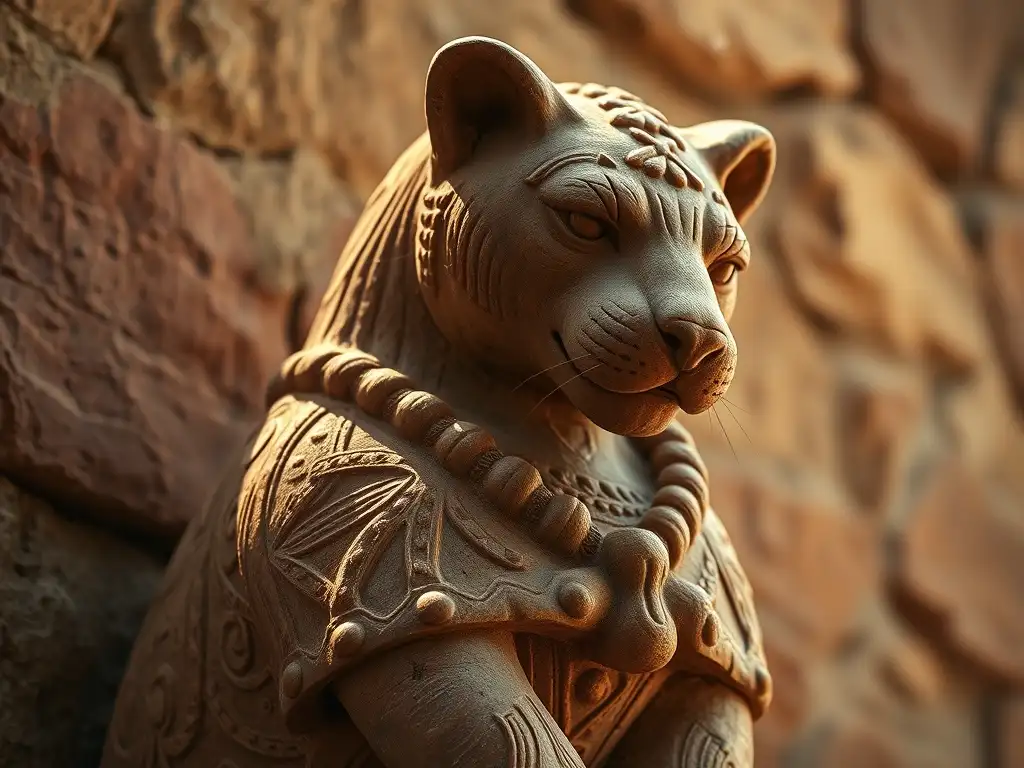
Inca stone carving techniques were far more sophisticated than mere decoration; they were a powerful means of communication, conveying complex religious beliefs, social structures, and historical narratives. Understanding these symbolic meanings unlocks a deeper appreciation for the artistry and ingenuity of the Inca civilization. The precise methods employed, from the selection of stone to the final polishing, contributed significantly to the enduring power of these carvings. We'll explore some key symbolic elements frequently found in Inca stonework.
Animal and Anthropomorphic Motifs in Inca Art
Animal and anthropomorphic representations are pervasive in Inca stone carvings. These aren't simply aesthetic choices; they hold profound religious and cultural significance. For instance, the puma, a powerful symbol of strength and royalty, frequently appears in carvings associated with Inca rulers. Its depiction often incorporates elements of human features, creating a hybrid form that reflects the Inca worldview blending human and animal realms. Similarly, the condor, representing the upper world and divine power, and the snake, associated with fertility and the underworld, are recurring motifs.
The careful observation of these motifs reveals subtle variations in their representation. Size, posture, and accompanying elements (like stylized plants or geometric patterns) all contribute to the overall meaning. For example, a small, submissive puma might symbolize a conquered enemy, while a large, majestic one signifies royal power.
Further research into specific examples is needed to fully understand the nuances of these variations [specific information pending on regional variations in animal representations]. Detailed analysis of individual carvings, including those found in Machu Picchu and Sacsayhuamán, is crucial to fully understanding the symbolic language embedded within them. The use of Inca stone carving techniques in these locations show a mastery over the stone itself.
The Inti God and Pachamama in Inca Stone Art
The sun god, Inti, and the earth goddess, Pachamama, are central figures in Inca mythology and are frequently represented in stone carvings. Inti is often depicted as a sun disc, sometimes with radiating rays or human-like features. His presence in carvings usually indicates a connection to royal power and legitimacy, as the Inca emperors claimed divine descent from the sun god. The intricate Inca stone carving techniques used to depict Inti show a high level of skill and attention to detail.
Pachamama, on the other hand, is frequently represented through stylized depictions of mountains, agricultural fertility symbols, and sometimes by female figures. Her representation in stone carvings often reflects the importance of agriculture and the earth's bounty in Inca society. The careful positioning of these carvings within agricultural terraces or sacred sites further emphasizes their significance. The combination of Inti and Pachamama in a single carving suggests a cosmic balance, reflecting the Inca understanding of the interconnectedness of the heavens and the earth.
Inca stone carving techniques were also employed to visually represent social hierarchy and royal authority. Specific symbols, such as the tocapu (a royal headdress) or the tasca (a ceremonial staff), frequently appear in carvings associated with the Inca elite. The size and prominence of these symbols often correlate with the status of the individual or deity being represented. Larger, more elaborately carved figures indicate higher social standing.
Furthermore, the placement of carvings within Inca structures also reflects social hierarchy. Carvings depicting royal figures or deities were typically located in prominent positions within palaces or temples, while those representing commoners or everyday life were often found in less conspicuous locations. Analyzing the distribution of these carvings within Inca cities like Cusco provides crucial insights into the social and political structures of the empire.
The precision and skill demonstrated in the Inca stone carving techniques are evident in the intricate details and the consistent representation of hierarchical relationships across various sites. The careful study of these carvings offers a window into the complex social dynamics of the Inca civilization.
The Legacy of Inca Stone Carving
The legacy of Inca stone carving extends far beyond the breathtaking ruins scattered across the Andes. It represents a sophisticated understanding of engineering, artistry, and a deep connection to the Andean landscape. The precision and scale of Inca stonework continue to inspire awe and wonder, prompting ongoing research into their techniques and the cultural significance of their creations. Understanding Inca stone carving techniques is crucial to appreciating the ingenuity and artistry of this remarkable civilization.
The impact of their mastery of stone is still felt today, influencing modern architectural and artistic practices in unexpected ways. Their ability to shape massive stones with such accuracy and create intricate designs continues to be a source of fascination and debate among archaeologists and historians alike. The sheer scale of projects like Machu Picchu and Sacsayhuamán underscores the immense organizational capabilities of the Inca Empire and their profound respect for the natural world.
Inca Stone Craftsmanship: A Lasting Influence
Inca stone craftsmanship wasn't merely decorative; it was deeply symbolic and functional. The precision with which stones were cut, fitted, and assembled speaks volumes about their advanced understanding of geometry and engineering. The absence of mortar in many structures, the incredibly tight fits between stones (often tighter than a human hair! ), and the complex designs carved into the stone surfaces all point to a highly skilled workforce and sophisticated tools.
Furthermore, the choice of stone varied depending on the intended use and location. For instance, harder, more durable stones were favored for structures requiring greater strength, while softer stones might have been used for intricate carvings or decorative elements. The lasting influence of this craftsmanship is evident in the enduring structures themselves, which have withstood centuries of earthquakes and weathering. Even today, many Inca structures stand as testaments to the durability and artistry of their construction.
Studies of Inca stone carving techniques reveal not only their remarkable skill but also their deep understanding of the properties of stone and its capacity to express cultural values. This knowledge was passed down through generations, shaping the artistic and architectural landscapes of the Andes for centuries. The legacy of Inca stone carving techniques continues to inspire architects and engineers today, who seek to understand and replicate their achievements in modern construction.
Conservation Efforts at Machu Picchu and Sacsayhuamán
The preservation of Inca stonework is a significant undertaking, demanding careful and specialized techniques. At sites like Machu Picchu and Sacsayhuamán, conservation efforts focus on stabilizing existing structures, mitigating environmental damage, and preventing further deterioration. This involves meticulous cleaning, the careful removal of vegetation that can damage the stone, and the implementation of protective measures against erosion and weathering.
The challenges are immense, given the age and fragility of the structures, the harsh Andean climate, and the sheer volume of stonework involved. Modern techniques, informed by ongoing research into Inca stone carving techniques, are employed to minimize disruption while effectively preserving these invaluable historical landmarks. For example, specialized adhesives and consolidants are used to strengthen weakened stones, and innovative methods are being developed to protect the stone from the damaging effects of rainfall and temperature fluctuations.
These conservation efforts are not only crucial for preserving the physical structures but also for protecting the cultural heritage they represent. The ongoing work at Machu Picchu and Sacsayhuamán serves as a model for the preservation of other ancient sites worldwide, highlighting the importance of understanding the original construction techniques to ensure their long-term survival. The meticulous approach to conservation reflects the profound respect for the cultural significance of these sites and the desire to ensure their accessibility for future generations.
Dating Techniques and New Interpretations of Inca Stonework
Dating Inca stonework presents unique challenges. Traditional methods such as radiocarbon dating are not always applicable, necessitating the use of other techniques such as stylistic analysis, stratigraphic analysis, and the study of associated artifacts. Recent advancements in scientific dating techniques, such as luminescence dating, are providing new insights into the chronology of Inca construction and the evolution of their stone carving techniques. These techniques offer a more precise timeline for the construction of various Inca sites, allowing for a more nuanced understanding of the empire's expansion and its architectural development.
Furthermore, new interpretations of Inca stonework are emerging based on ongoing research and the application of these advanced dating methods. These reinterpretations often challenge previously held assumptions about Inca society and its organization, providing a richer and more complex picture of their culture. For example, the discovery of previously unknown workshops or quarries could shed light on the logistical challenges involved in the construction of monumental structures.
The ongoing research into Inca stone carving techniques and the application of new dating methods promise to continue to reshape our understanding of this remarkable civilization. The integration of scientific analysis with historical and archaeological evidence is crucial for a more complete and accurate interpretation of Inca stonework and its significance within the broader context of Andean history. This ongoing process of discovery and reinterpretation underscores the enduring fascination with Inca civilization and its remarkable achievements.
Frequently Asked Questions
What makes Inca stone carving so unique?
Inca stone carving is unique due to its exceptional precision and fit without mortar. The massive scale of some structures and the intricate detail are also remarkable.
What tools did the Inca use for stone carving?
Inca artisans likely used stone hammers, chisels, and abrasives like sand and water to shape the stone. The exact methods remain a subject of ongoing research and debate.
How did the Inca achieve such precise stonework?
The Inca's precise stonework is attributed to a combination of advanced planning, sophisticated tools, and a deep understanding of stone properties. The level of precision remains a source of fascination.
Beyond decoration, what was the purpose of Inca stone carving?
Inca stone carving served religious, ceremonial, and practical purposes. It was used to create temples, palaces, and fortifications, reflecting both spiritual beliefs and engineering skill.
What are some examples of famous Inca stone carving?
Famous examples include the walls of Sacsayhuamán near Cusco, Ollantaytambo's intricate stonework, and the precisely fitted stones at Machu Picchu. These sites showcase the mastery of Inca stone carving techniques.
Final Reflection: Echoes of the Andes: A Legacy in Stone
The precision and artistry of Inca stone carving remain a testament to a civilization's ingenuity and enduring spirit, a legacy that continues to inspire awe and wonder today. These techniques, far from being mere decorative flourishes, represent a profound understanding of engineering, societal structure, and the very relationship between humanity and the natural world. The meticulous craftsmanship visible in surviving structures speaks volumes about the dedication and skill of the Inca people.
The impact of Inca stone carving extends far beyond the physical structures themselves; it resonates deeply within the cultural landscape of Peru and beyond. The enduring mystery surrounding their techniques, the sheer scale of their achievements, and the enduring beauty of their work continue to captivate researchers and visitors alike. It's a powerful reminder of the human capacity for innovation and the importance of preserving cultural heritage. The past is never dead. It's not even past.
- William Faulkner. This quote perfectly encapsulates the enduring relevance of understanding and appreciating Inca stone carving techniques. Their legacy continues to shape our understanding of history, architecture, and the human spirit.
Consider, for a moment, the intricate details, the perfect fit of stones weighing tons, the sheer scale of the projects undertaken. You too can find inspiration in the dedication and skill of the Inca masters. Take time to appreciate the artistry and precision found in the world around you, whether it's a carefully crafted object or the natural beauty of the landscape. Let the legacy of Inca stone carving inspire you to strive for excellence in your own endeavors, to appreciate the beauty of craftsmanship, and to recognize the enduring power of human creativity.
Unveil the Secrets of Inca Stone Carving Today!
Thank you for exploring the fascinating world of Inca stone carving! You've gained a deeper understanding of the artistry and cultural significance of these ancient masterpieces. Now, let's further connect you with this incredible heritage.
Here are some ways to immerse yourself in the legacy of the Incas:
- Visit a local museum or archaeology exhibit to examine similar stonework and appreciate its artistry firsthand.
- Share your newfound knowledge! Discuss your discoveries with friends, family, or in online communities dedicated to ancient civilizations.
- Explore an archaeological site, either in person or virtually, to experience these wonders and gain a deeper understanding of their historical context and significance.
Now, we'd love to hear from you: What aspect of Inca stone carving most surprised you, and how do you believe it reflects Inca culture and values? Share your thoughts and join the discussion!