
Beyond Gold: Exploring the Diverse Materials of Inca Art

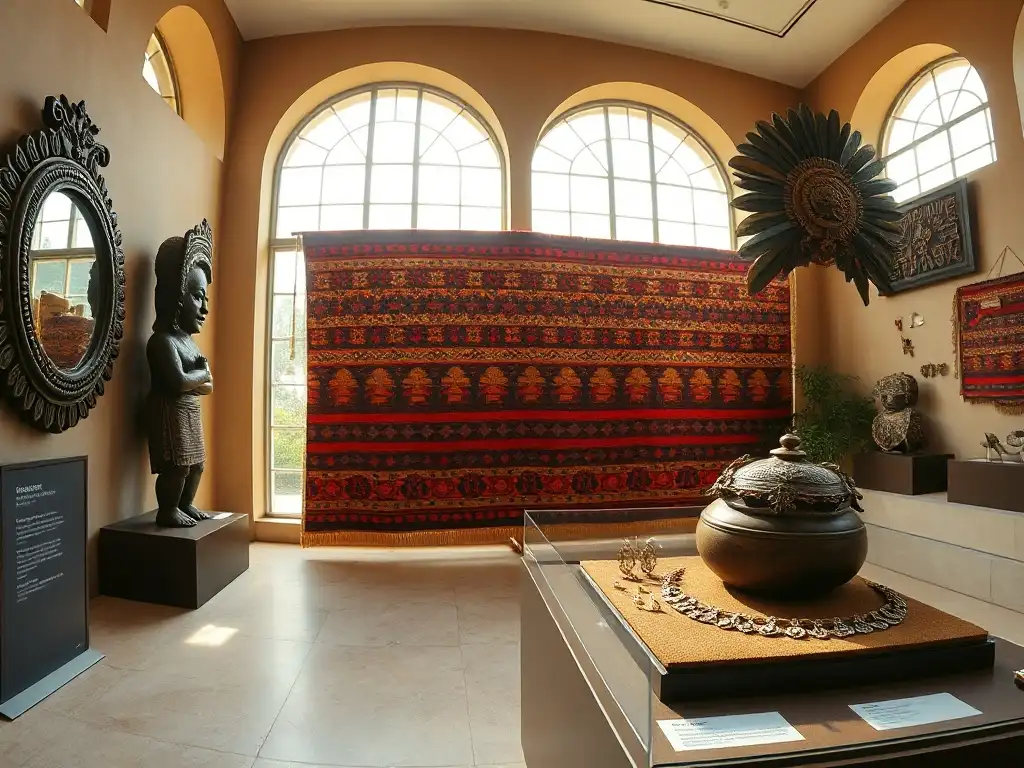
Step into a world lost to time, yet echoing with vibrant life. Imagine the ingenuity of the ancient Andes, where civilizations like the Inca, Moche, and Nazca flourished, leaving behind a legacy of breathtaking artistry. But what really fueled their creative fire? This journey delves into the fascinating realm of Inca art materials, revealing secrets beyond the glittering gold and unveiling the surprising diversity of resources that shaped an empire's artistic expression. Prepare to be amazed.
The Inca Empire, renowned for its sophisticated engineering and intricate social structures, left behind a legacy of breathtaking artistry. While gold often dominates our perception of Inca art, a deeper exploration reveals a remarkably diverse palette of materials employed in their craftsmanship. This article delves into the fascinating world of Inca art materials, moving beyond the glittering allure of gold to uncover the ingenuity and resourcefulness reflected in their use of precious metals, textiles, stone, and other natural resources.
We will examine how these materials, carefully selected and expertly worked, contributed to the unique aesthetic and symbolic power of Inca creations, revealing a complexity and artistry that extends far beyond the shimmering surface of gold. Understanding the diverse materials used by Inca artisans offers a crucial lens through which to appreciate the full scope and sophistication of their artistic achievements and their profound connection to the Andean environment.
The Allure of Inca Art: More Than Just Gold
The image of shimmering gold often overshadows the broader spectrum of materials used in Inca art. While gold undoubtedly held significant symbolic and ritualistic importance, its prominence in our modern understanding is partly due to the survival rate of gold objects compared to more perishable materials like textiles or wood. The Inca’s masterful artistry extended far beyond the manipulation of precious metals; they skillfully utilized a wide range of materials, each chosen for its specific properties and symbolic significance.
This skillful integration of diverse materials showcases a deep understanding of their environment and a sophisticated aesthetic sensibility. The Inca's artistic mastery is not solely defined by the luxury of gold, but by the creative and resourceful utilization of the resources available to them.
Precious Metals in Inca Craftsmanship
Precious metals played a pivotal role in Inca art, symbolizing power, divinity, and the sun's life-giving energy. However, gold was not the only metal valued by the Inca. Silver, copper, and bronze, each with their unique characteristics, contributed significantly to the diverse range of Inca artistic expression.
The Prominence of Gold in Inca Artifacts
Gold, representing the sun god Inti, was highly valued and reserved for elite contexts. Inca goldsmiths achieved remarkable feats of metalworking, creating intricate objects such as intricately detailed masks, ceremonial vessels, and decorative ornaments. Their techniques, including hammering, casting, and soldering, allowed them to create seamless, three-dimensional forms of astonishing delicacy.
The sheer artistry and technical skill involved in these pieces are a testament to the sophistication of Inca metallurgy. The quantity of gold used varied depending on the importance of the object and its intended purpose; larger, more significant pieces naturally employed a greater amount of the precious metal.
Silver and its Role in Inca Art
While gold held a more prominent symbolic position, silver also played a significant role in Inca art. Often associated with the moon, silver was utilized in a variety of objects, including jewelry, utensils, and decorative elements. While less frequently used than gold, silver pieces demonstrate the Inca’s skillful mastery over different metals and their ability to adapt techniques to suit various materials. The use of silver alongside gold showcases a nuanced understanding of material properties and their symbolic resonance. [Specific examples of Inca silver artifacts and their stylistic characteristics pending]
Copper and Bronze: Functional and Decorative Uses
Copper and bronze, though less precious than gold and silver, were essential materials in Inca craftsmanship. Their durability and malleability made them suitable for a wide array of objects, from tools and weapons to decorative items. Bronze, an alloy of copper and tin, allowed for even greater strength and versatility. The Inca's use of copper and bronze highlights their practicality and adaptability, demonstrating a capacity to utilize available resources effectively across various aspects of their society. [Specific data on the composition and techniques used in Inca bronze and copper work pending]
The Importance of Textiles in Inca Culture
Textiles were far more than mere clothing or decoration in Inca society; they were integral to the social, economic, and spiritual fabric of the empire. Textiles represented status, skill, and identity. The intricate weaving techniques and the use of diverse, high-quality materials showcased the Inca's mastery of craftsmanship and their deep connection to their environment.
From the simplest everyday garments to the elaborate tapestries adorning palaces, textiles played a vital role in daily life and ceremonial practices. The quality and type of textile worn often indicated social standing, with finer fabrics and more complex designs reserved for the elite. The production of textiles was a highly organized and regulated activity, with specialized workshops and skilled artisans contributing to the empire's vast textile output.
Moreover, textiles were used in religious ceremonies and were often considered sacred objects, imbued with spiritual significance. The intricate designs and vibrant colors found in Inca textiles offer a window into their cosmology, beliefs, and worldview.
Cotton and Wool: The Basis of Inca Weaving
Cotton and wool formed the foundation of Inca weaving. Cotton, grown in the warmer coastal regions, provided a soft, absorbent, and durable fiber, ideal for clothing worn in the lower altitudes. The Inca developed diverse cotton varieties, each suited to different environmental conditions and purposes. Wool, primarily obtained from llamas and alpacas, was incredibly important for its warmth and its ability to withstand the harsh Andean climate.
These two fibers, often blended together, were meticulously spun into threads of varying thickness and texture, providing the raw material for an astounding variety of textiles. The Inca's mastery of spinning and weaving techniques allowed them to create fabrics of exceptional quality, demonstrating their sophisticated understanding of textile production. Archaeological finds reveal a wide range of cotton and wool textiles, from simple cloths to intricate tapestries, highlighting the versatility of these essential materials.
Alpaca and Vicuña: Luxury Fibers in Inca Textiles
Alpaca and vicuña fibers represented the pinnacle of luxury in Inca textiles. Vicuña, sourced from the wild vicuña, was exceptionally soft, fine, and highly prized, making it a material reserved for the Inca elite and royalty. Alpaca wool, also softer and finer than llama wool, was still considered a luxury item, though more readily available than vicuña. The scarcity and superior quality of these fibers made them symbols of power and prestige.
Garments made from alpaca and vicuña were often intricately woven with complex designs, showcasing the skills of the most talented weavers. These textiles were not only worn but also used in ceremonial contexts and as gifts to solidify alliances and demonstrate power. The production and distribution of these luxurious fibers were strictly controlled, reflecting the importance of these materials within the Inca social hierarchy.
Dyes and Pigments: Creating Vibrant Inca Fabrics
The vibrant colors of Inca textiles were achieved through the skillful use of natural dyes and pigments. A wide range of plant, insect, and mineral sources provided a stunning palette of colors. Cochineal insects, for example, yielded a deep crimson red, while various plants produced yellows, oranges, browns, and greens. The Inca's knowledge of dyeing techniques allowed them to create fast colors that resisted fading and maintained their vibrancy over time.
The preparation and application of dyes were complex processes, reflecting the high level of sophistication in Inca textile production. The colors themselves held symbolic meaning, often associated with specific deities, events, or social status. The careful selection and combination of dyes contributed significantly to the aesthetic and symbolic value of Inca textiles.
Stone as a Medium in Inca Art
Stone played a crucial role in Inca art and architecture, serving as a medium for both artistic expression and monumental construction. The Inca's mastery of stonework is evident in their impressive structures, intricate carvings, and sophisticated engineering feats. Their ability to quarry, shape, and precisely fit massive stones without the use of mortar remains a testament to their advanced technological skills and understanding of engineering principles.
Carved Stone: Inca Sculptures and Monuments
Inca stone carving showcases both technical skill and artistic vision. While large-scale architectural projects often dominated, smaller-scale sculptures and carvings also existed. These ranged from intricately carved figures representing deities or ancestors to smaller decorative elements used in architectural embellishments. The precision and detail evident in these carvings demonstrate a high level of artistry and craftsmanship. Often, these carvings incorporated religious symbols or motifs, reflecting the deep spiritual significance of stone in Inca culture. While many examples have been lost to time and looting, surviving pieces offer glimpses into the diverse range of artistic expression within the Inca empire.
The Use of Andesite and Granite in Inca Constructions
Andesite and granite were two of the primary stones used in Inca construction. These durable and readily available materials were ideally suited for the construction of monumental buildings, temples, and fortifications. The Inca's ability to quarry, transport, and precisely fit these massive stones—often with minimal tools—is a remarkable feat of engineering and organizational skill.
The use of andesite and granite reflects the Inca's understanding of the properties of different stones and their ability to select the most appropriate material for specific construction purposes. The precision and durability of Inca stonework are evident in the many surviving structures that stand as a testament to their enduring legacy.
Obsidian: A Sharp Material for Tools and Art
Obsidian, a volcanic glass, was highly valued by the Inca for its sharpness and ability to be finely worked. It was primarily used for creating tools, such as knives, blades, and arrowheads, but it was also used in a limited capacity for decorative purposes. The sharp edges of obsidian made it an effective material for cutting and shaping other materials, while its glassy surface allowed for a degree of polish, making it suitable for certain artistic applications.
While not as prevalent as stone in larger-scale constructions, obsidian's unique properties made it a valuable resource for the Inca. The production and use of obsidian tools and artifacts offer insights into the Inca's technological capabilities and their adaptation to the diverse resources available in their environment.
Ceramics and Pottery in the Inca World
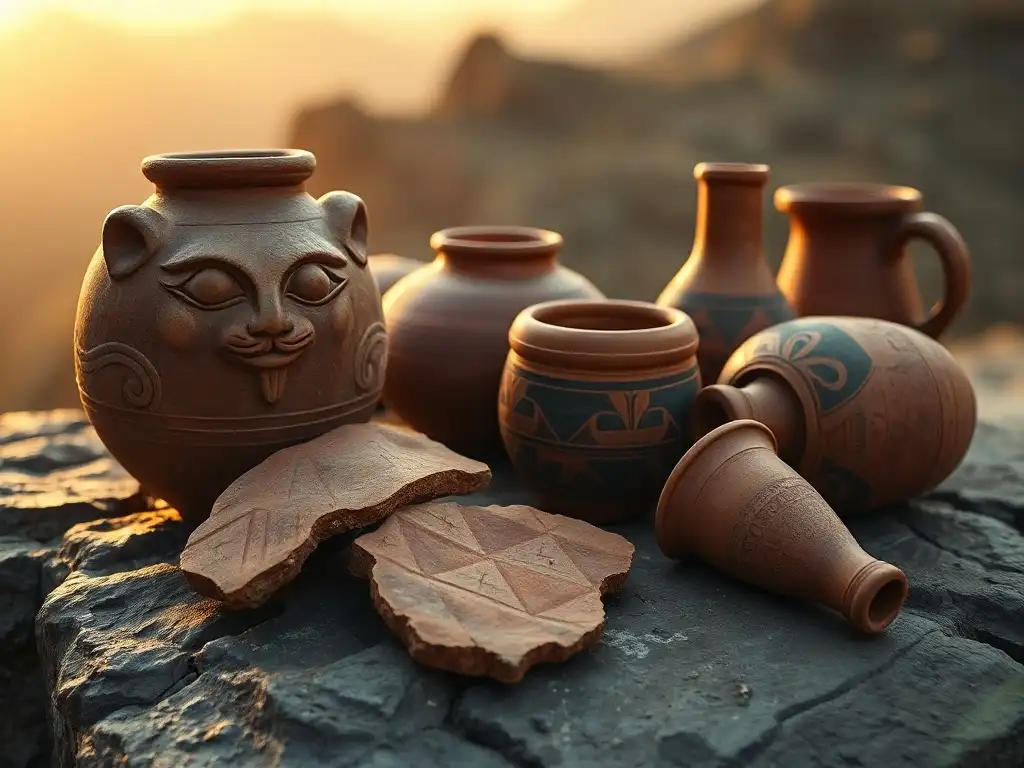
The Inca Empire, renowned for its mastery of metalwork and textiles, also demonstrated remarkable skill in ceramics and pottery. While perhaps overshadowed by the glittering gold and silver, Inca pottery offers a unique window into their daily life, religious beliefs, and artistic capabilities. The production and use of ceramics were widespread throughout the empire, showcasing regional variations while maintaining a cohesive stylistic identity. The quality of Inca pottery varies considerably, reflecting the different levels of craftsmanship and the intended use of the pieces.
Some pieces are highly refined and intricately decorated, while others are more utilitarian and simply functional. This diversity in quality and style underscores the importance of ceramics within Inca society, catering to both elite and commoner needs. The study of Inca ceramics provides invaluable insights into the social stratification and economic organization of the empire.
Clay and its Versatility in Inca Art
The foundation of Inca pottery was clay, a readily available material throughout the Andes. The Incans skillfully exploited the diverse clay deposits, understanding the properties of different clays and adapting their techniques to achieve specific results. For example, different clays would produce varying colors and textures, allowing for a wide range of aesthetic choices. The selection of clay was crucial; its quality directly impacted the final product's durability, color, and overall aesthetic appeal.
The Incans' ability to refine and manipulate clay, combined with their sophisticated firing techniques, allowed them to create everything from robust storage jars to delicate figurines. The versatility of clay in Inca hands is a testament to their artistic ingenuity and practical understanding of materials. Further research into specific clay sources and their impact on regional pottery styles would greatly enhance our understanding of Inca ceramic production.
Inca Pottery Forms and Decoration Techniques
Inca pottery displays a remarkable variety of forms and decorative techniques. Common forms included large storage jars ( aríbalos), smaller bowls and plates, and intricately shaped vessels used in ceremonies. Decorative techniques were equally diverse, ranging from simple geometric patterns to complex scenes depicting mythological figures or everyday life. Common decorative motifs included stylized animals, geometric designs, and representations of plants.
The application of slip (a liquid clay suspension) provided a smooth surface and allowed for the application of vibrant colors, often achieved through the use of natural pigments derived from minerals and plants. Polychrome pottery, featuring multiple colors, was particularly prized and often associated with elite contexts. The precision and artistry in Inca pottery decoration highlight the skill and dedication of the artisans.
The Role of Ceramics in Inca Daily Life and Rituals
Ceramics played a significant role in both the daily life and religious rituals of the Inca people. Utilitarian pottery, such as cooking pots, storage jars, and drinking vessels, was essential for everyday life. The shapes and sizes of these vessels varied according to their intended use, reflecting a practical understanding of functionality and efficiency. Beyond everyday use, ceramics featured prominently in religious ceremonies and funerary practices.
Elaborately decorated vessels were often used to present offerings to the gods, while smaller figurines served as symbolic representations of deities or ancestors. The presence of ceramics in burials provides valuable insights into Inca beliefs about the afterlife. The careful placement of specific pottery types within tombs suggests a complex system of beliefs and practices surrounding death and burial.
Wood and Other Organic Materials in Inca Art
While less durable than ceramics or metal, wood and other organic materials played a crucial role in Inca art and craftsmanship. The Andean region boasts a rich diversity of wood species, each with its own unique properties. The Incans skillfully utilized these diverse resources, adapting their techniques to the specific characteristics of each type of wood.
This careful selection and adaptation of materials showcase the Incans’ deep understanding of their environment and their ability to harness its resources for artistic expression. The scarcity of surviving examples, however, presents a challenge for researchers seeking to fully understand the scope and significance of wood in Inca art.
Wood Carvings and Ritual Objects
Inca wood carvings, though relatively rare due to the perishable nature of the material, reveal a high level of skill and artistic sophistication. Surviving examples often depict stylized animals, human figures, and intricate geometric patterns. Many wood carvings served a ritualistic purpose, functioning as ceremonial objects, idols, or parts of larger structures. The scarcity of surviving examples underscores the ephemeral nature of these objects and the challenges inherent in studying this aspect of Inca art. Further research, particularly in areas with favorable preservation conditions, is needed to fully appreciate the extent of Inca wood carving.
Bone and Shell: Secondary Materials in Inca Art
In addition to wood, the Incans also utilized bone and shell in their artistic creations. Bone, often from camelids, was carved into small figurines, tools, and decorative elements. Shell, primarily from marine mollusks, was used to create beads, ornaments, and inlaid decorations for other objects. These materials, while secondary to gold, silver, and ceramics in terms of quantity, offer further evidence of the Incans' resourcefulness and artistic versatility. Their use in jewelry and other decorative items highlights the importance of these materials in Inca society. The specific techniques employed in working bone and shell remain areas of ongoing research.
Feathers and their significance in Inca adornment
Feathers held immense symbolic and ritualistic significance within Inca culture. The vibrant colors and textures of feathers made them ideal for creating elaborate headdresses, cloaks, and other adornments worn by elite members of society. Different bird species held different symbolic values, and the use of feathers in specific garments or ceremonies conveyed specific social and religious meanings. The intricate craftsmanship involved in featherwork showcases the skill and artistry of Inca artisans.
The fragility of feathers, however, makes it difficult to preserve examples, resulting in a limited number of surviving artifacts. Nonetheless, the surviving examples provide compelling evidence of the importance of feathers in Inca adornment and ritual practices. The symbolic meanings associated with different types of feathers remain an active area of scholarly inquiry.
The Significance of Inca Art Materials and Their Sources
The Inca Empire's artistic achievements weren't solely defined by gold, though its use was certainly significant. A deeper understanding of Inca art reveals a sophisticated use of diverse materials, reflecting their ingenuity, resourcefulness, and deep connection to their environment. The choice of materials wasn't arbitrary; it held symbolic meaning and reflected the social and religious context of the artwork.
From the towering stone structures of Machu Picchu to the intricately woven textiles adorning their clothing, the Inca's mastery over various materials showcases their advanced technological capabilities and artistic vision. The careful selection and skillful manipulation of these materials highlight the empire's power and influence. Understanding these materials is crucial to grasping the full complexity and artistry of Inca civilization.
The availability of specific materials often dictated the style and form of the art produced in different regions of the vast Inca Empire. This regional variation is a testament to the adaptability and innovation within Inca artistic practices.
Sourcing Raw Materials in the Inca Empire
The Inca Empire's vast network of roads, known as the Qhapaq Ñan, played a crucial role in facilitating the transport of raw materials. This impressive infrastructure allowed for the efficient movement of resources across the diverse terrains of the Andes, from the coastal deserts to the high-altitude mountains. Stone, for instance, was quarried from specific locations known for their high-quality materials, often transported great distances to construction sites. Similarly, the vibrant colors used in textiles were sourced from various plants and minerals, collected and processed across the empire.
The organization and logistics required for this vast operation demonstrate the sophisticated administrative capabilities of the Inca state. This meticulous sourcing and transportation system ensured that artisans had access to the materials needed for their craft, regardless of their geographical location. The empire's meticulous record-keeping systems likely also played a role in managing this complex network of material acquisition and distribution.
The Labor and Skill Involved in Inca Craftsmanship
Inca craftsmanship was a highly specialized and skilled endeavor, demanding years of training and apprenticeship. Artisans, often organized into specialized workshops, possessed exceptional skills in various techniques, from stone carving and metalworking to weaving and pottery. The intricate details and precision evident in Inca artifacts showcase the dedication and expertise of these individuals. The creation of intricate gold and silver objects, for example, required advanced metallurgical techniques like hammering, casting, and repoussé.
Weaving, too, demanded significant skill, with artisans creating complex patterns and designs using a variety of natural fibers like alpaca and llama wool. The level of skill and precision involved in Inca craftsmanship is a testament to the value placed on artistry within the Inca society. The artisans weren't just laborers; they were respected members of the community, contributing significantly to the cultural and religious life of the empire.
The Social and Cultural Importance of Inca Art Materials
The materials used in Inca art held significant social and cultural importance, often conveying messages of power, status, and religious beliefs. Gold, for instance, was associated with the sun god Inti, and gold objects were often used in religious ceremonies and adorned the bodies of elite individuals. Other materials, like feathers and precious stones, also carried symbolic weight, reflecting the Inca worldview and cosmological beliefs. The use of specific materials in certain contexts reinforced social hierarchies and demonstrated the power of the ruling class.
Textiles, for example, were not merely clothing but also served as indicators of social status and identity. Different types of cloth, weaving techniques, and decorative elements signified an individual’s place within the social structure. The intricate designs and symbols woven into textiles often depicted religious narratives or historical events, further highlighting the cultural importance of these materials.
Legacy of Inca Art Materials: A Lasting Impact
Preserving Inca Art and its Materials
The preservation of Inca art and its materials faces numerous challenges, including the effects of time, environmental factors, and looting. Efforts to preserve these artifacts involve careful conservation techniques, environmental control, and ongoing research into the materials' properties. Museums and archaeological sites play a crucial role in safeguarding these invaluable pieces of history.
The development of new conservation methods and the use of advanced technologies are vital for protecting these fragile artifacts for future generations. Ongoing research into the materials' composition and deterioration processes is also essential for developing effective preservation strategies. International collaboration and the sharing of expertise are crucial for ensuring the long-term preservation of Inca art.
The Influence of Inca Art Materials on Modern Art
The artistry and technical skills demonstrated in Inca art continue to inspire modern artists. The unique textures, colors, and forms found in Inca artifacts have influenced contemporary design and craftsmanship. The use of natural materials and traditional techniques found in Inca art provides inspiration for contemporary artists seeking to create sustainable and ethically sourced artwork.
Contemporary artists often draw inspiration from Inca motifs and patterns, incorporating them into their own work. The vibrant colors and intricate designs of Inca textiles, for instance, have influenced fashion and textile design. The study of Inca art materials offers valuable insights into sustainable practices and innovative techniques that can inform modern artistic practices.
Understanding Inca Culture Through its Materials
The study of Inca art materials offers a unique window into the culture, beliefs, and technological achievements of this remarkable civilization. By analyzing the materials used, their sources, and the techniques employed in their creation, we can gain a deeper understanding of Inca society, its social structures, and its worldview. The careful consideration of these materials provides valuable insights into the Inca's relationship with their environment and their capacity for innovation and artistry.
The use of specific materials in religious contexts reveals insights into their beliefs and spiritual practices. By studying the materials used in Inca art, we can piece together a more complete and nuanced understanding of this fascinating civilization, enriching our knowledge of their history and legacy. Archaeological findings and ongoing research continually shed light on new aspects of Inca material culture, offering fresh perspectives on their artistic practices and cultural significance.
- The Allure of Inca Art: More Than Just Gold
- Precious Metals in Inca Craftsmanship
- The Importance of Textiles in Inca Culture
- Stone as a Medium in Inca Art
- Ceramics and Pottery in the Inca World
- Wood and Other Organic Materials in Inca Art
- The Significance of Inca Art Materials and Their Sources
- Legacy of Inca Art Materials: A Lasting Impact
- What materials did the Inca primarily use for their art?
- How did the Inca's environment influence their art materials?
- What was the significance of gold in Inca art?
- Besides gold, what other metals were important in Inca artistry?
- Where can I learn more about the specific techniques used by Inca artisans?
Frequently Asked Questions
What materials did the Inca primarily use for their art?
While gold is iconic, Inca art utilized a wide range of materials. They expertly worked with silver, copper, bronze, stone, wood, textiles, and ceramics, often combining them in intricate pieces.
How did the Inca's environment influence their art materials?
The Andean environment profoundly impacted material selection. Readily available resources like local stones and alpaca wool shaped their artistic output, while rarer materials like gold were highly valued and used for elite objects.
What was the significance of gold in Inca art?
Gold held religious and symbolic importance, representing the sun and power. It was used in ceremonial objects and royal adornments, reflecting the Inca's belief in its divine connection.
Besides gold, what other metals were important in Inca artistry?
Silver was another significant metal, used in similar ways to gold, albeit often less prominently. Copper and bronze were also employed for tools, weapons, and decorative elements, showcasing their metallurgical skills.
Where can I learn more about the specific techniques used by Inca artisans?
Further research into Inca art techniques reveals sophisticated methods in metalworking, weaving, and stone carving. Museums and academic publications offer detailed information on these specialized crafts.
Final Reflection: The Enduring Legacy of Inca Ingenuity
The vibrant tapestry of Inca art, far from being solely defined by gold, reveals a sophisticated understanding of materials and their symbolic power, a legacy that continues to resonate in contemporary artistic practices and our understanding of Andean cultures. This intricate relationship between material and meaning challenges simplistic narratives and offers a richer, more nuanced appreciation of Inca artistry. The innovative use of readily available resources, from humble clay to precious metals, speaks volumes about the ingenuity and resourcefulness of Inca artisans.
The enduring influence of Inca material culture is undeniable; its impact stretches far beyond museum walls. The innovative techniques employed in textile production, pottery creation, and metalworking continue to inspire artists and craftspeople today. Their mastery of color, texture, and form serves as a testament to their deep connection with the natural world and their profound understanding of the symbolic power inherent in materials. Art washes away from the soul the dust of everyday life.
– Pablo Picasso. This quote, while not directly about Inca art, perfectly captures the enduring power of art to transcend time and connect us to something larger than ourselves, something that the Inca artisans clearly understood.
Consider the choices you make in your own life, the materials you use, and the messages they convey. What stories do your choices tell? By exploring the diverse materials used in Inca art, we gain a deeper appreciation not only for their artistic achievements but also for the enduring power of human creativity and the profound connection between art, culture, and the natural world. Let the ingenuity and artistry of the Inca inspire you to look beyond the surface and discover the hidden narratives embedded within the materials that surround you.
Unveil the Beauty of Inca Materials – Dive Deeper!
Thank you for exploring the fascinating world of Inca art with us. We hope you've gained insight into the richness and diversity of materials that shaped this remarkable civilization. Now, let's delve even deeper into this captivating history!
Here are a few suggestions to enrich your understanding:
- **Explore Local Artifacts:** Visit a museum or gallery featuring Andean art to experience Inca materials firsthand. Pay close attention to their unique textures and forms.
- **Join Our Online Community:** Share your thoughts and discoveries in our online forum. Connect with fellow history enthusiasts and expand your knowledge.
- **Create Your Own Inca-Inspired Artwork:** Use readily available materials to create something inspired by Inca techniques. We'd love to see what you create!
What aspect of Inca materials most captivates you, and how do you plan to learn more?