
Inca Ceramics: Vessels of Ritual and Daily Life

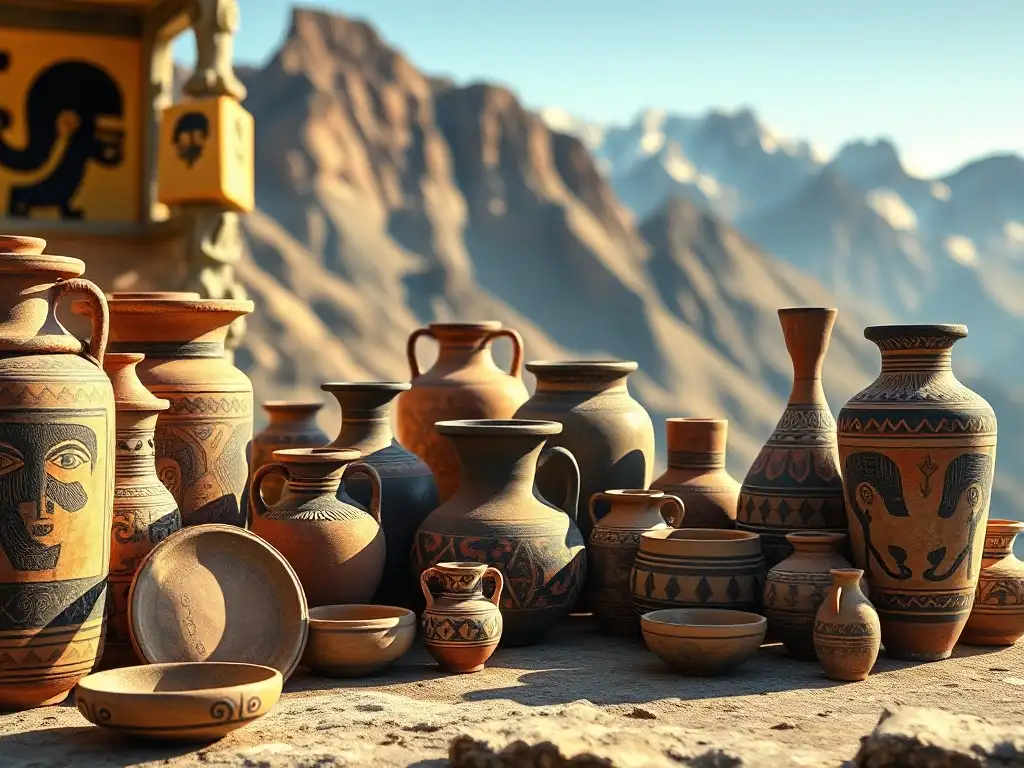
Unravel the mysteries of the Andes! Journey through millennia of breathtaking artistry and ingenuity as we delve into the captivating world of ancient Andean civilizations. Prepare to be amazed by the intricate details and profound significance of their creations, from the towering citadels of the Incas to the enigmatic Nazca Lines.
But first, let's uncover the secrets hidden within the vibrant colors and elegant forms of Inca pottery styles and uses – vessels that whispered stories of ritual and daily life. Discover how these ceramic masterpieces reflect the heart of Inca society and culture. Read on to explore this fascinating world...
The Inca Empire, renowned for its sophisticated engineering and intricate social structures, also left behind a rich legacy of artistic expression. Among the most enduring and captivating artifacts are their ceramics, meticulously crafted vessels that served a multitude of purposes, from everyday use to elaborate religious ceremonies. This exploration delves into the fascinating world of Inca pottery, examining the diverse styles, techniques, and symbolic meanings embedded within these remarkable objects. Understanding Inca pottery styles and uses provides invaluable insight into the daily lives, beliefs, and artistic capabilities of this remarkable civilization.
We will uncover the stories whispered by these ancient vessels, revealing the ingenuity and artistry of the Inca people. The intricate designs and diverse forms speak volumes about their society, offering a tangible connection to a past rich in tradition and innovation. Prepare to be captivated by the beauty and complexity of Inca ceramic artistry.
Diverse Styles and Forms of Inca Pottery
Inca pottery showcases a remarkable variety of styles and forms, reflecting both regional variations and changing artistic preferences across the empire's vast expanse. Early Inca pottery often displays a simpler aesthetic, with predominantly utilitarian forms. However, as the empire expanded and its power consolidated, ceramic production became increasingly sophisticated. We see a shift towards more elaborate designs, including intricate geometric patterns, zoomorphic motifs (depicting animals), and anthropomorphic figures (representing humans or human-like beings). The most common shapes include:
- Aryballos: Small, globular vessels with a narrow neck, often used for storing liquids like perfumes or oils.
- Kero: Elegant, stemmed cups, frequently decorated with vibrant colors and complex designs, often used in ritual contexts. These were frequently intricately carved and highly valued.
- Cantaro: Large, water jugs with a wide body and a narrow spout, designed for practical use in daily life.
- Urpus: Small bowls or dishes, frequently used for food preparation or serving.
The use of different clays and firing techniques also contributed to the diversity of Inca ceramic styles. Some pieces exhibit a smooth, polished surface, while others have a more textured appearance. The palette of colors also varied significantly, ranging from simple monochromes to richly decorated polychromes, using a variety of earthy tones, including reds, browns, yellows, and blacks. The quality of the finish and the complexity of the designs often reflected the social status of the individual or community for whom the pottery was made.
The Symbolic Meanings in Inca Ceramic Designs
Beyond their practical applications, Inca ceramics frequently incorporated symbolic imagery, conveying complex meanings related to religion, mythology, and social hierarchy. Geometric patterns, for example, often held deep symbolic significance, potentially representing celestial bodies, agricultural cycles, or clan affiliations. Zoomorphic and anthropomorphic figures could represent deities, ancestors, or mythical creatures, reflecting the Inca worldview and their intricate relationship with the natural world.
The careful placement and combination of these symbols within the designs reveal the sophisticated understanding of visual language possessed by Inca artisans. Further research is needed to fully decipher all the nuances of this visual language, but the evidence clearly demonstrates that Inca pottery was far more than just functional objects; they were imbued with powerful spiritual and social meanings. Consider, for example, the frequent depiction of the condor, a powerful symbol of the Andes, often linked to the sun god, Inti.
Inca Pottery Production Techniques
The creation of Inca ceramics involved a complex process that required skilled craftsmanship. Potters typically used a wheel-throwing technique to shape the vessels, though some examples of hand-built pottery also exist. The clay was carefully prepared, often mixed with tempering materials like sand or shell fragments to improve its workability and prevent cracking during firing. After shaping, the vessels were decorated using various techniques, including painting, incising, and stamping.
Paints were made from natural pigments, ground and mixed with a binding agent. Finally, the pottery was fired in kilns, reaching high temperatures to harden and preserve the finished product. The development of these techniques allowed Inca artisans to produce large quantities of high-quality ceramics, meeting the diverse needs of the empire. The sophistication of their techniques is a testament to their mastery of ceramic production.
The Role of Inca Pottery in Ritual and Daily Life
Inca pottery played a crucial role in both ritual and daily life. Simple, functional vessels, such as cantaros and urpus, were used for everyday tasks like storing and preparing food, while more elaborate pieces, such as keros, were reserved for ceremonial occasions. These ceremonial vessels often featured intricate designs and were used in religious rites, feasts, and other important social events.
The presence of specific motifs on particular vessels might indicate their use in specific rituals or their association with particular deities or ancestors. Analysis of the chemical composition of residues found within some vessels has even helped to identify the types of substances they contained, providing further insights into their use.
The careful study of Inca pottery reveals a complex interplay between the practical and the sacred, highlighting the deeply ingrained religious beliefs of the Inca people. Even seemingly utilitarian pieces often incorporated subtle decorative elements, suggesting that even mundane activities were infused with spiritual significance.
- Diverse Styles and Forms of Inca Pottery
- The Symbolic Meanings in Inca Ceramic Designs
- Inca Pottery Production Techniques
- The Role of Inca Pottery in Ritual and Daily Life
The Significance of Inca Pottery in Andean Culture
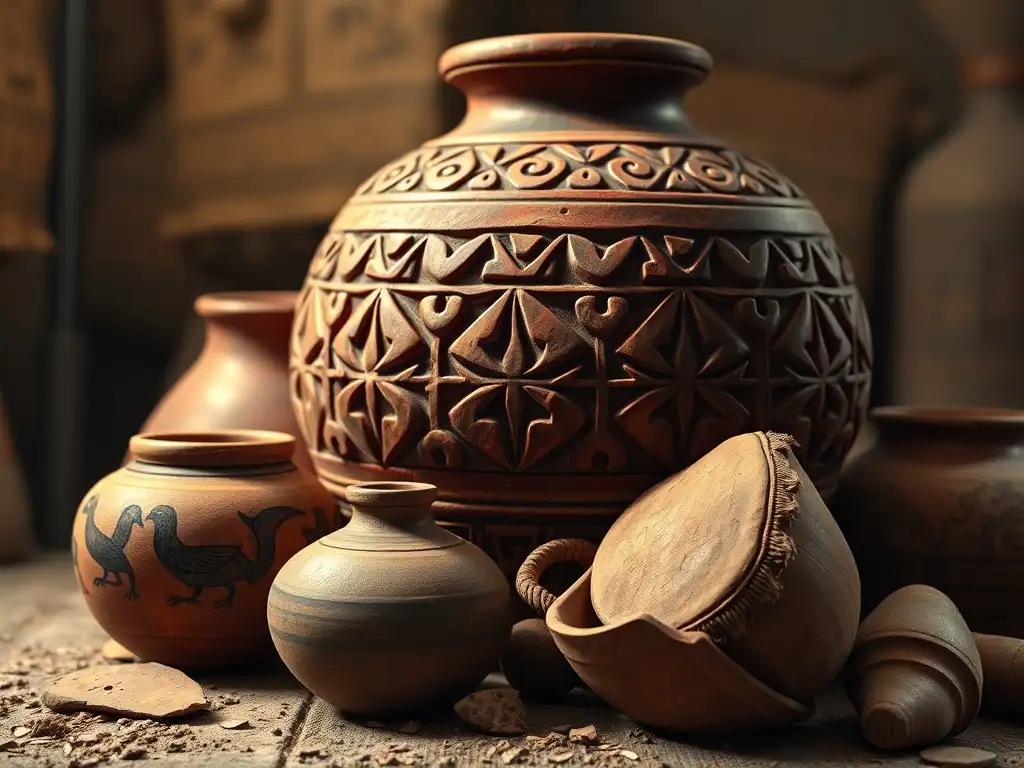
Introduction to Inca Ceramic Art and Craftsmanship
Inca pottery, a testament to the ingenuity and artistry of the Inca civilization, holds a prominent place within the broader context of Andean art. The production of Inca ceramics wasn't merely a craft; it was deeply intertwined with religious beliefs, social structures, and daily life. Inca artisans, possessing remarkable skills, created a diverse range of vessels showcasing exceptional technical proficiency and aesthetic sophistication.
Their mastery of techniques like slipware, where a liquid clay mixture is applied to the surface, and the use of various pigments to achieve vibrant colors, resulted in pottery that was both functional and visually stunning. The characteristic Inca style, often featuring geometric patterns, stylized animals, and human figures, clearly distinguishes it from the ceramic traditions of preceding Andean cultures. Careful examination reveals intricate details, highlighting the dedication and skill invested in each piece.
For instance, the precision in the application of paint and the consistent quality across numerous artifacts points to a highly organized and specialized system of ceramic production. This wasn't simply mass production; it was the creation of objects imbued with cultural significance.
The Role of Pottery in Inca Society
Inca pottery served a multitude of purposes, extending far beyond simple containers for food and liquids. It played a vital role in religious rituals, social interactions, and everyday life. Ceremonial vessels, often elaborately decorated and featuring intricate designs, were used in religious ceremonies and offerings to the gods. These vessels, sometimes found in tombs or sacred sites, provide invaluable insights into Inca religious beliefs and practices.
The shapes and decorations of these ceremonial pieces, often depicting deities or mythological scenes, were carefully chosen to reflect their intended purpose. Beyond religious contexts, pottery was essential for storing food and water, facilitating trade, and even serving as tools. Everyday pottery, while less ornate than ceremonial pieces, still displays the characteristic Inca style and attention to detail.
The wide variety of shapes and sizes reflects the diverse needs of Inca society, from large storage jars to small drinking cups. Analysis of pottery shards found at various archaeological sites, coupled with ethnographic studies of related cultures, provides a more complete picture of the integral role pottery played in the daily lives of the Inca people. The ubiquity of pottery fragments across different Inca settlements emphasizes its importance as a fundamental element of material culture.
The sophistication and variety observed in Inca pottery also reflect the complex social hierarchy of the Inca empire. The quality and style of pottery varied depending on the social status of its owner. Elite members of society possessed finely crafted vessels, often adorned with intricate designs and made from high-quality materials. These pieces served not only as functional objects but also as symbols of status and power.
In contrast, the pottery used by commoners was typically simpler in design and less refined in its execution. This difference in quality and ornamentation provides clear evidence of social stratification within Inca society. Archaeological excavations frequently uncover distinct styles of pottery associated with different social groups, further supporting this interpretation. The careful analysis of pottery from various contexts, including elite tombs and commoner dwellings, reveals a clear correlation between pottery quality and social standing.
Moreover, the presence of specific motifs or symbols on certain vessels may indicate the owner's affiliation with a particular clan or lineage. The study of Inca pottery, therefore, offers a valuable lens through which to understand the social dynamics and power structures of this remarkable civilization. The differences in pottery styles and uses are a tangible manifestation of the Inca social hierarchy.
Inca Pottery Styles: Forms and Decoration
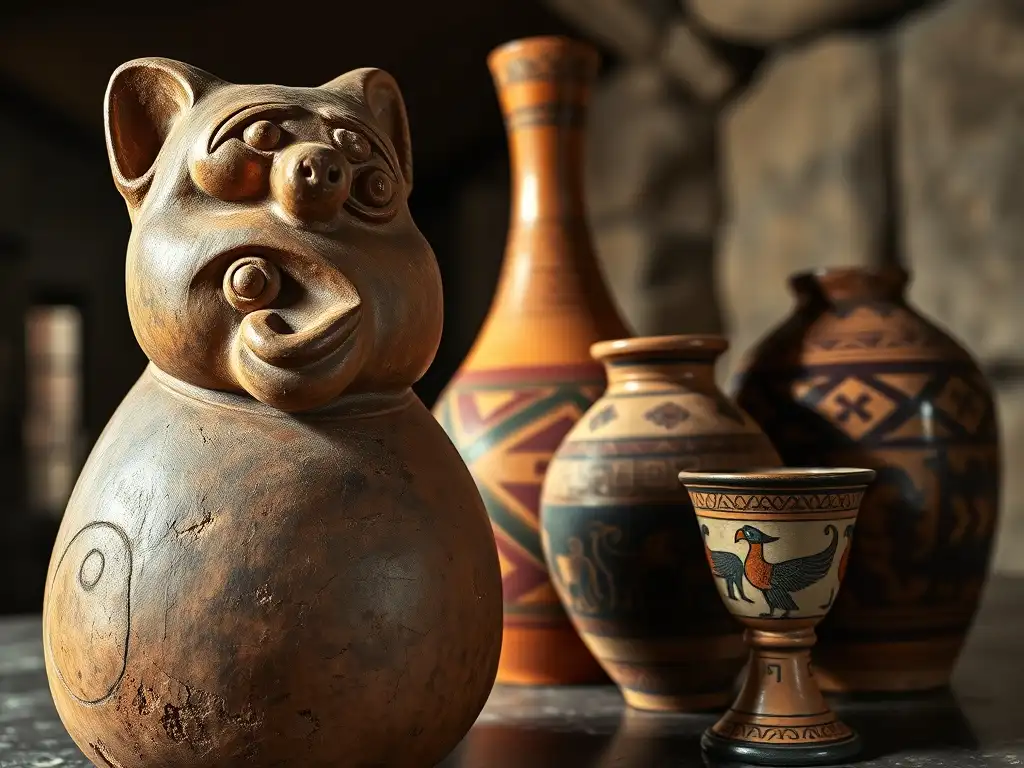
Inca pottery styles and uses represent a fascinating blend of functionality and symbolic meaning. The Inca Empire, known for its sophisticated engineering and societal structure, also produced a diverse range of ceramic vessels reflecting their daily life, rituals, and beliefs. This section explores the distinct forms and decorative techniques employed by Inca artisans, revealing the artistry and cultural significance embedded within these seemingly simple objects. Understanding these styles provides crucial insight into the social hierarchy, religious practices, and artistic capabilities of the Inca civilization.
Common Shapes and Forms of Inca Vessels
Inca ceramic production wasn't standardized; instead, it displayed a wide array of forms tailored to specific functions. While regional variations existed, certain shapes became iconic representations of Inca craftsmanship. The diversity reflects both practical needs and symbolic intentions. The sheer volume of surviving pottery, discovered in archaeological sites across the Andes, testifies to the widespread use of ceramics in Inca society.
Aryballos: The Iconic Inca Jar
The aryballos, a type of globular jar with a narrow neck and a small handle, stands out as a particularly recognizable Inca vessel. Often decorated with intricate designs, these jars served various purposes. Some were used for storing liquids, like chicha, a fermented corn beverage of significant ritual importance. Others functioned as funerary offerings, placed within tombs alongside the deceased.
The size and decoration of the aryballos could indicate social status or the intended use. Smaller, more simply decorated versions might have been for everyday use, while larger, elaborately painted ones likely held a more significant symbolic value. Analysis of the chemical residues found inside some aryballos has even provided evidence of the types of liquids they contained.
Plates and Bowls for Daily Use
Beyond ritual objects, Inca pottery included a wide range of vessels for everyday use. Plates and bowls, often made from simpler clays and with less elaborate decoration, were commonplace in Inca households. Their shapes were practical, designed for ease of use and stacking.
While less ornate than ceremonial pieces, these functional vessels still reflected the artistic sensibilities of the Inca people, often displaying simple geometric patterns or subtle color variations. The abundance of these everyday objects in archaeological contexts provides valuable information about Inca dietary habits and daily routines. Variations in size and shape suggest different uses within the household, possibly reflecting the division of labor or the social roles of individuals.
Miniature Pottery and Offerings
Miniature pottery constitutes a significant aspect of Inca ceramic production. These tiny vessels, often perfectly replicating the forms of larger counterparts, were frequently used as offerings to deities or ancestors. Found in tombs and ceremonial contexts, they are believed to have represented food, drink, or other items intended for use in the afterlife.
The meticulous detail in these miniature pieces showcases the skill of Inca artisans and their commitment to religious practices. The sheer number of miniature vessels discovered in some sites suggests the importance of these offerings in Inca religious beliefs. The variety of shapes and sizes further indicates a possible connection to specific deities or rituals.
Decorative Techniques in Inca Ceramics
The decoration of Inca pottery is a key element distinguishing different styles and revealing cultural nuances. Artisans employed a range of techniques to embellish their creations, resulting in a diverse collection of aesthetically pleasing and symbolically rich objects. The choice of decorative technique often correlated with the intended use and social context of the vessel.
Geometric Patterns and Motifs
Geometric patterns, including triangles, zigzags, and stepped frets, are prominent features in Inca pottery decoration. These patterns were often applied using various techniques, including incision, painting, and stamping. Their precise execution and repetitive nature suggest a high degree of skill and standardization. The meaning of specific geometric motifs is still under investigation, but they are believed to have held symbolic significance, potentially representing celestial bodies, agricultural cycles, or social structures. Some researchers suggest that these patterns reflected the Inca worldview and understanding of the cosmos.
Use of Color in Inca Pottery
Color played a significant role in Inca pottery decoration. The most common colors were red, black, white, and yellow, often achieved through the use of natural pigments derived from minerals and plants. The combination of these colors created a vibrant palette used to represent different motifs and convey symbolic meanings.
Red, for example, was often associated with the sun and power, while black represented the night or the underworld. The careful application of color further highlights the sophistication of Inca ceramic techniques. The intensity and vibrancy of the colors, even after centuries, speaks to the quality of the pigments and the skill of the artisans.
Symbolic Representation in Inca Decoration
Beyond simple aesthetic appeal, Inca pottery decoration often incorporated symbolic representations. Anthropomorphic and zoomorphic motifs, depicting human figures and animals, are frequently encountered. These representations likely carried religious or mythological significance, relating to Inca beliefs and rituals. The specific iconography varied regionally, reflecting the diversity of Inca culture and beliefs. Further research is needed to fully understand the meanings embedded in these symbolic representations, but their presence underscores the profound cultural and religious significance of Inca pottery. The combination of geometric patterns and symbolic motifs in a single vessel suggests a complex interplay of aesthetic and religious considerations.
Inca Pottery Uses: Ritual and Practical Applications
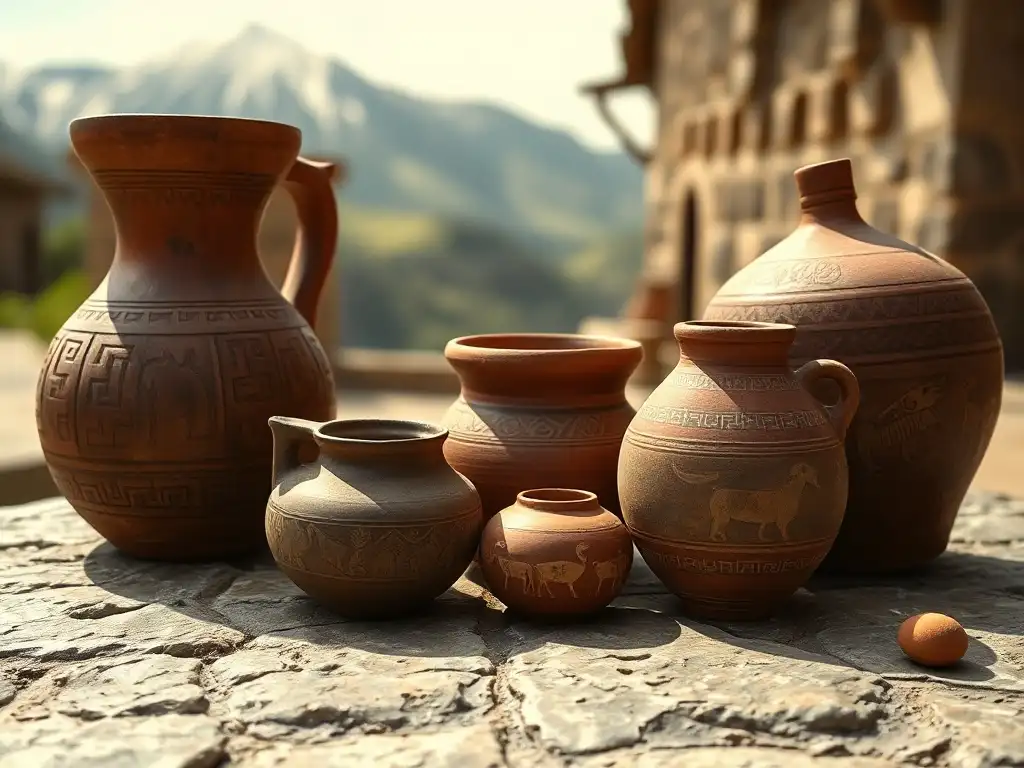
Inca pottery, a testament to their advanced ceramic techniques and artistic sensibilities, served a dual purpose: fulfilling both ritualistic and practical needs within their society. Understanding these uses reveals a deeper insight into Inca beliefs, social structures, and daily life. The styles and forms of the pottery itself often provided clues to its intended function, reflecting the intricate relationship between the spiritual and the mundane in Inca culture. Analyzing Inca pottery styles and uses allows us to reconstruct a vibrant picture of their civilization.
Inca Pottery in Religious Ceremonies
The intricate designs and symbolic imagery adorning much Inca pottery strongly suggest its significant role in religious ceremonies. These weren't simply decorative elements; they held deep spiritual meaning, reflecting the Inca worldview and their connection to the supernatural.
Vessels for Offerings and Rituals
Many ceramic vessels were specifically crafted for presenting offerings to the gods. These often included kero (elaborate ceremonial drinking cups), frequently depicted with intricate designs of animals, deities, and mythical beings. The shapes and sizes varied, reflecting the specific deity or ritual being performed.
Some vessels were designed to hold chicha, a fermented maize beverage central to Inca religious practices. The precise placement and orientation of these vessels during ceremonies were likely highly significant, though the exact details remain partially obscured by the passage of time. Further research into surviving accounts and archaeological findings is needed to fully illuminate these practices.
Pottery in Funerary Practices
Inca funerary practices were deeply intertwined with their beliefs about the afterlife. Pottery played a crucial role in these rituals. Small, intricately decorated vessels were often found within burial sites, containing food, drink, and other items intended to sustain the deceased in their journey to the next world.
The types of vessels and their contents could vary depending on the social status of the deceased. For example, elite individuals might have been buried with larger, more elaborately decorated kero and other prestigious ceramic pieces, reflecting their position in society. The careful arrangement of pottery within tombs suggests a structured and highly symbolic process.
Inca Pottery for Daily Life
Beyond their religious significance, Inca pottery served essential practical functions in daily life, demonstrating the versatility and adaptability of their ceramic-making techniques. From storing food to preparing meals, pottery was an integral part of Inca households and communities.
Storage and Transportation of Goods
A significant portion of Inca pottery consisted of utilitarian vessels designed for storing and transporting various goods. Large jars, often made of coarse, durable clay, were used to store grains, liquids, and other provisions. Smaller containers were used for carrying food and other necessities. The designs of these vessels were often simpler than those intended for religious purposes, prioritizing functionality over elaborate decoration, although even these pieces often displayed a level of craftsmanship that speaks to the Inca's attention to detail.
Cooking and Serving Food
Clay pots and pans were essential tools for preparing food in Inca society. These vessels were frequently found in archaeological contexts associated with cooking and food preparation. Their designs were often practical, focusing on heat resistance and durability. The size and shape of these cooking pots likely varied depending on the type of food being prepared and the scale of cooking needed – from small pots for individual meals to larger ones for communal feasts.
Use of Ceramics in Agriculture
While less visually striking than ceremonial pottery, the use of ceramics in agriculture highlights another aspect of Inca ingenuity. Simple, unglazed ceramic pipes were used for irrigation, demonstrating a practical application of their ceramic skills beyond domestic and religious contexts. These pipes played a crucial role in the efficient management of water resources, essential for their agricultural success. The precise construction and placement of these pipes indicate a significant understanding of hydraulic engineering principles, further showcasing the breadth of Inca technological capabilities.
Regional Variations in Inca Pottery
The Inca Empire, vast and diverse, encompassed a wide range of geographical regions, each with its own distinct resources and traditions. This regional diversity is clearly reflected in Inca pottery styles. While a certain level of standardization existed due to imperial control, local artisans maintained unique stylistic elements, leading to fascinating variations across the empire. For instance, pottery from the coastal regions often incorporated different clays and techniques than those found in the highlands.
Coastal ceramics frequently featured a higher degree of polish and sometimes incorporated shell fragments into the clay body, achieving a distinct sheen and texture rarely seen in highland wares. Highland pottery, on the other hand, often displayed a more rustic aesthetic, sometimes incorporating coarser textures and simpler designs. This difference can be attributed to the readily available materials and the distinct artistic preferences of the local communities.
The use of color also varied regionally. Coastal ceramics often featured brighter, more vibrant colors, possibly due to the availability of certain pigments derived from local flora and fauna. The use of reds, oranges, and yellows was prevalent in coastal regions, while highland pottery tended towards earthier tones like browns, blacks, and muted yellows.
These color variations are not only aesthetically significant but also provide valuable clues about the access to resources and the artistic traditions of different regions within the empire. Further research into the chemical composition of pigments from different regions could provide more detailed insights into the trade routes and the exchange of resources within the Inca Empire.
Furthermore, the shapes and forms of the vessels themselves reflected regional differences. While certain standard forms, such as aryballos (small, globular vessels with narrow necks) and kero (large, ceremonial drinking vessels), were common throughout the empire, the specific proportions, decorations, and added features could vary significantly. Some regions favored taller, more slender vessels, while others preferred shorter, broader shapes.
These subtle variations, often overlooked in broader studies, provide essential details for understanding the complexity of Inca ceramic production and the diverse cultural landscape of the empire. Analyzing these differences through a combination of stylistic analysis and archaeological context can reveal a nuanced picture of regional identities within the overarching Inca cultural framework. Detailed studies of specific regional styles, comparing and contrasting them with the broader Inca ceramic tradition, remain an active area of research for scholars of Andean archaeology.
Materials and Production of Inca Pottery
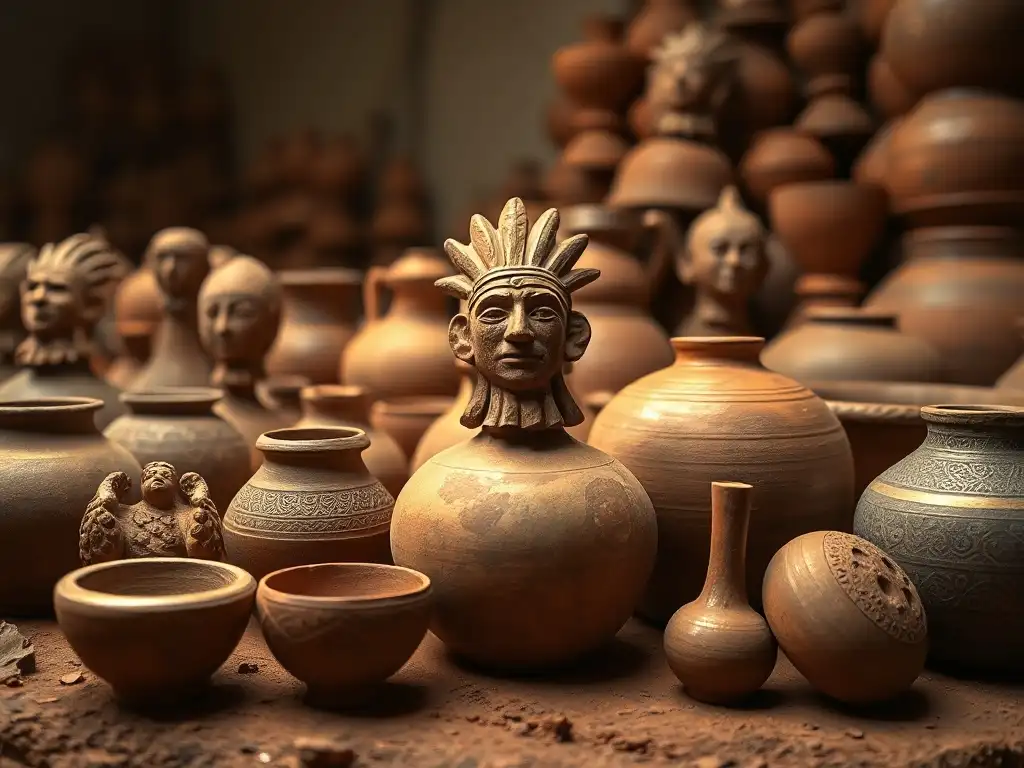
This section delves into the fascinating world of Inca ceramic production, exploring the materials used and the techniques employed to create these enduring vessels. Understanding the meticulous processes involved reveals a sophisticated level of technological skill and artistry that underscores the Inca's mastery of their environment and their deep connection to the spiritual world. The study of Inca pottery styles and uses is inextricably linked to understanding these fundamental aspects of their creation.
Raw Materials Used in Inca Ceramics
The quality and variety of Inca ceramics are directly related to the readily available raw materials. The Inca Empire's diverse geography provided access to a rich palette of clays and tempering agents, leading to a wide range of textures, colors, and finishes in their pottery.
Clay Sourcing and Preparation
Inca potters were adept at identifying and utilizing local clay sources. Clay deposits were carefully selected based on their properties, including plasticity, color, and firing behavior. The exact locations of many of these sources remain to be fully documented, but archaeological evidence suggests that clays were sourced from riverbeds, alluvial deposits, and even specially designated quarries. Once extracted, the clay underwent a rigorous preparation process.
This often involved removing impurities like stones and organic matter, and then carefully mixing and kneading the clay to achieve the desired consistency. This meticulous preparation was crucial to obtaining a strong and workable clay body. The process often involved soaking the clay in water for extended periods to ensure optimal plasticity.
Tempering Agents
To improve the strength and durability of the finished vessels and to prevent cracking during the firing process, Inca potters incorporated tempering agents into the clay. These additives, often finely ground materials, helped to counteract shrinkage during drying and firing. Common tempering agents included crushed rock, sand, shell fragments, and even pulverized pottery shards (chamotte). The type and quantity of tempering agent used varied depending on the clay's properties and the desired final product.
The inclusion of these materials also contributed to the unique textures and appearances of different Inca pottery styles and uses. For example, the use of crushed shell could create a slightly coarser texture, while finely ground rock could result in a smoother finish. Analysis of surviving pottery reveals a sophisticated understanding of material science, with potters carefully adjusting their recipes to achieve specific results.
Techniques of Inca Pottery Production
Inca pottery production encompassed a range of techniques reflecting both utilitarian and ceremonial purposes. The diversity of forms, from simple bowls to elaborate ceremonial vessels, showcases the ingenuity and skill of Inca artisans.
Hand-Building Methods
Many Inca vessels were created using hand-building techniques, demonstrating a mastery of manipulating clay without the aid of a potter's wheel. These methods, passed down through generations, included pinching, coiling, and slab building. Pinching involved shaping the clay by repeatedly pressing and squeezing it with the fingers. Coiling involved rolling out long, thin ropes of clay and carefully joining them to create the vessel's form.
Slab building, on the other hand, involved creating flat pieces of clay and joining them together to construct the vessel's walls. The precision and skill evident in many surviving examples highlight the expertise of Inca potters. These techniques allowed for great creativity in vessel forms and decoration.
Use of Molds
In addition to hand-building, Inca potters also employed molds to create more standardized or complex shapes. These molds, often made of clay or carved stone, allowed for mass production of certain types of vessels, particularly those used for everyday purposes. The use of molds contributed significantly to the efficiency of pottery production, allowing for the creation of large quantities of similar vessels.
While molds facilitated production, Inca artisans still demonstrated considerable skill in finishing and decorating the molded pieces, adding individual touches that distinguished each vessel. Analysis of mold-made pottery provides valuable insights into Inca production methods and the standardization of certain pottery types.
Firing Techniques
The firing process was crucial in determining the final quality and durability of the Inca pottery. Archaeological evidence suggests that Inca potters used various firing techniques, including open-air bonfires and kilns. Open-air firing, a simpler method, involved stacking the pottery in a bonfire and burning them until they were fully fired. This method, while less controlled, was likely used for simpler pottery.
More sophisticated kilns, on the other hand, provided more control over the firing temperature and atmosphere, allowing for the production of higher-quality pottery with consistent results. The precise nature of Inca kilns and their construction remains an area of ongoing research, but the diversity of pottery styles and uses suggests a sophisticated understanding of firing techniques. The development of improved firing techniques was crucial for producing durable and aesthetically pleasing vessels.
Legacy of Inca Ceramics
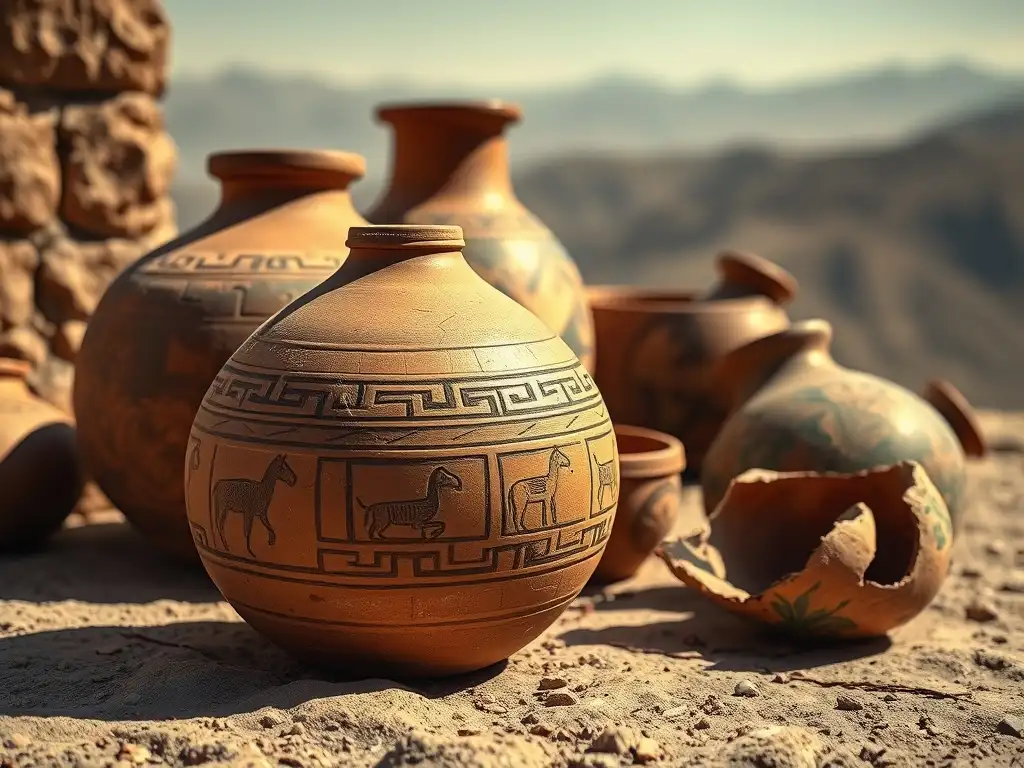
The legacy of Inca ceramics extends far beyond the impressive quantity of artifacts unearthed by archaeologists. It represents a vibrant tapestry woven from daily life, religious rituals, and sophisticated technological advancements. Understanding Inca pottery styles and uses requires examining not only the vessels themselves, but also the context in which they were created and used. This includes considering the diverse range of techniques employed, the symbolic meaning embedded in their designs, and their enduring influence on Andean cultures. The sheer volume of surviving pottery, combined with its remarkable diversity, offers invaluable insights into the Inca worldview and social structure.
Preservation of Inca Pottery Artifacts
Preserving Inca pottery artifacts presents significant challenges. The delicate nature of the ceramics, often made from fragile materials and subjected to centuries of environmental exposure, necessitates meticulous care. Many pieces are found fragmented, requiring painstaking reconstruction by skilled conservators. The process often involves cleaning, stabilizing cracked surfaces, and even filling in missing sections using compatible materials.
Environmental factors such as humidity and temperature fluctuations can also cause deterioration, making climate-controlled storage crucial. Furthermore, the prevention of biodegradation, caused by microorganisms and insects, is a constant concern. Museums and research institutions employ various techniques, including the use of specialized coatings and controlled environments, to ensure the long-term preservation of these invaluable pieces of Inca heritage.
The careful study of degradation patterns also informs preservation strategies, allowing for proactive measures to safeguard against further damage. Ultimately, the goal is not just to preserve the physical artifacts, but also to preserve the knowledge and cultural significance they represent. The ongoing effort to document and analyze these artifacts is essential for understanding Inca pottery styles and uses.
Inca Ceramic Traditions in Modern Andean Communities
The influence of Inca ceramic traditions persists in modern Andean communities. While the scale and complexity of Inca production are unmatched, many contemporary artisans continue to employ techniques and designs inspired by their ancestors. This is particularly evident in the production of utilitarian pottery, such as cooking vessels and storage jars, which often echo the forms and stylistic elements found in ancient Inca pieces.
Many communities maintain traditional kilns and firing methods, passing down knowledge through generations. The continuation of these practices not only serves a practical purpose but also acts as a powerful link to the past, fostering a sense of cultural identity and continuity. However, the globalization of markets and the introduction of modern materials represent challenges to the continuation of these traditions.
There is a growing need to support and promote these artisan communities, ensuring the survival of these unique skills and the preservation of a vital aspect of Inca legacy. The study of modern pottery-making techniques provides valuable insights into the evolution of Inca pottery styles and uses over time.
The Importance of Inca Pottery for Archaeological Research
Inca pottery is a cornerstone of archaeological research in the Andes. The sheer abundance of surviving vessels, combined with their remarkable diversity in form, decoration, and material, provides a wealth of information about the Inca civilization. Analysis of ceramic styles helps archaeologists establish chronological sequences, trace trade routes, and identify regional variations within the empire.
The iconography depicted on pottery often reveals details about religious beliefs, social structures, and daily life. For example, the depiction of specific deities or scenes from mythology offers insights into Inca religious practices. Similarly, the presence of particular motifs or symbols on vessels associated with elite burials can shed light on social hierarchy and power dynamics.
Furthermore, chemical analysis of the clay used in pottery production can reveal the sources of raw materials, providing information about trade networks and resource management. Through careful study, Inca pottery continues to yield invaluable data, enhancing our understanding of Inca pottery styles and uses and enriching our comprehension of this remarkable civilization. The ongoing research into Inca ceramics promises to unveil further insights into the complexities of Inca society and culture.
Enduring Value of Inca Pottery
The enduring value of Inca pottery extends far beyond its aesthetic appeal. These vessels serve as invaluable windows into the daily lives, religious beliefs, and social structures of the Inca civilization. Their survival, often in remarkably well-preserved condition, is a testament to the quality of Inca craftsmanship and the careful burial practices that preserved countless examples for future generations to study. Archaeologists continue to unearth new pieces, each adding another layer to our understanding of this sophisticated culture.
The meticulous detail in the pottery, from the intricate designs to the specific forms of the vessels, provides rich insights into Inca artistry and technology. The use of diverse clays and firing techniques, often adapted to local resources, showcases the ingenuity and adaptability of Inca potters across the vast empire. Analyzing the chemical composition of the clay can even reveal information about trade routes and the movement of goods within the empire.
Furthermore, the imagery depicted on the pottery—ranging from depictions of deities and mythical creatures to scenes of daily life and agricultural practices—provides crucial contextual information for understanding Inca cosmology, social hierarchies, and economic activities. The study of Inca pottery, therefore, is not merely an appreciation of art; it’s a key to unlocking a deeper understanding of Inca history and culture. The enduring value lies in its ability to connect us directly to the past, offering a tangible link to the lives and beliefs of the Inca people.
Styles and Techniques of Inca Pottery Production
Inca pottery styles varied considerably across the vast empire, reflecting regional differences in materials, techniques, and artistic preferences. However, several common characteristics unite these regional variations. A prevalent style involved the use of a wheel-thrown technique, resulting in vessels with consistent shapes and sizes. Many pieces were highly polished, showcasing the potter's skill and dedication to achieving a smooth, even surface. The use of natural pigments, derived from minerals and plants, allowed for a vibrant palette of colors, often used in intricate designs.
Geometric patterns, such as chevrons and stepped triangles, were common, reflecting the Inca appreciation for order and symmetry. However, other styles incorporated more naturalistic representations, including depictions of animals, plants, and human figures. The level of detail in these representations varied widely, from simple outlines to highly realistic portrayals. Some pottery was decorated with incised designs, while others employed painted or stamped techniques.
The choice of technique often depended on the intended use of the vessel and the desired aesthetic effect. For example, ceremonial vessels often featured more elaborate decorations and higher-quality craftsmanship than everyday utilitarian pieces. The stylistic variations, therefore, provide clues not only to artistic preferences but also to social hierarchies and the distribution of resources within Inca society. Analyzing these differences allows researchers to trace the movement of styles and techniques across the empire, providing insights into cultural exchange and artistic influences.
The Role of Inca Pottery in Ritual and Ceremony
Inca pottery played a significant role in religious ceremonies and rituals. Many vessels were specifically designed for ceremonial use, often featuring elaborate decorations and unique shapes. These vessels were used to hold offerings to the Inca gods, including chicha (a fermented corn beverage), coca leaves, and other sacred items. The imagery depicted on ceremonial pottery frequently included representations of deities, mythical creatures, and symbols associated with Inca cosmology.
The shapes and sizes of the vessels also held symbolic meaning, with certain forms associated with specific deities or rituals. For example, large, elaborately decorated jars might have been used in important state ceremonies, while smaller, simpler vessels might have been used in private rituals. The careful placement of pottery in tombs and other burial sites further highlights its importance in Inca funerary practices. Pottery was often included as grave goods, providing the deceased with essential items for their journey to the afterlife.
The type and quality of pottery included in a burial could reflect the social status of the deceased, indicating their position within Inca society. The study of ceremonial pottery, therefore, provides invaluable insights into Inca religious beliefs, rituals, and funerary practices, offering a glimpse into the spiritual world of this ancient civilization. The placement and context of these vessels in archaeological sites are paramount in understanding their significance within the broader ritual landscape of the Inca.
Frequently Asked Questions
What were some common Inca pottery styles?
Inca pottery featured a range of styles, including red-on-white, black-on-white, and polychrome designs. Common motifs included geometric patterns, animals, and human figures, often reflecting religious beliefs and social status.
How did Inca pottery vary across different regions?
While a unified style existed, regional variations are evident. Coastal styles often incorporated marine motifs, while highland ceramics displayed more abstract designs. Local materials also influenced the pottery's appearance.
What were the primary uses of Inca pottery?
Inca pottery served both ritualistic and everyday purposes. Vessels were used for ceremonial offerings, storing food and liquids, and even as funerary objects. Their use reflected social hierarchy and cultural practices.
What materials did the Inca use to make their pottery?
Inca potters primarily used clay, often sourced locally. They would then fire the clay in kilns to create durable vessels. Different clay types contributed to the variations in color and texture seen in their pottery.
How can I tell if a piece of pottery is genuinely Inca?
Authentic Inca pottery displays characteristic stylistic elements, materials, and manufacturing techniques. Be wary of forgeries, and consult with experts or reputable sources for authentication. Examining the provenance of a piece is crucial.
Final Reflection: Echoes of the Andes: A Legacy in Clay
The intricate artistry of Inca ceramics isn't merely a relic of the past; it's a vibrant testament to a civilization's ingenuity and spiritual depth, still resonating in our understanding of ancient Andean cultures. The meticulous detail, the symbolic imagery, and the sheer variety of forms found in Inca pottery offer a window into a society deeply connected to its environment and its beliefs, a connection that continues to fascinate and inspire archaeologists and art historians alike.
The enduring influence of Inca pottery styles is undeniable, shaping our perceptions of Andean art and culture for generations. Their legacy extends beyond museum displays; it informs contemporary artistic expressions, inspires new interpretations of ancient practices, and fuels ongoing research into the social and religious complexities of the Inca Empire. The past is never dead. It's not even past.
– William Faulkner. This quote perfectly encapsulates the enduring power of Inca ceramics to speak to us across centuries, reminding us of the enduring human need for artistic expression and spiritual connection.
Consider the intricate designs, the carefully chosen colors, the purposeful shapes of these vessels. Think about the hands that crafted them, the rituals they served, the stories they silently tell. You, the reader, are now part of this ongoing conversation. Take a moment to reflect on the power of art to transcend time and connect us to the past. Seek out examples of Inca pottery in your local museums or online, and let the echoes of the Andes resonate within you, inspiring a deeper appreciation for the rich tapestry of human history and creativity.
**Unveil the Richness of Inca Culture Today! **
Thank you for exploring the fascinating world of Inca ceramics with us! You've discovered how these remarkable artifacts reveal the intricate blend of ritual and daily life in Andean civilizations. Now, let's delve even deeper into this captivating culture!
Here are some ways you can continue your exploration:
- **Visit local museums and galleries** featuring Andean art to experience the beauty of Inca ceramics firsthand.
- Connect with others who share your interest by **joining an online community or forum** dedicated to Andean history and ceramic traditions.
- **Create your own ceramic piece** inspired by Inca styles—a hands-on project that offers a unique connection to this ancient art form.
What aspect of Inca ceramics captivates you most, and how do you envision these traditions being celebrated today? Share your thoughts below!