
Inca Art: A Window into the Mind of an Empire

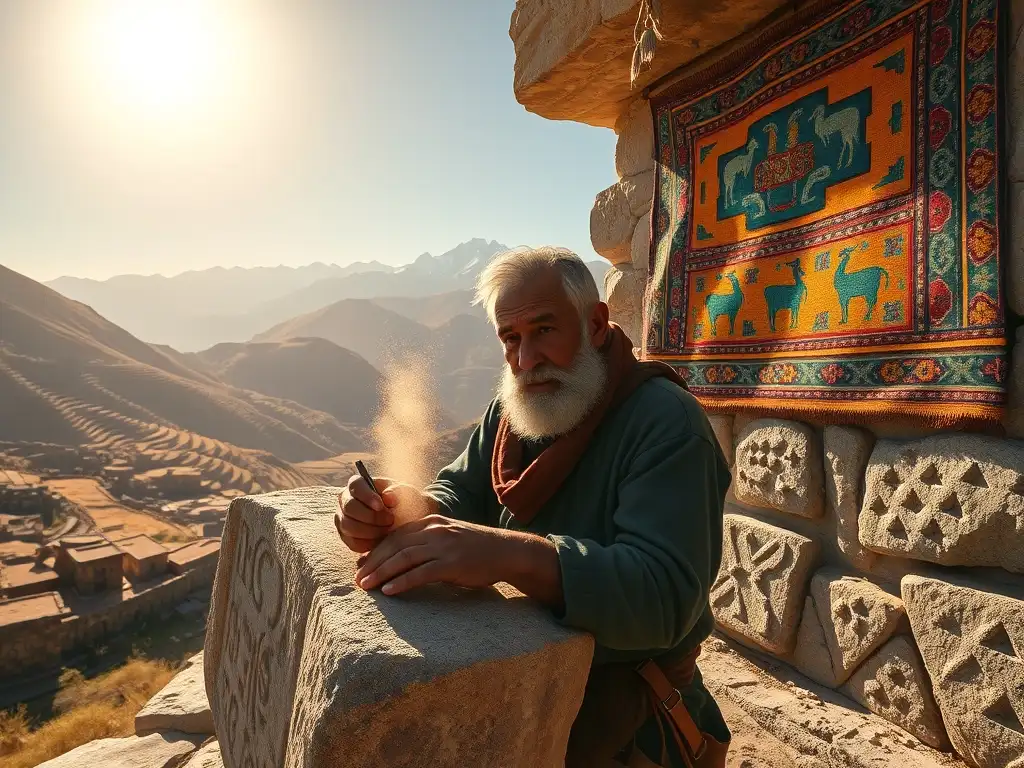
Step into a world lost to time, yet echoing with vibrant life. Imagine the breathtaking artistry of a civilization that sculpted mountains and painted stories onto the very fabric of their existence. Andean Civilizations unveils the secrets of empires like the Inca, Moche, Nazca, and Tiahuanaco. But our journey begins with a captivating exploration of Inca art styles and techniques, revealing the ingenuity and spiritual depth woven into every masterpiece. Prepare to be amazed – discover the story behind the art, and unlock the mysteries of the Andes.
The Inca Empire, a civilization that flourished in the Andes Mountains from the 15th to the 16th century, left behind a legacy far beyond its impressive infrastructure. Their art, a vibrant tapestry woven from diverse materials and techniques, offers a profound insight into their worldview, social structures, and religious beliefs.
This article delves into the captivating world of Inca art, exploring its styles, techniques, and the profound significance it held within the intricate fabric of Inca society. We will examine how Inca art styles and techniques reflect their sophisticated understanding of their environment, their mastery of various mediums, and their deeply spiritual connection to the Andes.
Understanding Inca art is not simply appreciating aesthetic beauty; it's unlocking the secrets of a remarkable civilization and gaining a deeper appreciation for their ingenuity and cultural richness. This exploration will reveal the intricate details that make Inca art so unique and enduring, showcasing its importance as a primary source for understanding the Inca worldview and its lasting impact on Andean culture.
The Significance of Inca Art in Understanding their Society
Inca art wasn't merely decorative; it served crucial social, political, and religious functions. Consider, for example, the intricate textiles, often adorned with symbolic patterns representing deities, ancestors, and cosmological concepts. These weren't just clothing; they were powerful statements of social status, religious affiliation, and even historical narratives. The meticulous craftsmanship evident in pottery, goldwork, and stone carving further highlights the importance placed on artistic skill within the Inca social hierarchy.
Highly skilled artisans held respected positions, reflecting the value placed on artistic expression. Furthermore, the distribution of specific art forms – certain types of pottery found primarily in elite contexts, for instance – indicates a complex system of social stratification and control. The Inca state actively commissioned and controlled the production of many art forms, using them as tools of propaganda and to reinforce their authority.
Analyzing the iconography and stylistic choices in Inca art provides invaluable clues to their beliefs, values, and social organization. The relationship between the emperor and the gods, the significance of ancestor veneration, and the importance of agricultural cycles are all themes powerfully conveyed through their art. Studying these elements provides a rich and nuanced understanding of Inca society that goes beyond written records, which are comparatively scarce.
Key Characteristics of Inca Art Styles
Inca art is characterized by several distinct stylistic features that set it apart from other Andean cultures. While regional variations existed, certain common threads unite the artistic output of the empire. A strong emphasis on symmetry and geometric patterns is readily apparent in textiles, pottery, and stonework. These patterns, often incorporating motifs like stepped frets, zigzags, and spirals, are believed to reflect a deep understanding of cosmology and the Andean landscape. The use of natural materials – such as wool, cotton, gold, silver, and stone – is a defining characteristic.
The Incas skillfully adapted these materials to their artistic purposes, demonstrating a mastery of diverse techniques. For example, their mastery of metalworking techniques, particularly in gold and silver, is astounding, with intricate techniques like repoussé and filigree used to create stunning objects. Similarly, their stonework, as seen in Machu Picchu and other sites, showcases an unparalleled precision and understanding of engineering principles. The sheer scale and precision of some Inca constructions, such as the massive stone blocks flawlessly fitted together without mortar, are a testament to their engineering prowess and artistic vision. The anthropomorphic and zoomorphic representations, often found in pottery and textiles, reveal a rich symbolic language connected to their religious beliefs and mythology.
These artistic expressions depict deities, mythical creatures, and ancestral figures, offering valuable insights into their spiritual worldview. Finally, the functional nature of much of Inca art is undeniable. Many objects, while aesthetically pleasing, served practical purposes, reflecting a seamless integration of art and everyday life. This integration of aesthetics and functionality highlights the holistic nature of Inca artistic expression.
Exploring the Diverse Forms of Inca Art
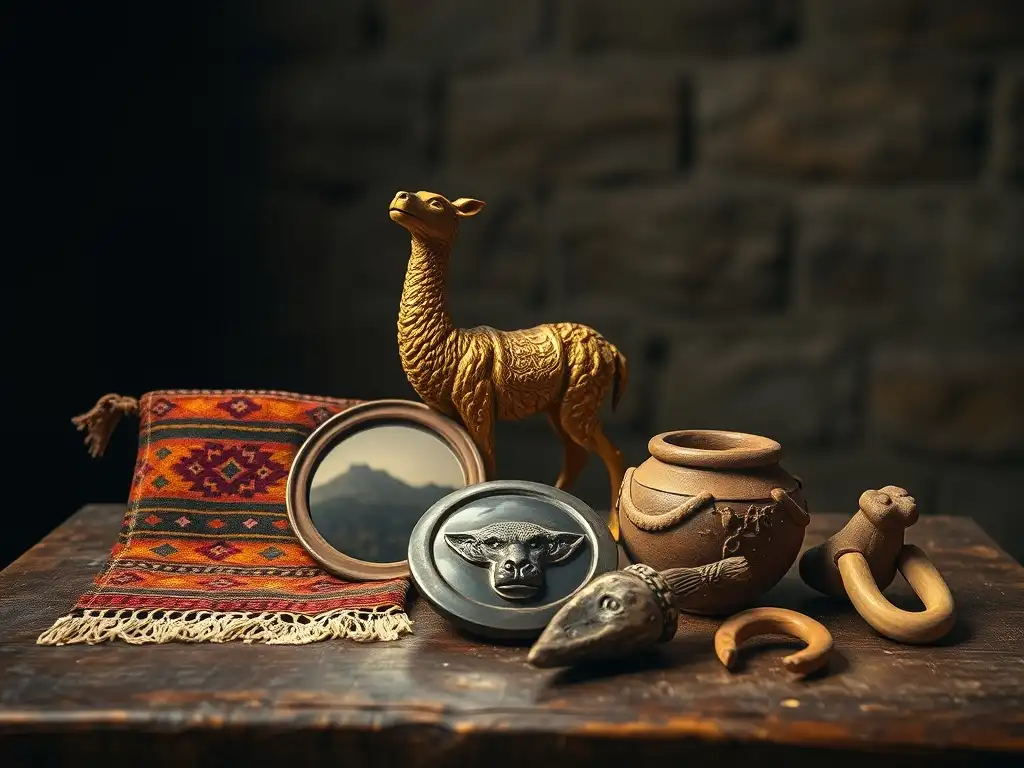
Inca art, a testament to the ingenuity and sophisticated worldview of the Inca Empire, extended far beyond the realm of mere aesthetics. It served as a powerful tool for communication, social control, and religious expression. Understanding Inca art styles and techniques requires examining the diverse forms it took, from the practical functionality of pottery to the intricate symbolism woven into textiles and the impressive feats of metalworking.
The Empire's artistic output reflects a complex society with a deep understanding of its environment and a highly structured social hierarchy. This section will delve into two key areas: pottery and textiles, showcasing the artistry and cultural significance embedded within these forms. The Inca's mastery of diverse materials and techniques demonstrates their advanced understanding of both art and engineering, leaving behind a legacy that continues to fascinate and inspire.
Inca Pottery: Functionality and Decoration
Inca pottery wasn't simply decorative; it served crucial functional roles in daily life, from storing food and water to preparing and serving meals. However, even utilitarian pieces were often adorned with intricate designs, reflecting the Inca's commitment to aesthetics. Common shapes included jars, bowls, plates, and cups, many exhibiting remarkable consistency in form across vast geographical areas, suggesting centralized production or standardized designs disseminated throughout the empire. The most common colors were black, red, and white, sometimes combined with other hues.
Decorative techniques included incised lines, painted designs, and the use of different clays to create contrasting colors or textures. Geometric patterns, often incorporating stepped motifs reflecting the Andean landscape, were prevalent, alongside depictions of animals and stylized human figures. The level of craftsmanship, particularly in the precision of designs and the firing techniques used to achieve durable, watertight vessels, is truly remarkable.
Analyzing the distribution and stylistic variations of Inca pottery provides valuable insights into trade routes, regional variations in artistic expression, and the organization of production within the empire. For example, the presence of specific pottery styles in certain regions might indicate specialized workshops or the movement of skilled artisans. Further research into the chemical composition of the clays used could potentially reveal the geographical origins of the raw materials and further illuminate the empire's trade networks.
Inca Textile Art: Weaving as a Language
Inca textile art stands as a pinnacle of Andean craftsmanship. More than just clothing, textiles served as powerful symbols of social status, religious beliefs, and political power. The sheer variety of techniques, materials, and designs used demonstrates the sophistication of Inca weaving traditions. The Inca’s mastery of textiles extends to their use of various fibers, including alpaca, llama, vicuña, and cotton, each chosen based on its unique properties.
The combination of these fibers, along with intricate dyeing processes and weaving techniques, allowed them to create textiles of exceptional quality and beauty. The vibrant colors and complex patterns were not arbitrary; they conveyed specific meanings and social messages. The production of high-quality textiles was not evenly distributed throughout the empire. Instead, it was concentrated in specific workshops and regions, highlighting the importance of specialized labor and regional expertise.
The Importance of Inca Textiles in Social Hierarchy
The type of textile worn, its color, and its intricacy directly reflected an individual's position within Inca society. Elite members of society, such as the Inca emperor and his court, wore garments made from the finest vicuña wool, often adorned with elaborate designs symbolizing their power and authority. The use of specific colors and motifs also indicated social status. For example, certain colors or patterns might have been reserved for the royalty, while others were worn by commoners. Textiles were also used in ceremonial contexts, with specific garments reserved for religious rituals and festivals. The production and distribution of textiles were closely controlled by the Inca state, ensuring that the system of social hierarchy was visually reinforced through clothing. The intricate designs and vibrant colors of these textiles often depicted mythical beings, celestial events, and important aspects of Inca cosmology, showcasing the close relationship between art, religion, and social structure.
Inca Weaving Techniques and Materials
Inca weavers employed a variety of advanced techniques, including tapestry weaving, brocade, and sumptuary textiles, to create stunningly complex designs. Tapestry weaving, for example, involved using different colored threads to create intricate patterns on the fabric's surface, while brocade involved weaving supplementary weft threads to create raised designs. The mastery of these techniques, combined with the use of high-quality fibers and dyes, resulted in textiles of exceptional durability and beauty.
Furthermore, the Inca developed sophisticated dyeing techniques using natural pigments derived from plants, insects, and minerals. These dyes produced a wide range of vibrant colors, many of which remain remarkably stable even after centuries. The careful selection and preparation of these materials, combined with the skillful application of weaving techniques, demonstrate the high level of technological sophistication achieved by Inca artisans.
Further study of Inca weaving techniques could reveal more about their understanding of material science and their ability to manipulate natural resources to create art. The resilience and beauty of these textiles are a testament to the ingenuity and artistry of Inca civilization.
Inca Metalwork: Gold, Silver, and Precious Stones
Inca metalwork represents a pinnacle of Andean artistic achievement. The Incas weren't the first Andean civilization to work with metals—earlier cultures like the Moche and Nazca had already developed sophisticated techniques—but the Incas refined and expanded upon these traditions, creating breathtaking objects that served both practical and ceremonial purposes. Their mastery extended to gold, silver, copper, and bronze, often combined with precious stones like turquoise, lapis lazuli, and emeralds, to create dazzling effects.
The sheer quantity of gold and silver artifacts unearthed from Inca sites testifies to the empire's vast wealth and resources. These weren't merely decorative items; they held deep symbolic meaning, reflecting the Inca worldview and the power of the Sapa Inca. The intricate designs and the high level of technical skill involved in their creation highlight the advanced level of Inca metallurgy.
The use of alloys, the creation of incredibly thin sheets of metal, and the precision of the inlaid stones are all testament to their expertise. The Inca's ability to create such intricate and detailed pieces, often using lost-wax casting, is remarkable.
Inca Metalworking Techniques
Inca metalworkers employed a range of sophisticated techniques, some inherited from earlier cultures and others developed and refined during the Inca period. Lost-wax casting, hammering, repoussé (a technique where metal is shaped from the back), and soldering were all commonly used. The lost-wax casting process allowed for the creation of complex shapes and intricate details.
Hammering and repoussé were used to shape sheets of metal into desired forms, and soldering was used to join pieces together. The precision and control demonstrated in these techniques suggest a high level of skill and training among Inca artisans. Evidence suggests a specialized and hierarchical system of metalworking, with workshops likely overseen by skilled master craftsmen.
The level of standardization seen in some artifacts suggests a degree of mass production, although many pieces also exhibit unique characteristics, highlighting the artisans' individual skill and creativity. The use of alloys, such as tumbaga (a gold-copper alloy), allowed for a wider range of colors and properties in the finished products.
The Use of Metal in Inca Rituals and Power
Metal objects played a crucial role in Inca rituals and served as powerful symbols of the empire's authority and religious beliefs. Gold, in particular, was associated with the sun god, Inti, and was used to create objects for religious ceremonies and to adorn important figures. Silver, often associated with the moon, was also used extensively.
The use of metal in religious contexts reinforced the power of the Sapa Inca, who was considered a divine figure. Elaborate gold and silver ornaments and ceremonial objects were used in temples and during religious festivals, reinforcing the Inca ideology and strengthening the emperor's legitimacy. The intricate designs on many metal objects often depict religious figures, animals, and symbols, further emphasizing their ritual significance.
Many metal objects were buried with the Inca elite, reflecting their belief in the afterlife and the importance of these objects in the spiritual realm. The sheer volume and quality of metalwork found in royal tombs underscore the significance of metal in Inca religious and political life.
Inca Architecture: Art in Stone
Inca architecture is renowned for its grandeur, precision, and masterful use of stone. The Incas were exceptional builders, constructing impressive structures using massive, precisely cut stones that fit together without mortar. This technique, known as ashlar masonry, is a testament to their advanced engineering skills and their understanding of stonework. The quality of Inca stonework is remarkable; the stones are so precisely cut and fitted that it is often difficult to insert even a knife blade between them.
This meticulous craftsmanship is evident in numerous Inca sites throughout the Andes. Their architectural achievements extend beyond mere functionality, transforming practical structures into works of art that reflect Inca aesthetics and worldview. The integration of architecture with the surrounding landscape is a noteworthy aspect of Inca building practices.
Inca Engineering and Construction Methods
The Incas' architectural prowess stemmed from sophisticated engineering and construction methods. Their knowledge of surveying and planning allowed them to create structures that were both aesthetically pleasing and functionally efficient. They employed sophisticated techniques for quarrying, transporting, and shaping massive stones. The precise cutting and fitting of stones required advanced tools and a deep understanding of stone properties.
The Incas utilized ramps, levers, and rollers to move enormous stones across challenging terrain. The efficiency of their construction processes is demonstrated by the scale and speed of their projects. Evidence suggests a highly organized workforce, with specialized labor and effective management techniques. Their construction methods were adapted to the varied topography of the Andes, showcasing their adaptability and engineering ingenuity.
Examples of Inca Architectural Masterpieces
Numerous examples showcase the remarkable achievements of Inca architecture. Machu Picchu, perched high in the Andes mountains, is perhaps the most iconic example. Its intricate stonework, terraces, and sophisticated water management system demonstrate the Incas' engineering prowess and architectural artistry. Sacsayhuamán, near Cusco, is another impressive site featuring massive, precisely fitted stones.
The walls of Sacsayhuamán are a breathtaking feat of engineering, incorporating stones of varying sizes and shapes. Other significant examples include Ollantaytambo, with its impressive stone terraces and temples, and Pisac, known for its agricultural terraces carved into the mountainside. These sites, and many others throughout the Andes, stand as testaments to the artistic and engineering capabilities of the Inca civilization and serve as remarkable examples of Inca art styles and techniques. The impressive scale and precision of these structures continue to fascinate and inspire awe centuries later.
Inca Art Techniques and Their Legacy
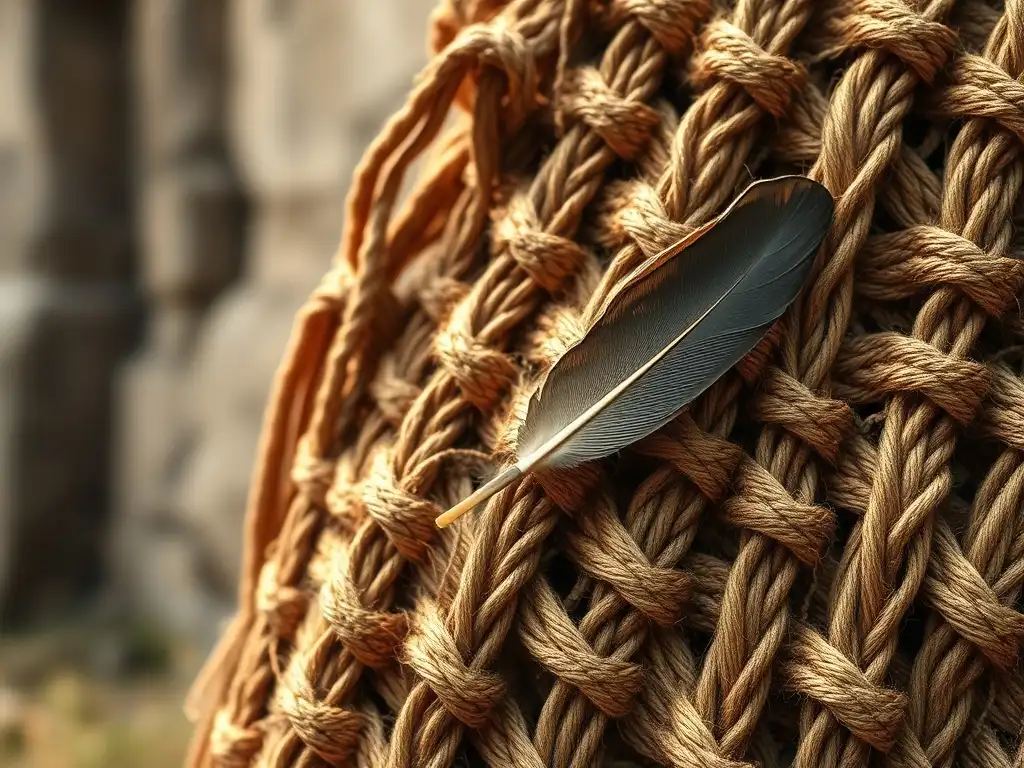
The Inca Empire, renowned for its sophisticated social structures and impressive infrastructure, also left behind a rich artistic legacy. Understanding Inca art styles and techniques requires delving into the specific methods employed in creating their remarkable artifacts. These techniques, often passed down through generations of skilled artisans, reveal a deep understanding of materials and a remarkable aesthetic sensibility.
The Inca's mastery extended across diverse media, from intricate textiles and finely crafted ceramics to monumental stonework and delicate goldsmithing. This section will explore the core techniques that defined Inca art and their lasting influence. The ingenuity and precision evident in Inca artistry continue to fascinate and inspire, showcasing the advanced technical capabilities and artistic vision of this remarkable civilization.
Inca Art Materials: Sourcing and Preparation
Inca artisans were meticulous in their selection and preparation of raw materials. The empire's vast territory provided access to a diverse range of resources. For example, the vibrant colors found in their textiles stemmed from meticulously prepared natural dyes derived from plants like the Tara tree (producing yellows and browns), achiote (reds and oranges), and various insects like the cochineal (producing deep reds). These dyes were often painstakingly processed and combined to achieve the desired hues. The intense, rich colors often found in surviving textiles are a testament to the artisans' skill and knowledge of these natural pigments.
Similarly, the creation of ceramics involved a careful selection of clays, often sourced locally and mixed with specific tempering agents to control the firing process and enhance the final product’s durability and texture. Stone, primarily andesite and diorite, was quarried for monumental constructions and sculptures, requiring sophisticated engineering and labor organization to transport these massive blocks across challenging terrain.
Gold and silver, prized metals throughout the Andes, were meticulously refined and worked using techniques such as hammering, repoussé (hammering from the reverse side to create relief), and casting to create elaborate ornaments, vessels, and religious objects. The sourcing and preparation of these materials were crucial steps in the creation of Inca art, underscoring the importance of both resource management and specialized artisan skills.
Inca Art Motifs and Symbolism
Inca art is not simply aesthetically pleasing; it's rich in symbolism, reflecting the empire's cosmology, religious beliefs, and social hierarchy. Recurring motifs, such as the chakana (Andean cross), the puma, the condor, and stylized representations of serpents, frequently appear in textiles, ceramics, and metalwork. The chakana, often interpreted as a representation of the four cardinal directions or the four elements, symbolizes balance and harmony within the cosmos.
The puma, a powerful and revered animal, represents strength, nobility, and the earth. The condor, soaring high above the mountains, embodies power, freedom, and the celestial realm. Stylized serpents, often intertwined, symbolize fertility and the cyclical nature of life and death.
The use of these motifs wasn't arbitrary; they conveyed specific meanings and served to communicate important messages. For instance, the placement and size of these motifs within a textile design might indicate the social status of the wearer or the ritual context of an object. The intricate weaving techniques employed, particularly those involving complex patterns and multiple colors, further enhanced the symbolic richness of the artwork.
Careful examination of Inca art reveals a complex system of visual communication, conveying profound meanings beyond mere decoration. Understanding these motifs and their symbolism provides crucial insights into the Inca worldview and cultural values.
The Influence of Inca Art on Contemporary Andean Culture
The legacy of Inca art continues to resonate profoundly in contemporary Andean culture. Traditional weaving techniques, passed down through generations, still utilize Inca-inspired motifs and color palettes. Contemporary Andean artists frequently draw inspiration from Inca styles, adapting traditional techniques to create new forms of expression. The chakana, for instance, remains a powerful symbol of Andean identity, appearing in contemporary art, textiles, and even political symbols.
Moreover, the revival and preservation of Inca artistic traditions are increasingly important aspects of cultural tourism and community development in the Andes. Museums and archaeological sites showcase Inca artifacts, attracting visitors and promoting a deeper understanding of the empire's artistic heritage. The study and appreciation of Inca art styles and techniques contribute not only to our understanding of the past but also to the revitalization and celebration of Andean cultural identity in the present.
The enduring appeal of Inca art showcases the timeless beauty and enduring cultural significance of this remarkable civilization's artistic achievements. This continued influence underscores the lasting power and enduring relevance of Inca art styles and techniques.
The Preservation and Study of Inca Art
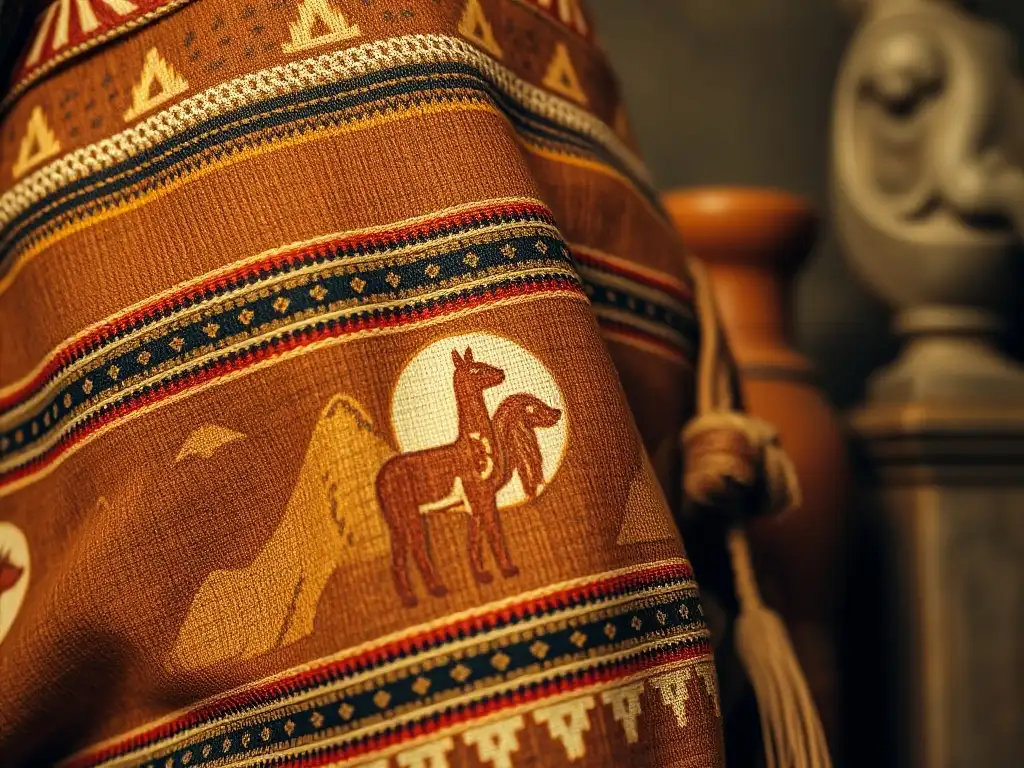
The study and preservation of Inca art is a complex and ongoing endeavor, crucial for understanding the Inca civilization's sophisticated worldview and artistic achievements. The fragility of many artifacts, coupled with the challenges of looting and environmental degradation, necessitates a multi-faceted approach combining archaeological investigation, meticulous conservation techniques, and dedicated research institutions. Understanding Inca art styles and techniques requires careful analysis of surviving artifacts, considering both the materials used and the symbolic meaning embedded within each piece. This section will explore the key aspects of this fascinating field.
Archaeological Discoveries of Inca Art
Archaeological discoveries continue to unveil new facets of Inca art, significantly enriching our understanding of their artistic practices and cultural significance. The meticulous excavation of Inca sites, such as Machu Picchu, Ollantaytambo, and Sacsayhuamán, has yielded a wealth of artifacts, including intricately woven textiles, finely crafted ceramics, and stunning examples of gold and silver metalwork. These finds often occur within specific contexts—temples, palaces, tombs—providing crucial insights into the social and religious functions of the art.
For example, the discovery of a royal tomb containing elaborate gold ornaments and finely spun textiles would offer invaluable information about Inca elite culture and burial rituals. Analysis of the pigments used in Inca pottery, for example, reveals sophisticated knowledge of mineral processing and color manipulation. Similarly, the study of textile techniques reveals an advanced understanding of spinning, weaving, dyeing, and embroidery.
The sheer diversity of discovered artifacts underscores the complexity and sophistication of Inca artistic production, demonstrating a remarkable mastery of various materials and techniques. Further discoveries are expected to further illuminate the nuanced aspects of Inca art styles and techniques, enhancing our understanding of this remarkable civilization. Careful documentation and analysis of these findings are essential for preserving this irreplaceable cultural heritage.
Museums and Research Centers Dedicated to Inca Art
Numerous museums and research centers worldwide are dedicated to the preservation, study, and display of Inca art. These institutions play a vital role in safeguarding this fragile heritage and making it accessible to scholars and the public. Leading institutions often house extensive collections of Inca artifacts, providing researchers with invaluable resources for in-depth study.
These collections are not only carefully curated but also meticulously cataloged, allowing researchers to trace the evolution of Inca art styles and techniques over time. Many museums also incorporate interactive exhibits and educational programs designed to engage the public and foster a deeper appreciation for Inca culture. The research conducted within these centers often leads to new discoveries and interpretations, constantly refining our understanding of Inca art.
These institutions also collaborate internationally, sharing knowledge and resources to advance the field of Inca art studies. Furthermore, many institutions are actively involved in conservation efforts, employing cutting-edge techniques to preserve fragile artifacts for future generations. The work of these museums and research centers is crucial for ensuring the long-term preservation of Inca art and its legacy.
The Challenges of Conserving Inca Art
The conservation of Inca art presents significant challenges due to the age and fragility of the artifacts. Many objects are susceptible to deterioration from exposure to light, moisture, and temperature fluctuations. Textiles, in particular, are vulnerable to damage from insects and environmental factors. The materials themselves—often organic materials like cotton and wool, or delicate metals like gold and silver—pose unique challenges for conservators.
Additionally, the use of certain pigments and dyes can lead to fading or chemical instability over time. The development of effective and non-invasive conservation techniques is crucial for preserving these irreplaceable artifacts. This involves careful analysis of the materials and the deterioration processes, followed by the implementation of appropriate treatment strategies. For example, controlling the environmental conditions within museums and storage facilities is crucial for minimizing deterioration.
Researchers are constantly developing new methods to stabilize and preserve fragile artifacts, using advanced techniques like laser cleaning and specialized adhesives. The long-term preservation of Inca art requires a sustained commitment to research, funding, and collaboration between conservators, archaeologists, and museum professionals. The challenges are substantial, but the rewards of preserving this unique cultural legacy are immeasurable. Ongoing research into Inca art styles and techniques is directly dependent on successful conservation efforts.
Frequently Asked Questions
What were some common Inca art styles?
Inca art was characterized by its geometric patterns, representational imagery of animals and humans, and the use of high-quality materials like gold, silver, and textiles. They often depicted religious figures and scenes of daily life.
What techniques did Inca artisans use?
Inca artisans mastered various techniques including metalworking, stone carving, textile weaving, and pottery. They were renowned for their precise craftsmanship and intricate designs.
How did Inca art reflect their beliefs?
Inca art frequently depicted religious figures and symbols, reflecting their strong belief system. Human sacrifices and ancestor veneration were also common themes, showcasing their worldview.
What materials were most commonly used in Inca art?
Gold, silver, copper, and bronze were prized metals used for ornaments and religious objects. Stone, particularly andesite, was used for monumental architecture and intricate carvings, while textiles were used for clothing and tapestries.
Where can I see examples of Inca art today?
Many examples of Inca art are housed in museums around the world, including Peru. You can also see in-situ examples at archaeological sites like Machu Picchu and Sacsayhuamán, offering a powerful connection to the past.
Final Reflection: Echoes of the Andes: A Legacy in Stone and Gold
The intricate artistry of the Inca Empire, far from being a relic of the past, continues to resonate powerfully in our modern world. Its sophisticated techniques and symbolic imagery offer a profound understanding of a civilization that mastered its environment and expressed its worldview through breathtaking craftsmanship. The enduring beauty and ingenuity of Inca art serve as a testament to human creativity and the power of cultural expression to transcend time.
The impact of Inca art extends far beyond museums and academic studies; it permeates our understanding of pre-Columbian cultures and challenges Eurocentric narratives of history. Its influence can be seen in contemporary art, design, and even tourism, reminding us of the rich tapestry of human experience. The past is never dead. It's not even past.
- William Faulkner. This quote perfectly encapsulates the enduring relevance of Inca art, its ability to speak to us across centuries and inspire awe and wonder. The vibrant colors, intricate weaving, and masterful metalwork continue to captivate and challenge our perceptions of what is possible.
Consider the enduring legacy of Inca artistry. What can we learn from their dedication to craftsmanship, their profound connection to nature, and their ability to express complex ideas through visual forms? Take a moment to reflect on the beauty and ingenuity you've encountered in this exploration of Inca art styles and techniques.
Let it inspire you to appreciate the artistry and cultural heritage around you, and to seek out the stories hidden within the objects and traditions of other cultures. Embrace the power of art to connect us across time and space, fostering understanding and appreciation for the diverse tapestry of human creativity.
Unveil the Richness of Inca Art Today!
Thank you for joining us on this journey through the fascinating world of Inca art. We hope you've gained valuable insights into how art reflects the culture and beliefs of this remarkable civilization. Now, let's explore ways to further engage with this vibrant legacy!
Here are a few suggestions to deepen your appreciation:
- **Explore Inca Artworks:** Visit a museum or online gallery to admire authentic Inca artifacts. Let their intricate detail and powerful symbolism inspire you.
- **Share Your Discoveries:** Discuss Inca art with friends and family. What aspects of its unique style and symbolic language intrigue you most?
- **Create Your Own Inspiration:** Channel the spirit of the Incas by creating your own artwork inspired by their techniques and motifs. Share your creations online and connect with other enthusiasts!
Which aspect of Inca art resonates most with you, and why? We'd love to hear your thoughts in the comments!