
Inca Art and the Afterlife: Objects for the Journey Beyond

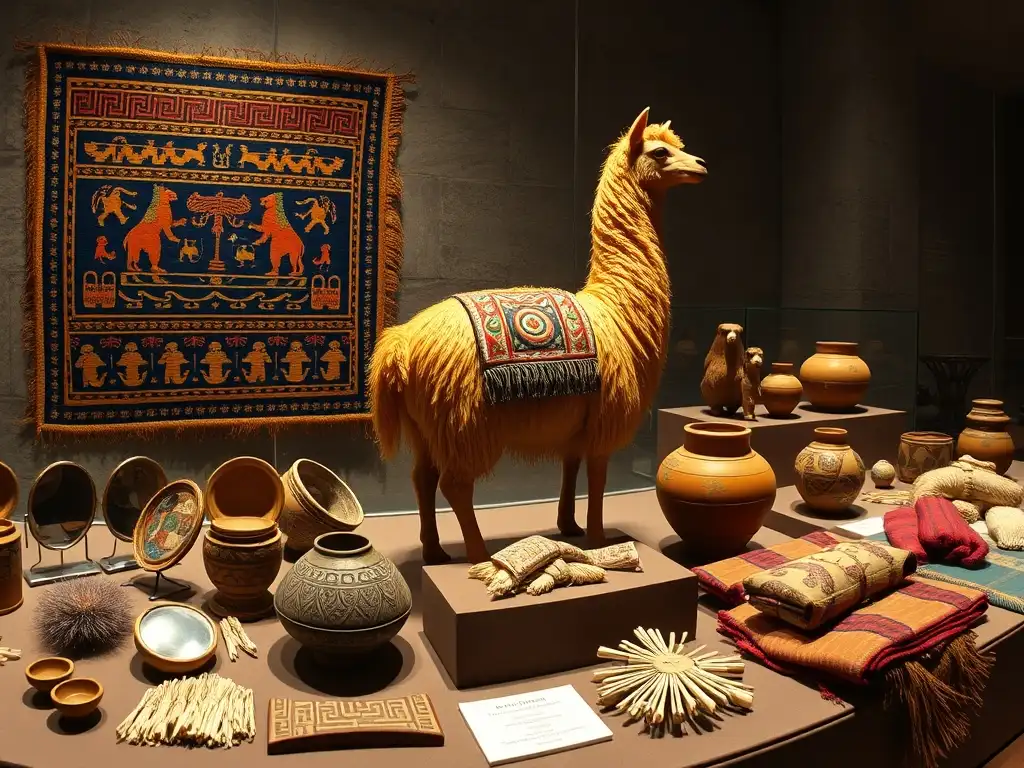
Uncover the mysteries shrouding the Andes! Journey with us through millennia of breathtaking artistry and ingenuity as we delve into the fascinating world of ancient Andean civilizations. But first, prepare to be captivated by the enigmatic realm of Inca afterlife art objects – artifacts hinting at beliefs far beyond our comprehension. Dare to explore the vibrant tapestry of their culture and discover the secrets they left behind…
The Inca civilization, renowned for its sophisticated engineering and vast empire spanning the Andes Mountains, left behind a rich legacy of art deeply intertwined with their beliefs about the afterlife. This article delves into the fascinating world of Inca funerary art, exploring the objects meticulously crafted and placed within tombs to accompany the deceased on their journey to the next world. We will examine the intricate details of these artifacts, revealing how they reflect Inca cosmology, social structures, and spiritual beliefs.
Understanding Inca afterlife art objects provides invaluable insight into the complexities of their culture and offers a glimpse into a worldview profoundly different from our own. This exploration will focus on the symbolic meaning embedded within these objects and their role in facilitating a successful transition to the spirit realm, focusing specifically on the artistic representations of this crucial belief system.
The sheer artistry and craftsmanship displayed in these objects underscores the importance the Inca placed on ensuring a comfortable and successful passage for their deceased. Prepare to be captivated by the beauty and mystery surrounding these remarkable pieces, uncovering the stories they tell about life, death, and the enduring power of Inca beliefs.
The Inca Belief in the Afterlife and its Artistic Expression
The Inca worldview encompassed a complex understanding of the afterlife, significantly impacting their artistic production. Unlike many other cultures, the Inca did not depict a singular, easily defined underworld or heaven. Instead, their beliefs suggest a continuation of life in a different realm, where the deceased continued to interact, albeit in a transformed state, with the living. This belief system is richly illustrated in their art. The objects placed within tombs weren't merely grave goods; they were essential tools and companions for the deceased in this continued existence.
For example, intricately woven textiles, often adorned with vibrant colors and symbolic patterns, were commonly included in burials. These weren't simply decorative items; they represented status, identity, and provided warmth and comfort in the afterlife. Similarly, finely crafted pottery vessels, often containing food and drink, were intended to sustain the deceased on their journey. The inclusion of miniature tools and everyday objects further reinforces the idea of a continuation of life, albeit in a spiritual form.
The sheer variety and meticulous craftsmanship of these objects underscore the profound importance the Inca placed on ensuring the well-being of their ancestors in the afterlife. This attention to detail reveals a deeply held belief in the continued spiritual existence and the need to provide for it materially. The artistry wasn't just aesthetic; it was a vital part of their religious practices and beliefs surrounding death and the hereafter.
Inca Funerary Practices and the Role of Art
Inca funerary practices were elaborate and varied depending on the social status of the deceased. Royal burials, for instance, were far more extensive and contained a significantly larger array of art objects than those of commoners. These elaborate burials often included mummies adorned with elaborate headdresses, jewelry made of gold and silver, and finely crafted ceramics depicting scenes from mythology and daily life. These objects were not only symbols of status but also served practical purposes in the afterlife.
The careful placement of these objects within the tombs reveals a structured and purposeful approach. The arrangement often mirrored the social hierarchy, with the most valuable objects placed closest to the deceased, reflecting their importance and status in life and, presumably, in death. This meticulous arrangement suggests a complex ritualistic process, emphasizing the significance of the afterlife and the crucial role art played in ensuring a successful transition.
Furthermore, the use of specific materials, such as gold and silver, were not merely decorative; they were believed to possess spiritual properties, further enhancing the efficacy of these funerary offerings. The sheer scale and complexity of these burials highlight the Inca's profound investment in their beliefs surrounding death and the importance of ensuring a proper passage for their deceased.
The art objects found within these tombs serve as tangible evidence of their elaborate rituals and deeply held spiritual beliefs. The intricate detail and craftsmanship of these objects continue to fascinate and inspire awe, even centuries later.
Key Inca Afterlife Art Objects
Inca funerary practices reveal a sophisticated understanding of the afterlife, reflected in the diverse range of art objects interred with the deceased. These weren't merely grave goods; they were essential provisions for the journey to the next world and continued existence there. The selection of objects varied based on the social status of the individual, with elites receiving far more elaborate and numerous offerings.
The sheer variety of materials – gold, silver, textiles, ceramics, and stone – underscores the Inca's mastery of craftsmanship and their profound beliefs about the continuity of life beyond death. Analyzing these objects provides invaluable insight into Inca cosmology, social structures, and artistic capabilities.
The careful placement and arrangement of these items within the burial site also offers clues to the beliefs and rituals surrounding death and the afterlife. Research continues to uncover new information about the meanings and purposes of these objects, adding to our understanding of Inca culture.
Burial Bundles and their Significance in Inca Funerals
Burial bundles, mallkis, represent a cornerstone of Inca funerary practices. These bundles, often containing the mummified remains of the deceased, were meticulously prepared and richly adorned with textiles, ceramics, and other valuable objects. The contents of the mallkis varied significantly depending on the status of the deceased.
Elites might be accompanied by gold and silver ornaments, finely woven textiles, and intricate ceramic vessels, while those of lower status might have simpler offerings. The careful wrapping and layering of the bundles, often using multiple textiles and securing them with cords or straps, suggests a ritualistic process designed to protect and preserve the deceased for their journey into the afterlife.
The bundles themselves, reflecting the skill of the Inca textile artisans, are considered works of art in their own right. Archaeological evidence shows that mallkis were often placed in carefully constructed tombs or niches within larger structures, further highlighting their importance in Inca funerary rites.
The Importance of Inca Textiles in Funerary Rites
Textiles played a pivotal role in Inca funerary rites, acting as both practical and symbolic elements. The deceased were often wrapped in layers of finely woven cloths, demonstrating the high value placed on textiles. These weren't simple shrouds; rather, they were elaborate tapestries, often featuring intricate designs and vibrant colors. The textiles themselves, frequently made from alpaca or llama wool, were imbued with symbolic meaning, representing status, identity, and connection to the spiritual realm.
Specific patterns and motifs might have signified particular beliefs or affiliations. The quality of the textiles, reflecting the skill of the weavers, indicated the social status of the deceased. The abundance of textiles in many burials underscores their importance not just as material goods but as vital components in ensuring a successful transition to the afterlife.
Metalwork and Precious Objects for the Inca Afterlife Journey
Gold, silver, and copper were highly valued by the Inca, and their use in funerary contexts demonstrates their belief in the continued utility of these precious metals in the afterlife. Elaborate gold and silver ornaments, including ear spools, nose rings, and pectorals, were often interred with the elite. These objects were not only beautiful but also likely possessed symbolic significance, possibly representing power, status, or connection to the gods.
The intricate craftsmanship of these pieces highlights the advanced metalworking techniques of the Inca. Copper, while less precious than gold and silver, was still used in funerary objects, often in the form of tools or implements, suggesting a continued need for these items in the next world. The inclusion of these precious metals reinforces the importance of material wealth and status in the Inca conception of the afterlife.
Ceramics and Vessels for the Deceased
Ceramics comprised a significant portion of Inca grave goods. A wide variety of vessels, from simple utilitarian jars to intricately decorated bowls and cups, were included in burials, providing the deceased with sustenance and containers for offerings in the afterlife. The styles and decorations of these vessels varied across regions and time periods, allowing archaeologists to date and contextualize burials.
Some vessels featured intricate designs depicting deities, animals, or scenes from daily life, further highlighting their symbolic importance. The presence of food and drink residues within some vessels suggests that these were not merely symbolic objects but also intended for practical use in the afterlife. The selection of ceramics and their placement within the tomb reflect the Inca's belief in providing for the deceased's needs in the next world.
The Function of Inca Art in the Spiritual Realm
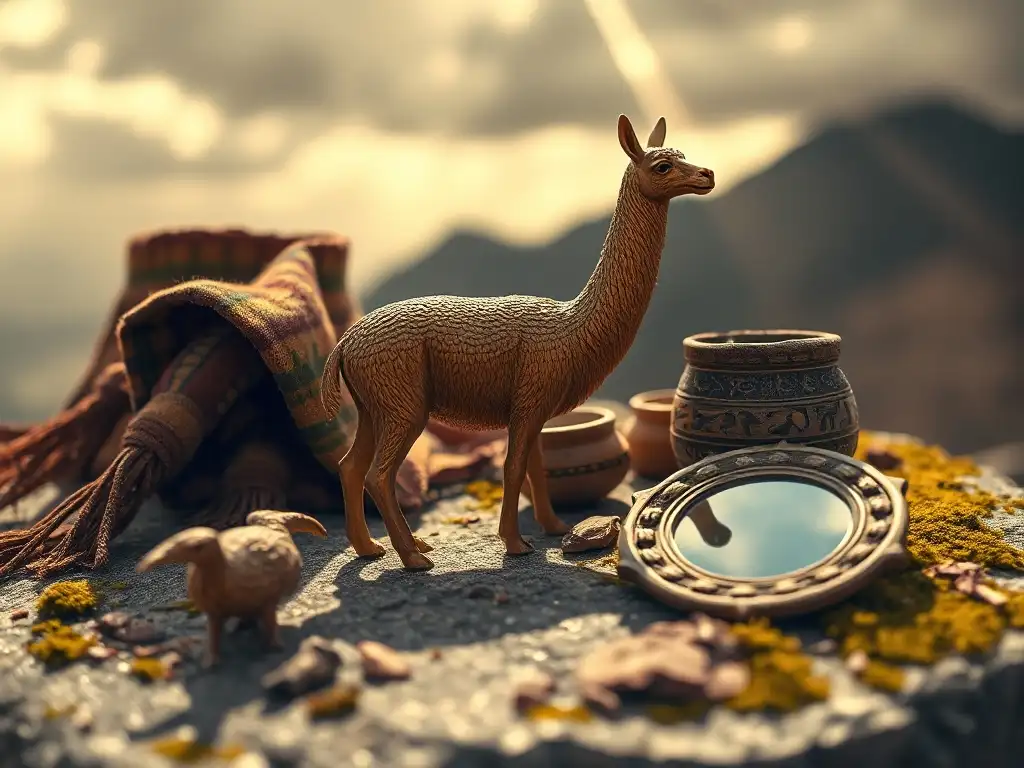
Inca art served a multifaceted role in the spiritual realm, going beyond mere aesthetic appreciation. Art objects were integral components of religious rituals, ancestor veneration, and funerary practices. The creation and use of these objects were deeply embedded in Inca cosmology and worldview. Through art, the Inca expressed their beliefs about the cosmos, the gods, and the relationship between the living and the dead.
The selection of specific motifs, materials, and techniques carried symbolic weight, conveying meanings that were understood within the Inca society. The vibrant colors, intricate designs, and high-quality craftsmanship of Inca art all contributed to its spiritual significance. Further research is needed to fully understand the nuanced symbolic meanings embedded within various artistic representations.
The Connection Between Inca Art and Ancestor Veneration
Ancestor veneration was a central aspect of Inca religion, and art played a crucial role in maintaining these connections. Mummies of deceased ancestors were often treated with great respect and adorned with elaborate textiles and ornaments. These mummies were not simply relics of the past but active participants in the community, believed to continue influencing the affairs of the living.
Art objects offered to the ancestors served as both offerings and reminders of their continued presence. The intricate detail and craftsmanship of these objects demonstrate the reverence and importance placed on the ancestors within Inca society. The continued interaction and communication with ancestors through art objects highlights the dynamic nature of Inca spirituality and the profound significance of family and lineage.
Inca Art and the Representation of Deities in Funerary Contexts
Inca art frequently depicted deities and mythological figures, reinforcing their importance in the funerary context. Representations of deities such as Viracocha, the creator god, and Inti, the sun god, were frequently found in tombs and burial sites. These representations could take the form of sculpted figures, textile designs, or ceramic motifs.
The presence of these divine figures in funerary contexts suggests a belief in the continued influence of the gods in the afterlife. The specific deities depicted and their placement within the burial might have signified the deceased's relationship with the divine or their aspirations for the afterlife. The use of art to represent these powerful figures underscores the crucial role played by religion and mythology in shaping Inca funerary practices and beliefs about the afterlife.
Materials and Techniques Used in Inca Afterlife Art
The creation of Inca art objects intended for the afterlife showcased a remarkable mastery of diverse materials and sophisticated techniques. The Incas' belief in a continuation of life beyond death fueled the meticulous crafting of these funerary items, reflecting their deep spiritual beliefs and societal structures. The selection of materials was far from arbitrary; each held symbolic meaning and contributed to the overall impact of the burial assemblage. From precious metals to humble textiles, every element played a crucial role in ensuring a comfortable and prosperous journey for the deceased into the next world. The artisans’ skill in manipulating these materials is a testament to the advanced level of Inca technology and artistry. The meticulous attention to detail evident in these objects underscores the importance placed upon the afterlife within Inca culture. The sheer diversity of materials and techniques employed further highlights the complexity and richness of their funerary practices.
The Use of Gold and Silver in Funerary Objects
Gold and silver, representing the sun and moon respectively, were highly valued materials in Inca society and frequently featured prominently in funerary objects. Their association with deities and the cosmos imbued these metals with potent spiritual significance. Gold, often hammered into thin sheets and meticulously shaped, was used to create intricate masks, ornaments, and vessels.
The malleability of gold allowed Inca artisans to create incredibly detailed and delicate designs, often incorporating intricate motifs representing animals, plants, and deities. Silver, while less abundant, was similarly employed in the creation of ceremonial objects, reflecting its symbolic importance in the Inca worldview. The presence of these precious metals in burials underscored the high social status of the deceased and their anticipated privileged position in the afterlife.
The sheer quantity of gold used in some royal tombs testifies to the immense wealth and power of the Inca Empire, and the importance placed on ensuring a lavish afterlife for its rulers. The intricate craftsmanship involved in working with these metals showcases the exceptional skill of Inca metalworkers.
Textile Techniques for Creating Burial Garments
Textiles played a vital role in Inca funerary practices, with elaborate burial garments and shrouds serving both practical and symbolic purposes. The Incas were masters of textile production, employing a variety of techniques including spinning, weaving, dyeing, and embroidery to create richly decorated fabrics. Alpaca and llama wool were the primary materials, prized for their softness, warmth, and vibrant colors.
Intricate patterns and designs, often incorporating symbolic motifs related to fertility, power, and the afterlife, were meticulously woven into the fabrics. The creation of these garments was a labor-intensive process, requiring considerable skill and time. These textiles were not merely functional; they were imbued with spiritual significance, intended to protect and comfort the deceased on their journey to the next world.
The complexity of the designs and the quality of the materials reflect the high status of the individuals for whom these garments were created. Specific techniques, such as tapestry weaving, allowed for complex pictorial representations, further enhancing the symbolic richness of the burial garments.
The Art of Pottery for the Afterlife
Pottery served a multifaceted purpose in Inca funerary rituals, ranging from practical containers for food and drink offerings to elaborate vessels bearing symbolic designs. These ceramic pieces often featured intricate designs, reflecting the artistic skill of Inca potters and the spiritual significance of the objects. The materials used, including clay sourced from specific regions, further enhanced the symbolic value of the artifacts. The shapes and decorations on the pottery frequently reflected cosmological beliefs, with representations of celestial bodies, animals, and deities.
The presence of pottery in burials indicates a belief that the deceased would continue to require sustenance and comfort in the afterlife. The craftsmanship involved in creating these vessels, from shaping and firing the clay to applying intricate surface decorations, showcases the high level of skill among Inca artisans. The variety of forms and styles encountered in funerary pottery illustrates the richness and diversity of Inca artistic expression.
Mummy masks represent a particularly compelling category of Inca funerary art, offering valuable insights into their beliefs about death and the afterlife. These intricately crafted masks were placed over the faces of mummies, intended to protect and honor the deceased. Their creation involved a complex process, requiring significant skill and artistic talent.
Description of Mummy Masks
Inca mummy masks were typically made from various materials, including gold, silver, textiles, and even wood and stucco. The masks varied in size and complexity, reflecting the status of the deceased. Those created for elite individuals often featured elaborate designs and precious materials, while simpler masks were used for commoners. The masks were often adorned with feathers, shells, and other precious objects, further enhancing their visual impact. The level of detail in some masks is truly remarkable, with realistic depictions of facial features and intricate patterns.
Analysis of their Symbolism and Significance
The symbolism and significance of Inca mummy masks are multifaceted. The use of precious metals, such as gold and silver, indicated the high status of the deceased and their connection to the divine. The masks served as a representation of the deceased’s identity, ensuring their continued recognition in the afterlife.
The intricate designs and motifs often incorporated religious and cosmological symbols, reinforcing the spiritual significance of the masks. By studying these masks, we gain valuable insights into Inca beliefs about death, the afterlife, and the relationship between the living and the dead. The enduring power of these artifacts lies in their ability to connect us to the spiritual beliefs and artistic achievements of a remarkable civilization.
Description of Ushnus
Ushnus, often misinterpreted as mere funerary structures, represent a fascinating aspect of Inca afterlife beliefs and artistic expression. These are cylindrical or conical towers, typically built of stone, that were integrated into the landscape, often found near important sites or along pilgrimage routes. Their size varied considerably, ranging from relatively small structures to imposing monuments. Construction techniques were sophisticated, reflecting the Inca mastery of stonework.
Precisely cut stones were fitted together without mortar, a testament to their advanced engineering skills. The exterior surfaces were often smooth, though some examples show decorative elements like niches or sculpted panels, albeit less frequently than in other funerary contexts. Internal structures could be simple or complex, sometimes containing chambers or passages, suggesting a multi-faceted purpose beyond simple burial.
While some may have contained human remains, many seem to have served symbolic or ritualistic functions, closely tied to the Inca worldview and concepts of the afterlife. The placement of ushnus, often strategically located within the broader landscape, implies a deeper significance beyond their physical form. Further research is needed to fully understand the regional variations in ushnu construction and their specific roles within individual communities.
Analysis of their Symbolism and Significance
The symbolism embedded within ushnus remains a subject of ongoing scholarly debate. Their elevated position, often overlooking valleys or significant geographical features, suggests a connection to the celestial realm and the Inca understanding of the cosmos. Some scholars propose that they served as intermediaries between the living and the dead, facilitating communication with ancestral spirits. The conical or cylindrical shape may symbolize mountains, a recurring motif in Andean cosmology representing the axis mundi, the connection between the earthly and spiritual worlds.
The precise arrangement of stones, the presence of niches, and any surviving decorative elements all contribute to the rich layer of symbolic meaning. The meticulous craftsmanship involved in their construction underlines their importance and the reverence with which they were treated. Furthermore, the association of ushnus with significant pilgrimage routes suggests their role in reinforcing Inca religious and political authority. By controlling access to these sacred sites, the Inca elite could consolidate their power and maintain social order.
The absence of extensive grave goods within many ushnus, compared to other funerary contexts, supports the theory that their primary function was ritualistic rather than purely sepulchral. The ushnus served as powerful symbols reinforcing Inca beliefs about the afterlife and the continuity between the living and the dead. Their presence continues to resonate in the Andean landscape, prompting ongoing research into their complex symbolism.
The Legacy of Inca Afterlife Art and its Influence
The Inca approach to death and the afterlife, vividly expressed through their art, left a lasting impact on subsequent Andean cultures. The careful preparation of bodies for mummification, the creation of intricate textiles and objects for the deceased, and the construction of monumental structures like ushnus all reflect a profound belief in the continuity of life beyond death. These practices, evolving over centuries, influenced later Andean civilizations, shaping their funerary rituals and artistic traditions.
The symbolic language employed in Inca funerary art, with its emphasis on celestial imagery, sacred animals, and representations of power, became a foundation upon which later artistic traditions built. Even after the Spanish conquest, elements of Inca beliefs about the afterlife persisted, subtly influencing the syncretic religious practices that emerged. The legacy of Inca afterlife art is not just found in surviving artifacts; it is woven into the cultural fabric of the Andes, shaping perceptions of death, ancestor veneration, and the relationship between the living and the spiritual world.
The continued fascination with Inca funerary practices and their artistic expressions reflects a deeper understanding of the enduring influence of this ancient civilization on the region's cultural identity. The study of Inca afterlife art offers valuable insights into the worldview and spiritual beliefs of this remarkable culture and its lasting impact on the history of the Andes. The intricate detail and symbolic richness of their art continue to inspire and captivate, reminding us of the enduring power of human creativity and spiritual belief.
Conclusion: Understanding the Inca Concept of Death Through Art
The intricate artistry found in Inca funerary objects offers a profound insight into their complex worldview and beliefs surrounding death and the afterlife. Unlike many cultures that view death as an ending, the Inca perceived it as a transition, a continuation of life in a different realm. The meticulous craftsmanship evident in these artifacts – from intricately woven textiles to finely crafted gold and silver adornments – demonstrates the significant importance placed upon ensuring a comfortable and successful passage for the deceased into this otherworldly existence.
The inclusion of everyday tools, food, and clothing suggests a belief in the continuity of daily life, albeit in a transformed state. These weren't simply grave goods; they were essential provisions for a journey into the unknown.
The abundance of these objects, discovered in various contexts across the Inca Empire, reveals a widespread and deeply ingrained belief system. The consistency in the types of artifacts found across different social strata, though varying in scale and material quality, points to a shared understanding of death and the afterlife that permeated Inca society. Even the humblest burials often contained carefully selected items, underscoring the universal importance of this transition. The careful placement of these objects within the tomb, their arrangement often mirroring daily activities or social hierarchies, further reinforces the idea of a continued, if altered, existence.
Studying Inca afterlife art objects provides a unique window into a culture's deeply held beliefs and values. By analyzing the materials, craftsmanship, and the context of discovery, we can begin to unravel the complexities of their spiritual world.
The sheer diversity of objects, from ceramic vessels to intricately carved wooden figures, highlights the multifaceted nature of their beliefs and the rich tapestry of their spiritual practices. Continued research and analysis of these invaluable artifacts are crucial to achieving a more complete understanding of Inca cosmology and their unique perspective on life and death.
The meticulous attention to detail found in even the smallest object underscores the profound respect the Inca held for their ancestors and the importance they placed on ensuring a successful transition to the next world. This legacy continues to inspire awe and wonder, reminding us of the enduring power of art to reveal the deepest truths about a culture.
- The Inca Belief in the Afterlife and its Artistic Expression
- Inca Funerary Practices and the Role of Art
- Key Inca Afterlife Art Objects
- The Function of Inca Art in the Spiritual Realm
- Materials and Techniques Used in Inca Afterlife Art
- Analysis of Specific Inca Art Pieces Related to the Afterlife: Mummy Masks
- Analysis of Specific Inca Art Pieces Related to the Afterlife: Ushnus
- The Legacy of Inca Afterlife Art and its Influence
- Conclusion: Understanding the Inca Concept of Death Through Art
- What role did art play in Inca beliefs about the afterlife?
- What types of art objects were commonly found in Inca tombs?
- How did Inca afterlife art differ from that of other Andean cultures?
- Were all Inca art objects intended for the afterlife?
- Where can I learn more about Inca afterlife art objects?
Frequently Asked Questions
What role did art play in Inca beliefs about the afterlife?
Inca art played a crucial role in preparing individuals for the afterlife. Elaborate burial rituals involved placing art objects within tombs, providing the deceased with necessities and comforts for their journey to the next world. These objects reflected their status and beliefs.
What types of art objects were commonly found in Inca tombs?
A wide variety of art objects were included, such as textiles, ceramics, gold and silver jewelry, and tools. The selection reflected both the deceased's social standing and the beliefs surrounding the afterlife. Specific objects were thought to aid in the transition or provide sustenance.
How did Inca afterlife art differ from that of other Andean cultures?
While sharing some similarities with other Andean cultures, Inca afterlife art often featured a greater emphasis on gold and silver, reflecting their imperial power and wealth. The iconography also frequently showcased Inca imperial symbols and deities.
Were all Inca art objects intended for the afterlife?
No, many Inca art objects were created for everyday use or ceremonial purposes in the living world. However, a significant portion of surviving Inca art was found in burial contexts, suggesting a strong connection between art and beliefs about the afterlife.
Where can I learn more about Inca afterlife art objects?
You can explore numerous museums and academic resources dedicated to Andean archaeology. Online databases and scholarly articles offer in-depth information on Inca burial practices and the meaning of the art objects found within tombs.
Final Reflection: Echoes of the Andes, Whispers of Eternity
The intricate artistry of Inca funerary objects isn't merely a relic of a bygone era; it's a powerful testament to the enduring human fascination with the afterlife, a fascination that resonates deeply with us today. The meticulous craftsmanship, the symbolic imagery, and the sheer quantity of objects discovered in Inca tombs speak volumes about the importance placed on the journey beyond this life, a journey they believed was just as important, if not more so, than the earthly one.
This enduring preoccupation with what lies beyond continues to inspire awe and contemplation, reminding us of our own shared mortality and the enduring human need to make sense of the unknown.
The Inca's profound belief in the continuity of life, reflected in the lavish provisions buried with their elite, continues to shape our understanding of ancient Andean cultures and their sophisticated worldview. Their art, far from being simply decorative, served as a vital bridge between the living and the dead, a conduit for ensuring a successful transition to the next world. The objects themselves were not merely possessions; they were imbued with spiritual power, intended to sustain and protect the deceased in their journey.
This understanding challenges our modern, often secular, perspectives on death and encourages us to consider the diverse ways cultures have grappled with this fundamental human experience.
Consider the intricate detail, the vibrant colors, the symbolic meaning woven into each textile, ceramic vessel, and gold ornament. These weren't just objects; they were expressions of faith, hope, and a deep-seated belief in a vibrant afterlife. You, the reader, are now invited to reflect on your own relationship with mortality and the legacy you wish to leave behind. What stories do you want to tell through your actions and creations? What enduring mark will you leave on the world, echoing through time much like the whispers of the Andes still speak to us today?
Unveil the Secrets of Inca Art and Transform Your Journey
Thank you for exploring the captivating world of Inca art and its profound connection to the Andean worldview. You've uncovered the remarkable role these objects played in shaping spiritual beliefs and practices. Now, let's delve even deeper into this rich cultural heritage.
Here are some ways to further explore Inca art and culture:
- Visit a local museum to experience Inca artifacts firsthand and gain a deeper appreciation for their significance. Consider museums with strong collections of pre-Columbian art.
- Join an online community or forum dedicated to Andean history and archaeology. Connecting with fellow enthusiasts is a great way to share insights and learn from others.
- Create your own artwork or craft inspired by Inca traditions. Sharing your creations with friends and family can help spread appreciation for this fascinating culture.
What aspect of Inca culture most captivates you, and how will you continue to explore it?