
The Importance of Gold and Silver in Inca Metalwork

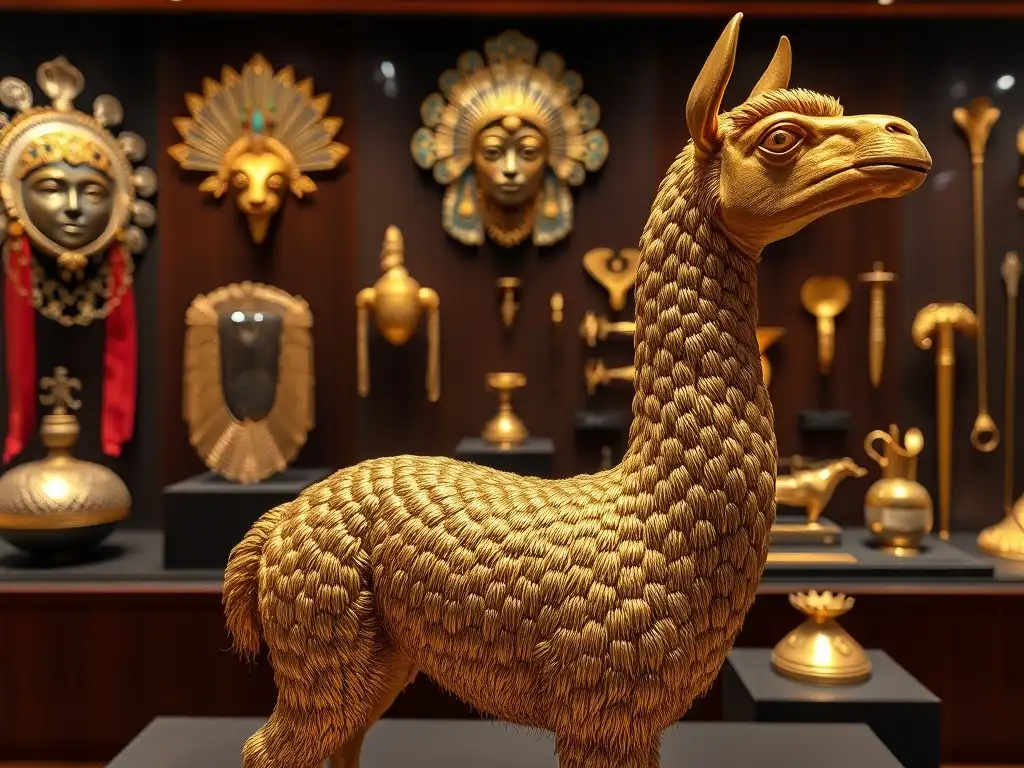
Uncover the secrets whispered by the Andes! Journey through millennia of breathtaking artistry and ingenuity as we delve into the captivating world of Andean civilizations. But first, prepare to be amazed by the masterful techniques behind the legendary Inca gold and silver metalwork. Their artistry wasn't just about gleaming treasures; it held profound spiritual and societal significance. Discover the intricate stories woven into each piece – a legacy waiting to be explored.
The Inca Empire, a civilization that flourished in the Andes Mountains from the 15th to the 16th century, left behind a legacy of breathtaking artistry and sophisticated engineering. While their mastery of stonework is widely recognized, the Inca's expertise in metalworking, particularly their manipulation of gold and silver, remains a testament to their advanced metallurgical skills and deeply ingrained cultural beliefs.
This article delves into the crucial role of gold and silver in Inca metalwork, exploring the techniques employed and the profound significance these precious metals held within Inca society. We will examine how these techniques reflect Inca ingenuity and how the use of gold and silver reinforced their social hierarchy and spiritual beliefs, ultimately contributing to our understanding of "Inca gold silver metalwork techniques."
This exploration will move beyond simple descriptions to analyze the cultural and symbolic weight embedded within each piece, illuminating the intricate relationship between Inca metalwork and their worldview.
Introduction to Inca Metalworking
Inca metalworking was not merely a craft; it was a highly specialized art form requiring exceptional skill and knowledge. The Inca lacked access to the high-temperature furnaces needed for smelting ores directly. Instead, they relied on a sophisticated process of recycling pre-existing metals, primarily gold and silver, obtained through tribute, trade, and conquest. This meant that the Inca were masters of refining, alloying, and shaping techniques, pushing the boundaries of what was possible with the available resources. Their expertise extended to a variety of techniques including:
- Hammering and Repoussé: The Inca were adept at hammering thin sheets of metal into intricate shapes, using repoussé (hammering from the back to create relief) to achieve remarkable detail and three-dimensionality.
- Casting: While less common than hammering, casting allowed for the creation of more complex forms. Evidence suggests they employed lost-wax casting, a sophisticated technique requiring precise skill and planning.
- Inlay and Overlay: To enhance their metalwork, the Inca often employed inlay (setting smaller pieces of metal into a larger surface) and overlay techniques, combining different metals and creating stunning visual effects. This demonstrates a high level of artistic sophistication and planning.
- Alloying: The Inca understood the importance of alloying, mixing different metals to achieve specific properties like increased durability or a desired color. They skillfully blended gold with copper and silver to create a range of hues and textures.
The precision and artistry evident in Inca metalwork underscore their profound understanding of metallurgy and their commitment to artistic excellence. The intricate detail and sophisticated techniques employed speak volumes about their advanced technological capabilities and their deep connection to the materials they worked with.
The Significance of Precious Metals in Inca Society
Gold and silver held immense symbolic and religious importance within Inca society, far exceeding their mere monetary value. Gold, associated with the sun god Inti, symbolized power, divinity, and the Inca's royal lineage. Silver, linked to the moon, represented fertility, abundance, and the cyclical nature of life. The use of these precious metals in religious objects, royal regalia, and elite adornments reinforced the Inca's hierarchical social structure and their connection to the divine.
The creation of elaborate gold and silver objects, such as intricately crafted masks, ceremonial vessels, and finely detailed jewelry, served not only as displays of wealth and power but also as potent religious symbols. These artifacts were often used in rituals and ceremonies, reinforcing the Inca's belief system and solidifying the authority of the ruling elite.
The sheer quantity of gold and silver used in these objects, along with the meticulous craftsmanship involved, underscores their cultural significance and the immense value placed upon them. The careful preservation and reuse of these metals, even after the Spanish conquest, further demonstrates their enduring importance within Inca culture.
The surviving examples of Inca gold and silver metalwork continue to fascinate and inspire, offering a window into the beliefs, values, and artistic achievements of one of the most remarkable civilizations in the Americas. Further research into the specific compositions of alloys and the detailed processes used in creating these masterpieces would undoubtedly enhance our understanding of "Inca gold silver metalwork techniques" even further.
Inca Gold Craftsmanship
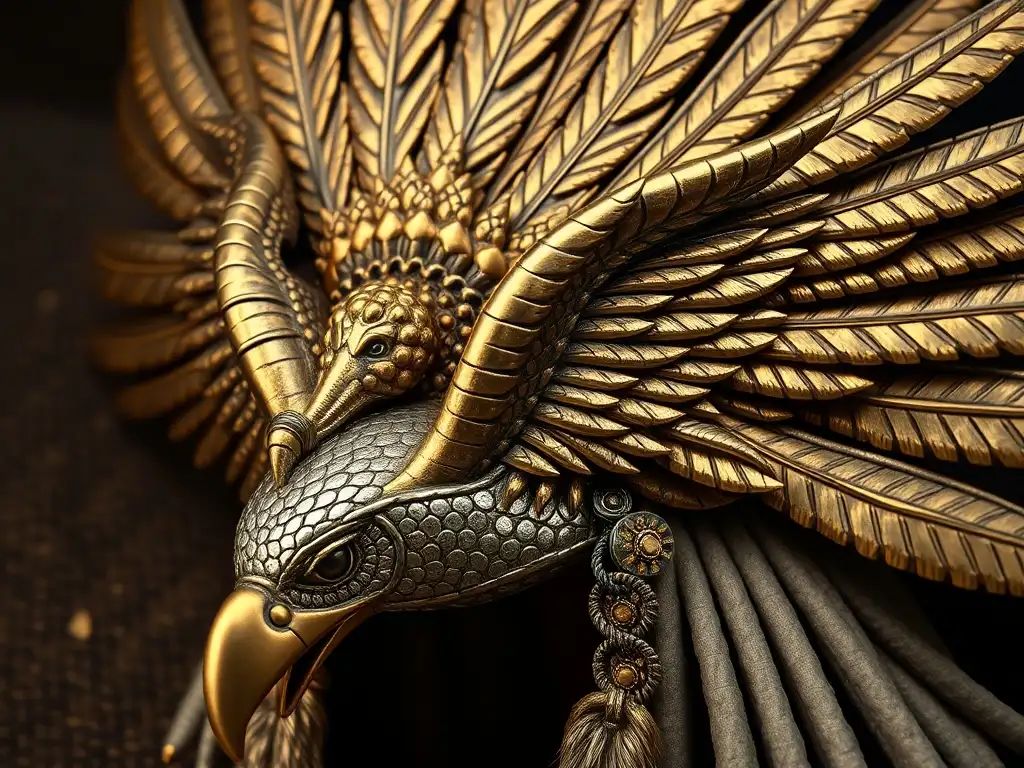
The Inca Empire's mastery of gold and silver metalwork is legendary, a testament to their advanced metallurgical skills and sophisticated understanding of material properties. Their techniques, refined over centuries, resulted in breathtaking artifacts that continue to fascinate and inspire awe. The sheer volume and artistry of surviving Inca gold and silver objects provide invaluable insights into their culture, beliefs, and social structure. This section delves into the intricacies of Inca gold craftsmanship, exploring their mining practices, ritualistic uses, and innovative techniques. Understanding these aspects is crucial to appreciating the full significance of "Inca gold silver metalwork techniques."
Inca Gold Mining and Extraction Techniques
Inca gold mining operations were extensive and well-organized, reflecting the empire's centralized control over resources. Unlike some other ancient civilizations that relied heavily on alluvial gold (gold found in riverbeds), the Inca also actively mined primary gold deposits in the Andes mountains. This required sophisticated engineering skills, evident in the construction of intricate terraced mines, tunnels, and drainage systems.
Evidence suggests the use of copper and bronze tools for excavation, along with a system of labor organization that mobilized significant manpower. The extraction process likely involved crushing the ore, followed by techniques like panning or amalgamation (using mercury) to separate the gold from other materials. The precise details of their amalgamation techniques, however, remain a subject of ongoing research.
The scale of their mining efforts is remarkable, considering the limited technology available at the time, showcasing their impressive organizational prowess and engineering capabilities. The Inca's sophisticated approach to "Inca gold silver metalwork techniques" began long before the shaping of the metal itself.
Uses of Gold in Inca Rituals and Status Symbols
Gold, in Inca culture, held profound religious and symbolic significance, far exceeding its purely monetary value. It was associated with the sun god, Inti, a central figure in Inca cosmology. Consequently, gold objects were frequently used in religious ceremonies and adorned temples and palaces.
The most prestigious items were often reserved for the elite, serving as powerful status symbols. For example, intricately crafted gold masks, adorned with precious stones and feathers, were used in ceremonies and were symbols of royal power. Gold and silver ceremonial vessels, such as kero drinking cups, were also used in rituals and feasts, further highlighting the metal's importance in religious and social life.
The intricate designs on many of these objects often depicted mythical creatures, deities, and scenes from Inca mythology, reinforcing their sacred nature. The use of gold in these rituals underscores its role in connecting the Inca elite to the divine realm and strengthening their authority. The careful selection and craftsmanship involved in the creation of these pieces highlight the importance of "Inca gold silver metalwork techniques" in reinforcing social hierarchies.
Inca Goldworking Techniques: Hammering, Casting, and Gilding
Inca goldsmiths demonstrated exceptional skill in a variety of metalworking techniques. Hammering was a primary method, used to shape thin sheets of gold into intricate designs. They achieved remarkable precision and detail, creating delicate repoussé (hammering from the back to create raised designs) and chasing (hammering from the front to refine details) work.
Casting, another significant technique, allowed for the creation of more complex three-dimensional forms. While the precise composition of their casting molds remains a subject of ongoing study, evidence suggests they utilized lost-wax casting, a sophisticated process that allowed for intricate designs and hollow forms. Finally, gilding, the application of a thin layer of gold to another metal (often silver or copper), was used to enhance the appearance of objects and create a sense of opulence.
The combination of these diverse techniques – hammering, casting, and gilding – showcases the ingenuity and expertise of Inca goldsmiths. The sophistication of "Inca gold silver metalwork techniques" is evident in the remarkable preservation and intricate details of many surviving artifacts. The level of skill and precision involved is truly astounding, and a testament to the dedication and artistry of Inca metalworkers.
Inca Silver Craftsmanship
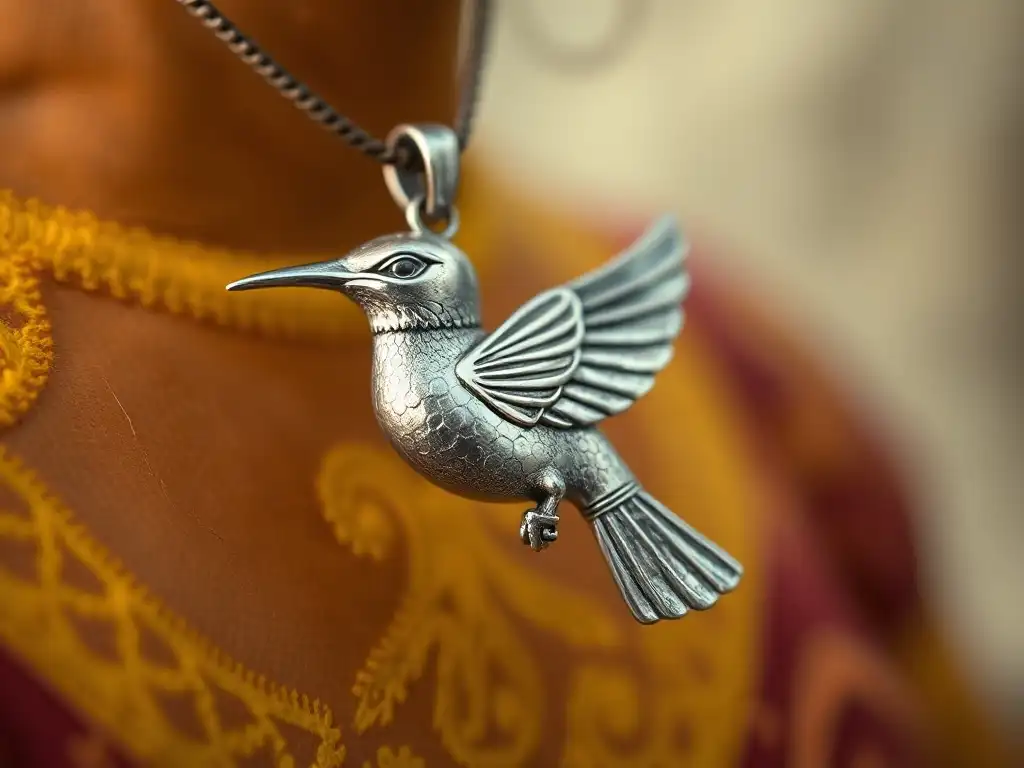
The Inca Empire's mastery extended beyond its impressive architectural feats and intricate textiles; their metalworking, particularly in gold and silver, represents a pinnacle of Andean artistry. While gold often takes center stage in discussions of Inca metalwork, silver played a crucial, albeit often understated, role in their artistic expression and socio-political structures. This section delves into the significance of silver in Inca craftsmanship, examining its sourcing, artistic applications, and the sophisticated techniques employed by Inca artisans.
Understanding Inca silverwork provides invaluable insight into their economic power, religious beliefs, and artistic ingenuity. The term "Inca gold silver metalwork techniques" encapsulates the breadth of their metallurgical achievements.
Inca Silver Mining and Sourcing
Silver, unlike gold, wasn't as readily available in the Inca Empire's core territories. While gold could be found in riverbeds and alluvial deposits, silver typically required more extensive mining operations. The Inca controlled numerous silver mines, primarily located in the highlands of modern-day Bolivia and Peru.
These mines weren't simply haphazard excavations; they were strategically managed resources, reflecting the Inca's sophisticated understanding of mining and resource management. Evidence suggests the use of sophisticated techniques, including the construction of extensive drainage systems to manage water inflow within the mines. Furthermore, the Inca likely employed a system of forced labor (mita) to extract silver ore, a system that integrated mining into the broader Inca economic and social structures.
The organization and scale of these mining operations underscore the empire's considerable economic power and capacity for large-scale projects. Accurate data on the total silver production during the Inca period remains elusive, requiring further archaeological research to fully quantify the extent of Inca silver mining.
The Role of Silver in Inca Art and Decoration
Inca silverwork wasn't solely about creating large, ostentatious objects. While gold was reserved for elite items and religious contexts, silver played a vital role in both ceremonial and everyday life. It featured prominently in decorative elements, adorning objects made from other materials like wood, stone, or textiles. Silver sheets were hammered and shaped to create intricate inlays, adding a refined touch to everyday utensils or ceremonial paraphernalia.
Smaller silver pieces were used to create jewelry, such as earrings, pendants, and nose rings, often featuring simpler designs than their gold counterparts. The use of silver in these contexts suggests a broader distribution and accessibility compared to gold, though it still held significant cultural value. The presence of silver in both elite and commoner contexts highlights its importance as a valuable resource, integrated into the fabric of Inca society.
Inca Silverworking Techniques: Filigree and Repoussé
Inca silversmiths were masters of various metalworking techniques, showcasing remarkable skill and precision. Two particularly noteworthy techniques are filigree and repoussé. Filigree, characterized by delicate, intricate designs created from thin silver wires soldered together, demonstrates exceptional dexterity. These filigree pieces often adorned larger objects or formed intricate elements within jewelry.
The intricacy of the work suggests a high level of specialization among Inca artisans, with individuals possessing years of training and experience. Repoussé, on the other hand, involved hammering a sheet of silver from the back to create a three-dimensional design on the front. This technique allowed Inca artisans to create detailed images and motifs on larger silver objects, showcasing their mastery of metal manipulation.
Both filigree and repoussé techniques, employed skillfully in Inca silverwork, showcase the advanced metallurgical knowledge and artistic capabilities of the Inca civilization. Analyzing these techniques not only reveals their technical prowess but also provides insight into the cultural values and artistic expressions of the Inca Empire. Further study of surviving examples and archaeological evidence will continue to illuminate the nuances of these remarkable techniques and their place within the broader context of Inca "Inca gold silver metalwork techniques."
Inca Metalwork Techniques
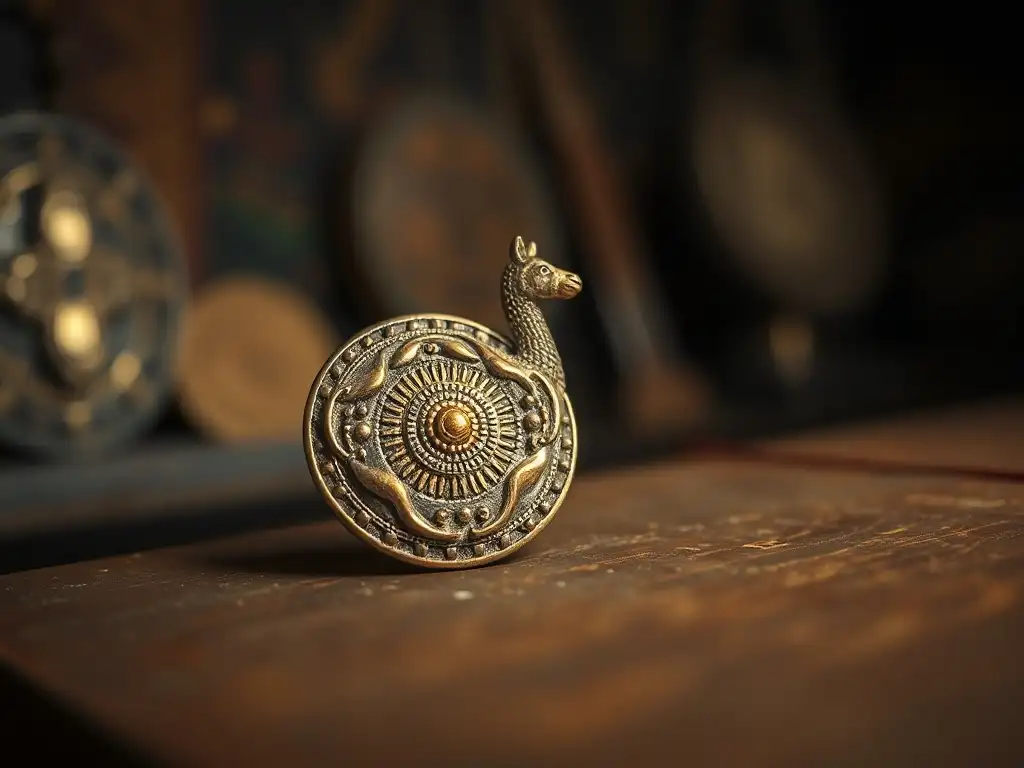
This section delves into the sophisticated techniques employed by Inca artisans in crafting their renowned gold and silver objects. Their mastery wasn't merely about creating beautiful artifacts; it was a reflection of their cosmological beliefs, social structures, and technological prowess. Understanding these techniques provides a deeper appreciation for the artistry and ingenuity of Inca gold silver metalwork.
The Mastery of Inca Goldsmiths and Silversmiths
Inca goldsmiths and silversmiths were highly skilled professionals, often working within royal workshops or under the patronage of the elite. Their expertise extended beyond simple hammering and shaping; they developed intricate techniques to achieve remarkable results. These techniques, passed down through generations, involved a sophisticated understanding of metallurgy and artistic design.
The Inca's skill in hammering thin sheets of metal into complex shapes is astonishing. They could create incredibly delicate pieces, such as the miniature figures found in royal tombs, demonstrating an exceptional level of control and precision. This involved repeated hammering and annealing (heating and cooling the metal to soften it), a process requiring considerable patience and skill.
The artisans also mastered the art of repoussé, where a design is hammered from the back of the metal sheet to create a raised image on the front. This technique, combined with chasing (smoothing and refining the surface details), allowed them to create incredibly detailed and three-dimensional objects.
Furthermore, Inca metalworkers were adept at casting. They employed the lost-wax casting method, a complex process involving creating a wax model of the desired object, covering it in clay, melting out the wax, and then pouring molten metal into the resulting mold. This allowed them to create intricate forms and hollow objects that would be difficult, if not impossible, to create through hammering alone.
Evidence suggests they used different types of crucibles and furnaces to control the temperature during casting, indicating a high level of metallurgical knowledge. The precision of their casting is evident in the flawlessly executed details found on many surviving Inca artifacts.
Combining Gold and Silver in Inca Art: Alloys and Inlays
The Inca's use of gold and silver wasn't limited to individual pieces. They frequently combined these precious metals in innovative ways, showcasing their advanced understanding of metallurgy and their artistic vision. This involved the creation of alloys and the application of intricate inlay techniques.
The creation of Inca gold silver metalwork alloys allowed the Inca to achieve a wider range of colors and textures. While the precise recipes remain unknown in many cases, analysis of surviving artifacts suggests they experimented with different proportions of gold and silver, sometimes adding copper to create a bronze-like hue. This ability to manipulate the properties of metals allowed them to create objects with subtle variations in color and sheen.
Inlay work, a technique where pieces of one metal are embedded into another, is another testament to their skill. They meticulously cut and shaped pieces of gold and silver, often creating intricate geometric patterns or depicting scenes from Inca mythology. These inlaid pieces were then carefully fitted into grooves on the base metal, creating stunning visual effects. The precision required for this technique is remarkable, indicating a high level of craftsmanship and an understanding of the material's properties. The inlaid designs often complemented the overall form of the piece, enhancing its beauty and symbolic meaning.
Inca Metalwork Tools and Equipment
The creation of such exquisite Inca gold silver metalwork required specialized tools and equipment. While many tools have not survived, archaeological evidence and descriptions from early chroniclers provide some clues.
Archaeological excavations have uncovered various tools, including hammers, chisels, and punches made of stone, bone, or metal. These tools were used for shaping, hammering, and refining the metal. The hammers were likely made of different weights and materials to achieve various effects. Chisels were used for carving intricate designs and creating grooves for inlay work. Punches were used to create textures and patterns on the metal surface.
Furthermore, evidence suggests the use of crucibles, bellows, and furnaces for melting and casting metals. These sophisticated technologies allowed the Inca to control the temperature of the molten metal, ensuring a successful casting process. The construction of these furnaces and the knowledge required to control the temperature and airflow demonstrate a high level of technological sophistication.
The precise composition of the furnaces and the fuel used remains a subject of ongoing research, but it is clear that their construction required advanced engineering skills. The precise methods of creating and utilizing these tools are still being researched, but ongoing archaeological investigations continually reveal more about the Inca's remarkable metalworking capabilities. The ingenuity and skill involved in their creation and use are a testament to the advanced technological level of Inca civilization.
Examples of Inca Gold and Silver Artifacts: Masks, Figurines, and Jewelry
The Inca mastery of gold and silver is breathtakingly evident in the sheer variety and artistry of surviving artifacts. These weren't merely decorative items; they held significant religious, political, and social importance, reflecting the Inca worldview and power structure. The techniques employed, as we'll see later, allowed for incredible detail and precision.
One of the most striking examples is the gold and silver masks. These weren't simply facial representations; they often depicted deities, ancestors, or rulers, serving as powerful symbols of authority and religious power. Many were created using the repoussé technique, where thin sheets of metal were hammered from the back to create three-dimensional forms. The detail in these masks is astonishing, with intricate features, headdresses, and adornments meticulously rendered. Some masks even incorporated inlaid gemstones, further enhancing their splendor. The sheer size of some of these masks also speaks to the Inca's ambition and resources.
Beyond masks, the Inca produced an array of gold and silver figurines. These ranged from small, delicately crafted pieces representing animals, such as llamas and condors (significant in Inca cosmology), to larger figures depicting humans, often rulers or important figures in Inca mythology. These figurines, frequently found in tombs and ceremonial sites, were likely used in rituals and offerings to the gods.
The level of detail in these figurines, particularly the rendering of clothing, facial expressions, and posture, is remarkable, demonstrating a high level of artistic skill and understanding of human anatomy. The use of alloys and different techniques, such as casting and hammering, allowed for an incredible diversity of styles and forms.
Finally, gold and silver jewelry forms a significant portion of surviving Inca metalwork. This includes intricate necklaces, earrings, bracelets, and headdresses, often featuring a combination of gold, silver, and other materials such as turquoise, lapis lazuli, and feathers. The techniques used to create these pieces were sophisticated, including filigree (intricate, delicate wirework), granulation (applying tiny gold or silver spheres), and repoussé, all combined to create stunningly beautiful and highly symbolic items.
These pieces weren't merely adornments; they signified status, power, and connection to the spiritual realm. The elaborate designs, often incorporating zoomorphic and anthropomorphic motifs, reflected the Inca's deep-rooted beliefs and worldview.
The sheer quantity of surviving jewelry also highlights the widespread use of these precious metals throughout Inca society, from the elite to commoners, although the quality and sophistication of the pieces naturally varied. The survival of such a diverse range of objects provides invaluable insights into Inca artistic traditions and social structures.
The Cultural and Symbolic Meaning of Inca Metalwork
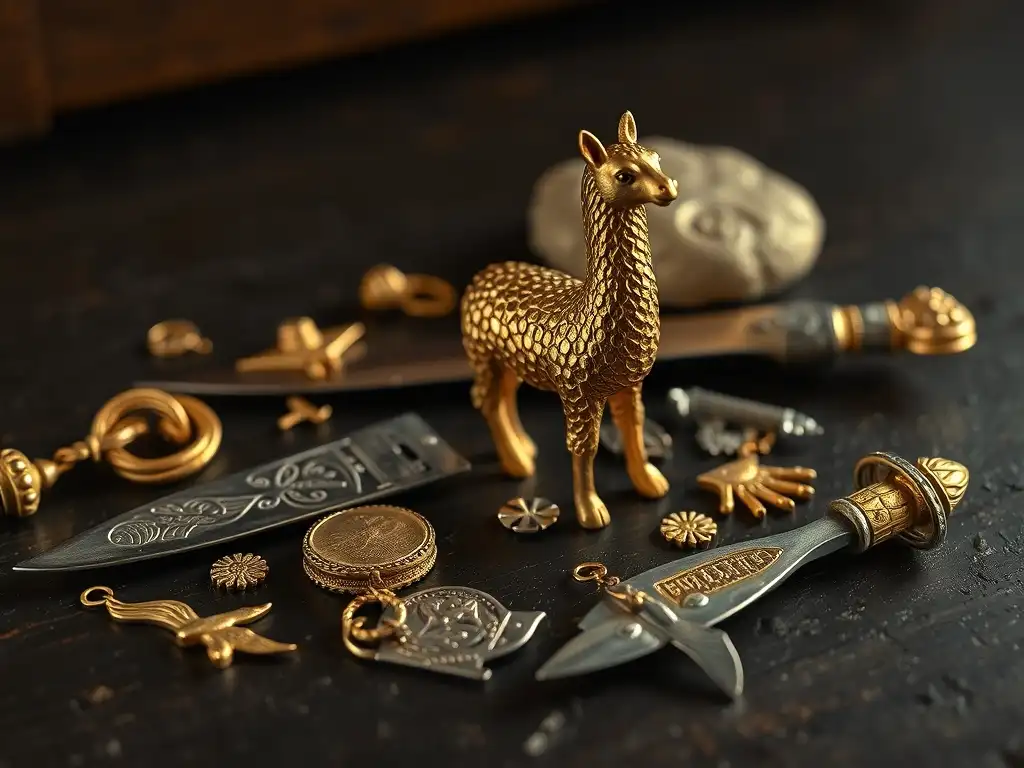
The Inca Empire's mastery of metalwork, particularly in gold and silver, transcended mere craftsmanship; it represented a complex interplay of spiritual beliefs, social structures, and political power. Inca gold and silver metalwork techniques were not simply technological achievements, but potent expressions of their worldview and societal organization. The intricate designs, the careful selection of materials, and the meticulous execution all served to reinforce the Inca ideology and solidify the emperor's authority.
Understanding the cultural context is crucial to appreciating the true significance of these remarkable artifacts. The use of Inca gold and silver metalwork techniques reveals a sophisticated understanding of metallurgy combined with deeply held spiritual and political meanings. This section explores the deeper cultural and symbolic dimensions embedded within these exquisite pieces.
The Spiritual Importance of Gold in Inca Cosmology
Gold, in Inca cosmology, held a sacred status, associated with the sun god, Inti. It represented the sun's radiant energy, its life-giving power, and its divine connection to the Inca rulers, who were considered descendants of Inti. Inca gold and silver metalwork techniques frequently depicted the sun, often in conjunction with other celestial bodies or mythical creatures, highlighting the close relationship between the cosmos and the Inca empire.
The shimmering quality of gold further enhanced its association with the sun's brilliance, making it a fitting material for religious objects, royal regalia, and ritualistic paraphernalia. Examples include intricately crafted sun discs, golden figurines of deities, and elaborate ornaments adorning royal mummies.
The sheer quantity of gold used in these objects also underscored the Inca’s belief in the sun’s power and its importance in their lives. The meticulous detail in the goldwork, such as the hammered repoussé technique, further enhanced the sacred nature of these objects.
The Symbolic Role of Silver in Inca Beliefs
While gold represented the sun's power, silver, often associated with the moon, held a different, yet equally significant symbolic meaning within Inca beliefs. It represented the lunar cycles, fertility, and the feminine principle. Silver objects, crafted using Inca gold and silver metalwork techniques, were frequently used in ceremonies related to agriculture, harvests, and female deities. Unlike the radiant brilliance of gold, the softer, cooler gleam of silver reflected the moon's gentle influence.
The use of silver in Inca metalwork often involved intricate designs depicting lunar phases, agricultural motifs, and female figures, highlighting its connection to the earth's cycles and feminine energy. [Specific examples of silver artifacts and their associated iconography pending]. The combination of gold and silver in certain artifacts might symbolize the harmonious balance between masculine and feminine energies within the Inca worldview.
Inca Metalwork as a Reflection of Power and Prestige
Inca gold and silver metalwork techniques were not only employed for religious purposes but also served as powerful symbols of imperial authority and social status. Elaborate gold and silver objects, such as ceremonial vessels, ornate jewelry, and finely crafted weapons, were reserved for the Inca elite, reinforcing their privileged position within the empire. The sheer scale and complexity of some metalwork pieces, requiring immense skill and resources, demonstrated the power and wealth of the Inca state.
The distribution of these objects also played a crucial role in maintaining social order. By bestowing gifts of precious metals upon loyal allies and subordinate groups, the Inca emperor consolidated his power and reinforced his authority. This strategic use of Inca gold and silver metalwork techniques served as a powerful tool for political control and the maintenance of social hierarchy within the vast Inca Empire.
The intricate designs and high-quality craftsmanship further emphasized the prestige and power associated with the Inca ruler and his court. The artistry itself was a demonstration of the Inca's sophisticated understanding of metallurgy and their ability to mobilize significant resources for the production of these impressive works.
The Legacy of Inca Gold and Silver Metalwork
The Inca Empire's mastery of gold and silver metalwork remains a testament to their advanced technological capabilities and artistic sensibilities. Their artisans weren't simply crafting objects; they were creating powerful symbols of authority, religious devotion, and social status. The legacy of Inca gold and silver metalwork extends far beyond the objects themselves; it speaks volumes about the Inca worldview, their sophisticated social structures, and their enduring influence on subsequent Andean cultures.
The sheer volume of surviving pieces, despite centuries of looting and the natural degradation of materials, is a striking indicator of the scale of their metalworking production. This production wasn't limited to royal workshops; evidence suggests a widespread network of skilled artisans contributing to the creation of both utilitarian and ceremonial objects.
The enduring allure of Inca gold and silver objects continues to captivate audiences worldwide, highlighting the exceptional artistry and technical prowess of these ancient Andean masters. Understanding this legacy requires examining the intricate techniques employed, the context of their creation, and the ongoing efforts to preserve these invaluable artifacts for future generations.
Inca Metalwork Techniques: Influences and Continuities
Inca metalworking techniques represent a sophisticated culmination of pre-existing Andean traditions, adapted and refined to meet the Empire's needs. The Incas inherited a rich legacy of metalworking from earlier cultures like the Moche and Nazca, who were already skilled in techniques such as hammering, casting, and alloying. However, the Incas significantly expanded upon these techniques, developing innovative methods for creating intricate designs and achieving remarkable levels of detail.
One key innovation was their mastery of repoussé, a technique involving hammering from the reverse side to create three-dimensional relief. This is prominently displayed in many surviving pieces, showcasing the artisans' skill and precision.
They also employed techniques like lost-wax casting, allowing for the creation of complex shapes and intricate details. Evidence suggests they used crucibles made of ceramic materials, achieving remarkably high temperatures for melting gold and silver. The precise compositions of their alloys, often incorporating copper and other metals, are still being studied, revealing insights into their metallurgical knowledge.
The Inca’s understanding of annealing, a process of heating and cooling metal to improve its workability, was crucial to their success. This allowed them to work with gold and silver more effectively, creating thinner sheets and more intricate designs. Furthermore, their use of various tools, including hammers, chisels, and punches, demonstrates a highly developed technological understanding.
The continuity of metalworking techniques across different Andean cultures highlights a shared cultural heritage, while Inca innovations demonstrate their unique contributions to this rich tradition. The study of these techniques offers valuable insights into the social organization of Inca metalworking, with evidence suggesting a hierarchical structure involving specialized workshops and skilled artisans.
Inca Metalwork in Museums and Collections
Numerous museums and private collections worldwide house impressive examples of Inca gold and silver metalwork. These artifacts offer invaluable insights into the Inca civilization's artistic achievements, social structures, and religious beliefs. The sheer variety of objects – from intricately crafted jewelry and ceremonial vessels to finely detailed tools and weapons – demonstrates the breadth and depth of Inca metalworking. Major collections are found in institutions such as the [Museum Name Pending], the [Museum Name Pending], and the [Museum Name Pending], amongst others.
These institutions play a crucial role in preserving and showcasing these artifacts, making them accessible to researchers and the public alike. The careful cataloging and documentation of these pieces are vital for understanding their historical context and technological innovation. Furthermore, ongoing research on these collections contributes significantly to our understanding of Inca society, providing crucial data for reconstructing past events and practices.
The study of Inca gold and silver metalwork in museums allows for comparative analysis across different regions and time periods, revealing patterns of stylistic variation and regional specialization within the Inca Empire. This analysis helps us understand the distribution of resources and the organization of the Inca state's craft production. The ongoing research and collaboration among museums and researchers are essential for the long-term preservation and interpretation of this extraordinary legacy.
Conservation and Preservation of Inca Metalwork
The conservation and preservation of Inca gold and silver metalwork present significant challenges due to the age and fragility of these artifacts. The effects of time, exposure to the elements, and past looting have left many pieces damaged or deteriorated. Therefore, meticulous conservation efforts are crucial to ensure the longevity of these irreplaceable cultural treasures. Modern conservation techniques employ a range of methods, including cleaning, stabilization, and repair.
The use of specialized tools and materials, often combined with advanced imaging techniques, allows conservators to assess the condition of the artifacts and develop appropriate treatment plans. Detailed documentation of the conservation process is essential to ensure transparency and to allow future researchers to understand the interventions made. Furthermore, careful environmental control, such as maintaining stable temperature and humidity levels, is vital for preventing further deterioration. The ongoing research into the materials and techniques used in Inca metalwork also informs conservation strategies, aiding in the development of more effective and less invasive preservation methods.
The preservation of Inca gold and silver metalwork is not merely a matter of preserving objects; it is about preserving a vital part of human history and cultural heritage. These efforts require collaboration between museums, researchers, and government agencies to ensure the long-term survival of these invaluable artifacts for future generations to appreciate and learn from. The meticulous work of conservators ensures that the intricate details and artistry of Inca metalwork continue to inspire and educate for years to come. This commitment to preservation is crucial for understanding the rich tapestry of Andean civilization and its lasting impact on the world.
Conclusion: The Enduring Importance of Inca Metalwork
The artistry and technical prowess demonstrated in Inca gold and silver metalwork leave an enduring legacy. Their mastery of techniques like hammering, casting, and repoussé, combined with their sophisticated understanding of alloys and gilding, resulted in objects of breathtaking beauty and intricate detail. These weren't merely decorative items; they held profound religious and symbolic significance, reflecting the Inca worldview and their relationship with the cosmos. The intricate designs, often depicting deities, animals, and plants, provide invaluable insights into Inca cosmology, social structures, and daily life.
Even today, the surviving pieces captivate audiences worldwide, serving as a testament to the ingenuity and skill of Inca artisans. The enduring appeal of Inca gold and silver metalwork lies not only in its aesthetic value but also in its historical and cultural importance, offering a window into a sophisticated and fascinating civilization. The meticulous craftsmanship and the symbolic richness embedded within each piece continue to inspire awe and wonder, ensuring that the legacy of Inca metalwork techniques remains a significant area of study and appreciation for generations to come. The meticulous detail and the sheer volume of surviving artifacts—despite the ravages of time and the Spanish conquest—underscore the importance placed on metalwork within Inca society.
Studying these techniques allows us to better understand not only the Inca's artistic achievements but also their social organization, religious beliefs, and technological capabilities, solidifying their place as one of the most advanced civilizations of the pre-Columbian Americas. The legacy of Inca gold and silver metalwork is thus a powerful testament to human creativity and ingenuity, continuing to resonate with viewers across centuries. The study of these techniques continues to reveal new insights into Inca culture and society, making it a vibrant and ever-evolving field of research.
Frequently Asked Questions
What role did gold and silver play in Inca society?
Gold and silver held immense religious and symbolic significance in Inca culture. They were associated with the sun god, Inti, and were used in ceremonial objects and royal adornment, showcasing Inca power and divinity.
What were some common Inca metalworking techniques?
Inca artisans employed sophisticated techniques like hammering, casting, alloying, and repoussé to create intricate gold and silver artifacts. They also mastered gilding and inlay, resulting in stunningly detailed pieces.
How did the Incas obtain gold and silver?
The Incas controlled extensive mining operations throughout their empire, extracting gold and silver from various locations. They also received tribute in the form of precious metals from conquered peoples.
What types of objects were made from gold and silver?
Inca gold and silver metalwork included religious idols, jewelry, vessels, tools, and ornaments. The artistry and craftsmanship displayed were remarkably advanced for their time.
Where can I see examples of Inca gold and silver metalwork today?
Many museums worldwide house impressive collections of Inca gold and silver artifacts. Peruvian museums, in particular, possess significant holdings showcasing the masterful techniques of Inca metalworkers.
Final Reflection: The Enduring Legacy of Inca Metalwork
The mastery of Inca gold and silver smiths continues to resonate today, a testament to their unparalleled artistry and sophisticated techniques. Their intricate designs and innovative metallurgical processes not only shaped their own vibrant culture but also offer invaluable insights into ancient Andean societies and their relationship with the natural world. The enduring beauty and technical brilliance of their work remain a source of wonder and inspiration.
The impact of Inca metalwork extends far beyond the realm of archaeology; it continues to influence contemporary art, design, and our understanding of cultural heritage. The sheer artistry displayed in these pieces, from the delicate filigree to the masterful casting, speaks to a profound connection between the Inca people and their environment. The gold and silver objects were not merely decorative; they were imbued with spiritual and symbolic meaning, reflecting the Inca worldview and their intricate social structure.
This understanding deepens our appreciation for the cultural significance of these artifacts and the sophisticated society that produced them.
Consider, for a moment, the ingenuity and dedication required to create such exquisite pieces using the limited tools available to the Inca. Their achievements challenge us to appreciate the value of craftsmanship and the power of human creativity. You, too, can find inspiration in the legacy of Inca metalwork. Let the intricate details and the enduring beauty of these artifacts inspire you to explore your own creative potential and to appreciate the rich tapestry of human history and cultural achievement.
Unearth the Treasures of Inca Metalwork!
Thank you for exploring the fascinating world of Inca metalwork! We hope you've gained a deeper appreciation for the cultural significance of gold and silver in their society. Now, let's delve even further into these remarkable treasures.
Here are some ways to continue your journey:
- **Visit** a local museum or exhibition featuring Andean metalwork and artifacts. Experience the artistry and craftsmanship up close.
- **Share** your newfound knowledge with friends and family, or post about it on social media to inspire others to learn more about Inca history.
- **Join** an online community dedicated to Andean civilizations; connect with fellow enthusiasts and participate in discussions about their art and culture.
Consider how the Inca's use of gold and silver in their metalwork shapes our understanding of their society today. What insights can we glean from their artistic achievements?