
The Preservation of Inca Art: Protecting a Cultural Legacy

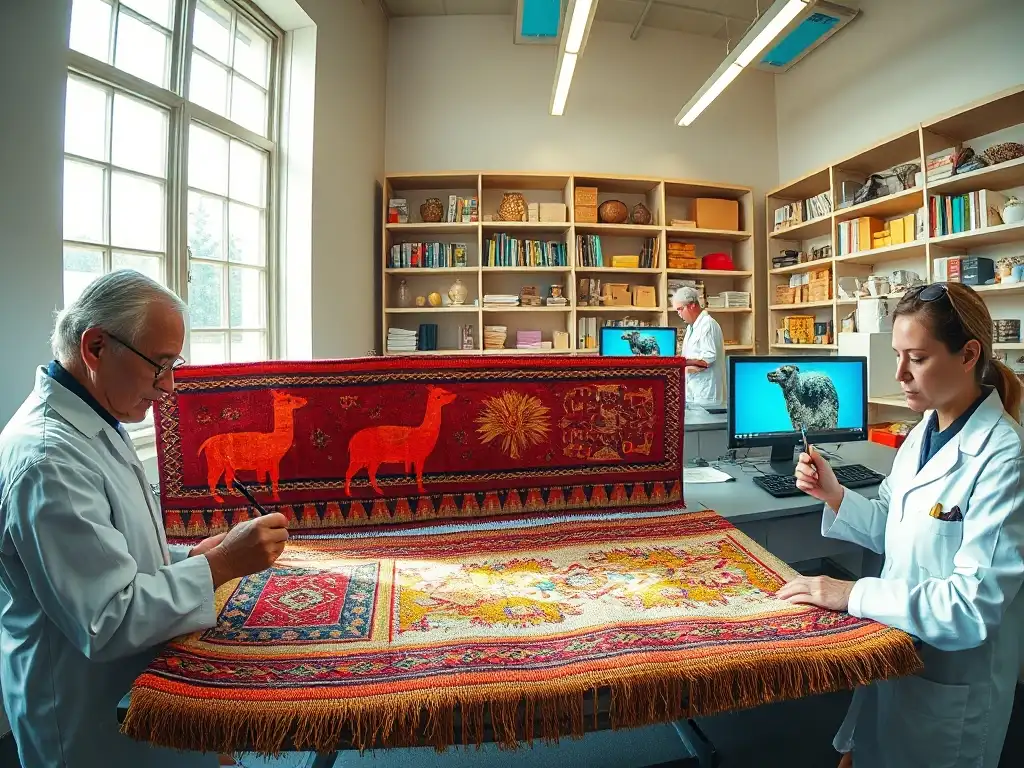
Step into a world lost to time, yet echoing with vibrant life. Imagine the intricate artistry of the Inca, a civilization that sculpted mountains into masterpieces and wove tales into textiles. But how did these wonders survive centuries of relentless time and the elements? Discover the secrets behind Inca art preservation methods, a fascinating journey into the ingenious techniques used to safeguard this invaluable cultural legacy, and unravel the mysteries surrounding their enduring artistry. Explore the depths of the Andean world and uncover the answers within.
The Inca Empire, a civilization that flourished in the Andes Mountains from the 15th to the 16th century, left behind a breathtaking legacy of art. This artistic heritage, encompassing intricate textiles, masterful metalwork, and awe-inspiring stone carvings, offers invaluable insights into their sophisticated culture, complex social structures, and profound connection to their environment.
Understanding and preserving this legacy is not merely an act of historical preservation; it's a vital contribution to the ongoing appreciation and understanding of one of the world's most fascinating civilizations. This article delves into the challenges and methods employed in the preservation of Inca art, focusing on the crucial strategies implemented to safeguard this irreplaceable cultural treasure for future generations.
We will explore the various threats Inca art faces and examine the innovative techniques used to counteract these challenges, highlighting the importance of collaborative efforts in protecting this unique artistic heritage for years to come. The effective preservation of Inca art requires a multifaceted approach, combining scientific analysis, ethical considerations, and community engagement.
Introduction to Inca Art and its Significance
Inca art wasn't merely decorative; it served vital social, religious, and political functions. Textiles, for example, weren't just clothing; they were status symbols, indicators of social rank, and even narrative tapestries depicting historical events or mythological stories. The intricate knotting techniques used in their textiles, known as khipu, served as a sophisticated form of record-keeping, storing vast amounts of information.
Similarly, metalwork, often crafted from gold, silver, and copper, adorned ceremonial objects, demonstrating the Inca's mastery of metallurgy and their deep-seated beliefs. Stonework, evident in their impressive architecture like Machu Picchu, showcases their advanced engineering skills and profound understanding of astronomy and landscape integration. The significance of Inca art extends beyond its aesthetic beauty; it provides a window into the worldview, beliefs, and daily lives of this remarkable civilization.
Understanding this significance is paramount to appreciating the urgency of its preservation. The vibrant colors, intricate designs, and symbolic representations within Inca art all contribute to a rich tapestry of cultural expression that deserves careful attention and protection. The inherent fragility of many materials, combined with environmental factors and human impact, necessitates sophisticated preservation strategies.
Threats to Inca Art: Understanding the Challenges
Inca art faces numerous threats, both natural and human-induced. The Andean climate, with its fluctuating temperatures and high humidity, can cause significant deterioration of organic materials like textiles and wood. The ravages of time, including exposure to sunlight and air, contribute to fading, weakening of fibers, and overall degradation. Furthermore, looting and illegal trafficking of Inca artifacts pose a severe threat, removing these invaluable pieces from their historical context and depriving future generations of the opportunity to study and appreciate them. Natural disasters such as earthquakes and floods also pose a risk, causing damage to archaeological sites and artifacts. Poor storage and handling practices can also accelerate deterioration.
The following table summarizes the main threats:
| Threat Category | Specific Threats | Impact on Inca Art |
|---|---|---|
| Environmental | Climate fluctuations (temperature, humidity) | Fading, fiber weakening, material degradation |
| Exposure to sunlight and air | Color loss, material embrittlement | |
| Natural disasters (earthquakes, floods) | Physical damage, destruction of sites and artifacts | |
| Human-Induced | Looting and illegal trafficking | Loss of artifacts, disruption of historical context |
| Poor storage and handling practices | Accelerated deterioration, damage from improper handling | |
| Lack of awareness and appreciation | Neglect and insufficient funding for preservation efforts |
The preservation of Inca art requires a proactive and multi-pronged approach to mitigate these threats effectively. This includes implementing strict regulations against looting, improving storage conditions, conducting regular monitoring and maintenance of archaeological sites, and raising public awareness about the importance of protecting this invaluable cultural heritage.
- What are the biggest challenges in preserving Inca art?
- What materials were commonly used in Inca art, and how do they affect preservation?
- What are some modern preservation techniques used for Inca artifacts?
- How is the knowledge of Inca art preservation passed on to future generations?
- Why is the preservation of Inca art important?
Inca Art Preservation Methods: Traditional and Modern Approaches
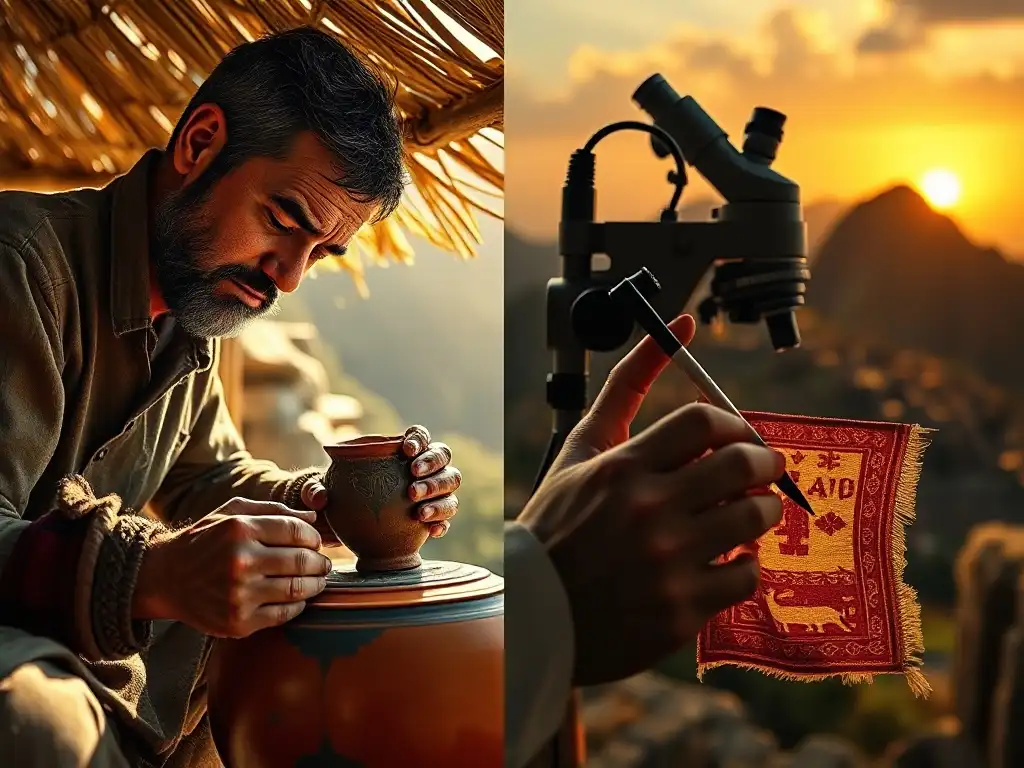
The preservation of Inca art presents unique challenges due to the age and fragility of the artifacts, as well as the diverse materials used – from intricately woven textiles to delicate gold and silver objects. Successful preservation requires a blend of traditional knowledge and cutting-edge scientific techniques. Understanding the methods employed, both historically and currently, is crucial for safeguarding this invaluable cultural legacy for future generations.
This section delves into the specific techniques used in Inca art preservation, highlighting the evolution of approaches from traditional practices to modern scientific interventions. The delicate balance between respecting ancient methods and implementing modern technologies is key to the long-term survival of Inca art.
Traditional Techniques for Inca Art Conservation
Inca art preservation, before the advent of modern scientific methods, relied heavily on traditional techniques passed down through generations. These methods, while not always scientifically rigorous by today's standards, demonstrated a deep understanding of the materials and their vulnerabilities. The Inca themselves developed effective strategies for maintaining the integrity of their art, although the specifics are often inferred from surviving artifacts and archaeological evidence. The preservation methods varied significantly depending on the material.
Inca Textile Preservation Methods: Ancient Wisdom
Inca textiles, renowned for their vibrant colors and intricate designs, were often stored in carefully constructed environments. Evidence suggests that textiles were often wrapped in protective layers of fabric, potentially treated with natural dyes or resins to repel insects and moisture. The high altitude and arid climate of the Andes also played a role in their natural preservation.
However, the specific composition of any protective treatments remains largely unknown, highlighting the need for further research into traditional Inca textile conservation practices. Analyzing surviving textiles for traces of these treatments is crucial for understanding and replicating effective, sustainable preservation methods. This research is particularly important given the vulnerability of these textiles to light damage and degradation over time.
Preserving Inca Metalwork: Traditional Practices
The Inca's mastery of metalworking, particularly in gold and silver, is legendary. Preserving these delicate artifacts presented unique challenges. While specific traditional methods remain unclear, it's likely that Inca artisans used techniques to prevent oxidation and tarnish, perhaps through the application of protective coatings or storage in dry, dark environments.
The discovery of Inca metalwork still exhibiting remarkable luster suggests effective, though presently unknown, preservation strategies. Further investigation into the metallurgical techniques employed by the Inca is needed to fully understand the traditional methods of preserving their metalwork masterpieces. This includes analyzing the composition of any protective coatings and the environmental conditions in which the artifacts were stored.
Modern Inca Art Conservation Techniques
Modern Inca art conservation embraces a multidisciplinary approach, combining scientific analysis with traditional knowledge to ensure the long-term survival of these artifacts. This section explores the key advancements that have revolutionized the field of Inca art preservation, emphasizing the crucial role of technology and scientific expertise. The need for meticulous documentation and careful handling is paramount in all stages of the process, ensuring that interventions are reversible and do not compromise the original integrity of the artifacts. This is particularly crucial in the context of Inca art, given its cultural and historical significance.
Scientific Analysis and Conservation of Inca Artifacts
Scientific analysis forms the bedrock of modern Inca art conservation. Techniques such as X-ray fluorescence (XRF) spectroscopy and gas chromatography-mass spectrometry (GC-MS) are used to analyze the composition of pigments, dyes, and metals, providing valuable insights into the materials used and their degradation processes. This information is crucial for developing appropriate conservation strategies.
For example, understanding the chemical composition of a textile dye allows conservators to select suitable cleaning agents and storage conditions to prevent fading or discoloration. Similarly, analyzing the composition of a metal artifact can inform decisions about cleaning and protective coatings. The use of these sophisticated analytical tools allows for a precise and informed approach to conservation, minimizing risks and maximizing the longevity of the artifacts.
The Role of Technology in Inca Art Preservation
Technological advancements have significantly enhanced Inca art preservation. Digital imaging techniques, such as 3D scanning and photogrammetry, allow for the creation of detailed virtual models of artifacts. These models are invaluable for research, education, and the creation of high-quality replicas, reducing the need to handle fragile originals.
Furthermore, advancements in materials science have led to the development of new conservation materials and techniques that are more effective and less invasive than traditional methods. The use of these technologies allows conservators to monitor the condition of artifacts over time, detect early signs of deterioration, and intervene promptly, significantly enhancing long-term preservation efforts. The integration of technology into Inca art preservation is an ongoing process, with continuous advancements promising even more effective and precise conservation strategies in the future.
Electrochemical Cleaning of Inca Metal Artifacts
Electrochemical cleaning is a specialized technique used to remove corrosion and other surface contaminants from Inca metal artifacts. This method involves carefully controlled electrochemical reactions to dissolve corrosion products without damaging the underlying metal. It is particularly effective for removing chlorides, which can cause significant damage to silver and gold. The process requires precise control of parameters such as current density, voltage, and electrolyte composition, demanding highly specialized expertise.
The success of electrochemical cleaning relies heavily on a thorough understanding of the artifact's composition and the nature of the corrosion products. Detailed analysis and meticulous monitoring are essential to ensure the safety and effectiveness of the process, minimizing the risk of damage to the original metal. This highly specialized technique represents a significant advancement in Inca metal artifact preservation, offering a gentler and more effective alternative to traditional cleaning methods.
Challenges in Inca Art Preservation Today
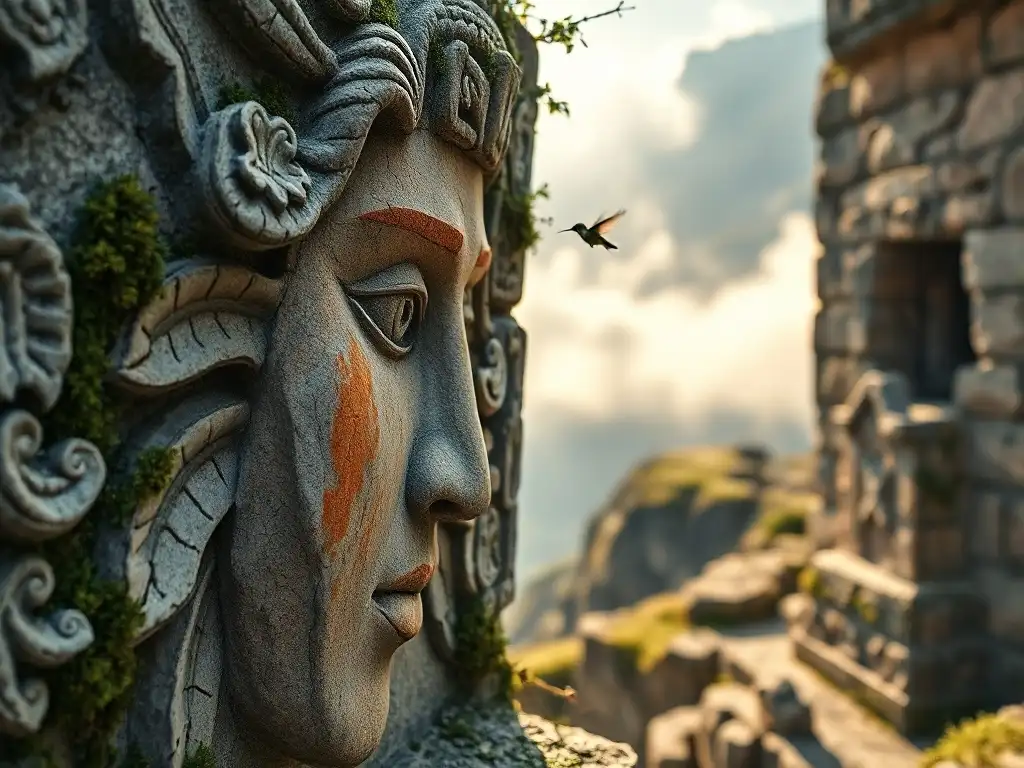
Preserving Inca art presents a multifaceted challenge demanding a comprehensive approach. The delicate nature of many artifacts, combined with the passage of time and human intervention, necessitates a constant and evolving strategy. Effective Inca art preservation methods require a deep understanding of the materials used, the environmental conditions, and the social context surrounding these invaluable pieces of history. The following sections delve into some of the most significant hurdles faced in this critical endeavor. Understanding these challenges is the first step towards developing effective and sustainable solutions for protecting this irreplaceable cultural heritage for future generations.
Environmental Factors Affecting Inca Art
Environmental degradation poses a significant threat to the longevity of Inca art. Humidity, temperature fluctuations, and exposure to sunlight are major culprits. For example, textiles, a cornerstone of Inca artistic expression, are particularly vulnerable to damage from fluctuating humidity levels.
High humidity can lead to mold and mildew growth, while low humidity can cause the fibers to become brittle and prone to disintegration. Similarly, exposure to ultraviolet (UV) radiation from sunlight causes significant fading and deterioration of pigments used in ceramics and textiles. The Andean region's varied climate, ranging from arid deserts to high-altitude mountains, presents unique challenges for each type of artifact.
Furthermore, the materials themselves play a crucial role. Many Inca artifacts are made from organic materials like wood, plant fibers, and feathers, all susceptible to biodegradation and insect infestation. These factors necessitate careful climate control in storage facilities and the development of specialized conservation treatments to mitigate damage. Monitoring environmental conditions within storage facilities and museum displays is vital, employing sophisticated sensors and environmental control systems to maintain optimal conditions for preservation. The development of more effective, environmentally friendly preservation techniques continues to be a key focus of research in Inca art preservation.
Looting and Illegal Trade of Inca Artifacts
The illegal looting and trafficking of Inca artifacts represent a grave and ongoing threat to the preservation of this cultural legacy. The illicit market for antiquities fuels this destructive practice, driving the plunder of archaeological sites and the destruction of invaluable context. Looting not only deprives future generations of the opportunity to study these objects in their original context but also permanently damages the archaeological record. The removal of artifacts often leads to irreversible damage, as objects are mishandled and improperly stored, accelerating their deterioration.
This illegal trade is sophisticated and often involves international networks, making enforcement challenging. Effective countermeasures require strong legal frameworks, international cooperation, and increased public awareness of the devastating impact of looting. Improved monitoring of archaeological sites, stricter penalties for those involved in the illegal trade, and enhanced collaboration between law enforcement agencies and cultural heritage organizations are crucial steps in combatting this pervasive problem.
Furthermore, educating collectors and the public about the ethical implications of purchasing looted artifacts is essential to reducing demand and disrupting these criminal networks. The fight against looting is a continuous battle requiring sustained effort and resources.
The Importance of Community Involvement in Inca Art Protection
Community involvement is paramount for successful Inca art preservation. Indigenous communities possess invaluable traditional knowledge and a deep connection to their ancestral heritage. Their participation in conservation projects is not only ethically important but also crucial for the development of culturally sensitive and sustainable preservation strategies. Incorporating traditional practices and knowledge alongside modern conservation techniques can lead to more effective and culturally appropriate preservation methods.
For instance, indigenous communities may possess unique insights into the materials used in Inca art and traditional methods of repair and restoration. Their involvement in the decision-making process ensures that preservation efforts respect cultural values and traditions. Collaboration with local communities also helps to foster a sense of ownership and responsibility for the preservation of their cultural heritage, promoting long-term sustainability.
This collaborative approach ensures that Inca art preservation is not merely a technical undertaking, but a process deeply rooted in respect for cultural identity and community engagement. By actively involving communities in these processes, we can ensure the protection of this vital heritage for generations to come.
Case Studies in Inca Art Preservation
This section delves into specific examples of Inca art preservation efforts, highlighting the challenges encountered, the strategies employed, and the ultimate impact on safeguarding this invaluable cultural heritage. Understanding these case studies provides crucial insight into the complexities and successes of Inca art preservation methods. The preservation of Inca art is a multifaceted endeavor requiring specialized knowledge and meticulous techniques.
Case Study 1: The Preservation of the Paracas Textile Collection
The Paracas textiles, while not strictly Inca, represent a crucial antecedent to Inca textile traditions and often share similar preservation challenges. Their delicate nature and age pose significant hurdles to long-term preservation.
Challenges Faced
- Deterioration due to age: The age of these textiles (estimated to be over 2000 years old) has resulted in significant fiber degradation, brittleness, and weakening of the structural integrity. This is exacerbated by the use of natural fibers like cotton and camelid wool which are susceptible to insect infestation and environmental damage.
- Insect infestation: Textile pests like moths and beetles can cause irreparable damage if not controlled effectively. Their larvae feed on the fibers, creating holes and weakening the fabric.
- Light damage: Exposure to ultraviolet (UV) light causes fading and fiber degradation. Even low levels of light exposure over extended periods can significantly impact the longevity of the textiles.
- Environmental factors: Fluctuations in temperature and humidity can lead to shrinkage, warping, and further fiber damage. Maintaining a stable environment is crucial.
- Previous conservation attempts: Past conservation efforts, using now-obsolete techniques, may have inadvertently introduced further damage.
Conservation Strategies
A multi-pronged approach was necessary to address the various challenges:
- Pest control: Regular fumigation and monitoring for insect activity are essential. The use of controlled atmosphere storage (CAS) techniques, which employ modified atmospheres to kill pests, is increasingly common.
- Environmental control: Maintaining a stable climate-controlled environment with consistent temperature and humidity is crucial. This involves the use of specialized storage facilities and environmental monitoring systems.
- Careful handling: Minimizing handling is key to prevent further damage. When handling is necessary, specialized gloves and tools are used.
- Repair and stabilization: Damaged areas are carefully repaired using techniques that minimize further intervention. This may involve the use of compatible materials and stitching techniques.
- Documentation: Meticulous documentation of the textile's condition, treatment, and storage is essential for future reference and research. This includes detailed photographic records and condition reports.
Results and Impact
The implementation of these strategies has resulted in a significant improvement in the condition of the Paracas textile collection. The rate of deterioration has been slowed, and the textiles are now better protected for future generations. This success story exemplifies the importance of a proactive and comprehensive approach to Inca art preservation methods. The successful application of these methods to similar materials has helped improve the overall preservation of pre-Columbian textiles found throughout the Andes.
Case Study 2: Metalwork Conservation at the Museo Larco
The Museo Larco in Lima houses a significant collection of pre-Columbian metalwork, including many examples of Inca gold and silver objects. The unique challenges associated with preserving these artifacts are significant due to the metals' reactivity.
Challenges Faced
- Corrosion: Exposure to air and moisture can lead to corrosion, particularly in the presence of chloride ions, which can significantly damage the metal objects.
- Deterioration of organic materials: Many Inca metal objects incorporate organic materials such as textiles, wood, or resins. These are highly susceptible to degradation, affecting the overall integrity of the artifact.
- Previous treatments: Past conservation attempts might have used inappropriate materials or techniques, leading to further degradation.
- Handling and display: Improper handling during display or storage can cause scratches, dents, and other forms of damage.
Conservation Strategies
The Museo Larco employs advanced techniques in metalwork conservation:
- Controlled environment: Maintaining a stable environment with low humidity and temperature is crucial to minimize corrosion.
- Cleaning: Careful cleaning using specialized techniques and materials is necessary to remove dirt, corrosion products, and other contaminants.
- Stabilization: Techniques to stabilize corroded areas and prevent further deterioration are employed. This may involve electrochemical treatments.
- Consolidation: Weakened areas are consolidated to improve their structural integrity.
- Protective coatings: In some cases, protective coatings are applied to minimize further corrosion and environmental damage.
Results and Impact
The Museo Larco's dedication to advanced Inca art preservation methods has resulted in the preservation of a significant collection of Inca metalwork. The implementation of controlled environments, careful handling, and advanced conservation techniques has significantly slowed the deterioration of these precious artifacts. The museum's expertise serves as a model for other institutions dealing with similar collections, showcasing best practices in the field of Inca art preservation. Their success in mitigating corrosion and stabilizing the artifacts has ensured that future generations can appreciate these intricate and historically significant pieces.
The Future of Inca Art Preservation: Sustainability and Education
The long-term preservation of Inca art requires a forward-looking strategy that balances immediate conservation needs with sustainable practices and robust educational initiatives. Simply preserving artifacts isn't enough; we must ensure that future generations understand and appreciate their significance. This necessitates a multi-pronged approach focusing on environmentally conscious methods, community engagement, and international collaboration. The challenge is not just to preserve Inca art, but to sustain its legacy. This section explores key aspects of this crucial undertaking, focusing on the critical role of sustainability and education in securing the future of this invaluable cultural heritage.
Sustainable Practices in Inca Art Conservation
Sustainable Inca art conservation prioritizes the long-term health of artifacts while minimizing environmental impact. This involves a shift away from resource-intensive methods towards more eco-friendly alternatives. For example, the use of traditional, plant-based consolidants is being explored as a replacement for synthetic polymers, which can degrade over time and pose environmental risks. Furthermore, the development of biodegradable packaging materials for storage and transport is crucial. This minimizes the use of plastics and other non-renewable resources, reducing the carbon footprint associated with preservation efforts.
A vital aspect of sustainable practice involves minimizing intervention. The principle of "minimum intervention" dictates that conservation should only occur when absolutely necessary, and only using methods that are reversible and minimally invasive. This approach prioritizes the long-term preservation of the artifact’s integrity over immediate aesthetic improvements. Detailed documentation of the condition of each artifact before, during, and after any intervention is crucial for future researchers and conservators, ensuring transparency and accountability. Furthermore, sustainable practices also encompass the responsible sourcing of materials used in conservation, prioritizing ethically-sourced and recycled options whenever possible.
Educating Future Generations about Inca Cultural Heritage
Protecting Inca art is not solely the responsibility of museums and specialists; it requires a collective effort, starting with education. Educating the public, particularly younger generations, is paramount in fostering a sense of ownership and responsibility towards this cultural legacy. This involves integrating Inca art and its historical context into school curricula, making it accessible and engaging for students of all ages. Interactive museum exhibits, educational workshops, and community outreach programs can all play a crucial role in achieving this goal. [Specific educational program examples pending].
Furthermore, promoting awareness of the threats facing Inca art—from looting and illegal trafficking to environmental degradation—is vital. This can be achieved through public awareness campaigns highlighting the importance of responsible tourism and the ethical acquisition of artifacts. By fostering a culture of respect and appreciation for Inca art, we can cultivate a sense of stewardship that extends beyond the confines of museums and academic institutions.
Effective educational initiatives can empower future generations to be active participants in the preservation of their cultural heritage. The goal is to instill a deep understanding and appreciation, not just of the aesthetic beauty of Inca art, but also of its profound historical and cultural significance.
The Role of International Cooperation in Inca Art Protection
The preservation of Inca art transcends national borders. International cooperation is essential to combat the illegal trafficking of artifacts, share best practices in conservation, and promote collaborative research initiatives. This includes strengthening international laws and agreements to prevent the illicit trade of Inca antiquities and fostering collaboration between museums, research institutions, and government agencies across different countries. [Specific examples of international collaborations pending].
Joint research projects can lead to significant advancements in Inca art preservation methods. Sharing knowledge and expertise across international boundaries ensures that the most effective techniques are employed, maximizing the chances of long-term preservation. Moreover, international cooperation can facilitate access to resources and funding, enabling the implementation of large-scale preservation projects that would be impossible to achieve through individual national efforts alone.
Such collaborative efforts are crucial in addressing the complexities of Inca art preservation on a global scale, ensuring that this remarkable cultural heritage is protected for generations to come. The success of Inca art preservation ultimately relies on a unified, global approach that recognizes the universal value of this irreplaceable legacy.
Frequently Asked Questions
What are the biggest challenges in preserving Inca art?
The biggest challenges include environmental factors like earthquakes and humidity, as well as looting and deterioration from time and exposure. Careful conservation techniques are crucial to mitigate these threats.
What materials were commonly used in Inca art, and how do they affect preservation?
Inca art utilized diverse materials like stone, gold, silver, textiles, and ceramics. The varying properties of these materials require specialized preservation methods, some being more vulnerable than others.
What are some modern preservation techniques used for Inca artifacts?
Modern techniques include environmental control (temperature and humidity), chemical stabilization, and restoration using traditional and modern methods. Digital documentation also plays a vital role.
How is the knowledge of Inca art preservation passed on to future generations?
Training programs and workshops are crucial in transferring knowledge. Collaboration between experts, museums, and local communities ensures continuity in preservation efforts.
Why is the preservation of Inca art important?
Preserving Inca art is vital for understanding their culture and history. It allows future generations to appreciate their achievements and learn from their past, safeguarding a significant part of human heritage.
Final Reflection: Weaving the Threads of Inca Legacy
The vibrant tapestry of Inca art, a testament to a civilization's ingenuity and spiritual depth, faces an ongoing battle against time and the ravages of neglect. Its preservation is not merely an academic pursuit; it's a vital act of cultural remembrance, ensuring that future generations can connect with the rich history and artistic brilliance of the Inca Empire. The methods discussed throughout this article – from meticulous conservation techniques to community-based preservation initiatives – are crucial in this fight.
The enduring power of Inca art lies not only in its aesthetic beauty but also in its ability to connect us to a past that continues to shape our present. It speaks to themes of resilience, innovation, and a profound connection to the natural world, themes that resonate deeply even today. The past is never dead. It's not even past.
– William Faulkner. This quote perfectly encapsulates the ongoing relevance of Inca art and the imperative to protect it for future generations to learn from and be inspired by. The challenges are immense, from the effects of climate change to the pressures of tourism, but the passion and dedication of those working to preserve this legacy are equally powerful.
Consider, for a moment, the intricate details of a meticulously crafted textile, the powerful symbolism etched into a ceramic vessel, or the awe-inspiring architecture of Machu Picchu. Each piece holds a story, a piece of a larger narrative that deserves to be heard. You, the reader, hold a key role in this preservation effort. By supporting ethical tourism, advocating for responsible conservation practices, and sharing the beauty and significance of Inca art with others, you become a vital part of ensuring that this extraordinary legacy continues to thrive for centuries to come.
Embrace and Protect Inca Art Today!
Thank you for exploring the rich cultural legacy of Inca art. Your interest helps preserve this incredible heritage. Let's turn that knowledge into action!
Here's how you can help:
- Support organizations dedicated to cultural preservation. Your involvement, whether through volunteering or donations, makes a significant difference.
- Spread the word. Share information about Inca art and its importance with friends and family.
- Experience Inca art firsthand. Visit museums and exhibitions showcasing Andean cultures to support preservation efforts and deepen your appreciation.
How will you help safeguard Inca art? Share your ideas and inspire others!