
Inca Art and the Environment: Sustainable Practices and Materials

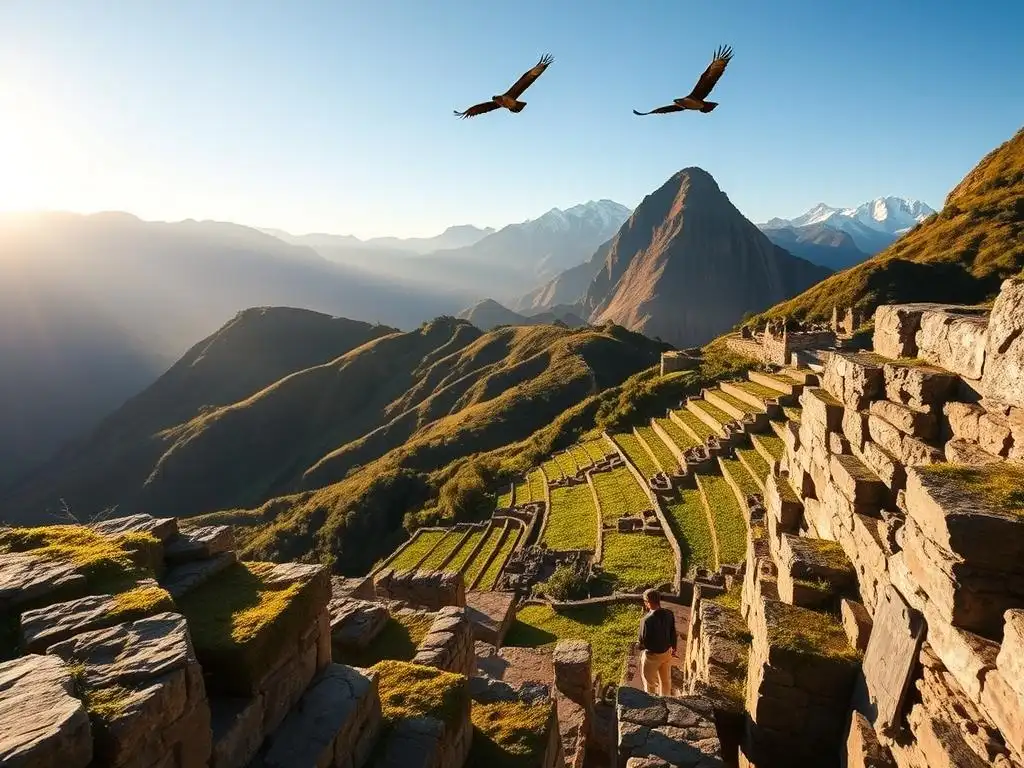
Unravel the mysteries of the Andes! Journey through millennia of breathtaking artistry and ingenuity, where towering citadels met innovative engineering. Discover how the Inca Empire, masters of sustainable building practices, seamlessly integrated their art with the environment. Prepare to be amazed by the secrets behind Inca art and its enduring legacy – a testament to a civilization that thrived in harmony with nature. Explore the fascinating details now and uncover the ingenuity of the Inca's remarkable achievements.
The Inca Empire, renowned for its sophisticated engineering and intricate social structures, also displayed a remarkable understanding and respect for the environment, deeply integrated into their artistic practices. This article explores the fascinating intersection of Inca art and sustainable building practices, revealing how their artistic expressions were intrinsically linked to their resource management and environmental stewardship. We will delve into the Inca's deep connection with nature as reflected in their art, examining the materials they used, the techniques they employed, and the overall philosophy that guided their artistic endeavors.
Understanding this relationship provides valuable insights into the ingenuity and sustainability of Inca civilization, offering lessons relevant even in today's world grappling with environmental challenges. This exploration of "Inca art sustainable building practices" will reveal how their artistic legacy reflects a harmonious co-existence with their surroundings, showcasing a model of sustainable development centuries ahead of its time.
The Inca's Deep Connection with Nature in Art
The Inca worldview was profoundly shaped by their environment. The Andes Mountains, with their diverse ecosystems and challenging terrains, dictated their way of life and profoundly influenced their artistic creations. Their art wasn't merely decorative; it was a reflection of their deep spiritual connection to Pachamama, Mother Earth, and the intricate web of life that sustained them.
This reverence is evident in the materials they chose—often readily available, locally sourced, and sustainably harvested—and the techniques they employed, minimizing waste and maximizing the longevity of their creations. Consider the intricate textiles, woven from alpaca and llama wool, materials carefully managed and sustainably sourced to ensure the continued health of their herds. Similarly, their pottery, often crafted from clay found in the immediate vicinity, demonstrates a commitment to utilizing readily available resources.
This wasn't simply a matter of practicality; it was a deeply ingrained cultural practice reflecting their respect for the natural world. The Inca's artistic expression served as a constant reminder of their dependence on and responsibility towards the environment. This deep-seated respect for nature is not just a historical curiosity; it offers valuable lessons for contemporary sustainable practices.
Inca Art: More Than Just Aesthetics
Inca art transcended mere aesthetics; it served practical purposes and embodied their worldview. The construction of their monumental structures, such as Machu Picchu and Sacsayhuamán, showcases their mastery of sustainable building techniques. The precise fitting of massive stones, without the use of mortar, demonstrates an understanding of structural integrity and resource efficiency. The use of locally sourced stone, minimizing transportation costs and environmental impact, further underscores their commitment to sustainable practices.
Moreover, the integration of their architecture with the natural landscape, minimizing disruption to the environment, is another testament to their sustainable approach. The Inca’s mastery of stonework wasn’t just about creating impressive structures; it was about creating structures that harmonized with the environment, utilizing readily available resources in a way that minimized environmental impact. Their artistic choices—from the selection of materials to the construction techniques—were guided by a holistic philosophy that prioritized sustainability and respect for the natural world.
The legacy of Inca art, therefore, is not just a collection of beautiful artifacts but a powerful demonstration of sustainable living, offering a valuable model for contemporary societies. The intricate details, the careful selection of materials, and the harmonious integration with the landscape all speak volumes about the Inca's profound understanding and respect for the environment. This sustainable approach to art and architecture remains a powerful example of how artistic expression can be deeply intertwined with environmental responsibility.
- What sustainable building practices did the Inca employ?
- How did Inca art reflect their relationship with the environment?
- What materials did the Inca use for construction that were environmentally friendly?
- Did Inca building practices impact the environment negatively?
- How did the Inca's understanding of the environment influence their art?
Sustainable Building Practices in Inca Architecture
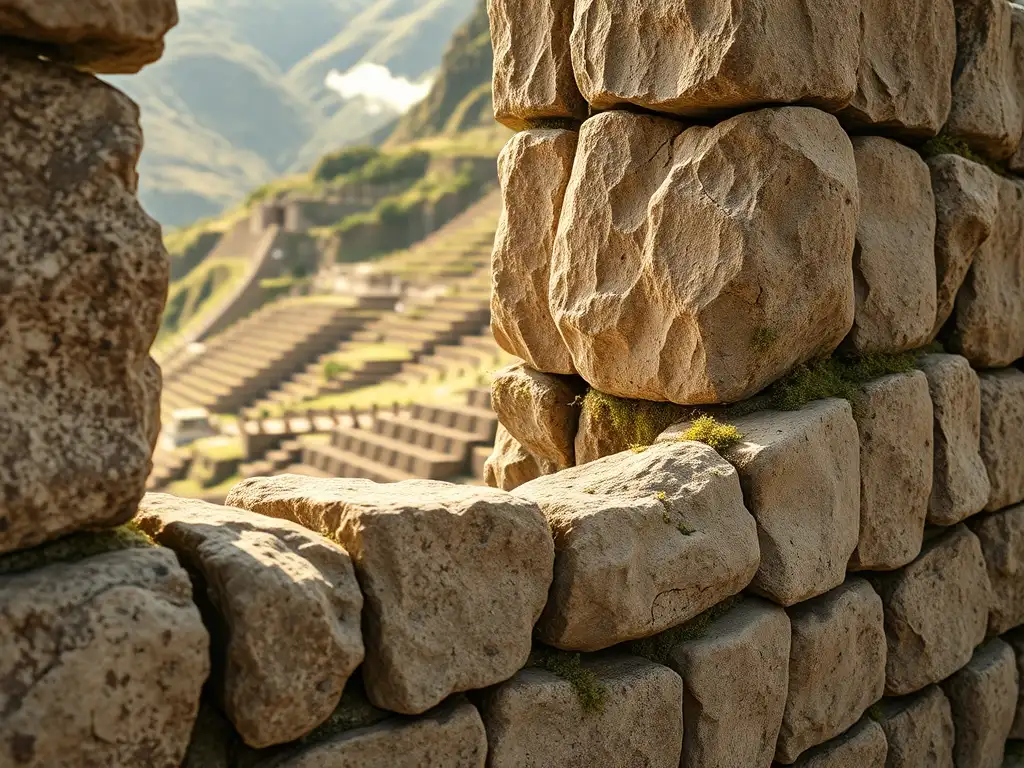
The Inca Empire, renowned for its sophisticated artistry and engineering prowess, also demonstrated a remarkable understanding of sustainable building practices. Their architectural achievements weren't solely feats of aesthetic brilliance; they were deeply intertwined with the environment, showcasing a keen awareness of resource management and ecological harmony. This approach, far from being accidental, was integral to their societal structure and worldview, ensuring both the longevity of their structures and the health of their ecosystem.
The Inca's commitment to sustainability is evident in their choice of materials, construction techniques, and overall approach to urban planning, making "Inca art sustainable building practices" a fitting description of their architectural legacy. Understanding these practices offers valuable insights into their ingenuity and the remarkable connection they forged with their environment.
Utilizing Local Materials for Construction
One of the most striking aspects of Inca architecture is the consistent use of locally sourced materials. This wasn't simply a matter of convenience; it significantly reduced the environmental impact of construction. Instead of transporting heavy materials over long distances – a process that would have been both costly and environmentally damaging – the Inca prioritized materials readily available in the immediate vicinity. This included:
- Stone: Various types of stone, depending on regional availability, formed the backbone of Inca construction. Andesite, granite, and other locally quarried stones were meticulously shaped and fitted together, creating incredibly strong and durable structures.
- Wood: Timber, primarily from local forests, was used selectively for beams, roofing, and other structural elements. The Inca's understanding of forestry management likely involved sustainable harvesting practices, although precise details remain to be fully uncovered by archaeological research.
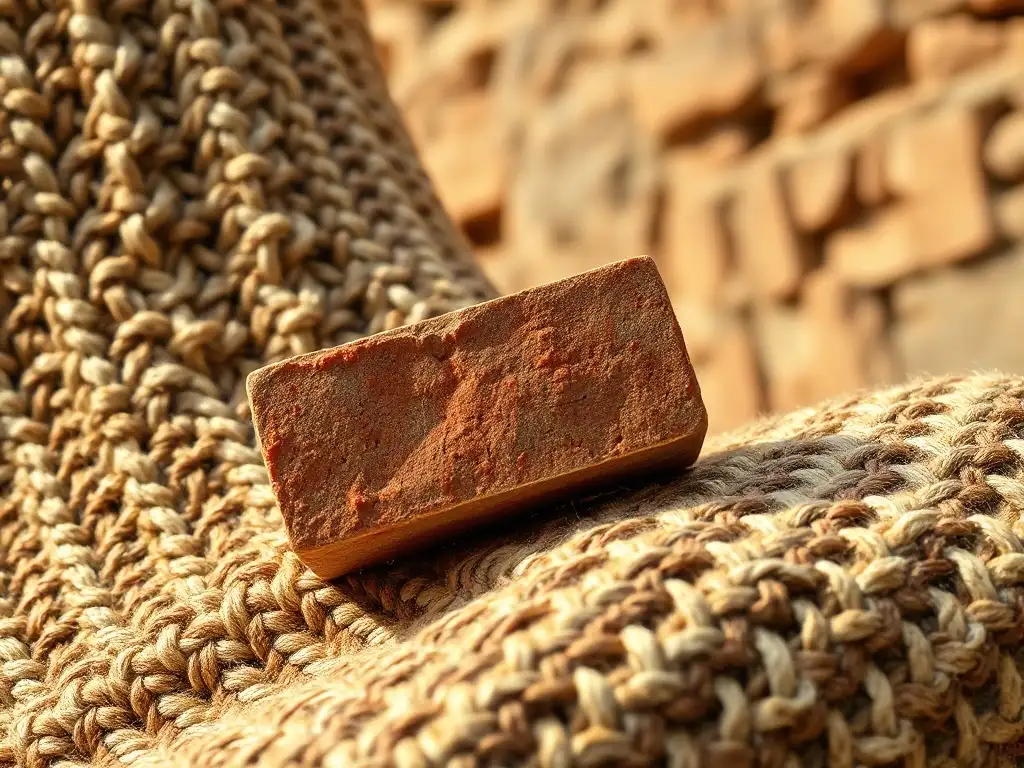
- Adobe: In drier regions, sun-dried adobe bricks—a mixture of clay, sand, and straw—provided a readily available and environmentally friendly building material. This material, common in pre-Inca cultures, was adapted and refined by the Inca to suit their architectural needs.
- Thatch: For roofing, especially in less densely populated areas, thatch made from local grasses provided a readily renewable and effective roofing material.
The meticulous selection and utilization of these local materials minimized transportation needs, reduced carbon emissions associated with material transport, and fostered a strong connection between the built environment and the natural landscape. This approach is a testament to the Inca's pragmatic and environmentally conscious approach to construction.
The Ingenious Use of Stone in Inca Buildings
The Inca's mastery of stonework is legendary. Their ability to cut, shape, and fit stones with incredible precision, creating structures that have withstood the test of time, is a remarkable feat of engineering. However, their stonework wasn't just about aesthetics; it was also a testament to their sustainable practices. The precise fitting of stones minimized the need for mortar, reducing reliance on potentially environmentally damaging materials and processes. The interlocking nature of the stones created incredibly strong structures, resistant to earthquakes and other natural disasters, minimizing the need for frequent repairs and replacements.
Furthermore, the Inca's understanding of the properties of different types of stone allowed them to select the most appropriate material for specific applications, optimizing the use of resources and ensuring the longevity of their buildings. For example, harder stones were used for load-bearing walls, while softer stones might be employed for less critical structural components. This level of precision and understanding reflects a sophisticated knowledge of materials science and a deep respect for the resources available to them.
Inca Terraces and Their Environmental Impact
Inca terraces, or andenes, represent one of the most striking examples of sustainable land management in Andean agriculture. These meticulously constructed agricultural terraces transformed steep, mountainous slopes into productive farmland. The construction of andenes wasn't merely about increasing arable land; it also had a profound positive environmental impact.
- Erosion Control: The terraces effectively prevented soil erosion, a major problem in mountainous regions. By creating level platforms, the terraces slowed the flow of water, reducing runoff and soil loss.
- Water Management: The terraces incorporated sophisticated irrigation systems, channeling water efficiently to crops. This optimized water use, minimizing waste and ensuring consistent crop yields even in arid conditions.
- Biodiversity: The creation of diverse microclimates within the terraced fields supported a greater variety of crops, enhancing biodiversity and resilience to environmental changes.
The construction of Inca terraces exemplifies a holistic approach to sustainable land management, combining agricultural productivity with environmental protection. These structures stand as a testament to the Inca's deep understanding of their environment and their ability to create a harmonious relationship between human activity and the natural world, solidifying their legacy as pioneers of sustainable building practices.
Inca Art and Craftsmanship: Eco-Friendly Techniques
The Inca Empire, renowned for its sophisticated artistry and impressive infrastructure, demonstrated a remarkable understanding of sustainable practices. Their artistic endeavors weren't simply aesthetically pleasing; they were deeply intertwined with their environment, reflecting a respect for natural resources and a commitment to minimizing their impact. This section will explore the Inca's eco-conscious approaches to art and craftsmanship, focusing on their utilization of natural pigments, sustainable mining techniques, and renewable resources.
Understanding these practices offers valuable insights into the Inca worldview and provides a compelling example of sustainable development in ancient societies. The ingenuity and resourcefulness of Inca artisans in creating beautiful and functional art while minimizing environmental damage remains a testament to their advanced civilization. The term "Inca art sustainable building practices" truly captures the essence of their approach.
Natural Pigments in Inca Textiles and Ceramics
Inca textiles and ceramics are celebrated for their vibrant colors and intricate designs. Remarkably, these stunning hues were derived almost exclusively from natural sources. Instead of relying on potentially harmful synthetic pigments, Inca artisans skillfully harnessed the pigments found in plants, minerals, and insects. For instance, the deep reds often seen in textiles were obtained from cochineal insects, while yellows came from various plants like achiote ( Bixa orellana) and minerals like goethite. The rich browns and blacks were often derived from the natural earth pigments.
The process of extracting and preparing these pigments was itself a testament to sustainable practices. Evidence suggests that the Inca carefully managed the collection of these natural resources, avoiding overexploitation and ensuring their continued availability for future generations. This careful approach is reflected in the consistent availability of colors across various textile and ceramic pieces.
The meticulous craftsmanship and the sustainable sourcing of materials demonstrate a deep connection between Inca art and the environment. Furthermore, the longevity of the colors, even after centuries, speaks volumes about the quality and durability of the natural pigments they used. This reflects a commitment to quality and longevity, aligning perfectly with sustainable principles.
Sustainable Mining Practices for Inca Metalwork
Inca metalwork, particularly their gold and silver artifacts, is globally renowned for its exquisite detail and artistry. However, the extraction and processing of these precious metals could have had significant environmental consequences. Nevertheless, evidence points towards a surprising degree of sustainability in Inca mining practices, at least relative to later colonial mining.
While the specifics of their mining techniques are still being researched, archaeological findings suggest that the Inca employed relatively low-impact methods. They likely focused on surface mining and alluvial deposits, minimizing the need for extensive tunneling or open-pit operations, which are far more environmentally damaging. Moreover, they seem to have prioritized the recycling and repurposing of metal.
Many artifacts show evidence of having been melted down and recast, demonstrating a circular economy approach to metalworking. This practice reduced the need for new mining operations and minimized the environmental footprint of their metalwork. Further research is needed to fully understand the extent of these sustainable practices, but the available evidence suggests a responsible approach to resource management in Inca metalworking, contrasting sharply with later, less environmentally conscious mining practices.
The Role of Renewable Resources in Inca Crafts
The Inca's commitment to sustainability extended to the choice of materials in many of their crafts. They prioritized the use of renewable resources whenever possible, minimizing their reliance on non-renewable materials. Wood, for example, was a crucial material in Inca construction and crafts. However, evidence suggests that they managed their forests sustainably, avoiding deforestation and using wood efficiently.
Similarly, fibers from plants like cotton and llama wool were extensively used in textile production. The Inca developed sophisticated agricultural techniques to cultivate cotton and raise llamas, ensuring a consistent supply of these renewable resources. The use of these locally sourced, renewable materials minimized the need for long-distance trade and reduced the environmental impact associated with transportation.
This careful management of resources, coupled with the use of durable and long-lasting materials, illustrates the Inca’s profound understanding of sustainable resource management, making "Inca art sustainable building practices" a highly relevant search term. Their approach served as a foundation for a thriving civilization that respected the delicate balance of its environment.
Inca Art: A Legacy of Environmental Awareness
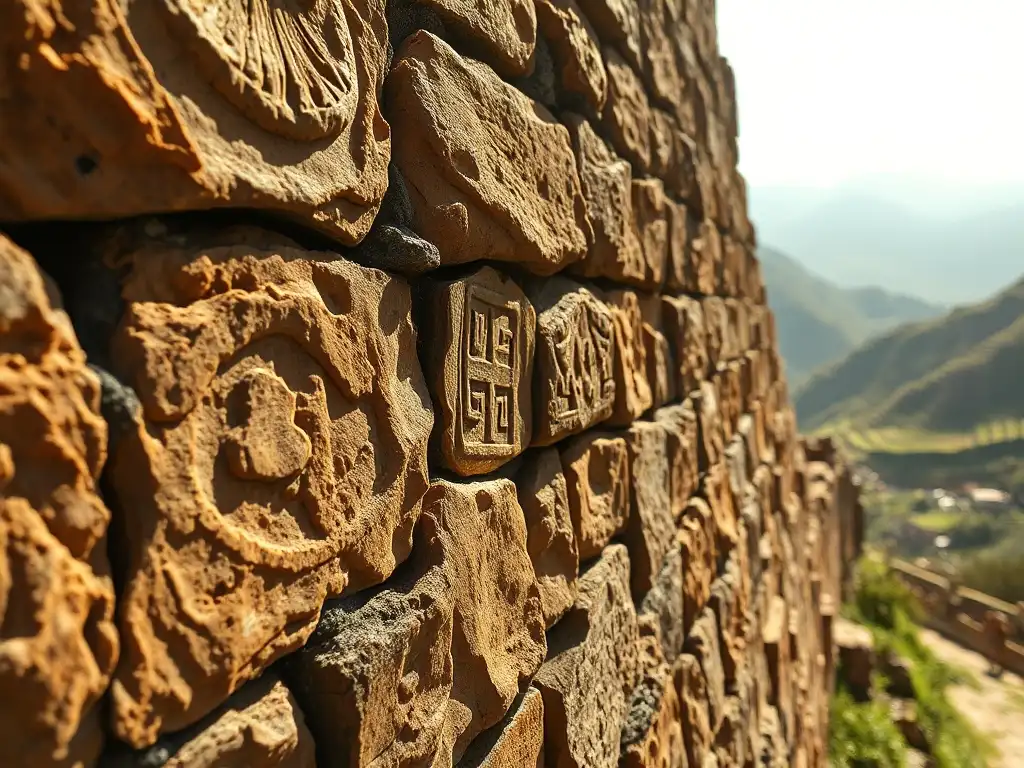
The Inca Empire, renowned for its impressive feats of engineering and its sophisticated social structures, also left behind a rich artistic legacy deeply intertwined with its understanding and respect for the environment. Inca art wasn't merely decorative; it was a manifestation of their worldview, reflecting a deep connection to the natural world and a commitment to sustainable practices that are still relevant today. This section will explore how Inca artistic expression was fundamentally shaped by their environmental consciousness, focusing on material sourcing, construction techniques, and the enduring impact of their approach.
Understanding this relationship provides valuable insights into the Inca worldview and offers lessons for contemporary sustainable practices. The keyword phrase "Inca art sustainable building practices" is central to this discussion.
Inca Art as a Reflection of Nature's Cycles
Inca art frequently depicted natural elements and cycles. Textiles, for example, often featured intricate designs representing Andean flora and fauna, reflecting the importance of agriculture and the cyclical nature of life and death. The vibrant colors used in ceramics and textiles were derived from natural pigments extracted from plants and minerals found within their environment.
This wasn't simply a matter of convenience; the choice of materials held symbolic meaning, reinforcing the connection between the artistic expression and the natural world. The use of natural dyes, for instance, ensured that the colors, while vibrant, would fade gradually over time, mirroring the natural processes of decay and renewal observed in the Andes. This contrasts sharply with the permanence often sought in modern art, highlighting a different perspective on the relationship between art and time.
Furthermore, the motifs themselves, like the recurring imagery of the condor, puma, and snake, represented powerful forces of nature and reinforced the Inca's reverence for the ecosystem. The careful observation and representation of natural phenomena in Inca art underscores a deep understanding of and respect for the environment's rhythms and cycles.
Preserving Inca Art and Sustainable Practices Today
Preserving Inca art presents unique challenges that demand a modern understanding of sustainable practices. The very materials used – natural dyes, stone, wood, and textiles from local plants – are prone to degradation over time. Traditional preservation methods, often involving chemical treatments, can damage the very fabric of these artifacts, undermining the very essence of their creation.
Therefore, modern conservation efforts increasingly focus on sustainable approaches, employing techniques that minimize environmental impact. This includes the use of bio-based materials for restoration, the development of environmentally friendly cleaning methods, and the implementation of climate-controlled storage facilities to mitigate the effects of humidity and temperature fluctuations.
The challenge is to balance the need to preserve these invaluable pieces of cultural heritage with the principles of environmental sustainability, ensuring that future generations can appreciate Inca art without jeopardizing the environment. The continued research into sustainable preservation techniques is crucial for safeguarding the legacy of Inca art and for informing broader discussions on the ethical implications of cultural preservation.
Lessons from the Incas for Modern Sustainability
The Inca Empire's approach to art and construction offers valuable lessons for contemporary sustainability initiatives. Their ingenuity in adapting to the challenging Andean environment, their efficient use of local materials, and their understanding of the cyclical nature of resources provide a model for sustainable design and resource management. The Inca's mastery of stonework, for instance, demonstrates a commitment to durable, long-lasting construction that minimized material waste.
Their sophisticated agricultural techniques, reflected in their art through representations of terraces and irrigation systems, show an understanding of sustainable land management crucial for food security and environmental preservation. By studying Inca art and its connection to their sustainable practices, we can gain valuable insights into how ancient societies successfully integrated their cultural expressions with their environmental responsibility.
This understanding can help inform the development of more sustainable practices in modern art, architecture, and resource management, ultimately contributing to a more environmentally conscious future. The legacy of Inca art, therefore, extends beyond its aesthetic appeal; it serves as a powerful reminder of the importance of sustainable living and the potential for harmonious coexistence between human civilization and the environment.
Inca Art and Material Selection: A Closer Look
The Inca Empire's remarkable artistic achievements weren't solely the result of skilled craftsmanship; they were deeply intertwined with a sophisticated understanding of sustainable practices. Inca art, renowned for its intricate textiles, impressive stonework, and delicate gold and silver objects, showcases a remarkable commitment to utilizing readily available, environmentally friendly materials.
This approach wasn't merely a matter of convenience; it was a fundamental aspect of their worldview, reflecting a deep respect for the natural world and its resources. Understanding Inca material selection is crucial to appreciating the full scope of their artistic and cultural achievements, and understanding the ingenuity behind their Inca art sustainable building practices.
Choosing Sustainable Materials: A Key to Inca Art
The Inca's selection of materials was guided by several key principles. Accessibility was paramount. They prioritized materials readily available within their vast empire, minimizing the environmental impact of transportation and extraction. This approach fostered regional variations in artistic styles, as different regions boasted unique resources. For instance, coastal communities utilized abundant marine resources in their artwork, while highland communities primarily used materials sourced from the Andes mountains.
Furthermore, the Inca valued durability and longevity. They chose materials known for their resistance to decay and weathering. Stone, for example, was a cornerstone of Inca architecture and art, its inherent strength ensuring the longevity of their structures and monuments. This emphasis on durability minimized the need for frequent replacements, reducing resource consumption over time.
The selection process also considered the material's workability. Materials that were easily shaped and manipulated were preferred, reducing the energy and labor required for production. This efficient use of resources further underscores the Inca's commitment to sustainability. Their understanding of the properties of various materials – from the tensile strength of llama wool to the malleability of gold – allowed them to create sophisticated and enduring works of art.
Examples of Environmentally Friendly Art Materials
The Inca's commitment to sustainable materials is evident in the diverse range of materials they employed. Let's examine some key examples:
- Stone: Andesite, granite, and other locally sourced stones formed the basis of Inca architecture and monumental sculptures. The precise fitting of stones without mortar, showcasing their advanced engineering skills, minimized waste and maximized structural integrity. This mastery of stonework is a testament to their deep understanding of both material properties and sustainable construction techniques.
- Wood: Various types of wood, including cedar and other hardwoods, were used for construction, sculpture, and crafting tools. Sustainable forestry practices, though not fully documented, were likely employed to ensure the continued availability of this valuable resource. The use of wood for smaller items, like tools and ceremonial objects, further showcases their resourcefulness.
- Textiles: Llama, alpaca, and vicuña wool formed the basis of their exquisite textiles. These animals were integral to the Andean ecosystem, and their wool provided a renewable and sustainable resource for clothing, tapestries, and other decorative items. The intricate weaving techniques, passed down through generations, maximized the use of every fiber, minimizing waste.
- Metals: Gold and silver, while less readily available, were used sparingly and primarily for ceremonial objects and elite adornment. The Inca's sophisticated metalworking techniques, including techniques like hammering and casting, allowed them to create intricate designs while minimizing material waste. The use of these precious metals, though limited, highlights their understanding of resource management.
The Longevity of Inca Art and its Sustainable Construction
The enduring legacy of Inca art is a direct result of their commitment to sustainable practices. The longevity of their structures, textiles, and metalwork is a testament to their careful selection of materials and their advanced construction techniques. Many Inca sites, such as Machu Picchu, continue to stand as impressive examples of sustainable design and construction, even after centuries of exposure to the elements.
Their buildings didn't just serve their purpose; they were designed to last, minimizing the need for future repairs and replacements. This long-term perspective is a hallmark of their approach, demonstrating a profound understanding of the interconnectedness between human activity and the environment.
The remarkable preservation of many Inca artifacts further underscores the success of their sustainable material choices and construction methods, contributing to our understanding of their rich culture and artistic prowess. The study of Inca art sustainable building practices continues to inspire modern architects and engineers seeking environmentally friendly solutions.
Frequently Asked Questions
What sustainable building practices did the Inca employ?
The Inca utilized sustainable building techniques, including precise stone fitting requiring minimal mortar, adapting structures to the landscape to minimize environmental impact, and using locally sourced materials. This reduced their carbon footprint and maximized resource efficiency.
How did Inca art reflect their relationship with the environment?
Inca art frequently depicted natural elements such as mountains, animals, and plants, reflecting their deep reverence for the environment and their dependence on its resources. This is seen in textiles, ceramics, and metalwork.
What materials did the Inca use for construction that were environmentally friendly?
The Inca primarily used stone, wood, and adobe, all locally sourced materials readily available in the Andean region. This minimized transportation needs and environmental disruption.
Did Inca building practices impact the environment negatively?
While largely sustainable, some Inca projects, particularly large-scale ones, may have caused localized deforestation or impacted water resources. However, their overall approach was far more environmentally conscious than many later civilizations.
How did the Inca's understanding of the environment influence their art?
Their deep understanding of their environment, including its geography, climate, and resources, directly shaped their artistic expression. This is evident in their architectural designs and the motifs used in their art.
Final Reflection: Echoes of the Andes: Sustainability in Inca Art and Our Future
The ingenuity of Inca art and architecture, deeply intertwined with sustainable practices, offers a powerful counterpoint to our current environmental challenges. Their mastery of resource management and harmonious integration with the landscape stands as a stark reminder of the potential for human societies to thrive without compromising the planet's well-being. We are facing an unprecedented ecological crisis, and the lessons learned from the Inca can guide us toward a more sustainable future.
The Inca's profound respect for their environment, evident in their meticulous use of local materials and their innovative building techniques, continues to resonate today. Their understanding of the interconnectedness of human life and the natural world offers a valuable perspective in our increasingly fragmented and technologically driven society. The earth provides enough to satisfy every man's needs but not every man's greed.
- Mahatma Gandhi. This quote perfectly encapsulates the contrast between the Inca's sustainable approach and the unsustainable consumption patterns prevalent in modern society. We must learn to live within the limits of our planet, just as the Inca did.
Consider the Inca's legacy. Reflect on their resourcefulness, their ingenuity, and their deep connection to the land. How can we, in our own lives, incorporate principles of sustainability inspired by their achievements? What choices can we make – in our consumption, our construction, and our relationship with nature – to build a more harmonious and sustainable future? Let the echoes of the Andes inspire you to act, to create, and to build a world where human progress and environmental stewardship go hand in hand.
Embrace Sustainability Through Inca Art!
Thank you for exploring the fascinating world of Inca art and its sustainable practices. You've discovered how these ancient civilizations harmoniously integrated their artistry with the environment, creating enduring masterpieces that respected nature. Now, you can help continue this legacy!
Here's how to get involved:
- Support local artists by visiting galleries that showcase eco-friendly art and sustainable materials.
- Learn traditional Inca techniques by participating in workshops that highlight the environmental aspects of the art form.
- Share your knowledge with others, inspiring conversations about sustainability in the modern art world.
How can you apply the sustainable principles of Inca art to your own creative endeavors?