
The Use of Inca Art in Ceremonies and Festivals

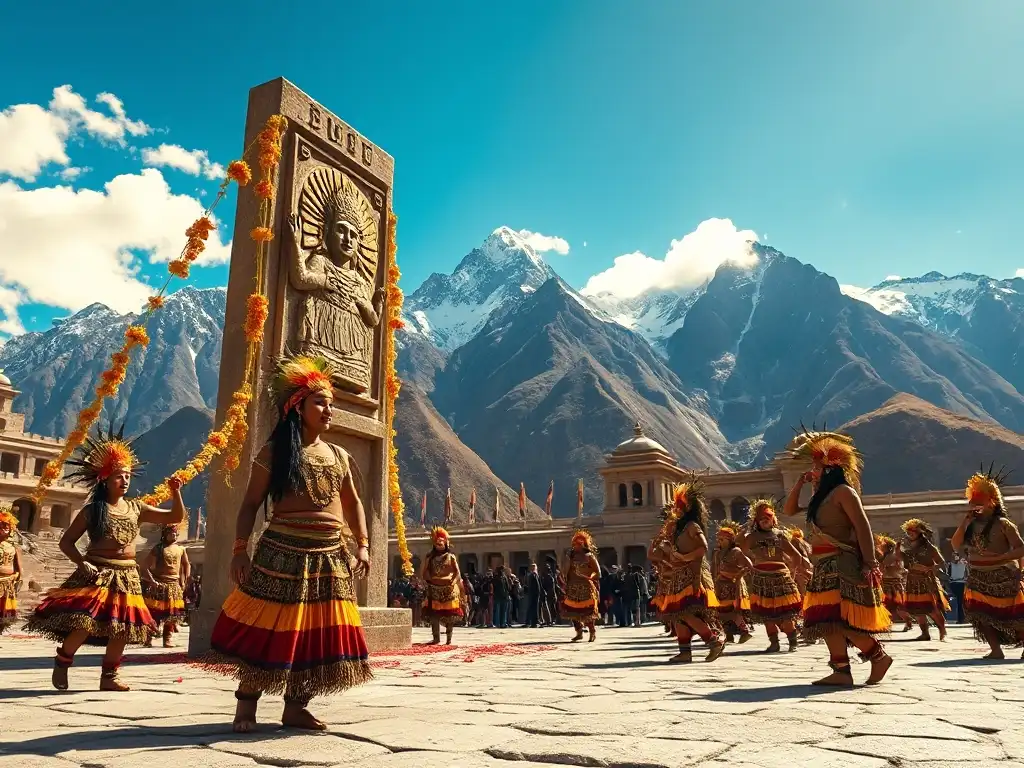
Dive into the mesmerizing world of the Andes! Prepare to be captivated by the intricate tapestry of ancient cultures, from the towering achievements of the Incas to the enigmatic artistry of the Nazca. But first, let's unravel a compelling mystery: the profound ceremonial use of Inca art. Discover how vibrant textiles, meticulously crafted gold objects, and awe-inspiring architecture played vital roles in Inca religious life – a story far more complex and fascinating than you might imagine. Ready to uncover the secrets?
- Inca Art Ceremonial Use: A Deep Dive into Ritual Practices
- The Diverse Forms of Inca Art in Festive Contexts
- Specific Inca Ceremonies and Their Artistic Manifestations
- The Function and Meaning Behind Inca Art in Ceremonial Settings
- The Legacy of Inca Ceremonial Art
- Frequently Asked Questions
- Final Reflection: Echoes of the Andes: Inca Art's Enduring Legacy
- Unveil the Richness of Inca Art and Celebrate Its Legacy!
Inca Art Ceremonial Use: A Deep Dive into Ritual Practices
The Inca Empire, renowned for its sophisticated engineering and intricate social structures, also possessed a vibrant artistic tradition deeply intertwined with its religious and ceremonial life. Inca art wasn't merely decorative; it served as a powerful tool for communicating with the gods, reinforcing social hierarchies, and commemorating significant events. This article delves into the multifaceted role of Inca art in ceremonies and festivals, exploring the symbolism embedded within textiles, ceramics, goldwork, and stone carvings, and how these artistic expressions played a crucial role in the daily life and spiritual beliefs of the Inca people.
We will examine specific examples of Inca art's ceremonial use, highlighting the rich tapestry of meaning woven into these remarkable artifacts and their contribution to our understanding of Inca culture and religion. Understanding the ceremonial use of Inca art provides invaluable insight into the worldview and spiritual practices of this remarkable civilization, revealing a complex interplay between artistic expression, religious belief, and social organization.
The intricate detail and symbolic meaning within each piece underscore the importance placed upon art as a vital component of Inca society. This exploration will illuminate the significance of "Inca art ceremonial use" and its lasting legacy.
The Significance of Art in Inca Rituals
Inca religious beliefs centered around a complex pantheon of deities, ancestor veneration, and the worship of natural forces. Art played a pivotal role in these beliefs, serving as a medium to connect with the divine and honor the ancestors. Textiles, for instance, were not simply clothing; they were imbued with symbolic meaning, with intricate patterns and colors representing different deities, events, or social status.
The vibrant colors used, often derived from natural sources like plants and minerals, further enhanced the spiritual significance of these textiles. Many ceremonial textiles featured depictions of mythical creatures, celestial bodies, and agricultural motifs, reflecting the Inca's deep connection to the natural world and their dependence on successful harvests. Furthermore, the craftsmanship involved in creating these textiles – a time-consuming and skilled process – highlighted their importance within Inca society and their role in religious practices.
The creation itself was often a ritualistic act, with specific individuals or groups designated to produce these sacred garments. These weren't just clothes; they were powerful symbols of Inca identity, spirituality, and social order. The intricate weaving techniques, the precise placement of symbols, and the selection of materials all contributed to the overall meaning and power of these ceremonial objects.
The use of gold and silver in Inca art also held profound religious significance. These precious metals, associated with the sun god Inti, were often used to create elaborate ornaments, vessels, and masks worn during important ceremonies. The gleaming surfaces of these objects likely represented the sun's brilliance and power, connecting the Inca elite to the divine realm.
The skilled metalworking techniques employed, including hammering, casting, and repoussé, demonstrated the high level of artistry and technical expertise within Inca society, underscoring the sacred nature of the objects produced. The intricate designs and symbolic imagery found on these gold and silver artifacts further reinforced their role in religious rituals, adding another layer to their ceremonial importance. The creation and use of these precious metal objects were undoubtedly tightly controlled, reflecting their sacred status and the power of the ruling elite.
Understanding Inca Art's Role in Religious Ceremonies
Inca ceremonies and festivals were elaborate affairs, often involving large numbers of participants and encompassing a wide range of activities. Inca art played a crucial role in these events, providing visual representations of religious beliefs and reinforcing social hierarchies. Ceremonial vessels, for example, were used in rituals involving offerings to the gods. The shapes, designs, and materials of these vessels often reflected the specific deity or ritual being performed.
Some vessels were intricately decorated with painted scenes depicting mythical beings or important events, while others were crafted from precious metals, highlighting their sacred purpose. These vessels weren't merely functional; they were integral components of the rituals themselves, acting as conduits between the human and divine realms. Their presence during ceremonies served to amplify the sacred nature of the event and enhance the efficacy of the rituals performed.
Stone carvings also held significant ceremonial importance. Massive stone structures, such as those found at Machu Picchu and Sacsayhuamán, were not only architectural marvels but also served as settings for important religious ceremonies. The intricate carvings and designs found on these stones likely represented deities, ancestors, or important events in Inca history.
The sheer scale of these structures, coupled with the artistry involved in their creation, further underscored their religious significance and the power of the Inca state. The precise placement of these stones, their alignment with celestial bodies, and the symbolic representations carved into their surfaces all point to a deep understanding of astronomy and cosmology within Inca religious practices. The construction and use of these structures were undoubtedly major ceremonial events in themselves, involving large numbers of people and requiring significant resources.
The enduring legacy of these stone structures stands as a testament to the importance of Inca art in shaping their religious landscape. Furthermore, smaller carved objects, such as figurines and amulets, were often worn or carried by individuals as symbols of protection or good fortune. These small but significant objects played a vital role in daily life, serving as tangible reminders of the Inca's religious beliefs and practices.
The Diverse Forms of Inca Art in Festive Contexts
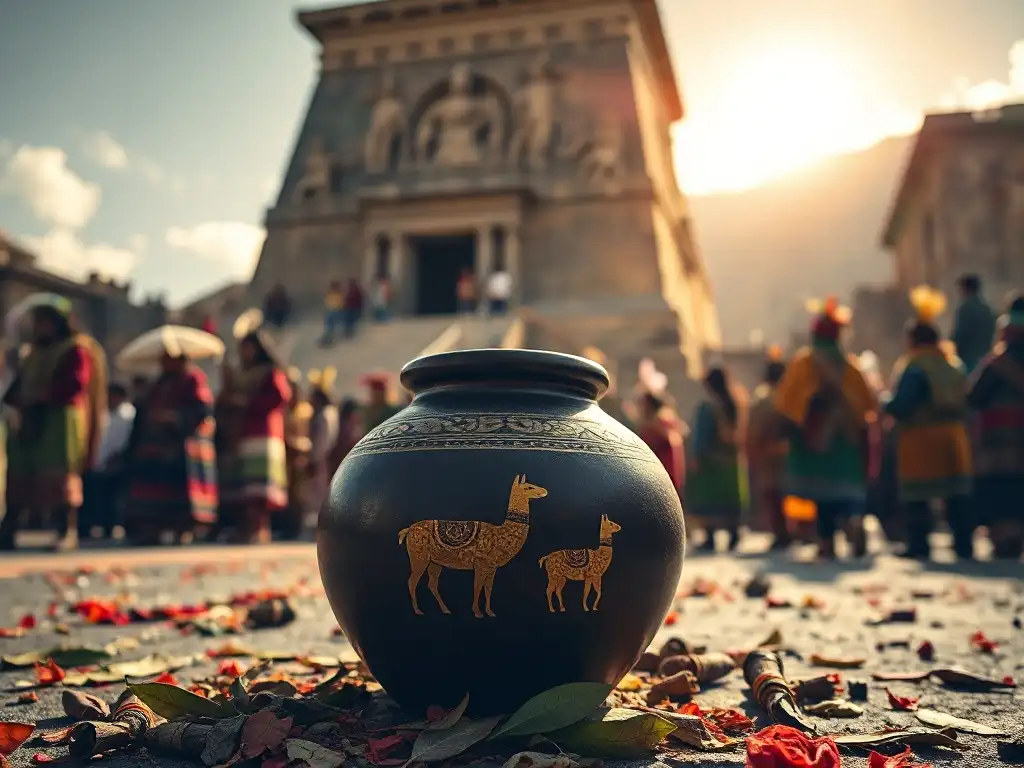
Inca art wasn't merely decorative; it played a vital role in the religious and social life of the Inca Empire. Ceremonies and festivals, integral to Inca society, were profoundly influenced by artistic expression. The Inca worldview, deeply intertwined with nature and the supernatural, found eloquent manifestation in the carefully crafted artifacts used in their rituals.
Understanding the ceremonial use of Inca art reveals a sophisticated culture with a complex system of beliefs and practices. This section explores the diverse forms of Inca art and their specific applications within the context of Inca celebrations and religious rites, focusing on the "Inca art ceremonial use".
Inca Pottery and its Ceremonial Applications
Inca pottery, far from being solely utilitarian, served crucial ceremonial functions. The meticulous craftsmanship, intricate designs, and symbolic imagery embedded in these vessels reveal their sacred significance. The forms, sizes, and decorations varied significantly based on the intended purpose, reflecting the layered complexity of Inca religious practices. For example, certain types of kero (ceremonial drinking vessels) were reserved for elite members of society or specific rituals.
Specific Examples of Ceremonial Pottery
- Keros: These elegant, often elaborately decorated cups were used in ritual libations and toasts during important ceremonies. Their designs frequently featured depictions of deities, mythical creatures, or scenes from Inca mythology. Variations in size, shape, and material (e.g., gold, silver, ceramic) indicated status and the specific context of their use. Some keros were even personalized with the owner's name or clan symbol, highlighting their individual significance.
- Aryballos: Smaller vessels, often globular in shape, were used to hold perfumes, oils, or other ritual substances. Their delicate craftsmanship and intricate designs reflect their importance in Inca religious ceremonies. The materials used, including fine clays and sometimes precious metals, further emphasized their sacred status.
- Urns: Larger vessels, sometimes human-shaped, were employed in funerary rites. These urns often held the ashes of important figures or contained offerings intended for the afterlife. The elaborate decorations on these urns provided valuable insights into Inca beliefs about death and the spiritual world. The quality of the urn and its decorations directly reflected the status of the deceased.
The study of Inca pottery provides a rich window into understanding the complexity and sophistication of their ceremonial practices. Detailed analysis of the iconography, materials, and contexts of discovery sheds light on the specific rituals and beliefs associated with different types of vessels. Further research is needed to fully understand the nuances of Inca pottery's ceremonial role.
Inca Textiles: Woven Expressions of Ritual Significance
Inca textiles represent another prominent form of art deeply intertwined with ceremonial practices. The mastery of weaving techniques, the use of vibrant colors, and the symbolic meaning woven into the patterns all point to their pivotal role in religious and social events. The creation of textiles itself was often a ritualistic act, imbued with spiritual significance. The choice of fibers, the dyes used, and the designs incorporated all held specific meanings, reinforcing their ceremonial importance.
The Importance of Color in Inca Ceremonial Textiles
Color played a crucial symbolic role in Inca ceremonial textiles. Each color was associated with specific deities, events, or concepts. For instance, red symbolized strength and power, while yellow represented gold and divinity.
Green represented fertility and growth, while white symbolized purity and sanctity. The careful selection and combination of colors in ceremonial textiles reflected the specific message or intention of the ritual. The intricate patterns, often featuring geometric designs, stylized animals, and mythical beings, further reinforced the symbolic meaning of the textiles.
The complexity and precision of the weaving techniques also contributed to the sacred nature of these garments and artifacts, underscoring their ceremonial importance and the status of those who wore or used them. Detailed analysis of the color palettes and patterns reveals a complex system of symbolic communication embedded within these magnificent textiles, another aspect of the "Inca art ceremonial use". Further research is needed to fully decipher the intricate meanings encoded within these vibrant and sophisticated textiles.
Inca Metalwork: Gold, Silver, and Ritual Objects
Inca metalworking reached extraordinary heights, showcasing a mastery of techniques that produced stunningly intricate and visually arresting objects. Gold and silver, prized for their inherent beauty and symbolic significance, were meticulously crafted into a vast array of ceremonial items. These weren't merely decorative; they were integral components of religious rituals and festivals, imbued with spiritual power and used to honor deities and ancestors.
The sheer scale of production, evident from archaeological discoveries at sites like Machu Picchu and the Royal Tombs of Sipán (while not strictly Inca, it provides a comparative example of contemporaneous metalworking practices in the region), speaks volumes about the importance placed on these metallic artifacts. The artisans, highly skilled and likely organized into specialized workshops, employed techniques like hammering, casting, repoussé (hammering from the back to create relief), and soldering to achieve incredible detail and precision. The resulting objects, often depicting deities, animals, or abstract motifs, were far more than simple adornments; they were potent symbols of power, authority, and religious fervor.
The Inca's understanding of metallurgy was sophisticated, allowing them to create alloys and manipulate the metals to achieve desired colors and textures. This high level of skill was undoubtedly linked to the profound religious and cosmological beliefs underpinning Inca society.
The Use of Precious Metals in Inca Festivals
During Inca festivals, gold and silver objects played a pivotal role. Elaborate headdresses, intricately worked breastplates, and ceremonial vessels were worn or displayed by the elite, reinforcing their status and connection to the divine. The Capac Apu, the supreme ruler, would likely have worn the most opulent pieces, demonstrating his power and legitimacy as a descendant of the sun god, Inti. These festivals weren't merely occasions for celebration; they were deeply spiritual events designed to ensure a bountiful harvest, appease the gods, and maintain cosmic balance.
The use of precious metals in these festivals heightened the sacred nature of the proceedings. For instance, golden figurines of deities might be paraded through the streets, accompanied by elaborate rituals and sacrifices. Silver vessels, used to offer chicha (a fermented corn beverage) to the gods, would have been carefully crafted and decorated, reflecting the reverence shown towards these sacred offerings. The sheer weight and brilliance of the gold and silver objects would have created a visually stunning spectacle, further emphasizing the power and importance of the religious rites.
The precise nature of the use of these metals in specific festivals remains a subject of ongoing research, but the available evidence clearly indicates their crucial role in Inca religious life. Archaeological findings consistently reveal the presence of gold and silver artifacts in contexts associated with ritual and festivity, underscoring their significance in Inca culture. The sheer quantity of gold and silver objects found in royal tombs and ceremonial sites further emphasizes the importance and value that the Inca placed upon these precious metals. The meticulous craftsmanship and the symbolic meaning imbued in each piece solidify their place as central components of Inca ceremonial life and reinforce the importance of "Inca art ceremonial use" in understanding their culture.
Specific Inca Ceremonies and Their Artistic Manifestations
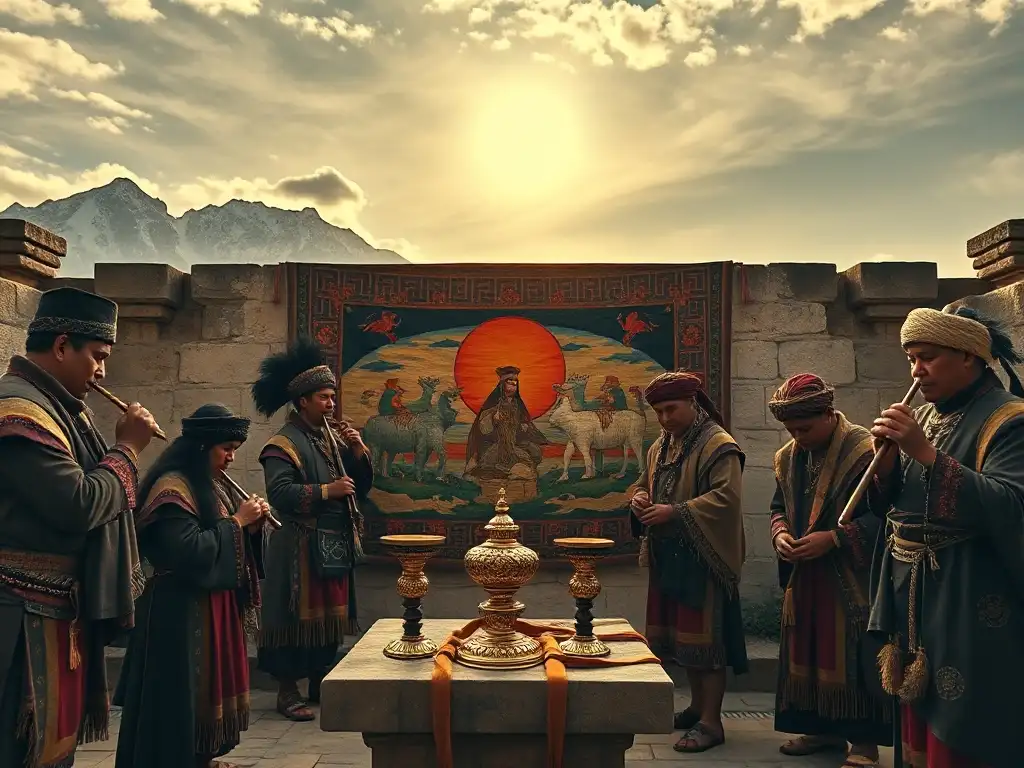
This section delves into the intricate relationship between Inca art and their significant ceremonies and festivals. We will explore how artistic creations weren't merely decorative but integral components of religious and social rituals, profoundly impacting the meaning and experience of these events. The vibrant colors, intricate designs, and symbolic materials used in Inca art served to enhance the spiritual significance of these gatherings and solidify the power of the Inca state. The keyword phrase "Inca art ceremonial use" will be explored through specific examples.
Inti Raymi: The Festival of the Sun and its Art
Inti Raymi, the most celebrated festival in the Inca calendar, held immense religious and political importance. Dedicated to Inti, the sun god, this festival was a time of thanksgiving, renewal, and reaffirmation of the Inca's divine right to rule. The elaborate ceremonies involved a complex interplay of ritual, music, dance, and of course, art.
Art and Decoration in the Inti Raymi Celebration
The Inti Raymi celebrations were visually stunning. Temples and plazas were adorned with vibrant textiles, showcasing intricate designs depicting the sun, celestial bodies, and agricultural motifs. These textiles, often woven from alpaca and llama wool, were not simply decorative; they were imbued with symbolic meaning, representing the Inca's connection to the cosmos and the land. Gold and silver objects, meticulously crafted, played a crucial role, symbolizing the sun's brilliance and the Inca's wealth and power.
Think of the champi, elaborate headdresses adorned with gold and feathers, worn by the Sapa Inca during the festival's climax. These magnificent headdresses were not simply adornments; they were potent symbols of his divine authority. Even the everyday objects used in the festival, from pottery to wooden instruments, were often decorated with symbolic imagery, reflecting the pervasive influence of art in this important celebration.
The scale and intensity of the artistic displays served to reinforce the importance of the Inti Raymi festival and its connection to the Inca's cosmology and social order. Detailed accounts of these decorations are unfortunately scarce, with many aspects needing further archeological research. [Specific information pending regarding detailed descriptions of Inti Raymi decorations from primary sources].
Capac Raymi: The Ceremony of Royal Initiation and its Art
Capac Raymi, unlike the public Inti Raymi, was a far more private and exclusive ceremony. This ritual marked the formal initiation of the young Inca prince into his role as future ruler. The ceremony was steeped in symbolism and tradition, with art playing a pivotal role in reinforcing the sacred nature of the event and the prince's impending ascension to the throne.
The Role of Textiles and Metalwork in Capac Raymi
Textiles and metalwork were central to the visual spectacle of Capac Raymi. The heir apparent would be adorned in exquisitely crafted garments, often featuring intricate designs symbolizing his future responsibilities and connection to the divine. These textiles, likely made from the finest vicuña wool, would have been richly embroidered with gold and silver threads, further emphasizing his status and lineage.
Ceremonial objects made of gold and silver, such as scepters and ritual vessels, were also integral to the ceremony, representing the power and authority he was about to inherit. These objects, often intricately decorated with religious and symbolic imagery, served to visually reinforce the spiritual and political significance of the event. The use of precious metals underscored the Inca belief in the sun's power and the divine right of the Inca ruler.
The precise details of the artistic elements used in Capac Raymi are less well documented than those of Inti Raymi, due to the secretive nature of the ceremony. [Further research is needed to fully understand the specific artistic elements of Capac Raymi]. However, the surviving examples of Inca textiles and metalwork offer valuable insights into the likely grandeur and symbolic importance of the art used in this significant royal initiation ritual.
Situa: The Purification Ceremony and its Artistic Displays
The situa was a crucial purification ceremony within Inca society, deeply intertwined with agricultural cycles and the veneration of nature spirits. It wasn't a singular event but rather a series of rituals performed throughout the year, particularly during the solstices and equinoxes. The artistic manifestations of the situa were multifaceted, reflecting the ceremony's importance and the Inca's profound connection to their environment. Elaborate textiles, often featuring vibrant depictions of Andean flora and fauna, were central to the ritual.
These weren't merely decorative; they held symbolic meaning, representing the renewal of life and the purification of the land. For example, textiles depicting hummingbirds, associated with the sun and fertility, were frequently used. The vibrant colors themselves – achieved through natural dyes derived from plants and minerals – were believed to possess spiritual power, contributing to the purification process. Furthermore, intricately carved wooden objects, often representing deities or sacred animals, were used as ritual implements.
These artifacts, meticulously crafted, served as conduits between the human and spiritual realms, facilitating the cleansing and renewal sought during the situa. The placement of these objects within the ceremonial space was carefully orchestrated, further emphasizing their symbolic significance. The overall aesthetic of the situa aimed to create an atmosphere of sacred purity, reflecting the profound spiritual beliefs at the heart of Inca culture.
The Use of Miniature Figures in the Situa Ceremony
Miniature figures, meticulously crafted from clay, wood, or even precious metals, played a significant role in the situa ceremony. These small-scale representations of humans, animals, and deities were not merely decorative; they actively participated in the ritual. Scholars believe these figurines served as symbolic offerings, representing the community's hopes for a bountiful harvest and the appeasement of powerful nature spirits. The details on these figurines – the clothing, postures, and accompanying objects – often provided clues about the specific aspects of the situa being performed.
For instance, figurines depicting farmers carrying agricultural tools might indicate a ceremony focused on ensuring a successful harvest. Moreover, the materials used in their creation held symbolic value. Gold and silver figurines, for example, could represent the sun's power and the preciousness of the land. The use of miniature figures in the situa highlights the Inca's sophisticated understanding of symbolism and their ability to condense complex religious concepts into tangible, artistic forms.
Archaeological discoveries continue to unearth these miniature artifacts, offering invaluable insights into the intricacies of Inca religious practices and the artistic skill involved in their creation. The precise placement of these figures within the ceremonial context, often discovered alongside other ritual objects, further elucidates their function and significance within the broader situa ritual. The meticulous craftsmanship evident in these small-scale artworks stands as a testament to the Inca's artistic mastery and their profound reverence for the spiritual world.
The Function and Meaning Behind Inca Art in Ceremonial Settings
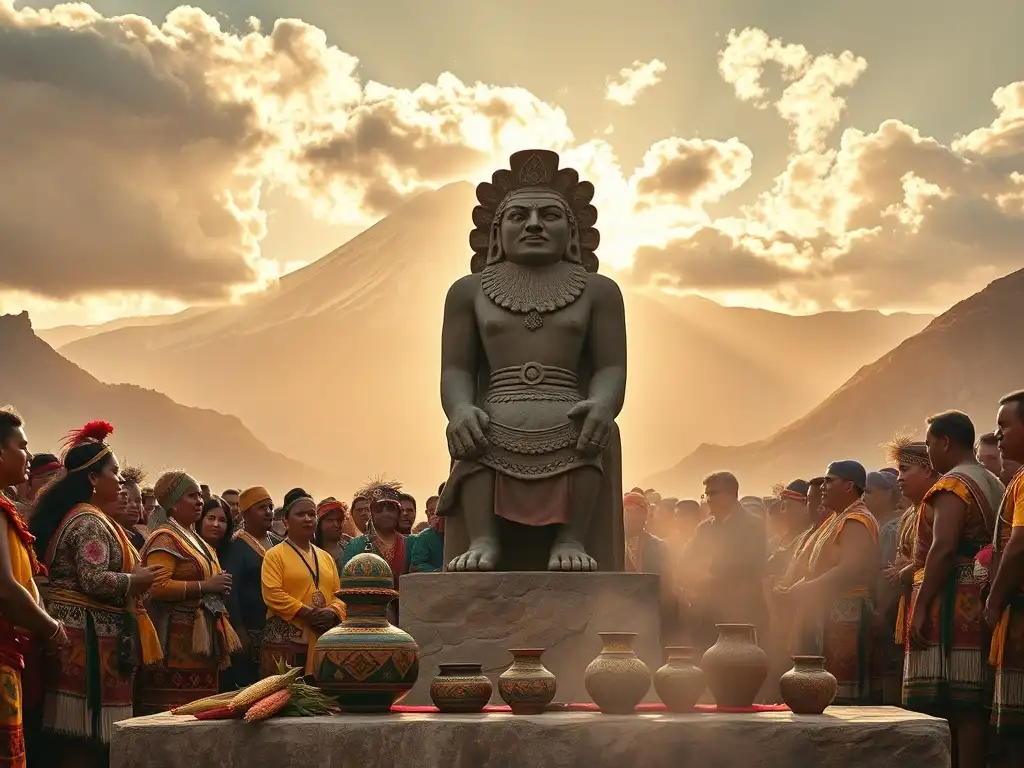
Inca art wasn't merely decorative; it played a crucial, multifaceted role in the empire's elaborate ceremonial life. Understanding the function and meaning of Inca art within these settings requires examining its deep connection to religious beliefs, its reinforcement of social hierarchy, and its symbolic power in ritual performances. The intricate designs, materials, and execution of Inca artwork were all carefully considered, reflecting a sophisticated understanding of cosmology, social structure, and the power dynamics inherent in their society.
The very act of creating and displaying these pieces was itself a ceremonial act, imbued with spiritual significance. This section delves into the intricate interplay between art and ceremony in Inca society, revealing the profound impact art had on shaping their worldview and social order. The keyword "Inca art ceremonial use" is central to this understanding.
The Connection Between Inca Art and Religious Beliefs
Inca religious beliefs were deeply intertwined with the natural world, venerating mountains, the sun (Inti), and other celestial bodies. Inca art served as a powerful medium for expressing these beliefs. For example, the intricate gold and silver work often depicted deities and mythical creatures, reinforcing their importance in the Inca pantheon. Ceremonial objects, like kero (drinking vessels) and tumi (ceremonial knives), frequently featured symbolic imagery related to fertility, abundance, and the continuation of the Inca lineage.
These weren't simply functional items; they were imbued with spiritual power, acting as conduits between the human and divine realms. The creation of these objects was often accompanied by rituals, further strengthening their sacred significance. The meticulous craftsmanship itself was considered a form of prayer, a dedication to the gods.
The use of specific materials, such as gold which was associated with the sun, further emphasized the sacred nature of the art. Detailed depictions of agricultural scenes on textiles and pottery also reflect the importance of agriculture in Inca religion and the connection between the earthly and spiritual realms. The vibrant colors and patterns were not arbitrary; they carried specific meanings and associations within the Inca worldview.
Inca society was strictly hierarchical, with the Sapa Inca at its apex. Ceremonial occasions served to reinforce this hierarchy, and Inca art played a significant role in this process. The Sapa Inca and the elite wore elaborate garments adorned with gold, silver, and precious stones, visually signifying their superior status.
These garments, painstakingly crafted by skilled artisans, were not merely clothing; they were powerful symbols of authority and divine right. The use of specific colors and materials in clothing and ornaments further differentiated social classes. Only the elite could wear certain colors or possess specific types of jewelry, highlighting the rigid social structure.
Ceremonial objects used by the elite, such as intricately carved stone seats or richly decorated vessels, were also distinct from those used by commoners, further emphasizing the social divide. Even the scale and grandeur of ceremonial sites and structures reflected the Inca's power and control over their subjects. The distribution and display of Inca art during ceremonies served as a constant reminder of the social order and the power of the ruling class.
The Symbolic Power of Inca Art in Ritual Performance
Inca ceremonies involved elaborate rituals and performances, and Inca art was integral to these events. Masks, for instance, were crucial ritual objects, often depicting deities or ancestral figures. During ceremonies, priests and other officials would wear these masks, transforming themselves into sacred entities and mediating between the human and spiritual worlds.
The use of textiles in ceremonies was also significant; intricate weavings depicting mythological scenes or historical events were displayed prominently, serving as visual narratives of Inca history and cosmology. The rhythmic movements of dancers, accompanied by music and the display of art, created a powerful and immersive experience, reinforcing the message and meaning of the ceremony. The strategic placement of ceremonial objects and the careful choreography of rituals all contributed to the overall impact of the performance, ensuring that the symbolic power of Inca art was fully realized.
The visual impact of these ceremonies, enhanced by the art, served to unite and inspire the Inca populace, reinforcing their collective identity and belief system. The careful and deliberate use of Inca art in these rituals underscores its profound significance within Inca culture and its enduring legacy.
The Legacy of Inca Ceremonial Art
The vibrant tapestry of Inca civilization is indelibly woven with the threads of elaborate ceremonies and festivals. Inca art, far from being merely decorative, played a crucial role in these rituals, acting as a powerful conduit between the earthly and spiritual realms. Understanding the ceremonial use of Inca art provides invaluable insight into their complex worldview, social structures, and religious beliefs.
The intricate designs, meticulously crafted objects, and symbolic representations found in Inca art weren't simply aesthetically pleasing; they were integral components of a deeply symbolic system that permeated every facet of Inca life. This section will delve into the specific ways Inca art was employed in ceremonial contexts, examining the materials used, the techniques employed, and the deeper meanings embedded within these artistic expressions. The enduring influence of this artistic legacy continues to resonate in modern Andean cultures, shaping their artistic practices and spiritual beliefs to this day.
This enduring legacy underscores the profound significance of Inca art and its ceremonial role within the broader context of Andean history and culture. Analyzing the Inca art ceremonial use allows us to better understand the sophisticated and nuanced culture that flourished in the Andes.
The Influence of Inca Art on Modern Andean Traditions
Inca art's influence on contemporary Andean traditions is undeniable. Many modern Andean artistic practices directly echo techniques and motifs found in pre-Columbian art. For example, the intricate weaving techniques used in creating llicllas (traditional Andean shawls) often mirror the complex patterns seen in ancient Inca textiles. Similarly, the use of vibrant colors and symbolic designs in contemporary Andean pottery reflects the stylistic choices made by Inca artisans centuries ago.
The continuity of these artistic traditions speaks volumes about the enduring cultural memory and the deep-seated reverence for Inca heritage within Andean communities. This isn't simply imitation; rather, it represents a dynamic process of adaptation and reinterpretation, where ancestral forms are reimagined and recontextualized to express contemporary Andean identities and experiences. The enduring popularity of traditional Andean crafts, often incorporating elements of Inca artistic style, also highlights the economic and social importance of preserving this artistic legacy.
This preservation not only sustains cultural identity but also provides livelihoods for many Andean communities. The creation and sale of these artworks serve as a powerful reminder of the enduring legacy of Inca art and its continued relevance in the modern world. Moreover, the use of traditional techniques and motifs in contemporary Andean art contributes to the preservation of intangible cultural heritage, ensuring that the knowledge and skills associated with these artistic practices are passed down through generations.
Preserving and Studying Inca Art and its Ceremonial Context
Preserving and studying Inca art and its ceremonial context present significant challenges. The delicate nature of many artifacts, coupled with the effects of time and environmental factors, necessitates careful conservation efforts. Many Inca artifacts are made from organic materials prone to degradation, requiring specialized techniques and environmental controls to prevent further deterioration. Furthermore, the looting and illegal trafficking of Inca artifacts pose a significant threat to the preservation of this invaluable cultural heritage.
Combating this illicit trade requires international cooperation and robust legal frameworks to protect archaeological sites and prevent the dispersal of stolen artifacts. Academic research plays a crucial role in understanding the ceremonial use of Inca art. Archaeologists, art historians, and anthropologists collaborate to analyze artifacts, interpret iconography, and reconstruct the social and religious practices in which these objects were used. Careful excavation techniques, meticulous documentation, and advanced analytical methods are employed to ensure the preservation of context and the extraction of maximum information from the recovered artifacts.
This careful, multidisciplinary approach is essential for a complete understanding of Inca art and its ceremonial function. The development of new technologies, such as 3D scanning and digital imaging, also offers exciting possibilities for preserving and studying Inca art without causing further damage to fragile artifacts. These digital records allow researchers and the public to access and study these invaluable objects without the risk of physical handling.
Ongoing Research on the Iconography of Inca Ritual Objects
Ongoing research focuses on deciphering the complex iconography found on Inca ritual objects. Scholars are actively investigating the symbolic meanings embedded in the intricate designs, often incorporating interdisciplinary approaches combining art historical analysis, anthropological interpretations, and ethnobotanical studies. For example, the repeated depiction of specific plants and animals on ceremonial objects may reveal their significance in Inca religious beliefs and rituals. Similarly, the analysis of geometric patterns and symbolic motifs can provide insights into the cosmology and worldview of the Inca.
The use of advanced imaging techniques, such as X-ray fluorescence spectroscopy (XRF), enables researchers to analyze the chemical composition of pigments and materials used in creating these objects, providing further clues about their production and use. This research not only enhances our understanding of Inca art but also provides valuable context for interpreting the broader social and religious landscape of the Inca Empire. Furthermore, ongoing research is also exploring the potential connections between Inca iconography and the artistic traditions of other Andean cultures, shedding light on the evolution and diffusion of artistic styles and symbolic systems across the region.
This comparative approach helps to contextualize Inca art within a broader Andean artistic tradition and highlights the interconnectedness of different Andean societies. The ongoing nature of this research signifies a continuous effort to unravel the mysteries and complexities of Inca art and its crucial role in Inca ceremonial life. Each new discovery refines our understanding of this fascinating civilization and its remarkable artistic achievements.
Frequently Asked Questions
What role did art play in Inca ceremonies?
Inca art played a vital role, serving both religious and political purposes. Ceremonial objects, like textiles and goldwork, were used to honor deities and reinforce the Inca's power. Many artifacts were created specifically for use in rituals.
What types of Inca art were commonly used in ceremonies?
Textiles, gold and silver objects, ceramics, and feathers were frequently used. These materials often featured symbolic designs representing deities, animals, and agricultural themes crucial to Inca beliefs. Their intricate craftsmanship reflected the importance of the occasion.
How did Inca art reflect their religious beliefs?
Inca art was deeply intertwined with their religion. Many pieces depicted mythological figures and sacred symbols, reflecting their beliefs about the cosmos and the relationship between humans and the supernatural. Religious iconography was central to their artistic expression.
Were there specific ceremonies where certain types of Inca art were prominent?
Yes, different ceremonies utilized specific artistic forms. For instance, textiles were prevalent in Capac Raymi, the most important Inca festival. Gold and silver were often reserved for rituals dedicated to the sun god, Inti. The type of art used signified the ceremony's importance and purpose.
Where can I see examples of Inca art used in ceremonies?
Many museums worldwide house collections of Inca ceremonial art. The Museo Larco in Lima, Peru, and the American Museum of Natural History in New York are excellent places to start. These museums offer insights into the artistic techniques and religious significance of Inca ceremonial art.
Final Reflection: Echoes of the Andes: Inca Art's Enduring Legacy
The vibrant artistry of the Inca civilization continues to resonate today, a testament to their sophisticated culture and enduring spiritual connection to the Andes. More than mere decoration, Inca art served as a powerful tool for communicating with the divine, solidifying social structures, and celebrating life's cyclical rhythms. Understanding this profound relationship between art and ceremony offers a crucial lens through which to appreciate the complexity and ingenuity of this remarkable civilization.
The influence of Inca art extends far beyond museum walls; its motifs, techniques, and symbolic language continue to inspire contemporary Andean artists and inform cultural celebrations. The intricate weaving, the powerful imagery of deities and animals, the precise craftsmanship – these elements speak to a deep-seated reverence for nature and a sophisticated understanding of the cosmos. As the writer and anthropologist, Edward Said, eloquently stated, Culture is not a fixed entity, but a process of continuous creation and re-creation.
This rings especially true for Inca art, whose legacy lives on in the vibrant traditions and artistic expressions of modern-day Peru and beyond.
Consider the enduring power of these artistic expressions. How can we, in our own lives, find ways to connect with the deeper meanings embedded within art and ritual? Let the vibrant colors and intricate designs of Inca art inspire you to explore your own creative spirit and find ways to express your connection to the world around you. Embrace the legacy of the Inca, not just as a historical artifact, but as a source of inspiration for creating meaning and beauty in your own life.
Unveil the Richness of Inca Art and Celebrate Its Legacy!
Thank you for exploring the fascinating world of Inca art and its cultural significance. Your journey into this vibrant tradition has revealed the beauty and depth of Andean heritage. Now, let's explore ways to actively engage with this rich legacy and integrate it into your life!
Here are some suggestions to deepen your connection with Inca art:
- **Immerse yourself** in local art exhibitions or cultural festivals celebrating Inca history. Experience the vibrancy of the art firsthand!
- **Share your newfound appreciation** with friends and family. Organize a discussion or presentation on the role of Inca art in Andean life—it's a wonderful way to share your passion.
- **Create your own art inspired by Inca motifs. ** Try incorporating traditional designs into your personal projects. You might be surprised by your creativity!
How will you incorporate the influence of Inca art into your life or community? Let's continue the conversation!