
The Lost Techniques of Inca Metalwork: Gilding the Empire

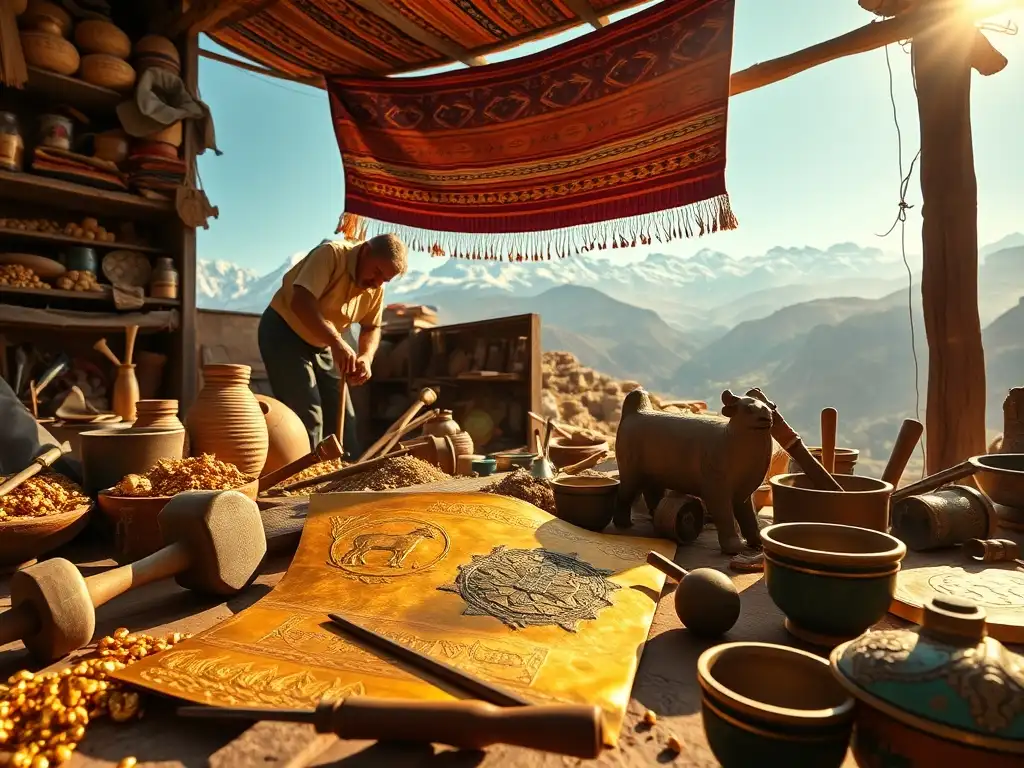
Uncover the secrets whispered on the wind across the Andes... For centuries, the majestic artistry of the Inca Empire has captivated the world. But what truly lies behind the breathtaking beauty of their gold? Prepare to be amazed as we delve into the lost techniques of Inca goldsmithing, revealing the ingenuity and mastery that gilded an empire. Discover the intricate processes and astonishing skills that transformed humble metals into objects of unparalleled splendor. Dare to explore the mysteries that remain...
The Inca Empire, a civilization that flourished in the Andes Mountains from the 15th to the 16th century, left behind a legacy of breathtaking artistry and unparalleled engineering feats. Beyond their impressive architectural achievements like Machu Picchu and sophisticated agricultural systems, the Incas were masters of metalwork, particularly renowned for their intricate gold and silver objects.
This article delves into the fascinating, and largely lost, techniques employed by Inca goldsmiths, exploring the processes that allowed them to create exquisite jewelry, religious artifacts, and ceremonial objects that continue to captivate and inspire awe centuries later. We will examine the artistry behind their work, focusing specifically on the sophisticated techniques of gilding and the broader context of Inca goldsmithing within their society.
Understanding these lost techniques offers a deeper appreciation for the ingenuity and cultural significance of Inca civilization and provides valuable insights into the advanced metallurgical knowledge they possessed. This exploration of "Inca goldsmithing techniques" will uncover the secrets behind the empire's glittering legacy.
Introduction to Inca Goldsmithing and its Significance
Inca goldsmithing was not merely a craft; it was deeply intertwined with the empire's religious beliefs, social structure, and political power. Gold, representing the sun god Inti, held immense symbolic value. The Inca rulers commissioned elaborate gold and silver objects for religious ceremonies, royal adornment, and to solidify their authority.
The sheer quantity and quality of Inca metalwork discovered by archaeologists testifies to the scale of this craft and the specialized knowledge possessed by the artisans. These artisans, likely trained within a hierarchical system, employed a variety of techniques, including hammering, casting, repoussé (hammering from the reverse side to create a raised design), and soldering, to create incredibly detailed and lifelike representations of animals, plants, and human figures. The precision and skill involved in these techniques are remarkable, especially considering the tools and materials available to them.
The significance of Inca goldsmithing extends beyond its aesthetic appeal; it provides invaluable insight into the social, religious, and political dynamics of the Inca Empire. The intricate designs often depicted scenes from mythology, reinforcing the power of the ruling class and their connection to the divine.
The Marvel of Inca Metalworking: Beyond Gold
While gold undeniably played a central role in Inca metalwork, their mastery extended beyond this precious metal. Silver, copper, and alloys like tumbaga (a gold-copper alloy) were also skillfully employed to create a diverse range of objects. The Incas demonstrated a remarkable understanding of metallurgy, developing techniques to work with these metals and create intricate designs. For example, the creation of tumbaga objects required a precise understanding of the ratio of gold and copper to achieve specific colors and properties.
Furthermore, Inca artisans weren't limited to simple forms. They developed sophisticated techniques to create incredibly fine details, including the use of incredibly thin sheets of metal, intricate filigree work, and the application of gilding to enhance the visual impact of their creations. The sheer variety of techniques and the complexity of the resulting artifacts highlight the advanced level of metallurgical knowledge within Inca society, showcasing their exceptional skill and ingenuity.
The survival of some of these objects, despite centuries of looting and decay, serves as a testament to the durability and quality of their workmanship. Further research into the specific composition of alloys and the precise tools used would provide an even more complete picture of their remarkable achievements. Unfortunately, much of this knowledge is lost to time, leaving modern researchers to piece together the puzzle from surviving artifacts and archaeological evidence.
Inca Metallurgical Processes: Extracting and Refining Precious Metals
The Inca Empire's mastery of metalwork was predicated on sophisticated metallurgical processes. Their ability to extract, refine, and manipulate precious metals like gold and silver was a key factor in their economic and political power. This wasn't simply a matter of finding ore; it involved a complex understanding of geology, mining, and metallurgy. The Inca, unlike some other ancient civilizations, didn't rely solely on alluvial deposits (placer mining) for their precious metals.
They actively pursued veins of ore deep within the mountains, showcasing a remarkable understanding of geological formations and ore location. This required significant organization and labor, reflecting the Inca's highly structured society. The extraction and refining processes were intricately linked to the Inca's cosmology and worldview; the metals themselves were imbued with spiritual significance.
Mining Techniques in the Inca Empire
Inca mining techniques were surprisingly advanced for their time. They employed a variety of methods depending on the type of ore and its location. Open-pit mining was used for surface deposits, with evidence suggesting the use of stone tools and possibly even rudimentary explosives (though the exact nature of these methods is still debated amongst archaeologists).
For deeper veins, they dug extensive shafts and tunnels, often supported by timber and stone. These underground workings were sometimes quite extensive, demonstrating a remarkable understanding of engineering and ventilation. The organization of this labor force was impressive; evidence suggests the use of mita, a system of mandatory labor, to support large-scale mining operations.
Archaeological finds reveal sophisticated drainage systems within the mines, suggesting a level of planning and foresight that minimized risks and maximized efficiency. The Inca's understanding of geology allowed them to target specific ore veins, improving the yield of their mining efforts.
Smelting and Refining Methods of Inca Metals
Once the ore was extracted, the Inca employed sophisticated smelting and refining techniques to isolate the pure metals. Archaeological evidence points towards the use of furnaces, likely fueled by charcoal, to heat the ore to high temperatures. The precise composition and design of these furnaces are still under investigation, but it's clear they were capable of reaching the temperatures necessary for smelting.
The process involved separating the metal from impurities, a crucial step in producing high-quality metal for crafting. The Inca likely used various fluxes to aid in the smelting process, improving the efficiency of metal extraction. The refined gold and silver were then cast into ingots or other forms suitable for further processing.
This whole process was not just about technical skill; it was also deeply embedded within the social fabric of the Inca Empire, with specialized artisans and laborers playing key roles in the production of these precious metals. The control over these processes strengthened the emperor's power and prestige.
Inca Goldsmithing Techniques: Shaping the Empire's Wealth
The Inca's skill in goldsmithing is legendary, with surviving artifacts showcasing an unparalleled level of artistry and technical proficiency. Their techniques were diverse, ranging from hammering and annealing to casting and soldering. The sheer volume and variety of surviving gold objects—from intricate jewelry to massive ceremonial items—testifies to the scale of Inca goldsmithing production.
The Inca valued gold not just for its aesthetic qualities but also for its symbolic significance, representing the sun and the power of the Inca rulers. The process of transforming raw gold into exquisite objects was a demonstration of their control over resources and their technical mastery, ultimately enhancing the power and prestige of the empire.
The Art of Inca Gilding: Applying Thin Layers of Gold
Inca gilding was a sophisticated technique used to adorn objects made of other materials, such as wood or ceramic. Thin sheets of gold were carefully applied to the surface, often using an adhesive. The skill required to apply such thin layers of gold evenly and without tearing is remarkable.
The process not only enhanced the aesthetic appeal of the object but also added a layer of symbolic significance, associating the object with the power and wealth of the Inca. The intricate details preserved in gilded objects demonstrate the goldsmiths' meticulous attention to detail and their mastery of delicate techniques. Gilding was not simply a decorative technique; it was a way of imbuing objects with spiritual and political meaning.
Inca Metal Casting: Creating Intricate Objects
Casting was a vital technique used by Inca goldsmiths to create intricate objects. The process involved creating a mold, usually made of clay or a similar material, and then pouring molten metal into the mold. The level of detail achievable through casting is evident in many surviving Inca artifacts. The Inca goldsmiths demonstrated a remarkable ability to create complex shapes and fine details using this technique.
Lost-wax casting, a particularly sophisticated method, may have been employed, allowing for the creation of extremely detailed and intricate objects. This method required considerable skill and precision. The use of different alloys and the control over the casting process allowed the Inca to create objects of varying sizes and complexities.
Inca Metal Repoussé: Shaping Metal from the Back
Repoussé is a metalworking technique where the metal is shaped from the back using hammers and punches. The Inca goldsmiths were masters of this technique, using it to create three-dimensional forms with incredible detail and finesse. The process required considerable skill and a deep understanding of the metal's properties.
By carefully hammering the metal from the back, the Inca goldsmiths could create intricate designs and textures, resulting in objects of remarkable beauty and sophistication. The technique was particularly well-suited to creating thin sheets of metal with relief designs. The ability to create such intricate shapes using this technique highlights the high level of skill among Inca artisans.
Inca Metalwork Joining Techniques: Assembling Complex Pieces
Many Inca metal objects were not made from a single piece of metal but were assembled from multiple components. The Inca developed sophisticated techniques for joining metal pieces, including soldering and riveting. Soldering involved melting a metal alloy to fuse the pieces together, creating a strong and seamless joint. Riveting involved using metal pins to fasten the pieces, a technique that was often combined with decorative elements.
The precision and skill required to create these joints are evident in the surviving artifacts. The ability to assemble multiple components into complex objects demonstrates the advanced level of Inca metalworking technology and the high level of craftsmanship among Inca artisans. These joining techniques were essential in creating large and intricate metalwork pieces, such as ceremonial objects and adornments for elite members of society.
The Importance of Inca Gold and Metalwork in Society
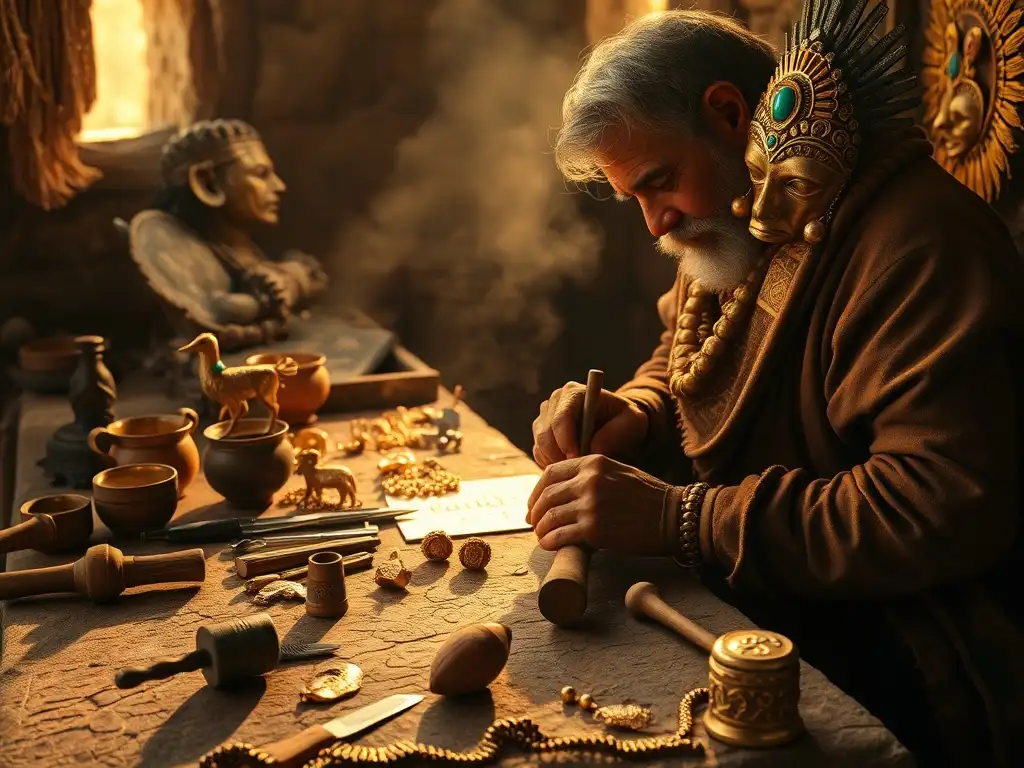
Inca goldsmithing techniques were not merely decorative; they were deeply intertwined with the social fabric of the Inca Empire. Gold, along with silver and other metals, held immense symbolic and practical value, reflecting the Inca worldview and societal structure. The mastery of metalworking, particularly goldsmithing, was a testament to the Inca's advanced technological prowess and their ability to harness natural resources for the benefit of the empire.
The sheer volume of gold artifacts discovered in Inca sites underscores its importance, showcasing the scale of production and the extensive network required for mining, refining, and crafting these precious objects. The Inca's skill in manipulating metals extended beyond gold, encompassing silver, copper, and bronze alloys, each with specific applications and symbolic meanings. This sophisticated understanding of metallurgy allowed for the creation of a wide range of objects, from intricate jewelry and ceremonial vessels to sophisticated weaponry and tools.
Inca Metalwork as Status Symbol
The possession and display of gold and silver objects served as powerful indicators of social status within Inca society. Elaborately crafted jewelry, finely detailed weaponry, and ornate clothing accessories were reserved for the elite—the Inca royalty, priests, and high-ranking officials. The more intricate and lavish the metalwork, the higher the individual's position in the hierarchical structure. For instance, the intricate gold and turquoise headdresses adorned by Inca rulers symbolized their divine connection and authority.
These weren't merely decorative items; they were potent symbols of power and legitimacy, visually reinforcing the social order. The meticulous craftsmanship and use of precious metals served as a constant reminder of the wearer's elevated status within the empire. This system of visual representation through metalwork ensured social cohesion and reinforced the Inca's hierarchical power structure.
Religious Significance of Inca Metal Objects
Inca metalwork played a crucial role in religious ceremonies and beliefs. Many gold and silver objects were associated with deities and were used in rituals and sacrifices. The Sun God, Inti, was particularly venerated, and gold, with its radiant quality, was considered a fitting material to represent his divine power. Elaborate gold and silver figurines depicting deities and mythical creatures were crafted for use in temples and during religious festivals.
These objects were not merely decorative; they were considered sacred instruments, imbued with spiritual power and used to communicate with the divine realm. The careful selection of materials and the intricate designs employed reflect the profound spiritual significance attributed to Inca metalwork. The creation of these objects was a sacred act itself, requiring specialized knowledge and skills passed down through generations of skilled artisans.
Inca Metalwork as a Form of Tribute and Trade
The Inca Empire's sophisticated metalworking techniques facilitated a system of tribute and trade that strengthened its power and control. Subject populations were required to contribute precious metals and crafted objects to the Inca rulers. This tribute system not only provided the empire with vast quantities of gold and silver but also served as a mechanism of control and economic exploitation. The Inca also engaged in extensive trade networks, exchanging metalwork for other valuable goods and resources.
The standardization of certain metalwork forms, such as specific types of jewelry or tools, facilitated long-distance trade and economic integration across the empire. This complex interplay between tribute, trade, and metalworking was a key component of the Inca Empire's economic and political power. The control of metal resources and the expertise in crafting them were crucial factors in maintaining the empire’s stability and influence.
Lost Techniques and Modern Attempts to Replicate Inca Metalwork
The precise techniques employed by Inca goldsmiths remain, in many aspects, a mystery. While archaeologists have uncovered numerous artifacts and some tools, the exact processes for creating certain effects, particularly the intricate gilding techniques, are still not fully understood. This lack of complete understanding presents a significant challenge for modern researchers and artisans attempting to replicate Inca metalwork.
The loss of knowledge over centuries, coupled with the lack of detailed written records, leaves much to interpretation and experimentation. The surviving artifacts themselves provide clues, but often these are indirect and require sophisticated analysis to decipher. The absence of complete knowledge has led to a fascinating field of ongoing research and experimentation in the effort to reconstruct these lost techniques.
Challenges in Recreating Inca Gilding Methods
One of the most challenging aspects of replicating Inca metalwork is the precise methods used for gilding. While the basic principle of applying a thin layer of gold to a base metal is understood, the Inca achieved an exceptionally high level of detail and durability in their gilding.
The exact composition of the alloys used, the methods of applying and bonding the gold, and the finishing techniques all contribute to the unique characteristics of Inca gilding. Modern attempts to replicate these techniques often fall short, either producing results that lack the same level of detail and finish or that are not as durable.
The specific types of adhesives or binding agents used by the Inca are still unknown, adding to the complexity of replicating their work. Researchers are exploring various approaches, including analyzing the chemical composition of surviving artifacts and experimenting with different techniques to understand and reproduce the Inca's mastery of gilding.
Contemporary Studies on Inca Metallurgy
Contemporary research on Inca metallurgy employs a multidisciplinary approach, combining archaeological excavation, metallurgical analysis, and ethnographic studies. Scientists use advanced techniques like X-ray fluorescence spectroscopy and electron microscopy to analyze the composition of Inca artifacts and uncover the precise techniques used in their creation. Ethnographic studies examine the metalworking practices of contemporary Andean communities to gain insights into traditional techniques that may have links to Inca methods.
These studies provide valuable information about the materials, tools, and processes used by Inca artisans, helping researchers piece together a more comprehensive understanding of their sophisticated metalworking techniques. The ongoing research continues to reveal fascinating details about the ingenuity and skill of Inca metalworkers, shedding light on a remarkable chapter in Andean history.
Analysis of the Tumi Knife and its Metallurgical Significance
The tumi, a ceremonial knife characteristic of Inca and pre-Inca cultures, offers invaluable insight into Inca goldsmithing techniques. Its distinctive crescent shape, often adorned with intricate designs and inlaid with other precious metals like silver and copper, showcases the mastery of Inca metallurgists. Analyzing a tumi reveals not only artistic skill but also sophisticated metallurgical processes. The process began with the sourcing of high-quality gold, likely from alluvial deposits in various Andean regions.
Evidence suggests the Incas employed techniques such as fire gilding, a process involving applying a thin layer of gold onto a base metal, often copper or silver, using heat and mercury amalgamation. This allowed them to create objects of impressive size and detail without needing vast quantities of pure gold. The precise control over temperature and the use of mercury, a highly toxic substance, speaks to a high level of expertise and potentially specialized knowledge passed down through generations of artisans. Furthermore, the intricate designs, often depicting deities or mythical creatures, were achieved through a combination of hammering, repoussé (a technique of shaping metal from the back), and chasing (a technique of refining the surface details from the front).
The metallurgical analysis of tumi blades often reveals traces of other metals, indicating alloying techniques designed to enhance durability and workability of the gold. The remarkable preservation of many tumi knives, even after centuries, is a testament to the effectiveness of these ancient Inca goldsmithing techniques and their understanding of metallurgy. The study of these artifacts provides crucial data points for understanding the sophisticated metallurgical knowledge of the Inca civilization. Further research into the specific composition of alloys used in tumi production will shed more light on the intricacies of Inca goldsmithing and their mastery of Inca goldsmithing techniques.
Conclusion: The Enduring Legacy of Inca Goldsmithing Techniques
The Inca Empire's mastery of Inca goldsmithing techniques represents a remarkable achievement in ancient metallurgy. Their sophisticated processes, combining artistry with advanced metallurgical knowledge, resulted in breathtaking artifacts that continue to fascinate and inspire awe. From the intricate details of tumi knives to the grandeur of gold masks and vessels, the legacy of Inca goldsmithing is undeniable. While many specific techniques remain shrouded in mystery, ongoing research continues to unravel the secrets of their craft.
The precise methods of alloying, gilding, and shaping employed by Inca artisans are slowly being revealed through scientific analysis of surviving artifacts. The enduring appeal of Inca goldwork lies not only in its aesthetic beauty but also in its testimony to the ingenuity and technical prowess of a civilization that flourished in the challenging environment of the Andes. Understanding their techniques offers valuable insights into the cultural, social, and technological complexities of the Inca Empire, enriching our comprehension of this remarkable civilization and its contributions to the world.
The study of Inca goldsmithing techniques continues to be a vibrant field of research, promising further revelations about the sophisticated metallurgical practices and artistic achievements of the Inca Empire. The preservation and ongoing study of these artifacts are crucial for understanding the rich history and cultural significance of Inca goldsmithing and its lasting influence on the history of metallurgy. The legacy of Inca goldsmithing techniques continues to inspire contemporary artists and metallurgists, demonstrating the enduring power of ancient craftsmanship.
- Introduction to Inca Goldsmithing and its Significance
- The Marvel of Inca Metalworking: Beyond Gold
- Inca Metallurgical Processes: Extracting and Refining Precious Metals
- Inca Goldsmithing Techniques: Shaping the Empire's Wealth
- The Importance of Inca Gold and Metalwork in Society
- Lost Techniques and Modern Attempts to Replicate Inca Metalwork
- Analysis of the Tumi Knife and its Metallurgical Significance
- Conclusion: The Enduring Legacy of Inca Goldsmithing Techniques
Frequently Asked Questions
What were the primary metals used by Inca goldsmithers?
Inca goldsmiths primarily worked with gold, silver, and copper, often combining them in intricate alloys to achieve different colors and effects. They also utilized platinum and other less common metals.
How did Inca goldsmiths achieve such fine detail in their work?
The Incas employed advanced techniques like hammering, casting, repoussé, and inlay. Their mastery of these methods allowed for incredibly fine detail and intricate designs.
What is repoussé, and how was it used in Inca goldsmithing?
Repoussé is a metalworking technique where a metal sheet is shaped from the back using hammering and punches. This created three-dimensional forms and intricate details in Inca gold and silver objects.
What role did gold play in Inca society and religion?
Gold held immense religious and symbolic significance in Inca culture. It was associated with the sun god, Inti, and used in ceremonial objects and royal adornments, signifying power and divinity.
Are there any surviving examples of Inca goldsmithing techniques?
Yes, many exceptional examples of Inca metalwork survive, primarily in museums around the world. Studying these artifacts helps us understand their techniques and the significance of their craft.
Final Reflection: Reforging the Legacy of Inca Metalwork
The intricate artistry of Inca goldsmithing, once lost to the ravages of time and conquest, continues to resonate today, a testament to the ingenuity and cultural richness of a vanished empire. The techniques detailed in this article, from the precise hammering and alloying to the masterful application of gilding, offer a window into a sophisticated metallurgical tradition that surpassed many of its contemporaries. Understanding these techniques is not merely an academic exercise; it's a key to unlocking a deeper appreciation for the Inca civilization and its enduring legacy.
The enduring power of Inca metalwork lies not only in its technical brilliance but also in its symbolic weight. It speaks to a profound connection between humanity and the natural world, a belief system woven into every hammered detail and gilded surface. The artistry wasn't simply decorative; it was a powerful expression of religious belief, social status, and imperial power. As the historian, John Hemming, eloquently stated: The gold and silver objects were not merely beautiful; they were imbued with a spiritual significance that made them far more than mere ornaments.
This spiritual significance continues to captivate and inspire us, reminding us of the enduring power of art to transcend time and culture.
Consider, for a moment, the implications of this lost knowledge. What can we learn from the Inca's mastery of materials and their innovative techniques? How can we apply their dedication to craftsmanship and artistry to our own lives and creative endeavors? I invite you to reflect on the enduring legacy of Inca goldsmithing, not just as a historical curiosity, but as a source of inspiration and a reminder of the boundless potential of human creativity. Let the intricate beauty of their work ignite your own passion for artistry and innovation.
Unveil the Craft of Inca Metalwork Today!
Thank you for exploring the fascinating world of Inca metalwork with us! You've discovered the rich history and intricate techniques that once adorned this mighty empire. Now, let's put your newfound knowledge into action!
- Visit local artisans or workshops specializing in traditional metalworking techniques; a hands-on experience might reveal a hidden talent.
- Share your enthusiasm for Inca metalwork on social media or with friends and family; inspire others to appreciate the beauty of this ancient craft.
- Create your own metalwork project using recycled materials; imagine the unique blend of modern sustainability and ancient artistry.
What aspect of Inca metalwork most captivates you, and how will you translate that inspiration into your own creative work?