
Inca Textile Production: From Alpaca Wool to Royal Garments

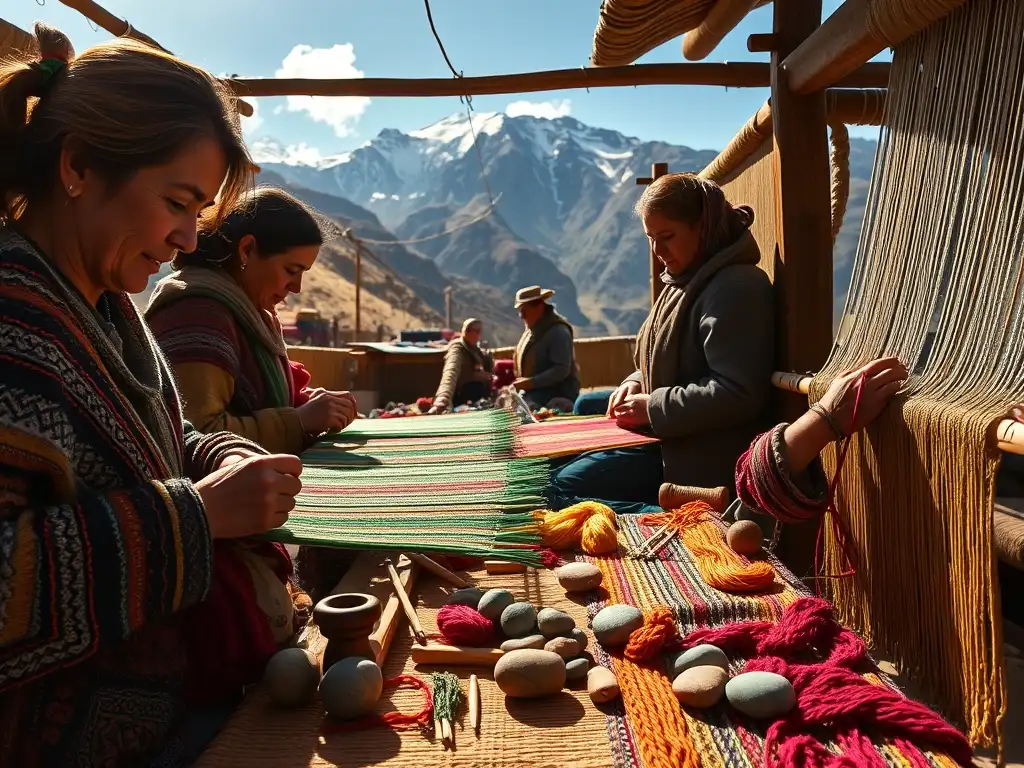
Unravel the mysteries of a lost world, where vibrant threads tell tales of empires and innovation. Journey into the heart of the Andes and discover the breathtaking artistry of the ancient civilizations, from the Nazca lines to the mighty Inca. But prepare to be amazed by the ingenuity behind Inca textile production techniques, a legacy woven into the very fabric of their society. Dive into the story of how simple alpaca wool transformed into the exquisite royal garments that continue to astound us today – the secrets are waiting to be unveiled.
The Inca Empire, renowned for its sophisticated engineering and intricate societal structures, also possessed a mastery of textile production that rivaled any other civilization of its time. This article delves into the fascinating world of Inca textile production, tracing the journey from the shearing of alpaca wool to the creation of exquisite garments worn by royalty and commoners alike. We'll explore the ingenious techniques employed, the symbolic significance embedded within the textiles, and the lasting legacy of Inca textile artistry, all while examining the intricate processes behind the keyword "Inca textile production techniques".
Understanding these techniques offers a deeper appreciation for the Inca's ingenuity and the cultural richness woven into every thread. This exploration will reveal not only the practical aspects of their production but also the profound social and spiritual meanings imbued in their textiles.
Acquiring and Preparing the Raw Materials
The foundation of Inca textile production lay in the acquisition and meticulous preparation of raw materials. Alpaca, llama, and vicuña provided the luxurious fibers, each prized for its unique qualities. Alpaca wool, known for its softness and warmth, was particularly favored. The process began with the careful shearing of the animals, a task performed with great respect, as these animals held significant economic and spiritual value.
Following shearing, the wool underwent a rigorous cleaning process. This involved removing impurities, such as plant matter and dirt, through washing and combing. Different techniques were employed depending on the type of fiber and the desired outcome.
The meticulousness of this initial stage significantly impacted the final quality and texture of the finished textile. Furthermore, the color of the wool was also important, with natural colors like white, brown, and black being highly valued. Certain plants and minerals were also used to dye the wool, resulting in a vibrant palette of colors used in their intricate designs.
Spinning and Dyeing: Transforming Fibers into Threads
Once cleaned and sorted, the fibers were ready for spinning. Inca women, renowned for their skill, used hand spindles to twist the fibers into strong, even threads. The spinning process was not merely a technical skill; it was often a communal activity, with women gathering together to share stories and socialize while working. The quality of the spun thread directly influenced the final product's texture and durability.
Different thicknesses of thread were created depending on the intended use of the textile. The dyeing process followed the spinning. Natural dyes derived from plants, insects, and minerals were used to create a stunning range of colors.
Cochineal, a tiny insect, produced a brilliant crimson, while various plants yielded yellows, browns, and greens. The precise methods used to achieve and maintain these colors remain somewhat mysterious, highlighting the advanced knowledge of Inca dyers. The meticulous nature of this process is evident in the vibrant, long-lasting colors found in surviving Inca textiles.
Weaving Techniques: From Simple to Sophisticated Designs
The heart of Inca textile production lay in their sophisticated weaving techniques. Using backstrap looms, both simple and complex designs were created. The backstrap loom, a portable device, allowed for the production of textiles in diverse locations and conditions. Weavers employed a variety of techniques, including plain weave, tapestry weave, and brocade.
These techniques allowed for the creation of intricate patterns and designs, often incorporating symbolic imagery. The complexity of the designs varied depending on the textile's intended use, with royal garments featuring the most elaborate patterns and colors. Furthermore, the Inca’s mastery extended to the creation of different fabric weights and textures, from fine, delicate cloths to sturdy, durable fabrics. The integration of different types of fibers into a single textile further showcases their technical prowess.
The Significance of Inca Textiles: Beyond Practicality
Inca textiles were not merely functional items; they held deep cultural and symbolic significance. Garments indicated social status, with intricate designs and luxurious materials reserved for the elite. Textiles were also used in religious ceremonies, adorning temples and sacred objects. The complex patterns and motifs woven into the fabric often conveyed messages or represented specific deities or events.
The use of specific colors and symbols could communicate important information or reinforce social hierarchies. The preservation of these textiles across centuries provides invaluable insight into the Inca worldview and their intricate social structures. The enduring beauty and complexity of Inca textiles serve as a testament to their artistic skill and cultural depth.
- Acquiring and Preparing the Raw Materials
- Spinning and Dyeing: Transforming Fibers into Threads
- Weaving Techniques: From Simple to Sophisticated Designs
- The Significance of Inca Textiles: Beyond Practicality
- The Preservation of Inca Textile Knowledge
- Modern Revivals of Inca Textile Art
- Contemporary Textile Artists Inspired by Inca Techniques
- The Importance of Inca Textiles for Understanding Their Culture
- The Enduring Influence of Inca Textile Techniques on Later Andean Cultures
- Technological Innovations in Inca Textile Production
The Significance of Textiles in Inca Society
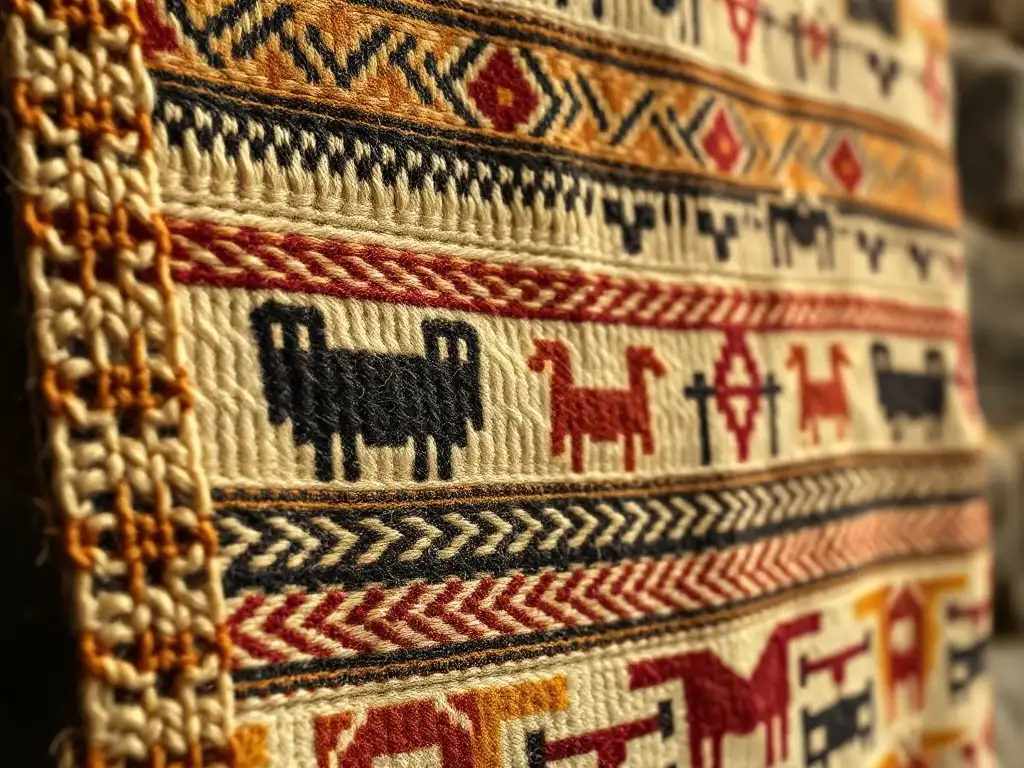
Inca textile production techniques were far more than just a means of creating clothing; they were deeply intertwined with the social, economic, and religious fabric of the Inca Empire. Textiles held immense symbolic weight, reflecting social status, religious beliefs, and economic power. The intricate craftsmanship and use of high-quality materials demonstrated the Inca's advanced technological capabilities and artistic prowess.
Understanding Inca textile production requires appreciating its profound significance within the broader context of Inca civilization. The sheer volume of textiles produced, ranging from everyday clothing to elaborate ceremonial garments, underscores their central role in daily life. Archaeological discoveries continue to reveal the complexity and artistry involved, providing further insights into this crucial aspect of Inca culture.
The meticulous detail in surviving examples – from the vibrant colors to the intricate weaving techniques – speaks volumes about the skill and dedication of Inca artisans. Indeed, the legacy of Inca textiles endures, providing a tangible link to a remarkably advanced and sophisticated civilization.
Inca Textiles: More Than Just Fabric
Inca textiles were far more than just functional clothing; they represented a complex interplay of social status, religious beliefs, and artistic expression. The quality of the materials, the intricacy of the designs, and the techniques employed all conveyed specific meanings. For example, the use of particular dyes, such as the vibrant purples derived from mollusks, indicated high social standing. Certain patterns and motifs were associated with specific deities or events, imbuing the textiles with religious significance.
The creation of textiles was not merely a craft; it was a sacred act, connecting the artisans to the spiritual world. Consider the chuncu, a type of multi-colored, striped cloth; its production and distribution were carefully controlled, reflecting its importance within the Inca economy and social hierarchy. The vibrant colors and complex designs weren't merely aesthetic choices; they were powerful symbols communicating status, beliefs, and even historical narratives.
The production itself involved a sophisticated understanding of natural dyes and fiber processing. Alpaca wool, renowned for its softness and warmth, was the primary material, but other fibers like cotton and vicuña were also utilized, each carrying its own symbolic weight. The varying textures and colors, combined with intricate weaving techniques, resulted in textiles that were both beautiful and durable, capable of withstanding the harsh Andean climate.
The meticulous attention to detail evident in surviving examples underscores the high value placed on textile production within Inca society. The legacy of these textiles continues to inspire awe and admiration, a testament to the skill and creativity of Inca artisans.
Weaving in the Inca Empire wasn't just a domestic activity; it was a highly organized and economically significant process. Specialized workshops, often employing hundreds of weavers, produced textiles for the Inca elite and the wider population. The acllas, chosen women who lived in state-run convents, were renowned for their exceptional weaving skills, producing high-quality textiles for the Inca royalty and religious ceremonies.
These women played a crucial role in the Inca economy, their work contributing significantly to the empire's wealth and prestige. The distribution of textiles was carefully controlled, with certain types of cloth reserved for the elite, while others were allocated to the common people. This system ensured social order and economic stability.
The production of textiles also supported a complex trade network, with finished goods exchanged throughout the empire and beyond. The economic impact of Inca textile production was substantial, contributing to the empire's overall prosperity and influencing its social structure. Furthermore, the specialized knowledge and skills required for intricate weaving techniques likely contributed to the social stratification within Inca society.
The organization of textile production within the Inca Empire represents a fascinating case study in ancient economic systems. The intricate coordination required to manage resources, labor, and distribution demonstrates the Inca's sophisticated administrative capabilities. The role of the acllas highlights the integration of religious beliefs and economic activity, demonstrating the deep interconnectedness of various aspects of Inca society.
The study of Inca textile production offers valuable insights into ancient economic practices, revealing the complex interplay between social structures, religious beliefs, and economic systems. Further research into the organization and management of these workshops could reveal additional details about the logistics and efficiency of Inca economic practices.
Textiles as a Symbol of Status and Power
Inca textiles served as powerful symbols of social status and political power. The quality of the fabric, the intricacy of the design, and the use of rare materials all conveyed messages of rank and authority. Royal garments, often adorned with elaborate gold and silver embellishments, were reserved exclusively for the Inca emperor and his family. These garments were not merely clothing; they were tangible representations of their divine right to rule and their connection to the gods.
Specific colors and patterns were associated with particular social groups or deities, reinforcing the symbolic meaning of the textiles. The use of rare fibers, like vicuña wool, further emphasized the wearer's high social standing. The intricate designs and techniques employed in royal textiles represented the pinnacle of Inca artistic achievement, reflecting the emperor's power and prestige.
The distribution of textiles reinforced the social hierarchy. While the Inca elite wore luxurious garments made from fine materials, the common people wore simpler, more functional clothing. This system visually represented the social order and ensured that the power and authority of the ruling class were readily apparent.
The production and distribution of textiles was carefully controlled by the Inca state, ensuring that the symbolic power of these garments remained concentrated in the hands of the ruling elite. The careful consideration given to the colors, patterns, and materials used in Inca textiles underscores their profound significance as symbols of social status and political power.
Further research into the iconography and symbolism of Inca textiles could offer deeper insights into the meanings embedded within these visually stunning artifacts. The study of Inca textiles provides a fascinating window into the social dynamics and power structures of the Inca Empire, demonstrating the ways in which clothing could be used to communicate social standing and political authority.
Sources of Inca Textile Materials
The remarkable artistry of Inca textiles was deeply rooted in the quality and diversity of their raw materials. Masterful Inca textile production techniques relied heavily on the readily available resources of their vast empire, resulting in a vibrant tapestry of colors and textures. Understanding these sources is crucial to appreciating the sophisticated level of their craftsmanship. The empire's diverse geography—from high Andean plains to coastal deserts—provided a unique range of materials, each contributing to the unique character of Inca cloth.
Alpaca and Llama Wool: The Primary Fiber Source
Alpaca and llama wool formed the backbone of Inca textile production. These camelids, domesticated for centuries before the Inca, provided fibers of exceptional quality. Alpaca wool, prized for its softness, fineness, and warmth, was particularly valued for its luxurious feel and was often reserved for elite garments. Llama wool, while coarser, was still a significant source, offering durability and strength, making it suitable for everyday clothing and utilitarian items. The Inca meticulously managed their herds, ensuring a consistent supply of high-quality fiber. Evidence suggests sophisticated breeding programs aimed at enhancing desirable traits like fiber length and color.
The shearing process itself was likely a carefully orchestrated event, reflecting the importance of the wool in Inca society. Detailed accounts of the process are scarce, but archaeological findings suggest specialized tools were used for shearing, and the wool was probably carefully cleaned and sorted before spinning. The quality of the fiber, directly related to the animal's diet and environment, was carefully controlled through the management of pastureland and seasonal migrations.
Differentiation in wool quality directly impacted the final product's quality and intended use, with the finest alpaca wool reserved for the elite class. This meticulous attention to the source materials highlights the high regard the Inca held for textile production and its societal significance.
Cotton: A Key Material in Coastal Regions
While alpaca and llama wool dominated the highlands, cotton played a crucial role in Inca textile production, particularly in the coastal regions. The warmer climate of the coast was ideal for cotton cultivation, providing a readily available source of fiber for clothing and other textiles. Inca cotton, known for its strength and absorbency, was often used in combination with wool, creating blended fabrics with unique properties.
The cultivation of cotton was a significant agricultural undertaking, requiring irrigation systems and careful management of soil conditions. Archaeological evidence suggests the Inca developed sophisticated agricultural techniques to maximize cotton yields. The use of cotton in textiles wasn't limited to clothing; it also featured in various other items, including ropes, nets, and even some forms of ceremonial attire.
The integration of cotton into the Inca textile system demonstrates the empire's adaptability and its ability to leverage the diverse resources available across its vast territory. The varying qualities of cotton, based on location and cultivar, probably influenced its use in different types of textiles, much like the nuances in alpaca and llama wool.
Natural Dyes: Achieving Vibrant Colors
The vibrant colors of Inca textiles were achieved through the skillful use of natural dyes derived from plants, insects, and minerals found throughout the empire. This palette of colors was not just aesthetically pleasing; it also held symbolic meaning, with different colors associated with specific deities, social status, or ceremonial occasions. The mastery of dyeing techniques was a highly specialized skill, passed down through generations of artisans.
The process of creating these dyes was complex and time-consuming. Plants like cochineal insects (producing crimson and scarlet hues), various species of lichen (yielding yellows and oranges), and indigo plants (providing blues) were carefully harvested and processed. Mineral dyes, such as those derived from ochre (for yellows and reds) and various clays (for browns and blacks), further expanded the range of colors available to Inca artisans.
The preparation of the dyes, involving intricate processes of extraction, fermentation, and mordanting (a process to fix the dye to the fiber), required considerable expertise and knowledge of botanical and chemical properties. The resulting colors were incredibly rich and durable, a testament to the Inca's profound understanding of natural dyes and their application in textile production. The meticulous attention to detail involved in the dyeing process underlines the central role of color in Inca culture and its integral connection to their textile traditions.
Inca Textile Production Techniques
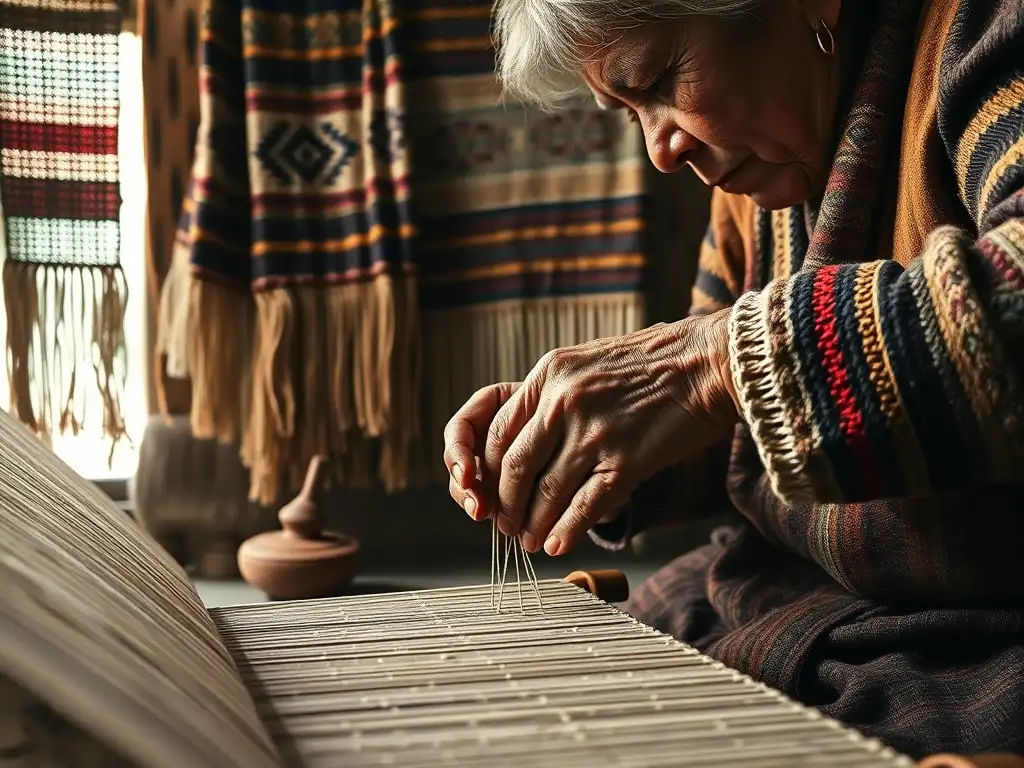
The Inca Empire, renowned for its sophisticated artistry and engineering prowess, also possessed remarkably advanced textile production techniques. Their mastery of fiber preparation, spinning, dyeing, and weaving resulted in textiles of unparalleled quality and intricacy, reflecting both their technical skill and their deep-seated cultural beliefs. Understanding Inca textile production offers a fascinating glimpse into their society, revealing insights into their social hierarchy, religious practices, and economic organization.
The techniques employed were not merely utilitarian; they were imbued with symbolic meaning and artistic expression, making the study of Inca textiles a rich and rewarding endeavor. This section will delve into the specific techniques employed in the creation of these iconic garments and tapestries, focusing on the key processes from raw material to finished product, and highlighting the ingenuity of Inca artisans.
The Art of Spinning Inca Yarn
Spinning Inca yarn was far from a simple process. It began with the meticulous selection and preparation of the raw material, primarily alpaca and llama wool, but also cotton and vicuña, depending on the desired quality and purpose of the final textile. Alpaca wool, prized for its softness and fineness, was often reserved for elite garments and religious objects. The process started with the careful sorting and cleaning of the fleece, removing impurities and separating fibers by color and quality.
The spinning itself was typically done using a hand spindle whorl – a simple yet effective tool consisting of a weighted spindle and a distaff to hold the fiber. The spinner would draw out fibers from the distaff and twist them together using the rotating spindle, gradually creating a continuous thread. The fineness and evenness of the yarn were critical, reflecting the skill and experience of the spinner.
Different thicknesses of yarn were produced, tailored to the specific weaving technique and the intended use of the fabric. Inca spinners demonstrated remarkable control over the tension and twist of the yarn, resulting in strong, durable, and exquisitely fine threads, the quality of which is still admired today.
Evidence suggests specialized spinners existed within Inca society, indicating a high level of skill and potentially a division of labor within textile production. The quality of the yarn directly impacted the final product, making this stage a crucial element in the overall Inca textile production process.
Weaving on Backstrap Looms
The backstrap loom was the primary weaving tool used by Inca artisans. This portable and versatile loom, consisting of a warp beam, a heddle, and a backstrap, allowed for the creation of a wide variety of textiles. The weaver would secure one end of the warp threads to a fixed point, often a tree or a post, while the other end was attached to a backstrap worn around the weaver's waist. By leaning back and forth, the weaver could control the tension of the warp threads and manipulate the weft threads to create the desired pattern.
The backstrap loom's portability made it ideal for Inca society, where weaving might be undertaken in various locations, from homes to workshops. The technique itself required considerable skill and dexterity, with weavers demonstrating impressive control over the intricate patterns and textures they produced. The designs woven into these textiles often reflected regional styles, social status, and religious beliefs, further emphasizing the cultural significance of this weaving technique.
Analysis of surviving Inca textiles reveals a wide range of weaving techniques employed on the backstrap loom, including tapestry weaving, supplementary weft techniques, and various types of brocade. The adaptability of the backstrap loom allowed Inca weavers to produce textiles of exceptional quality and complexity, showcasing their mastery of this ancient craft.
Advanced Inca Loom Techniques
While the backstrap loom was ubiquitous, Inca textile production also involved more sophisticated loom types for producing larger and more complex textiles. These looms, though less portable, allowed for greater control over the weaving process and facilitated the creation of textiles with intricate designs and multiple colors. Evidence suggests the use of more complex looms with multiple heddles, enabling the creation of intricate patterns and designs that would have been difficult, if not impossible, to achieve on a backstrap loom. These advanced techniques allowed for the production of large ceremonial textiles and fine garments for the Inca elite.
The use of supplementary weft techniques, where additional weft threads are added to create raised designs or patterns, also showcases the advanced skills of Inca weavers. These techniques, combined with the use of multiple colors and sophisticated dyeing processes, resulted in textiles that were not only functional but also highly decorative and symbolic. The incorporation of metallic threads, particularly gold and silver, further elevated the status of certain textiles, underscoring their importance in Inca religious ceremonies and royal attire.
This level of complexity in Inca textile production highlights the specialized knowledge and expertise of Inca artisans and reinforces the significant role textiles played in their society. The surviving examples of these advanced textiles stand as testament to the remarkable skills and ingenuity of Inca weavers, providing invaluable insights into their cultural achievements.
The Role of Women in Inca Textile Weaving
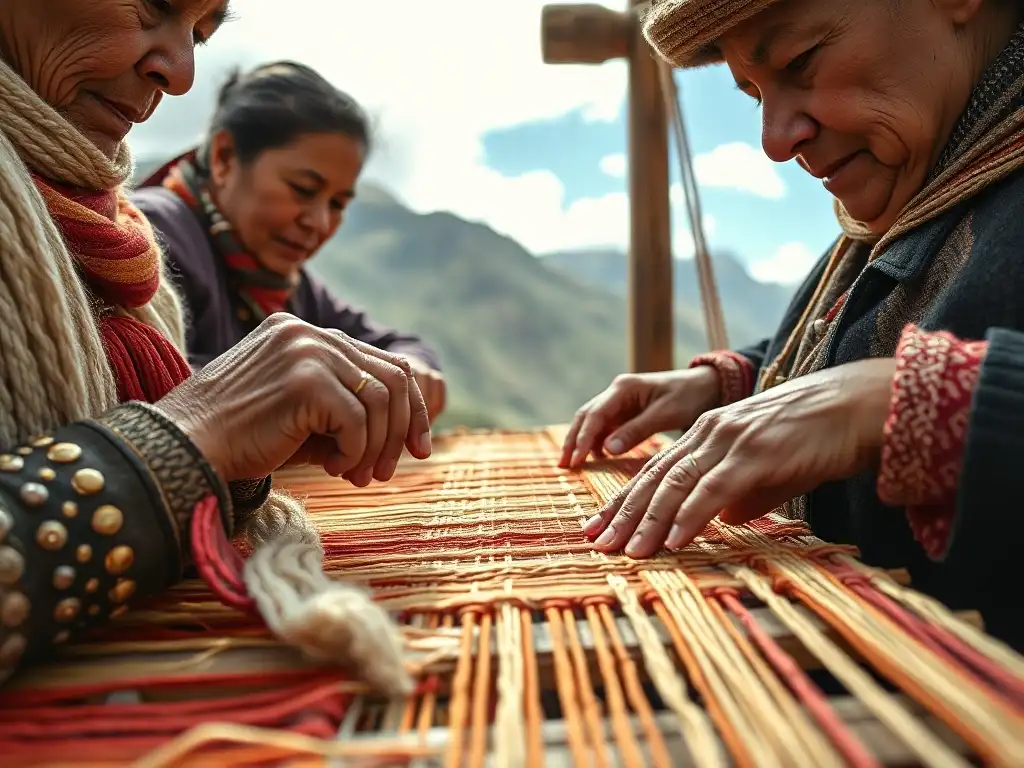
Inca textile production was deeply intertwined with the social structure of the empire, and women played a crucial role in this intricate system. While men might have been involved in herding the alpaca and llama, the actual process of spinning, dyeing, and weaving was predominantly a female domain. This wasn't simply a matter of division of labor; it was a reflection of women's high social standing within their communities. Skill in textile production was a marker of status, and mastery of complex techniques could elevate a woman's position.
The quality of a woman's weaving often directly reflected her family's prestige and even her potential for marriage. Young girls began learning weaving techniques at a young age, inheriting skills and knowledge passed down through generations within their families. This training wasn't just about creating textiles; it was a form of cultural transmission, preserving ancient patterns and techniques vital to Inca identity. The intricate designs woven into Inca textiles weren't merely decorative; they often encoded complex social and religious meanings.
Therefore, women weren't just weavers; they were custodians of cultural memory and tradition. The expertise of female weavers was highly valued, contributing significantly to the economic and social fabric of the Inca Empire. Evidence suggests that women also held specialized roles in textile production, with some specializing in specific techniques or types of textiles.
Different Weaving Styles and Patterns
The Inca Empire boasted an astonishing diversity of weaving styles and patterns, reflecting both regional variations and the hierarchical structure of society. The techniques employed were sophisticated and varied, ranging from simple plain weaves to incredibly complex tapestry weaves and embroidered designs. The most common technique was backstrap loom weaving, a method still practiced in many Andean communities today. This involved using a loom attached to a backstrap, allowing for greater control over the tension and warp threads. This versatile technique allowed for the creation of a wide variety of textiles, from simple cloths to richly decorated garments.
Beyond the basic weave, Inca artisans employed a range of techniques to create intricate patterns and textures. One notable example is the use of plying, where multiple threads are twisted together to create a stronger and more durable yarn. This also allowed for variations in color and texture within a single piece. The use of different types of fibers, such as alpaca, llama, and vicuña wool, added further complexity to the textures and colors achieved. The patterns themselves were highly symbolic, often representing mythological figures, animals, plants, and abstract designs that held significant cultural meaning.
Royal garments, for example, often featured intricate depictions of mythical creatures or celestial bodies, reflecting the wearer's high status and connection to the divine. The diversity of weaving styles and patterns found across the Inca Empire highlights the creativity and skill of Inca artisans and the important role textiles played in their culture and society. The legacy of these techniques continues to inspire awe and admiration today. Furthermore, the resilience of these weaving techniques through time speaks volumes about the ingenuity and adaptability of Andean cultures.
The Intricacy of Inca Textile Designs
Inca textile production techniques were incredibly sophisticated, resulting in textiles of unparalleled beauty and complexity. Beyond the sheer technical skill involved in creating these fabrics, the designs themselves held deep cultural and symbolic significance, reflecting the Inca worldview and social hierarchy. Understanding these designs is key to appreciating the artistry and cultural richness of Inca textile production.
The intricate weaving techniques, combined with the deliberate choice of colors and motifs, created textiles that were not merely functional garments but also powerful expressions of identity and status. The level of detail and precision found in Inca textiles is remarkable, even by today's standards. Analysis of surviving examples reveals a mastery of both geometric and symbolic motifs, woven together to tell intricate stories and convey complex meanings.
Geometric Patterns and Their Meanings
Geometric patterns form a significant portion of Inca textile designs. These weren't merely aesthetic choices; they held specific meanings within Inca cosmology and social structure. Common motifs include stepped frets, zigzags, and chevrons, often arranged in repeating sequences.
These patterns, frequently found in borders and bands, are believed to represent mountains, agricultural terraces ( andenes), or even celestial bodies. For example, the stepped fret, reminiscent of the terraced agricultural fields so vital to Inca life, likely symbolized abundance and prosperity. The precise arrangement and combination of these geometric patterns could further refine their meaning, indicating the wearer's social standing or the textile's intended purpose.
Researchers continue to decipher the full range of meanings embedded within these seemingly simple geometric forms. The precise mathematical ratios used in their design also hint at a sophisticated understanding of geometry and its relationship to the natural world. Further research into surviving textiles and related archaeological evidence is needed to fully understand the nuances of these geometric patterns.
Symbolic Motifs in Inca Textiles
Beyond the geometric patterns, Inca textiles frequently incorporated symbolic motifs representing animals, plants, and deities. These motifs were not randomly placed; their arrangement and context within the larger design contributed to the overall message. For instance, representations of the puma, a powerful symbol in Inca mythology, often appeared on garments worn by elites, suggesting their connection to royal power and authority.
Similarly, depictions of birds, such as the condor, symbolized strength and freedom. Floral motifs, such as the cantuta (a sacred flower), represented fertility and abundance. The presence of specific symbolic motifs could indicate the textile's function (e.g., ceremonial use) or the social status of its owner.
Furthermore, the combination of different motifs within a single textile could create a complex narrative, telling a story or conveying a specific message. Detailed analysis of these symbolic elements provides invaluable insights into Inca beliefs, social structure, and artistic expression. More comprehensive studies focusing on iconography across different Inca regions are still needed to complete a broader understanding.
The Use of Color in Inca Textile Art
Color played a crucial role in Inca textile art. The Incas used natural dyes derived from plants, insects, and minerals to create a vibrant palette of colors. Each color held symbolic meaning, further enriching the narrative conveyed by the textile’s design. Red, for example, often represented power and royalty, while yellow symbolized gold and the sun.
Different shades and combinations of colors could subtly alter their meaning, adding layers of complexity to the overall message. The mastery of dyeing techniques allowed Inca artisans to create incredibly rich and long-lasting colors, many of which have survived centuries of wear and tear. The precision and consistency of color application in surviving textiles speak volumes about the expertise of Inca dyers and their deep understanding of the properties of natural pigments.
Further research into the specific sources of dyes and their preparation methods would provide a more complete picture of Inca textile production techniques. The careful selection and application of color wasn't merely decorative; it was integral to the symbolic meaning and cultural significance of the finished product. This deliberate use of color underscores the sophisticated understanding of symbolism and artistry that characterized Inca textile production.
Types of Inca Textiles and Their Uses
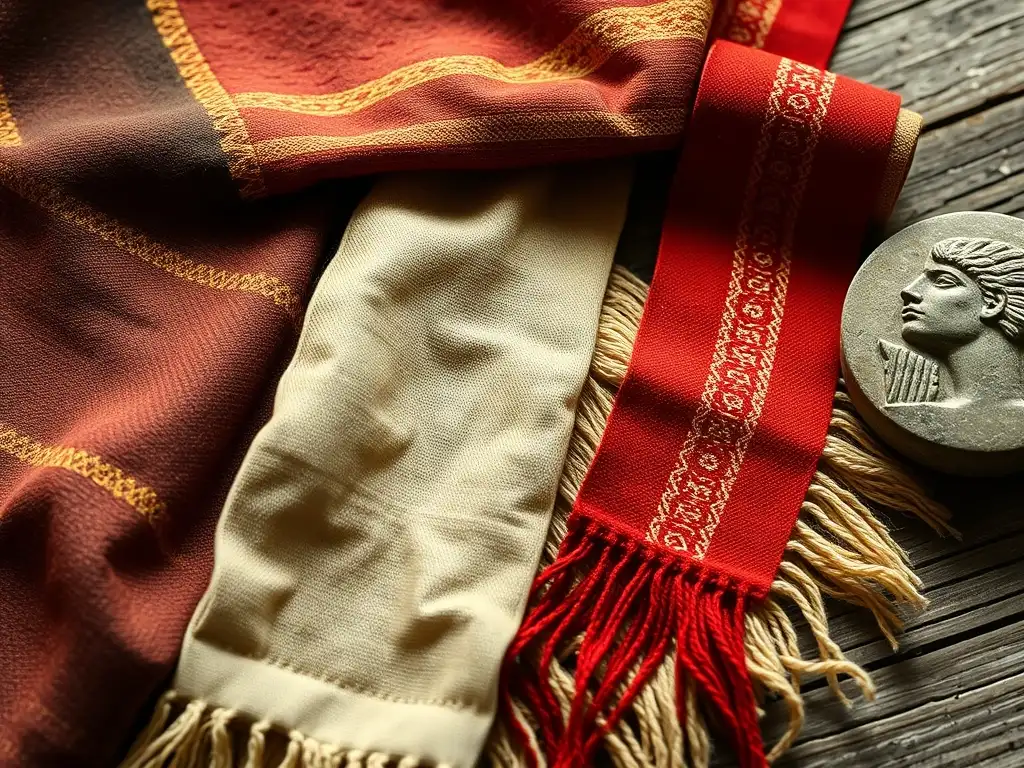
The Inca Empire, renowned for its sophisticated engineering and administrative prowess, also possessed a highly developed textile industry. Inca textile production techniques were remarkably advanced for their time, utilizing intricate weaving methods and a diverse range of materials to create textiles for a variety of purposes, from everyday clothing to elaborate royal garments. Understanding the different types of textiles produced provides crucial insight into the social hierarchy and daily life within the Inca civilization.
The quality and intricacy of the textiles directly reflected the social standing of the wearer, with the finest cloths reserved for the elite. The mastery of Inca textile production techniques is a testament to their ingenuity and artistic skill.
Cumbi: The Finest Inca Cloth
Cumbi represents the pinnacle of Inca textile artistry. This luxurious cloth, renowned for its unparalleled softness and lustrous sheen, was woven from the finest vicuña fiber. Vicuñas, wild camelids inhabiting the high Andes, produced a fleece so delicate and rare that only the Inca royalty and high-ranking officials were permitted to wear garments made from cumbi.
The production process was meticulous and time-consuming, demanding exceptional skill and patience from the weavers. Each thread was carefully selected and meticulously spun, resulting in a fabric of exceptional quality and durability. The intricate designs woven into cumbi often incorporated symbolic motifs representing Inca cosmology, power, and status.
The vibrant colors, achieved through natural dyes derived from plants and minerals, further enhanced the prestige of this elite textile. The creation of cumbi showcases the Inca's understanding of fiber manipulation and their ability to transform raw materials into objects of immense cultural and social significance. Specific details regarding the dyeing process, such as the exact plant species used and the techniques employed to achieve specific shades, remain partially undocumented, highlighting the need for further research in this fascinating area of Inca textile production techniques.
Abasca: Everyday Inca Weavings
In contrast to the luxurious cumbi, abasca was a more common type of textile used by the majority of the Inca population. Woven from alpaca or llama wool – more readily available than vicuña fiber – abasca was a durable and practical fabric used for everyday clothing, blankets, and household items. While not as fine as cumbi, abasca still demonstrated a high level of weaving skill.
The designs, though simpler than those found in cumbi, often incorporated geometric patterns and stylized representations of animals and plants. The colors used in abasca were typically more muted and earthy, reflecting the readily available natural dyes. The production of abasca involved a more streamlined process compared to cumbi, allowing for greater quantities to be produced to meet the needs of the larger population.
Analyzing the variations in abasca textiles from different regions reveals fascinating insights into local traditions and stylistic preferences within the vast Inca Empire. The durability and practicality of abasca underscore the Inca's ability to adapt their textile production techniques to meet the diverse needs of their society.
Tapestries and Their Significance
Beyond clothing, the Inca also produced intricate tapestries that served both practical and ceremonial purposes. These woven textiles, often featuring elaborate designs and vibrant colors, were frequently used to decorate temples, palaces, and other important structures. Some tapestries depicted scenes from Inca mythology, while others showcased historical events or royal portraits.
The creation of tapestries required a high level of skill and collaboration, often involving teams of weavers working together on a single piece. The size and complexity of some tapestries suggest that their production was a significant undertaking, possibly involving specialized workshops and skilled artisans. The use of tapestries in ceremonial contexts highlights their importance as symbols of power, prestige, and religious significance.
Furthermore, the intricate designs woven into the tapestries provide valuable insights into Inca beliefs, cosmology, and social structures. Studying the iconography and symbolism within these textiles offers a unique window into the cultural and religious worldview of the Inca civilization, enriching our understanding of their complex society and the masterful Inca textile production techniques involved in creating these stunning works of art.
Inca Textile Clothing: From Commoners to Royalty
Inca textile production techniques varied significantly depending on the wearer's social standing. Commoners typically wore simpler garments made from coarser materials like llama or alpaca wool, often in undyed natural colors or with basic geometric patterns. These clothes were functional, providing warmth and protection from the elements. Their weaving techniques, while skillful, were less intricate than those used for elite garments.
A commoner's tunic, for example, might be a simple rectangular piece of woven fabric, possibly with minimal embellishment. The quality of the wool and the complexity of the weave directly reflected the individual's social standing within the Inca society. The production of these garments was often a family affair, with women playing a crucial role in spinning and weaving.
Clothing for the Inca elite, however, was a testament to the sophistication of Inca textile production techniques. Royal garments showcased the finest alpaca and vicuña fibers, often dyed vibrant colors using natural pigments derived from plants and minerals. These dyes were carefully prepared and applied, ensuring the vibrancy and longevity of the colors. The designs were incredibly intricate, featuring complex geometric patterns, stylized animals, and representations of deities.
The weaving techniques were far more advanced, incorporating techniques like tapestry weaving, supplementary weft, and brocading to create richly textured and detailed fabrics. Royal garments were frequently adorned with gold and silver threads, further emphasizing the wearer's elevated status. The creation of these garments involved specialized artisans who dedicated their lives to perfecting their skills, passed down through generations.
These garments were not simply clothing; they were powerful symbols of authority, wealth, and spiritual significance. The use of specific colors and patterns could denote a person's role within the Inca hierarchy, reinforcing social order and signifying the wearer's connection to the Inca imperial power. Examples of such royal garments, though rare due to the fragility of the material and the passage of time, are invaluable sources for understanding Inca culture and textile production.
The Legacy of Inca Textile Techniques
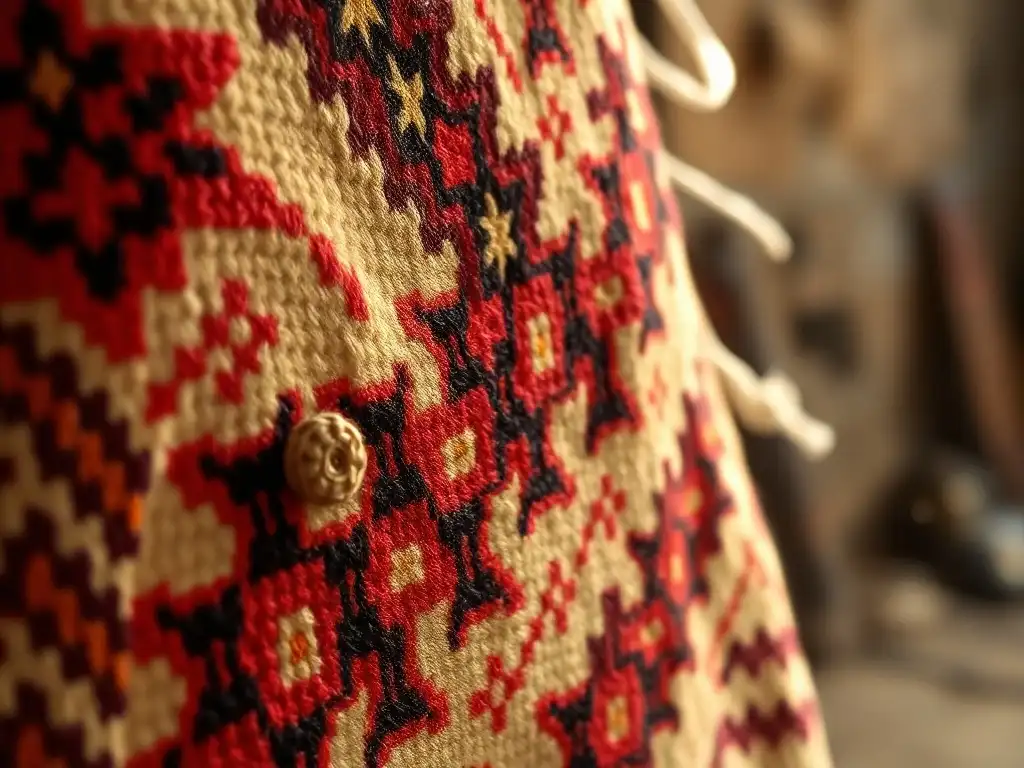
The legacy of Inca textile production techniques extends far beyond the collapse of the empire. Their mastery of fiber preparation, spinning, dyeing, and weaving continues to inspire awe and serves as a testament to their sophisticated understanding of both art and technology. The Inca's innovative approaches to textile creation, combined with their advanced social organization, allowed for the mass production of textiles for both practical and ceremonial purposes, a feat unmatched by many contemporary societies.
This section will delve into the enduring impact of their techniques and the ways in which their knowledge has been preserved and reinterpreted across centuries. Understanding the Inca textile production techniques is key to appreciating the cultural significance of their textiles and their lasting influence on Andean art.
The Preservation of Inca Textile Knowledge
Despite the Spanish conquest and the subsequent disruption of Inca society, elements of their textile knowledge survived. This preservation wasn't always intentional; often, it was the result of the persistence of traditional practices within indigenous communities. Many techniques were passed down orally through generations, maintaining a living connection to ancient methods. Furthermore, the discovery of remarkably well-preserved textiles in archaeological sites, such as those found in high-altitude tombs, provided invaluable insights into Inca weaving styles and techniques.
These textiles, often featuring intricate designs and vibrant colors, offer concrete evidence of the sophisticated processes employed by Inca artisans. Analysis of these artifacts, along with ethnographic studies of contemporary Andean communities, provides crucial information about the materials used, the tools employed, and the specific steps involved in the creation of Inca textiles. The meticulous detail found in these surviving examples underscores the high level of skill and artistry achieved by Inca weavers.
For instance, the use of different types of knots, the precise placement of colors, and the incorporation of symbolic motifs all point to a deep understanding and mastery of the craft. The preservation of this knowledge is a testament to the resilience of Andean culture and its enduring connection to its rich past. Without this preservation, understanding Inca textile production techniques would be significantly hampered.
Modern Revivals of Inca Textile Art
The 20th and 21st centuries have witnessed a renewed interest in Inca textile traditions, leading to significant efforts to revive and reinterpret ancient techniques. This revival is not merely a nostalgic pursuit; rather, it represents a conscious effort to reclaim and celebrate a vital aspect of Andean cultural heritage. Many contemporary artisans are actively engaged in recreating Inca textiles, using traditional methods and materials whenever possible.
This process involves extensive research, often requiring collaboration with archaeologists and anthropologists to decipher the complexities of ancient techniques. The revival of Inca textile production techniques has not only led to the creation of stunning contemporary textiles but has also provided economic opportunities for Andean communities, empowering them to maintain their cultural identity and traditions. The use of natural dyes, sourced from plants and minerals found in the Andes, further ensures the authenticity and environmental sustainability of this revival.
The process is not without its challenges; sourcing high-quality alpaca wool and other traditional materials can be difficult. However, the commitment to authenticity and the growing appreciation for traditional Andean craftsmanship have ensured the continued success of this modern revival. The resurgence of these techniques provides a powerful link between the past and the present, ensuring that the legacy of Inca textile production lives on.
Contemporary Textile Artists Inspired by Inca Techniques
Contemporary textile artists are not simply replicating Inca designs; they are also drawing inspiration from the techniques and aesthetic principles of Inca textile production to create their own unique works. This innovative approach demonstrates the enduring relevance and adaptability of Inca techniques within the contemporary art world. Many artists incorporate elements of traditional Inca designs, such as geometric patterns and symbolic motifs, into their creations, while experimenting with new materials and techniques.
This fusion of tradition and innovation results in a vibrant and diverse range of contemporary textile art that pays homage to the legacy of Inca textile production. For example, some artists might use modern looms while incorporating ancient dyeing techniques, resulting in a contemporary textile that reflects both ancient and modern sensibilities. Others may employ traditional spinning and weaving techniques to create entirely new designs, pushing the boundaries of what is possible within this ancient craft.
This creative reinterpretation of Inca textile production techniques showcases the enduring power of Inca artistry and its capacity to inspire and influence contemporary artistic expression, solidifying its place within the broader landscape of Andean art and design. The ongoing exploration of these techniques ensures that the legacy of Inca textile production continues to evolve and inspire new generations of artists.
The Importance of Inca Textiles for Understanding Their Culture
Inca textiles weren't merely clothing; they were integral to the fabric of Inca society, reflecting their complex social structure, religious beliefs, and sophisticated technological prowess. Studying Inca textile production techniques offers a unique window into their worldview and daily life. The intricate designs, the choice of materials, and the very act of weaving itself held deep symbolic meaning, far exceeding mere utilitarian purposes. For example, the vibrant colors used in textiles often corresponded to specific deities or events, adding layers of religious significance to garments and tapestries.
The quality and intricacy of the textiles also indicated social standing; royal garments were markedly more elaborate than those worn by commoners, reflecting the hierarchical nature of Inca society. Analysis of textile fragments reveals information about trade routes, as different types of wool and dyes were sourced from various regions across the vast Inca Empire. This interconnectedness, visible through textile analysis, underscores the empire's sophisticated administrative and logistical capabilities. The survival of these textiles, often found preserved in high-altitude tombs, provides invaluable insights into Inca artistry and cultural practices that would otherwise be lost to time.
The enduring legacy of Inca textile production techniques serves as a powerful testament to their cultural richness and ingenuity. Furthermore, the meticulous craftsmanship evident in surviving textiles demonstrates a high level of skill and specialization within Inca society, highlighting the importance of textile production as a significant economic and social activity. The study of Inca textiles allows us to understand not only their artistic achievements but also their social organization, religious practices, and economic systems. By examining the fibers, dyes, and weaving techniques, we can reconstruct a more complete picture of Inca life.
The Enduring Influence of Inca Textile Techniques on Later Andean Cultures
The Inca Empire's mastery of textile production left an indelible mark on subsequent Andean cultures. Even after the Spanish conquest, Inca weaving techniques persisted, adapting and evolving within the changing socio-political landscape. Many of the intricate designs and sophisticated techniques employed by the Inca continued to be practiced by indigenous communities, albeit with variations reflecting their unique cultural identities. The use of alpaca and llama wool, central to Inca textile production, remained a staple in Andean weaving traditions.
The knowledge of natural dyes, passed down through generations, also continued to be employed, resulting in the production of textiles with vibrant and enduring colors. While new influences emerged, particularly from European contact, the foundational techniques and aesthetic sensibilities established by the Inca remained a powerful force shaping Andean textile traditions for centuries. The continuity of these techniques demonstrates the resilience and adaptability of Inca cultural heritage, highlighting its enduring significance in the formation of later Andean identities. The legacy of Inca textile production is not merely a historical artifact; it is a living tradition that continues to inspire and inform contemporary Andean textile art.
This enduring influence is a testament to the sophistication and artistry of Inca textile production. The study of these post-Inca textiles provides crucial evidence for understanding the cultural transmission and adaptation of Inca techniques. These later textiles often incorporate elements of both Inca and colonial influences, reflecting the complex interplay of cultural forces in the post-conquest period.
Technological Innovations in Inca Textile Production
Inca textile production was characterized by remarkable technological innovations that allowed for the creation of exceptionally fine and intricate textiles. Their mastery of spinning techniques resulted in exceptionally strong and fine yarns, capable of creating incredibly detailed designs. The use of specialized tools, such as backstrap looms and spindle whorls, facilitated the production of complex patterns and textures. The Inca also developed sophisticated dyeing techniques, utilizing natural pigments derived from plants, insects, and minerals to produce a wide range of vibrant colors.
These colors were often exceptionally fast, resisting fading over time, a testament to the Inca's understanding of both botanical and chemical processes. Their understanding of fiber structure and manipulation allowed them to create textiles with unique properties, such as water resistance or exceptional warmth. Specific innovations included the development of specialized knots and weaving techniques that allowed for the creation of incredibly intricate patterns and textures. Evidence suggests a high level of specialization within Inca textile production, with artisans developing expertise in specific techniques or types of textiles.
These technological advancements not only enhanced the aesthetic quality of Inca textiles but also reflected their broader technological sophistication. The ingenuity of Inca textile production techniques serves as a powerful reminder of their advanced understanding of materials science and engineering. Understanding these innovations allows us to appreciate the level of skill and knowledge possessed by Inca artisans.
Frequently Asked Questions
What materials did the Inca use for textile production?
The Inca primarily used alpaca and llama wool, along with cotton for their textiles. The quality of the wool varied depending on the animal and its environment, influencing the final product's texture and softness.
What were some of the key Inca textile production techniques?
Inca textile production involved spinning, dyeing, weaving, and finishing techniques. They were masters of intricate designs and complex weaving styles, using techniques like backstrap loom weaving to create their renowned textiles.
How did the Inca dye their textiles?
The Inca used a wide variety of natural dyes derived from plants, insects, and minerals. These dyes produced a vibrant range of colors, many of which remain remarkably colorfast even today.
What was the significance of Inca textiles in their society?
Textiles held immense social and religious significance. Garments indicated social status, and textiles were used in ceremonies and rituals. Royal garments were particularly elaborate and richly decorated.
How did Inca textile production differ from other Andean civilizations?
While other Andean civilizations also produced textiles, Inca techniques were characterized by their scale, complexity, and standardization. The Inca's organized system of production allowed for large-scale creation of high-quality textiles for various purposes.
Final Reflection: The Enduring Legacy of Inca Textile Mastery
The intricate artistry of Inca textile production continues to resonate today, a testament to the ingenuity and cultural depth of a civilization lost to time. The techniques employed, from the meticulous shearing of alpaca and vicuña to the complex dyeing processes and weaving styles, represent not just a mastery of craft, but a profound understanding of their world and their place within it. These weren't simply garments; they were expressions of social status, religious belief, and a deep connection to the Andean landscape.
The impact of Inca textile production extends far beyond the realm of historical artifacts; it continues to inspire contemporary artists and designers, influencing fashion, art, and even our understanding of sustainable practices. The vibrant colors, intricate patterns, and the sheer durability of these textiles speak to a level of craftsmanship rarely seen. The textiles are not merely objects; they are living documents, whispering stories of a civilization's ingenuity and resilience.
This quote encapsulates the enduring power of these creations, their ability to transcend time and connect us to a rich cultural heritage.
Consider, for a moment, the dedication and skill required to create such masterpieces. Now, consider how you can apply that same dedication and skill to your own endeavors. Embrace the spirit of innovation and meticulous craftsmanship that defined Inca textile production. Let the legacy of their artistry inspire you to pursue excellence in your own work, whatever it may be. Let the vibrant threads of their history weave themselves into the tapestry of your own life, reminding you of the power of human creativity and the enduring beauty of handcrafted excellence.
Unveil the Rich Tapestry of Inca Culture!
Thank you for exploring the fascinating world of Inca textile production! You've learned about the artistry and significance of each thread woven from alpaca wool. Now, let's delve deeper!
Here are some ways to further connect with this rich cultural heritage:
- **Visit local museums or exhibitions** showcasing Andean textiles to experience the craftsmanship firsthand.
- **Share this article** with friends and family or on social media to spread awareness of Inca artistry and inspire others to appreciate cultural history.
- Consider taking a weaving workshop to learn about the techniques and traditions behind these exquisite garments.
Let's continue the conversation! What aspect of Inca textiles are you most interested in learning more about?