
The Impact of Spanish Conquest on Inca Art: Erasure and Adaptation

Step into a world lost to time, yet echoing through the ages. Imagine the vibrant tapestry of Inca life, abruptly shattered by the Spanish conquest. But the story doesn't end there. Discover how Inca art, far from being erased, adapted and endured, transforming in the face of unimaginable upheaval. Explore the fascinating legacy of "Inca art after Spanish conquest" and uncover the secrets woven into the threads of survival. Journey with us to understand the enduring power of Andean creativity.
The Spanish conquest of the Inca Empire in the 16th century marked a profound turning point, not only in the political and social landscape of the Andes but also in the trajectory of Inca art. This article explores the devastating impact of the conquest on Inca artistic traditions, examining how existing forms were suppressed, adapted, and ultimately transformed in the face of colonial rule.
We will analyze the deliberate erasure of indigenous artistic practices alongside the remarkable resilience and adaptation shown by Inca artists who managed to subtly preserve elements of their heritage within the new colonial context. Understanding this period is crucial to appreciating the complexities and nuances of Inca art, and its enduring legacy, even today.
The survival and evolution of Inca artistic expression after the conquest provides a powerful narrative of cultural resistance and creative syncretism. This exploration will delve into the specific changes observed in various artistic mediums, highlighting how Inca art after the Spanish conquest reflects both loss and enduring creativity.
The Deliberate Suppression of Inca Artistic Traditions
The Spanish conquistadors, driven by religious zeal and a desire to impose their cultural dominance, systematically targeted Inca art and artistic practices. The destruction of Inca temples, palaces, and other monumental structures, often accompanied by the smashing of artifacts and the melting down of gold and silver objects, was widespread.
This wasn't simply accidental damage caused by warfare; it was a deliberate act of cultural erasure aimed at undermining Inca identity and religious beliefs. Religious iconography, particularly depictions of Inca deities and sacred symbols, were frequently targeted for destruction, replaced with images of Christian saints and biblical scenes.
This systematic dismantling of Inca artistic infrastructure and the suppression of its associated religious beliefs profoundly impacted the continuation of traditional artistic styles and techniques. The sheer scale of destruction makes it difficult to accurately assess the total loss of Inca art, but existing accounts and archaeological evidence point to a catastrophic decline in the production of traditional forms.
Adaptation and Syncretism in Post-Conquest Inca Art
Despite the immense pressures of colonial rule, Inca artistic traditions did not disappear entirely. Instead, a process of adaptation and syncretism emerged, where Inca artists subtly incorporated elements of their heritage into new artistic forms acceptable within the colonial context. This was often achieved through camouflage, embedding traditional motifs and styles into seemingly innocuous objects or designs. For example, [Specific examples of camouflaged Inca motifs in colonial art pending].
This demonstrates the remarkable ingenuity and resilience of Inca artists in preserving their cultural identity. The blending of indigenous and European artistic styles created a unique hybrid aesthetic, reflecting the complex cultural interactions of the colonial period. This process of adaptation, however, often came at a cost, as traditional techniques and materials were sometimes replaced with those introduced by the Spanish.
The Evolution of Inca Textile Art After the Conquest
Inca textile art, renowned for its intricate designs and high-quality craftsmanship, underwent significant changes after the conquest. While the Spanish introduced new dyes and materials, Inca weavers continued to incorporate traditional motifs and techniques into their work. The use of vibrant colors and complex patterns, characteristic of pre-conquest textiles, persisted, albeit often adapted to incorporate Christian imagery or colonial styles.
[Specific examples of the evolution of Inca textile patterns and techniques pending]. This highlights the ability of Inca artisans to adapt their craft while preserving aspects of their cultural heritage. The evolution of Inca textile art after the conquest showcases the enduring power of tradition in the face of colonial oppression.
The Enduring Legacy of Inca Art
The impact of the Spanish conquest on Inca art was undeniably devastating. However, the story is not solely one of loss and destruction. The resilience and adaptability of Inca artists led to the creation of a unique hybrid artistic tradition that preserved elements of the past while incorporating new influences.
The survival of Inca artistic traditions, albeit transformed, is a testament to the enduring power of cultural heritage and the ability of indigenous peoples to maintain their identity even under the most challenging circumstances. The study of Inca art after the conquest thus offers a nuanced understanding of the complexities of cultural interaction, adaptation, and resistance in the face of colonial domination. The legacy of Inca art continues to inspire and inform contemporary artists and researchers alike, serving as a powerful reminder of the rich and diverse cultural heritage of the Andean region.
- The Deliberate Suppression of Inca Artistic Traditions
- Adaptation and Syncretism in Post-Conquest Inca Art
- The Evolution of Inca Textile Art After the Conquest
- The Enduring Legacy of Inca Art
Pre-Conquest Inca Art: A Foundation of Andean Aesthetics
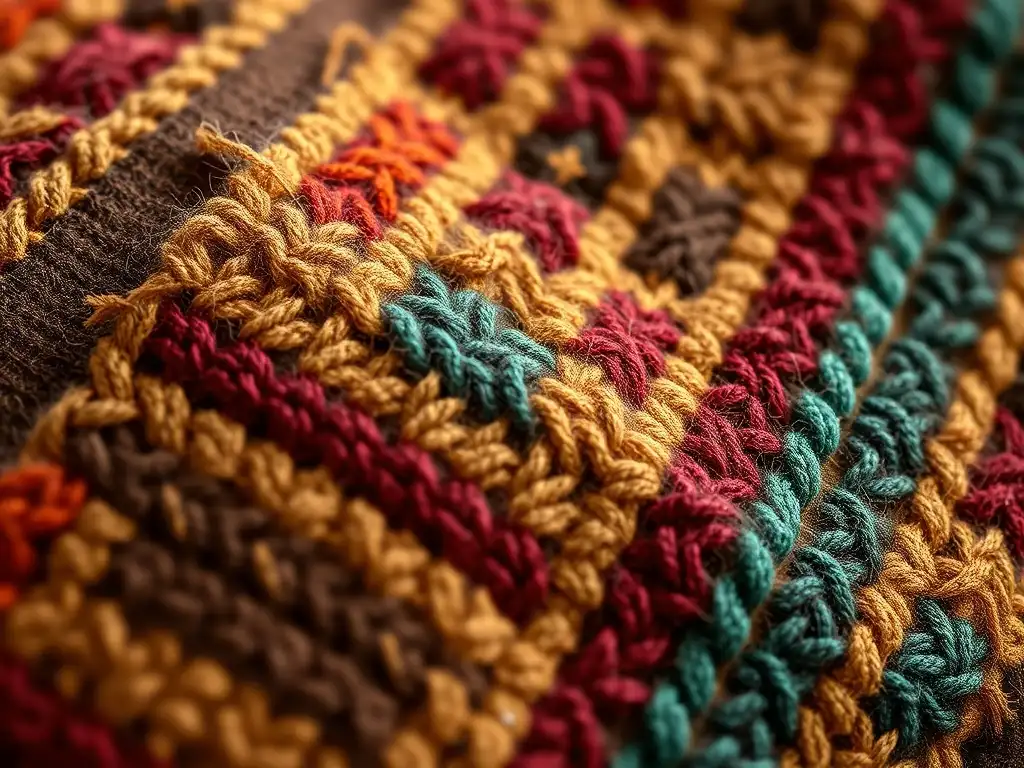
This section examines the flourishing artistic landscape of the Inca Empire before the arrival of the Spanish, laying the groundwork for understanding the profound impact of the conquest. Understanding pre-conquest Inca art is crucial for analyzing the changes and adaptations that followed the Spanish arrival. The Inca artistic legacy, characterized by its sophistication and unique aesthetic, didn't simply vanish after 1532; it evolved, adapting to new circumstances while retaining core elements of its pre-Columbian heritage.
Analyzing this evolution requires a firm grasp of the artistic foundations upon which later styles were built. The study of "Inca art after Spanish conquest" necessitates a deep dive into this rich pre-conquest period.
Inca Artistic Traditions Before 1532
Inca art wasn't a monolithic entity; it encompassed a diverse range of styles and techniques, reflecting the empire's vast geographical expanse and diverse cultural influences. While the Inca state imposed a degree of stylistic uniformity, regional variations persisted, resulting in a rich tapestry of artistic expressions. Textiles, particularly, showcased this regional diversity. Weaving techniques varied across different regions, with distinct patterns and color palettes reflecting local traditions.
Similarly, pottery styles also differed based on geographical location, with specific forms and decorative motifs identifying distinct regions within the empire. The Inca's mastery of metallurgy was also remarkable. They produced intricate gold and silver objects, often incorporating precious stones.
These were not merely decorative; they held deep symbolic meaning within Inca society. The sophisticated craftsmanship evident in pre-conquest Inca art demonstrates a high level of skill and artistic sensibility. This artistry wasn't solely limited to elite circles; evidence suggests widespread artistic participation across various social strata.
Materials and Techniques of Pre-Columbian Inca Art
The Inca Empire's artistic achievements are inseparable from the materials and techniques employed. Their mastery of diverse materials, including gold, silver, copper, textiles, and stone, allowed them to create breathtaking works of art. Gold, in particular, held immense symbolic value and was extensively used in creating ornate objects for religious and ceremonial purposes. Inca goldsmiths displayed exceptional skill in techniques such as hammering, repoussé (hammering from the reverse side to create relief), and soldering.
They often combined gold with other materials, such as turquoise and other semi-precious stones, to create visually stunning and symbolically rich pieces. The creation of textiles involved equally impressive techniques. Inca weavers were renowned for their intricate designs and mastery of various weaving methods, including tapestry weaving and brocade.
They used natural dyes derived from plants and minerals to create vibrant and durable fabrics. The fine detail and precision evident in both textile and metalwork are testament to the high level of skill and artistry within Inca society. This technical proficiency was essential in creating the powerful visual impact of Inca art.
Symbolism and Meaning in Inca Art
Inca art wasn't merely decorative; it served a crucial role in expressing religious beliefs, social structures, and political power. Many objects were imbued with deep symbolic meaning, reflecting the Inca worldview and cosmology. Religious iconography, often featuring representations of deities and mythical beings, was a prominent feature of Inca art.
For example, the representation of the sun god Inti and other celestial bodies played a significant role in Inca religious art. Specific motifs and patterns, such as the khipu (knotted strings used for record-keeping), held symbolic significance, conveying information and transmitting knowledge across generations. The use of color also held symbolic meaning, with different colors associated with specific deities, events, or social status.
Understanding the symbolism embedded within Inca art is essential for interpreting its true significance. Analyzing the iconography and motifs used helps us to unravel the complex social and religious beliefs of the Inca civilization, contributing significantly to our understanding of "Inca art after Spanish conquest" and its transformation.
The Arrival of the Spanish: A Turning Point for Inca Art
The Spanish conquest of the Inca Empire in the 16th century marked a profound and irreversible turning point in the trajectory of Inca art. Before the arrival of the conquistadors, Inca artistic production was vibrant, sophisticated, and deeply intertwined with religious beliefs, social structures, and the natural world. The conquest, however, triggered a dramatic shift, leading to both the destruction of existing artistic traditions and the forced adaptation and integration of European styles.
Understanding the impact of this period requires examining the immediate consequences of the conquest, the systematic dismantling of Inca artistic practices, and the subsequent emergence of hybrid artistic forms reflecting the clash of cultures. The study of Inca art after Spanish conquest reveals a complex interplay of erasure and adaptation, revealing resilience and innovation in the face of overwhelming change. This period saw the decline of traditional forms and the rise of new, syncretic aesthetics.
The Initial Impact of the Conquest on Inca Artistic Practices
The initial impact of the Spanish conquest on Inca artistic practices was catastrophic. The systematic destruction of Inca religious sites, such as the Coricancha (Temple of the Sun) in Cusco, resulted in the loss of countless irreplaceable artworks and artifacts. Many skilled artisans, who held prestigious positions within Inca society, were either killed, enslaved, or forced into producing goods for the Spanish. This immediate disruption decimated the established artistic infrastructure, effectively silencing traditional methods of production and transmission of knowledge.
The abrupt cessation of royal patronage, a crucial element in the flourishing of Inca art, further exacerbated the situation. We can imagine the chaos – workshops abandoned, skilled hands idle, and the sacred rituals that guided artistic creation brutally interrupted. The sheer scale of the destruction is difficult to fully comprehend, but accounts from Spanish chroniclers, albeit often biased, offer glimpses into the devastation.
For example, accounts describe the melting down of gold and silver objects for their monetary value, a stark example of the prioritization of economic gain over cultural preservation. This initial phase of destruction laid the groundwork for the subsequent changes in Inca artistic expression. The loss of skilled artisans and the disruption of traditional workshops significantly impacted the continuity of artistic practices, paving the way for the incorporation of European styles and techniques.
Destruction and Looting of Inca Artworks
Beyond the immediate destruction of religious sites and workshops, the Spanish conquest led to widespread looting and the systematic removal of Inca artworks. Gold and silver objects, highly valued by the Inca, were melted down and shipped back to Spain, enriching the Spanish crown but obliterating priceless examples of Inca artistry. Textiles, ceramics, and other objects were either destroyed or taken as spoils of war, enriching private collections and museums in Europe.
The sheer scale of the plunder is staggering, representing an irreplaceable loss to the cultural heritage of the Andes. This looting wasn't haphazard; it was a calculated act of dispossession, aimed at both suppressing Inca identity and enriching the conquerors. The removal of these objects from their original contexts – temples, palaces, tombs – severed their connection to their cultural significance, rendering them mere commodities rather than expressions of religious beliefs or social structures.
While some objects survived and eventually found their way into museums, the context of their creation and original purpose was often lost, leading to a fragmented understanding of their cultural significance. The long-term impact of this looting is still felt today, as scholars continue to strive to reconstruct a complete picture of Inca art from scattered fragments. The lack of comprehensive records and the biased nature of some historical accounts further complicate these efforts.
The Imposition of European Artistic Styles
The destruction of Inca artistic traditions did not lead to a complete cessation of artistic production. Instead, a gradual process of adaptation and integration of European artistic styles occurred. Spanish colonists introduced new materials, techniques, and aesthetic preferences, influencing the production of religious imagery, architecture, and other forms of artistic expression. Indigenous artisans, often forced into working for the Spanish, adapted their skills to produce religious artifacts reflecting European styles, creating a unique blend of Andean and European aesthetics.
This syncretism was not a voluntary act of cultural exchange, but rather a consequence of forced labor and the imposition of colonial power structures. For example, the production of religious paintings and sculptures depicting Catholic saints often incorporated Inca artistic elements, creating hybrid forms that reflected the complex cultural interactions of the colonial period. The fusion of styles wasn't always seamless; the resulting art often represents a tension between the imposed European aesthetics and the lingering influence of Inca artistic traditions.
This period thus demonstrates the resilience of Inca artistic traditions even under duress, the ongoing ability to adapt and integrate new elements into existing practices. The resulting artistic output, however, was irrevocably altered, reflecting the dominance of European cultural influence and the loss of much of the pre-conquest artistic heritage. This process of adaptation and the resulting hybrid artistic forms offer valuable insights into the cultural dynamics of the colonial period and the enduring legacy of Inca art.
Erasure of Inca Art: The Suppression of Indigenous Expression
The Spanish conquest of the Inca Empire initiated a systematic dismantling of Inca culture, with Inca art bearing the brunt of this destructive process. The arrival of the conquistadors marked not just a political upheaval but a profound cultural rupture, leading to the erasure of centuries of artistic tradition and the suppression of indigenous expression. This section delves into the specific mechanisms employed to suppress Inca artistic heritage, focusing on the destruction of religious art, the suppression of iconography, and the loss of invaluable artistic knowledge.
Understanding this erasure is crucial to appreciating the resilience and adaptation of Inca art in the post-conquest era. The impact on "Inca art after Spanish conquest" is undeniable and continues to shape our understanding of this rich artistic legacy.
Systematic Destruction of Inca Religious Art
The Spanish conquistadors, driven by a fervent religious zeal and a desire to impose their own worldview, targeted Inca religious art with particular ferocity. Temples, shrines, and other sacred spaces were systematically ransacked and destroyed. Idols, intricately crafted gold and silver objects, and finely woven textiles, all imbued with deep religious significance for the Inca, were melted down, defaced, or simply discarded.
Chroniclers of the time detail the scale of this destruction, describing piles of shattered idols and heaps of melted precious metals. This wasn't simply looting; it was a targeted campaign to eradicate Inca religious beliefs by destroying the material manifestations of their faith. The loss represents an irreplaceable void in our understanding of Inca cosmology and spiritual practices.
For example, the destruction of the Coricancha, the Inca sun temple in Cusco, saw the dismantling of a magnificent structure adorned with gold and silver, a devastating blow to Inca artistic and religious heritage. The scale of the destruction makes it difficult to quantify the exact loss, but the impact on "Inca art after Spanish conquest" is readily apparent in the scarcity of surviving religious artifacts.
Suppression of Inca Iconography and Symbolism
Beyond the physical destruction of art objects, the Spanish conquest also led to the suppression of Inca iconography and symbolism. The intricate designs, motifs, and representations found in Inca textiles, pottery, and metalwork were often interpreted as pagan and idolatrous. The vibrant imagery, often featuring deities, mythical creatures, and symbolic representations of the Inca worldview, was actively discouraged and replaced with Christian imagery.
This suppression wasn't merely an act of censorship; it was an attempt to erase the Inca identity and replace it with a Spanish one. The deliberate alteration or destruction of Inca designs and the imposition of European artistic styles profoundly altered the trajectory of Inca art. This cultural imposition is evident in the surviving artifacts, where we see a blending of Inca and European styles, reflecting the complex interplay between resistance and adaptation.
The suppression of Inca iconography significantly impacted "Inca art after Spanish conquest," shaping its character and limiting its expression. Quantifying this suppression is challenging, but the shift in artistic representation is undeniable.
The Loss of Inca Artistic Knowledge and Skills
The Spanish conquest also resulted in the loss of invaluable Inca artistic knowledge and skills. The sophisticated techniques employed in Inca metalworking, textile production, and stone carving were passed down through generations of artisans. The disruption caused by the conquest, including the death or enslavement of many skilled artisans, led to a significant decline in these practices.
The systematic destruction of workshops and the suppression of traditional artistic training further exacerbated this loss. The interruption of this knowledge transmission irrevocably altered the course of Inca art, leading to a decline in the quality and complexity of craftsmanship. While some artistic traditions persisted, they were often modified or adapted to suit the demands of the colonial era.
The extent of this knowledge loss is difficult to definitively measure, but its impact on the evolution of "Inca art after Spanish conquest" is clear. The absence of documented training methods and the scattering of artisan communities severely hampered the continuity of traditional Inca artistic practices.
Adaptation and Transformation: Inca Art Under Colonial Rule
The Spanish conquest of the Inca Empire in the 16th century profoundly impacted Inca art, leading to both the suppression of traditional forms and the emergence of new hybrid styles. While much Inca art was destroyed or repurposed, a remarkable resilience ensured the survival of certain techniques and aesthetics, albeit often transformed by the imposition of colonial tastes and religious beliefs. Understanding the evolution of Inca art after the conquest requires examining both the deliberate erasure of indigenous traditions and the ingenious adaptation of Inca artistic practices within the colonial context.
This period witnessed a complex interplay between destruction and creation, resulting in a fascinating blend of indigenous and European artistic elements. The study of "Inca art after Spanish conquest" reveals a dynamic process of cultural negotiation and survival.
The Incorporation of European Elements into Inca Art
The arrival of the Spanish introduced new materials, techniques, and artistic motifs into the Andean world. Metalwork, previously dominated by gold and silver, now incorporated iron and steel, leading to new forms of tools, weaponry, and decorative objects. The Spanish also introduced new pigments and painting techniques, influencing the styles of religious imagery.
For example, the vibrant colors and detailed depictions found in colonial-era Andean paintings reflect a fusion of Inca artistic sensibilities with European styles, notably those of the Baroque period. The representation of saints and biblical scenes frequently employed traditional Inca artistic conventions, such as the use of textiles and geometric patterns, but adapted them to depict Christian narratives. This syncretism is evident in the numerous surviving religious paintings and sculptures from the colonial period.
The impact on textiles was equally significant, with the introduction of new dyes and weaving patterns alongside the persistence of traditional Inca techniques. The blending of indigenous and European elements is a key characteristic of Inca art after the Spanish conquest, representing a complex process of cultural interaction and adaptation.
The Rise of Hybrid Art Forms
The suppression of Inca religious iconography and practices did not lead to a complete disappearance of indigenous artistic traditions. Instead, Inca artisans adapted their skills to create new art forms that incorporated both indigenous and European elements. One example is the development of retablos, or altarpieces, which frequently combined European religious imagery with Inca artistic styles.
These altarpieces often featured intricately carved wooden figures, adorned with brightly colored textiles and incorporating traditional Inca motifs. Similarly, the production of religious silverwork frequently integrated indigenous techniques and designs, often subtly incorporating traditional Inca symbols within the overall composition. The creation of these hybrid art forms demonstrates the remarkable adaptability of Inca artisans and their ability to negotiate the cultural changes imposed by colonization.
The fusion of styles represents a form of cultural resistance, where Inca artistic traditions subtly persisted within the framework of colonial religious practices. This creative adaptation ensured the survival of certain aspects of Inca artistic heritage in a new cultural context.
Survival of Indigenous Techniques in New Contexts
Despite the efforts to suppress Inca culture, many traditional artistic techniques survived the conquest. Textile production, for instance, continued to flourish, albeit often incorporating new dyes and patterns introduced by the Spanish. The intricate weaving techniques and elaborate designs characteristic of Inca textiles persisted, demonstrating the enduring strength of this art form.
Similarly, metalworking, while adapted to utilize new materials, retained many of its traditional techniques. The skill in gold and silver smithing, though often applied to the creation of religious objects for the colonial church, showcased a continuity of Inca craftsmanship. The persistence of these techniques highlights the inherent value and cultural significance of these crafts within Andean society.
Even under colonial rule, the demand for high-quality textiles and metalwork ensured the survival of indigenous artistic skills and knowledge, albeit within a transformed cultural landscape. The continued use of these techniques illustrates the resilience of Inca artistic traditions in the face of colonial pressures. Analyzing the evolution of these techniques provides crucial insight into the dynamic relationship between Inca cultural heritage and the colonial experience.
Specific Examples of Adaptation and Erasure
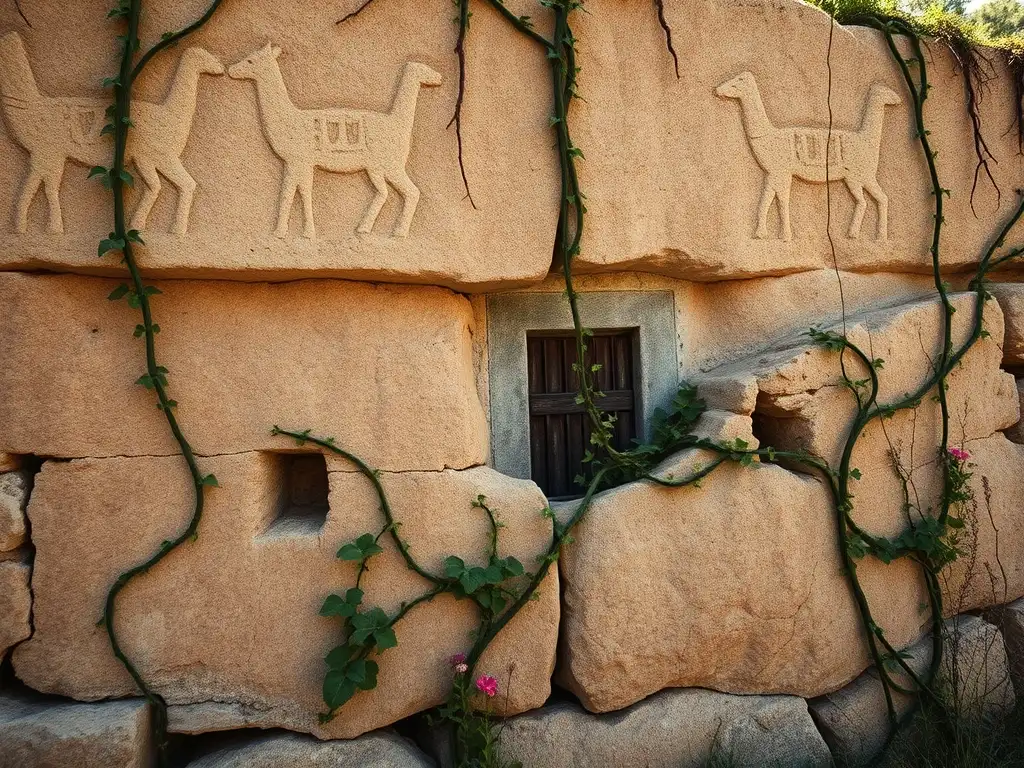
The Spanish conquest of the Inca Empire in the 16th century profoundly impacted Inca art, leading to both the erasure of traditional forms and the surprising adaptation of Inca artistic techniques and motifs within a colonial context. Understanding this complex interplay requires examining specific examples that illustrate both the destruction and the resilience of Inca artistic traditions. The impact on "Inca art after Spanish conquest" is a multifaceted story of loss and transformation. This section will delve into key areas where this duality is most evident.
Colonial Era Textiles: Blending Inca and European Motifs
Textiles, a cornerstone of Inca artistic expression, underwent significant changes following the conquest. While many traditional techniques like intricate weaving and the use of vibrant natural dyes persisted, the subject matter and overall aesthetic shifted. The introduction of European sheep provided a new, softer fiber, altering the texture and drape of the textiles. More importantly, the imagery incorporated into the textiles evolved.
Initially, there was a forceful attempt to suppress Inca iconography. Representations of Inca deities, mythical creatures, and royal insignia were actively discouraged, replaced with religious imagery from the Catholic faith. However, Inca artisans, demonstrating remarkable adaptability, subtly incorporated traditional motifs within the new framework. For example, geometric patterns reminiscent of Inca khipu (knotted-string records) often appeared alongside Christian crosses or depictions of saints. This blending of styles created a unique hybrid aesthetic, reflecting the complex cultural negotiation occurring at the time.
The use of color also reveals a fascinating interplay. While the vibrant hues characteristic of pre-Columbian Andean textiles continued to be utilized, the arrangement and symbolic meaning were often subtly altered to align with Christian symbolism. For instance, certain color combinations previously associated with Inca deities might have been re-purposed to represent Christian concepts like the Holy Trinity. This subtle adaptation allowed Inca artisans to retain a degree of cultural identity while complying with the demands of the colonial regime.
The Transformation of Inca Metalwork
Inca metalwork, renowned for its exquisite craftsmanship and sophisticated techniques, suffered a dramatic decline following the conquest. The Spanish, driven by greed, systematically plundered Inca gold and silver, melting down elaborate artifacts to create bullion for shipment back to Europe. This resulted in the destruction of countless masterpieces, representing an irreplaceable loss to Inca artistic heritage.
However, the complete eradication of Inca metalworking techniques never occurred. While large-scale production of intricate gold and silver objects ceased, some artisans continued to practice their craft, albeit on a smaller scale and with altered subject matter. The demand for religious artifacts in the newly established churches and convents provided a new market for Inca metalworkers. While the style might have shifted towards European aesthetics, the underlying skills and techniques remained largely unchanged.
The production of utilitarian objects, such as decorative elements for churches or domestic items for the Spanish elite, allowed Inca metalworking traditions to survive in a modified form. This ensured the transmission of knowledge across generations, even if the scale and grandeur of pre-conquest metalwork were never fully replicated. The subtle incorporation of pre-Columbian styles within the designs of colonial-era metalwork provides a testament to the enduring legacy of Inca artistic expertise.
The Conversion of Coricancha into the Church of Santo Domingo
The transformation of Coricancha, the Inca temple of the sun, into the Church of Santo Domingo in Cusco exemplifies the destructive and adaptive aspects of the Spanish conquest's impact on Inca art. Coricancha, a masterpiece of Inca architecture and a significant religious center, was systematically dismantled and rebuilt to accommodate the new Christian church.
The Spanish systematically stripped Coricancha of its original ornamentation, including gold plating, precious stones, and intricate carvings. Many of these elements were melted down or shipped back to Spain, representing a colossal loss of Inca artistic heritage. However, the Inca stonework, remarkable for its precision and artistry, was incorporated into the foundation of the new church. The walls of Santo Domingo today still bear witness to the mastery of Inca stonemasons, even though the original purpose and religious significance were completely altered.
The superimposition of the colonial church upon the Inca temple created a layered architectural landscape, a tangible reminder of the violent cultural collision that occurred during the conquest. This juxtaposition, while a symbol of colonial dominance, also serves as a testament to the enduring physical presence of Inca artistic achievement, even within the context of its erasure and replacement. The surviving Inca stonework, though repurposed, continues to evoke the grandeur of the original temple, representing a poignant reminder of the cultural legacy that the Spanish conquest attempted to obliterate.
The Legacy of Inca Art After Spanish Conquest
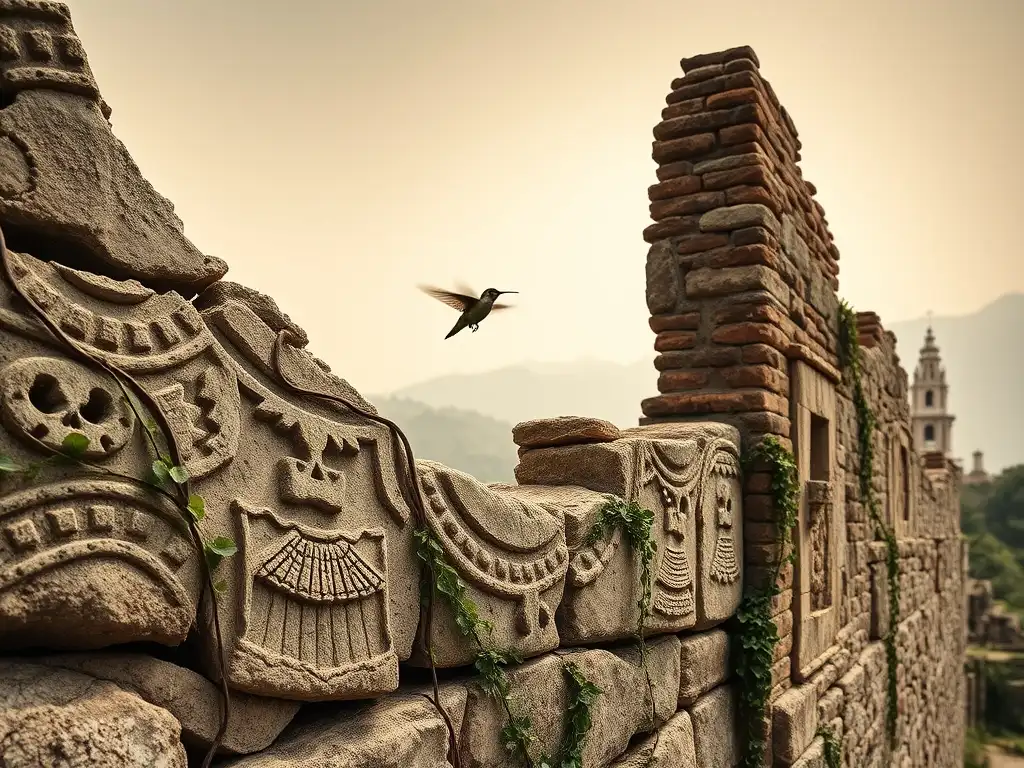
The Spanish conquest of the Inca Empire in the 16th century dramatically altered the course of Andean art. While the conquistadors sought to suppress Inca culture and religion, the artistic traditions, though profoundly impacted, didn't entirely vanish. Instead, a complex process of erasure and adaptation unfolded, leaving a legacy that continues to resonate in contemporary Andean art.
The impact wasn't simply the destruction of existing artifacts; it was a multifaceted transformation encompassing production, patronage, and artistic expression itself. Understanding this legacy requires analyzing both the deliberate attempts at cultural destruction and the resilient survival of Inca artistic principles in new forms. The keyword phrase "Inca art after Spanish conquest" encapsulates this complex interplay of loss and continuity.
The Enduring Influence of Inca Art in the Andes
Despite the systematic efforts to dismantle Inca society, many aspects of Inca artistic traditions persisted, often subtly interwoven with new stylistic elements introduced by the Spanish. Weaving, for example, remained a vital craft, though the subject matter and techniques evolved. While the grand scale of Inca textile production for the imperial court ceased, local communities continued to weave, adapting traditional designs and incorporating new materials and motifs.
This adaptation is evident in the continued use of vibrant colors, intricate patterns, and techniques like supplementary weft, which are hallmarks of Inca textile production. However, religious iconography often gave way to more secular themes or a blending of indigenous and Christian imagery. We see this in surviving examples of textiles from the colonial period, showcasing a fascinating interplay between the old and the new.
The persistence of traditional techniques, even amidst significant social and political upheaval, speaks volumes about the deeply ingrained nature of Inca artistic practices. The resilience of these practices demonstrates the enduring power of cultural heritage in the face of conquest. Furthermore, the continued use of alpaca and llama wool, alongside the introduction of sheep wool, highlights the adaptation of materials to the changed circumstances.
The Rediscovery and Appreciation of Inca Art
The rediscovery and subsequent scholarly appreciation of Inca art is a relatively recent phenomenon, gaining significant momentum in the 20th century. Early colonial accounts often dismissed Inca art as "primitive" or "pagan," reflecting the biases of the time. However, archaeological discoveries and a growing understanding of Andean history have led to a reevaluation of the artistic achievements of the Inca and preceding cultures.
Museums and academic institutions now actively collect, preserve, and study Inca artifacts, promoting a more nuanced and accurate understanding of their aesthetic and cultural significance. This renewed interest has also spurred increased efforts to protect remaining archaeological sites and traditional artistic practices. The term "Inca art after Spanish conquest" therefore also encompasses this modern resurgence of interest and academic study.
This rediscovery isn't just about cataloging artifacts; it's about understanding the complex history embedded within them, recognizing the resilience of Inca artistic traditions, and acknowledging the ongoing cultural significance of Inca art for contemporary Andean communities. The process of rediscovery has also involved a critical examination of the colonial narrative and the biases that shaped early interpretations of Inca art.
Contemporary Andean Weaving Traditions
Contemporary Andean weaving traditions serve as a powerful testament to the enduring legacy of Inca art. While the scale and centralized production of the Inca Empire are gone, many communities continue to practice weaving, incorporating elements of Inca techniques and designs into their work. This continuity is not merely a matter of imitation; it's a dynamic process of adaptation and innovation.
Modern Andean weavers often blend traditional motifs with contemporary themes, creating unique and vibrant textiles that reflect both their heritage and their present-day realities. The use of traditional tools and techniques, alongside the incorporation of modern materials and designs, showcases a remarkable ability to adapt and evolve while honoring the past. This vibrant tapestry of tradition and innovation demonstrates that "Inca art after Spanish conquest" is not a story of decline, but rather a story of remarkable resilience and transformation.
Studying these contemporary traditions offers invaluable insight into the enduring power of Inca artistic legacy and its ongoing relevance in the Andes. The continued production of high-quality textiles using time-honored techniques is a powerful demonstration of cultural preservation and adaptation.
Inca Art After Spanish Conquest: A Story of Resilience
The Spanish conquest of the Inca Empire in the 16th century dramatically altered the course of Inca art. The initial impact was one of suppression and destruction. Many priceless artifacts were looted, melted down for their precious metals, or deliberately destroyed as part of a systematic effort to erase Inca culture and impose Catholicism.
Temples were razed, and the intricate artistry that adorned them lost forever. The vibrant tapestry of Inca artistic expression faced a brutal assault, leaving behind a legacy of both loss and unexpected adaptation. Understanding the impact requires acknowledging the profound trauma inflicted upon Inca society and the subsequent, resilient reimagining of artistic traditions.
The keyword "Inca art after Spanish conquest" encapsulates this complex narrative of destruction and survival. The sheer scale of the destruction makes it challenging to precisely quantify the losses, but accounts from Spanish conquistadors and later historians paint a grim picture of widespread cultural devastation. Many unique artistic techniques and styles likely vanished entirely, leaving only fragmented traces in surviving artifacts.
How Inca Artists Adapted to Colonial Rule
Faced with the imposition of Spanish rule, Inca artists demonstrated remarkable resilience. While overt expressions of Inca iconography became increasingly risky, artists found ways to subtly integrate traditional motifs and techniques into the new colonial context. This adaptation wasn't a straightforward process; it was a complex negotiation between cultural survival and the demands of the colonial regime.
For example, Inca textile production, renowned for its intricate weaving and vibrant colors, continued, albeit often incorporating elements of European design and incorporating Christian imagery alongside traditional Andean motifs. This blending of styles created a unique hybrid aesthetic, reflecting the cultural collision of the era. The use of traditional Andean dyes, however, persisted, often using techniques passed down through generations, demonstrating a stubborn adherence to ancestral practices.
Similarly, metalwork, though significantly impacted by the looting of gold and silver, adapted by incorporating new techniques and materials introduced by the Spanish, resulting in a fascinating fusion of styles. The persistence of traditional forms alongside newly introduced styles suggests a deliberate strategy of cultural preservation disguised within the acceptable parameters of colonial society. Many pieces feature a subtle interplay between Inca and Spanish influences, showcasing the ingenuity of Inca artists in maintaining their cultural heritage under duress.
The Ongoing Evolution of Inca Artistic Traditions
The impact of the Spanish conquest on Inca art wasn't simply a matter of immediate destruction and adaptation. The changes continued to unfold over generations, shaping the evolution of Andean artistic traditions. While the grand scale of Inca imperial art diminished, the spirit of innovation and artistic expression persisted in smaller-scale works and in the continuation of traditional crafts within local communities.
The development of syncretic religious practices, blending indigenous beliefs with Catholicism, also found expression in art. This resulted in new artistic forms that incorporated both Inca and Christian iconography, often subtly interwoven to avoid direct conflict with colonial authorities. The continued use of traditional materials and techniques also demonstrates a refusal to completely abandon the legacy of Inca artistry.
This continuous evolution of Inca artistic traditions, despite the oppressive colonial context, is a testament to the enduring cultural vitality of the Andean people. The resilience of Inca artistic traditions underscores the importance of understanding the long-term consequences of colonization and the ability of art to serve as a powerful vehicle for cultural preservation and resistance.
Preserving the Legacy of Inca Art in the Modern Era
The preservation of Inca art in the modern era involves a multifaceted approach, combining archaeological research, museum curation, and community-based initiatives. Archaeological excavations continue to unearth new artifacts, providing crucial insights into Inca artistic practices. Museums play a vital role in safeguarding and displaying Inca art, but the ethical considerations surrounding the repatriation of artifacts and the representation of indigenous cultures remain ongoing debates.
Furthermore, efforts are being made to document and revitalize traditional Inca art forms through workshops, apprenticeships, and community-based projects. This active engagement seeks not just to preserve the physical artifacts but also to sustain the living traditions of Inca artistry, ensuring the continued relevance of this rich cultural legacy. The ongoing efforts to preserve and celebrate Inca art are crucial for understanding the enduring impact of this civilization and the resilience of its artistic heritage.
This includes a growing awareness of the need for respectful and inclusive approaches to the study and presentation of Inca art, acknowledging the historical injustices and aiming for a more equitable representation of the Andean people's artistic legacy. The future of Inca art lies in a careful balance between preservation and cultural revitalization, ensuring that the story of resilience continues to be told.
Frequently Asked Questions
What happened to Inca art after the Spanish conquest?
The Spanish conquest led to a significant decline in traditional Inca art forms. Many artistic practices were suppressed, and resources were diverted. However, some Inca artistic traditions persisted, albeit adapted.
How did the Spanish try to suppress Inca art?
The Spanish actively sought to destroy Inca religious imagery, considering it idolatrous. They also redirected resources away from traditional art production, promoting European styles instead. Religious iconography was a primary target.
Did any Inca art forms survive the conquest?
Yes, some Inca artistic traditions persisted, albeit often subtly altered or combined with European elements. Textile production and certain metalworking techniques continued, though often serving different purposes.
What are some examples of Inca art that adapted after the conquest?
Some Inca pottery styles incorporated European motifs. Religious imagery was often subtly integrated into new forms, sometimes blending with Christian symbolism. Textile designs also adapted and incorporated new colors or patterns.
Where can I see examples of Inca art post-conquest?
Examples can be found in museum collections worldwide, and some surviving artifacts remain in South America. Researching post-conquest Andean art will reveal many examples of adaptation and resilience.
Final Reflection: Echoes of Empire: Inca Art in a Transformed World
The legacy of the Spanish conquest on Inca art remains a potent symbol of cultural collision and resilience, a stark reminder of how power dynamics shape artistic expression. The erasure of indigenous traditions, while undeniably tragic, also inadvertently illuminated the remarkable capacity of Inca artistry to adapt, evolve, and ultimately survive. This enduring spirit, woven into the very fabric of surviving artifacts, continues to resonate today.
The impact of the conquest extends far beyond the physical destruction of countless masterpieces; it fundamentally altered the very meaning and purpose of Inca art. The forced syncretism between indigenous and European aesthetics resulted in a hybrid artistic language, a testament to the ingenuity and tenacity of the Inca people. Art is not what you see, but what you make others see.
– Edgar Degas. This quote, while not directly referencing the Inca, perfectly encapsulates the power of artistic creation to shape perception, even in the face of overwhelming oppression. The enduring presence of Inca artistic motifs in later colonial and even contemporary Peruvian art serves as a powerful testament to this enduring influence.
Consider the intricate details, the vibrant colors, the enduring symbolism present in the surviving pieces. These are not merely objects; they are echoes of a vibrant civilization, whispers from a silenced past. You, the reader, are now part of this conversation.
Take a moment to reflect on the power of art to both reflect and shape history. Engage with the surviving examples of Inca art, not just as historical artifacts, but as living testaments to resilience, adaptation, and the enduring human spirit. Let their beauty and complexity inspire you to explore the untold stories they hold, and to champion the preservation of cultural heritage in all its forms.
Uncover the Legacy: Participate in the Dialogue Around Inca Art!
Thank you for exploring the fascinating world of Inca art and the profound impact of the Spanish conquest. Your engagement with this topic highlights the vital narratives of cultural erasure and adaptation within Andean society. Now, let's continue the conversation!
- Create Inca-inspired art: Share your own artistic interpretation of Inca art—a drawing, painting, digital artwork, or any creative medium—on social media using the hashtag #IncaArtRevival. Let's see your vision!
- Join our community: Subscribe to our newsletter for ongoing insights, discussions, and event announcements about Andean civilizations. Help us keep the legacy alive.
- Share your perspective: Tell us: What is the most important lesson we can learn from the adaptation and resilience of Inca art in the modern world? Share your thoughts in the comments below.
How can we best honor and promote the rich cultural heritage of the Inca people in contemporary society? Let's discuss this important question together.