
The Art of Inca Pottery: Forms and Functions

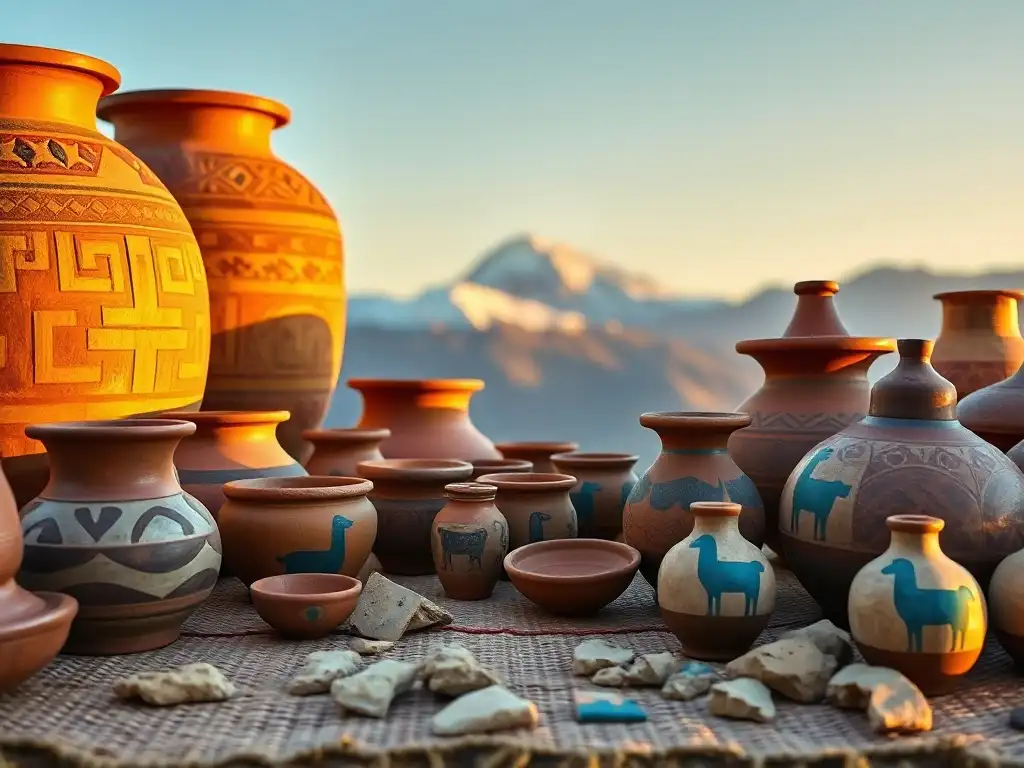
Step into a world lost to time, yet echoing with vibrant life. Imagine the intricate artistry of the Andes, where skilled hands shaped clay into breathtaking forms, revealing the secrets of the Inca Empire. Uncover the fascinating story behind Inca pottery, its diverse forms, and surprising functions – a testament to a civilization's ingenuity and profound understanding of the world. Dive in and explore the captivating world of "Inca pottery forms and functions," a journey that will leave you spellbound.
The Inca Empire, renowned for its sophisticated engineering and intricate social structures, also left behind a rich legacy of artistic expression. Among the most captivating aspects of Inca artistry is their pottery, a testament to their technical skill and deeply held beliefs. This article delves into the fascinating world of Inca pottery, exploring the diverse forms it took and the multifaceted functions it served within Inca society.
We will examine the craftsmanship, the symbolic meanings embedded within the designs, and the ways in which these vessels integrated seamlessly into daily life, religious ceremonies, and even funerary practices. Understanding Inca pottery offers a unique window into the worldview and daily realities of one of the most remarkable civilizations of the Andes.
By exploring the forms and functions of Inca pottery, we gain a deeper appreciation for the ingenuity and cultural richness of this ancient empire. This investigation will uncover the intricate relationship between form, function, and the deep cultural significance imbued within each carefully crafted piece.
Diverse Forms of Inca Pottery
Inca pottery displays a remarkable variety of forms, each designed with a specific purpose in mind. While standardization existed to some degree, regional variations and individual artistic expression were also prominent. We can broadly categorize Inca pottery into several key forms:
- Aryballos: These small, globular vessels with a narrow neck were commonly used for storing liquids, particularly perfumes and oils. Their delicate forms and often intricate decorations suggest a connection to elite contexts or ritual use. Many examples showcase highly polished surfaces and detailed painted designs.
- Kero: These ceremonial drinking vessels are perhaps the most iconic examples of Inca pottery. Their forms are highly variable, ranging from simple, cup-like shapes to elaborate, anthropomorphic designs. Many keros were adorned with intricate carvings and vibrant polychrome paintings, often depicting mythological figures, animals, and scenes from Inca life. Their size and ornamentation suggest they were used in important rituals and feasts.
- Cantaro: Larger, jar-like vessels, canteros were primarily used for storing and transporting water, chicha (a fermented corn beverage), or other liquids. Their sturdy construction and practical design reflect their everyday function. While less ornate than keros, some canteros still feature painted designs or simple incised patterns.
The Functional Roles of Inca Pottery
Inca pottery served a wide range of functions, extending far beyond simple containers for liquids. Their uses were deeply intertwined with Inca culture and beliefs:
- Domestic Use: Simple bowls, plates, and jars were essential for daily life, used for cooking, serving food, and storing provisions. These items, while often less decorated, reflect the practicality and efficiency of Inca pottery production.
- Religious Ceremonies: Elaborately decorated keros and other ceremonial vessels played a crucial role in religious rituals and offerings. The imagery depicted on these vessels often held symbolic meaning, relating to Inca mythology, deities, and the cosmos.
- Funerary Practices: Pottery was also used extensively in funerary rites. Grave goods often included vessels containing food, drink, and other offerings for the deceased's journey to the afterlife. The types of vessels included could indicate the social status of the individual.
The Significance of Inca Pottery Decoration
The decoration of Inca pottery provides invaluable insights into Inca beliefs and worldview. The stylistic choices, color palettes, and imagery used were not arbitrary; they conveyed specific meanings and reflected the cultural values of the Inca people.
- Color Symbolism: Specific colors were likely associated with certain deities or concepts. Further research is needed to fully elucidate the meaning of these color choices. [Specific information pending]
- Iconography: The depictions of animals, plants, and human figures on Inca pottery often held symbolic significance, relating to Inca mythology and cosmology. These images provide clues to understanding their religious beliefs and social structures. [Specific information pending: Detailed analysis of specific iconographic motifs and their meanings].
- Regional Variations: Stylistic differences in pottery decoration can also be used to identify regional variations within the Inca Empire. These variations reflect the diverse artistic traditions and local practices that existed within the vast Inca realm. [Specific information pending: Examples of regional stylistic variations].
The study of Inca pottery offers a compelling window into the daily lives, religious beliefs, and artistic achievements of the Inca civilization. Further research into the specific chemical composition of the clays and pigments, alongside a more detailed analysis of iconography, promises to deepen our understanding of this remarkable aspect of Andean culture.
- Diverse Forms of Inca Pottery
- The Functional Roles of Inca Pottery
- The Significance of Inca Pottery Decoration
Introduction to Inca Ceramics
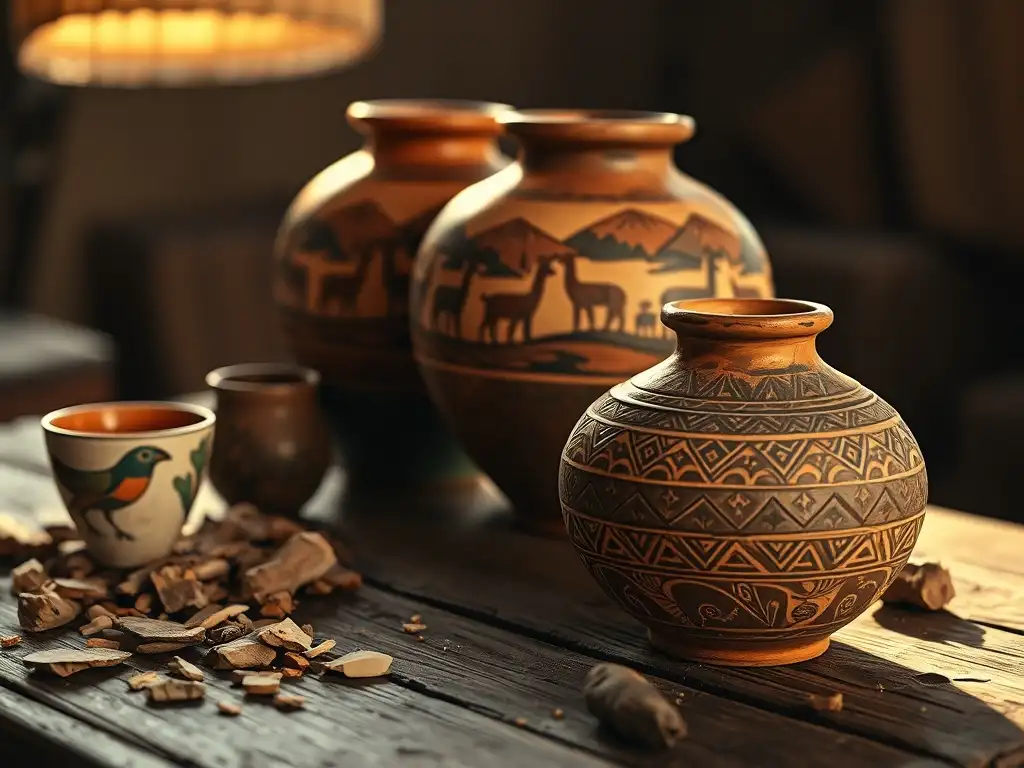
Inca pottery, a vibrant reflection of their sophisticated civilization, offers a captivating window into their daily lives, religious beliefs, and artistic prowess. Understanding Inca pottery forms and functions is key to unlocking a deeper appreciation for this remarkable culture. This section delves into the intricacies of Inca ceramic production, exploring the materials used, the techniques employed, and the multifaceted roles these vessels played within Inca society.
The sheer variety of shapes, sizes, and decorative styles found in surviving examples points to a complex system of production and distribution, reflecting the hierarchical structure of the Inca Empire and its diverse regional expressions. We will examine how these forms directly relate to their practical and symbolic functions, highlighting the ingenuity and artistry of Inca artisans.
The Significance of Pottery in Inca Culture
Pottery held immense significance within Inca culture, extending far beyond simple utilitarian objects. It served as a crucial medium for expressing social status, religious beliefs, and artistic skill. The meticulous craftsmanship evident in many pieces suggests that pottery production was a highly valued profession, perhaps even a specialized craft passed down through family lineages.
The Inca valued artistry and precision, and this is clearly reflected in the high quality and consistency of their ceramics. For example, the uniformity in shape and size of certain types of storage jars indicates a standardized production process, likely overseen by skilled master potters. Furthermore, the presence of elaborate decorations on ceremonial vessels underscores the importance of pottery in religious rituals and elite contexts.
The use of specific colors and motifs, such as the recurring imagery of jaguars or condors, could convey meaning related to Inca mythology and cosmology. The distribution of pottery across different regions of the empire also provides valuable insight into trade networks and cultural exchange.
Materials and Techniques Used in Inca Pottery Production
Inca potters skillfully utilized readily available materials to create their diverse range of ceramic pieces. The primary material was clay, sourced from local deposits and carefully prepared before shaping. Different clay types yielded variations in color and texture, offering potters a palette of options. Evidence suggests that they often incorporated temper—such as sand, crushed rock, or shell—into the clay mixture to improve its workability and reduce cracking during firing.
The shaping techniques employed varied depending on the vessel's complexity. Simple forms were likely hand-built using coils or slabs of clay, while more intricate shapes might have been made using molds or throwing techniques. After shaping, the vessels were meticulously smoothed and often decorated using a variety of methods. Painting with pigments derived from natural sources, such as minerals and plants, was a common practice.
Inca potters also employed techniques like incision, stamping, and modeling to add intricate details to their creations. The firing process, typically done in open-air kilns, involved precise temperature control to achieve the desired color and durability of the finished product. Analysis of surviving shards reveals a high level of technical mastery in controlling the firing process, leading to strong, well-fired ceramics.
The Role of Inca Ceramics in Daily Life and Rituals
Inca pottery served a wide range of functions within daily life and religious rituals. Simple, undecorated vessels were used for everyday purposes, such as cooking, storing food and water, and serving meals. These utilitarian pieces were often mass-produced, reflecting the need for practical, durable containers within the Inca households. Larger storage jars, for example, were essential for storing agricultural surpluses, a crucial aspect of Inca economic organization.
Conversely, more elaborately decorated vessels were reserved for ceremonial contexts. These pieces, often featuring intricate designs and symbolic imagery, were used in religious ceremonies, offerings, and elite gatherings. The presence of specific motifs or colors could signify the vessel's purpose or its connection to particular deities or rituals.
For example, vessels shaped like animals or featuring specific mythological figures likely held symbolic significance related to Inca cosmology and religious beliefs. The distribution and use of these ceremonial vessels across different social strata provide valuable insights into the hierarchical structure of Inca society and the role of religion in shaping their lives. Analyzing the forms and functions of these diverse ceramic artifacts provides a rich understanding of the Inca worldview and their sophisticated social organization.
Inca Pottery Forms: A Diverse Repertoire
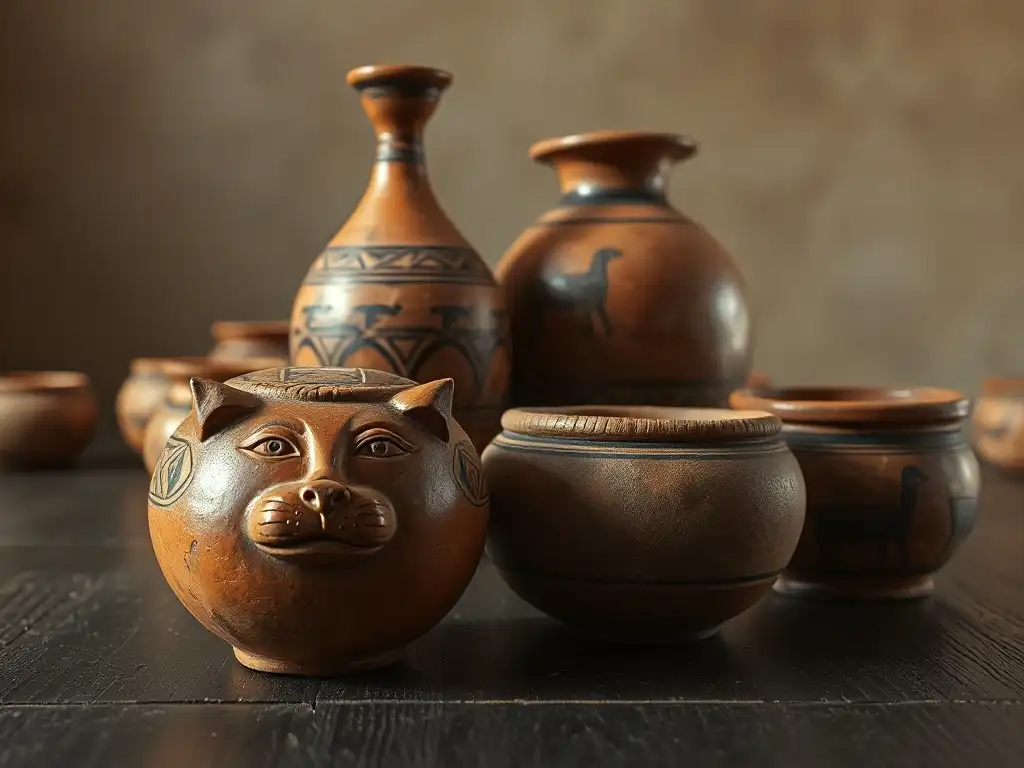
Inca pottery, a testament to the ingenuity and artistry of the Inca civilization, showcases a remarkable diversity of forms, each serving specific functions within their society. From large storage vessels to intricately decorated ceremonial pieces, the Inca's ceramic repertoire reflects their sophisticated understanding of material science and their deeply ingrained cultural beliefs. Analyzing these forms reveals much about their daily lives, religious practices, and social structures.
The range of Inca pottery forms and functions is vast, and understanding this variety provides a deeper appreciation for the cultural richness of the Inca Empire. This section will explore some of the most prominent examples.
Aribalos: The Iconic Inca Amphora
The aribalo, a type of two-handled amphora, stands as an iconic symbol of Inca pottery. Its distinctive shape, often described as a rounded body with a narrow neck and two small handles, distinguishes it from other vessels. While similar forms existed in earlier Andean cultures, the Inca aribalo possesses unique stylistic features that reflect their aesthetic preferences and technological advancements in pottery production. The prevalence of the aribalo in Inca archaeological sites suggests its widespread use across various social strata.
Function and Design of Aribalos
The primary function of the aribalo was likely for storing liquids, particularly chicha, the fermented maize beverage central to Inca culture and ritual. The narrow neck helped to preserve the beverage, while the two handles facilitated easy carrying and pouring. The size and decoration of aribalos often varied, suggesting possible distinctions based on social status or intended use.
Some aribalos were relatively plain, while others were lavishly decorated with intricate designs, further highlighting their importance within Inca society. The craftsmanship involved in creating these vessels, from the careful shaping of the clay to the precise application of pigments, demonstrates a high level of skill and artistry.
Variations in Aribalos Sizes and Decoration
Aribalos varied considerably in size, ranging from small vessels suitable for personal use to larger ones possibly intended for communal consumption or ceremonial purposes. Decoration also varied significantly. Some aribalos featured simple geometric patterns, while others displayed complex figurative scenes depicting animals, humans, or mythical beings.
The use of different colors and techniques, such as negative painting and incision, further enhanced the visual appeal of these vessels. The diversity in size and decoration reflects the multifaceted role of the aribalo within Inca society, encompassing both practical and symbolic functions. Analyzing these variations provides valuable insights into Inca social organization and religious beliefs.
Plates and Bowls: Everyday Inca Tableware
Plates and bowls constitute a significant portion of Inca pottery finds, reflecting their crucial role in daily life. These seemingly simple vessels offer a window into Inca culinary practices, social interactions, and the organization of meals. The diversity in their shapes, sizes, and decorations reveals subtle nuances in their function and significance.
Types of Plates and Bowls
Inca plates and bowls exhibit a wide range of forms, from shallow, saucer-like plates to deep, hemispherical bowls. The size and depth of these vessels likely corresponded to their intended use, with smaller plates and bowls used for individual servings and larger ones for communal meals or the preparation of food. Some bowls were designed with a slightly flared rim, facilitating easier access to their contents.
The variations in form suggest a sophisticated understanding of ergonomics and the practical needs of daily life. Analyzing the different types of plates and bowls helps to reconstruct the daily routines and eating habits of the Inca people.
Decoration on Inca Plates and Bowls
While some Inca plates and bowls were undecorated, many featured intricate designs. Common motifs included geometric patterns, stylized representations of animals and plants, and occasionally, depictions of human figures. The techniques used to apply these designs varied, including painting, incision, and stamping. The decoration on plates and bowls often reflected regional styles or the social status of their owners. For instance, more elaborate decorations were often found on vessels associated with elite individuals or ceremonial contexts.
The presence or absence of decoration, as well as the complexity of the designs, provides further evidence of social stratification within Inca society. The careful study of the decorative elements on these everyday objects offers significant insights into the artistic sensibilities and cultural values of the Inca civilization. Further research is needed to fully understand the regional variations in Inca pottery decoration. [Specific information pending on regional variations]
Urpus: Large Storage Vessels
Urpus were substantial ceramic vessels, integral to Inca daily life and economy. Their impressive size and robust construction speak to their importance in storing and transporting essential goods. These weren't merely decorative pieces; they played a crucial role in the logistical management of food supplies, a critical aspect of Inca societal organization. The sheer number of urpus discovered across various Inca archaeological sites underscores their widespread use and significance within the empire's infrastructure.
The creation of these large vessels required considerable skill and expertise, reflecting the advanced ceramic technologies employed by Inca artisans. The careful selection of clay types, the precise shaping techniques, and the meticulous firing processes all contributed to the durability and functionality of these remarkable containers. The size and shape variations observed in urpus suggest a degree of specialization, with certain forms potentially optimized for specific types of goods.
Characteristics of Inca Urpus
Inca urpus are characterized by their substantial size, often ranging from several gallons to even tens of gallons in capacity. Their forms are generally globular or ovoid, with a wide opening at the top for easy access. The walls are typically thick and sturdy, designed to withstand the weight of stored goods and the rigors of transportation.
While many urpus are undecorated, some feature simple geometric designs or bands of color, potentially indicating regional variations or social status. The clay used in their construction was typically a reddish-brown or buff color, chosen for its strength and durability. Analysis of urpus fragments reveals the use of tempering materials, like sand or crushed rock, to improve the clay's workability and prevent cracking during firing.
The firing techniques employed ensured a strong, watertight vessel capable of preserving stored goods for extended periods. The meticulous craftsmanship evident in even the most utilitarian urpus highlights the Inca's commitment to quality and functionality.
Uses in Food Storage and Transportation
The primary function of urpus was the storage and transport of food and other essential supplies. Their large capacity made them ideal for storing grains, such as maize and quinoa, which formed the staple diet of the Inca population. They were also used to store dried fruits, vegetables, and other preserved foods.
The sturdy construction of urpus allowed for their safe transportation across challenging terrain, supporting the Inca's vast and efficient distribution networks. Evidence suggests that urpus were used in conjunction with other forms of transportation, such as llamas and human porters, to move food and supplies across the empire. The effectiveness of this system played a critical role in supporting the empire's population and maintaining social order.
The discovery of urpus in various archaeological contexts, from storage facilities to residential areas, confirms their widespread use in both public and private contexts. The strategic placement of these storage vessels showcases the Inca's sophisticated approach to resource management and logistics.
Miniature Pottery: Offerings and Ritual Items
In contrast to the large, utilitarian urpus, Inca artisans also produced a wide variety of miniature pottery, serving primarily ritualistic and symbolic purposes. These small-scale ceramic pieces offer valuable insights into Inca religious beliefs, practices, and social structures. Their intricate details and symbolic representations reveal a sophisticated understanding of ceramic techniques and a deep connection to the spiritual realm. These miniature items were often found in tombs, offering insights into funerary rites and beliefs about the afterlife.
Small-Scale Ceramic Figurines
Miniature ceramic figurines represent a significant portion of Inca miniature pottery. These figurines often depict human figures, animals, and deities, reflecting the Inca pantheon and their worldview. The level of detail in these small pieces is remarkable, showcasing the artisans' skill and the importance placed upon such ritual objects. Some figurines are highly stylized, while others exhibit a greater degree of realism.
The materials and techniques used in their production often mirror those used in larger-scale pottery, highlighting the consistency of Inca ceramic traditions across different scales. The discovery of these figurines in various contexts, including temples, tombs, and domestic settings, suggests their diverse roles in Inca religious practices and daily life. The stylistic variations observed in these figurines may reflect regional differences or changes in religious beliefs over time.
Miniature Vessels and Their Purposes
Besides figurines, miniature vessels also played a significant role in Inca rituals and offerings. These small vessels, often intricately decorated, likely contained offerings such as food, beverages, or incense. Their size suggests they were intended for specific ceremonial contexts, perhaps used in personal rituals or presented to deities. The careful craftsmanship and decorative elements on these miniature vessels reveal the symbolic importance attributed to them.
The materials and techniques used in their creation often mirror those used in larger-scale pottery, highlighting the continuity of Inca ceramic traditions. The discovery of these miniature vessels in tombs and other ritual contexts provides valuable insights into Inca religious practices and beliefs. The presence of miniature vessels alongside other grave goods further underscores their role in the funerary rites of the Inca civilization.
Other Notable Inca Pottery Forms
Beyond the aryballos, kero, and quru, Inca potters crafted a remarkable array of other forms, each serving specific purposes and reflecting the diverse needs and aesthetics of Andean society. These included a variety of vessels designed for everyday use, ceremonial rituals, and even funerary practices. The sheer variety speaks to the sophistication of Inca ceramic production and its integral role in daily life.
One notable example is the stirrup-spout vessel, though less common than in earlier Andean cultures like the Moche. While not as prevalent in Inca pottery as in preceding periods, these vessels, characterized by their distinctive stirrup-shaped spout, likely continued to hold symbolic significance, perhaps connected to ritual libations or offerings to deities. The surviving examples often showcase intricate designs and high-quality craftsmanship, indicating their importance, even in reduced numbers.
Another category encompasses storage jars, often large and robust, designed for preserving food and liquids. These jars, frequently made from coarse, durable clay, were essential for households and communities alike. Their size and construction suggest a focus on practicality and longevity, highlighting the Inca's pragmatic approach to pottery production. The size varied greatly, ranging from smaller jars suitable for individual households to massive containers capable of storing significant quantities of grain or other provisions. Archaeological findings frequently uncover these jars in domestic settings and storage facilities, providing valuable insights into Inca food storage and preservation techniques.
Furthermore, smaller, more delicate vessels were created for specific purposes. These could include small bowls and cups used for drinking or serving food, often adorned with intricate painted designs or sculpted details. These pieces, while potentially less durable than the storage jars, demonstrate the Inca's artistic skill and ability to create pottery for diverse social contexts and functions.
The decorations on these smaller vessels often included geometric patterns, stylized animals, and representations of plants, reflecting the importance of nature in Inca cosmology and worldview. Analysis of the materials used in these smaller vessels often reveals a preference for finer clays and more meticulous firing techniques, emphasizing their potentially ceremonial or elite status.
Finally, the Inca also produced figurines, small sculpted representations of humans, animals, and deities. While not strictly vessels, these figurines represent another facet of Inca ceramic art, often displaying stylistic features consistent with other pottery forms. These figurines were likely used in religious contexts, perhaps as offerings or votive objects.
The level of detail and artistic skill evident in many of these figurines underscore the versatility and mastery of Inca ceramic artists. Further research is needed to fully understand the specific functions and meanings associated with these diverse figurines. The variety in size, pose, and stylistic features suggests a wide range of uses and potential interpretations.
Functions of Inca Pottery: Beyond Decoration
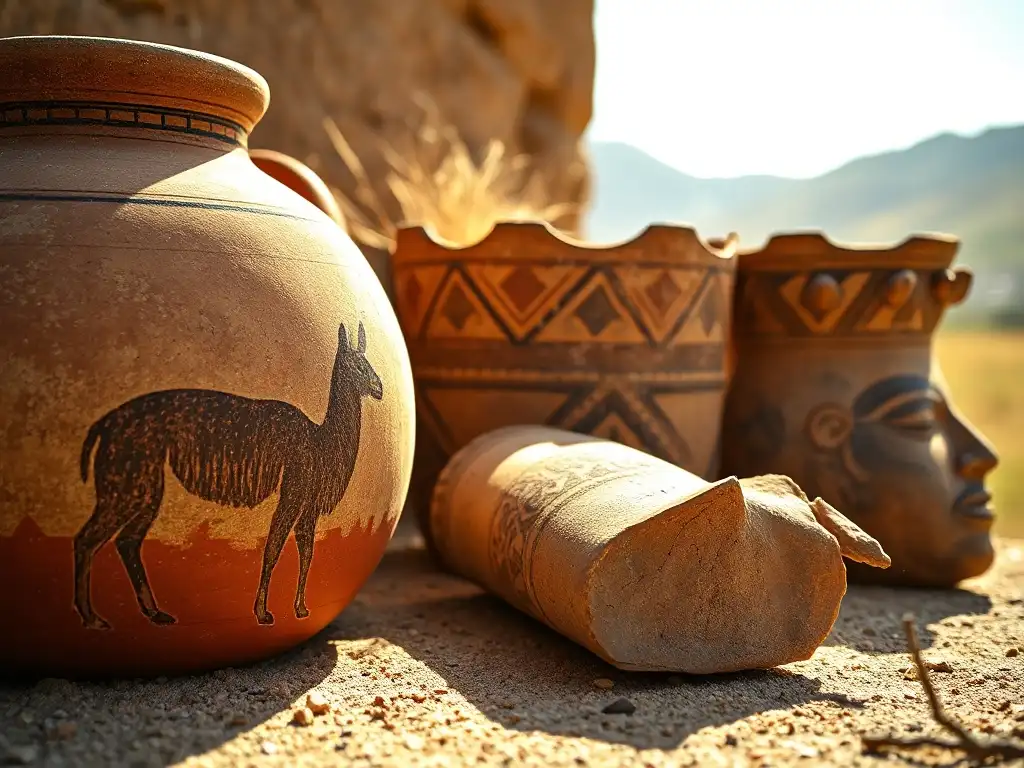
Inca pottery, while aesthetically stunning, served a multitude of practical and symbolic functions within Inca society. Understanding these functions provides crucial insight into the daily lives, religious beliefs, and social structures of this remarkable civilization. The forms of Inca pottery directly reflect these diverse uses, showcasing the ingenuity and adaptability of Andean artisans. Analyzing the "Inca pottery forms and functions" reveals a complex interplay between artistry and practicality.
Domestic Uses of Inca Ceramics
The most prevalent function of Inca pottery was undoubtedly its role in daily domestic life. Ceramics were integral to food preparation, storage, and consumption, permeating every aspect of the home.
Food Preparation and Storage
Many Inca vessels were specifically designed for cooking and storing food. Large, wide-mouthed pots, often featuring simple, utilitarian designs, were used for boiling and stewing. Smaller, lidded jars provided ideal storage for grains, dried meats, and other staples. The prevalence of these vessels underscores the importance of food security and preservation in Inca society.
Archaeological evidence consistently reveals large quantities of such pottery in domestic contexts, indicating their widespread use in daily routines. The clay used, often locally sourced, varied in its properties, impacting the vessel's suitability for specific cooking methods and food types. For example, some clays were better suited for high-heat cooking, while others were more resistant to cracking.
Serving and Consumption
Beyond food preparation and storage, Inca pottery played a crucial role in serving and consuming food and beverages. Elaborately decorated bowls, cups, and plates, often featuring intricate designs and vibrant colors, were used for meals and social gatherings. The variation in size and shape of these vessels suggests a nuanced understanding of social hierarchy and etiquette.
Larger, more ornate pieces might have been reserved for elites, while simpler forms served the needs of commoners. The presence of multiple vessels in a single household further hints at the importance of communal dining and social interaction. Analysis of residue found on some ceramics provides further evidence of the types of foods and beverages consumed.
Ritual and Ceremonial Functions
While domestic uses were prevalent, Inca pottery also held significant ritual and ceremonial importance. Specific vessel forms and decorative motifs were associated with religious practices, reflecting the deep-seated spiritual beliefs of the Inca people.
Pottery in Inca Funerary Practices
Inca funerary practices extensively incorporated pottery. Small, intricately decorated vessels were often included in burials, providing the deceased with provisions for the afterlife. The types of offerings included within these vessels, such as food, drink, and other goods, varied according to the social status of the deceased.
Larger funerary urns, sometimes containing the ashes or remains of the deceased, were also common. These urns were often adorned with elaborate designs, reflecting the importance of the deceased and the beliefs surrounding death and the afterlife. The careful placement and arrangement of these ceramic pieces within burial sites suggest a deliberate and symbolic ritual.
Use of Ceramics in Religious Offerings
Beyond funerary rites, Inca pottery played a crucial role in various religious ceremonies and offerings. Special vessels were used to present offerings to the gods, including chicha (a fermented maize beverage) and other sacred substances. The designs on these vessels often featured religious iconography, such as deities, animals, and sacred symbols, further reinforcing their religious significance.
The careful craftsmanship and decorative detail of these pieces underscore the importance of these rituals within Inca society. The consistent discovery of such ritualistic ceramics in temple contexts confirms their specialized role in religious practices. The precise meaning of specific motifs and symbols is still subject to ongoing research and interpretation, adding to the ongoing fascination with Inca culture.
The Inca Empire, renowned for its sophisticated administrative system, cleverly utilized pottery as a tool for political and social control. The standardization of pottery forms and the centralized distribution network played a crucial role in maintaining order and reinforcing Inca authority across vast territories. This wasn't merely about aesthetics; it was a strategic mechanism to monitor resource allocation, regulate trade, and project imperial power.
The consistent style and quality of pottery across the empire served as a visible symbol of unified rule, subtly reminding subjects of the Inca's dominance. Deviating from these standardized forms could have significant consequences, potentially signaling rebellion or disloyalty. The Inca state’s meticulous record-keeping, though not directly related to pottery itself, further suggests a system geared towards controlling resources and production.
This control extended to the clay sources, the kilns, and the final distribution of the finished products, ensuring uniformity and limiting independent production. The empire’s efficient logistics ensured the even distribution of essential goods, including pottery, across its extensive network of roads and settlements. This control over the production and distribution of such a ubiquitous item effectively stifled any potential for localized power structures to emerge.
Standardization and Distribution of Pottery
The Inca's mastery over pottery production is evident in the remarkable standardization of forms and styles across their vast empire. Archaeological evidence reveals a remarkable consistency in the shapes, sizes, and decorative motifs of pottery found across various regions. This uniformity wasn't accidental; it was a deliberate policy aimed at consolidating power and facilitating efficient resource management. The Inca implemented a highly organized system for the production and distribution of pottery.
Specialized workshops, often located near clay sources, produced vast quantities of standardized vessels. These workshops employed skilled artisans who adhered to strict guidelines regarding form, size, and decoration. The standardization ensured that pottery served not only its practical functions, but also acted as a powerful symbol of imperial unity.
The efficient distribution network, facilitated by the extensive Inca road system, ensured that these standardized vessels reached every corner of the empire, reinforcing the message of centralized authority and control. This system effectively prevented the emergence of distinct regional styles and maintained the visual uniformity that underscored the empire's power. The standardization also simplified logistics, streamlining storage and transport, and contributing to the empire's overall efficiency.
Inca Pottery as a Sign of Status and Power
Inca pottery served not only practical purposes but also played a significant role in expressing social hierarchy and power. Certain types of pottery, characterized by exquisite craftsmanship, elaborate decoration, and the use of rare materials, were reserved for the elite. These prestigious vessels, often featuring intricate designs and high-quality finishes, were used in religious ceremonies, royal feasts, and other important events, clearly marking the status of their owners. The use of particular colors, shapes, and motifs could indicate an individual's rank within Inca society.
For example, vessels made from fine, polished materials and adorned with gold or silver embellishments were likely reserved for the Inca royalty and high-ranking officials. Conversely, simpler, utilitarian pottery was used by the common populace. The presence or absence of specific decorative elements, like intricate designs or specific color combinations, could indicate an individual's social standing and access to resources.
This visible stratification through pottery reinforced the Inca social structure and served as a constant reminder of the power held by the elite. The careful control over the production and distribution of high-status pottery further strengthened the Inca's control over society, tying access to prestige to their continued rule. This system of visual hierarchy through pottery was a powerful mechanism for maintaining social order and reinforcing the Inca's authority.
Decoration and Symbolism in Inca Pottery
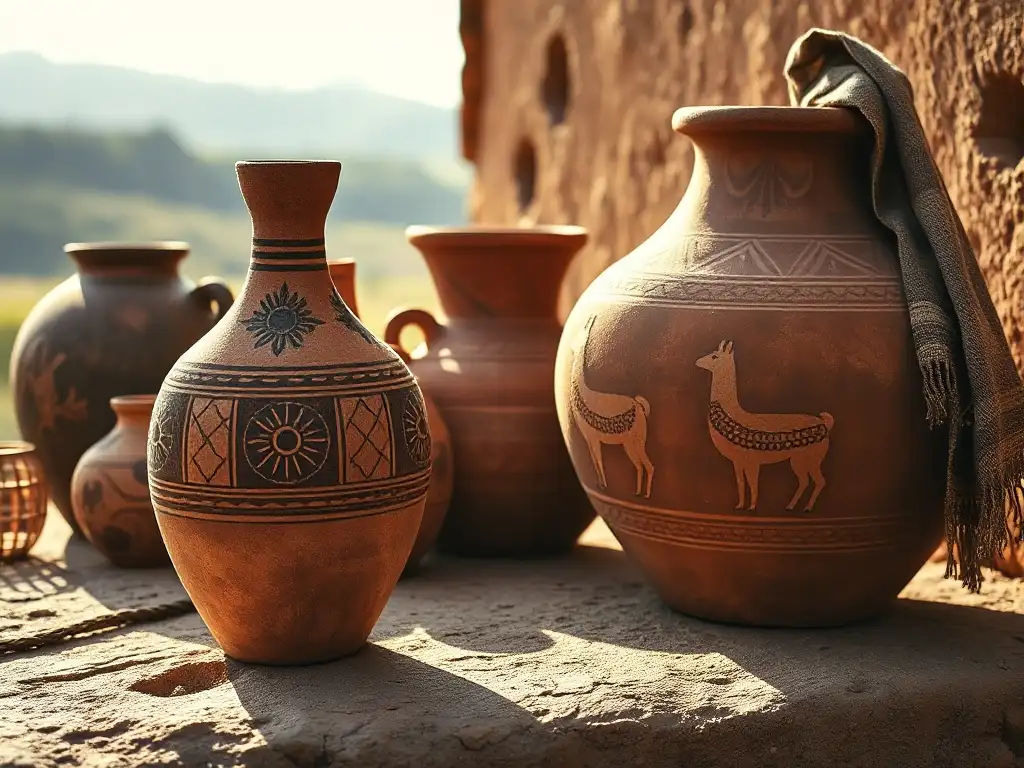
Inca pottery, far from being merely functional, served as a powerful medium for artistic expression and the conveyance of complex social and religious meanings. The forms themselves, as discussed elsewhere in this article, often dictated the type of decoration and symbolism employed. However, the decorative elements were not haphazard; they followed established conventions and carried significant weight within Inca society.
Understanding these decorative choices is key to unlocking a deeper understanding of Inca worldview and beliefs. Analyzing the Inca pottery forms and functions reveals a sophisticated system of visual communication. The intricate designs and vibrant colors were not merely aesthetic choices but integral components of a rich symbolic language.
Geometric Motifs and Their Meanings
Geometric motifs are ubiquitous in Inca pottery. These weren't abstract designs; they held specific meanings, often associated with cosmology, social status, or ritual practices. Common motifs include:
- Triangles: Often representing mountains, a vital element in the Andean landscape and cosmology. Their upward pointing orientation might symbolize ascension to the spiritual realm.
- Squares and Rectangles: These shapes frequently represented the earthly realm, stability, and the structured nature of Inca society.
- Step patterns: Representing agricultural terraces (characteristic of Inca ingenuity), these designs likely symbolized abundance, prosperity, and the cyclical nature of life and agriculture. The meticulous precision of these patterns in many pieces highlights the skill of the artisans.
- Zigzags: These dynamic lines likely represented rivers, lightning, or the energy of the cosmos. Their energetic quality contrasts with the more static squares and rectangles.
The arrangement and combination of these geometric shapes also carried meaning. For example, a triangle superimposed on a square might symbolize the connection between the earthly and spiritual realms. The sheer variety and complexity of these geometric combinations in surviving Inca pottery attest to the rich symbolic language employed.
Stylized Representations of Animals and Plants
Beyond geometric patterns, Inca pottery frequently features stylized representations of animals and plants. These weren't realistic depictions but rather symbolic representations laden with meaning. For example:
- Condor: This powerful bird, often depicted with outstretched wings, symbolized power, nobility, and connection to the upper world.
- Llama: Depicted frequently, the llama represented wealth, prosperity, and the importance of animal husbandry within Inca society. Different poses and contexts may have conveyed different messages.
- Snake: The snake, a symbol found across various Andean cultures, likely represented fertility, healing, or the underworld.
- Plants: Stylized representations of maize, coca, and other plants crucial to Inca life often appeared, symbolizing fertility, abundance, and sustenance.
The level of stylization varied widely. Some depictions are highly abstract, relying on minimal lines to convey the essence of the creature or plant, while others show more detail, although always within the bounds of the Inca aesthetic style. Further research is needed to definitively correlate specific stylistic choices with particular meanings, but the symbolic significance is undeniable.
The Use of Color in Inca Ceramics
Color played a crucial role in Inca pottery decoration. Specific colors were associated with particular meanings, adding another layer of complexity to the symbolism. While the exact meanings of some colors remain debated, several interpretations hold strong support:
| Color | Potential Meaning(s) | Example |
|---|---|---|
| Red | Fertility, blood, power, the sun | Often used in depictions of powerful figures. |
| Black | The underworld, night, mystery | Used in contexts suggesting death or the supernatural |
| White | Purity, fertility, the moon | Frequently found in ritual contexts. |
| Yellow/Orange | Maize, gold, the sun, royalty | Associated with status and wealth. |
| Brown/Beige | Earth, stability, the natural world | Common background color for many designs. |
The careful application of these colors, often using multiple shades and techniques, contributed significantly to the overall aesthetic effect and symbolic meaning of the pottery. The masterful blending and layering of colors further enhanced the visual impact and sophistication of the pieces. More detailed studies are needed to fully grasp the subtle nuances of color symbolism in Inca pottery. Further investigation into pigment sourcing and production techniques could also shed more light on the artistic practices and cultural significance of this aspect of Inca art.
Regional Variations in Inca Pottery Decoration
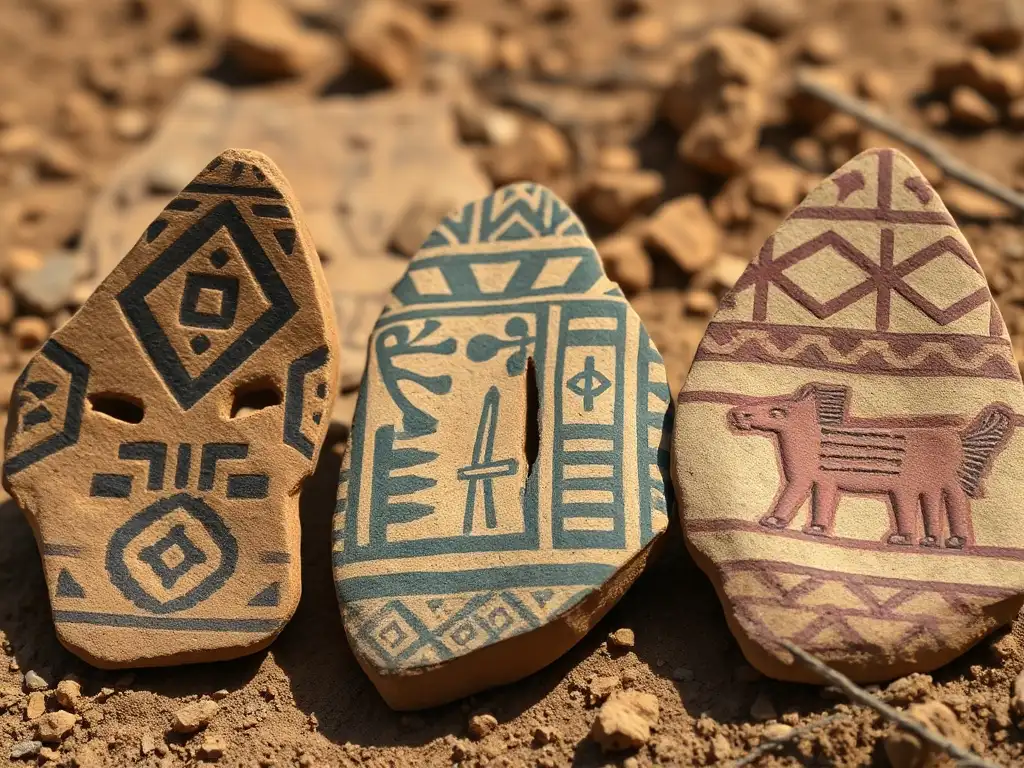
Inca pottery, while exhibiting a degree of stylistic unity across the vast empire, also reveals fascinating regional variations in decoration. These differences weren't merely aesthetic; they often reflected local traditions, available resources, and even subtle shifts in power dynamics within the empire. For instance, pottery from the Cuzco region, the heart of the Inca empire, often displayed more elaborate and standardized designs, reflecting the imperial preferences and the centralized control over artistic production. These designs frequently incorporated intricate geometric patterns, zoomorphic motifs (depictions of animals), and stylized representations of Inca deities.
In contrast, pottery from more peripheral regions, such as those in the highlands of Ecuador or the coastal areas of Chile, sometimes showed a blending of Inca styles with pre-existing local traditions. This resulted in unique hybrid forms, where traditional motifs were adapted and incorporated into the broader Inca aesthetic. The variation in clay types also contributed to the regional differences. Coastal regions, for example, might have used clays with different properties leading to variations in texture and color, influencing the overall appearance and the feasibility of certain decorative techniques.
Analyzing these regional variations provides invaluable insights into the complex interplay between imperial control and local autonomy in the Inca empire. The subtle shifts in style and motif across different regions are a testament to the empire's dynamic nature and its ability to both unify and accommodate diverse cultural practices. Further research into specific regional styles, with detailed comparative analysis of pottery fragments and their associated archaeological contexts, would greatly enhance our understanding of this fascinating aspect of Inca art.
Examples of Inca Pottery Decoration and Symbolism
The decorative motifs found on Inca pottery are rich in symbolism, often conveying religious beliefs, social status, and even historical events. Geometric patterns, such as triangles, zigzags, and stepped frets, were commonly used and likely held significant ritual or cosmological meaning. These patterns were not randomly applied; their arrangement and combination often followed specific rules, reflecting a sophisticated understanding of design principles. For example, the repeated use of stepped frets might symbolize the agricultural terraces that were crucial to Inca life, reflecting their mastery of agricultural technology and their reverence for the land. Zoomorphic motifs, including depictions of llamas, condors, and jaguars, were also prevalent.
These animals held symbolic importance within Inca cosmology, often representing power, strength, or spiritual forces. The depiction of a condor, for example, might signify the connection between the earthly and spiritual realms. Anthropo-morphic figures, representing human beings, were less common but equally significant. These figures, often depicted in stylized forms, could represent ancestors, deities, or even rulers, underscoring the importance of lineage and power within Inca society. Furthermore, the colors used in the decoration also carried symbolic weight.
Red, for example, was often associated with power and royalty, while black could represent the underworld or the night. Analyzing the specific combination of colors, patterns, and motifs on a given piece of Inca pottery can reveal a wealth of information about its cultural context and its intended function. Careful study, combined with archaeological evidence from the sites where the pottery was found, is crucial to deciphering the complex language of Inca pottery decoration. The intricate details and symbolic richness of Inca pottery offer a compelling window into the beliefs and values of this remarkable civilization.
Inca Pottery: A Legacy of Craftsmanship
Inca pottery, a vibrant testament to the ingenuity and artistic prowess of the Inca civilization, stands as a crucial window into their daily lives, beliefs, and societal structures. More than mere vessels, these ceramic creations served a multitude of purposes, reflecting the sophisticated technology and cultural nuances of the Andean world.
The sheer variety of forms and functions showcased in Inca pottery underscores its importance as a primary source for understanding this remarkable civilization. Analyzing Inca pottery allows researchers to reconstruct aspects of Inca society that might otherwise remain obscure, providing invaluable insights into their social hierarchy, religious practices, and economic systems.
The meticulous craftsmanship evident in even the simplest pieces speaks to a deep-seated appreciation for both functionality and aesthetic beauty, characteristics that defined Inca artistry as a whole. This section will explore these aspects in detail, highlighting the multifaceted role of Inca pottery in the broader context of Andean culture.
The Importance of Inca Pottery in Understanding Andean Culture
Inca pottery provides invaluable insights into the daily life and religious beliefs of the Inca people. The sheer diversity of forms—from large storage jars to intricately decorated ceremonial vessels—reflects the complexity of their society. For example, the presence of specific motifs, such as the khipu (knotted string record-keeping system) or depictions of deities, on certain pottery pieces can shed light on their administrative systems and religious practices. The distribution and style of pottery across different regions of the Inca Empire also reveal patterns of trade and cultural exchange.
Furthermore, analyzing the chemical composition of the clay used in pottery production can provide clues about the sources of raw materials and the extent of Inca trade networks. Archaeological excavations consistently unearth pottery fragments in association with other artifacts, offering contextual information about their use and significance within specific settings, such as domestic dwellings, temples, or burial sites. The analysis of these contexts is crucial in understanding the intended function of each piece.
We can, for example, infer the status of individuals based on the types of pottery found in their tombs. Elaborately decorated vessels often accompany elite burials, while simpler forms are associated with commoners. This stratification highlights the social hierarchy within Inca society and the importance of pottery as a marker of social status.
The Influence of Inca Pottery on Later Andean Traditions
The legacy of Inca pottery extends far beyond the Inca Empire's demise. Its stylistic features and techniques profoundly influenced subsequent Andean artistic traditions. Many post-Inca cultures continued to produce pottery that reflected Inca styles, albeit with regional variations and adaptations.
This continuity demonstrates the enduring impact of Inca artistic conventions and the deep-rooted connection between different Andean communities. For instance, certain decorative motifs and vessel shapes characteristic of Inca pottery can be traced in the ceramic production of later Andean cultures, indicating a cultural transmission of artistic knowledge and techniques. While new styles emerged, the underlying principles of Inca pottery-making—such as the use of specific clay types, firing techniques, and decorative elements—persisted, shaping the aesthetic landscape of the Andes for centuries.
The study of this evolution reveals the complex interplay between continuity and change in Andean artistic traditions, providing a deeper understanding of the cultural dynamics that shaped the region after the fall of the Inca Empire. The influence is not merely stylistic; it also extends to the functional aspects. For example, certain pottery forms originally developed by the Inca for specific purposes continued to be used by later Andean groups, demonstrating the practicality and adaptability of Inca designs.
Modern Appreciation and Study of Inca Pottery
Today, Inca pottery continues to fascinate scholars and enthusiasts alike. Museums worldwide house extensive collections of Inca pottery, providing opportunities for researchers and the public to appreciate the artistry and craftsmanship of this ancient civilization. Modern scientific techniques, such as X-ray fluorescence (XRF) and gas chromatography-mass spectrometry (GC-MS), are now used to analyze the chemical composition of Inca pottery, providing new insights into the materials used, the production techniques, and the geographic origin of the clay.
This interdisciplinary approach, combining archaeological excavation, stylistic analysis, and scientific methods, is crucial for a comprehensive understanding of Inca pottery and its place within the broader context of Andean art and culture. Furthermore, ongoing research continues to uncover new examples of Inca pottery, expanding our knowledge of Inca artistic practices and providing further opportunities to interpret their social, religious, and economic life.
The ongoing study of Inca pottery is not just an academic pursuit; it's a vital means of preserving and celebrating the rich cultural heritage of the Andes and fostering a deeper appreciation for the achievements of the Inca civilization. The meticulous documentation and analysis of these artifacts ensure that the legacy of Inca pottery continues to inspire and inform future generations.
Conclusion: The Enduring Legacy of Inca Ceramics
The artistry and ingenuity reflected in Inca pottery continue to resonate with us today. From the intricate designs that reveal their worldview to the practical functionality that served their daily lives, these ceramic pieces offer a tangible connection to a sophisticated and advanced civilization. The enduring appeal of Inca pottery lies not only in its aesthetic beauty but also in the insights it provides into the social structures, religious beliefs, and daily routines of the Inca people. The meticulous craftsmanship, evident in the diverse forms and functions of their ceramics, stands as a testament to their mastery of ceramic techniques and their deep understanding of the materials they worked with.
Studying these artifacts allows us to appreciate the richness and complexity of Inca culture, fostering a deeper understanding of their legacy and its lasting impact on the world. The vibrant colors, often achieved through painstaking processes, and the detailed imagery, often depicting mythological figures or scenes of daily life, showcase the artistic talent and cultural significance embedded within each piece. Even fragmented pieces discovered during archaeological excavations can offer valuable clues about Inca life, highlighting the importance of continued research and preservation efforts. The study of Inca pottery, therefore, remains a crucial avenue for understanding this remarkable civilization and appreciating the enduring legacy of their remarkable ceramic traditions.
The impact of Inca pottery extends beyond the realm of archaeology; it continues to inspire contemporary artists and designers, demonstrating the timeless appeal of their artistic achievements. The enduring legacy of Inca ceramics is a testament to the creativity, skill, and cultural depth of this remarkable civilization. Their pottery serves not only as beautiful artifacts but also as invaluable sources of information about their world.
Frequently Asked Questions
What were some common forms of Inca pottery?
Inca pottery included a variety of forms, from large storage jars and elaborate ceremonial vessels to smaller, everyday items like bowls and cups. The shapes and sizes reflected their intended uses.
What materials did the Inca use to make their pottery?
Inca potters primarily used clay, often mixed with temper (like sand or crushed rock) to improve its workability and strength. They then fired the pieces in kilns to harden them.
What were the functions of Inca pottery?
Inca pottery served a variety of practical and ceremonial purposes. It was used for food storage, cooking, serving, and drinking, as well as in religious rituals and burials.
How did Inca pottery reflect their society and beliefs?
The decoration and style of Inca pottery often reflected social status and religious beliefs. Elaborate designs and high-quality materials indicated importance, while simpler styles were for everyday use.
How can I tell the difference between Inca pottery and that of other Andean cultures?
While styles varied across time and regions, Inca pottery often features specific iconographic elements and a characteristic style of decoration. Careful study of form and design helps distinguish it from the work of other Andean civilizations.
Final Reflection: Echoes of the Andes: A Legacy in Clay
The intricate artistry of Inca pottery isn't merely a relic of the past; it's a vibrant testament to a civilization's ingenuity and a powerful reflection of our own enduring fascination with craftsmanship and cultural heritage. The forms and functions explored throughout this article continue to resonate today, inspiring artists, archaeologists, and historians alike, proving that the legacy of the Inca endures far beyond the Andes Mountains.
The enduring power of Inca pottery lies not only in its aesthetic beauty but also in its ability to illuminate the daily lives, religious beliefs, and social structures of a remarkable civilization. The meticulous detail, the symbolic imagery, and the sheer variety of forms speak volumes about Inca society. The past is never dead. It's not even past.
– William Faulkner. This quote perfectly encapsulates the ongoing relevance of studying Inca pottery; it allows us to connect with a lost world, to understand their values, and to appreciate the enduring human need for creative expression.
Consider the intricate designs, the carefully chosen materials, the painstaking craftsmanship – each piece tells a story. Now, I invite you to reflect on your own relationship with art and craftsmanship. How do objects connect us to the past? How can we, in our own lives, create something that will resonate with future generations? Let the legacy of Inca pottery inspire you to find beauty in the everyday, to appreciate the skill and dedication behind creation, and to leave your own mark on the world, however small.
**Unveil the Legacy of Inca Pottery! **
Thank you for exploring the fascinating world of Inca pottery with us! You've gained valuable insight into a monumental aspect of Andean civilization by examining its intricate forms and vital functions. Now, let's put that knowledge to use!
Here are some ways you can engage further with the rich heritage of Inca pottery:
- **Visit a local museum** with a collection of Inca artifacts to see these masterpieces firsthand. Take your time to appreciate the artistry and the stories each piece tells.
- **Try your hand at pottery! ** Participate in a workshop or create your own Inca-inspired pieces at home. Recreating their techniques can deepen your appreciation for this ancient craft.
- Share your newfound knowledge with friends and family. Discuss the cultural significance of Inca pottery on social media, or host a gathering celebrating Andean traditions.
What aspect of Inca pottery most captivates you, and how would you like to learn more about it?