
The Role of the Inca Artist: Status and Training

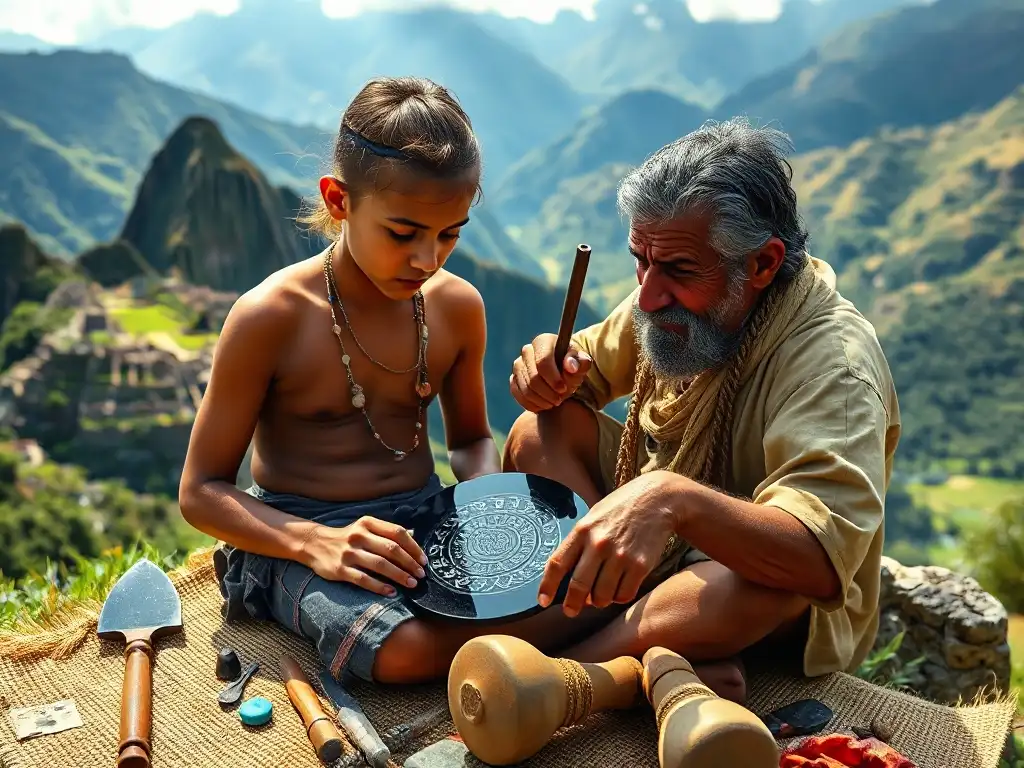
Step into a world lost to time, yet echoing with vibrant artistry and ingenuity. Prepare to be captivated by the enigmatic story of the Andean civilizations, where towering empires rose and fell, leaving behind a legacy of breathtaking artistry and sophisticated technologies. Discover the secrets behind the Inca artist training methods, a rigorous system that shaped the artistic landscape of a vast empire. Unravel the mysteries surrounding their skill, status, and the enduring power of their creations – the journey awaits.
The Inca Empire, a civilization that flourished in the Andes Mountains from the 15th to the 16th century, left behind a remarkable legacy of art, architecture, and engineering. This article delves into the fascinating world of Inca artists, exploring their societal standing, rigorous training methods, and the specialized nature of their crafts. Understanding the role of the Inca artist is crucial to appreciating the sophisticated artistry and intricate craftsmanship that characterized the Inca Empire.
We will uncover the methods of Inca artist training, examining the rigorous processes and social structures that shaped these talented individuals and their contributions to the empire's grandeur. This exploration will reveal how Inca artist training methods contributed to the unique aesthetic and technological achievements of this remarkable civilization.
We will explore not only what they created, but also how they were trained and the social context within which their art flourished. This analysis will illuminate the vital contribution of Inca artists to the empire's cultural and political power.
Understanding the Inca Artist's Position in Society
The Inca artist wasn't merely a craftsman; they held a position of significant social importance within the intricate social hierarchy of the Inca Empire. Unlike many other pre-Columbian societies where artisans might have been relegated to lower social strata, Inca artists enjoyed a degree of prestige and privilege. This was largely due to their contributions to the empire's prestige and religious practices.
The creation of elaborate textiles, intricate metalwork, and monumental architecture served not only practical purposes but also played a vital role in reinforcing the power and legitimacy of the Inca rulers. The production of ceremonial objects and adornments for the Inca elite further elevated the status of these skilled individuals. This elevated social standing was reflected in the systematic training they received and the resources allocated to their craft.
The Inca state actively supported and controlled artistic production, ensuring a high standard of quality and consistency across the empire. This centralized approach to art production also played a key role in fostering a sense of unity and shared identity among the diverse populations within the Inca Empire.
Inca artisans, encompassing a broad range of specialists including weavers, metalworkers, potters, and stone carvers, were often organized into yanaconas – a specialized group within the Inca social structure. While not explicitly a caste system, the yanaconas were a distinct group who were skilled laborers and artisans. Their specialized skills were highly valued by the Inca state, and they were often exempt from certain labor obligations imposed on other segments of the population.
This exemption, coupled with the provision of resources and workshops, indicates a level of social privilege and recognition. The creation of elite goods, reserved for the Inca royalty and nobility, further cemented their elevated status. Their work was not only functional but also served as a powerful symbol of Inca power and authority.
The intricate designs and high-quality materials used in their creations reflected the artisans' skill and the resources at their disposal, underscoring their importance to the Inca state. The social standing of Inca artisans varied depending on the specific craft and the prestige associated with it. For example, metalworkers who produced gold and silver objects for the elite likely held higher status compared to those involved in more utilitarian crafts.
Inca Art and Craft Specialization
Inca art and craft production was highly specialized, with artisans undergoing rigorous training to master their chosen craft. This specialization ensured a high level of skill and consistency in the production of goods. The training process often began at a young age, with apprentices learning from master artisans within specialized workshops. These workshops, often located near major Inca centers, were carefully organized and overseen by the state.
The curriculum included both theoretical and practical instruction, encompassing design, technique, and the use of specific tools and materials. The training period could last for many years, with apprentices progressing through various stages of skill development before achieving mastery. Evidence suggests a system of apprenticeship and mentorship, where experienced artisans guided and mentored younger generations, ensuring the continuity of traditional techniques and designs.
The precise methods and duration of Inca artist training varied depending on the specific craft, but the emphasis on structured learning and specialized knowledge was a hallmark of Inca artistic production. This rigorous training not only contributed to the high quality of Inca art but also reinforced the social standing of the artisans themselves. The mastery of these complex skills demanded years of dedication and practice, underscoring the value placed on these individuals and their craft within Inca society.
- Understanding the Inca Artist's Position in Society
- The Social Standing of Inca Artisans
- Inca Art and Craft Specialization
Inca Artist Training Methods: A Detailed Look
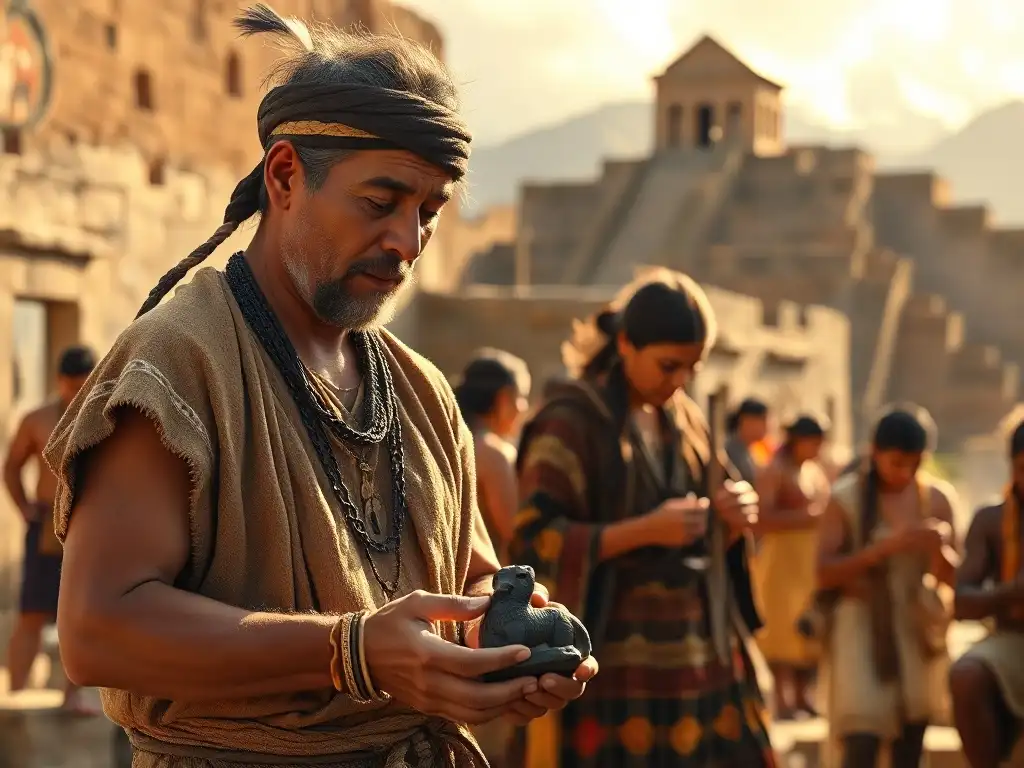
The training of Inca artists wasn't a haphazard process; it was a structured system reflecting the empire's hierarchical organization and its profound appreciation for skilled craftsmanship. Understanding the methods employed reveals much about Inca societal values and the importance placed upon artistic expression in their culture. The rigorous training ensured the continuity of artistic traditions and the high quality of Inca artwork, from intricate textiles to masterful metalwork.
The key aspects of Inca artist training involved formal education in specialized institutions, extensive apprenticeships, and highly specialized workshops. This system ensured that the empire's artistic legacy was preserved and passed down through generations, solidifying the Inca's reputation for exceptional artistry. Analyzing these methods offers valuable insights into the social and economic organization of the Inca empire and the significant role played by its skilled artisans.
Formal Inca Artisan Education: Yachayhuasi and Acllahuasi
Formal Inca artisan education occurred primarily within two types of institutions: the yachayhuasi and the acllahuasi. While the yachayhuasi (literally "house of knowledge") was a more general school for the elite, offering instruction in various subjects, including administration, religion, and the arts, it played a crucial role in training future artists. Here, young individuals with demonstrated aptitude received foundational training in design principles, color theory, and basic artistic techniques. This foundational training provided a solid base for their subsequent specialized training.
The acllahuasi (houses of chosen women) held a unique place in the Inca educational system. While primarily dedicated to the religious service of the Sun God, the aclla (chosen women) also received extensive training in weaving, pottery, and other crafts. Their high-quality textiles, often used for religious ceremonies and royal garments, demonstrate the sophisticated level of artistry achieved within these institutions.
The acllahuasi produced exceptional craftswomen whose skills were highly valued within the Inca empire. The combination of religious devotion and artistic training produced some of the empire's most exquisite works. The exact curriculum within both institutions remains partially unknown, but archaeological evidence and historical accounts allow us to reconstruct a picture of rigorous and specialized training.
Apprenticeship and Hands-on Inca Craft Training
Beyond formal education, apprenticeships played a vital role in the development of Inca artists. Young individuals, often from artisan families, would serve as apprentices under established master artisans. This hands-on training involved years of dedicated practice, learning complex techniques passed down through generations. This system ensured that the knowledge and skills necessary for crafting intricate textiles, delicate goldwork, or finely-detailed pottery were faithfully preserved and advanced. The apprentices would assist the master artisan in all aspects of production, gradually gaining proficiency and mastering the intricacies of their chosen craft.
This apprenticeship model fostered a strong relationship between master and apprentice, building a legacy of skill and knowledge transfer. The length of the apprenticeship varied depending on the complexity of the craft and the individual's aptitude, but it could last for many years, ensuring a thorough mastery of the craft. The process was not solely about technical proficiency; it also involved the transmission of cultural values and artistic ideals.
This ensured that the resulting artwork reflected not only technical skill, but also the broader cultural context of the Inca empire. The system was an effective method for maintaining the high standards of Inca craftsmanship.
Specialized Workshops for Inca Art Production
The final stage of Inca artist training often involved working within specialized workshops. These workshops were dedicated to the production of specific types of art, such as metalwork, pottery, or textile production. These workshops were highly organized, with a clear division of labor and specialized tools. Here, artists could further refine their skills, focusing on the intricacies of their chosen specialty. The workshops were not merely production centers; they were also centers of innovation, where artists could experiment with new techniques and designs.
The organization of these workshops suggests a sophisticated understanding of production management and quality control. The standardization of certain aspects of design and technique, evident in many Inca artifacts, points to the effectiveness of this system. These workshops were crucial for the mass production of high-quality goods for the Inca elite and religious institutions.
The organization, structure, and output of these workshops showcase the sophisticated level of planning and organization within the Inca empire's artistic production. The existence of these specialized workshops, along with formal education and apprenticeships, cemented the Inca empire's reputation for exceptional artistic skill and cultural expression. Further research on the organization and output of these workshops could provide even deeper insights into Inca artist training methods.
Key Skills and Techniques of Inca Artists
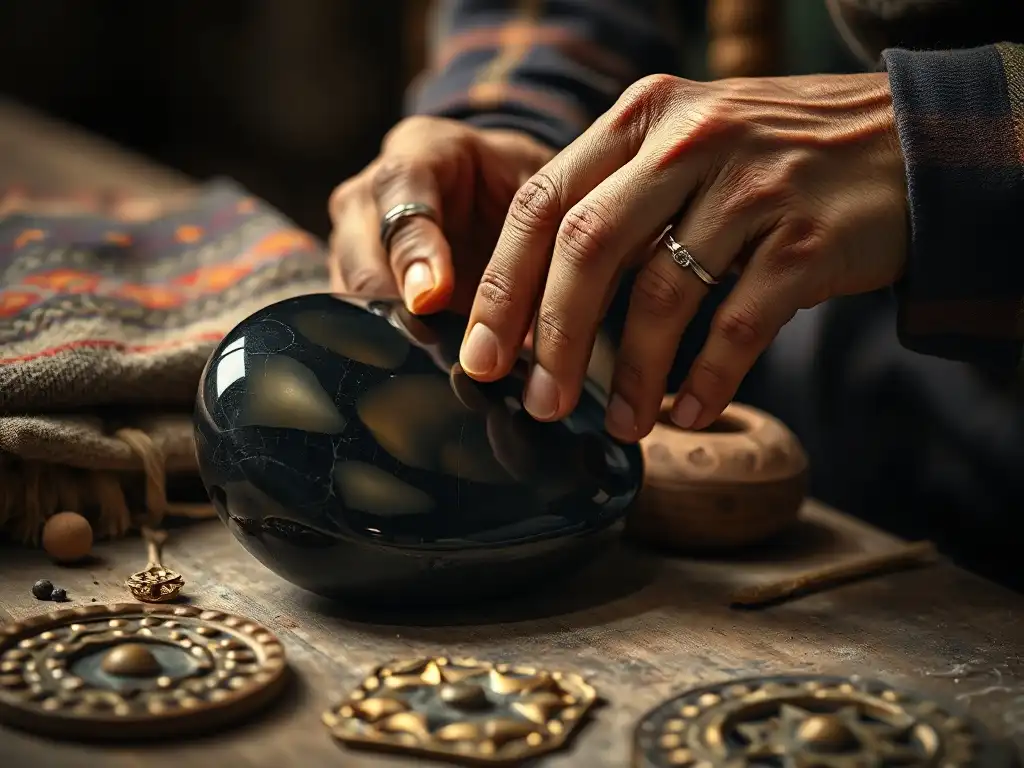
The Inca Empire, renowned for its sophisticated infrastructure and intricate social structure, also fostered a vibrant artistic tradition. Understanding Inca artist training methods requires examining the key skills and techniques mastered by these artisans, skills passed down through generations within a highly structured system. The level of skill and artistry displayed in surviving Inca artifacts underscores the rigorous training these individuals underwent.
Their work wasn't merely decorative; it often served religious, political, or ceremonial purposes, demanding precision and adherence to established styles. The Inca artist wasn't just an artisan; they were a vital component of the empire's social and spiritual fabric.
Mastery of Inca Weaving and Textile Art
Inca weaving, considered one of the highest forms of Inca art, showcased exceptional technical proficiency and artistic expression. Training in this area began at a young age, often within family workshops. Apprentices learned to prepare the fibers, a process involving meticulous cleaning, carding, and spinning of materials like alpaca and llama wool, cotton, and vicuña.
They mastered a variety of weaving techniques, including backstrap loom weaving, which required significant physical strength and dexterity. The intricate designs, often incorporating symbolic motifs representing deities, animals, or celestial events, demonstrate the high level of skill and artistic knowledge demanded. Color was also a significant element; obtaining and using vibrant dyes derived from natural sources was a crucial part of the training, necessitating knowledge of botany and chemistry.
The creation of k'umpi, a type of knotted textile, also involved highly specialized skills, representing a sophisticated level of artistry within the broader context of Inca weaving. The quality of the finished product was paramount, reflecting not only the artist's skill but also their social standing within the community.
Inca Metalwork Techniques and Metallurgy
Inca metalworking represents another pinnacle of Andean artistic achievement. The artisans, highly skilled in metallurgy, were adept at working with gold, silver, copper, and bronze. Their training involved a complex understanding of ore extraction, smelting, alloying, and casting.
The process of creating intricate gold and silver objects often involved hammering, repoussé (raising designs from the back), and chasing (smoothing and refining the surface). The Inca artist’s training also included the creation of sophisticated alloys, achieving specific colors and textures. The intricate details and fine craftsmanship found in Inca metalwork, such as the intricately worked gold sheets used in royal regalia, are testament to the rigorous training and expertise required.
Interestingly, some evidence suggests specialized workshops existed, where apprentices underwent intensive training under master craftspeople. The use of lost-wax casting, a complex technique, further highlights the advanced metallurgical knowledge and skills possessed by these Inca artists. The objects produced were not solely decorative; they were deeply symbolic, often used in religious ceremonies or to represent the power and authority of the Inca elite.
Ceramics and Pottery: The Inca Artistic Expression
Inca pottery, while perhaps less visually striking than their metalwork or textiles, still provides valuable insights into Inca artist training methods and their artistic sensibilities. The training involved mastering the techniques of wheel throwing, hand-building, and firing. While simpler utilitarian pottery may have been produced by less formally trained individuals, the fine ceramics used in religious ceremonies or by the elite demanded a high level of skill. The designs often incorporated geometric patterns, zoomorphic motifs, and stylized representations of human figures.
The mastery of different clay types and glazes was crucial, as different clays required different firing temperatures and techniques. The Inca artist’s training encompassed not only the technical aspects of pottery production but also the aesthetic principles guiding the creation of these objects. The consistency in style and quality across vast geographical areas suggests a standardized training program, perhaps overseen by specialized instructors or guilds.
The use of different colors and surface treatments demonstrates an understanding of the chemical processes involved in creating durable and visually appealing pottery. The preservation of countless examples of Inca ceramics allows us to appreciate the artistry and technical skill of these trained artisans. The evolution of styles over time also points to a continuous process of learning and refinement within the Inca artistic tradition.
Stone Carving and Architecture in Inca Art
Inca stone carving and architecture represent a pinnacle of Andean artistic achievement, showcasing both technical mastery and a profound understanding of engineering principles. The precision and scale of Inca constructions, from monumental structures like Machu Picchu to intricate smaller works, continue to amaze and inspire. Their skill in shaping massive stones with minimal tools remains a subject of ongoing fascination and study.
The Inca’s ability to create perfectly fitted blocks, without the use of mortar, demonstrates a deep knowledge of geometry and a sophisticated understanding of structural mechanics. This wasn't simply a matter of brute force; the careful planning and execution involved intricate processes requiring years of training and experience.
The training for this specialized skill likely began at a young age, with apprentices observing master craftsmen and gradually learning basic techniques. Early training might focus on simpler tasks like preparing the stone surfaces, learning to use basic tools like chisels and hammers made from stone or bronze, and understanding the properties of different types of stone found in the region. As apprentices progressed, they’d be entrusted with increasingly complex tasks, eventually mastering the techniques of precise cutting, shaping, and fitting of stones.
The creation of intricate designs and the incorporation of symbolic imagery would be taught through direct observation, imitation, and perhaps through the use of templates or patterns. The final stage of training would involve participating in the construction of actual structures, under the close supervision of experienced master artisans.
The mastery of stone carving wasn't solely a technical skill; it was intrinsically linked to the Inca worldview. The precise fitting of stones was seen as a reflection of the cosmos and a manifestation of the Inca's relationship with the divine. The intricate carvings and designs incorporated into the structures carried significant symbolic meaning, reflecting Inca cosmology, beliefs, and social organization.
Therefore, the training of Inca stone carvers was not simply a vocational process; it was a deeply spiritual and cultural one, transmitting knowledge and beliefs across generations. The legacy of this expertise is evident in the enduring structures that continue to stand as testaments to the Inca’s artistic skill and ingenuity. The precision and artistry of Inca stonework continues to inspire awe and wonder, and the methods used remain a subject of study for archaeologists and engineers alike.
Further research is needed to fully understand the specific stages of apprenticeship and the exact tools and techniques employed. However, the surviving structures themselves offer compelling evidence of the high level of skill and the rigorous training involved in becoming a master Inca stone carver.
The Influence of Inca Patronage on Artistic Production
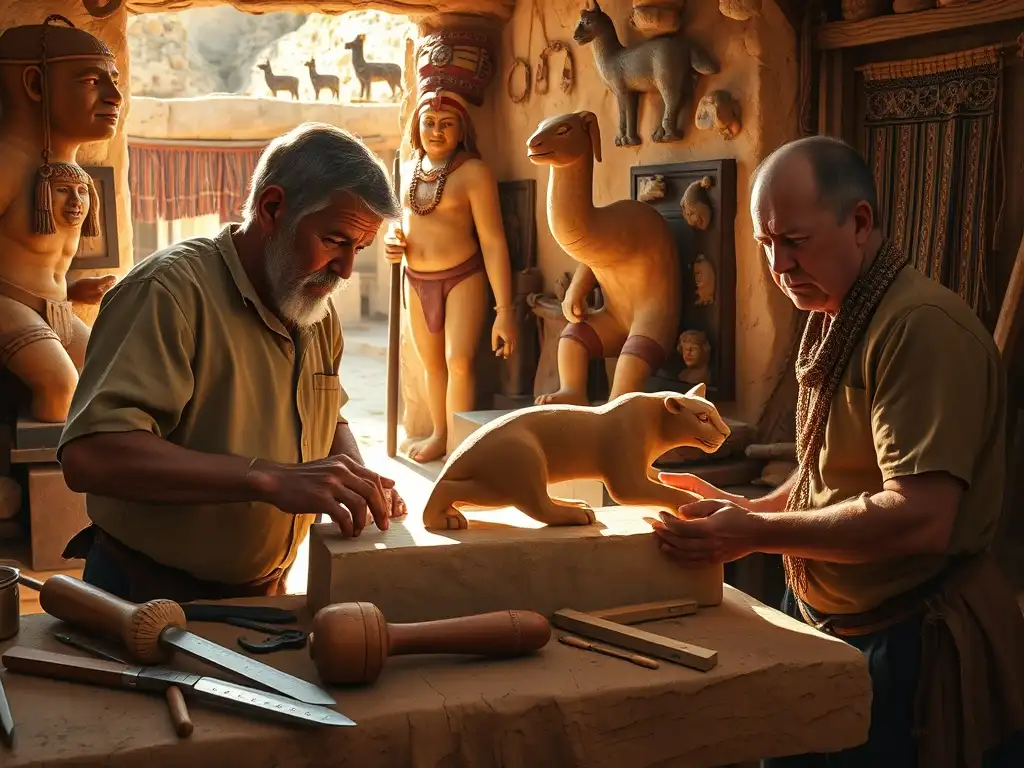
The Inca Empire's vast artistic output wasn't the result of spontaneous creativity alone; it was heavily shaped by a sophisticated system of patronage. The Inca state, with its centralized authority and immense resources, played a crucial role in commissioning, funding, and directing artistic production. This patronage significantly influenced the types of art created, the techniques employed, and the subjects depicted.
Understanding this patronage system is key to comprehending the nature and purpose of Inca art. The Inca state's control extended from the grandest projects – monumental architecture like Machu Picchu and Sacsayhuamán – to smaller, more personal items, ensuring artistic endeavors consistently reflected imperial ideology and power.
The sheer scale of Inca construction projects, for example, necessitated a highly organized workforce, including skilled artisans whose training and production were directly overseen by the state. This direct involvement guaranteed uniformity in style and quality across the empire, fostering a sense of imperial unity and shared cultural identity.
Inca Royal Patronage and Artistic Commissions
Inca royal patronage formed the apex of this system. The Sapa Inca, the emperor, held ultimate authority over artistic production, commissioning works to celebrate his power, commemorate significant events, or reinforce religious beliefs. These commissions were not merely requests; they were directives that carried the weight of imperial command.
Artists, working within the yacu (royal workshops) or as independent specialists, were expected to adhere strictly to the Sapa Inca's specifications, ensuring the final product aligned perfectly with the intended message. For example, the intricate gold and silver objects found in royal tombs were undoubtedly commissioned to reflect the Sapa Inca's divine status and the empire's wealth and power. The level of detail and skill involved suggests years of dedicated training and meticulous oversight, highlighting the importance placed on these royal commissions.
We can infer from surviving artifacts that the Sapa Inca's preferences heavily influenced the choice of materials, motifs (such as the chakana cross), and artistic styles, ensuring a consistent visual representation of imperial authority. Detailed records of these commissions, unfortunately, are lacking, leaving much to be uncovered through archaeological investigation and careful analysis of surviving artifacts.
The Impact of Inca Religious Beliefs on Art
Inca religious beliefs profoundly impacted artistic production. The intricate iconography found across various art forms, from textiles to ceramics, reflects a complex cosmology centered around ancestor veneration, nature worship, and the belief in powerful deities. Artistic representations were not mere decoration; they served as tangible expressions of religious faith, reinforcing beliefs and practices throughout the empire.
The huacas, or sacred places, served as focal points for artistic expression, with many adorned with elaborate carvings, sculptures, and textiles. These artworks often depicted deities, mythical creatures, and ancestors, serving to reinforce the power of the religious order and its connection to the imperial authority. The Sapa Inca himself was considered a divine figure, further linking religious belief to the state's power structure.
The use of specific colors and materials also held symbolic meaning, reflecting the spiritual significance attributed to particular elements in the Inca worldview. For instance, the color red, associated with blood and sacrifice, frequently appeared in ceremonial textiles and objects. Understanding the religious context is essential for interpreting the meaning and purpose behind many Inca artworks.
Inca Art as a Tool for Political Power and Propaganda
Inca art served as a powerful tool for political propaganda, reinforcing the emperor's authority and the empire's dominance. Grand-scale architectural projects, such as the intricate stonework of Sacsayhuamán, served not only as practical structures but also as monumental displays of Inca power and engineering prowess. These impressive feats of engineering were designed to awe and impress both the Inca populace and any potential rivals.
Textiles, often adorned with intricate designs and royal symbols, served as indicators of status and authority, with the quality and style of the textile reflecting the wearer's social standing. The distribution of these textiles throughout the empire served to visually reinforce the Inca's control and the unity of the realm. Furthermore, the standardization of artistic styles and techniques across the vast empire helped to create a sense of shared cultural identity and solidify the Inca’s claim to power.
This carefully orchestrated visual language ensured that the message of imperial strength and unity resonated throughout the far-flung reaches of the Inca state. The meticulous planning and execution of these artistic projects demonstrate the Inca’s sophisticated understanding of the power of visual communication in maintaining political control. The surviving artifacts are a testament to the Inca's ability to leverage art as a tool for both internal cohesion and external projection of power.
Examples of Inca Art and Their Significance
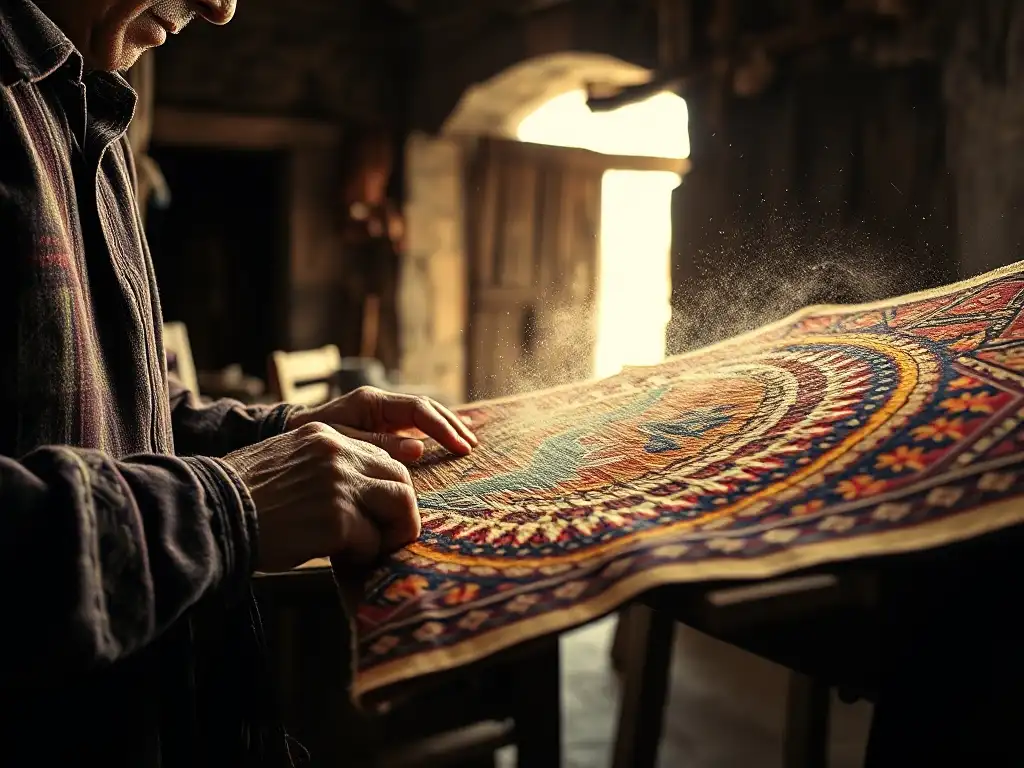
This section delves into the diverse artistic expressions of the Inca civilization, showcasing the skill and artistry of Inca artisans. Understanding the significance of these artworks provides crucial insight into Inca society, beliefs, and power structures. The Inca artistic tradition wasn't solely about aesthetics; it was deeply intertwined with religious practices, social hierarchy, and political control.
The Inca artist, therefore, held a position of both respect and responsibility within the empire. Their training methods, a critical aspect of this role, ensured the continuation and refinement of these artistic traditions across generations. The level of skill and precision evident in Inca art is a testament to the effectiveness of this training.
The Importance of Inca Textiles in Culture and Ritual
Inca textiles represent a pinnacle of Andean artistic achievement. The intricate weaving techniques, vibrant colors derived from natural dyes, and symbolic designs reveal a profound understanding of both artistic skill and cultural significance. Textiles weren't simply clothing; they were imbued with deep symbolic meaning, reflecting social status, religious beliefs, and clan affiliations.
For instance, the llantas (shoulder bags) were not only functional but also served as indicators of social standing. Elaborate designs and high-quality materials denoted elite status. The use of specific motifs, such as the khipu knot system (though not strictly textile art, it was closely related), further enhanced the symbolic power of these garments.
The creation of these textiles was a highly specialized skill, passed down through generations via rigorous Inca artist training methods, ensuring the continuity of this crucial cultural practice. Detailed studies of surviving textiles reveal the sophisticated techniques employed, including techniques such as tapestry weaving, brocade, and supplementary weft. The precision and complexity involved highlight the advanced level of Inca artist training methods.
Gold and Silver Objects: Symbols of Inca Power
Gold and silver, highly valued by the Inca, were used to create exquisite objects that served as potent symbols of royal power and divine authority. These precious metals were skillfully worked into intricate ornaments, ceremonial vessels, and religious iconography. The Inca artist training methods involved in goldsmithing and silversmithing were closely guarded secrets, passed down within specialized workshops.
The mastery of techniques like hammering, repoussé, and casting allowed for the creation of breathtakingly detailed objects, often incorporating precious stones and feathers. The tumi, a ceremonial knife, for example, exemplifies the Inca artist's skill in metalworking. These objects were not merely decorative; they were powerful symbols of the Inca state's control over resources and its connection to the supernatural world.
This skill, honed through rigorous Inca artist training methods, further consolidated the Inca empire's power and authority. The intricate designs found on these pieces often depicted mythological figures or scenes from Inca mythology, underscoring their religious significance.
Architectural Marvels: Inca Stonework and Engineering
Inca architecture stands as a testament to the ingenuity and precision of Inca engineering and artistry. The iconic stonework found in sites like Machu Picchu showcases an unparalleled level of skill and precision. The massive stones, precisely fitted together without mortar, demonstrate the advanced understanding of engineering principles.
The Inca artist training methods involved in this construction were multifaceted, encompassing not only stone cutting and fitting but also planning and overall design. The ability to create such flawlessly integrated structures highlights the effectiveness of the Inca's approach to training and their deep understanding of both aesthetic and practical considerations. The meticulous nature of the stonework, evident in the incredibly tight joints, showcases the high level of skill achieved through years of rigorous Inca artist training methods.
This remarkable achievement is further enhanced by the integration of the structures with their natural surroundings, demonstrating a deep understanding and respect for the environment. The Inca artist's role in this architectural marvel was integral, showcasing their skill and expertise in construction and design.
The Legacy of Inca Artists and Their Impact
The legacy of Inca artists extends far beyond the impressive structures and intricate artifacts they left behind. Their artistry was deeply intertwined with the Inca worldview, reflecting a complex cosmology and a sophisticated understanding of their environment. Inca art wasn't merely decorative; it served religious, political, and social functions, playing a vital role in reinforcing Inca power and ideology.
The skill and dedication of these artisans helped solidify the Inca Empire's identity and cultural dominance. Understanding their techniques and the societal structures supporting their work is crucial to comprehending the full scope of Inca civilization. The enduring influence of their artistic traditions is evident in contemporary Andean art forms, demonstrating a remarkable continuity across centuries.
Studying their techniques, therefore, offers a window into not just Inca artistry, but also the resilient cultural identity of the Andean region. Furthermore, the meticulous nature of Inca artist training methods ensured the consistent high quality of their work, showcasing a level of organization and societal planning rarely seen in other contemporaneous cultures. This level of organization and control is a testament to the importance the Inca placed on artistic production.
Inca Artistic Traditions and Their Survival
The survival of Inca artistic traditions is a testament to the resilience of Andean culture. While the Spanish conquest brought significant upheaval and attempted cultural suppression, many Inca artistic techniques and motifs persisted, albeit often adapted and blended with other influences. For example, textile weaving, a cornerstone of Inca artistry, continued to thrive in various forms throughout the colonial period and beyond.
Traditional patterns and techniques, passed down through generations of Andean artisans, can still be observed in contemporary textiles. Similarly, metalworking, though facing challenges due to the scarcity of certain resources after the conquest, has seen a revival in recent times, with artisans drawing inspiration from pre-Columbian designs and techniques. The continuity of these traditions highlights the profound impact of Inca artists and the enduring power of their artistic legacy.
The study of these surviving traditions offers invaluable insights into Inca artist training methods, allowing researchers to reconstruct aspects of their apprenticeship and the transmission of knowledge across generations. We can see evidence of this in the remarkable consistency of style and technique across different regions and time periods within the Inca empire.
The Influence of Inca Art on Modern Andean Culture
Inca art continues to exert a powerful influence on modern Andean culture. Traditional motifs, colors, and techniques are frequently incorporated into contemporary art forms, reflecting a deep connection to the past and a sense of cultural pride. From textiles and ceramics to jewelry and sculpture, Inca-inspired designs remain popular, showcasing the enduring appeal of their aesthetic sensibilities.
Moreover, the revival of traditional crafts has become a significant part of Andean identity and tourism, providing economic opportunities for many communities. The continued relevance of Inca artistic traditions underscores their cultural significance and their enduring power to inspire and connect people to their heritage. This influence isn't merely superficial imitation; it's a dynamic process of reinterpreting and reimagining ancient techniques within contemporary contexts.
The enduring appeal highlights the effectiveness of the Inca artist training methods in creating a powerful and lasting artistic legacy. The techniques themselves, refined over centuries, continue to be admired and emulated.
Preserving the Knowledge of Inca Artist Training
Preserving the knowledge of Inca artist training methods is crucial for understanding the intricacies of Inca art and for safeguarding this important cultural heritage. This involves a multi-faceted approach, including archaeological research to uncover evidence of workshops and training practices, ethnographic studies to document contemporary Andean artistic traditions and their connections to the Inca past, and the support of initiatives that promote the teaching and practice of traditional techniques. The documentation of surviving oral traditions, often passed down within artisan families, is equally vital.
Further research is needed to fully understand the organizational structure of Inca art production, the selection process for apprentices, and the duration and intensity of training programs. The goal is not only to preserve knowledge but also to foster a deeper appreciation for the skill, dedication, and cultural significance of Inca artists and their enduring legacy.
This preservation effort is vital not just for historical accuracy but also for ensuring the continuation of these valuable artistic traditions for future generations. Understanding the methods of Inca artist training provides insight into the social structures and belief systems that underpinned Inca civilization.
Frequently Asked Questions
Inca artists held a privileged position in society, often enjoying high status and special treatment. Their skills were considered vital for religious and royal purposes.
How were Inca artists trained?
Training was a rigorous apprenticeship system, often beginning in childhood within the yachaywasi (schools). Master artists passed down their techniques and knowledge through generations.
What types of art did Inca artists create?
Inca artists produced a wide range of art, including textiles, pottery, metalwork, and stone carvings. Religious and royal imagery were common themes.
Were there specialized schools for Inca artists?
While not formal schools in the Western sense, the yachaywasi served as centers of learning, where aspiring artists received specialized training in various artistic disciplines.
What evidence exists to support our understanding of Inca artist training?
Archaeological discoveries, such as workshops, tools, and unfinished artifacts, offer valuable insights into Inca artistic practices and training methods. Ethnographic accounts from later periods also provide clues.
Final Reflection: Weaving the Threads of Inca Artistic Legacy
The meticulous craftsmanship and symbolic power embedded in Inca art continue to resonate today, reminding us of a civilization that valued artistry not merely as decoration, but as a vital component of their societal fabric. The sophisticated techniques and rigorous training programs employed by Inca artists were not simply about skill acquisition; they were a reflection of their deeply held spiritual beliefs and social structures. Understanding these methods provides a crucial lens through which to appreciate the enduring legacy of Inca civilization.
The impact of Inca artistic traditions extends far beyond the realm of archaeology and history. Their innovative techniques in metalwork, textiles, and stone carving continue to inspire contemporary artists and designers. The dedication and skill required to master these crafts underscore the profound respect afforded to Inca artists within their society. Art washes away from the soul the dust of everyday life.
– Pablo Picasso. This quote, while not directly about Inca art, speaks to the timeless power of artistic expression and its ability to transcend time and culture, a quality profoundly evident in the enduring beauty and complexity of Inca artistry.
Consider the intricate details, the symbolic meaning woven into every piece, and the sheer dedication required to achieve such mastery. You, too, can find inspiration in the dedication and skill of the Inca artists. Reflect on the importance of craftsmanship and the power of artistic expression in your own life. What skills do you value? What artistic endeavors inspire you? Embrace the legacy of the Inca, and let their dedication to their craft ignite your own creative spirit.
Unveil the Power of Inca Artistry!
Thank you for exploring the fascinating world of Inca art with us! Your interest in the artists' social standing and training highlights the incredible cultural legacy of the Andes. Let's delve deeper into this captivating subject!
- Visit a local museum or gallery featuring Andean art to experience its beauty firsthand.
- Share this article with friends and family who might appreciate the rich history of the Inca civilization.
- Learn a new artistic skill by experimenting with traditional Andean crafts and techniques.
How has the artistry of the Inca civilization influenced modern art?