
Inca Religious Art: Expressions of Faith and Cosmology

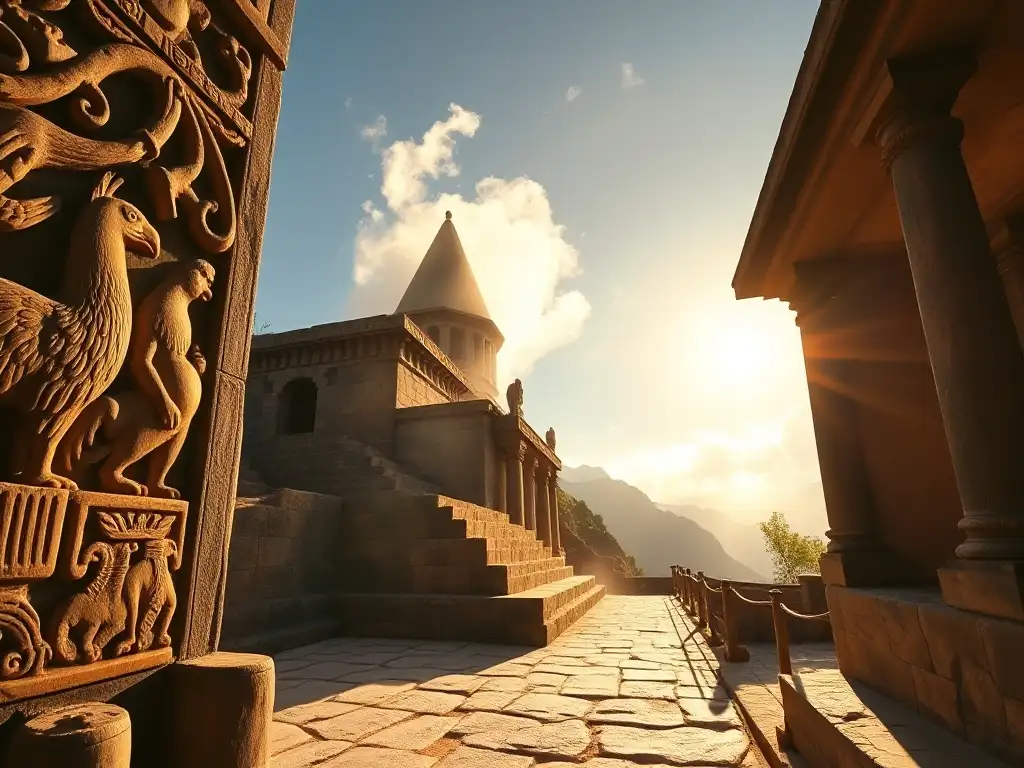
Step into a world lost to time, yet echoing with vibrant life. Imagine colossal stone cities carved into mountains, intricate textiles whispering ancient secrets, and gold gleaming with the power of the sun-god Inti. This is the realm of the Andean civilizations, and we invite you to uncover their mysteries. Prepare to be captivated by the Inca religious art styles, a breathtaking expression of faith and cosmology that will leave you pondering the ingenuity and spiritual depth of this remarkable empire. Journey with us as we unravel the threads of their beliefs and artistic mastery.
The Inca Empire, renowned for its sophisticated engineering and intricate social structures, also possessed a deeply complex and fascinating religious system. This system, woven into the very fabric of Inca life, profoundly influenced their art. From monumental stone structures to intricately woven textiles and meticulously crafted gold objects, Inca religious art offers a window into their spiritual beliefs, cosmology, and worldview.
This article delves into the diverse styles and expressions of Inca religious art, exploring the key deities, rituals, and the profound significance of these artistic creations within their society. Understanding Inca religious art provides crucial insight into the heart of the Inca civilization, revealing a society deeply connected to the natural world and imbued with a profound sense of reverence for their ancestors and the divine. We will examine the various artistic representations of their beliefs, highlighting the unique characteristics that define Inca religious art styles.
Understanding the Spiritual World of the Incas
The Inca worldview was deeply interconnected with the natural world. Mountains, rivers, and celestial bodies were not merely geographical features but were considered sacred entities, imbued with spiritual power. The Inca believed in a complex pantheon of deities, each with specific roles and responsibilities.
Ancestor veneration played a significant role, with deceased rulers and important figures considered intermediaries between the living and the spiritual realm. This reverence for ancestors is evident in many forms of Inca art, with mummies often adorned with elaborate textiles and precious objects. The Inca also held sophisticated astronomical knowledge, using celestial observations to regulate agricultural cycles and religious rituals.
This sophisticated understanding of the cosmos is reflected in the precise alignment of many Inca structures and the intricate designs found in their textiles and pottery. The Inca's spiritual beliefs were not merely abstract concepts but were integral to their daily lives, influencing their social structures, political organization, and artistic expressions. Their art served as a powerful medium for communicating these beliefs, reinforcing social order, and connecting the living with the spiritual world.
The Role of Religion in Inca Society
Religion was not a separate sphere of life for the Inca; it was interwoven with every aspect of their society. The Inca state itself was closely linked to religious authority, with the Sapa Inca, the emperor, considered a divine figure, a descendant of the sun god Inti. Religious rituals, often elaborate and involving human sacrifice in certain cases, were performed to ensure the prosperity of the empire, appease the gods, and maintain cosmic balance.
Temples and sacred sites, many constructed with impressive precision, served as focal points for religious activities and pilgrimage. Priests, known as hamacas, held significant power and influence, advising the Sapa Inca and overseeing religious ceremonies. The production of religious art was itself a sacred activity, with skilled artisans creating objects intended for use in religious ceremonies or to adorn temples and palaces.
The intricate craftsmanship and symbolic imagery embedded within these objects reflect the profound importance of religious practices in Inca society and the high status accorded to those involved in their creation. The impact of religion on Inca society is undeniable, shaping their social structures, political systems, and artistic traditions in profound ways.
Key Deities and Their Representations in Inca Art
The Inca pantheon included a diverse array of deities, each representing different aspects of the natural world and human life. The sun god, Inti, was perhaps the most important deity, considered the ancestor of the Inca rulers and the source of all life. Inti is frequently depicted in Inca art, often represented by a golden disc or a stylized sun face.
Other important deities included Viracocha, the creator god, and Pachamama, the earth goddess, both of whom are depicted in a variety of artistic forms. Representations varied widely depending on the medium: Intricate textiles might feature stylized depictions of deities, while stone carvings could showcase more realistic or abstract forms. Gold and silver were also frequently used to create images of deities, reflecting their perceived value and power.
The specific iconography associated with each deity varied regionally, reflecting the diverse beliefs and practices within the vast Inca Empire. The careful study of these artistic representations provides invaluable insights into the complexities of Inca religious beliefs and the diverse ways in which they were expressed through art. Furthermore, the artistic styles employed often reflected the power and status of the deity being represented, highlighting the hierarchical nature of the Inca pantheon.
- Understanding the Spiritual World of the Incas
- The Role of Religion in Inca Society
- Key Deities and Their Representations in Inca Art
Inca Religious Art Styles: A Visual Language of Faith
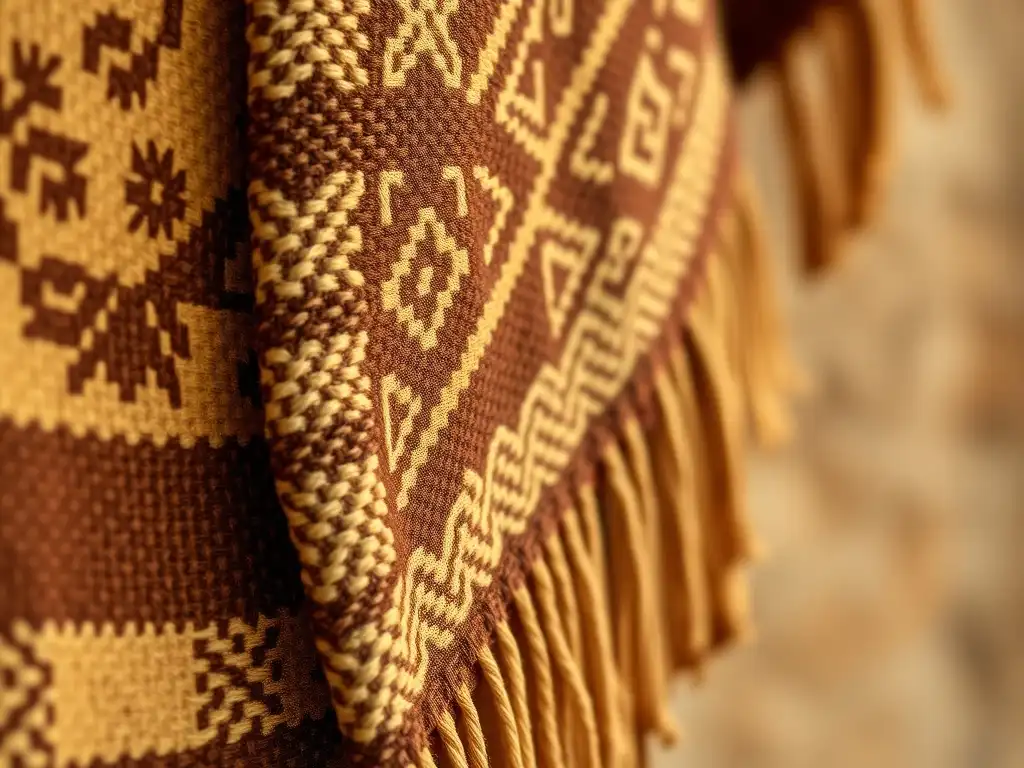
The Inca Empire, renowned for its sophisticated engineering and administrative prowess, also possessed a deeply spiritual culture reflected vividly in its art. Understanding Inca religious art styles requires acknowledging the intricate relationship between religious beliefs, cosmology, and artistic expression. The Inca worldview, deeply connected to the Andean landscape and its natural forces, permeated every aspect of their artistic endeavors.
This section explores the various manifestations of this religious art, focusing on the stylistic choices and the underlying spiritual meanings embedded within them. The diverse materials and techniques employed—from monumental stonework to delicate ceramics—reveal a complex and nuanced understanding of the divine.
Architectural Manifestations of Inca Religious Beliefs
Inca religious architecture stands as a testament to their profound reverence for the gods and the cosmos. Massive stone structures, meticulously crafted and seamlessly fitted, served not only as practical spaces but also as powerful symbolic representations of their beliefs. The precise construction techniques, often employing advanced knowledge of astronomy and engineering, underscore the sacred nature of these sites.
Temples and Sacred Sites: Coricancha, Machu Picchu, Sacsayhuamán
The Inca religious art styles are most dramatically showcased in their grand temples and sacred sites. Coricancha, the Temple of the Sun in Cusco, exemplifies this. Originally plated in gold, its opulent design reflected the Inca's belief in the sun god Inti's supreme power. Machu Picchu, often perceived as a royal estate, also contained significant religious structures, highlighting the integration of religious and political life.
The cyclopean masonry of Sacsayhuamán, a fortress-temple complex, demonstrates both impressive engineering skills and a profound connection to the earth and its energies. The precise alignment of these structures with celestial bodies further reinforces their religious significance. These sites were not merely buildings; they were living expressions of the Inca faith, imbued with spiritual power.
The Significance of Inca Stone Carving in Religious Structures
Inca stone carving, a hallmark of their architectural achievements, transcends mere functionality. The intricate detail and precision evident in the stonework reflect a deep spiritual commitment. The use of specific stones, their colors, and the symbolic representations carved into them, all contribute to the religious significance of the structures. For instance, the careful selection of stones with particular colors or textures might have been linked to specific deities or cosmological concepts.
Further research is needed to fully understand the symbolic language embedded within these carvings, but existing evidence points to a complex system of religious iconography. The sheer scale of some structures, like Sacsayhuamán, also suggests an intention to create awe-inspiring spaces that reinforced the power of the Inca religion. The masterful craftsmanship served not only a practical purpose but also as a visual affirmation of Inca religious beliefs.
Inca Religious Art in Ceramics and Pottery
Inca ceramic art provides a more intimate glimpse into their religious world. Unlike the monumental architecture, pottery offers a more personal and diverse range of expressions of faith and cosmology. The styles, motifs, and techniques employed in Inca ceramics reveal a rich tapestry of religious beliefs and practices.
Symbolism and Motifs in Inca Pottery: Geometric Patterns, Animal Figures, Mythological Beings
The Inca religious art styles in pottery are characterized by a variety of symbolic motifs. Geometric patterns, such as spirals and zigzags, often represented the cosmos and the cyclical nature of life and death. Animal figures, like the puma and the condor, symbolized power and strength, often associated with deities or ancestral spirits. Mythological beings, depicted in various forms, represented different aspects of the Inca pantheon and their associated narratives.
The use of color also held significant meaning, with specific hues associated with particular deities or ceremonies. For example, red might symbolize blood and sacrifice, while yellow could represent the sun. The detailed analysis of these symbols reveals the depth and complexity of Inca religious beliefs.
Ritualistic Uses of Ceramics in Inca Religious Practices
Inca pottery wasn't merely decorative; it played a crucial role in religious rituals and ceremonies. Ceremonial vessels were used to offer libations to the gods, store sacred substances, or contain offerings. The shapes, sizes, and decorations of these vessels often reflected their specific ritual purpose. Some vessels were intricately decorated with religious motifs, while others were more utilitarian but still held symbolic meaning due to their use in sacred contexts.
The careful consideration given to the creation and use of these ceramic objects underscores their importance in Inca religious practices. Further investigation into the chemical composition of residues found within some vessels may shed light on the types of offerings presented and the specific rituals they were associated with. The study of Inca pottery, therefore, provides valuable insights into the daily lives and spiritual beliefs of the Inca people.
Textile Art as a Medium for Inca Religious Expression
The vibrant tapestry of Inca culture is richly interwoven with its religious beliefs, and nowhere is this more evident than in their textile art. Inca textiles weren't merely functional; they served as powerful mediums for expressing spiritual concepts, narrating myths, and commemorating significant events. The intricate designs, vibrant colors, and high-quality materials used all contributed to the sacred nature of these creations. From the everyday garments worn by commoners to the elaborate ceremonial cloths used by the elite, textiles played a crucial role in Inca religious life.
The very act of weaving was considered a sacred practice, connecting the weaver to the spiritual world. The meticulous craftsmanship involved reflects the deep reverence the Inca held for their deities and the cosmos. The use of specific colors, fibers, and patterns further enhanced the symbolic meaning of each textile, creating a visual language that communicated profound religious messages.
The Sacred Significance of Inca Weaving
Inca weaving wasn't simply a craft; it was a deeply spiritual practice. The act of transforming raw materials – wool from llamas and alpacas, cotton, and other natural fibers – into intricate textiles was believed to be a form of creation, mirroring the divine act of bringing forth life itself. Weavers held a respected position in Inca society, often women, who were seen as intermediaries between the human and spiritual realms.
Their skill in manipulating the threads was seen as a reflection of their connection to the divine. The quality of the yarn, the complexity of the design, and even the choice of colors all held symbolic significance, reflecting the weaver's skill and their connection to the sacred. Specific knots and weaving techniques could represent specific deities or events, adding another layer of sacred meaning to the textiles.
The preservation of intricate weaving techniques across generations underscores the enduring importance of this sacred craft within Inca religious practice. This careful preservation ensured the continuity of religious expression through a tangible and highly valued medium.
Religious Iconography in Inca Textiles: Geometric Patterns, Representations of the Sun God (Inti), the Moon Goddess (Mama Quilla)
Inca textile art is replete with religious iconography, employing both geometric patterns and representational imagery to depict their deities and cosmological beliefs. Geometric patterns, often featuring intricate repetitions and symmetries, are believed to represent the order and harmony of the cosmos. These patterns were not random; they held specific meanings related to Inca cosmology, mirroring the structure of the universe and the interconnectedness of all things.
The sun god, Inti, and the moon goddess, Mama Quilla, frequently appear in Inca textiles, often depicted in anthropomorphic forms or through symbolic representations like the sun and moon themselves. The representation of Inti often involved the use of bright yellow and gold hues, reflecting the sun's radiant energy and power. Mama Quilla was frequently depicted in silver or other cool colors, representing the moon's gentle and nurturing qualities.
The placement of these figures within the larger textile design often further enhances their symbolic meaning, showing their relationship to other deities or cosmological elements. The careful use of color, pattern, and symbolic representation in Inca textiles highlights the sophisticated understanding of religious iconography within their artistic traditions. The textiles serve as tangible manifestations of their complex spiritual beliefs.
Inca Metalwork: A Sacred Art Form
Inca metalwork represents a pinnacle of Andean artistic achievement, and its religious significance is undeniable. Gold and silver, precious metals imbued with spiritual power, were employed extensively in the creation of religious artifacts, showcasing the Inca’s deep reverence for their gods and the cosmos. The elaborate craftsmanship, the use of sophisticated techniques like hammering, casting, and repoussé, and the incorporation of precious stones all contributed to the sacred nature of these objects.
These weren't merely decorative items; they were integral components of religious rituals and ceremonies, acting as intermediaries between the human and divine realms. The artistry involved reflects not only technical skill but also a profound understanding of the spiritual significance of the materials and the objects themselves.
Gold and Silver in Inca Religious Rituals
Gold and silver held immense religious significance for the Inca. Gold, associated with the sun god Inti, symbolized power, wealth, and divinity. It was believed to possess a life force, connecting it directly to the spiritual world.
Silver, linked to the moon goddess Mama Quilla, represented fertility, gentleness, and the cycles of nature. Both metals were used extensively in religious rituals and ceremonies. Gold and silver objects, such as ceremonial vessels, masks, and ornaments, were often used in offerings to the gods, demonstrating the Inca’s desire to appease and honor their deities.
The use of these precious metals in religious contexts highlights their deep-seated belief in the power and spiritual significance of these materials. The sheer quantity of gold and silver used in Inca religious artifacts underscores the importance of these metals within their religious worldview. The meticulously crafted objects served not only as offerings but also as powerful symbols of religious authority and cosmic order.
Religious Representations in Inca Metal Artifacts
Inca metal artifacts often depict religious figures, scenes from mythology, and cosmological symbols. These representations served as visual reminders of Inca religious beliefs and helped reinforce their spiritual connection to the gods and the cosmos. For example, depictions of Inti, often adorned with elaborate headdresses and surrounded by rays of the sun, are commonly found on gold and silver objects.
Similarly, representations of Mama Quilla, sometimes depicted with crescent-shaped ornaments, appear on various metal artifacts. The detailed craftsmanship and the use of precious stones further enhanced the sacred nature of these representations. These artifacts weren't just artistic expressions; they were powerful tools for religious expression, communicating complex spiritual ideas through visual imagery.
The careful attention to detail and the high level of craftsmanship involved underscore the importance of these religious representations within Inca culture. The artifacts served as tangible links between the material world and the spiritual realm, reinforcing the Inca’s deep-seated religious beliefs.
Exploring the Cosmological Views Reflected in Inca Art
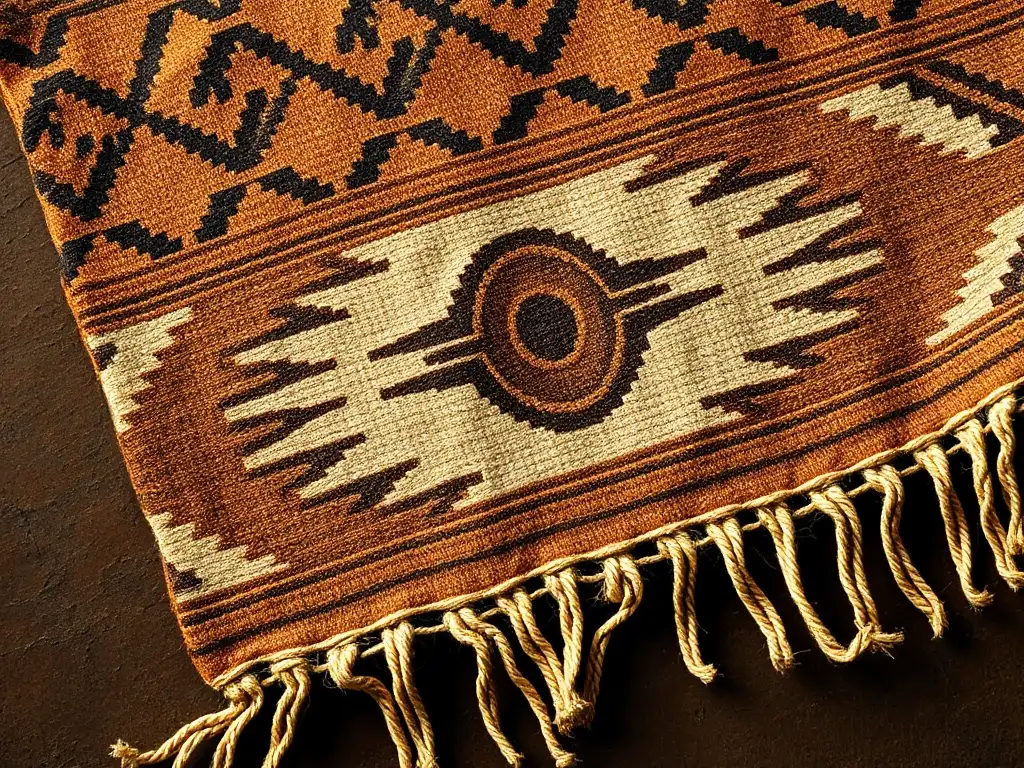
This section delves into the profound relationship between Inca cosmology and their artistic expressions. Understanding the Inca worldview is crucial to interpreting the symbolism and meaning embedded within their religious art. The intricate details, carefully chosen materials, and recurring motifs all speak to a sophisticated understanding of the universe and their place within it.
This section will explore how these cosmological beliefs manifested in the creation of religious art, offering a glimpse into the spiritual heart of the Inca Empire. The analysis focuses specifically on the artistic styles used to represent this complex cosmology, providing insights into the techniques and materials employed to convey their religious beliefs.
The Inca Concept of the Cosmos: Hanan Pacha, Kay Pacha, Uku Pacha
The Inca cosmology was structured around a three-layered universe: Hanan Pacha, Kay Pacha, and Uku Pacha. Hanan Pacha represented the upper world, the celestial realm of the gods and celestial bodies. It was a place of power, light, and spiritual energy. Kay Pacha was the earthly realm, the world of humans, animals, and plants – the tangible reality experienced daily. Finally, Uku Pacha symbolized the underworld, a mysterious and powerful realm of ancestors, spirits, and the forces of nature.
This tripartite division profoundly impacted Inca religious art. Artistic representations often depicted elements from all three worlds, demonstrating the interconnectedness of these realms. For example, depictions of deities might show them interacting with elements of the earthly world, or the underworld might be symbolized through specific colors or motifs.
The careful consideration of these cosmological layers in their art showcases the Inca's deep understanding of their place in the universe and their relationship with the supernatural. The integration of these three worlds in a single piece of art highlights the holistic nature of their religious beliefs and their comprehensive view of existence. This is further emphasized by the use of specific colors and materials associated with each realm.
Artistic Depictions of the Inca Worldview
Inca religious art frequently employed symbolic imagery to convey complex cosmological ideas. The sun, moon, and stars were prominent symbols representing Hanan Pacha. These celestial bodies were not merely astronomical entities but powerful deities that influenced the lives of the Inca people. Their artistic representation often incorporated gold, silver, and precious stones, reflecting the perceived value and sacred nature of these celestial beings. The sun god, Inti, was particularly important, often depicted in gold or other precious materials, emphasizing his power and influence.
Conversely, Uku Pacha was often represented through darker colors, such as black and brown, and materials like obsidian or certain types of clay. Depictions of snakes or jaguars, frequently associated with the underworld, also appeared in Inca art. These artistic representations were not merely decorative; they were powerful tools for communicating religious beliefs and reinforcing social structures. The use of specific colours and materials directly connected to the cosmological understanding of the Inca people.
The Interconnection Between Art, Religion, and Cosmology
Inca religious art wasn't merely decorative; it served as a vital link between the earthly and spiritual realms. Religious ceremonies and rituals were often accompanied by elaborate displays of art, reinforcing the power and significance of the beliefs being enacted. Textiles, pottery, and metalwork were not just functional objects but imbued with spiritual meaning, acting as mediators between the human and divine worlds. The creation of these artifacts was a sacred act, reflecting the deep intertwining of art, religion, and cosmology in Inca society.
The intricate craftsmanship evident in Inca religious art highlights the high value placed on these objects. The time, skill, and resources invested in their creation underscore their importance in Inca religious practices. The precise execution of designs, the careful selection of materials, and the symbolic meaning embedded within each piece point to a sophisticated understanding of the relationship between art, religion, and the cosmos.
The study of Inca religious art styles thus offers a unique window into the spiritual life and worldview of one of the most fascinating civilizations of the Andes. Further research into specific Inca religious art styles, including detailed analysis of individual pieces, is needed to fully understand the nuances of their religious beliefs and their expression through art.
The Legacy of Inca Religious Art
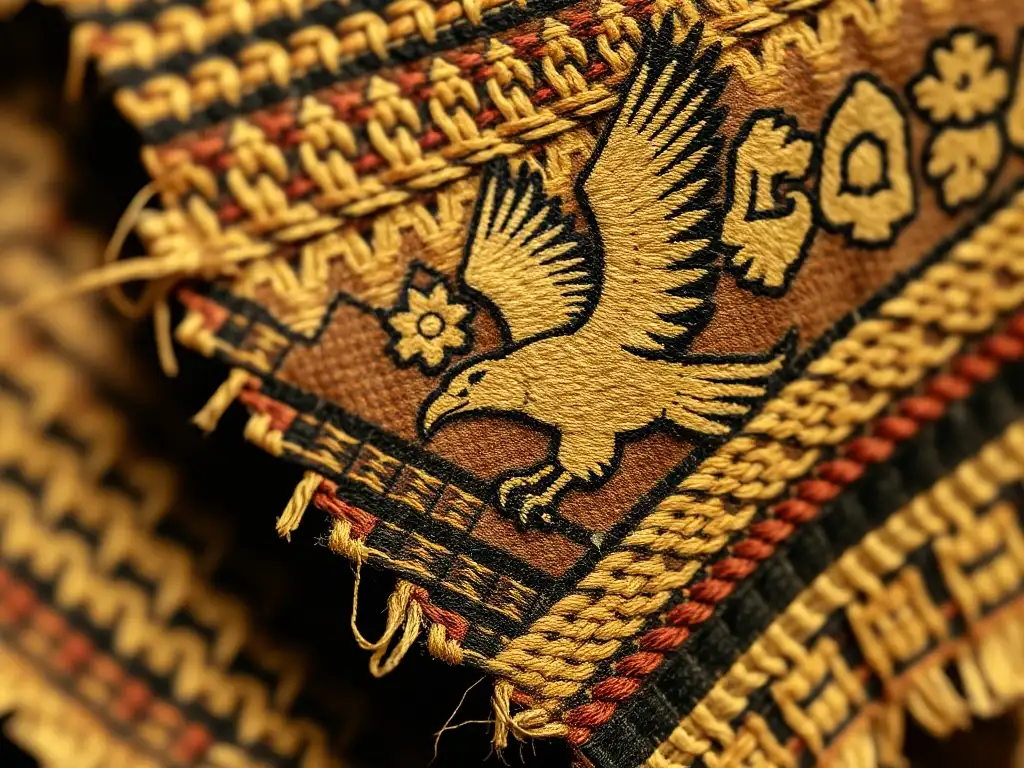
The legacy of Inca religious art is multifaceted, extending far beyond the physical artifacts themselves. It represents a complex interplay of cosmology, spirituality, and social structures, leaving an enduring impact on subsequent Andean cultures and our understanding of the Inca Empire. The intricate designs, symbolic representations, and masterful craftsmanship continue to fascinate and inspire researchers and art enthusiasts alike. This legacy isn't solely about the aesthetic beauty; it's about deciphering a lost civilization's worldview and beliefs.
The sheer volume of surviving artifacts, despite the Spanish conquest's destructive impact, provides a rich tapestry of information for scholars to unravel. Studying these pieces helps us understand not just what the Incas believed, but how they expressed their faith. This section will explore the lasting impact of Inca religious art and the ongoing efforts to preserve and interpret its significance.
The Influence of Inca Art on Later Andean Cultures
Inca religious art styles profoundly impacted subsequent Andean cultures. While the Inca Empire itself fell, its artistic traditions persisted, albeit often adapted and transformed by the succeeding populations. Many indigenous communities continued to utilize similar motifs, techniques, and materials in their own artistic expressions, demonstrating a clear lineage and continuity.
For example, the use of specific geometric patterns, such as the khipu knot system's representation in textiles, continued to appear in later Andean art, albeit with regional variations. These variations often reflect the unique cultural adaptations and reinterpretations of the original Inca styles. The enduring presence of certain iconographic elements, such as representations of the sun, moon, and stars, in post-Inca art confirms the persistent influence of Inca cosmology and religious beliefs.
The vibrant colors and intricate weaving techniques also found their way into later textile traditions, demonstrating the enduring legacy of Inca artistic mastery. We can see clear evidence of this influence in the textiles and ceramics produced in the centuries following the Spanish conquest. Examining this evolution helps us track the transmission of artistic knowledge and beliefs across generations and understand how cultural identities were negotiated and redefined in the post-Inca period.
Preserving and Studying Inca Religious Art Today
Preserving and studying Inca religious art requires a multi-pronged approach involving meticulous conservation, rigorous scholarly investigation, and ethical considerations. Many artifacts are incredibly fragile, requiring specialized techniques and environmental controls to prevent further deterioration. This includes careful cleaning, stabilization of damaged areas, and appropriate storage conditions to mitigate the effects of humidity, temperature fluctuations, and light exposure.
Furthermore, the study of Inca religious art necessitates interdisciplinary collaboration between archaeologists, art historians, anthropologists, and conservators. Careful documentation, using high-resolution photography and 3D scanning technology, allows for detailed analysis without handling the delicate objects. The ethical implications of studying and exhibiting these artifacts are also paramount.
Many pieces are considered sacred objects by contemporary Andean communities, raising questions about ownership, repatriation, and the appropriate context for display and interpretation. These considerations are crucial to ensure that the study of Inca religious art respects the cultural heritage of the Andean peoples and promotes a more inclusive and respectful understanding of their history. The challenges are immense, but the rewards—a deeper understanding of a remarkable civilization—are immeasurable.
The Continuing Importance of Inca Art in Understanding Inca Culture
Inca religious art serves as an invaluable window into the religious beliefs, social structures, and worldview of the Inca Empire. The iconography present in these pieces provides crucial insights into their cosmology, revealing their understanding of the universe and their place within it. Representations of deities, mythical creatures, and celestial bodies illustrate the importance of religion in shaping Inca society. For instance, the frequent depiction of the sun god, Inti, underscores his central role in Inca religion and the imperial ideology.
Furthermore, the stylistic choices and materials used in the creation of these artifacts reflect the social hierarchy and the division of labor within Inca society. The craftsmanship evident in many pieces points to the high level of skill and specialization among Inca artisans. The analysis of these artistic expressions, therefore, provides crucial context for understanding the broader cultural and societal structures of the Inca Empire.
The careful study of Inca religious art styles, coupled with other archaeological and historical data, allows for a more comprehensive and nuanced understanding of this fascinating civilization. It's not just about admiring the beauty; it's about deciphering the rich cultural narratives embedded within each artifact. The ongoing research and interpretation of Inca religious art constantly enrich our understanding of this significant chapter in Andean history.
Frequently Asked Questions
What were the primary materials used in Inca religious art?
Inca religious art utilized readily available materials, such as stone, wood, gold, silver, textiles, and feathers. These materials were chosen for their symbolic significance and aesthetic qualities.
How did Inca religious beliefs influence their art styles?
Inca art reflected their deeply spiritual worldview, depicting mythological figures, ceremonial objects, and cosmological concepts. Their art served as a powerful tool for communicating their beliefs and maintaining social order.
What are some examples of Inca religious art?
Examples include stone sculptures, textile tapestries, gold and silver ornaments, and ceramic vessels often depicting deities, animals, and scenes from mythology. These artifacts offer valuable insights into Inca religious practices.
How did the Inca incorporate their religious beliefs into their architecture?
Inca architecture, like Machu Picchu, reflects their religious beliefs through precise alignments with celestial bodies, the use of sacred geometry, and the incorporation of religious iconography into building designs. Temples and palaces were built to honor their gods and ancestors.
What is the significance of color in Inca religious art?
Color held significant meaning in Inca religious art. Specific colors were associated with particular deities, natural elements, and spiritual concepts. The use of color helped to convey complex religious ideas and narratives.
Final Reflection: Echoes of the Andes: A Legacy in Stone and Gold
The vibrant artistry of the Inca civilization continues to resonate today, a testament to the enduring power of faith and the human need to connect with the cosmos. More than just aesthetically pleasing objects, Inca religious art provides a crucial window into a sophisticated worldview, one that shaped a vast empire and left an indelible mark on the cultural landscape of South America. Understanding these artistic expressions allows us to appreciate the complexity and ingenuity of a civilization that thrived centuries ago.
The enduring influence of Inca religious art is undeniable, its motifs and styles still inspiring artists and researchers alike. Its impact extends beyond the realm of academia, finding its way into contemporary art, fashion, and even tourism. The intricate designs, the symbolic representations of deities and nature, and the sheer technical skill involved in their creation continue to fascinate and inspire awe. The past is never dead. It's not even past.
– William Faulkner. This quote perfectly encapsulates the enduring relevance of Inca religious art; it speaks to us across the centuries, reminding us of the shared human experience of seeking meaning and expressing faith.
Consider the intricate detail, the symbolic power embedded within each piece. Reflect on the dedication and skill required to create these works, and the profound beliefs that fueled their creation. You, the reader, are now part of this ongoing conversation. Engage with the legacy of Inca religious art; seek out museums, explore online resources, and allow yourself to be transported to a time when the Andes Mountains echoed with the prayers and rituals of a magnificent civilization. Let the echoes of their faith inspire your own journey of understanding and appreciation.
Unveil the Spiritual Depths of Inca Art!
Thank you for exploring the fascinating world of Inca religious art with us! Your insights into how faith and cosmology shaped these incredible artistic expressions offer a valuable contribution to our understanding of the rich heritage of Andean civilizations. Let's delve even deeper!
Here are some ways to further enhance your understanding and appreciation of Inca art:
- Visit museums and cultural centers: Experience the power and beauty of Andean art firsthand by exploring local collections.
- Connect with fellow enthusiasts: Share your passion and knowledge by joining online forums or social media groups dedicated to Inca history and art.
- Create your own inspired artwork: Let your creativity flourish by producing a piece inspired by the rich themes and imagery of Inca culture.
What unique perspectives do you believe Inca religious art offers to contemporary spiritual and artistic expression? We'd love to hear your thoughts!