
Unraveling the Secrets of Inca Art: More Than Meets the Eye

Step into a world lost to time, yet echoing with vibrant life. Prepare to be captivated by the enigmatic artistry of the Andes, where ancient cultures flourished and left behind a legacy of breathtaking beauty and profound mystery. Uncover the secrets behind Inca art techniques and symbolism, a realm of intricate designs and powerful narratives that reveal far more than meets the eye. Journey with us to explore the fascinating world of the Inca Empire and discover the stories woven into every thread, every carving, every masterpiece. Are you ready to unravel the truth?
The Inca Empire, a civilization that flourished in the Andes Mountains from the 15th to the 16th centuries, left behind a legacy of breathtaking artistry. Beyond the captivating visual appeal of Inca art, lies a complex tapestry of techniques and symbolism deeply interwoven with their cosmology, social structure, and daily life. This exploration delves into the fascinating world of Inca art techniques and symbolism, revealing the intricate craftsmanship and profound meaning embedded within their creations.
We will examine the materials they used, the processes they employed, and the powerful messages conveyed through their art, offering a glimpse into the rich cultural landscape of this remarkable civilization. Understanding Inca art is not merely appreciating its beauty; it's unlocking the secrets of a sophisticated and influential society.
Masterful Inca Art Techniques: A Symphony of Skill and Precision
Inca artisans were masters of their craft, employing a diverse range of techniques to create stunning works of art. Their expertise extended across various mediums, including textiles, ceramics, metalwork, and stone carving. The precision and intricacy of their work are truly remarkable, showcasing a deep understanding of materials and processes. For example, their textile production involved complex weaving techniques, creating incredibly detailed tapestries and garments. These techniques, often passed down through generations, resulted in textiles of exceptional quality and beauty, reflecting the social status and cultural significance of the wearer. Similarly, their mastery of metallurgy allowed them to create intricate gold and silver objects, showcasing their advanced knowledge of alloying and metalworking techniques. The delicate filigree work and the intricate designs found on their artifacts are testaments to their unparalleled skill. We'll explore these techniques in greater detail below, providing specific examples of their application and the resulting artistic achievements.
Symbolism in Inca Art: Decoding the Visual Language
Inca art wasn't merely decorative; it served as a powerful means of communication, conveying complex meanings and narratives through carefully chosen symbols and motifs. The imagery employed often reflected religious beliefs, social hierarchies, and historical events. For instance, the recurring motif of the puma, a powerful and revered animal in Inca mythology, symbolized strength, power, and royalty.
Similarly, the use of specific colors held significant meanings, with certain hues associated with particular deities or events. The intricate designs found on textiles and ceramics often depicted scenes from mythology or represented significant historical moments, providing valuable insights into Inca beliefs and worldview. Understanding the symbolism embedded in Inca art requires careful analysis of the imagery, its context, and its relationship to Inca culture and religion.
This requires a deeper understanding of the Inca worldview and their cosmology, which heavily influenced their artistic expression. The use of specific geometric patterns, for example, often held religious and cosmological significance. Detailed analysis of these patterns reveals a complex symbolic system that reflects the Inca’s understanding of their place in the cosmos.
The Inca Legacy: Preserving and Interpreting a Rich Artistic Heritage
The enduring legacy of Inca art continues to inspire awe and wonder. Despite the destruction wrought by the Spanish conquest, numerous artifacts have survived, offering invaluable glimpses into the artistic achievements of this remarkable civilization. Museums and archaeological sites around the world house impressive collections of Inca art, allowing us to appreciate the skill, ingenuity, and cultural depth of the Inca people.
However, the ongoing study and interpretation of Inca art remains a crucial task. Scholars continue to unravel the mysteries embedded within these artifacts, using advanced techniques and interdisciplinary approaches to deepen our understanding of Inca culture and history. The preservation of these artifacts is also paramount, ensuring that future generations can continue to appreciate and learn from the artistic richness of the Inca Empire.
This ongoing research and preservation efforts are essential in ensuring that the Inca’s artistic legacy remains a source of inspiration and knowledge for years to come. The study of Inca art techniques and symbolism is a dynamic field, constantly evolving as new discoveries are made and new interpretations are developed.
- Masterful Inca Art Techniques: A Symphony of Skill and Precision
- Symbolism in Inca Art: Decoding the Visual Language
- The Inca Legacy: Preserving and Interpreting a Rich Artistic Heritage
The Enigmatic World of Inca Artistic Expression
Introduction to Inca Art and its Cultural Significance
Inca art, a vibrant tapestry woven from the threads of Andean ingenuity and spiritual belief, transcends mere aesthetic appreciation. It serves as a powerful window into the complex social structures, religious practices, and worldview of the Inca Empire. Unlike many other ancient civilizations that left behind monumental architecture as their primary artistic legacy, Inca artistic expression manifested in a diverse array of media, including textiles, ceramics, metalwork, and stone carving.
These artifacts weren't simply decorative; they held deep symbolic meaning, reflecting the Inca's sophisticated understanding of the cosmos and their relationship with the natural world. The intricate designs, often incorporating geometric patterns, zoomorphic motifs, and representations of deities, communicate a rich narrative that continues to fascinate scholars and enthusiasts alike. Analyzing Inca art techniques and symbolism reveals a society deeply connected to its environment and its spiritual beliefs, a society that skillfully employed artistic expression to reinforce social hierarchies, convey religious narratives, and record historical events.
The meticulous craftsmanship evident in surviving pieces highlights the high value placed on artistic skill and the integral role art played in Inca society. For example, the intricate weaving techniques employed in their textiles, reflecting a mastery of both natural dyes and complex weaving patterns, demonstrates a level of sophistication that continues to inspire awe today. The use of specific colors and motifs, often associated with particular deities or events, further underscores the symbolic significance embedded within each creation.
Understanding the Context: Inca Society and Art Production
The production and appreciation of Inca art were deeply intertwined with the hierarchical structure of Inca society. Art creation wasn't a casual activity; it was a highly specialized profession, with skilled artisans holding respected positions within the imperial system. The yanacuna, a specialized class of state-sponsored artisans, were responsible for producing many of the elaborate textiles, ceramics, and metalwork associated with the Inca Empire. These artisans received training and resources from the state, ensuring a high level of quality and consistency in their work. The Inca government controlled access to raw materials, such as precious metals and fine wools, further reinforcing the connection between artistic production and political power.
The distribution of finished goods also followed strict hierarchical patterns. Elaborate textiles and gold ornaments, for example, were primarily reserved for the Inca elite and religious figures, while simpler items were distributed among the broader population. This careful control over the production and distribution of art served to reinforce Inca ideology and consolidate the power of the ruling class. The Inca art techniques and symbolism employed often directly reflected this social hierarchy, with certain motifs and styles signifying royal authority or religious significance.
Detailed records of Inca art production, however, are limited, leaving many aspects of the process and organization of workshops still subject to scholarly debate. Further research into archaeological sites and surviving artifacts is needed to fully elucidate the intricate details of Inca artistic production and its relationship to the broader socio-political landscape. This includes investigations into workshop organization, artisan training methods, and the specific roles of different types of artisans within Inca society. Understanding the context of Inca art production is crucial to fully appreciating the depth and complexity of its symbolism and techniques.
Exploring the Diverse Forms of Inca Art
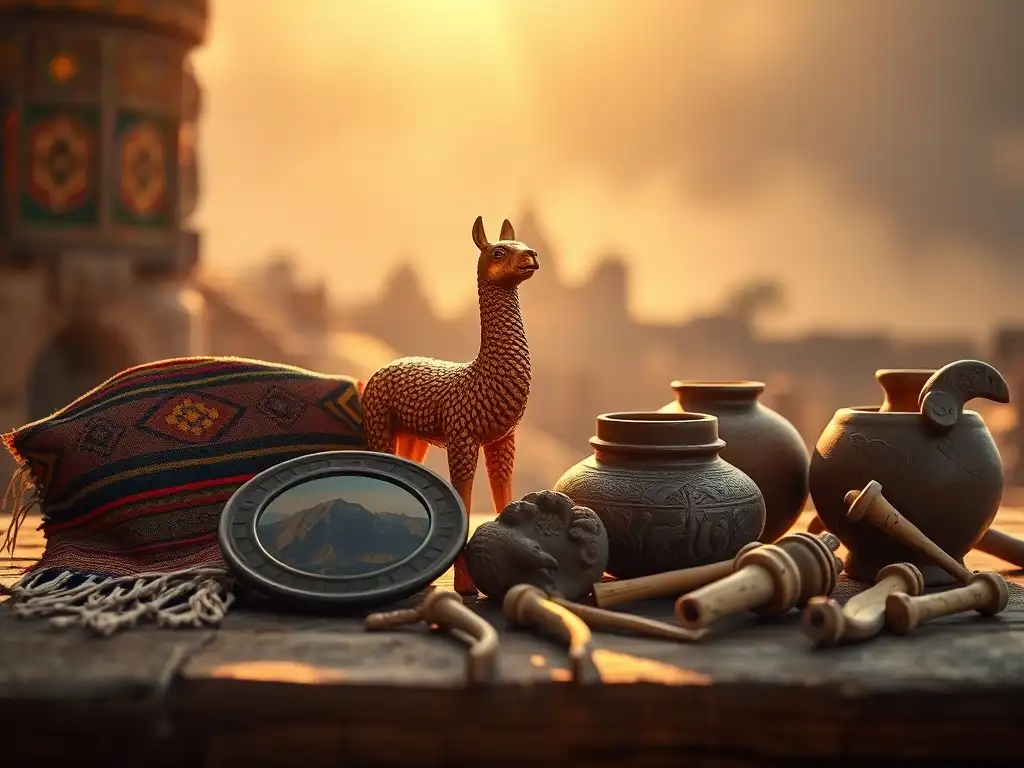
Inca art, a captivating blend of functionality and symbolism, extended beyond mere aesthetics. It served as a powerful tool for communicating religious beliefs, social structures, and imperial power. Masterful techniques, passed down through generations, resulted in breathtaking creations that continue to fascinate and inspire awe centuries later.
Understanding Inca art techniques and symbolism requires exploring its diverse forms, from monumental architecture to intricately woven textiles and finely crafted metalwork. The artistry wasn't merely decorative; it was deeply interwoven with the Inca worldview and daily life. This section delves into the key aspects of Inca artistic expression, revealing the intricate details and profound meanings embedded within these remarkable works.
Inca Architecture: Monumental Expressions of Power and Skill
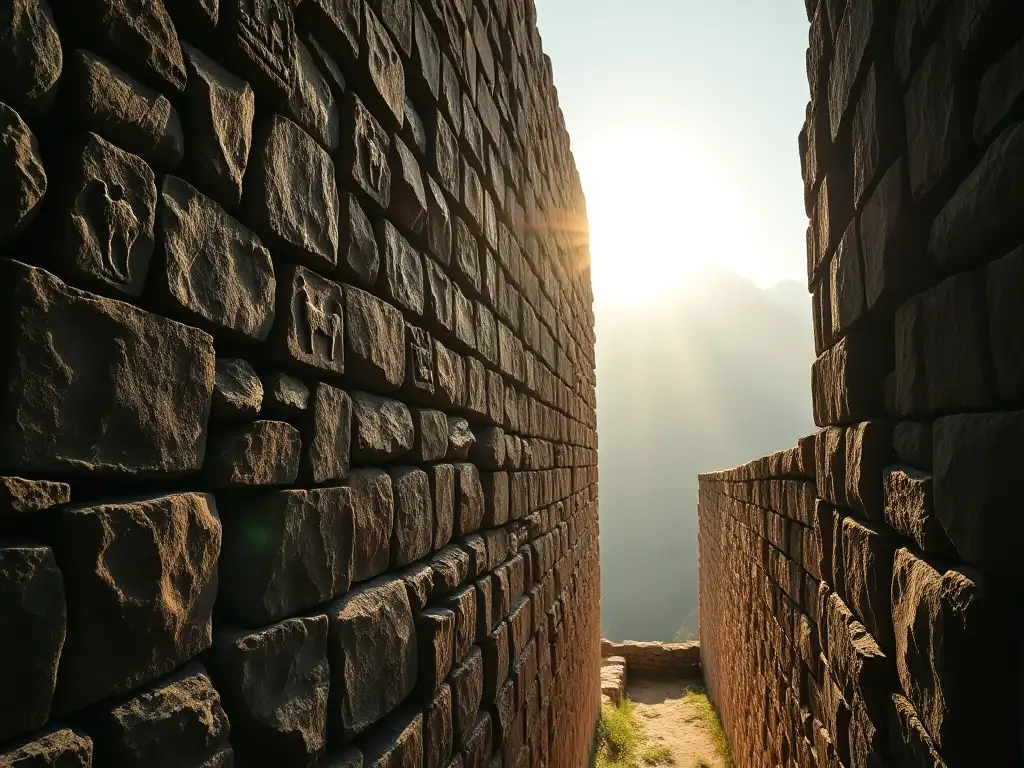
Inca architecture stands as a testament to the ingenuity and organizational prowess of the empire. The sheer scale and precision of their constructions are awe-inspiring, reflecting both advanced engineering skills and a sophisticated understanding of symbolism. The use of stone, meticulously cut and fitted together without mortar, showcases an unparalleled mastery of building techniques. This precision wasn't just about aesthetics; it was a reflection of the Inca worldview, where order and harmony were paramount.
The Precision of Inca Masonry Techniques
The famed Inca piedra seca (dry-stone) masonry is a prime example of their architectural prowess. Stones were cut with such accuracy that even a knife blade could not be inserted between them. This level of precision required specialized tools and a deep understanding of stone properties. Archaeological evidence suggests the use of copper and bronze tools, alongside sophisticated techniques for shaping and fitting the stones.
The precise fitting wasn't merely for visual appeal; it also enhanced the structural integrity of the buildings, ensuring their resilience against earthquakes and other natural disasters. The mastery of these techniques allowed the Inca to create structures that have withstood the test of time, a testament to their exceptional engineering skills. Analyzing the variations in masonry techniques across different Inca regions provides further insights into the regional variations and stylistic preferences within the empire.
The Functionality and Symbolism of Inca Structures
Inca structures were not simply impressive buildings; they served specific functions within the social and religious fabric of the empire. Temples, palaces, and fortresses were strategically placed, reflecting the Inca's understanding of cosmology and their relationship with the natural world. For example, the precise alignment of some structures with celestial bodies suggests a deep understanding of astronomy and its connection to religious rituals.
Furthermore, the use of specific materials and architectural elements carried symbolic meaning, often representing power, divinity, or ancestral lineage. The intricate carvings and decorations found on many structures add another layer of complexity, often depicting mythical creatures, deities, or scenes from Inca mythology. The study of Inca architecture therefore provides valuable insights into Inca cosmology, social organization, and religious practices.
Inca Textiles: Woven Stories of Culture and Identity
Inca textiles are renowned for their exceptional quality, intricate designs, and symbolic richness. These weren't simply garments; they were powerful expressions of cultural identity, social status, and religious beliefs. The use of vibrant colors, complex patterns, and diverse materials showcases the advanced weaving techniques and artistic skills of Inca artisans.
The Intricate Techniques of Inca Weaving
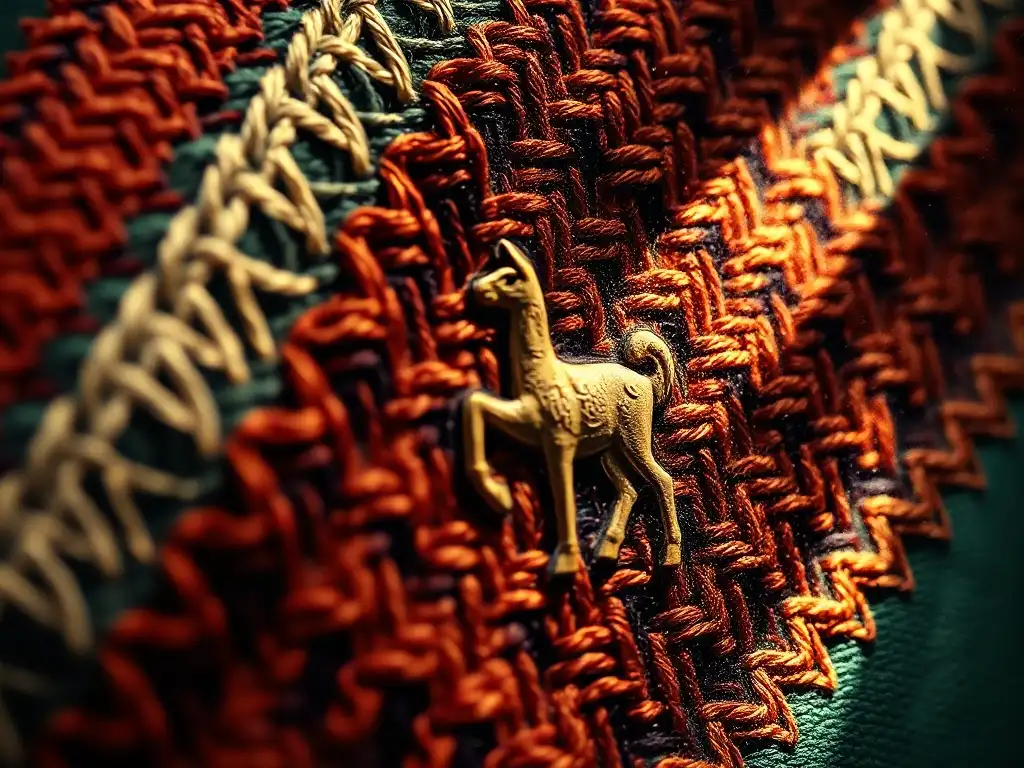
Inca weavers employed a variety of techniques, including tapestry weaving, brocade, and sumptuary weaving, to create their stunning textiles. They used a wide range of materials, including alpaca, llama, vicuña, and cotton, each with its unique properties and symbolic significance. The intricate designs often incorporated geometric patterns, stylized animals, and representations of deities, reflecting the Inca's deep connection to their environment and spiritual beliefs.
The precision and complexity of these techniques demonstrate the high level of skill and artistry possessed by Inca weavers. Furthermore, the use of different weaving techniques and materials often indicated the social status of the wearer, with certain textiles reserved for the elite.
The Significance of Patterns and Colors in Inca Textiles
The patterns and colors used in Inca textiles were not arbitrary; they held profound symbolic meaning. Geometric patterns, for instance, often represented the cosmos, agricultural cycles, or social structures. Specific colors were associated with different deities, events, or social groups. For example, red was often associated with power and royalty, while yellow represented the sun and gold.
The analysis of these patterns and colors provides invaluable insights into Inca cosmology, social hierarchy, and religious beliefs. The study of Inca textiles therefore offers a unique window into the rich cultural tapestry of the Inca Empire, revealing the interwoven threads of art, religion, and social structure. The preservation of these textiles provides a lasting legacy of Inca ingenuity and artistic expression.
Inca Metalwork: Crafting Objects of Beauty and Prestige
Inca metalwork stands as a testament to the ingenuity and artistic skill of the Andean civilization. The Incas were masters of metallurgy, expertly working with gold, silver, copper, and bronze to create a dazzling array of objects. Their techniques, passed down through generations, involved sophisticated processes like hammering, casting, and alloying, resulting in intricate designs and remarkably durable pieces.
These weren't merely decorative items; they held deep symbolic meaning and were often associated with power, religious beliefs, and status within the Inca social hierarchy. The sheer artistry involved in creating these objects, coupled with the precious materials used, cemented their position as highly valued possessions. From delicate jewelry to massive ceremonial objects, Inca metalwork offers a fascinating glimpse into the culture and beliefs of this advanced civilization.
The precision and detail evident in even the smallest pieces are truly astonishing, highlighting the exceptional skill of Inca artisans. Their ability to manipulate metals into complex shapes and intricate designs is a testament to their advanced understanding of metallurgy.
Gold and Silver in Inca Art: Techniques and Meanings
Gold and silver held immense symbolic importance in Inca culture, representing the sun (gold) and the moon (silver). The Incas employed various techniques to work these precious metals, including hammering, repoussé (a technique where metal is shaped from the back), and casting. They often combined these metals with other materials like turquoise, lapis lazuli, and shell to create stunningly intricate pieces.
The use of gold, in particular, was closely tied to the Inca's belief in the sun's power and their royal lineage. Gold objects, therefore, frequently adorned royal figures and were used in religious ceremonies. Similarly, silver, representing the moon, was associated with fertility and the feminine principle.
The intricate designs found on these objects often incorporated symbolic motifs, such as jaguars, condors, and snakes, reflecting Inca mythology and cosmology. The meaning behind these motifs is complex and requires deep study to fully understand, but they clearly demonstrate the Inca's sophisticated artistic and religious thought. Analyzing these pieces allows us to uncover the rich tapestry of beliefs and values that underpinned Inca society.
The Role of Metalwork in Inca Society
Inca metalwork played a crucial role in Inca society, extending far beyond mere decoration. Metal objects served a variety of functions, from religious rituals and royal adornment to practical tools and everyday items. The creation and distribution of these objects were closely controlled by the state, highlighting their importance in maintaining social order and reinforcing the authority of the Inca rulers.
Highly skilled artisans, often working in state-sponsored workshops, produced these prized possessions. The intricate designs and high quality of Inca metalwork served as a powerful symbol of Inca power and prestige, both within the empire and beyond.
The distribution of metal objects, particularly those made of gold and silver, was a powerful tool used by the Inca to reward loyal subjects, establish alliances, and solidify their control over conquered territories. The sheer scale of Inca metal production is a testament to the highly organized and efficient nature of their empire.
Inca Ceramics: Utilitarian Objects with Artistic Flair
Inca ceramics are remarkable for their diversity of forms, styles, and decorative techniques. While serving practical purposes such as storage and cooking, Inca pottery also possessed significant artistic merit. From simple, everyday vessels to elaborately decorated ceremonial pieces, Inca ceramics offer a captivating glimpse into the daily lives, religious beliefs, and artistic sensibilities of the people.
The sheer volume of surviving pottery demonstrates its widespread use across all social strata, highlighting its importance in Inca society. The stylistic variations found across different regions of the empire also reveal the unique artistic expressions of different communities, demonstrating a rich tapestry of cultural diversity within the Inca world. The techniques used in creating these pieces were sophisticated and demonstrate a high level of skill and mastery of the craft.
The Styles and Forms of Inca Pottery
Inca pottery displays a remarkable variety of styles and forms. Some common forms include jars, bowls, plates, and cups, each designed for specific purposes. Many vessels were crafted for practical use, such as storage of food or water. Others were clearly designed for ceremonial use, often featuring elaborate decoration and high-quality materials.
Regional variations in style are also evident, reflecting the diverse artistic traditions of different parts of the empire. For example, some regions favored a more geometric style, while others preferred more naturalistic representations of flora and fauna. Understanding these variations helps us to better appreciate the cultural richness and diversity within the Inca empire. The mastery of techniques like wheel-throwing and hand-building resulted in a range of forms, demonstrating both functionality and artistic flair.
The Decoration and Symbolism of Inca Ceramics
The decoration of Inca ceramics is as diverse as its forms. Common decorative motifs include geometric patterns, stylized representations of plants and animals, and depictions of human figures. These decorative elements were not merely aesthetic; they often carried symbolic meaning, reflecting Inca mythology, religious beliefs, and social structures. The use of color, particularly the vibrant reds, blacks, and whites, also played a significant role in the overall aesthetic and symbolic meaning of the pottery.
Certain colors and patterns were associated with specific deities or events, providing further insights into Inca cosmology and religious practices. Careful analysis of these decorative motifs allows researchers to piece together a more complete understanding of Inca worldview and beliefs. The symbolic language embedded within Inca ceramics provides a rich source of information for understanding the cultural context of the objects.
Inca Art Techniques and Symbolism: Deciphering the Visual Language
This section delves into the intricate techniques and symbolic language employed by Inca artisans, revealing the profound meanings embedded within their captivating artwork. Understanding these aspects is crucial to appreciating the sophisticated artistry and worldview of the Inca civilization. We will explore the deliberate use of repetition and symmetry, analyze recurring symbolic motifs, and decipher the iconography, particularly focusing on the powerful Chakana cross. The Inca's cosmic worldview is intimately tied to their art, and we will examine how this perspective manifests in their creations.
The Use of Repetition and Symmetry in Inca Art
Inca art is characterized by a striking use of repetition and symmetry, reflecting a deep-seated cultural emphasis on order, balance, and harmony. These principles are not merely aesthetic choices; they represent a fundamental aspect of Inca cosmology and worldview. Consider the intricate geometric patterns found on textiles, ceramics, and stone carvings. These patterns, often composed of repeating motifs like zigzags, triangles, and stepped frets, are rarely random. Instead, they are carefully arranged to create a sense of visual equilibrium and rhythm.
The repetition of motifs reinforces their symbolic significance. For example, the repeated depiction of a specific animal or plant might emphasize its importance within Inca mythology or agriculture. Similarly, the symmetrical arrangement of elements suggests a balance between opposing forces, a concept central to Inca beliefs about the universe.
This deliberate organization showcases the Inca's sophisticated understanding of design principles and their ability to translate their worldview into visually compelling forms. The meticulous craftsmanship evident in the repetition and precision of these patterns underscores the high value placed on artistry and the skilled artisans who produced them. Analysis of surviving artifacts reveals a remarkable consistency in the application of these techniques across diverse media and geographical locations, highlighting the widespread adoption and standardization of these artistic conventions within the Inca empire.
Symbolic Motifs in Inca Artistic Representations
Beyond the structural elements of repetition and symmetry, Inca art is rich with symbolic motifs that convey complex meanings. These motifs, often interwoven within larger designs, act as visual shorthand, communicating important ideas about the Inca worldview, social structure, and religious beliefs. Animals, plants, and celestial bodies frequently appear, each carrying specific symbolic weight. For example, the condor, representing power and royalty, is often depicted in a prominent position, while the puma, symbolizing strength and ferocity, might be associated with earthly power.
The use of specific colors also holds symbolic meaning. Red, for instance, might represent blood, sacrifice, or fertility, while yellow could symbolize the sun and its life-giving energy. Understanding the symbolic associations of these motifs requires careful consideration of their context within the artwork and the overall cultural framework of the Inca civilization. Further research into the specific meanings associated with different motifs is needed to fully understand their nuanced significance. [Specific information pending on the symbolic meaning of specific plant motifs].
Decoding the Inca Iconography: The Significance of the Chakana
The Chakana, a stepped cross, is perhaps the most iconic symbol of Inca art and culture. Its appearance in various forms across different Inca artistic expressions, from textiles to stonework, points to its profound significance. More than just a decorative element, the Chakana is believed to represent a bridge between the earthly and spiritual realms, reflecting the Inca's deep connection to the cosmos.
The three levels of the Chakana are often interpreted as representing the three worlds in Inca cosmology: the underworld (Ukhu Pacha), the human world (Kay Pacha), and the upper world (Hanan Pacha). This interpretation underscores the Inca's belief in a interconnected universe, where the different realms are intertwined and interdependent. The Chakana's enduring presence in Inca art serves as a powerful testament to the enduring significance of their worldview. The precise variations in the Chakana's design across different contexts warrant further investigation to fully understand the subtle shifts in meaning conveyed.
The Cosmic Worldview Reflected in Inca Art
Inca art is not merely decorative; it is a powerful reflection of their profound cosmic worldview. The Inca's understanding of the universe significantly influenced their artistic creations, shaping both their techniques and their symbolic choices. Their art embodies a deep respect for nature and a belief in the interconnectedness of all things. The depiction of celestial bodies, such as the sun and moon, reflects their importance in Inca religion and cosmology. Furthermore, the frequent representation of mountains, rivers, and other natural elements highlights their reverence for the natural world and their dependence upon it for sustenance.
The Inca’s sophisticated understanding of astronomy is reflected in the precise alignment of some of their structures with celestial events. This astronomical knowledge is subtly, yet powerfully, embedded within their art, suggesting a worldview that integrates the earthly and celestial realms. Further research into the astronomical references in Inca art could reveal a deeper understanding of their cosmological beliefs and the ways in which they expressed them through their artistic creations. The intricate interplay of these elements in Inca art reveals a civilization deeply connected to their environment and profoundly aware of their place within the larger cosmic order.
The Influence of Natural Elements on Inca Designs
Inca art is deeply rooted in the natural world, reflecting a profound respect for and interconnectedness with their environment. The Andes Mountains, with their towering peaks, fertile valleys, and diverse ecosystems, served as a constant source of inspiration. Animals, plants, and celestial bodies are frequently depicted in Inca artwork, not merely as decorative elements, but as potent symbols imbued with spiritual significance.
For example, the condor, a majestic bird soaring high above the Andean peaks, symbolized power, strength, and royalty. Its image frequently appears on textiles, ceramics, and gold objects associated with the Inca elite. Similarly, the puma, a powerful feline inhabiting the mountainous regions, represented earthly power and prowess. Depictions of pumas were often incorporated into architectural designs and sculptures, signifying the Inca's connection to the land and their control over its resources.
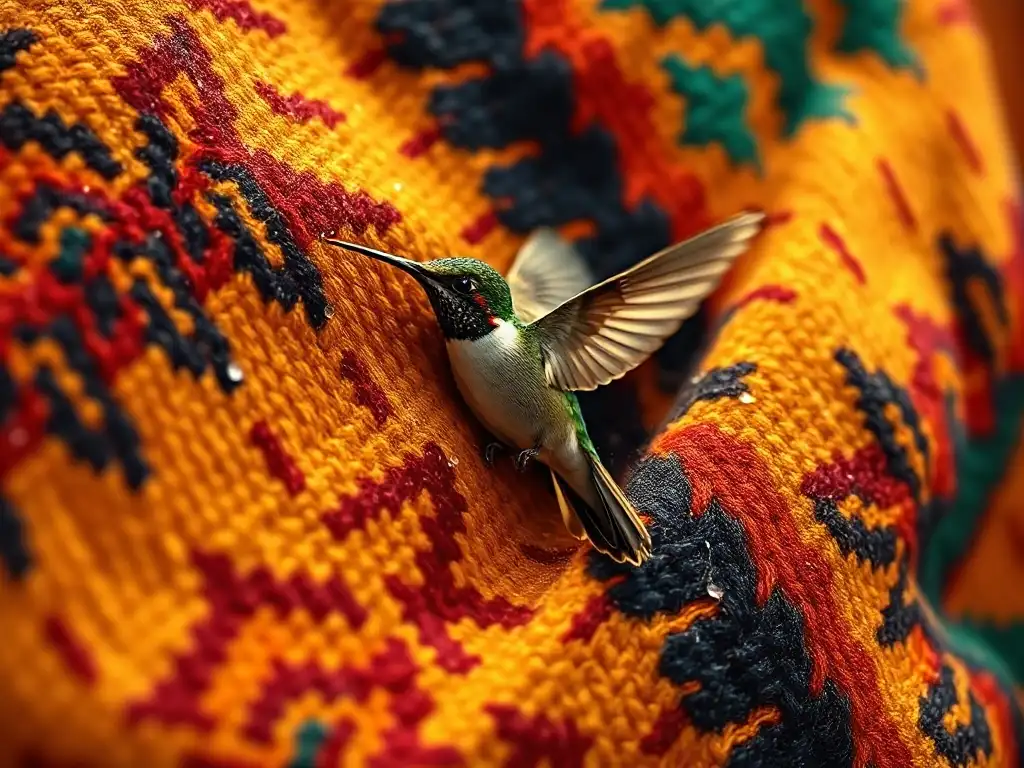
Furthermore, the intricate designs found on Inca textiles often incorporate motifs derived from the flora and fauna of the region. We find stylized representations of hummingbirds, llamas, and various plants, each holding a specific meaning within the Inca worldview. These natural elements were not just aesthetically pleasing; they served as a powerful visual language, conveying messages about social status, religious beliefs, and the Inca’s relationship with their environment.
The meticulous detail and vibrant colors used in these depictions further emphasize the importance attributed to these natural forms. The incorporation of these elements in textiles, for example, served not only as a decorative purpose but also as a form of storytelling, transmitting history and beliefs across generations. The use of natural dyes further strengthened this connection, as the colors themselves were derived from plants and minerals found in the Andean landscape.
Understanding the influence of natural elements on Inca designs is crucial for deciphering the complex symbolism embedded within their artwork. It provides a key to understanding the Inca worldview and their profound connection to the natural world that sustained them.
Materials and Tools Used in Inca Artistic Production
The remarkable artistry of the Inca civilization was made possible by a combination of innovative techniques and readily available materials. Their mastery extended across various mediums, including textiles, ceramics, metalwork, and stone carving. The selection of materials was not arbitrary; rather, it reflected both practicality and symbolic significance.
Textiles, for instance, were primarily crafted from alpaca and llama wool, prized for their softness, warmth, and durability. These fibers were spun using hand spindles and then woven on backstrap looms, a technology that allowed for intricate designs and complex patterns. The dyes used were predominantly natural, derived from plants, insects, and minerals found within the Andean region. Cochineal, a scale insect, was particularly valuable for producing vibrant crimson hues.
In ceramic production, the Inca utilized clay sourced locally, often tempering it with sand or other materials to enhance its strength and workability. Pottery was typically shaped by hand, using coils or molds, before being fired in open kilns. The resulting vessels varied widely in size and form, serving both utilitarian and decorative purposes. Their designs frequently incorporated geometric patterns, stylized animal figures, and representations of deities.
Metalwork, particularly gold and silver, held immense significance within Inca society. These precious metals were meticulously worked using techniques like hammering, casting, and repoussé. Specialized tools, including hammers, chisels, and crucibles, were employed to shape and refine the metal. The Inca's ability to create intricate filigree and detailed castings is a testament to their advanced metallurgical skills. Gold, in particular, was associated with the sun and held religious and symbolic importance.
Stone carving, another prominent art form, involved the skillful manipulation of various stones, including granite, diorite, and basalt. Inca artisans demonstrated exceptional precision and patience in shaping these hard materials into intricate sculptures, architectural elements, and monumental structures. Tools such as stone hammers, chisels, and abrasive materials were used to carve and polish the stone surfaces, achieving remarkable levels of detail and finish.
The precision and scale of some of their stonework, such as the impressive walls of Machu Picchu, remain awe-inspiring even today. The mastery of these diverse materials and techniques showcases the sophistication and ingenuity of Inca artistic production.
The Legacy of Inca Art: Its Enduring Impact
Inca art, a vibrant tapestry woven from sophisticated techniques and profound symbolism, left an indelible mark on the Andean world and continues to resonate deeply today. Its influence transcends mere aesthetics; it represents a powerful expression of Inca worldview, social structure, and religious beliefs. Understanding the legacy of Inca art requires examining not only the artifacts themselves but also their enduring impact on subsequent Andean cultures and their continued relevance in contemporary society.
The intricate craftsmanship, the symbolic narratives embedded within the designs, and the sheer artistry involved all contribute to the enduring power of Inca artistic expression. This legacy is not just a historical artifact; it's a living testament to a civilization’s ingenuity and spiritual depth.
Inca Art and its Influence on Later Andean Cultures
The impact of Inca art extended far beyond the boundaries of the empire itself. Post-Inca Andean cultures, while developing their own distinct artistic styles, undeniably drew inspiration from Inca techniques and iconography. For example, the use of specific motifs like the chakana (Andean cross) and representations of animals like the condor and puma persisted in later artistic expressions, albeit often adapted and reinterpreted to reflect the evolving cultural contexts.
Textile traditions, particularly the intricate weaving techniques, found continuity in the work of subsequent Andean communities, demonstrating the enduring influence of Inca craftsmanship. Even today, many Andean artisans continue to employ techniques and motifs that have their roots in the Inca legacy, illustrating the profound and lasting influence of Inca art on the artistic heritage of the region.
The subtle yet pervasive presence of Inca aesthetics in later Andean art underscores its significance as a foundational element of Andean artistic identity. The continuity of specific patterns and techniques serves as a tangible link between the Inca empire and its successors, highlighting the lasting impact of this remarkable artistic tradition.
Preserving and Studying Inca Art Today: The Museo Larco Collection
The preservation and study of Inca art are crucial for understanding this rich cultural heritage. Museums around the world play a vital role in this endeavor, housing and exhibiting significant collections of Inca artifacts. The Museo Larco in Lima, Peru, for instance, boasts an exceptional collection of pre-Columbian art, including a significant number of Inca pieces.
Their comprehensive collection allows researchers and the public alike to gain insights into Inca art techniques and symbolism. The museum's dedication to preservation ensures that future generations can appreciate and learn from these invaluable artifacts. Detailed cataloging, conservation efforts, and ongoing research contribute to a deeper understanding of Inca art's production, distribution, and social significance.
The meticulous work undertaken by institutions like the Museo Larco is essential for safeguarding this cultural heritage and making it accessible to a global audience. Furthermore, the museum’s commitment to educational programs and public exhibitions helps to promote a wider appreciation for Inca art and its enduring relevance.
The Importance of Understanding Inca Art for Cultural Appreciation
Understanding Inca art techniques and symbolism is not merely an academic pursuit; it is fundamental to appreciating the richness and complexity of Andean culture. The intricate details woven into textiles, the meticulous craftsmanship evident in gold and silver objects, and the powerful symbolism embedded in ceramic vessels all speak volumes about the Inca worldview. By studying these artifacts, we gain insights into their social structures, religious beliefs, and daily lives.
This knowledge fosters a deeper appreciation for the ingenuity and artistry of the Inca civilization. Moreover, it encourages a more nuanced understanding of the broader Andean cultural landscape. The ability to interpret the visual language of Inca art opens a window into the past, allowing us to connect with the creators and appreciate the significance of their artistic expressions.
This appreciation, in turn, contributes to a greater respect for cultural diversity and the importance of preserving cultural heritage for future generations. The study of Inca art is, therefore, not just about aesthetics; it’s about understanding a civilization's soul.
Conclusion: Appreciating the Depth of Inca Artistic Genius
The artistry of the Inca civilization wasn't merely decorative; it was deeply intertwined with their worldview, religious beliefs, and social structures. Understanding Inca art techniques and symbolism reveals a sophisticated society with a profound understanding of their environment and their place within it. From the intricate weaving techniques employed in their textiles to the meticulous craftsmanship evident in their gold and silver work, every piece speaks volumes about their ingenuity and dedication. The enduring impact of Inca art lies not only in its aesthetic beauty but also in its ability to transport us back in time, allowing us to connect with a rich and complex culture that thrived centuries ago.
Studying Inca art provides a window into their spiritual beliefs, their social hierarchy, and their remarkable ability to adapt and innovate within their challenging Andean environment. Their legacy continues to inspire artists and researchers today, prompting further investigation and appreciation of their unique artistic genius. The intricate details, the symbolic representations, and the sheer skill displayed in their creations serve as a powerful testament to the enduring spirit of the Inca people and their profound contribution to human artistic expression.
The study of Inca art is a journey of discovery, one that reveals layer upon layer of meaning and significance, enriching our understanding of this remarkable civilization and its lasting legacy. It is a testament to their sophisticated understanding of materials, their mastery of techniques, and their deep connection to the spiritual and physical world around them. The vibrant colors, intricate patterns, and symbolic representations continue to captivate and inspire, leaving an indelible mark on the world of art and history.
Frequently Asked Questions
What art techniques did the Inca master?
The Inca were skilled in various techniques, including metalworking (gold, silver, copper), stone carving and masonry, textile weaving, and pottery. They were renowned for their precise and intricate work.
What were some common Inca art motifs?
Common motifs included geometric patterns, zoomorphic figures (animals), and anthropomorphic figures (humans). Religious symbols like the sun and the condor were frequently depicted.
How did Inca art reflect their beliefs?
Inca art was deeply intertwined with their religion and worldview. Religious iconography and representations of deities were central to their artistic expression, reflecting their cosmology and beliefs about the natural world.
What is the significance of the use of gold in Inca art?
Gold held significant religious and symbolic value for the Inca. It was associated with the sun god, Inti, and used to create ceremonial objects and adorn royal figures, signifying power and divinity.
Where can I see examples of Inca art today?
Many examples of Inca art are housed in museums worldwide, including the Larco Museum in Lima, Peru, and the American Museum of Natural History in New York. You can also visit archaeological sites like Machu Picchu to see Inca art in its original context.
Final Reflection: The Enduring Legacy of Inca Artistic Expression
The intricate artistry of the Inca civilization continues to resonate today, a testament to their sophisticated techniques and profound understanding of symbolism. Their mastery of stonework, textiles, and metalwork wasn't merely decorative; it was a powerful means of communication, storytelling, and spiritual expression that continues to fascinate and inspire. The enduring beauty and complexity of Inca art challenge us to appreciate the ingenuity and cultural depth of a civilization that thrived centuries ago.
The impact of Inca art extends far beyond museum walls; its influence permeates contemporary Andean culture and continues to shape artistic expression in the region. The vibrant colors, intricate patterns, and symbolic motifs found in Inca textiles, for example, are still echoed in modern Andean crafts. This unbroken thread of artistic tradition speaks volumes about the enduring power of cultural heritage. The past is never dead. It's not even past.
- William Faulkner. This quote perfectly encapsulates the persistent relevance of Inca art and its ongoing influence on artistic and cultural identity.
Consider the intricate detail, the symbolic richness, the sheer skill involved in creating Inca masterpieces. Now, consider how you can apply this appreciation for craftsmanship and cultural depth to your own life. Take a moment to examine the artistry in your own surroundings, whether it's the architecture of your city, the patterns in nature, or the creative expressions of those around you. Let the legacy of Inca art inspire you to appreciate the beauty and meaning found in the details, and to recognize the power of creative expression to connect us across time and cultures.
Unveil the Mysteries of Inca Art Today!
Thank you for joining us on this fascinating journey through the world of Inca art! We've explored its vibrant history and intricate meanings, and now it's time to build on that knowledge.
Here are a few exciting ways you can further your understanding and appreciation of this incredible culture:
- **Explore further:** Visit a local museum or explore online exhibitions dedicated to Inca art and artifacts. Immerse yourself in the artistry and the stories behind each piece.
- **Share your discoveries:** Post about your favorite Inca art pieces on social media using hashtags like #IncaArtDiscovery. Engage your friends and invite them to share their perspectives.
- **Connect with fellow enthusiasts:** Attend local cultural events or workshops focused on Andean arts. Connecting with others who share your passion can lead to new discoveries and rewarding friendships.
What aspect of Inca art resonates most with you, and how do you think it might inspire your own creativity?