
Inca Featherwork: A Shimmering Display of Status and Skill

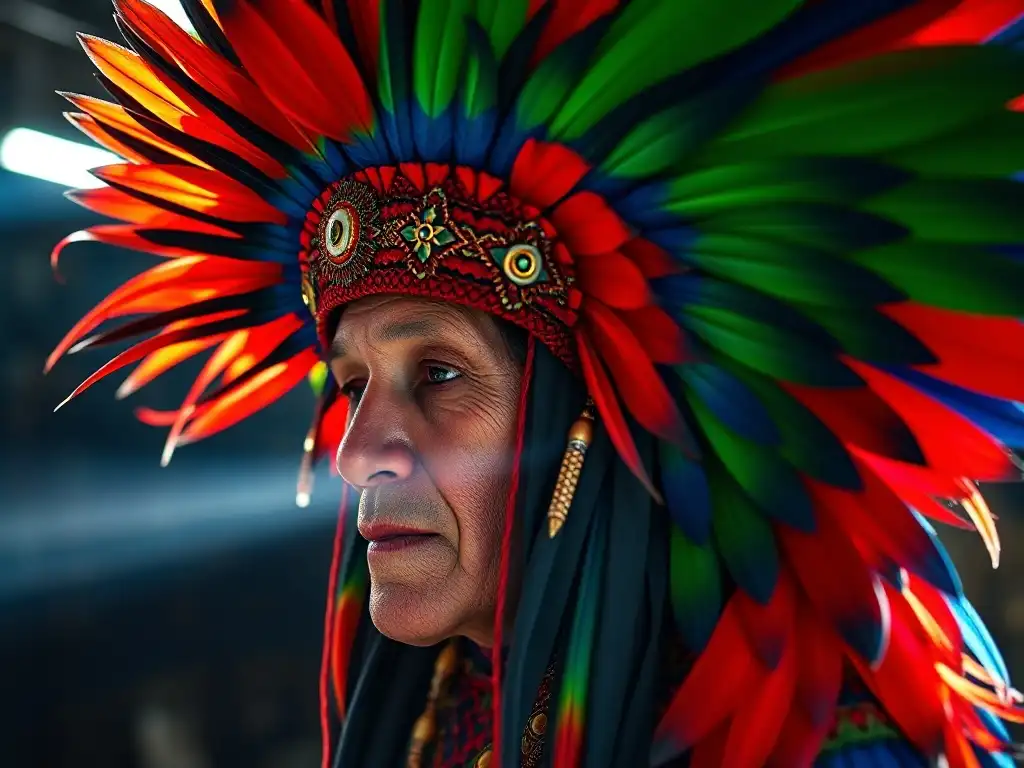
Step into a world lost to time, yet vividly preserved in breathtaking artistry. Imagine the intricate detail, the shimmering colors, the sheer mastery of Inca featherwork techniques. This isn't just craftsmanship; it's a testament to an empire's power and a window into the vibrant soul of the Andean world. Uncover the secrets behind these dazzling creations and discover the stories woven into every feather. Prepare to be amazed.
The Inca Empire, renowned for its sophisticated engineering and intricate artistry, left behind a legacy that continues to captivate and inspire. Beyond the magnificent stonework of Machu Picchu and the intricate textiles found in Andean tombs, lies a lesser-known yet equally impressive testament to Inca ingenuity: their featherwork. This article delves into the fascinating world of Inca featherwork techniques, exploring the artistry, symbolism, and social significance behind these shimmering masterpieces.
We'll examine the meticulous processes involved, the rare and precious materials used, and the ways in which these exquisite pieces reflected the power and prestige of the Inca elite. Understanding Inca featherwork offers a unique window into the complexities of Inca society, revealing insights into their social hierarchy, religious beliefs, and unparalleled craftsmanship. Prepare to be amazed by the beauty and intricacy of these remarkable artifacts, a true reflection of Inca ingenuity and artistry.
The Materials: A Treasure Trove of Avian Splendor
The creation of Inca featherwork was not a simple task; it demanded access to a vast array of resources and a deep understanding of avian biology. Inca artisans meticulously sourced feathers from a wide variety of birds, many of which were native to the diverse Andean ecosystems. These feathers, prized for their vibrant colors and textures, were carefully collected and preserved.
The most highly valued feathers often came from rare and exotic birds, further enhancing the prestige of the finished pieces. Specific species, and their associated feather colors, likely held symbolic meaning within Inca culture, with certain colors potentially representing specific deities or concepts. The process began long before the actual creation of the artwork; the careful selection and preparation of the feathers themselves was a crucial first step, requiring significant time and expertise.
Imagine the logistics involved in gathering feathers from across the vast Inca empire! This speaks to the sophisticated organization and control exerted by the Inca rulers over resources and skilled labor. Specific details on the exact bird species used in different types of featherwork are still being researched and documented by anthropologists and archaeologists, with much of our current understanding based on surviving artifacts and interpretations of historical accounts.
The Techniques: Precision and Patience in Every Stitch
Inca featherwork was not simply the application of feathers onto a surface. Instead, it involved a complex array of techniques that demanded immense skill and patience. Artisans employed various methods, including the intricate art of plumage, where individual feathers were carefully attached to a base material, often textiles like cotton or llama wool.
The process involved meticulous placement of each feather, ensuring a seamless and visually stunning result. Different techniques were likely used depending on the intended purpose and the desired effect of the final piece. For example, some pieces might feature feathers arranged in geometric patterns, while others might display intricate representations of animals or mythical beings.
The specific tools used by Inca artisans are still under investigation, but evidence suggests the use of fine needles, adhesives made from natural resins, and specialized techniques for shaping and manipulating the feathers. The level of precision and detail found in surviving examples of Inca featherwork is truly remarkable, a testament to the skill and dedication of these master artisans. The time investment in creating a single piece was undoubtedly substantial, further highlighting the precious nature of these objects.
The Symbolism: Power, Religion, and the Inca Worldview
Inca featherwork was far more than just decorative art; it served as a powerful symbol of status, religious beliefs, and the overall Inca worldview. The use of specific colors and feather types likely held symbolic meaning, reflecting the wearer's social rank, religious affiliations, or their connection to particular deities. Elaborately decorated garments and headdresses were reserved for the Inca elite, while simpler featherwork items might have been worn by commoners.
The use of rare and exotic feathers further emphasized the power and prestige of the wearer. These pieces were not merely adornments; they were tangible representations of power and authority, used in religious ceremonies, royal processions, and other important social events.
Studying the surviving examples of Inca featherwork, therefore, allows us to gain valuable insights into the complexities of Inca society and their deeply rooted religious beliefs. The symbolism encoded within these pieces continues to be a subject of ongoing research and scholarly debate, offering a rich tapestry of interpretation and understanding.
The Legacy: A Timeless Tribute to Inca Ingenuity
Despite the passage of centuries, the legacy of Inca featherwork continues to inspire awe and admiration. The surviving examples of this exquisite art form serve as a powerful testament to the ingenuity, skill, and artistry of the Inca civilization. These meticulously crafted pieces offer invaluable insights into Inca culture, providing a tangible link to a world that existed centuries ago.
Their beauty and intricacy underscore the enduring power of human creativity and the ability of art to transcend time and space. The study and preservation of Inca featherwork are crucial for understanding the rich tapestry of Andean history and culture, ensuring that this extraordinary legacy continues to be appreciated and celebrated for generations to come.
The ongoing research and conservation efforts dedicated to these artifacts are vital in ensuring that the secrets of Inca featherwork techniques continue to be revealed and shared with the world. The legacy of Inca featherwork is not just a collection of beautiful objects; it is a vibrant window into the past, a testament to a remarkable civilization.
- The Materials: A Treasure Trove of Avian Splendor
- The Techniques: Precision and Patience in Every Stitch
- The Symbolism: Power, Religion, and the Inca Worldview
- The Legacy: A Timeless Tribute to Inca Ingenuity
The Significance of Feathers in Inca Society
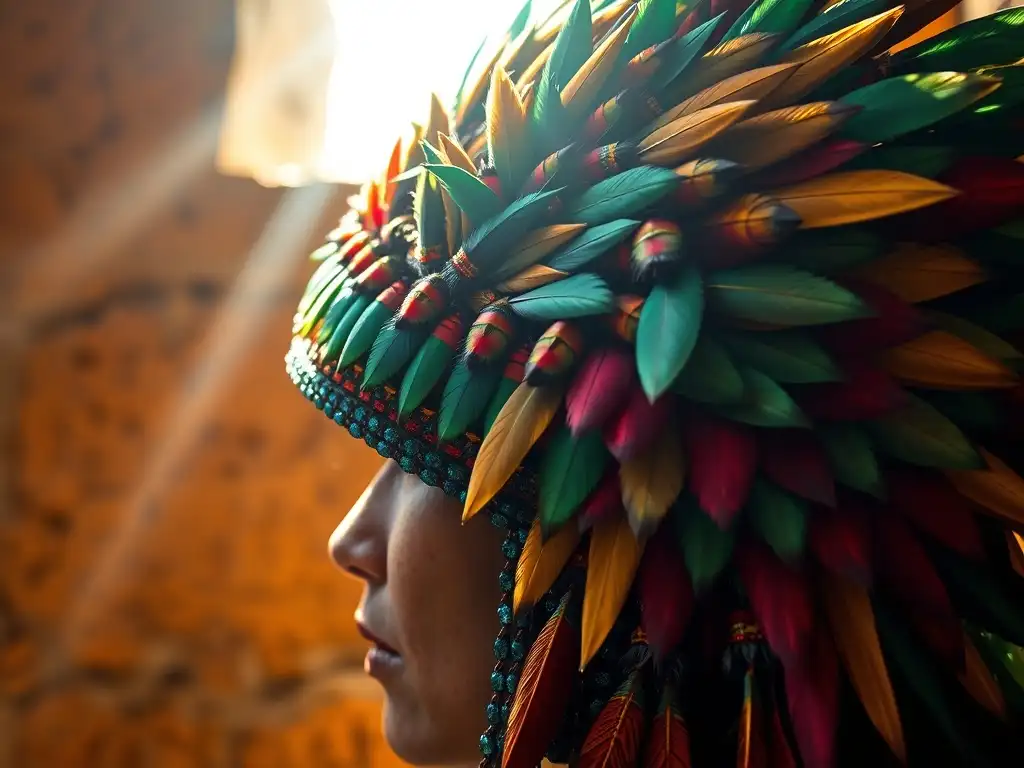
Feathers held immense cultural and religious significance in Inca society, far exceeding their mere aesthetic value. Their importance permeated various aspects of Inca life, from religious ceremonies and royal adornment to everyday objects and social status. Understanding this profound reverence for feathers is crucial to appreciating the artistry and complexity of Inca featherwork techniques. The vibrant colors and unique textures of feathers were not simply decorative; they represented a powerful connection to the gods, the cosmos, and the Inca worldview. The meticulous techniques employed in creating Inca featherwork further underscore the sacredness associated with these materials.
Spiritual and Symbolic Meaning of Feathers
Feathers, particularly those of rare and brightly colored birds like the hummingbird and the Andean condor, were believed to possess spiritual power. They were associated with deities and represented celestial forces, acting as intermediaries between the human and divine realms. The vibrant colors held specific meanings; for example, red might symbolize blood and sacrifice, while yellow could signify the sun and royalty.
The meticulous preservation and use of feathers in religious contexts showcase their deeply ingrained spiritual value. Archaeological evidence, such as the discovery of feathered objects in tombs and ceremonial sites, supports this interpretation. Detailed analysis of these artifacts reveals the intricate techniques used, reinforcing the notion that featherwork was not merely craft but a sacred art form.
The intricate patterns and designs often incorporated into Inca featherwork further suggest symbolic and narrative elements, possibly representing mythological stories or cosmological concepts. The precise symbolic meaning of particular feather arrangements, however, remains a topic of ongoing scholarly investigation. Further research focusing on iconography and comparative analysis with other Andean cultures could shed more light on these interpretations.
Access to certain types of feathers and the skill to work with them were closely tied to social status within the Inca Empire. Rare and exotic bird feathers, often sourced from distant regions, were exclusively reserved for the Inca elite, including the Sapa Inca (emperor) and the royal family. Elaborate featherwork garments, headdresses, and ceremonial objects served as powerful symbols of authority and prestige.
Commoners, on the other hand, had limited or no access to these materials and techniques. This strict control over feather resources and the artistry associated with them reinforced the social hierarchy and emphasized the power of the ruling class. The sheer time and skill involved in creating intricate featherwork pieces further cemented their value as markers of high status.
For example, a meticulously crafted headdress could take months, even years, to complete, requiring specialized knowledge and considerable expertise. This exclusivity contributed to the aura of power and prestige surrounding Inca featherwork. Detailed inventories of royal possessions from Inca palaces further confirm the lavish use of feathers in royal attire and ceremonial objects.
The Role of Featherwork in Inca Rituals
Inca featherwork played a vital role in religious rituals and ceremonies. Feathered objects were used in sacrifices, processions, and other sacred events. They adorned statues of deities, adorned the temples, and were carried by priests and nobles during religious festivals. The use of feathers in these contexts underscores their connection to the spiritual realm and their role in mediating communication with the gods.
The vibrant colors and intricate designs of the featherwork likely enhanced the ritual's symbolic power, contributing to the overall atmosphere of reverence and solemnity. Moreover, the creation of featherwork itself could be considered a ritualistic act, requiring meticulous attention to detail and a deep understanding of the spiritual significance of the materials. The specific techniques employed in preparing and applying the feathers, such as the use of adhesives and backing materials, likely followed established protocols and traditions. Further research into Inca ritual practices and the archaeological context of discovered feathered objects is crucial for a more comprehensive understanding of their role in religious ceremonies.
This would involve analyzing the placement of feathered artifacts within ceremonial sites, studying the associated offerings, and comparing findings with ethnohistorical accounts. Careful examination of the techniques used in creating Inca featherwork provides insights into the complex social and religious world of the Inca Empire. The meticulous craftsmanship and the symbolic power of feathers combined to create a rich and vibrant tapestry of Inca culture.
Mastering Inca Featherwork Techniques
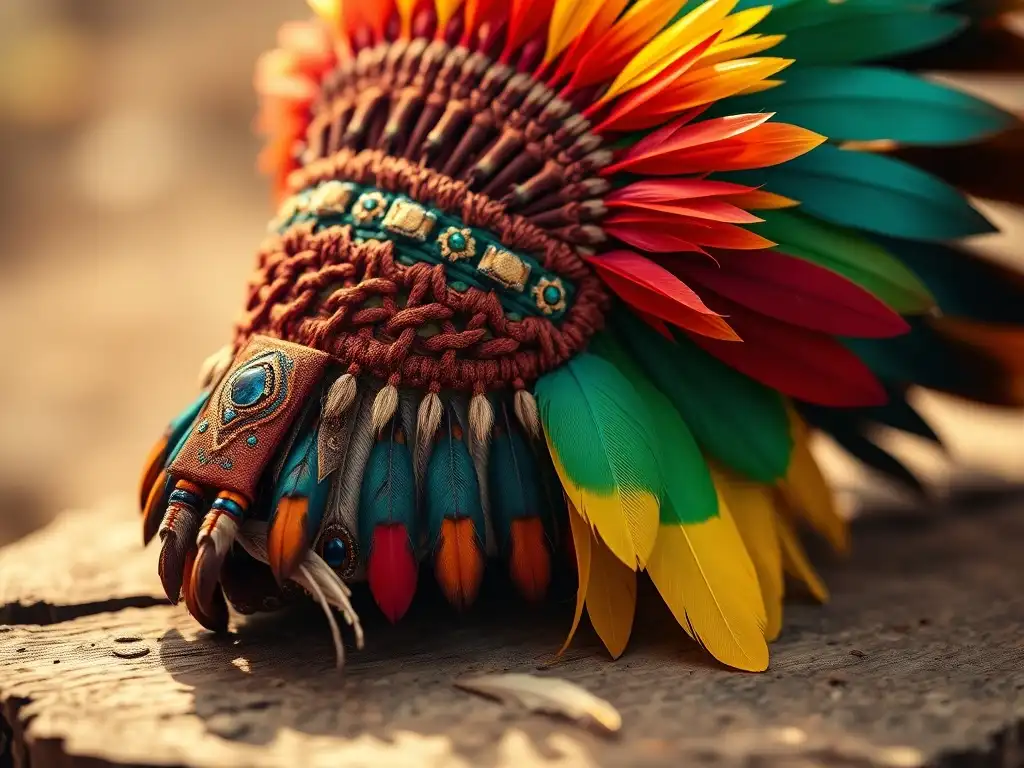
Inca featherwork represents the pinnacle of Andean artistry, a testament to the Inca's sophisticated understanding of material manipulation and their unparalleled skill in creating breathtakingly intricate designs. Understanding the techniques employed reveals a level of craftsmanship that continues to inspire awe and admiration centuries later. The survival of relatively few examples, however, makes definitive conclusions challenging, and some aspects remain debated by scholars.
Nevertheless, careful study of existing artifacts, combined with ethnographic parallels from later Andean cultures, allows us to reconstruct the probable methods used in this fascinating craft. The keyword, "Inca featherwork techniques," is central to understanding the artistry and prestige associated with this remarkable aspect of Inca culture.
The Meticulous Process of Feather Selection and Preparation
The creation of Inca featherwork began long before the actual construction of the artwork. The selection and preparation of feathers were meticulous processes, requiring significant time and expertise. Incas valued feathers not just for their vibrant colors but also for their texture and durability. Specific bird species were highly prized, with their feathers meticulously collected and preserved. Evidence suggests that certain birds, such as the Andean condor, hummingbird, and various parrots, were particularly sought after for their richly colored and uniquely textured plumes.
The preparation process involved several steps. First, the feathers were carefully cleaned to remove any dirt or debris. This may have involved gentle washing and meticulous brushing. Then, the rachis (the central shaft of the feather) was often prepared to enhance its flexibility and strength. This may have involved softening the rachis through a process of steaming or other methods [specific information pending].
Finally, the barbs (the smaller branches extending from the rachis) were carefully arranged and shaped to ensure a smooth, even surface for the final artwork. This level of meticulous preparation directly impacted the quality and longevity of the finished featherwork. The overall effect was a carefully curated palette of feather materials ready for incorporation into the artwork. The selection and preparation of feathers were essential steps influencing the overall aesthetic and quality of the final piece.
Inca Feather Attachment Methods: Knotting and Stitching
Once the feathers were prepared, the next crucial step involved attaching them to a backing material, often a finely woven textile. Inca artisans employed several sophisticated techniques for feather attachment. The most commonly observed methods involve knotting and stitching.
Knotting involved securing individual feathers or small bundles of feathers using fine threads made from natural fibers, such as cotton or llama wool. This technique allowed for intricate detailing and the creation of subtle gradations in color and texture. The knots were tiny and carefully concealed, demonstrating the artisans' exceptional dexterity and skill.
Stitching, on the other hand, involved sewing the feathers directly onto the backing fabric using needles made from bone or metal. This technique was particularly effective for creating larger, more solid areas of color. The stitches were often so fine and closely spaced that they were practically invisible, further highlighting the artisans' mastery. The choice between knotting and stitching often depended on the specific design and the desired effect. The combination of these techniques allowed Inca artisans to create remarkably detailed and durable pieces of featherwork.
| Technique | Description | Advantages | Disadvantages |
|---|---|---|---|
| Knotting | Securing feathers with fine threads | Allows for intricate detail and subtle color gradations | Can be time-consuming and requires high skill |
| Stitching | Sewing feathers directly onto backing | Effective for larger areas of color | Less flexible for intricate designs |
Creating Complex Patterns and Designs with Feathers
The ability to create intricate patterns and designs was a hallmark of Inca featherwork. The artisans demonstrated a remarkable understanding of color theory, composition, and spatial relationships. They skillfully combined different types of feathers to create complex geometric patterns, representational images, and even narrative scenes. The use of contrasting colors and textures added depth and visual interest to the designs. The precision and delicacy of the work were astonishing, particularly considering the materials and tools available at the time.
Examples of common motifs include stylized birds, geometric shapes, and representations of deities or important figures. The arrangement of the feathers often followed strict rules, reflecting the symbolic importance of the designs. Moreover, the use of different feather types and colors often held specific meanings, potentially representing different aspects of Inca cosmology, mythology, or social hierarchy. The intricate patterns and designs were not merely decorative; they encoded meaning and served as powerful symbols of status, power, and religious significance.
The creation of these designs required not only technical skill but also a deep understanding of Inca culture and symbolism. The surviving examples vividly demonstrate the Inca's remarkable artistic capabilities and their profound connection to their world. Their mastery of "Inca featherwork techniques" elevated this craft to an art form of unparalleled sophistication.
Tools and Materials Used in Inca Featherworking
The creation of exquisite Inca featherwork was a meticulous process, demanding specialized tools and high-quality materials. The artisans, demonstrating incredible skill and patience, carefully selected and prepared each component to achieve the desired effect. Their toolkit was surprisingly simple yet effective, reflecting an understanding of the properties of both the materials and the tools themselves.
One of the most crucial tools was a variety of tweezers. These weren't your average tweezers; they were finely crafted from bone, wood, or possibly even precious metals, allowing for the precise manipulation of individual feathers. The size and shape of the tweezers varied depending on the feather size and the complexity of the design. Smaller tweezers were used for intricate details, while larger ones facilitated the handling of larger feathers or complete sections of the artwork. The quality of the tweezers directly impacted the precision and speed of the work, highlighting the importance of well-made tools.
Beyond tweezers, needles also played a significant role. These weren't ordinary sewing needles; they were likely made from bone or possibly even meticulously sharpened thorns from certain plants. The needles' sharpness and durability were paramount, ensuring they could easily pierce the feathers without causing damage. The use of bone or plant-based needles suggests a deep understanding of readily available resources and their suitability for the task. The fine points of these needles allowed for the creation of incredibly detailed designs.
The materials themselves were as crucial as the tools. The feathers, sourced from a variety of birds – many of which were likely kept in aviaries specifically for their plumage – were meticulously cleaned and prepared. Different species offered different colors and textures, allowing for a wide range of visual effects.
The vibrant hues of hummingbirds, the iridescent sheen of certain parrots, and the subtle tones of smaller birds all contributed to the richness of Inca featherwork. Beyond feathers, adhesive materials were also essential. While the exact composition remains a subject of ongoing research, evidence suggests the use of natural resins or gums, possibly mixed with other ingredients to enhance their adhesive properties and durability.
The careful application of these adhesives was key to creating strong and long-lasting pieces. The selection of these materials, combined with the artisan's expertise, resulted in the creation of truly stunning and enduring works of art. The precision and care taken in choosing and preparing both tools and materials underscore the high value placed on Inca featherwork.
Inca Featherwork: Types and Examples
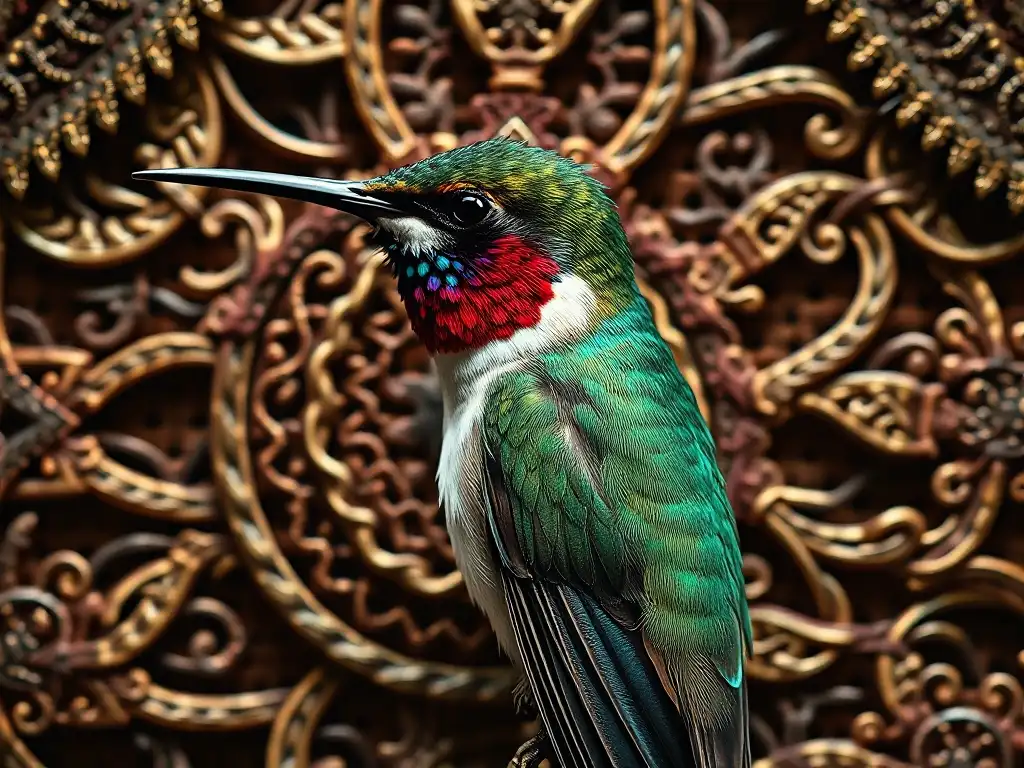
The Inca Empire, renowned for its sophisticated engineering and intricate metalwork, also possessed unparalleled mastery of featherwork. This wasn't merely decoration; Inca featherwork techniques were integral to their social structure, reflecting power, status, and religious beliefs. The meticulous craftsmanship involved in creating these stunning artifacts speaks volumes about the skill and dedication of Inca artisans.
The vibrant colors and intricate designs, achieved through a complex process involving dyeing, shaping, and meticulous arrangement of individual feathers, continue to captivate audiences today. Understanding these techniques helps us appreciate the artistry and cultural significance of these remarkable pieces. The use of vibrant colors like reds, yellows, blues, and greens, often sourced from exotic birds, enhanced the symbolic and aesthetic value of the finished products.
Feathered headdresses were paramount in Inca society, serving as potent symbols of power and authority. Only the elite—emperors, high priests, and other dignitaries—were permitted to wear them. These weren't simple adornments; the type of feathers used, their arrangement, and the overall design meticulously conveyed the wearer's social rank and status.
For example, the use of rare hummingbird feathers, known for their iridescent sheen, signified the highest levels of authority. Headdresses often incorporated other precious materials like gold and silver, further amplifying their status. The construction process itself was incredibly labor-intensive, demanding considerable skill and patience.
Artisans meticulously attached individual feathers to a base, often using a fine thread or fiber, creating intricate patterns and designs. Detailed records of these techniques are unfortunately scarce, but surviving examples reveal the extraordinary level of craftsmanship involved. The size and complexity of some headdresses suggest that their creation involved teams of skilled artisans working collaboratively over extended periods.
The most prestigious headdresses often featured a central element, such as a stylized bird or a sun disc, surrounded by cascading plumes of feathers. These central motifs held deep religious significance, often representing deities or celestial bodies. The precise arrangement of feathers, colors, and materials followed strict protocols, meticulously defined by Inca traditions and religious beliefs. This careful attention to detail underlines the deep cultural importance of these objects. Analysis of surviving examples reveals the use of various bird species, suggesting sophisticated knowledge of avian life and a well-established network for acquiring feathers from diverse regions of the empire.
The Art of Feathered Tunics and Mantles
Beyond headdresses, Inca artisans created exquisite feathered tunics and mantles. These garments, worn by both men and women of high social standing, were often lavishly decorated with intricate patterns and designs. The techniques employed were similar to those used in headdress construction, but on a much larger scale. Large panels of feathers were meticulously sewn together, creating seamless and richly textured surfaces. The use of contrasting colors and patterns created visually stunning effects, with designs often reflecting religious iconography or symbolic representations of nature.
Unlike headdresses, which were primarily worn for ceremonial occasions, feathered tunics and mantles could be worn for both everyday and ceremonial use, depending on their complexity and the materials used. Simpler garments, perhaps using more readily available feathers, might have been worn by the upper middle class, while the most elaborate pieces were reserved for the Inca elite. The creation of these textiles involved a complex process of feather selection, preparation, dyeing, and arrangement.
These garments offer a unique glimpse into the social fabric of the Inca Empire, revealing the importance of clothing as an indicator of status and identity. Further research into the dye techniques employed could shed additional light on the sophisticated knowledge of botany and chemistry possessed by Inca artisans.
Inca featherwork wasn't limited to ceremonial objects; it also played a significant role in warfare. Feathered shields and banners were used to inspire troops, intimidate enemies, and enhance the visual impact of Inca armies. These items were often decorated with bold patterns and designs, reflecting the warrior ethos of the Inca civilization. The use of vibrant colors and striking imagery served to project power and instill fear in opposing forces.
While the construction techniques were similar to those used in other types of Inca featherwork, the materials and designs were often more practical and robust. Feathers were carefully selected for their durability and resistance to damage, and the construction methods ensured that the shields and banners could withstand the rigors of battle. The shields, often circular or rectangular, provided a degree of protection, while the banners served as powerful symbols of the Inca army's might and authority.
The symbolic meaning of the designs on these items remains an area of ongoing research, but their role in Inca warfare is undeniable. Analysis of surviving fragments of these items could reveal insights into Inca military strategies and the importance of symbolism in warfare. Further study of these artifacts is needed to fully understand their use in Inca military campaigns and their role in projecting imperial power.
Intricate Featherwork in Inca Religious Objects
Inca featherwork wasn't merely decorative; it held profound religious significance. Many religious objects, integral to Inca rituals and beliefs, were adorned, or even entirely constructed, from meticulously arranged feathers. The vibrant colors and textures of the feathers were believed to possess spiritual power, connecting the earthly realm with the divine. The painstaking craftsmanship involved in creating these objects further amplified their sacred nature, demonstrating the dedication and reverence of the artisans. These weren't simply items of worship; they were tangible manifestations of Inca cosmology and spiritual beliefs.
The most striking examples of featherwork's religious use are found in the adornment of huacas, sacred objects often representing deities or ancestors. These could include intricately feathered staffs, used in ceremonies and processions, or smaller, more personal items like pendants and amulets worn by priests or individuals of high social standing. The selection of specific bird feathers, each with its own symbolic meaning, was crucial.
For instance, the bright red feathers of the Andean cock-of-the-rock might have represented power and vitality, while the iridescent plumage of hummingbirds could have symbolized agility and connection to the spirit world. The careful arrangement of these feathers, often in complex geometric patterns or representations of mythical beings, further enhanced their symbolic power. Archaeological findings consistently reveal the importance of featherwork in religious contexts, underscoring its pivotal role in Inca spirituality.
The precision and artistry displayed in these religious objects reflect the profound reverence the Inca held for their gods and ancestors. The skill involved in creating these objects was not only a technical achievement but a spiritual act, linking the artisans to the divine through their craft.
Consider, for example, the discovery of a feathered headdress in a royal tomb. The meticulous arrangement of feathers, the vibrant colors, and the intricate patterns all point to its significance as a sacred object, perhaps worn by a ruler during important religious ceremonies. The headdress, far from being simply a decorative item, would have been imbued with spiritual power, representing the ruler's connection to the divine and their authority over their people.
Such discoveries offer invaluable insights into Inca religious practices and beliefs, highlighting the central role of featherwork in their spiritual world. The sheer effort and skill involved in creating such objects underscore their importance and the high status of those who possessed them.
The preservation of these artifacts allows us to appreciate the sophistication of Inca religious practices and the intricate relationship between their beliefs and their artistic expression. This connection between artistry and spirituality is a key element in understanding Inca featherwork techniques and their cultural significance.
Colors and Dyes in Inca Featherwork
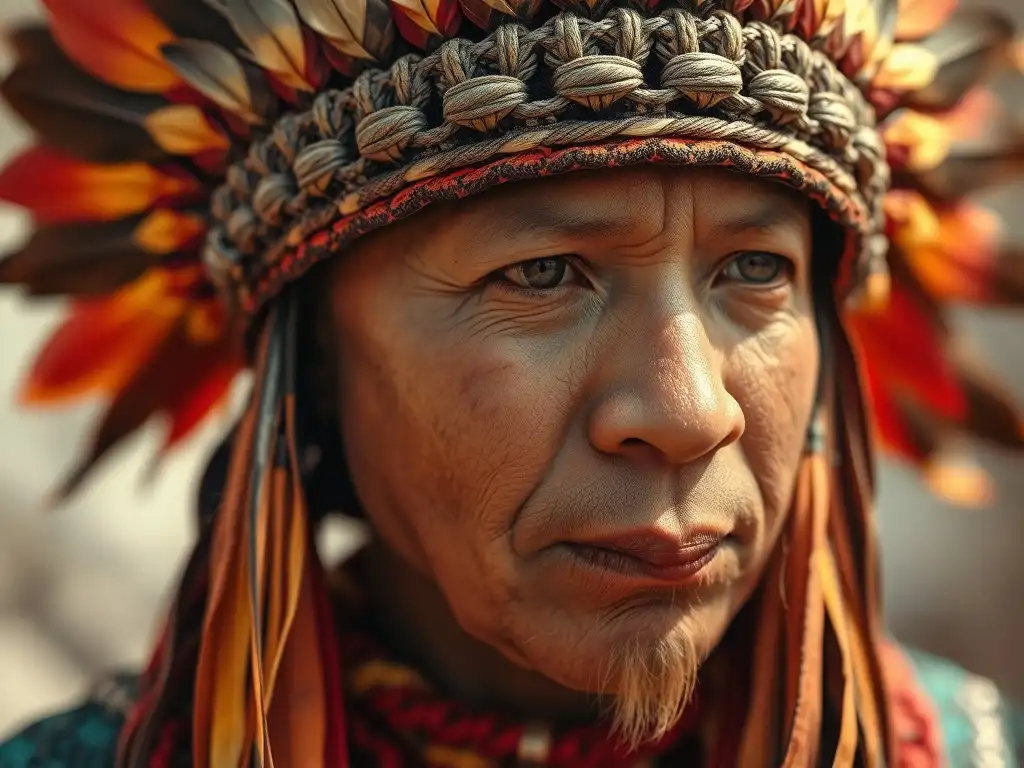
The vibrant hues of Inca featherwork are a testament to the sophisticated understanding of color and dye application possessed by Andean artisans. Achieving such a stunning array of colors required a deep knowledge of both natural pigments and the meticulous techniques needed to apply them to delicate feathers without damaging their structure. This mastery of color was not merely aesthetic; color held profound symbolic meaning within Inca culture, directly linked to their cosmology, social hierarchy, and religious beliefs.
Understanding the palette of Inca featherwork, therefore, offers a unique insight into the worldview of this remarkable civilization. The techniques employed to achieve these vibrant colors and the symbolism associated with them are explored in further detail below.
Natural Pigments and Dyes Used in Inca Featherwork
Inca artisans skillfully utilized a range of natural pigments and dyes derived from plants, minerals, and insects to achieve their desired colors. These sources were carefully harvested and processed, demonstrating a deep understanding of botany and chemistry. For example, cochineal, a scale insect found on prickly pear cacti, yielded a rich crimson.
This vibrant red was highly prized and frequently used in the most prestigious featherwork pieces, signifying royalty and divinity. Other plant-based dyes included various shades of yellows and oranges from achiote (annatto) seeds and browns and yellows from various barks and roots. Minerals, such as ochres and clays, provided earth tones ranging from pale yellows to deep browns and reds.
The precise recipes and techniques for extracting and applying these dyes are still being uncovered by researchers, but it's clear that a high level of skill and expertise was required to achieve the consistent and vibrant colors seen in surviving examples of Inca featherwork. The longevity of these colors, even after centuries, is a testament to the quality of the materials and the expertise of the artisans. Many of the techniques involved careful preparation of the feathers themselves, often involving cleaning and pre-treatment processes before dyeing.
The Significance of Color in Inca Symbolic Language
Color held significant symbolic weight in Inca culture. Each hue was associated with specific deities, events, or social strata. Red, as mentioned before, was closely associated with the sun god, Inti, and symbolized power, royalty, and divinity.
Yellow, often extracted from achiote, represented gold, the sun's radiance, and the abundance of the Inca empire. Green, obtained from various plant sources, was associated with nature, fertility, and growth, while blue, a rarer color in Inca featherwork, might have held symbolic connections to water, the sky, and the supernatural. The careful selection and arrangement of colors in a piece of Inca featherwork, therefore, served as a complex visual language, communicating intricate messages about the wearer's status, the occasion, and the spiritual significance of the object.
Further research into Inca iconography and mythology is crucial to fully decode the complex symbolic language embedded within their artwork, particularly in the context of their featherwork techniques. This interdisciplinary approach, combining art history with anthropological and archaeological findings, allows for a richer and more nuanced understanding of the Inca worldview.
The Use of Exotic Bird Feathers for Vibrant Colors
The breathtaking vibrancy of Inca featherwork was also achieved through the skillful incorporation of feathers from a wide variety of exotic birds. The Inca empire controlled a vast territory, extending across diverse ecosystems, which gave them access to a remarkable range of avian species. Feathers from birds like the Andean cock-of-the-rock, known for its intense orange plumage, were highly prized for their brilliant color and were often used in ceremonial headdresses and cloaks.
Similarly, feathers from hummingbirds, with their iridescent and shimmering colors, added a dazzling effect to intricate designs. The acquisition and trade of these exotic feathers likely involved complex networks of tribute and exchange within the Inca empire, highlighting the importance of these materials in the social and political life of the civilization.
The use of these rare and beautiful feathers further emphasizes the status and skill involved in the creation of Inca featherwork, making them not just decorative items but also powerful symbols of power and prestige. The intricate techniques used to arrange and secure these delicate feathers without damaging them are a testament to the advanced skill of Inca artisans, reflecting their deep understanding of both materials and craftsmanship.
Inca Featherwork: A Legacy of Skill
This section delves into the sophisticated techniques employed by Inca artisans in creating their renowned featherwork. The mastery displayed in these pieces wasn't merely aesthetic; it was deeply intertwined with Inca social structures and religious beliefs. Understanding the methods behind their creation is crucial to appreciating the full significance of Inca featherwork.
The Inca featherwork techniques were passed down through generations, resulting in incredibly intricate and visually stunning pieces. These techniques, though lost to some extent after the Spanish conquest, continue to fascinate and inspire researchers and artists alike. We will explore the specific methods and materials used, highlighting the unique challenges and skills involved.
The Preservation of Inca Featherwork Artifacts
Preserving Inca featherwork presents significant challenges. The organic nature of feathers makes them highly susceptible to degradation from factors such as light exposure, humidity, and insect infestation. Furthermore, the adhesives used by Inca artisans, often derived from natural resins, can become brittle and fail over time, leading to the disintegration of delicate feather mosaics. Museums and research institutions employ various techniques to mitigate this deterioration, including:
- Controlled Environmental Conditions: Maintaining stable temperature and humidity levels within storage and display areas is paramount. Fluctuations can cause expansion and contraction of the feathers, leading to damage.
- Pest Control: Regular inspections and proactive pest control measures are essential to prevent infestations that can quickly destroy fragile artifacts. This often involves specialized fumigations and monitoring systems.
- Conservation Treatments: Specialized conservators employ delicate techniques to repair damaged areas, consolidate weakened adhesives, and remove harmful contaminants. This might involve using specialized adhesives and solvents that are compatible with the artifact materials. The process is painstaking and often requires years of work for a single piece.
- Digital Documentation: High-resolution photography and 3D scanning are increasingly utilized to create detailed records of the artifacts, providing valuable data for research and allowing for virtual access to these fragile treasures. This prevents the need for constant physical handling, minimizing risk of damage.
The success of these preservation efforts is vital to ensuring that future generations can appreciate the artistry and cultural significance of Inca featherwork. The ongoing research into optimal preservation methods for these delicate artifacts is a testament to their enduring importance. The careful study of Inca featherwork techniques also contributes to the development of better preservation strategies.
Influence of Inca Featherwork on Modern Andean Art
The legacy of Inca featherwork continues to resonate in contemporary Andean art. While the precise Inca featherwork techniques have been partially lost, the aesthetic principles and symbolic meanings remain powerful sources of inspiration. Modern Andean artists often incorporate elements of traditional designs and motifs into their work, acknowledging the rich heritage of their ancestors. This can be seen in a variety of forms:
- Textile Arts: Contemporary weavers often incorporate feather-inspired patterns and colors into their textiles, echoing the vibrant palettes and intricate designs of Inca featherwork. These textiles might feature stylized representations of birds or other motifs commonly found in Inca art.
- Jewelry Design: Jewelry makers draw inspiration from Inca featherwork, creating pieces that incorporate feathers or feather-inspired motifs. These pieces often feature intricate details and use precious metals and stones.
- Painting and Sculpture: Modern artists often incorporate elements of Inca featherwork into their paintings and sculptures, reinterpreting traditional motifs in contemporary contexts. These works often reflect on themes of identity, heritage, and the enduring power of Inca culture.
The continued influence of Inca featherwork underscores its enduring significance and its capacity to inspire creativity across generations. The vibrant colors and intricate designs continue to captivate audiences and artists alike, resulting in a rich tapestry of modern interpretations that reflect both tradition and innovation. This enduring influence showcases the remarkable impact of Inca featherwork techniques on Andean artistic expression.
Understanding the Cultural Importance of Inca Feather Art
Inca featherwork wasn't merely decorative; it held profound cultural and religious significance. Feathers were highly valued, representing power, prestige, and connection to the divine. The intricate artistry of Inca featherwork reflected the social hierarchy, with the most elaborate pieces reserved for the elite, including the Sapa Inca (emperor) and high-ranking officials. Specific bird feathers held different symbolic meanings:
| Feather Type | Symbolic Meaning |
|---|---|
| Andean Condor Feathers | Power, strength, connection to the gods |
| Hummingbird Feathers | Speed, agility, grace, spiritual messengers |
| Parrot Feathers | Beauty, fertility, social status |
| Scarlet Macaw Feathers | Royalty, divinity, power |
The use of these feathers in ceremonial garments, headdresses, and other artifacts reinforced the wearer's status and their relationship to the Inca cosmology. The creation of these pieces was a highly specialized skill, passed down through generations of skilled artisans. The precision and artistry involved in creating these pieces were a testament to the Inca’s reverence for nature and their deep understanding of the symbolic power of feathers.
The intricate detail and craftsmanship displayed in Inca featherwork are powerful indicators of the cultural importance assigned to this art form. The complexity of the designs and the selection of feathers carefully communicated social hierarchy and religious beliefs. Understanding this cultural context is essential to appreciating the true significance of Inca featherwork.
Where to See Examples of Inca Featherwork Today
Locating surviving examples of Inca featherwork requires a journey through select museums and collections worldwide, as the delicate nature of these artifacts necessitates careful preservation and controlled environments. Many pieces have unfortunately been lost to time and the ravages of the elements, making extant examples all the more precious. The most comprehensive collections are typically found in South America, particularly in Peru and neighboring countries where Inca influence was strongest. However, significant holdings also exist in museums in Europe and North America, often reflecting the history of colonial acquisition and subsequent scholarly interest.
One should expect to find the most impressive and extensive collections of Inca featherwork in museums dedicated to pre-Columbian art and Andean civilizations. These institutions often possess not only individual pieces but also curated displays that contextualize the artifacts within the broader cultural and historical landscape of the Inca Empire.
Detailed information on the techniques used, the symbolic meaning of the feathers, and the social status associated with the ownership of such items is usually provided, enhancing the visitor's understanding and appreciation. Curators frequently rotate exhibits to protect the delicate artifacts from light exposure, so checking museum websites for current exhibitions is advisable.
Beyond major museums, smaller institutions and private collections may also hold significant, albeit smaller, pieces of Inca featherwork. These smaller holdings might focus on particular aspects of the art form, such as specific types of feathers used or techniques employed in particular regions of the Inca Empire. Researchers and serious enthusiasts may find it rewarding to explore these less-visited collections, as they can offer unique insights and perspectives on Inca featherwork techniques.
However, accessing these smaller collections may require prior arrangement or specialized research permits. Therefore, it is crucial to contact the institutions beforehand to inquire about viewing opportunities and any applicable regulations. The effort is often well worth it for dedicated scholars and passionate admirers of Inca art.
Frequently Asked Questions
What materials did the Inca use for their featherwork?
Inca featherwork utilized a wide variety of bird feathers, carefully selected for their color and texture. They also employed cotton threads and glue made from plant resins to create their intricate designs.
How did Inca artisans create such intricate feather mosaics?
Inca artisans employed a painstaking technique called "feather mosaic," meticulously placing individual feathers side-by-side to create intricate patterns and images. This involved meticulous planning and exceptional skill.
What was the significance of Inca featherwork?
Featherwork held immense religious and social significance in Inca society. Garments and objects adorned with feathers were symbols of high status and power, reserved for the elite.
What are some common motifs found in Inca featherwork?
Common motifs included animals, mythological figures, and geometric designs. These designs often held symbolic meaning related to Inca beliefs and cosmology.
Where can I learn more about Inca featherwork techniques?
You can explore museums with collections of Inca artifacts, such as the Larco Museum in Lima, Peru, or research scholarly articles and books on Andean textiles and featherwork. Many online resources also provide detailed information.
Final Reflection: The Enduring Legacy of Inca Featherwork
The intricate artistry of Inca featherwork remains a potent symbol of a civilization's ingenuity and social hierarchy, a legacy that continues to inspire awe and meticulous study today. The techniques employed, passed down through generations, represent not only a mastery of craft but also a profound understanding of the natural world and its symbolic power. The vibrant colors and meticulous detail found in surviving pieces are a testament to the skill and dedication of the Inca artisans.
The impact of Inca featherwork extends far beyond its aesthetic beauty; it serves as a powerful reminder of the sophistication and complexity of Inca society. The meticulous craftsmanship and the symbolic significance imbued in each piece reflect a deeply interwoven relationship between art, religion, and social structure. The feathers were not merely decorative; they were imbued with spiritual significance, representing power, divinity, and the connection between the earthly and spiritual realms.
This profound connection to the natural world and the spiritual realm continues to resonate with us today, prompting reflection on our own relationship with the environment and the meaning we ascribe to art.
Consider, for a moment, the dedication and skill required to create these masterpieces. Imagine the hours spent collecting, preparing, and meticulously arranging each feather. You, too, possess the capacity for dedication and skill in your own pursuits. Let the legacy of Inca featherwork inspire you to strive for excellence in your own endeavors, to appreciate the beauty of meticulous craftsmanship, and to recognize the power of art to transcend time and connect us to the past. Embrace the challenge of mastering a skill, and find the beauty in the process, just as the Inca artisans did centuries ago.
Unveil the Vibrancy of Inca Culture!
Thank you for exploring the world of Inca featherwork! We hope you've discovered not only the intricate artistry but also the deep cultural significance woven into these breathtaking displays of skill and status. Now, let's continue your journey of discovery!
Here are some exciting next steps:
- **Visit local museums or explore online exhibitions** showcasing Andean art to see examples of featherwork and other exquisite crafts.
- **Share your newfound appreciation with friends and family**—post about Inca featherwork on social media to inspire others and spark engaging conversations.
- Consider creating **your own feather-inspired artwork**, expressing your creativity while honoring this rich cultural heritage.
How will you incorporate the beauty and artistry of Inca featherwork into your life and celebrations?