
The Inca Art of Healing: Ritual Objects and Practices

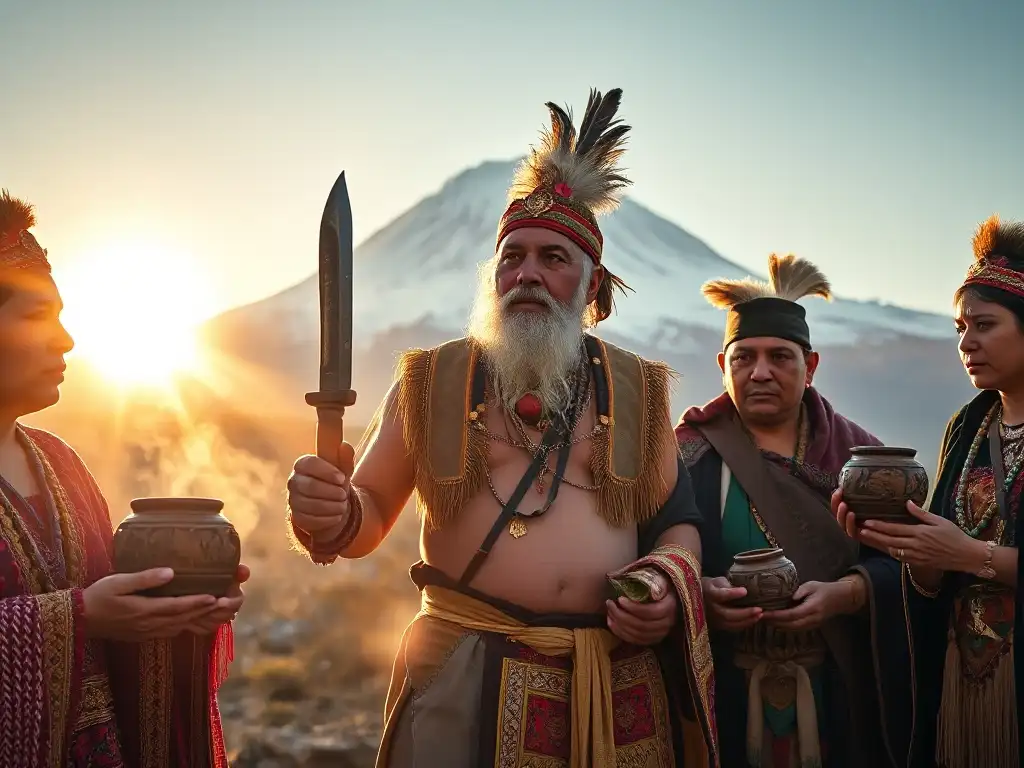
Dive into the enigmatic world of the Andes, where towering mountains held secrets as profound as the civilizations that thrived within their shadow. Journey through time as we unveil the fascinating tapestry of Andean cultures, from the intricate artistry of the Nazca to the awe-inspiring engineering of the Incas. But prepare to be captivated by a particularly compelling mystery: the Inca healing rituals and objects. Their power and purpose remain partially shrouded in myth, beckoning exploration. Uncover the secrets of their sophisticated medical practices – and the remarkable artifacts they left behind – within.
- Inca Healing Rituals and Objects: An Exploration of Ancient Andean Medicine
- Key Inca Ritual Objects Used in Healing Ceremonies
- Inca Healing Practitioners: The Role of Shamans and Priests
- Specific Inca Healing Rituals and Their Purposes
- The Legacy of Inca Healing Practices in Modern Andean Culture
- Frequently Asked Questions
- Final Reflection: Echoes of the Andes: A Legacy of Inca Healing
- Embrace the Healing Wisdom of the Incas!
Inca Healing Rituals and Objects: An Exploration of Ancient Andean Medicine
The Inca Empire, renowned for its sophisticated engineering and intricate social structures, also possessed a remarkably advanced understanding of medicine and healing. This article delves into the fascinating world of Inca healing rituals and objects, exploring the intricate interplay between spiritual beliefs, ritual practices, and the use of medicinal plants and artifacts.
We will uncover the profound significance of these rituals and objects within the broader context of Inca cosmology and societal organization, revealing a complex system of healthcare that went far beyond the purely physical. Understanding Inca healing practices provides invaluable insight into their worldview, their relationship with the natural world, and their remarkable capacity for innovation in the face of diverse health challenges.
This exploration will focus on the key role played by ritual objects in facilitating healing and maintaining spiritual balance, shedding light on a crucial aspect of Inca culture often overlooked in broader discussions of their achievements. Prepare to journey into a world where the spiritual and the physical were inextricably intertwined, where healing was not merely a medical act, but a sacred ritual connecting individuals to the cosmos.
Understanding Inca Concepts of Health and Illness
Inca understanding of health and illness differed significantly from modern Western perspectives. Disease wasn't solely attributed to physical causes but was deeply intertwined with the spiritual realm. Imbalances in the individual's relationship with the kay pacha (the world of the living), the hanan pacha (upper world of the gods), and the ukhu pacha (underworld) were believed to manifest as physical ailments. Maintaining harmony between these three worlds was crucial for overall well-being. This holistic approach emphasized the interconnectedness of the body, mind, and spirit. Illness was often seen as a disruption of this harmony, caused by factors such as supernatural forces, malevolent spirits, or a violation of social or religious norms. 1 The Inca curanderos (healers) played a vital role in restoring this balance, employing a combination of herbal remedies, ritual practices, and spiritual interventions. Their knowledge of medicinal plants was extensive, with records indicating the use of hundreds of species for various ailments. The use of coca leaves, for example, was widespread, not only for its stimulant properties but also for its perceived spiritual significance and ability to connect with the divine. Detailed records of Inca medicinal practices, unfortunately, are scarce, relying heavily on archaeological findings and interpretations of Spanish colonial accounts, which sometimes present biased or incomplete information. Further research is needed to fully understand the nuances of Inca medical knowledge.
The Role of Rituals in Inca Healing Practices
Inca healing wasn't simply a matter of administering medicine; it was a deeply ritualized process. Rituals aimed to appease deities, banish malevolent spirits, and restore the balance within the individual and the cosmos. These rituals often involved the use of specific objects, imbued with spiritual power and significance. These ritual objects, crafted with meticulous detail from diverse materials like gold, silver, textiles, and ceramics, served as conduits for spiritual energy, facilitating the healing process.
For example, huacas (sacred objects) were often used in healing ceremonies, their power believed to emanate from their association with deities or ancestral spirits. These could range from intricately carved figurines to intricately woven textiles representing supernatural beings or deities. The use of specific rituals varied depending on the nature of the illness and the beliefs of the community. Some rituals might involve offerings to the gods, while others might focus on purification ceremonies using water or herbs.
The involvement of priests and shamans was often crucial, as they acted as intermediaries between the physical and spiritual worlds, guiding the healing process and ensuring its efficacy. The entire community might participate in some healing rituals, underscoring the social and communal aspects of Inca healthcare. Further investigation into the specific rituals and their associated objects is crucial to enhance our understanding of Inca healing practices. The survival of these objects provides tangible evidence of the sophistication and complexity of their healing traditions.
1 Further research is needed to clarify the precise beliefs surrounding illness causation in Inca society.
Key Inca Ritual Objects Used in Healing Ceremonies
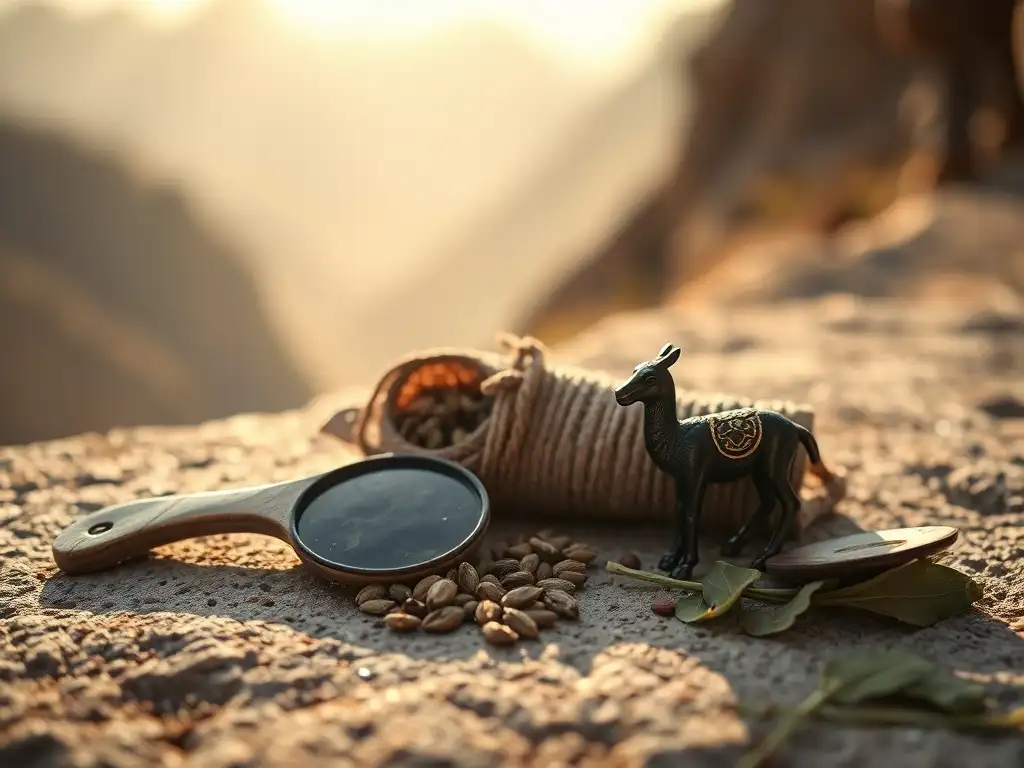
The Inca civilization, renowned for its sophisticated understanding of the natural world, developed intricate healing practices deeply intertwined with ritual objects. These artifacts, often imbued with symbolic meaning, played a crucial role in Inca healing rituals and objects, facilitating communication with the spirit world and promoting physical and spiritual well-being. Their craftsmanship and the materials used reflect the high regard the Inca placed on their healers, the curanderos, and the sacredness of the healing process.
Understanding these objects provides invaluable insight into the complexity and sophistication of Inca medicine. The careful selection and preparation of these objects were as important as the rituals themselves, highlighting the holistic approach to health prevalent in Inca society.
The Significance of Coca Leaves in Inca Medicine
Coca leaves ( Erythroxylum coca) held a central position in Inca healing rituals and objects. Far from being merely a stimulant, coca was considered a sacred plant, deeply connected to the gods and imbued with powerful medicinal properties. Its use transcended simple chewing; it formed an integral part of complex ceremonies aimed at healing physical ailments, promoting spiritual clarity, and facilitating communication with the spirit world.
Curanderos would often prepare coca leaf infusions or use them in conjunction with other medicinal plants to treat various conditions. The leaves were also included in offerings to deities associated with healing and fertility, reinforcing their spiritual significance. Evidence suggests that coca leaves were used to alleviate pain, reduce altitude sickness, and enhance endurance, highlighting their practical medicinal value alongside their spiritual importance.
The meticulous preparation and presentation of coca during rituals further underscores the reverence afforded to this vital element of Inca healing practices. The precise methods of preparation, unfortunately, remain partially undocumented, requiring further research to fully illuminate this aspect of Inca medicine.
Ritual Use of Chicha and Other Fermented Beverages
Chicha, a fermented beverage made from maize, played a crucial role in various Inca ceremonies, including those focused on healing. The ritual consumption of chicha was not merely a social activity; it was believed to possess medicinal properties and facilitate spiritual connection. Different types of chicha, prepared using varying techniques and ingredients, were associated with specific deities and healing purposes. The fermentation process itself was considered sacred, transforming the raw maize into a potent elixir believed to possess healing powers.
Beyond chicha, other fermented beverages, possibly made from fruits or other plants, were likely also employed in healing rituals, though specific details are scarce. The offering of chicha to deities and the sharing of it among participants in healing ceremonies underscored its importance in fostering communal healing and spiritual harmony. [Specific details on other fermented beverages used in Inca healing rituals pending].
The Importance of Stones and Minerals in Inca Healing
Stones and minerals were highly valued in Inca culture, and their use in healing rituals was widespread. Certain stones, believed to possess specific curative powers, were carefully selected and prepared for use in healing ceremonies. These stones were not simply used as tools; they were seen as conduits of energy, capable of channeling spiritual forces to promote healing.
For instance, obsidian, with its sharp edges, was used in rituals related to bloodletting – a common practice in Inca medicine, albeit controversial by modern standards. Other stones, like turquoise and lapis lazuli, were associated with spiritual protection and healing, and often incorporated into amulets or other ritual objects. The selection of stones was often based on their color, texture, and perceived energetic properties, reflecting a deep understanding of the relationship between the natural world and spiritual well-being.
Further research is needed to fully understand the specific properties attributed to each type of stone and mineral used in Inca healing rituals and objects, and the precise ways in which they were employed to treat different ailments. The use of these minerals reflects a profound connection between the Inca people and the Andean landscape, highlighting the holistic and integrated nature of their medical practices.
The Function of Animal Remains in Inca Rituals
The Inca incorporated animal remains extensively into their healing rituals, believing that these elements held significant spiritual power and could mediate between the human and supernatural realms. The type of animal, its condition (whole, parts, or specific organs), and the manner of its presentation all contributed to the ritual's specific purpose and efficacy.
For instance, the use of a llama's heart might symbolize strength and endurance, sought after in healing ceremonies aimed at restoring vitality to a sick individual. Conversely, the inclusion of a smaller animal, like a hummingbird, might relate to the swiftness of healing or the lightness of spirit desired for recovery.
Detailed archaeological findings reveal a fascinating range of animal remains used in Inca healing practices. Analysis of excavated sites has unearthed evidence of both domesticated and wild animals, suggesting a complex understanding of the spiritual potency associated with diverse species. Llama and alpaca remains are commonly found, reflecting their importance in Inca society and their symbolic connection to the Andean landscape.
However, the presence of rarer species, such as condors or jaguars, points to a broader, more nuanced cosmology where different animals represented distinct spiritual energies harnessed for therapeutic purposes. The careful placement and arrangement of these remains within the ritual context further emphasizes their symbolic significance, suggesting a deliberate and purposeful integration into the healing process.
Furthermore, the state of the animal remains offers additional insights. While some rituals might have involved the use of complete animal carcasses, others utilized specific organs or body parts. For example, the presence of a skull might indicate a connection to ancestral spirits or a focus on the individual's vitality and continued existence.
The meticulous preparation of these remains, often involving specific methods of butchering and arrangement, highlights the ritualistic significance and the level of expertise involved in conducting these healing ceremonies. The careful selection and treatment of animal remains underscores the complex system of beliefs that underlay Inca healing practices, showcasing a deep understanding of the interconnectedness between the natural and spiritual worlds. Ultimately, the use of animal remains in Inca healing rituals served as a powerful means of engaging with the supernatural and facilitating the restoration of health and well-being.
Inca Healing Practitioners: The Role of Shamans and Priests
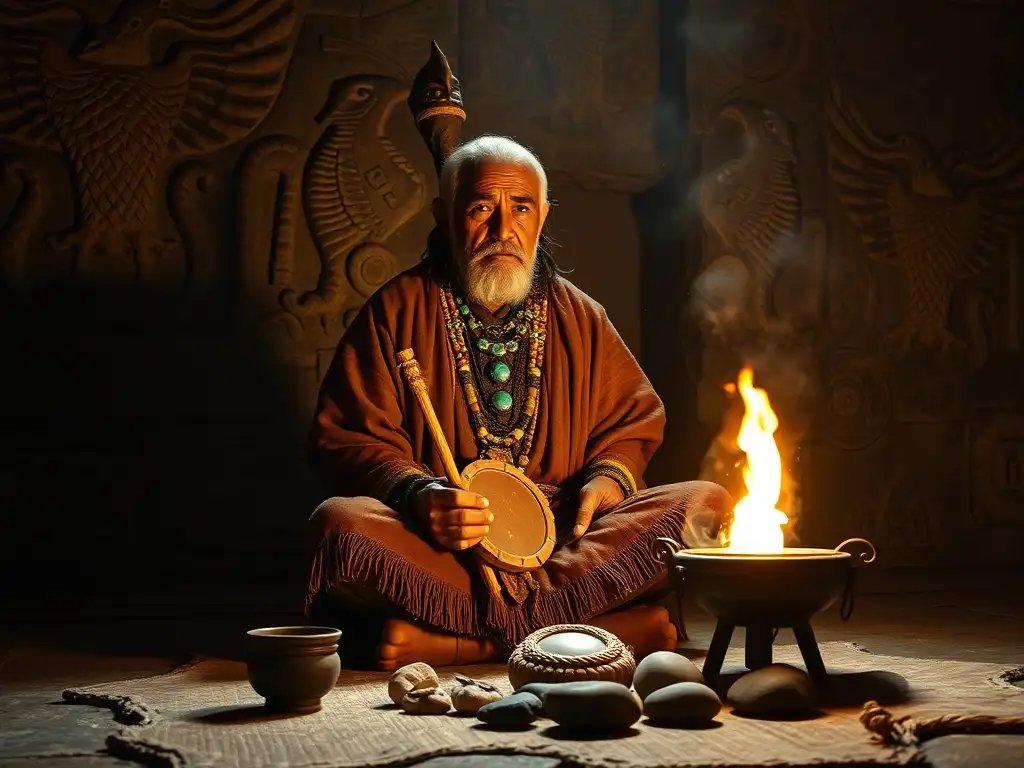
The Inca worldview deeply intertwined health and spirituality. Illness wasn't simply a physical ailment; it was often seen as an imbalance in the individual's relationship with the camasca, the spiritual world, or a punishment from the gods. Therefore, healing wasn't solely the domain of physicians but also of powerful spiritual intermediaries: yachaqs and priests. These individuals held immense societal importance, acting as both healers and spiritual guides.
Their expertise extended beyond medicinal remedies; they understood the intricate connection between the physical and spiritual realms, employing rituals and ceremonies to restore balance and well-being. The effectiveness of their treatments was largely attributed to their perceived connection to the supernatural and their ability to interpret the will of the gods. This holistic approach to Inca healing is a testament to their sophisticated understanding of the human condition and their profound respect for the sacred.
The Yachaq: Inca Healers and Their Knowledge
The yachaqs, often translated as "wise ones" or "knowledgeable ones," were the primary healers within Inca society. Their knowledge encompassed a wide range of practices, including herbal medicine, surgery, bone setting, and even rudimentary dentistry. They possessed an extensive pharmacopoeia, utilizing hundreds of plant species for various medicinal purposes.
Detailed records, though scarce, suggest a sophisticated understanding of plant properties and their appropriate applications. For example, the coca leaf, a staple of Andean culture, was not only a stimulant but also used for its analgesic and anesthetic properties. Additionally, they employed techniques like trepanation—surgical drilling of the skull—a surprisingly advanced procedure considering the available technology.
While the exact success rate of these procedures remains a subject of ongoing research, the very existence of such techniques demonstrates the yachaqs' advanced medical knowledge and skill. Their knowledge was often passed down through generations, maintaining a continuity of healing practices within families and communities. The yachaqs weren't simply healers; they were custodians of vital knowledge, playing a crucial role in maintaining the health and well-being of the Inca empire.
The Importance of Spiritual Connection in Inca Healing
Spiritual connection formed the bedrock of Inca healing practices. Illness was frequently attributed to supernatural causes—the wrath of a deity, the influence of malevolent spirits, or an imbalance in the individual's energy. Therefore, healing rituals often involved appeasing the gods, banishing evil spirits, and restoring the individual's spiritual harmony. These rituals were often elaborate affairs, incorporating offerings, prayers, and the use of sacred objects, such as huacas (sacred objects believed to possess supernatural power).
The yachaqs played a central role in these ceremonies, acting as intermediaries between the human and spiritual worlds. Their ability to interpret dreams, read omens, and communicate with the spirits was considered essential for successful treatment. The use of ritual objects—such as intricately carved figurines, amulets, and ceremonial vessels—further highlights the importance of the spiritual dimension in Inca healing.
These objects were not merely decorative; they were imbued with spiritual power, believed to facilitate healing and protect the patient. The integration of spirituality into the healing process underscores the holistic nature of Inca medicine, where physical and spiritual well-being were inextricably linked. The Inca understanding of "Inca healing rituals and objects" transcended the purely physical, highlighting a profound connection between the human body and the cosmos.
Specific Inca Healing Rituals and Their Purposes
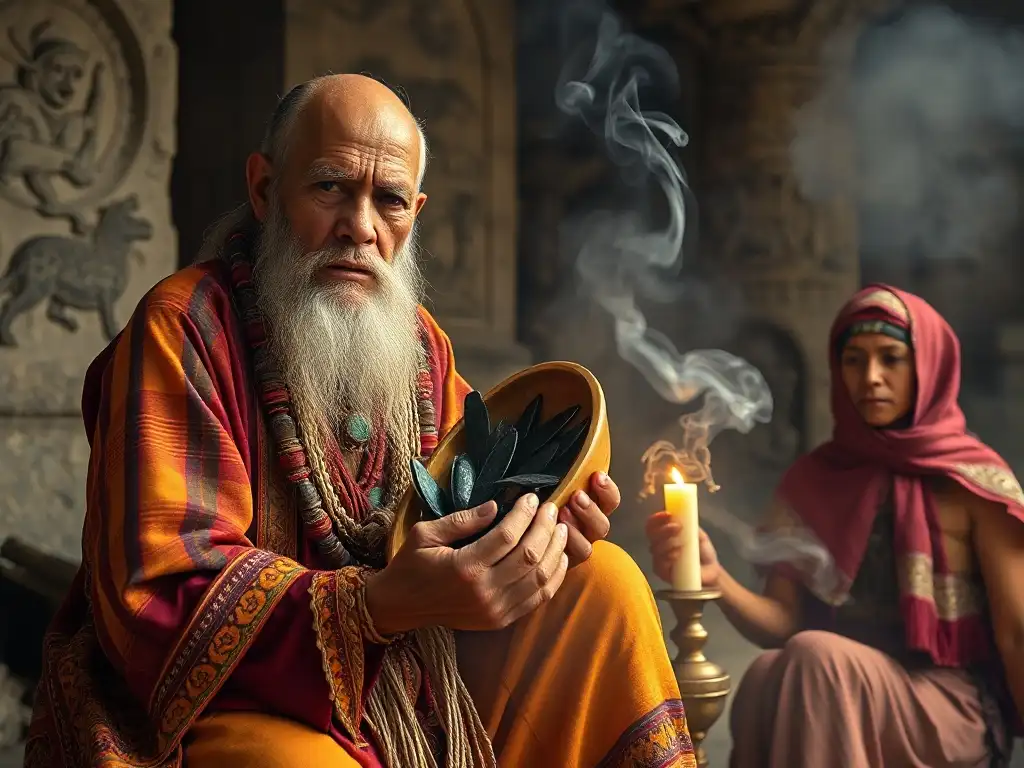
The Inca civilization, renowned for its sophisticated engineering and intricate social structures, also possessed a complex system of healing practices deeply intertwined with their spiritual beliefs. Inca healing rituals and objects weren't merely attempts to cure physical ailments; they were holistic approaches addressing the spiritual, emotional, and physical well-being of the individual within the broader cosmic order. Understanding these rituals requires examining the interplay between their religious cosmology, their understanding of illness, and the materials used in their healing practices.
The effectiveness of these practices, viewed through a modern lens, is debatable; however, their significance within the Inca worldview is undeniable. The use of ritual objects, often imbued with symbolic meaning, played a crucial role in these ceremonies.
Rituals for Physical Ailments and Injuries
Physical illness was often attributed to an imbalance in the individual's relationship with the spiritual world, or to the influence of malevolent spirits. Treatments, therefore, frequently involved rituals aimed at restoring this balance. For instance, injuries and illnesses such as fractures, infections, or even seemingly simple ailments like headaches, wouldn't be treated solely with herbal remedies (though these were certainly utilized). Instead, the healing process incorporated elements of shamanistic practices, involving the paqo, a priest-healer, who would perform ceremonies to appease the gods or ward off evil spirits.
These rituals often involved the use of specific objects. For example, intricately carved bone or stone figurines, representing deities associated with healing, might be used as offerings or placed near the patient. The kero, a ceremonial drinking vessel, often made of precious metals or fine pottery, may have played a role in administering medicinal drinks or performing libations as part of the healing ritual.
The use of coca leaves, considered sacred, was also prevalent, potentially used both for their mild stimulant effects and their symbolic significance in Inca religious practices. Detailed records of these specific practices are unfortunately scarce, leaving much of the precise methodology to scholarly interpretation and conjecture. Further research into archaeological findings and surviving ethnohistorical accounts is crucial for a more comprehensive understanding.
Inca Rituals for Mental and Emotional Well-being
Inca healing extended beyond the physical realm, encompassing mental and emotional well-being. The Inca worldview recognized the interconnectedness of physical and spiritual health, understanding that emotional distress could manifest physically. Thus, rituals addressing anxieties, depression, or other psychological imbalances were an integral part of their healing system.
One aspect of these rituals might have involved the use of hallucinogenic substances, such as san pedro cactus or ayahuasca, under the guidance of the paqo. These substances were not simply recreational drugs but were believed to facilitate communication with the spirit world, allowing for a deeper understanding of the source of the emotional imbalance and facilitating a path towards healing. The use of textiles, particularly vibrant and intricately woven fabrics, might also have played a therapeutic role, potentially used in ceremonial settings to create a calming and spiritually restorative environment.
The vibrant colors and intricate designs may have held symbolic meaning, representing the desired emotional balance or appealing to specific deities associated with emotional well-being. However, the exact nature and frequency of these practices remain largely speculative, requiring more research to fully illuminate this aspect of Inca healing.
Ceremonies for Fertility and Safe Childbirth
Fertility and childbirth held paramount importance within Inca society. The continuity of the lineage and the strength of the community were profoundly linked to successful reproduction. Therefore, Inca healing rituals played a crucial role in ensuring fertility and safe childbirth. These ceremonies often involved appeasing deities associated with fertility and motherhood, such as the Pachamama (Mother Earth) and Mama Killa (Moon Goddess).
Ritual objects associated with fertility and childbirth included figurines representing pregnant women or deities associated with fertility. These objects, often made from clay or precious metals, might have been used as offerings or placed in shrines dedicated to fertility deities. The use of specific plants, believed to possess fertility-enhancing properties, was also likely incorporated into these rituals.
Similar to other healing practices, the paqo would play a central role, performing ceremonies to ensure the well-being of both the mother and the child. Furthermore, the precise details of these rituals, including the specific objects and chants used, are not fully documented, leaving room for ongoing research and interpretation based on archaeological evidence and anthropological studies. The significance of these rituals, however, is clear: they reflected the Inca's deep reverence for life and their holistic approach to health and well-being, extending from the physical to the spiritual realms.
The Legacy of Inca Healing Practices in Modern Andean Culture
The Inca Empire, renowned for its sophisticated engineering and intricate social structures, also possessed a complex and highly developed system of healing. While much of their knowledge was lost following the Spanish conquest, the legacy of Inca healing practices continues to resonate in modern Andean culture. Understanding this enduring influence requires examining both the surviving traditions within indigenous communities and the subtle yet significant impact on contemporary Andean health practices.
The enduring power of Inca healing, reflected in both ritual objects and practices, showcases the deep connection between past and present in the Andes. This enduring connection underscores the importance of understanding Inca healing rituals and objects as not just historical artifacts, but as living components of a vibrant cultural heritage.
Surviving Inca Healing Traditions in Indigenous Communities
Many indigenous communities in the Andes maintain aspects of traditional Inca healing practices. These aren't simply nostalgic recreations; they are actively practiced systems of healthcare deeply integrated into their daily lives and spiritual beliefs. Shamans, or curanderos, play a crucial role, utilizing herbal remedies, ritual cleansing ceremonies, and spiritual healing techniques passed down through generations. These practices often involve the use of ritual objects reminiscent of those found in Inca archaeological sites, such as intricately carved stones, specific types of feathers, and medicinal plants believed to possess supernatural properties.
For example, the use of coca leaves, a significant element in Inca rituals, persists in many communities. Chewing coca leaves is not merely a social custom; it's believed to alleviate altitude sickness, improve energy levels, and even possess spiritual significance, connecting the individual to the Andean landscape and its energies. Similarly, the use of specific herbs and plants for medicinal purposes, documented in both Spanish colonial chronicles and surviving Andean knowledge, continues to play a vital role in treating various ailments.
The precise formulas and applications of these remedies often remain closely guarded secrets, passed down within families or specific lineages of curanderos. The persistence of these traditions highlights the resilience of Inca healing and its ongoing relevance in modern Andean life.
These practices are not static; they adapt and evolve, incorporating new knowledge while preserving the core principles inherited from their Inca ancestors. The continued use of Inca healing rituals and objects demonstrates a dynamic interplay between ancient knowledge and contemporary needs.
The Influence of Inca Medicine on Contemporary Andean Health Practices
While traditional Inca healing practices are predominantly preserved within indigenous communities, their influence extends beyond these groups, subtly shaping contemporary Andean health practices. Even within the context of modern Western medicine, elements of Inca healing philosophy can be observed. The emphasis on holistic well-being, incorporating physical, mental, and spiritual aspects of health, mirrors some principles of Inca medicine. This holistic approach is reflected in the growing popularity of alternative therapies and the integration of traditional Andean remedies within some aspects of contemporary healthcare.
Furthermore, the study of Inca medicinal plants has led to the rediscovery and scientific investigation of their therapeutic properties. Researchers are actively exploring the potential of these plants for developing new medicines and treatments. This renewed interest highlights the potential for integrating traditional Andean knowledge with modern scientific research, offering a valuable resource for developing innovative healthcare solutions.
The ongoing research into the effectiveness of these Inca healing rituals and objects underscores the potential for a collaborative approach, blending ancient wisdom with modern scientific methodologies. This collaboration is not merely a historical exercise; it carries significant potential for improving healthcare outcomes in the Andean region and beyond. The legacy of Inca healing continues to shape the present, offering valuable insights for future advancements in healthcare.
Frequently Asked Questions
What were some common Inca healing rituals?
Inca healing involved a blend of spiritual and physical practices. Shamans, or curanderos, performed rituals using herbal remedies, trepanation (skull surgery), and offerings to deities. They believed illness stemmed from an imbalance of spiritual forces.
What types of ritual objects did the Inca use for healing?
Inca healing utilized various ritual objects, including amulets, figurines, and vessels. These objects often depicted deities associated with healing or contained medicinal substances. Their presence was believed to enhance the healing process.
What role did plants play in Inca healing practices?
Plants formed a crucial part of Inca medicine. Herbal remedies were widely used, with coca leaves being particularly significant for their energizing and medicinal properties. Knowledge of medicinal plants was passed down through generations.
How did Inca healing differ from other Andean cultures?
While sharing some similarities with other Andean cultures, Inca healing was characterized by its large-scale organization and integration with the state. The Inca empire's vast resources allowed for sophisticated healing practices and the development of specialized healers.
Where can I learn more about Inca healing rituals and objects?
You can explore museums with Inca artifacts, such as the Larco Museum in Lima, Peru, and consult academic resources on Andean archaeology and ethnobotany. Numerous books and scholarly articles delve deeper into this fascinating topic.
Final Reflection: Echoes of the Andes: A Legacy of Inca Healing
The intricate artistry and spiritual depth of Inca healing practices remain profoundly relevant today. In a world increasingly focused on holistic well-being and the mind-body connection, understanding the Inca approach offers a powerful counterpoint to purely scientific models of health, reminding us of the vital role of ritual, community, and spiritual connection in the healing process.
The enduring influence of Inca healing philosophies is undeniable, shaping our understanding of traditional medicine and the interconnectedness of physical and spiritual health. Their sophisticated use of medicinal plants, alongside elaborate rituals and carefully crafted objects, speaks to a holistic approach that prioritized the individual within their community and the cosmos. The Inca worldview saw illness not as a purely physical ailment, but as an imbalance in the harmony of the individual with the world around them.
This perspective, though centuries old, resonates deeply with contemporary movements emphasizing mindfulness, spiritual well-being, and the power of intention in healing.
Consider the legacy of Inca healing. Reflect on the ways in which you approach your own well-being. Are you incorporating elements of holistic care into your life? Do you seek balance in your physical, mental, and spiritual health? The wisdom of the Inca, preserved in their art and rituals, offers a timeless invitation to explore these questions and to cultivate a deeper understanding of the interconnectedness of all things, leading to a more fulfilling and harmonious life.
Embrace the Healing Wisdom of the Incas!
Thank you for exploring the fascinating world of Inca healing practices and ritual objects! Your interest in these ancient traditions speaks volumes about their enduring relevance to wellness and spirituality. Now, let's put that knowledge into practice!
Here are a few ways to integrate the healing wisdom of the Incas into your life:
- Participate in a local workshop focused on indigenous healing practices to experience the rituals firsthand. This could involve anything from a guided meditation to a hands-on craft session.
- Share your newfound knowledge with friends and family. Perhaps host a gathering exploring Andean culture and its impact on well-being, or simply incorporate some of the principles into your conversations.
- Create your own personal ritual using objects that resonate with you and applying the principles you've learned. This could be as simple as incorporating a mindful moment into your day, reflecting on the Inca emphasis on harmony with nature.
How can you weave the wisdom of ancient healing into your daily life to achieve holistic well-being? Consider incorporating elements that resonate with you most deeply, whether it's through mindful practices, connecting with nature, or simply appreciating the rich legacy of Inca culture.