
Inca Art and the Cult of the Sun: Expressions of Divine Worship

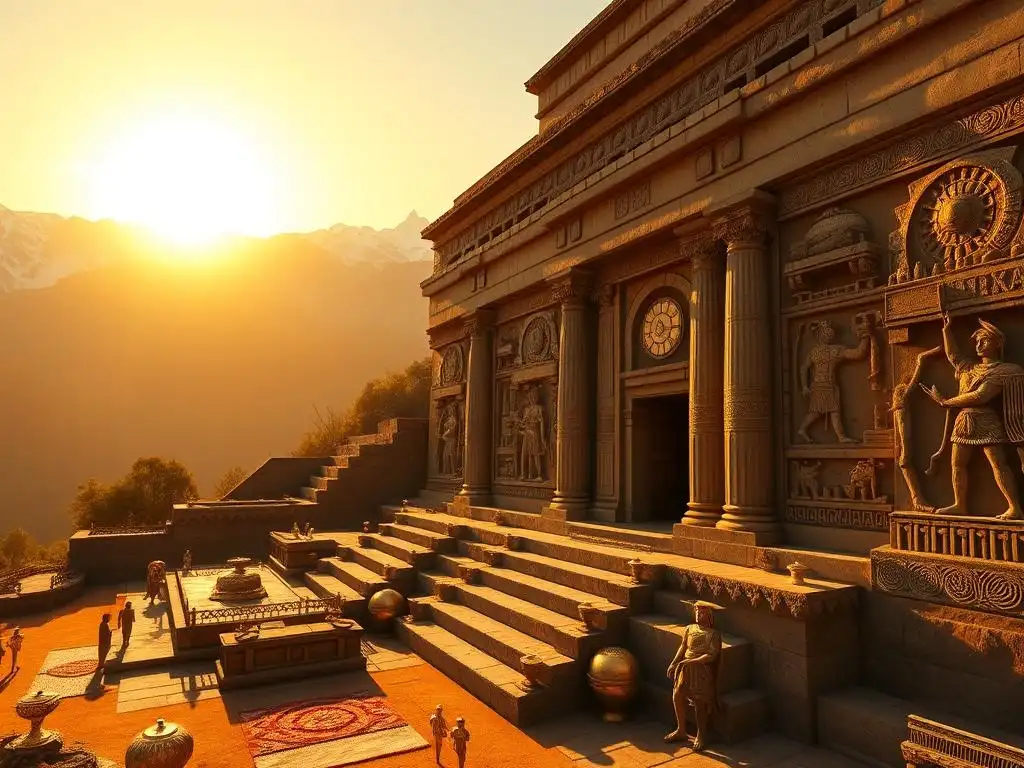
Step into a world lost to time, yet echoing with vibrant life. Imagine colossal stone cities carved into mountains, intricate textiles woven with celestial symbols, and the breathtaking artistry dedicated to the sun god Inti. This is the legacy of the Andean civilizations, and within these pages, we delve into the captivating world of Inca sun god art forms. Uncover the secrets behind their divine worship and the awe-inspiring expressions of their faith – a journey into the heart of the Inca Empire awaits.
The Inca Empire, a civilization that flourished in the Andes Mountains from the 15th to the 16th centuries, left behind a remarkable legacy of art deeply intertwined with their religious beliefs. Central to their cosmology was the worship of Inti, the sun god, considered the supreme deity and the source of life, prosperity, and imperial power. This article delves into the fascinating world of Inca art, exploring how their artistic expressions served as powerful vehicles for manifesting and reinforcing their profound devotion to Inti.
We will examine the various art forms through which the Incas visually represented their sun god, demonstrating the intricate relationship between their religious beliefs and their artistic achievements. Understanding Inca sun god art forms provides invaluable insight into the heart of their culture and the profound influence of Inti on their daily lives, their social structures, and their imperial ambitions.
This exploration will reveal how Inca artists skillfully translated their spiritual convictions into tangible works of art, leaving a lasting testament to the power and majesty of their sun god. Prepare to be captivated by the artistry and spirituality of a civilization deeply connected to the celestial power of the sun.
The Significance of Inti in Inca Religion
Inti, the sun god, held paramount importance in the Inca worldview. He wasn't merely a celestial body; he was the source of all life, the guarantor of successful harvests, and the ultimate authority underpinning the emperor's power. The Inca emperor himself was considered a direct descendant of Inti, further solidifying the sun god's central role in the empire's political and social structure.
This divine lineage legitimized the emperor's rule and reinforced the sacred nature of the Inca state. Religious rituals, elaborate ceremonies, and monumental constructions were all dedicated to honoring and appeasing Inti, ensuring the continued prosperity and stability of the empire. The Inca believed that Inti's favor was essential for maintaining cosmic order and earthly harmony.
Failure to honor the sun god was believed to bring about misfortune, drought, and even the collapse of the empire itself. This deep-seated belief permeated every aspect of Inca life, from agriculture and warfare to art and architecture. The intensity of their devotion is clearly reflected in the remarkable artistic output dedicated to the worship of Inti.
Inca Sun God Art Forms: A Visual Manifestation of Belief
Inca art dedicated to Inti was diverse and sophisticated, employing a range of materials and techniques to represent the sun god's power and glory. Some of the most striking examples of Inca sun god art forms include:
- Gold and Silverwork: The Incas were master metalworkers, crafting intricate objects from gold and silver to represent the sun's brilliance. These included intricately designed masks, ornaments, and vessels, often adorned with intricate designs and symbolic imagery related to the sun. The precious metals themselves symbolized the sun's value and its life-giving properties. The sheer craftsmanship and the use of precious materials highlighted the importance of Inti and the empire's wealth and power.
- Textiles: Textiles played a crucial role in Inca religious practices, with intricately woven fabrics used to adorn temples, statues, and even mummies. Specific colors and patterns were associated with Inti, further emphasizing the sun god's visual representation. The intricate weaving techniques and the use of vibrant colors demonstrated the high level of skill and artistry achieved by Inca textile artisans. These textiles were not merely decorative; they were powerful symbols of religious devotion and imperial authority.
- Ceramics: While less commonly associated with Inti directly compared to gold and silver, Inca ceramics still played a significant role in religious ceremonies. Certain vessels and decorative pieces featured sun motifs and symbolic imagery related to solar worship. The style and decoration of these ceramic pieces varied across different regions of the empire, reflecting regional artistic traditions while still maintaining a clear connection to the central theme of sun worship. [Further research needed on specific ceramic styles dedicated to Inti].
- Stone Carvings: Monumental stone structures, such as temples and palaces, often incorporated sun motifs into their architectural design. Intricate carvings and reliefs depicting the sun, its rays, and associated symbols adorned these structures, further emphasizing the importance of Inti in Inca society. The sheer scale of these stone carvings demonstrated the Inca's devotion and their ability to translate their spiritual beliefs into impressive physical structures. [Specific examples of stone carvings depicting Inti need to be added here].
The creation and display of these diverse Inca sun god art forms served multiple purposes. They not only visually represented Inti but also acted as powerful tools for reinforcing religious beliefs, demonstrating imperial power, and fostering a sense of unity and shared identity throughout the vast Inca empire. The meticulous craftsmanship and the use of valuable materials underscore the profound reverence the Incas held for their sun god, Inti. Further research into specific examples and regional variations will only deepen our understanding of the rich tapestry of Inca art and its inextricable link to their unique religious beliefs.
- What was the most important deity in Inca religion, and how is it reflected in their art?
- How did Inca artists represent the sun god in their metalwork?
- What other art forms besides metalwork depicted the Inca sun god?
- What are some examples of symbolic representations of the sun god in Inca art?
- How did the Inca sun god's representation change across different Inca artistic styles?
Architectural Marvels: Temples Dedicated to Inti
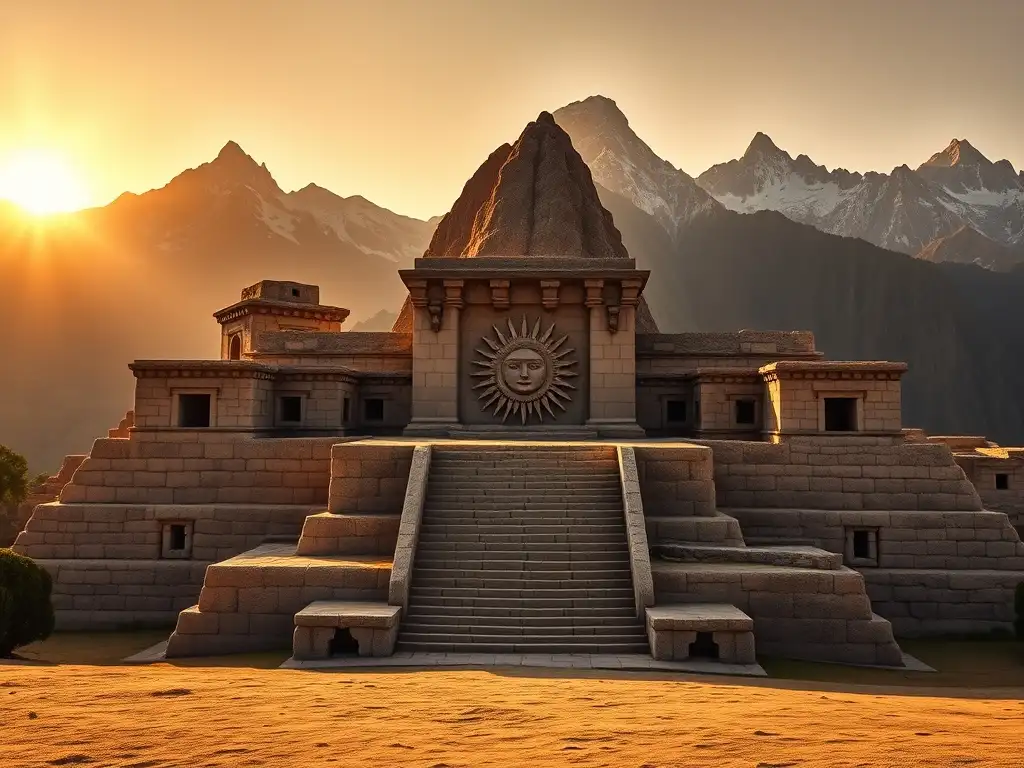
The Inca Empire's profound reverence for Inti, the sun god, is vividly expressed in their awe-inspiring architecture. Temples weren't merely places of worship; they were meticulously designed structures reflecting the Inca worldview and their sophisticated understanding of astronomy and engineering. These sacred spaces served as focal points for elaborate rituals, ceremonies, and festivals dedicated to Inti, reinforcing the emperor's divine authority and the empire's cosmic order.
The precise alignment of many structures with the sun's movements further underscores the importance of solar worship in Inca society. The sheer scale and craftsmanship of these buildings stand as testament to the Inca's advanced technological capabilities and their unwavering devotion to their sun god. Analyzing these architectural marvels offers invaluable insight into the beliefs, practices, and social structures of the Inca civilization.
The grandeur of these constructions continues to inspire wonder and intrigue, showcasing the intricate interplay between religious belief and architectural prowess in Inca culture. Indeed, the very stones seem to whisper tales of ancient rituals and celestial alignments, preserving a legacy of faith and artistry for centuries to come.
Coricancha: The Temple of the Sun in Cusco
Coricancha, or Qorikancha (meaning "golden enclosure"), located in present-day Cusco, was the most important temple in the Inca Empire, dedicated to Inti. Its walls were originally covered in massive sheets of gold, reflecting the sun's rays and symbolizing the god's power. The temple's design incorporated sophisticated astronomical knowledge, aligning with the solstices and equinoxes.
Archaeological evidence suggests the presence of intricate gold and silver ornaments, along with finely crafted statues and religious artifacts within its walls. The complex also housed smaller shrines dedicated to other deities, illustrating the interconnectedness of the Inca pantheon. Sadly, much of the original structure was destroyed following the Spanish conquest, but remaining foundations and historical accounts offer a glimpse into its former magnificence.
The surviving stonework showcases the Inca's mastery of precise stone cutting and fitting, a hallmark of their architectural expertise. Even in its ruined state, Coricancha remains a powerful testament to the Inca's deep-seated faith in Inti and their ability to translate that faith into breathtaking architectural achievements. The sheer scale and level of detail in the surviving remains continue to evoke a sense of awe and reverence, illustrating the paramount importance of this sacred site within the Inca empire.
Intihuatana at Machu Picchu: A Ritual Stone
Located high in the Andes at Machu Picchu, the Intihuatana ("sun-tying" in Quechua) is a monolithic stone structure whose purpose remains a subject of ongoing scholarly debate. While its precise function is uncertain, it's widely believed to have been used for astronomical observations and solar rituals. Its unique design, with its multifaceted surfaces and precise angles, suggests a sophisticated understanding of astronomy and geometry.
The Inca likely used the Intihuatana to track the sun's movements, marking significant dates in their agricultural calendar and religious festivals. Some scholars propose that it served as a device for "tying" the sun, symbolically ensuring its continued journey across the sky and maintaining the cosmic balance. The stone's location within the sacred complex of Machu Picchu, overlooking the Urubamba Valley, further emphasizes its significance as a focal point for religious ceremonies.
The precision of its construction and its majestic setting highlight the Inca's profound connection to the natural world and their skillful integration of astronomy and religion into their daily lives. The enduring mystery surrounding its exact function only adds to its allure and underscores the rich tapestry of Inca culture and beliefs. The Intihuatana at Machu Picchu stands as a powerful symbol of the Inca's sophisticated understanding of the cosmos and their deep spiritual connection to the sun.
Inca Textiles: Woven Representations of Solar Divinity
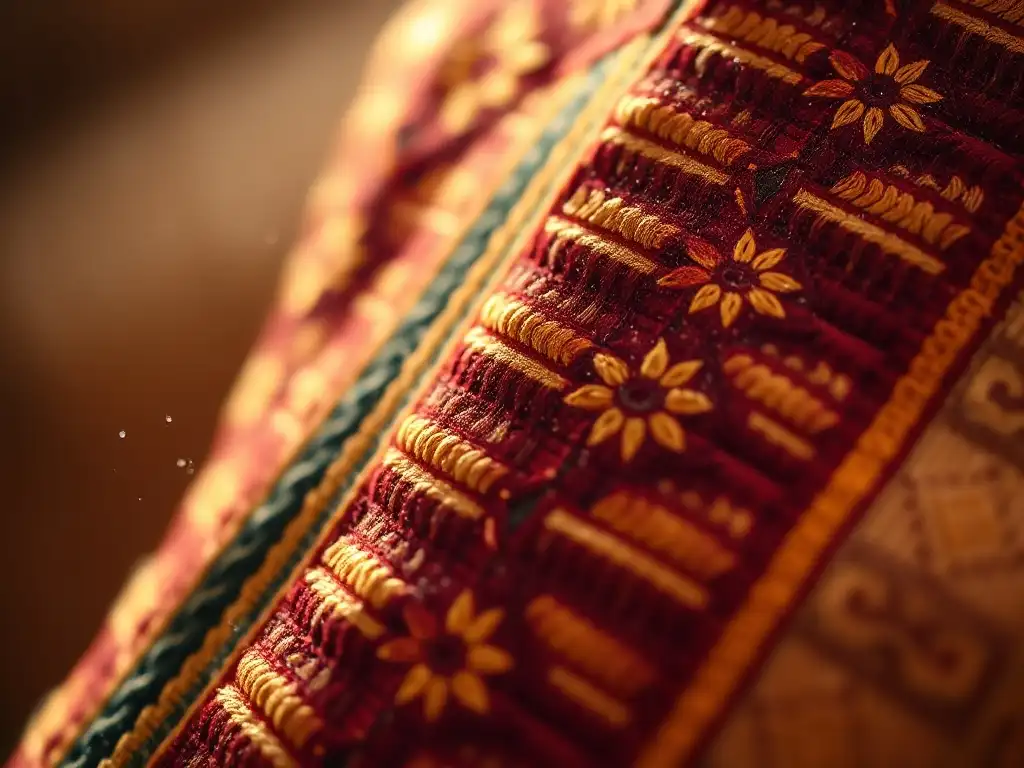
Inca textile art serves as a powerful testament to the Inca's profound reverence for the sun god, Inti. More than mere clothing or decorative items, these intricately woven fabrics were imbued with deep spiritual significance, acting as tangible expressions of their cosmological beliefs and royal power. The Inca sun god art forms found in textiles are particularly compelling due to their intricate detail and the use of sophisticated techniques that demonstrate a high level of artistic skill and cultural understanding.
Analyzing these textiles provides invaluable insight into the Inca worldview and their sophisticated artistic capabilities. The sheer artistry and symbolic richness woven into these textiles reveal a society deeply connected to its deity and the natural world.
The meticulous craftsmanship and symbolic imagery found in Inca textiles are a powerful reflection of the Inca's profound veneration for Inti, the sun god. This section will delve into the specific ways in which sun motifs and the materials used in Inca weaving served to represent and honor their solar divinity.
Sun Motifs in Inca Weaving: Geometric Patterns and Symbolism
Sun motifs in Inca weaving are not depicted realistically, but rather through a sophisticated system of geometric patterns and symbolic representations. Instead of a literal image of the sun, Inca weavers employed stylized representations, often incorporating spirals, concentric circles, and radiating lines. These geometric patterns symbolize the sun's energy, its life-giving power, and its celestial movement across the sky. For example, the kumpi, a frequently recurring motif, is believed to represent the sun's rays, its warmth, and its ability to nurture life.
These aren't simply decorative elements; they are coded messages, conveying complex religious and cosmological ideas. The use of specific colors also held symbolic meaning; vibrant gold and yellow hues directly represented the sun's brilliance, while other colors, like red and orange, symbolized its power and warmth. Analyzing the arrangement and combination of these motifs allows researchers to decipher deeper layers of meaning within the textiles, unveiling the Inca's complex understanding of their solar deity.
The precision and consistency in the execution of these patterns, across different regions and time periods, highlight the importance of these symbols within Inca society. Furthermore, the intricate detail within these patterns showcases the high level of technical skill possessed by Inca weavers, underscoring the sacred nature of their craft. The subtle variations in these motifs across different textiles offer valuable clues about regional styles and potential variations in beliefs about Inti across the vast Inca empire.
The Use of Fine Alpaca Wool and Natural Dyes: Reflecting Solar Brilliance
The materials used in Inca weaving further enhanced the representation of solar divinity. The Inca utilized exceptionally fine alpaca wool, renowned for its softness, warmth, and lustrous quality. The luxurious feel of the alpaca wool, alongside its inherent warmth, directly mirrored the life-giving properties associated with the sun. The choice of this high-quality material underscores the sacred nature of the textiles and the importance of the sun god within Inca society.
Moreover, the use of natural dyes, derived from plants, minerals, and insects, added another layer of symbolic meaning. These dyes produced a vibrant range of colors, including deep reds, rich yellows, and brilliant oranges, all directly associated with the sun's brilliance and power. The painstaking process of obtaining and applying these natural dyes reflected the dedication and reverence the Inca held for their craft and their deity.
The longevity and vibrancy of these colors, even after centuries, is a testament to both the quality of the dyes and the skill of the Inca weavers. The combination of fine alpaca wool and these vibrant natural dyes created textiles that were not only visually stunning but also imbued with a spiritual aura, reinforcing the connection between the textiles and the sun god, Inti. The selection of these materials, therefore, was not arbitrary; it was a deliberate choice, reflecting a deep understanding of the symbolic power inherent in both the materials themselves and the processes used to transform them into magnificent expressions of Inca sun god art forms.
Inca Metalwork: Golden Offerings to the Sun
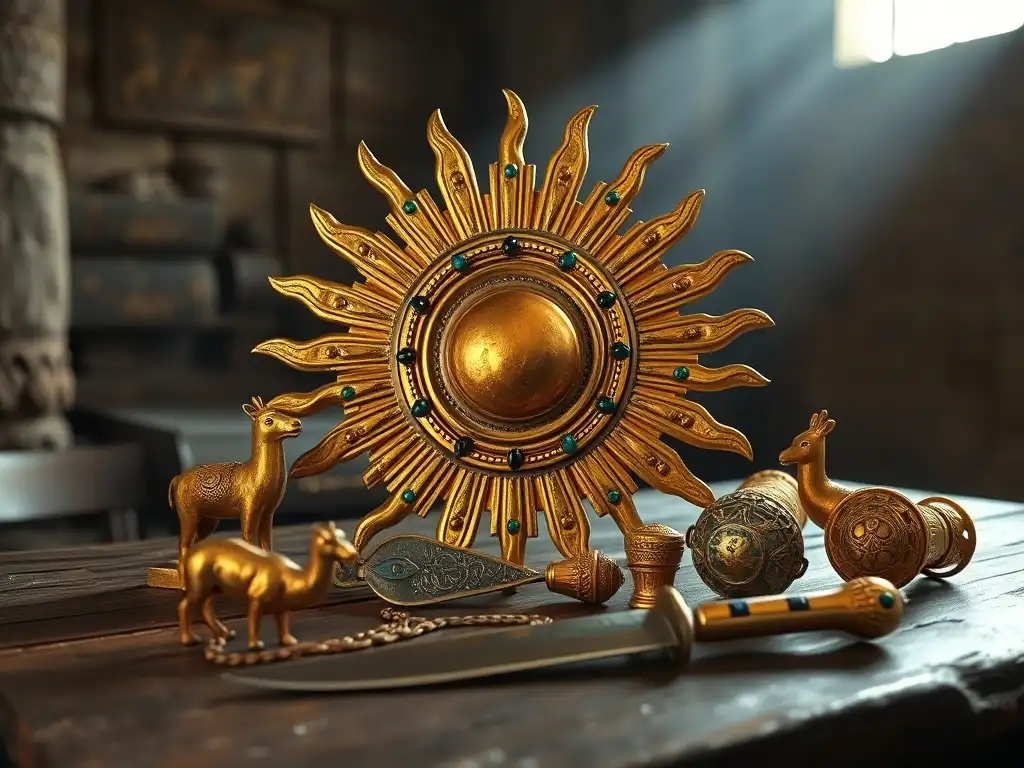
Inca metalwork represents a pinnacle of Andean artistry, inextricably linked to the cult of Inti, the sun god. The Inca's mastery of metallurgy, particularly their skill in working with gold, silver, and copper, allowed them to create stunning objects that served both practical and ritualistic purposes. These weren't merely decorative pieces; they were powerful expressions of faith, reflecting the Inca worldview and their deep reverence for the sun.
The sheer quantity of gold used in Inca art demonstrates the immense value placed on Inti and the resources dedicated to his worship. The intricate techniques employed – such as hammering, repoussé, and alloying – reveal a sophisticated understanding of metallurgical processes that surpassed many contemporary cultures.
The Inca's ability to create such incredibly detailed and lifelike representations of their deities, animals, and human figures solidified the power and legitimacy of their rulers, who acted as intermediaries between the divine and the earthly realm. This section will delve into specific examples of Inca metalwork dedicated to the sun god, highlighting their significance within the broader context of Inca religious practices.
Golden Masks and Jewelry: Depictions of the Inca Elite
Golden masks, often depicting the Inca elite or even Inti himself, served as powerful symbols of authority and divinity. These weren't merely portraits; they were imbued with spiritual significance, acting as conduits for the sun god's power. The masks were frequently adorned with intricate details, including feathers, gemstones, and other precious materials.
The craftsmanship was exceptional, with artisans achieving remarkable realism in capturing facial features and expressions. For example, [specific example of a golden mask and its features pending], showcasing the Inca's advanced understanding of human anatomy and their ability to translate that knowledge into a three-dimensional artwork. Similarly, golden jewelry – including earrings, necklaces, and headdresses – were often crafted with similar attention to detail and symbolic representation.
These pieces, worn by the Inca nobility, served to visually reinforce their connection to Inti and their status within the hierarchical social structure. The use of gold, a metal associated with the sun's brilliance, further underscored the wearer's divine connection and authority. The intricate designs found on these pieces – often featuring geometric patterns, stylized animals, and solar motifs – also served as potent visual reminders of the Inca's religious beliefs and cosmological understanding.
Ritual Objects and Vessels: Honoring Inti Through Gold
Beyond masks and jewelry, Inca artisans created a wide array of ritual objects and vessels from gold, silver, and other metals. These items played a crucial role in Inca religious ceremonies and offerings to Inti. Golden vessels, for example, were used to hold chicha (a fermented corn beverage) during important rituals. The shape and decoration of these vessels often reflected their intended use and symbolic meaning.
[Specific examples of vessel types and their associated rituals pending]. The meticulous detail in the creation of these vessels, along with the precious materials used, underscores their importance within the Inca religious system. Furthermore, smaller gold and silver objects, such as figurines and amulets, were likely used in personal devotion or as offerings in smaller, private rituals. These smaller pieces often featured depictions of Inti, other deities, or symbolic representations of the Inca worldview.
The sheer variety of ritual objects crafted from precious metals highlights the pervasive influence of the sun god's cult on all aspects of Inca life, from grand public ceremonies to intimate personal devotions. The Inca's meticulous attention to detail and the use of precious metals in their religious artifacts firmly establishes the centrality of Inti in their belief system and their remarkable artistic skill in expressing that faith. The survival of these objects provides invaluable insight into the complexity and richness of Inca religious practices and their profound connection to the sun.
Ceramics and Pottery: Depicting Solar Imagery
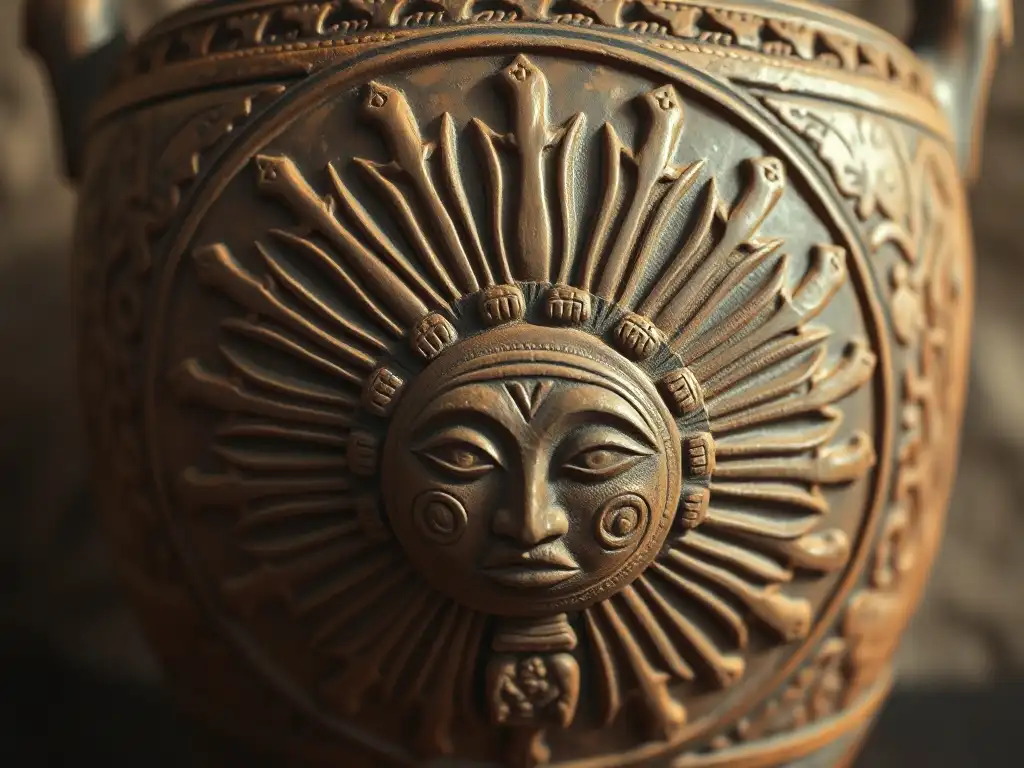
Inca sun god art forms found vibrant expression in their ceramics and pottery. These weren't mere utilitarian objects; they were imbued with deep religious significance, often serving as offerings or adorning sacred spaces. The meticulous craftsmanship and symbolic imagery reveal much about the Inca worldview and their profound reverence for the sun god, Inti. Analyzing these artifacts allows us to glimpse the intricate relationship between religious belief and artistic production in the Inca Empire.
The sheer volume of surviving pottery, while incomplete, provides a rich dataset for studying the evolution of Inca artistic styles and their connection to solar worship. The diverse forms, from simple bowls to complex vessels, each contribute to a larger narrative of Inca religious practice. Detailed studies of these pieces, combining stylistic analysis with archaeological context, offer invaluable insights into Inca beliefs and rituals.
Sun Symbols in Inca Pottery: Functional and Symbolic Forms
Inca pottery frequently incorporated explicit sun symbols, ranging from simple representations of the sun's disc to more elaborate depictions of Inti himself. These symbols weren't randomly placed; their positioning and context within the overall design held crucial meaning. For instance, a sun disc prominently featured on a large ceremonial jar might signify its use in rituals dedicated to Inti. Smaller, more subtly integrated sun symbols on everyday vessels could represent a connection to the divine, even in mundane activities.
The specific form of the sun symbol varied across regions and time periods, reflecting regional artistic styles and potentially evolving theological interpretations. Further research is needed to fully understand the nuanced variations in these representations and their chronological development. [Specific information pending: detailed catalog of sun symbol variations in Inca pottery across different regions].
We can categorize these sun symbols into several types: direct representations (a simple circle with rays), anthropomorphic Inti (a human-like figure associated with solar attributes), and symbolic representations (e.g., stylized birds of prey, associated with the sun's power). The use of these different representations within a single piece or across a collection of artifacts warrants further investigation, potentially revealing complex layers of meaning. For example, the combination of a direct sun disc with anthropomorphic Inti might suggest a specific ritual or a particular interpretation of the sun god's dual nature.
The Use of Earth Tones and Geometric Patterns: Representing Solar Light
Beyond explicit sun symbols, the Inca employed color palettes and geometric patterns in their pottery to evoke solar imagery. The prevalence of earth tones—reds, browns, yellows, and oranges—directly mirrored the colors of the sun and the Andean landscape, creating a powerful visual connection between the earthly realm and the divine.
These colors were not applied randomly; their arrangement often followed specific geometric patterns—triangles, zigzags, and spirals—which might have represented the sun's rays, its cyclical movements, or other cosmic phenomena. The precise meanings of these patterns are still being deciphered, but their consistent use in solar-themed pottery suggests a deliberate attempt to visually represent solar energy and power.
The skillful use of negative space, alongside the positive application of color and pattern, also contributed to the overall effect. The interplay between filled and unfilled areas could create a sense of movement and dynamism, mirroring the sun's journey across the sky. Furthermore, the quality of the clay itself, its texture and finish, further enhanced the visual impact.
A highly polished surface might have been reserved for particularly sacred vessels, reflecting the sun's brilliance. [Specific information pending: detailed analysis of color palettes and geometric patterns across different Inca pottery styles].
The meticulous attention to detail in Inca pottery underscores the profound importance of visual representation in their religious beliefs, highlighting the deep connection between art and religious practice in the Inca Empire. The subtle yet powerful use of earth tones and geometric patterns further enriches our understanding of Inca sun god art forms and the sophisticated ways in which they expressed their reverence for Inti.
The Role of Art in Inca Rituals and Ceremonies
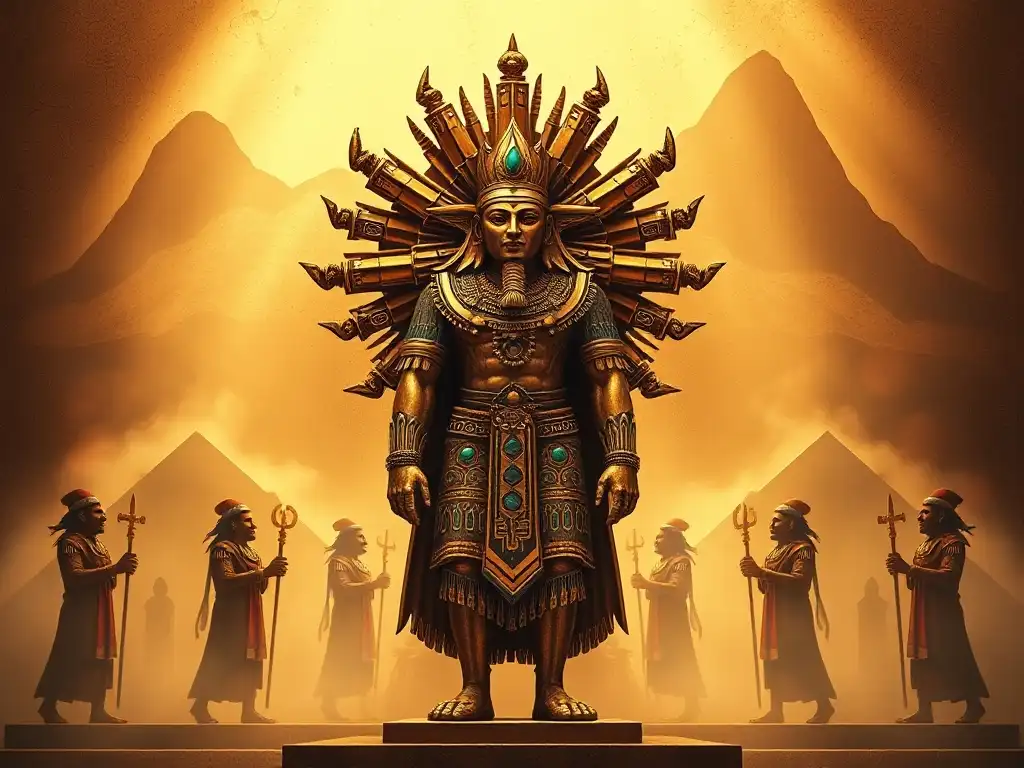
Inca art wasn't merely decorative; it served a crucial role in their complex religious and social life. Artistic expression was deeply intertwined with their rituals and ceremonies, functioning as a powerful medium for communicating with their deities, reinforcing social structures, and commemorating significant events. The creation and display of art were integral parts of the Inca worldview, reflecting their beliefs and values.
Understanding this intrinsic link is key to appreciating the true significance of Inca art forms, particularly those related to the sun god. The meticulous craftsmanship evident in many Inca artifacts underscores the sacred nature of their artistic endeavors. The dedication to detail and the use of precious materials highlight the importance placed upon these ritual objects.
It's not an exaggeration to say that the creation and use of art were essential components of their daily lives, from small, everyday objects to monumental sculptures. This pervasive presence of art in Inca society cemented its importance as a powerful tool for religious and social control.
Art as a Medium for Worship and Sacrifice
Inca worship involved elaborate ceremonies often accompanied by artistic expressions. Sculptures of the sun god Inti, intricately carved from stone or gold, were central to these rituals. These weren't just static objects; they were active participants in the ceremonies, embodying the divine presence and serving as focal points for prayers and offerings.
The sheer scale of some of these sculptures, coupled with their exquisite detail, demonstrates the immense reverence held for Inti and the importance of art in facilitating communication with the divine. Further enhancing the sacred nature of these ceremonies, sacrifices, often of animals or even humans in particularly important occasions, were frequently accompanied by artistic representations. These representations might take the form of textiles depicting sacrificial scenes, or intricately crafted golden objects that served as offerings to the gods.
The intricate weaving techniques used in these textiles, for example, reveal a deep understanding of symbolic representation, with specific colors and patterns carrying powerful religious connotations. The use of gold, a material highly valued by the Inca, further emphasized the importance of the sacrifice and the connection between the earthly and spiritual realms. The combination of these artistic elements with sacrificial practices amplified the ritual's power and effectiveness.
The Connection between Art and the Inca Calendar
The Inca calendar profoundly influenced their artistic creations. The agricultural cycle, governed by the sun and the seasons, was central to their lives, and this is reflected in their art. Many Inca artifacts, especially textiles and pottery, exhibit intricate designs that mirror the agricultural calendar, representing various stages of planting, growth, and harvest.
These designs weren't merely decorative; they served as reminders of the cycle of life and the importance of agricultural success. The sun god Inti's role in this cycle is evident in the prevalence of sun motifs in Inca art, reinforcing the deity's power and influence over the agricultural prosperity of the empire. Furthermore, the precise alignment of some Inca structures with celestial events suggests a sophisticated understanding of astronomy, which is further mirrored in their artistic representations.
For example, some patterns on textiles might correspond to specific constellations or celestial movements, hinting at a deep connection between the cosmos and the Inca worldview. The intertwining of art, agriculture, and astronomy in Inca culture demonstrates a holistic approach to life, where every aspect was connected to the divine and the natural world. The careful observation and artistic representation of these connections provide valuable insights into Inca beliefs and practices, solidifying the importance of the Inca sun god art forms in their religious and social fabric.
The Legacy of Inca Solar Art
The Inca Empire's reverence for the sun god, Inti, permeated every facet of their society, profoundly influencing their artistic expressions. Inca sun god art forms weren't merely decorative; they served as potent symbols of power, religious devotion, and cosmic order. This section delves into the enduring impact of this solar-centric artistry, exploring how Inti's image and associated motifs shaped Inca aesthetics and continue to resonate in contemporary Andean culture.
The intricate artistry, reflecting the sophisticated understanding of the cosmos held by Inca civilization, offers invaluable insight into their worldview and beliefs. The meticulous craftsmanship evident in surviving artifacts underscores the immense importance placed upon these religious representations. From monumental structures to intricately woven textiles, the sun god's presence is undeniable, a testament to the profound influence of Inti on Inca artistic production.
Influence of Inca Sun God art forms on contemporary Andean culture
The legacy of Inca sun god art forms extends far beyond the ruins of Machu Picchu and other archaeological sites. Their influence continues to shape contemporary Andean culture in various ways. Many traditional Andean crafts, such as weaving and pottery, still incorporate motifs and symbols directly derived from Inca solar iconography.
The stylized representation of the sun, often depicted with radiating rays or within a circular frame, remains a powerful and recognizable symbol in contemporary Andean art. This continuity speaks volumes about the enduring strength of Inca traditions and the deep-rooted connection between the past and present. Furthermore, the vibrant colors and intricate patterns found in Inca textiles continue to inspire modern artisans, who often reinterpret these designs in their own works.
This fusion of ancient techniques and contemporary interpretations ensures that the artistic legacy of the Inca Empire remains alive and relevant. For example, the use of vibrant gold and the depiction of the sun in modern jewelry demonstrates a clear lineage to Inca artistic conventions. This preservation of artistic traditions is not merely aesthetic; it serves as a vital link to a rich cultural heritage and a powerful affirmation of Andean identity.
Preserving the Artistic Heritage of the Inca Empire
Preserving the artistic heritage of the Inca Empire, particularly the manifestations of Inca sun god art forms, is crucial for understanding their complex civilization. This involves both the physical preservation of artifacts and the continuation of traditional artistic practices. Museums and archaeological sites play a vital role in safeguarding these precious objects, employing advanced conservation techniques to prevent deterioration. However, the challenge extends beyond physical preservation.
Efforts to document and catalog these artifacts through detailed studies and digital archives are equally important. This ensures accessibility for scholars and the wider public, fostering a deeper understanding and appreciation of Inca artistry. Additionally, supporting contemporary Andean artisans who continue to practice traditional techniques is vital. By preserving these skills, we ensure that the artistic legacy of the Inca Empire continues to thrive and evolve.
The continuation of traditional weaving techniques, for instance, ensures the survival of intricate designs directly linked to Inca sun god iconography. Furthermore, educational initiatives that promote awareness of Inca art and its cultural significance among both Andean communities and the global community are crucial in fostering respect for this unique artistic heritage. This multifaceted approach—combining physical preservation, documentation, and community engagement—is essential for safeguarding the artistic legacy of the Inca Empire for future generations. The careful study and appreciation of Inca sun god art forms are essential to preserving this unique aspect of Andean cultural heritage.
Frequently Asked Questions
What was the most important deity in Inca religion, and how is it reflected in their art?
The most important deity in Inca religion was the sun god, Inti. Inca art frequently depicts Inti, often as a golden disc or a human figure with sun rays emanating from his head. This imagery appears in textiles, ceramics, and metalwork.
How did Inca artists represent the sun god in their metalwork?
Inca metalworkers created elaborate gold and silver objects depicting Inti, often incorporating other symbolic elements like condor feathers or human faces. These pieces were used in religious ceremonies and adorned royal palaces, demonstrating the god's power and importance.
What other art forms besides metalwork depicted the Inca sun god?
Besides metalwork, the sun god Inti was also prominently featured in textiles, ceramics, and stone carvings. These diverse media demonstrate the pervasiveness of sun worship in Inca culture and society.
What are some examples of symbolic representations of the sun god in Inca art?
Inca art uses various symbols to represent Inti, including golden discs, sun rays, and condor feathers. Human figures with sun-like attributes also represent the sun god, emphasizing his connection to human rulers.
How did the Inca sun god's representation change across different Inca artistic styles?
While Inti's representation remained consistent across different Inca styles, the specific artistic techniques and stylistic elements varied. For example, the representation of Inti in Nazca pottery differs from that in later Inca metalwork, reflecting regional and temporal variations.
Final Reflection: The Enduring Legacy of Inti's Radiance
The intricate artistry of the Inca, deeply intertwined with their sun god Inti, remains a potent symbol of human devotion and the enduring power of belief. Even centuries after the fall of the Inca Empire, the echoes of their reverence resonate in the breathtaking artistry that survives, reminding us of the profound spiritual connection humans can forge with the natural world. These meticulously crafted artifacts, from gold sun discs to intricately woven textiles, are not mere historical relics; they are vibrant testaments to a civilization's unwavering faith.
The influence of Inti's cult permeates every aspect of Inca society, shaping their worldview, social structures, and artistic expressions. The sun, as a life-giving force, was not merely a deity but the very essence of their existence. This profound connection is beautifully captured in the words of Garcilaso de la Vega, a descendant of Inca royalty: The Inca worshipped the sun as the source of all life and prosperity, believing that its favor ensured the well-being of their empire.
This understanding of the sun's significance transcends mere historical analysis; it offers a glimpse into the human heart's innate yearning for meaning and connection with something greater than itself.
Consider, for a moment, the intricate detail and painstaking craftsmanship evident in each surviving piece of Inca sun god art. What does this dedication reveal about the human capacity for devotion and the power of shared belief?
Let the legacy of Inti's radiance inspire you to explore your own connection to the world around you, to find beauty in the details, and to appreciate the enduring power of human creativity born from faith and reverence. Let the art of the Inca remind you of the profound impact belief can have on shaping not only a civilization, but also the individual human spirit.
Unveil the Sunlit Legacy of Inca Art!
Thank you for joining us on this insightful journey into Inca art and its reverence for the sun. We hope you've gained a deeper appreciation for how these masterpieces reflect a profound connection to the spiritual world. Now, let's put that inspiration into action!
- **Visit local galleries and museums** to discover works inspired by or reminiscent of Inca art.
- **Explore artistic creation**—try your hand at crafting your own piece using traditional techniques or materials to express your understanding of Inca cultural aesthetics.
- **Share your newfound knowledge** with friends, family, or on social media, sparking conversations about the rich heritage of Andean civilizations!
How will you further explore the divine expressions of art around you?