
Inca Art: A Timeless Legacy of Innovation and Creativity

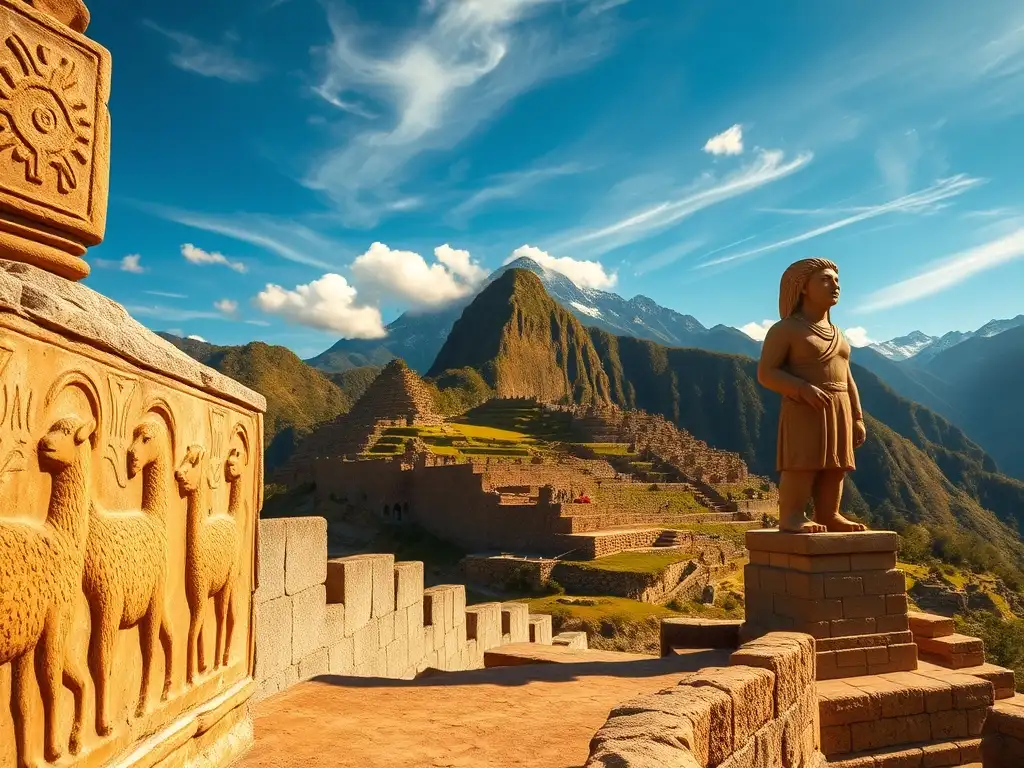
Uncover the secrets whispered on the wind across the Andes! Prepare to be captivated by the breathtaking artistry of a lost world. From intricate goldwork to awe-inspiring stone carvings, journey with us into the heart of Inca art styles and techniques. Discover the innovations and ingenuity of a civilization that continues to inspire wonder centuries later. Their legacy awaits – dare to explore?
The Inca Empire, flourishing across the Andes Mountains from the 15th to the 16th centuries, left behind a breathtaking legacy far exceeding its relatively short lifespan. This legacy is profoundly embodied in its art, a vibrant tapestry woven from sophisticated techniques, intricate designs, and a deep connection to the Andean landscape and cosmology.
This article delves into the captivating world of Inca art, exploring its diverse styles and techniques, revealing the ingenuity and artistry of a civilization that continues to fascinate and inspire. We will examine the core principles guiding Inca artistic expression, highlighting how these principles manifested in various art forms, from the monumental architecture of Machu Picchu to the intricate details of their textiles and goldwork.
Understanding Inca art styles and techniques provides a crucial window into their worldview, social structures, and remarkable achievements. This exploration aims to illuminate the enduring power and beauty of Inca artistry, offering a deeper appreciation for this timeless legacy.
Introduction to Inca Art and its Cultural Significance
Inca art wasn't merely decorative; it served a vital role in reinforcing social hierarchies, expressing religious beliefs, and celebrating imperial power. Unlike many other ancient civilizations that developed distinct artistic "schools" with easily identifiable stylistic variations across regions, Inca art, while diverse in its manifestation, followed a unified aesthetic philosophy. This philosophy emphasized precision, symmetry, and a harmonious integration with the natural world.
The use of specific colors, motifs, and materials often held symbolic meaning, reflecting the intricate cosmology and social structure of the Inca Empire. For example, the color red, often seen in textiles and ceramics, symbolized blood and royalty, while gold, a highly valued material, represented the sun and divine power. The intricate knotwork found in textiles, known as khipu, served not only as decorative elements but also as a sophisticated system of record-keeping, demonstrating the integration of art and practicality in Inca society.
The scale of Inca artistic endeavors, ranging from colossal stone structures to meticulously crafted miniature objects, underscores the remarkable organizational skills and artistic talent within the empire. The enduring impact of Inca art is evident in the continued fascination with its aesthetics and the ongoing efforts to understand its profound cultural significance. Further research is needed to fully understand the nuances of regional variations within the overall unified Inca aesthetic.
Understanding the Core of Inca Art Styles and Techniques
Inca art styles and techniques were remarkably diverse, yet unified by a common aesthetic. Several key characteristics define Inca artistic production:
- Precision and Symmetry: Inca artisans were masters of precision, demonstrating exceptional skill in stonework, metalwork, and textile production. Symmetry was a recurring theme, reflecting a belief in balance and harmony. The perfectly fitted stones of Machu Picchu exemplify this dedication to precision.
- Naturalistic Representation: While stylized, Inca art often incorporated naturalistic representations of animals, plants, and human figures. These depictions, often found in pottery and textiles, showcased a keen observation of the natural world and a deep connection to the Andean environment.
- Symbolic Motifs: Recurring motifs, such as the condor, puma, and snake, held significant symbolic meaning, often representing deities or embodying specific concepts within Inca cosmology. These motifs were incorporated into various art forms, reinforcing their cultural significance.
- Masterful Material Use: Inca artisans demonstrated a remarkable mastery of various materials, including stone, gold, silver, copper, textiles (cotton and alpaca wool), and ceramics. Their techniques in metalworking, particularly in gold and silver, were exceptionally advanced, showcasing intricate designs and sophisticated craftsmanship. Their use of different weaves and dyes in textiles also displayed a high level of skill and artistic expression.
| Material | Techniques Used | Examples | Symbolic Significance |
|---|---|---|---|
| Stone | Precise cutting, fitting, and polishing | Machu Picchu, Sacsayhuamán | Strength, permanence, connection to the earth |
| Gold | Repoussé, hammering, alloying | Ornaments, masks, religious objects | Sun, power, divinity |
| Silver | Similar to gold techniques | Ornaments, vessels | Moon, fertility, wealth |
| Textiles | Weaving (various techniques), dyeing | Clothing, tapestries, khipu | Social status, storytelling, record-keeping |
| Ceramics | Hand-building, modeling, painting | Vessels, figurines | Rituals, daily life, ancestor veneration |
The study of Inca art continues to reveal new insights into the ingenuity and cultural complexity of this remarkable civilization. Further research into specific regional styles and the social contexts of artistic production is crucial for a more complete understanding of Inca art styles and techniques. The legacy of Inca art remains a testament to the enduring power of human creativity and the profound connection between art and culture.
- Introduction to Inca Art and its Cultural Significance
- Understanding the Core of Inca Art Styles and Techniques
Architectural Marvels: Inca Stone Craftsmanship
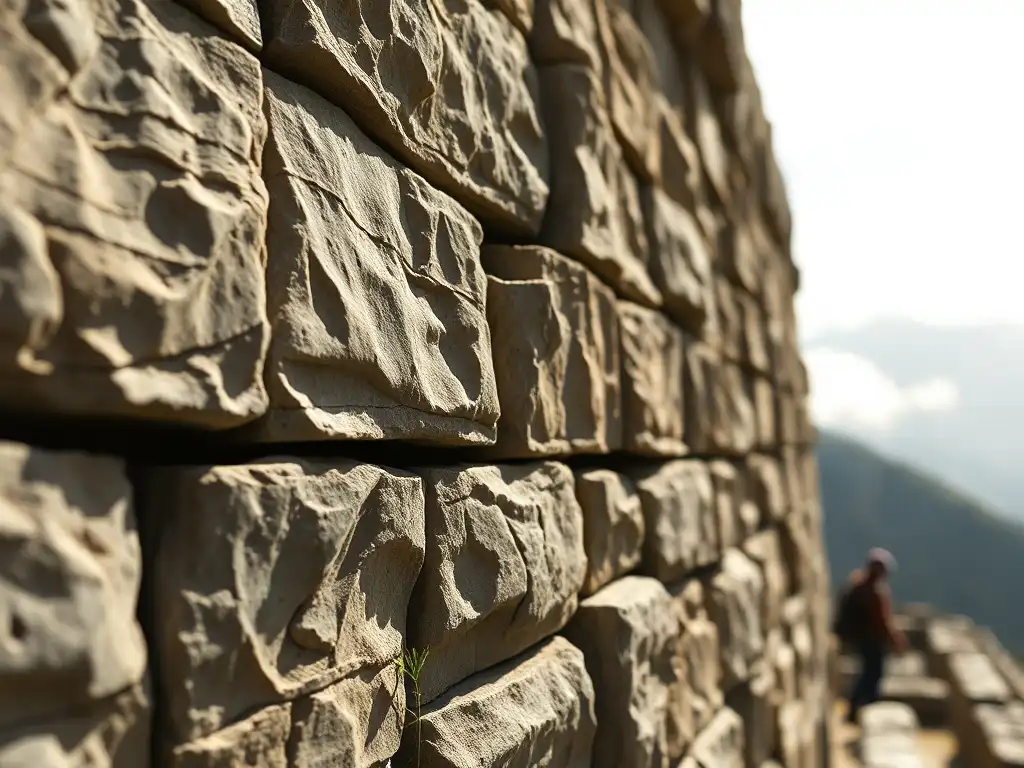
Inca art styles and techniques are renowned for their mastery of stonework, a testament to their advanced understanding of engineering and artistry. The Inca's architectural achievements stand as a powerful symbol of their sophisticated civilization, showcasing a unique blend of practicality and aesthetic beauty. Their ability to manipulate massive stones with such precision continues to fascinate and inspire awe in modern viewers. This section will delve into the intricacies of Inca masonry and the significance of their architectural legacy.
The Precision of Inca Masonry Techniques
The hallmark of Inca architecture is the incredibly precise fitting of stones. Inca masons achieved this astonishing level of accuracy without the use of mortar, relying instead on their meticulous craftsmanship and advanced knowledge of stone cutting and shaping. They employed a technique known as ashlar masonry, where stones were precisely cut and fitted together with minimal gaps.
This required an exceptional understanding of geometry and engineering, allowing them to create structures that have withstood the test of time and seismic activity. The stones, often weighing several tons, were perfectly interlocked, creating incredibly strong and durable walls. Some examples showcase such tight fits that even a knife blade cannot be inserted between the stones.
This level of precision wasn't just aesthetic; it was crucial for the structural integrity of their buildings, particularly in mountainous regions prone to earthquakes. The remarkable precision of Inca masonry techniques speaks volumes about their ingenuity and dedication to their craft, contributing significantly to the enduring legacy of Inca art styles and techniques.
Iconic Inca Architectural Structures: Machu Picchu, Sacsayhuaman, Ollantaytambo
Several iconic structures exemplify the pinnacle of Inca architectural prowess. Machu Picchu, the "Lost City of the Incas," perched high in the Andes Mountains, is perhaps the most recognizable example. Its stunning terraces, intricately carved stones, and perfectly integrated structures are a testament to the Inca's mastery of engineering and their profound connection to their environment.
Sacsayhuaman, located near Cusco, is another awe-inspiring example. Its cyclopean walls, constructed from enormous stones, are a breathtaking display of engineering skill and demonstrate the Inca's ability to transport and manipulate massive blocks of stone with remarkable precision. Ollantaytambo, a fortress and agricultural center, showcases the Inca's ability to integrate architecture with the landscape, creating a harmonious blend of structures and natural features.
These iconic sites, showcasing diverse Inca art styles and techniques, provide invaluable insights into the sophistication of Inca civilization and their remarkable understanding of construction. The sheer scale and precision of these structures continue to inspire wonder and admiration centuries later.
The Role of Architecture in Inca Society and Religion
Inca architecture was not merely a display of technical skill; it played a crucial role in Inca society and religion. Religious structures, such as temples and shrines, were strategically placed within urban centers and often incorporated astronomical alignments, reflecting the Inca's deep understanding of the cosmos and their reverence for nature. The intricate design and placement of buildings served both practical and symbolic purposes.
For instance, the agricultural terraces found in many Inca sites, not only provided fertile land for cultivation but also represented a profound connection to the earth and the cycle of life. Furthermore, the grand scale of many Inca structures served to reinforce the power and authority of the Inca emperor and the elite. The construction of these monumental structures required massive labor mobilization, underscoring the importance of communal effort and social organization within Inca society.
Therefore, the study of Inca architecture offers a unique perspective on the social, religious, and political aspects of this remarkable civilization, enriching our understanding of Inca art styles and techniques within their broader cultural context. The relationship between the Inca’s artistic expression and their societal structures is a compelling area of study, highlighting the interconnectedness of art, religion, and daily life in the Inca Empire.
The Art of Inca Textiles: Weaving and Symbolism
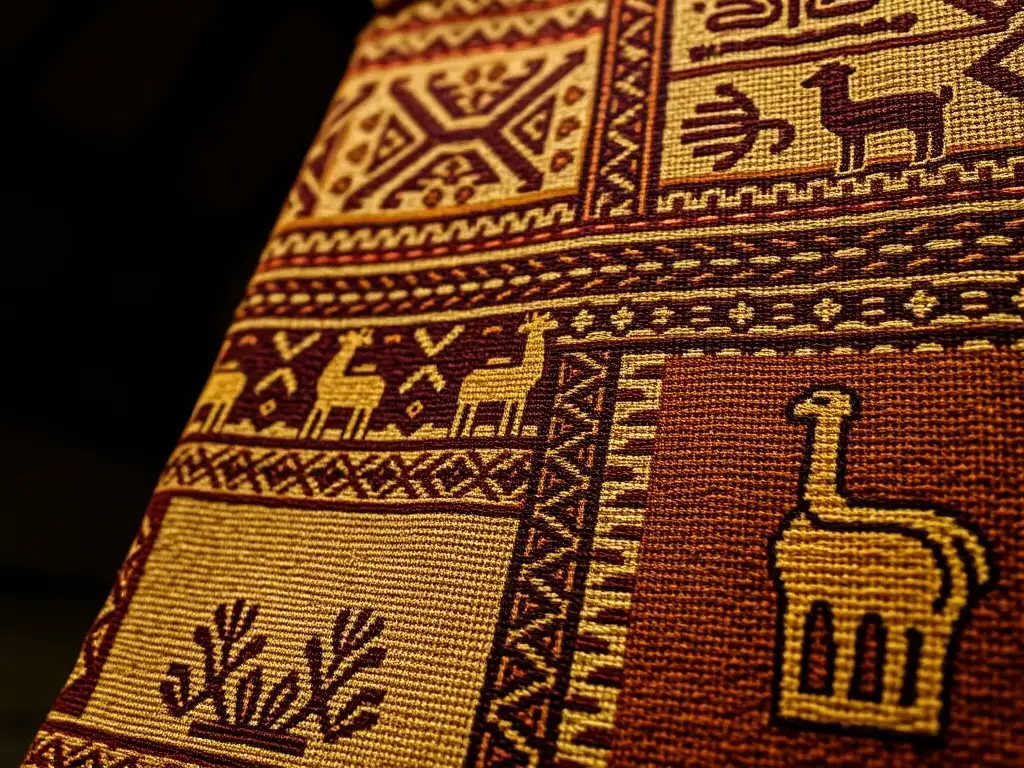
Inca textile production represents a pinnacle of Andean artistry, showcasing sophisticated techniques and deeply symbolic designs. The Inca Empire, famed for its architectural prowess and administrative efficiency, also possessed a remarkable mastery of textile arts, creating vibrant and intricate fabrics that served both practical and ceremonial purposes. Understanding Inca art styles and techniques requires appreciating the intricate interplay between material, technique, and symbolic meaning woven into each piece.
The legacy of these textiles provides invaluable insight into Inca social structures, religious beliefs, and daily life. Analysis of surviving examples reveals a remarkable level of skill and artistry, reflecting a rich cultural heritage.
Inca Textile Production: Materials and Techniques
Inca weavers utilized a variety of locally sourced materials, most notably alpaca and llama wool, renowned for their softness, warmth, and durability. Vicuña wool, prized for its exceptional fineness, was reserved for the elite. Cotton, grown in warmer coastal regions, was also incorporated into textiles, often used in combination with wool to create richly textured fabrics. The dyes employed were derived from natural sources, including plants, insects, and minerals, resulting in a stunning range of vibrant colors. These colors weren't randomly chosen; they carried specific symbolic weight within Inca culture.
The techniques employed were equally impressive. Inca weavers utilized a backstrap loom, a portable device that allowed for intricate designs and a high degree of control over the weaving process. The use of supplementary weft techniques, such as tapestry and brocade, permitted the creation of complex patterns and pictorial representations.
The precision and detail evident in surviving textiles demonstrate a remarkable level of skill and expertise passed down through generations of artisans. Evidence suggests specialized workshops existed, producing textiles for various purposes, from everyday clothing to elaborate royal garments. The sheer variety and quality of Inca textiles highlight the importance of this craft within their society.
Meaning and Function of Inca Textile Patterns
Inca textile patterns were not merely decorative; they were imbued with deep symbolic meaning. Geometric designs, such as chevrons, zigzags, and stepped patterns, often represented celestial bodies, agricultural cycles, or mythological beings. Representations of animals, such as birds and llamas, were also common, reflecting the importance of these creatures in Inca cosmology and daily life. Furthermore, the colors used in the textiles held significant meaning, with specific hues associated with particular deities, social statuses, or events.
For example, the color red was often associated with power and royalty, while yellow represented the sun and gold. The complexity of the patterns often reflected the social status of the wearer, with elaborate designs reserved for the elite, while simpler patterns were used for everyday clothing.
The meaning and function of these patterns were deeply ingrained in Inca culture, acting as a visual language that communicated social status, religious beliefs, and cultural identity. Further research is needed to fully decipher the intricate symbolism encoded within these textiles, but existing studies provide a fascinating glimpse into the rich cultural tapestry of the Inca Empire.
The Significance of Cumbi and Aba Textiles
Two specific types of Inca textiles, cumbi and aba, stand out for their particular significance. Cumbi were finely woven, often brightly colored textiles, frequently used for ceremonial purposes. They were often adorned with intricate designs and were highly valued within Inca society. The production of cumbi likely involved specialized workshops and highly skilled artisans. Their rarity and exquisite craftsmanship suggest they were reserved for important occasions or individuals of high social standing. [Specific information pending on the precise symbolism and use of Cumbi textiles].
Aba, on the other hand, were simpler, more utilitarian textiles, commonly used for everyday clothing. While less elaborate than cumbi, aba textiles still often incorporated symbolic patterns and colors, reflecting the importance of textile art in all aspects of Inca life. The difference in complexity and use between cumbi and aba highlights the nuanced relationship between textile production, social status, and religious practices within the Inca Empire.
Further investigation into the production methods and regional variations of both cumbi and aba would provide a more complete understanding of their role in Inca society. The study of Inca art styles and techniques, specifically concerning these textiles, continues to reveal new insights into the sophisticated culture of this remarkable civilization.
Inca Metalwork: Gold, Silver, and Precious Materials
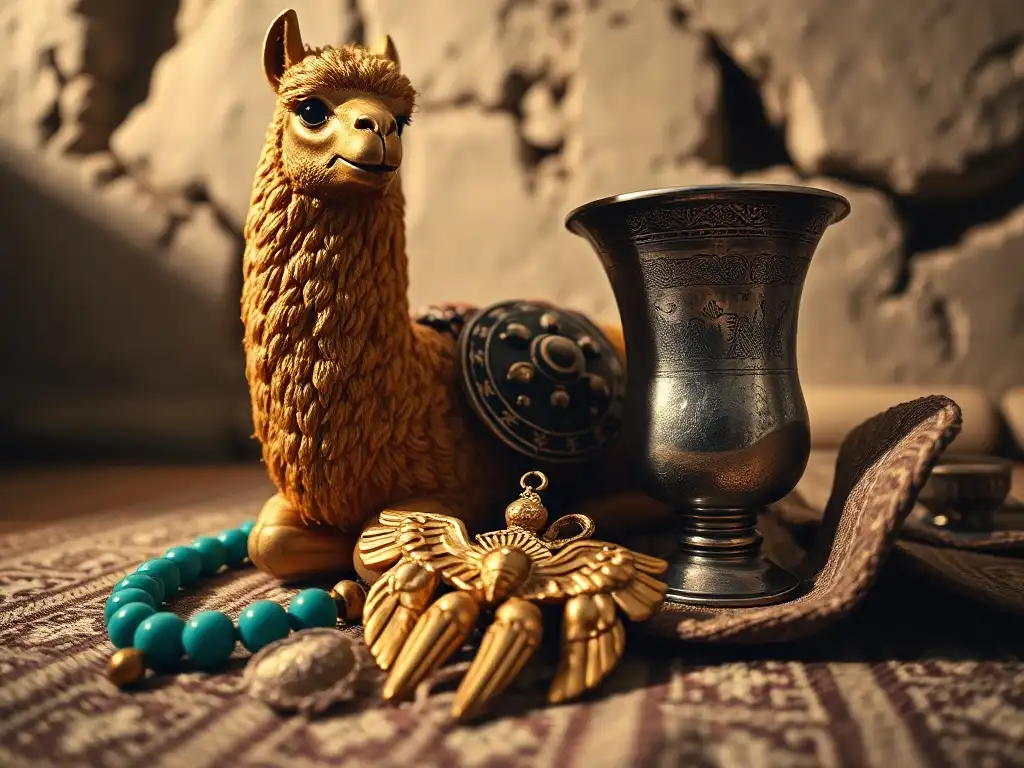
Inca metalwork represents a pinnacle of Andean artistic achievement, showcasing remarkable skill and ingenuity in the manipulation of precious metals. The Inca Empire, famed for its sophisticated artistry, utilized gold, silver, copper, and alloys extensively, transforming these materials into stunning objects of religious significance, royal power, and everyday use. The sheer quantity and quality of Inca metalwork discovered by archaeologists underscores the importance of metallurgy within their society.
The Inca's mastery of metalworking wasn't merely aesthetic; it was deeply intertwined with their cosmology, social structure, and political ideology. Their understanding of metallurgy, including techniques for alloying and purification, allowed them to create objects of breathtaking beauty and durability. The Inca's access to these precious resources, particularly gold and silver, further solidified their power and prestige within the Andean region.
The distribution of these metal objects, from elaborate royal regalia to smaller, more commonplace items, reflects a complex social hierarchy and a sophisticated system of tribute and exchange. Analyzing the materials and techniques employed in Inca metalwork provides invaluable insights into their worldview, technological prowess, and economic organization. This intricate relationship between material, technique, and meaning is a key component of understanding Inca art styles and techniques.
Inca Metalworking Techniques: Hammering, Casting, Repoussé
Inca artisans employed a variety of sophisticated techniques to shape and adorn their metal creations. Hammering was a fundamental technique, used to flatten, shape, and refine metal sheets. This process required considerable skill and precision, particularly for creating intricate designs and delicate forms. Casting, another crucial technique, involved melting metal and pouring it into molds.
This allowed for the creation of complex three-dimensional objects, such as figurines and vessels. The Incas developed highly refined techniques for creating intricate molds, allowing for mass production of certain items while still maintaining a high level of detail and quality. Repoussé, a technique where metal is hammered from the back to create raised designs on the front, was also frequently used. This method, demanding immense skill and patience, allowed for the creation of incredibly detailed and lifelike representations.
The combination of hammering, casting, and repoussé showcases the Inca's comprehensive understanding of metal properties and their ability to manipulate them with remarkable dexterity. Furthermore, techniques like gilding (applying a thin layer of gold) and the use of alloys—combinations of metals like gold and copper to create different colors and properties—further enhanced the artistry and complexity of their metalwork. The diverse range of techniques employed in Inca art styles and techniques is a testament to their advanced metalworking capabilities.
Religious and Symbolic Meanings in Inca Metalwork
Inca metalwork was far more than just aesthetically pleasing; it served crucial religious and symbolic functions. Gold, particularly, was associated with the sun god Inti, a central figure in Inca cosmology. Elaborate gold objects, often adorned with intricate designs depicting deities, celestial bodies, and mythical creatures, were used in religious ceremonies and adorned temples.
Silver, on the other hand, was often associated with the moon and water, reflecting the Inca's deep respect for the natural world. The specific designs and motifs used in Inca metalwork conveyed profound religious and symbolic meanings, often reflecting Inca mythology, beliefs about the afterlife, and the power of the ruling elite. For example, representations of jaguars, condors, and snakes, frequently found in metalwork, held significant symbolic importance, often representing power, strength, and shamanistic abilities.
The careful study of these motifs offers crucial insights into the Inca worldview and their understanding of the cosmos. Analyzing the iconography of Inca art styles and techniques reveals the deeply spiritual nature of their artistic production.
Types of Inca Metal Objects: Masks, Figurines, Jewelry
The Inca produced a wide array of metal objects, each serving different purposes and reflecting distinct aspects of their culture. Masks, often crafted from gold or silver, were worn by priests and rulers during religious ceremonies, symbolizing their connection to the divine. These masks, sometimes featuring intricate details and human-like features, were essential components of religious rituals and performances.
Figurines, often depicting humans, animals, or mythical creatures, were also commonly produced. These small-scale sculptures held both religious and secular significance, potentially serving as offerings, decorations, or representations of important figures. Jewelry, including earrings, necklaces, and nose rings, was worn by members of all social classes, although the materials and complexity of the designs varied according to social status.
Elaborate gold and silver jewelry served as symbols of wealth and power, while simpler pieces made from other materials were more commonplace. The diversity of Inca metal objects—from grand ceremonial masks to everyday adornments—illustrates the pervasive role of metalwork in Inca society and the remarkable artistic skill of their craftspeople. This wide variety of items exemplifies the breadth of Inca art styles and techniques.
Ceramics and Pottery: Everyday Art in the Inca Empire
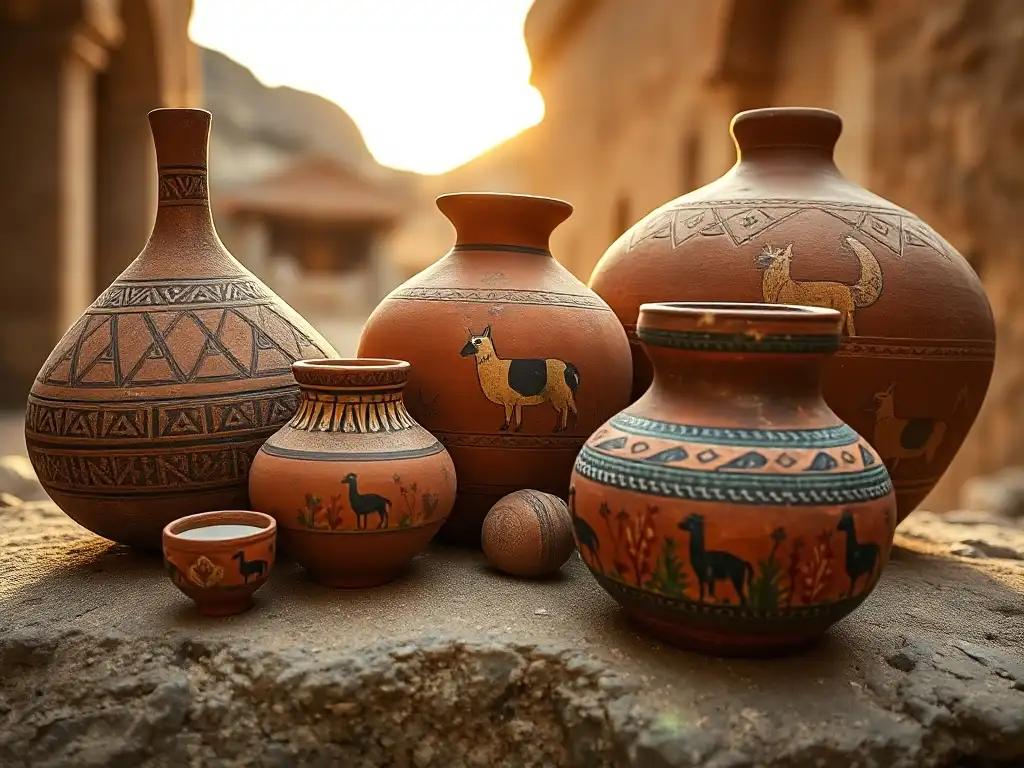
Inca art styles and techniques are incredibly diverse, reflecting the vast empire's geographical reach and cultural complexity. While gold and silver work often steal the spotlight, the ubiquitous presence of ceramics and pottery reveals a crucial aspect of Inca artistry: its integration into daily life. From simple utilitarian vessels to intricately decorated ceremonial pieces, Inca pottery offers a window into the beliefs, practices, and social structures of this remarkable civilization.
The sheer volume of surviving artifacts underscores the importance of pottery in Inca society, providing a rich source of information for researchers today. Analyzing these artifacts, we can begin to understand the sophisticated techniques and artistic sensibilities that defined Inca ceramic production. The stylistic consistency across vast distances also speaks to the empire’s powerful centralized administration and control over artistic production.
Inca Pottery Styles and Forms
Inca pottery exhibits a remarkable range of styles and forms, reflecting both functional and aesthetic considerations. Common forms include aryballos (small, globular vessels with narrow necks, often used for perfumes or oils), kero (large, stemmed cups frequently used in ceremonies), and various types of jars, bowls, and plates. The most prevalent style is characterized by a simple, elegant form, often with a smoothly finished surface.
Many pieces were created using the coil-building technique, where long coils of clay were carefully layered and smoothed to create the desired shape. This technique allowed for considerable flexibility in design and size. More elaborate pieces, however, demonstrate a mastery of wheel-throwing techniques, producing vessels with greater precision and thinner walls.
The use of different clay types – from fine, light-colored clays to darker, coarser varieties – also contributed to the diversity of textures and colors found in Inca pottery. The variations in styles and forms are not random; they reflect the intended use of the vessel and the social status of its owner. For example, ceremonial kero often displayed more elaborate decoration and were made from higher-quality materials than everyday bowls.
Decoration and Usage of Inca Ceramic Artifacts
The decoration of Inca ceramic artifacts is as varied as their forms. Common decorative techniques include painting, incision, and stamping. Paints were often made from natural pigments, producing a range of colors including red, black, white, and yellow. Geometric patterns, such as stripes, triangles, and zigzags, are frequently found, often arranged in complex and visually appealing ways.
Representational motifs, though less common than geometric designs, also appear, depicting animals, plants, and human figures. These images often hold symbolic meaning, reflecting Inca mythology and religious beliefs. The placement and type of decoration also offered clues to the vessel’s function. Ceremonial vessels, for instance, frequently displayed more elaborate designs and more vibrant colors.
Analysis of chemical residues on some vessels indicates their use for food preparation, storage, or even ritual offerings. This multi-faceted approach to understanding Inca pottery allows researchers to reconstruct the social and religious context of their use. The techniques used in the decoration, often intricate and precise, highlight the skill and artistry of the Inca potters.
The Regional Variations in Inca Ceramics
Despite the empire's centralized administration, regional variations in Inca ceramics are evident. While a core set of styles and techniques was maintained across the vast empire, local traditions and readily available materials influenced the final product. For example, pottery from the coastal regions often incorporated different clay types and decorative motifs than those from the highlands.
This regional variation, although subtle in some cases, offers valuable insights into the diverse artistic traditions that existed within the Inca Empire. Furthermore, the study of these variations can help archaeologists trace the movement of goods and people across the empire, providing further evidence of the complex economic and social networks that sustained Inca society.
The subtle differences in style and technique are a testament to the adaptability and creativity of Inca artisans, who seamlessly integrated local traditions within the broader framework of imperial artistic standards. Further research into these regional variations promises to yield a more nuanced understanding of Inca artistic production and its relationship to the empire's political and social structure.
Inca Art and its Connection to Nature and the Cosmos
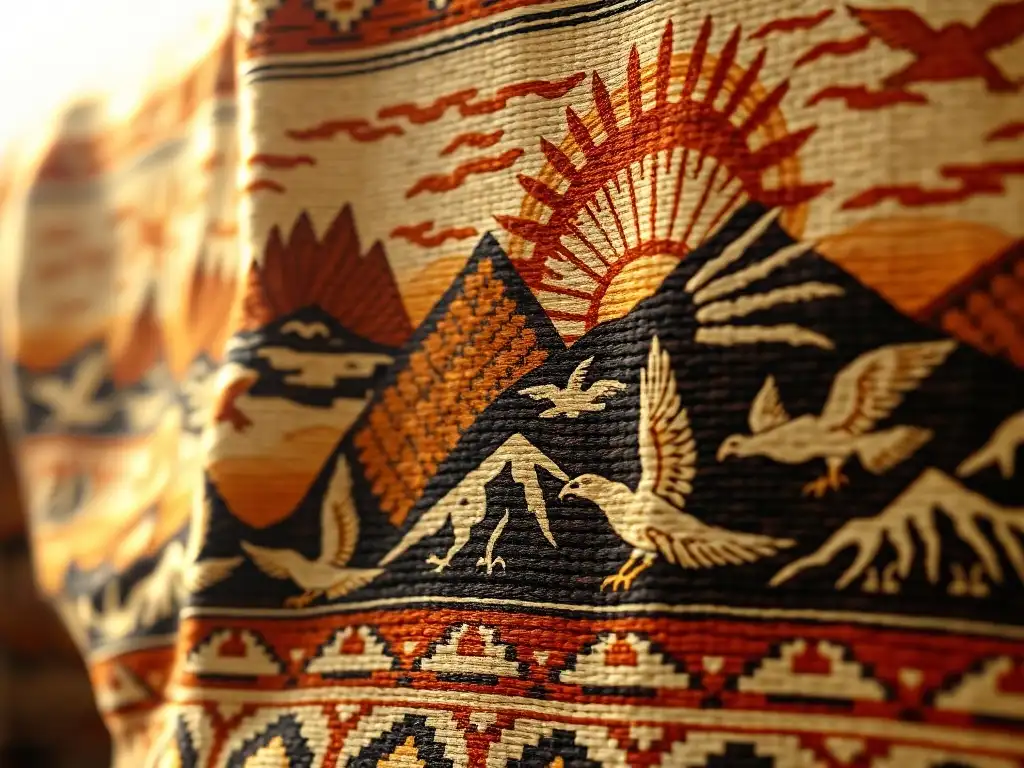
Inca art styles and techniques reveal a profound connection to the natural world and the cosmos, reflecting a worldview deeply intertwined with the Andean landscape and celestial events. Their art wasn't merely decorative; it served as a powerful means of communicating religious beliefs, social structures, and a sophisticated understanding of their environment. The intricate designs, vibrant colors, and symbolic imagery found in Inca textiles, pottery, and metalwork all speak to this intimate relationship.
Analyzing Inca art allows us to decipher their cosmology and appreciate the ingenuity of their artistic expressions. The enduring legacy of Inca art lies not only in its aesthetic beauty but also in its ability to convey a complex cultural narrative.
Natural Elements in Inca Art and Design
The Andean landscape—with its towering mountains, fertile valleys, and diverse flora and fauna—provided the primary inspiration for Inca art. Natural elements are frequently depicted in textiles, ceramics, and goldwork. For example, birds, particularly condors, symbolizing power and altitude, are common motifs. Geometric patterns often reflect the shapes of mountains, terraced fields ( andenes), and rivers. The use of specific colors also held symbolic meaning, with earthy tones representing the land and vibrant hues symbolizing celestial bodies or deities.
Consider the intricate weaving techniques employed in Inca textiles. The use of vibrant natural dyes derived from plants and minerals showcases a deep understanding of botanical resources and a mastery of dyeing processes. These textiles often depict scenes of daily life, including agricultural activities, hunting, and religious ceremonies, all within a backdrop of natural elements.
The meticulous detail and precision in the weaving demonstrate not only artistic skill but also a profound respect for the natural world and its bounty. Detailed studies of surviving textiles reveal a complex system of iconography, where each element carries specific symbolic weight within the Inca worldview.
We can observe a clear integration of nature into the very structure of Inca art. The shapes and patterns, color palettes and the materials themselves — all draw directly from the surrounding environment. This deep connection is not merely aesthetic; it's fundamental to understanding the cultural and spiritual significance of Inca artistic production.
Inca Art and the Representation of Deities
Inca religious beliefs heavily influenced their art. Deities, often depicted in anthropomorphic or zoomorphic forms, feature prominently in various art forms. The sun god, Inti, was a central figure, and his image appears frequently in gold and silver objects, showcasing the Inca's mastery of metallurgy. Other deities, such as the moon goddess, Mama Killa, and the creator god, Viracocha, were also represented through distinct iconographic elements.
Representations of deities were not always literal. Instead, the Inca artists frequently utilized symbolic imagery to evoke the power and essence of these divine figures. For example, certain animal forms, such as the puma or the serpent, could represent specific deities or aspects of their power. The use of specific colors and patterns further enhanced the symbolic representation.
The meticulous craftsmanship and the use of precious metals underscore the importance of these religious themes in Inca society. Analyzing the iconography in Inca art provides valuable insights into their complex pantheon and religious practices. Further research is needed to fully understand the nuances of the representation of less prominent deities in the Inca art.
How the Cosmos Influenced Inca Artistic Expression
The Inca's sophisticated understanding of astronomy is reflected in their art. The sun, moon, stars, and constellations played significant roles in their religious beliefs and agricultural practices. The precise placement of structures like Machu Picchu, aligned with celestial events, suggests a deep understanding of astronomy that was integrated into their artistic endeavors. The celestial bodies often feature prominently in textiles and ceramics, reflecting the importance of these elements in their cosmology.
Moreover, the cyclical nature of the cosmos—the changing seasons, the movement of the stars—is often represented through repeating patterns and motifs in Inca art. These patterns suggest a worldview that understood the interconnectedness of earthly and celestial realms. The use of specific colors and materials might also relate to celestial events or the positions of the stars at particular times of the year.
Further research is necessary to fully decipher the astronomical references within the surviving Inca artistic legacy. Uncovering these connections provides a deeper appreciation of the Inca's intellectual and artistic achievements. The intricate relationship between Inca art and their understanding of the cosmos underscores the sophisticated nature of their civilization.
Legacy and Influence of Inca Art
The Enduring Impact of Inca Art on Modern Andean Culture
Inca art, with its distinctive styles and techniques, continues to resonate deeply within modern Andean culture. The vibrant colors, intricate designs, and symbolic representations found in Inca textiles, pottery, and metalwork serve as powerful reminders of a rich heritage. Many contemporary Andean artists draw inspiration from these ancient forms, incorporating traditional motifs and techniques into their own creations. This isn't mere imitation; it's a living tradition, a dynamic interplay between past and present.
For example, the use of traditional Andean dyes in contemporary textiles reflects a commitment to preserving ancient knowledge and practices. The intricate weaving techniques, passed down through generations, are still employed, demonstrating the enduring legacy of Inca artistry. Moreover, the symbolic imagery often found in Inca art – such as the condor, puma, and serpent – continues to hold cultural significance, appearing in modern art, clothing, and even everyday objects.
This ongoing influence underscores the enduring power and relevance of Inca art styles and techniques. The vibrant tapestry of Andean culture is, in many ways, woven with threads directly connected to the Inca artistic legacy. The survival of these artistic traditions serves as a testament to the resilience and cultural continuity of the Andean people.
Preservation and Study of Inca Art Today
The preservation and study of Inca art are crucial for understanding the Inca civilization and its lasting impact. Museums and archaeological sites across the Andes house significant collections of Inca artifacts, providing invaluable resources for researchers and the public alike. The meticulous cataloging and analysis of these objects, along with ongoing archaeological excavations, are continually expanding our knowledge of Inca art styles and techniques. Scholars employ a range of scientific methods, including material analysis and stylistic comparisons, to gain deeper insights into the creation and meaning of Inca artworks.
For instance, the study of Inca textiles has revealed sophisticated knowledge of dyeing techniques and fiber manipulation. Similarly, research into Inca metalwork has uncovered innovative metallurgical processes and artistic skills. These studies not only help us understand the technical aspects of Inca art but also shed light on the social, religious, and political contexts in which these objects were created and used.
Furthermore, efforts are underway to protect Inca sites and artifacts from deterioration and looting, ensuring the preservation of this invaluable cultural heritage for future generations. This ongoing research and conservation work is essential to continue appreciating the sophistication and artistry of the Inca civilization. The meticulous documentation and analysis of Inca art are paramount for understanding the intricacies of their culture and its lasting influence.
Conclusion: Celebrating the Artistic Brilliance of the Inca
The artistic brilliance of the Inca civilization is undeniable. Their mastery of diverse materials, coupled with their innovative techniques and profound understanding of symbolism, resulted in a unique and enduring artistic legacy. From the intricate textiles to the finely crafted metalwork and the impressive stone structures, Inca art showcases a remarkable level of skill and creativity.
The study of Inca art styles and techniques provides a window into the complexities of their society, revealing insights into their beliefs, values, and social structures. The enduring impact of Inca art on modern Andean culture demonstrates its continued relevance and power. Preservation efforts and ongoing research are crucial for ensuring that this rich artistic heritage is appreciated and understood by future generations.
The legacy of Inca art is a vibrant testament to human ingenuity and the enduring power of artistic expression; a legacy that continues to inspire and enrich the world today. The study of Inca art provides not only aesthetic enjoyment but also a deeper understanding of a remarkable civilization and its enduring influence. 🎉
Frequently Asked Questions
What are some defining characteristics of Inca art?
Inca art is characterized by its geometric precision, symmetrical designs, and the use of natural materials like stone, gold, silver, and textiles. Intricate weaving and stonework are also hallmarks of their artistic style.
What were the primary materials used by Inca artisans?
Inca artists primarily utilized stone, gold, silver, copper, textiles, and wood. The availability of these materials varied geographically, influencing regional styles. Ceramics also played a significant role.
How did Inca art reflect their religious beliefs?
Inca art heavily reflected their polytheistic religion. Depictions of gods, mythological figures, and ritual objects are common in their art, often integrated into architecture and textiles.
What techniques did Inca artists employ in their work?
Inca artists mastered techniques like stone carving, metalworking, weaving, and pottery. They were skilled in intricate inlay work and precise stone fitting, particularly evident in their impressive architecture.
How did Inca art styles differ across various regions of the empire?
While sharing core stylistic elements, Inca art exhibited regional variations. Architectural styles, for instance, differed, reflecting local materials and artistic traditions. Textile designs also varied geographically.
Final Reflection: Echoes of the Andes: A Legacy of Inca Art
The vibrant artistry of the Inca civilization continues to resonate today, a testament to their ingenuity and a powerful reminder of the enduring human capacity for creative expression. Their sophisticated techniques, from intricate textiles to monumental stonework, weren't merely decorative; they were integral to their social fabric, religious beliefs, and complex worldview. Understanding these methods allows us to appreciate not only the aesthetic beauty but also the profound cultural significance embedded within each piece.
The impact of Inca art extends far beyond the museum walls; its influence can be seen in contemporary Andean art, fashion, and even architecture. The legacy of their innovative techniques and symbolic imagery continues to inspire artists and designers today, demonstrating the timeless power of their artistic vision. Art washes away from the soul the dust of everyday life.
– Pablo Picasso. This quote, while not directly about Inca art, perfectly captures the enduring ability of art, particularly that of the Inca, to transcend time and connect us to something larger than ourselves.
Consider the intricate detail in a single piece of Inca pottery, the precision of their stonework, the vibrant colors of their textiles. These weren't simply objects; they were expressions of a rich culture, a testament to human ingenuity, and a window into a fascinating past. You, the reader, are now part of this ongoing conversation.
Take a moment to reflect on the power of art to transcend time and culture, and consider how the legacy of the Inca continues to shape our world today. Let their artistry inspire you to appreciate the beauty and creativity that surrounds us, and perhaps even to create your own expressions of wonder.
Unveil the Masterpieces of Inca Art!
Thank you for exploring the rich legacy of Inca art with us! We hope you were inspired by the innovative techniques and creativity of this remarkable civilization. Let's continue to deepen your appreciation and engagement with Inca artistry!
- Visit local museums or online galleries showcasing Inca artifacts to experience their beauty firsthand.
- Connect with fellow enthusiasts by joining an online community or forum dedicated to Andean art and culture.
- Create your own artwork inspired by Inca techniques—a painting, sculpture, or craft project—and share it with our community!
What aspect of Inca art captivates you most—its vibrant colors, intricate designs, or perhaps the narratives embedded within each piece? Share your thoughts below!