
Moche Sun Worship: Exploring the Significance of the Solar Deity

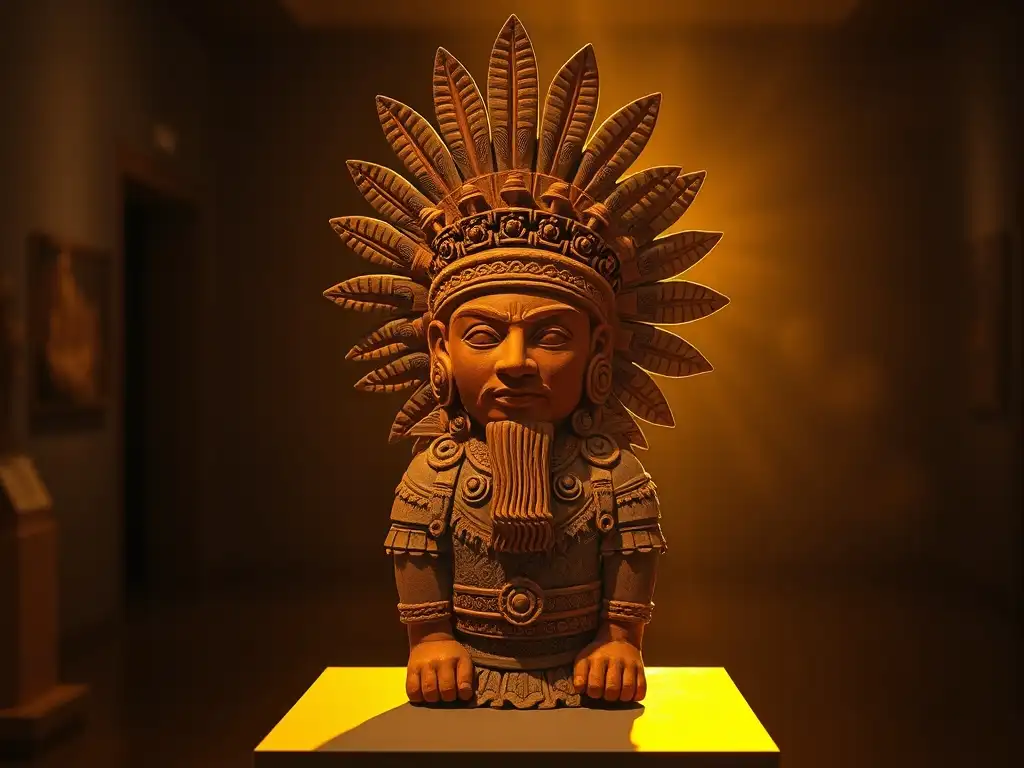
Dive into the enigmatic world of the Andean civilizations! Journey through millennia of breathtaking artistry, sophisticated engineering, and captivating mythology. But prepare to be amazed by the Moche, whose sun god held a power far beyond earthly comprehension. What secrets did this celestial deity hold, and how did it shape the very fabric of Moche society? Uncover the astonishing truth behind the Moche sun god significance – your exploration begins now.
The Moche civilization, flourishing along the northern coast of Peru from approximately 100 CE to 800 CE, left behind a remarkable legacy of sophisticated art, intricate irrigation systems, and a complex religious worldview. Central to this worldview was the profound veneration of the sun, a celestial body imbued with immense power and significance in Moche cosmology.
This article delves into the fascinating world of Moche sun worship, exploring the role of the solar deity within their pantheon and examining the evidence that reveals the depth of their solar devotion. Understanding the Moche sun god's significance provides crucial insight into the social structure, agricultural practices, and overall worldview of this remarkable pre-Columbian society.
We will explore the intricate ways in which the Moche integrated their sun god into their daily lives, rituals, and artistic expressions, unveiling a vibrant and complex relationship between humanity and the celestial realm. The significance of the Moche sun god is not merely a religious curiosity, but a key to unlocking a deeper understanding of this influential civilization.
Introduction to Moche Religion and the Sun's Importance
Moche religion was deeply intertwined with the natural world, particularly the forces of nature vital to their survival. As an arid coastal society heavily reliant on agriculture, the sun played a crucial role in their lives. The sun's life-giving power, essential for successful harvests, naturally led to its deification.
Unlike many other ancient civilizations with clearly defined creator gods, the Moche pantheon appears more polytheistic, with various deities representing different aspects of nature and the human experience. However, the sun god consistently emerges as a prominent figure, often depicted in powerful and awe-inspiring ways in their art and architecture. The Moche's reverence for the sun is evident not only in their elaborate religious ceremonies but also in their sophisticated astronomical observations, suggesting a deep understanding of celestial cycles and their impact on their agricultural practices.
Evidence suggests a complex ritualistic system, likely involving sacrifices and offerings to appease and honor the sun god, ensuring continued prosperity and abundance. The prominence of the sun in their iconography underlines its central position within their belief system and its influence on their daily lives.
The Moche Pantheon: Identifying the Solar Deity
Identifying a single, definitive "sun god" within the Moche pantheon presents a challenge. Moche iconography is rich in symbolism, and the representation of deities can be multifaceted and ambiguous. However, certain recurring motifs and artistic conventions strongly suggest the presence of a primary solar deity.
Often depicted as a powerful warrior or a majestic figure adorned with sun-like symbols, this deity is frequently associated with themes of power, fertility, and cosmic order. While specific names remain elusive due to the absence of a deciphered written language, analysis of Moche ceramics, metalwork, and monumental architecture consistently reveals the prominent role of a solar deity. For example, [specific examples of Moche artwork depicting solar imagery pending].
The presence of recurring symbols such as the sun disc, rays of light, and feathered headdresses further reinforces the identification of a prominent solar figure within their complex religious system. Further research into the context of these depictions within Moche sites and burial grounds is crucial to gaining a more complete understanding of the nature and attributes of their solar deity. The study of these artifacts, coupled with anthropological interpretations of Moche societal structures, continues to illuminate the significance of the sun god within their culture.
The Moche Sun God: Iconography and Representation
The Moche sun god, a central figure in their elaborate pantheon, wasn't depicted as a singular, easily identifiable entity like some other cultures' solar deities. Instead, his representation was multifaceted and symbolic, evolving across different periods and artistic expressions. His iconography often blended with other celestial and terrestrial elements, reflecting the Moche's complex understanding of the cosmos and their place within it.
The lack of a single, consistent visual representation highlights the nuanced and layered nature of their religious beliefs, where the sun god's power and influence permeated various aspects of life. Scholars continue to debate the precise symbolism embedded within different artistic interpretations, making the study of the Moche sun god a continuously evolving field of research.
The ambiguity inherent in his portrayal adds to the mystique and intrigue surrounding this powerful deity, urging further investigation into the intricate details of Moche iconography. The varied depictions likely reflected regional differences, temporal shifts in religious practice, or even the specific context of the artwork itself.
Common Symbols of the Moche Solar Deity
Several recurring motifs associated with the Moche sun god help us piece together his symbolic significance. These symbols weren't always explicitly connected to a human-like figure; instead, they often appeared independently or as part of a larger, complex composition. ☀️ A common symbol is the sun itself, depicted as a radiant disc, sometimes with stylized rays extending outwards.
This simple, direct representation underscores the sun's fundamental importance. Beyond the literal sun, however, we find more abstract symbols. Feathers, often associated with power and divinity in Andean cultures, frequently appear in conjunction with sun imagery.
Additionally, ornate headdresses and staffs adorned with solar motifs further emphasized the deity's status and authority. The recurring use of these symbols across various Moche artifacts suggests a consistent, widely understood religious system, despite the variation in artistic representation. Further research is needed to fully understand the nuances of each symbol and their interrelationships within the Moche cosmology.
Depictions of the Sun God in Moche Art
The Moche sun god's presence is vividly captured in their remarkable art. Ceramics, particularly the elaborate stirrup-spout vessels, provide some of the most detailed depictions. These vessels, often showcasing scenes of ritual sacrifice or mythical narratives, frequently feature figures adorned with solar symbols, likely representing the sun god or his intermediaries.
These depictions are not always straightforward; the god might be represented as a powerful warrior, a majestic ruler, or even a hybrid creature, combining human and animal attributes. Moche murals, though less common than ceramics, also offer glimpses into their religious worldview, showcasing scenes that possibly depict solar rituals or myths. The artistry of these works, with their intricate details and vibrant colors, speaks to the deep reverence the Moche held for their sun god and the importance of his role in their society.
The diversity of artistic representations, however, underscores the complexity of the Moche religious system and the fluidity of their understanding of divinity. Further analysis of existing artwork and future archaeological discoveries promise to shed more light on this fascinating aspect of Moche culture.
The Moche Sun God's Role in Creation Myths
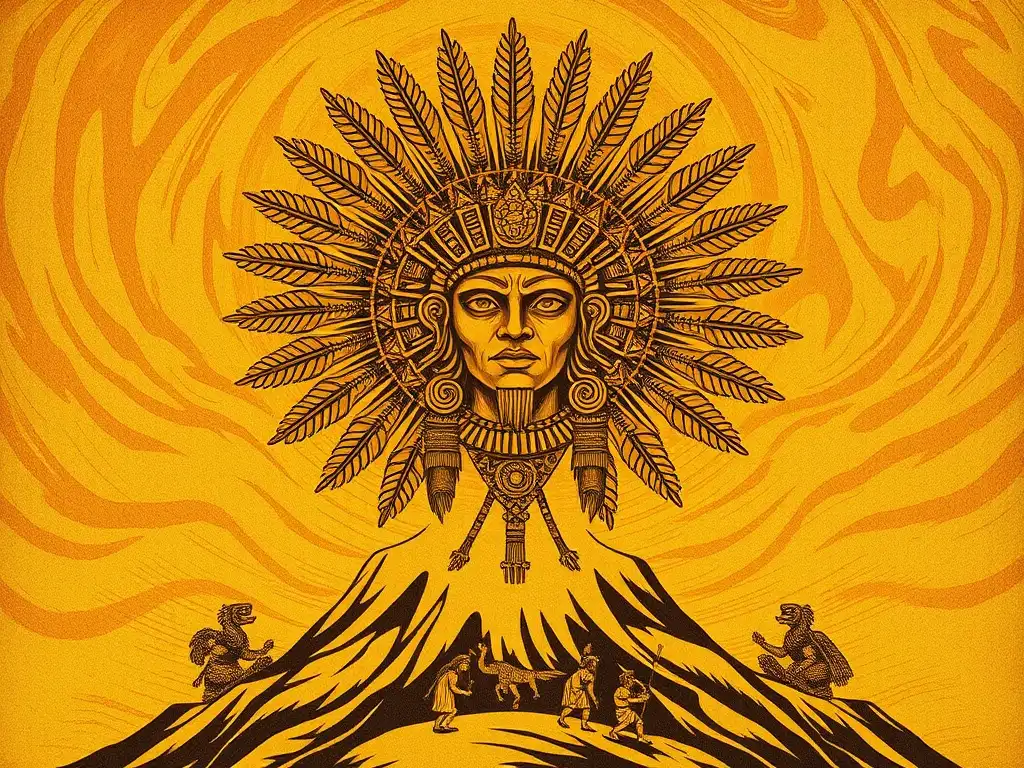
While specific written accounts of Moche mythology are lacking, archaeological evidence, particularly ceramic iconography, strongly suggests a significant role for the sun god in their creation myths. The sun's life-giving power, clearly observed in the arid Andean landscape, likely fueled beliefs associating the deity with fertility, growth, and the cyclical nature of life and death. Depictions often show the sun god interacting with other deities or natural forces, suggesting a complex cosmology where the sun god played a central, yet not necessarily singular, role in shaping the world.
Interpretations of these scenes, however, remain subject to ongoing scholarly debate. The lack of a cohesive, written narrative necessitates careful analysis of the available visual evidence, requiring interdisciplinary collaboration between archaeologists, art historians, and anthropologists to piece together the fragmented narratives.
Future discoveries of Moche artifacts or sites could offer further clues to their creation myths and the sun god's position within them. The current understanding remains incomplete, but the evidence strongly suggests a significant, perhaps foundational, role for the sun god in Moche beliefs about the origin and maintenance of the world.
Rituals and Ceremonies Honoring the Moche Sun God
The Moche civilization, renowned for its sophisticated artistry and complex social structure, held a deep reverence for the sun. Their sun god, while not explicitly named in surviving texts (as the Moche lacked a writing system), is clearly depicted in their iconography as a powerful, often anthropomorphic figure, sometimes associated with a jaguar or other powerful animals. These depictions suggest a solar deity embodying both life-giving warmth and potentially destructive power.
Rituals and ceremonies dedicated to this deity were likely central to Moche life, permeating all aspects of their society from agricultural cycles to political power. Archaeological evidence, primarily in the form of elaborate ceramics and monumental architecture, provides glimpses into the nature of these rituals. The sheer scale and artistry of many of these artifacts hint at the significance and possibly the elaborate nature of these ceremonies, potentially involving large gatherings of people.
We can imagine vibrant processions, offerings of food and precious goods, and perhaps even human sacrifice, reflecting the multifaceted nature of their sun god. Further research into the relationship between these objects and the broader societal structure of the Moche is necessary to fully understand the extent and impact of these rituals.
Moche Sacrifices and the Sun God
The role of human sacrifice in Moche sun worship is a subject of ongoing debate among researchers. While the evidence is undeniable—the discovery of numerous sacrificed individuals in elite Moche contexts, often associated with elaborate grave goods—the precise nature of these sacrifices and their connection to the sun god remains unclear. Some scholars suggest that these sacrifices were intended to appease the sun god, ensuring a bountiful harvest or victory in war.
Others propose that the sacrifices were part of a broader ritual complex aimed at reinforcing the power and legitimacy of the Moche elite. The discovery of human remains within the Huaca de la Luna, a major Moche ceremonial center, strongly suggests a connection between these practices and the worship of the sun god. The careful preparation and burial of these individuals, often accompanied by elaborate grave goods, points towards a ritualistic context, rather than simple acts of violence.
However, more research is needed to fully unravel the meaning and significance of these complex and often disturbing events within the Moche religious system. The precise details of the rituals surrounding the sacrifices, the selection process for victims, and their roles in society are still largely unknown.
Huaca de la Luna and its Solar Alignments
Huaca de la Luna, meaning "Temple of the Moon," is a significant Moche ceremonial center. Despite its name, evidence suggests a strong connection to sun worship. The temple’s architecture, including the careful orientation of its structures and the placement of specific features, may have been designed to align with the sun's movements throughout the year.
These potential solar alignments could have played a crucial role in Moche religious practices. Specific architectural elements might have been used to mark solstices and equinoxes, pivotal moments in the agricultural calendar. The precise nature of these alignments and their significance in the context of sun worship requires further investigation.
High-resolution mapping and detailed astronomical analysis could reveal subtle details about the temple’s orientation and potential celestial alignments, providing further insights into the Moche understanding of the cosmos and the role of the sun god in their worldview. The intricate murals and reliefs found within the temple also depict scenes that might have been related to solar rituals, further reinforcing the connection between the site and the sun god.
The Moche Sun God and Royal Power
The Moche sun god's significance extended far beyond simple religious devotion; it was deeply intertwined with the political structure and the legitimacy of the ruling elite. The Moche state was characterized by a highly centralized system of power, with rulers holding immense authority. These rulers, often depicted in elaborate attire and regalia, were portrayed as intermediaries between the divine and the earthly realm.
Their power was legitimized through their connection to the sun god, implying a divine right to rule. This connection is vividly portrayed in Moche art, where rulers are often shown with attributes associated with the sun god, such as sun discs or solar rays, reinforcing their divine authority.
The carefully orchestrated rituals and ceremonies, particularly those involving human sacrifice, likely served to reinforce the ruler's divine connection and solidify their position of power. The close association between the sun god and the Moche elite suggests a sophisticated system of religious and political control.
The Sun God's Connection to Moche Rulers
The iconography of Moche rulers frequently depicts them with attributes associated with the sun god, emphasizing their divine legitimacy. They are often shown wearing elaborate headdresses adorned with sun motifs, holding scepters with solar symbols, or surrounded by representations of the sun's rays. This visual representation wasn't merely decorative; it conveyed a powerful message of divine authority and power.
The rulers’ close association with the sun god served to bolster their status and legitimize their rule. The very act of being depicted in such close proximity to the sun god implied a direct link to the deity's power and influence. This symbolic connection was likely crucial in maintaining social order and consolidating the rulers' control over the population.
Further analysis of the iconography, especially the specific symbols and their arrangement, could reveal more about the nature of the relationship between the Moche rulers and the sun god. The careful study of these images can provide valuable insights into the dynamics of power and religious belief within the Moche civilization.
Divine Legitimacy and the Moche Elite
The Moche elite's power rested, in part, on their claimed connection to the sun god. This divine legitimacy was carefully cultivated and maintained through elaborate rituals, monumental architecture, and sophisticated propaganda, largely conveyed through their impressive artistic output. The elite's control over resources, particularly those associated with religious ceremonies, reinforced their position as intermediaries between the divine and the common people.
By controlling access to the rituals and the favor of the sun god, the elite maintained their power and influence. The construction of massive ceremonial centers, such as Huaca del Sol and Huaca de la Luna, served as powerful symbols of this divine authority, showcasing the elite's power and their close relationship with the sun god.
The elaborate burials of elite individuals, often filled with precious goods and symbolic objects linked to the sun god, further solidified their divine status and the legitimacy of their rule. The meticulous craftsmanship of the artifacts associated with the elite, as well as the scale of their burial sites, underscore their importance and their role in the Moche religious and political system.
The Sun God's Influence on Moche Daily Life
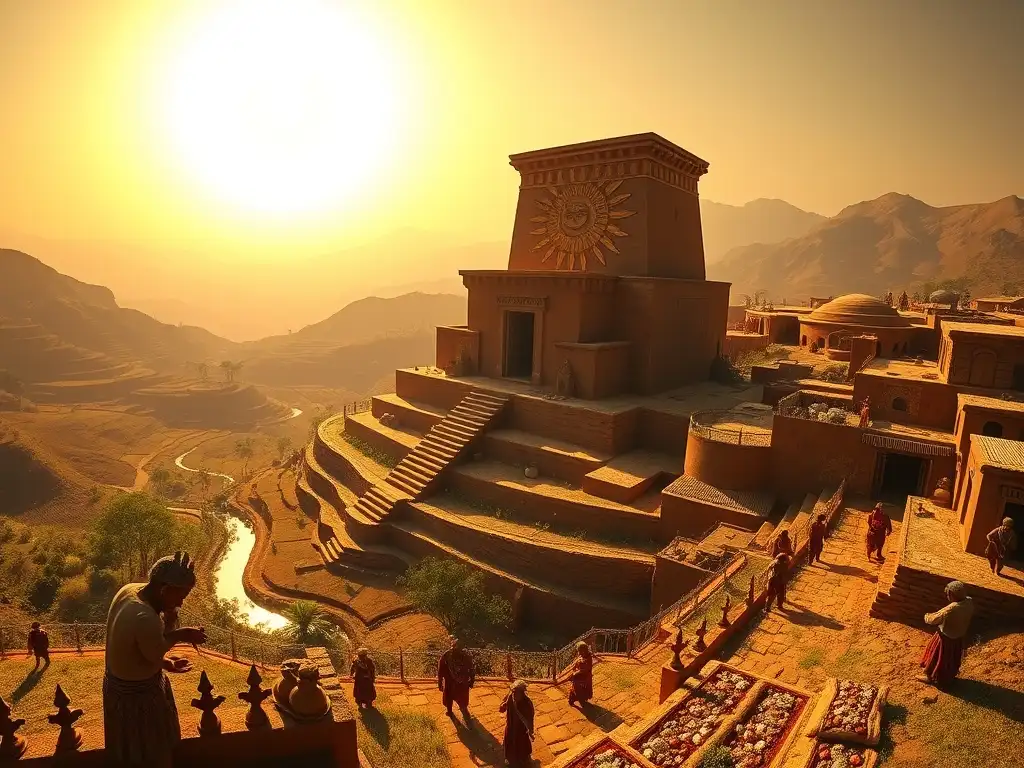
The Moche sun god, a powerful deity in their pantheon, permeated nearly every aspect of daily life. His influence wasn't merely a matter of religious observance; it was woven into the fabric of their society, shaping their agricultural practices, social structures, and even their artistic expressions. The Moche believed that the sun god's favor directly impacted their well-being, ensuring bountiful harvests and societal prosperity.
This belief system fostered a deep respect for the natural world and a close relationship between humans and the divine. Evidence of this profound influence can be seen in the intricate artwork depicting the sun god, the meticulous planning of their agricultural terraces, and the overall organization of their settlements, all designed to align with the rhythms of the sun.
The sun god wasn't simply a distant entity; he was an active participant in their everyday lives, a force to be revered and appeased. The Moche's dedication to the sun god is a testament to the power of religious belief in shaping a civilization.
Agriculture and the Solar Cycle in Moche Society
The Moche civilization thrived in a geographically challenging environment, relying heavily on agriculture for sustenance. Their success was intricately linked to their understanding and reverence for the solar cycle. The sun god's role wasn't just symbolic; it was practical.
The Moche meticulously planned their agricultural systems around the sun's movements, developing sophisticated irrigation techniques and terraced farming to maximize crop yields. The timing of planting and harvesting was directly tied to the sun's position in the sky, highlighting the deep connection between their agricultural practices and their religious beliefs. The abundance or scarcity of harvests was seen as a direct reflection of the sun god's favor or displeasure.
This close relationship between agriculture and religion ensured the survival and prosperity of the Moche civilization, demonstrating the crucial role of the sun god in their daily lives. Archaeological evidence, including the remains of irrigation canals and terraced fields, supports the importance of the sun god in Moche agriculture.
The Sun God's Significance in Moche Cosmology
Within the Moche cosmology, the sun god held a paramount position. He wasn't just a deity; he was a central pillar of their worldview, representing life, power, and fertility. The sun god's dominion extended beyond the earthly realm, encompassing the celestial sphere and the forces of nature.
Moche mythology likely portrayed the sun god's journey across the sky, perhaps even incorporating narratives about his battles against darkness or other supernatural forces. The sun god’s prominence is evident in the elaborate iconography found on Moche pottery, textiles, and metalwork. These artifacts often depict the sun god in a variety of forms, sometimes anthropomorphic, other times represented by solar symbols.
The complexity and artistry of these depictions underscore the profound importance of the sun god in their religious and cosmological beliefs, reflecting a sophisticated understanding of the cosmos and their place within it. Further research into Moche mythology could shed more light on the nuances of the sun god's role in their cosmic order.
The Decline of Moche Sun Worship and its Legacy
The reasons behind the decline of Moche sun worship are complex and not fully understood, but it's clear that the prominence of the solar deity diminished over time. While the exact timeline is debated, the shift likely involved a combination of factors, leading to a change in religious practices and the emergence of new beliefs. This wasn't necessarily a sudden abandonment of sun worship but rather a gradual evolution of religious beliefs and practices.
The Moche civilization itself experienced periods of upheaval, including potential internal conflicts and environmental changes that could have contributed to the shift in religious focus. Understanding this transition requires careful consideration of various historical and archaeological data.
Factors Contributing to Changes in Religious Practices
Several factors likely contributed to the changes in Moche religious practices. Environmental changes, such as prolonged droughts or floods, could have shaken their faith in the sun god's ability to consistently provide for them. Internal social or political unrest might have also led to a questioning of established religious norms and the rise of new deities or religious interpretations.
The influence of neighboring cultures could have also played a role, introducing new religious ideas and practices that gradually integrated into, or replaced, aspects of Moche sun worship. The interplay of these factors likely resulted in a gradual shift in religious emphasis, rather than a sudden abandonment of the sun god. Further research is needed to fully understand the specific interplay of these factors in the decline of Moche sun worship.
The Enduring Influence of the Moche Solar Deity
Despite the decline of its central role, the legacy of the Moche sun god persists. The imagery and symbolism associated with the sun god continue to resonate in later Andean cultures, demonstrating the enduring influence of Moche religious beliefs. Elements of Moche iconography and artistic motifs, including representations of the sun god, were adopted and adapted by subsequent cultures.
This continuity suggests that the core concepts and beliefs associated with the Moche sun god, even if transformed, continued to hold significance for later Andean populations. The sun god's legacy is not just a historical artifact; it's a living thread connecting different Andean cultures across time, highlighting the enduring power of religious ideas and their ability to transcend cultural boundaries. The study of the Moche sun god's lasting impact on later Andean cultures provides valuable insights into the complex evolution of religious beliefs in the region.
Conclusion: Understanding the Moche Sun God Significance
The Moche civilization's reverence for the sun god, as evidenced by their elaborate iconography, monumental architecture, and sophisticated rituals, reveals a deep-seated belief system intricately woven into their daily lives and societal structures. The sun wasn't merely a celestial body; it was a powerful deity, a life-giving force that dictated agricultural cycles, influenced social hierarchies, and ultimately shaped their worldview. Understanding the Moche sun god's significance allows us to appreciate the complexity and sophistication of their religious beliefs, highlighting the profound connection between their spiritual world and the practical aspects of their existence. The enduring legacy of their sun worship is seen in the meticulously crafted artifacts that have survived millennia, offering invaluable insights into the religious practices and beliefs of this fascinating ancient civilization.
Further research, including continued archaeological excavations and analysis of existing artifacts, will undoubtedly unveil even more facets of this compelling religious system, enriching our understanding of the Moche people and their profound connection to the sun. The meticulous detail and artistic skill displayed in Moche artwork depicting the sun god, underscore the centrality of this deity in their culture. This dedication to artistic representation serves as a testament to the importance of the sun god in shaping Moche identity and social order.
The pervasive presence of solar motifs in various aspects of Moche life—from ceramics and textiles to architecture and metalwork—reinforces the deeply ingrained nature of their sun worship. Ultimately, studying the Moche sun god allows us to gain a deeper understanding of the complexities of ancient Andean religions and the critical role of solar deities in shaping pre-Columbian societies. The Moche sun god's significance transcends simple religious devotion; it represents a powerful symbol of life, power, and the intricate relationship between the Moche people and their environment.
- Introduction to Moche Religion and the Sun's Importance
- The Moche Pantheon: Identifying the Solar Deity
- The Moche Sun God: Iconography and Representation
- The Moche Sun God's Role in Creation Myths
- Rituals and Ceremonies Honoring the Moche Sun God
- The Moche Sun God and Royal Power
- The Sun God's Influence on Moche Daily Life
- The Decline of Moche Sun Worship and its Legacy
- Conclusion: Understanding the Moche Sun God Significance
- What is the significance of the sun god in Moche culture?
- How did the Moche people worship their sun god?
- What are some examples of Moche sun god representations?
- How does the Moche sun god compare to other Andean sun deities?
- What is the current understanding of Moche sun god's role in their society?
Frequently Asked Questions
What is the significance of the sun god in Moche culture?
The Moche sun god, often depicted in elaborate ceramics and monumental architecture, held immense religious and political significance. It represented fertility, power, and the cyclical nature of life and death, vital to their agricultural society. The sun god's image was instrumental in legitimizing the ruling elite.
How did the Moche people worship their sun god?
Moche sun worship likely involved elaborate rituals, sacrifices (possibly human), and the creation of ornate artifacts, reflecting the sun god's power. These practices were probably overseen by a powerful priestly class.
What are some examples of Moche sun god representations?
The Moche sun god is frequently depicted in pottery, especially in the form of anthropomorphic figures with sun-like attributes. Monumental architecture may also have incorporated solar alignments or symbols reflecting sun worship.
How does the Moche sun god compare to other Andean sun deities?
While sharing some common features with other Andean sun gods, the Moche deity possesses unique iconographic characteristics. Its representations often emphasize ferocious aspects and a connection to warfare and power, unlike some more benevolent portrayals in other cultures.
What is the current understanding of Moche sun god's role in their society?
Archaeological evidence suggests the Moche sun god was central to their socio-political structure. Its representation served to legitimize the ruling elite, maintain social order, and perhaps ensure agricultural prosperity through ritual practices.
Final Reflection: The Enduring Radiance of the Moche Sun
The Moche civilization's reverence for the sun, far from being a relic of the past, offers a powerful lens through which to examine our own relationship with the natural world and the enduring human need for spiritual meaning. The intricate artistry and profound symbolism embedded in their sun god imagery continue to resonate, reminding us of the fundamental connection between humanity and the cosmos.
The Moche sun god's influence extends far beyond the dusty plains of ancient Peru; its enduring presence in our collective consciousness speaks to the timeless human quest for understanding and connection. The power of the sun, its life-giving energy and awe-inspiring presence, has captivated cultures across millennia. The sun is the ultimate source of life, and its worship is a testament to the fundamental human need to understand and connect with the forces that shape our existence.
This simple truth, reflected in the Moche's devotion, remains profoundly relevant today, urging us to reconsider our own place within the larger cosmic order.
Consider, for a moment, the profound impact the sun has on your own life. Its warmth, its light, its very presence shapes your daily experience. Let the legacy of the Moche sun god inspire you to cultivate a deeper appreciation for the natural world and the spiritual significance it holds. Embrace the awe-inspiring power of the sun, and find your own connection to the timeless forces that have shaped humanity for millennia. Let the radiant energy of the past illuminate your path towards a more meaningful future.
Illuminate Your Understanding of Moche Spirituality!
Thank you for exploring the significance of the sun deity in Moche culture! Your interest highlights the rich spiritual heritage of the Andean civilizations. Now, let's put your newfound knowledge into practice.
- Explore further: Immerse yourself in the Moche civilization by visiting museums and archaeological sites that showcase their unique relationship with the sun. Witness firsthand the artistry and craftsmanship reflecting their solar beliefs.
- Share the knowledge: Discuss your insights with friends, family, or online communities. Spark conversations about the Moche and their fascinating sun worship. Use the hashtag #MocheSunWorship to connect with other enthusiasts.
- Join a community: Participate in online forums or local groups dedicated to Andean cultures. Connecting with others will deepen your understanding and broaden your perspectives on this captivating civilization.
What aspect of Moche sun worship most captivates you, and how will you further investigate it?