
Moche Ceramics as Religious Artifacts: Depictions of Gods and Rituals

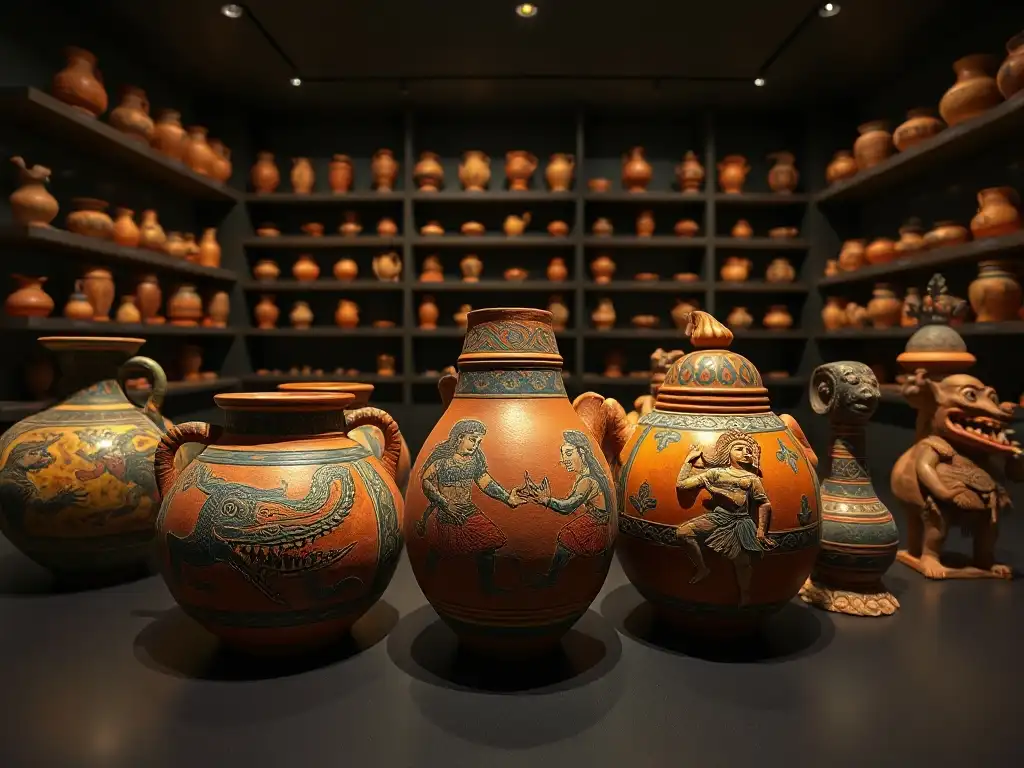
Step into a world lost to time, where vibrant artistry whispered secrets to the gods. Uncover the captivating religious symbolism hidden within the intricate designs of Moche pottery. This isn't just ceramic; it's a window into the beliefs and rituals of one of the Andes' most enigmatic civilizations. Prepare to be amazed by the power and beauty of the Moche, and the profound stories etched into their breathtaking creations. Dive in and discover the mysteries awaiting you within the world of Moche pottery religious symbolism.
- Moche Ceramics: Unveiling Religious Symbolism and Rituals
- Iconography and Deities Depicted on Moche Pottery
- Moche Pottery: Narratives of Ritualistic Practices
- The Function of Moche Ceramics in Religious Contexts
- Analyzing Moche Pottery: Deciphering Religious Symbolism
- Moche Pottery Religious Symbolism: A Summary
-
Frequently Asked Questions
- What is the significance of Moche pottery?
- How did Moche artists depict religious symbolism in their ceramics?
- What are some common religious themes found in Moche pottery?
- What materials did the Moche use to create their religious pottery?
- How does the study of Moche pottery help us understand their religion?
- Final Reflection: Echoes of the Moche: A Legacy in Clay
- Unveil the Mysteries of Moche Ceramics Today!
Moche Ceramics: Unveiling Religious Symbolism and Rituals
The Moche civilization (circa 100-800 CE), flourishing along the northern coast of Peru, left behind a remarkable legacy—one vividly expressed through their exquisite ceramics. More than mere vessels, Moche pottery serves as an invaluable window into their complex religious beliefs and ritual practices. This article delves into the profound religious symbolism embedded within Moche ceramic art, exploring how these artifacts illuminate the spiritual world of this fascinating pre-Columbian culture.
We will examine specific depictions of gods, mythical creatures, and ritual scenes, demonstrating how Moche pottery provides crucial insights into their cosmology, beliefs about the afterlife, and the role of religious leaders in their society. Understanding the religious symbolism in Moche pottery is key to unlocking a deeper understanding of the Moche people and their place within the broader tapestry of Andean civilizations.
The intricate detail and stylistic choices within these pieces reveal a sophisticated understanding of religious iconography and its power to communicate complex theological concepts. By analyzing these artifacts, we can gain a richer appreciation for the artistry and spirituality of the Moche.
The Significance of Moche Pottery in Understanding Their Beliefs
Moche pottery's significance in understanding their religious beliefs cannot be overstated. Unlike many other ancient cultures, the Moche didn't leave behind extensive written records. Their beliefs are primarily revealed through archaeological findings, with ceramics playing a dominant role.
The meticulous detail and consistent iconography across numerous pieces suggest a highly structured religious system with established deities, rituals, and beliefs about the afterlife. Many pots depict anthropomorphic figures, often interpreted as gods or supernatural beings, engaged in various activities. These depictions, ranging from elaborate ceremonies to violent confrontations, offer clues to the Moche worldview.
For example, the frequent appearance of specific motifs, like feline deities or stylized depictions of decapitations, suggests their importance in Moche mythology and ritual. The use of specific colors and materials also likely held symbolic meaning, further enriching our understanding of their religious practices. The sheer volume of surviving pottery, coupled with its remarkable preservation, provides a unique opportunity to analyze trends and variations in religious iconography over time, offering a dynamic view of the evolution of Moche beliefs.
Moche Ceramic Art as a Window into Religious Practices
Moche ceramic art vividly portrays a range of religious practices, offering insights into the rituals and ceremonies central to their lives. Depictions of elaborate sacrificial ceremonies, often involving human sacrifice, are common. These scenes, though gruesome by modern standards, provide critical evidence of the importance of ritual sacrifice in maintaining cosmic order and appeasing their deities.
Other pots depict processions, feasts, and shamanistic rituals, showing the active participation of the community in religious life. The detailed portrayal of these scenes, including the clothing, adornments, and tools used by the participants, provides a level of detail rarely found in other ancient cultures. Furthermore, the presence of specific vessels, such as stirrup-spout jars often associated with elite burials, suggests a hierarchical religious structure with specialized roles and responsibilities.
Analyzing the context of discovery — whether found in tombs, temples, or domestic settings — further clarifies the function and significance of these vessels within the Moche religious system. The sheer diversity of depicted rituals, from the mundane to the extraordinary, underscores the pervasiveness of religion in all aspects of Moche life. The meticulous craftsmanship and artistic skill invested in these depictions highlight the sacred nature of these practices and their importance to Moche society.
Iconography and Deities Depicted on Moche Pottery
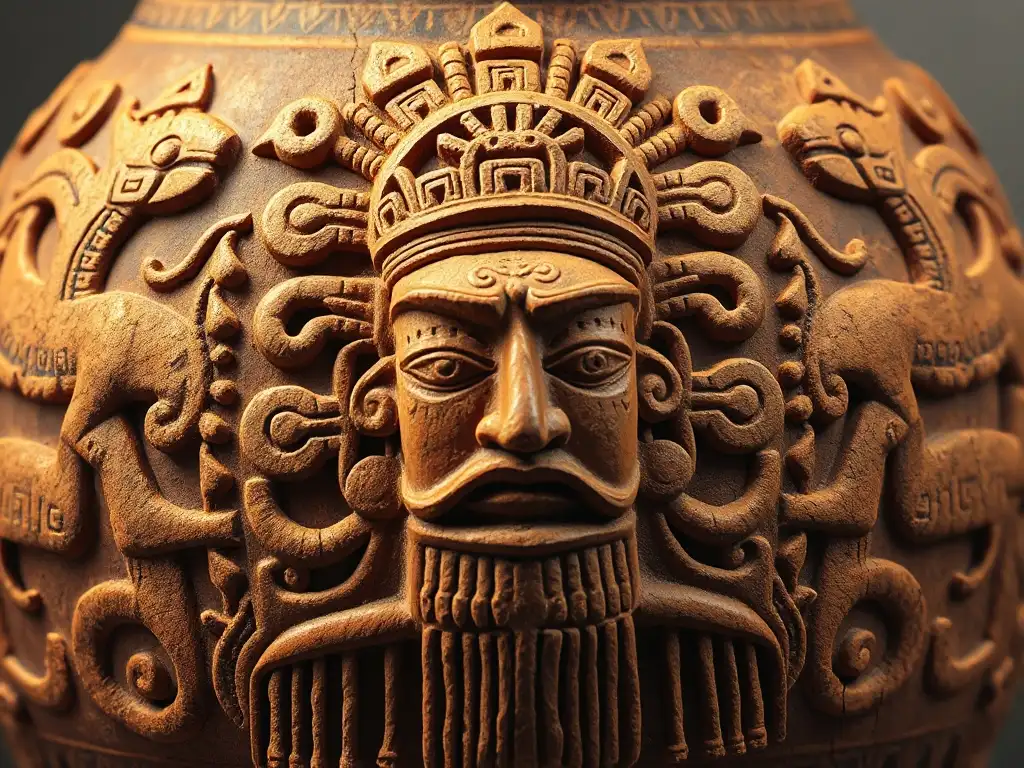
Moche pottery, renowned for its exquisite craftsmanship and vibrant colors, serves as a crucial window into the religious beliefs and practices of this ancient Andean civilization. The intricate iconography adorning these vessels offers invaluable insights into their complex pantheon of deities and the rituals that defined their spiritual world. Analysis of Moche pottery reveals a rich tapestry of religious symbolism, with depictions ranging from powerful creator gods to terrifying supernatural beings, all contributing to a nuanced understanding of "Moche pottery religious symbolism."
The stylistic choices, color palettes, and even the vessel shapes themselves often hold symbolic meaning, enhancing the religious narrative conveyed. The consistent portrayal of specific deities across numerous pieces suggests a highly structured and codified religious system. Furthermore, the prevalence of certain motifs and scenes points to the importance of specific rituals and beliefs within Moche society.
The Ai Apaec: The Moche Creator God and its Representations
The Ai Apaec, often depicted as a fanged, monstrous figure with elaborate headdresses and sometimes clawed hands, is considered by many scholars to be the supreme creator god in the Moche pantheon. Representations of Ai Apaec on Moche pottery vary, showcasing the deity in different postures and contexts. Sometimes he is presented in a more benevolent aspect, while other depictions emphasize his terrifying power.
The variations in portrayal likely reflect different aspects of his role, perhaps highlighting his creative power in some pieces and his destructive potential in others. The use of specific colors, such as deep reds and blacks, might also contribute to the intended emotional impact of the depiction. For example, a vessel showing Ai Apaec amidst a chaotic scene of natural disasters might use darker colors to symbolize his destructive power, contrasting with a more peaceful scene using lighter hues to illustrate his creative force.
The detailed analysis of these variations provides crucial clues to understanding the complexities of Moche religious thought and the multifaceted nature of their supreme deity. Further research into the specific contexts in which Ai Apaec is depicted could shed even more light on the nuances of this fascinating deity's role within Moche religious belief.
The Role of the Decapitator God in Moche Rituals
Another prominent figure frequently depicted on Moche pottery is the Decapitator God. This deity, often shown wielding a knife or club, is associated with sacrifice and warfare. His presence on ceramic vessels often depicts scenes of human sacrifice, highlighting the seemingly important role of this practice in Moche religious life.
The depiction of the Decapitator God isn't merely a display of violence; rather, it likely represents a complex ritual with significant religious meaning. The meticulous detail in these scenes, including the expressions of the victims and the precision of the weaponry, suggests that these events were carefully choreographed and held immense symbolic weight within the Moche worldview. The frequent appearance of these scenes on ceremonial vessels, such as stirrup-spout bottles, further emphasizes their importance within Moche religious practices.
The careful study of the stylistic choices used to portray this god, such as the use of specific colors or the positioning of the figures, can reveal deeper layers of meaning related to the ritual's significance and purpose within the Moche society. Analyzing these depictions helps us understand the role of sacrifice not merely as violence, but as a complex ritualistic act central to Moche religion.
Other Notable Deities and Supernatural Beings in Moche Art
Beyond the Ai Apaec and the Decapitator God, Moche pottery showcases a diverse range of deities and supernatural beings. These include figures associated with fertility, agriculture, and the sea, reflecting the importance of these aspects in Moche life. The imagery is incredibly diverse; some depict anthropomorphic figures, while others portray zoomorphic representations blending human and animal characteristics.
For example, we see depictions of powerful feline deities, possibly representing jaguars or other powerful predators, symbolizing strength and dominance. Similarly, representations of birds, often associated with the sky and the sun, might symbolize spiritual transcendence or divine messengers. The iconography of these lesser-known deities and supernatural beings is often less consistently portrayed than the major gods, suggesting a more localized or specialized worship.
This variety underscores the rich and complex nature of Moche religious beliefs, emphasizing the multifaceted nature of their spiritual world and the diverse ways in which they interacted with the supernatural. Further research is needed to fully understand the roles and significance of these numerous figures within the broader Moche religious system. The study of these less-documented figures offers a valuable opportunity to expand our knowledge of "Moche pottery religious symbolism" and the richness of their spiritual life.
Moche Pottery: Narratives of Ritualistic Practices
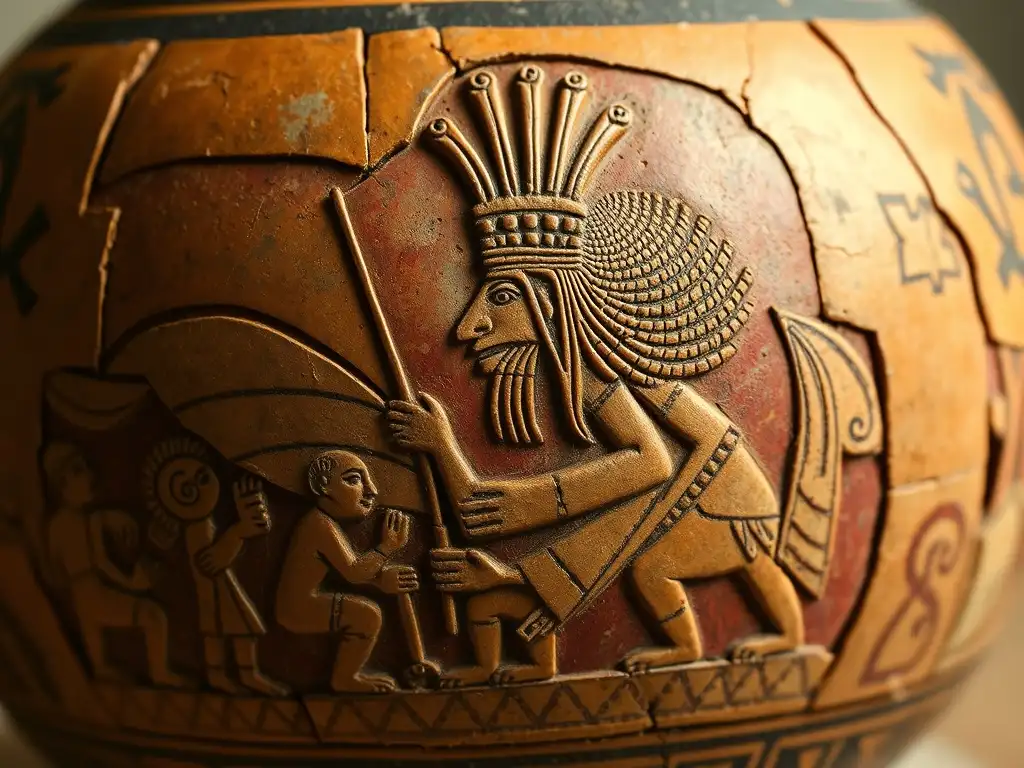
Moche pottery, renowned for its intricate detail and vibrant colors, serves as a crucial window into the religious beliefs and practices of this ancient Andean civilization. The vessels, far from mere utilitarian objects, function as powerful narratives, vividly depicting scenes of sacrifice, funerary rites, and shamanic rituals. These depictions provide invaluable insights into the complex religious worldview of the Moche, offering a glimpse into a society deeply intertwined with the supernatural.
Analyzing the iconography of Moche pottery reveals a sophisticated understanding of their cosmology, their relationship with the gods, and the role of ritual in maintaining societal order. The prevalence of these themes underscores the profound importance of religion in shaping Moche life and culture. Studying Moche pottery religious symbolism allows for a richer, more nuanced understanding of their society.
Depictions of Sacrifice and Blood Rituals on Moche Vessels
Many Moche vessels depict scenes of human sacrifice and ritual bloodletting. These depictions, often gruesomely realistic, are not mere displays of violence but rather symbolic representations of religious practices believed to appease the gods or ensure fertility and prosperity. The details are striking: the expressions of both victims and participants, the implements used, and the specific ritual context are all meticulously rendered.
For example, some pots showcase elaborate scenes of captive warriors being sacrificed, their bodies contorted in agony, while priests or shamans preside over the ceremony. Others depict individuals undergoing self-mutilation, piercing their tongues or genitals, as a form of offering. The prevalence of these themes indicates that sacrifice and bloodletting were significant aspects of Moche religious life, potentially linked to agricultural cycles or warfare.
The intensity of the depictions suggests a belief in the power of these acts to influence the supernatural realm, impacting the well-being of the community. Further research is needed to fully understand the specific nuances of these rituals, but the pottery offers a compelling starting point for analysis. The meticulous detail and emotional intensity of these scenes speak to the deep-seated religious beliefs of the Moche people and their understanding of the relationship between the human and divine worlds.
Moche Ceramic Depictions of Burial and Funerary Rites
Moche funerary practices are vividly depicted on a significant number of ceramic vessels. These portrayals reveal a complex system of beliefs surrounding death, the afterlife, and the importance of proper burial rituals. The pots often show elaborate burial scenes, with individuals being interred in tombs, accompanied by offerings and grave goods.
Some vessels depict mourners performing rituals at the graveside, highlighting the importance of communal participation in these ceremonies. The presence of specific objects in these depictions, such as textiles, jewelry, and food offerings, provides valuable information about the social status of the deceased and the items considered essential for the journey to the afterlife. The stylistic variations in these depictions may also indicate regional differences in funerary practices or beliefs.
For example, [specific regional variations in Moche funerary pottery pending]. The detailed nature of these scenes suggests a structured and highly ritualized approach to death and burial, reinforcing the importance of these events within the Moche worldview. The careful representation of these customs in their pottery provides a unique glimpse into their complex understanding of the cycle of life and death.
Moche Pottery: Shamanic Practices and Trance States
Moche pottery frequently depicts individuals in altered states of consciousness, suggestive of shamanic practices and trance states. These depictions often feature figures with exaggerated features, such as elongated limbs, distorted faces, or unusual headdresses. Such characteristics likely represent the effects of hallucinogenic substances or intense ritual practices.
The presence of specific iconography, such as stylized animals or supernatural beings, further supports the interpretation of these figures as shamans or individuals undergoing spiritual experiences. Some vessels depict shamans interacting with supernatural entities, suggesting a belief in intermediary figures capable of communicating with the gods. The complexity and variation in these depictions suggest a wide range of shamanic practices within Moche society, each possibly linked to specific deities or ritual objectives.
The detailed representations of these scenes, combined with archaeological evidence of hallucinogenic plant use, offer compelling evidence for the importance of shamanism in Moche religion. Further study of these depictions, coupled with analysis of archaeological contexts, could shed additional light on the roles and functions of shamans within Moche society and their contribution to the religious life of the community. The Moche’s mastery of ceramic artistry allowed them to visually capture the ephemeral nature of these experiences, offering invaluable insight into their spiritual beliefs and practices.
The Function of Moche Ceramics in Religious Contexts
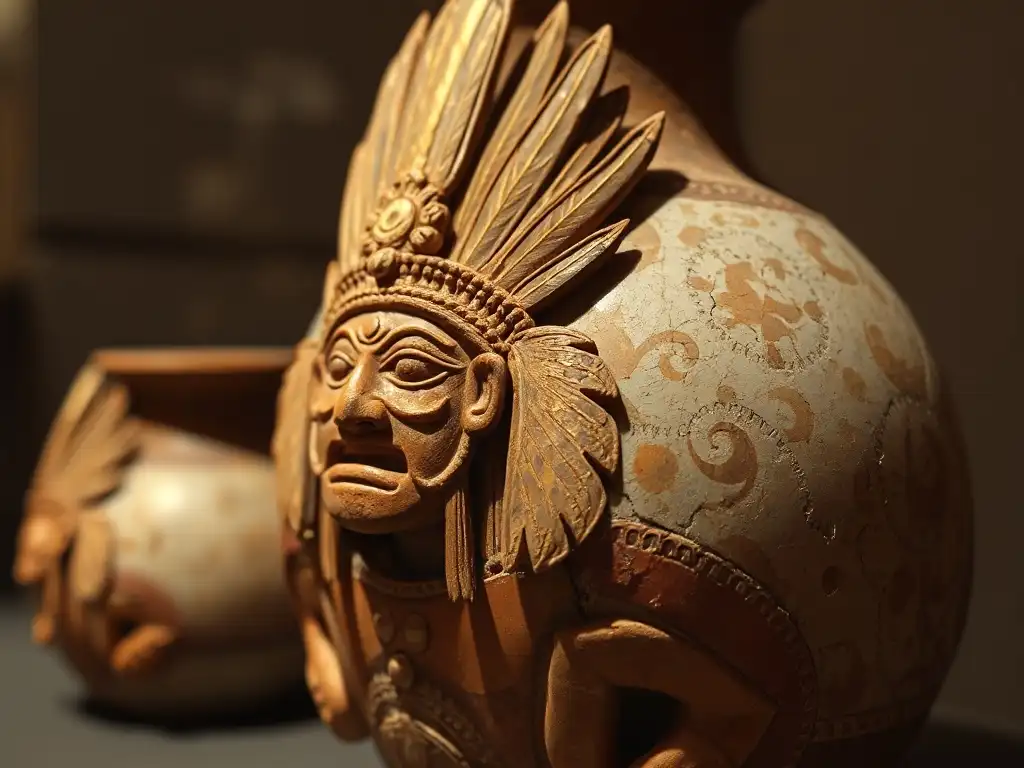
The Moche civilization (circa 100-800 CE) in present-day Peru is renowned for its highly sophisticated and elaborate pottery. Far from mere decorative objects, Moche ceramics played a crucial role in their religious practices, acting as conduits to the supernatural world and integral components of their rituals. The intricate detail and symbolic imagery found on these vessels provide invaluable insights into their beliefs, worldview, and the structure of their society.
Analyzing Moche pottery religious symbolism reveals a complex system of beliefs centered around ancestor veneration, fertility, and the forces of nature. Understanding this symbolism unlocks a deeper appreciation for the profound religious significance of these artifacts. The sheer volume of surviving pottery, often discovered in elite tombs and ceremonial contexts, underscores the central role ceramics played in Moche religious life.
Moche Pottery as Temple Offerings and Sacred Objects
Many Moche ceramic vessels were clearly intended as offerings to deities or ancestors. Archaeological evidence consistently shows the placement of pottery within temples and elite tombs. These weren't casual offerings; the meticulous craftsmanship and the often-lifelike depictions of deities, ritual scenes, and mythical creatures suggest a deliberate and highly formalized process.
For example, the discovery of large numbers of intact vessels in temple complexes indicates that they were carefully deposited as part of a ritual act. These offerings weren't simply discarded; they were strategically placed, suggesting a belief that the vessels themselves held a sacred power or represented a connection to the divine. The materials used—finely-ground clays, elaborate pigments, and sometimes even gold leaf—further emphasize the value and significance placed upon these offerings.
The sheer number of vessels found in these contexts indicates the scale of these offerings and their importance in maintaining the favor of the gods and ancestors. Some scholars suggest that the act of creating these vessels was itself a ritualistic act, imbued with spiritual significance.
Ritual Vessels: Purpose and Symbolism in Moche Religious Ceremonies
Moche pottery wasn't just passive religious iconography; it was actively involved in ritual ceremonies. Many vessels were designed for specific purposes within ceremonies, acting as containers for offerings such as food, drink, or possibly even human sacrifices. The shapes and decorations of these vessels often directly reflected the nature of the ceremony.
For instance, vessels depicting scenes of sacrifice might have been used to contain offerings during such rituals. Others, featuring images of deities or mythical creatures, may have served as focal points for prayers or invocations. The presence of residue of various substances within some vessels supports the idea of their functional use in religious practices.
This ritual use isn't merely speculative; the careful placement of these vessels within tombs and ceremonial contexts provides strong archaeological backing. Analysis of the chemical composition of the residue found inside certain vessels could potentially reveal more about the specific substances used in Moche ceremonies, further enhancing our understanding of their religious practices. This interdisciplinary approach, combining archaeological findings with scientific analysis, provides a more complete picture of Moche religious life.
Moche Ceramics and the Cycle of Life, Death, and Rebirth
A recurring theme in Moche pottery is the depiction of the cycle of life, death, and rebirth. Many vessels illustrate scenes of birth, death, and the transformation of the human form, often featuring powerful symbolic imagery associated with fertility, regeneration, and the continuity of life. These depictions frequently involve deities associated with these processes, reflecting the Moche belief in the cyclical nature of existence.
The inclusion of such imagery on funerary vessels reinforces the idea of a continuing cycle, with death being a transition rather than an absolute end. The intricate detail and emotional intensity of these depictions highlight the importance of this belief system within Moche culture. Furthermore, the use of specific colors and symbols further emphasizes the symbolic meaning intended by the artisans.
For example, the repeated use of certain colors might represent specific deities or stages in the life cycle. Further research into the specific iconography and symbolism utilized on these vessels could shed more light on the nuanced beliefs of the Moche concerning this fundamental aspect of their cosmology. The study of Moche pottery provides a fascinating window into their understanding of the fundamental processes of life and death.
Analyzing Moche Pottery: Deciphering Religious Symbolism
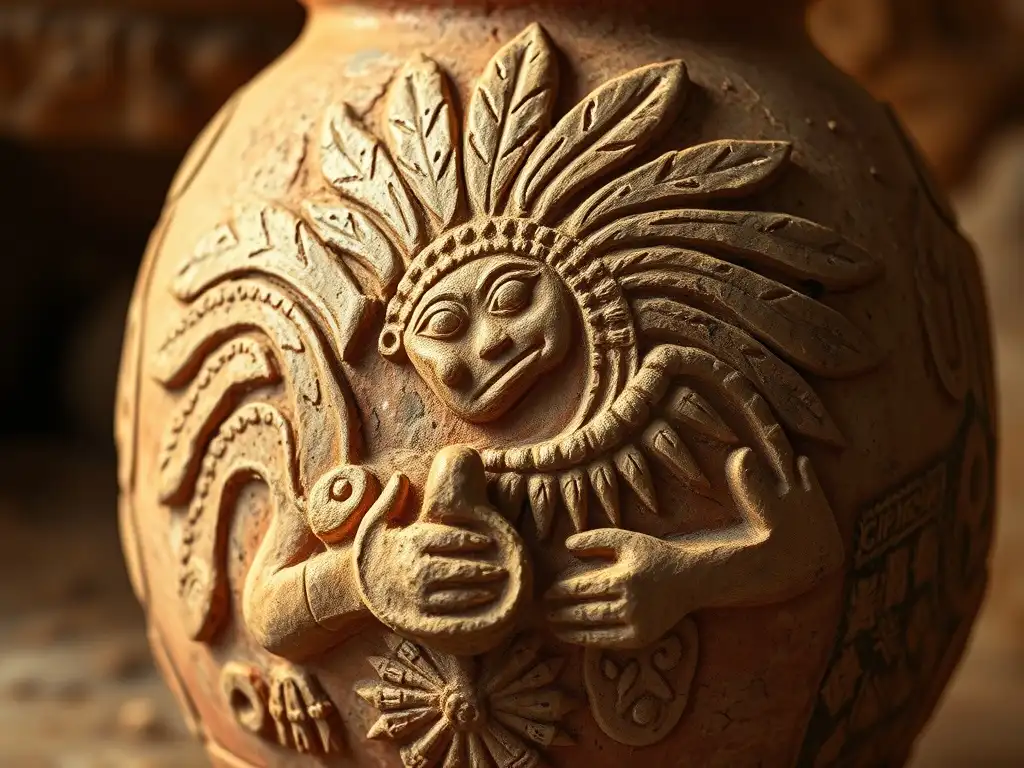
The study of Moche pottery offers an unparalleled window into the religious beliefs and practices of this fascinating ancient Andean civilization. Unlike many other cultures where religious understanding relies heavily on textual sources, the Moche left behind a rich legacy of ceramic artifacts that vividly depict their worldview. These aren't merely decorative pieces; they are powerful statements, meticulously crafted to convey complex theological concepts and ritualistic events. Analyzing Moche pottery for religious symbolism requires a multi-faceted approach, considering stylistic choices, iconographic representations, and the context of discovery. The sheer variety of forms, from intricately detailed portrait vessels to large, ceremonial jars, provides a wealth of data for researchers to interpret. Understanding the symbolism embedded within these artifacts allows us to reconstruct a more complete picture of Moche religion, moving beyond speculation and into the realm of informed observation. The keyword, "Moche pottery religious symbolism," encapsulates the core of this investigation.
Moche Pottery and the Interpretation of Religious Iconography
Moche iconography is often striking in its detail and realism. The depictions of deities, often anthropomorphic or zoomorphic, are not simply abstract representations but rather carefully constructed images imbued with symbolic meaning. For example, the recurring motif of a feline deity, often associated with warfare and power, appears in various forms throughout Moche pottery.
Sometimes depicted as a powerful anthropomorphic figure with feline features, other times integrated into complex scenes of ritual sacrifice, this feline deity’s portrayal varies but consistently maintains a position of dominance. Similarly, depictions of deities associated with fertility, such as those related to agricultural cycles and water sources, frequently appear in scenes of abundance and ritual offerings. The careful observation of these recurring figures and their associated symbols – such as specific headdresses, staffs, and accompanying animals – is crucial for understanding their roles within the Moche pantheon.
Furthermore, the context in which these figures appear—within a narrative scene, as a standalone figure, or as part of a larger composition—adds additional layers of meaning. Detailed studies of individual vessels and comparisons across different pottery styles are essential for developing a comprehensive understanding of Moche religious iconography and its evolution over time. Further research is needed to fully understand the nuances of these depictions and their evolving symbolism across different Moche phases.
The Moche Artistic Style and its Religious Significance
The Moche artistic style itself is deeply intertwined with religious expression. The highly realistic rendering of human and animal forms, the vibrant use of color, and the masterful execution of intricate details all contribute to the power and impact of Moche pottery. This level of detail is not merely aesthetic; it reflects a reverence for the subjects depicted and a desire to capture their essence.
The use of specific colors, for instance, might hold symbolic significance. The prevalence of red, for example, could be linked to blood sacrifice or fertility, while the use of white might indicate purity or the sacred. The meticulous attention to detail in depicting ritual scenes, including the accurate representation of clothing, adornments, and ritual objects, further underscores the religious importance of these artifacts.
This is not just art for art's sake; it is art deeply rooted in religious belief and practice, acting as a powerful tool for communicating and reinforcing religious tenets. The level of skill and precision displayed in Moche pottery suggests a highly structured and formalized religious system with dedicated artisans who were integral to religious ceremonies. More research is needed to fully understand the training and social status of these artisans within Moche society.
Moche Pottery: Variations in Style and Regional Religious Beliefs
While a unifying artistic style characterizes Moche pottery, subtle variations exist across different regions and time periods. These variations may reflect regional differences in religious beliefs and practices. For instance, certain iconographic elements or stylistic features might be more prevalent in one region than another, suggesting localized variations in the Moche pantheon or religious rituals.
The study of these regional variations offers valuable insights into the complexity and diversity of Moche religious life. Further research into the geographical distribution of specific motifs and styles is needed to fully map the extent of regional variations in religious expression. This involves careful analysis of archaeological finds, considering the context of discovery for each artifact.
Comparing and contrasting the iconography and styles from different Moche sites will reveal the nuanced tapestry of religious beliefs that characterized this vibrant civilization. A comprehensive database cataloging the stylistic variations across Moche pottery, along with their geographical origins, would significantly contribute to our understanding of this fascinating aspect of Moche culture. This would allow for a more granular analysis of the relationship between artistic styles and regional religious practices, furthering our understanding of "Moche pottery religious symbolism" in its diverse expressions.
Moche Pottery Religious Symbolism: A Summary
The Moche civilization (c. 100-800 CE) of the northern coast of Peru left behind a remarkable legacy: intricately crafted pottery that serves as a primary source for understanding their complex religious beliefs and practices. Moche pottery, far from being mere vessels, functioned as powerful religious artifacts, depicting deities, rituals, and mythological narratives with astonishing detail. This section delves into the profound religious symbolism embedded within these ceramics, highlighting their significance in reconstructing the Moche worldview.
The vibrant colors, dynamic forms, and meticulously rendered scenes provide invaluable insights into a culture deeply intertwined with its spiritual landscape. Analyzing the iconography of Moche pottery reveals a pantheon of gods and goddesses, their associated attributes, and the rituals performed in their honor.
The recurring motifs, such as the decapitated figures and the Ai Apaec deity, are particularly revealing of the Moche's preoccupation with death, sacrifice, and the supernatural. Understanding the religious symbolism present in Moche pottery is crucial to comprehending their societal structures, power dynamics, and overall understanding of the cosmos.
The Enduring Legacy of Moche Ceramic Religious Art
The enduring appeal of Moche ceramic art stems from its exceptional craftsmanship and the profound religious narratives it conveys. Potters meticulously modeled figures, often depicting scenes of ritual sacrifice, elaborate ceremonies, and interactions with supernatural beings. The use of vibrant pigments, including reds, yellows, blacks, and whites, further enhanced the visual impact of these narratives. Many pieces showcase a high level of artistry, with realistic portrayals of human figures, animals, and mythical creatures.
The level of detail in the depictions, from facial expressions to intricate headdresses and body adornments, speaks volumes about the importance placed on these religious representations. The sheer quantity of surviving Moche pottery also underscores the widespread integration of religious beliefs into daily life. These weren't elite objects reserved for the priestly class; rather, they were likely used and appreciated across various social strata, indicating a deeply ingrained religious system.
The enduring presence of these artifacts in museums and collections worldwide serves as a testament to their artistic merit and historical importance, continuing to fascinate and inspire researchers and art enthusiasts alike. Further study of these pieces continues to unveil new aspects of Moche religious practices and beliefs. The meticulous detail and the range of subjects depicted offer a unique window into a vanished world.
Key Takeaways on the Religious Significance of Moche Pottery
Several key points emerge from the study of Moche pottery's religious symbolism:
- Depiction of Deities: The pottery provides visual representations of the Moche pantheon, allowing researchers to identify key deities and understand their attributes and roles within the religious system. The Ai Apaec deity, often depicted with a fearsome visage and elaborate headdress, is a prime example.
- Ritualistic Practices: Many vessels depict scenes of human sacrifice, shamanistic rituals, and ceremonial feasts, offering insights into the Moche's religious practices and their relationship with the supernatural.
- Mythological Narratives: Some ceramics tell complex stories, potentially mythological in nature, providing clues about Moche cosmology and their understanding of the world. These narratives often involve interactions between humans and supernatural beings, highlighting the importance of the spiritual realm.
- Social Hierarchy: The style and complexity of the pottery may reflect social status, with more elaborate pieces potentially associated with elite members of society or religious leaders. Further research is needed to definitively establish these correlations.
- Cosmological Beliefs: The imagery on Moche pottery often reflects their understanding of the cosmos, including representations of celestial bodies, natural phenomena, and the afterlife. These depictions help to understand the Moche worldview and their place within it.
The analysis of Moche pottery provides a rich tapestry of information about their religious beliefs, offering a glimpse into a fascinating and complex culture.
Further Research: Exploring the Depths of Moche Religious Beliefs through Ceramics
Further research into Moche pottery's religious symbolism requires a multidisciplinary approach, integrating archaeological findings with art historical analysis and anthropological interpretations. Future studies could focus on:
- Comparative Analysis: Comparing the iconography found on Moche pottery with other forms of Moche art, such as textiles and metalwork, to gain a more holistic understanding of their religious beliefs.
- Technological Analysis: Using scientific techniques to analyze the pigments and materials used in the pottery creation, potentially revealing insights into the production process and the social context of the craft.
- Contextual Studies: Investigating the archaeological context of the pottery discoveries, including burial sites and ceremonial centers, to understand how these artifacts were used and valued within Moche society.
- Digital Archiving and Analysis: Developing comprehensive digital archives of Moche pottery, allowing for detailed analysis and comparison of different pieces, facilitating the identification of recurring motifs and patterns.
- Interdisciplinary Collaboration: Fostering collaboration between archaeologists, art historians, anthropologists, and other specialists to develop a more nuanced and comprehensive interpretation of Moche religious beliefs.
The potential for further research is immense, promising to unveil even more about the rich religious tapestry of the Moche civilization through the careful examination of their remarkable ceramic legacy. The continued study of "Moche pottery religious symbolism" will undoubtedly enrich our understanding of this captivating Andean culture.
Frequently Asked Questions
What is the significance of Moche pottery?
Moche pottery is incredibly significant because it offers invaluable insights into their religious beliefs, ritual practices, and daily life. The intricate detail provides a window into a lost culture.
How did Moche artists depict religious symbolism in their ceramics?
Moche artists used vivid colors, complex iconography, and realistic depictions of deities, rituals, and mythical creatures to represent religious symbolism. These elements often told stories or conveyed specific beliefs.
What are some common religious themes found in Moche pottery?
Common themes include depictions of fertility, sacrifice, warfare, and the supernatural world. Many pieces portray powerful deities and scenes of elaborate ceremonies.
What materials did the Moche use to create their religious pottery?
The Moche primarily used clay, often incorporating pigments derived from minerals and plants to achieve a wide spectrum of vibrant colors. The quality of their craftsmanship was remarkable.
How does the study of Moche pottery help us understand their religion?
The study of Moche pottery provides direct visual evidence of their religious beliefs and practices. It helps us understand their cosmology, rituals, and the role of religion in their society.
Final Reflection: Echoes of the Moche: A Legacy in Clay
The vibrant artistry of Moche ceramics isn't merely a testament to a sophisticated past; it's a living window into a complex religious worldview that continues to resonate today. The intricate depictions of deities, rituals, and cosmological beliefs etched onto these ancient vessels offer invaluable insights into a civilization that, despite its distance in time, speaks powerfully to our enduring human fascination with the divine and the mysteries of existence.
The enduring power of Moche pottery lies not just in its aesthetic beauty, but in its ability to transport us to a world brimming with spiritual significance. These artifacts, unearthed from the sands of Peru, whisper tales of sacrifice, fertility rites, and a profound connection with the natural world. Their impact on our understanding of pre-Columbian cultures is undeniable, shaping our interpretations of Andean spirituality and challenging preconceived notions about ancient societies. The past is never dead. It's not even past.
- William Faulkner. This quote perfectly encapsulates the enduring relevance of Moche ceramics; they are not relics of a bygone era, but rather active participants in an ongoing conversation about faith, art, and human experience.
Consider the intricate details, the vibrant colors, the sheer artistry poured into each piece. You, the reader, are now a part of this conversation. Take a moment to reflect on the power of visual storytelling, on the ways in which art can transcend time and culture to connect us with the human spirit. Let the legacy of the Moche inspire you to seek out the deeper meanings in the world around you, to appreciate the rich tapestry of human expression, and to recognize the enduring power of faith and belief in shaping our civilizations.
Unveil the Mysteries of Moche Ceramics Today!
Thank you for exploring the fascinating world of Moche ceramics and their spiritual significance. You've discovered how these remarkable artifacts illuminate the rich tapestry of Moche culture, including their deities and rituals. Now, let's build on that knowledge!
Here are some ways to further your understanding and appreciation:
- **Visit a museum** showcasing Moche artifacts, or explore online collections to see these masterpieces firsthand.
- **Share your newfound knowledge** with friends and family by hosting a discussion about the fascinating beliefs of Andean civilizations.
- **Connect with others** who share your interest in ancient art and spirituality by joining a community group or online forum; exchange ideas and insights.
Which aspect of Moche religious practices intrigues you most, and how might it inform your understanding of contemporary spiritual practices?