
The Art of Moche Sacrifice: Understanding the Motives and Methods

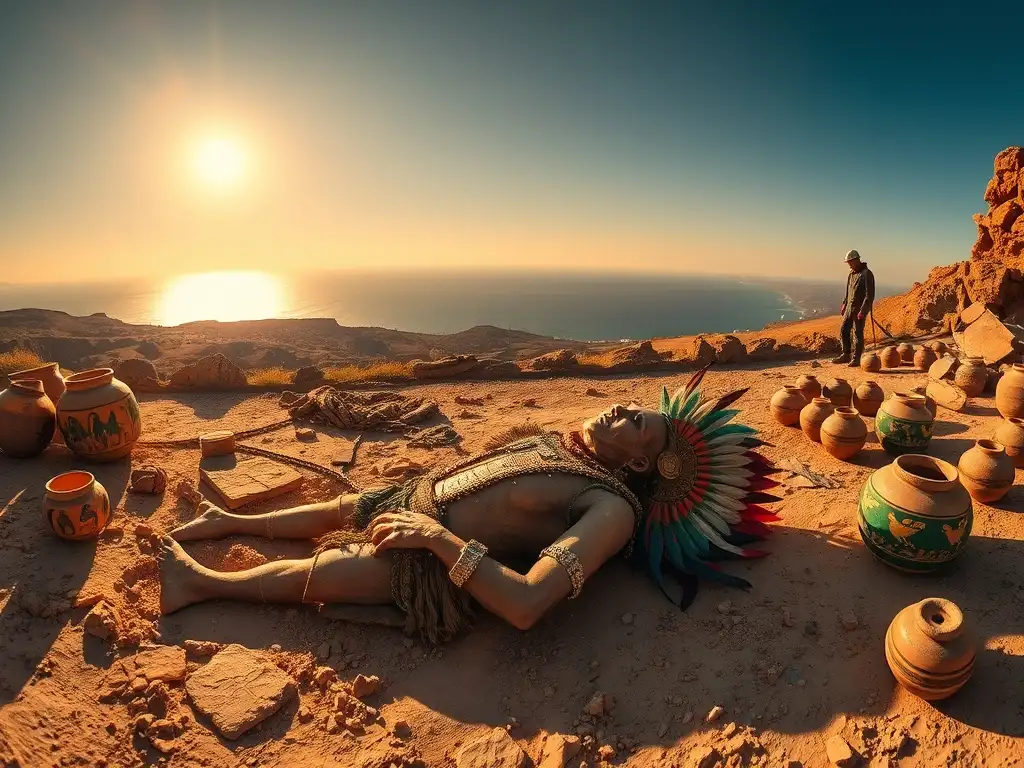
Step into a world lost to time, a realm of towering pyramids and intricate artistry. Discover the secrets of the Andes, where ancient empires thrived and left behind a legacy as enigmatic as it is breathtaking. But we're not talking about just any legacy; we're diving headfirst into the chilling yet captivating world of Moche sacrifice methods. Prepare to uncover the mysteries behind these rituals and the surprising insights they offer into the Moche civilization's beliefs and power structures. Dare to explore?
The Moche civilization (circa 100-800 CE), flourishing along the arid northern coast of Peru, left behind a legacy of breathtaking artistry and intricate societal structures. Their sophisticated irrigation systems, impressive monumental architecture, and remarkably lifelike pottery are well-documented. However, a more enigmatic aspect of Moche culture remains the practice of human sacrifice, a ritualistic act deeply intertwined with their religious beliefs and worldview.
This article delves into the fascinating, yet unsettling, world of Moche sacrifice, exploring the methods employed and attempting to decipher the underlying motives behind these often-gruesome practices. We will examine the available archaeological evidence, analyze the iconography found on Moche pottery and artifacts, and consider various interpretations offered by scholars to gain a comprehensive understanding of this significant aspect of Moche society.
Understanding Moche sacrifice methods provides crucial insight into their complex social hierarchy, political power dynamics, and deeply held spiritual beliefs. The study of these practices offers a window into a civilization that, despite its sophisticated achievements, engaged in rituals that remain both captivating and profoundly disturbing.
Introduction to Moche Ritual Practices
Moche religious practices were deeply ingrained in their daily lives, influencing their social structures and artistic expressions. Evidence suggests a complex pantheon of deities, often depicted in anthropomorphic and zoomorphic forms on their elaborate pottery. These ceramics frequently portray scenes of ritual ceremonies, including sacrifices, offering valuable clues to their understanding of the cosmos and their relationship with the supernatural.
Beyond human sacrifice, the Moche engaged in other ritualistic practices, such as offerings of food, textiles, and precious metals to appease their gods and ensure a bountiful harvest and prosperity. These offerings were often placed in elaborate tombs, alongside individuals of high social standing, further emphasizing the importance of ritual in Moche society. The scale and complexity of these rituals point towards a highly organized and centralized religious system, with specialized priests and shamans likely playing a key role in conducting these ceremonies.
The precise social standing and roles of those involved in sacrificial rituals remains a subject of ongoing research and debate among archaeologists and anthropologists. We know that sacrifice was not a haphazard act, but rather a carefully orchestrated ritual involving specific procedures, locations, and participants. Further research is needed to fully understand the nuanced social dynamics within these ceremonies.
Deciphering Moche Sacrifice: Ritual Context and Significance
The Moche employed various methods of human sacrifice, with evidence suggesting different approaches depending on the context and the individuals involved. Archaeological findings reveal instances of decapitation, strangulation, and bludgeoning. In some cases, victims were buried in elaborate tombs alongside lavish grave goods, indicating their importance within the societal hierarchy. Other victims, however, were found in less elaborate burials, suggesting a possible distinction between different types of sacrifices or social classes of the victims. The analysis of skeletal remains, along with the context of their discovery, assists in reconstructing the events surrounding these sacrifices.
The presence of specific artifacts, such as ceremonial knives or ritual objects, provides further clues into the nature and purpose of these rituals. The iconography depicted on Moche pottery often illustrates scenes of sacrifice, providing valuable visual representations of these practices. These depictions, however, are open to various interpretations, and scholars continue to debate the symbolic meaning behind the imagery. Was sacrifice a means of appeasing the gods, strengthening political power, or perhaps a form of ritualistic execution for those deemed a threat to social order?
The motives behind Moche sacrifice remain a complex question, with no single answer fully satisfying the available evidence. Further investigation into the social and political context of these sacrifices is crucial for a more complete understanding. The intricate details of Moche sacrifice methods, though disturbing, offer a unique perspective into the beliefs and values of this remarkable Andean civilization. The careful study of these practices provides valuable insights into the complex interplay of religion, politics, and social structures within Moche society.
Moche Sacrifice Motives: Exploring the Reasons Behind the Rituals
Religious and Cosmic Beliefs Driving Moche Sacrifices
The Moche people, inhabiting the northern coast of Peru from approximately 100 to 800 CE, held deeply ingrained religious and cosmic beliefs that heavily influenced their sacrificial practices. Their worldview was intricately linked to the natural world, particularly the forces of the sea and the cyclical nature of life and death. Evidence suggests that sacrifices were performed to appease powerful deities associated with these forces, ensuring bountiful harvests, successful fishing expeditions, and the continued prosperity of their society.
The Moche believed that the actions of the living could directly impact the supernatural realm, and human sacrifice was seen as a powerful way to maintain cosmic equilibrium and secure divine favor. Elaborate iconography depicting deities and sacrificial scenes on their ceramics and textiles provides valuable insights into these complex religious beliefs and their connection to sacrificial rituals.
The precise nature of these deities and the specific rituals involved remain areas of ongoing scholarly debate, but the importance of sacrifice in their religious system is undeniable. Furthermore, the scale and complexity of some sacrificial offerings suggest a deeply ingrained belief in the efficacy of these rituals, demonstrating a significant investment of resources and societal effort in maintaining this cosmic balance.
Political and Social Functions of Moche Human Sacrifice
Beyond religious motivations, Moche human sacrifice likely served important political and social functions within their hierarchical society. The act of sacrifice could have been used to consolidate power, reinforce social order, and demonstrate the authority of the ruling elite. By controlling and directing sacrificial rituals, the Moche rulers could project their power and influence over the population.
Large-scale sacrifices, involving numerous victims, might have served to demonstrate the ruler's control over resources and their ability to command the loyalty and obedience of their subjects. These events could have also functioned as powerful displays of social cohesion, uniting the community in a shared ritual experience. The selection of sacrificial victims, often individuals of high social standing, further suggests a complex interplay between religious belief and political strategy.
The sacrifice of important figures might have been seen as a means of strengthening the ruler's position by eliminating potential rivals or consolidating power through symbolic acts. The exact nature of these political and social functions is still under investigation, but the evidence strongly suggests that sacrifice played a significant role in maintaining Moche social order.
Moche Offerings and the Cycle of Life and Death
Moche sacrifices weren't limited to human victims; a wide array of offerings, including animals, precious metals, and elaborate ceramics, accompanied the human sacrifices. These offerings were not mere additions to the ritual; they formed integral parts of the complex symbolic system surrounding death and rebirth. The Moche worldview emphasized the cyclical nature of life and death, with death not seen as an absolute end but as a transition to another realm.
Offerings, particularly those of animals and valuable goods, were likely considered as provisions for the deceased in their journey to the afterlife. The elaborate nature of these offerings reflects the Moche’s belief in the importance of providing for the deceased in the next world. The inclusion of specific items might have held symbolic meaning, reflecting the status of the deceased or the nature of the ritual.
The careful placement and arrangement of these offerings within the burial contexts further emphasizes the ritualistic significance attached to them. Studying these offerings provides crucial insights into the Moche understanding of death, the afterlife, and their relationship with the supernatural world. The variety and quantity of offerings also provide valuable information about the Moche economy and social structure.
Unveiling Moche Sacrifice Methods: A Detailed Examination
Moche Ritual Killings: Techniques and Procedures
The methods employed in Moche human sacrifice varied, reflecting the complexity of their religious beliefs and the social status of the victims. Archaeological evidence suggests that some victims were killed through bludgeoning, strangulation, or decapitation. Other evidence points to more ritualistic methods, such as the removal of hearts or other vital organs. The precise techniques used often depended on the specific context and the nature of the ritual.
In some cases, victims might have been subjected to prolonged suffering or torture before their death, further emphasizing the ritual's significance. The careful placement of bodies and grave goods suggests that the process was highly ritualized and meticulously planned. Analysis of skeletal remains reveals injuries consistent with these methods, offering valuable insights into the brutality and ritualized nature of Moche sacrifices. Further research is needed to fully understand the variations in sacrificial methods and their relationship to the broader ritual context.
Moche Sacrificial Victims: Social Status and Selection
The selection of sacrificial victims was not random; evidence suggests that the Moche carefully chose individuals based on their social status, age, and gender. While some victims were clearly of high social standing, indicated by elaborate grave goods and adornments, others appear to have been from lower social classes. This suggests a complex system of selection, reflecting the multifaceted nature of Moche sacrificial practices. Children and young adults were also frequently selected, possibly representing a symbolic offering of future generations.
The selection process likely involved complex rituals and social considerations, reflecting the significant role that sacrifice played in Moche society. The exact criteria for selection remains a subject of ongoing research, but the available evidence suggests a nuanced approach that considered social status, age, and gender. Further analysis of skeletal remains and grave goods is needed to fully understand the selection process and its implications for Moche social structure.
The Role of Moche Priests in Sacrificial Rites
Moche priests played a central role in conducting sacrificial rites. Their specialized knowledge and religious authority were essential to the success and legitimacy of these rituals. They likely oversaw the selection of victims, the preparation of offerings, and the performance of the sacrificial act itself. Their expertise in religious symbolism and ritual practices ensured the proper execution of the ceremonies, aimed at maintaining cosmic balance and appeasing the deities.
Depictions of priests in Moche art, often shown wearing elaborate headdresses and regalia, highlight their elevated social status and their importance in the religious life of the community. The priests likely held significant political power, influencing decisions related to sacrifice and other aspects of Moche society. Further research is needed to fully understand the organization and training of Moche priests and the extent of their influence on social and political life.
Moche Sacrificial Locations and Architecture
Moche sacrificial rituals were not confined to a single location. Evidence suggests that sacrifices were performed in a variety of settings, ranging from elaborate temple complexes to more secluded locations. The choice of location likely depended on the specific ritual and the social context.
Some sacrifices were performed in large-scale public ceremonies, while others might have been more private affairs. The architecture of Moche sites reveals evidence of structures specifically designed for sacrificial rituals, including platforms, plazas, and burial chambers. These structures often featured elaborate iconography and ornamentation, reflecting the religious significance of the sites.
The careful placement of victims and offerings within these architectural contexts further emphasizes the ritualistic nature of the events. The study of Moche architecture provides crucial insights into the organization and execution of sacrificial rites, revealing the complex interplay between religious belief and spatial design. Further research on the spatial distribution of sacrificial sites is needed to better understand the relationship between location and ritual practice.
Archaeological Evidence of Moche Sacrifice
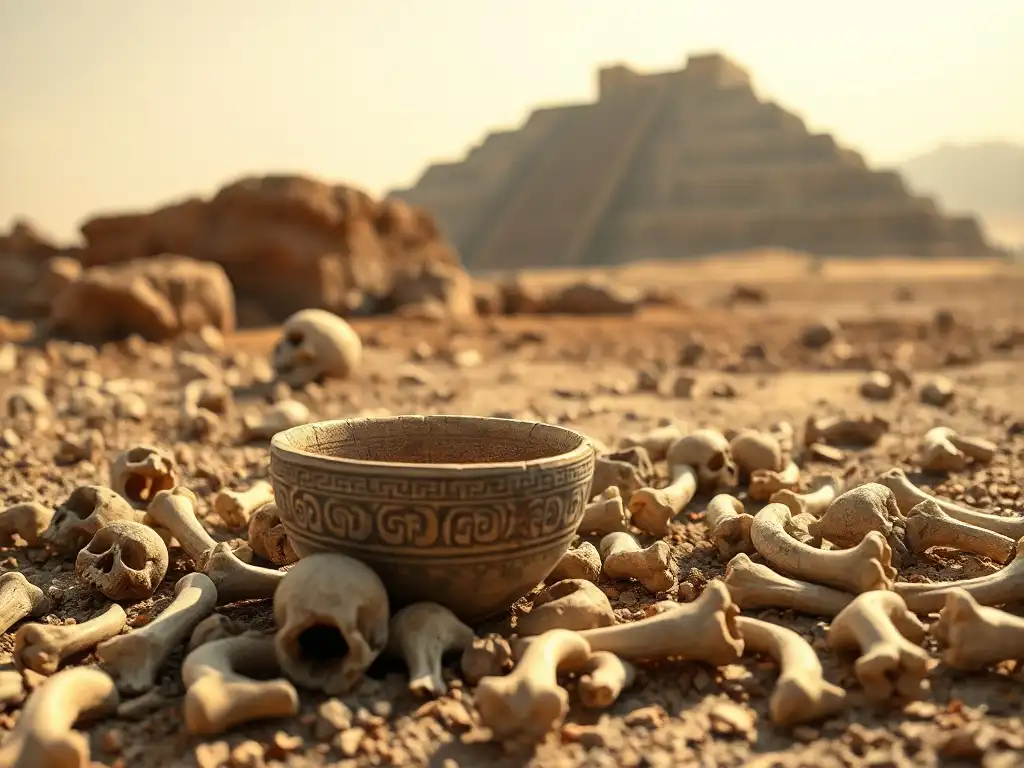
Archaeological evidence plays a crucial role in understanding Moche sacrifice methods. The meticulous excavation and analysis of Moche sites have yielded invaluable insights into their ritual practices. Researchers have unearthed numerous artifacts and human remains that directly relate to sacrificial offerings, providing concrete evidence of the scale and nature of these practices.
The careful study of these remains, including skeletal analysis and the examination of associated grave goods, allows for a deeper comprehension of the individuals selected for sacrifice, the rituals involved, and the beliefs that underpinned these actions. The preservation of organic materials in the arid coastal climate of the Moche region has also been instrumental in the survival of evidence that would otherwise have degraded in more humid environments. This fortunate circumstance allows archaeologists to study the details of sacrificial offerings with remarkable precision, providing a clearer picture of the elaborate rituals involved.
Moche Burial Sites and Sacrificial Remains
Moche burial sites frequently contain evidence of human sacrifice. These sites, often elaborate and carefully constructed, reveal much about the social context and significance of these practices. The discovery of multiple individuals interred together, sometimes with clear signs of violent death, strongly suggests the occurrence of mass sacrifices.
The arrangement of bodies, the presence of grave goods, and the overall context of the burial provide crucial clues about the nature and purpose of the sacrifice. For example, the discovery of sacrificial victims buried alongside elite individuals suggests a possible connection between sacrifice and the reinforcement of social hierarchies within Moche society.
Further analysis of skeletal remains can reveal the age, sex, and health of the sacrificed individuals, potentially offering insights into the selection criteria employed by the Moche. Careful study of the burial sites themselves, including their architectural features and the arrangement of artifacts, helps to reconstruct the ritual context in which the sacrifices took place.
Moche Iconography and Depictions of Sacrifice
Moche iconography, especially their intricate pottery and murals, provides a visual record of their sacrificial practices. These depictions, often highly detailed and realistic, offer valuable insights into the rituals, the individuals involved, and the symbolic meaning attributed to sacrifice. Pottery vessels frequently depict scenes of human sacrifice, showcasing the methods employed and the context in which they occurred. These portrayals are not merely artistic representations; they provide valuable ethnographic data, offering a glimpse into the beliefs and worldview of the Moche people.
The meticulous detail in these images allows researchers to reconstruct the rituals with a level of precision that would be impossible based on archaeological evidence alone. By studying the iconography, we gain a deeper understanding of the psychological and spiritual significance of sacrifice within the Moche culture. The frequency with which sacrificial themes appear in Moche art underscores their importance in their religious and social life.
The Moche Discovery of Huaca de la Luna and its Relevance to Sacrifice Practices
The discovery of Huaca de la Luna, a major Moche ceremonial center, has significantly advanced our understanding of Moche sacrifice. The extensive excavations at Huaca de la Luna have uncovered substantial evidence of ritual sacrifices, including human remains and associated artifacts. The sheer scale of the sacrificial remains found at this site demonstrates the significant role sacrifice played in Moche society. The architectural features of the site, such as the presence of platforms and plazas, suggest that sacrifices were performed as part of larger public rituals.
The discovery of elaborate murals depicting sacrificial scenes further enriches our understanding of these practices. The combination of archaeological finds and iconographic evidence from Huaca de la Luna provides a compelling picture of the centrality of sacrifice within Moche religious and political life. This site serves as a prime example of the sophisticated and complex ritual practices of the Moche civilization.
The Aftermath of Moche Sacrifice: What Happened Next?
Understanding the aftermath of Moche sacrifices requires exploring the rituals and beliefs surrounding death and the afterlife. The Moche clearly invested significant effort in the treatment of the deceased, both those who died naturally and those sacrificed. This suggests a complex belief system surrounding death and the transition to the afterlife. The careful preparation and burial of sacrificial victims, often accompanied by elaborate grave goods, is testament to the importance they held within the Moche worldview.
Moche Post-Sacrifice Rituals and Practices
Following the act of sacrifice, Moche rituals likely continued. The disposal of the bodies, the treatment of the remains, and the potential feasting or other ceremonies that followed the sacrifice are all aspects that require further investigation. Evidence from archaeological sites may reveal clues to post-sacrifice rituals, such as the presence of food remains or other artifacts associated with feasting or ceremonial activities.
The careful analysis of the context of the burial sites can help to reconstruct the sequence of events following the sacrifice. The treatment of the remains themselves – whether they were buried intact, dismembered, or cremated – likely held symbolic significance within the Moche worldview.
Moche Beliefs on the Afterlife and the Sacrificial Offering
The Moche's beliefs about the afterlife and the role of sacrificial offerings are crucial to interpreting these practices. While the specifics of their beliefs remain partially unknown, the elaborate nature of the burials and the inclusion of grave goods strongly suggest a belief in a continued existence after death. The offerings might have served to provide for the deceased in the afterlife or to appease supernatural forces.
The selection of specific individuals for sacrifice might have been based on their perceived connection to the spiritual realm or their role within Moche society. These offerings likely played a vital role in maintaining the cosmological order and ensuring the prosperity of the community. The significance of these sacrifices extends beyond the immediate event, impacting the societal structure and religious beliefs of the Moche civilization.
The Legacy of Moche Sacrifices on Later Andean Cultures
The Moche’s sacrificial practices likely influenced subsequent Andean cultures. The prevalence of human sacrifice in the Andean region suggests a continuity of ritual practices across different cultures and time periods. The specific methods and beliefs surrounding sacrifice might have evolved over time, but the fundamental practice persisted.
Understanding the Moche's approach to sacrifice provides a crucial foundation for understanding the broader context of sacrificial rituals in the Andean world. Further research comparing Moche practices with those of later cultures can illuminate the evolution of these rituals and their significance within Andean societies. The legacy of Moche sacrifice resonates throughout Andean history, influencing subsequent cultural practices and beliefs.
Comparing Moche Sacrifice with Other Andean Cultures
The Moche civilization's sacrificial practices, while sharing some similarities with other Andean cultures, possessed unique characteristics that set them apart. Many Andean societies practiced sacrifice, but the Moche's seemingly systematic and elaborate rituals, particularly involving human sacrifice, stand out. While the Inca also practiced human sacrifice, their motivations and methods differed significantly from those of the Moche.
The Nazca, known for their geoglyphs, also engaged in some form of sacrifice, but the scale and the detailed iconography associated with Moche sacrifices are unparalleled. The Tiahuanaco culture, with its monumental architecture, also left evidence of sacrificial practices, but these appear less frequent and less systematically documented than those of the Moche.
The differences highlight the unique socio-political and religious structures within each civilization, shaping their respective approaches to ritual sacrifice. Further research comparing the chemical analysis of sacrificed remains across these cultures could reveal more about dietary differences and potential social stratification reflected in sacrifice.
Moche Rituals vs. Inca Rituals
The Moche and Inca civilizations, while both powerful Andean empires, differed considerably in their approaches to human sacrifice. Inca sacrifice often involved capacocha, a ritual where selected individuals, often children, were sacrificed at high altitudes, potentially as offerings to appease the gods or ensure the emperor's success. This practice, while involving human sacrifice, lacked the apparent systematic nature and the detailed artistic representations found in Moche burials.
Moche sacrifices, in contrast, often involved elaborate preparations, including adornment with jewelry and fine textiles, and were frequently interred in carefully constructed tombs mirroring their social status. While both cultures utilized sacrifice, the motivations and the social context differed, reflecting the distinct belief systems and power structures within each empire. The Inca emphasis on state power is evident in their rituals, whereas the Moche rituals seem to reflect a complex interplay between religious beliefs and elite power.
The Uniqueness of Moche Human Sacrifice
The Moche's human sacrifice stands out for its frequency, the apparent ritualistic nature of the process, and the extensive artistic representation of these events in their pottery. Unlike other Andean cultures where evidence of sacrifice is more sparse or less clearly defined, the Moche left behind a detailed visual record that offers unparalleled insights into their beliefs and practices.
The depiction of sacrificial scenes on their ceramics allows us to study the methods and perhaps the social contexts of the sacrifices. The victims' attire, the positioning of their bodies, and the presence of accompanying objects in the tombs all contribute to a richer understanding of the significance of these rituals.
This detailed documentation provides unique insights into the Moche worldview and the role of sacrifice in their society. The sheer number of sacrificed individuals also suggests a significant investment of resources and manpower, indicating its importance within the Moche social structure.
The Role of Warfare in Moche Sacrifice Compared to Inca Sacrifice
While both the Moche and Inca civilizations engaged in warfare, the role of war in their respective sacrificial practices differed significantly. Inca warfare often resulted in the sacrifice of captured enemies, a practice that served both religious and political purposes, reinforcing the Inca's dominance and power. However, Moche sacrifice, while sometimes involving war captives, appears to have been more broadly connected to religious rituals and potentially to maintaining social order or appeasing deities.
The Moche pottery depicts a wide range of sacrificial victims, not solely warriors, suggesting a more complex and diverse set of motivations than the Inca's primarily political and military use of sacrifice. The absence of clear evidence linking all Moche sacrifices directly to warfare contrasts with the Inca's more overt use of captured enemies in their rituals. More research comparing the skeletal remains of sacrificed individuals could provide further information on their origins and social standing.
Conclusion: The Enduring Enigma of Moche Sacrifice
The Moche's sacrificial practices remain a subject of ongoing research and debate. While we have gained considerable insights through archaeological discoveries and the analysis of their art, many questions still remain unanswered. The precise motivations behind these rituals, the social dynamics involved in selecting victims, and the full extent of the rituals themselves continue to fascinate and challenge scholars.
The detailed depictions on their pottery offer a unique window into a complex and fascinating culture, but the interpretation of these scenes requires careful consideration and further investigation. The enduring enigma of Moche sacrifice underscores the importance of continued research to unravel the mysteries of this ancient Andean civilization and its unique relationship with death and the afterlife. Understanding the "Moche sacrifice methods" requires a multi-faceted approach combining archaeological findings, artistic interpretations, and comparative studies with other Andean cultures.
- Introduction to Moche Ritual Practices
- Deciphering Moche Sacrifice: Ritual Context and Significance
- Moche Sacrifice Motives: Exploring the Reasons Behind the Rituals
- Unveiling Moche Sacrifice Methods: A Detailed Examination
- Archaeological Evidence of Moche Sacrifice
- The Aftermath of Moche Sacrifice: What Happened Next?
- Comparing Moche Sacrifice with Other Andean Cultures
- Conclusion: The Enduring Enigma of Moche Sacrifice
Frequently Asked Questions
What were the Moche people known for?
The Moche were a pre-Columbian civilization flourishing on the north coast of Peru from roughly 100 to 800 CE. They were renowned for their remarkable artistic achievements, particularly in pottery and metalwork, and their complex social and political structures.
What were the main reasons behind Moche sacrifices?
Moche sacrifices, often involving human sacrifice, appear to have been tied to religious beliefs and rituals, possibly linked to ensuring agricultural fertility, appeasing deities, or marking significant events. The exact motivations remain a subject of ongoing research.
What were the common methods of Moche sacrifice?
Evidence suggests that Moche sacrifice methods varied, but often involved killing victims through decapitation, strangulation, or blunt force trauma. Some sacrifices might have been buried alive or subjected to other forms of ritual killing.
What types of individuals were sacrificed by the Moche?
While not fully understood, Moche sacrifices appear to have included both men and women, possibly from different social strata. Some evidence suggests that war captives or high-ranking individuals were selected for sacrifice.
Where can I find more information on Moche sacrifice methods?
Further research can be conducted through academic journals and books focusing on Andean archaeology and the Moche culture. Many museums also house artifacts related to Moche sacrifice, providing further insight into their practices.
Final Reflection: Echoes of Sacrifice, Whispers of Understanding
The chilling rituals of Moche sacrifice, though distant in time, resonate powerfully with contemporary anxieties surrounding power, belief, and the human cost of ambition. Understanding these ancient practices isn't merely an academic exercise; it's a crucial lens through which we can examine our own societal values and the enduring human capacity for both extraordinary devotion and brutal violence. The methods employed, meticulously documented through archaeological findings, offer a stark reminder of the extremes to which humans will go in the name of their beliefs.
The enduring legacy of Moche sacrifice lies not just in the archaeological record, but in its continued influence on our understanding of ancient civilizations and the complexities of human behavior. The sheer scale of these sacrifices, the meticulous preparation, and the apparent willingness of participants (or victims) to engage in these rituals force us to confront uncomfortable truths about the human condition. The past is never dead. It's not even past.
– William Faulkner. This quote perfectly encapsulates the enduring relevance of studying Moche sacrifice; it compels us to grapple with the echoes of the past in our present, forcing a critical examination of our own societal structures and beliefs.
Consider the implications of these findings. What can we learn from the Moche about the relationship between power and ritual? How can we use this knowledge to better understand the motivations behind extreme acts of violence and devotion in our own world?
You, the reader, are now equipped with a deeper understanding of Moche sacrifice. Use this knowledge not just to satisfy intellectual curiosity, but to foster empathy, critical thinking, and a more nuanced perspective on the complexities of human history and the enduring power of belief. Let the whispers of the past guide your understanding of the present, and inspire a more compassionate and informed future.
Unveil the Mysteries of Moche Rituals!
Thank you for exploring the fascinating world of the Moche civilization with us! You've gained valuable insights into their unique sacrificial practices and the complex motivations behind them. Now, let's put that knowledge to use!
- Explore Further: Visit our interactive gallery to see artifacts and images that vividly illustrate Moche sacrificial practices.
- Share Your Thoughts: Join our online forum to discuss the cultural significance of these rituals with other enthusiasts.
- Discover More: Explore our other articles on Andean civilizations to deepen your understanding of the rich history of this region.
What aspect of Moche sacrifice most intrigues you, and how do you believe it reflects their societal values? We'd love to hear your perspective!