
The Temple of the Sun at Machu Picchu: Exploring Inca Religious Practices

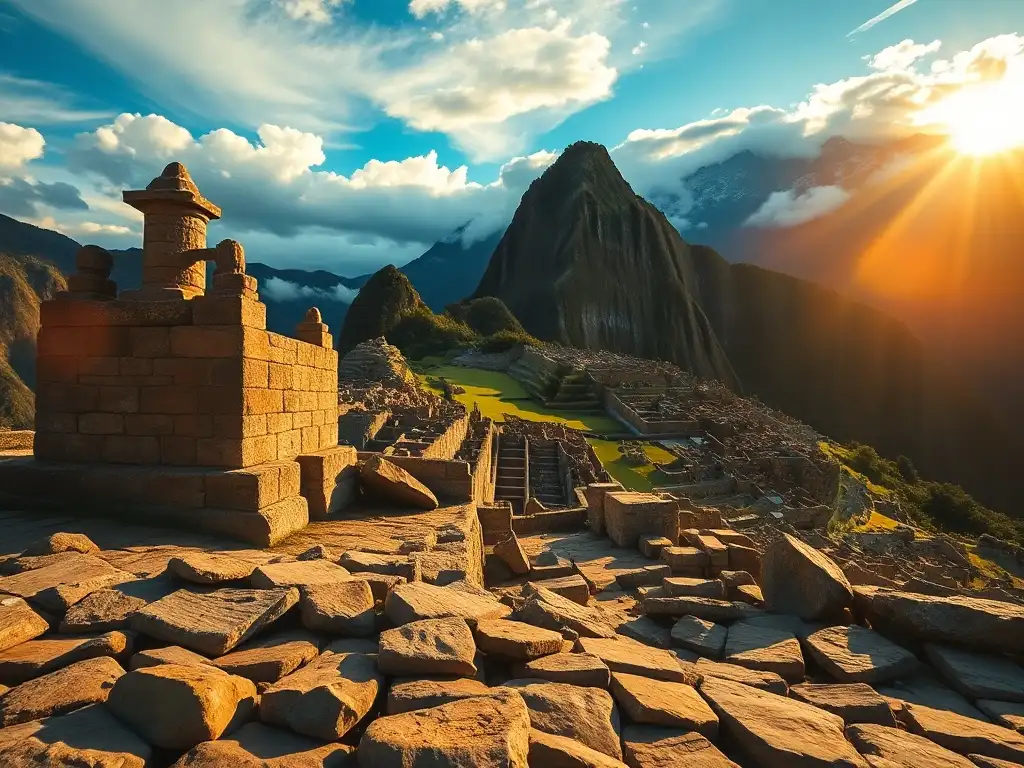
Unravel the mysteries of a lost world. Step into the heart of the Andes and discover the breathtaking legacy of ancient civilizations, from the intricate artistry of the Nazca lines to the awe-inspiring engineering of the Incas. But prepare to be amazed by the secrets held within the Inca Temple of the Sun. What rituals were performed within its sacred walls? Dive into the captivating world of Inca religious practices and uncover the truth behind this enigmatic site – your journey begins now.
Machu Picchu, the iconic "Lost City of the Incas," stands as a testament to the ingenuity and spiritual depth of this remarkable civilization. Beyond its breathtaking architecture and intricate agricultural terraces, Machu Picchu holds a wealth of religious significance, with the Temple of the Sun serving as a central focal point for Inca religious practices. This article delves into the fascinating world of Inca rituals performed within this sacred structure, exploring the beliefs, ceremonies, and symbolism that shaped the lives of the Inca people.
We will examine evidence from archaeological findings and historical accounts to reconstruct a vivid picture of the Temple of the Sun's role in Inca religious life, shedding light on the intricacies of their spiritual world and the enduring legacy of their beliefs. Understanding the rituals performed within the Temple of the Sun provides invaluable insight into the cosmology, social structure, and political power of the Inca Empire, enriching our understanding of this captivating civilization.
We will also explore the connection between the Temple of the Sun and other significant sites within Machu Picchu, highlighting the interconnectedness of the sacred landscape and its role in Inca religious life. This exploration will reveal the profound significance of the Temple of the Sun and its place within the broader context of Inca religious beliefs and practices, specifically addressing the rich tapestry of Inca Temple of the Sun rituals.
The Architectural Significance of the Temple of the Sun
The Temple of the Sun itself is a marvel of Inca engineering and architectural prowess. Its circular design, meticulously crafted stonework, and strategic placement within the Machu Picchu complex all contribute to its sacred aura. The precise astronomical alignments of the structure suggest a deep understanding of celestial movements and their connection to the Inca calendar and agricultural cycles.
The use of specific stones, possibly imbued with spiritual significance, further enhances the temple's sacred character. Archaeological evidence reveals intricate details about the construction techniques, highlighting the advanced skills of the Inca builders and their dedication to creating a structure worthy of their religious practices. The meticulous craftsmanship and the incorporation of astronomical principles demonstrate the high level of sophistication achieved by Inca architects and engineers.
This attention to detail underscores the immense importance placed on the Temple of the Sun within the Inca religious system. Further research is needed to fully understand the specific materials used and the symbolic meanings embedded within the temple's design. [Specific information pending regarding the types of stone used and their potential symbolic meaning].
Rituals and Ceremonies Performed in the Temple of the Sun
While precise details of many Inca rituals remain shrouded in mystery, archaeological findings and ethnohistorical accounts offer glimpses into the ceremonies conducted within the Temple of the Sun. Evidence suggests that the temple served as a site for important religious festivals and ceremonies related to the sun god, Inti, the most important deity in the Inca pantheon. These rituals likely involved offerings of food, coca leaves, and precious metals, as well as elaborate processions and dances.
The presence of specific artifacts within the temple further supports this hypothesis. For example, the discovery of [Specific artifact examples pending] hints at the nature of the offerings made during these ceremonies. Moreover, the temple's location and orientation suggest a connection to the sun's movement across the sky, indicating that the rituals were likely timed to coincide with significant solar events.
The integration of astronomy and religion in Inca culture is vividly illustrated by the Temple of the Sun's design and its probable use in observing celestial phenomena. Further research into the iconography found within the temple is necessary to fully understand the specific rituals performed there.
The Role of the Temple of the Sun in Inca Cosmology
The Temple of the Sun played a crucial role within the broader Inca cosmological system. The Incas viewed the sun as the source of life and energy, and the Temple of the Sun served as a direct link between the earthly realm and the divine. The temple's design and orientation reflect the Inca understanding of the cosmos, emphasizing the importance of the sun in their worldview.
The carefully planned layout of the temple, aligned with the movement of the sun, underscores the Incas' deep connection to nature and their sophisticated astronomical knowledge. The rituals performed within the temple reinforced the Inca belief in the sun's power and its influence on their lives. This close relationship between the Temple of the Sun and Inca cosmology highlights the profound significance of this sacred site within the Inca civilization.
The temple served not only as a place of worship but also as a symbol of the Inca's connection to the wider cosmos, a central point within their intricate spiritual system. Further research is needed to fully unravel the intricate connections between the Temple of the Sun and other elements of Inca cosmology.
The Temple of the Sun and the Inca Political System
The Temple of the Sun was not simply a place of religious worship; it also served as a powerful symbol of Inca political authority. The Inca emperor, considered a divine intermediary between the people and the gods, likely played a central role in the rituals performed within the temple. The temple's location within the Machu Picchu complex, a strategically important site, further underscores its importance in consolidating Inca political power.
By controlling access to and participation in the rituals within the Temple of the Sun, the Inca emperor reinforced his authority and legitimacy. The temple served as a visible manifestation of the emperor's divine right to rule and his close connection to the sun god, Inti. The use of the Temple of the Sun to reinforce political power highlights the close intertwining of religion and politics within the Inca Empire.
Additional research is required to fully understand the political implications of the rituals and ceremonies performed within the Temple of the Sun. Further investigation into the relationship between the Temple of the Sun and other important Inca sites could shed more light on this aspect.
- The Architectural Significance of the Temple of the Sun
- Rituals and Ceremonies Performed in the Temple of the Sun
- The Role of the Temple of the Sun in Inca Cosmology
- The Temple of the Sun and the Inca Political System
- What was the Temple of the Sun's primary purpose?
- What types of rituals were performed at the Temple of the Sun?
- What is the significance of the Temple of the Sun's location within Machu Picchu?
- Were any specific artifacts found within the Temple of the Sun?
- How did the Inca Temple of the Sun differ from other Inca religious structures?
Unveiling the Sacred: The Temple of the Sun at Machu Picchu
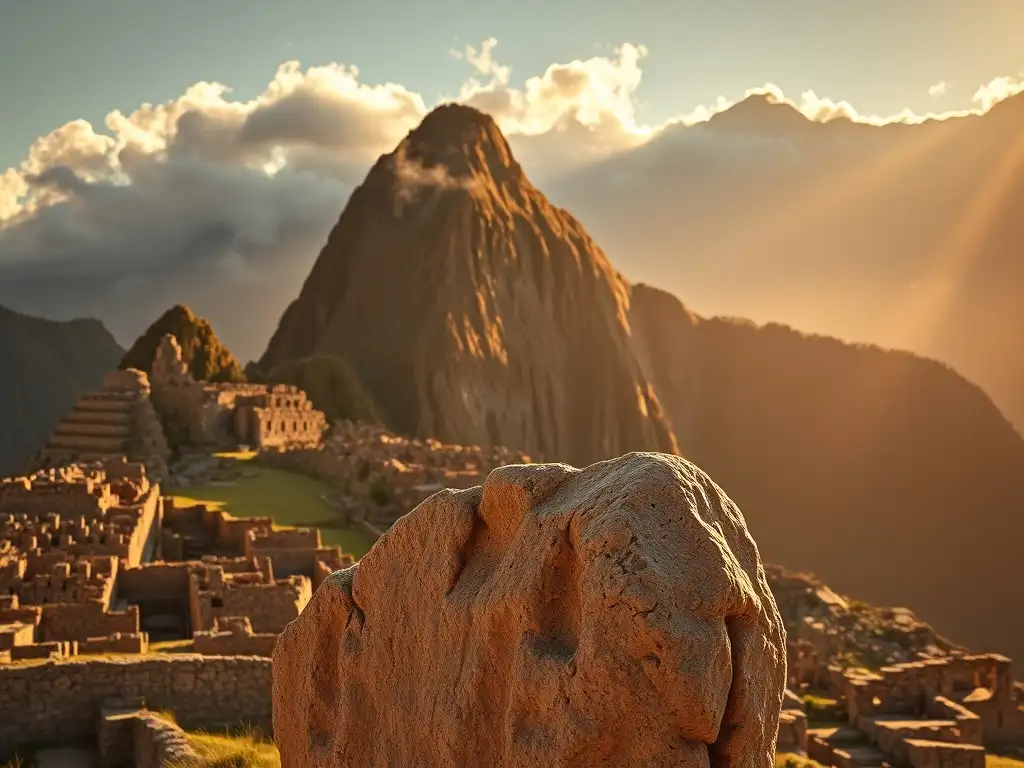
This section delves into the intricacies of the Temple of the Sun at Machu Picchu, focusing specifically on its role within Inca religious practices. We will explore its architectural significance and its place within the broader Inca cosmological framework. Understanding the Temple of the Sun provides crucial insight into the spiritual beliefs and rituals that shaped Inca society.
The very placement and design of this structure speak volumes about the Inca worldview, reflecting their deep connection to the natural world and their sophisticated understanding of celestial events. Analyzing the Inca Temple of the Sun rituals performed within its walls illuminates the complexities of their religious life.
Location and Architectural Significance of the Sun Temple
The Temple of the Sun, located in the urban sector of Machu Picchu, occupies a strategically important position. Its placement within the complex suggests a deliberate choice, reflecting its significance as a central point for religious activities. The temple's architecture is characterized by its precise construction and masterful use of stone. The walls, meticulously fitted together without mortar, are a testament to Inca engineering prowess.
The use of granite, meticulously carved and shaped, gives the structure an imposing presence. The building's unique design, featuring a trapezoidal shape and precisely angled walls, is not merely aesthetic. It is believed that these angles were carefully calculated to align with specific celestial events, further reinforcing the temple's role in Inca astronomy and religious practices. The Inca Temple of the Sun rituals were likely influenced by the very structure in which they took place.
The interior of the temple is equally impressive. While much of the original decoration is lost to time, evidence suggests the presence of intricate carvings and possibly gold leaf, reflecting the importance placed upon the site. Archaeological finds within and around the temple offer clues to its use, including fragments of pottery and other artifacts suggestive of ritual activities.
The very materials used in its construction—the carefully selected stone, the precise angles—all contribute to the building's sacred aura and its role in Inca Temple of the Sun rituals. The precision of the construction speaks to the reverence with which this site was treated. Further research is needed to fully understand the intricacies of its construction and the symbolic meaning behind its architectural elements.
The Temple's Role in Inca Religious Cosmology
The Temple of the Sun was not merely a place of worship; it served as a microcosm of the Inca worldview. Inca cosmology was deeply intertwined with nature, with the sun playing a central role as the source of life and energy. The temple, therefore, served as a focal point for rituals dedicated to the sun god, Inti.
These rituals, likely involving offerings, prayers, and possibly human sacrifice (though evidence is debated), were crucial in maintaining the cosmic order and ensuring the prosperity of the Inca empire. Understanding the Inca Temple of the Sun rituals requires considering the broader context of Inca religious beliefs.
The temple's design likely reflected the Inca understanding of the cosmos. Some scholars suggest the trapezoidal shape symbolizes the Andes mountains, while the orientation of the building might have been aligned with the solstices or equinoxes. This alignment would have allowed for precise observation of celestial events, further emphasizing the connection between the earthly and the divine.
The sun's movement across the sky was a major focus of Inca religious practices, and the Temple of the Sun served as a crucial site for observing and celebrating these celestial events. The Inca Temple of the Sun rituals were thus not merely religious acts, but also astronomical observations integrated into the fabric of Inca life.
The precise nature of the Inca Temple of the Sun rituals remains a topic of ongoing research. However, the available evidence paints a picture of a complex and sophisticated religious system, deeply embedded within the Inca social and political structure. Further archaeological investigations and analysis of existing evidence are crucial to unraveling the mysteries surrounding this significant site and its role in the Inca Empire. The Temple of the Sun stands as a powerful testament to the religious beliefs and practices of the Inca people, offering a glimpse into their rich spiritual world.
Inca Solar Worship: Rituals and Ceremonies
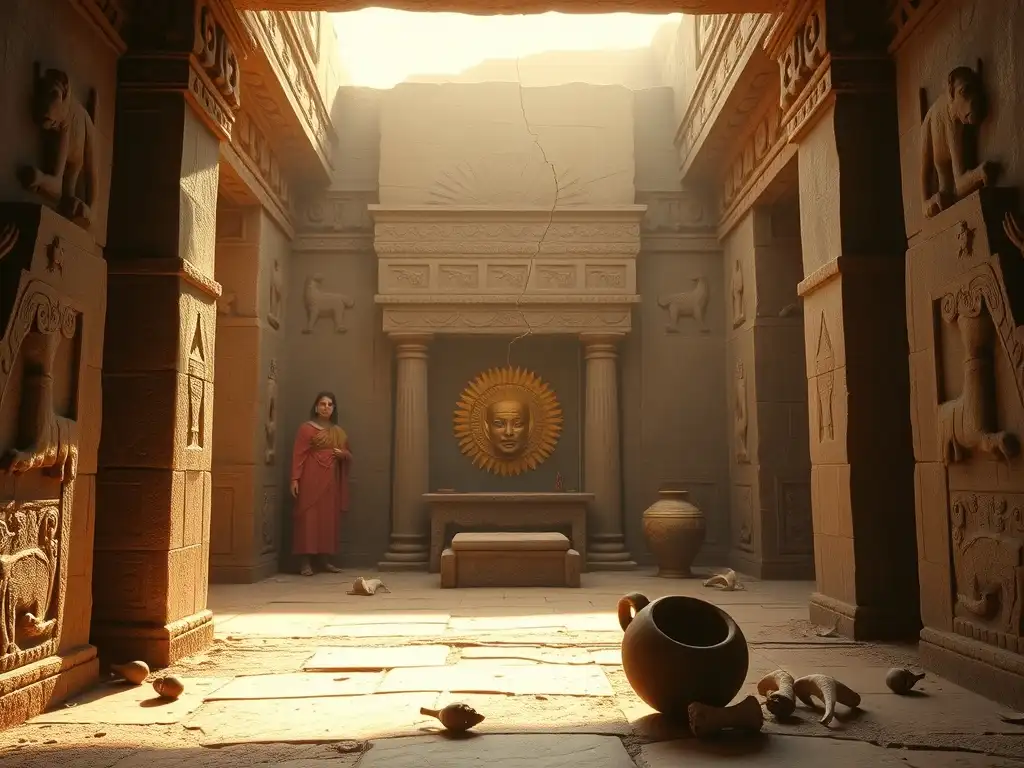
The Inca Empire, renowned for its sophisticated engineering and intricate social structures, held a deeply ingrained reverence for the sun. This solar worship wasn't merely a matter of acknowledging a celestial body; it was a complex system of rituals, ceremonies, and beliefs that permeated every aspect of Inca life. Understanding the Inca Temple of the Sun rituals requires delving into the multifaceted nature of their solar veneration, from the deities they worshipped to the elaborate ceremonies they performed.
The sun, Inti, was not simply a source of life and warmth but the supreme deity, the father of the Inca emperor, and the ultimate source of power and legitimacy for the empire itself. This section explores the key aspects of Inca solar worship, focusing specifically on the rituals and ceremonies performed at the Temple of the Sun within the sacred city of Machu Picchu.
Key Inca Solar Deities and Their Importance
The Inca pantheon was rich and diverse, but Inti, the sun god, held unparalleled prominence. He was considered the creator of the world and the source of all life. Representations of Inti often depicted him as a young, strong man with golden features, radiating warmth and power. His importance extended beyond religious beliefs; he was deeply intertwined with the Inca political system. The Inca emperor was considered the direct descendant of Inti, thus linking the ruler's authority to divine right.
Beyond Inti, other deities played significant roles in Inca solar worship. Mama Killa, the moon goddess, was often depicted alongside Inti, representing the complementary forces of day and night, male and female principles. Furthermore, various other deities, such as the stars and constellations, were also venerated as manifestations of the sun's power and influence.
These celestial bodies were not merely observed but were integrated into the Inca worldview, impacting their agricultural practices, calendar systems, and religious rituals. The positioning of the Temple of the Sun itself, with its precise alignment to astronomical events, highlights the importance of these celestial deities in the Inca religious framework. Detailed astronomical observations and their incorporation into religious practice are key to understanding the complexity of Inca "Inca Temple of the Sun rituals."
The Inca also revered other deities associated with the sun's power, including those related to agriculture and fertility. These included deities representing mountains, water sources, and agricultural bounty. These deities were not separate from Inti but rather manifestations of his power, reflecting the interconnectedness of the Inca worldview. For example, the successful harvest was directly attributed to Inti's favor, making agricultural rituals an essential part of the broader solar worship.
Ritualistic Practices at the Temple of the Sun
The Temple of the Sun at Machu Picchu, a meticulously constructed stone structure, served as a focal point for many important Inca rituals. While the precise details of many ceremonies remain shrouded in mystery, archaeological evidence and historical accounts offer insights into their nature. These rituals likely involved offerings of gold, silver, coca leaves, and other precious items, presented to Inti as expressions of reverence and supplication.
Priests, highly trained in astronomical observations and religious practices, played a central role in performing these ceremonies. They would meticulously prepare offerings, interpret celestial events, and act as intermediaries between the Inca people and their divine ruler, Inti.
The Temple of the Sun's location within Machu Picchu, strategically positioned to align with key astronomical events, further underscores its ritualistic significance. The precise orientation of the building suggests a deep understanding of astronomy and its integration into religious practices. For instance, the sun's rays may have illuminated specific parts of the temple on particular days, adding to the sacredness of the location and enhancing the power of the rituals performed there.
Many scholars believe that the specific positioning and architecture of the building were designed to enhance the impact of the "Inca Temple of the Sun rituals". Further research is needed to fully understand the complex interplay between the architecture and the rituals themselves.
Winter Solstice Celebrations at the Temple
The winter solstice, marking the shortest day of the year, held immense significance for the Inca. This period was viewed as a time of renewal and rebirth, symbolizing the sun's return to strength after its apparent decline. Celebrations at the Temple of the Sun during the winter solstice were likely particularly elaborate and important.
These celebrations would have involved large gatherings of people, including priests, nobles, and commoners, all participating in rituals aimed at ensuring the sun's continued strength and the prosperity of the empire. The Inca believed that their actions during this time directly influenced the sun's power and therefore the fate of their crops and the well-being of their communities.
Specific details of the winter solstice celebrations remain elusive. However, we can infer that the rituals would have involved offerings, prayers, music, and dancing, all designed to honor Inti and seek his favor for the coming year. It is plausible that the temple's architecture played a crucial role in these celebrations, with the sun's rays illuminating specific areas at precise moments, creating a visually stunning and spiritually powerful experience.
Further archaeological research and analysis of existing historical accounts are essential to uncover more precise details of these important "Inca Temple of the Sun rituals". The winter solstice celebrations at Machu Picchu's Temple of the Sun represent a crucial aspect of Inca religious practices, highlighting the profound connection between the Inca and their sun god, Inti. Understanding these rituals is vital for a complete appreciation of Inca culture and beliefs.
The Intihuatana and the Temple of the Sun: A Connection
The Temple of the Sun at Machu Picchu, a captivating example of Inca architecture and religious significance, is intrinsically linked to another fascinating structure: the Intihuatana stone. Understanding the relationship between these two elements provides crucial insight into Inca religious practices and their sophisticated understanding of astronomy. While the Temple of the Sun itself is a testament to Inca artistry and devotion, the Intihuatana enhances its symbolic power and reveals a deeper understanding of the Inca worldview. The Inca Temple of the Sun rituals were deeply intertwined with the celestial events observed using the Intihuatana.
The Intihuatana Stone: Its Function and Symbolism
The Intihuatana, meaning "place where the sun is tied," is a monolithic stone structure found at various Inca sites, most famously at Machu Picchu. Its precise function remains a subject of ongoing scholarly debate, but prevailing theories suggest it served as a significant astronomical instrument and a focal point for religious ceremonies.
The stone's intricate carvings and its position relative to the sun's movements suggest a deep understanding of solstices and equinoxes. It was not merely a calendar stone; it was a powerful symbol representing the Inca's ability to connect with and control the sun, a vital deity in their pantheon.
The meticulous craftsmanship and the stone's prominent placement within the sacred area of Machu Picchu underscore its importance in Inca cosmology and religious practices. Inca Temple of the Sun rituals likely involved precise observations of the sun's shadow cast by the Intihuatana, used to mark important dates and to guide agricultural practices.
The Alignment of the Temple and Intihuatana
The precise alignment of the Temple of the Sun and the Intihuatana stone is a key factor in understanding their interconnectedness. Archaeological evidence indicates a deliberate arrangement, suggesting a planned relationship between the two structures. While the exact nature of this alignment is still being researched, it's theorized that the Temple of the Sun's orientation and windows were designed to capture specific sun rays at significant times of the year, potentially coinciding with observations made using the Intihuatana.
This precise alignment facilitated the Inca's ability to predict agricultural cycles and perform ceremonies in synchronization with celestial events. This precise arrangement speaks to the sophistication of Inca astronomical knowledge and its integration into their religious practices. The Inca Temple of the Sun rituals were not merely spontaneous events but meticulously planned ceremonies.
The Role of Both in Inca Astronomy
Both the Temple of the Sun and the Intihuatana played crucial roles in Inca astronomy. The Temple's design, with its carefully positioned windows and niches, likely served as an observatory, allowing priests to track the sun's movements throughout the year. The Intihuatana, on the other hand, functioned as a more direct astronomical instrument, its shadow indicating the solstices and equinoxes.
The combination of these two structures provided the Inca with a sophisticated system for tracking celestial events, which was essential for their agricultural practices and religious calendar. This intricate system highlights the advanced astronomical knowledge of the Inca civilization and its profound influence on their culture and daily life. The Inca Temple of the Sun rituals, therefore, were deeply rooted in their understanding of the cosmos and their relationship with the celestial bodies.
The precise timing of these rituals, guided by astronomical observations, emphasized the sacred nature of the sun and its influence over all aspects of Inca life. The interplay between the Temple of the Sun and the Intihuatana provides a compelling example of how astronomy and religion were intricately woven together in Inca society.
Exploring the Architectural Details of the Temple of the Sun
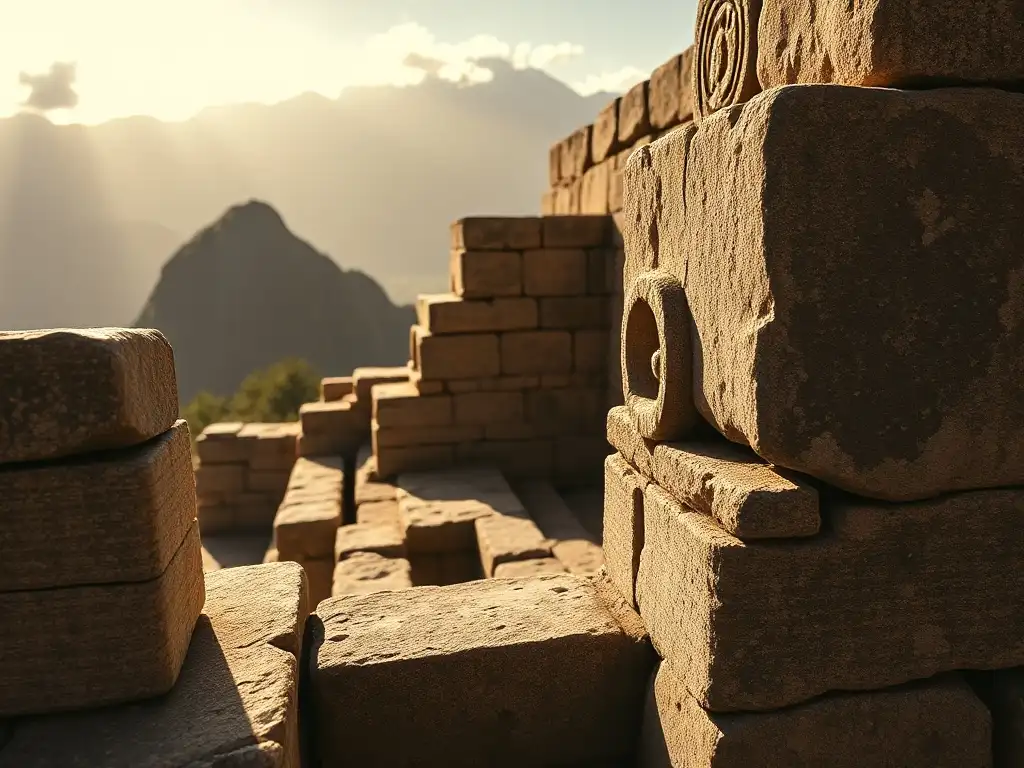
The Temple of the Sun at Machu Picchu, a testament to Inca ingenuity and religious devotion, stands as a captivating example of Inca architecture. Its design, construction, and unique features offer invaluable insights into Inca religious practices and their sophisticated understanding of astronomy and engineering. Understanding the intricacies of its architecture is crucial to comprehending the significance of the rituals performed within its sacred walls.
The very placement of the temple, strategically positioned on a prominent ridge overlooking the Urubamba Valley, speaks volumes about the Inca worldview and their connection to the natural world. Analyzing its design reveals a complex interplay of religious symbolism and practical functionality, highlighting the sophisticated nature of Inca civilization. Research into the "Inca Temple of the Sun rituals" often starts with an exploration of its physical form.
The Construction Techniques and Materials Used
The construction of the Temple of the Sun showcases the Inca's mastery of stonework. They employed incredibly precise techniques, fitting stones together with such accuracy that even a knife blade could not be inserted between them. This meticulous craftsmanship, characteristic of Inca architecture, is evident throughout the structure.
The primary material used was granite, sourced from quarries located some distance from Machu Picchu. The sheer scale of transporting these massive stones uphill, without the aid of animals or advanced machinery, underscores the immense organizational capabilities and manpower of the Inca empire. The stones were carefully shaped and fitted together using a dry-stone method, a technique that relied on the precise cutting and placement of stones to create a stable structure without mortar.
This method, combined with the careful consideration of the weight distribution and the natural contours of the land, resulted in a building that has withstood the test of time and numerous earthquakes. Evidence suggests the use of sophisticated tools, including copper chisels and possibly even wooden mallets, to achieve such precision. Further research is needed to fully understand the intricacies of their techniques, but what is evident is the immense skill and dedication involved.
Unique Architectural Features of the Temple
The Temple of the Sun is distinguished by several unique architectural features that are believed to have played a crucial role in its religious function. Its semi-circular shape, unlike the predominantly rectangular structures found elsewhere in Machu Picchu, is particularly noteworthy. This unique form may have been symbolic, representing the sun's apparent path across the sky or perhaps even mirroring the shape of a sacred mountain.
The temple's interior features a series of niches and recesses, possibly used for the placement of religious offerings or sacred objects. The intricate carvings found on some of the stones further suggest a deep symbolic meaning embedded within the architecture. The use of specific stone types and colors in different parts of the temple might also have held religious significance, though further research is required to decipher their meaning.
Archaeological findings within the temple, including remnants of textiles and pottery, provide further clues about the rituals performed within its walls. The careful orientation of the building, aligning with celestial events, points to a sophisticated understanding of astronomy and its importance in Inca religious practices. The "Inca Temple of the Sun rituals" were likely intimately tied to these unique architectural features.
The Trapezoidal Windows and their Significance
One of the most striking features of the Temple of the Sun is the presence of trapezoidal windows. These uniquely shaped windows are not merely decorative elements; they are believed to have played a significant role in the temple's religious function. The trapezoidal shape is a recurring motif in Inca architecture, appearing in doorways, niches, and other architectural elements.
The precise angles and proportions of these windows may have been carefully calculated to frame specific celestial events, such as solstices or equinoxes. By carefully observing the sun's passage through these windows, the Inca priests may have been able to predict agricultural cycles and other important events. The play of light and shadow within the temple, influenced by the shape and orientation of these windows, may have also created a dramatic and awe-inspiring atmosphere, enhancing the religious experience.
Some scholars suggest that the trapezoidal windows symbolically represented the Andean worldview, reflecting the Inca's understanding of the cosmos and their place within it. The precise function and symbolic meaning of these windows remain a subject of ongoing research, yet they undeniably contribute to the unique character and religious significance of the Temple of the Sun, enriching our understanding of "Inca Temple of the Sun rituals".
Interpreting the Purpose: More Than Just a Temple
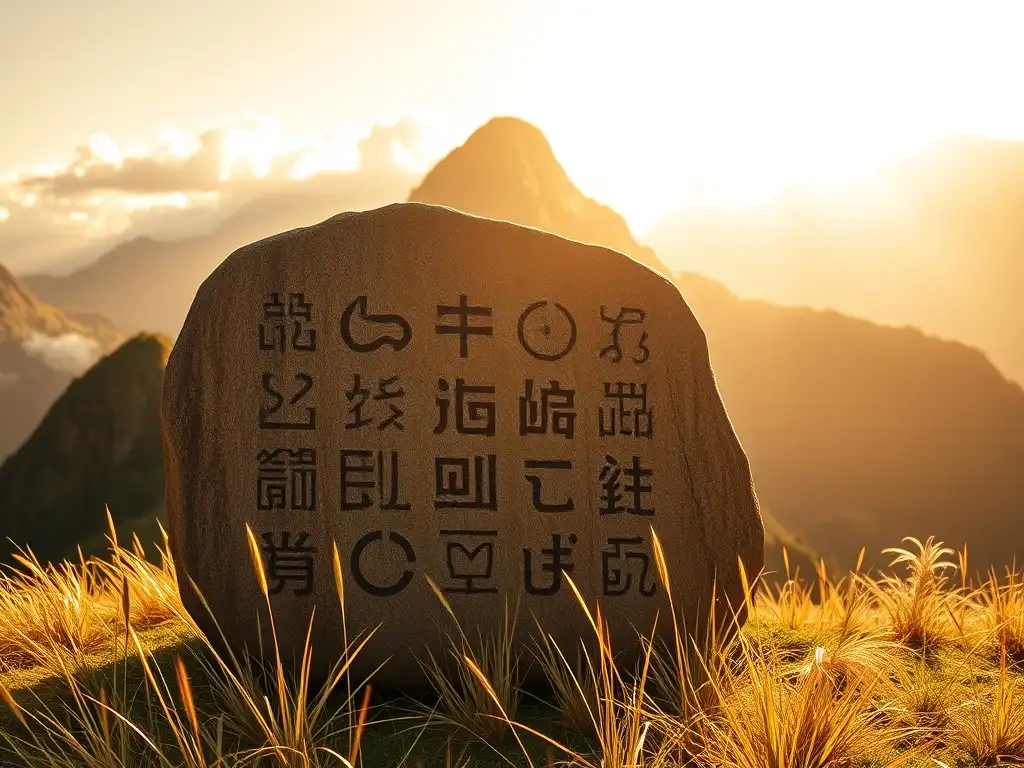
The Inca Temple of the Sun at Machu Picchu, while undeniably a stunning architectural achievement, was far more than just a place of worship. Its design and location suggest a multifaceted purpose, deeply intertwined with Inca cosmology, astronomical observations, and societal structure. Understanding the Inca Temple of the Sun rituals requires appreciating this complexity.
The building's function extended beyond simple religious ceremonies; it served as a vital hub for astronomical observations, a ceremonial center for important rituals, and a powerful symbol of Inca imperial authority and religious beliefs. This intricate interplay of functions shaped the daily life and spiritual beliefs of the Inca people. Further research into the precise arrangement of stones and their astronomical alignments is ongoing, promising to reveal even more about the Temple's multifaceted role.
The Temple's Role as an Observatory
The precise positioning of the Temple of the Sun within Machu Picchu suggests a significant astronomical function. Inca priests, highly skilled in observing celestial movements, likely used the temple to track the solstices and equinoxes. The carefully oriented windows and niches could have been designed to align with specific constellations or the rising and setting sun on key dates.
This meticulous alignment allowed them to predict agricultural cycles, plan festivals, and reinforce their cosmological beliefs. Analyzing the architectural features, particularly the positions of the windows and their relationship to the surrounding mountains, could reveal more precise details about the specific celestial events tracked. One compelling theory posits that the Temple's main chamber may have been used to observe the sun's path throughout the year, providing valuable information for agricultural planning and religious calendrical systems.
This precision in astronomical observation emphasizes the advanced knowledge of Inca astronomers and the importance of celestial events within their culture. The Inca Temple of the Sun rituals were thus deeply connected to the cyclical nature of the cosmos, as reflected in the very structure of the temple.
The Temple as a Ceremonial Center
Beyond its astronomical function, the Temple of the Sun served as a crucial ceremonial center. Evidence suggests that various Inca Temple of the Sun rituals were performed within its walls. The carefully constructed stonework, the intricate carvings, and the presence of specific artifacts point towards the performance of religious rites and ceremonies.
These rituals likely involved offerings, prayers, and possibly human sacrifice, although the exact nature of these practices remains a subject of ongoing scholarly debate. While some rituals may have been exclusive to the elite, others probably involved broader participation from the community. The size and layout of the temple suggest that it could have accommodated a significant number of participants in large-scale ceremonies.
Further research into the artifacts found within and around the Temple could shed more light on the specific rituals performed. The discovery of new artifacts or the re-examination of existing ones could offer critical insights into the specific nature of these ceremonies and their significance within Inca society. The grandeur of the temple itself would have amplified the spiritual significance of these events, reinforcing the religious authority of the Inca rulers.
The Temple and Its Significance in Inca Society
The Temple of the Sun's significance extended beyond its practical uses; it held a crucial symbolic role in Inca society. As a prominent structure within Machu Picchu, a site of immense religious and political importance, the Temple embodied the power and authority of the Inca emperor and the Inca worldview. Its construction, using sophisticated techniques and high-quality materials, showcased the Inca's mastery of engineering and their ability to mobilize significant resources. The Temple's prominent location, overlooking the entire city, reinforced the emperor's dominance and the religious beliefs that underpinned the Inca Empire.
The intricate carvings and decorations on the temple’s walls likely depicted key figures and events from Inca mythology, further solidifying its symbolic significance. The Temple of the Sun, therefore, served as a powerful symbol of Inca identity, religious beliefs, and imperial power. The Inca Temple of the Sun rituals were not merely religious acts; they were integral to the social fabric of the Inca Empire, reinforcing social hierarchies and strengthening the emperor's authority.
The very existence of this magnificent structure served as a constant reminder of the Inca's power and their connection to the divine. The impact of this symbolic power on the Inca people's lives and their understanding of the world cannot be underestimated. Further research into Inca iconography and religious beliefs could provide a more comprehensive understanding of the Temple's symbolic role in Inca society.
The Legacy of the Temple of the Sun at Machu Picchu
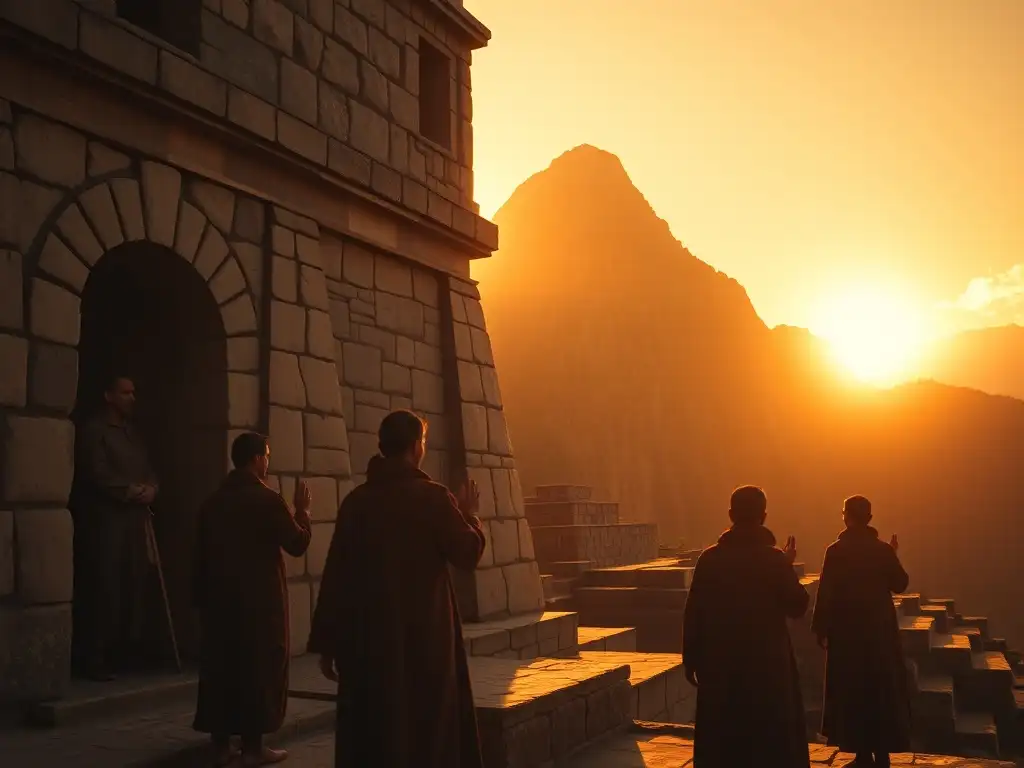
The Temple of the Sun at Machu Picchu stands as a powerful testament to the sophisticated religious practices of the Inca civilization. Its enduring legacy extends far beyond its physical structure, impacting our understanding of Inca cosmology, social hierarchy, and the intricate relationship between the Inca people and their environment. While much remains shrouded in mystery, archaeological findings and careful analysis of the temple's architecture continue to reveal fascinating insights into Inca religious beliefs and rituals.
The very placement of the temple within the Machu Picchu complex, strategically situated for celestial alignments, highlights the importance of astronomy and its connection to Inca religious life. Understanding the Inca Temple of the Sun rituals requires appreciating the broader context of their worldview, where the natural world and the divine were inextricably linked.
The Impact of Spanish Conquest on Inca Religious Practices
The Spanish conquest of the Inca Empire in the 16th century dealt a devastating blow to Inca religious practices. The destruction of temples, the suppression of indigenous beliefs, and the imposition of Catholicism resulted in a significant loss of knowledge and cultural heritage. The Temple of the Sun, along with many other sacred sites, suffered damage and desecration.
Many Inca religious objects were destroyed or looted, and the oral traditions that preserved knowledge of Inca rituals were systematically suppressed. The Spanish actively sought to eradicate Inca religious practices, replacing them with Christian doctrines. This cultural genocide led to a significant disruption of Inca societal structures and a loss of understanding of many of their complex rituals.
The impact of this loss is still felt today, making the study and preservation of remaining Inca artifacts and sites all the more crucial for reconstructing a complete picture of Inca religious life. The limited surviving information about Inca Temple of the Sun rituals highlights the profound and lasting impact of the Spanish conquest.
The Ongoing Study and Preservation of the Temple
Preservation efforts at Machu Picchu are ongoing, with international collaboration playing a vital role in the protection of the Temple of the Sun and the entire site. Sophisticated techniques are employed to monitor the site's structural integrity and mitigate the effects of weathering and erosion. Archaeologists meticulously document every detail, utilizing advanced imaging and surveying technologies to create detailed 3D models and analyses.
The ongoing research into the Temple of the Sun focuses not only on its physical structure but also on deciphering the remaining clues about its function and significance within Inca religious life. By studying the architecture, the artifacts found within and around the temple, and analyzing the surrounding environment, researchers continue to piece together a more complete understanding of Inca Temple of the Sun rituals.
The careful study and preservation of this site are essential for understanding the broader context of Inca civilization and its rich cultural heritage. This is a vital task that continues to reveal important insights into the Inca Temple of the Sun rituals and the Inca civilization as a whole.
Understanding Inca Culture Through the Temple of the Sun
The Temple of the Sun serves as a microcosm of Inca culture, reflecting their advanced understanding of astronomy, engineering, and religious belief. The precise alignment of the temple with celestial events suggests a deep understanding of the cosmos and its influence on their lives. The intricate stonework demonstrates exceptional craftsmanship and engineering skills.
The presence of specific artifacts within the temple provides valuable insights into the materials and rituals used in Inca religious practices. The Temple of the Sun, therefore, is not simply a building; it is a repository of knowledge about Inca cosmology, social structures, and religious beliefs. Studying the architecture, the artifacts, and the surrounding environment provides a multifaceted understanding of Inca life and their intricate relationship with the natural world.
Analysis of the Inca Temple of the Sun rituals offers valuable clues into the religious beliefs and practices of the Inca civilization. This detailed approach allows us to appreciate the complexity and sophistication of their culture, going beyond simple descriptions to delve into the meaning and significance of their religious practices. The Temple of the Sun acts as a powerful symbol, allowing modern scholars to reconstruct and interpret Inca Temple of the Sun rituals and gain a deeper comprehension of this remarkable civilization.
Frequently Asked Questions
What was the Temple of the Sun's primary purpose?
The Temple of the Sun at Machu Picchu served as a principal religious site, likely dedicated to Inca sun worship and possibly housing royal mummies. Its precise function remains debated by scholars.
What types of rituals were performed at the Temple of the Sun?
While specifics are unknown, rituals likely involved offerings to the sun god Inti, ceremonies related to the Inca royalty, and possibly agricultural fertility rites. Archaeological evidence is limited.
What is the significance of the Temple of the Sun's location within Machu Picchu?
Its placement high on the mountain, overlooking the sacred plaza, emphasizes its importance within the overall religious complex of Machu Picchu. This positioning suggests a connection to the cosmos and the Inca worldview.
Were any specific artifacts found within the Temple of the Sun?
While some ceremonial objects may have been present, evidence is scarce. The site's relative intactness may hint at future discoveries that could reveal more about the rituals performed there.
How did the Inca Temple of the Sun differ from other Inca religious structures?
Although sharing similar architectural styles, the Temple of the Sun's unique location and probable association with royal figures distinguishes it. Its possibly astronomical alignments also suggest a specialized function.
Final Reflection: Echoes of the Sun God in Modernity
The intricate religious practices of the Inca, centered around the Temple of the Sun at Machu Picchu, resonate powerfully even today. Their sophisticated understanding of astronomy, their deep connection to the natural world, and their reverence for the sun god Inti continue to fascinate and inspire, reminding us of the enduring human need for spiritual connection and meaning. The meticulous craftsmanship and symbolic power embedded within the Temple's architecture stand as a testament to a civilization's profound belief system.
The enduring legacy of the Inca's sun worship is not merely historical; it continues to shape our understanding of Andean culture and its influence on subsequent societies. The echoes of Inti's power reverberate through modern-day celebrations, artistic expressions, and even scientific explorations of Inca astronomy. As the anthropologist, John Murra, once observed, The Inca state was not simply a political entity, but a complex religious and cosmological system that permeated every aspect of life.
This quote highlights the pervasive influence of religion on the Inca worldview, a perspective that remains relevant in understanding the motivations and achievements of this remarkable civilization.
Consider the enduring power of the sun itself, a constant in our lives, a source of life and energy. The Inca's reverence for Inti reminds us to appreciate the natural world and the spiritual dimensions of our existence. Take a moment to reflect on your own connection to the natural world, to the sources of inspiration and meaning in your life.
Let the legacy of the Temple of the Sun at Machu Picchu inspire you to seek out your own deeper understanding of the world and your place within it. Let the sun's light guide your path towards a more meaningful and fulfilling existence.
Unleash Your Inner Explorer: Experience the Legacy of the Incas!
Thank you for joining us on this journey through the awe-inspiring Temple of the Sun at Machu Picchu! We hope you gained fascinating insights into Inca religious practices and the rich culture of this magnificent site. Reflecting on this ancient wonder, we invite you to further explore the Andean world.
Here's how you can connect with the Inca legacy:
- Embrace Adventure: Plan a visit to Machu Picchu and witness its majesty firsthand. Walk where the Incas once walked – it's an experience you won't want to miss.
- Engage with Community: Connect with online forums or local groups dedicated to Andean civilizations. Share your discoveries and learn from fellow enthusiasts.
- Explore Further: Delve into books and documentaries about the Inca Empire to deepen your understanding of their fascinating traditions and spiritual beliefs.
What aspect of Inca culture intrigues you most?