
The Shaman's Influence: Exploring the Role of Spiritual Leaders in Andean Society

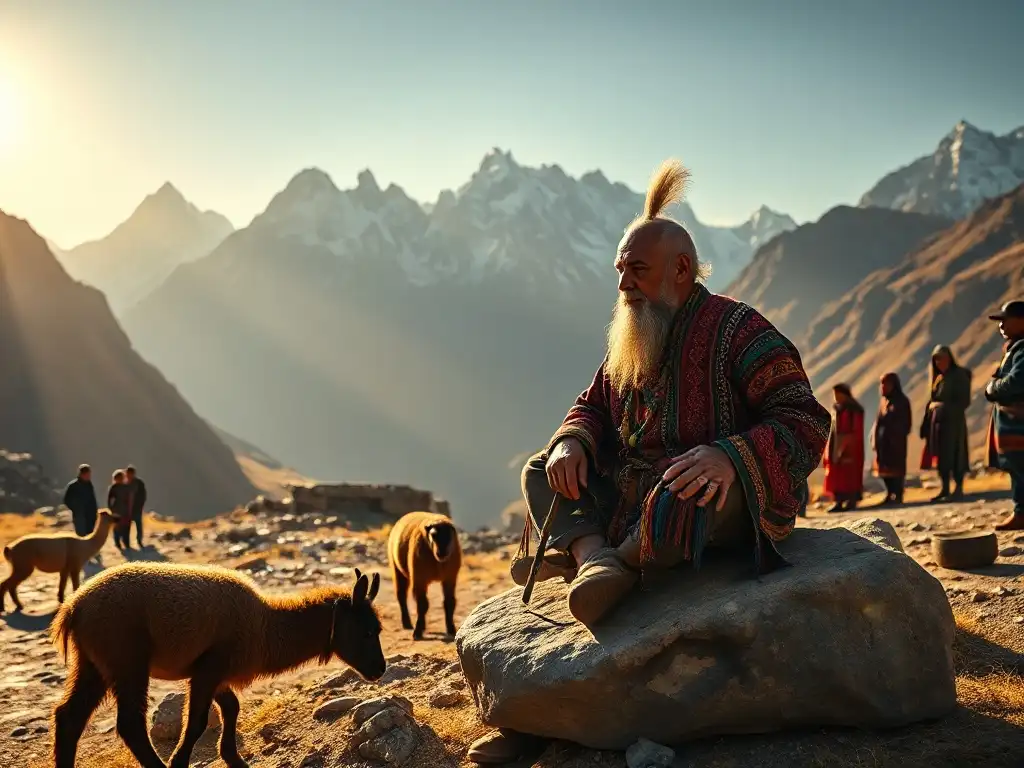
Step into a world lost to time, yet echoing with power and mystery. Imagine a society where the spiritual realm intertwined seamlessly with daily life, where the Andean shamans held sway over not just the spirit world, but the very fabric of their civilization. This is the story of the Andes, a tapestry woven with threads of breathtaking artistry, ingenious engineering, and a profound connection to the cosmos. Uncover the secrets of their influence and discover the captivating role these spiritual leaders played in shaping their world—a world waiting to be explored.
The Andean civilizations, renowned for their intricate social structures and impressive engineering feats, were deeply intertwined with a complex spiritual world. This article delves into the pivotal role of shamans—spiritual leaders and intermediaries between the human and supernatural realms—in shaping Andean societies.
From the towering heights of the Inca Empire to the coastal settlements of the Moche and the enigmatic Nazca lines, the influence of shamans permeated every facet of life, impacting political power, agricultural practices, healing, and even warfare. Understanding the Andean shamans' role in society is crucial to grasping the full complexity and dynamism of these remarkable cultures.
We will explore their multifaceted functions, examining their rituals, their social standing, and their enduring legacy in the historical record and contemporary Andean cultures. This exploration will reveal how deeply interwoven spirituality was with the very fabric of Andean existence, offering a nuanced perspective on the rise of complex societies in the Andes.
The Shaman as Healer and Intermediary
Andean shamans were not simply religious figures; they were vital healers within their communities. Their knowledge of medicinal plants, coupled with their spiritual abilities, allowed them to treat a wide range of ailments. Shamans acted as intermediaries between the living and the spirit world, diagnosing illnesses through divination and employing rituals to cure diseases believed to be caused by supernatural forces.
This involved complex ceremonies, often involving the use of hallucinogenic plants like San Pedro cactus or ayahuasca, to enter altered states of consciousness and communicate with spirits. Detailed accounts from Spanish chronicles, though often filtered through a colonial lens, provide glimpses into these practices, highlighting the significant role of shamans in maintaining the health and well-being of their communities.
The effectiveness of their healing practices, whether based on placebo effect or genuine pharmacological knowledge, cemented their status as essential members of society. Furthermore, their knowledge of herbal remedies contributed significantly to the development of traditional Andean medicine, which continues to thrive today.
Political Influence and Power Dynamics
The influence of Andean shamans extended far beyond healing. In many Andean societies, shamans held considerable political power, acting as advisors to rulers and influencing important decisions. Their ability to communicate with the supernatural world gave them unique authority, allowing them to interpret omens, predict the future, and legitimize the rule of leaders. For example, the Inca emperors consulted with shamans on matters of state, relying on their spiritual insights to guide their policies.
The shaman's pronouncements could dictate military strategies, influence agricultural practices, and even determine succession to the throne. This intertwining of spiritual and political authority highlights the crucial role of shamans in maintaining social order and stability. Evidence suggests that shamans weren't just passive advisors; their influence could be decisive in shaping the political landscape of Andean societies.
Rituals and Ceremonies: Shaping Andean Life
The daily lives of Andean people were profoundly shaped by elaborate rituals and ceremonies overseen by shamans. These rituals, often tied to agricultural cycles and important life events, reinforced social cohesion and ensured the continuity of Andean traditions. From the intricate capacocha sacrifices of the Inca to the complex agricultural rituals of the Moche, shamans played a central role in orchestrating these events.
Their knowledge of astronomy and the celestial calendar allowed them to determine auspicious times for planting, harvesting, and other activities. These ceremonies also served as powerful tools for social control, reinforcing the authority of shamans and the existing power structures. The elaborate nature of these rituals, often involving elaborate costumes, music, and offerings, underscored the importance of the spiritual realm in daily life.
The Enduring Legacy of Andean Shamans
The legacy of Andean shamans extends far beyond the pre-Columbian era. While much of their practices were suppressed during the Spanish conquest, elements of their spiritual traditions persist in contemporary Andean communities. Modern-day paqos and other spiritual leaders continue to practice many of the ancient traditions, adapting them to the changing realities of the 21st century.
The enduring presence of shamanistic practices in contemporary Andean cultures serves as a testament to the profound and lasting influence of these spiritual leaders on Andean society. Their role in healing, social cohesion, and the preservation of cultural heritage continues to resonate, demonstrating the enduring power of their legacy. This enduring influence underscores the vital role of spirituality in the shaping and continuation of Andean identity.
- The Shaman as Healer and Intermediary
- Political Influence and Power Dynamics
- Rituals and Ceremonies: Shaping Andean Life
- The Enduring Legacy of Andean Shamans
Understanding Andean Spirituality and its Key Figures
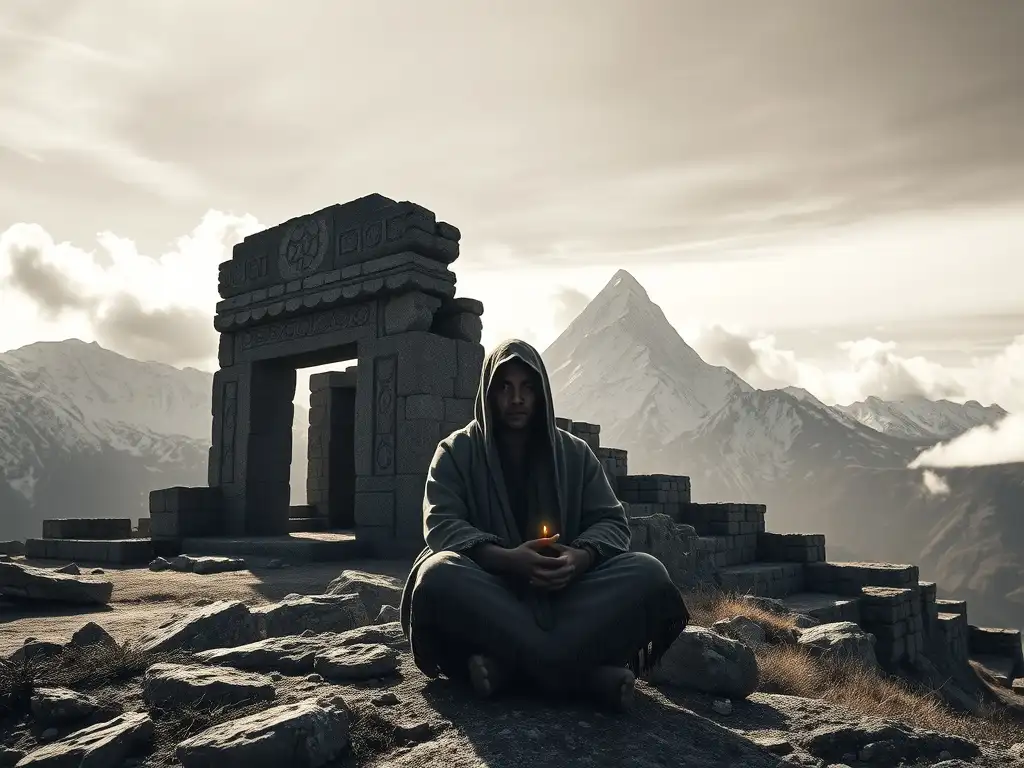
Andean spirituality wasn't a monolithic entity; it varied across different cultures and time periods. However, certain core beliefs and practices united these diverse societies. Understanding this spiritual framework is crucial to appreciating the profound influence of Andean shamans. The Andean worldview was deeply interconnected, emphasizing a harmonious relationship between the human world (Kay Pacha), the underworld (Uku Pacha), and the upper world (Hana Pacha).
This intricate cosmology shaped social structures, agricultural practices, and political systems, all deeply influenced by the spiritual leaders. The concept of ayni, reciprocal exchange, underpinned many aspects of life, reflecting the belief in a balanced cosmos where actions had consequences. This belief system provided the fertile ground from which the shaman's authority and influence blossomed.
The Andean shamans' role in society wasn't merely religious; it was integral to the very fabric of their existence. Their influence extended far beyond spiritual guidance, impacting daily life, governance, and even warfare. This pervasive influence stemmed from their perceived ability to interact with the supernatural realm and mediate between the human and spiritual worlds.
The Core Beliefs of Andean Cosmology
Andean cosmology wasn't static; it evolved over centuries, incorporating new deities and beliefs as different cultures interacted. However, some fundamental concepts remained consistent. The concept of Pachamama, Mother Earth, was central, representing the life-giving force of the land and the source of all sustenance. Respect for Pachamama was paramount, reflected in agricultural rituals and offerings designed to ensure bountiful harvests.
Similarly, the veneration of the sun ( Inti) and other celestial bodies highlighted the importance of the cosmos in shaping Andean life. These celestial bodies were not merely astronomical entities but powerful deities influencing the weather, agriculture, and the very fate of the people. The mountains, too, held immense spiritual significance, often considered sacred dwelling places of powerful spirits. These beliefs formed the foundation upon which the shaman's authority was built.
They were the interpreters of these cosmic forces, the mediators between the human and divine realms. Their understanding of the intricate web of relationships within Andean cosmology allowed them to exert considerable influence over their communities. For example, predicting agricultural cycles based on celestial observations and interpreting natural phenomena as messages from the gods were vital skills for a shaman, making them essential figures in maintaining social harmony and providing a sense of order in a world governed by powerful and often unpredictable forces.
Defining the Shaman: Beyond the Western Concept
It's crucial to avoid imposing Western interpretations on the role of Andean shamans. While the term "shaman" is often used, it's an imperfect translation of the diverse roles filled by spiritual leaders in different Andean cultures. These individuals held various titles and performed diverse functions, ranging from healers and diviners to political advisors and ritual specialists. Their expertise encompassed herbal medicine, astronomy, and ritual practices, all interwoven with a deep understanding of Andean cosmology.
The path to becoming a shaman wasn't always the same across all cultures; some inherited their roles, while others achieved it through rigorous training, spiritual experiences, or demonstrating exceptional abilities. Unlike the stereotypical image of a solitary figure, many Andean spiritual leaders operated within established social structures and hierarchies, sometimes holding significant political power. Their influence extended to decision-making processes, conflict resolution, and the maintenance of social order. The ability to communicate with the spirit world, interpret dreams, and perform healing rituals were key aspects of their role.
They often used hallucinogenic plants, such as coca and ayahuasca, in their rituals, facilitating altered states of consciousness and promoting communication with the spiritual realm. This use of psychoactive substances, however, should be understood within the context of Andean spirituality, not as mere recreational drug use. The Andean shamans' role in society was multifaceted and deeply embedded within the cultural and social fabric of their respective communities, illustrating their importance to the societies they served.
The Multifaceted Roles of Andean Shamans
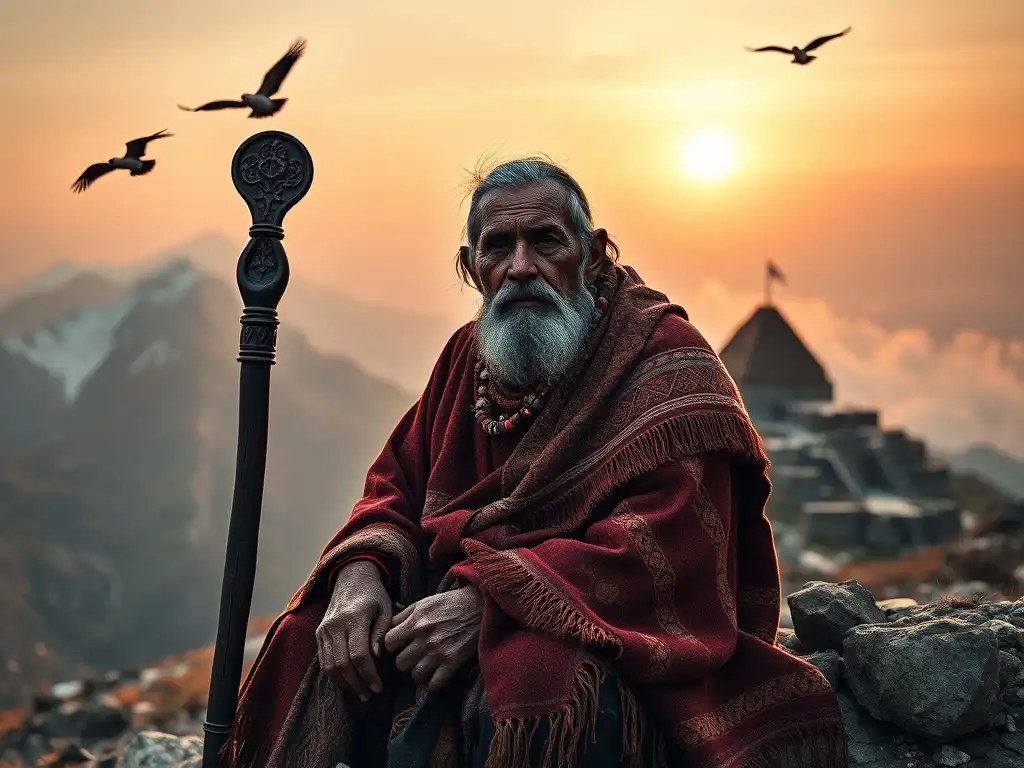
The Andean shamans' role in society extended far beyond simple spiritual guidance. They were integral to the social fabric, acting as healers, advisors, and keepers of cultural knowledge. Their influence permeated daily life, impacting everything from agricultural practices to political decisions. Understanding their multifaceted roles is crucial to comprehending the complexities of Andean civilizations.
The power and prestige held by these spiritual leaders varied across different cultures and time periods, but their overall importance remained consistently high. Their influence stemmed from a deep understanding of the natural world, a mastery of ritual practices, and a perceived ability to communicate with the spirit world. This intricate interplay of spiritual authority and societal influence shaped the very foundation of Andean societies. We can gain a clearer picture by examining some of their key functions.
Andean Shamans as Healers and Medicine Practitioners
Andean shamans were highly skilled healers, employing a sophisticated understanding of herbal remedies, diagnostic techniques, and spiritual practices to treat illnesses. Their treatments weren't solely physical; they often addressed the spiritual and emotional aspects of disease, viewing illness as a manifestation of imbalance or spiritual disharmony. Evidence suggests a deep integration of medicinal plants and spiritual rituals in their healing practices.
For instance, the use of coca leaves wasn’t just for ritualistic purposes; they possessed medicinal properties, used to alleviate pain, fatigue, and altitude sickness. Shamans would meticulously prepare and administer these remedies, often incorporating chants, prayers, and other spiritual components to enhance their effectiveness. Furthermore, their diagnostic methods, while seemingly mystical, often displayed a keen observation of symptoms and an understanding of the body's physiological responses.
Detailed accounts from colonial-era chroniclers, although biased, hint at the advanced knowledge of Andean medicine and the shaman's crucial role in maintaining community health. The effectiveness of their treatments, combined with their spiritual authority, solidified their position as essential members of the community. The integration of spiritual and physical healing is a key element in understanding the Andean shamans' role in society, highlighting their unique approach to wellness.
The Shaman's Role in Ritual and Ceremony
The Andean shamans' role in society was deeply intertwined with ritual and ceremony. They served as intermediaries between the human and spiritual worlds, conducting ceremonies designed to ensure successful harvests, appease powerful deities, and maintain social harmony. Their expertise in ritual practices was essential to the survival and prosperity of their communities.
These rituals were not merely symbolic; they were believed to have tangible effects on the physical world, influencing everything from weather patterns to the success of hunting expeditions. The complexity and significance of these ceremonies varied across different Andean cultures, reflecting the unique beliefs and practices of each group.
However, a common thread running through all of them was the shaman's essential role as the conductor and interpreter of these sacred events. Their knowledge of ancient traditions, their ability to manipulate spiritual forces, and their capacity to inspire awe and reverence were all crucial to the efficacy of these rituals.
Facilitating Communal Rituals and Celebrations
Many Andean rituals were communal affairs, bringing together entire villages or communities in shared celebration or supplication. The shaman played a pivotal role in organizing and leading these events, ensuring the proper execution of the rituals and maintaining the social cohesion necessary for their success. These events often involved elaborate preparations, including the creation of intricate textiles, the preparation of special foods and drinks (such as chicha), and the construction of temporary structures for the ceremony.
The shaman’s leadership extended beyond the purely spiritual; they often acted as organizers and coordinators, ensuring the smooth running of these large-scale events. The success of these communal gatherings depended heavily on the shaman's ability to inspire collective participation and maintain social harmony. The intricate social dynamics and practical organization involved in these events further demonstrate the comprehensive role of the Andean shaman in community life.
Andean Shamans as Intermediaries with the Spirit World
Perhaps the most defining aspect of the Andean shamans' role in society was their ability to act as intermediaries between the human world and the spirit world. They were believed to possess the power to communicate with deities, ancestors, and other supernatural beings, gaining insights and influencing events through this connection. This ability was crucial in times of crisis, offering guidance and solutions to problems that defied earthly explanations.
Their interventions weren't limited to healing; they also extended to providing advice on political matters, interpreting omens, and predicting the future. This access to the spiritual realm granted them significant influence within their communities, shaping decisions and influencing social structures.
The shaman's ability to navigate the spiritual landscape and communicate its messages to their community was a key factor in their elevated status and significant influence within Andean society. The perceived power to interact directly with the spirit world underpins their overall social importance and the reverence with which they were held.
The Shaman as a Keeper of Traditional Knowledge
The Andean shaman served as a crucial repository of traditional knowledge, a living library preserving and transmitting vital information across generations. This knowledge wasn't simply a collection of facts; it was interwoven with the very fabric of Andean society, shaping its worldview, practices, and survival strategies. Shamans acted as custodians of a complex system of beliefs, rituals, and practices that were essential for maintaining social cohesion and ecological balance.
Their understanding extended far beyond the spiritual realm; it encompassed intricate knowledge of agriculture, astronomy, medicine, and social organization. The preservation of this knowledge was paramount, ensuring the continuity of Andean culture and its adaptation to changing circumstances. Their role was not merely passive preservation; it was an active process of interpretation and re-contextualization, adapting ancient wisdom to contemporary challenges.
The shaman's ability to connect the past with the present was crucial for navigating the complexities of Andean life. This dynamic interplay between tradition and adaptation ensured the survival and evolution of Andean cultures for centuries. The weight of this responsibility, passed down through generations, underscores the profound significance of the shaman's role in Andean society.
Preserving Oral Histories and Cultural Heritage
Oral tradition formed the backbone of Andean cultural transmission. Shamans, acting as skilled storytellers and memory keepers, played a vital role in preserving and transmitting these narratives. Myths, legends, historical accounts, and genealogies were meticulously passed down through generations, shaping the collective identity and understanding of Andean communities.
These narratives weren't just entertaining stories; they served as practical guides, imparting valuable lessons about social behavior, moral values, and ecological responsibility. The shaman's mastery of storytelling techniques ensured that these crucial narratives remained vivid and engaging, captivating audiences and inspiring profound respect for the traditions of their ancestors. The accuracy and consistency of these oral histories demonstrate the dedication and skill of Andean shamans in preserving their rich cultural heritage.
For instance, detailed accounts of past events, including significant battles or climatic shifts, were often passed down through generations, providing invaluable insights into the historical trajectory of Andean societies. The preservation of these oral histories was not merely a historical exercise; it was a living testament to the enduring power of cultural memory and the shaman's crucial role in its maintenance.
The Andean Shaman's understanding of medicinal plants
Andean shamans possessed an encyclopedic knowledge of medicinal plants and their therapeutic applications. This knowledge, accumulated over millennia, formed the basis of a sophisticated system of traditional medicine. They didn't simply identify and utilize plants; they understood their complex interactions with the human body and the environment. Their expertise extended to identifying the appropriate plants for specific ailments, preparing remedies, and administering them according to traditional practices.
This involved a deep understanding of botany, pharmacology, and human physiology, combined with a keen observation of natural processes. The shaman's role transcended simple healing; they acted as intermediaries between the human world and the spirit world, believing that illness could often be attributed to spiritual imbalances. Therefore, their treatments often incorporated spiritual rituals and practices alongside herbal remedies.
Specific examples include the use of coca leaves for energy and altitude sickness, or the utilization of various barks and roots for treating infections and inflammation. The effectiveness of these traditional treatments, documented in numerous ethnographic studies, highlights the deep understanding of medicinal plants possessed by Andean shamans and their significant contribution to the health and well-being of their communities. The intricate knowledge of medicinal plants held by Andean shamans represents a profound connection between humans and nature, underscoring their crucial role in maintaining both physical and spiritual health within their societies.
The Andean Shaman's Power and Influence
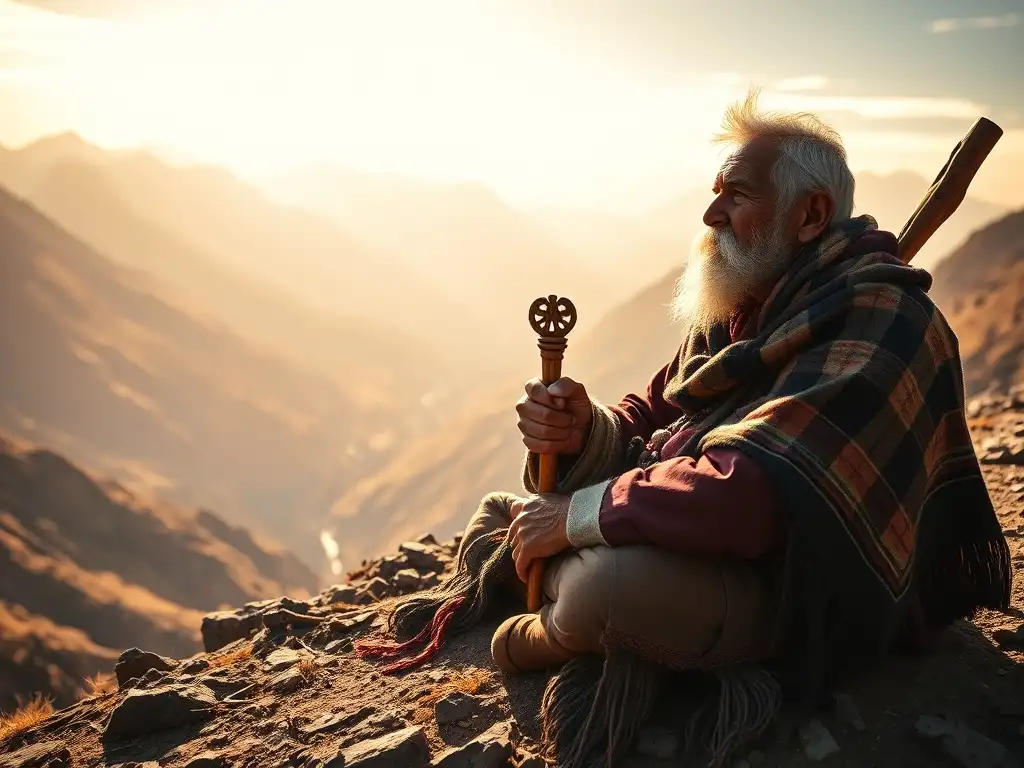
The Andean shaman's role in society extended far beyond simple spiritual guidance. Their influence permeated the political, social, and even economic fabric of Andean civilizations. Understanding their power requires examining their multifaceted roles within these complex societies.
The authority of Andean shamans stemmed from a deep-seated belief in their ability to communicate with the supernatural world, influencing the lives of both individuals and entire communities. This influence was not merely based on religious authority; it was intricately woven into the very structure of Andean power dynamics. The degree of a shaman's influence varied across different Andean cultures and time periods, reflecting the dynamic nature of these societies.
However, a common thread uniting these diverse expressions of shamanic power was their integral role in maintaining social order and interpreting the will of the gods. Their pronouncements could sway political decisions, resolve conflicts, and even dictate agricultural practices. This section will delve into the specific ways in which Andean shamans exerted their power and shaped the societies they inhabited.
Political Influence of Spiritual Leaders in Andean Societies
The political influence of Andean shamans varied considerably depending on the specific civilization. In some societies, like the Inca Empire, the Sapa Inca held ultimate authority, but shamans still played a crucial advisory role. Their pronouncements on auspicious dates for military campaigns or agricultural cycles carried significant weight. For example, the Inca's decisions regarding warfare and expansion were often influenced by shamanic divination, ensuring divine favor and legitimacy.
In smaller, less centralized societies, such as those of the pre-Inca cultures, shamans often held more direct political power. They acted as mediators between different clans or villages, settling disputes and maintaining social harmony. Their ability to communicate with the spirit world granted them authority and respect, making them influential figures in decision-making processes. Archaeological evidence suggests that some shamanic artifacts, such as ritual objects and burial goods, were used as symbols of political power and status. The intricate carvings and designs on these objects often depicted shamanic rituals and supernatural beings, highlighting their importance within the political landscape.
The Inca's use of quipus, knotted strings used for record-keeping, also demonstrates the intertwined nature of religious and political power. While the quipucamayocs (official keepers of the quipus) were responsible for recording information, the interpretation of the data, particularly regarding prophecies and omens, often fell to the shamans, further solidifying their political influence. The intricate system of Andean administration relied heavily on the shamanic interpretation of signs and portents, impacting everything from resource allocation to the construction of monumental projects.
Beyond the political sphere, Andean shamans played a vital role in maintaining social harmony and resolving conflicts within their communities. Their deep understanding of Andean cosmology and their ability to communicate with the spirit world allowed them to act as mediators and peacemakers. Disputes, whether between individuals or entire clans, were often brought before the shaman for resolution.
Their pronouncements, often delivered through rituals and trance-induced states, were considered binding and helped to prevent escalation of conflict. The shaman's expertise in interpreting dreams and omens also played a crucial role in identifying the root causes of social unrest and suggesting appropriate remedies.
The shaman's role in conflict resolution extended beyond the immediate resolution of disputes. They also worked to maintain social cohesion and prevent future conflicts. Through ceremonies and rituals, they reinforced social norms and values, emphasizing the importance of community and cooperation.
They often used storytelling and symbolic actions to educate community members about the consequences of conflict and the importance of maintaining harmony. Furthermore, their ability to heal physical and spiritual illnesses contributed to the overall well-being of the community, fostering a sense of unity and mutual support. The shaman's influence, therefore, was not just about resolving immediate problems but about creating a stable and harmonious social environment.
The Shaman as a Visionary and Interpreter of Omens
Andean shamans were highly respected for their visionary abilities and their skill in interpreting omens and prophecies. They were believed to possess the capacity to transcend the ordinary realm and communicate directly with the spirit world, gaining insights into the future and the will of the gods. This ability made them essential figures in decision-making processes, particularly concerning matters of great importance, such as warfare, agriculture, and the construction of monumental structures. They were consulted before undertaking any significant project, ensuring that the venture had the blessing of the supernatural forces.
Their interpretations were not based on random guesswork but on a sophisticated understanding of Andean cosmology and symbolism. They observed natural phenomena, such as the flight of birds, the patterns of stars, and the behavior of animals, to glean insights into the future. They also used various divination techniques, such as interpreting dreams, reading coca leaves, and utilizing hallucinogenic substances, to gain access to the hidden realms of knowledge. The accuracy of their predictions further solidified their authority and strengthened their position within the community.
Their ability to foresee and interpret omens allowed them to guide their communities through times of hardship, providing hope and direction in the face of uncertainty. The shaman's visionary role, therefore, was not merely about predicting the future, but about providing spiritual guidance and ensuring the well-being of their communities. Their interpretations shaped beliefs, practices, and ultimately, the destiny of Andean societies.
The Training and Initiation of Andean Shamans
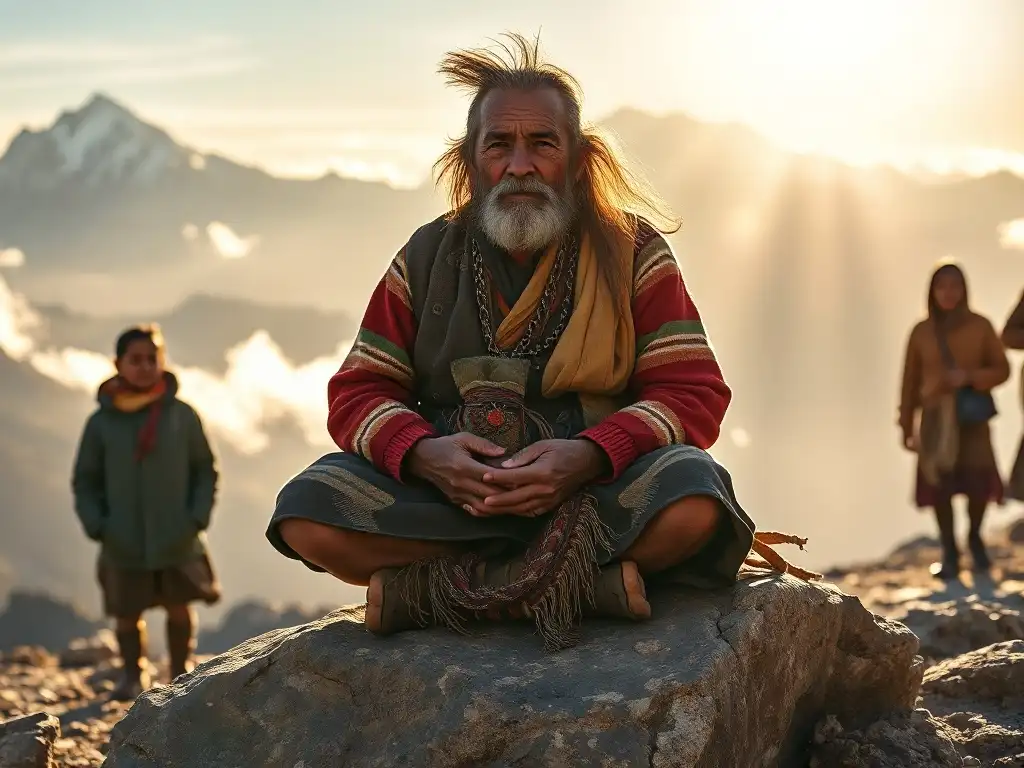
The Andean shamans' role in society was deeply intertwined with their extensive training and rigorous initiation processes. Becoming a spiritual leader wasn't a casual undertaking; it involved years of dedicated study, rigorous practice, and profound spiritual experiences. The path to shamanhood varied somewhat across different Andean cultures—Inca, Moche, Nazca, and Tiahuanaco each had their own nuances—but several common threads weave through the tapestry of their traditions.
The training wasn't solely about acquiring knowledge; it was a transformative journey aimed at altering the very essence of the individual, preparing them to act as intermediaries between the human and spiritual realms. This transformation involved not only intellectual and spiritual development but also physical endurance and mastery over one's body and mind.
The Process of Becoming a Spiritual Leader
The process of becoming a spiritual leader often began in childhood, with the selection of individuals exhibiting specific traits considered auspicious. These might include innate abilities like heightened sensitivity, prophetic dreams, or a natural affinity for healing. The chosen individuals would then undergo a lengthy period of apprenticeship, typically under the tutelage of an experienced shaman. This apprenticeship involved a multifaceted curriculum encompassing:
- Memorization of complex rituals and chants: Shamans were custodians of vast amounts of oral tradition, including myths, prayers, and incantations, all meticulously memorized and passed down through generations.
- Herbalism and medicinal practices: A deep understanding of the medicinal properties of plants was crucial, requiring extensive knowledge of botany and pharmacology. This involved identifying, collecting, and preparing various herbs and plants used in healing ceremonies and rituals.
- Divination and prophecy: Shamans were expected to possess skills in divination, utilizing methods such as reading coca leaves, interpreting dreams, or interpreting natural phenomena to gain insight into the future and the will of the gods.
- Spiritual journeys and altered states of consciousness: The attainment of altered states of consciousness was a central aspect of shamanic training, often achieved through fasting, isolation, and the use of sacred plants.
The training was not only intellectual but also deeply physical and spiritual. Prospective shamans often underwent rigorous physical trials, designed to test their endurance, resilience, and commitment to the path. These trials could include prolonged fasting, exposure to extreme weather conditions, or arduous physical tasks. The goal was to push the individual to their limits, allowing them to transcend their physical limitations and connect with a deeper spiritual reality.
The Importance of Mentorship and Lineage
Mentorship and lineage played a crucial role in the training of Andean shamans. The knowledge and practices were not simply learned from books or formal institutions; they were transmitted through a direct, personalized relationship between a master and apprentice. This relationship extended beyond the simple transfer of technical skills; it involved a profound spiritual bond, a sharing of experiences, and the transmission of a deep understanding of the shamanic worldview.
The lineage, the unbroken chain of teachers and students stretching back through generations, provided a framework of authority and legitimacy, validating the shaman's power and authority within the community. This system ensured the preservation of sacred knowledge and traditions, guaranteeing the continuity of shamanic practices across time.
Breaking the lineage was considered highly problematic and could lead to a loss of power and efficacy for the shaman. The relationship between mentor and apprentice was often characterized by a deep sense of respect, loyalty, and mutual support.
The Use of Sacred Plants and Ritual Practices
The use of sacred plants and ritual practices was integral to the training and practices of Andean shamans. Plants like coca, ayahuasca, and various other psychoactive substances played a central role in inducing altered states of consciousness, allowing shamans to communicate with the spirit world and gain access to hidden knowledge. The administration and use of these plants were highly ritualized, imbued with deep symbolic meaning and carefully controlled by experienced shamans.
These rituals were not simply recreational activities; they were powerful spiritual technologies designed to facilitate healing, divination, and communication with the supernatural. The shaman's mastery over these practices, and their understanding of their potential benefits and risks, were critical elements of their training. The specific plants used and the rituals surrounding their use varied across different Andean cultures, reflecting the diversity of spiritual traditions within the region.
The role of Andean shamans in society was significantly shaped by their ability to harness the power of these plants and rituals for the benefit of their communities. The careful preparation and administration of these sacred plants, along with the accompanying rituals and prayers, were essential components of the shaman's craft, reflecting a deep understanding of both the physical and spiritual properties of the natural world.
The Legacy and Relevance of Andean Shamans Today
The influence of Andean shamans extends far beyond the confines of ancient history. Their legacy continues to resonate in contemporary Andean societies, shaping cultural practices, beliefs, and even political landscapes. Understanding this enduring legacy requires acknowledging the multifaceted roles these spiritual leaders played and the ways in which their influence has adapted and persisted through time.
The enduring power of Andean shamanism isn't just a historical curiosity; it's a vibrant, evolving force that profoundly impacts the lives of millions today. The keyword phrase "Andean shamans' role in society" accurately encapsulates this ongoing significance. Their role wasn't simply confined to ritual; it permeated the social fabric, influencing everything from agricultural practices to conflict resolution.
The Enduring Influence of Shamanistic Practices
Many traditional Andean practices, deeply rooted in shamanistic beliefs, continue to thrive. For instance, the use of medicinal plants, a cornerstone of Andean shamanic healing, remains prevalent. These plants, often imbued with spiritual significance, are used in traditional ceremonies and for treating various ailments. Knowledge of their properties and appropriate application is passed down through generations, maintaining a direct link to ancient shamanistic traditions.
Furthermore, rituals associated with agricultural cycles, such as those involving coca leaf offerings or prayers to Pachamama (Mother Earth), are still actively practiced in many rural communities. These rituals serve not only a spiritual purpose but also reinforce social cohesion and community identity, demonstrating the enduring social function of shamanistic practices. The continuity of these practices reflects the deep-seated connection between Andean peoples and their ancestral spiritual heritage, showcasing the lasting impact of Andean shamans' role in society.
Modern Interpretations and Adaptations of Andean Shamanism
While many traditional practices persist, Andean shamanism has also undergone significant adaptations in the modern era. The rise of neo-shamanism, a global phenomenon incorporating elements of various shamanic traditions, has led to new interpretations and applications of Andean spiritual practices. This has resulted in a complex interplay between traditional beliefs and contemporary understandings, creating both opportunities and challenges for the preservation of authentic Andean shamanic knowledge.
Some argue that this syncretism dilutes the original meaning and power of ancient practices, while others see it as a natural evolution, allowing the core principles of Andean shamanism to reach a wider audience and adapt to changing social contexts. This complex dynamic highlights the fluidity of Andean shamans' role in society as it navigates modernity. The challenge lies in balancing the preservation of cultural heritage with the evolving needs and perspectives of contemporary Andean communities.
The Importance of Respecting Indigenous Knowledge
The continued relevance of Andean shamanism underscores the crucial need for respecting and protecting indigenous knowledge. This includes not only preserving ancient texts and artifacts but also actively supporting the transmission of traditional practices and beliefs within Andean communities. The appropriation or commercialization of shamanistic knowledge without proper acknowledgment or consent is ethically problematic and undermines the cultural integrity of these traditions.
Promoting ethical research and collaboration with indigenous communities is paramount to ensuring the responsible study and preservation of Andean shamanic heritage. Respecting indigenous knowledge is not just an academic pursuit; it is a fundamental aspect of upholding cultural sovereignty and recognizing the ongoing importance of Andean shamans' role in society. This respect demands a commitment to understanding the complexities of Andean spirituality and working in partnership with indigenous communities to ensure the continued flourishing of their traditions.
Frequently Asked Questions
What was the primary role of Andean shamans?
Andean shamans served as spiritual leaders and healers, acting as intermediaries between the human and spirit worlds. Their role encompassed ritual practices, divination, and healing the sick.
How did Andean shamans influence daily life?
Shamans heavily influenced daily life, offering guidance on agriculture, healing, and community decision-making. Their rituals and knowledge shaped Andean societal structures and beliefs.
What tools or techniques did Andean shamans use?
Shamans employed various techniques, including herbal remedies, divination through coca leaves, and ritual ceremonies involving music, dance, and offerings to the gods. Entheogenic plants played a significant role.
Did all Andean cultures have similar shamanistic practices?
While the core function of shamanism remained consistent, specific practices varied across different Andean cultures, such as the Inca, Moche, and Nazca. Rituals and beliefs adapted to local contexts.
How did the Spanish conquest affect Andean shamanism?
The Spanish conquest significantly impacted Andean shamanism, leading to its suppression and the destruction of many sacred sites and practices. However, many shamanistic traditions persisted in altered forms.
Final Reflection: The Enduring Legacy of Andean Shamans
The enduring power of Andean shamanism resonates deeply within contemporary society, proving that the spiritual connection to the land and community remains a vital force. While modern advancements have undeniably reshaped Andean cultures, the fundamental principles of shamanic practice—healing, community leadership, and environmental stewardship—continue to hold immense significance, offering valuable lessons for a world grappling with ecological crises and a growing need for spiritual grounding.
The influence of Andean shamans extends far beyond the historical context; their role in preserving traditional knowledge, fostering social cohesion, and promoting a harmonious relationship with nature continues to shape the cultural landscape. Their deep understanding of the interconnectedness of all things serves as a powerful counterpoint to the often isolating and exploitative aspects of modern life. The shaman is not merely a healer of the body, but a healer of the soul, and a guardian of the balance between the human and the natural world.
This sentiment, though ancient, rings profoundly true in our current era of environmental awareness and spiritual seeking.
Consider the wisdom embedded within these ancient practices. How can we, in our own lives, cultivate a deeper connection to the natural world and foster a sense of community that prioritizes empathy and mutual respect? Embrace the lessons of the Andean shamans—to listen to the whispers of the earth, to honor the interconnectedness of all beings, and to seek healing not only for ourselves but for the world around us. Let their legacy inspire you to find your own path towards a more meaningful and sustainable existence.
Unveil Your Spiritual Journey Today!
Thank you for exploring the profound impact of shamans in Andean society. Learning about the roles these spiritual leaders play offers valuable insight into a rich cultural tapestry that shapes modern spirituality and community. Now, you can deepen your understanding and connection in several ways:
- Join a local workshop on Andean spirituality or shamanic practices for a firsthand experience.
- Share this article with friends and family interested in Andean spiritual systems; it could spark meaningful conversations.
- Attend cultural festivals or events celebrating Andean traditions to connect with these practices in person.
What aspect of Andean spirituality resonates most with you, and how might it influence your own spiritual path?