
Inca Culinary Traditions: Exploring the Empire's Diet

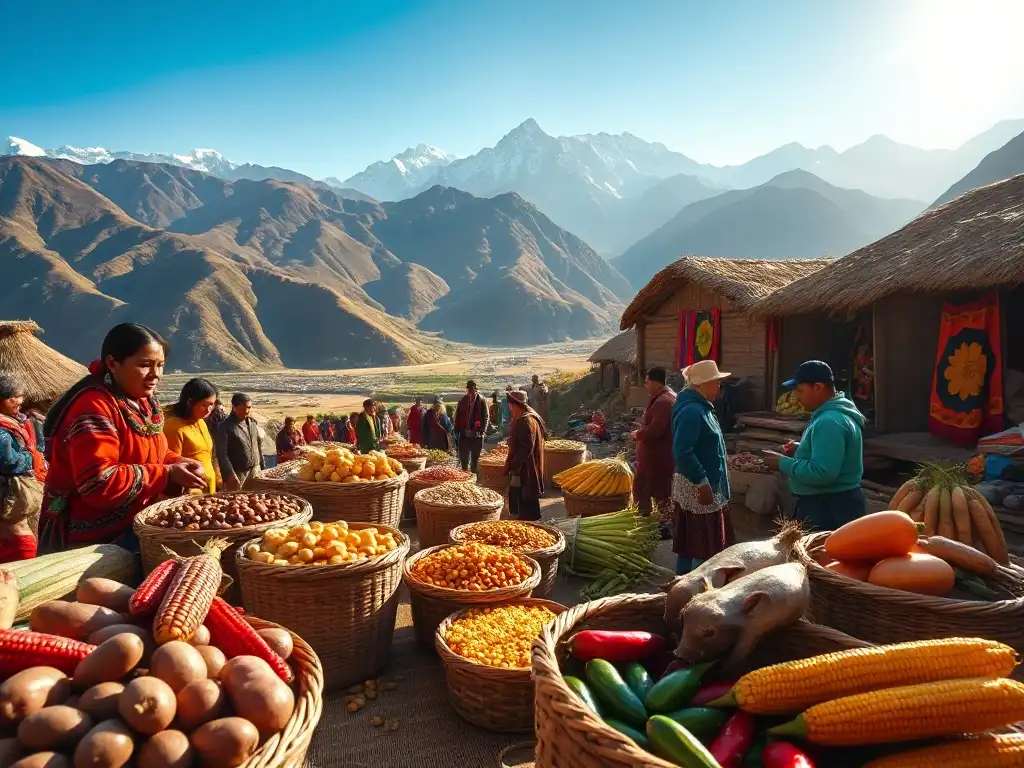
Step into a world lost to time, yet echoing with vibrant flavors and ingenious techniques. Imagine a civilization that thrived amidst the breathtaking Andes, mastering agriculture and culinary arts with unparalleled sophistication. Prepare to uncover the secrets of Inca cuisine history, a fascinating journey into the heart of the Inca Empire's culinary traditions – a story far richer and more complex than you ever imagined. Discover the ingredients, methods, and cultural significance behind their remarkable dishes. Are you ready to embark on this delectable adventure?
The Inca Empire, renowned for its sophisticated political organization and impressive infrastructure, also possessed a surprisingly complex and nuanced culinary tradition. Understanding Inca cuisine offers a fascinating glimpse into the daily lives, religious beliefs, and agricultural prowess of this remarkable civilization. This exploration delves into the history of Inca foodways, examining the core staples of their diet, the significance of food within their society, and the lasting legacy of their gastronomic heritage.
This article will explore the rich tapestry of "Inca cuisine history," revealing how food shaped the Inca Empire and continues to influence Andean culture today. We will journey through the fields of ancient Peru, uncovering the secrets behind the empire's remarkable agricultural achievements and their impact on the development of a unique and resilient culinary identity. Prepare to discover how the seemingly simple act of eating held profound social, religious, and economic significance for the Inca people.
Introduction to Inca Foodways and Gastronomic Heritage
The Significance of Food in the Inca Empire
Food in the Inca Empire was far more than mere sustenance; it was deeply intertwined with religious beliefs, social structures, and economic systems. The Inca worldview emphasized the interconnectedness of all living things, and this perspective extended to their agricultural practices and dietary habits. Agricultural success was seen as a divine blessing, and bountiful harvests were celebrated with elaborate rituals and festivals.
Food distribution was carefully managed by the state, ensuring that even the most remote communities received adequate provisions. This centralized system played a vital role in maintaining social order and political stability. The Inca's mastery of agriculture, especially their cultivation of diverse crops adapted to the varied Andean ecosystems, was a cornerstone of their empire's success.
The meticulous organization of food production and distribution highlights the sophisticated nature of Inca governance and its deep connection to the nutritional well-being of its subjects. Furthermore, specific foods held symbolic meaning, often appearing in religious ceremonies and royal feasts.
Understanding the Roots of Inca Cuisine
Inca cuisine wasn't created in a vacuum; it evolved over centuries, building upon the culinary traditions of preceding Andean cultures. The rich gastronomic heritage of groups like the Moche, Nazca, and Tiahuanaco significantly influenced Inca foodways. These earlier civilizations had already developed sophisticated agricultural techniques and a diverse range of cultivated plants. The Inca Empire, in its expansion, absorbed and adapted these existing culinary practices, incorporating them into their own system.
This process of cultural exchange and adaptation resulted in a unique blend of flavors and cooking methods that characterized Inca cuisine. Detailed archaeological evidence, including preserved food remains and depictions in pottery and textiles, provides valuable insights into the evolution of Inca dietary habits. This historical context underscores the complex interplay of cultural influences that shaped the culinary landscape of the Inca Empire.
Core Staples of the Inca Diet
Potatoes: The Foundation of Inca Agriculture and Gastronomy
The potato ( Solanum tuberosum) stands as the undisputed cornerstone of Inca agriculture and gastronomy. The Inca cultivated an astonishing variety of potato species, each adapted to specific altitudes and climates. Their sophisticated agricultural techniques, including terracing and irrigation, allowed them to maximize potato production across the diverse Andean landscape. Potatoes formed the basis of numerous dishes, prepared in various ways: boiled, roasted, dried, or fermented.
Their nutritional value was crucial for the Inca population, providing essential carbohydrates and vital nutrients. The potato's importance extended beyond mere sustenance; it played a significant role in Inca religious rituals and social customs. The vast diversity of potato varieties cultivated by the Inca is a testament to their deep understanding of agriculture and their ability to adapt to challenging environmental conditions.
Maize: A Sacred Grain in Inca Culinary Practices
Maize ( Zea mays), another staple crop, held a sacred position within Inca culture. It was not merely a food source but also a symbol of fertility and abundance. Maize was used to produce a variety of foods, including cornmeal, porridge, and various fermented beverages like chicha. Its nutritional value, particularly its high carbohydrate content, made it a crucial element in the Inca diet.
The cultivation and processing of maize were often associated with religious ceremonies and rituals, highlighting its spiritual significance. The intricate designs found on Inca pottery often depict maize, further emphasizing its importance in their culture and daily life. The use of maize in both daily meals and ceremonial contexts illustrates the multifaceted role this grain played in Inca society.
Quinoa: The Andean Superfood and its Role in Inca Nutrition
Quinoa ( Chenopodium quinoa) is another remarkable Andean crop that played a significant role in the Inca diet. This "superfood" is rich in protein, fiber, and essential minerals, making it a highly nutritious addition to their meals. Quinoa was prepared in various ways, often combined with other staples like potatoes and beans.
Its high nutritional value made it an essential part of the Inca diet, contributing significantly to their overall health and well-being. Quinoa's cultivation was integral to the Inca agricultural system, demonstrating their understanding of sustainable farming practices. Its nutritional value and ease of cultivation contributed to its widespread use throughout the empire.
Oca, Ulluco, and Mashua: Other Essential Inca Crops
Beyond potatoes, maize, and quinoa, the Inca cultivated a wide array of other crops, including oca ( Oxalis tuberosa), ulluco ( Ullucus tuberosus), and mashua ( Tropaeolum tuberosum). These root vegetables, similar to potatoes in their versatility and nutritional value, provided important dietary diversity. Each crop offered unique flavors and textures, contributing to the complexity and richness of Inca cuisine.
Oca, with its tangy taste, ulluco, with its slightly sweet flavor, and mashua, with its peppery bite, offered a range of culinary possibilities. These crops, often overlooked in modern discussions of Inca food, provided essential carbohydrates, vitamins, and minerals, further demonstrating the sophistication and diversity of their agricultural practices and dietary habits. The cultivation of these diverse crops showcases the Inca's remarkable understanding of Andean ecosystems and their commitment to sustainable food production.
Inca Cooking Methods and Techniques
Inca cooking methods were ingenious adaptations to the challenging Andean environment. Altitude, climate variations, and available resources shaped their culinary techniques, resulting in a diverse and resilient food system. They expertly utilized readily available materials, demonstrating a deep understanding of both food preparation and preservation. Their mastery extended beyond simple cooking; it was an integral part of their social structure and spiritual beliefs.
The Inca Empire's sophisticated agricultural practices directly influenced the availability of ingredients, allowing for a variety of cooking methods to flourish. For instance, the development of sophisticated irrigation systems ensured a reliable supply of crops, facilitating the preparation of diverse dishes. The empire's vast network of roads also played a crucial role in facilitating the transport of food and ingredients across the empire, further contributing to the diversity of Inca cuisine.
Pachamanca: The Earth Oven Technique of the Andes
Pachamanca, meaning "hot earth" in Quechua, is a traditional Andean cooking method still practiced today. This unique technique involves heating stones in a pit in the ground, then layering them with meat (often llama or alpaca), vegetables, and herbs before covering the pit and allowing the food to cook slowly in the earth's heat. The result is incredibly tender meat infused with smoky flavors from the earth and the herbs used.
The process is not just a cooking method; it's a social event, often involving the entire community in preparation and sharing the meal. The precise timing and temperature regulation required for pachamanca demonstrate the advanced culinary knowledge of the Inca people.
They understood the thermal properties of the earth and how to leverage them for optimal cooking results, reflecting a deep connection to their environment. This method not only cooked food but also served as a way to celebrate community and shared cultural heritage.
Sun-Drying and Preservation Methods in Inca Food Storage
Preservation techniques were crucial for the Inca Empire, given its varied climates and the need to store food for extended periods. Sun-drying was a primary method for preserving fruits, vegetables, and meats. The abundant sunshine in the Andes provided ideal conditions for this process, allowing the Inca people to extend the shelf life of perishable goods significantly. This method not only prevented spoilage but also concentrated the flavors and nutrients of the food.
They were adept at carefully selecting the right time of day and weather conditions for optimal drying, demonstrating a deep understanding of the impact of sunlight and humidity on food preservation. This practice ensured food security, particularly during lean seasons or times of scarcity, showcasing their innovative approach to resource management. The Inca's understanding of sun-drying played a pivotal role in ensuring the empire's food security and stability.
Stews and Soups: Common Dishes in the Inca Diet
Stews and soups were staples in the Inca diet, providing a nutritious and flavorful way to utilize a variety of ingredients. These dishes often included potatoes, maize, beans, and various meats. The abundance of potatoes, in particular, facilitated the creation of numerous hearty and diverse stews. The use of different types of potatoes, each with its unique flavor and texture, added complexity and depth to their culinary creations.
The addition of herbs and spices further enhanced the taste and nutritional value of these dishes. The development of sophisticated agricultural practices, including terracing and irrigation, ensured a reliable supply of ingredients for these staple dishes. The diversity of stews and soups reflected the Inca's ability to adapt their culinary practices to the various ecological zones within their vast empire.
Preparation of Chicha: Fermented Drinks in Inca Culture
Chicha, a fermented beverage made from maize, was an integral part of Inca culture. It held significant social and religious importance, consumed during ceremonies, festivals, and daily life. Different varieties of chicha existed, varying in taste and alcoholic content depending on the ingredients and fermentation process. The production of chicha required a detailed understanding of fermentation processes, highlighting the sophisticated knowledge of Inca brewers.
The preparation and consumption of chicha were often embedded in rituals and ceremonies, underscoring its cultural significance. The variations in chicha recipes across the empire also reflect the regional diversity within Inca society. The drink wasn't simply a beverage; it was a central element of their social and spiritual fabric.
Meat and Animal Protein in Inca Cuisine
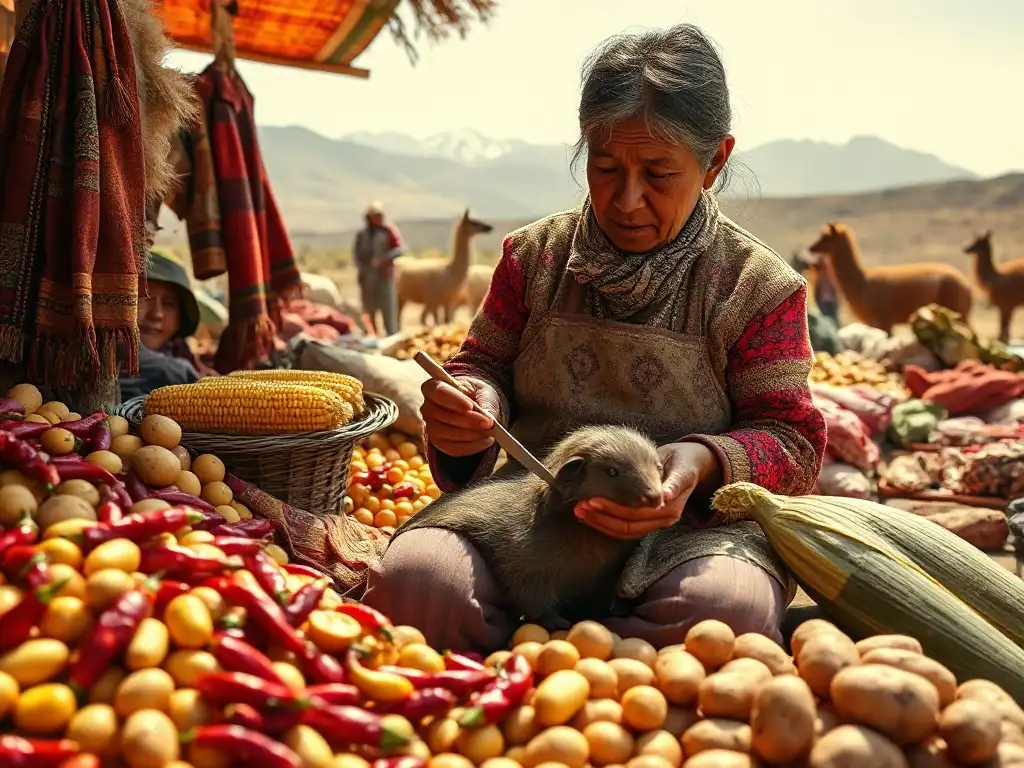
Animal protein played a vital role in the Inca diet, complementing the substantial intake of plant-based foods. The sources of this protein were diverse, reflecting the varied environments across the Inca Empire. Llamas, alpacas, guinea pigs, and various game animals provided essential nutrients to the population. The Inca people carefully managed their livestock, demonstrating a deep understanding of animal husbandry and sustainable practices. The availability of animal protein varied across different regions, influenced by factors such as altitude and climate.
The Importance of Llamas and Alpacas in the Inca Diet
Llamas and alpacas were not only important sources of wool and transportation but also provided a crucial source of meat in the Inca diet. These camelids were carefully herded and managed, ensuring a sustainable supply of meat for the empire. Their meat was a valued source of protein, and their fat was used in cooking, adding flavor and richness to many dishes.
The Inca's management of their llama and alpaca herds showcased their advanced agricultural techniques and their ability to integrate animal husbandry into their broader food production system. The importance of these animals extended beyond sustenance; they held cultural and religious significance as well.
Guinea Pigs: A Source of Protein in Inca Gastronomy
Guinea pigs (cuy) were, and continue to be, a significant source of protein in Andean cuisine. Their domestication and farming provided a readily available and sustainable source of meat. The preparation of cuy varied across different regions, with various cooking methods employed to enhance its flavor and texture. The consumption of guinea pigs wasn't merely a dietary choice but also held cultural and symbolic meaning, reflecting the intricate relationship between Inca society and its food. The widespread consumption of cuy throughout the empire highlights its importance as a staple food source.
Hunting and Fishing in Inca Food Procurement
Hunting and fishing supplemented the Inca diet, providing a variety of wild meats and fish depending on the region. The Inca people were skilled hunters and fishermen, employing a variety of techniques to procure their food. The types of animals hunted and fish caught varied greatly depending on the geographical location within the empire. These activities were not only important for food procurement but also played a role in Inca social structures and rituals. Hunting and fishing provided a crucial source of protein, enhancing the nutritional diversity of the Inca diet and showcasing their adaptability in securing food resources.
Inca meals were far more than simple sustenance; they were deeply embedded within the social fabric and religious practices of the empire. Food played a crucial role in reinforcing social hierarchies, solidifying alliances, and honoring deities. The act of sharing a meal was a powerful symbol of community and reciprocity, reflecting the Inca's emphasis on collective well-being.
The preparation and consumption of food were often governed by strict protocols, varying depending on the occasion and the social standing of those involved. Even the simplest meal held significance, reflecting the Inca worldview that saw the natural world as interconnected and sacred. Understanding this context is key to appreciating the complexity of Inca cuisine and its importance within the broader Inca worldview.
The careful cultivation and distribution of food underscored the intricate social organization of the empire, reflecting the Inca's sophisticated understanding of agriculture and resource management. This holistic approach to food, encompassing social, religious, and economic aspects, distinguishes Inca culinary practices from those of many other ancient civilizations.
Feasts and Celebrations: The Role of Food in Inca Ceremonies
Feasts and celebrations were central to Inca life, and food was the cornerstone of these events. Elaborate ceremonies, often tied to agricultural cycles or religious festivals, featured bountiful meals that reinforced social bonds and honored the gods. These feasts were not merely opportunities for consumption; they were carefully orchestrated performances that demonstrated the Inca's power, wealth, and religious devotion.
The quantity and quality of food served reflected the importance of the occasion and the status of the participants. For example, the Capacocha, a ritual sacrifice involving the offering of children and animals, included elaborate feasts for the elite. These events showcased the empire's agricultural abundance and served to reinforce the Inca's legitimacy as rulers chosen by the gods.
The preparation of these ceremonial meals involved specialized cooks and intricate rituals, further highlighting the religious significance of food in Inca culture. The distribution of food during these ceremonies was meticulously planned, ensuring that all participants received their share, reflecting the Inca emphasis on social harmony and reciprocity.
Food Distribution and Storage within the Inca Empire
The Inca Empire's remarkable organization extended to its food systems. Efficient methods of food storage and distribution were crucial to sustaining a large population and maintaining social order. The mit'a system, a form of labor tax, played a significant role in agricultural production and the transportation of food.
Communities contributed labor to cultivate state-owned lands, ensuring a surplus for the elite and for times of scarcity. Extensive networks of roads and storehouses, known as qollqas, facilitated the movement and storage of food throughout the empire. These storehouses held grain, potatoes, dried meat, and other staples, providing a buffer against crop failures and ensuring the empire's resilience.
The precise mechanisms of food distribution are still being studied, but evidence suggests a sophisticated system that balanced local needs with the demands of the imperial center. The Inca's understanding of food preservation techniques, including drying and freezing, allowed them to maintain a reliable food supply throughout the year, demonstrating their advanced knowledge of agricultural science and logistics.
Food as a Symbol of Status and Power in Inca Society
Access to certain foods served as a clear marker of social status within Inca society. The elite enjoyed a diet richer in meat, exotic fruits, and fine beverages like chicha, a fermented corn drink. Commoners, on the other hand, relied on more basic staples like potatoes, maize, and quinoa. This dietary disparity reinforced the hierarchical structure of the Inca Empire, visually representing the power dynamics at play.
The control over food production and distribution allowed the Inca rulers to maintain their authority and consolidate their power. The lavish feasts and offerings of elite foods served as potent symbols of royal power and divine favor. The careful regulation of food access further highlighted the Inca's ability to manage resources and maintain social order. The use of food as a tool of political control is a testament to the sophistication of Inca governance and social engineering.
Legacy of Inca Culinary Traditions
The culinary heritage of the Inca Empire continues to influence Andean cuisine today. Many traditional dishes and ingredients remain central to the diets of modern Andean communities, reflecting the lasting impact of Inca foodways. The resilience of Inca culinary traditions is a testament to their adaptability and cultural significance. Understanding this legacy provides valuable insights into the continuity of Andean culture and its remarkable ability to adapt while preserving its rich traditions.
Influence of Inca Food on Modern Andean Cuisine
Many staple foods of the Inca, such as potatoes, quinoa, and maize, remain cornerstones of modern Andean diets. Traditional cooking methods, such as roasting and drying, are still widely practiced. Dishes like cuy (guinea pig) and pachamanca (a traditional Andean oven-cooked meal) are direct descendants of Inca culinary practices.
The use of native spices and herbs also reflects the continuity of Inca foodways. This enduring influence underscores the deep-rooted connection between past and present in Andean culture, showcasing the resilience of Inca traditions within modern culinary practices. The adaptation of these dishes to modern tastes and ingredients, while maintaining their core elements, reveals the dynamic interplay between tradition and innovation in Andean cuisine.
Preserving Traditional Inca Recipes and Cooking Methods
Efforts to preserve traditional Inca recipes and cooking methods are crucial for maintaining cultural heritage and promoting sustainable food practices. Ethnographic studies, culinary research, and community initiatives play a vital role in documenting and safeguarding these valuable traditions. The documentation of traditional recipes, cooking techniques, and agricultural practices helps ensure that these aspects of Inca culture are not lost. Community-based efforts to revive and promote traditional foods contribute to cultural preservation and economic development. These efforts are essential for understanding the full scope of Inca culinary traditions and their significance within the broader cultural landscape of the Andes.
The Ongoing Study of Inca Food History and Gastronomy
The study of Inca food history and gastronomy is an ongoing process, with new discoveries and insights constantly emerging. Archaeological excavations, ethnographic research, and historical analyses continue to shed light on various aspects of Inca foodways. Interdisciplinary approaches, combining the expertise of archaeologists, historians, anthropologists, and culinary experts, are crucial for a comprehensive understanding of Inca cuisine.
Further research is needed to fully understand the complexity of Inca food production, distribution, and consumption, and to appreciate the full impact of Inca culinary traditions on subsequent Andean cultures. The ongoing study of Inca food history provides a deeper understanding of the Inca civilization and its remarkable achievements.
- Introduction to Inca Foodways and Gastronomic Heritage
- Core Staples of the Inca Diet
- Inca Cooking Methods and Techniques
- Meat and Animal Protein in Inca Cuisine
- The Social and Ritual Context of Inca Meals
- Legacy of Inca Culinary Traditions
Frequently Asked Questions
What were the staple foods of the Inca diet?
The staple foods of the Inca diet were primarily potatoes, in their many varieties, along with corn and quinoa. These provided essential carbohydrates and nutrients for the population.
How did the Inca preserve their food?
The Inca utilized various preservation techniques, including freeze-drying (chuño), sun-drying, and fermentation. This allowed them to store food for extended periods, crucial for survival in the Andes.
What role did animals play in Inca cuisine?
While not as central as crops, llamas, alpacas, and guinea pigs were important sources of meat and fiber. Fish was also consumed in coastal regions.
What were some common Inca cooking methods?
Inca cooking often involved simple methods such as boiling, roasting, and grilling. They used earthenware pots and other rudimentary tools to prepare their meals.
How did geography influence Inca cuisine?
Geography significantly impacted Inca cuisine. The diverse Andean landscape resulted in regional variations, with coastal communities relying more on seafood while highland communities focused on potatoes and other mountain crops.
Final Reflection: A Legacy of Flavor: The Enduring Impact of Inca Cuisine
The ingenuity of Inca culinary traditions continues to resonate today, a testament to the empire's sophisticated understanding of agriculture and its profound connection to the Andean landscape. From the humble potato to the vibrant flavors of quinoa and aji peppers, the Inca diet wasn't merely sustenance; it was a reflection of their deep-rooted relationship with their environment and a testament to their remarkable ability to thrive in challenging conditions. This legacy lives on, not only in the modern Peruvian kitchen but also in our growing understanding of sustainable food systems and the importance of biodiversity.
The impact of Inca cuisine extends far beyond the simple act of eating; it's a story woven into the very fabric of Andean culture. It represents resilience, innovation, and a profound respect for the land. The meticulous cultivation techniques, the ingenious use of diverse ingredients, and the communal nature of food preparation all speak to a sophisticated societal structure. As the renowned anthropologist, Claude Lévi-Strauss, once observed: Cooking is a kind of symbolic language, a system of signs and signals that communicate meaning and identity.
The Inca's culinary practices were a powerful form of communication, expressing their values, beliefs, and connection to their world.
Consider, for a moment, the enduring power of the potato, a staple of the Inca diet that now feeds billions worldwide. Reflect on the vibrant colors and diverse flavors of Andean cuisine, a testament to the ingenuity of a civilization that understood the importance of biodiversity and sustainable agriculture.
You, too, can contribute to this legacy by exploring the rich history of Inca cuisine, supporting sustainable food practices, and appreciating the cultural significance of food in your own life. Let the flavors of the Inca Empire inspire you to connect more deeply with your food and its origins, fostering a greater appreciation for the rich tapestry of human culinary traditions.
Savor the Flavors of the Inca Empire Today!
Thank you for exploring the fascinating world of Inca culinary traditions! We hope you've gained a deeper understanding of the empire's rich diet and its cultural significance. Now, let's put your newfound knowledge to use with some exciting ideas!
- **Recreate an authentic Inca dish** using traditional ingredients like quinoa or potatoes. Experiment with a new recipe and enjoy the flavors of the past!
- **Share your culinary creations** with friends and family. Host a themed dinner party celebrating Inca cuisine—it's a delicious way to connect!
- **Participate in a community cooking class** focused on Andean dishes. This is a wonderful opportunity to delve deeper into the region's rich culinary heritage and connect with fellow food enthusiasts!
What Inca-inspired dish are you most excited to try, and who would you share this unique culinary experience with?