
The Inca Workforce: The Engine of Imperial Production

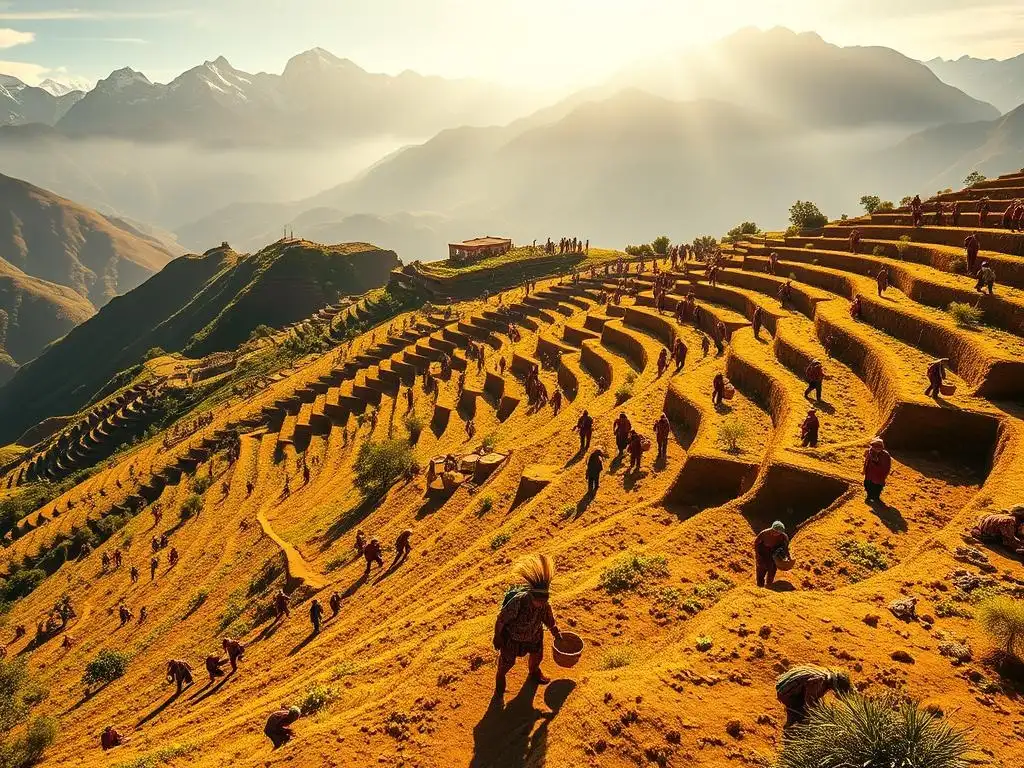
Dive into the enigmatic world of the Andes! Prepare to uncover the secrets behind the breathtaking achievements of ancient civilizations, from the intricate artistry of the Nazca lines to the sophisticated engineering of the Tiahuanaco. But first, consider this: what fueled the Inca Empire's phenomenal growth and power? The answer lies within their incredibly complex Inca labor system organization, a marvel of societal engineering that we will meticulously explore. Journey with us to unravel the mysteries of this fascinating system and discover how it shaped the destiny of an empire.
The Inca Empire, a vast and sophisticated civilization that dominated the Andes Mountains for centuries, achieved its remarkable feats of engineering, agriculture, and administration through a highly organized and efficient labor system. Understanding the intricacies of this system is key to comprehending the empire's power and longevity.
This article delves into the organization of Inca labor, examining its fundamental structure and its crucial role in fueling the empire's economic engine. We will explore the concept of mita, the mandatory labor system that formed the backbone of Inca production, and analyze its impact on various aspects of imperial life, from monumental construction projects to agricultural output and the creation of intricate textiles.
By examining the Inca labor system organization, we gain valuable insight into the ingenuity and social engineering that allowed this remarkable civilization to flourish. The effective mobilization of its workforce was not merely a logistical achievement; it was a cornerstone of Inca ideology and a powerful instrument of imperial control.
Understanding Inca Labor Organization
The Inca labor system wasn't a haphazard arrangement; it was a meticulously planned and regulated structure designed to maximize efficiency and output. The empire's vast workforce was divided into distinct groups, each with specific responsibilities and obligations. This wasn't solely based on individual skills but also integrated a complex system of social hierarchy and reciprocal obligations. The ayllu, the fundamental socio-economic unit of Inca society, played a central role in organizing labor.
Members of the ayllu were assigned tasks based on their abilities and the needs of the community and the empire. This system ensured a continuous flow of labor for various projects, from agricultural production in the fertile valleys to the construction of impressive infrastructure like roads and irrigation systems. The system also fostered a sense of collective responsibility and social cohesion, further strengthening the empire's foundations.
The Inca government carefully monitored and controlled the allocation of labor, ensuring that projects were completed on time and to the required standards. This involved a sophisticated bureaucratic system, with officials overseeing various aspects of labor allocation and project management. Failure to fulfill labor obligations could result in severe penalties, emphasizing the importance of compliance within the system.
The organization also involved specialized labor groups. Highly skilled artisans, for example, were organized into workshops dedicated to producing fine textiles, intricate metalwork, or elaborate ceramics. These specialized groups were often located in specific urban centers, allowing for easier management and collaboration.
The Inca state maintained a close watch over these specialized workshops, guaranteeing a constant supply of high-quality goods for the imperial court and elite. This level of control and organization highlights the sophisticated nature of the Inca government’s approach to labor management. The state's ability to effectively manage and allocate this vast workforce was a significant factor in its ability to maintain control over such a large and diverse empire.
The Foundation of Inca Economic Power: Mandatory Service
The mita system was the cornerstone of Inca economic power. This mandatory service required all able-bodied citizens to contribute a portion of their time to public works projects. The duration and nature of the mita varied depending on the project's scale and the individual's skills.
It wasn't simply about forced labor; the mita was deeply embedded in the Inca worldview, reflecting a belief in reciprocal obligations between the ruler and the ruled. In return for their service, individuals received essential goods and services from the state, creating a system of mutual dependence and social stability. The mita wasn't a purely extractive system; it also contributed to the overall well-being of the community by providing infrastructure and resources that benefitted everyone.
The implementation of the mita system involved a complex administrative structure. Officials were responsible for mobilizing the workforce, assigning tasks, and ensuring that projects were completed according to schedule. They meticulously kept records of the labor contributed by each ayllu and individual, demonstrating the level of organization and control exercised by the Inca government.
This level of bureaucratic efficiency was crucial to the success of the mita system and the empire as a whole. The mita fueled monumental construction projects like Machu Picchu and vast irrigation systems that supported the empire’s agricultural output. It also played a vital role in the production of textiles, ceramics, and other goods needed by the imperial court and the population.
The system, while demanding, ensured the continuous flow of labor needed to maintain and expand the empire's infrastructure and resources, showcasing the ingenuity of Inca labor organization and its significant contribution to the empire’s prosperity and longevity. The effectiveness of the mita, alongside the sophisticated organization of the Inca workforce, stands as a testament to the advanced administrative capabilities of the Inca Empire.
Mit'a: The Core of Inca Public Works
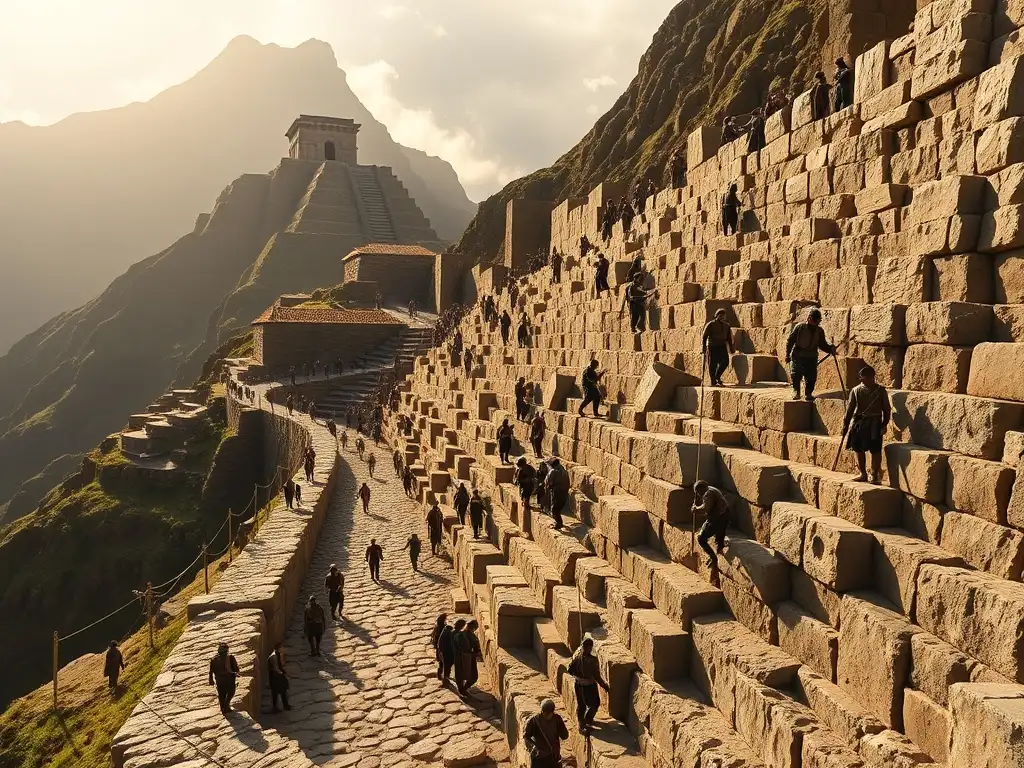
The Inca Empire's remarkable achievements in infrastructure, agriculture, and monumental architecture were not solely the result of ingenious engineering; they were fundamentally driven by a highly organized and efficient labor system known as the mit'a. This system, a cornerstone of Inca government and administration, was a crucial element in the empire's ability to mobilize its vast human resources for large-scale projects. Understanding the mit'a is key to understanding the Inca labor system organization and the empire's overall success.
Unlike forced labor in other empires, the mit'a was, in theory, a reciprocal arrangement, contributing to the social fabric and economic stability of Inca society. However, the practical application of the system varied considerably across different regions and time periods, with potential for abuse and exploitation.
Functioning of the Mit'a System
The mit'a was a form of mandatory public service, requiring able-bodied individuals to contribute a set amount of labor to state projects. This wasn't a continuous obligation; rather, it involved periodic service, typically lasting several weeks or months per year. The specific tasks and duration were determined by factors such as the individual's age, skills, and geographic location.
The system was meticulously organized and administered through a complex bureaucratic structure. Local officials, responsible for assigning individuals to projects, ensured a fair distribution of labor demands. Records, likely kept using quipus (complex knotted strings), provided detailed information on labor allocation, ensuring accountability and efficient management.
The mit'a wasn't just about construction; it also involved agricultural work, mining, and textile production, showcasing the system's broad applicability. The system's effectiveness was partly due to its integration into the ayllu, the basic Inca social and economic unit. This meant that individuals were working alongside their community members, fostering a sense of collective responsibility and minimizing the potential for individual resistance.
Mit'a Obligations and Infrastructure Responsibilities
The mit'a played a pivotal role in the construction and maintenance of the extensive Inca road network, which stretched thousands of miles across the Andes. This network facilitated communication, trade, and the movement of troops. Individuals assigned to road construction were responsible for tasks such as quarrying stone, transporting materials, and building the roads themselves.
The quality of the roads, some of which are still visible today, is a testament to the skilled labor and meticulous planning involved in the mit'a system. Beyond road construction, the mit'a was instrumental in the creation of sophisticated irrigation systems crucial to Inca agriculture. These systems, including canals, terraces, and aqueducts, allowed for intensive farming in challenging Andean terrains.
The construction and maintenance of these systems required specialized knowledge and a coordinated effort, both of which were facilitated by the mit'a. Furthermore, the mit'a contributed significantly to the construction of monumental structures such as the impressive stonework of Machu Picchu and other significant sites throughout the empire. The precision and scale of these projects highlight the organizational capabilities of the Inca state and the effectiveness of the mit'a system.
Mit'a's Role in Road Construction and Irrigation
The Inca road system, a marvel of engineering for its time, relied heavily on the mit'a. Construction involved teams of specialists, including stone masons, carpenters, and laborers. These teams were often organized according to their skills and experience, reflecting a sophisticated understanding of project management. The roads were not simply pathways; they were carefully engineered structures, designed to withstand the harsh Andean climate and terrain.
The use of sophisticated techniques, such as interlocking stones and drainage systems, demonstrates the high level of skill and knowledge possessed by Inca workers. Similarly, the Inca irrigation systems, essential for supporting the empire's agricultural production, were products of the mit'a. These systems involved the construction of intricate canals, terraces, and aqueducts, often carved into steep mountain slopes. The precision and scale of these projects required a massive coordinated labor force, facilitated effectively by the mit'a.
The effective management and deployment of labor through the mit'a allowed the Inca to create a sustainable agricultural system that supported a large and densely populated empire. The legacy of these infrastructure projects, visible even today, stands as a testament to the power of the mit'a and the Inca’s mastery of labor organization. Further research into regional variations of the mit'a and the specific roles of different social groups within the system is needed to fully understand the complexities of Inca labor organization. Unfortunately, precise data on the exact number of individuals involved in specific projects or the duration of their service remains scarce, highlighting areas where further research is essential.
The Importance of Ayni and Minka in Inca Society

The Inca Empire's impressive infrastructure, agricultural output, and societal cohesion were not solely the result of centralized control through the mit'a labor system. A crucial element often overlooked in discussions of Inca labor system organization was the vital role played by two complementary systems: ayni and minka. These reciprocal and communal labor practices formed the bedrock of local-level productivity and social solidarity, significantly supplementing the state-directed mit'a.
Understanding their intricacies is key to grasping the full complexity of Inca labor organization and its effectiveness. The nuanced interplay between these three systems – ayni, minka, and mit'a – created a robust and adaptable economic engine that fueled imperial expansion and stability.
Ayni: Reciprocal Labor Practices in Agriculture
Ayni, meaning "exchange" or "equivalence" in Quechua, was a system of reciprocal labor exchange within communities. Neighbors and kin would assist each other with tasks like planting, harvesting, and processing agricultural products. This wasn't a formalized system with strict regulations like mit'a, but rather a deeply ingrained social custom based on mutual support and obligation.
The exchange wasn't necessarily immediate or balanced in the short term; a farmer might help a neighbor plant their crops today, receiving assistance with their own harvest later in the season, or even in a subsequent year. This flexible system fostered strong social bonds and ensured that even during peak seasons, everyone had the support needed to complete their agricultural work. This mutual assistance minimized individual risk and maximized overall community productivity.
The success of ayni relied heavily on trust and reciprocity, contributing to the overall social fabric of Inca communities. The system’s flexibility allowed it to adapt to the varying needs and circumstances of individual households and the fluctuating demands of agricultural cycles. Archaeological evidence suggests that ayni played a critical role in supporting agricultural output, especially in challenging terrains where individual effort might have been insufficient.
Minka: Communal Labor for Building and Maintenance
Unlike the reciprocal nature of ayni, minka involved communal labor for projects that benefited the entire community. This could range from constructing irrigation canals and terraces – essential for Inca agriculture – to building temples, roads, and other public infrastructure. While participation in minka was generally obligatory, it was often viewed as a collective responsibility rather than a punitive measure.
The community worked together, sharing food and celebrating their collective achievement. The minka system demonstrated impressive organizational capabilities. The coordination of large numbers of people to achieve ambitious construction projects highlights the sophisticated social structures and effective leadership within Inca communities.
Records show that minka projects involved meticulous planning, resource management, and task allocation, underscoring a high level of social organization. This communal effort not only yielded substantial infrastructure improvements but also fostered a strong sense of communal identity and cooperation. Furthermore, the shared experience of minka likely strengthened social bonds and reinforced community cohesion.
Distinctions Between Ayni, Minka, and Mit'a in Community Life
While ayni and minka operated at the local level, mit'a was a state-mandated labor tax imposed on the population. This crucial difference highlights the layered nature of Inca labor organization. Ayni focused on reciprocal exchange within small social groups, while minka addressed communal needs. Mit'a, on the other hand, served the interests of the Inca state, demanding labor for state projects and royal estates.
| System | Nature of Labor | Scale | Beneficiary | Social Impact |
|---|---|---|---|---|
| Ayni | Reciprocal Exchange | Small-scale, localized | Individuals/Neighbors | Fostered social bonds, mutual support |
| Minka | Communal | Larger-scale, community | Entire community | Strengthened community cohesion, infrastructure development |
| Mit'a | State-mandated Tax | Large-scale, national | Inca State | Provided labor for state projects, potential for exploitation |
The Inca labor system organization was not a monolithic entity but rather a complex interplay of these three systems. The flexibility and adaptability of ayni and minka, combined with the centralized control of mit'a, created a highly efficient and resilient system that significantly contributed to the Inca Empire's success and longevity. This multifaceted approach to labor management ensured both local prosperity and the fulfillment of imperial demands. Further research into the detailed records of Inca administration could provide even greater insights into the precise workings and effectiveness of this intricate system.
Inca Labor Specialization and Craftsmanship
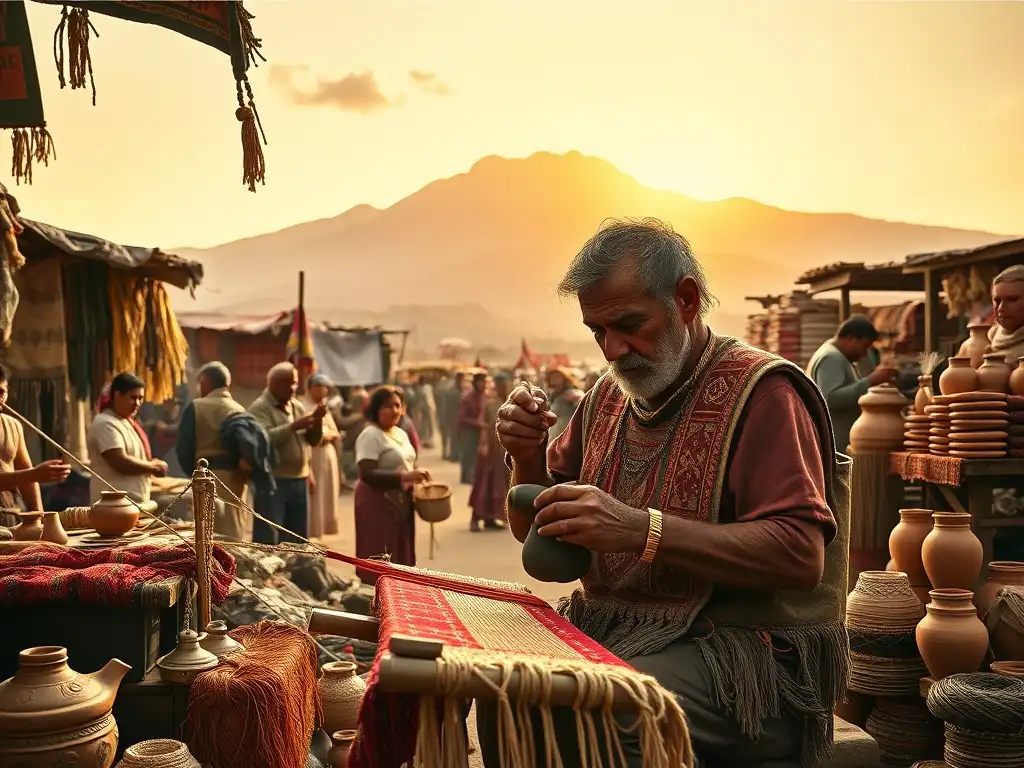
The Inca ayllu system, while seemingly egalitarian in its basic structure, fostered a remarkable degree of specialization in labor. This wasn't simply a division of tasks based on need, but a sophisticated system that recognized and utilized individual skills to maximize productivity and contribute to the vast imperial production machine. Understanding the Inca labor system organization requires appreciating this inherent specialization, particularly within the realm of craftsmanship. The Inca state actively identified and cultivated talent, channeling skilled individuals into specific roles crucial for the empire's economic and symbolic strength.
This intricate organization of labor ensured the consistent production of high-quality goods, from everyday necessities to elaborate royal artifacts. The effectiveness of this system is evidenced by the sheer volume and quality of surviving textiles, ceramics, and metalwork. The Inca's success wasn't just about manpower; it was about harnessing specialized skills within a highly organized framework.
Specialized Labor in Inca Society: Weavers and Potters
Inca society valued skilled artisans highly. Weavers and potters, for example, occupied specialized positions within the ayllu, often working in dedicated workshops or camayocs. These weren't simply independent craftspeople; they were integral parts of the state's production apparatus. Evidence suggests that these workshops were organized hierarchically, with master craftspeople overseeing apprentices and ensuring the consistent quality of the finished products.
Potters, for instance, produced an astonishing variety of ceramics, from simple utilitarian vessels for everyday use to highly decorated ceremonial pieces for the elite. The standardization of forms and techniques across vast distances speaks volumes about the effectiveness of the Inca's organizational system. Detailed analyses of pottery styles across different regions reveal a level of control and standardization indicative of a centrally managed production system.
Similarly, weavers created textiles of unparalleled quality, using sophisticated techniques and employing a wide range of materials, including alpaca and vicuña wool. The fineness and intricacy of Inca textiles are renowned, demonstrating both the skill of the individual weavers and the effectiveness of the system that supported their work. The production of these goods was not only economically significant but also served important social and religious functions, highlighting the deep integration of craft production into Inca society.
The Role of Artisans and Skilled Workers in Royal Goods Production
A significant portion of specialized Inca labor was dedicated to the production of goods for the Sapa Inca and the imperial court. This royal production was distinct from the creation of everyday items, demanding the highest levels of skill and artistry. Artisans selected for this work were considered among the most talented in the empire.
They created exquisite textiles, elaborate gold and silver objects, finely carved stone sculptures, and intricately designed ceramics. These goods weren't simply functional; they were powerful symbols of imperial authority and prestige. The creation of these objects required meticulous planning and coordination, underscoring the sophisticated organizational capabilities of the Inca state.
The sheer scale of royal production, as evidenced by archaeological discoveries in sites like Machu Picchu, attests to the impressive mobilization of skilled labor under the Inca system. Records, while limited, suggest a system of meticulous inventory and distribution ensuring that the royal court received the necessary goods. The production of these goods also involved the extraction and processing of raw materials, further demonstrating the comprehensive nature of Inca labor organization.
Inca Labor in Textile Production: Fine Cloth and Tapestries
Textile production in the Inca Empire was a highly specialized and crucial aspect of the economy. The production of fine cloth and tapestries was not just a matter of creating clothing; it was a complex process involving specialized tasks, from shearing the animals and preparing the wool to dyeing, spinning, weaving, and finishing the textiles. Different types of textiles were produced for various purposes, from everyday clothing to ceremonial garments for the elite.
The Inca state controlled the production of these high-quality textiles, ensuring that the best materials and most skilled weavers were employed. The use of different colors and patterns in textiles also held significant symbolic meaning, often indicating social status or religious significance. For example, the use of specific colors or intricate designs could denote the wearer's position within society or their connection to a particular deity.
The intricate designs found on Inca textiles, often depicting mythical creatures or important events, further highlight the sophistication of their weaving techniques and the importance of their craft. Archaeological finds consistently reveal a level of technical mastery and artistic expression that speaks to the excellence of Inca textile production and the highly organized system that supported it. The standardization of certain weaving techniques across vast geographical areas suggests a system of training and oversight that ensured consistent quality and style.
Inca Labor in Metalworking and Mining: Gold and Silver
The Inca Empire's mastery of metalworking, particularly in gold and silver, is legendary. This wasn't merely a matter of artistic expression; it was a highly organized and specialized aspect of their labor system, reflecting the Inca's sophisticated understanding of resource management and their ability to mobilize a large workforce for complex projects. The extraction of gold and silver, often from high-altitude mines, required significant engineering skill and immense physical labor.
We know from archaeological evidence that Inca miners utilized sophisticated techniques, including terracing mountain slopes to create stable working areas and employing systems of ropes and pulleys to transport ore. The process was far from simple; it involved meticulous planning, coordination, and a hierarchical structure to ensure efficiency. The mines themselves weren't just holes in the ground; they were complex networks of tunnels and shafts, demanding specialized skills in excavation and ventilation.
The refinement of the extracted metals was another area of significant specialization. Inca metalworkers—a highly skilled and respected group within the mita system—possessed intricate knowledge of metallurgy. They developed techniques for alloying metals, creating unique blends with varying properties. This allowed them to produce objects of diverse forms and functions, from delicate jewelry and intricate ceremonial objects to functional tools and weapons.
The creation of these artifacts wasn't a haphazard process; it involved a strict division of labor, with different specialists responsible for specific tasks, such as smelting, shaping, and finishing. Evidence suggests that workshops were established in various locations throughout the empire, each specializing in particular metalworking techniques or producing specific types of objects. This decentralized yet highly coordinated system allowed for mass production while maintaining high standards of craftsmanship.
The Inca's control over gold and silver production was not just about economic wealth; it was deeply intertwined with their religious and political power. Gold, in particular, held immense symbolic value, representing the sun god Inti and reinforcing the Inca ruler's divine authority. Elaborate gold and silver objects were used in religious ceremonies, adorned royal palaces, and served as gifts to solidify alliances or assert dominance.
The sophisticated organization of the Inca labor system, therefore, was crucial not only for economic prosperity but also for maintaining the ideological foundations of the empire. The sheer scale of Inca gold and silver production, as evidenced by the many surviving artifacts, speaks volumes about the effectiveness of their labor organization and the remarkable skill of their workforce.
This system ensured the continuous supply of precious metals necessary for the empire's political and religious needs. The intricate details and high quality of Inca metalwork are a testament to the specialized skills and dedication of the artisans who worked within this rigorous yet highly productive system.
Agricultural Labor and Food Production in the Inca Empire
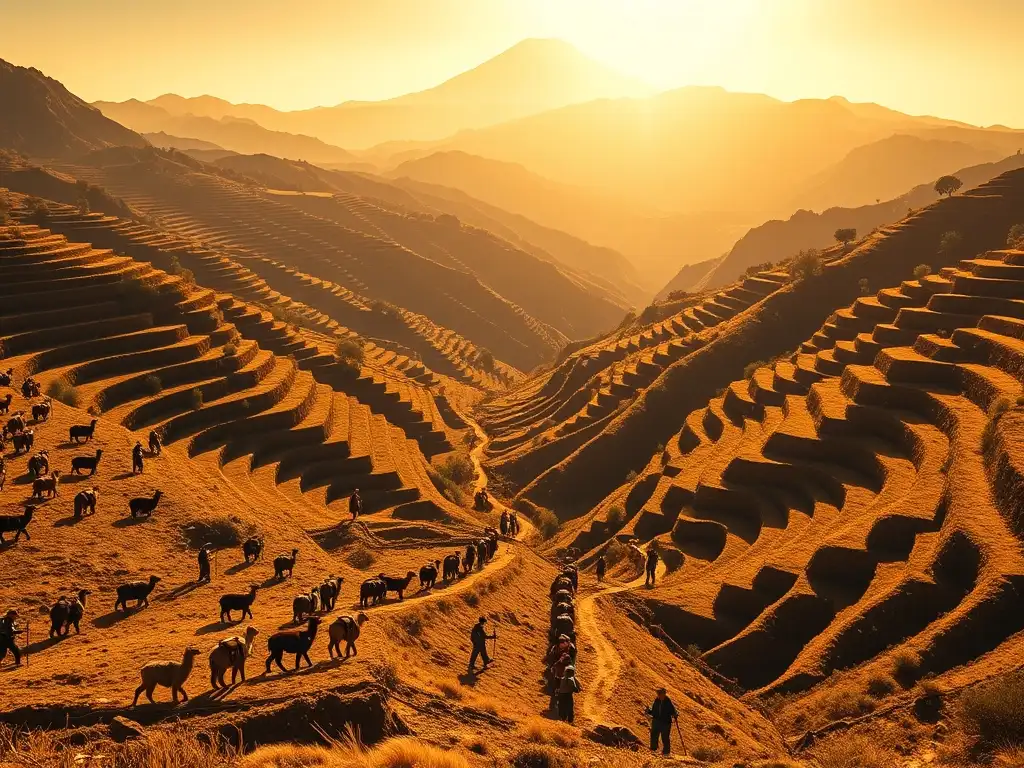
The Inca Empire's success hinged significantly on its sophisticated and highly organized labor system, particularly within the agricultural sector. The ayllu, the fundamental socio-economic unit, formed the backbone of this system. Agricultural production wasn't merely about sustenance; it was a crucial element of the Inca's imperial power, fueling their vast armies, supporting their extensive bureaucracy, and contributing to the overall economic stability of the empire. Understanding the Inca labor system organization in agriculture is key to comprehending the empire's longevity and influence.
The Inca's mastery of agricultural techniques, combined with their efficient labor organization, allowed them to cultivate diverse crops across varied terrains and climates, ensuring a reliable food supply for a large and growing population. This was no small feat, considering the challenging Andean geography. The sheer scale of their agricultural endeavors is a testament to their organizational prowess and the dedication of their workforce.
The Significance of Agricultural Labor in Inca Sustainability
The Inca's agricultural prowess wasn't accidental; it was a carefully planned and meticulously executed system. Their agricultural practices were deeply intertwined with their religious beliefs and social structures. The ayllu system, based on kinship and reciprocal obligations, ensured that land was cultivated collectively and that resources were distributed fairly, although the distribution was heavily influenced by the needs of the state.
This communal approach to farming minimized individual risk and maximized overall productivity. The state played a crucial role in overseeing agricultural production, ensuring that sufficient food was available to meet the needs of the entire empire, particularly during times of drought or other natural disasters. This proactive approach to food security was vital for maintaining social stability and preventing widespread famine, which could have easily destabilized the empire.
The efficient management of agricultural labor, alongside sophisticated irrigation systems and agricultural techniques, contributed significantly to the Inca Empire's remarkable sustainability over several centuries. The ability to feed a population of millions across a vast and varied landscape was a defining feature of Inca power and a testament to the effectiveness of their labor system organization.
Inca Terracing Techniques and Labor Organization
Inca agricultural ingenuity is perhaps best exemplified by their mastery of terracing. They transformed steep, mountainous slopes into fertile agricultural land using intricate terracing techniques. These weren't simply haphazardly constructed terraces; they were carefully planned and precisely engineered, reflecting a deep understanding of hydrology, soil science, and agricultural principles. The construction of these terraces required a massive, coordinated workforce.
The mita system, a form of mandatory labor service, played a vital role in this process. Individuals were assigned tasks based on their skills and abilities, with specialized teams responsible for different aspects of terrace construction and maintenance. The organization of this labor was remarkable, with meticulous planning and efficient execution. Consider the logistical challenges involved: transporting materials, coordinating large teams of workers across vast distances, and ensuring the structural integrity of the terraces over time.
Evidence suggests that the Inca implemented sophisticated quality control measures to ensure that the terraces were built to withstand the harsh Andean climate and seismic activity. This speaks volumes about the Inca's ability to mobilize and manage their workforce effectively for complex, long-term projects. The terraces, a testament to their engineering skills and efficient labor organization, remain as visible evidence of their achievements today.
Labor and Management of Inca Warehouses
The Inca's agricultural surplus wasn't simply consumed locally; it was carefully stored in a vast network of qollqas, or warehouses. These strategically located warehouses played a critical role in the empire's food security and economic stability. The management of these warehouses involved a complex system of record-keeping, inventory control, and distribution. The qipus, intricate knotted strings, served as sophisticated accounting tools, allowing officials to track the quantity and types of goods stored in each warehouse.
This meticulous record-keeping was essential for efficient resource management and to ensure that food supplies were distributed equitably throughout the empire. The labor involved in the construction, maintenance, and management of the qollqas was significant. Individuals were assigned specific responsibilities, from the construction and repair of the warehouses to the storage, preservation, and distribution of food.
The system’s efficiency is evidenced by the empire's ability to withstand periodic droughts and other crises without widespread famine. The efficient organization of labor within this system, combined with the sophisticated record-keeping methods, stands as further evidence of the Inca’s advanced administrative capabilities and their sophisticated understanding of logistics and resource management. The Inca warehouse system, therefore, represents a critical component of their overall labor system organization and their capacity for large-scale planning and execution.
The Inca Labor System's Impact on Imperial Expansion
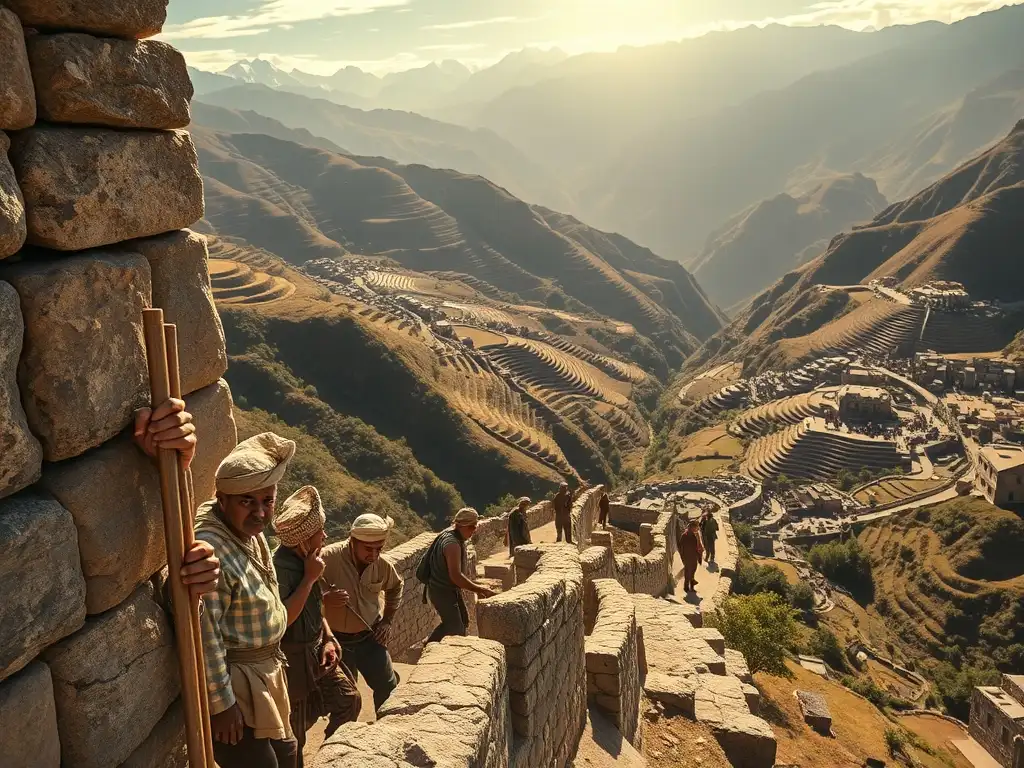
The Inca Empire's remarkable expansion across the Andes Mountains wasn't solely due to military prowess; it was significantly fueled by an incredibly efficient and well-organized labor system. This system, known as mita, was a cornerstone of Inca imperial power, enabling the construction of vast infrastructure projects, the provisioning of armies, and the dissemination of Inca culture and control across an incredibly diverse and challenging terrain. Understanding the mita system is key to comprehending the Inca Empire's astonishing growth and enduring legacy.
The intricate organization of Inca labor allowed for the rapid mobilization of massive workforces, transforming the Andean landscape and consolidating Inca dominance. This section will explore how the mita system directly contributed to the empire's impressive expansion.
Labor Mobilization for Road and Fortress Construction
The Inca road system, a marvel of ancient engineering, stands as a testament to the effectiveness of the mita system. Thousands of workers, mobilized from across the empire, were responsible for the construction and maintenance of this extensive network of highways, spanning thousands of miles and connecting distant provinces. These roads weren't simply pathways; they were vital arteries for communication, trade, and military movement. The mita system ensured a constant supply of labor to build these roads, overcoming formidable geographical challenges like steep mountain passes and treacherous terrain.
For instance, the construction of the impressive fortress of Sacsayhuamán near Cusco required the coordinated efforts of countless mitayos (those subject to mita). The precise cutting and fitting of massive stone blocks, some weighing many tons, showcases the organizational skills and engineering prowess of the Inca, facilitated by the reliable and readily available workforce provided by the mita. This wasn't just about brute force; it involved sophisticated planning, resource management, and a deep understanding of Andean geology and engineering principles.
The scale of these projects, completed relatively swiftly, speaks volumes about the efficiency of the Inca labor system and its crucial role in territorial expansion. The availability of a large, readily deployable workforce meant that the Inca could rapidly secure newly conquered territories by building fortifications and establishing control over vital routes.
How Labor Contributed to Inca Military Logistics
The Inca military's success was inextricably linked to the mita system. Beyond providing soldiers, the mita ensured the provisioning and logistical support of Inca armies during campaigns. Thousands of mitayos were responsible for transporting food, weapons, and other supplies across vast distances, often through challenging environments. This efficient logistical network was crucial for the sustained success of Inca military operations, allowing them to maintain long campaigns and extend their influence far beyond Cusco.
Consider the Inca conquest of the coastal regions. The movement of armies and supplies to these areas, often across harsh deserts or dense jungles, would have been impossible without the organized labor provided by the mita. The system ensured the timely delivery of essential resources, allowing Inca armies to operate effectively and sustain extended military campaigns. This logistical advantage, directly facilitated by the mita, was a significant factor in the Inca Empire's ability to conquer and control diverse territories. Without it, the logistical challenges of sustaining such a vast empire would have been insurmountable.
The Labor System and the Spread of Inca Influence
The mita system wasn't just about building roads and supporting armies; it also played a critical role in the dissemination of Inca culture and ideology. By mobilizing workers from different regions, the Inca facilitated cultural exchange and the integration of conquered populations. This process, coupled with the construction of administrative centers and the imposition of Inca administrative structures, contributed to the standardization and unification of the empire.
The transfer of skilled artisans and craftsmen through the mita system ensured the spread of Inca artistic styles and technological innovations. The construction of similar architectural styles and the adoption of standardized agricultural techniques across the empire are direct consequences of this labor mobilization. This cultural diffusion, facilitated by the mita, was crucial in consolidating Inca control and creating a shared sense of identity across the diverse populations of the empire.
The Inca labor system, therefore, was not merely an economic tool; it was a powerful instrument for forging a unified and culturally homogenous empire. The effectiveness of this system is evidenced by the lasting impact of Inca culture and administrative practices across the Andes even after the empire's fall.
The Legacy of Inca Labor Organization
The Inca ayllu system, the cornerstone of Inca labor organization, continues to resonate in modern Andean societies, albeit in transformed forms. Understanding its enduring influence requires examining its multifaceted impact on social structures, resource management, and community identity. The intricate web of reciprocal obligations and communal responsibility, deeply embedded within the ayllu, left an indelible mark on Andean communities, shaping their social fabric and economic practices for centuries after the fall of the Inca Empire.
This legacy is not merely historical; it's a living testament to the adaptability and resilience of Inca societal structures. The keyword "Inca labor system organization" is directly related to this enduring influence.
Influence of Inca Work Practices on Modern Andean Communities
The mita, the Inca system of mandatory labor, though abolished by the Spanish conquistadors, left behind a complex legacy. While the compulsory aspect disappeared, the communal spirit of working together for the common good, a core principle of the mita, persists in many Andean communities. Cooperative farming practices, ayni (reciprocal labor exchange), and communal work projects for infrastructure development—all bear the imprint of Inca labor organization.
For instance, in many rural communities, the construction and maintenance of irrigation systems still rely on communal effort, echoing the mita's focus on large-scale infrastructure projects. These practices aren't simply nostalgic traditions; they're essential to the survival and economic well-being of these communities, demonstrating the enduring practicality of Inca labor organization principles.
Analyzing these contemporary practices reveals the continuing relevance of the "Inca labor system organization" to the understanding of Andean social dynamics. Furthermore, the strong sense of community and shared responsibility, fostered by the ayllu, continues to shape social interactions and conflict resolution in many Andean communities.
Lessons from the Inca Labor Model in Resource Management
The Inca's mastery of resource management, intricately linked to their labor system, offers valuable lessons for contemporary societies grappling with sustainability challenges. The Inca state's ability to mobilize vast workforces for projects like terracing, irrigation, and road construction demonstrates a sophisticated understanding of the relationship between human labor and environmental management. Their meticulous record-keeping systems, while not fully understood in all aspects, highlight a commitment to efficient resource allocation and sustainable practices.
The Inca's success in managing diverse ecological zones, from coastal deserts to high-altitude Andean plains, underscores the importance of adapting resource management strategies to specific environmental contexts. This adaptability, combined with a focus on long-term sustainability rather than short-term gains, presents a compelling model for addressing contemporary environmental concerns, particularly in regions with diverse ecosystems and limited resources. The "Inca labor system organization" provides valuable insights into sustainable resource management strategies which remain highly relevant today.
Contemporary Perspectives on Inca Labor Practices
Modern scholarship on the Inca labor system has moved beyond simplistic narratives of forced labor to a more nuanced understanding of the interplay between coercion and cooperation, reward and punishment. Recent research emphasizes the importance of local agency and adaptation within the Inca system, highlighting the variations in labor practices across different regions and social groups. The Inca system wasn't a monolithic entity; it was a dynamic and evolving system that responded to local needs and circumstances.
This complexity challenges simplistic interpretations of the mita as purely exploitative, revealing a more intricate picture of social organization and economic production. Contemporary perspectives, therefore, enrich our understanding of "Inca labor system organization" by moving beyond generalizations and acknowledging the multifaceted nature of Inca labor practices and their implications for the people who lived under the Inca Empire.
This nuanced approach is crucial for a comprehensive understanding of the Inca state's power and the lives of its subjects. The ongoing research and evolving interpretations continue to refine our understanding of this complex system and its lasting impact.
Frequently Asked Questions
How was the Inca labor system organized?
The Inca system, known as mita, organized labor through a complex system of reciprocity and redistribution. Communities provided labor to the state in exchange for access to resources and social services.
What types of projects did the Inca labor system support?
The mita system supported a wide range of projects, including agricultural production, infrastructure development (roads, irrigation), mining, and religious constructions. It was vital to the empire's functioning.
Was the Inca labor system voluntary or forced?
While technically not slave labor, the mita system was obligatory for all able-bodied citizens. Refusal to participate carried severe consequences. It was a duty, not a choice.
How did the Inca ensure the effectiveness of their labor system?
The Inca employed supervisors and officials to oversee projects and ensure that workers completed their assigned tasks. Record-keeping systems tracked contributions and ensured fairness (to a degree).
What was the impact of the Inca labor system on the Andean landscape?
The Inca labor system had a profound impact, resulting in extensive road networks, sophisticated irrigation systems, and terraced agriculture across the Andes. It dramatically shaped the landscape.
Final Reflection: The Enduring Legacy of Inca Ingenuity
The intricate organization of the Inca labor system remains a potent example of large-scale societal engineering, a testament to human ingenuity that continues to fascinate and inspire. Its impact resonates far beyond the Andes, offering valuable lessons in resource management, community cooperation, and the power of collective action in the face of significant challenges. Understanding this system is not merely an academic exercise; it provides a crucial lens through which to examine contemporary issues of resource allocation, social equity, and sustainable development.
The Inca's ability to mobilize such a vast workforce, without resorting to the exploitative practices common in other empires, is particularly striking. Their system, based on reciprocal obligations and a deep sense of community, fostered a level of social cohesion rarely seen. This resonates deeply with modern discussions of equitable resource distribution and sustainable practices. The Inca system was not merely about extracting labor; it was about building a society based on mutual support and shared responsibility.
This quote highlights the profound social implications of their economic model, a model that prioritized the collective good over individual gain.
Consider the implications of this for your own life. How can we, in our own communities and workplaces, foster a spirit of cooperation and shared responsibility that mirrors the Inca's remarkable achievements? Think about the projects you undertake, the resources you utilize, and the ways in which you interact with others. By embracing the principles of collective action and mindful resource management, inspired by the Inca's legacy, we can build a more just and sustainable future for all.
Unveil the Legacy of the Inca Workforce!
Thank you for exploring the remarkable world of the Inca civilization. By learning about their ingenious systems of labor, you've uncovered a crucial aspect of Andean culture that fueled the growth of their vast empire. Now, let's put that knowledge to use!
- Join our community: Share your insights and discuss the impressive achievements of the Inca with fellow history enthusiasts in our online forum.
- Learn more: Explore Andean cultures further with our in-depth articles, documentaries, and interviews with leading experts, all available on our website.
- Spread the word: If you found this exploration insightful, share it on social media to inspire others to appreciate the enduring legacy of the Inca.
What aspect of the Inca's organizational structure and labor practices most intrigues you, and how might it inform your understanding of modern societies?