
Moche Ceramic Workshops: Uncovering Ancient Production Techniques

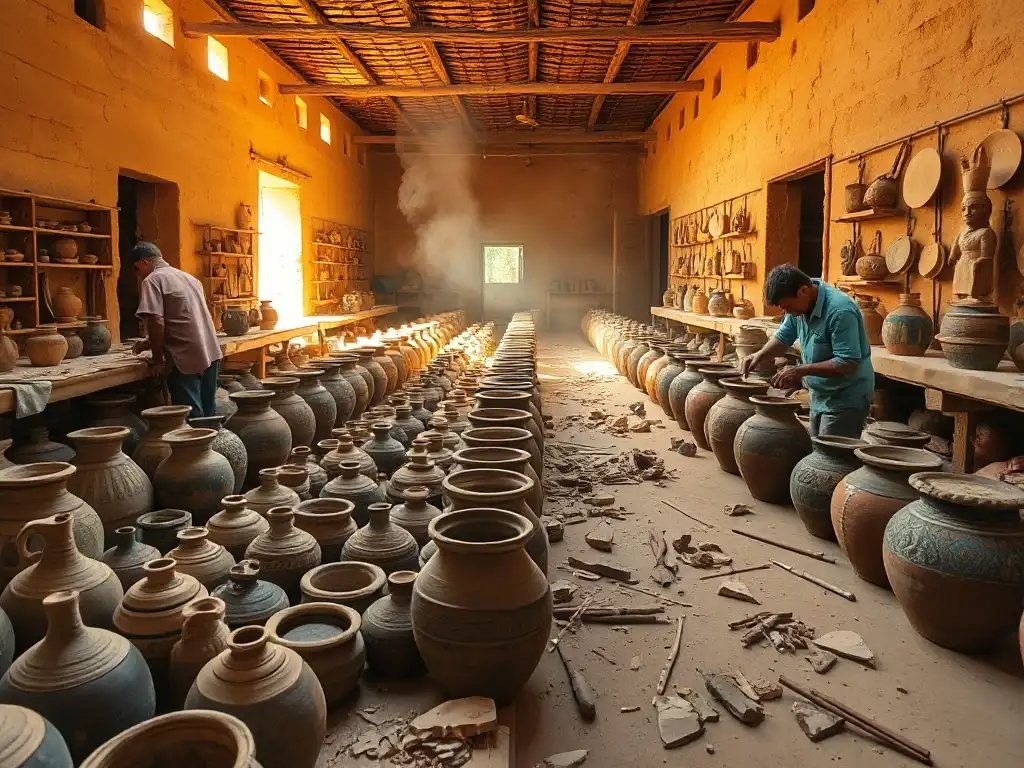
Step into a world lost to time, where artistry and innovation thrived in the shadow of the Andes. Discover the secrets of a vanished empire, as we delve into the fascinating world of Andean civilizations. Prepare to be amazed by the ingenuity of the Moche people, and their mastery of Moche pottery production techniques. Their vibrant ceramics whisper tales of a sophisticated society—but what secrets do their intricate designs truly hold? Uncover the answers within...
The Moche civilization (c. 100 – 800 CE), flourishing along the northern coast of Peru, left behind a remarkable legacy: a vast corpus of intricately crafted ceramics. These aren't simply vessels; they are vibrant windows into the Moche worldview, depicting scenes of daily life, mythology, warfare, and ritual.
Understanding how these stunning pieces were produced is crucial to appreciating their artistry and cultural significance. This article delves into the fascinating world of Moche ceramic workshops, exploring the archaeological evidence that reveals their production techniques and sheds light on the sophisticated organization and expertise of Moche artisans.
We will uncover the secrets behind the creation of these iconic pieces, examining the raw materials, tools, and processes involved in transforming humble clay into breathtaking works of art that continue to captivate us today. This exploration of Moche pottery production techniques will provide a deeper understanding of this remarkable civilization's artistic achievements and social structure.
Introduction to Moche Pottery and its Significance
Moche pottery is renowned for its exceptional quality and detailed artistry. Unlike many other ancient cultures, Moche ceramics weren't solely utilitarian; they served vital social and religious functions. The intricate depictions found on these vessels—from portraits of rulers and elites to scenes of hunting, feasting, and ritual sacrifices—provide invaluable insights into Moche society, beliefs, and daily life.
The stylistic consistency across vast quantities of pottery suggests a highly organized system of production, likely involving specialized workshops and a division of labor among artisans. The sheer volume of surviving pottery, discovered in tombs, temples, and domestic contexts, testifies to the scale and importance of ceramic production within Moche society. Different styles and types of pottery also suggest social stratification and specialized uses, ranging from everyday domestic ware to elaborate funerary objects.
The vibrant colors, lifelike depictions, and technical mastery displayed in Moche ceramics continue to amaze archaeologists and art historians alike, making them a cornerstone of our understanding of this fascinating civilization. The use of slip, paint, and modeling techniques resulted in a diverse range of finishes, from highly polished surfaces to textured effects, further enhancing the artistic expression. The detailed representations of flora, fauna, and human figures demonstrate a remarkable understanding of both the natural world and the complexities of Moche society.
Archaeological Evidence of Moche Ceramic Workshops
Archaeological excavations at several Moche sites have unearthed compelling evidence of specialized ceramic workshops. These discoveries include not only finished pottery but also discarded materials, such as broken pots, wasters (failed attempts), and tools used in the production process. The presence of large quantities of these materials in specific locations strongly suggests the existence of dedicated workshops where artisans worked collectively. For example, at [Site name pending], archaeologists found evidence of kilns, suggesting on-site firing of the pottery.
Furthermore, the discovery of numerous molds and stamps indicates the use of standardized production techniques to create repetitive elements and decorative motifs. The analysis of clay samples reveals the sourcing of raw materials from specific locations, suggesting a complex logistical network for supplying workshops with the necessary resources. Furthermore, the presence of different types of tools, ranging from simple hand tools to more sophisticated implements, showcases the range of skills and techniques employed by Moche artisans.
The organization of these workshops, evidenced by the spatial arrangement of artifacts and the presence of specialized tools, likely reflects a hierarchical structure within the craft production system. The discovery of incomplete or damaged pieces provides valuable insight into the production process itself, allowing researchers to reconstruct the steps involved in creating these masterpieces. Further research and analysis of these sites are needed to fully understand the complexities of Moche ceramic production.
Location and Structure of Moche Pottery Centers
Identifying Moche Ceramic Production Sites
Archaeological investigations have revealed numerous sites across the Moche heartland that bear evidence of significant ceramic production. These sites are often identified by the presence of large quantities of ceramic debris, including broken vessels, discarded clay lumps, and kiln remnants. The concentration of these materials, alongside the discovery of tools used in pottery making, provides strong evidence for dedicated workshop areas.
For example, the site of [Specific Site Name Pending] shows a high density of Moche pottery shards, suggesting a large-scale production center. Other telltale signs include the presence of specialized structures, such as kilns and storage facilities, which further support the identification of these locations as Moche ceramic workshops.
Careful stratigraphic analysis – examining the layers of soil and artifacts – also helps determine the chronology of production and the duration of workshop activity at these sites. The identification of these sites is crucial to understanding the organization and scale of Moche pottery production.
Layout and Organization of Moche Workshops
The layout and organization of Moche ceramic workshops varied depending on the scale of production and the specific needs of the artisans. Some workshops appear to have been relatively small, perhaps operated by a single family or a small group of potters, while others were large-scale operations involving numerous individuals specializing in different stages of the production process. Evidence suggests a degree of specialization, with some workshops focusing on specific types of vessels or decorative styles.
For instance, some sites may predominantly yield ceremonial vessels, while others specialize in everyday utilitarian wares. The arrangement of structures within a workshop complex could reflect this specialization, with separate areas dedicated to clay preparation, vessel forming, painting, and firing. The presence of storage areas for raw materials and finished products further underscores the organized nature of these production centers.
Analysis of the spatial distribution of artifacts within these workshops provides valuable insights into the workflow and the division of labor among Moche potters. Further research is needed to fully understand the organizational complexities of these workshops.
Raw Materials Used in Moche Ceramic Production
The creation of the iconic Moche ceramics relied on a careful selection and preparation of high-quality raw materials. The success of their pottery depended heavily on the sourcing and processing of these materials.
Sourcing and Preparation of Clay for Moche Vessels
Moche potters sourced their clay from local deposits, carefully selecting materials with appropriate plasticity and firing properties. The type of clay varied depending on the location and availability of resources, leading to regional variations in the final product. The clay was then meticulously prepared through a series of processes, including washing, sieving, and tempering. Washing removed impurities and unwanted particles, while sieving ensured a uniform consistency.
Tempering, the addition of non-plastic materials such as crushed rock or shell, improved the clay's workability and reduced shrinkage during firing, resulting in stronger and less prone to cracking vessels. The specific tempering materials used also varied depending on regional availability and the desired properties of the final product, demonstrating a sophisticated understanding of material science. The meticulous preparation of the clay was a critical stage in the Moche pottery-making process, directly impacting the quality and durability of the finished vessels.
Use of Pigments and Slip in Moche Ceramics
The vibrant colors and intricate designs that characterize Moche pottery were achieved through the skillful application of pigments and slips. Slips, a diluted clay suspension, acted as a base coat, providing a smooth surface for the pigments to adhere to and enhancing the vessel's overall appearance. A wide range of pigments, derived from both natural and mineral sources, were used to create a diverse palette of colors.
Red, black, white, and yellow were common, often used in combination to produce complex polychrome effects. The pigments were finely ground and mixed with a binder, such as gum arabic, to create a paint-like consistency. The application techniques varied, with some designs achieved through brushwork and others through stenciling or other methods.
The precise composition and application of pigments and slips were crucial in achieving the characteristic brilliance and longevity of Moche ceramic decoration. The mastery of these techniques is a testament to the advanced artistic skills of Moche artisans. Further research on pigment analysis can provide a deeper understanding of their sourcing and preparation methods.
Moche Pottery Production Techniques: A Step-by-Step Guide
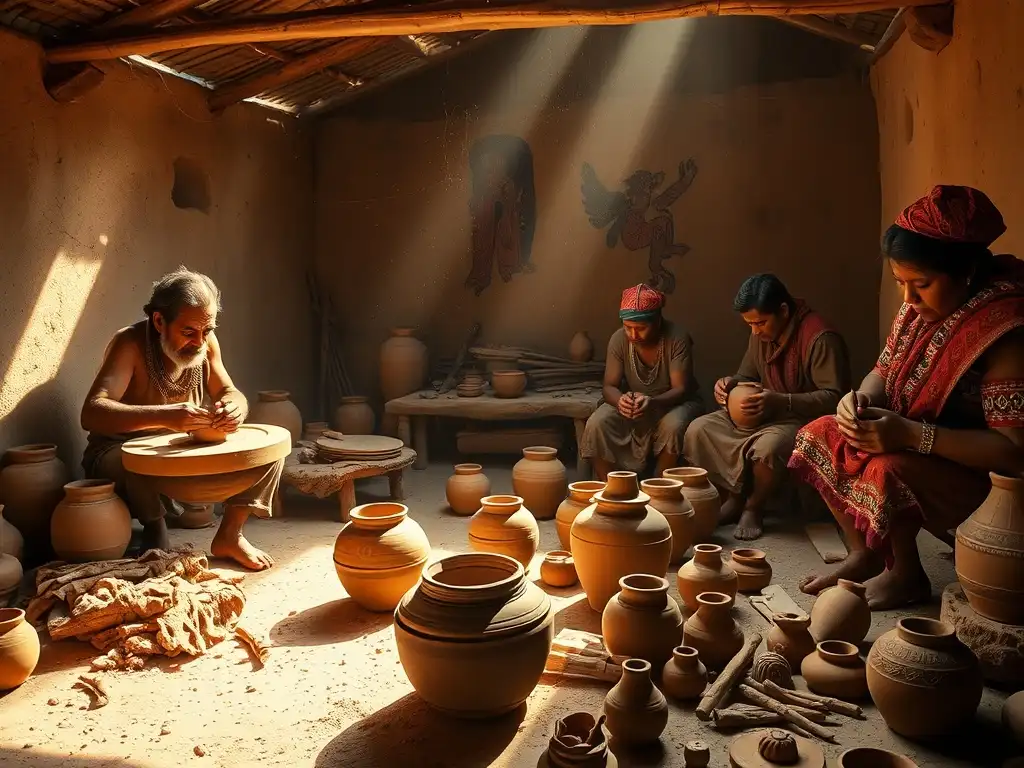
The mastery of Moche pottery production techniques is a testament to the advanced technological capabilities of this ancient civilization. Their ceramic artistry, renowned for its intricate detail and vibrant colors, involved a complex process that combined skill, artistry, and an understanding of materials. From the initial shaping of the clay to the final firing, each step played a crucial role in creating the iconic Moche vessels we admire today.
Understanding these techniques provides valuable insight into the society's social structure, religious beliefs, and daily life, as the pottery often depicts scenes of warfare, rituals, and everyday activities. The sheer volume of surviving Moche pottery also indicates a sophisticated and well-organized production system, likely involving specialized workshops and a division of labor.
This suggests a significant economic role for pottery production within the Moche society. Further research continues to uncover even more nuanced aspects of their production methods, refining our understanding of this remarkable cultural achievement.
Hand-Building Techniques in Moche Pottery
Many Moche vessels were created using hand-building techniques, demonstrating remarkable dexterity and precision. These techniques, passed down through generations, involved carefully shaping coils of clay, meticulously smoothing the surfaces, and achieving a remarkable level of consistency in form and size. Evidence suggests that the potters used various tools, including simple implements made from bone, wood, and stone, to refine the clay and create intricate details. The process was undoubtedly labor-intensive, requiring significant skill and patience.
The remarkable uniformity seen in many Moche pieces suggests a high degree of standardization within the workshops, perhaps reflecting a system of apprenticeship or specialized roles within the production process. Analyzing surviving fragments and comparing them across different sites sheds light on the regional variations and stylistic preferences within the Moche ceramic tradition. The absence of the potter's wheel in many stages of production highlights the sophistication of hand-building techniques.
Use of Molds in Moche Ceramic Production
While hand-building was prevalent, the Moche also employed molds to create certain types of pottery, particularly for mass-producing standardized forms or for replicating complex designs. These molds, often made from clay itself, allowed for efficient production of similar pieces, ensuring consistency in shape and size. The use of molds enabled the potters to concentrate on the decorative aspects of the vessels, freeing up time and resources.
This efficient production method is evident in the large quantities of similar, yet still richly decorated, Moche vessels that have been excavated. The quality of the molds and the precision with which they were used show a high level of technical expertise, suggesting a level of planning and organization rarely seen in other contemporary cultures. Further studies on the mold-making techniques used by the Moche could reveal more about their production processes and the organization of their ceramic workshops.
The Role of the Potter's Wheel in Moche Pottery
While the potter's wheel was not universally employed in Moche pottery production, evidence suggests its limited use, particularly in the creation of certain types of vessels. The presence of some vessels exhibiting rotational symmetry hints at the use of a slow-turning wheel, possibly a simple, hand-operated version. This contrasts with the prevalent hand-building techniques, suggesting a strategic use of the wheel to achieve specific shapes or sizes, rather than a complete reliance on this technology.
The integration of wheel-thrown elements within predominantly hand-built pieces adds another layer of complexity to the understanding of Moche ceramic production. It's likely that the potter's wheel wasn't as widespread or essential as in other contemporaneous cultures, perhaps due to a preference for the aesthetic qualities achieved through hand-building or to the specific needs of their ceramic designs.
Firing Processes in Moche Ceramic Manufacturing
The firing process was crucial in achieving the durability and aesthetic qualities of Moche pottery. Archaeological evidence suggests that the Moche employed open-air kilns, possibly using various fuels like wood or dung. The precise temperatures and duration of firing would have influenced the final color and texture of the vessels. Variations in firing techniques might explain the differences in color and texture observed in different Moche pieces.
The control over the firing process demonstrates a sophisticated understanding of material science and its impact on the final product. Further research is needed to fully understand the nuances of the Moche firing techniques and their impact on the quality and consistency of their pottery. Analyzing the chemical composition of the clay and the fired vessels can help shed light on the firing temperatures and atmospheric conditions used.
Decorative Techniques and Styles in Moche Ceramics
Moche ceramic decoration is renowned for its exquisite detail and vibrant colors, reflecting the rich cultural and religious beliefs of the civilization. The application of slip, paint, and various surface finishing techniques created visually stunning pieces that served both practical and symbolic purposes. The iconography depicted on these vessels offers invaluable insights into their worldview and societal structures. The evolution of decorative styles over time also provides a chronological framework for understanding the development of Moche culture.
Iconography and Motifs in Moche Pottery
The iconography found on Moche pottery is remarkably diverse and detailed, depicting a wide range of subjects, including deities, mythical creatures, scenes of daily life, and depictions of warfare and rituals. The consistent use of specific motifs across different vessels suggests a shared cultural understanding and belief system. The intricate details and expressive style of these depictions testify to the artistic skill and creativity of the Moche potters.
The iconography provides invaluable insights into Moche religious beliefs, social structures, and daily life. Careful study of these images reveals a rich tapestry of meaning and symbolism, offering a window into the worldview of this ancient civilization. Detailed analysis of the iconographic elements also helps in dating and classifying the pottery, providing valuable insights into the chronology and regional variations of Moche art.
Application of Slip and Paint in Moche Vessels
The application of slip and paint was crucial in achieving the vibrant colors and glossy finish characteristic of Moche ceramics. Slip, a liquid clay suspension, served as a base coat, improving the adhesion of the paint and enhancing the vessel’s durability. The paints themselves were likely derived from natural pigments, such as minerals and plant extracts, which were meticulously ground and mixed to create a range of colors.
The skilled application of these paints, often using fine brushes or other tools, created intricate designs and detailed imagery. Analyzing the chemical composition of the pigments and the application techniques can reveal further details about the materials and processes used by the Moche potters. The precision and artistry of their paintwork showcase their mastery of these techniques.
Surface Finishing Techniques in Moche Ceramics
Beyond the application of slip and paint, the Moche employed various surface finishing techniques to enhance the aesthetic appeal and durability of their pottery. These techniques included polishing, burnishing, and incision, each contributing to the unique visual characteristics of their vessels. Polishing created a smooth, glossy surface, while burnishing imparted a sheen. Incision, the carving of lines and patterns into the surface of the clay, added another layer of detail and complexity to the designs.
The combination of these techniques, along with the use of slip and paint, created visually stunning and highly durable vessels. The mastery of these techniques demonstrates the high level of skill and artistic sophistication of Moche potters. Examining the different finishing techniques employed on various Moche vessels helps to categorize and date them, providing crucial information for understanding the evolution of Moche ceramic art.
The Moche pottery workshops were not simply places of production; they were integral to the social and economic fabric of Moche society. The creation of pottery, particularly the elaborate and highly stylized pieces found in elite tombs, served as a powerful symbol of status and power. The workshops themselves likely employed a significant portion of the population, contributing substantially to the Moche economy.
The scale of production, evidenced by the sheer volume of ceramics discovered at various sites, suggests a well-organized and efficient system. Control over the production and distribution of pottery likely resided with the elite, solidifying their influence and authority. The workshops, therefore, acted as both economic engines and instruments of social control, reflecting the hierarchical structure of Moche society.
Furthermore, the demand for specific types of pottery, like those used in religious ceremonies or elite burials, influenced the types of workshops established and the specialization of labor within them. The economic success of these workshops directly contributed to the overall prosperity and stability of Moche settlements. The intricate designs and high quality of the pottery also suggest a level of skill and artistry that was highly valued, further underscoring the importance of these workshops in the Moche worldview.
Specialization and Labor in Moche Ceramic Production
Evidence suggests a high degree of specialization within Moche ceramic production. Archaeological excavations have revealed workshops containing specialized tools and equipment, indicating distinct tasks such as clay preparation, shaping, painting, and firing. It's likely that different individuals or groups were responsible for each stage of the process, fostering expertise and efficiency.
The complexity of some Moche pottery, with its intricate designs and vibrant colors, points to a division of labor that involved highly skilled artisans. Some individuals may have focused on creating the basic forms, while others specialized in applying intricate details and vibrant pigments. The presence of apprentices is also likely, as evidenced by the variation in quality found in some assemblages.
This division of labor not only increased productivity but also ensured the maintenance of high standards of craftsmanship, contributing to the renowned quality of Moche pottery. The organization of labor within these workshops likely reflected the broader social structure of Moche society, with specialized roles and hierarchies determining the tasks and responsibilities of individual workers.
Trade and Distribution of Moche Pottery
The widespread distribution of Moche pottery across a vast geographical area points to a well-established trade network. The presence of Moche ceramics in sites far from the main production centers suggests that these items were highly valued trade goods. This trade likely involved both local exchange and long-distance networks, connecting the Moche with other societies along the coast and possibly even in the Andes.
The types of pottery traded might have varied depending on the destination and the preferences of the recipient communities. Elite-style pottery, with its intricate designs and high quality, may have been reserved for high-status exchanges, while simpler wares may have been used for more everyday trade.
The economic impact of this trade was significant, contributing to the wealth and prosperity of the Moche state. Further research into the distribution patterns of Moche pottery can help us to better understand the extent and complexity of the Moche trade network and the role it played in shaping their society.
Analysis of Moche Pottery Production: A Technological Perspective
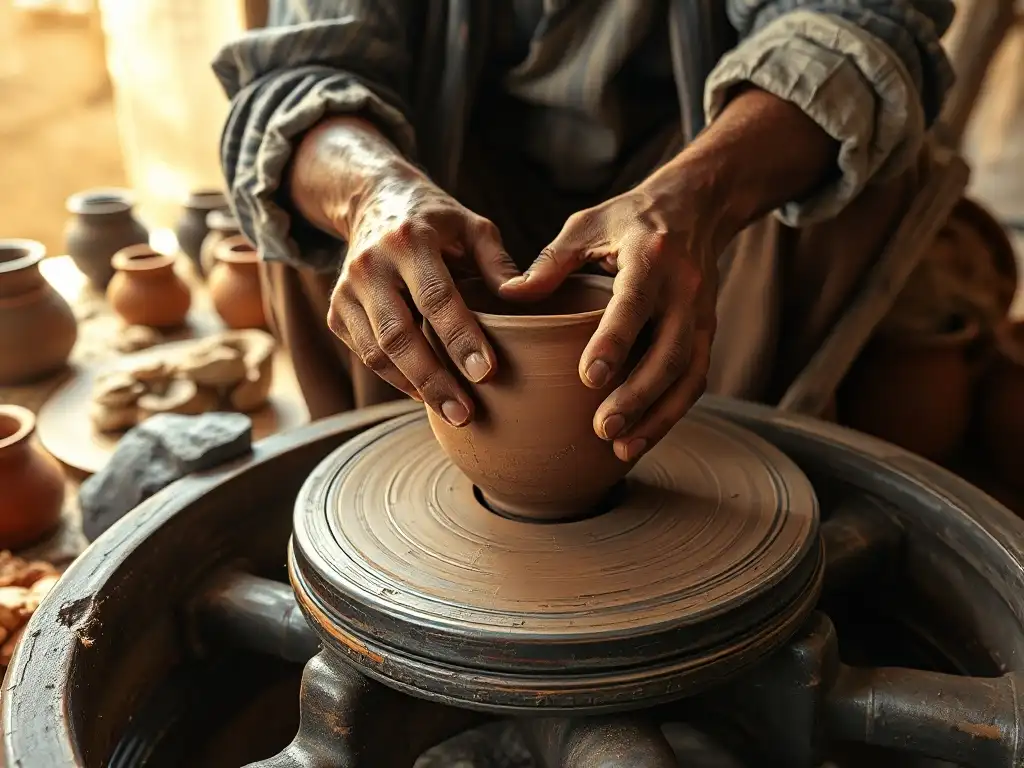
The technological sophistication of Moche pottery production is remarkable, reflecting advanced understanding of materials and techniques. Analyzing the clay sources, pigments, and firing techniques employed provides valuable insights into their manufacturing processes.
Advanced Analyses of Moche Ceramic Materials
Modern scientific techniques, such as X-ray fluorescence (XRF) and petrographic analysis, are used to analyze the chemical composition of Moche pottery. These analyses reveal the specific clay sources used, providing information about the procurement and distribution of raw materials. Furthermore, the identification of pigments and their sources sheds light on the Moche's knowledge of natural resources and their ability to create vibrant colors. Studies of the firing techniques used provide information on kiln design and firing temperatures, demonstrating their understanding of ceramic technology.
These advanced analyses help to reconstruct the manufacturing process with greater precision, illuminating the technological achievements of the Moche artisans. For instance, the precise control over firing temperatures allowed them to achieve the characteristic strength and durability of their pottery. The sourcing of materials also reveals trade networks and resource management strategies employed by the Moche.
Insights into Moche Production Organization
The analysis of Moche pottery production reveals a highly organized and efficient system. The standardization of forms and decoration in many ceramic types suggests mass production techniques, while the presence of unique pieces demonstrates the ability to produce specialized items as well. The distribution of workshops across different locations suggests a decentralized production system, with various centers catering to local demands and also contributing to a wider network of exchange.
The organization of workshops likely reflected the social and political structure of Moche society, with different workshops possibly catering to different social groups or specialized needs. The study of production organization, therefore, provides valuable insights into the social, economic, and political aspects of Moche civilization.
The evidence of specialization, standardization, and control over resources highlights the advanced organizational capabilities of this ancient society. The interplay between technological advancement, social organization, and economic factors shaped the Moche pottery production system, leaving behind a legacy of remarkable ceramic artistry.
Legacy and Influence of Moche Ceramic Techniques
The sophisticated Moche pottery production techniques weren't simply lost to time. Their influence reverberates through subsequent Andean cultures and continues to fascinate contemporary artisans and scholars alike. The mastery of slipware, the intricate modeling, and the vibrant polychromy seen in Moche ceramics served as a clear model for later ceramic traditions in the region. For example, the Chimú, who succeeded the Moche, adopted and adapted many of these techniques, though often with a stylistic shift towards a more geometric and less naturalistic representation.
The precision in creating incredibly detailed molds, for instance, clearly influenced the development of ceramic production in later periods. This inheritance is evident in the continuity of certain motifs and decorative styles, although the specific techniques might have evolved or been refined. Furthermore, the study of Moche pottery techniques provides invaluable insights into the broader technological advancements of the Andean region.
Their understanding of materials, firing processes, and the creation of durable pigments remains a source of ongoing investigation and inspires modern ceramic artists to explore innovative approaches to their craft. The legacy of Moche pottery production techniques isn't just aesthetic; it's a testament to the ingenuity and skill of the ancient artisans and their lasting impact on Andean cultural heritage. Understanding their methods allows us to appreciate not only the beauty of the artifacts but also the sophisticated technological knowledge that underpinned their creation.
Conclusion: The Enduring Craftsmanship of Moche Potters
The study of Moche pottery production techniques reveals a remarkable level of skill and artistry. The potters, working within their specialized workshops, demonstrated an exceptional understanding of materials science, engineering, and artistic expression. Their ability to create such intricate and lifelike representations, from portraits of individuals to depictions of mythological beings and scenes of daily life, showcases their expertise.
The meticulous processes involved, from the careful selection of clays to the precise application of paints and the controlled firing techniques, point to a highly organized and skilled workforce. The surviving ceramics not only serve as beautiful objects but also as invaluable sources of information about Moche society, beliefs, and daily life. The enduring appeal of Moche pottery lies in its unique blend of technical prowess and artistic creativity.
This enduring craftsmanship continues to inspire awe and admiration, highlighting the ingenuity and dedication of the Moche potters and their lasting contribution to the world of art and archaeology. The meticulous attention to detail, the innovative use of materials, and the expressive power of their work solidify their place as masters of their craft, leaving an undeniable legacy that continues to captivate and inspire. The legacy of the Moche potters is one of both artistic excellence and technological innovation – a testament to the human capacity for creativity and ingenuity.
- Introduction to Moche Pottery and its Significance
- Archaeological Evidence of Moche Ceramic Workshops
- Location and Structure of Moche Pottery Centers
- Raw Materials Used in Moche Ceramic Production
- Moche Pottery Production Techniques: A Step-by-Step Guide
- Decorative Techniques and Styles in Moche Ceramics
- The Social and Economic Role of Moche Pottery Workshops
- Analysis of Moche Pottery Production: A Technological Perspective
- Legacy and Influence of Moche Ceramic Techniques
- Conclusion: The Enduring Craftsmanship of Moche Potters
Frequently Asked Questions
What materials did the Moche use for their pottery?
The Moche primarily used clay sourced from local rivers and valleys. They often added temper, such as sand or shell, to improve the clay's workability and strength. This ensured the pottery's durability.
How did Moche artisans shape their pottery vessels?
Moche potters employed various techniques, including coiling and molding. They expertly sculpted intricate forms by hand, showcasing incredible skill and artistry. Some pieces involved the use of multiple molds for complex shapes.
What were the key steps in Moche pottery production?
The process involved clay preparation, shaping, surface decoration, and firing. Painstaking attention to detail was evident in each stage. The firing process in kilns achieved the distinctive colors and finishes.
What techniques did the Moche use to decorate their pottery?
Moche pottery is renowned for its vibrant polychrome painting and detailed modeling. They used natural pigments derived from minerals and plants to create intricate designs and scenes. They also employed negative painting techniques.
How did the Moche's pottery production reflect their society?
Moche pottery provides invaluable insights into their social structures, religious beliefs, and daily life. Depictions of ceremonies, mythological figures, and everyday activities are abundant, reflecting their rich culture.
Final Reflection: Echoes of the Moche: A Legacy in Clay
The meticulous craftsmanship evident in Moche ceramics continues to resonate today, a testament to the ingenuity and artistry of a civilization lost to time. Understanding their production techniques isn't simply an academic exercise; it's a window into a complex society, revealing their social structures, religious beliefs, and unparalleled artistic skill. The enduring beauty and technical sophistication of their pottery challenge our modern sensibilities and inspire awe.
The influence of Moche pottery extends far beyond the dusty archaeological sites of Peru. Their innovative techniques, from slipware to the masterful use of pigments, continue to inspire contemporary artists and potters. Their legacy is a powerful reminder of the interconnectedness of human creativity across millennia. The past is never dead. It's not even past.
- William Faulkner. This quote perfectly encapsulates the enduring relevance of understanding Moche pottery production; their techniques are not merely historical artifacts, but living threads connecting us to a vibrant and sophisticated past.
Consider the intricate details, the vibrant colors, the sheer artistry poured into each vessel. Now, imagine yourself as a Moche artisan, your hands shaping the clay, your mind envisioning the final form. Take a moment to appreciate the dedication and skill required to create such masterpieces. Let the legacy of the Moche inspire you to explore your own creativity, to find the beauty in the process of creation, and to appreciate the enduring power of human ingenuity. Let their echoes resonate within you, urging you to discover the artist within.
Unveil the Secrets of Moche Ceramics!
Thank you for exploring the fascinating world of Moche ceramic artistry! Your interest in these ancient production techniques is vital to preserving the rich cultural heritage of the Andes. Now that you've gained valuable insights, let's explore ways to further engage with this captivating subject.
Here are some suggestions:
- Take a pottery class: Experience the art of ceramics firsthand and connect with the spirit of the Moche artisans.
- Share your knowledge: Post about Moche ceramics on social media using the hashtag #AndeanCeramics to educate others and encourage discussion.
- Visit a museum: See stunning examples of Moche craftsmanship up close by visiting a museum or exhibition featuring Andean artifacts.
What aspects of Moche ceramic techniques most captivate you, and how might they inspire your own creative work?